

Search Result
Results for "
SARS-CoV-IN-1
" in MedChemExpress (MCE) Product Catalog:
1
Biochemical Assay Reagents
6
Isotope-Labeled Compounds
| Cat. No. |
Product Name |
Target |
Research Areas |
Chemical Structure |
-
- HY-108477
-
|
TMP 1363
|
G-quadruplex
Telomerase
Cholinesterase (ChE)
SARS-CoV
|
Cancer
|
|
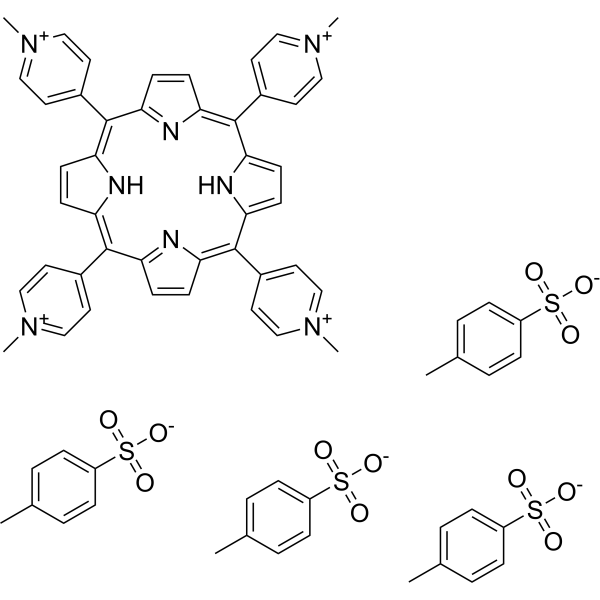
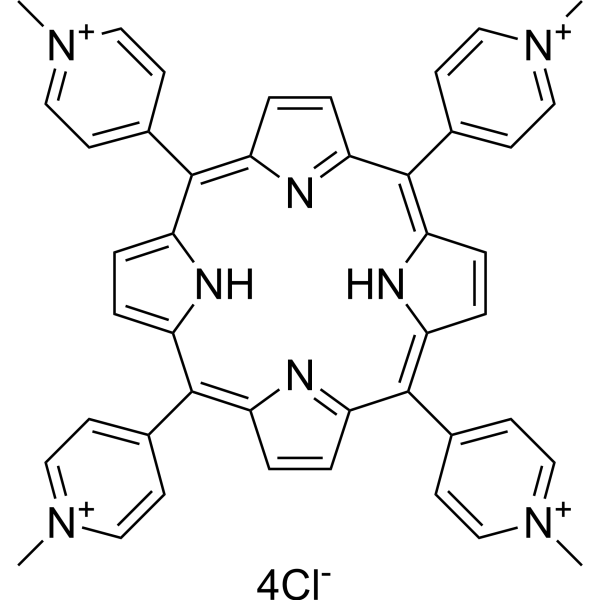
TMPyP4 tosylate (TMP 1363) is a quadruplex-specific ligand. TMPyP4 tosylate inhibits the interaction between G-quadruplexes and IGF-1. TMPyP4 tosylate is a telomerase inhibitor and inhibits cancer cells proliferation. TMPyP4 tosylate is also a stabilizer of nucleic acid secondary structure and an acetylcholinesterase inhibitor. Besides, TMPyP4 tosylate has antiviral activity against SARS-CoV-2 .
|
-
-
- HY-B0462
-
-
-
- HY-17470
-
|
NSC 289637; HE 69
|
HCV
SARS-CoV
Antibiotic
Parasite
|
Inflammation/Immunology
|
|
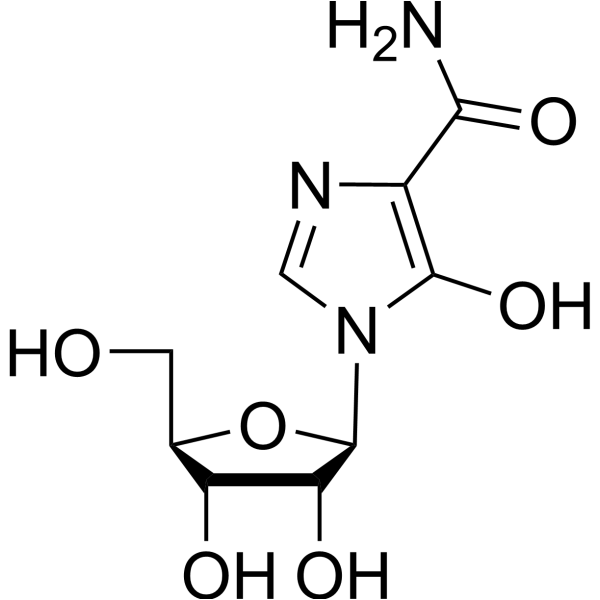
Mizoribine (NSC 289637), an imidazole nucleoside, inhibits HCV RNA replication with IC50 of approximately 100 μM for anti-HCV activity. Immunosuppressant [1]. Mizoribine, an IMPDH inhibitor, inhibits replication of SARS-CoV with IC50s of 3.5 μg/mL and 16 μg/mL for SARS-CoV Frankfurt-1 and SARS-CoV HKU39849, respectively .
|
-
-
- HY-100575
-
|
AcriflavINium chloride 3,6-AcridINediamINe mix
|
Environmental Pollutants
Fluorescent Dye
Monocarboxylate Transporter
Bacterial
Fungal
HIF/HIF Prolyl-Hydroxylase
SARS-CoV
|
Infection
Cancer
|
|
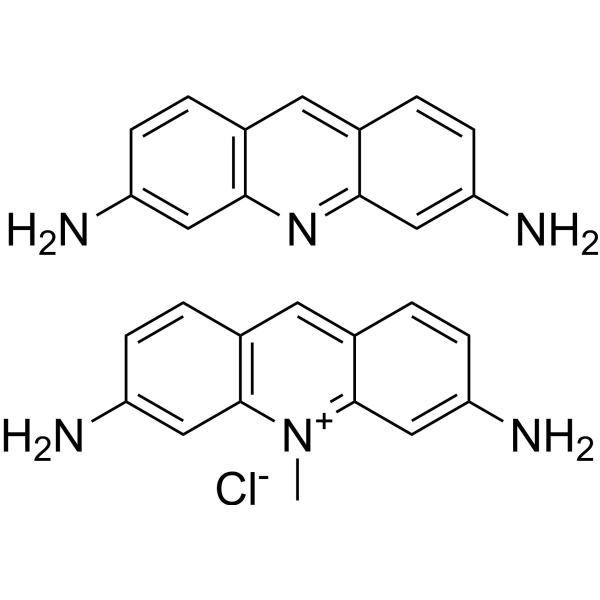
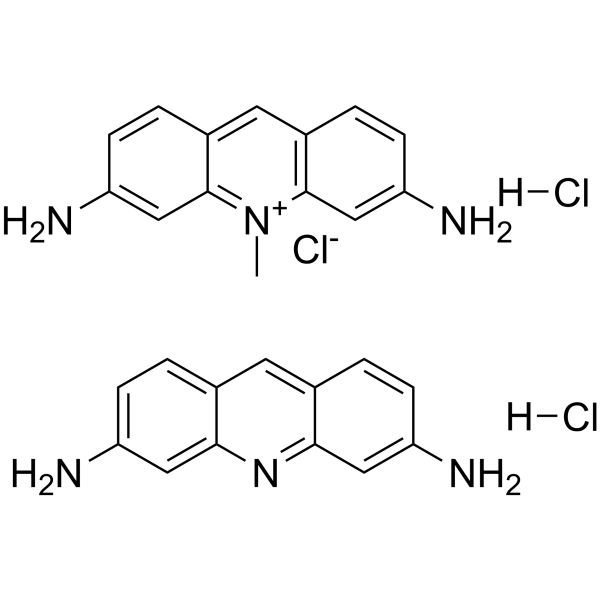
Acriflavine (Acriflavinium chloride) is a fluorescent acridine dye that can be used to label nucleic acid. Acriflavine is an antiseptic agent. Acriflavine is a potent HIF-1 inhibitor that prevents the dimerization of HIF-1α and HIF-1β subunits. Acriflavine inhibits the interaction between monocarboxylate transporter 4 (MCT4) and Basigin. Acriflavine is used in cancer research, such as breast cancer, brain tumor and chronic myeloid leukemia. Acriflavine is a potent papain-like protease (PLpro) inhibitor, which inhibits SARS-CoV-2 .
|
-
-
- HY-P99376
-
|
OMS 721; Anti-MASP2 Reference Antibody (narsoplimab)
|
SARS-CoV
|
Infection
|
|
Narsoplimab (OMS 721) is a high-affinity fully human immunoglobulin gamma 4 (IgG4) monoclonal antibody that binds MASP-2 and blocks lectin pathway activation. Narsoplimab can be used in research of hematopoietic stem-cell transplantation and SARS-CoV-2 .
|
-
-
- HY-137048
-
|
|
SARS-CoV
HIV
HCV
|
Infection
|
|
PF-00835231 is a CoV-2 cysteine 3C-like protease (3CL pro) inhibitor, with IC50s of 0.27 nM and 4 nM for SARS CoV-2 and SARS CoV-1 3CL pro, respectively. PF-00835231 is developed for the research of anti-SARS-CoV-2/COVID-19. PF-00835231 can inhibit cell infections and also suppress infections in animal models [1] .
|
-
-
- HY-P99947
-
|
XVR011
|
SARS-CoV
|
Infection
|
|
Rimteravimab (XVR011) is a bivalent VHH-Fc antibody with potent neutralizing activity with high stability, broad coverage and silenced Fc effector functions against the disease caused by SARS-CoV-2 .
|
-
-
- HY-A0081
-
|
|
Dopamine Receptor
SARS-CoV
Sodium Channel
|
Neurological Disease
Cancer
|
|
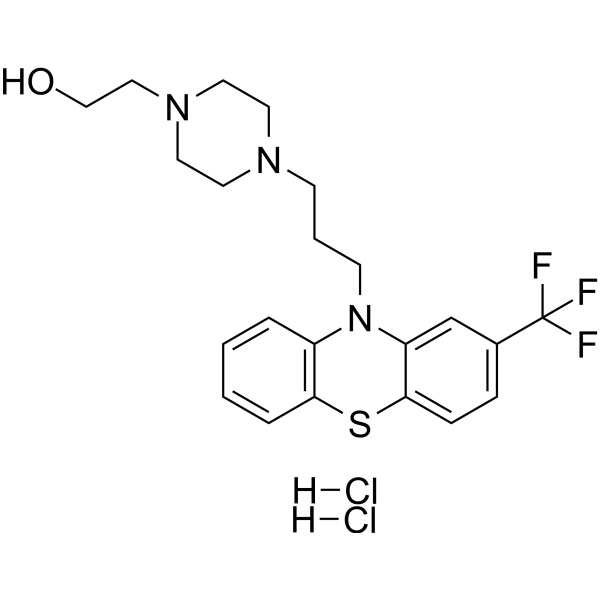
Fluphenazine dihydrochloride is a potent, orally active phenothiazine-based dopamine receptor antagonist. Fluphenazine dihydrochloride blocks neuronal voltage-gated sodium channels. Fluphenazine dihydrochloride acts primarily through antagonism of postsynaptic dopamine-2 receptors in mesolimbic, nigrostriatal, and tuberoinfundibular neural pathways. Fluphenazine dihydrochloride can antagonize Methylphenidate-induced stereotyped gnawing and inhibit climbing behaviour in mice. Fluphenazine dihydrochloride can be used for researching psychosis and painful peripheral neuropathy associated with diabetes and has potential to inhibit SARS-CoV-2 .
|
-
-
- HY-W088075
-
|
AcriflavINium chloride hydrochloride
|
Fluorescent Dye
HIF/HIF Prolyl-Hydroxylase
Bacterial
SARS-CoV
Monocarboxylate Transporter
Fungal
|
Infection
Cancer
|
|
Acriflavine (Acriflavinium chloride) hydrochloride is a fluorescent acridine dye that can be used to label nucleic acid. Acriflavine hydrochloride is an antiseptic agent. Acriflavine hydrochloride is a potent HIF-1 inhibitor that prevents the dimerization of HIF-1α and HIF-1β subunits. Acriflavine hydrochloride inhibits the interaction between monocarboxylate transporter 4 (MCT4) and Basigin. Acriflavine hydrochloride is used in cancer research, such as breast cancer, brain tumor and chronic myeloid leukemia. Acriflavine hydrochloride is a potent papain-like protease (PLpro) inhibitor, which inhibits SARS-CoV-2 .
|
-
-
- HY-B0462A
-
-
-
- HY-16762
-
|
OZ439
|
Parasite
Ferroptosis
SARS-CoV
|
Infection
|
|
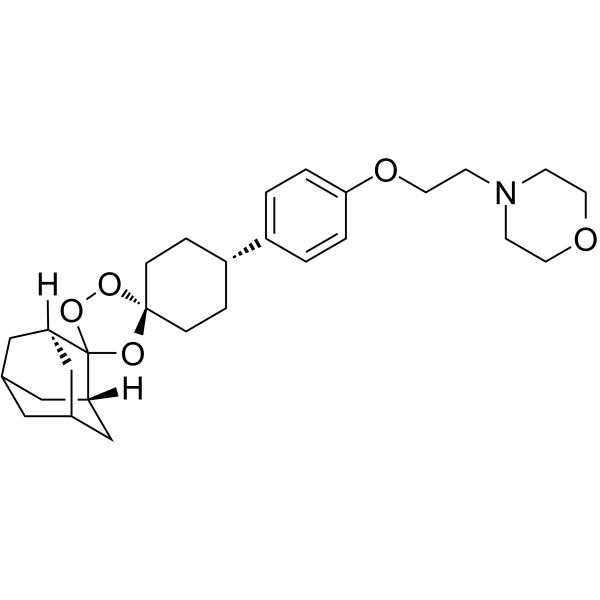
Artefenomel (OZ439) is an orally active, synthetic anti-malarial compound containing an artemisinin pharmacophore with a mechanism of action similar to that of artemisinin. Artefenomel has antiviral activity against SARS-CoV-2 .
|
-
-
- HY-145119
-
|
|
SARS-CoV
|
Infection
|
|
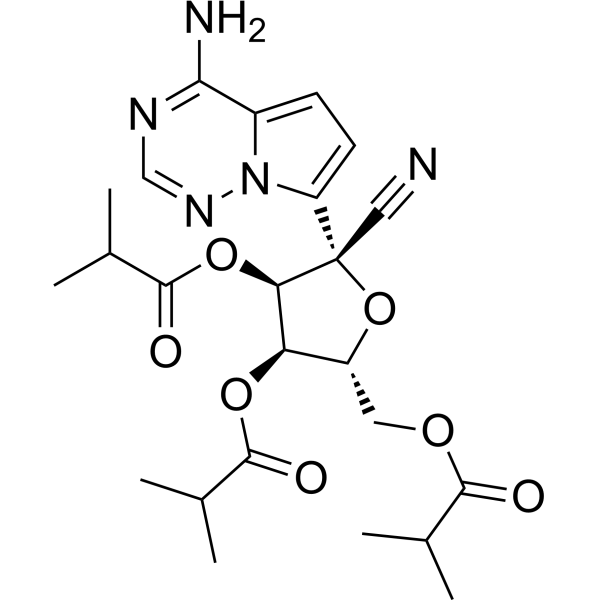
GS-621763 is an orally available precursor to GS-441524 that exhibits anti-SARS-CoV-2 viral activity in mice. GS-621763 reduces viral load to undetectable levels in ferrets infected with SARS-CoV-2 .
|
-
-
- HY-119980
-
|
|
Sodium Channel
Dopamine Receptor
SARS-CoV
|
Infection
Neurological Disease
Cancer
|
|
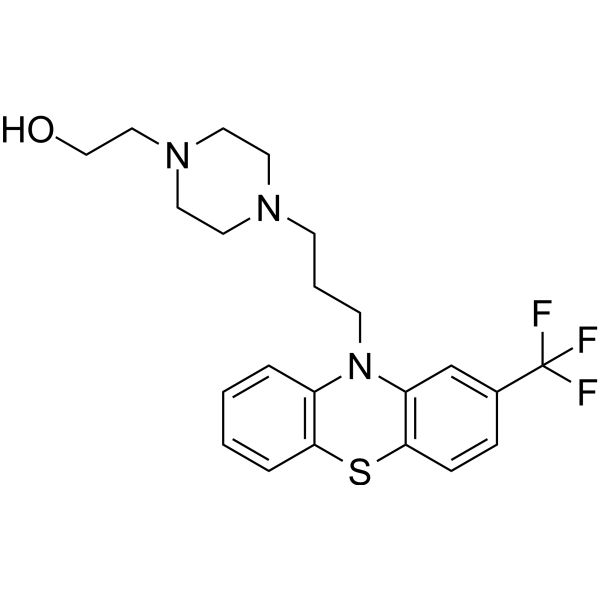
Fluphenazine is a potent, orally active phenothiazine-based dopamine receptor antagonist. Fluphenazine blocks neuronal voltage-gated sodium channels. Fluphenazine acts primarily through antagonism of postsynaptic dopamine-2 receptors in mesolimbic, nigrostriatal, and tuberoinfundibular neural pathways. Fluphenazine can antagonize Methylphenidate-induced stereotyped gnawing and inhibit climbing behaviour in mice. Fluphenazine can be used for researching psychosis and painful peripheral neuropathy associated with diabetes and has potential to inhibit SARS-CoV-2 .
|
-
-
- HY-N8599
-
-
-
- HY-153235
-
|
|
mRNA
SARS-CoV
Liposome
|
Infection
|
|
COVID-19 Spike Protein mRNA-LNP is a lipid nanoparticle (LNP) containing mRNA encoding COVID-19 Spike Protein. COVID-19 Spike Protein undertakes the functions of virus binding with host cell receptors, thereby mediating the entry of COVID-19 virus into cells. COVID-19 Spike Protein is an important site of action for host neutralizing antibodies and a key target for vaccine design. COVID-19 Spike Protein mRNA-LNP can be used for RNA delivery, vaccine formulation and design targeting SARS-CoV-2 .
|
-
-
- HY-108986
-
|
|
Sirtuin
SARS-CoV
|
Cancer
|
|
JFD00244 is a sirtuin 2 (SIRT2) inhibitor, with anti-tumor effect. JFD00244 is also a Nsp-16 inhibitor against SARS-CoV-2 .
|
-
-
- HY-145592
-
|
RO7020531; RG7854
|
Toll-like Receptor (TLR)
SARS-CoV
HBV
|
Infection
|
|
Ruzotolimod (RO7020531) is an orally active TLR7 agonist. Ruzotolimod inhibits WHV viral replication and, in combination with RO-7049389 (HY-145579), inhibits AAV-HBV viral load. Ruzotolimod can be used to study infection with COVID-19 or SARS-CoV-2 .
|
-
-
- HY-157403
-
|
|
Virus Protease
SARS-CoV
|
Infection
|
|
Jun12682 is an orally active SARS-CoV-2 papain-like protease (PL pro) inhibitor, with a Ki value of 37.7 nM and an EC50 value of 1.1 μM in the FlipGFP PL pro assay. Jun12682 has efficacy in hindering PL pro both deubiquitination and deISGylation, with Ki values of 63.5 and 38.5 nM, respectively. Jun12682 exhibits resistance in multiple PL pro mutant strains, and its enzymatic activity is comparable to that of the wild-type. Jun12682 can be used for the study of the SARS-CoV-2 .
|
-
-
- HY-N11722
-
|
|
Apoptosis
NF-κB
Keap1-Nrf2
AMPK
Autophagy
SARS-CoV
DNA Methyltransferase
|
Infection
Inflammation/Immunology
Endocrinology
|
|
Panduratin A is an orally active natural compound with multiple pharmacological activities. By specifically inhibiting the NF-κB signaling pathway, Panduratin A exerts potent anti-inflammatory and antioxidant effects in intestinal and vascular inflammation models. Panduratin A exerts a definite protective effect against Colistin (HY-113678)-induced nephrotoxicity by alleviating oxidative stress, improving mitochondrial dysfunction and inhibiting cell apoptosis. Panduratin A activates autophagy via an AMPK-dependent pathway and exhibits anti-tuberculosis activity. Panduratin A exerts antiviral effects by inhibiting the methyltransferase (DNA Methyltransferase) of SARS-CoV-2 .
|
-
-
- HY-135855
-
|
|
SARS-CoV
Parasite
|
Infection
|
|
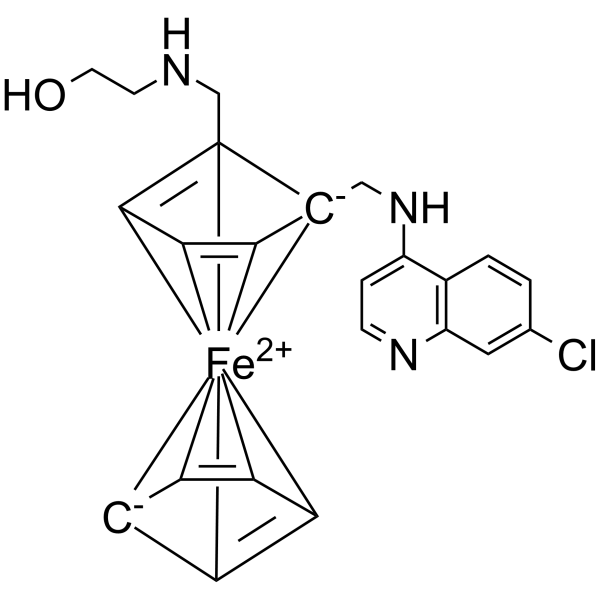
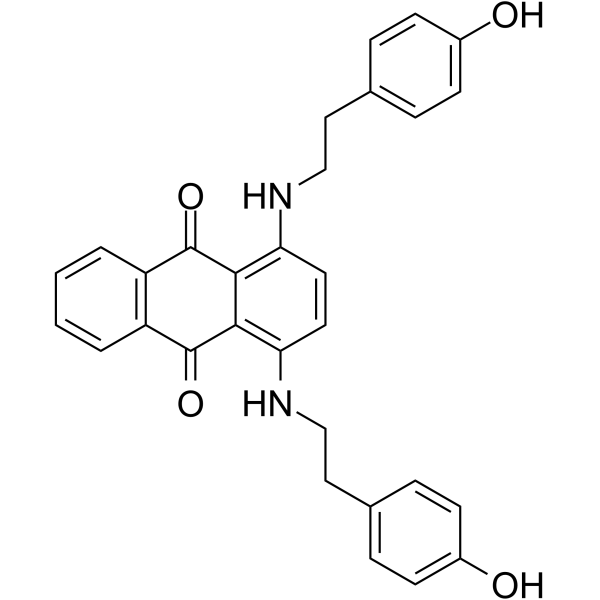
SARS-CoV-IN-1 is an effective inhibitor of SARS-CoV replication. SARS-CoV-IN-1 shows anti-Coronavirus activity with an EC50 of 4.9 μM in Vero cells. SARS-CoV-IN-1 inhibits the 3D7 and W2 strains of P. falciparum with IC50s of 15.4 and 133.2 nM; and IC90s of 25.7 and 459.1 nM; respectively. Antimalarial and antiviral activities [1].
|
-
-
- HY-17470R
-
|
NSC 289637 (Standard); HE 69 (Standard)
|
Reference Standards
HCV
SARS-CoV
Antibiotic
Parasite
|
Inflammation/Immunology
|
|
Mizoribine (Standard) is the analytical standard of Mizoribine. This product is intended for research and analytical applications. Mizoribine (NSC 289637), an imidazole nucleoside, inhibits HCV RNA replication with IC50 of approximately 100 μM for anti-HCV activity. Immunosuppressant [1]. Mizoribine, an IMPDH inhibitor, inhibits replication of SARS-CoV with IC50s of 3.5 μg/mL and 16 μg/mL for SARS-CoV Frankfurt-1 and SARS-CoV HKU39849, respectively .
|
-
-
- HY-119980S
-
|
|
Isotope-Labeled Compounds
Sodium Channel
Dopamine Receptor
SARS-CoV
|
Others
|
|
Fluphenazine-d8 is the deuterium labeled Fluphenazine. Fluphenazine is a potent, orally active phenothiazine-based dopamine receptor antagonist. Fluphenazine blocks neuronal voltage-gated sodium channels. Fluphenazine acts primarily through antagonism of postsynaptic dopamine-2 receptors in mesolimbic, nigrostriatal, and tuberoinfundibular neural pathways. Fluphenazine can antagonize Methylphenidate-induced stereotyped gnawing and inhibit climbing behaviour in mice. Fluphenazine can be used for researching psychosis and painful peripheral neuropathy associated with diabetes and has potential to inhibit SARS-CoV-2 .
|
-
-
- HY-133832
-
-
-
- HY-P99889
-
|
BRII-198
|
SARS-CoV
|
Infection
|
|
Romlusevimab (BRII-198) is a neutralizing recombinant human IgG1 monoclonal antibody against the spike protein of severe acute respiratory syndrome coronavirus 2 (SARS-CoV-2) .
|
-
-
- HY-159633
-
|
|
SARS-CoV
|
Infection
|
|
PLpro-IN-5 (compound 21) is a PLPro protease inhibitor with an IC50 value of 91.14 nM. PLpro-IN-5 shows broad-spectrum antivirus, especially for SARS-CoV, MERS-CoV, SARS-CoV-2 .
|
-
-
- HY-P3258
-
|
|
Cholinesterase (ChE)
|
Infection
|
|
SP-10 is a small peptide derived from S protein with an IC50 value of 1.88 nM for blocks the interaction between S protein and ACE2. SP-10 can be used for SARS-CoV research .
|
-
-
- HY-178156
-
|
|
Dihydroorotate Dehydrogenase
SARS-CoV
|
Infection
|
|
DHODH-IN-31 is a human dihydroorotate dehydrogenase (DHODH) inhibitor with an IC50 of 0.59 μM. DHODH-IN-31 exhibits antiviral activity. DHODH-IN-31 can be used for the research of infection, such as SARS-CoV-2 .
|
-
-
- HY-B0462AS
-
-
-
- HY-B0462R
-
-
-
- HY-178188
-
|
|
SARS-CoV
|
Infection
|
|
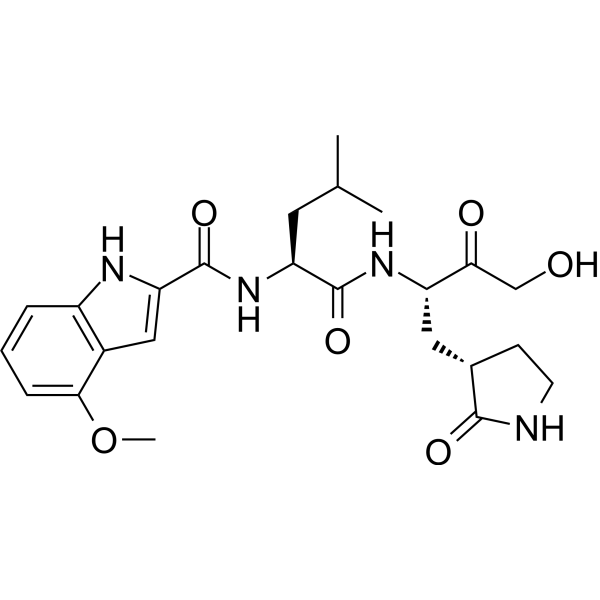
TPG-20A is a SARS-CoV-2 main protease inhibitor with an IC50 of 27.8 nM. TPG-20A also inhibits MERS-CoV main protease. TPG-20A can be used for the research of infection, such as SARS-CoV-2 .
|
-
-
- HY-161245
-
|
|
Virus Protease
Cathepsin
|
Infection
|
|
FGA146 is a dual, selective inhibitor for M pro and human Cathepsin L, with Kis of 2.19 μM, 0.96 μM and 0.87 μM, for Mal-M pro, pET21-M pro and Cathepsin L, respectively. FGA146 reveals an antiviral activity against SARS-CoV-2 .
|
-
-
- HY-175475
-
|
|
SARS-CoV
Angiotensin-converting Enzyme (ACE)
|
Infection
|
|
MolPort-010-778-422 is a high-affinity inhibitor targeting the ACE2 receptor of SARS-CoV-2 virus. MolPort-010-778-422 demonstrates excellent antiviral activity (IC50=8.9 nM). MolPort-010-778-422 is promising for research of SARS-CoV-2 .
|
-
-
- HY-149267
-
|
|
STING
SARS-CoV
|
Infection
|
|
STING agonist-30 is a potent STING agonist. STING agonist-30 exhibits STING-dependent immune activation. STING agonist-30 has extensive inhibitory effects on various viruses, including the herpes simplex virus (HSV), rotavirus, and severe acute respiratory syndrome coronavirus 2 (SARS-CoV-2) .
|
-
-
- HY-109072
-
|
|
DNA/RNA Synthesis
SARS-CoV
|
Infection
|
|
Riamilovir is an antiviral drug whose activity is primarily directed against RNA viruses. Riamilovir acts directly on the virus's RNA-dependent RNA polymerase, thereby preventing the virus from replicating. This mechanism allows Riamilovir to effectively reduce the amount of virus, accelerate the relief of symptoms, and help reduce the severity of the disease. Riamilovir can be used in the study of acute respiratory viral infections caused by new variants of SARS-CoV-2 .
|
-
-
- HY-147336
-
|
|
Drug Metabolite
|
Infection
Cardiovascular Disease
Metabolic Disease
Inflammation/Immunology
|
|
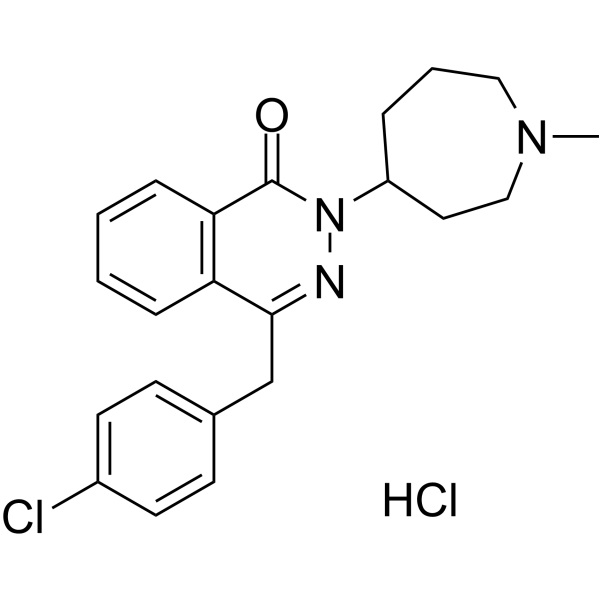
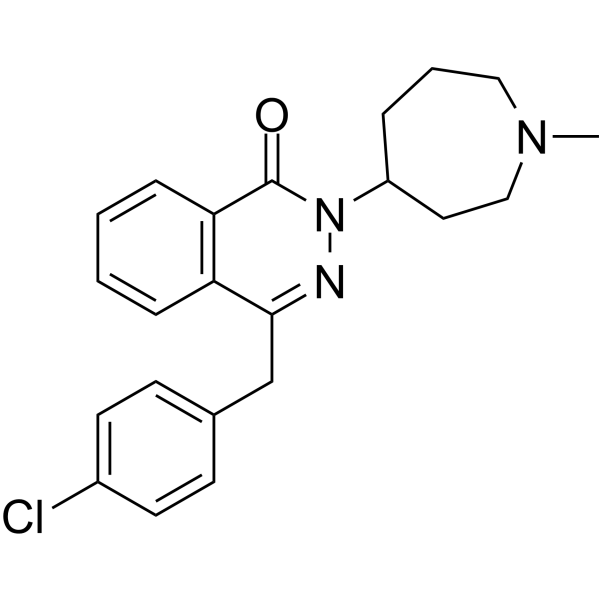
Desmethylazelastine is a main active metabolite of Azelastine that is oxidatively metabolized by the cytochrome P450 enzyme system with a protein binding rate of 97% and an elimination half-life of 54 hours. Azelastine is an orally active, selective and high-affinity histamine H1-receptor antagonist. Azelastine can be used in studies of allergic rhinitis, asthma, diabetic hyperlipidemic and SARS-CoV-2 .
|
-
-
- HY-179048
-
|
|
DNA Methyltransferase
SARS-CoV
|
Infection
|
|
MH44 is an efficient inhibitor targeting the SARS-CoV-2 nsp14 N7-methyltransferase (N7-MTase) with an IC50 of 19 nM. MH44 exhibits moderate antiviral effects in SARS-CoV-2-infected A549-hACE2 cells and shows certain cytotoxicity at higher concentrations. MH44 can be used in the research on anti-SARS-CoV-2 .
|
-
-
- HY-174373
-
|
|
SARS-CoV
Angiotensin-converting Enzyme (ACE)
|
Infection
|
|
SARS-CoV-2-IN-113 (Compound 24) is a sulfonohydrazide derivative against SARS-CoV-2 infection with an IC50 of 8.320 μM. SARS-CoV-2-IN-113 exerts potent antiviral effects by inhibiting the entry and replication of SARS-CoV-2, and downregulating the expression of genes and proteins such as Spike, ACE-2, and RdRp. SARS-CoV-2-IN-113 has high selectivity and low cytotoxicity, and can be used in the research of SARS-CoV-2 .
|
-
-
- HY-P10975
-
|
|
SARS-CoV
Influenza Virus
Enterovirus
|
Infection
|
|
P9R is an antiviral peptide. P9R has broad-spectrum antiviral activities against the coronaviruses (SARS-CoV-2, MERS-CoV and SARS-CoV), A(H1N1)pdm09, A(H7N9) virus, and rhinovirus. P9R directly binds to viruses and inhibits virus-host endosomal acidification. P9R significantly protects mice from A(H1N1)pdm09 infection without generating drug-resistant virus. P9R can be used for pH-dependent respiratory viruses research [1].
|
-
-
- HY-136606
-
|
|
SARS-CoV
|
Infection
|
|
SARS-CoV MPro-IN-1 is a SARS-CoV-2 3CLpro covalent inhibitor, with an IC50 of 40 nM. SARS-CoV MPro-IN-1 shows good anti-SARS-CoV-2-infection activity in cell culture with an EC50 of 0.33 μM. SARS-CoV MPro-IN-1 has the potential for COVID-19 research [1].
|
-
-
- HY-P10688
-
-
-
- HY-N12384
-
|
|
SARS-CoV
|
Infection
|
|
Antcin-B is a potent inhibitor of 3CLPro with high affinity. Antcin-B can be used in study SARS-CoV-2 .
|
-
-
- HY-149649
-
|
|
SARS-CoV
|
Infection
|
|
SARS-CoV-2-IN-64 (compound 9), a chenodeoxycholic acid derivative, is a potent inhibitor of spike glycoprotein of SARS-CoV-2 .
|
-
-
- HY-121421
-
-
-
- HY-163614
-
-
-
- HY-157848
-
|
|
SARS-CoV
|
Infection
|
|
SARS-CoV-2-IN-82 (compound A) is a Programmed-1 ribosomal frameshift (-1 PRF) inhibitor of SARS-CoV-2 .
|
-
-
- HY-169997
-
|
|
SARS-CoV
|
Infection
|
|
LU9 is a potent 3CL pro inhibitor with an IC50 value of 0.34 µM. LU9 has the potential for the research of SARS-CoV-2 .
|
-
-
- HY-173421
-
|
|
SARS-CoV
|
Infection
|
|
(H)S(OMe)-DFR-kbt (compound 9) is a potent and selective TMPRSS2 inhibitor with a Ki of 0.13 nM. (H)S(OMe)-DFR-kbt can be used in the study of SARS-CoV-2 .
|
-
-
- HY-B0462B
-
-
-
- HY-W423489
-
|
S-Adenosyl-DL-homocysteINe
|
SARS-CoV
|
Infection
|
|
SARS-CoV-2-IN-76 (compound 1) is a nsp14-viral cap N7 methyltranferase and PLpro inhibitor of severe acute respiratory syndrome corona virus (SARS-CoV-2) .
|
-
-
- HY-139355
-
|
|
SARS-CoV
|
Infection
|
|
(S)-GS-621763 is the S-enantiomer of GS-621763 (HY-145119). GS-621763 is an orally active prodrug form of GS-443902 (HY-126303) that inhibits SARS-CoV-2 .
|
-
- HY-169501
-
-
- HY-173514
-
|
|
SARS-CoV
|
Infection
|
|
SARS-CoV-2 Mpro-IN-42 (compound C5) is a potent SARS-CoV-2 Mpro inhibitor with an IC50 of 33.6 nM. SARS-CoV-2 Mpro-IN-42 can be used in the study of SARS-CoV-2 .
|
-
- HY-126416
-
|
|
SARS-CoV
|
Infection
Metabolic Disease
|
|
Methyl tanshinonate is a tanshinone, that can be isolated from Salvia miltiorrhiza (S. miltiorrhiza) Bunge (Lamiaceae). Methyl tanshinonate is a potent inhibitor of M pro enzyme in SARS-CoV (IC50 = 21.1 µM). Methyl tanshinonate can be used for diabetes and SARS-CoV research .
|
-
- HY-W744206
-
-
- HY-16762R
-
|
OZ439 (Standard)
|
Parasite
Ferroptosis
SARS-CoV
Reference Standards
|
Infection
|
|
Artefenomel (Standard) is the analytical standard of Artefenomel. This product is intended for research and analytical applications. Artefenomel (OZ439) is an orally active, synthetic anti-malarial compound containing an artemisinin pharmacophore with a mechanism of action similar to that of artemisinin. Artefenomel has antiviral activity against SARS-CoV-2 .
|
-
- HY-B0190S1
-
|
|
Ser/Thr Protease
Apoptosis
SARS-CoV
|
Cardiovascular Disease
|
|
Nafamostat formate salt- 13C6 is the 13C labeled Nafamostat. Nafamostat, a synthetic serine protease inhibitor, is an anticoagulant. Nafamostat supresses T cell auto-reactivity by decreasing granzyme activity and CTL cytolysis. Nafamostat blocks activation of SARS-CoV-2 .
|
-
- HY-174402
-
|
|
SARS-CoV
|
Infection
|
|
PLpro-IN-9 (Compound 14e) is a SARS-CoV-2 PLpro inhibitor with an IC50 of 12.0 μM and a KD of 1.86 μM. PLpro-IN-9 has low cytotoxicity but poor metabolic stability. PLpro-IN-9 can be used in the research of SARS-CoV-2 .
|
-
- HY-163857
-
|
|
SARS-CoV
|
Infection
|
|
SARS-CoV-2-IN-91 (Compound 194) is an inhibitor for SARS-CoV 2 with an EC50 of 28.92 μM. SARS-CoV-2-IN-91 inhibits the viral -1 programmed ribosome frame shift (-1PRF) element, and thereby inhibits the replication of SARS-CoV 2 .
|
-
- HY-168259
-
|
|
SARS-CoV
|
Infection
|
|
PLpro-IN-8 (compound 1) is a SARS-CoV papain-like protease (PLpro) inhibitor with IC50 values of 5.9 μM and 0.46 μM for SARS-CoV-2 PLpro and SARS -CoV-1 PLpro, respectively. PLpro-IN-8 inhibits Wuhan strain WK-521 of SARS-CoV-2 with an EC50 of 2.7 μM [1].
|
-
- HY-B0462S
-
-
- HY-175712
-
|
|
SARS-CoV
Virus Protease
|
Infection
|
|
SARS-CoV-2 Mpro-IN-47 is an orally active SARS-CoV-2 Mpro reversible covalent Inhibitor. SARS-CoV-2 Mpro-IN-47 shows potent antiviral activity against several clinical variants of SARS-CoV-2. SARS-CoV-2 Mpro-IN-47 can be used for the research of infection, such as SARS-CoV-2 .
|
-
- HY-119980B
-
|
|
Dopamine Receptor
Sodium Channel
SARS-CoV
|
Neurological Disease
Cancer
|
|
Fluphenazine hydrochloride is a potent, orally active phenothiazine-based dopamine receptor antagonist. Fluphenazine hydrochloride blocks neuronal voltage-gated sodium channels. Fluphenazine hydrochloride acts primarily through antagonism of postsynaptic dopamine-2 receptors in mesolimbic, nigrostriatal, and tuberoinfundibular neural pathways. Fluphenazine hydrochloride can antagonize Methylphenidate-induced stereotyped gnawing and inhibit climbing behaviour in mice. Fluphenazine hydrochloride can be used for researching psychosis and painful peripheral neuropathy associated with diabetes and has potential to inhibit SARS-CoV-2 .
|
-
- HY-119980A
-
|
|
Dopamine Receptor
Sodium Channel
SARS-CoV
|
Infection
Neurological Disease
Cancer
|
|
Fluphenazine dimaleate is a potent, orally active phenothiazine-based dopamine receptor antagonist. Fluphenazine dimaleate blocks neuronal voltage-gated sodium channels. Fluphenazine dimaleate acts primarily through antagonism of postsynaptic dopamine-2 receptors in mesolimbic, nigrostriatal, and tuberoinfundibular neural pathways. Fluphenazine dimaleate can antagonize Methylphenidate-induced stereotyped gnawing and inhibit climbing behaviour in mice. Fluphenazine dimaleate can be used for researching psychosis and painful peripheral neuropathy associated with diabetes and has potential to inhibit SARS-CoV-2 .
|
-
- HY-119980BS
-
|
|
Isotope-Labeled Compounds
Dopamine Receptor
Sodium Channel
SARS-CoV
|
Neurological Disease
Cancer
|
|
Fluphenazine-d6 (hydrochloride) is deuterium labeled Fluphenazine (hydrochloride). Fluphenazine hydrochloride is a potent, orally active phenothiazine-based dopamine receptor antagonist. Fluphenazine hydrochloride blocks neuronal voltage-gated sodium channels. Fluphenazine hydrochloride acts primarily through antagonism of postsynaptic dopamine-2 receptors in mesolimbic, nigrostriatal, and tuberoinfundibular neural pathways. Fluphenazine hydrochloride can antagonize Methylphenidate-induced stereotyped gnawing and inhibit climbing behaviour in mice. Fluphenazine hydrochloride can be used for researching psychosis and painful peripheral neuropathy associated with diabetes and has potential to inhibit SARS-CoV-2 .
|
-
- HY-A0081R
-
|
|
Reference Standards
Dopamine Receptor
SARS-CoV
Sodium Channel
|
Neurological Disease
Cancer
|
|
Fluphenazine (dihydrochloride) (Standard) is the analytical standard of Fluphenazine (dihydrochloride). This product is intended for research and analytical applications. Fluphenazine dihydrochloride is a potent, orally active phenothiazine-based dopamine receptor antagonist. Fluphenazine dihydrochloride blocks neuronal voltage-gated sodium channels. Fluphenazine dihydrochloride acts primarily through antagonism of postsynaptic dopamine-2 receptors in mesolimbic, nigrostriatal, and tuberoinfundibular neural pathways. Fluphenazine dihydrochloride can antagonize Methylphenidate-induced stereotyped gnawing and inhibit climbing behaviour in mice. Fluphenazine dihydrochloride can be used for researching psychosis and painful peripheral neuropathy associated with diabetes and has potential to inhibit SARS-CoV-2 .
|
-
- HY-169998
-
|
|
SARS-CoV
|
Infection
|
|
XJ5 is a non-nucleoside covalent inhibitor of Nsp12 (IC50=0.12 μM), which is the non-structural protein 12 of the virus. XJ5 has the potential to be an antiviral inhibitor of SARS-CoV-2 .
|
-
- HY-181352
-
|
|
Virus Protease
SARS-CoV
|
Infection
|
|
SB-140 is a selective, covalent PLpro inhibitor with an IC50 of ≤2.5 nM against SARS-CoV-2 PLpro. SB-140 has antiviral activity against SARS-CoV-2, MERS-CoV and SARS-CoV-1 .
|
-
- HY-178318
-
|
|
SARS-CoV
|
Infection
|
|
LRH-0003 is an inhibitor of the Macrodomain 1 (Mac1) of nonstructural protein 3 (NSP3) from SARS-CoV-2, with an IC50 value of 1.7 μM. LRH-0003 can be used for the research antiviral infection targeting SARS-CoV-2 .
|
-
- HY-108986R
-
|
|
Reference Standards
Sirtuin
SARS-CoV
|
Cancer
|
|
JFD00244 (Standard) is the analytical standard of JFD00244 (HY-108986). This product is intended for research and analytical applications. JFD00244 is a sirtuin 2 (SIRT2) inhibitor, with anti-tumor effect. JFD00244 is also a Nsp-16 inhibitor against SARS-CoV-2 .
|
-
- HY-173305
-
|
|
SARS-CoV
Virus Protease
|
Infection
|
|
Mpro/PLPro-IN-2 (Compound 22l) is a non-covalent competitive dual inhibitor of the papain-like protease and main protease of SARS-CoV-2, with a Ki of 0.2 μM for the papain-like protease and a Ki of 1.1 μM for the main protease [1]. Mpro/PLPro-IN-2 can be used in the research field of anti-SARS-CoV-2 .
|
-
- HY-W816575
-
|
|
RAR/RXR
SARS-CoV
|
Infection
|
MDI-403 is a retinoic acid receptor (RAR) agonist with an EC50 value of less than 1 μM. MDI-403 exhibits significant antiviral activity against SARS-CoV-2, and can dose-dependently inhibit the expression of viral nucleoprotein (NP) and reduce the proportion of infected cells. MDI-403 mainly acts during the virus invasion stage. MDI-403 can be used in research on anti-SARS-CoV-2 .
|
-
- HY-181066
-
|
|
Angiotensin-converting Enzyme (ACE)
SARS-CoV
|
Infection
|
|
ACE2-SP PPI-IN-1 is an inhibitor of the interaction between the SARS-CoV-2 spike protein and ACE2, with an IC50 of 2162.77 nM. ACE2-SP PPI-IN-1 exhibits low cytotoxicity in human fibroblasts. ACE2-SP PPI-IN-1 binds to the interface region between the spike protein RBD and ACE2, reducing the flexibility of the critical receptor-binding loop and maintaining the structural compactness of the spike protein. ACE2-SP PPI-IN-1 can be used for research related to SARS-CoV-2 .
|
-
- HY-100575R
-
|
AcriflavINium chloride 3,6-AcridINediamINe mix (Standard)
|
Fluorescent Dye
Reference Standards
HIF/HIF Prolyl-Hydroxylase
Bacterial
SARS-CoV
Monocarboxylate Transporter
Fungal
|
Infection
Cancer
|
|
Acriflavine (Standard) is the analytical standard of Acriflavine (HY-100575). This product is intended for research and analytical applications. Acriflavine (Acriflavinium chloride) is a fluorescent acridine dye that can be used to label nucleic acid. Acriflavine is an antiseptic agent. Acriflavine is a potent HIF-1 inhibitor that prevents the dimerization of HIF-1α and HIF-1β subunits. Acriflavine inhibits the interaction between monocarboxylate transporter 4 (MCT4) and Basigin. Acriflavine is used in cancer research, such as breast cancer, brain tumor and chronic myeloid leukemia. Acriflavine is a potent papain-like protease (PLpro) inhibitor, which inhibits SARS-CoV-2 .
|
-
- HY-179556
-
|
|
SARS-CoV
|
Infection
|
|
SARS-CoV-2 nsp14-IN-10 is a highly potent and selective NSP14 (IC50 = 0.34 µM) S-adenosylmethionine (SAM) binding pocket inhibitor. SARS-CoV-2 nsp14-IN-10 demonstrates robust antiviral activity against SARS-CoV-2. SARS-CoV-2 nsp14-IN-10 exhibits broad-spectrum activity against other betacoronaviruses and inhibits SARS-CoV-2 at the replication stage. SARS-CoV-2 nsp14-IN-10 suppresses viral translation and exhibits immunostimulatory effects. SARS-CoV-2 nsp14-IN-10 specifically reverses NSP14-mediated alterations inhost transcriptome. SARS-CoV-2 nsp14-IN-10 can be used for the study of SARS-CoV-2 .
|
-
| Cat. No. |
Product Name |
Type |
-
- HY-100575
-
|
AcriflavINium chloride 3,6-AcridINediamINe mix
|
Fluorescent Dyes
|
|
Acriflavine (Acriflavinium chloride) is a fluorescent acridine dye that can be used to label nucleic acid. Acriflavine is an antiseptic agent. Acriflavine is a potent HIF-1 inhibitor that prevents the dimerization of HIF-1α and HIF-1β subunits. Acriflavine inhibits the interaction between monocarboxylate transporter 4 (MCT4) and Basigin. Acriflavine is used in cancer research, such as breast cancer, brain tumor and chronic myeloid leukemia. Acriflavine is a potent papain-like protease (PLpro) inhibitor, which inhibits SARS-CoV-2 .
|
-
- HY-100575R
-
|
AcriflavINium chloride 3,6-AcridINediamINe mix (Standard)
|
Fluorescent Dyes
|
|
Acriflavine (Standard) is the analytical standard of Acriflavine (HY-100575). This product is intended for research and analytical applications. Acriflavine (Acriflavinium chloride) is a fluorescent acridine dye that can be used to label nucleic acid. Acriflavine is an antiseptic agent. Acriflavine is a potent HIF-1 inhibitor that prevents the dimerization of HIF-1α and HIF-1β subunits. Acriflavine inhibits the interaction between monocarboxylate transporter 4 (MCT4) and Basigin. Acriflavine is used in cancer research, such as breast cancer, brain tumor and chronic myeloid leukemia. Acriflavine is a potent papain-like protease (PLpro) inhibitor, which inhibits SARS-CoV-2 .
|
| Cat. No. |
Product Name |
Type |
-
- HY-153235
-
|
|
Biochemical Assay Reagents
|
|
COVID-19 Spike Protein mRNA-LNP is a lipid nanoparticle (LNP) containing mRNA encoding COVID-19 Spike Protein. COVID-19 Spike Protein undertakes the functions of virus binding with host cell receptors, thereby mediating the entry of COVID-19 virus into cells. COVID-19 Spike Protein is an important site of action for host neutralizing antibodies and a key target for vaccine design. COVID-19 Spike Protein mRNA-LNP can be used for RNA delivery, vaccine formulation and design targeting SARS-CoV-2 .
|
| Cat. No. |
Product Name |
Target |
Research Area |
-
- HY-P3258
-
|
|
Cholinesterase (ChE)
|
Infection
|
|
SP-10 is a small peptide derived from S protein with an IC50 value of 1.88 nM for blocks the interaction between S protein and ACE2. SP-10 can be used for SARS-CoV research .
|
-
- HY-P10975
-
|
|
SARS-CoV
Influenza Virus
Enterovirus
|
Infection
|
|
P9R is an antiviral peptide. P9R has broad-spectrum antiviral activities against the coronaviruses (SARS-CoV-2, MERS-CoV and SARS-CoV), A(H1N1)pdm09, A(H7N9) virus, and rhinovirus. P9R directly binds to viruses and inhibits virus-host endosomal acidification. P9R significantly protects mice from A(H1N1)pdm09 infection without generating drug-resistant virus. P9R can be used for pH-dependent respiratory viruses research [1].
|
-
- HY-P10688
-
| Cat. No. |
Product Name |
Target |
Research Area |
Image |
-
- HY-P99376
-
|
OMS 721; Anti-MASP2 Reference Antibody (narsoplimab)
|
SARS-CoV
|
Infection
|
|
Narsoplimab (OMS 721) is a high-affinity fully human immunoglobulin gamma 4 (IgG4) monoclonal antibody that binds MASP-2 and blocks lectin pathway activation. Narsoplimab can be used in research of hematopoietic stem-cell transplantation and SARS-CoV-2 .
|
-
(5)
-
- HY-P99947
-
|
XVR011
|
SARS-CoV
|
Infection
|
|
Rimteravimab (XVR011) is a bivalent VHH-Fc antibody with potent neutralizing activity with high stability, broad coverage and silenced Fc effector functions against the disease caused by SARS-CoV-2 .
|
-
(5)
-
- HY-P99889
-
|
BRII-198
|
SARS-CoV
|
Infection
|
|
Romlusevimab (BRII-198) is a neutralizing recombinant human IgG1 monoclonal antibody against the spike protein of severe acute respiratory syndrome coronavirus 2 (SARS-CoV-2) .
|
-
(5)
| Cat. No. |
Product Name |
Category |
Target |
Chemical Structure |
| Cat. No. |
Product Name |
Chemical Structure |
-
- HY-119980S
-
|
|
|
Fluphenazine-d8 is the deuterium labeled Fluphenazine. Fluphenazine is a potent, orally active phenothiazine-based dopamine receptor antagonist. Fluphenazine blocks neuronal voltage-gated sodium channels. Fluphenazine acts primarily through antagonism of postsynaptic dopamine-2 receptors in mesolimbic, nigrostriatal, and tuberoinfundibular neural pathways. Fluphenazine can antagonize Methylphenidate-induced stereotyped gnawing and inhibit climbing behaviour in mice. Fluphenazine can be used for researching psychosis and painful peripheral neuropathy associated with diabetes and has potential to inhibit SARS-CoV-2 .
|
-
-
- HY-B0462AS
-
|
|
|
Azelastine- 13C,d3 is deuterium labeled Azelastine. Azelastine, an antihistamine, is a potent and selective histamine 1 (H1) antagonist. Azelastine can be used for the research of allergic rhinitis, asthma, diabetic hyperlipidemic and SARS-CoV-2 .
|
-
-
- HY-W744206
-
|
|
|
Azelastine-d3 is the deuterium labeled Azelastine (HY-B0462A). Azelastine, an antihistamine, is a potent and selective histamine 1 (H1) antagonist. Azelastine can be used for the research of allergic rhinitis, asthma, diabetic hyperlipidemic and SARS-CoV-2 .
|
-
-
- HY-B0190S1
-
|
|
|
Nafamostat formate salt- 13C6 is the 13C labeled Nafamostat. Nafamostat, a synthetic serine protease inhibitor, is an anticoagulant. Nafamostat supresses T cell auto-reactivity by decreasing granzyme activity and CTL cytolysis. Nafamostat blocks activation of SARS-CoV-2 .
|
-
-
- HY-B0462S
-
|
|
|
Azelastine- 13C,d3 (hydrochloride) is the 13C- and deuterium labeled Azelastine hydrochloride. Azelastine- 13C,d3 (hydrochloride), an antihistamine, is a potent and selective histamine 1 (H1) antagonist. Azelastine- 13C,d3 (hydrochloride) can be used for the research of allergic rhinitis, asthma, diabetic hyperlipidemic and SARS-CoV-2 .
|
-
-
- HY-119980BS
-
|
|
|
Fluphenazine-d6 (hydrochloride) is deuterium labeled Fluphenazine (hydrochloride). Fluphenazine hydrochloride is a potent, orally active phenothiazine-based dopamine receptor antagonist. Fluphenazine hydrochloride blocks neuronal voltage-gated sodium channels. Fluphenazine hydrochloride acts primarily through antagonism of postsynaptic dopamine-2 receptors in mesolimbic, nigrostriatal, and tuberoinfundibular neural pathways. Fluphenazine hydrochloride can antagonize Methylphenidate-induced stereotyped gnawing and inhibit climbing behaviour in mice. Fluphenazine hydrochloride can be used for researching psychosis and painful peripheral neuropathy associated with diabetes and has potential to inhibit SARS-CoV-2 .
|
-
| Cat. No. |
Product Name |
|
Classification |
-
- HY-153235
-
|
|
|
mRNA
Liposome
Antigens
|
|
COVID-19 Spike Protein mRNA-LNP is a lipid nanoparticle (LNP) containing mRNA encoding COVID-19 Spike Protein. COVID-19 Spike Protein undertakes the functions of virus binding with host cell receptors, thereby mediating the entry of COVID-19 virus into cells. COVID-19 Spike Protein is an important site of action for host neutralizing antibodies and a key target for vaccine design. COVID-19 Spike Protein mRNA-LNP can be used for RNA delivery, vaccine formulation and design targeting SARS-CoV-2 .
|
Your information is safe with us. * Required Fields.
Inquiry Information
- Product Name:
- Cat. No.:
- Quantity:
- MCE Japan Authorized Agent:

