


1. Search Result
Search Result
Results for "

STEP

" in MedChemExpress (MCE) Product Catalog:

143

Inhibitors & Agonists

8

Screening Libraries

5

Fluorescent Dye

7

Biochemical Assay Reagents

5

Peptides

10

MCE Kits

23

Natural
Products

10

Isotope-Labeled Compounds

2

Click Chemistry

5

Oligonucleotides

Cat. No. Product Name Target Research Areas Chemical Structure
  • HY-110078
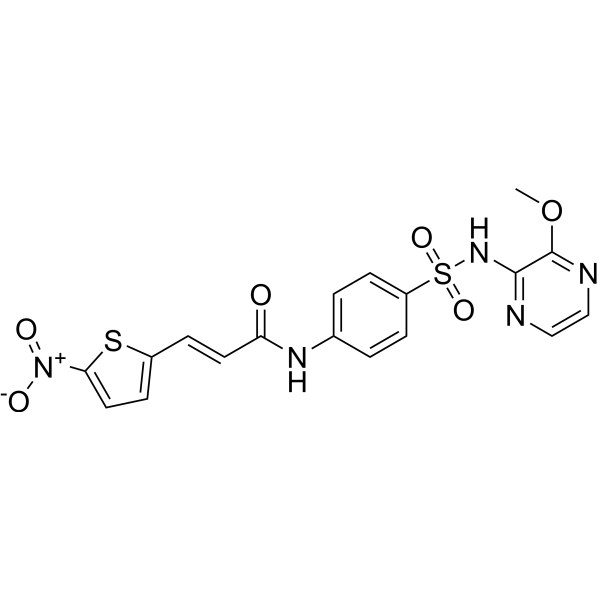
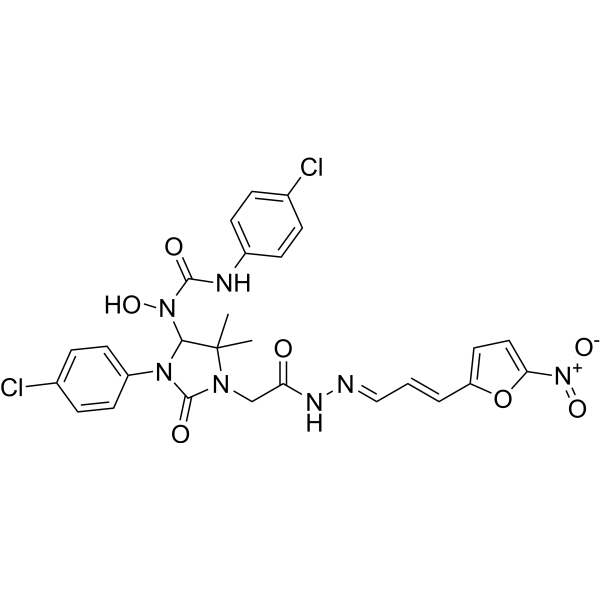
    Eeyarestatin I
    10+ Cited Publications

    p97 Apoptosis Cancer
    Eeyarestatin I, a potent endoplasmic reticulum-associated protein degradation (ERAD) inhibitor, is a potent protein translocation inhibitor. Eeyarestatin I inhibits Sec61 translocon. Eeyarestatin I targets the p97-associated deubiquitinating process (PAD) and inhibits atx3-dependent deubiquitination. Eeyarestatin I interferes at a step prior to proteasomal degradation. Eeyarestatin I induces cell death via the proapoptotic protein NOXA and has anticancer effects .
    Eeyarestatin I
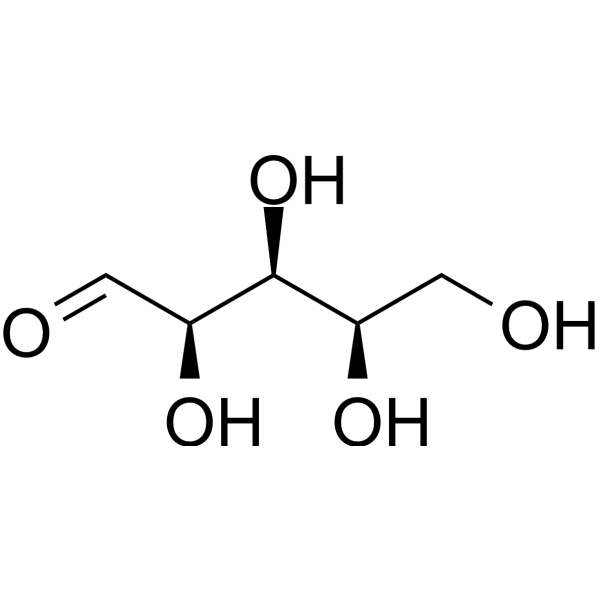
  • HY-N0537
    Xylose
    5 Publications Verification

    D-(+)-Xylose; (+)-Xylose; Wood sugar

    Environmental Pollutants Endogenous Metabolite Metabolic Disease
    Xylose (D-(+)-Xylose) is a natural pentose sugar that is catalyzed by xylose isomerase to form xylulose, which is a key step in the anaerobic ethanol fermentation of Xylose. Xylose can be used by microorganisms to produce fuels, chemicals, and bulk industrial enzymes. Xylose provides the substances and energy for cells, as a carbon source for the biosynthesis of high-value chemicals and biofuel. Xylose can be used to fully explore lignocellulose resources and provide a new direction for microbia fermentation .
    Xylose
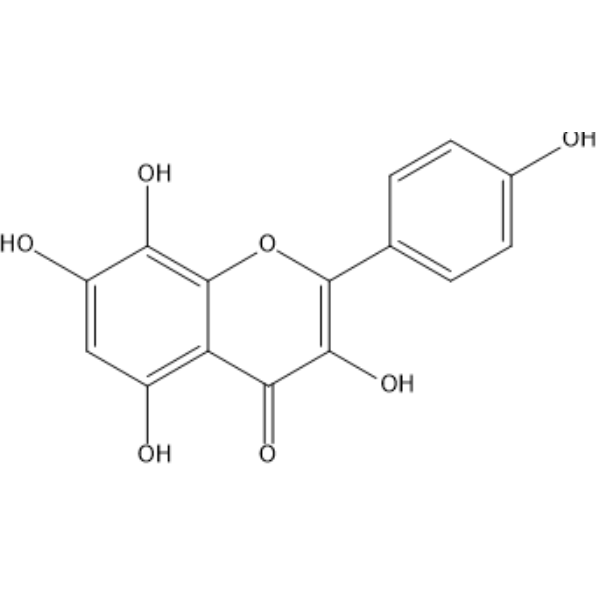
  • HY-N0240
    Herbacetin
    5 Publications Verification

    Ornithine decarboxylase (ODC) Cancer
    Herbacetin is a natural flavonoid from flaxseed, exerts various pharmacological activities, including antioxidant, anti-inflammatory and anticancer effects . Herbacetin is an Ornithine decarboxylase (ODC) allosteric inhibitor, directly binds to Asp44, Asp243, and Glu384 on ODC. Ornithine decarboxylase (ODC) is a rate-limiting enzyme in the first step of polyamine biosynthesis .
    Herbacetin
  • HY-112732B
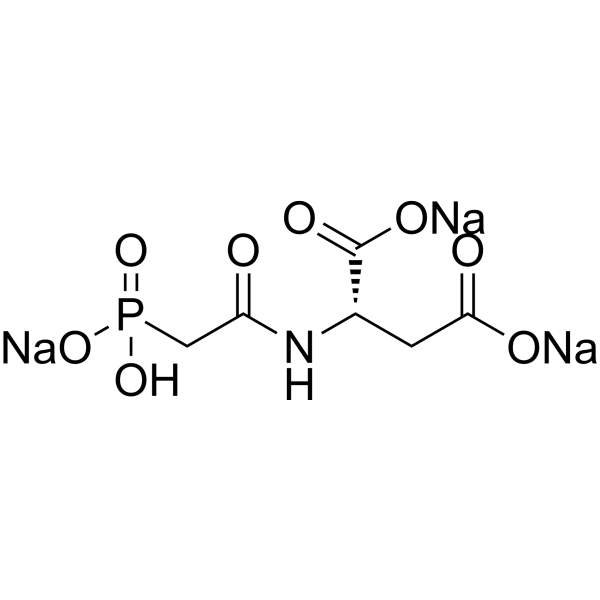
    Sparfosic acid trisodium
    4 Publications Verification

    Apoptosis Metabolic Disease Cancer
    Sparfosic acid trisodium is a DNA antimetabolite agent and a potent inhibitor of aspartate transcarbamoyl transferase. Aspartate transcarbamoyl transferase catalyzes the second step of de novo pyrimidine biosynthesis. Sparfosic acid trisodium synergistically enhances the cytotoxicity of a combination of 5-fluorouracil (5-FU) and interferon-alpha (IFN) against human colon cancer cell lines .
    Sparfosic acid trisodium
  • HY-N6006

    1,3,6-Tri-O-galloyl-β-D-glucose

    Others Others
    1,3,6-Tri-O-galloyl-beta-D-glucose is a non-covalent inhibitor of tyrosinase (TYR), which can block the rate-limiting step of melanin synthesis and inhibit melanin deposition. 1,3,6-Tri-O-galloyl-beta-D-glucose has antioxidant and anti-inflammatory activities and can be used as a natural active ingredient to develop anti-freckle and whitening skin care products .
    1,3,6-Tri-O-galloyl-beta-D-glucose
  • HY-112732
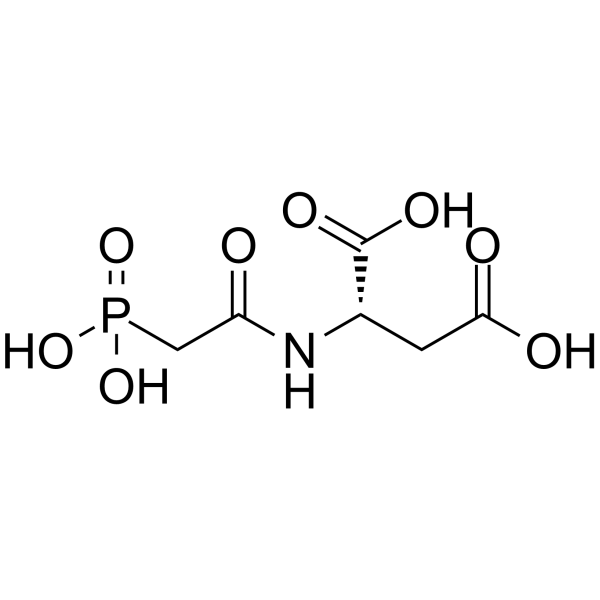
    Sparfosic acid
    4 Publications Verification

    Apoptosis Metabolic Disease Cancer
    Sparfosic acid, a DNA antimetabolite agent, is a potent inhibitor of aspartate transcarbamoyl transferase, the enzyme catalyzing the second step of de novo pyrimidine biosynthesis. Sparfosic acid synergistically enhances the cytotoxicity of a combination of 5-fluorouracil (5-FU) and interferon-alpha (IFN) against human colon cancer cell lines .
    Sparfosic acid
  • HY-P2832

    ACS

    Endogenous Metabolite Metabolic Disease Cancer
    Acyl coenzyme A synthetase (ACS), namely acetyl coenzyme A synthetase, is often used in biochemical research. Acyl coenzyme A synthetase can catalyze the activation of fatty acids by coenzyme A through a two-step thioesterification reaction to produce acyl coenzyme A, and then participate in a variety of anabolic and catabolic lipid metabolism pathways, and participate in the TCA cycle in aerobic respiration .
    Acyl coenzyme A synthetase
  • HY-137824

    4-Methylumbelliferyl-β-D-xyloside

    Biochemical Assay Reagents Others
    4-Methylumbelliferyl-β-D-xylopyranoside (4-Methylumbelliferyl-β-D-xyloside) is an enzymatically hydrolyzable β-D-xylopyranoside substrate. The enzymatic hydrolysis of 4-Methylumbelliferyl-β-D-xylopyranoside is mediated by the stereochemistry-retaining β-D-xylosidase GSXynB2 via a two-step catalytic process (xylosylation followed by dexylosidation). 4-Methylumbelliferyl-β-D-xylopyranoside serves as a substrate for the β-xylosidase of Trichoderma reesei QM 9414, and its enzymatic hydrolysis process is limited by the dexylosidation step.
    4-Methylumbelliferyl-β-D-xylopyranoside
  • HY-B0435
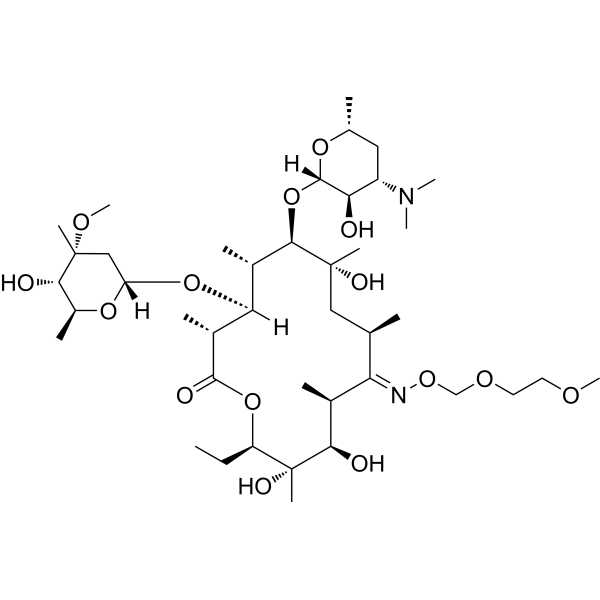
    Roxithromycin
    5+ Cited Publications

    RU-28965

    Bacterial Antibiotic Apoptosis p38 MAPK NF-κB Infection Cardiovascular Disease Inflammation/Immunology Cancer
    Roxithromycin (RU-28965) is an orally active semi-synthethic macrolide antibiotic. Roxithromycin inhibits protein biosynthesis in the elongation step by binding to 50S bacterial ribosome. Roxithromycin has antimicrobial, antiproliferative, anti-inflammatory, tumour vasculature inhibiting and lung injury ameliorating effects .
    Roxithromycin
  • HY-10016
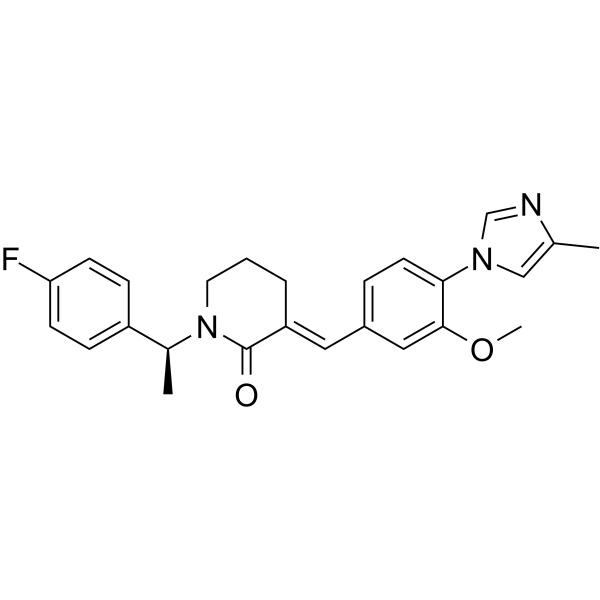
    E 2012
    5+ Cited Publications

    γ-secretase Neurological Disease
    E 2012 is a potent gamma (γ) secretase modulator without affecting Notch processing. E 2012 inhibits 3β-hydroxysterol Δ24-reductase (DHCR24) at the final step in the cholesterol biosynthesis. E 2012 aims at Alzheimer's disease by reduction of amyloid β-42, and induces cataract following repeated doses in the rat .
    E 2012
  • HY-124591

    5-HT Receptor Monoamine Oxidase Neurological Disease
    TC-2153 is a selective inhibitor of striatal-enriched protein tyrosine phosphatase (STEP), with psychotropic activity and low acute toxicity. TC-2153 increases the expression of brain-derived neurotropic factor (BDNF) in the brain. And it decreases MAOA and 5-HT1A receptors mRNA level in midbrain. TC-2153 also inhibits 5-HT2A receptor-mediated signaling .
    TC-2153
  • HY-147110

    Fungal Infection Inflammation/Immunology
    APX2039 is a brain-penetrant and orally active Gwt1 protein inhibitor. APX2039 inhibits an early step in fungal glycosylphosphatidylinositol anchor biosynthesis. APX2039 can be used for the research of cryptococcal meningitis and invasive mycosis caused by Talaromyces marneffei .
    APX2039
  • HY-P2752

    LPL

    Endogenous Metabolite Metabolic Disease Cancer
    Lipoprotein lipase, Pseudomonas sp (LPL) is a multifunctional enzyme from adipose tissue, heart and skeletal muscle, islets and macrophages. Lipoprotein lipase promotes normal lipoprotein metabolism, delivery and utilization of tissue-specific substrates. Lipoprotein lipase catalyzes the rate-limiting step of lipids in blood circulation .
    Lipoprotein lipase, Pseudomonas sp
  • HY-N0093
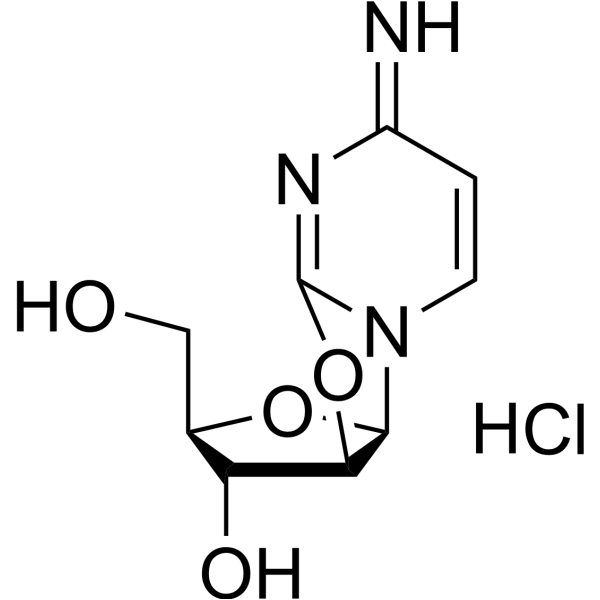
    Ancitabine hydrochloride
    1 Publications Verification

    Cyclocytidine hydrochloride; Cyclo-CMP hydrochloride; Cyclo-C

    Autophagy CMV DNA/RNA Synthesis Infection Cancer
    Ancitabine hydrochloride is a cytarabine derivative that inhibits viral replication. Ancitabine hydrochloride blocks vaccinia virus DNA replication, the progression of viral protein synthesis from early to late stages, and one-step growth of vaccinia virus. Ancitabine hydrochloride is applicable to research related to vaccinia virus infection, leukemia, human cytomegalovirus infection and colorectal cancer .
    Ancitabine hydrochloride
  • HY-137899
    Dephospho-CoA
    1 Publications Verification

    Endogenous Metabolite Metabolic Disease Cancer
    Dephospho-CoA is a key intermediate in the biosynthesis of coenzyme A (CoA), which is catalyzed to form CoA by GTP-dependent Dephospho-CoA kinase (DPCK). Dephospho-CoA completes the final synthetic step of CoA via phosphorylation and participates in energy metabolism and cellular signal transduction. Dephospho-CoA can be used in studies involving cancer (e.g., regulation of cell proliferation) and metabolic diseases (e.g., mitochondrial dysfunction) .
    Dephospho-CoA
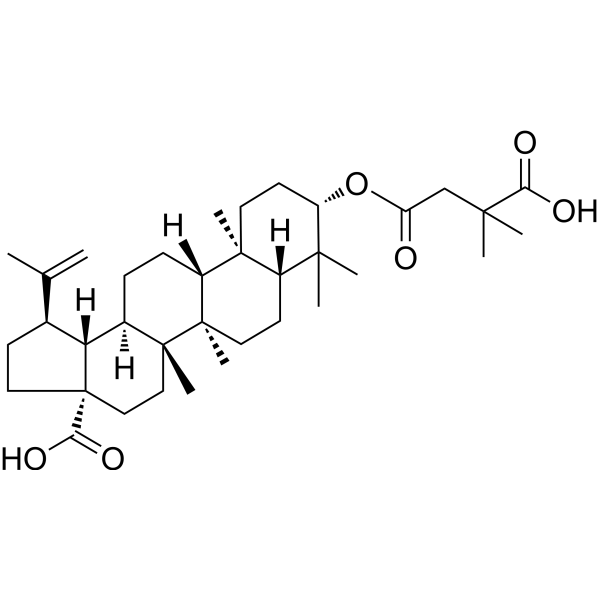
  • HY-N0842
    Bevirimat
    2 Publications Verification

    PA-457; MPC-4326; YK FH312

    Virus Protease Infection
    Bevirimat (PA-457, MPC-4326, YK FH312) is an inhibitor of HIV-1 viral particle maturation.Bevirimat specifically inhibits the final rate-limiting step in Gag processing, preventing the release of the mature capsid protein (CA) from its precursor (CA-SP1), resulting in the production of immature non-infectious viral particles. Bevirimat can be used in HIV-1 infection studies .
    Bevirimat
  • HY-W015695

    Drug Intermediate Others
    4-Methyl-5-thiazoleethanol is a natural sulfur-containing flavor compound with the aroma of beef and nuts. In addition, the composite material prepared by modifying graphene oxide with 4-Methyl-5-thiazoleethanol through a one-step esterification reaction can selectively adsorb copper ions (Cu 2+) in aqueous solutions .
    4-Methyl-5-thiazoleethanol
  • HY-148161

    DNA/RNA Synthesis Cancer
    L82-G17 is an uncompetitive DNA ligase I (Lig I)-selective inhibitor. L82-G17 inhibits the third step of the ligation reaction, phosphodiester bond formation. L82-G17can be used as a probe of the catalytic activity .
    L82-G17
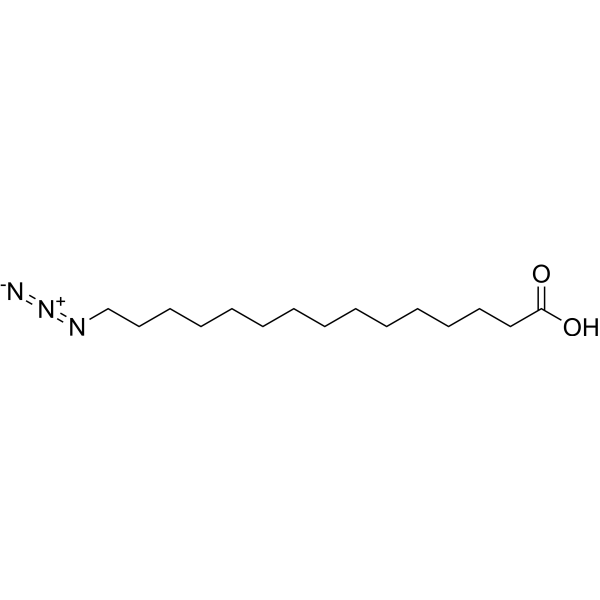
  • HY-151855

    ADC Linker Others
    Azido Myristic Acid is a click chemistry reagent containing an azide group. Azido Myristic Acid can be used to identify and characterize post-translationally myristylated proteins with using a simple and robust two-step labeling and detection technique . It contains an azide group and can undergo copper-catalyzed azide-alkyne cycloaddition (CuAAc) with molecules containing alkyne groups. It can also undergo ring strain-promoted alkyne-azide cycloaddition (SPAAC) with molecules containing DBCO or BCN groups.
    Azido Myristic Acid
  • HY-N2403
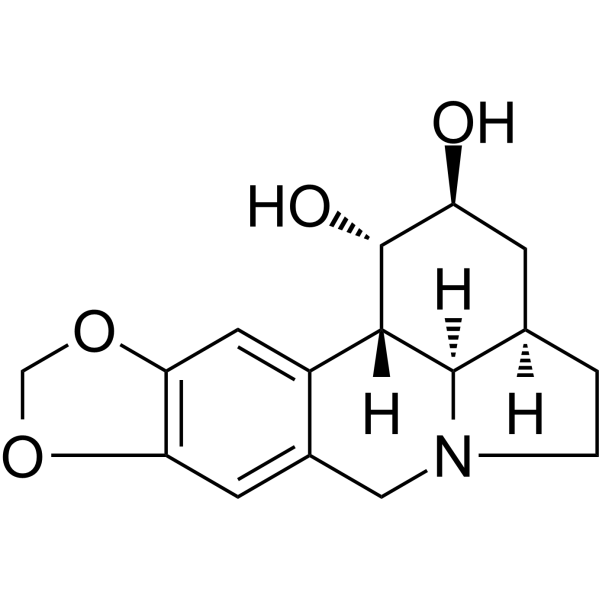
    Dihydrolycorine
    1 Publications Verification

    Others Neurological Disease
    Dihydrolycorine, isolated from Lycoris radiate Herb, is an inhibitor of protein synthesis in eukarytic cells by inhibiting the peptide bone formation step .
    Dihydrolycorine
  • HY-138177

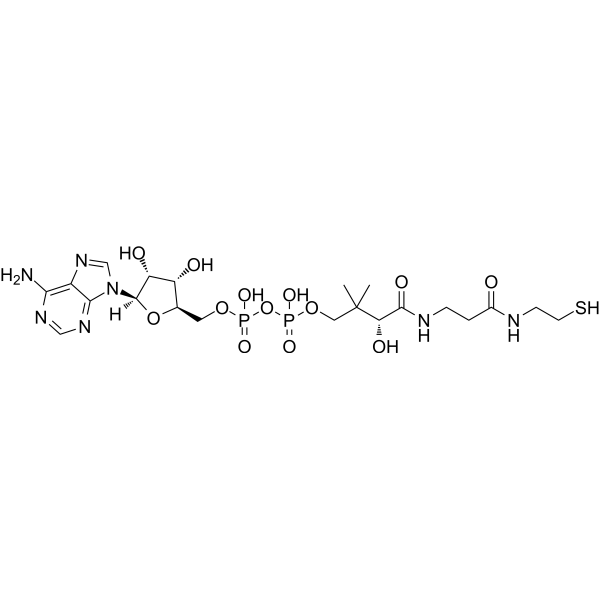
    Butyryl CoA sodium

    Bacterial Others
    Butyryl-Coenzyme A (Butyryl CoA) sodium is a coenzyme A-containing derivative of Butyric acid. Butyryl-Coenzyme A sodium is responsible for the final step of Butyrate production in bacteria .
    Butyryl-Coenzyme A sodium
  • HY-W016628

    L-Gulonolactone

    Endogenous Metabolite Metabolic Disease
    L-Gulono-1,4-lactone is a substrate of L-gulono-1,4-lactone oxidoreductase, which catalyzes the last step of the biosynthesis of L-ascorbic (Vatamin) C. In other words, L-Gulono-1,4-lactone is a direct precursor of vitamin C in animals, in plants and in some protists.
    L-Gulono-1,4-lactone
  • HY-131030

    JF669, SE; JF669, NHS

    Fluorescent Dye Others
    Janelia Fluor 669, SE (JF669, SE), a red fluorescent dye, can be directly reacted with the available thiol-containing HaloTag ligand under mild conditions (DIEA, DMF) to afford a JF669HaloTag ligand in a single step (Ex = 669 nm; Em = 682 nm) . Janelia Fluor products are licensed under U.S. Pat. Nos. 9,933,417, 10,018,624 and 10,161,932 and other patents from Howard Hughes Medical Institute.
    Janelia Fluor® 669, SE
  • HY-W040209

    α-NPO

    Fluorescent Dye Others
    2-(Naphthalen-1-yl)-5-phenyloxazole (α-NPO) is an organic fluorescent dye. 2-(Naphthalen-1-yl)-5-phenyloxazole has a nitrogen atom in its structure that can interfere with the nitrogen content from the amination step .
    2-(Naphthalen-1-yl)-5-phenyloxazole
  • HY-E70079

    CBL

    Biochemical Assay Reagents Infection
    Cystathionine β-lyase, Recombinant Microorganisms (CBL) is an enzyme that catalyzes the breakdown of cystathionine to homocysteine, the penultimate step in methionine biosynthesis. Cystathionine β-lyase is important for bacterial virulence .
    Cystathionine β-lyase, Recombinant Microorganisms
  • HY-109045A

    BTA074 hydrochloride; AP 611074 hydrochloride

    E1/E2/E3 Enzyme HPV Infection
    Teslexivir (BTA074) hydrochloride is a potent antiviral agent. Teslexivir hydrochloride is a potent and selective inhibitor of the interaction between two essential viral proteins, E1 and E2, an association that is a necessary step in the DNA replication and thus viral production for Human Papilloma Virus (HPV) 6 and 11. Teslexivir hydrochloride can be used for condyloma research .
    Teslexivir hydrochloride
  • HY-161304

    HDAC Cancer
    HDAC6-IN-33 (compound 6) is a selective and irreversible HDAC6 inhibitor with an IC50 of 193 nM. HDAC6-IN-33 shows no activity against HDAC1-4. HDAC6-IN-33 is a tight-binding HDAC6 inhibitor capable of inhibiting HDAC6 via a two-step slow-binding mechanism .
    HDAC6-IN-33
  • HY-W128333

    3-Hydroxypseudocumene

    Environmental Pollutants Drug Intermediate Others
    2,3,6-Trimethylphenol (3-Hydroxypseudocumene) is an organic intermediate. The oxidation of 2,3,6-Trimethylphenol is the key step for the production of 2,3,5-trimethylbenzoquinone .
    2,3,6-Trimethylphenol
  • HY-158220C

    HAMA (MW 50000)

    Biochemical Assay Reagents Others
    Hyaluronic acid methacryloyl (HAMA) (MW 50000) is a methacrylate-modified hyaluronic acid that serves as a hydrogel former, hydrolysis-resistant material, photocrosslinkable hydrogel scaffold, and drug delivery carrier for tissue engineering. Hyaluronic acid methacryloyl (MW 50000) forms hydrogels via photocrosslinking; when combined with AuMA NPs through a one-step photocrosslinking method, its effective swelling ratio increases, and the mechanical reinforcement effect of Au NPs compensates for the impact caused by reduced crosslinking density. Hyaluronic acid methacryloyl (MW 50000) can be combined with AuMA NPs via a one-step photocrosslinking method, enabling non-invasive monitoring of hydrogel degradation with contrast-enhanced micro-CT .
    Hyaluronic acid methacryloyl (MW 50000)
  • HY-N14664

    Antibiotic Bacterial Infection
    Actithiazic acid is a thiazolidinone antibiotic that targets biotin synthase. Actithiazic acid interferes with essential bacterial metabolism by inhibiting the final step of biotin synthesis (conversion of desthiobiotin to biotin, IC50 = 0.45 μM). Actithiazic acid can be used in studies related to mycobacterial infections .
    Actithiazic acid
  • HY-P2917A

    GyK, Cellulomonas sp.

    Endogenous Metabolite Others
    Glycerol kinase, Cellulomonas sp. (EC 2.7.1.30) is a bacterial sugar kinase, is often used in biochemical studies. Glycerol kinase, Cellulomonas sp. catalyzes the first step of glycerol metabolism by transforming the triol into glycerol-3-P (G3P). Glycerol kinase, Cellulomonas sp. is crucial for regulating channel/facilitator-independent uptake of glycerol into the cell .
    Glycerol kinase, Cellulomonas sp.
  • HY-P2917B

    GyK, Flavobacterium meningosepticum

    Endogenous Metabolite Metabolic Disease
    Glycerol kinase, Flavobacterium meningosepticum (GyK, Flavobacterium meningosepticum) is a thermostable glycerol kinase isolated from Flavobacterium meningosepticum. Glycerol kinase, Flavobacterium meningosepticum catalyzes the first step in glycerol metabolism by converting triol to glycerol-3-p (G3P). Glycerol kinase, Flavobacterium meningosepticum is essential for regulating glycerol uptake in cells that is independent of channels or facilitators and is useful for biochemical studies .
    Glycerol kinase, Flavobacterium meningosepticum
  • HY-10250

    TCN-P

    ATP Synthase Metabolic Disease Cancer
    Triciribine phosphate (TCN-P) inhibits amidophosphoribosyltransferase by an allosteric mechanism which affects the first committed step of de novo purine biosynthesis. Triciribine phosphate also inhibits  IMP dehydrogenase which is the first committed step of guanosine nucleotide synthesis. Tricilibine phosphate does not affect ligase activity .
    Triciribine phosphate
  • HY-170562

    Reactive Oxygen Species (ROS) Apoptosis Neurological Disease
    STEP-IN-1 (Compound 14b) is a potent and selective STEP inhibitor with an IC50 of 5.27 μM. STEP-IN-1 has a neuroprotective effect, which can protect nerve cells from glutamate-induced toxicity, reduce cellular ROS accumulation, and inhibit apoptosis. STEP-IN-1 can be used in the study of neurodegenerative diseases .
    STEP-IN-1
  • HY-106920

    KNI 272; Kynostatin; NSC 651714

    HIV Protease Infection
    Kynostatin 272 (KNI 272) is a potent HIV protease inhibitor. Kynostatin 272 inhibits the activity of the HIV protease by simulating the substrate transition state of the HIV protease, thus preventing a key step in the replication of the HIV virus. Kynostatin 272 provides an important research foundation for the development of drugs for HIV and AIDS .
    Kynostatin 272
  • HY-34619
    [Hydroxy(tosyloxy)iodo]benzene
    1 Publications Verification

    Biochemical Assay Reagents Others
    [Hydroxy(tosyloxy)iodo]benzene is a versatile reagent for the mild oxidation of aryl iodides at the iodine atom by ligand transfer. [Hydroxy(tosyloxy)iodo]benzene is an effective reagent for the one-step conversion of ketones to the corresponding α-tosyloxy ketones. [Hydroxy(tosyloxy)iodo]benzene is also a Bronsted acid and is expected to catalyze the enolization of ketones .
    [Hydroxy(tosyloxy)iodo]benzene
  • HY-109045

    BTA074; AP 611074

    E1/E2/E3 Enzyme HPV Infection
    Teslexivir (BTA074) is a potent antiviral agent. Teslexivir is a potent and selective inhibitor of the interaction between two essential viral proteins, E1 and E2, an association that is a necessary step in the DNA replication and thus viral production for Human Papilloma Virus (HPV) 6 and 11. Teslexivir can be used for condyloma research .
    Teslexivir
  • HY-E70156

    EC:2.4.1.-; FUT7

    Biochemical Assay Reagents Others
    Fucosyltransferase 7 (FUT7) is a golgi stack membrane protein. Fucosyltransferase 7catalyzes the final fucosylation step in the synthesis of Lewis antigens and generates a unique glycosylated product sialyl Lewis X (sLeX). Fucosyltransferase 7 catalyzes alpha-1,3 glycosidic linkages involved in the expression of sialyl Lewis X antigens .
    Fucosyltransferase 7
  • HY-D2379

    Fluorescent Dye Endocrinology Cancer
    HMRG is a type of hydroxymethyl rhodamine green fluorescent scaffold, featuring an open non-cyclic structure. HMRG can produce significant dynamic fluorescence changes through a one-step enzymatic reaction at physiological pH, which is useful for developing various probes. Fluorescent probes based on HMRG can be used for fluorescence detection of diseases such as tumors and diabetic nephropathy .
    HMRG
  • HY-124742

    Na+/K+ ATPase Others
    AR-HO47108 is an orally active reversible Na+/K+ ATPase inhibitor. AR-HO47108 reversibly blocks the final step of gastric acid secretion by competitively binding to the potassium ion binding site of the Na+/K+ ATPase in the gastric wall cells. AR-HO47108 can be used for research on diseases related to excessive gastric acid secretion, such as peptic ulcers .
    AR-HO47108
  • HY-W075315

    MOFs Xanthine Oxidase Cytochrome P450 Metabolic Disease
    Xanthine oxidoreductase-IN-6 (Compound 4) is an orally active xanthine oxidoreductase (XOR) inhibitor with an IC50 of 170 nM. Xanthine oxidoreductase-IN-6 can block the final step of uric acid biosynthesis and lower serum uric acid levels. Xanthine oxidoreductase-IN-6 also shows Cytochrome P450 3A4 (CYP3A4) inhibitory activity. Xanthine oxidoreductase-IN-6 can be used for the research of hyperuricemia .
    Xanthine oxidoreductase-IN-6
  • HY-77957

    Biochemical Assay Reagents Others
    1-O-Methyl-2-deoxy-D-ribose is a ribose derivative that can be more conveniently obtained through a one-step reaction by introducing a methoxy protective group at the anomeric carbon position under acidic conditions. This facilitates the acquisition of 2-deoxy-D-ribose. 1-O-Methyl-2-deoxy-D-ribose can be utilized in research on the synthesis of chemical materials .
    1-O-Methyl-2-deoxy-D-ribose
  • HY-P3355

    iGluR Neurological Disease
    p-fin4 is a peptide inhibitor of STEP Phosphatase-GluA2 AMPA receptor interaction with a Ki of 0.4 μM. p-fin4 restores the memory deficits and displays anxiolytic and antidepressant effects in a scopolamine-treated rat model. p-fin4 is a promising lead compound for novel cognitive enhancers and/or behavioral modulators .
    p-fin4
  • HY-P3354

    iGluR Neurological Disease
    p3Ysh-3 is a peptide inhibitor of STEP Phosphatase-GluA2 AMPA receptor interaction with a Ki of 1.09 μM. p3Ysh-3 restores the memory deficits and displays anxiolytic and antidepressant effects in a scopolamine-treated rat model. p3Ysh-3 is a promising lead compound for novel cognitive enhancers and/or behavioral modulators .
    p3Ysh-3
  • HY-RS11428

    Small Interfering RNA (siRNA) Others

    PTPN5 Human Pre-designed siRNA Set A contains three designed siRNAs for PTPN5 gene (Human), as well as a negative control, a positive control, and a FAM-labeled negative control.

    PTPN5 Human Pre-designed siRNA Set A
    PTPN5 Human Pre-designed siRNA Set A
  • HY-10250A

    TCN-P sodium

    ATP Synthase Metabolic Disease Cancer
    Triciribine phosphate sodium inhibits amidophosphoribosyltransferase by an allosteric mechanism which affects the first committed step of de novo purine biosynthesis. Triciribine phosphate sodium also inhibits IMP dehydrogenase which is the first committed step of guanosine nucleotide synthesis. Tricilibine phosphate does not affect ligase activity .
    Triciribine phosphate sodium
  • HY-112858

    Biochemical Assay Reagents Phosphoramidites Others
    dSPACER is a compound for the phosphoramidite synthesis of oligonucleotides and the creation of the abasic step in the oligonucleotide sequence.Abasic phosphoramidites are used in DNA and oligonucleotide synthesis.
    dSPACER
  • HY-10250S1

    TCN-P-d3

    Isotope-Labeled Compounds ATP Synthase Metabolic Disease
    Triciribine phosphate-d3 (TCN-P-d3) is a deuterated compound of Triciribine phosphate (TCN-P). TCN-P inhibits adenosine monophosphate (AMP)-activated protein kinase through an allosteric mechanism, affecting the first key step in de novo purine biosynthesis. Triciribine phosphate also inhibits inosine monophosphate dehydrogenase, which is the first key step in guanosine nucleotide synthesis. Triciribine phosphate does not affect ligase activity .
    Triciribine phosphate-d3
  • HY-E70155

    EC:2.4.1.65; Fucosyltransferase 5; Fucosyltransferase V

    Biochemical Assay Reagents Others
    Fucosyltransferase 5 (EC:2.4.1.65, Fucosyltransferase 5, Fucosyltransferase V) is responsible for the terminal step in the synthesis of Lex, sialy-Lex, and Lea antigens .
    Fucosyltransferase 5
  • HY-111487

    Endogenous Metabolite Metabolic Disease Cancer
    α-methylacyl-CoA racemase 1 is an enzyme that catalyzes a key chiral inversion step in the metabolism of branched-chain fatty acids, and used as a maker in prostate and other cancer.
    α-Methylacyl-CoA racemase 1

Inquiry Online

Your information is safe with us. * Required Fields.

Salutation


Country or Region *

Applicant Name *


Organization Name *

Department *


Email Address *


Product Name *

Cat. No.


Requested quantity *

Phone Number *


Remarks

Inquiry Online

Inquiry Information

Product Name:
Cat. No.:
Quantity:
MCE Japan Authorized Agent: