246 Results for "

Secondary metabolite

" in MedChemExpress (MCE) Product Catalog:
Products (246)

246 Results for "Secondary metabolite" in MCE Product Catalog:

3
3 Cited Publications
Cat. No.: HY-100711
CAS No.: 82-89-3
Purity:  99.89%
Synonyms: Prodigiosine; NSC47147
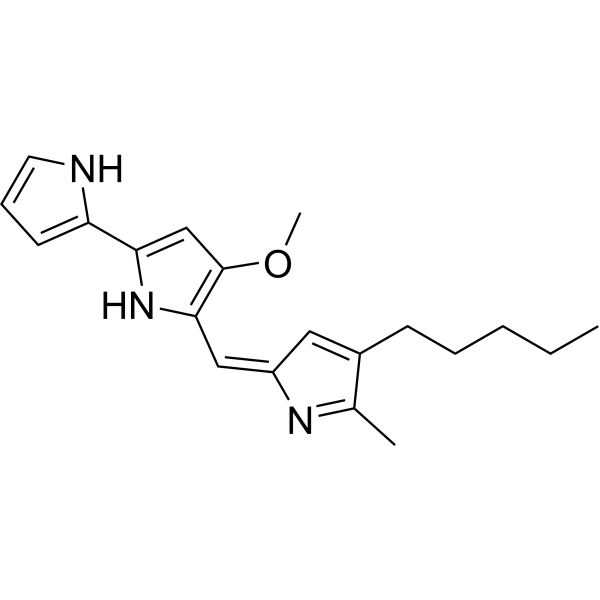
Prodigiosin (Prodigiosine) is a red pigment produced by bacteria as a bioactive secondary metabolite. Prodigiosin is a potent inhibitor of the Wnt/β-catenin pathway. Prodigiosin has antibacterial, antifungal, antiprotozoal, antimalarial, immunosuppressive, and anticancer properties .
loading...
    loading...
3
3 Cited Publications
Cat. No.: HY-116374
CAS No.: 474-74-8
Purity:  99.90%
Synonyms: Lithocholylglycine
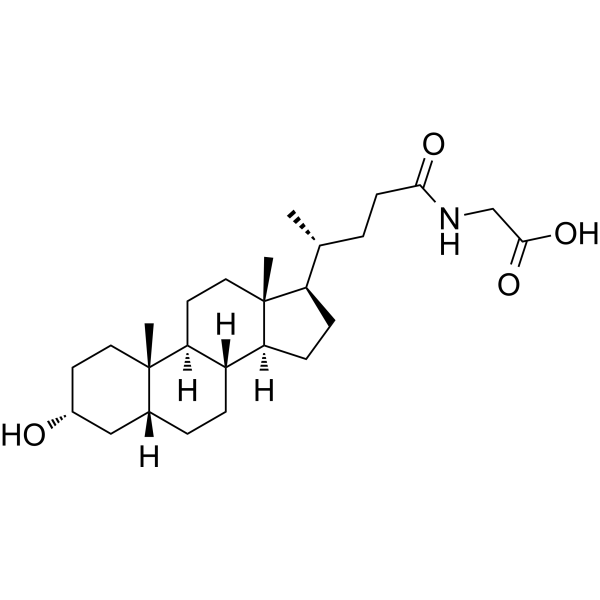
Glycolithocholic acid (Lithocholylglycine), an endogenous metabolite, is a glycine-conjugated secondary bile acid. Glycolithocholic acid can be used to diagnose ulcerative colitis (UC), non-alcoholic steatohepatitis (NASH) and primary sclerosing cholangitis (PSC) .
loading...
    loading...
3
3 Cited Publications
Cat. No.: HY-100711A
CAS No.: 56144-17-3
Purity:  98.00%
Synonyms: Prodigiosine hydrochloride
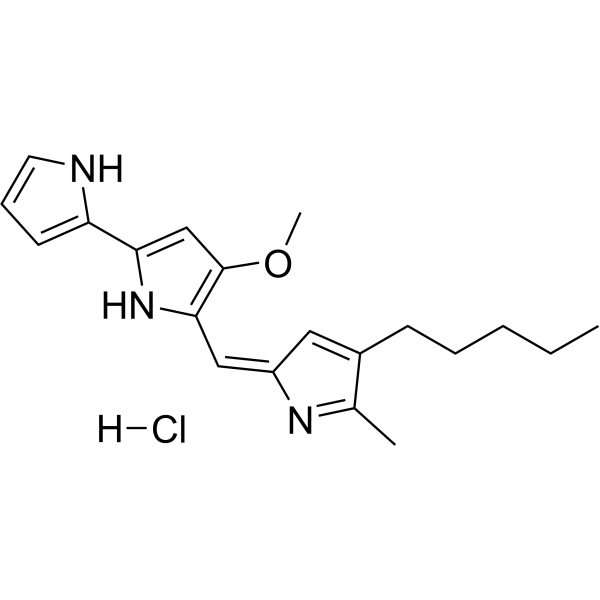
Prodigiosin (Prodigiosine) hydrochloride is a red pigment produced by bacteria as a bioactive secondary metabolite. Prodigiosin hydrochloride is a potent proapoptotic agent, and inhibits Wnt/β-catenin pathway. Prodigiosin hydrochloride has antibacterial, antifungal, antiprotozoal, antimalarial, immunosuppressive, and anticancer properties .
loading...
    loading...
2
2 Cited Publications
Cat. No.: HY-N0656
CAS No.: 125-46-2
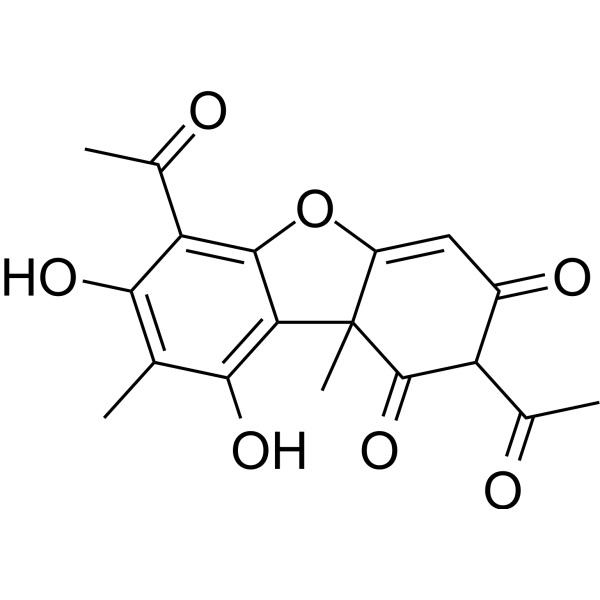
Usnic acid is a secondary metabolite of lichens with a unique dibenzofuran skeleton. Usnic acid inhibits DNA/RNA synthesis and has antibacterial activity. Usnic acid induces cell cycle arrest and apoptosis and has anticancer activity. Usnic acid inhibits RANKL-mediated osteoclast formation and function by reducing the transcriptional and translational expression of NFATc1. Usnic acid has antioxidant and anti-inflammatory activities by inhibiting lipid peroxidation and myeloperoxidase .
loading...
    loading...
2
2 Cited Publications
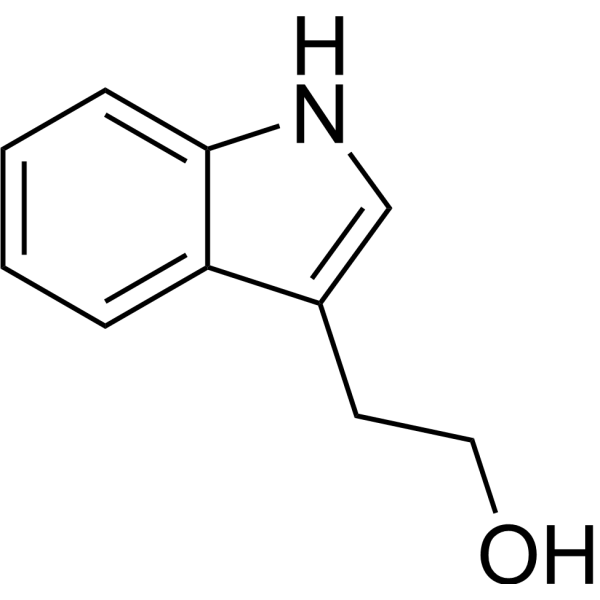
Cat. No.: HY-W010155
CAS No.: 526-55-6
Synonyms: Indole-3-ethanol
Tryptophol is an aromatic alcohol and secondary metabolite produced by microorganisms. Tryptophol induces apoptosis and cleavage of caspase-8. Tryptophol inhibits Cunninghamella blakesleeana biofilm. Tryptophol has anti-phage infection, biofilm formation regulation, anti-inflammatory, hemolytic, sleep induction, temperature change, seizure susceptibility and immune regulation activities. Tryptophol is used in the research of African trypanosomiasis, sleep disorders, epilepsy .
loading...
    loading...
2
2 Cited Publications
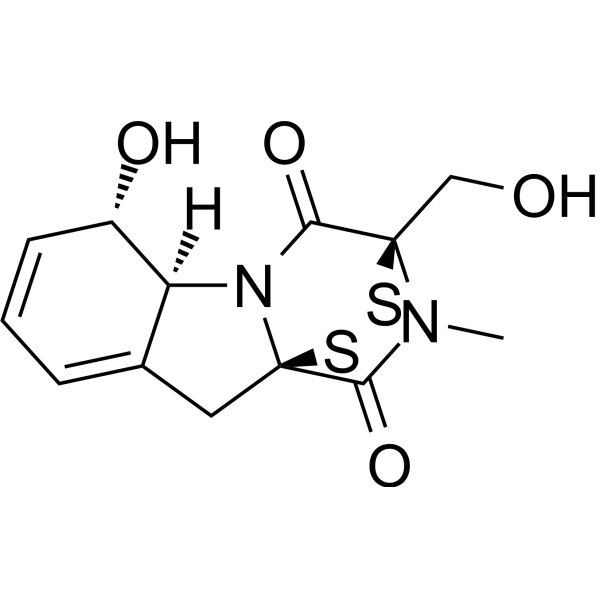
Cat. No.: HY-N6727
CAS No.: 67-99-2
Synonyms: Aspergillin
Gliotoxin is a secondary metabolite, the most abundant mycotoxin secreted by A. fumigatus, inhibits the phagocytosis of macrophages and the immune functions of other immune cells . Gliotoxin inhibits inducible NF-κB activity by preventing IκB degradation, which consequently induces host-cell apoptosis . Gliotoxin activates PKA and increases intracellular cAMP concentration; modulates actin cytoskeleton rearrangement to facilitate A. fumigatus internalization into lung epithelial cells . Gliotoxin is a potent NOTCH2 transactivation inhibitor, can effectively induce apoptosis of chronic lymphocytic leukemia (CLL) cells .
loading...
    loading...
1
1 Cited Publications
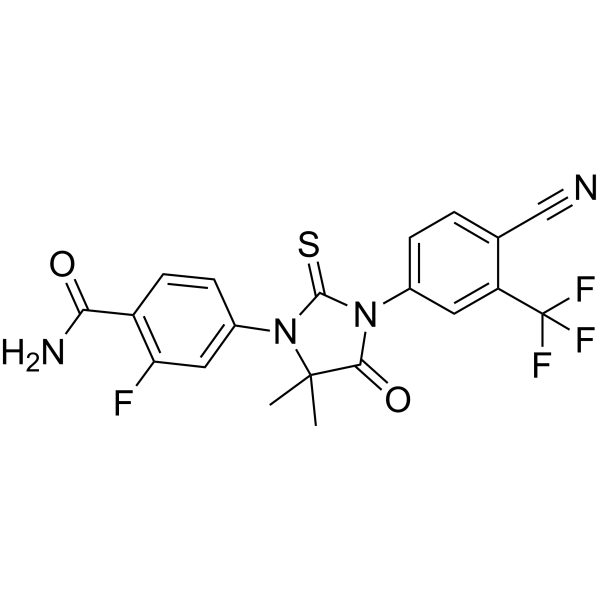
Cat. No.: HY-70002A
CAS No.: 1242137-16-1
Synonyms: N-Desmethyl MDV 3100
Target:  

Androgen Receptor

Research Areas:  

Cancer

N-desmethyl Enzalutamide is the active metabolite of Enzalutamide.N-desmethyl Enzalutamide is the active metabolite of Enzalutamide. N-desmethyl Enzalutamide demonstrates primary and secondary pharmacodynamics of similar potency to Enzalutamide and circulates at approximately the same plasma concentrations as enzalutamide .
loading...
    loading...
1
1 Cited Publications
Cat. No.: HY-W099630
CAS No.: 624-08-8
Synonyms: 9-Heptadecanol
Target:  

Endogenous Metabolite

Research Areas:  

Others

Heptadecan-9-ol is a long-chain secondary fatty alcohol. Heptadecan-9-ol functions as a plant metabolite .
loading...
    loading...
1
1 Cited Publications
Cat. No.: HY-W391635
CAS No.: 4185-01-7
Category:  

Microorganisms

Target:  

Drug Metabolite

3-oxo Deoxycholic acid is a secondary bile acid and a metabolite of Deoxycholic acid (HY-N0593) in C. perfringens .
loading...
    loading...
1
1 Cited Publications
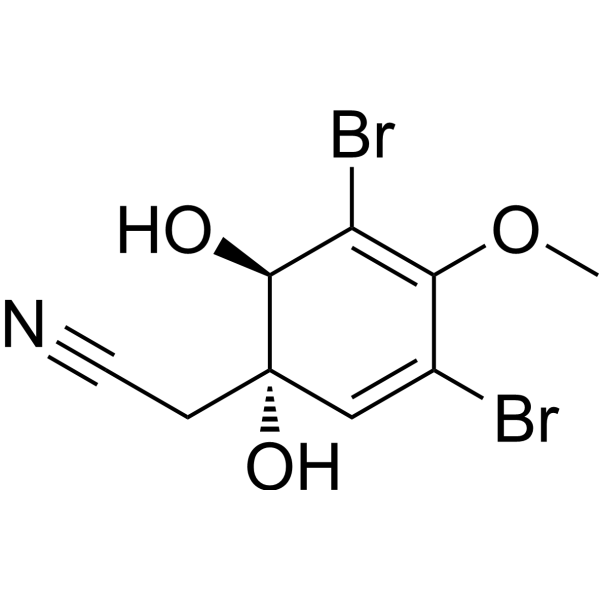
Cat. No.: HY-19827
CAS No.: 28656-91-9
Synonyms: (+)-Aeroplysinin-1
Aeroplysinin 1 ((+)-Aeroplysinin-1), a secondary metabolite isolated from marine sponges, shows potent antibiotic effects on Gram-positive bacteria and exerts antiviral activity against HIV-1 (IC50=14.6 μM). Aeroplysinin 1 has anti-inflammatory, anti-angiogenic and anti-tumor activities. Aeroplysinin 1 induces apoptosis in endothelial cells .
loading...
    loading...
1
1 Cited Publications
Cat. No.: HY-N2037C
CAS No.: 105990-27-0
Synonyms: (S)-Norcoclaurine hydrobromide
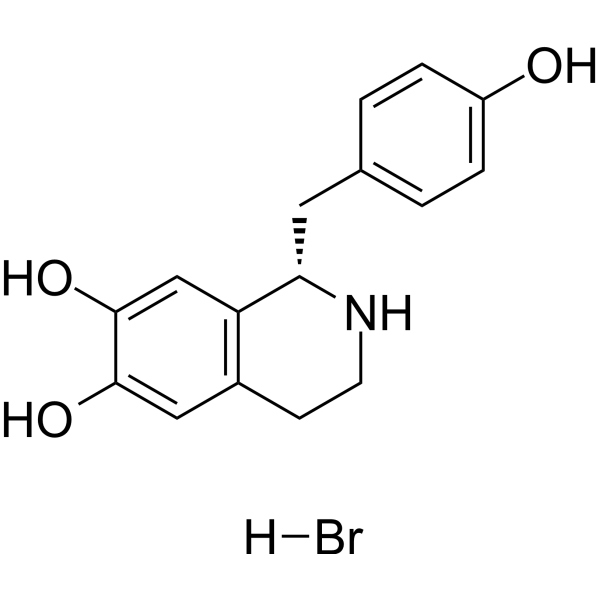
(S)-Higenamine ((S)-Norcoclaurine) hydrobromide, a S-enantiomer of Higenamine, is the entry compound in benzylisoquinoline alkaloid biosynthesis. (S)-Higenamine hydrobromide is produced by the condensation of dopamine and 4-hydroxyphenylacetaldehyde (4-HPAA) by norcoclaurine synthase (NCS) .
loading...
    loading...
1
1 Cited Publications
Cat. No.: HY-N1964
CAS No.: 77-06-5
Synonyms: Gibberellin A3
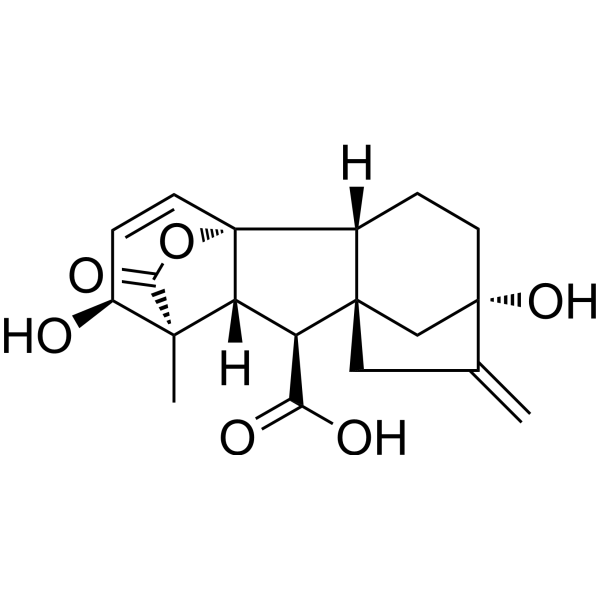
Gibberellic acid (GA3) is a natural plant growth regulator with oral bioactivity. Gibberellic acid governs multiple plant developmental events, including seed germination, cell elongation, floral organ formation, and rice spikelet fertility. Gibberellic acid optimizes root morphology and secondary metabolite production in Echinacea purpurea hairy roots, and serves as a bioactive seed priming agent to improve chilling stress tolerance in chickpea. Gibberellic acid mediates modulation of enzyme activity and secondary metabolism in plants and exerts tissue-specific regulatory effects on antioxidant systems and lipid peroxidation in rats. Gibberellic acid can be used in studies of plant growth, metabolism, and abiotic stress responses .
loading...
    loading...
1
1 Cited Publications
Cat. No.: HY-N4237
CAS No.: 5573-16-0
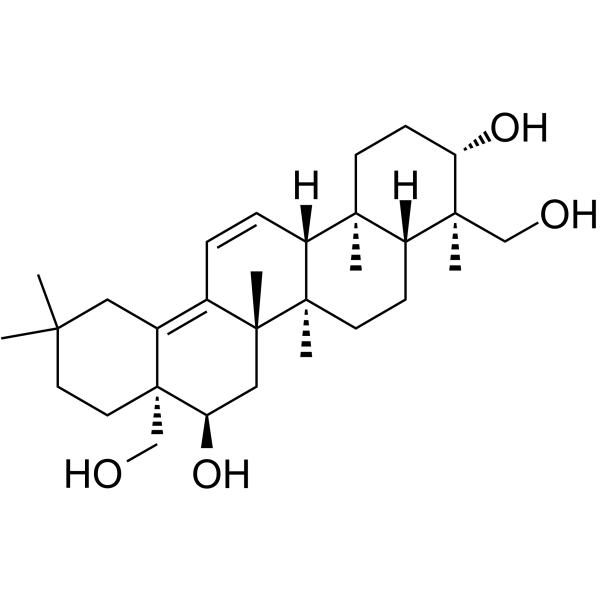
Saikogenin D is isolated from?Bupleurum chinense, has anti-inflammatory effects. Saikogenin D activates epoxygenases that converts arachidonic acid to epoxyeicosanoids and dihydroxyeicosatrienoic acids, and the metabolites secondarily inhibit prostaglandin E2 (PGE2) production. Saikogenin D results in an elevation of [Ca 2+]i due to Ca 2+ release from intracellular stores .
loading...
    loading...
1
1 Cited Publications
Cat. No.: HY-107858
CAS No.: 93-03-8
Purity:  99.98%
Synonyms: 3,4-Dimethoxybenzyl alcohol
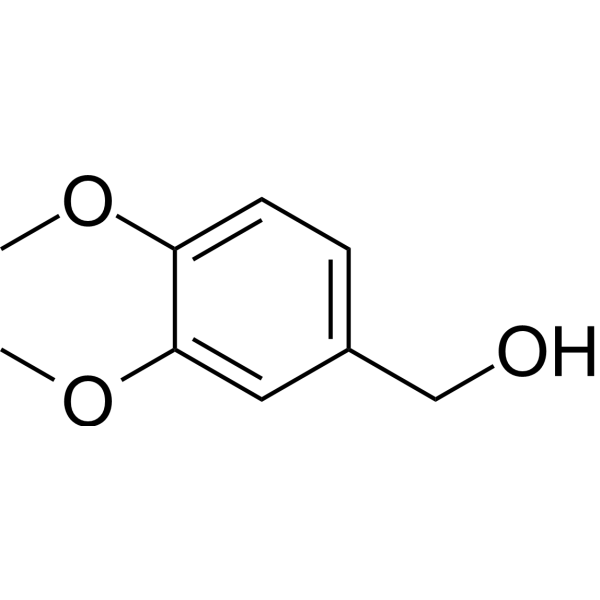
Veratryl alcohol (3,4-Dimethoxybenzyl alcohol) is a secondary metabolite of lignin-degrading fungi, commonly used as a substrate for lignin peroxidase (LiP) to measure lignin degradation activity. Veratryl alcohol protects LiP from inactivation by H2O2 and prevents the accumulation of LiP III compounds. Veratryl alcohol also acts as a stabilizer for manganese-dependent peroxidases (MnP). Veratryl alcohol is a quorum-sensing inhibitor (QSI) and exhibits antibacterial efficacy .
loading...
    loading...
Cat. No.: HY-119809
CAS No.: 548-54-9
Purity:  99.97%
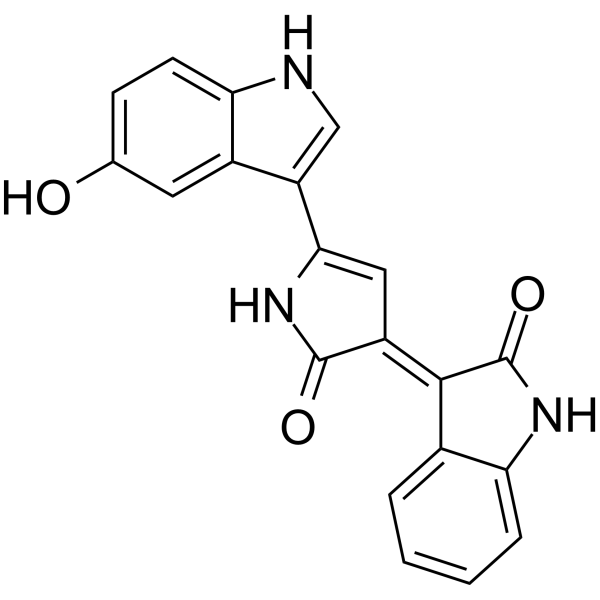
Violacein, a secondary metabolite produced by several microorganisms, possesses potent anticancer and low side effects. Violacein possesses antioxidant properties. Apoptosis inducer .
loading...
    loading...
Cat. No.: HY-Y0801
CAS No.: 303-07-1
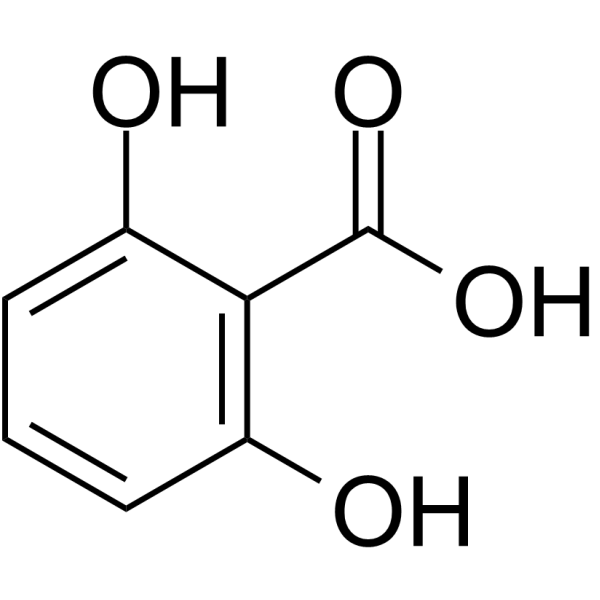
2,6-Dihydroxybenzoic acid is an aromatic compound containing phenolic hydroxyl groups and carboxyl groups, and it is a secondary metabolite of Salicylic acid (HY-B0167). 2,6-Dihydroxybenzoic acid is also present in olive oil wastewater .
loading...
    loading...
Cat. No.: HY-N6662
CAS No.: 475-20-7
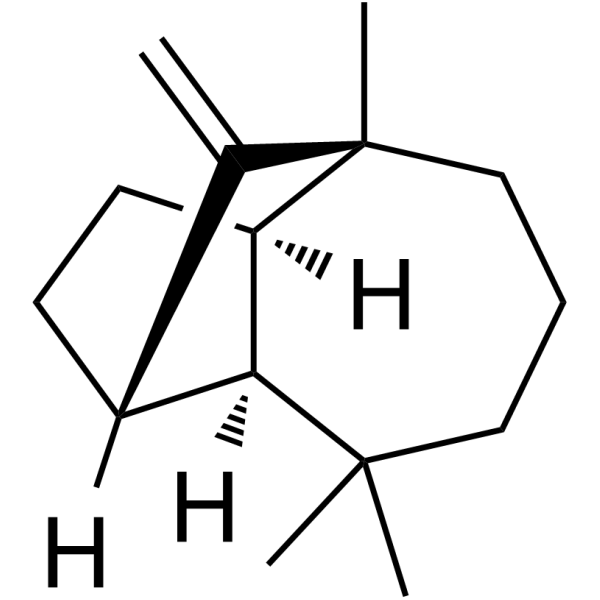
(+)-Longifolene is a sesquiterpenoid and a metabolite in rabbits. (+)-Longifolen is converted to primary, secondary or tertiary alcohols in rabbits, among which the primary alcohol is predominant .
loading...
    loading...
Cat. No.: HY-G0022
CAS No.: 63950-05-0
Synonyms: 13-Dihydroadriamycin hydrochloride
Target:  

Drug Metabolite

Research Areas:  

Cancer

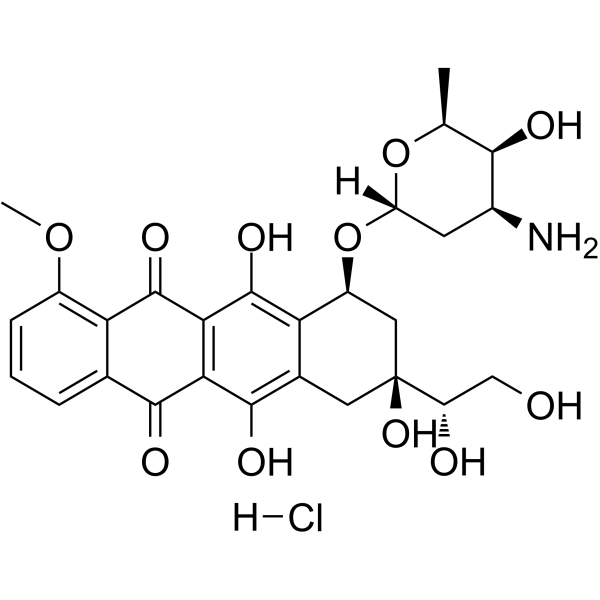
Doxorubicinol hydrochloride (13-Dihydroadriamycin hydrochloride) is a secondary alcohol metabolite of Doxorubicin .
loading...
    loading...
Cat. No.: HY-N7061
CAS No.: 120-29-6
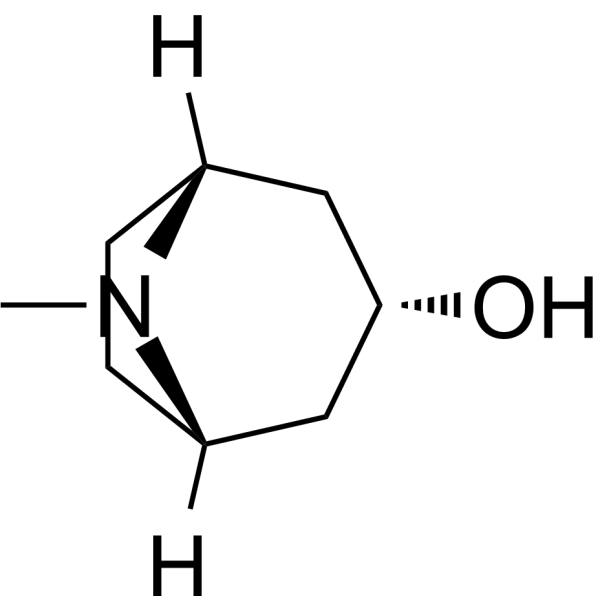
Tropine is a tropane alkaloid. Tropine serves as an important intermediate for the synthesis of anticholinergics and bronchodilators such as Atropine (HY-B1205) and Scopolamine (HY-N0296) .
loading...
    loading...
Cat. No.: HY-N1135
CAS No.: 3044-60-8
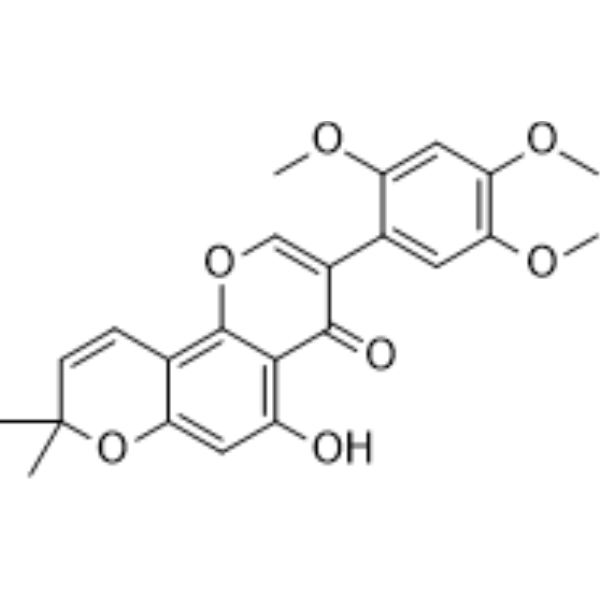
Toxicarol isoflavone is a natural isoflavone compound found in the leaves of Millettia brandisiana, and it belongs to flavonoid secondary metabolites .
loading...
    loading...

