
1. Search Result
Search Result
Results for "

Snail

" in MedChemExpress (MCE) Product Catalog:

30

Inhibitors & Agonists

1

Screening Libraries

2

Biochemical Assay Reagents

6

Peptides

8

Natural
Products

6

Antibodies

2

Oligonucleotides

Cat. No. Product Name Target Research Areas Chemical Structure
  • HY-142870

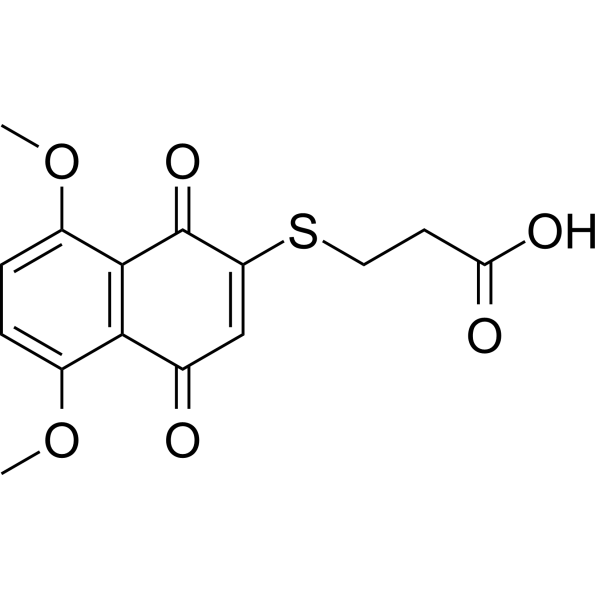
    Pyruvate Carboxylase (PC) Apoptosis β-catenin ERK Wnt Cancer
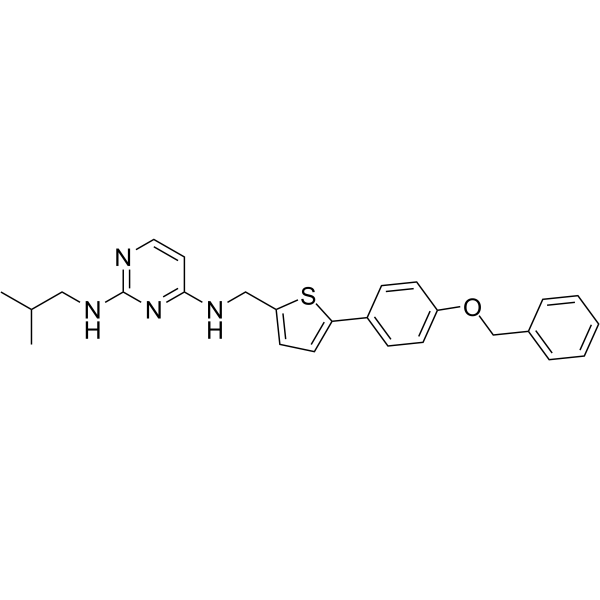
    ZY-444 is an anti-cancer agent, targeting pyruvate carboxylase (PC). ZY-444 suppresses the Wnt/β-catenin/Snail signaling pathway by blocking nuclear translocation of β-catenin. ZY-444 selectively inhibits proliferation, migration, and invasion and induces apoptosis in cancer cells. ZY-444 exhibits potent anti-tumor in cancer mouse models. ZY-444 can be used for the study of breast cancer, lung cancer (NSCLC), prostate cancer and iodine-refractory thyroid cancer .
    ZY-444
  • HY-Y0261A

    Environmental Pollutants Biochemical Assay Reagents Others
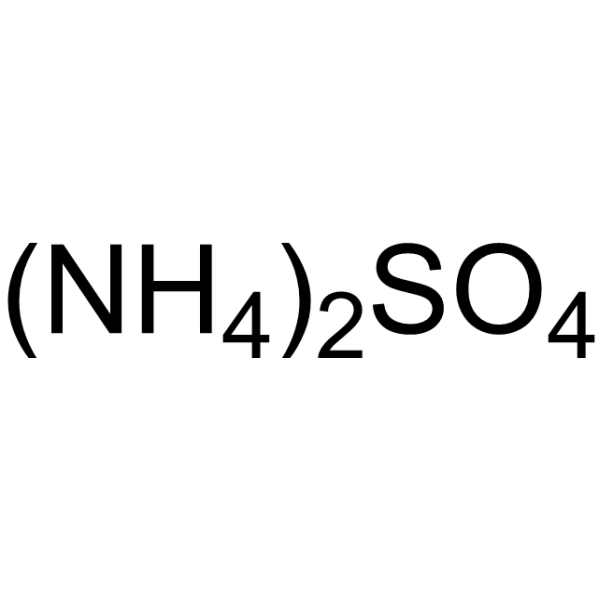
    Ammonium sulphate,≥99.0%,AR is an inorganic sulfate salt used for molecular biology . Ammonium sulphate,≥99.0%,AR can be used to precipitate proteins, separate antibodies, and enhance antigen-antibody reactions. Ammonium sulphate,≥99.0%,AR can serve as a nitrogen source in plant fertilizers and has developmentally toxicity to freshwater snails, but increases the number of Anopheles africanus and Culex mosquito larvae in rice paddies. Ammonium sulphate,≥99.0%,AR also inhibits the conversion of glucose to ascorbic acid in plants .
    Ammonium sulphate,≥99.0%,AR
  • HY-144315

    Snail/HDAC-IN-1

    HDAC Cancer
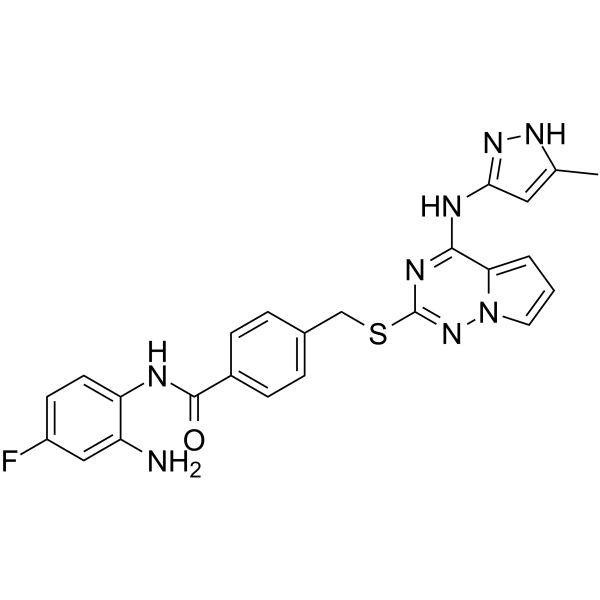
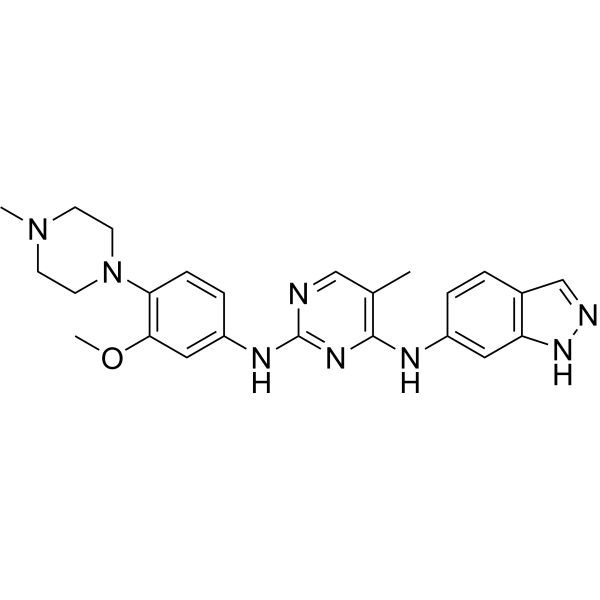
    CYD19 is a potent Snail/HDAC dual target inhibitor. CYD19 displays potent inhibitory activity against HDAC1 with an IC50 of 0.405 μM and potent inhibition against Snail with a Kd of 0.18 μM. CYD19 increases histone H4 acetylation in HCT-116 cells and decreases the expression of Snail protein to induce cell apoptosis .
    CYD19
  • HY-E70130

    Others Others
    Snailase, Snail gastrointestinal is an enzyme mixture composed of more than 20 enzymes, which is often used for enzymatic hydrolysis of purified flavonoid glycosides. Snailase can be obtained from the digestive tract and includes cellulase, sucrase, hemicellulase, pectinase, polygalacturonase, protease, etc .
    Snailase, Snail gastrointestinal
  • HY-117280

    MDM-2/p53 Cancer
    GN25 is a specific p53-Snail binding inhibitor with antitumor effects .
    GN25
  • HY-B1647

    Insecticide Others
    Ferric phosphate is used as food and feed supplement, particularly in bread enrichment. Ferric phosphate is also used as a fertilizer and as a molluscicide for a variety of slugs and snails including Deroceras reticulatum, D.laeve, Arion subfuscus .
    Ferric phosphate
  • HY-162153

    FGFR Cancer
    CYY292 is an FGFR1 inhibitor that specifically targets the FGFR1/AKT/Snail pathway in GBM cells. CYY292 dose-dependently inhibits cancer cell proliferation, epithelial-mesenchymal transition, stemness, invasion, and migration in vitro .
    CYY292
  • HY-157435

    E1/E2/E3 Enzyme Cytochrome P450 Proteasome Cancer
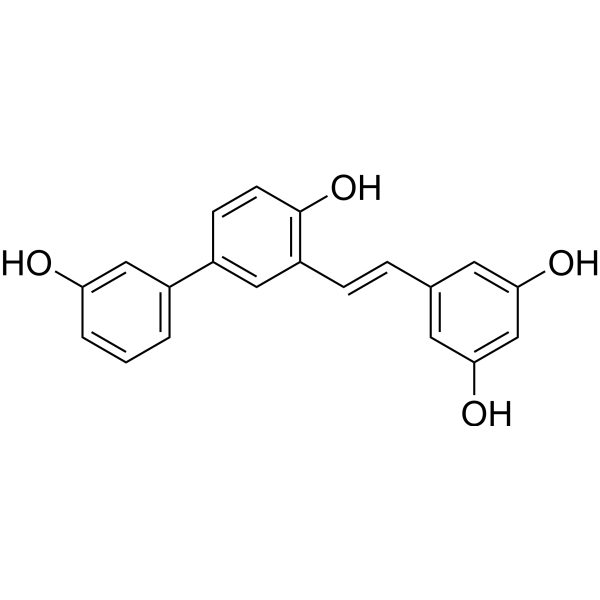
    PELI1-IN-1 (compound 3d) is a potent inhibitor of PELI1, E3 ubiquitin ligase. PELI1-IN-1 has anti-tumPELI1-IN-1, a Resveratrol (HY-16561) derivative, is an orally active PELI1 Inhibitor (Kd = 8.2 μM). PELI1-IN-1 markedly interrupts the interaction of PELI1 and SNAIL/SLUG, and inhibits the K63-polyubiquitization of SNAIL/SLUG by PELI1, subsequently downregulating the protein levels of epithelial-mesenchymal transition (EMT) effectors SNAIL/SLUG. PELI1-IN-1 significantly reduces the level of SNAIL, SLUG and Vimentin without affecting the PELI1 expression. PELI1-IN-1 targets the FHA domain of PELI1 and disrupts the interaction, leading to the anti-metastasis of TNBC cells in vitro and in vivo. PELI1-IN-1 shows no evident toxicity in vivo .
    PELI1-IN-1
  • HY-N0885
    Telocinobufagin
    1 Publications Verification

    Telobufotoxin; Telocinobufogenin

    JAK STAT mTOR PI3K Akt Polo-like Kinase (PLK) Na+/K+ ATPase Apoptosis Bacterial Infection Cardiovascular Disease Neurological Disease Inflammation/Immunology Cancer
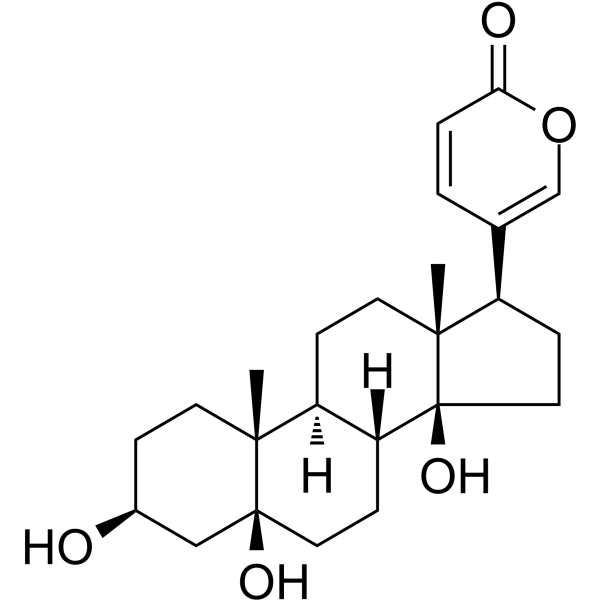
    Telocinobufagin (Telobufotoxin; Telocinobufogenin) is an orally active bufadienolide with potential anti-tumor effects. Telocinobufagin exerts its anti-cancer effects on non-small cell carcinoma, osteosarcoma, thyroid cancer, breast cancer and head and neck squamous cell carcinoma by inhibiting the STAT3, JAK2/STAT3, LARP1-mTOR, PI3K/Akt/Snail and PLK1 pathways, and can also induce tumor cell apoptosis. Telocinobufagin enhances the Th1 immune response and protects against Salmonella typhimurium infection. Telocinobufagin has a strong cardiac-stimulating effect by inhibiting the activity of Na +/K +-ATPase, and it can promote renal fibrosis. Telocinobufagin demonstrates non-opioid analgesic effects in various acute pain models .
    Telocinobufagin
  • HY-B1870

    Environmental Pollutants Insecticide Infection
    Metaldehyde is a commonly used pesticide for mollusks such as slugs and snails.
    Metaldehyde
  • HY-RS13470

    Small Interfering RNA (siRNA) Others

    SNAI1 Human Pre-designed siRNA Set A contains three designed siRNAs for SNAI1 gene (Human), as well as a negative control, a positive control, and a FAM-labeled negative control.

    SNAI1 Human Pre-designed siRNA Set A
    SNAI1 Human Pre-designed siRNA Set A
  • HY-N10449

    Antibiotic Apoptosis Bacterial Cancer
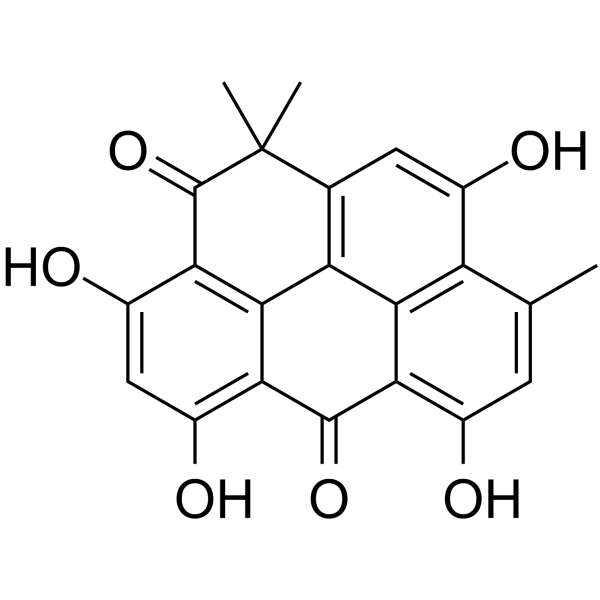
    Resistomycin, a pentacyclic polyketide antibiotic, possesses anticancer activity and induces apoptosis .
    Resistomycin
  • HY-N11709

    Apoptosis VEGFR ATM/ATR PTEN Akt mTOR HIF/HIF Prolyl-Hydroxylase NF-κB Notch Cholinesterase (ChE) Amyloid-β γ-secretase Ferroptosis Fungal Infection Neurological Disease Metabolic Disease Cancer
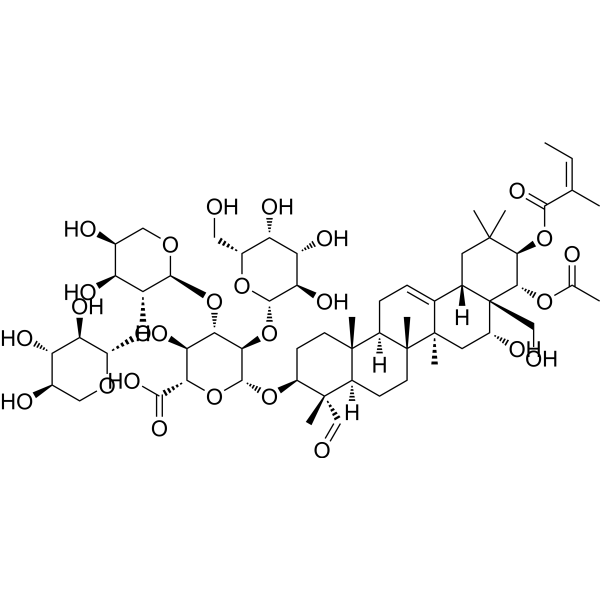
    Theasaponin E1 is an orally effective tea saponin. Theasaponin E1 inhibits the proliferation of cancer cells by activating apoptosis. Theasaponin E1 inhibits angiogenesis in ovarian cancer cells and HUVECs by reducing the expression of VEGF. Theasaponin E1 upregulates the phosphorylation level of ATM protein and the expression level of PTEN protein in cancer cells, decreases the phosphorylation levels of Akt, mTOR, p70S6K and 4E-BP1 proteins, downregulates the expression of HIF-1α and NF-κB, and reduces the protein expression of Notch ligands Dll4 and Jagged1. Theasaponin E1 exerts neuroprotective effects by inhibiting the activity of acetylcholinesterase, activating α-secretase and neprilysin, reducing the concentration of , and inhibiting the activities of β-secretase and γ-secretase. Theasaponin E1 exhibits toxic effects on cancer cells and quinone reductase-inducing activity, and inhibits tumor growth in vivo. Theasaponin E1 induces ferroptosis in Pomacea canaliculata by synergistically disrupting cholesterol homeostasis and sphingolipid metabolism. Theasaponin E1 possesses anti-biofilm activity against Candida albicans. Theasaponin E1 can be used in the research of ovarian cancer, obesity, Alzheimer's disease and fungal infections .
    Theasaponin E1
  • HY-159130

    DNA/RNA Synthesis Cancer
    AO-022 is a potent TALDO1 allosteric inhibitor. AO-022 decreases the expression of vimentin and snail. AO-022 shows antiproliferative activity and antitumor activity. AO-022 has the potential for the research of breast cancer .
    AO-022
  • HY-P1287

    iGluR Neurological Disease
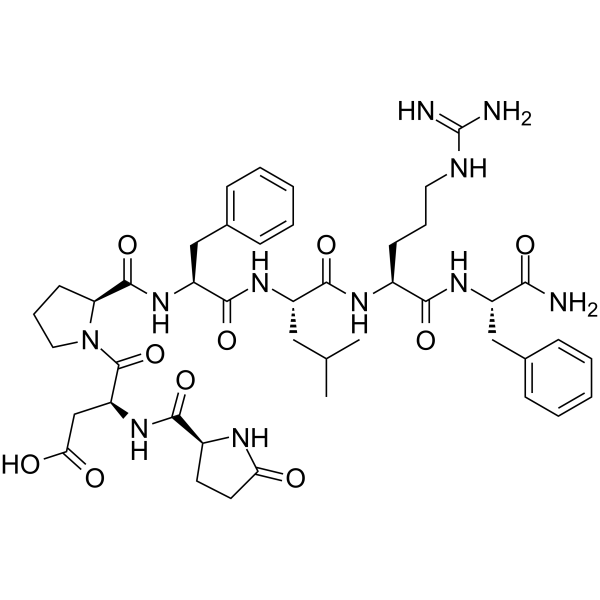
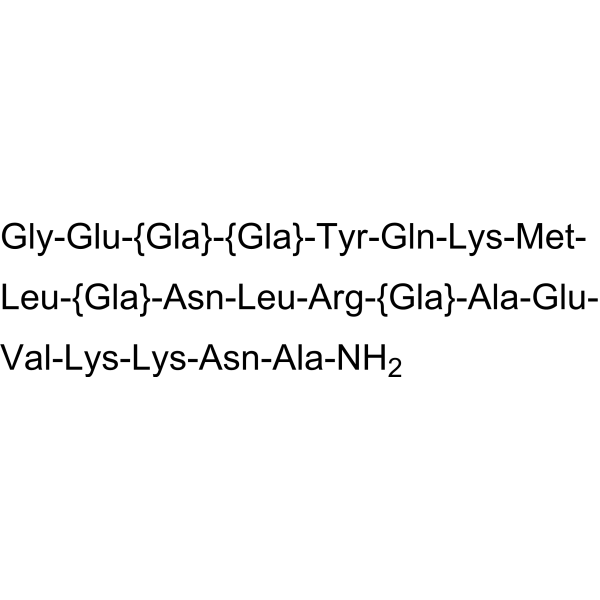
    Conantokin-T is a γ-carboxyglutamate-containing, N-methyl-D-aspartate (NMDA) antagonist peptidewith an IC50 value of 2 μM. Conantokin-T inhibits NMDA receptor-mediated calcium influx in central nervous system neurons. Conantokin-T can be purified from the venom of the fish-hunting cone snail, Conus tulipa .
    Conantokin-T
  • HY-P11082

    Endogenous Metabolite Neurological Disease
    APGW-amide is a neuropeptide. APGW-amide controls the growth of imposex structures and promotes growth in Haliotis asinina. APGW-amide inhibits Achatina neurons and modulates neuronal currents induced by neuroactive compounds. APGW-amide induces a rapid increase in [Ca 2+]i in Fura-2/AM-loaded PC12 cells. APGW-amide is useful for research on the nervous system .
    APGW-amide
  • HY-142074

    (+)-Inophyllum B

    Reverse Transcriptase HIV Infection
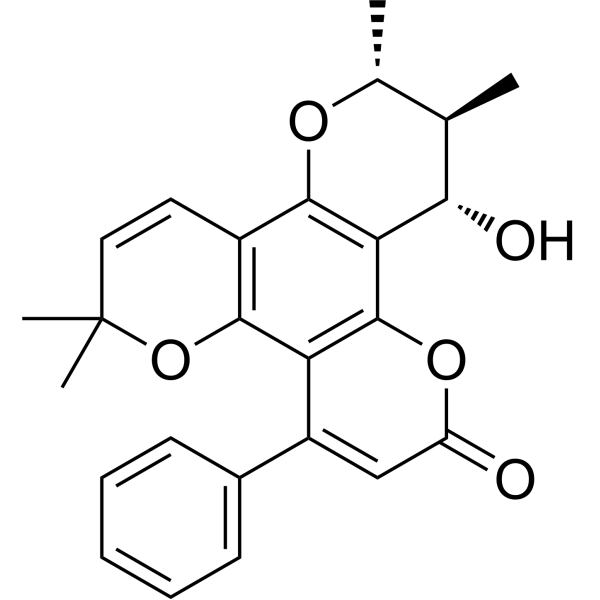
    Inophyllum B ((+)-Inophyllum B) is a potent HIV Reverse Transcriptase inhibitor with an IC50 value of 38 nM. Inophyllum B inhibits HIV-1 (IC50=1.4 μM) in vitro cell culture. Inophyllum B can be isolated from the acetone extract of the giant African snail, Achatina fulica .
    Inophyllum B
  • HY-146681

    PAK Cancer
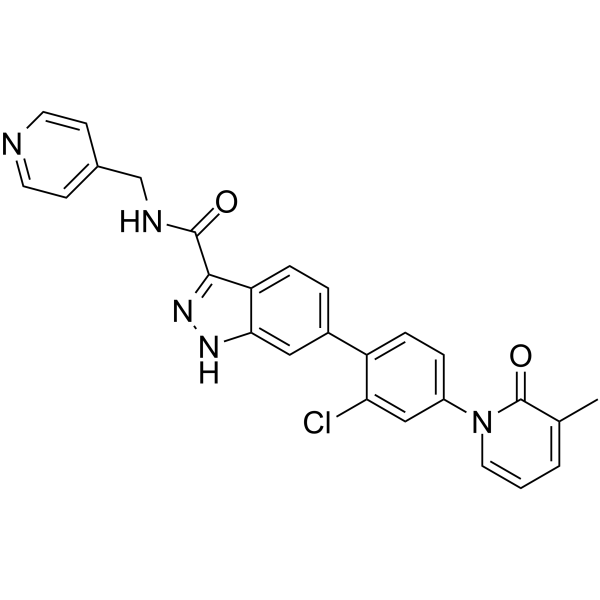
    PAK1-IN-1 is a potent and selective PAK1 inhibitor with an IC50 of 9.8 nM. PAK1-IN-1 inhibits the migration and invasion of PAK1-related tumour cells in a dose-dependent manner .
    PAK1-IN-1
  • HY-N15267

    FAK Akt mTOR Cancer
    Ovalitenone is a flavonoid compound that can be isolated from the plant Millettia peguensis. It shows no cytotoxic effects on lung cancer H460 and A549 cells, but it significantly inhibits anchorage-independent growth, CSC-like phenotypes, colony formation, and the migration and invasion capabilities of cancer cells. Ovalitenone can significantly reduce the levels of N-cadherin, snail, and slug, while increasing E-cadherin, thus inhibiting the EMT pathway. Additionally, Ovalitenone suppresses the signaling pathways regulated by focal adhesion kinase (FAK), ATP-dependent tyrosine kinase (AKT), mammalian target of rapamycin (mTOR), and cell division cycle 42 (Cdc42) .
    Ovalitenone
  • HY-P5158

    Adrenergic Receptor Others
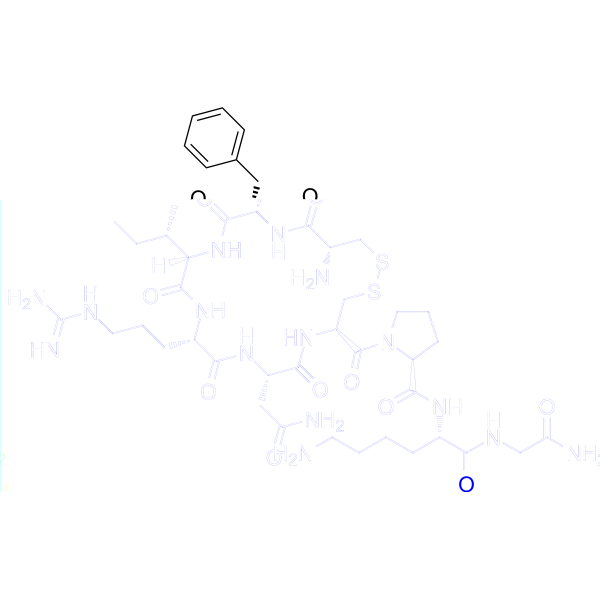
    Conopeptide rho-TIA is a peptide derived from the venom contained in the predatory sea snail Conus tulipa, has highly selective and noncompetitive inhibitor at human α1B-Adrenergic Receptor. Conopeptide rho-TIA acts a competitive inhibitor at human α1A-Adrenergic Receptor and α1D-Adrenergic Receptor. Conopeptide rho-TIA binds to each subtype and may provide useful information for the development of novel α1-Adrenergic Receptor subtype-selective drugs .
    Conopeptide rho-TIA
  • HY-126106

    Potassium Channel Others
    (BrMT)2 (compound 2) is a non-peptide snail toxin that slows down the activation of Kv1.1 channels .
    (BrMT)2
  • HY-174441

    Chloride Channel Others
    Molluscicidal agent-2 (Compound 16) is a molluscicide with an LC50 of 0.58 mg/mL against Monacha cartusiana snails. Molluscicidal agent-2 exerts its effect through a dual mode of action: gastrointestinal toxicity and GABAA-GluCl channel antagonism. Molluscicidal agent-2 can be used in research on agricultural pest control .
    Molluscicidal agent-2
  • HY-181654

    Epigenetic Reader Domain CXCR MMP Inflammation/Immunology
    Snail IN-1 is an orally active Snail inhibitor with a Ka of 0.36 μM.Snail IN-1 disrupts Snail-CBP interaction, accelerates Snail protein degradation, reduces Snail acetylation, increases Snail polyubiquitination, and selectively downregulates Snail protein without altering other EMT transcription factors.Snail IN-1 reduces atherosclerotic plaque burden, modulates inflammation and plaque stability factors, downregulates CCL5, CXCL10, MMP2, and MMP9, and upregulates α-smooth muscle actin.Snail IN-1 exerts anti-inflammatory and plaque-stabilizing properties.Snail IN-1 can be used for the research of atherosclerosis .
    Snail IN-1
  • HY-RS19742

    Small Interfering RNA (siRNA) Others

    Snai1 Mouse Pre-designed siRNA Set A contains three designed siRNAs for Snai1 gene (Mouse), as well as a negative control, a positive control, and a FAM-labeled negative control.

    Snai1 Mouse Pre-designed siRNA Set A
    Snai1 Mouse Pre-designed siRNA Set A
  • HY-B1870R

    Insecticide Reference Standards Infection
    Metaldehyde (Standard) is the analytical standard of Metaldehyde. This product is intended for research and analytical applications. Metaldehyde is a commonly used pesticide for mollusks such as slugs and snails.
    Metaldehyde (Standard)
  • HY-N0531

    Parasite Infection
    Filixic acid ABA is a molluscicidal agent against B. peregrina adult snails, with an LD50 of 8.40 ppm. Filixic acid ABA shows 100% mortality of B. peregrina at 15 ppm .
    Filixic acid ABA
  • HY-150596

    Apoptosis Bcl-2 Family JNK Cancer
    CT1-3 is a potent anticancer agent. CT1-3 induces mitochondria-mediated apoptosis by regulating JNK/Bcl-2/Bax/XIAP pathway. CT1-3 suppresses the epithelial mesenchymal transition (EMT) potential of human cancer cells (HCCs) via regulating the E-cadherin/Snail axis, thus inhibits tumorigenesis. CT1-3 has a strong antitumor effect in mice model and exhibits no significant hepatic and renal toxicity .
    CT1-3
  • HY-NP186

    Biochemical Assay Reagents Cancer
    Helix pomatia Agglutinin is a N-acetylgalactosamine (GalNAc) binding lectin, found in the reproductive gland of a Roman snail. Helix pomatia Agglutinin binds with high affinity (kD = 1.9-2.4 μM) steroid hormones: testosterone and progesterone. Helix pomatia Agglutinin interacts with adenine (kD = 5.4 μM) and arylaminonaphthalene sulfonate TNS (kD = 12 μM). Helix pomatia Agglutinin is commonly used for characterizing, imaging, or targeting glycoconjugates, and is also a very useful tool for glycomics analysis . Helix pomatia Agglutinin can be used for cancer prognosis study .
    Helix pomatia Agglutinin
  • HY-N16719

    Kallikrein ERK Cadherin β-catenin Cancer
    Picrasidine J is a selective inhibitor targeting the KLK-10 protease and the ERK signaling pathway. Picrasidine J inhibits epithelial-mesenchymal transition (EMT) by upregulating E-Cadherin and ZO-1 and downregulating β-catenin and Snail, while simultaneously reducing KLK-10 expression and inhibiting ERK phosphorylation, thereby exhibiting significant anti-migratory and anti-invasive activity. Picrasidine J can inhibit the metastasis of head and neck squamous cell carcinoma (HNSCC) and is primarily used in anti-metastasis research for head and neck tumors .
    Picrasidine J
  • HY-182361

    AMPK JAK Cadherin Cancer
    NUAK1-IN-3 is a potent and selective NUAK1 inhibitor with an IC50 of 0.49 nM. NUAK1-IN-3 also inhibits NUAK2 and JAK3 with IC50 values of 265 and 225 nM. NUAK1-IN-3 engages Glu139 of NUAK1, forms a salt bridge between its bicyclic ring nitrogen and Asp142, and uses a fluorine atom to enhance hydrophobic binding interactions. NUAK1-IN-3 attenuates MYPT1 phosphorylation, suppresses the NUAK1-MYPT1 signaling axis, and inhibits proliferation, migration, and invasion of triple-negative breast cancer cells. NUAK1-IN-3 reverses TGF-β1-induced epithelial-mesenchymal transition (EMT) marker alterations, downregulates Snail and N-cadherin, and upregulates E-cadherin in tumor tissues. NUAK1-IN-3 suppresses tumor growth in triple-negative breast cancer xenograft models. NUAK1-IN-3 can be used for the research of triple-negative breast cancer .
    NUAK1-IN-3

Inquiry Online

Your information is safe with us. * Required Fields.

Salutation


Country or Region *

Applicant Name *


Organization Name *

Department *


Email Address *


Product Name *

Cat. No.


Requested quantity *

Phone Number *


Remarks

Inquiry Online

Inquiry Information

Product Name:
Cat. No.:
Quantity:
MCE Japan Authorized Agent:

