

83 Results for "

Sprague Dawley rats

" in MedChemExpress (MCE) Product Catalog:
Products (83)

83 Results for "Sprague Dawley rats" in MCE Product Catalog:

50
50 Publications Verification
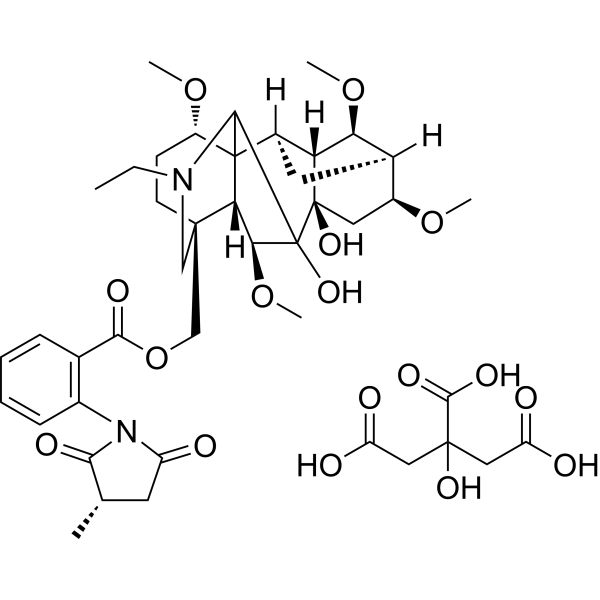
Cat. No.: HY-N2332A
CAS No.: 351344-10-0
Synonyms: MLA citrate
Methyllycaconitine (MLA) citrate is a blood-brain barrier-permeable antagonist of α7 nicotinic acetylcholine receptor (α7nAChR) with an IC50 of 2 nM. Methyllycaconitine citrate inhibits Aβ25-35-induced autophagy by restoring the mTOR pathway, and prevents reactive oxygen species (ROS) production, microglial activation, reduced dopamine uptake, loss of dopaminergic terminals and catecholamine secretion. Methyllycaconitine citrate induces hippocampal glutamate efflux, enhances long-term potentiation, and improves memory acquisition. Methyllycaconitine citrate can be used in research related to Alzheimer's disease, cerebral palsy, Parkinson's disease and schizophrenia .
loading...
    loading...
8
8 Cited Publications
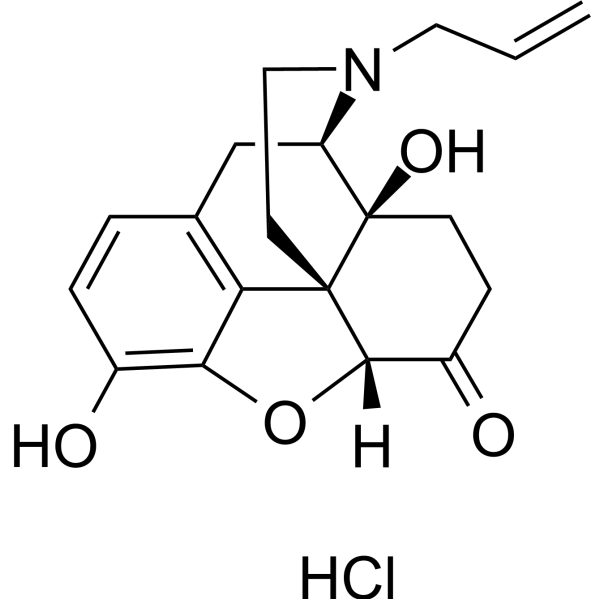
Cat. No.: HY-17417
CAS No.: 357-08-4
Target:  

Opioid Receptor

Research Areas:  

Neurological Disease

Naloxone hydrochloride is an orally active opioid receptor antagonist. Naloxone hydrochloride attenuates spinal cord stimulation‑associated anti‑hyperalgesic effects, antagonizes physiologic effects of endogenous opioid peptides linked to central nervous system injury sequelae, functions as a pressor agent to induce modest elevations in mean arterial blood pressure, exerts neuroprotective effects to improve post‑traumatic neurologic motor function, blocks opioid receptor‑mediated amnesic pathways, enhances memory consolidation, reverses Adrenocorticotropic hormone (ACTH) (HY-106373)- and epinephrine‑induced amnesia, and potentiates the memory‑facilitatory effects of ACTH and epinephrine .
loading...
    loading...
8
8 Cited Publications
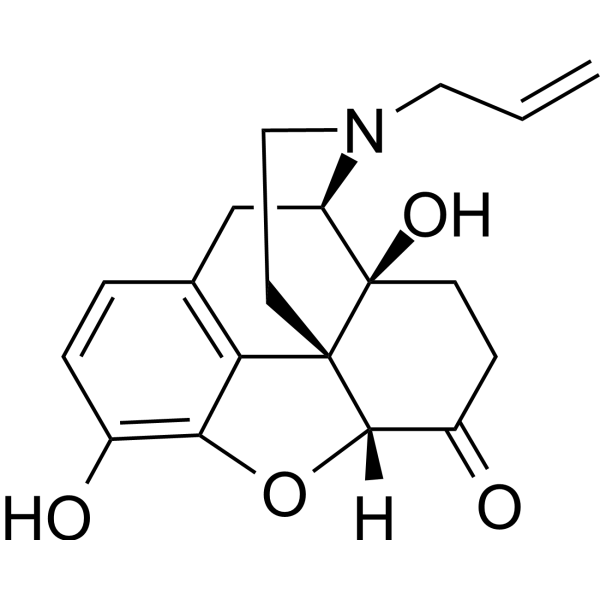
Cat. No.: HY-17417A
CAS No.: 465-65-6
Target:  

Opioid Receptor

Research Areas:  

Neurological Disease

Naloxone hydrochloride is an orally active opioid receptor antagonist. Naloxone hydrochloride attenuates spinal cord stimulation‑associated anti‑hyperalgesic effects, antagonizes physiologic effects of endogenous opioid peptides linked to central nervous system injury sequelae, functions as a pressor agent to induce modest elevations in mean arterial blood pressure, exerts neuroprotective effects to improve post‑traumatic neurologic motor function, blocks opioid receptor‑mediated amnesic pathways, enhances memory consolidation, reverses Adrenocorticotropic hormone (ACTH) (HY-106373)‑ and epinephrine‑induced amnesia, and potentiates the memory‑facilitatory effects of ACTH and epinephrine .
loading...
    loading...
5
5 Cited Publications
Cat. No.: HY-P9985
CAS No.: 2136633-23-1
Synonyms: RC48
Research Areas:  

Cancer

Disitamab vedotin (RC48) is a HER2-targeted antibody-drug conjugate (ADC), formed by conjugation of the humanized anti-HER2 antibody Disitamab (HY-P99854) with drug-linker VcMMAE (HY-15575). VcMMAE consists of a cleavable MC-Val-Cit-PAB linker and the microtubule inhibitor MMAE (HY-15162). After binding to HER2 and undergoing endocytosis, Disitamab vedotin releases MMAE in lysosomes, which further inhibits microtubule assembly, arrests mitosis and induces apoptosis, while also exerting a bystander effect. Disitamab vedotin can be used in studies of HER2-positive breast cancer .
loading...
    loading...
2
2 Cited Publications
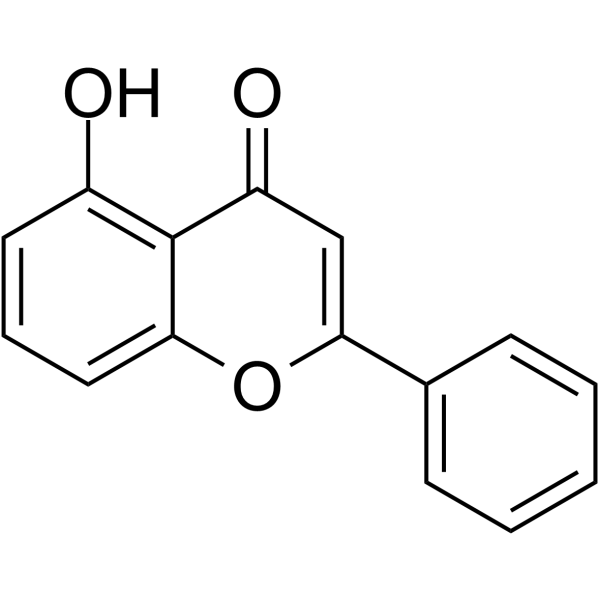
Cat. No.: HY-22024
CAS No.: 491-78-1
Synonyms: 5-OH-Flavone
5-Hydroxyflavone (5-OH-Flavone) is a flavonoid compound that undergoes oxidation-mediated conversion to 5,7-dihydroxyflavone and 5,6,7-trihydroxyflavone by human cytochrome P450 enzymes .
loading...
    loading...
1
1 Cited Publications
Cat. No.: HY-119689
CAS No.: 1387560-01-1
Purity:  99.81%
Synonyms: CNP520
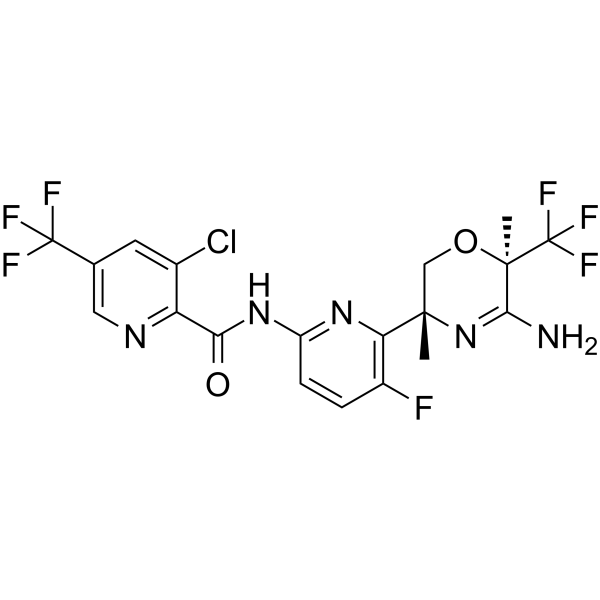
Umibecestat (CNP520) is a selective, orally active BACE inhibitor, with an IC50 of 11 nM for hBACE-1, 10 nM for mouse BACE-1, and 30 nM for hBACE-2. Umibecestat reduces β-Amyloid levels in the brain and cerebrospinal fluid, decreases β-amyloid plaque deposition, and inhibits plaque-associated neuroinflammation. Umibecestat is used in research related to Alzheimer's disease .
loading...
    loading...
1
1 Cited Publications
Cat. No.: HY-W081067
CAS No.: 13252-13-6
Synonyms: HFPO-DA
Target:  

PPAR

Research Areas:  

Infection

Perfluoro (2-methyl-3-oxahexanoic) acid (HFPO-DA) is an orally active PPARα agonist with an EC50 of 2.1 μM for human PPARα. Perfluoro (2-methyl-3-oxahexanoic) acid induces peroxisome proliferation and increases the levels of proinflammatory mediators. It impairs intestinal barrier function and disrupts cecal flora balance. Perfluoro (2-methyl-3-oxahexanoic) acid is applicable to research related to developmental toxicity, hepatotoxicity and intestinal toxicity .
loading...
    loading...
1
1 Cited Publications
Cat. No.: HY-Y1885
CAS No.: 7722-88-5
Tetrasodium pyrophosphate is a water-soluble inorganic salt commonly used as a buffering agent, emulsifier, and sequestrant. Tetrasodium pyrophosphate is an antimicrobial agent that can reduce microbial colonization. Tetrasodium pyrophosphate blocks IPP translocation, enhances astaxanthin, phenol, flavonoid, and H2O2 levels, activates PAL and DPPH scavenging activity. Tetrasodium pyrophosphate can be used for the research of alleviating symptoms post COVID-19 .
loading...
    loading...
1
1 Cited Publications
Cat. No.: HY-P10269
CAS No.: 2668298-70-0
Synonyms: GZR18
Target:  

GLP Receptor

Research Areas:  

Metabolic Disease

Bofanglutide (GZR18) is an analog of glucagon-like peptide-1 (GLP-1), which exhibits agonistic activity for GLP-1 receptor, with an EC50 of 0.677 nM. GZR18 ameliorates type 2 diabetes .
loading...
    loading...
1
1 Cited Publications
Cat. No.: HY-N0853A
CAS No.: 18674-16-3
Synonyms: Alisol A 24-monoacetate; Alisol A monoacetate
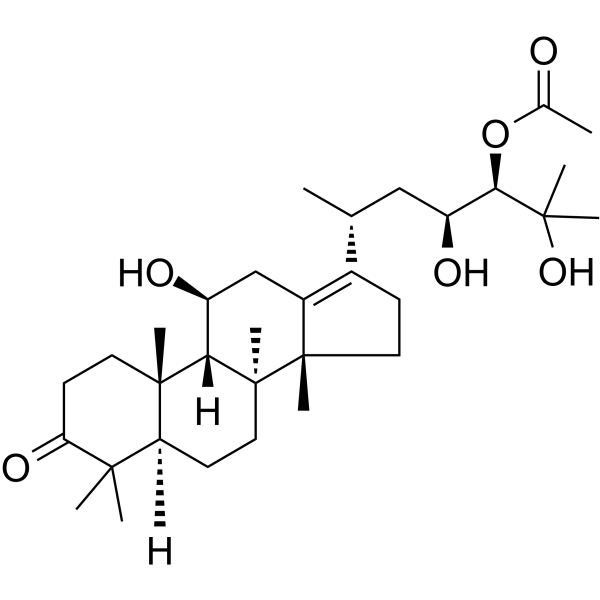
Alisol A 24-acetate (Alisol A monoacetate) is an orally active derivative of protostane-type tetracyclic triterpenoid. Alisol A 24-acetate upregulates the expression of adiponectin, AMPKα, CPT1, and ACOX1; downregulates the expression of SREBP-1c, ACC, FAS, Bcl-2, Bcl-xl, PPAR-γ, perilipin A, and NFATc1; inhibits the activity of PI3K/Akt/mTOR and HMGR; and activates the PKA and ERK signaling pathways. Alisol A 24-acetate regulates cell apoptosis (apoptosis), autophagy (Autophagy, hepatic lipid accumulation, inflammatory response, neuroprotection, MRSA membrane integrity, and osteoclast differentiation. Alisol A 24-acetate can be used in research related to non-alcoholic fatty liver disease, nephrotoxicity, obesity, global cerebral ischemia-reperfusion injury, bacterial infection, and osteoporosis .
loading...
    loading...
1
1 Cited Publications
Cat. No.: HY-104059
CAS No.: 1470018-52-0
Purity:  99.89%
Target:  

TRP Channel

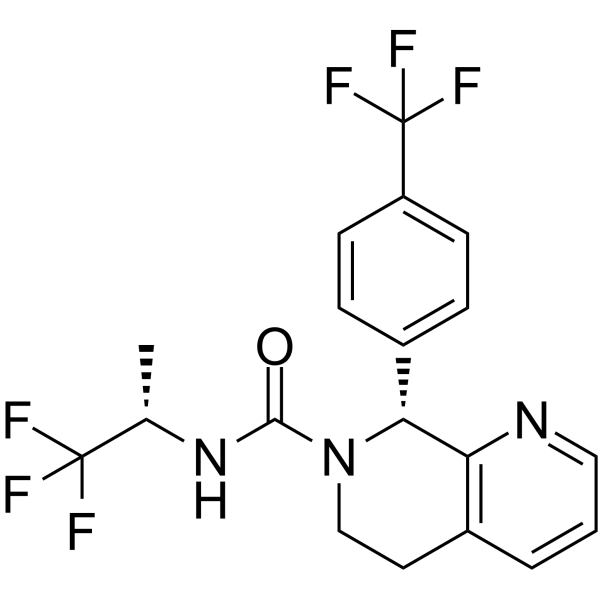
AMG2850 is an orally active, blood-brain barrier-permeable selective TRPM8 competitive antagonist. AMG2850 abolishes the counterirritant effect of TRPM8 agonists, blocks TRPM8 activation induced by cold, (-)-Menthol (HY-75161) and Icilin (HY-11062), and exhibits selectivity over TRPA1, TRPV1, TRPV3 and TRPV4. AMG2850 is applicable for pain-related research .
loading...
    loading...
Cat. No.: HY-P11274A
Synonyms: Amycretin sodium; NN 9487 sodium
Research Areas:  

Metabolic Disease

Zenagamtide (Amycretin; NN 9487) sodium is an orally active, blood-brain barrier permeable triple agonist that targets GLP-1, amylin (Amylin Receptor) and calcitonin receptor (Calcitonin Receptor). Zenagamtide sodium is a single peptide consisting of 68 amino acids that can target brain regions regulating food intake, significantly suppress appetite and reduce energy intake. Therefore, Zenagamtide sodium improves body weight, waist circumference, glycated hemoglobin and lipid profile, and also alleviates the histological features of metabolic dysfunction-associated steatotic liver disease (MASLD) and enhances insulin sensitivity. Zenagamtide sodium may cause transient increases in heart rate and fluctuations in serum calcium levels, but it is an important compound for the study of overweight, obesity, insulin resistance and related metabolic diseases .
loading...
    loading...
Cat. No.: HY-16265
CAS No.: 900573-88-8
Research Areas:  

Cancer

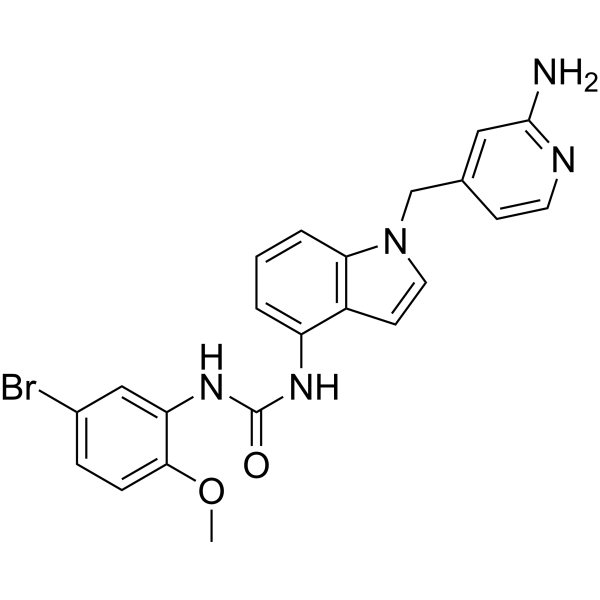
JI-101 is an orally active multi-kinase inhibitor. JI-101 inhibits EphB4, VEGFR-2 and PDGFR-β. JI-101 exhibits anticancer activity. JI-101 can be used in research related to ovarian cancer .
loading...
    loading...
Cat. No.: HY-W116336D
CAS No.: 1314-13-2
Zinc oxide, <100 nm particle size is a nitrate reductase modulator and growth promoter with plant stress resistance activity and oral toxicity. Zinc oxide, <100 nm particle size acts as a nutrient source for maize plants. By enhancing nitrate reductase activity and reducing free proline levels, it significantly improves plant height, root length and dry matter weight of maize, and its growth-promoting effect is comparable to that of traditional zinc sulfate fertilizer. Zinc oxide, <100 nm particle size induces anemia-related and persistent tissue inflammatory damage, leading to obvious histopathological adverse reactions in the stomach, pancreas, eyes and prostate of rats. Zinc oxide, <100 nm particle size acts as a non-toxic antibacterial agent and selective cytotoxin against multiple bacteria, fungi and spores .
loading...
    loading...
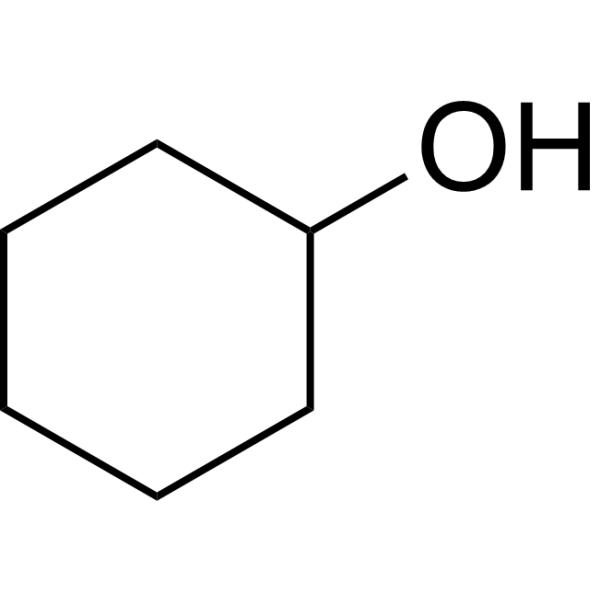
Cat. No.: HY-Y1217
CAS No.: 108-93-0
Synonyms: Hydroxycyclohexane; NSC 54711; Naxol; Cyclohexanol
1-Cyclohexanol (Hydroxycyclohexane; NSC 5471) is an orally active Cramer Class I flavor ingredient that can be used in fragrances. 1-Cyclohexanol has a wide margin of safety and is environmentally friendly .
loading...
    loading...
Cat. No.: HY-112974
CAS No.: 1492984-65-2
Synonyms: GSK-2998728; ISIS-420915
Inotersen (GSK-2998728; ISIS-420915) is a 2'-O-methoxyethyl-modified antisense oligonucleotide and transthyretin (TTR) inhibitor with low genotoxicity. Inotersen triggers RNase H1-mediated degradation by binding to TTR mRNA, thereby effectively reducing the production of both mutant and wild-type transthyretin in the liver. Inotersen significantly reduces amyloid fiber deposition, yet specific toxicities such as inflammation or tumors are observed at high doses in some animal models. Inotersen is used in studies of hereditary transthyretin amyloidosis and the associated polyneuropathy and cardiomyopathy .
loading...
    loading...
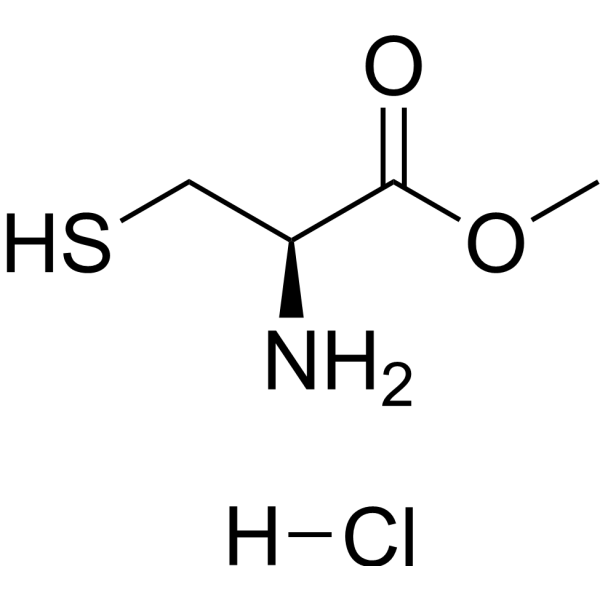
Cat. No.: HY-B1038
CAS No.: 18598-63-5
Target:  

Endogenous Metabolite

Research Areas:  

Inflammation/Immunology

L-Cysteine methyl ester hydrochloride is an antitussive, phlegmolytic agent used to relieve breathing difficulties caused by large amounts of phlegm. L-Cysteine methyl ester hydrochloride is a copper corrosion inhibitor used in various industrial studies .
loading...
    loading...
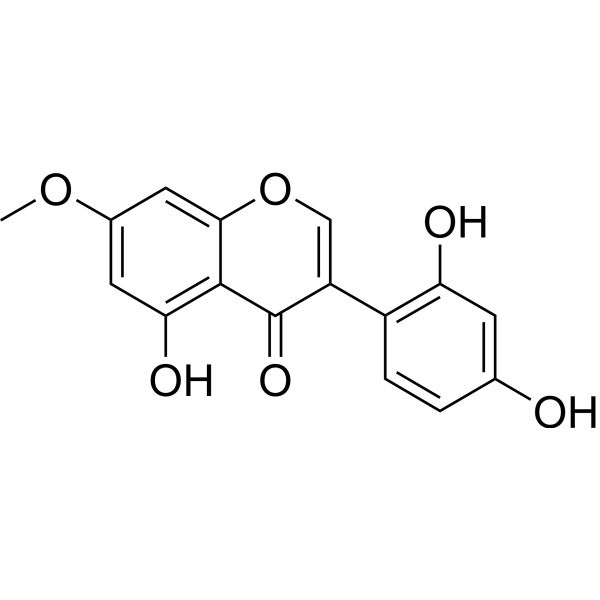
Cat. No.: HY-N2983
CAS No.: 32884-36-9
Cajanin is a potent and orally active anti-melanogenic agent. Cajanin shows antiproliferative activity in MNT1 Cells. Cajanin efficiently decreases the melanin content. Cajanin down-regulates the mRNA and protein expression levels of MITF, tyrosinase, TRP-1 and Dct (TRP-2). Cajanin induces cell cycle arrest at G2/M and S phase. Cajanin stimulates osteoblast proliferation. Cajanin has the potential for the research of human hyperpigmented disorders and menopausal osteoporosis .
loading...
    loading...
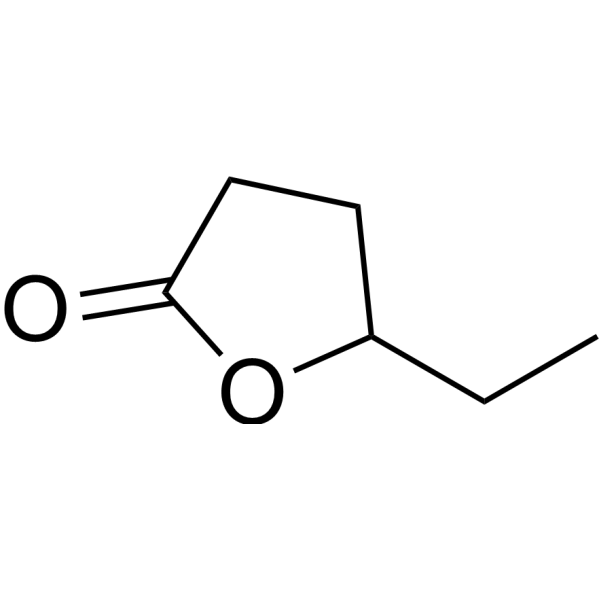
Cat. No.: HY-W015892
CAS No.: 695-06-7
Synonyms: γ-Caprolactone
γ-Hexalactone (γ-Caprolactone) is a gamma-lactone found in ripe fruits. γ-Hexalactone induces DNA damage in human lymphocytes and HepG2 cells, modulates cytokine secretion in human lymphocytes, and reduces recombinant PON1 activity. γ-Hexalactone serves as a dose-dependent oviposition inhibitor against Bactrocera oleae. γ-Hexalactone can be used for the research of Bactrocera oleae pest management .
loading...
    loading...
Cat. No.: HY-107586
CAS No.: 78860-34-1
Purity:  98.10%
Synonyms: DAQ B1; L-783281; Dimethylasterriquinone
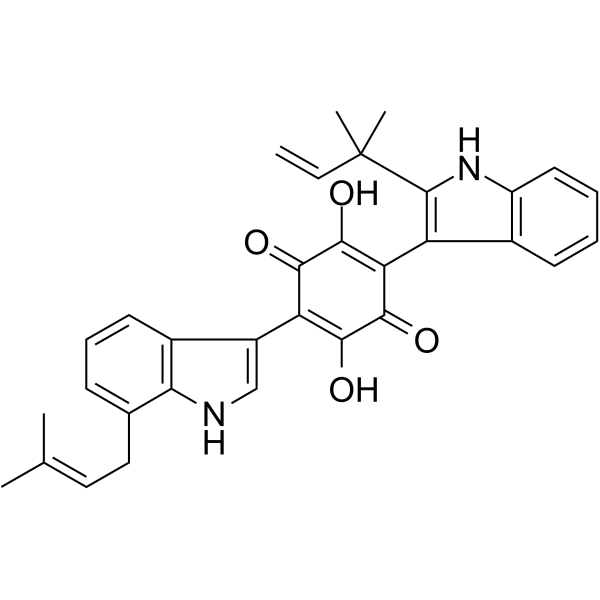
Demethylasterriquinone B1 (DAQ B1; L-783281) is an orally active insulin receptor (insulin receptor) agonist and AKT activator. By activating AKT, Demethylasterriquinone B1 upregulates the expression and activity of eNOS to increase NO production, while downregulating the expression of the NADPH oxidase subunit p22phox to reduce oxidative stress and improve vascular endothelial dysfunction in hypertensive rats. Demethylasterriquinone B1 combind with an AKT inhibitor targets the insulin signaling pathway to activate two antiviral pathways, RNA interference and JAK/STAT, in mosquitoes, thereby reducing Zika virus infection .
loading...
    loading...

