

Search Result
Results for "
Tumor specific antigen
" in MedChemExpress (MCE) Product Catalog:
3
Biochemical Assay Reagents
| Cat. No. |
Product Name |
Target |
Research Areas |
Chemical Structure |
-
- HY-P99742
-
|
ADC-1013; JNJ-64457107; Vanalimab
|
TNF Receptor
|
Cancer
|
|
Mitazalimab (ADC-1013; JNJ-64457107) is FcγR-dependent CD40 agonist with tumor-directed activity. Mitazalimab activates antigen-presenting cells, e.g. dendritic cells (DC), to initiate tumor-reactive T cells. Therefore, Mitazalimab induces tumor-specific T cells to infiltrate and kill tumors. Mitazalimab remodels the tumor-infiltrating myeloid microenvironment .
|
-
-
- HY-159607
-
|
|
PROTACs
SWI/SNF Complex
|
Cancer
|
|
PRT3789 is a selective SMARCA2 PROTAC degrader (DC50 in HeLa cell: 0.72 nM for SMARCA2, 14 nM for SMARCA4). PRT3789 forms a stable ternary complex with Von Hippel-Lindau (VHL) E3 ligase, induces polyubiquitination at SMARCA2-specific lysine residues, and drives proteasome-dependent SMARCA2 degradation. PRT3789 disrupts SWI/SNF chromatin remodeling complex integrity, induces dissociation of specific subunits, suppresses oncogenic gene expression, reduces chromatin accessibility, and upregulates antigen processing/presentation-related gene expression. PRT3789 induces synthetic lethality, inhibits proliferation and colony formation, and drives tumor growth inhibition and regression in SMARCA4-deficient contexts. PRT3789 can be used for the research of SMARCA4-mutated solid tumors, non-small cell lung cancer, endometrial cancer, colorectal cancer, bladder cancer, esophageal cancer, ovarian cancer, and gastric cancer .
|
-
-
- HY-177434
-
|
Precem-TcT; M 9140
|
Antibody-Drug Conjugates (ADCs)
Transmembrane Glycoprotein
Topoisomerase
|
Cancer
|
|
Precemtabart tocentecan (Precem-TcT; M 9140) is an anti-CEACAM5 (carcinoembryonic antigen-related cell adhesion molecule 5) antibody-drug conjugate (ADC). Precemtabart tocentecan consists of a tumor-specific anti-CEACAM5 monoclonal antibody Precemtabart (HY-P990940), a highly hydrophilic and stable cleavable β-glucuronide linker, and a topoisomerase 1 inhibitor payload Exatecan (HY-13631), and the drug-linker conjugate for ADC is Mal-Gly-PAB-Exatecan-D-glucuronic acid (HY-153179). Precemtabart tocentecan inhibits the growth of CEACAM5-positive cancer cells. Precemtabart tocentecan exhibits significant antitumor activity in CEACAM5-expressing xenograft models. Precemtabart tocentecan can be used for the study of CEACAM5-expressing advanced solid tumors, especially mCRC .
|
-
-
- HY-164899
-
|
2-aminopyridine-3-carboxylic acid imidazolide
|
Transmembrane Glycoprotein
|
Cancer
|
|
2A3 (2-aminopyridine-3-carboxylic acid imidazolide) is a T cell activator that specifically binds to CEACAM6 and CEACAM5. 2A3 exhibits enzymatic activity that catalyzes the glucuronidation of specific substrates (e.g., 1-naphthol), and possesses significant cytotoxic activity. When integrated into CAR T cells or used alone, 2A3 acts by inducing cytokine release, degranulation, and direct cytotoxicity. 2A3 kills pancreatic and breast cancer cells with high target antigen expression in vitro, and significantly inhibits the growth of pancreatic cancer xenografts in vivo. 2A3 broadly targets malignant tumors with overexpressed CEACAM5, CEACAM6, or co-expressed both, and shows high expression mainly in tissues such as the liver and colon. 2A3 serves as an important research tool for the immunotherapy of pancreatic and breast cancer . 2A3 is a novel SHAPE reagent, which can be used for the analysis of RNA structure both in vitro and in vivo . 2A3 is an electrophilic chemical probe that acylates the 2'-OH in the RNA backbone. 2A3 can be used for RNA SHAPE-MaP experiments and is capable of analyzing the RNA secondary structures at single nucleotide resolution.
|
-
-
- HY-P99328
-
|
|
Interleukin Related
|
Inflammation/Immunology
Cancer
|
|
Tucotuzumab (Anti-EPCAM Recombinant Antibody) is an antigen-specific IgG1 monoclonal antibody that targets human epithelial cell adhesion molecule (EpCAM). Tucotuzumab links two IL-2 molecules and is an immunosuppressant and anti-tumor active molecule .
|
-
-
- HY-165740
-
|
Disialoganglioside GD2
|
Apoptosis
|
Cancer
|
|
Ganglioside GD2 (Disialoganglioside GD2) is a tumor-associated antigen. Ganglioside GD2 shows limited expression in normal tissues but is overexpressed in multiple tumor types, and thus can serve as a target in cancer. Ganglioside GD2 is associated with tumor development and malignant phenotypes, and its mechanism of action relies on enhancing cell proliferation, motility, migration, adhesion and invasion, with specific effects depending on the tumor type .
|
-
-
- HY-20167A
-
|
|
Neurokinin Receptor
|
Cancer
|
|
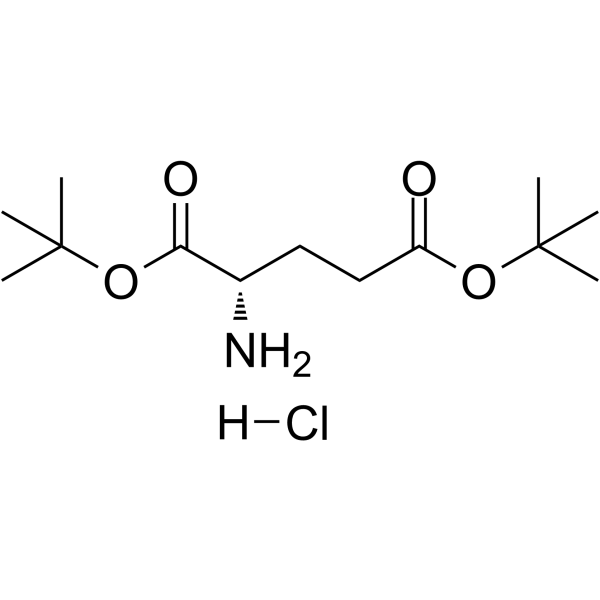
H-Glu(OtBu)-OtBu hydrochloride is a key intermediate that can be used to synthesize prostate-specific membrane antigen (PSMA) targeting probes. H-Glu(OtBu)-OtBu hydrochloride can reduce nonspecific background binding through negatively charged linkers, improve tumor/background contrast, and can be used in prostate cancer PET/SPECT imaging studies .
|
-
-
- HY-141729
-
|
|
Fluorescent Dye
|
Cancer
|
|
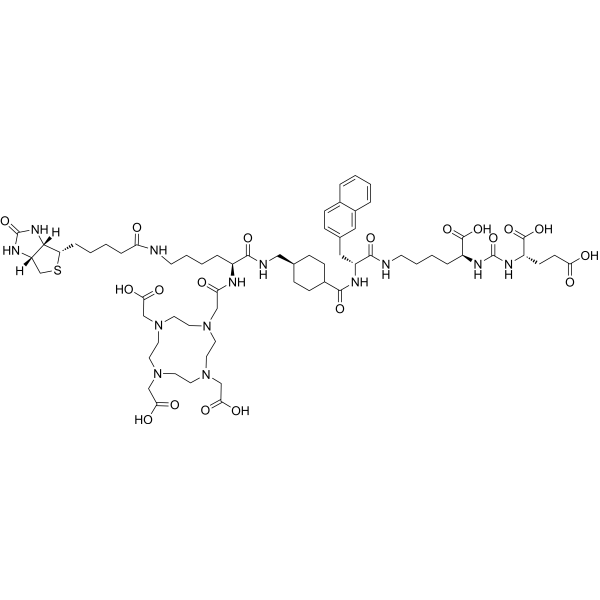
Biotin-NH-PSMA-617 is a biotin-tagged PSMA-617. PSMA-617 is a small molecule targeting the prostate-specific membrane antigen (PSMA), which is directly expressed by the tumor cells .
|
-
-
- HY-N0475
-
|
Hypolide; (+)-Triptophenolide
|
Androgen Receptor
Pyroptosis
Caspase
Bcl-2 Family
Apoptosis
|
Inflammation/Immunology
Cancer
|
|
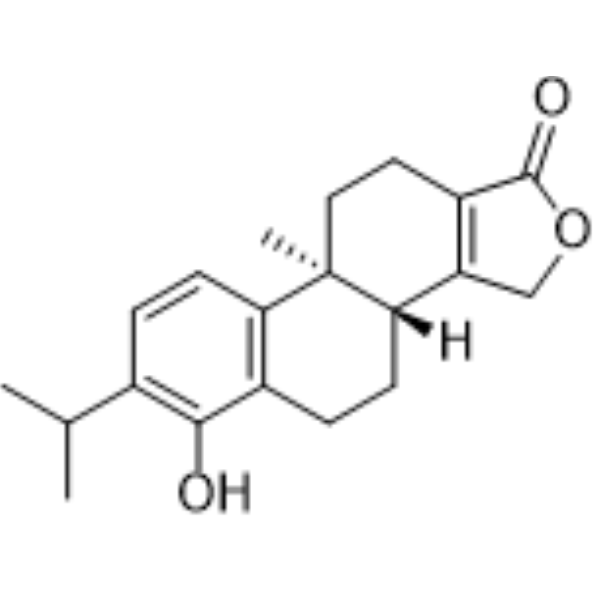
Triptophenolide (Hypolide) is a colorless crystal isolated from the ethyl acetate extract of Tripterygium wilfordii. Triptophenolide is an orally active pan‑antagonist of the androgen receptor (AR) with an IC50 of 467 nM against human wild‑type AR. Triptophenolide reduces AR expression, inhibits AR nuclear translocation, downregulates prostate‑specific antigen mRNA levels, and suppresses the growth of AR‑positive prostate cancer cells. Triptophenolide shows anti-tumor effects against breast cancer by inhibiting cell proliferation and migration, inducing G1-phase arrest and apoptosis, repressing xenograft tumor growth. Triptophenolide inhibits pyroptosis, alleviates tissue inflammation, and ameliorates synovial injury. Triptophenolide can be used for the study of prostate cancer, rheumatoid arthritis and breast cancer .
|
-
-
- HY-P5290
-
|
|
Radionuclide-Drug Conjugates (RDCs)
PSMA
|
Cancer
|
|
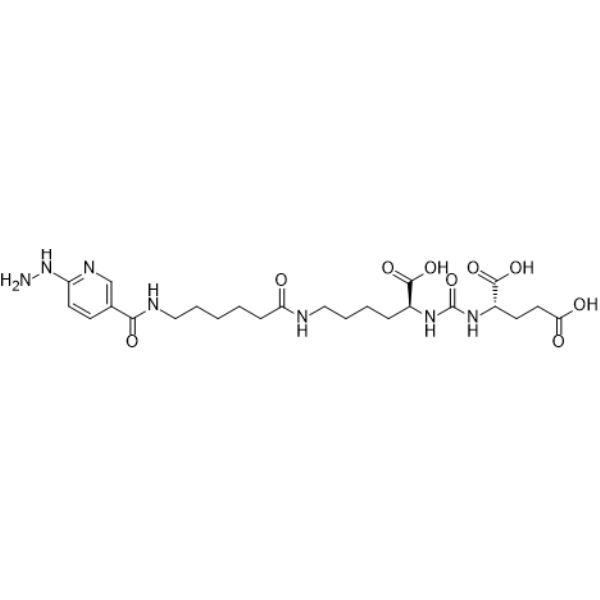
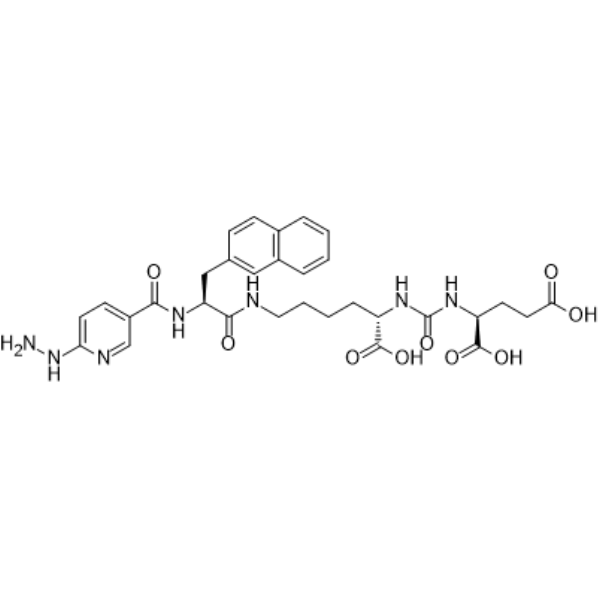
HYNIC-PSMA is a ligand for molecular imaging of tumors. Hynic-psma consists of two components: HYNIC (6-hydrazinonicotinamide) and PSMA (Prostate-Specific Membrane Antigen). HYNIC is a compound used to attach radioactive isotopes to targeted molecules, such as 188Re-HYNIC-PSMA. PSMA is a membrane antigen that is specifically expressed on the surface of prostate cancer cells. HYNIC-PSMA can be used in prostate cancer research . HYNIC-PSMA can be used for the synthesis/research of Radionuclide-Drug Conjugates (RDCs).
|
-
-
- HY-114256
-
|
|
PSMA
|
Cancer
|
|
EC1169 is a cytotoxic maytansinoid conjugate that specifically binds to prostate-specific membrane antigen (PSMA). EC1169 precisely delivers the maytansinoid B hydrazide payload to PSMA-positive cells to exert antitumor activity. EC1169 only inhibits the growth of PSMA-positive cells but has no effect on PSMA-negative cells, and enables complete recovery in mice bearing PSMA-positive tumors. EC1169 exhibits safety with no body weight loss or major organ damage induced. EC1169 is used in studies of prostate cancer and other PSMA-expressing malignancies .
|
-
-
- HY-B1250
-
|
|
Biochemical Assay Reagents
|
Cancer
|
|
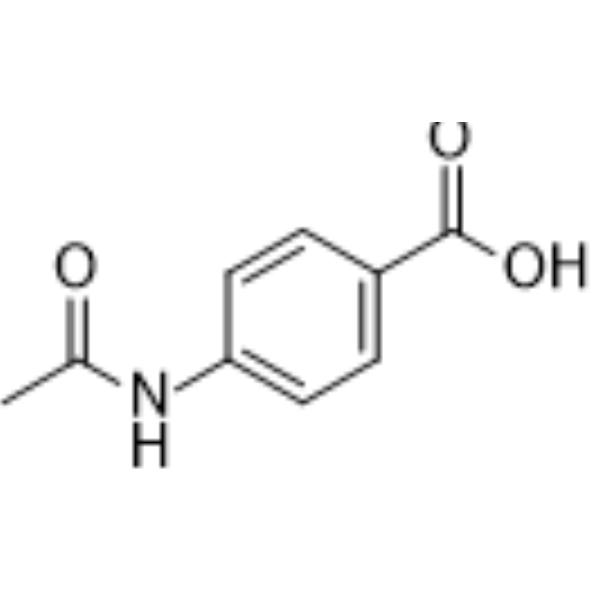
Acedoben is a biochemical agent. Acedoben and iron ions can construct a fast self-assembled coordination complex. The Fe-Ace coordination complex can not only serve as a carrier of tumor antigens, but also enhance antigen-specific anti-tumor immunity due to its inherent adjuvant properties .
|
-
-
- HY-P10740
-
|
|
Peptide-Drug Conjugates (PDCs)
PSMA
Folate Receptor (FR)
|
Cancer
|
|
CBP-1018 is a PDC (peptide-drug conjugate) formed by conjugating Monomethyl auristatin E (HY-15162) to a dual-targeting ligand of FLOR1/PSMA (prostate-specific membrane antigen) via a linker (HY-78738). CBP-1018 binds to FLOR1 and prostate-specific membrane antigen (PSMA). CBP-1018 is applicable to the research of solid tumors and metastatic castration-resistant prostate cancer .
|
-
-
- HY-P991198
-
|
|
Tim3
|
Cancer
|
|
M6903 is a humanized monoclonal IgG2 antibody targeting T cell immunoglobulin and mucin domain-3 (TIM-3) (KD for human TIM-3 is 2.3 nM). M6903 binds to TIM-3, blocking the binding of TIM-3 to phosphatidylserine (PtdSer), carcinoembryonic antigen cell adhesion-related molecule 1 (CEACAM1), and galectin 9 (Gal-9), thus relieving TIM-3-mediated T cell inhibition and exerting the activities of activating antigen-specific T cells and enhancing anti-tumor immunity. M6903 is promising for research of cancers .
|
-
-
- HY-159643
-
|
|
MAP4K
IFNAR
Interleukin Related
|
Inflammation/Immunology
Cancer
|
|
NDI-101150 is an orally active, potent and selective hematopoietic progenitor cell kinase 1 (HPK1) inhibitor with an IC50 of 0.7 nM. NDI-101150 blocks HPK1-mediated negative regulation of immune receptor signaling, inhibits immunosuppression of T cell activation, enhances antigen-specific antibody production and augments B-cell activation. NDI-101150 inhibits tumor growth in syngeneic tumor models, establishes durable antitumor immune memory, and synergizes with anti-PD1 to enhance exhausted T cell activity and drive tumor regressions. NDI-101150 can be used for the research of cancer, such as breast cancer and colon cancer .
|
-
-
- HY-P99554
-
|
PRX-302
|
PSMA
|
Cancer
|
|
Topsalysin is a PSA-activated protoxin, a pore-forming protein (synthetic proaerolysin) fusion protein with human prostate-specific antigen. Topsalysin has tumor suppression effect in mice modle .
|
-
-
- HY-P5292A
-
|
|
Radionuclide-Drug Conjugates (RDCs)
PSMA
|
Cancer
|
|
HYNIC-iPSMA TFA is a ligand for molecular imaging of tumors. Hynic-ipsma consists of two components: HYNIC (6-hydrazinonicotinamide) and iPSMA (Inhibitor of Prostate-Specific Membrane Antigen). HYNIC is a compound used to attach radioactive isotopes to targeted molecules. iPSMA is a specific inhibitor used to inhibit prostate-specific membrane antigen (PSMA). 68GA-labeled iPSMA has been used to detect prostate cancer by PET imaging. The further 99mTc-EDDA/HYNIC-iPSMA TFA has excellent specificity and sensitivity . HYNIC-iPSMA TFA can be used for the synthesis/research of Radionuclide-Drug Conjugates (RDCs).
|
-
-
- HY-B1250A
-
|
|
Biochemical Assay Reagents
|
Cancer
|
|
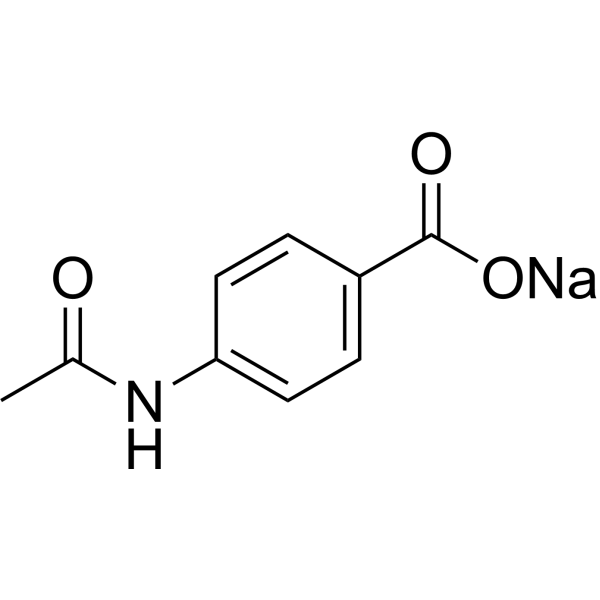
Acedoben sodium is the sodium salt form of Acedoben. Acedoben and iron ions can construct a rapidly self-assembled coordination complex, and the Fe-Ace coordination complex can not only serve as a carrier of tumor antigens, but also enhance antigen-specific anti-tumor immunity due to its inherent adjuvant properties .
|
-
-
- HY-P5292
-
|
|
Radionuclide-Drug Conjugates (RDCs)
PSMA
|
Cancer
|
|
HYNIC-iPSMA is a ligand for molecular imaging of tumors. Hynic-ipsma consists of two components: HYNIC (6-hydrazinonicotinamide) and iPSMA (Inhibitor of Prostate-Specific Membrane Antigen). HYNIC is a compound used to attach radioactive isotopes to targeted molecules. iPSMA is a specific inhibitor used to inhibit prostate-specific membrane antigen (PSMA). 68GA-labeled iPSMA has been used to detect prostate cancer by PET imaging. The further 99mTc-EDDA/HYNIC-iPSMA has excellent specificity and sensitivity . HYNIC-iPSMA can be used for the synthesis/research of Radionuclide-Drug Conjugates (RDCs).
|
-
-
- HY-164575
-
|
|
Radionuclide-Drug Conjugates (RDCs)
PSMA
|
Cancer
|
|
NH2-NODAGA is a NODAGA-type metal chelator that can bind to radionuclides to prepare radionuclide conjugates (RDCs). NH2-NODAGA can react with diethyl squarate in 0.5M phosphate buffer to obtain NODAGA.SA. NODAGA.SA can target L-lysine urea-L-glutamate (KuE), which is a key structure of prostate-specific membrane antigen (PSMA). NODAGA.SA.KuE can bind [68]Ga and can be used for PET examination of NMRInu/nu nude mice bearing LNCaP tumors.
|
-
-
- HY-P1700
-
|
|
TNF Receptor
|
Cancer
|
|
BCMA72-80 is a HLA-A2-specific B-cell maturation antigen (BCMA) peptide, with great affinity to HLA-A2, used in the research of multiple myeloma or other B-cell maturation antigen expressing tumors .
|
-
-
- HY-P10743
-
|
|
Radionuclide-Drug Conjugates (RDCs)
PSMA
|
Cancer
|
|
BQ7876 is a probe targeting prostate-specific membrane antigen (PSMA) that contains a DOTA chelator. BQ7876, after being radiolabeled with radionuclide (177Lu), functions in both radionuclide imaging and tumor cell destruction by specifically binding to PSMA. BQ7876 shows potential for research in the field of metastatic castration-resistant prostate cancer (mCRPC) . BQ7876 can be used for the synthesis/research of Radionuclide-Drug Conjugates (RDCs).
|
-
-
- HY-P10417
-
|
|
Integrin
IFNAR
|
Cancer
|
|
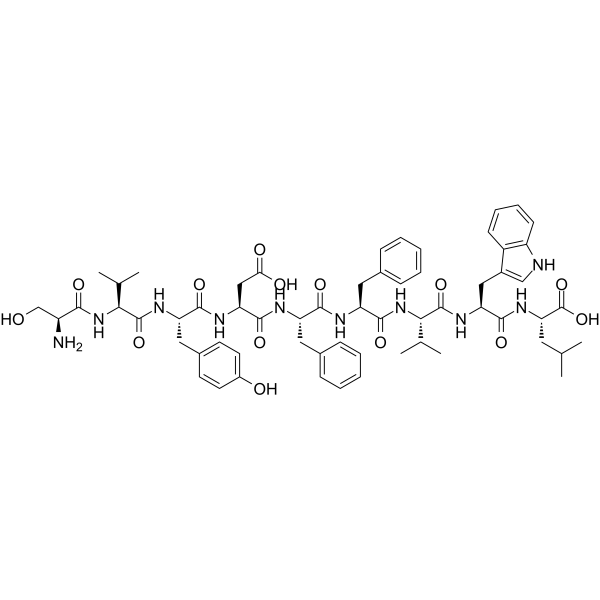
RTDLDSLRTYTL is an Alpha (v) beta (6) integrin (avb6) inhibitor with high affinity and specificity. RTDLDSLRTYTL binds to avb6 integrin, a peptide sequence that activates cytotoxicity and cytokine production in T cells, such as interferon-gamma. RTDLDSLRTYTL is designed through a chimeric T cell antigen receptor (CAR) so that T cells can be redirected to specifically recognize and attack tumor cells. RTDLDSLRTYTL can be used in the research of cancer immunotherapy and targeted drug development .
|
-
-
- HY-118371
-
|
|
Arginase
|
Cancer
|
|
Arginase inhibitor 2 is an Arginase inhibitor. Arginase inhibitor 2 synergizes with adoptively transferred antigen- specific T cells to inhibit tumor growth .
|
-
-
- HY-P10607
-
|
|
EBV
|
Cancer
|
|
IALYLQQNW is a specific nonapeptide sequence derived from the tumor-associated antigen latent membrane protein 1 (LMP1) encoded by Epstein-Barr virus (EBV). As a latent T-cell epitope, IALYLQQNW is able to activate EBV-specific cytotoxic T lymphocytes (CTLs), which are able to recognize and kill EBV-infected cells expressing LMP1. IALYLQQNW plays an important role in the immune response against EBV-associated tumors and can be used in the study of Hodgkin's disease and nasopharyngeal carcinoma .
|
-
-
- HY-121659
-
|
|
PSMA
|
Cancer
|
|
DCFBC is a prostate-specific membrane antigen (PSMA) inhibitor that can be used for small animal positron emission tomography (PET) imaging. DCFBC labeled with F 18 ([18F]DCFBC) can images in severe combined immunodeficient mice. [18F]DCFBC uptake is higher in PIP tumors, but almost absent in FLU tumors. [18F]DCFBC uptake is also high in the kidney and bladder, but the radioactivity washout time is shorter than that in PIP tumors. Indicating that [18F]DCFBC can specifically localize to PSMA+ expressing tumors and is applicable to the study of prostate cancer .
|
-
-
- HY-N0475R
-
|
Hypolide (Standard); (+)-Triptophenolide (Standard)
|
Reference Standards
Androgen Receptor
Pyroptosis
Caspase
Bcl-2 Family
Apoptosis
|
Inflammation/Immunology
Cancer
|
|
Triptophenolide (Standard) (Hypolide) is the analytical standard of Triptophenolide (HY-N0475). This product is intended for research and analytical applications. Triptophenolide is a colorless crystal isolated from the ethyl acetate extract of Tripterygium wilfordii. Triptophenolide is an orally active pan‑antagonist of the androgen receptor (AR) with an IC50 of 467 nM against human wild‑type AR. Triptophenolide reduces AR expression, inhibits AR nuclear translocation, downregulates prostate‑specific antigen mRNA levels, and suppresses the growth of AR‑positive prostate cancer cells. Triptophenolide shows anti-tumor effects against breast cancer by inhibiting cell proliferation and migration, inducing G1-phase arrest and apoptosis, repressing xenograft tumor growth. Triptophenolide inhibits pyroptosis, alleviates tissue inflammation, and ameliorates synovial injury. Triptophenolide can be used for the study of prostate cancer, rheumatoid arthritis and breast cancer .
|
-
-
- HY-178248
-
|
|
PSMA
|
Cancer
|
|
PSMA ligand 2 is a prostate specific membrane antigen (PSMA) ligand with a glutamate-urea-lysine (GUL) moiety. PSMA ligand 2 can be efficiently labeled with radioactive nuclides such as 68Ga and 177Lu and specifically binds to PSMA-positive tumor cells. PSMA ligand 2 can be used for imaging of PSMA-expressing tumors or cells via PET or SPECT imaging. PSMA ligand 2 can be used for the research of prostate cancer .
|
-
-
- HY-P991903
-
|
|
CD20
|
Cancer
|
|
PSB102 is a humanized Fc-enhanced IgG1 monoclonal antibody directed against the human B-cell-specific cell surface antigen and tumor-associated antigen CD20 .
|
-
-
- HY-B1250R
-
|
|
Biochemical Assay Reagents
Reference Standards
|
Cancer
|
|
Acedoben (Standard) is the analytical standard of Acedoben. This product is intended for research and analytical applications. Acedoben is a biochemical agent. Acedoben and iron ions can construct a fast self-assembled coordination complex. The Fe-Ace coordination complex can not only serve as a carrier of tumor antigens, but also enhance antigen-specific anti-tumor immunity due to its inherent adjuvant properties .
|
-
-
- HY-179330
-
|
|
Fluorescent Dye
|
Cancer
|
|
PSMA-1092 is a fluorescence probe targeting prostate-specific membrane antigen (PSMA) with a Ki of 80 pM. PSMA-1092 can be used for tumor localization and imaging, such as prostate cancer .
|
-
-
- HY-185167
-
|
|
|
Cancer
|
|
PSMA-1-DOTA is a prostate-specific membrane antigen (PSMA) binder with high affinity, enables targeted radionuclide delivery for imaging and therapy. PSMA-1-DOTA acts as a tumor growth inhibitor that reduces growth of PSMA-expressing prostate cancer tumors .
|
-
-
- HY-P992459
-
|
|
ADC Antibody
Transmembrane Glycoprotein
|
Cancer
|
|
SGM-101 Antibody is a chimeric monoclonal antibody targeting carcinoembryonic antigen (CEA). SGM-101 Antibody can serve as a tumor-specific fluorescent imaging probe after being covalently conjugated with the near-infrared fluorescent dye BM104 . SGM-101 Antibody accumulates in CEA-positive tumor tissues via antigen-antibody specific binding, and emits near-infrared fluorescence to enable imaging of tumor lesions. SGM-101 Antibody can be used in research related to gastric cancer, colorectal cancer, pancreatic cancer, non-small cell lung cancer, breast cancer, peritoneal carcinomatosis, and liver metastases .
|
-
-
- HY-P992449
-
|
PRLR ADC antibody
|
ADC Antibody
|
Cancer
|
|
REGN2878 (PRLR ADC antibody) is a monoclonal antibody targeting the prolactin receptor (PRLR) and can block prolactin‑mediated activation of PRLR. REGN2878 exhibits an equilibrium dissociation constant (KD) of 1.05 nM and an IC50 of 0.344 nM for human PRLR. REGN2878 can be rapidly internalized and degraded in lysosomes by PRLR‑positive tumor cells, showing antigen‑specific binding and targeted enrichment properties. REGN2878 derivatives can be used as an immunoPET agent for antigen‑specific imaging of PRLR‑related tumors, and can also serve as a component of ADCs to exert anti‑tumor activity in breast cancer xenograft models. REGN2878 can be used in the research of breast cancer and prostate cancer. Isotype Comparison HY-P99001 .
|
-
-
- HY-P11591
-
|
PSMA-DOTA-PEI2
|
Radionuclide-Drug Conjugates (RDCs)
PSMA
|
Cancer
|
|
PDI2 (PSMA-DOTA-PEI2) is a prostate-specific membrane antigen (PSMA) ligand that acts as a tumor retention agent, renal uptake reducer, imaging agent and antitumor agent, applicable in SPECT diagnostic imaging and radiotheranostics. PDI2 specifically binds to PSMA on prostate cancer cells, enters cells via clathrin-dependent endocytosis, and exhibits higher tumor retention rate and lower renal uptake level. PDI2 is applicable in research related to prostate cancer and castration-resistant metastatic prostate cancer .
|
-
-
- HY-P10417B
-
|
|
Integrin
IFNAR
|
Cancer
|
|
RTDLDSLRTYTL TFA is an Alpha (v) beta (6) integrin (avb6) inhibitor with high affinity and specificity. RTDLDSLRTYTL TFA binds to avb6 integrin, a peptide sequence that activates cytotoxicity and cytokine production in T cells, such as interferon-gamma. RTDLDSLRTYTL TFA is designed through a chimeric T cell antigen receptor (CAR) so that T cells can be redirected to specifically recognize and attack tumor cells. RTDLDSLRTYTL TFA can be used in the research of cancer immunotherapy and targeted drug development .
|
-
-
- HY-164575B
-
|
|
Radionuclide-Drug Conjugates (RDCs)
PSMA
|
Cancer
|
|
NH2-NODAGA hydrochloride is a NODAGA-type metal chelator that can bind to radionuclides to prepare radionuclide conjugates (RDCs). NH2-NODAGA hydrochloride can react with diethyl squarate in 0.5M phosphate buffer to obtain NODAGA.SA. NODAGA.SA can target L-lysine urea-L-glutamate (KuE), which is a key structure of prostate-specific membrane antigen (PSMA). NODAGA.SA.KuE can bind [68]Ga and can be used for PET examination of NMRInu/nu nude mice bearing LNCaP tumors.
|
-
-
- HY-164575A
-
|
|
Radionuclide-Drug Conjugates (RDCs)
PSMA
|
Cancer
|
|
NH2-NODAGA TFA is a NODAGA-type metal chelator that can bind to radionuclides to prepare radionuclide conjugates (RDCs). NH2-NODAGA TFA can react with diethyl squarate in 0.5M phosphate buffer to obtain NODAGA.SA. NODAGA.SA can target L-lysine urea-L-glutamate (KuE), which is a key structure of prostate-specific membrane antigen (PSMA). NODAGA.SA.KuE can bind [68]Ga and can be used for PET examination of NMRInu/nu nude mice bearing LNCaP tumors.
|
-
-
- HY-P992060
-
|
|
CD20
NF-κB
|
Inflammation/Immunology
Cancer
|
|
Anti-Mouse CD20 Antibody (18B12) is a B cell depleting agent that targets mouse CD20. Anti-Mouse CD20 Antibody (18B12) not only inhibits the growth of mesothelioma, lung cancer and thymoma, but also significantly enhances the efficacy of adenoviral tumor antigen vaccines and induces tumor regression by increasing the number of tumor-specific CD8 + T cells. Anti-Mouse CD20 Antibody (18B12) reduces B cell infiltration into the central nervous system of mice with experimental autoimmune encephalomyelitis, and delays motor dysfunction and neuronal death after spinal cord injury by alleviating inflammatory responses and tissue damage. Anti-Mouse CD20 Antibody (18B12) is widely applicable to research in fields related to mesothelioma, lung cancer, thymoma, experimental autoimmune encephalomyelitis and spinal cord injury .
|
-
-
- HY-P11590
-
|
|
EGFR
|
Cancer
|
|
WGYRGFYC (WC8) is a selective HER2-targeting peptide that binds specifically to HER2 by mimicking the antigen-binding site of trastuzumab. The DOTA precursor of WGYRGFYC has a KD of 61.20 nM for HER2. WGYRGFYC enables specific and highly sensitive detection of HER2 expression in HER2-positive breast cancer cells and tumor tissues, and monitors the dynamic downregulation of HER2 expression. WGYRGFYC rapidly distributes to target tissues and is efficiently cleared from non-target tissues via the kidneys, generating an ideal tumor-to-background ratio in imaging; it is a component of the PET radiotracer Ga-DOTA-WC8. WGYRGFYC exhibits no significant cytotoxicity in breast cancer cells, and can be used for non-invasive imaging diagnosis and therapeutic efficacy evaluation of HER2-positive breast cancer .
|
-
-
- HY-164575C
-
|
|
Drug Isomer
|
Cancer
|
|
(S)-NH2-NODAGA hydrochloride is the S isomer of NH2-NODAGA hydrochloride (HY-164575B). NH2-NODAGA hydrochloride is a NODAGA-type metal chelator that can bind to radioactive nuclides to prepare nuclide conjugates (RDC). NH2-NODAGA hydrochloride can react with diethyl fumarate in 0.5M phosphoric acid buffer to obtain NODAGA.SA. NODAGA.SA can target L-lysine urea-L-glutamic acid (KuE), and KuE is a key structure of prostate-specific membrane antigen (PSMA). NODAGA.SA.KuE can bind [68]Ga and can be used for PET examination in NMRInu/nu nude mice carrying LNCaP tumors.
|
-
| Cat. No. |
Product Name |
Type |
-
- HY-177434
-
|
Precem-TcT; M 9140
|
Fluorescent Dyes
|
|
Precemtabart tocentecan (Precem-TcT; M 9140) is an anti-CEACAM5 (carcinoembryonic antigen-related cell adhesion molecule 5) antibody-drug conjugate (ADC). Precemtabart tocentecan consists of a tumor-specific anti-CEACAM5 monoclonal antibody Precemtabart (HY-P990940), a highly hydrophilic and stable cleavable β-glucuronide linker, and a topoisomerase 1 inhibitor payload Exatecan (HY-13631), and the drug-linker conjugate for ADC is Mal-Gly-PAB-Exatecan-D-glucuronic acid (HY-153179). Precemtabart tocentecan inhibits the growth of CEACAM5-positive cancer cells. Precemtabart tocentecan exhibits significant antitumor activity in CEACAM5-expressing xenograft models. Precemtabart tocentecan can be used for the study of CEACAM5-expressing advanced solid tumors, especially mCRC .
|
| Cat. No. |
Product Name |
Type |
-
- HY-B1250
-
|
|
Biochemical Assay Reagents
|
|
Acedoben is a biochemical agent. Acedoben and iron ions can construct a fast self-assembled coordination complex. The Fe-Ace coordination complex can not only serve as a carrier of tumor antigens, but also enhance antigen-specific anti-tumor immunity due to its inherent adjuvant properties .
|
-
- HY-B1250A
-
|
|
Biochemical Assay Reagents
|
|
Acedoben sodium is the sodium salt form of Acedoben. Acedoben and iron ions can construct a rapidly self-assembled coordination complex, and the Fe-Ace coordination complex can not only serve as a carrier of tumor antigens, but also enhance antigen-specific anti-tumor immunity due to its inherent adjuvant properties .
|
-
- HY-B1250R
-
|
|
Biochemical Assay Reagents
|
|
Acedoben (Standard) is the analytical standard of Acedoben. This product is intended for research and analytical applications. Acedoben is a biochemical agent. Acedoben and iron ions can construct a fast self-assembled coordination complex. The Fe-Ace coordination complex can not only serve as a carrier of tumor antigens, but also enhance antigen-specific anti-tumor immunity due to its inherent adjuvant properties .
|
| Cat. No. |
Product Name |
Target |
Research Area |
-
- HY-20167A
-
|
|
Neurokinin Receptor
|
Cancer
|
|
H-Glu(OtBu)-OtBu hydrochloride is a key intermediate that can be used to synthesize prostate-specific membrane antigen (PSMA) targeting probes. H-Glu(OtBu)-OtBu hydrochloride can reduce nonspecific background binding through negatively charged linkers, improve tumor/background contrast, and can be used in prostate cancer PET/SPECT imaging studies .
|
-
- HY-P5290
-
|
|
Radionuclide-Drug Conjugates (RDCs)
PSMA
|
Cancer
|
|
HYNIC-PSMA is a ligand for molecular imaging of tumors. Hynic-psma consists of two components: HYNIC (6-hydrazinonicotinamide) and PSMA (Prostate-Specific Membrane Antigen). HYNIC is a compound used to attach radioactive isotopes to targeted molecules, such as 188Re-HYNIC-PSMA. PSMA is a membrane antigen that is specifically expressed on the surface of prostate cancer cells. HYNIC-PSMA can be used in prostate cancer research . HYNIC-PSMA can be used for the synthesis/research of Radionuclide-Drug Conjugates (RDCs).
|
-
- HY-P10740
-
|
|
Peptide-Drug Conjugates (PDCs)
PSMA
Folate Receptor (FR)
|
Cancer
|
|
CBP-1018 is a PDC (peptide-drug conjugate) formed by conjugating Monomethyl auristatin E (HY-15162) to a dual-targeting ligand of FLOR1/PSMA (prostate-specific membrane antigen) via a linker (HY-78738). CBP-1018 binds to FLOR1 and prostate-specific membrane antigen (PSMA). CBP-1018 is applicable to the research of solid tumors and metastatic castration-resistant prostate cancer .
|
-
- HY-P5292A
-
|
|
Radionuclide-Drug Conjugates (RDCs)
PSMA
|
Cancer
|
|
HYNIC-iPSMA TFA is a ligand for molecular imaging of tumors. Hynic-ipsma consists of two components: HYNIC (6-hydrazinonicotinamide) and iPSMA (Inhibitor of Prostate-Specific Membrane Antigen). HYNIC is a compound used to attach radioactive isotopes to targeted molecules. iPSMA is a specific inhibitor used to inhibit prostate-specific membrane antigen (PSMA). 68GA-labeled iPSMA has been used to detect prostate cancer by PET imaging. The further 99mTc-EDDA/HYNIC-iPSMA TFA has excellent specificity and sensitivity . HYNIC-iPSMA TFA can be used for the synthesis/research of Radionuclide-Drug Conjugates (RDCs).
|
-
- HY-P5292
-
|
|
Radionuclide-Drug Conjugates (RDCs)
PSMA
|
Cancer
|
|
HYNIC-iPSMA is a ligand for molecular imaging of tumors. Hynic-ipsma consists of two components: HYNIC (6-hydrazinonicotinamide) and iPSMA (Inhibitor of Prostate-Specific Membrane Antigen). HYNIC is a compound used to attach radioactive isotopes to targeted molecules. iPSMA is a specific inhibitor used to inhibit prostate-specific membrane antigen (PSMA). 68GA-labeled iPSMA has been used to detect prostate cancer by PET imaging. The further 99mTc-EDDA/HYNIC-iPSMA has excellent specificity and sensitivity . HYNIC-iPSMA can be used for the synthesis/research of Radionuclide-Drug Conjugates (RDCs).
|
-
- HY-P1700
-
|
|
TNF Receptor
|
Cancer
|
|
BCMA72-80 is a HLA-A2-specific B-cell maturation antigen (BCMA) peptide, with great affinity to HLA-A2, used in the research of multiple myeloma or other B-cell maturation antigen expressing tumors .
|
-
- HY-P10743
-
|
|
Radionuclide-Drug Conjugates (RDCs)
PSMA
|
Cancer
|
|
BQ7876 is a probe targeting prostate-specific membrane antigen (PSMA) that contains a DOTA chelator. BQ7876, after being radiolabeled with radionuclide (177Lu), functions in both radionuclide imaging and tumor cell destruction by specifically binding to PSMA. BQ7876 shows potential for research in the field of metastatic castration-resistant prostate cancer (mCRPC) . BQ7876 can be used for the synthesis/research of Radionuclide-Drug Conjugates (RDCs).
|
-
- HY-P10417
-
|
|
Integrin
IFNAR
|
Cancer
|
|
RTDLDSLRTYTL is an Alpha (v) beta (6) integrin (avb6) inhibitor with high affinity and specificity. RTDLDSLRTYTL binds to avb6 integrin, a peptide sequence that activates cytotoxicity and cytokine production in T cells, such as interferon-gamma. RTDLDSLRTYTL is designed through a chimeric T cell antigen receptor (CAR) so that T cells can be redirected to specifically recognize and attack tumor cells. RTDLDSLRTYTL can be used in the research of cancer immunotherapy and targeted drug development .
|
-
- HY-P10496A
-
|
|
Peptides
|
Cancer
|
|
MAGE-A1-derived peptide acetate is a short peptide sequence derived from MAGE-A1 protein. As a tumor-specific antigen, MAGE-A1-derived peptide acetate can be recognized and activated by cytotoxic T lymphocytes (CTLs), thereby generating an immune response to tumor cells expressing MAGE-A1. This immune response can lead to the lysis and death of tumor cells. MAGE-A1-derived peptide acetate can be used in the study of tumor immunity .
|
-
- HY-P10496
-
|
|
Peptides
|
Cancer
|
|
MAGE-A1-derived peptide is a short peptide sequence derived from MAGE-A1 protein. As a tumor-specific antigen, MAGE-A1-derived peptide can be recognized and activated by cytotoxic T lymphocytes (CTLs), thereby generating an immune response to tumor cells expressing MAGE-A1. This immune response can lead to the lysis and death of tumor cells. MAGE-A1-derived peptide can be used in the study of tumor immunity .
|
-
- HY-P10607
-
|
|
EBV
|
Cancer
|
|
IALYLQQNW is a specific nonapeptide sequence derived from the tumor-associated antigen latent membrane protein 1 (LMP1) encoded by Epstein-Barr virus (EBV). As a latent T-cell epitope, IALYLQQNW is able to activate EBV-specific cytotoxic T lymphocytes (CTLs), which are able to recognize and kill EBV-infected cells expressing LMP1. IALYLQQNW plays an important role in the immune response against EBV-associated tumors and can be used in the study of Hodgkin's disease and nasopharyngeal carcinoma .
|
-
- HY-P11591
-
|
PSMA-DOTA-PEI2
|
Radionuclide-Drug Conjugates (RDCs)
PSMA
|
Cancer
|
|
PDI2 (PSMA-DOTA-PEI2) is a prostate-specific membrane antigen (PSMA) ligand that acts as a tumor retention agent, renal uptake reducer, imaging agent and antitumor agent, applicable in SPECT diagnostic imaging and radiotheranostics. PDI2 specifically binds to PSMA on prostate cancer cells, enters cells via clathrin-dependent endocytosis, and exhibits higher tumor retention rate and lower renal uptake level. PDI2 is applicable in research related to prostate cancer and castration-resistant metastatic prostate cancer .
|
-
- HY-P10417B
-
|
|
Integrin
IFNAR
|
Cancer
|
|
RTDLDSLRTYTL TFA is an Alpha (v) beta (6) integrin (avb6) inhibitor with high affinity and specificity. RTDLDSLRTYTL TFA binds to avb6 integrin, a peptide sequence that activates cytotoxicity and cytokine production in T cells, such as interferon-gamma. RTDLDSLRTYTL TFA is designed through a chimeric T cell antigen receptor (CAR) so that T cells can be redirected to specifically recognize and attack tumor cells. RTDLDSLRTYTL TFA can be used in the research of cancer immunotherapy and targeted drug development .
|
-
- HY-P11590
-
|
|
EGFR
|
Cancer
|
|
WGYRGFYC (WC8) is a selective HER2-targeting peptide that binds specifically to HER2 by mimicking the antigen-binding site of trastuzumab. The DOTA precursor of WGYRGFYC has a KD of 61.20 nM for HER2. WGYRGFYC enables specific and highly sensitive detection of HER2 expression in HER2-positive breast cancer cells and tumor tissues, and monitors the dynamic downregulation of HER2 expression. WGYRGFYC rapidly distributes to target tissues and is efficiently cleared from non-target tissues via the kidneys, generating an ideal tumor-to-background ratio in imaging; it is a component of the PET radiotracer Ga-DOTA-WC8. WGYRGFYC exhibits no significant cytotoxicity in breast cancer cells, and can be used for non-invasive imaging diagnosis and therapeutic efficacy evaluation of HER2-positive breast cancer .
|
| Cat. No. |
Product Name |
Target |
Research Area |
Image |
-
- HY-P99742
-
|
ADC-1013; JNJ-64457107; Vanalimab
|
TNF Receptor
|
Cancer
|
|
Mitazalimab (ADC-1013; JNJ-64457107) is FcγR-dependent CD40 agonist with tumor-directed activity. Mitazalimab activates antigen-presenting cells, e.g. dendritic cells (DC), to initiate tumor-reactive T cells. Therefore, Mitazalimab induces tumor-specific T cells to infiltrate and kill tumors. Mitazalimab remodels the tumor-infiltrating myeloid microenvironment .
|
-
(5)
-
- HY-P99328
-
|
|
Interleukin Related
|
Inflammation/Immunology
Cancer
|
|
Tucotuzumab (Anti-EPCAM Recombinant Antibody) is an antigen-specific IgG1 monoclonal antibody that targets human epithelial cell adhesion molecule (EpCAM). Tucotuzumab links two IL-2 molecules and is an immunosuppressant and anti-tumor active molecule .
|
-
(5)
-
- HY-P991198
-
|
|
Tim3
|
Cancer
|
|
M6903 is a humanized monoclonal IgG2 antibody targeting T cell immunoglobulin and mucin domain-3 (TIM-3) (KD for human TIM-3 is 2.3 nM). M6903 binds to TIM-3, blocking the binding of TIM-3 to phosphatidylserine (PtdSer), carcinoembryonic antigen cell adhesion-related molecule 1 (CEACAM1), and galectin 9 (Gal-9), thus relieving TIM-3-mediated T cell inhibition and exerting the activities of activating antigen-specific T cells and enhancing anti-tumor immunity. M6903 is promising for research of cancers .
|
-
(5)
-
- HY-P99554
-
|
PRX-302
|
PSMA
|
Cancer
|
|
Topsalysin is a PSA-activated protoxin, a pore-forming protein (synthetic proaerolysin) fusion protein with human prostate-specific antigen. Topsalysin has tumor suppression effect in mice modle .
|
-
(5)
-
- HY-P991903
-
|
|
CD20
|
Cancer
|
|
PSB102 is a humanized Fc-enhanced IgG1 monoclonal antibody directed against the human B-cell-specific cell surface antigen and tumor-associated antigen CD20 .
|
-
(5)
-
- HY-P992459
-
|
|
ADC Antibody
Transmembrane Glycoprotein
|
Cancer
|
|
SGM-101 Antibody is a chimeric monoclonal antibody targeting carcinoembryonic antigen (CEA). SGM-101 Antibody can serve as a tumor-specific fluorescent imaging probe after being covalently conjugated with the near-infrared fluorescent dye BM104 . SGM-101 Antibody accumulates in CEA-positive tumor tissues via antigen-antibody specific binding, and emits near-infrared fluorescence to enable imaging of tumor lesions. SGM-101 Antibody can be used in research related to gastric cancer, colorectal cancer, pancreatic cancer, non-small cell lung cancer, breast cancer, peritoneal carcinomatosis, and liver metastases .
|
-
(5)
-
- HY-P992449
-
|
PRLR ADC antibody
|
ADC Antibody
|
Cancer
|
|
REGN2878 (PRLR ADC antibody) is a monoclonal antibody targeting the prolactin receptor (PRLR) and can block prolactin‑mediated activation of PRLR. REGN2878 exhibits an equilibrium dissociation constant (KD) of 1.05 nM and an IC50 of 0.344 nM for human PRLR. REGN2878 can be rapidly internalized and degraded in lysosomes by PRLR‑positive tumor cells, showing antigen‑specific binding and targeted enrichment properties. REGN2878 derivatives can be used as an immunoPET agent for antigen‑specific imaging of PRLR‑related tumors, and can also serve as a component of ADCs to exert anti‑tumor activity in breast cancer xenograft models. REGN2878 can be used in the research of breast cancer and prostate cancer. Isotype Comparison HY-P99001 .
|
-
(5)
-
- HY-P991730
-
|
|
Inhibitory Antibodies
|
Cancer
|
|
Kiatomab is a monoclonal antibody targeting the mouse cancer stem cell-specific antigen KIAA1114. Kiatomab has anti-tumor activity. The corresponding isotype control is Mouse IgG2b kappa, Isotype Control (HY-P99982) .
|
-
(5)
-
- HY-P992060
-
|
|
CD20
NF-κB
|
Inflammation/Immunology
Cancer
|
|
Anti-Mouse CD20 Antibody (18B12) is a B cell depleting agent that targets mouse CD20. Anti-Mouse CD20 Antibody (18B12) not only inhibits the growth of mesothelioma, lung cancer and thymoma, but also significantly enhances the efficacy of adenoviral tumor antigen vaccines and induces tumor regression by increasing the number of tumor-specific CD8 + T cells. Anti-Mouse CD20 Antibody (18B12) reduces B cell infiltration into the central nervous system of mice with experimental autoimmune encephalomyelitis, and delays motor dysfunction and neuronal death after spinal cord injury by alleviating inflammatory responses and tissue damage. Anti-Mouse CD20 Antibody (18B12) is widely applicable to research in fields related to mesothelioma, lung cancer, thymoma, experimental autoimmune encephalomyelitis and spinal cord injury .
|
-
(5)
| Cat. No. |
Product Name |
Category |
Target |
Chemical Structure |
-
- HY-N0475
-
-
-
- HY-N0475R
-
|
Hypolide (Standard); (+)-Triptophenolide (Standard)
|
Structural Classification
Monophenols
Terpenoids
Celastraceae
Phenols
Diterpenoids
Tripterygium wilfordii Hook. f.
Plants
Source Classification
|
Reference Standards
Androgen Receptor
Pyroptosis
Caspase
Bcl-2 Family
Apoptosis
|
|
Triptophenolide (Standard) (Hypolide) is the analytical standard of Triptophenolide (HY-N0475). This product is intended for research and analytical applications. Triptophenolide is a colorless crystal isolated from the ethyl acetate extract of Tripterygium wilfordii. Triptophenolide is an orally active pan‑antagonist of the androgen receptor (AR) with an IC50 of 467 nM against human wild‑type AR. Triptophenolide reduces AR expression, inhibits AR nuclear translocation, downregulates prostate‑specific antigen mRNA levels, and suppresses the growth of AR‑positive prostate cancer cells. Triptophenolide shows anti-tumor effects against breast cancer by inhibiting cell proliferation and migration, inducing G1-phase arrest and apoptosis, repressing xenograft tumor growth. Triptophenolide inhibits pyroptosis, alleviates tissue inflammation, and ameliorates synovial injury. Triptophenolide can be used for the study of prostate cancer, rheumatoid arthritis and breast cancer .
|
-
Your information is safe with us. * Required Fields.
Inquiry Information
- Product Name:
- Cat. No.:
- Quantity:
- MCE Japan Authorized Agent:

