1. Search Result
Search Result
Pathways Recommended: Cytoskeleton
Results for "

actin cytoskeleton

" in MedChemExpress (MCE) Product Catalog:

30

Inhibitors & Agonists

1

Screening Libraries

1

Fluorescent Dyes

1

Biochemical Assay Reagents

7

Peptides

6

Natural
Products

1

Isotope-Labeled Compounds

1

Antibodies

2

Oligonucleotides

Targets Recommended:
Cat. No. Product Name Target Research Areas Chemical Structure
  • HY-P0028
    Phalloidin
    20+ Cited Publications

    Fluorescent Dye Others
    Phalloidin is a mushroom-derived toxin which can be used to label F-actin of the cytoskeleton with fluorochrome .
    Phalloidin
  • HY-16931
    SMIFH2
    5+ Cited Publications

    Arp2/3 Complex Cancer
    SMIFH2 is a formin specific inhibitor. SMIFH2 inhibits actin polymerization by Formins and affects the actin cytoskeleton .
    SMIFH2
  • HY-N1988
    Cucurbitacin IIa
    1 Publications Verification

    Hemslecin A

    Survivin Apoptosis EGFR Caspase p38 MAPK Autophagy MEK Raf ERK STAT CaMK Inflammation/Immunology Cancer
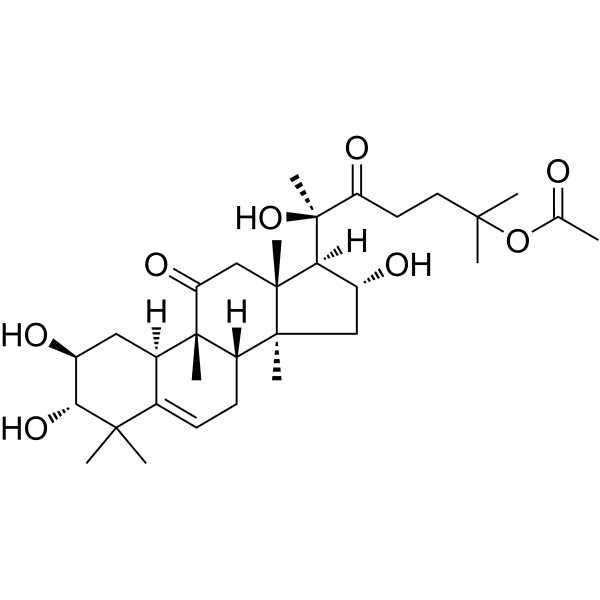
    Cucurbitacin IIa (Hemslecin A) is an orally active, blood-brain barrier-permeable EGFR inhibitor with an IC50 of 1.455 nM against human EGFR. Cucurbitacin IIa induces caspase-3-dependent apoptosis, downregulates survivin expression, enhances autophagy levels, disrupts the actin cytoskeleton via actin aggregation, arrests the cell cycle at the G2/M phase, and exerts anti-inflammatory activity by inhibiting the EGFR-MAPK signaling pathway. Cucurbitacin IIa can be used in the research of inflammation-related diseases, depression, and cancers such as non-small cell lung cancer .
    Cucurbitacin IIa
  • HY-N6727
    Gliotoxin
    2 Publications Verification

    Aspergillin

    Apoptosis PKA NF-κB Bacterial Fungal Antibiotic Infection Inflammation/Immunology Cancer
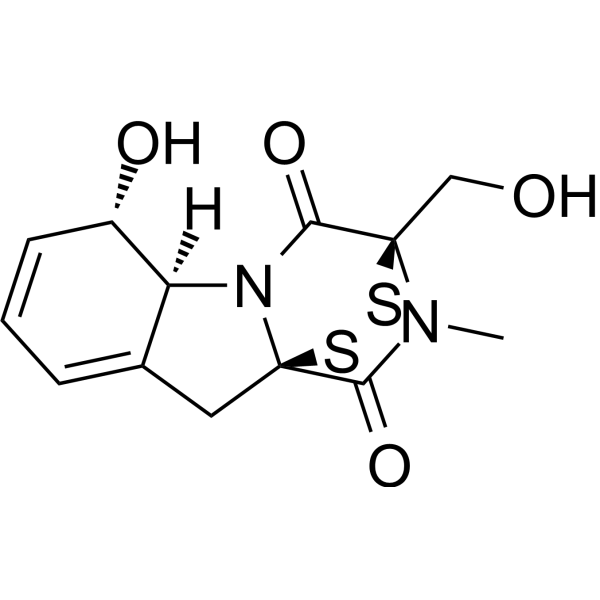
    Gliotoxin is a secondary metabolite, the most abundant mycotoxin secreted by A. fumigatus, inhibits the phagocytosis of macrophages and the immune functions of other immune cells . Gliotoxin inhibits inducible NF-κB activity by preventing IκB degradation, which consequently induces host-cell apoptosis . Gliotoxin activates PKA and increases intracellular cAMP concentration; modulates actin cytoskeleton rearrangement to facilitate A. fumigatus internalization into lung epithelial cells . Gliotoxin is a potent NOTCH2 transactivation inhibitor, can effectively induce apoptosis of chronic lymphocytic leukemia (CLL) cells .
    Gliotoxin
  • HY-N6588

    3,4,5-triCQA

    Akt NF-κB Inflammation/Immunology Cancer
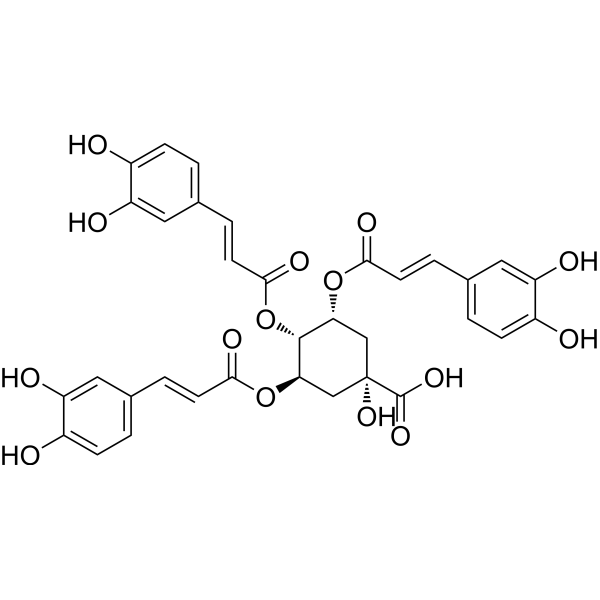
    3,4,5-Tricaffeoylquinic acid (3,4,5-triCQA) inhibits tumor necrosis factor-α-stimulated production of inflammatory mediators in keratinocytes via suppression of Akt- and NF-κB-pathways. 3,4,5-Tricaffeoylquinic acid induces cell cycle arrest at G0/G1, actin cytoskeleton organization, chromatin remodeling, neuronal differentiation, and bone morphogenetic protein signaling in human neural stem cells. 3,4,5-Tricaffeoylquinic acid has the potential for the research of aging-associated diseases .
    3,4,5-Tricaffeoylquinic acid
  • HY-P0204A

    Endothelin 3 (Rat,Human) TFA

    Endothelin Receptor Integrin Neurological Disease
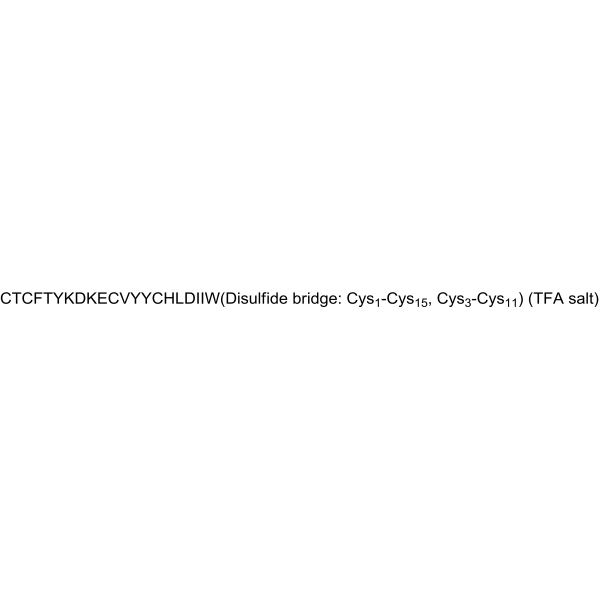
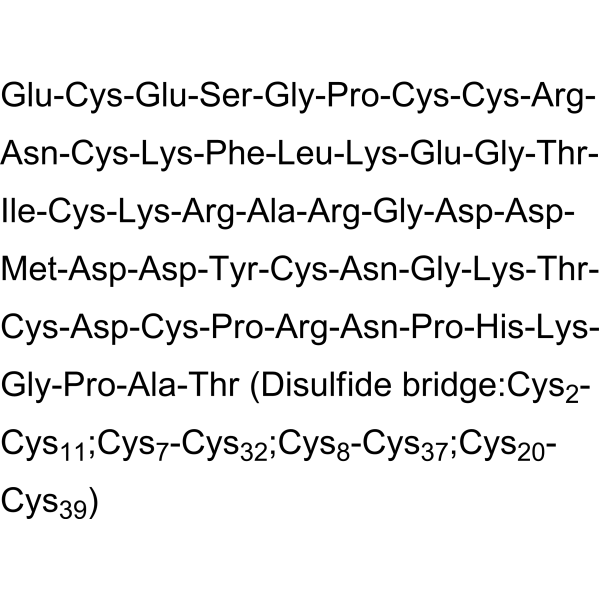
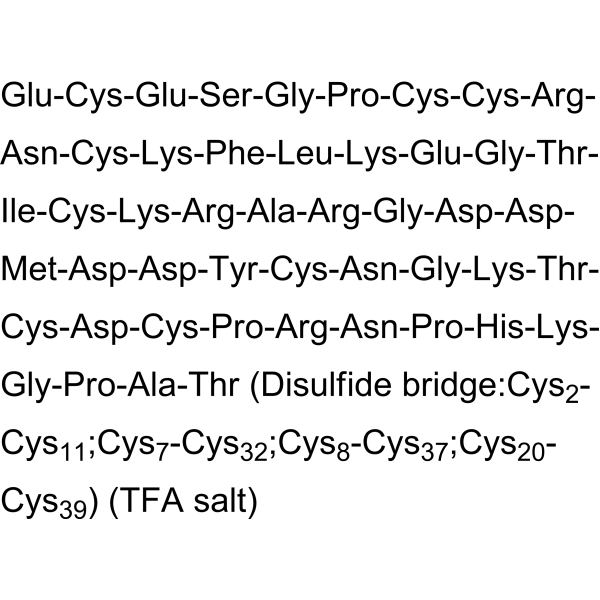
    Endothelin-3, human, mouse, rabbit, rat TFA (Endothelin 3 (Rat,Human) TFA) is an adhesion stimulant. Endothelin-3, human, mouse, rabbit, rat TFA stimulates the adhesion of enteric neural crest cells to various ECM components. Endothelin-3, human, mouse, rabbit, rat TFA plays an important role in the maintenance and self-renewal of intestinal progenitor cells, participates in the migration of enteric neural crest cells, and helps maintain a suitable environment for the colonization of enteric neural crest cells. Endothelin-3, human, mouse, rabbit, rat TFA acts synergistically with the β1-integrin signaling pathway during enteric nervous system development. Endothelin-3, human, mouse, rabbit, rat TFA can be used in studies related to distal aganglionosis .
    Endothelin-3, human, mouse, rabbit, rat TFA
  • HY-P2031

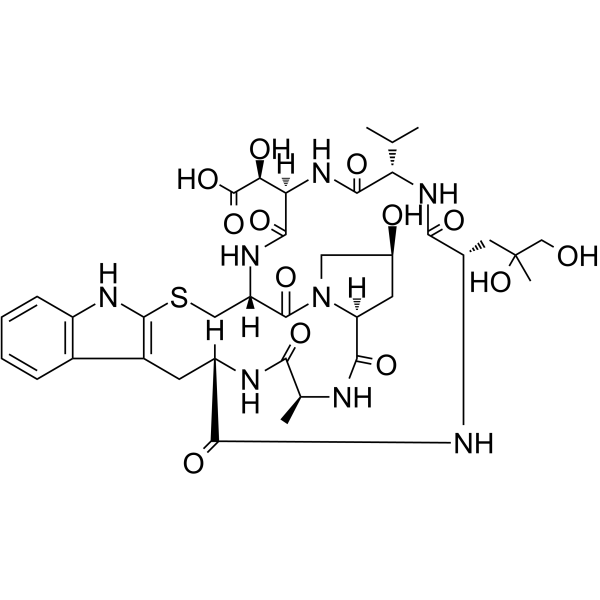
    Arp2/3 Complex Others
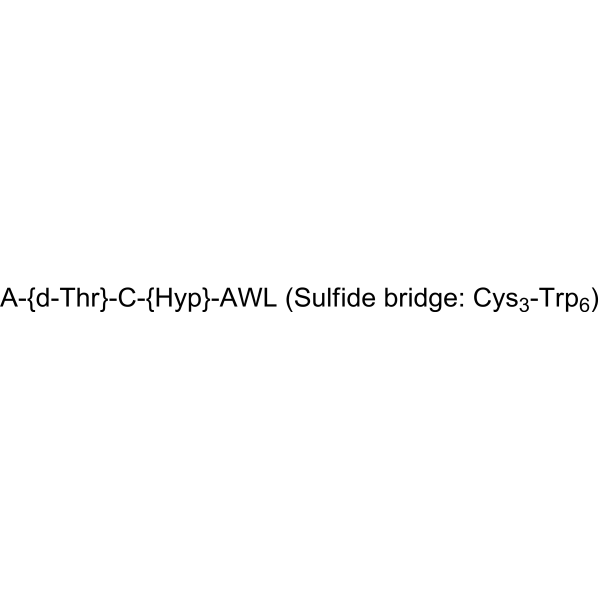
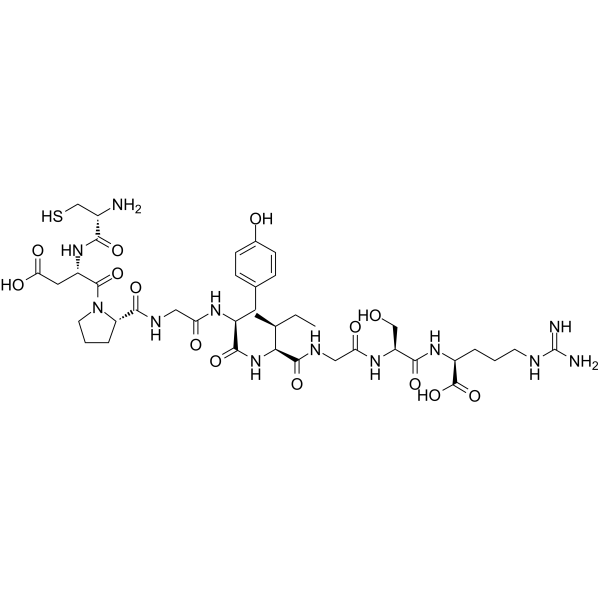
    Phallacidin is a natural bicyclic heptapeptide derived from the poisonous mushroom Amanita phalloides. Phallacidin binds to filamentous actin specifically with high affinity, with a Kd of 20 nM. After binding to F-actin, Phallacidin strongly inhibits its depolymerization, stabilizes microfilament structures, and prevents their disruption by drugs such as cytochalasins. When conjugated with a fluorophore, Phallacidin serves as a specific fluorescent probe for F-actin, which is used to clearly visualize the distribution of actin in the cytoskeleton (e.g., stress fibers, cortical peripheral bands) under fluorescence microscopy .
    Phallacidin
  • HY-148385

    Endogenous Metabolite Integrin FAK Src ERK p38 MAPK Neurological Disease Cancer
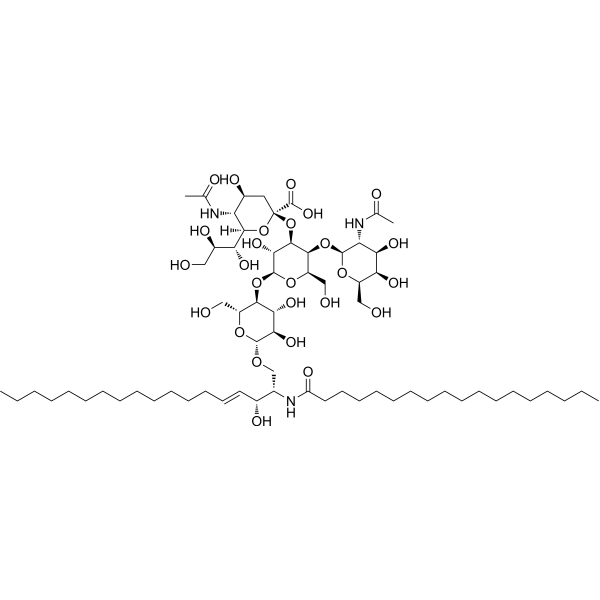
    Ganglioside GM2 is a human tumor antigen predominantly found in human tumor cells and fetal brain tissue. As a sialylated glycosphingolipid, Ganglioside GM2 is involved in processes such as cell signaling, adhesion, and motility. Ganglioside GM2 abnormal expression and accumulation are associated with tumors and neurodegenerative disorders. Ganglioside GM2 promotes tumor cell migration and invasion by directly binding to the integrin β1 receptor, activating the FAK/Src/Erk-MAPK signaling pathway, and inducing actin cytoskeleton remodeling .
    Ganglioside GM2
  • HY-111009

    Fungal Infection
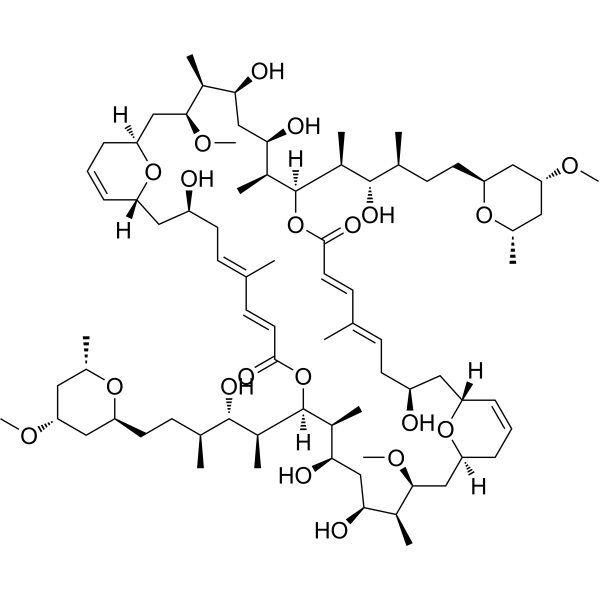
    Swinholide A is the actin-binding marine polyketide and dimerizes actin with the Kd of ~ 50 nM . Swinholide A is a microfilament disrupting marine toxin that stabilizes actin dimers and severs actin filaments. Swinholide A disrupts the actin cytoskeleton of cells.Antifungal activity .
    Swinholide A
  • HY-123572

    AG1717

    Dynamin HIV Integrase Infection Metabolic Disease Inflammation/Immunology
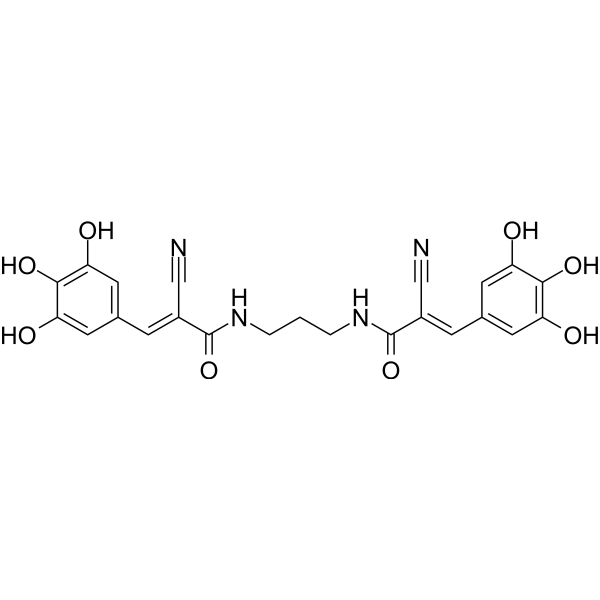
    Bis-T-23 (AG1717), tyrphostin derivative, is an HIV-I integrase inhibitor. Bis-T-23 can promote actin-dependent dynamin oligomerization. Bis-T-23 can be used for the research of HIV and chronic kidney diseases (CKD) .
    Bis-T-23
  • HY-117149

    Ras Cancer
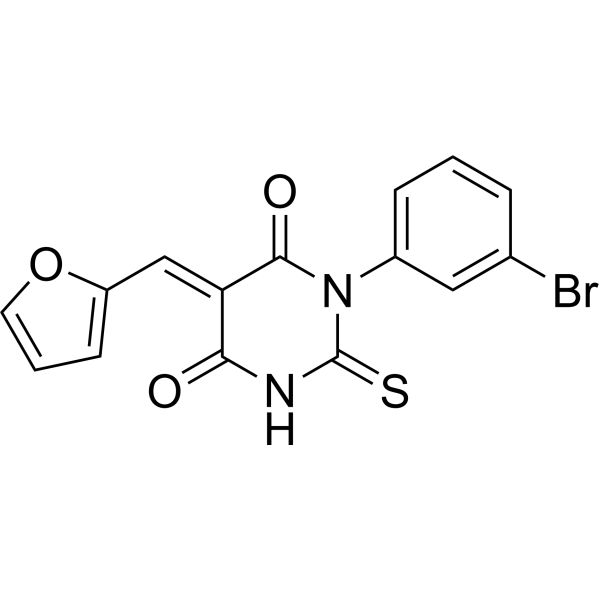
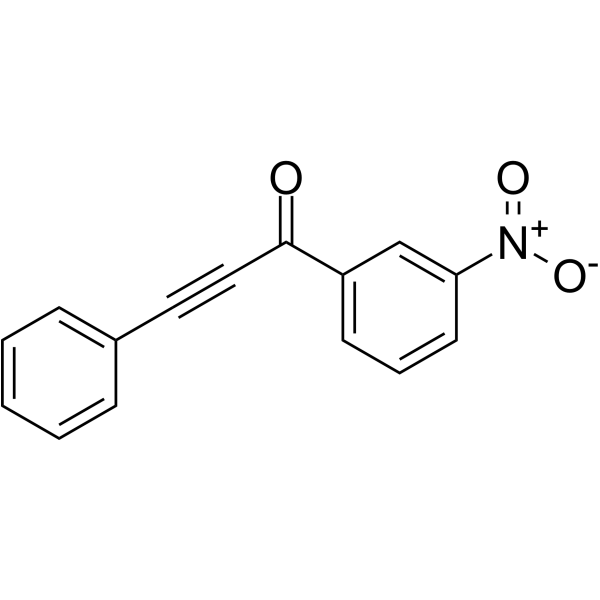
    MLS000532223 is a high affinity, selective inhibitor of Rho family GTPases, with EC50 values ranging from 16 μM to 120 μM. MLS000532223 prevents GTP binding to several GTPases .
    MLS000532223
  • HY-136808
    Pfn1-IN-1
    2 Publications Verification

    Androgen Receptor Arp2/3 Complex Cancer
    Pfn1-IN-1 (compound C1) is a Pfn1 inhibitor that inhibits the angiogenic capacity of endothelial cells (EC). Pfn1 is a regulator of the actin cytoskeleton, inducing actin polymerization and essential cellular activities. Pfn1-IN-1 inhibits Pfn1-Actin interaction and Actin polymerization.
    Pfn1-IN-1
  • HY-P3828

    Fluorescent Dye Neurological Disease
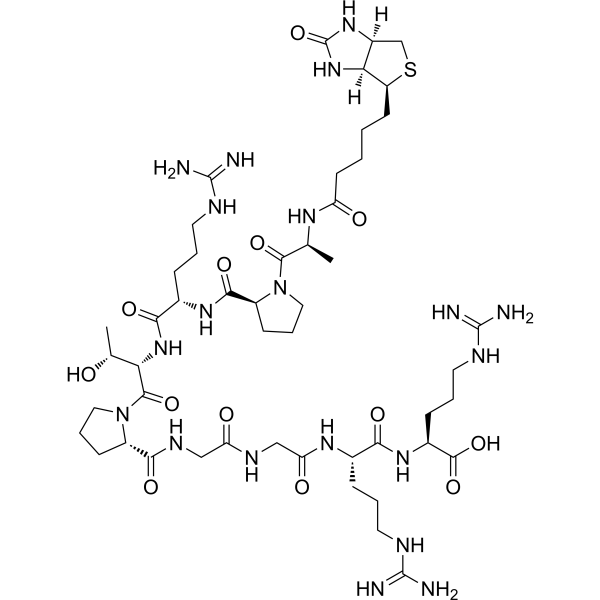
    Biotin-myelin basic protein (94-102) is a peptide fragemt. Myelin basic protein is responsible for adhesion of the cytosolic surfaces of multilayered compact myelin, it plays an important role in the process of myelination of nerves in the nervous system. Myelin basic protein also acts as a membrane actin-binding protein, which might allow it to participate in transmission of extracellular signals to the cytoskeleton in oligodendrocytes and tight junctions in myelin .
    Biotin-myelin basic protein (94-102)
  • HY-135562

    Parasite Antibiotic Infection Cancer
    Ascofuranone is an orally active inhibitor of Trypanosoma brucei brucei (TAO) with a Ki value of 2.38 nM. Ascofuranone inhibits IGF-1-induced cancer cell migration, invasion, motility and actin cytoskeleton formation, and exerts anti-tumor effects. Ascofuranone can be used in research related to tumor metastasis, African trypanosomiasis, bacterial infections, lung cancer and hepatocellular carcinoma .
    Ascofuranone
  • HY-P5455

    LIM Kinase (LIMK) Others
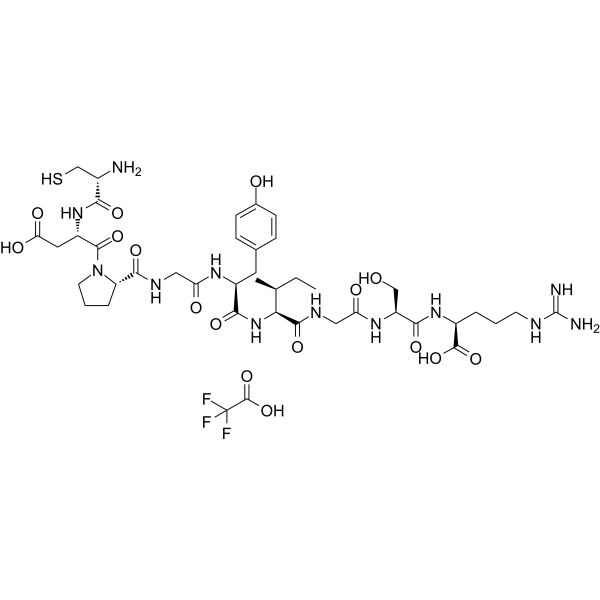
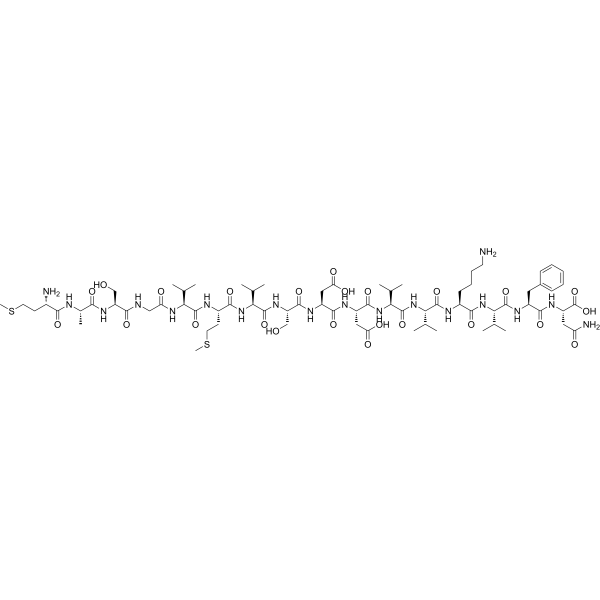
    S3 Fragment is a biological active peptide. (This peptide contains the unique amino-terminal phosphorylation site of Xenopus ADF/cofilin, the LIM kinase (LIMK) phosphorylation site. LIMK1 is a key regulator of the actin cytoskeleton through its phosphorylation of ADF/cofilin at serine-3 for inactivation. This peptide is a fragment of the S3 peptide containing the serine-3 sequence of ADF/cofilin that has been widely used as an effective competitive inhibitor of LIMK1.)
    S3 Fragment
  • HY-174229

    LIM Kinase (LIMK) Neurological Disease Cancer
    SM311 (Compound 10), a chemical probe, is a potent selective irreversible LIMK1 inhibitor (EC50=0.045 μM, >30-fold selective over LIMK2). SM311 blocks cofilin phosphorylation and actin cytoskeleton regulation. SM311 is promising for research of neurodegenerative diseases like Fragile X syndrome (FXS) and Alzheimer’s disease, as well as tumor invasion .
    SM311
  • HY-115507

    AMPK mTOR ERK Oxidative Phosphorylation Reactive Oxygen Species (ROS) Ras Cancer
    NMac1 is an orally active Nm23/NDPK activator. NMac1 directly binds to Nm23-H1 and activates the NDPK activity of recombinant Nm23-H1 with an EC50 of 10.7 uM. NMac1 induces AMPK activation and inhibits mTOR and ERK, leading to mitochondrial OXPHOS dysregulation and suppressing mitochondrial ROS production, which in turn induces mitochondrial dysfunction in MDA-MB-231 cells. NMac1 inhibits Complex I activity and suppresses changes in morphology and actin cytoskeleton organization following Rac1 activation in MDA-MB-231 cells. NMac1 inhibits tumor invasion, migration and metastasis. NMac1 is useful for studying metastatic tumors, such as breast cancer. NMac1 can be isolated from the ginger cassumunar Roxb .
    NMac1
  • HY-121352

    Drug Derivative Cancer
    Kibdelone C is a hexacyclic tetrahydroxanthone natural product and anticancer agent with sub-nanomolar GI50 activity against human SR leukemia and SN12C renal carcinoma cell lines. Kibdelone C disrupts the actin cytoskeleton in human cancer cells, leading to cell contraction and actin stress fiber formation, without direct actin binding, actin polymerization effects, topoisomerase I/II inhibition, or DNA binding. Kibdelone C can be used for the research of leukemia, and renal cell carcinoma .
    Kibdelone C
  • HY-P10993

    Bcl-2 Family Cancer
    CT20p is an anticancer peptide based on the C hydrophobic terminus of Bax. CT20p has a unique cytotoxic effect independent of full-length Bax, and can act on mitochondria, leading to fusion-like aggregation and mitochondrial membrane hyperpolarization. CT20p can reduce α5β1 integrin levels and inhibit F-actin polymerization, thereby destroying the cytoskeleton and preventing cell attachment. CT20p can be used in the study of breast cancer .
    CT20p
  • HY-162798

    ROCK Cancer
    ROCK2-IN-9 (compound 7u) is a selective ROCK2 inhibitor (IC50=36.8 nM) with anticancer activity. ROCK2-IN-9 inhibits cancer cell migration and invasion by regulating multiple cellular activities of the actin cytoskeleton. ROCK2-IN-9 can be used in breast cancer research .
    ROCK2-IN-9
  • HY-E70841

    LIM Kinase (LIMK) Cancer
    LIM kinase 2 (LIMK2) is a serine/threonine and tyrosine kinases. LIMK2 plays a crucial role in the regulation of cytoskeleton dynamics by controlling actin filaments and microtubule turnover, especially through the phosphorylation of cofilin, an actin depolymerising factor. LIMK2 Recombinant Human Active Protein Kinase is a recombinant LIMK2 protein that can be used to study LIMK2-related functions .
    LIMK2 Recombinant Human Active Protein Kinase
  • HY-174548

    mRNA Cancer
    Human PDGFRB mRNA encodes the human platelet derived growth factor receptor beta (PDGFRB) protein, a cell surface tyrosine kinase receptor for members of the platelet-derived growth factor family. PDGFRB is essential for normal development of the cardiovascular system and aids in rearrangement of the actin cytoskeleton.
    Human PDGFRB mRNA
  • HY-N1988R

    Hemslecin A (Standard)

    Reference Standards Apoptosis EGFR Autophagy MEK Caspase ERK STAT Survivin Raf p38 MAPK CaMK Inflammation/Immunology Cancer
    Cucurbitacin IIa (Hemslecin A) (Standard) is the analytical standard for Cucurbitacin IIa (HY-N1988). This product is used for research and analytical applications. Cucurbitacin IIa is an orally active, blood-brain barrier-penetrating EGFR inhibitor with an IC50 of 1.455 nM for human EGFR. Cucurbitacin IIa induces caspase-3 dependent cell apoptosis, downregulates survivin expression, enhances autophagy levels, disrupts the actin cytoskeleton through actin aggregation, blocks the cell cycle at the G2/M phase, and inhibits the EGFR-MAPK signaling pathway to exert anti-inflammatory activity. Cucurbitacin IIa can be used in research on inflammatory-related diseases, depression, and non-small cell lung cancer and other cancers.
    Cucurbitacin IIa (Standard)
  • HY-152003S

    Isotope-Labeled Compounds Others
    Ganglioside GM2-d3 (ammonium) is the deuterium labeled Ganglioside GM2 (HY-148385). Ganglioside GM2 is a human tumor antigen predominantly found in human tumor cells and fetal brain tissue. As a sialylated glycosphingolipid, Ganglioside GM2 is involved in processes such as cell signaling, adhesion, and motility. Ganglioside GM2 abnormal expression and accumulation are associated with tumors and neurodegenerative disorders. Ganglioside GM2 promotes tumor cell migration and invasion by directly binding to the integrin β1 receptor, activating the FAK/Src/Erk-MAPK signaling pathway, and inducing actin cytoskeleton remodeling .
    Ganglioside GM2-d3 ammonium
  • HY-157699

    Liposome Biochemical Assay Reagents
    1,2-Dioleoyl-sn-glycero-3-phospho-(1'-myo-inositol-5'-phosphate) ammonium is a membrane-bound signaling molecule with intracellular activity in regulating membrane trafficking and signal transduction. 1,2-Dioleoyl-sn-glycero-3-phospho-(1'-myo-inositol-5'-phosphate) ammonium can be used in the preparation of liposomes to enhance the efficiency of compound delivery. 1,2-Dioleoyl-sn-glycero-3-phospho-(1'-myo-inositol-5'-phosphate) ammonium can also act as a coordinator of the actin cytoskeleton and participate in the regulation of cell morphology and motility.
    1,2-Dioleoyl-sn-glycero-3-phospho-(1'-myo-inositol-5'-phosphate) ammonium
  • HY-D3306

    Fluorescent Dye Others
    Tubulin-RedTracker is a paclitaxel-derived fluorescent microtubule-binding probe. Tubulin-RedTracker induces F-actin cytoskeleton defects at relatively high concentrations. (Ex/Em=652/669) .
    Tubulin-RedTracker
  • HY-P4948

    Biochemical Assay Reagents Others
    Coumarin-phalloidin is a kind of phalloidin labeled with Coumarin (HY-N0709). Coumarin-phalloidin is a new type of actin probe that can be used for triple immunofluorescence microscopic observation of the cell skeleton .
    Coumarin-Phalloidin
  • HY-183147A

    Amino acid Transporter Cancer
    LAT1-IN-2 hydrochloride is an orally active anticancer agent, as well as a LAT1 substrate and tubulin-binding agent. LAT1-IN-2 hydrochloride relies on LAT1 for cellular uptake, disrupts microtubule formation by binding to the colchicine site of tubulin, and induces actin depolymerization to transform cells into a spherical shape. LAT1-IN-2 hydrochloride effectively inhibits tumor growth in xenograft mice. Compared with Etoposide (HY-13629), LAT1-IN-2 hydrochloride shows higher distribution in tumor tissues, lower distribution in major organs, and better tolerability. LAT1-IN-2 hydrochloride has been applied in studies related to esophageal cancer .
    LAT1-IN-2 hydrochloride
  • HY-66012A

    Proxymetacaine

    Sodium Channel Neurological Disease
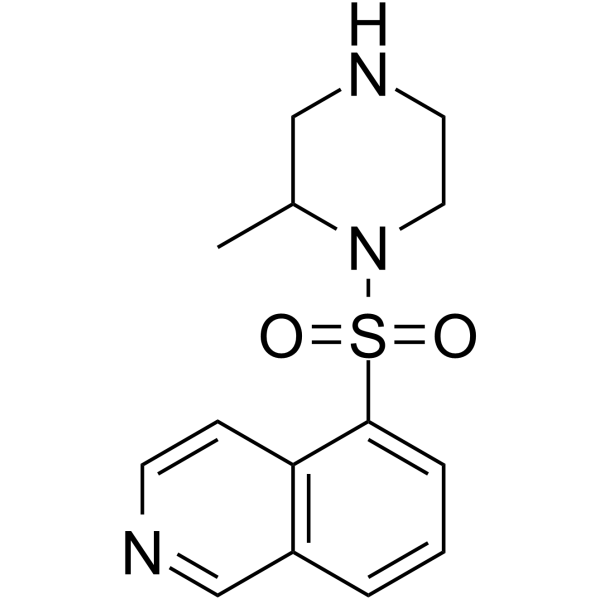
    Proparacaine (Proxymetacaine) is a local anesthetic. Proparacaine blocks voltage-gated sodium channels on neuronal cell membranes, thereby inhibiting signal conduction and nociceptive signal transmission. Proparacaine blocks nociceptive signals in the eye and induces ocular muscle relaxation to reduce eye movement during surgery. Proparacaine is used in research related to cataracts .
    Proparacaine
  • HY-181864

    Parasite Infection
    Rac1-IN-6 (Compound 5e) is a selective Rac1 inhibitor and antimalarial agent. Rac1-IN-6 inhibits Rac1 activation induced by the Escherichia coli CNF1 toxin. Rac1-IN-6 suppresses the growth of chloroquine-sensitive Plasmodium falciparum D10 (IC50 = 76.0 nM) and chloroquine-resistant Plasmodium falciparum W2 (IC50 = 236.6 nM) .
    Rac1-IN-6

Inquiry Online

Your information is safe with us. * Required Fields.

Salutation


Country or Region *

Applicant Name *


Organization Name *

Department *


Email Address *


Product Name *

Cat. No.


Requested quantity *

Phone Number *


Remarks

Inquiry Online

Inquiry Information

Product Name:
Cat. No.:
Quantity:
MCE Japan Authorized Agent:

