1. Search Result
Search Result
Results for "

activities of peptidases

" in MedChemExpress (MCE) Product Catalog:

72

Inhibitors & Agonists

1

Screening Libraries

1

Fluorescent Dyes

1

Biochemical Assay Reagents

15

Peptides

7

Natural
Products

5

Isotope-Labeled Compounds

Targets Recommended:
Cat. No. Product Name Target Research Areas Chemical Structure
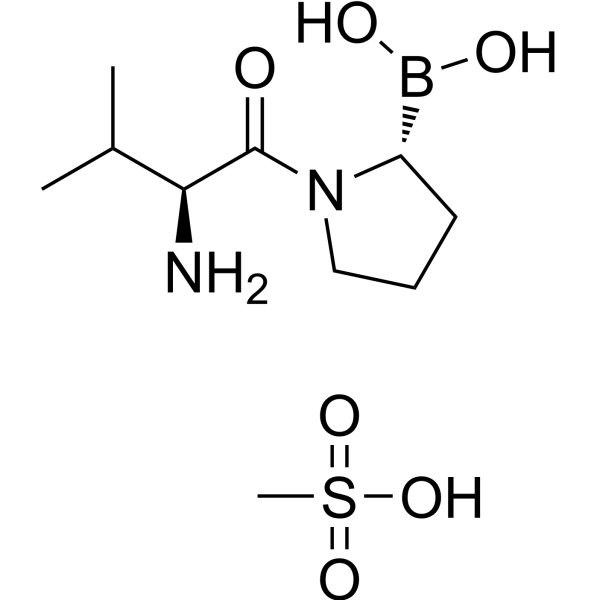
  • HY-13233A
    Talabostat mesylate
    Maximum Cited Publications
    42 Publications Verification

    Val-boroPro mesylate; PT100 mesylate

    Dipeptidyl Peptidase Inflammation/Immunology Cancer
    Talabostat mesylate (Val-boroPro mesylate; PT100 mesylate) is an orally active and nonselective dipeptidyl peptidase IV (DPP-IV) inhibitor (IC50 < 4 nM; Ki = 0.18 nM) and the inhibitor of fibroblast activation protein (FAP) (IC50 = 560 nM), inhibits DPP8/9 (IC50 = 4/11 nM; Ki = 1.5/0.76 nM), quiescent cell proline dipeptidase (QPP) (IC50 = 310 nM), DPP2, and some other DASH family enzymes. Antineoplastic and hematopoiesis- stimulating activities .
    Talabostat mesylate
  • HY-14291
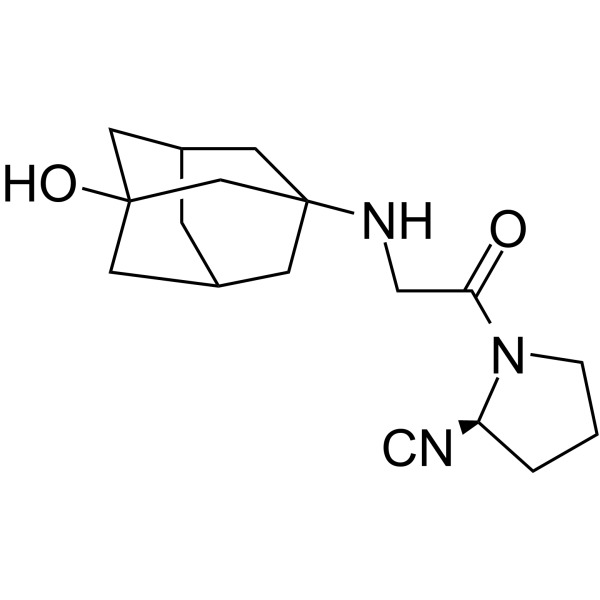
    Vildagliptin
    5 Publications Verification

    LAF237; NVP-LAF 237

    Dipeptidyl Peptidase Ferroptosis Apoptosis Metabolic Disease Cancer
    Vildagliptin (LAF237) is a potent, stable, selective dipeptidyl peptidase IV (DPP-IV) inhibitor with an IC50 of 3.5 nM in human Caco-2 cells. Vildagliptin possesses excellent oral bioavailability and potent antihyperglycemic activity .
    Vildagliptin
  • HY-100900
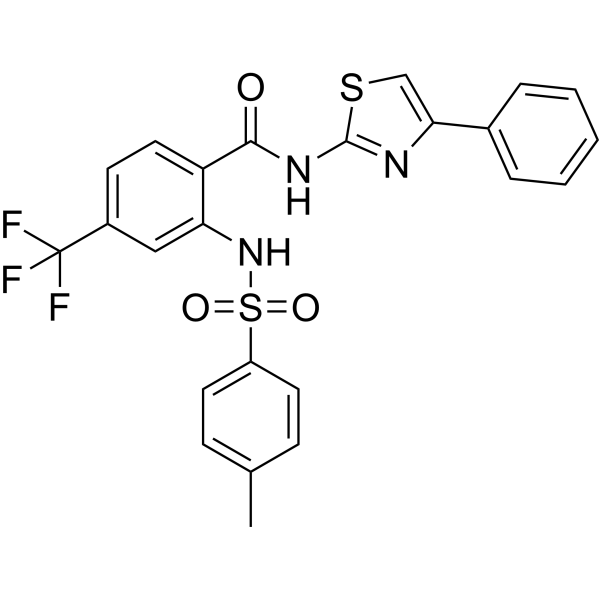
    ML364
    20+ Cited Publications

    Deubiquitinase Cancer
    ML364 is a selective ubiquitin specific peptidase 2 (USP2) inhibitor (IC50=1.1 μM) with anti-proliferative activity, which direct binds to USP2 (Kd=5.2 μM), induces an increase in cellular cyclin D1 degradation and causes cell cycle arrest. ML364 increases the levels of mitochondrial ROS and decreases in the intracellular content of ATP .
    ML364
  • HY-A0299

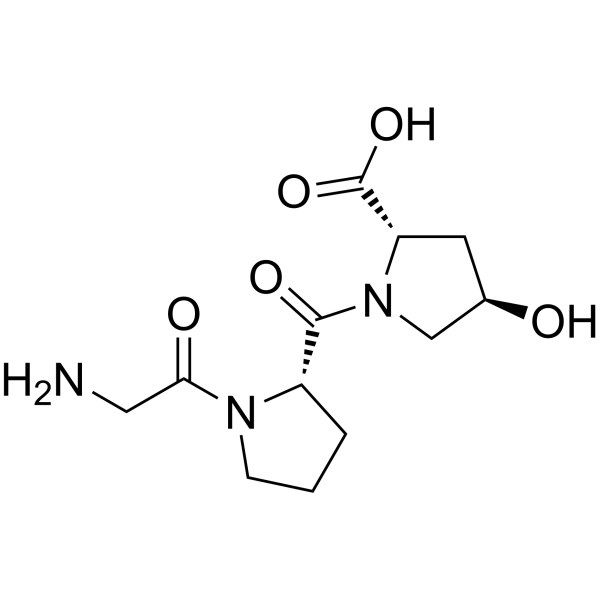
    Tripeptide 29

    MMP Inflammation/Immunology
    H-Gly-Pro-Hyp-OH is a collagen-derived peptide and also a dipeptidyl peptidase-4 inhibitor.\nH-Gly-Pro-Hyp-OH inhibits the activity of dipeptidyl peptidase-4 in vitro. H-Gly-Pro-Hyp-OH binds to the DNA-binding site of the JUN/FOS complex, blocks the formation of the DNA-JUN/FOS complex, and inhibits transcriptional activity. H-Gly-Pro-Hyp-OH is applicable to research related to skin photoaging, UVB-induced skin aging/photoaging, and thrombosis .
    H-Gly-Pro-Hyp-OH
  • HY-13233

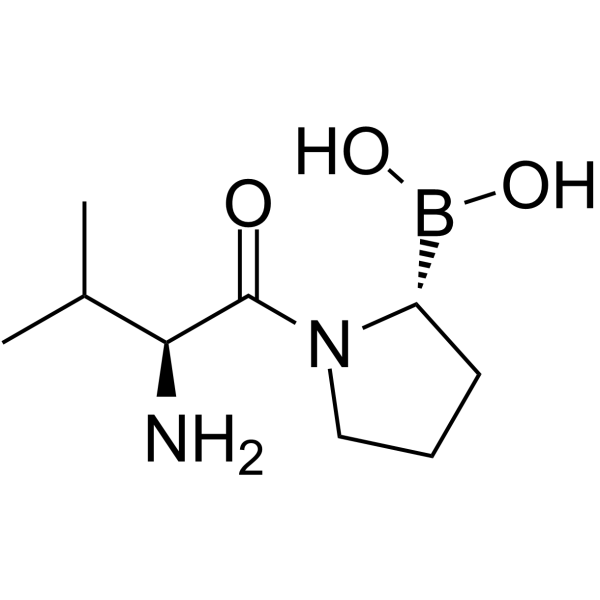
    Val-boroPro; PT100

    Dipeptidyl Peptidase Inflammation/Immunology Cancer
    Talabostat (Val-boroPro; PT100) is an orally active and nonselective dipeptidyl peptidase IV (DPP-IV) inhibitor (IC50 < 4 nM; Ki = 0.18 nM) and the first clinical inhibitor of fibroblast activation protein (FAP) (IC50 = 560 nM), inhibits DPP8/9 (IC50 = 4/11 nM; Ki = 1.5/0.76 nM), quiescent cell proline dipeptidase (QPP) (IC50 = 310 nM), DPP2, and some other DASH family enzymes. Antineoplastic and hematopoiesis- stimulating activities .
    Talabostat
  • HY-15981

    MK-3102

    Dipeptidyl Peptidase Neurological Disease Metabolic Disease
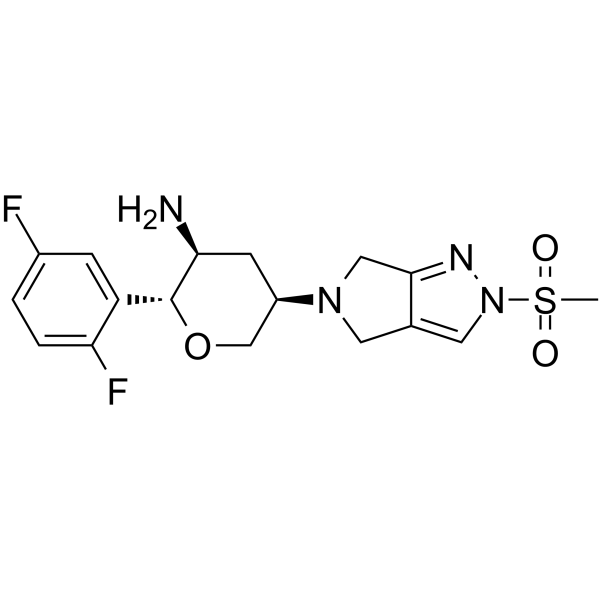
    Omarigliptin (MK-3102) is a potent, selective, orally active and cross the blood-brain barrier dipeptidyl peptidase 4 (DPP-4) inhibitor. Omarigliptin shows anti-parkinsonian activity. Omarigliptin has the neuroprotective effect to improve diabetes-associated cognitive dysfunction .
    Omarigliptin
  • HY-137834
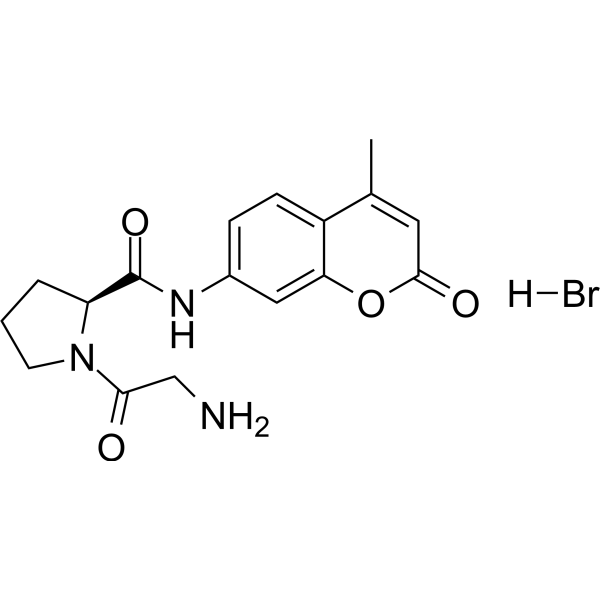
    Gly-Pro-AMC hydrobromide
    1 Publications Verification

    Fluorescent Dye Others
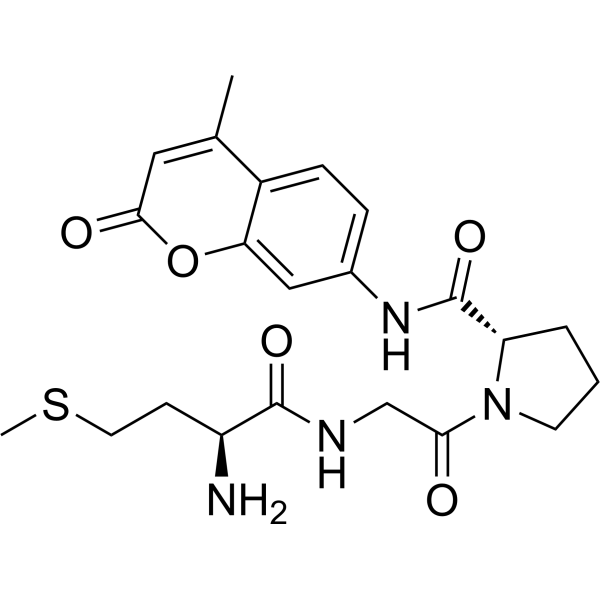
    Gly-Pro-AMC hydrobromide is a fluorescent dye, it can be used as a specific fluorescent substrate for detecting Dipeptidyl peptidase IV (DPP-IV) activity .
    Gly-Pro-AMC hydrobromide
  • HY-119244

    Dipeptidyl Peptidase Metabolic Disease
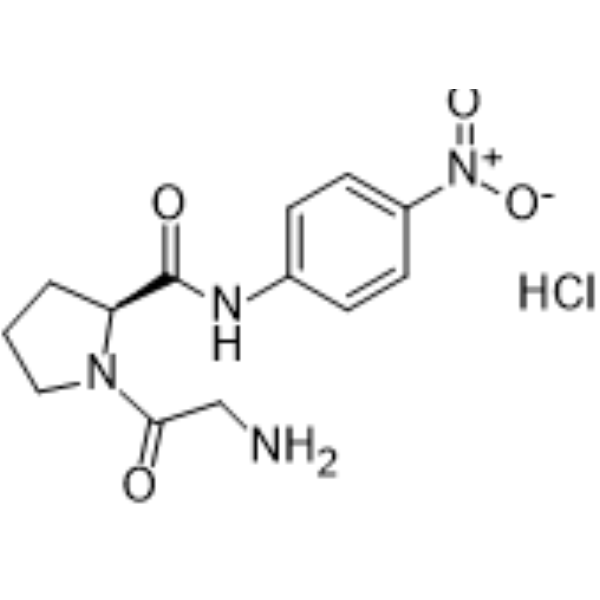
    Gly-Pro-pNA hydrochloride is a chromogenic peptide substrate that can be cleaved by the circulating enzyme dipeptidyl peptidase IV (DPP IV). Gly-Pro-pNA hydrochloride is mainly used to detect the activity of aminopeptidases such as DPP IV. Gly-Pro-pNA hydrochloride can be investigated as an experimental antidiabetic agent .
    Gly-Pro-pNA hydrochloride
  • HY-153552A

    FAP Cancer
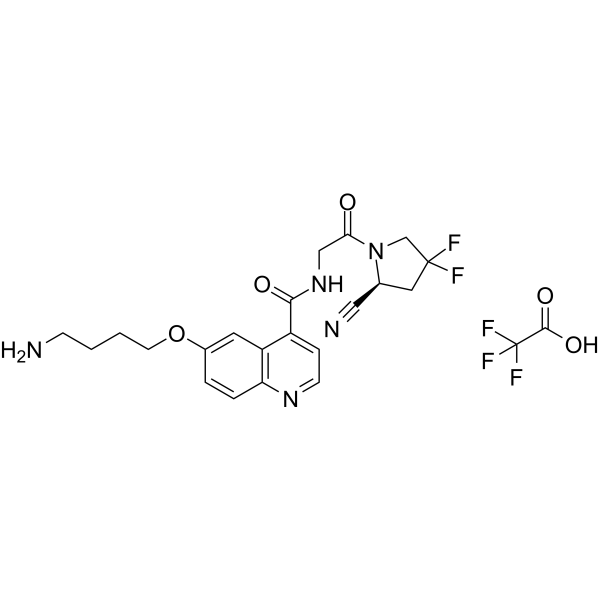
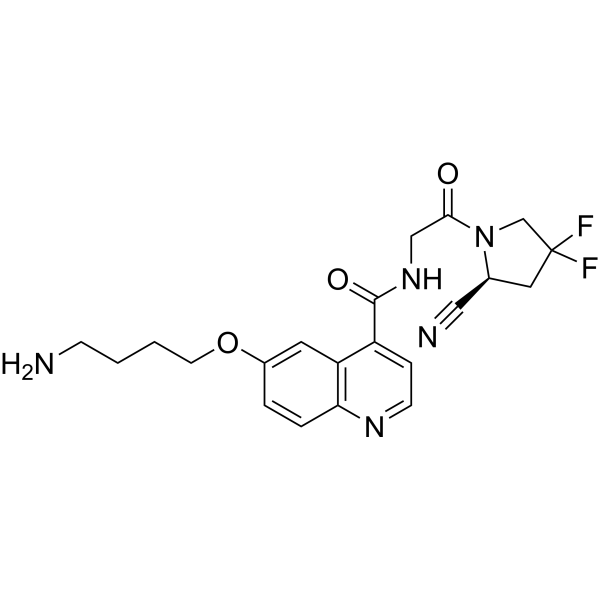
    NH2-UAMC1110 TFA is an aminobutoxy derivative of the fibroblast activation protein (FAP) inhibitor UAMC1110 (HY-100684), and is a precursor compound for the synthesis of FAP inhibitor probes, not directly used in bioactivity experiments. For example, NH2-UAMC1110 TFA is involved in the synthesis of the radiotracer FAPI-QS, which exhibits high tumor selectivity and high dose effect, and has been used in tumor diagnosis. NH2-UAMC1110 TFA structurally incorporates an active amino group, allowing it to form covalent bonds with various molecules (such as DOTA, DATA5m, radionuclide chelators, etc.) to synthesize molecular imaging probes or targeted compounds with the ability to target FAP. NH2-UAMC1110 TFA specifically binds to the FAP active site, inhibiting its proline-selective serine protease activity (including dipeptidyl peptidase and endopeptidase activity), blocking FAP-mediated tissue remodeling-related processes. Its key activity is high targeting and high affinity, and its core function is to act as a targeting module coupled with bifunctional chelators (such as DOTA, DATA5m). NH2-UAMC1110 TFA can be applied to diagnostic imaging studies of tumors expressing FAP (such as colorectal cancer, pancreatic cancer, etc.), and also provides molecular tools for targeted research of FAP-related diseases with high FAP expression, such as fibrosis and arthritis .
    NH2-UAMC1110 TFA
  • HY-18522

    Phospholipase Metabolic Disease
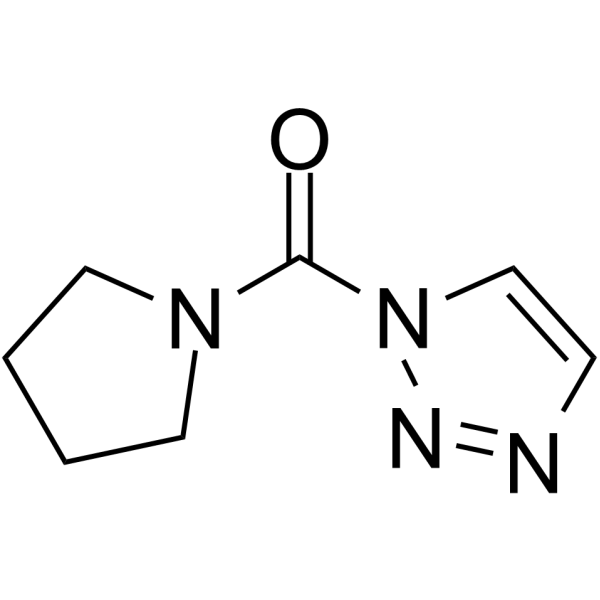
    AA26-9 is a potent and broad spectrum serine hydrolase inhibitor. AA26-9 targets included serine peptidases, lipases, amidases, esterases, and thioesterases. AA26-9 shows inhibitory activity against approximately 1/3 of the 40+ serine hydrolases detected in immortalized T cell lines .
    AA26-9
  • HY-153552

    FAP Cancer
    NH2-UAMC1110 is an aminobutoxy derivative of the fibroblast activation protein (FAP) inhibitor UAMC1110 (HY-100684), and is a precursor compound for the synthesis of FAP inhibitor probes, not directly used in bioactivity experiments. For example, NH2-UAMC1110 is involved in the synthesis of the radiotracer FAPI-QS, which exhibits high tumor selectivity and high dose-response, and has been used for tumor diagnosis. NH2-UAMC1110 introduces an active amino group into its structure, enabling it to form covalent bonds with various molecules (such as DOTA, DATA5m, radionuclide chelators, etc.), thereby synthesizing molecular imaging probes or targeted compounds with the ability to target FAP. NH2-UAMC1110 specifically binds to the FAP active site, inhibiting its proline-selective serine protease activity (including dipeptidyl peptidase and endopeptidase activity), blocking FAP-mediated tissue remodeling processes. Its key activity is high targeting and high affinity, and its core function is to be coupled with bifunctional chelators (such as DOTA, DATA5m) as a targeting module. NH2-UAMC1110 can be applied to diagnostic imaging studies of tumors expressing FAP (such as colorectal cancer, pancreatic cancer, etc.), and also provides molecular tools for targeted research of FAP-related diseases with high FAP expression, such as fibrosis and arthritis .
    NH2-UAMC1110
  • HY-130553
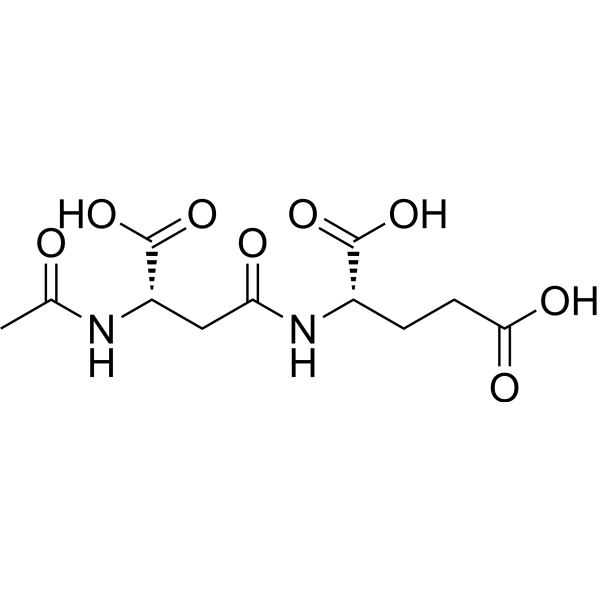
    β-Spaglumic acid
    1 Publications Verification

    β-NAAG; β-N-Acetylaspartylglutamic acid

    Aminopeptidase mGluR Neurological Disease
    β-Spaglumic acid (β-NAAG) is a competitive NAAG peptidase inhibitor (Ki=1 µM) that protects spinal cord neurons from excitotoxicity and hypoxic damage. β-Spaglumic acid is also a selective mGluR3 antagonist (mGluR3 receptor functions to regulate activity-dependent synaptic potentiation in the hippocampus). β-Spaglumic acid can be used in neuroprotection-related studies .
    β-Spaglumic acid
  • HY-W010955

    NSC 334018

    Carboxypeptidase Others
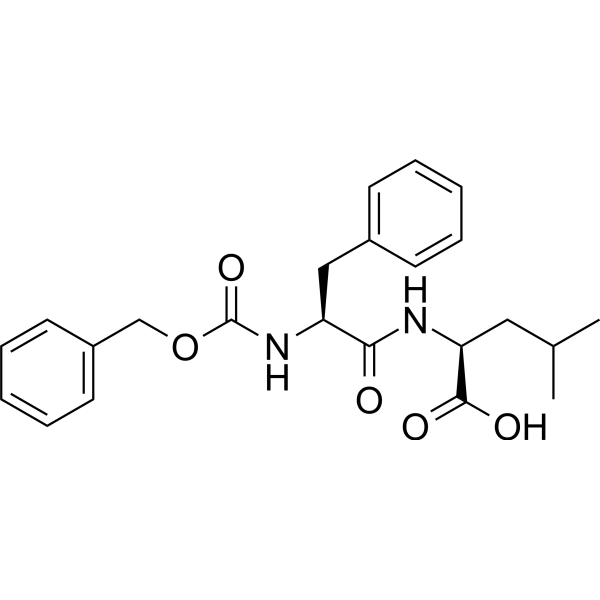
    Z-Phe-Leu-OH (NSC 334018) is a dipeptide acid. Z-Phe-Leu-OH undergoes hydrolysis by carboxypeptidase Y to release L-leucine. Z-Phe-Leu-OH acts as a substrate to assay carboxypeptidase Y peptidase activity .
    Z-Phe-Leu-OH
  • HY-103435
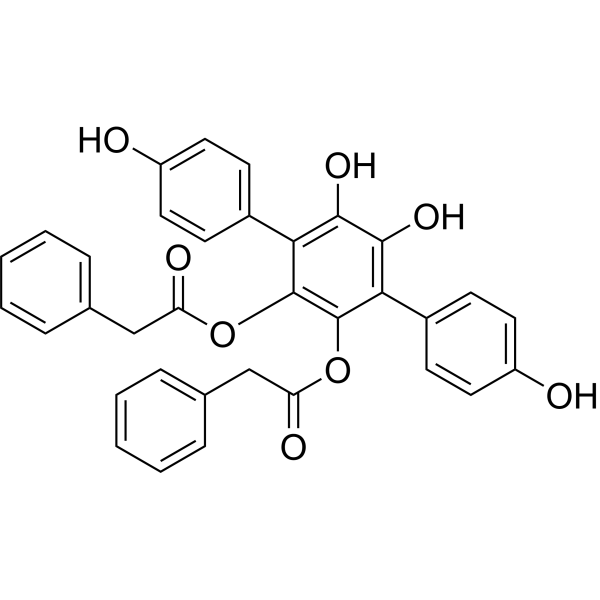
    Vialinin A
    2 Publications Verification

    Terrestrin A

    Deubiquitinase TNF Receptor E1/E2/E3 Enzyme Keap1-Nrf2 Inflammation/Immunology Cancer
    Vialinin A (Terrestrin A) is a p-terphenyl compound that can be derived from a Chinese edible mushroom. Vialinin A is an inhibitor of ubiquitin-specific peptidase 4 (USP4) and has anti-inflammatory and antioxidant properties. Vialinin A can alleviate cerebral ischaemia-reperfusion injury-induced neurological deficits and neuronal apoptosis. Vialinin A promotes activation of Keap1-Nrf2-ARE signaling pathway and increases the protein degradation of Keap1. Vialinin A possesses various pharmacological activities in cancer, Kawasaki disease, asthma, and pathological scarring. Vialinin A is a potent inhibitor of TNF-α, USP4, USP5, and sentrin/SUMO-specific protease 1 (SENP1). Vialinin A can be studied in reseach for autoimmune diseases, cancer and ischaemic stroke .
    Vialinin A
  • HY-P4920

    Fluorescent Dye Others
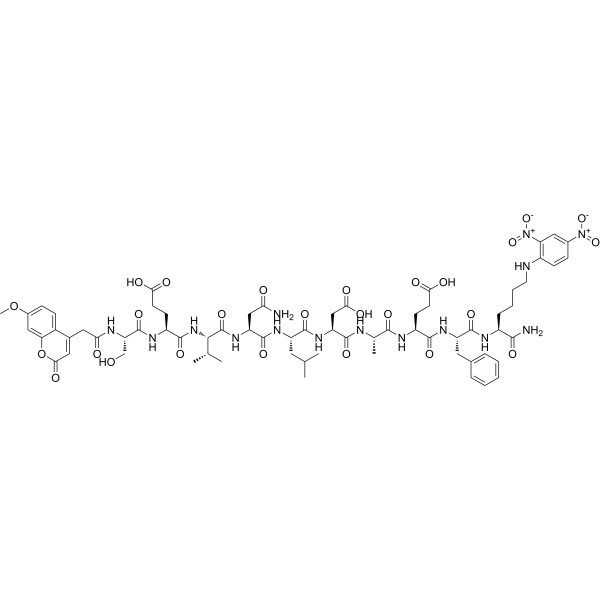
    Mca-SEVNLDAEFK(Dnp)-NH2 contains a highly fluorescent 7-methoxycoumarin group that is efficiently quenched by resonance energy transfer to the 2,4-dinitrophenyl group. It can be used to measure the activities of peptidases that are capable of cleaving an amide bond between the fluorescent group and the quencher group, causing an increase in fluorescence, such as can be used to measure the activity of BACE-1 .
    Mca-SEVNLDAEFK(Dnp)-NH2
  • HY-P4460

    Ser/Thr Protease Cancer
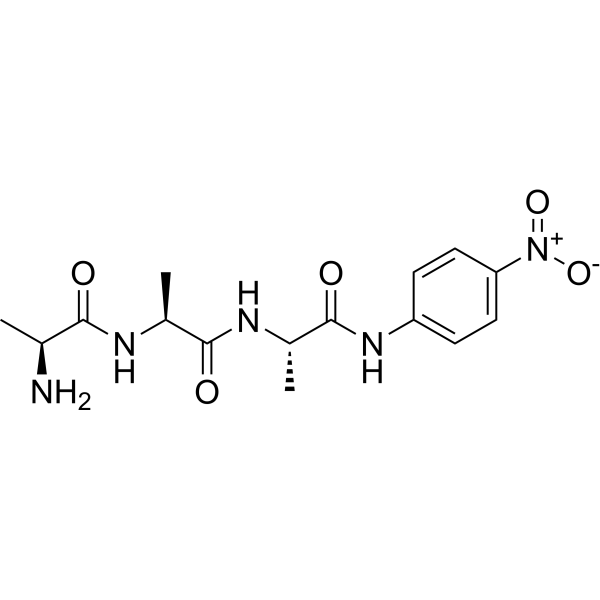
    AAA-pNA is a chromogenic substrate of Tripeptidyl-peptidase II. AAA-pNA can be used to test Tripeptidyl-peptidase II activity .
    AAA-pNA
  • HY-148190

    CGT-8012

    Dipeptidyl Peptidase Endocrinology
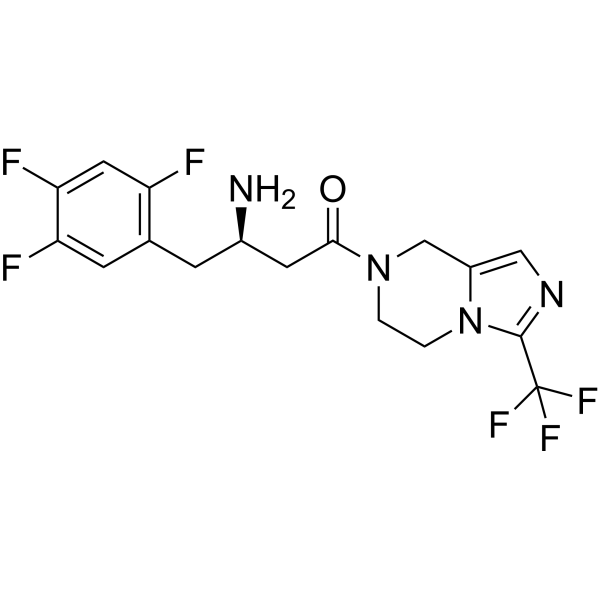
    Sheng Gelieting (CGT-8012) is a dipeptidy peptidase-IV enzyme (DP-IV) inhibitor. Sheng Gelieting has great DP-IV inhibition activity with an IC50 value of 87 nM. Sheng Gelieting can be used for curing or preventing diseases relevant to the dipeptidy peptidase-IV enzyme, such as the diabetes, particularly the II-type diabete .
    Sheng Gelieting
  • HY-P3985

    Bradykinin potentiating peptide B

    Angiotensin-converting Enzyme (ACE) Cardiovascular Disease Others
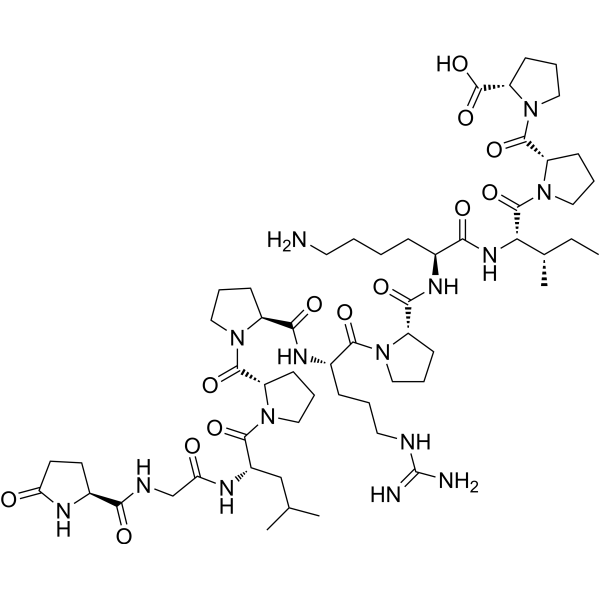
    Bradykinin potentiator B (Bradykinin potentiating peptide B) is venom of Agkistrodon halys blomhoffi. Bradykinin potentiator B is a potent ACE inhibitor. Bradykinin potentiator inhibits the activity of bradykinin inhibitory peptidase .
    Bradykinin potentiator B
  • HY-158412

    Proteasome Apoptosis Cancer
    BT317 is a blood-brain transmissible mitochondrial Lon peptidase I (LonP1) and CT-L proteasome inhibitor. BT317 can increase the production of reactive oxygen species (ROS) and induce apoptosis in astrocytoma cells. BT317 has antitumor activity .
    BT317
  • HY-175597

    ClpP Infection
    ClpP modulator-1 (Compound BC8a), a peptidomimetic, is an allosteric ClpP modulator. ClpP modulator-1 is a ClpP activator at low concentration with EC50s of 0.35 and 0.58  μM for for Neisseria meningitides ClpP (NmClpP) and Escherichia coli ClpP (EcClpP), resepectively. ClpP modulator-1 also inhibits peptidase activity at high concentration by competitively inhibiting substrate protein (LY-AMC) binding to ClpP C sites. ClpP modulator-1 has antibacterial activity. ClpP modulator-1 can be used for bacterial infections research .
    ClpP modulator-1
  • HY-151871

    Dipeptidyl Peptidase HIV Infection
    ICeD-2 is a inducer of cell death, can induce HIV-1 infected cell kill. ICeD-2-mediated HIV-1 infected cell kill is dependent on HIV-1 protease activity. ICeD-2 potently blocks hydrolysis of Gly-Pro-AMC by dipeptidyl peptidase DPP8 and DPP9. ICeD-2 shows strong stabilization of DPP9 in PBMCs .
    ICeD-2
  • HY-117738

    Aminopeptidase Endogenous Metabolite GSK-3 β-catenin Apoptosis Metabolic Disease
    Benarthin is an orally active Pyroglutamyl peptidase inhibitor, THY1 inhibitor (with a Kd value of 5.13e-08 M) and competitive PGP-1 inhibitor (Ki = 1.2 µM). Benarthin is isolated from the culture broth of Streptomyces xanthophaeus MJ244-SF1. Benarthin disrupts the THY1-SFRP1 interaction, inhibits the activation of the GSK3α/β-β-catenin pathway, and reduces the upregulation of FASLG. Benarthin attenuates urothelial anoikis and reduces cell Apoptosis. Benarthin possesses iron-chelating activity. Benarthin maintains urothelial barrier integrity and blocks the pathological cascade of renal interstitial fibroblasts induced by HAP stimulation. Benarthin can be used in studies related to kidney stones .
    Benarthin
  • HY-P4470

    Ser/Thr Protease Cancer
    Phe-Pro-Ala-pNA is a chromogenic substrate of tripeptidyl peptidase. Phe-Pro-Ala-pNA can be used to test tripeptidyl peptidase activity .
    Phe-Pro-Ala-pNA
  • HY-P4464

    Ser/Thr Protease Cancer
    Ala-Phe-Pro-pNA is a chromogenic substrate of tripeptidyl peptidase. Ala-Phe-Pro-pNA can be used to test tripeptidyl peptidase activity .
    Ala-Phe-Pro-pNA
  • HY-P4464A

    Ser/Thr Protease Cancer
    Ala-Phe-Pro-pNA TFA is a chromogenic substrate of tripeptidyl peptidase. Ala-Phe-Pro-pNA TFA can be used to test tripeptidyl peptidase activity .
    Ala-Phe-Pro-pNA TFA
  • HY-E70018

    Endogenous Metabolite Infection Metabolic Disease
    Picornain 3C is a protease found in picornaviruses, which cleaves peptide bonds of non-terminal sequences. Picornain 3C is an intermediate between the serine peptidase chymotrypsin and the cysteine peptidase papain. Picornain 3C shows endopeptidase activity by selectively cleaving Gln-Gly bonds in the polyprotein of poliovirus and with substitution of Glu for Gln, and Ser or Thr for Gly in other picornaviruses .
    Picornain 3C
  • HY-12480

    GSK 1322322

    Bacterial Infection
    Lanopepden (GSK 1322322) is a peptidyl peptidase (PDF) inhibitor. Lanopepden inhibits PDF activity, preventing bacterial protein synthesis, thereby exerting antibacterial activity. Lanopepden is primarily effective against Gram-positive bacteria. Lanopepden is used in the study of acute bacterial skin and skin structure infections .
    Lanopepden
  • HY-174380

    Dipeptidyl Peptidase Ser/Thr Protease Elastase Inflammation/Immunology
    DPP-1-IN-1 (Compound 14) is an orally active inhibitor of Cathepsin C (also known as Dipeptidyl peptidase I) with an IC50 of 5.31 nM. DPP-1-IN-1 can inhibit the activity of Cathepsin C downstream Neutrophil elastase in neutrophils. DPP-1-IN-1 can be used in the research of inflammatory diseases .
    DPP-1-IN-1
  • HY-14292

    Dipeptidyl Peptidase Metabolic Disease
    NVP-DPP728 is a potent, reversible and nitrile-dependent dipeptidyl peptidase IV (DPP-IV) inhibitor. NVP-DPP728 can inhibit human DPP-IV amidolytic activity with a Ki of 11 nM. NVP-DPP728 inhibits degradation of glucagon-like peptide-1 (GLP-1) and thereby potentiates insulin release in response to glucose intake. NVP-DPP728 can be used for researching diabetes .
    NVP-DPP728
  • HY-W764737

    Isotope-Labeled Compounds Cancer
    Methylboronic acid pinacol ester is an orally administered compound that inhibits the activity of peptidases and imidazole derivatives. Methylboronic acid pinacol ester is used as a medicinal preparation for cancer .
    Methylboronic acid pinacol ester-d3
  • HY-146455

    Dipeptidyl Peptidase Reactive Oxygen Species (ROS) Metabolic Disease
    DPP-4-IN-3 (Compound 5a) is a potent dipeptidyl peptidase IV (DPP-IV) inhibitor with an IC50 of 0.75 nM. DPP-4-IN-3 shows excellent antioxidant and insulinotropic activity .
    DPP-4-IN-3
  • HY-14291A

    LAF237 dihydrate; NVP-LAF 237 dihydrate

    Dipeptidyl Peptidase Ferroptosis Apoptosis Metabolic Disease Cancer
    Vildagliptin dihydrate (LAF237 dihydrate) is a potent, stable, selective dipeptidyl peptidase IV (DPP-IV) inhibitor with an IC50 of 3.5 nM in human Caco-2 cells. Vildagliptin dihydrate possesses excellent oral bioavailability and potent antihyperglycemic activity .
    Vildagliptin dihydrate
  • HY-179348

    Dipeptidyl Peptidase HIV Pyroptosis Cancer
    DPP9-IN-2 is a selective, potent and orally active inhibitor of Dipeptidyl Peptidase 9 (DPP9 ) with an IC50 of 12.9 nM. DPP9-IN-2 shows a SI of 59 over DPP8, and shows no significant inhibitory activity against related peptidases including DPP2, DPP4, FAP, and PREP. DPP9-IN-2 can induce cancer cells pyroptosis and has weak synergistic anti-HIV-1 activity when combined with non-nucleoside reverse transcriptase inhibitor. DPP9-IN-2 can be used for the researches of cance rand infection .
    DPP9-IN-2
  • HY-14291S1

    LAF237-d7; NVP-LAF 237-d7

    Isotope-Labeled Compounds Dipeptidyl Peptidase Ferroptosis Apoptosis Metabolic Disease
    Vildagliptin-d7 is deuterium labeled Vildagliptin. Vildagliptin (LAF237) is a potent, stable, selective dipeptidyl peptidase IV (DPP-IV) inhibitor with an IC50 of 3.5 nM in human Caco-2 cells. Vildagliptin possesses excellent oral bioavailability and potent antihyperglycemic activity .
    Vildagliptin-d7
  • HY-N8134

    Dipeptidyl Peptidase Metabolic Disease
    2-Methoxy-5-acetoxy-fruranogermacr-1(10)-en-6-one is a natural product found in the leaves and stem bark of M. glabra. 2-Methoxy-5-acetoxy-fruranogermacr-1(10)-en-6-one displays binding affinities with dipeptidyl peptidase-4 (DPP-4) and α-Amylase. 2-Methoxy-5-acetoxy-fruranogermacr-1(10)-en-6-one has potential antidiabetic activities .
    2-Methoxy-5-acetoxy-fruranogermacr-1(10)-en-6-one
  • HY-14291S

    LAF237-d3; NVP-LAF 237-d3

    Isotope-Labeled Compounds Dipeptidyl Peptidase Ferroptosis Apoptosis Metabolic Disease
    Vildagliptin-d3 is the deuterium labeled Vildagliptin. Vildagliptin (LAF237) is a potent, stable, selective dipeptidyl peptidase IV (DPP-IV) inhibitor with an IC50 of 3.5 nM in human Caco-2 cells. Vildagliptin possesses excellent oral bioavailability and potent antihyperglycemic activity .
    Vildagliptin-d3
  • HY-14291R

    LAF237 (Standard); NVP-LAF 237 (Standard)

    Reference Standards Dipeptidyl Peptidase Ferroptosis Apoptosis Metabolic Disease
    Vildagliptin (Standard) is the analytical standard of Vildagliptin. This product is intended for research and analytical applications. Vildagliptin (LAF237) is a potent, stable, selective dipeptidyl peptidase IV (DPP-IV) inhibitor with an IC50 of 3.5 nM in human Caco-2 cells. Vildagliptin possesses excellent oral bioavailability and potent antihyperglycemic activity .
    Vildagliptin (Standard)
  • HY-15981R

    MK-3102 (Standard)

    Reference Standards Dipeptidyl Peptidase Neurological Disease Metabolic Disease
    Omarigliptin (Standard) is the analytical standard of Omarigliptin. This product is intended for research and analytical applications. Omarigliptin (MK-3102) is a potent, selective, orally active and cross the blood-brain barrier dipeptidyl peptidase 4 (DPP-4) inhibitor. Omarigliptin shows anti-parkinsonian activity. Omarigliptin has the neuroprotective effect to improve diabetes-associated cognitive dysfunction .
    Omarigliptin (Standard)
  • HY-14291S2

    LAF237-13C5,15N; NVP-LAF 237-13C5,15N

    Isotope-Labeled Compounds Dipeptidyl Peptidase Apoptosis Ferroptosis Metabolic Disease
    Vildagliptin- 13C5, 15N (LAF237- 13C5, 15N; NVP-LAF 237- 13C5, 15N) is a 13C- and 15N-labeled Vildagliptin (HY-14291). Vildagliptin (LAF237) is a potent, stable, selective dipeptidyl peptidase IV (DPP-IV) inhibitor with an IC50 of 3.5 nM in human Caco-2 cells. Vildagliptin possesses excellent oral bioavailability and potent antihyperglycemic activity .
    Vildagliptin-13C5,15N
  • HY-P10416

    Q14 peptide

    Deubiquitinase Mitophagy Others Neurological Disease
    Q14 is a polypeptide derived from the USP30 (ubiquitin specific peptidase 30) transmembrane (TM) domain with the ability to inhibit the deubiquitination activity of USP30 (IC50=57.2 nM). Q14 reduces USP30 activity by inhibiting the interaction between the USP30 transmembrane domain and its catalytic domain. Q14 peptide contains the LC3 interaction region (LIR) motif, which enables it to bind to the LC3 and accelerate the formation of autophagosomes, thereby promoting mitophagy. Q14 can be used in the study of neurodegenerative diseases as well as mitochondrial quality control and cell metabolism .
    Q14
  • HY-155027

    Dipeptidyl Peptidase TNF Receptor Interleukin Related Inflammation/Immunology Cancer
    DPP-4-IN-8 (compound 27) is a potent and selective DPP4 (dipeptidyl peptidase 4) inhibitor, with a Ki of 0.96 μM. DPP-4-IN-8 blocks the dipeptidase activity of DPP4 in both Caco-2 and HepG-2 cells. DPP-4-IN-8 also dose-dependently suppresses the expression levels of the chemokines tumor necrosis factor-α (TNF-α), interleukin-6 (IL-6), and interleukin-1β (IL-1β) .
    DPP-4-IN-8
  • HY-176000

    Dipeptidyl Peptidase Inflammation/Immunology Cancer
    Sulphostin is a covalent inhibitor of dipeptidyl peptidase 4 (DPP4), dipeptidyl peptidase 9 (DPP9), and dipeptidyl peptidase 8 (DPP8) with IC50 values of 79, 1392, 6930 nM, respectively. Sulphostin causes phosphosulfamate modification, irreversibly inhibits the enzyme activity. Sulphostin can be used for inflammation and cancer study .
    Sulphostin
  • HY-N15105

    Dipeptidyl Peptidase Others
    Acetyl-L-Ieucyl-L-argininal shows inhibition of peptidyl amin-peptidase III activity .
    Acetyl-L-Ieucyl-L-argininal
  • HY-163335

    Glutathione Peroxidase Dipeptidyl Peptidase Glycosidase Cardiovascular Disease Inflammation/Immunology
    MPO-IN-7 (compound MDC) is a myeloperoxidase inhibitor with the IC50 values of 41 μM, 25 μM and 4.5 μM towards α-Glucosidase, dipeptidyl peptidase-4 and myeloperoxidase, respectively. MPO-IN-7 shows antioxidant and anti-inflammatory activity in vitro .
    MPO-IN-7
  • HY-155704

    PPAR Others
    DPP-IV-IN-5 is isolated from the fruits of Lycium barbarum. DPP-IV-IN-5 exerts moderate agonistic activities for peroxisome proliferator-activated receptor (PPARγ) with EC50 values of 10.09 - 44.26 μM and also presents inhibitory activity on dipeptidyl peptidase-4 (DPPIV) with an IC50 value of 47.13 μM .
    Lyciumamide A
  • HY-P4488

    Dipeptidyl Peptidase Others
    H-Pro-Pro-Gln-OH is a oligopeptide with excellent dipeptidyl peptidase-IV (DPP-IV) inhibitory activity .
    H-Pro-Pro-Gln-OH
  • HY-N13981

    Antibiotic Bacterial Infection
    Arylomycin B2, an antibiotic, is a potent signal peptidase I (SPase I) inhibitor. Arylomycin B2 has anti-Gram-positive bacteria activities .
    Arylomycin B2
  • HY-N4069

    Boeravinone L

    Estrogen Receptor/ERR Aryl Hydrocarbon Receptor Dipeptidyl Peptidase Glycosidase Metabolic Disease
    Lupinalbin A (Boeravinone L) is a dipeptidyl peptidase 4 (DPP4) and α-glucosidase inhibitor with IC50 values ​​of 45.2 and 53.4 µM, respectively. Lupinalbin A exhibits antidiabetic activity .
    Lupinalbin A
  • HY-157390

    Dipeptidyl Peptidase Metabolic Disease
    DPP-4-IN-9 (compound 6l) is a potent inhibitor of dipeptidyl peptidase DPP-4 (IC50: 8.22 nM). DPP-4-IN-9 has antihyperglycemic activity .
    DPP-4-IN-9
  • HY-137164A

    Fluorescent Dye Others
    Ala-Ala-Phe-AMC TFA is the TFA salt form for Ala-Ala-Phe-AMC. Ala-Ala-Phe-AMC TFA is a fluorogenic substrate, which is used to for tripeptidyl peptidase II (TPPII) activity determination .
    Ala-Ala-Phe-AMC TFA

Inquiry Online

Your information is safe with us. * Required Fields.

Salutation


Country or Region *

Applicant Name *


Organization Name *

Department *


Email Address *


Product Name *

Cat. No.


Requested quantity *

Phone Number *


Remarks

Inquiry Online

Inquiry Information

Product Name:
Cat. No.:
Quantity:
MCE Japan Authorized Agent:

