1. Search Result
Search Result
Results for "

autophagic activity

" in MedChemExpress (MCE) Product Catalog:

45

Inhibitors & Agonists

1

Biochemical Assay Reagents

13

Natural
Products

2

Isotope-Labeled Compounds

Cat. No. Product Name Target Research Areas Chemical Structure
  • HY-W031727
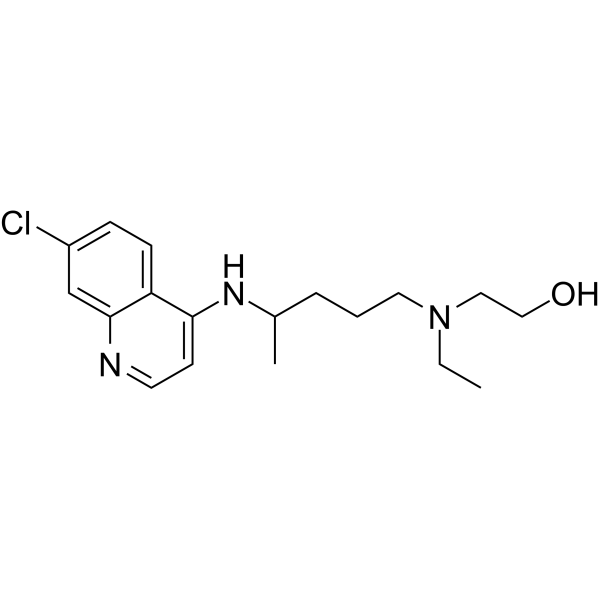
    Hydroxychloroquine
    Maximum Cited Publications
    87 Publications Verification

    Parasite Toll-like Receptor (TLR) SARS-CoV Autophagy Infection Cancer
    Hydroxychloroquine (HCQ) is a synthetic oral antimalarial drug that can be used in the study of malaria and autoimmune diseases such as systemic lupus erythematosus and rheumatoid arthritis. Hydroxychloroquine is a potent autophagic flux inhibitor with antiviral activity (such as SARS-CoV-2 virus) that inhibits Toll-like receptor 7/9 (TLR7/9) signaling .
    Hydroxychloroquine
  • HY-17508
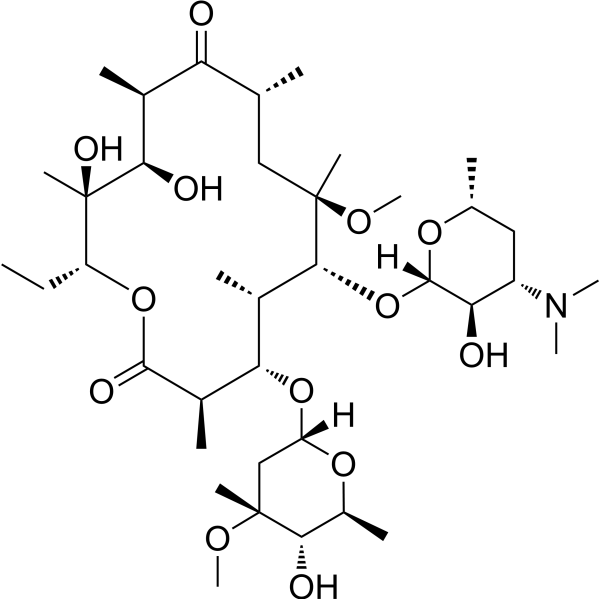
    Clarithromycin
    20+ Cited Publications

    Bacterial Cytochrome P450 Autophagy Antibiotic Infection Cancer
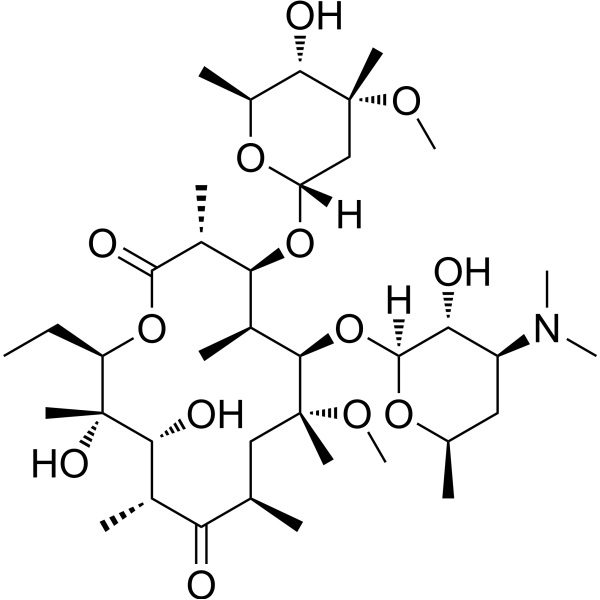
    Clarithromycin has a broad spectrum of antimicrobial activity. Clarithromycin inhibits the CYP3A4-catalyzed triazolam alpha-hydroxylation with the IC50 (Ki) value of 56 (43) μM . Clarithromycin significantly inhibits the HERG potassium current .Clarithromycin affects the autophagic flux by impairing the signaling pathway linking hERG1 and PI3K .
    Clarithromycin
  • HY-14668
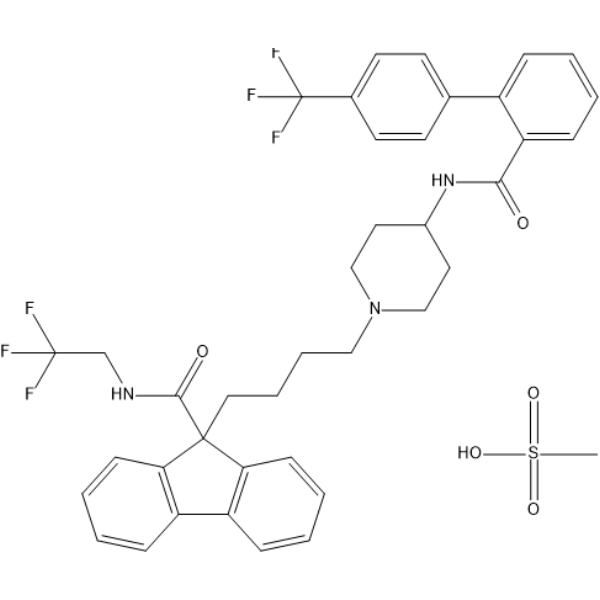
    Lomitapide mesylate
    5+ Cited Publications

    AEGR-733 mesylate; BMS-201038 mesylate

    Microsomal Triglyceride Transfer Protein (MTP) mTOR LDLR Autophagy Apoptosis Cardiovascular Disease Neurological Disease Metabolic Disease Cancer
    Lomitapide (AEGR-733; BMS-201038) mesylate is an orally active microsomal triglyceride transfer protein (MTP) inhibitor and a selective mTORC1 inhibitor with lipid-lowering activity and BBB permeability. Lomitapide mesylate significantly reduces plasma LDL levels by blocking the assembly and secretion of very-low-density lipoprotein (VLDL). Lomitapide mesylate inhibits mTORC1 in an ATP-dependent manner, thereby inducing AMPK-independent autophagic cell death and suppressing cancer cell growth and apoptosis. Lomitapide mesylate also enhances tumor infiltration of CD8 + T cells. In addition, Lomitapide mesylate inhibits HDAC, improves endothelial function, effectively alleviates vascular inflammation and oxidative stress, and exerts neuroprotective effects in a cerebral ischemia/reperfusion injury model. Lomitapide mesylate can be used in research on related diseases such as colorectal cancer, breast cancer, melanoma, ischemic stroke, and familial hypercholesterolemia .
    Lomitapide mesylate
  • HY-N0837
    Veratramine
    1 Publications Verification

    NSC17821; NSC23880

    PI3K Akt mTOR Autophagy Apoptosis Neurological Disease Metabolic Disease Inflammation/Immunology Cancer
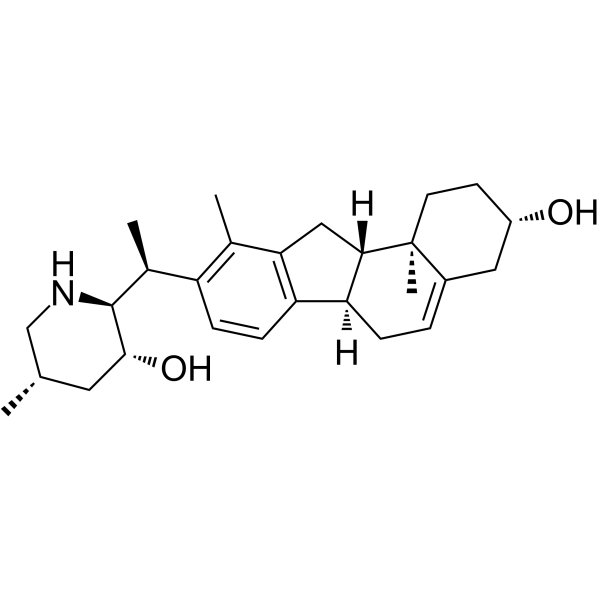
    Veratramine (NSC17821; NSC23880) is an orally active inhibitor of the PI3K/Akt/mTOR signaling pathway and a SIGMAR1 modulator. Veratramine induces autophagic apoptosis of tumor cells, arrests the cell cycle at the G0/G1 phase, and inhibits epithelial-mesenchymal transition (EMT)-related proteins to reduce tumor migration. Veratramine reduces spinal cord and sciatic nerve pathological damage in a neuropathy model by inhibiting SIGMAR1 binding to NMDAR and phosphorylation of NMDAR Ser896. Veratramine has anti-tumor proliferation, apoptosis induction, anti-inflammatory and neuroprotective activities, and can be used in the study of cancers such as liver cancer and osteosarcoma, as well as diabetic peripheral neuropathy .
    Veratramine
  • HY-125169

    Autophagy Atg4 Cancer
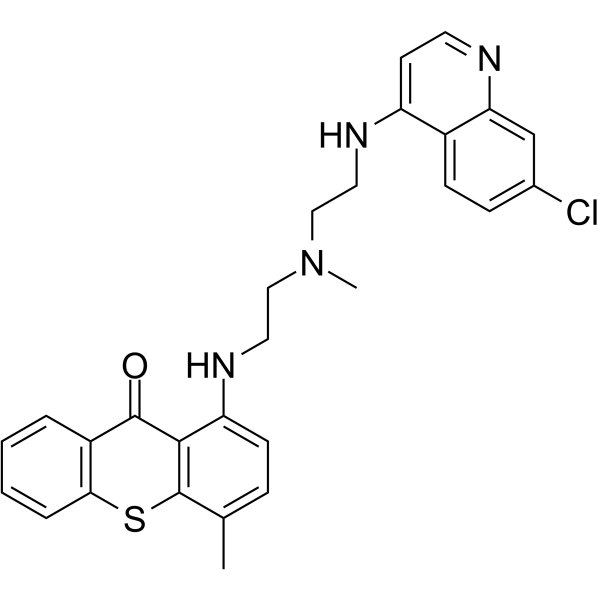
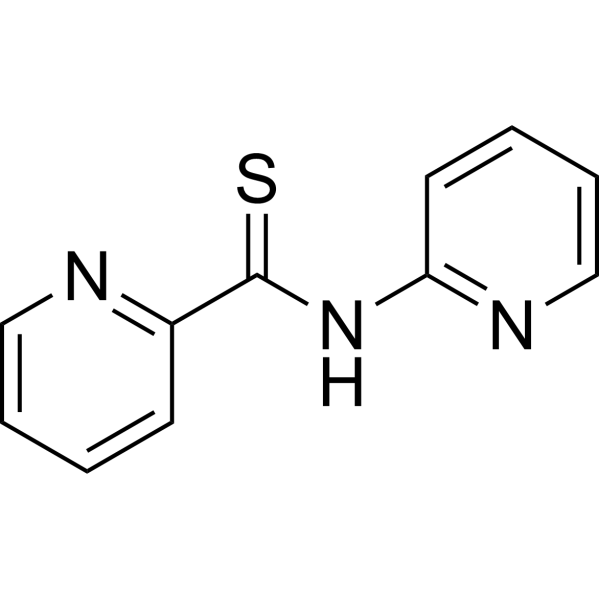
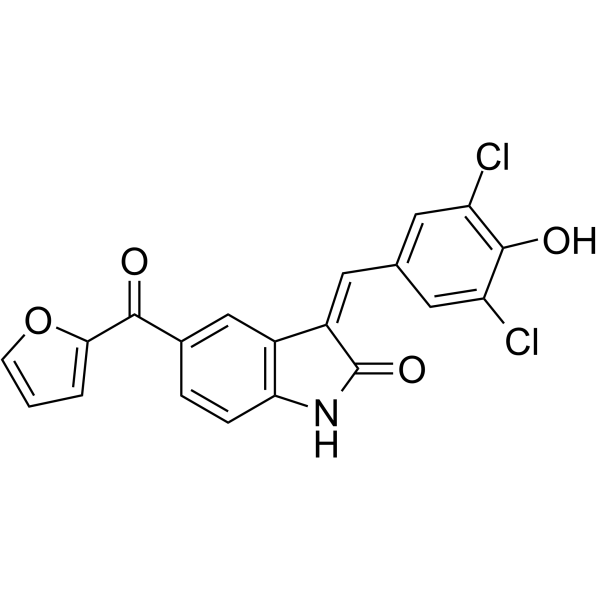
    NSC 185058 is an inhibitor of ATG4B, a major cysteine protease. Inhibition of ATG4B using NSC 185058 markedly attenuates autophagic activity .
    NSC 185058
  • HY-103706
    ROC-325
    3 Publications Verification

    Autophagy Apoptosis Cancer
    ROC-325 is a potent and orally active autophagy inhibitor with a strong anticancer activity. ROC-325 induces the deacidification of lysosomes, accumulation of autophagosomes, and disrupted autophagic flux. ROC-325 also induces renal cell carcinoma apoptosis .
    ROC-325
  • HY-131611
    6-Azuridine
    1 Publications Verification

    6-Azauridine

    Nucleoside Antimetabolite/Analog Autophagy Apoptosis AMPK MDM-2/p53 SARS-CoV Infection Others Cancer
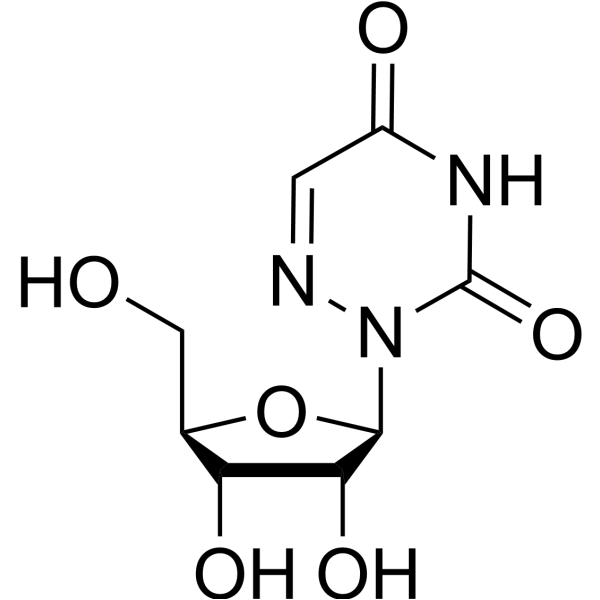
    6-Azuridine (6-Azauridine) is an orally active purine nucleoside analogue. 6-Azuridine activates autophagic flux, induces Apoptosis that depends on AMPK and p53. 6-Azuridine exhibit both antitumor and antiviral activities .
    6-Azuridine
  • HY-161619

    PIKfyve DNA/RNA Synthesis SARS-CoV Autophagy Dengue Virus Filovirus Infection
    RMC-113 is a PIP4K2C and PIKfyve inhibitor with the Ki vaules of 46 nM and 370 nM. RMC-113 reverses SARS-CoV-2-induced impairment of autophagic flux. RMC-113 shows antiviral activity .
    RMC-113
  • HY-B0960
    Sulfabenzamide
    1 Publications Verification

    N-Sulfanilylbenzamide

    Bacterial Autophagy MDM-2/p53 Caspase PARP DNA-PK Akt Infection Cancer
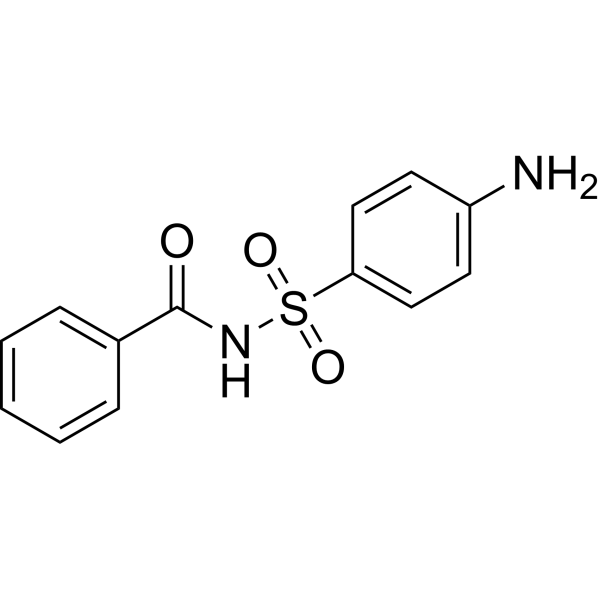
    Sulfabenzamide (N-Sulfanilylbenzamide) is a sulfonamide antibacterial agent. Sulfabenzamide exhibit antibacterial activity against Staphylococcus aureus (ATCC 25923) and Escherichia coli (ATCC 8739). Sulfabenzamide can promote autophagic cell autophagy in breast cancer cells through p53/ DRAM pathway. Sulfabenzamide increases caspase-3 activity, deactivates PARP1 and DNA-PK, downregulates AKT1 and AKT2. Sulfabenzamide can be used for the researches of breast cancer and bacterial infections .
    Sulfabenzamide
  • HY-112624K

    Dextran 5; Dextran D5; Dextran T5(MW 4500-5500)

    Apoptosis Autophagy Others
    Dextran T5 (MW 5,000) is a sulfated polysaccharide anti-apoptotic and autophagic agent. Dextran T5 (MW 5,000) has sulfated groups and interacts with cell membranes by mimicking endogenous glycosaminoglycans, inhibiting the mitochondrial apoptotic pathway and delaying DNA fragmentation to exert anti-apoptotic activity. Dextran T5 (MW 5,000) also promotes the conversion of LC3-I to LC3-II and the formation of autophagosomes to activate the autophagic pathway. Dextran T5 (MW 5,000) can prolong the survival cycle of CHO cells and increase the production of recombinant erythropoietin (EPO). The Dextran series of compounds are also natural polysaccharide drug carriers that can be connected to drugs through covalent bonding methods such as ester bonds, amide bonds or click chemistry, or self-assembled to form carriers such as nanoparticles and hydrogels. Dextran is biodegradable and biocompatible, and can achieve targeted delivery and controlled release of drugs. Dextran derivatives can prolong drug half-life, increase local concentration and reduce immune clearance activity. The Dextran series of compounds are also natural polysaccharide drug carriers that can be connected to drugs through covalent bonding methods such as ester bonds, amide bonds or click chemistry, or self-assembled to form carriers such as nanoparticles and hydrogels. Dextran is biodegradable and biocompatible, and can achieve targeted delivery and controlled release of drugs. Dextran derivatives can prolong the half-life of drugs, increase local concentrations, and reduce the activity of immune clearance .
    Dextran T5 (MW 5,000)
  • HY-N0008

    Wnt p38 MAPK mTOR Keap1-Nrf2 TGF-β Receptor Neurological Disease Metabolic Disease
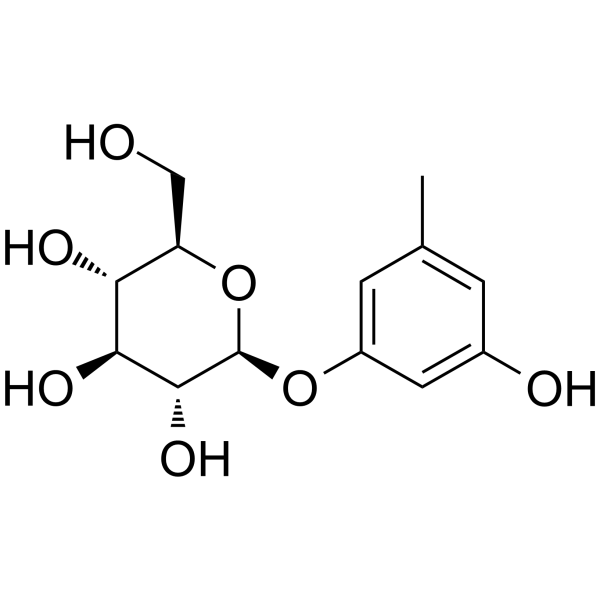
    Orcinol glucoside is an orally active, blood-brain barrier permeable osteoblast proliferation promoter that targets the Nrf2/Keap1, mTOR and p38 signaling pathways. Orcinol glucoside promotes Nrf2 nuclear translocation, upregulates antioxidant enzyme levels, enhances the phosphorylation of mTOR and p70S6K, and inhibits the enzymatic activity of HAS2 as well as the nuclear translocation of GR. Orcinol glucoside also alleviates oxidative stress, inhibits autophagic flux, osteoclastogenesis and TGF-β1-induced M2 polarization, while reducing collagen deposition and effectively promoting the proliferation, differentiation and mineralization of osteoblasts. Orcinol glucoside also exhibits anti-pulmonary fibrosis, anxiolytic and antidepressant activities. Orcinol glucoside can be used in the research of senile and glucocorticoid-induced osteoporosis, idiopathic pulmonary fibrosis (IPF), anxiety and other related diseases .
    Orcinol glucoside
  • HY-17508R
    Clarithromycin (Standard)
    20+ Cited Publications

    Reference Standards Bacterial Cytochrome P450 Autophagy Antibiotic Infection Cancer
    Clarithromycin (Standard) is the analytical standard of Clarithromycin. This product is intended for research and analytical applications. Clarithromycin has a broad spectrum of antimicrobial activity. Clarithromycin inhibits the CYP3A4-catalyzed triazolam alpha-hydroxylation with the IC50 (Ki) value of 56 (43) μM . Clarithromycin significantly inhibits the HERG potassium current .Clarithromycin affects the autophagic flux by impairing the signaling pathway linking hERG1 and PI3K .
    Clarithromycin (Standard)
  • HY-N0805A
    Alisol B
    1 Publications Verification

    Epoxide Hydrolase CaMK Autophagy Apoptosis Metabolic Disease Inflammation/Immunology Cancer
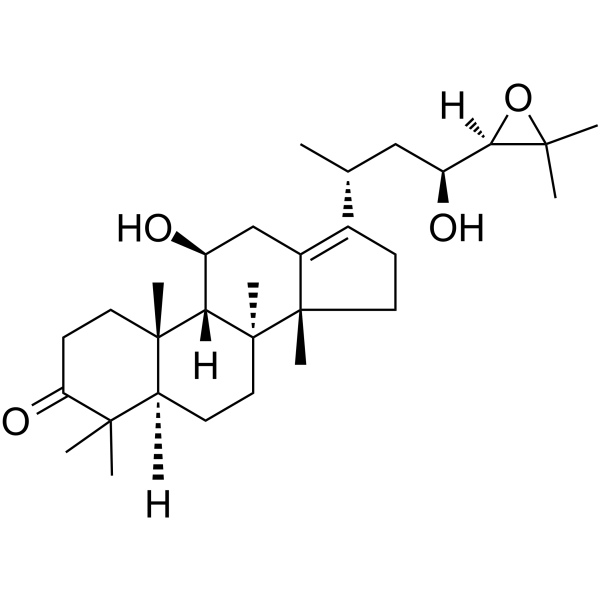
    Alisol B is a triterpene with diverse biological activities. Alisol B binds human soluble epoxide hydrolase (sEH) with a Ki of 5.97 μM and reduces sEH activity. Alisol B inhibits RANKL-induced JNK phosphorylation, NFATc1 and c-Fos expression, osteoclast formation, mature osteoclast pit-forming and actin ring activity, and SERCA pump activity. Alisol B induces calcium mobilization, CaMKK-AMPK-mTOR pathway activation, autophagic flux, autophagosome formation, G1 phase cell cycle arrest, endoplasmic reticulum stress, unfolded protein responses, and cancer cell apoptosis. Alisol B can be used for the research of hypercalcemia, osteoporosis, rheumatoid arthritis, periodontitis, acute kidney injury, and breast cancer .
    Alisol B
  • HY-N2902

    Reactive Oxygen Species (ROS) Cancer
    Artocarpin is an orally active apoptosis inducer. Artocarpin targets NF-κB, Erk1/2, p38 MAPK, AktS473, p53, Akt 1 kinase and Akt 2 kinase. Artocarpin induces reactive oxygen species (ROS) production, mediates p53-dependent and p53-independent apoptotic signaling pathways, induces G1-phase cell cycle arrest, and triggers autophagic cell death. Artocarpin exerts cytotoxic and bactericidal effects on cancer cells, reduces bacterial load, and exhibits anti-inflammatory, analgesic and anti-angiogenic activities .
    Artocarpin
  • HY-N0566

    Anemosapogenin

    Apoptosis Autophagy Bcl-2 Family Caspase Survivin p38 MAPK MMP Cancer
    23-Hydroxybetulinic acid (Anemosapogenin) is an orally active triterpenoid with broad-spectrum anticancer activity. 23-Hydroxybetulinic acid reduces the levels of Bcl-2 and survivin, elevates the level of Bax, promotes the cleavage/activation of caspase-3 and caspase-9, and induces apoptosis via the endogenous mitochondrial pathway involving cytochrome C release and mitochondrial membrane potential disruption. 23-Hydroxybetulinic acid arrests the cell cycle at S and G1 phases, inhibits cancer cell proliferation, blocks the MAPK signaling pathway, regulates MMP2, and induces autophagic apoptosis by upregulating beclin-1. 23-Hydroxybetulinic acid inhibits the activity and efflux function of P-gp, increases the intracellular accumulation of chemotherapeutic drugs, and synergistically enhances cytotoxicity with Doxorubicin (HY-15142). 23-Hydroxybetulinic acid inhibits the phosphorylation and nuclear translocation of STAT6, blocks M2 macrophage polarization, and reduces M2 macrophage-mediated apoptosis resistance of colon cancer cells. 23-Hydroxybetulinic acid can be used in related studies on chronic myeloid leukemia, hepatocellular carcinoma, sarcoma 180, multidrug-resistant breast cancer, leukemia, Doxorubicin-induced cardiotoxicity, and colorectal cancer .
    23-Hydroxybetulinic acid
  • HY-112711

    Atg4 Autophagy Cancer
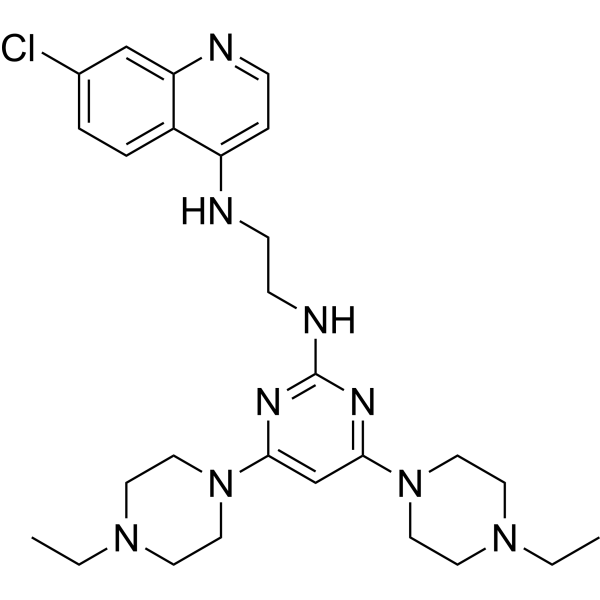
    LV-320 is a potent and uncompetitive ATG4B inhibitor with an IC50 of 24.5 μM and a Kd of 16 μM. LV-320 inhibits ATG4B enzymatic activity, blocks autophagic flux in cells, and is stable, non-toxic and active in vivo .
    LV-320
  • HY-115570
    GW406108X
    1 Publications Verification

    GW108X

    Kinesin ULK Autophagy Cancer
    GW406108X is a specific Kif15 (Kinesin-12) inhibitor with an IC50 of 0.82 uM in ATPase assays. GW406108X, a potent autophagy inhibitor, shows ATP competitive inhibition against ULK1 with a pIC50 of 6.37 (427 nM). GW406108X inhibits ULK1 kinase activity and blocks autophagic flux, without affecting the upstream signaling kinases mTORC1 and AMPK .
    GW406108X
  • HY-17508S1

    Isotope-Labeled Compounds Bacterial Antibiotic Autophagy Cytochrome P450 Others
    Clarithromycin-d3 is the deuterium labeled Clarithromycin (HY-17508) . Clarithromycin has a broad spectrum of antimicrobial activity. Clarithromycin inhibits the CYP3A4-catalyzed triazolam alpha-hydroxylation with the IC50 (Ki) value of 56 (43) μM . Clarithromycin significantly inhibits the HERG potassium current .Clarithromycin affects the autophagic flux by impairing the signaling pathway linking hERG1 and PI3K .
    Clarithromycin-d3
  • HY-146052
    Autophagy inducer 3
    1 Publications Verification

    Atg8/LC3 Autophagy Cancer
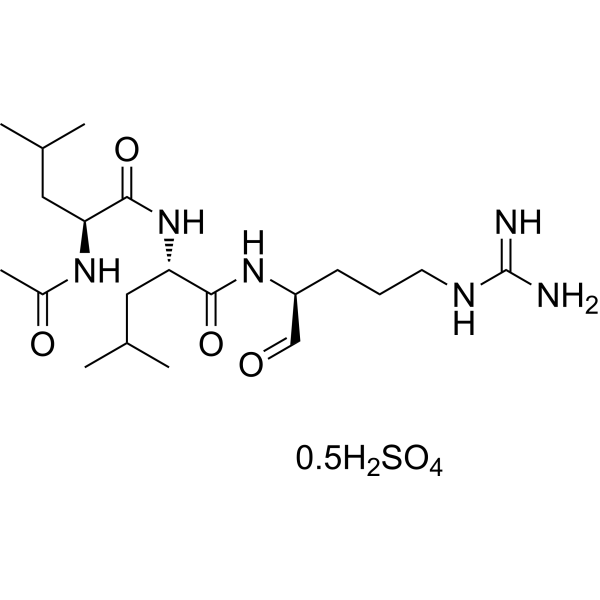
    Autophagy inducer 3 has autophagy induced activity. Autophagy inducer 3 possesses robust autophagic cell death in diverse cancer cells sparing normal counterpart. Autophagy inducer 3 induces lethal autophagy by formation of characteristic autophagic vacuoles, LC3 puncta formation, upregulation of signature autophagy markers like Beclin and Atg family proteins .
    Autophagy inducer 3
  • HY-W031727R

    Reference Standards Parasite Toll-like Receptor (TLR) SARS-CoV Autophagy Infection Cancer
    Hydroxychloroquine (HCQ) is a synthetic oral antimalarial drug that can be used in the study of malaria and autoimmune diseases such as systemic lupus erythematosus and rheumatoid arthritis. Hydroxychloroquine is a potent autophagic flux inhibitor with antiviral activity (such as SARS-CoV-2 virus) that inhibits Toll-like receptor 7/9 (TLR7/9) signaling .
    Hydroxychloroquine (Standard)
  • HY-155971

    Autophagy Inflammation/Immunology Cancer
    VISTA-IN-2 (Compound 1) is an inhibitor of V-domain Ig suppressor of T-cell activation (VISTA). VISTA-IN-2 induces VISTA degradation in cells through an autophagic mechanism. VISTA-IN-2 rescues VISTA-mediated immunosuppression, and enhances antitumor activity of immune cells. VISTA-IN-2 also activates the antitumor immunity and inhibits tumor growth in a CT26 mouse model .
    VISTA-IN-2
  • HY-N6932

    Cannabinoid Receptor P-glycoprotein PI3K Akt mTOR Apoptosis Autophagy EGFR Metabolic Disease Cancer
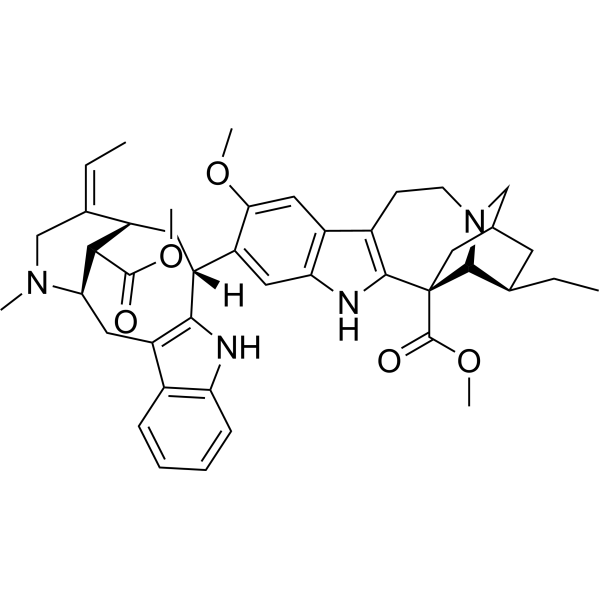
    Voacamine is an indole alkaloid with cannabinoid 1 (CB1) antagonistic activity. Voacamine can inhibit nuclear translocation. Voacamine is effective in enhancing the effect of Doxorubicin (HY-15142A) as it interferes with the P-glycoprotein (P-gp) function. Voacamine promotes apoptosis-independent autophagic cell death in human osteosarcoma cells. Voacamine activates mitochondrial-associated apoptosis signaling pathway and inhibition of PI3K/Akt/mTOR signaling pathway to suppress breast cancer progression. Voacamine inhibits EGFR to exert oncogenic activity against colorectal cancer .
    Voacamine
  • HY-160902

    Autophagy AUTACs Others
    2G-HaloAUTAC (Compound tt44) is a Autophagy-targeting chimera (2G-HaloAUTAC) that improves the activity of AUTACs by replacing the L-Cysteine ​​(L-Cys) linker with other structures. 2G-HaloAUTAC exhibits degradation activity against EGFP-HaloTag protein through an Autophagic mechanism .
    2G-HaloAUTAC
  • HY-N0837R

    NSC17821 (Standard); NSC23880 (Standard)

    Reference Standards PI3K Akt mTOR Autophagy Apoptosis Neurological Disease Metabolic Disease Cancer
    Veratramine (NSC17821; NSC23880) (Standard) is the analytical standard of Veratramine (HY-N0837). This product is intended for research and analytical applications. Veratramine (NSC17821; NSC23880) is an orally active inhibitor of the PI3K/Akt/mTOR signaling pathway and a SIGMAR1 modulator. Veratramine induces autophagic apoptosis of tumor cells, arrests the cell cycle at the G0/G1 phase, and inhibits epithelial-mesenchymal transition (EMT)-related proteins to reduce tumor migration. Veratramine reduces spinal cord and sciatic nerve pathological damage in a neuropathy model by inhibiting SIGMAR1 binding to NMDAR and phosphorylation of NMDAR Ser896. Veratramine has anti-tumor proliferation, apoptosis induction, anti-inflammatory and neuroprotective activities, and can be used in the study of cancers such as liver cancer and osteosarcoma, as well as diabetic peripheral neuropathy .
    Veratramine (Standard)
  • HY-B0960S

    N-Sulfanilylbenzamide-d4

    Bacterial Autophagy Isotope-Labeled Compounds MDM-2/p53 Caspase PARP DNA-PK Akt Infection Cancer
    Sulfabenzamide (N-Sulfanilylbenzamide)-d4 is the deuterium labeled Sulfabenzamide (HY-B0960). Sulfabenzamide is a sulfonamide antibacterial agent. Sulfabenzamide exhibit antibacterial activity against Staphylococcus aureus (ATCC 25923) and Escherichia coli (ATCC 8739). Sulfabenzamide can promote autophagic cell autophagy in breast cancer cells through p53/ DRAM pathway. Sulfabenzamide increases caspase-3 activity, deactivates PARP1 and DNA-PK, downregulates AKT1 and AKT2. Sulfabenzamide can be used for the researches of breast cancer and bacterial infections .
    Sulfabenzamide-d4
  • HY-124582
    NEO214
    1 Publications Verification

    Autophagy mTOR Cancer
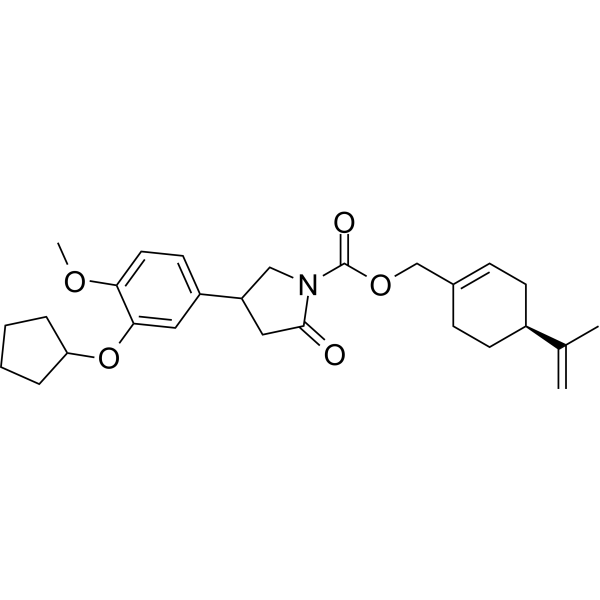
    NEO214 is an autophagy inhibitor and a covalent conjugate of the PDE4 inhibitor Rolipram (HY-16900) and perillyl alcohol (HY-N7000). It has anti-cancer activity and blood-brain barrier (BBB) permeability. Over sex. NEO214 prevents autophagy-lysosome fusion, thereby blocking autophagic flux and triggering glioma cell death. The process involves mTOR activation, andTFEB(Transcription Factor EB) aggregation. NEO214 inhibitionMacroautophagy/autophagy in glioblastoma cells has the potential to overcome chemotherapy resistance in glioblastoma .
    NEO214
  • HY-179578

    Enolase AMPK Autophagy Apoptosis mTOR Caspase Metabolic Disease Cancer
    SU212 is a podophyllotoxin-derived ENO1 inhibitor and AMPK activator. SU212 can selectively induce oxidative phosphorylation, reduce glycolysis activity and glucose uptake in tumor cells, and directly bind to ENO1 without affecting these pathways in normal cells. SU212 induces apoptosis and promotes ENO1 degradation via proteasomal and autophagic pathways without inhibiting the catalytic activity. SU212 leads to mitotic arrest and apoptosis in TNBC (triple-negative breast cancer) cells by activating AMPK, demonstrating potent anti-tumor activity in vitro. SU212 inhibits tumor growth and metastasis in syngeneic, xenograft, and diabetic mouse models, exhibiting an excellent safety profile. SU212 can be used in research on t TNBC, diabetes, and fatty liver disease .
    SU212
  • HY-B0960R

    N-Sulfanilylbenzamide (Standard)

    Reference Standards Bacterial Autophagy MDM-2/p53 Caspase PARP DNA-PK Akt Infection Cancer
    Sulfabenzamide (N-Sulfanilylbenzamide) (Standard) is the analytical standard of Sulfabenzamide (HY-B0960). This product is intended for research and analytical applications. Sulfabenzamide is a sulfonamide antibacterial agent. Sulfabenzamide exhibit antibacterial activity against Staphylococcus aureus (ATCC 25923) and Escherichia coli (ATCC 8739). Sulfabenzamide can promote autophagic cell autophagy in breast cancer cells through p53/ DRAM pathway. Sulfabenzamide increases caspase-3 activity, deactivates PARP1 and DNA-PK, downregulates AKT1 and AKT2. Sulfabenzamide can be used for the researches of breast cancer and bacterial infections .
    Sulfabenzamide (Standard)
  • HY-N1333

    NF-κB Cancer
    Rubioncolin C exerts anti-tumor activity by inducing apoptotic and autophagic Cell Death and inhibiting the NF-κB and Akt/mTOR/P70S6K Pathway in Human Cancer Cells .
    Rubioncolin C
  • HY-N3855

    Autophagy Apoptosis Cancer
    Erythrabyssin II (EL-19) is a potent late-stage autophagy inhibitor that blocks the fusion of autophagosome and lysosome. Erythrabyssin II leads to the accumulation of autophagic substrates and does not impair lysosomal pH or lysosomal enzyme activity. Erythrabyssin II suppresses ovarian cancer organoid activity and induces apoptosis. Erythrabyssin II can be used for the study of ovarian cancer .
    Erythrabyssin II
  • HY-131611R

    6-Azauridine (Standard)

    Nucleoside Antimetabolite/Analog Autophagy Apoptosis AMPK MDM-2/p53 SARS-CoV Reference Standards Infection Others Cancer
    6-Azuridine (Standard) is the analytical standard of 6-Azuridine. This product is intended for research and analytical applications. 6-Azuridine (6-Azauridine) is an orally active purine nucleoside analogue. 6-Azuridine activates autophagic flux, induces Apoptosis that depends on AMPK and p53. 6-Azuridine exhibit both antitumor and antiviral activities .
    6-Azuridine (Standard)
  • HY-122047

    Autophagy Cancer
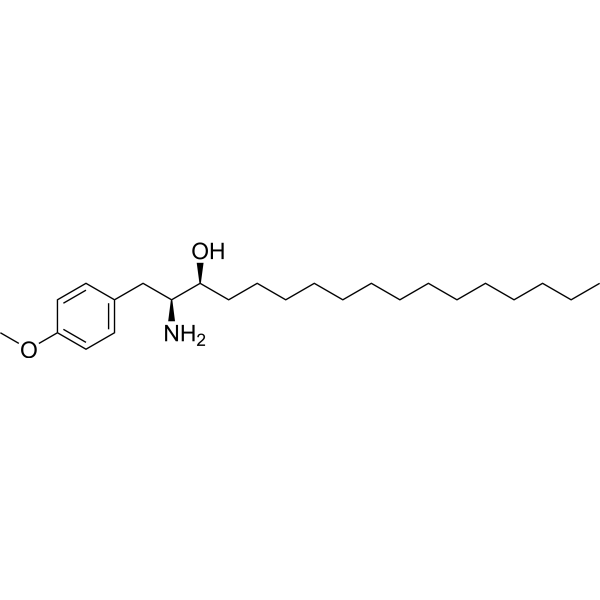
    SW063058 is an autophagy inducer that specifically disrupts the binding of Beclin 1 to Bcl-2 while leaving the interaction between Bcl-2 and pro-apoptotic members like Bax and BIM unaffected. By inhibiting the negative regulatory effects of Bcl-2 on Beclin 1, which is crucial for the initiation of autophagy, SW063058 promotes autophagic activity without triggering cytotoxicity, apoptosis, or other forms of cell death in vitro.
    SW063058
  • HY-161857

    Akt mTOR Caspase CDK Cancer
    Akt/mTOR-IN-1 (Compound 8r) is an AKT/mTOR signaling pathway inhibitor exhibiting an IC50 value of 0.8 µM with anticancer activity. Akt/mTOR-IN-1 can decrease the expression of Caspase 3 and increase the expression of the autophagic protein Cyclin B1, thereby inducing cell autophagy and apoptosis. Akt/mTOR-IN-1 can be used in research related to non-small cell lung cancer (NSCLC) .
    Akt/mTOR-IN-1
  • HY-103399R

    Reference Standards Bacterial Topoisomerase Antibiotic Infection
    Clarithromycin (Standard) is the analytical standard of Clarithromycin. This product is intended for research and analytical applications. Clarithromycin has a broad spectrum of antimicrobial activity. Clarithromycin inhibits the CYP3A4-catalyzed triazolam alpha-hydroxylation with the IC50 (Ki) value of 56 (43) μM . Clarithromycin significantly inhibits the HERG potassium current .Clarithromycin affects the autophagic flux by impairing the signaling pathway linking hERG1 and PI3K .
    Trovafloxacin mesylate (Standard)
  • HY-149539

    FLT3 RET Cancer
    PLM-101 is an orally available anticancer agent targeting FLT3 and RET with inhibitory activity against acute myeloid leukemia cells. PLM-101 inhibits RET, thereby inducing autophagic degradation of FLT3; and it inhibits the PI3K and Ras/ERK pathways, resulting in anti-leukemia activity. PLM-101 has anti-tumor efficacy in a mouse MV4-11 flank xenograft model (dose: 3, 10 mg/kg; po) and an allogeneic xenograft mouse model (dose: 40 mg/kg; po) .
    PLM-101
  • HY-N8380

    Apoptosis Autophagy PI3K Necroptosis Cardiovascular Disease Inflammation/Immunology Cancer
    (-)-Latifolin, a flavonoid, induces apoptotic cell death by targeting PI3K/AKT/mTOR/p70S6K signaling. (-)-Latifolin significantly inhibits the cell proliferation of oral squamous cell carcinoma (OSCC), and causes the anti-metastatic activities by effectively blocking cell migration, invasion, and adhesion via the inactivation of FAK/Src. (-)-Latifolin suppresses autophagic-related proteins and autophagosome formation. (-)-Latifolin inhibits necroptosis by dephosphorylating necroptosis-regulatory proteins (RIP1, RIP3, and MLKL). (-)-Latifolin has beneficial effects on anti-aging, anti-carcinogenic, anti-inflammatory, and cardio-protective activities .
    (-)-Latifolin
  • HY-W753806

    UK 33274 hydrochloride

    Akt Cardiovascular Disease
    Doxazosin hydrochloride (UK 33274 hydrochloride) is a compound used to inhibit hypertension and prostate hyperplasia, with activity that inhibits postsynaptic α1-adrenoceptors on vascular smooth muscle. Doxazosin hydrochloride can cause vasodilation, thereby reducing peripheral vascular resistance. Doxazosin hydrochloride was found to inhibit the proliferation and migration of hepatic stellate cells in a mouse liver fibrosis model. Doxazosin hydrochloride regulates fibrosis, autophagy, and apoptosis of hepatic stellate cells by activating the PI3K/Akt/mTOR signaling pathway. Doxazosin hydrochloride also blocks autophagic flux and induces apoptosis of hepatic stellate cells .
    Doxazosin hydrochloride
  • HY-N0805AR

    Reference Standards Epoxide Hydrolase CaMK Autophagy Apoptosis Metabolic Disease Inflammation/Immunology Cancer
    Alisol B (Standard) is the analytical standard of Alisol B (HY-N0805A). This product is intended for research and analytical applications. Alisol B is a triterpene with diverse biological activities. Alisol B binds human soluble epoxide hydrolase (sEH) with a Ki of 5.97 μM and reduces sEH activity. Alisol B inhibits RANKL-induced JNK phosphorylation, NFATc1 and c-Fos expression, osteoclast formation, mature osteoclast pit-forming and actin ring activity, and SERCA pump activity. Alisol B induces calcium mobilization, CaMKK-AMPK-mTOR pathway activation, autophagic flux, autophagosome formation, G1 phase cell cycle arrest, endoplasmic reticulum stress, unfolded protein responses, and cancer cell apoptosis. Alisol B can be used for the research of hypercalcemia, osteoporosis, rheumatoid arthritis, periodontitis, acute kidney injury, and breast cancer.
    Alisol B (Standard)
  • HY-N0566R

    Anemosapogenin (Standard)

    Reference Standards Apoptosis Autophagy Bcl-2 Family Caspase Survivin p38 MAPK MMP Cancer
    23-Hydroxybetulinic acid (Standard) is the analytical standard of 23-Hydroxybetulinic acid (HY-N0566). This product is intended for research and analytical applications. 23-Hydroxybetulinic acid (Anemosapogenin) is an orally active triterpenoid with broad-spectrum anticancer activity. 23-Hydroxybetulinic acid reduces the levels of Bcl-2 and survivin, elevates the level of Bax, promotes the cleavage/activation of caspase-3 and caspase-9, and induces apoptosis via the endogenous mitochondrial pathway involving cytochrome C release and mitochondrial membrane potential disruption. 23-Hydroxybetulinic acid arrests the cell cycle at S and G1 phases, inhibits cancer cell proliferation, blocks the MAPK signaling pathway, regulates MMP2, and induces autophagic apoptosis by upregulating beclin-1. 23-Hydroxybetulinic acid inhibits the activity and efflux function of P-gp, increases the intracellular accumulation of chemotherapeutic drugs, and synergistically enhances cytotoxicity with Doxorubicin (HY-15142). 23-Hydroxybetulinic acid inhibits the phosphorylation and nuclear translocation of STAT6, blocks M2 macrophage polarization, and reduces M2 macrophage-mediated apoptosis resistance of colon cancer cells. 23-Hydroxybetulinic acid can be used in related studies on chronic myeloid leukemia, hepatocellular carcinoma, sarcoma 180, multidrug-resistant breast cancer, leukemia, Doxorubicin-induced cardiotoxicity, and colorectal cancer.
    23-Hydroxybetulinic acid (Standard)
  • HY-183835

    Autophagy Others
    Autophagy-IN-10 (Compound 12a) is an Autophagy inhibitor and an inhibitor of ATG5 interaction with other proteins, with an IC50 value of 2.29 μM against ATG5-ATG16L1 and an IC50 value of 3.68 μM against ATG5-TECAIR .
    Autophagy-IN-10
  • HY-103706R

    Reference Standards Autophagy Apoptosis Cancer
    ROC-325 (Standard) is the analytical standard of ROC-325 (HY-103706). This product is intended for research and analytical applications. ROC-325 is a potent and orally active autophagy inhibitor with a strong anticancer activity. ROC-325 induces the deacidification of lysosomes, accumulation of autophagosomes, and disrupted autophagic flux. ROC-325 also induces renal cell carcinoma apoptosis .
    ROC-325 (Standard)
  • HY-183870

    Sirtuin Apoptosis Caspase Atg8/LC3 Autophagy Mitochondrial Metabolism Cancer
    NCO-90 is a selective SIRT2 inhibitor with an IC50 of 1.0 μM. NCO-90 induces Apoptosis via Caspase activation and mitochondrial superoxide anion production, and also induces Autophagic cell death by increasing LC3-II levels and autophagosome accumulation. NCO-90 exhibits anticancer activity against leukemia. NCO-90 can be used in research related to acute lymphoblastic leukemia and acute myeloid leukemia .
    NCO-90
  • HY-181936

    Atg4 Autophagy Cancer
    Atg4B activator-1 (Compound 16a) is an allosteric, selective, and orally active ATG4B activator with a Kd of 0.2199 μM. Atg4B activator-1 binds to the allosteric pocket of ATG4B and induces conformational changes. Atg4B activator-1 induces Autophagy. Atg4B activator-1 inhibits the proliferation and migration of triple-negative breast cancer cells. Atg4B activator-1 can be used in studies related to triple-negative breast cancer .
    Atg4B activator-1
  • HY-N14094

    JAK Apoptosis Autophagy Cancer
    Tubulosine is an alkaloid. Tubulosine can be isolated from Pogonopus tubulosus (DC.) Schumann. Tubulosine is an ATP-competitive, selective JAK3 inhibitor with an IC50 value of 9.9 nM. Tubulosine also inhibits the kinase activities of other JAK family members, the extent of inhibition is less than that of JAK3, with IC50 values of 69.5, 84.9 and 76.3 nM for JAK1, JAK2 and TYK2, respectively. Tubulosine selectively inhibits JAK3 signalling by binding to the ATP-binding site of the kinase of JAK3. Tubulosine induces apoptotic and necrotic/autophagic cell death. Tubulosine inhibits the process of peptide chain elongation by eukaryotic polysomes by, specifically preventing the elongation-factor-2-dependent step of translocation. Tubulosine exhibits anticancer activity in breast cancer cells .
    Tubulosine
  • HY-182037

    DNA/RNA Synthesis Pyruvate Kinase Cancer
    Multi-target kinase-IN-9 is a multi-target enzyme inhibitor with antiproliferative and antiangiogenic activities, and exhibits remarkable selectivity against hepatocellular carcinoma cells. By broadly binding to the active sites or ATP-binding regions of multiple key enzymes including DNA polymerase β, Pyruvate Kinase M2 (PKM2), Multi-target kinase-IN-9 comprehensively disrupts DNA repair and replication, glycolysis, chromatin dynamics and transcriptional programs, and blocks the self-renewal of cancer stem cells. Multi-target kinase-IN-9 induces genomic instability, lysosomal dysfunction and autophagic flux impairment, thereby triggering tumor cell death, effectively inhibiting tumor proliferation, invasion, metastasis and angiogenesis, and significantly reducing tumor volume in xenograft models. Multi-target kinase-IN-9 is applicable to hepatocellular carcinoma-related research .
    Multi-target kinase-IN-9

Inquiry Online

Your information is safe with us. * Required Fields.

Salutation


Country or Region *

Applicant Name *


Organization Name *

Department *


Email Address *


Product Name *

Cat. No.


Requested quantity *

Phone Number *


Remarks

Inquiry Online

Inquiry Information

Product Name:
Cat. No.:
Quantity:
MCE Japan Authorized Agent:

