1. Search Result
Search Result
Pathways Recommended: Autophagy
Results for "

autophagy flux

" in MedChemExpress (MCE) Product Catalog:

27

Inhibitors & Agonists

1

Biochemical Assay Reagents

1

Oligonucleotides

Cat. No. Product Name Target Research Areas Chemical Structure
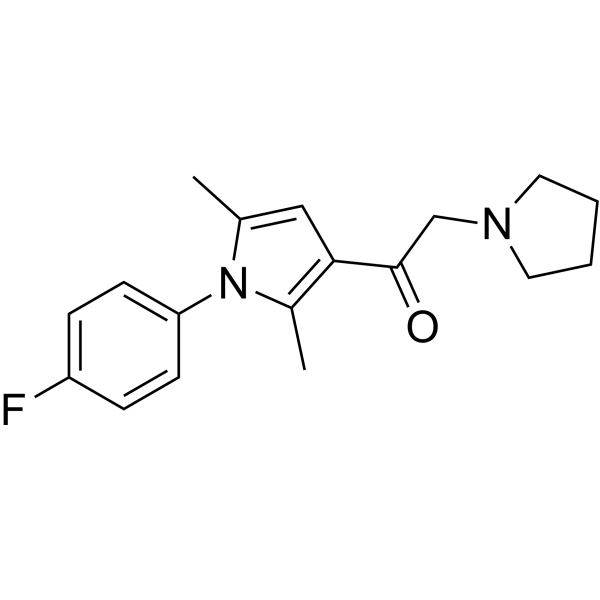
  • HY-13817
    IU1
    Maximum Cited Publications
    25 Publications Verification

    Deubiquitinase Autophagy Apoptosis Cardiovascular Disease Neurological Disease Endocrinology Cancer
    IU1 is a selective, reversible USP14 inhibitor with an IC50 of 4-5 μM. IU1 binds USP14’s catalytic cleft to block deubiquitinase activity. IU1 induces calpain-dependent Tau cleavage, causes ATP deficits, reduces E1~Ub thioester levels and 26S proteasome assembly. IU1 enhances 26S proteasome chymotrypsin-like activity, modulates LC3B-dependent autophagy flux, reduces cancer cell proliferation and migration, and blocks G0/G1 to S phase cell cycle transition in follicular thyroid cancer cells. IU1 activates autophagy-lysosomal and ubiquitin-proteasome pathways, triggers apoptosis, and reduces cervical cancer cell growth. IU1 enhances degradation of proteasome substrates linked to neurodegenerative disease, accelerates oxidized protein degradation, and increases oxidative stress resistance. IU1 can be used for the research of Alzheimer’s disease, follicular thyroid cancer, ischemic stroke, cervical cancer, and neurodegenerative disease .
    IU1
  • HY-W250118
    Cephalin form bovine brain
    2 Publications Verification

    Liposome Autophagy Neurological Disease Metabolic Disease
    Cephalin form bovine brain is an orally active phospholipid widely present in organisms.Cephalin form bovine brain participates in the formation of autophagosome membrane as a lipid anchor of autophagy-related protein Atg8/LC3. Cephalin form bovine brain enhances Autophagic flux, promotes cell differentiation, regulates lipid droplet fusion, delays aging, and also affects lipid metabolism and membrane integrity .
    Cephalin form bovine brain
  • HY-129111
    EACC
    4 Publications Verification

    Autophagy Infection Neurological Disease
    EACC is a reversible autophagy inhibitor, which can block autophagic flux. EACC selectively inhibits the translocation of autophagosome-specific SNARE Stx17 thereby blocking autophagosome-lysosome fusion .
    EACC
  • HY-103706
    ROC-325
    3 Publications Verification

    Autophagy Apoptosis Cancer
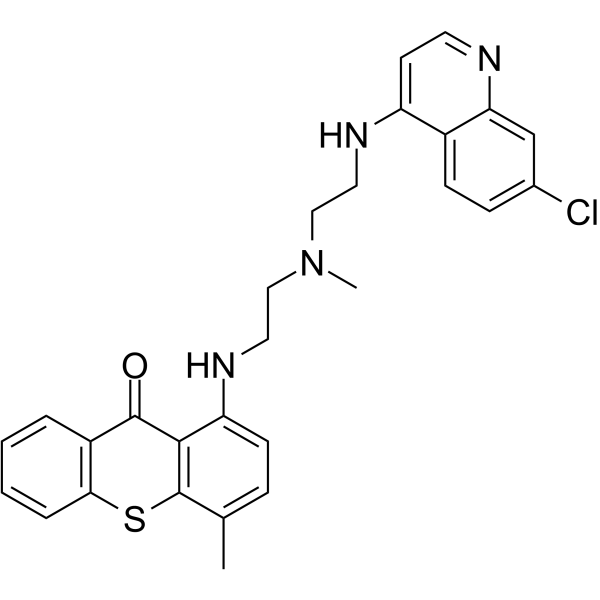
    ROC-325 is a potent and orally active autophagy inhibitor with a strong anticancer activity. ROC-325 induces the deacidification of lysosomes, accumulation of autophagosomes, and disrupted autophagic flux. ROC-325 also induces renal cell carcinoma apoptosis .
    ROC-325
  • HY-161743

    AUTOTACs Autophagy Neurological Disease Cancer
    PBA-1105 is an autophagy-targeting chimera (AUTOTAC) that induces p62 self-oligomerization. PBA-1105 selectively binds to exposed hydrophobic regions of misfolded proteins, facilitating their degradation via the autophagic pathway. PBA-1105 increases the autophagic flux of Ub-conjugated aggregates .
    PBA-1105
  • HY-161746

    AUTOTACs Autophagy Neurological Disease
    Anle138b-F105 is an autophagy-targeting chimera (AUTOTAC) that targets p62/Sequestosome-1/SQSTM1. Anle138b-F105 binds to the ZZ domain of p62, induces conformational activation, self-oligomerization, interaction with LC3, and formation of autophagosomes. Anle138b-F105 induces autophagic flux of ubiquitin-conjugated aggregated proteins, leading to their lysosomal degradation. Anle138b-F105 is applicable for the research of neurodegenerative proteinopathies .
    Anle138b-F105
  • HY-112818

    Atg4 Cathepsin Autophagy Apoptosis Cancer
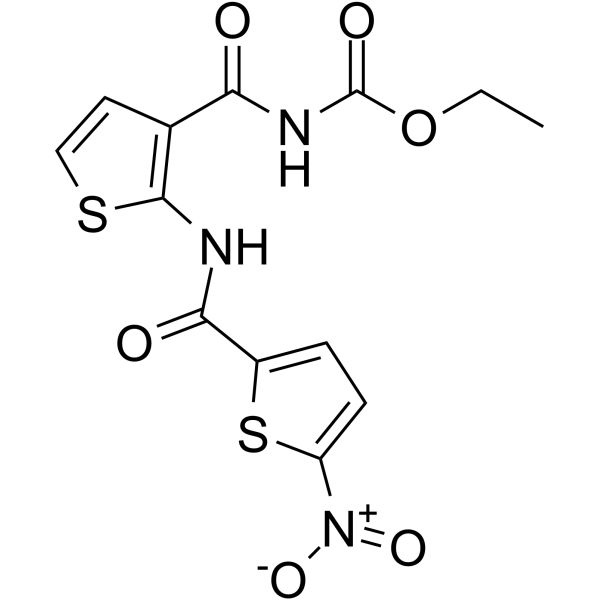
    S130 is a high affinity, selective inhibitor of ATG4B (a major cysteine protease) with an IC50 of 3.24 µM. S130 suppresses autophagy flux .
    S130
  • HY-W083373A

    Bacterial Autophagy Cancer
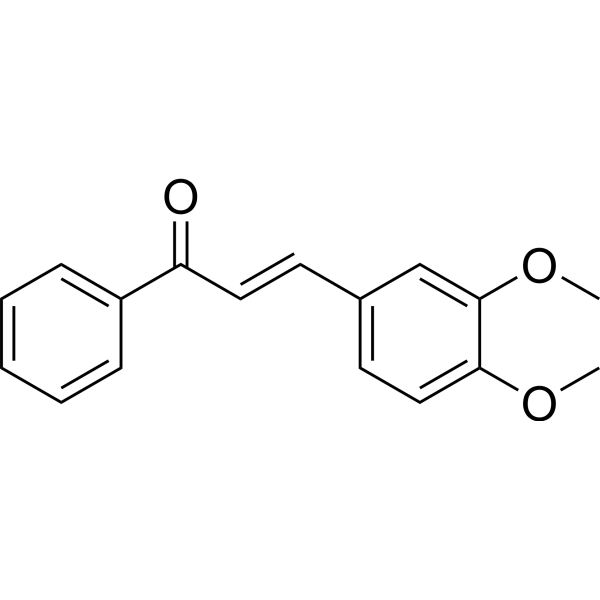
    3,4-Dimethoxychalcone is a Caloric restriction mimetics (CRMs). 3,4-Dimethoxychalcone induces the deacetylation of cytoplasmic proteins and stimulates autophagy flux. 3,4-Dimethoxychalcone can be used for cardiac and cancer diseases research .
    3,4-Dimethoxychalcone
  • HY-115570
    GW406108X
    1 Publications Verification

    GW108X

    Kinesin ULK Autophagy Cancer
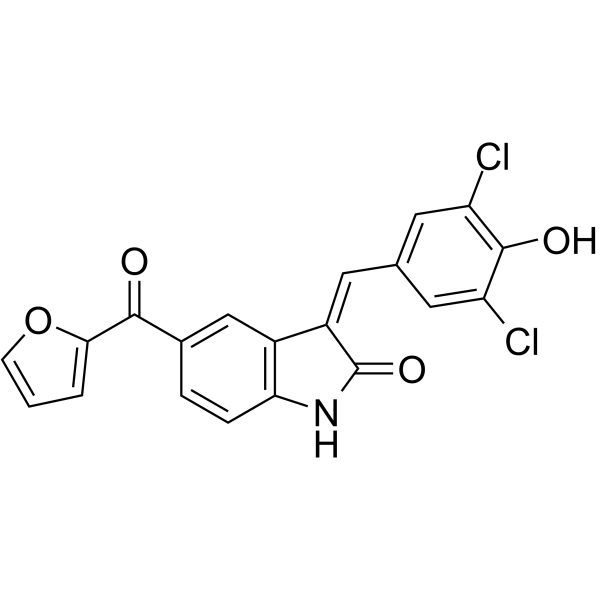
    GW406108X is a specific Kif15 (Kinesin-12) inhibitor with an IC50 of 0.82 uM in ATPase assays. GW406108X, a potent autophagy inhibitor, shows ATP competitive inhibition against ULK1 with a pIC50 of 6.37 (427 nM). GW406108X inhibits ULK1 kinase activity and blocks autophagic flux, without affecting the upstream signaling kinases mTORC1 and AMPK .
    GW406108X
  • HY-W489121

    p62 Autophagy Cancer
    YTK-105 is a p62/ZZ binding domain ligand and Autophagy enhancer. YTK-105 activates p62-dependent selective macroautophagy. YTK-105 serves as an autophagy-targeting ligand (ATL) for synthesizing AUTOTAC degraders .
    YTK-105
  • HY-122232

    Autophagy p62 Cancer
    SW083688 is a selective TAOK2 inhibitor with an IC50 of 1.3 μM. SW083688 increases the abundance of p62 protein, inhibits autophagosome maturation, and blocks Autophagic flux. SW083688 is applicable for the research of non-small cell lung cancer and pancreatic cancer .
    SW083688
  • HY-136068

    VU0607402

    Antibiotic Bacterial Autophagy Infection Cancer
    DCAP is a broad-spectrum antibiotic targeting the membranes of both Gram-positive and Gram-negative bacteria. DCAP blocks autophagy at the late stages by preventing autophagolysosome maturation and interrupting the autophagic flux .
    DCAP
  • HY-161745

    AUTOTACs p62 Autophagy Cancer
    PBA-1105b is an autophagy-targeting chimera (AUTOTAC) that induces p62 self-oligomerization. PBA-1105b increases the autophagic flux of Ub-conjugated aggregates. PBA-1105b is a drastically longer PEG-based linker than PBA-1105 .
    PBA-1105b
  • HY-112903A

    Protein Arginine Deiminase MDM-2/p53 PERK mTOR Autophagy Cancer
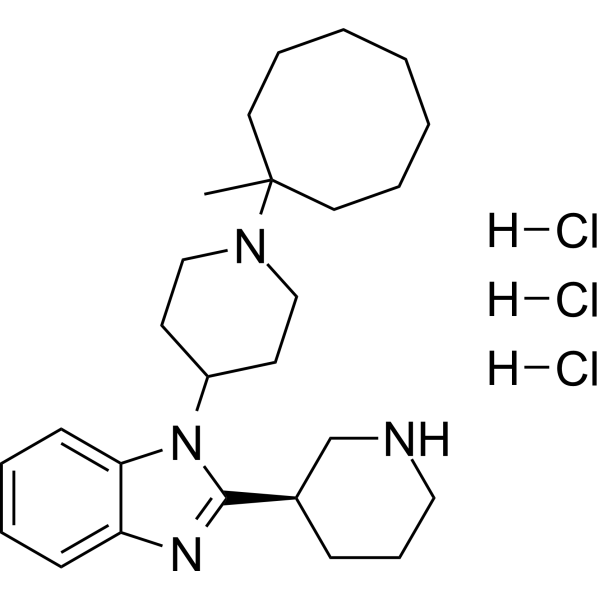
    YW3-56 (hydrochloride) is a PAD inhibitor. YW3-56 (hydrochloride) activates p53 target genes. YW3-56 (hydrochloride) activates ATF and blocks autophagy flux. YW3-56 induces ER stress through the PERK-eIF2α-ATF4 signaling cascade and inhibits the mTOR signaling. YW3-56 (hydrochloride) inhibits triple-negative breast cancer .
    YW3-56 hydrochloride
  • HY-150636

    Autophagy Apoptosis Cancer
    Autophagy-IN-1 is a potent autophagy/mitophagy inhibitor, acts by selectively increasing the autophagic flux while blocking the autophagosome-lysosome fusion in cancer cells. Autophagy-IN-1 can induce apoptosis and cell cycle arrest. Autophagy-IN-1 significantly inhibits tumor growth in an HCT116 xenograft mouse model and with low toxicity. Autophagy-IN-1 can be used for researching colorectal cancer .
    Autophagy-IN-1
  • HY-124582
    NEO214
    1 Publications Verification

    Autophagy mTOR Cancer
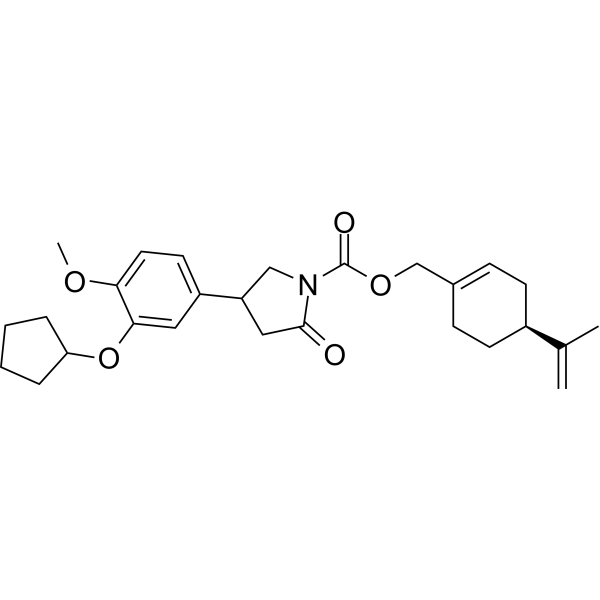
    NEO214 is an autophagy inhibitor and a covalent conjugate of the PDE4 inhibitor Rolipram (HY-16900) and perillyl alcohol (HY-N7000). It has anti-cancer activity and blood-brain barrier (BBB) permeability. Over sex. NEO214 prevents autophagy-lysosome fusion, thereby blocking autophagic flux and triggering glioma cell death. The process involves mTOR activation, andTFEB(Transcription Factor EB) aggregation. NEO214 inhibitionMacroautophagy/autophagy in glioblastoma cells has the potential to overcome chemotherapy resistance in glioblastoma .
    NEO214
  • HY-179387

    CXCR Autophagy NOD-like Receptor (NLR) Reactive Oxygen Species (ROS) Apoptosis Cancer
    CXCR2-IN-3 is a CXCR2 inhibitor with an IC50 of 11.37 μM. CXCR2-IN-3 mediates CXCR2-Ca 2+ signalling inhibition halted autophagic flux, subsequently facilitating ROS-mediated apoptotic cell death. CXCR2-IN-3 suppresses the CXCR2-NLRP3 canonical pathway, suppressing pre-tumorigenic markers. CXCR2-IN-3 causes autophagy-dependent cell death in polyploid giant cancer cells (PGCCs). CXCR2-IN-3 can be used for the research of oral squamous cell carcinoma (OSCC) .
    CXCR2-IN-3
  • HY-161744

    AUTOTACs Autophagy Cancer
    PBA-1106 is an autophagy-targeting chimera (AUTOTAC) that induces p62 self-oligomerization. PBA-1106 increases the autophagic flux of Ub-conjugated aggregates .
    PBA-1106
  • HY-150757

    Autophagy Apoptosis Cancer
    Autophagy-IN-2 (Compound 7h) is an autophagic flux inhibitor. Autophagy-IN-2 induces cancer cell apoptosis and can be used for triple-negative breast cancer research .
    Autophagy-IN-2
  • HY-176481

    Autophagy Apoptosis Cancer
    ML-20, Malabaricone C (HY-N8518) analogue, is a autophagy inhibitor and radiosensitizer. ML-20 inhibits cell growth, induces cell apoptosis . ML-20 induces DNA double-strand breaks, loss of mitochondrial membrane potential (MMP), and lysosomal membrane permeabilization (LMP). ML-20 induces endoplasmic reticulum stress and concurrent inhibition of autophagy flux due to LMP .
    ML-20
  • HY-161743A

    AUTOTACs Autophagy Neurological Disease Cancer
    PBA-1105 TFA is an autophagy-targeting chimera (AUTOTAC) that induces p62 self-oligomerization. PBA-1105 TFA selectively binds to exposed hydrophobic regions of misfolded proteins, facilitating their degradation via the autophagic pathway. PBA-1105 TFA increases the autophagic flux of Ub-conjugated aggregates .
    PBA-1105 TFA
  • HY-W753806

    UK 33274 hydrochloride

    Akt Cardiovascular Disease
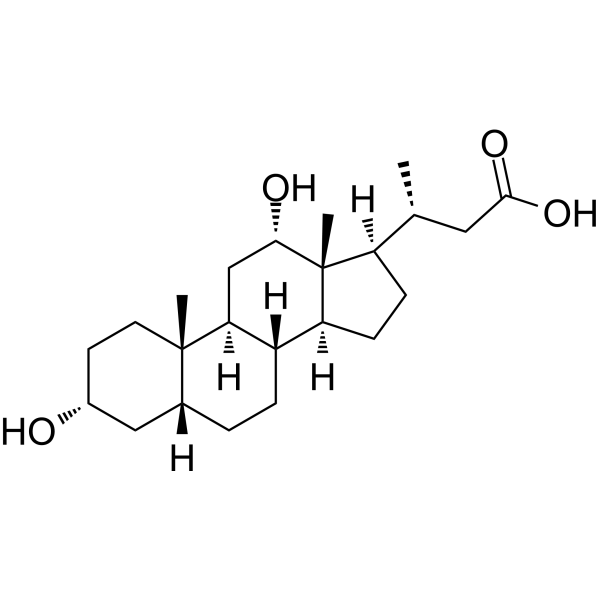
    Doxazosin hydrochloride (UK 33274 hydrochloride) is a compound used to inhibit hypertension and prostate hyperplasia, with activity that inhibits postsynaptic α1-adrenoceptors on vascular smooth muscle. Doxazosin hydrochloride can cause vasodilation, thereby reducing peripheral vascular resistance. Doxazosin hydrochloride was found to inhibit the proliferation and migration of hepatic stellate cells in a mouse liver fibrosis model. Doxazosin hydrochloride regulates fibrosis, autophagy, and apoptosis of hepatic stellate cells by activating the PI3K/Akt/mTOR signaling pathway. Doxazosin hydrochloride also blocks autophagic flux and induces apoptosis of hepatic stellate cells .
    Doxazosin hydrochloride
  • HY-103706R

    Reference Standards Autophagy Apoptosis Cancer
    ROC-325 (Standard) is the analytical standard of ROC-325 (HY-103706). This product is intended for research and analytical applications. ROC-325 is a potent and orally active autophagy inhibitor with a strong anticancer activity. ROC-325 induces the deacidification of lysosomes, accumulation of autophagosomes, and disrupted autophagic flux. ROC-325 also induces renal cell carcinoma apoptosis .
    ROC-325 (Standard)
  • HY-181815

    ULK Beclin1 Autophagy MHC Caspase Apoptosis Cancer
    SBP-5147 is an orally active ULK1/ULK2 inhibitor, with an IC50 of 2 nM against ULK1 and an IC50 of 53 nM against ULK2. SBP-5147 inhibits the phosphorylation of Beclin-1 and Vps34, reduces autophagy flux, downregulates the expression of ATG13 and ATG101, upregulates the expression of MHC-I, induces caspase-dependent apoptosis, and decreases the viability of non-small cell lung cancer cells. SBP-5147 is applicable to research related to non-small cell lung cancer [1] .
    SBP-5147
  • HY-180119

    IKK NF-κB Autophagy Cancer
    IKKβ-IN-5 is an orally active and selective IKKβ inhibitor with an IC50 of 7.5 nM. IKKβ-IN-5 directly inhibits IKKβ phosphorylation and attenuates NF κB mediated inflammatory and survival signals while promoting autophagy flux. IKKβ-IN-5 exhibits a 6-fold selectivity forIKKβ over the homologous kinase IKKα. IKKβ-IN-5 exerts robust antiproliferative effects through a dual mechanism involving G₂/M phase cell cycle arrest and autophagy activation, even under inflammatory stimulation in vitro. IKKβ-IN-5 demonstrates favorable pharmacokinetics and suppresses tumor growth in vivo. IKKβ-IN-5 can be used for colorectal cancer and potentially other inflammation driven malignancies research .
    IKKβ-IN-5
  • HY-138195

    DNA/RNA Synthesis Apoptosis FAK Src MMP Autophagy Cancer
    NEO212 is an orally active, blood-brain barrier permeable conjugate of Temozolomide (TMZ) (HY-17364) and Perillyl Alcohol (POH) (HY-N7000), with potent anticancer activity. NEO212 overcomes classical TMZ resistance and DNA alkylation by depleting MGMT. By inhibiting the FAK/Src signaling pathway, NEO212 reduces the production of MMP2 and MMP9, induces mesenchymal-epithelial transition, and inhibits the migration, invasion and tumor progression of glioma stem cells. NEO212 disrupts autophagy flux to enhance mitochondrial apoptosis; it induces differentiation of acute myeloid leukemia (AML) cells into macrophages and proliferation arrest .
    NEO212
  • HY-181936

    Atg4 Autophagy Cancer
    Atg4B activator-1 (Compound 16a) is an allosteric, selective, and orally active ATG4B activator with a Kd of 0.2199 μM. Atg4B activator-1 binds to the allosteric pocket of ATG4B and induces conformational changes. Atg4B activator-1 induces Autophagy. Atg4B activator-1 inhibits the proliferation and migration of triple-negative breast cancer cells. Atg4B activator-1 can be used in studies related to triple-negative breast cancer .
    Atg4B activator-1

Inquiry Online

Your information is safe with us. * Required Fields.

Salutation


Country or Region *

Applicant Name *


Organization Name *

Department *


Email Address *


Product Name *

Cat. No.


Requested quantity *

Phone Number *


Remarks

Inquiry Online

Inquiry Information

Product Name:
Cat. No.:
Quantity:
MCE Japan Authorized Agent:

