

1. Search Result
Search Result
Results for "

cleaved caspases

" in MedChemExpress (MCE) Product Catalog:

101

Inhibitors & Agonists

2

Fluorescent Dye

7

Biochemical Assay Reagents

7

Peptides

19

Natural
Products

2

Isotope-Labeled Compounds

3

Oligonucleotides

Cat. No. Product Name Target Research Areas Chemical Structure
  • HY-132591
    Inclisiran
    5+ Cited Publications

    ALN-PCSsc

    PCSK9 Small Interfering RNA (siRNA) Pyroptosis PPAR NOD-like Receptor (NLR) Caspase Interleukin Related Cardiovascular Disease Metabolic Disease
    Inclisiran is a double-stranded small interfering RNA (siRNA) molecule. Inclisiran inhibits the transcription of PCSK9. Inclisiran inhibits Pyroptosis, activates PPARγ, and reduces NLRP3, cleaved caspase-1, IL-1β, and IL-18. Inclisiran has anti-inflammatory, lipid-regulating and anti-atherosclerotic activities. Inclisiran can be used in researches of hyperlipidemia and cardiovascular disease (CVD) .
    Inclisiran
  • HY-132591A
    Inclisiran sodium
    5+ Cited Publications

    ALN-PCSsc sodium

    PCSK9 Small Interfering RNA (siRNA) Pyroptosis PPAR NOD-like Receptor (NLR) Caspase Interleukin Related Cardiovascular Disease Metabolic Disease
    Inclisiran sodium is a double-stranded small interfering RNA (siRNA) molecule. Inclisiran sodium inhibits the transcription of PCSK9. Inclisiran sodium inhibits Pyroptosis, activates PPARγ, and reduces NLRP3, cleaved caspase-1, IL-1β, and IL-18. Inclisiran sodium has anti-inflammatory, lipid-regulating and anti-atherosclerotic activities. Inclisiran sodium can be used in researches of hyperlipidemia and cardiovascular disease (CVD) .
    Inclisiran sodium
  • HY-D0848

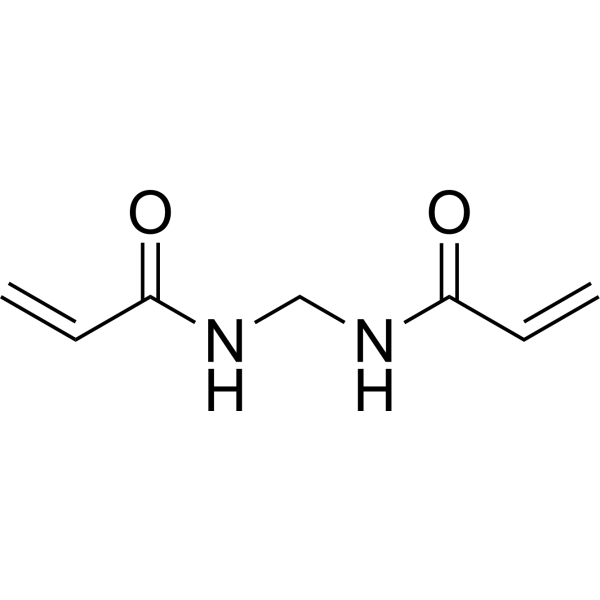
    Bisacrylamide; MBA; Methylenebisacrylamide; N,N-Methylenebisacrylamide

    Biochemical Assay Reagents MDM-2/p53 Caspase Cardiovascular Disease Endocrinology Cancer
    N,N'-Methylenebisacrylamide (Bisacrylamide) is an orally active acrylamide dimer and crosslinker. N,N'-Methylenebisacrylamide increases CYP2E1, P53, cleaved caspase-3. N,N'-Methylenebisacrylamide promotes hepatic cancer. N,N'-Methylenebisacrylamide changes sperm abnormality rate and sperm count. N,N'-Methylenebisacrylamide decreases the number of various cells in the blood as well as induces liver and testicular damage. N,N'-Methylenebisacrylamide is used to prepare polyacrylamide gel .
    N,N'-Methylenebisacrylamide
  • HY-125848

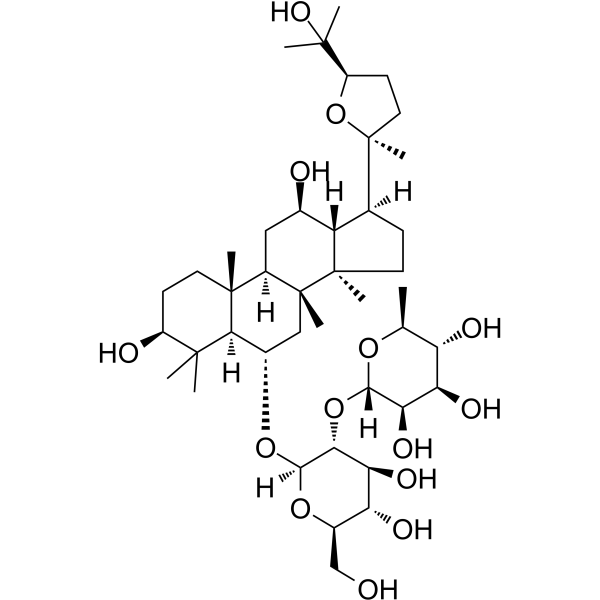
    Apoptosis AMPK PPAR p38 MAPK PI3K Akt GSK-3 Reactive Oxygen Species (ROS) SOD Caspase Neurological Disease Metabolic Disease Inflammation/Immunology Cancer
    Ginsenoside F2 is an orally active bioactive compound that participates in the regulation of metabolism and inflammation. Ginsenoside F2 promotes the phosphorylation of AMPK and ACC, binds to PPARγ, inhibits the phosphorylation of MAPK, activates the PI3K/AKT/GSK-3β pathway, reduces GLRX expression, and regulates lipid metabolism. Ginsenoside F2 reduces ROS production and MDA levels, restores SOD activity in cells, and alleviates oxidative stress. Ginsenoside F2 induces cell apoptosis (Apoptosis) and increases the number of cleaved caspase-3-positive cells. Ginsenoside F2 reduces body weight gain, adipose tissue weight and serum lipid levels in obese mice, and activates the hepatic AMPK signaling pathway and the expression of antioxidant enzymes. Ginsenoside F2 alleviates atopic dermatitis in mice by inhibiting inflammation and reshaping the gut microbiota . Ginsenoside F2 is applicable to research related to insulin resistance, obesity, atopic dermatitis, liver cancer, glioblastoma and glioma .
    Ginsenoside F2
  • HY-122611A
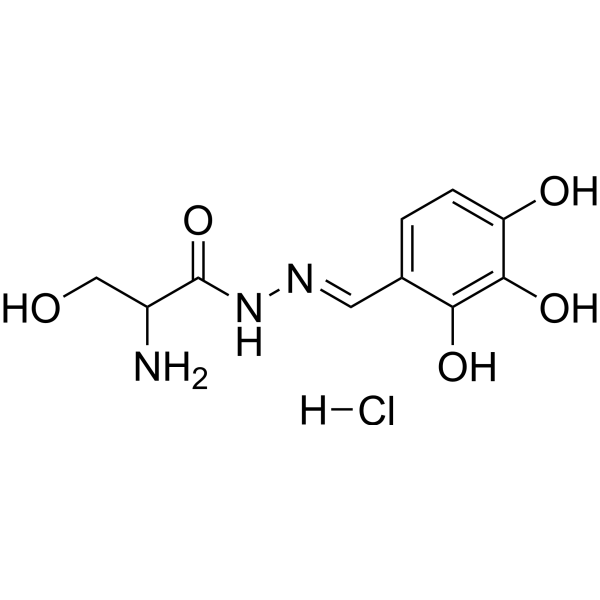
    CSRM617 hydrochloride
    1 Publications Verification

    Androgen Receptor Apoptosis Cancer
    CSRM617 hydrochloride is a selective small-molecule inhibitor of the transcription factor ONECUT2 (OC2, a master regulator of androgen receptor) with a Kd of 7.43 uM in SPR assays, binding to OC2-HOX domain directly. CSRM617 hydrochloride induces apoptosis by appearance of cleaved Caspase-3 and PARP. CSRM617 hydrochloride is well tolerated in the prostate cancer mouse model
    CSRM617 hydrochloride
  • HY-N0745

    Caspase ERK Keap1-Nrf2 Heme Oxygenase (HO) Apoptosis Neurological Disease Inflammation/Immunology
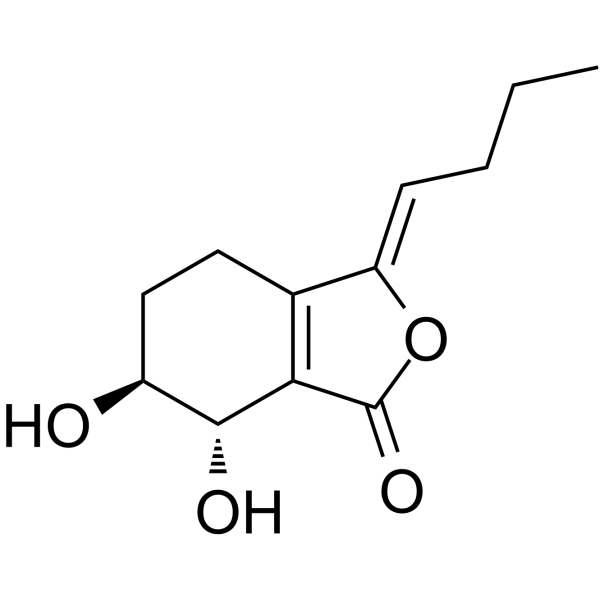
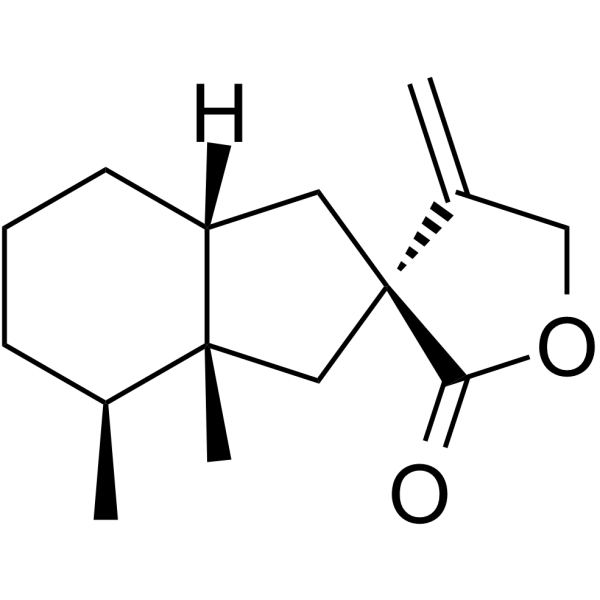
    Senkyunolide I is an orally active, blood-brain barrier-permeable metabolite of Z-ligustilide (HY-N0401A) . Senkyunolide I is isolated from Ligusticum chuanxiong. Senkyunolide I upregulates p-Erk1/2 and Nrf2/HO-1, and inhibits Caspase 3. Senkyunolide I alleviates Apoptosis. Senkyunolide I increases the pain threshold in mice and reduces acetic acid-induced writhing responses in mice. Senkyunolide I improves neurological deficits, reduces infarct volume and alleviates cerebral edema in rats with focal cerebral ischemia-reperfusion injury. Senkyunolide I protects renal function and structural integrity in a mouse model of renal ischemia-reperfusion injury. Senkyunolide I is applicable to research related to focal cerebral ischemia-reperfusion injury, migraine, and renal ischemia-reperfusion injury .
    Senkyunolide I
  • HY-13721
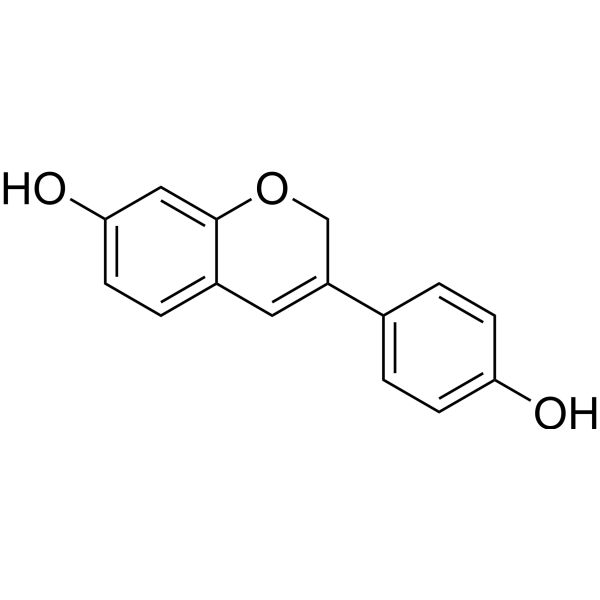
    Phenoxodiol
    3 Publications Verification

    Idronoxil; Dehydroequol; Haginin E

    Caspase Apoptosis Topoisomerase Cancer
    Phenoxodiol (Idronoxil), a synthetic analog of Genestein, activates the mitochondrial caspase system, inhibits XIAP (an apoptosis inhibitor), and sensitizes the cancer cells to Fas-mediated apoptosis. Phenoxodiol also inhibits DNA topoisomerase II by stabilizing the cleavable complex. Phenoxodiol induces cell cycle arrest in the G1/S phase of the cell cycle and upregulates p21 WAF1 via a p53 independent manner .
    Phenoxodiol
  • HY-Y1325H

    Environmental Pollutants Fungal Endogenous Metabolite Caspase PPAR AMPK Reactive Oxygen Species (ROS) Neurological Disease Metabolic Disease Inflammation/Immunology Cancer
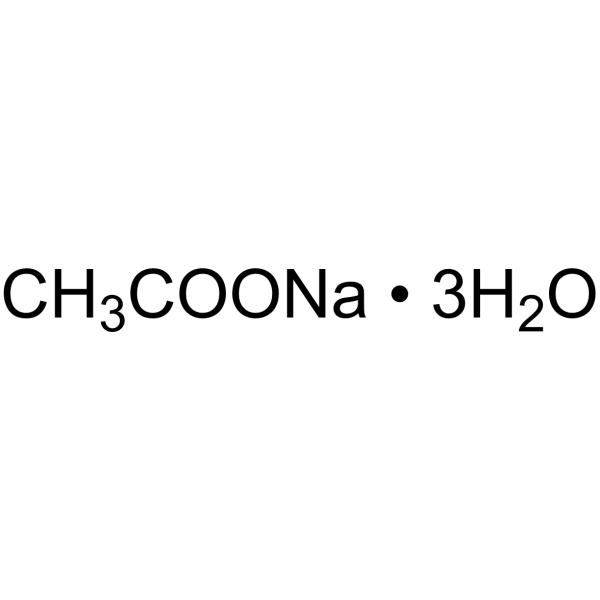
    Sodium acetate trihydrate is a carboxylic acid and short-chain fatty acid (SCFAs). Sodium acetate trihydrate activates AMPK, increases ROS, cleaved caspase 9, PPARα, downregulates SREBP-1c, ChREBP expression. Sodium acetate trihydrate exhibits antifungal activity against Saccharomyces cerevisiae W303-1A. Sodium acetate trihydrate regulates energy metabolism. Sodium acetate trihydrate has anticancer activity against gastric cancer. Sodium acetate trihydrate induces writhing reaction and ulcerative colitis. Sodium acetate trihydrate can be used in the researches for gastric cancer, ulcerative colitis, hepatic steatosis, and pain .
    Sodium acetate trihydrate, meets analytical specification of Ph. Eur. BP USP FCC E262, ≤0.00002% Al
  • HY-B1165

    p38 MAPK Checkpoint Kinase (Chk) Histamine Receptor 5-HT Receptor CDK PARP Apoptosis Cancer
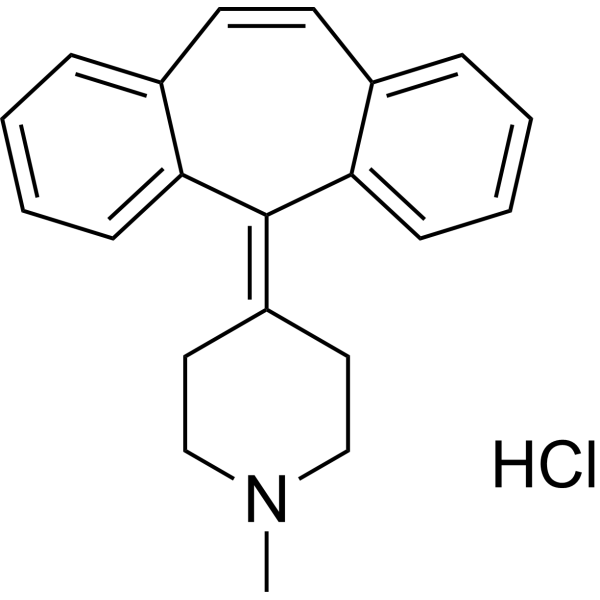
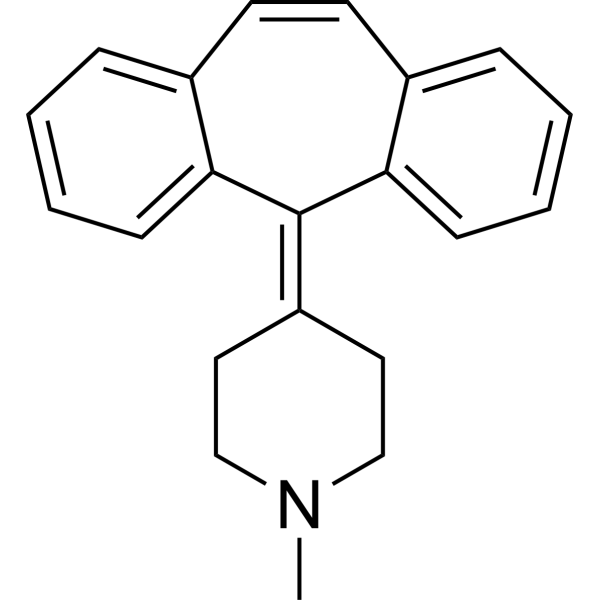
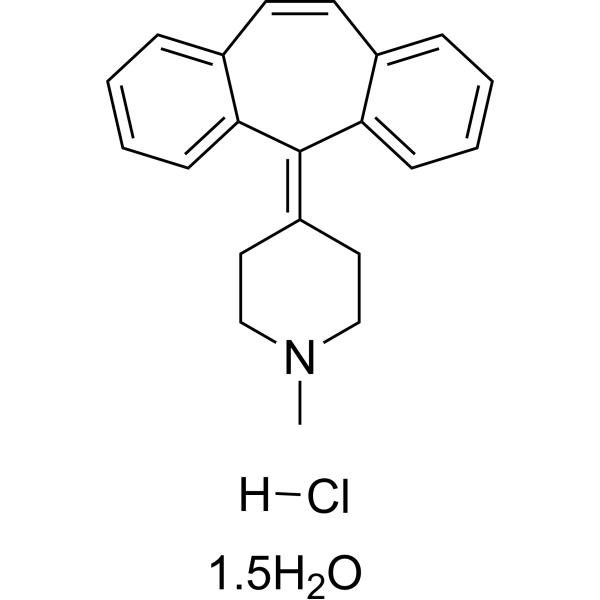
    Cyproheptadine hydrochloride sesquihydrate acts as a p38 MAP kinase activator, CHK2 activator, histamine H1 receptor inhibitor and serotonin receptor inhibitor. Cyproheptadine hydrochloride sesquihydrate mediates cell cycle arrest via G1 phase arrest, G1/S transition arrest, G0/G1 phase arrest, reduced expression of cyclins D1/D2/D3, upregulated expression of HBP1, p16, p21, p27, and decreased phosphorylation of retinoblastoma protein. Cyproheptadine hydrochloride sesquihydrate induces Apoptosis by increasing PARP and cleaved PARP, as well as activating the mitochondrial caspase pathway. Cyproheptadine hydrochloride sesquihydrate inhibits tumor growth with extremely low toxicity to normal cells. Cyproheptadine hydrochloride sesquihydrate can be used in research related to hepatocellular carcinoma, multiple myeloma and acute myeloid leukemia .
    Cyproheptadine (hydrochloride sesquihydrate)
  • HY-N6017

    HDAC TNF Receptor Interleukin Related TGF-β Receptor IFNAR PI3K PKC Akt GSK-3 Caspase Apoptosis Cancer
    Bakkenolide A is an anticancer agent. Bakkenolide A reduces the viability of leukemia cells, inhibits cell colony formation and invasion, and downregulates the expression of HDAC3 in cells. Bakkenolide A downregulates the expression of pro-inflammatory cytokines including TNF-α, interleukins such as IL-1β, TGF-β1 and IFN-γ, as well as the expression of PI3K, PDK and PKC in leukemia cells. Bakkenolide A downregulates activated Akt, GSK and Bad, while upregulates Cyto-c, cleaved Caspase3 and cleaved Caspase7, induces apoptosis (apoptosis) in leukemia cells and thereby inhibits inflammatory responses in leukemia cells. Bakkenolide A significantly slows the growth of subcutaneous leukemia tumors in nude mice. Bakkenolide A is applicable to leukemia-related research .
    Bakkenolide A
  • HY-143221

    Drug Intermediate Cardiovascular Disease
    AS-Inclisiran sodium is the antisense of Inclisiran (HY-132591). Inclisiran is a double-stranded small interfering RNA (siRNA) molecule. Inclisiran inhibits the transcription of PCSK9. Inclisiran inhibits Pyroptosis, activates PPARγ, and reduces NLRP3, cleaved caspase-1, IL-1β, and IL-18. Inclisiran has anti-inflammatory, lipid-regulating and anti-atherosclerotic activities. Inclisiran can be used in researches of hyperlipidemia and cardiovascular disease (CVD) .
    AS-Inclisiran sodium
  • HY-Y0319G
    Magnesium acetate tetrahydrate
    4 Publications Verification

    Endogenous Metabolite AMPK Reactive Oxygen Species (ROS) Caspase Fungal PPAR Infection Neurological Disease Metabolic Disease Inflammation/Immunology Cancer
    Magnesium acetate tetrahydrate is a carboxylic acid and short-chain fatty acid (SCFAs). Magnesium acetate tetrahydrate activates AMPK, increases ROS, cleaved caspase 9, PPARα, downregulates SREBP-1c, ChREBP expression. Magnesium acetate tetrahydrate exhibits antifungal activity against Saccharomyces cerevisiae W303-1A. Magnesium acetate tetrahydrate regulates energy metabolism. Magnesium acetate tetrahydrate has anticancer activity against gastric cancer. Magnesium acetate tetrahydrate induces writhing reaction and ulcerative colitis. Magnesium acetate tetrahydrate can be used in the researches for gastric cancer, ulcerative colitis, hepatic steatosis, and pain .
    Magnesium acetate tetrahydrate
  • HY-179078

    OLIG2 Apoptosis Caspase PARP Neurological Disease Cancer
    CT-179 is a brain-penetrant and orally active OLIG2 inhibitor with a human IC50 of 1250 nM. CT-179 disrupts OLIG2 dimerization, phosphorylation, and DNA binding, blocking OLIG2-driven transcription. CT-179 induces G2/M phase arrest and increases G0 population. CT-179 induces apoptosis by reducing anti-apoptotic proteins and increasing cleaved caspase-3 and cleaved PARP. CT-179 can be used for the research of subgroup medulloblastoma .
    CT-179
  • HY-119979

    Cardanol C15:1

    Apoptosis Reactive Oxygen Species (ROS) Mitochondrial Metabolism MMP CDK Caspase Bcl-2 Family PARP MDM-2/p53 Cholinesterase (ChE) Infection Inflammation/Immunology Cancer
    Cardanol monoene (Cardanol C15:1) is a phenolic compound which can be found in cashew nut shell liquid. Cardanol monoene can inhibit cancer cells proliferation, migration, cause S phase arrest, induce apoptosis, ROS production and mitochondrial depolarization. Cardanol monoene downregulates MMP-2, MMP-9, cyclinA1 expression, regulates CDK2, p53, Bax, cytochrome c, cleaved caspase-3, cleaved PARP, Apaf-1 expression and Bax/Bcl-2 ratio. Cardanol monoene shows weak DPPH radical scavenging activity and AChE inhibition activity. Cardanol monoene is lethal to Artemia salina nauplii. Cardanol monoene. Cardanol monoene can be used for the research of cancer, infection and inflamation .
    Cardanol monoene
  • HY-N1970
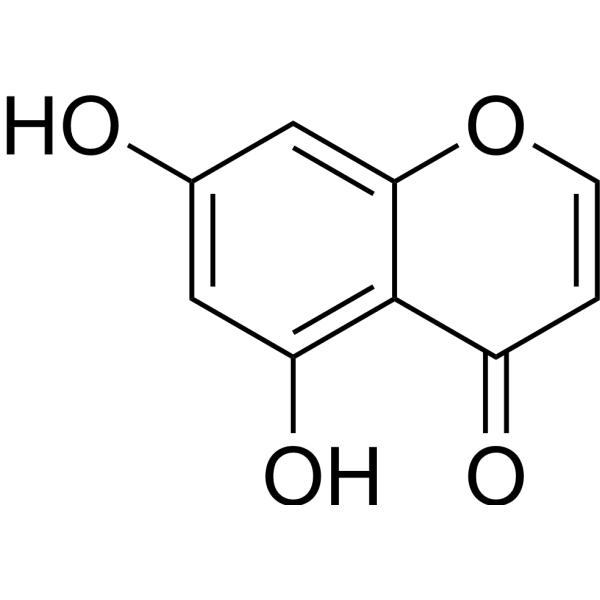
    5,7-Dihydroxychromone
    2 Publications Verification

    Keap1-Nrf2 Caspase PARP Fungal Infection Neurological Disease Metabolic Disease Inflammation/Immunology Cancer
    5,7-Dihydroxychromone is a flavonoid compound with antioxidant properties. 5,7-Dihydroxychromone induces Nrf2 nuclear translocation, increases Nrf2/ARE binding activity, and up-regulates Nrf2-dependent antioxidant genes HO-1, NQO1, GCLc. 5,7-Dihydroxychromone attenuates excessive ROS generation, inhibits activated caspase-3, caspase-9, cleaved PARP expression, and prevents neuronal apoptosis and cell death. 5,7-Dihydroxychromone increases LXRα and PPARγ mRNA expression, induces preadipocyte differentiation, and regulates blood glucose levels. 5,7-Dihydroxychromone inhibits radial growth of soil pathogenic fungi, radicle elongation of select seedlings, and transiently inhibits Bradyrhizobium sp. growth in high mannitol medium. 5,7-Dihydroxychromone can be used for the research of Parkinson’s disease, type 2 diabetes mellitus and pathogenic fungal infection .
    5,7-Dihydroxychromone
  • HY-146980

    Apoptosis GLUT Cancer
    GLUT4-IN-2 is a potent and selective GLUT4 inhibitor with IC50s of 11.4 µM and 6.8 µM for GLUT1 and GLUT4, respectively. GLUT4-IN-2 induces cell apoptosis and cell cycle arrest at G0/G1phase. GLUT4-IN-2 shows potent antitumor activity .
    GLUT4-IN-2
  • HY-16366

    ON 014185

    Eukaryotic Initiation Factor (eIF) CDK c-Myc MDM-2/p53 Caspase Apoptosis Cancer
    Briciclib (ON 014185) is a eukaryotic translation initiation factor 4E (eIF4E) inhibitor. Briciclib exhibits broad-spectrum anti-cancer activity, including in mantle cell leukemia, breast cancer, gastric cancer, and esophageal cancer cells. Briciclib reduces the expression of cyclin D1 and c-Myc, and enhances the expression of P53 and Cleaved Caspase 3 pro-apoptotic proteins. Briciclib can be used for the study of hematological system tumors and solid tumors .
    Briciclib
  • HY-N6082
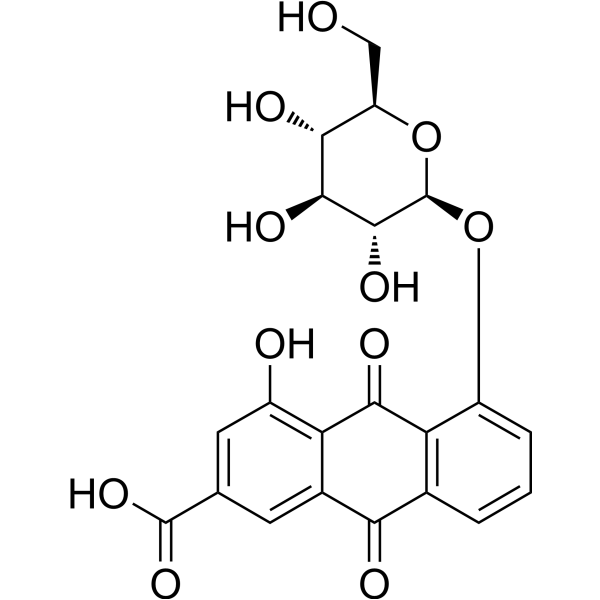
    Rhein 8-O-β-D-Glucopyranoside
    1 Publications Verification

    Apoptosis Bcl-2 Family Caspase TGF-beta/Smad Bacterial Infection Metabolic Disease Inflammation/Immunology
    Rhein 8-O-β-D-Glucopyranoside is an orally active glycoside found in Rhubarb. Rhein 8-O-β-D-Glucopyranoside attenuates high glucose-induced apoptosis, recovers altered lincRNA ANRIL and let-7a expression, reverses high glucose-altered Bcl-2 and cleaved caspase-3 protein expression, and inhibits TGF-β1/Smad signaling. Rhein 8-O-β-D-Glucopyranoside accelerates Sennoside A (HY-N0365) metabolism, stimulates sennoside A purgative activity. Rhein 8-O-β-D-Glucopyranoside inhibits bacterial biofilm formation, suppresses its virulence gene expression, and exerts antibacterial activity. Rhein 8-O-β-D-Glucopyranoside can be used for the research of diabetic nephropathy, constipation, and infection .
    Rhein 8-O-β-D-Glucopyranoside
  • HY-46866

    Apoptosis Caspase PARP Metabolic Disease Inflammation/Immunology Cancer
    Isoegomaketone is an orally active apoptosis inducer and radiosensitizer. Isoegomaketone regulates multiple key signaling pathways such as PI3K/AKT/mTOR, NF-κB, MAPK, cleaves Caspase family proteins and PARP, and modulates Bax, AIF and endoplasmic reticulum stress proteins. Isoegomaketone also induces autophagy and keratinocyte proliferation, effectively reduces the levels of inflammatory factors and oxidative stress, inhibits adipocyte differentiation, and resensitizes TRAIL-resistant cancer cells. Isoegomaketone can be applied to research related to colorectal cancer, melanoma, lung cancer, prostate cancer, liver cancer, as well as rheumatoid arthritis and obesity .
    Isoegomaketone
  • HY-B1817A

    Zinc(II) acetate, 99.99% trace metals basis

    CDK Heme Oxygenase (HO) Apoptosis Others
    Zinc (Zinc (II)) acetate, 99.99% trace metals basis is a heme oxygenase 1 (HO-1) activator and apoptosis inducer with cytotoxic and anticancer activities. Zinc acetate, 99.99% trace metals basis enhances HO-1 expression, alters the microRNA profile, and increases the level of caspase-cleaved cytokeratin 18. Zinc acetate, 99.99% trace metals basis also regulates the expression of Cdk2/cyclin E and interferes with cell cycle progression. Zinc acetate, 99.99% trace metals basis effectively inhibits cancer cell proliferation and induces their rapid death, with no significant cytotoxicity to non-tumor tissues. Zinc acetate, 99.99% trace metals basis has been widely used in studies related to hepatocellular carcinoma, prostate cancer, and other conditions .
    Zinc acetate, 99.99% trace metals basis
  • HY-124344

    Interleukin Related Neurological Disease
    Avenanthramide C is an orally active avenanthramide that can be isolated from oat seeds. Avenanthramide C decreases the protein expression of cleaved caspase-3 and increases the expression of p-GSK3β(Ser9) and IL-10 levels. Avenanthramide C has the potential for the research of Alzheimer’s disease .
    Avenanthramide C
  • HY-128360

    PROTACs Bcl-2 Family Apoptosis Caspase Cancer
    dMCL1-2 is a potent, selective MCL1 PROTAC degrader based on a Cereblon ligand, with a KD value of 30 nM for binding to MCL1. dMCL1-2 induces ubiquitination and degradation of MCL1. dMCL1-2 degrades MCL1, cleaves Caspase-3, and induces Apoptosis. dMCL1-2 can be used in research related to multiple myeloma .
    dMCL1-2
  • HY-N2135

    Apoptosis Caspase Bcl-2 Family Tyrosinase Metabolic Disease Cancer
    Puerarin 6''-O-Xyloside is one of the major iso-flavones found in P. lobata. Puerarin 6''-O-Xyloside inhibits cancer cells proliferation, induces apoptosis by upregulating cleaved caspase-3, 7, 9, Bax and downregulating Bcl-2 levles and inhibits tumor growth in mice. Puerarin 6''-O-Xyloside has anti-osteoporotic activity in ovariectomized mice. Puerarin 6''-O-Xyloside inhibits mushroom tyrosinase with an IC50 of 513.8 μM. Puerarin 6''-O-Xyloside can be used for the research of human lung carcinoma, osteoporosis, melanosis and melanomar .
    Puerarin 6''-O-Xyloside
  • HY-172158
    ALKBH5-IN-5
    1 Publications Verification

    Anaplastic lymphoma kinase (ALK) Caspase Cancer
    ALKBH5-IN-5 is a highly selective ALKBH5 (IC50 = 0.62 μM, Kd = 804 nM). ALKBH5-IN-5 disrupts ALKBH5 binding to m 6A-RNA and 6mA-DNA substrates. ALKBH5-IN-5 promotes differentiation, induces apoptosis, cause G2-M phase arrest and exerts strong antiproliferative effects in cancer cells. ALKBH5-IN-5 reduces TACC3 and MYC protein levels and increases cleaved caspase-3 levels. ALKBH5-IN-5 exerts antitumor activity in tumor xenograft mice models. ALKBH5-IN-5 can be used for the research of acute myeloid leukemia .
    ALKBH5-IN-5
  • HY-170935

    SRPK PARP Caspase Apoptosis Autophagy Cancer
    SRSF1-IN-1 is a SRSF1 inhibitor. SRSF1-IN-1 inhibits SRSF1 expression, thereby modulating the splicing of Bcl-x pre-mRNA. SRSF1-IN-1 inhibits the proliferation of various cancer cells. SRSF1-IN-1 induces apoptosis in gastric cancer cells, reduces Bcl-xl expression, and upregulates cleaved PARP and caspase 3. SRSF1-IN-1 induces autophagy and promotes cell death. SRSF1-IN-1 exhibits anti-tumor activity in a mouse gastric cancer xenograft model. SRSF1-IN-1 can be used for the research of various cancers including liver cancer, gastric cancer, breast cancer, colon cancer, glioma, and melanoma .
    SRSF1-IN-1
  • HY-178861

    PROTACs CDK Caspase PARP Apoptosis Cancer
    dCDK9-202 a potent CDK9 PROTAC degrader with an DC50 value of 3.5 nM. dCDK9-202 exhibits broad-spectrum anti-tumor activity and extensively disrupts the oncogenic transcriptome. dCDK9-202 can activate Caspase-3/7, increase the level of cleaved PARP, and directly induce apoptosis of tumor cells. dCDK9-202 effectively inhibits TC-71 tumor growth without any signs of toxicity in mice. dCDK9-202 can be used for the study of EGFR-driven cancers such as sarcoma (Pink: CDK9 ligand (HY-178862); Blue: CRBN ligand (HY-W248665); Black: Linker (HY-N8015)) .
    dCDK9-202
  • HY-NP019

    Sirtuin Caspase Apoptosis Neurological Disease
    Agkistrodon halys batroxobin is a thrombin-like serine protease. Agkistrodon halys batroxobin reduces the expression of Sirt1 and extracellular signal-regulated kinase activation in brain tissue. Agkistrodon halys batroxobin reduces cleaved caspase-3 expression and inhibits neuronal apoptosis in rat .
    Agkistrodon halys batroxobin
  • HY-156413
    NLRP3 agonist 1
    3 Publications Verification

    NOD-like Receptor (NLR) Caspase Inflammation/Immunology
    NLRP3 agonist 1 (Compound 23) is an orally active NLRP3 agonist. NLRP3 agonist 1 can activate the enzyme Caspase-1 to cleave pro-IL-1β and pro-IL-18 proinflammatory cytokines into their mature forms .
    NLRP3 agonist 1
  • HY-179055

    PROTACs DAPK Neurological Disease
    PROTAC DAPK1 Degrader-1 (Compound CP1) is a DAPK1 PROTAC degrader with a DC50 of 119.6 nM. PROTAC DAPK1 Degrader-1 significantly increased the MDM2 protein level. PROTAC DAPK1 Degrader-1 significantly reduced the levels of cleaved caspase-3 and cleaved PARP in a cell apoptosis model induced by the neurotoxin ceramide, indicating that it effectively inhibits neuronal apoptosis by degrading DAPK1. PROTAC DAPK1 Degrader-1 can be used to study neurological diseases such as cerebral ischemia and traumatic brain injury (pink: DAPK1 ligand (HY-179071); blue: CRBN ligand (HY-10984); black: linker (HY-40171)) .
    PROTAC DAPK1 Degrader-1
  • HY-N8481
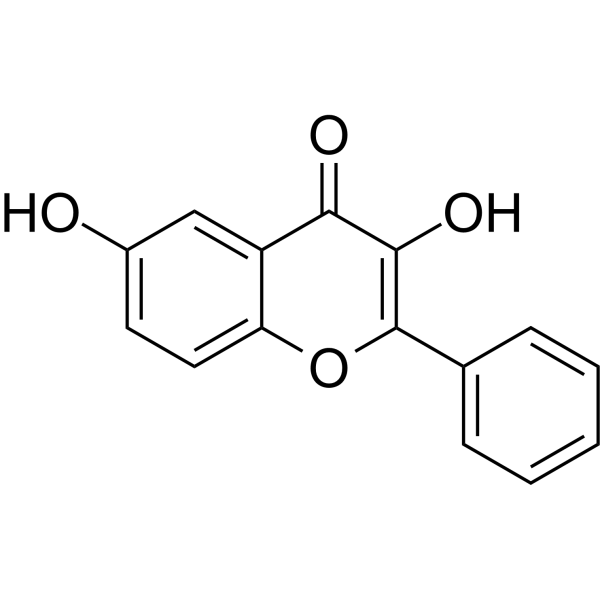
    3,6-Dihydroxyflavone
    1 Publications Verification

    3,6-DHF

    Apoptosis Cancer
    3,6-Dihydroxyflavone is an anti-cancer agent. 3,6-Dihydroxyflavone dose- and time-dependently decreases cell viability and induces apoptosis by activating caspase cascade, cleaving poly (ADP-ribose) polymerase (PARP). 3,6-Dihydroxyflavone increases intracellular oxidative stress and lipid peroxidation .
    3,6-Dihydroxyflavone
  • HY-W006398S

    Anhydrous sodium acetate-d3

    Isotope-Labeled Compounds Neurological Disease Inflammation/Immunology Cancer
    Acetic acid-d3 sodium is the deuterium labeled Acetic acid (HY-Y0319) . Acetic acid is a carboxylic acid and short-chain fatty acid (SCFAs). Acetic acid activates AMPK, increases ROS, cleaved caspase 9, PPARα, downregulates SREBP-1c, ChREBP expression. Acetic acid exhibits antifungal activity against Saccharomyces cerevisiae W303-1A. Acetic acid regulates energy metabolism. Acetic acid has anticancer activity against gastric cancer. Acetic acid induces writhing reaction and ulcerative colitis. Acetic acid can be used in the researches for gastric cancer, ulcerative colitis, hepatic steatosis, and pain.
    Acetic acid-d3 sodium
  • HY-Y0319D

    Endogenous Metabolite AMPK Reactive Oxygen Species (ROS) Caspase Fungal PPAR Infection Neurological Disease Metabolic Disease Inflammation/Immunology Cancer
    Acetic acid lead is a carboxylic acid and short-chain fatty acid (SCFAs). Magnesium acetate tetrahydrate activates AMPK, increases ROS, cleaved caspase 9, PPARα, downregulates SREBP-1c, ChREBP expression. Acetic acid lead exhibits antifungal activity against Saccharomyces cerevisiae W303-1A. Acetic acid lead regulates energy metabolism. Acetic acid lead has anticancer activity against gastric cancer. Acetic acid lead induces writhing reaction and ulcerative colitis. Acetic acid lead can be used in the researches for gastric cancer, ulcerative colitis, hepatic steatosis, and pain .
    Acetic acid lead
  • HY-120833

    Caspase Others
    Ac-Ile-Glu-Thr-Asp-pNA is a substrate for caspase-8. Caspase-8 binds to and cleaves the Ile-Glu-Thr-Asp (IETD) peptide sequence to release p-nitroalinide, which can be quantified by colorimetric detection at 405 nm as a measure of enzyme activity .
    Ac-Ile-Glu-Thr-Asp-pNA
  • HY-122611

    Androgen Receptor Apoptosis Cancer
    CSRM617 is a selective small-molecule inhibitor of the transcription factor ONECUT2 (OC2, a master regulator of androgen receptor) with a Kd of 7.43 uM in SPR assays, binding to OC2-HOX domain directly. CSRM617 induces apoptosis by appearance of cleaved Caspase-3 and PARP. CSRM617 is well tolerated in the prostate cancer mouse model
    CSRM617
  • HY-N0320

    Bcl-2 Family Caspase Toll-like Receptor (TLR) MyD88 NF-κB Cardiovascular Disease Neurological Disease Inflammation/Immunology
    Salvianolic acid D is a depside. Salvianolic acid D can be isolated from Salvia miltiorrhiza (Danshen). Salvianolic acid D promotes the expression of Bcl-2, and inhibits the expressions of Bax, Cleaved caspase-3 and -9. Salvianolic acid D reduces the expression levels of TLR4, MyD88 and TRAF6 proteins both in vitro and in vivo, and significantly inhibits the nuclear translocation of NF-κB. Salvianolic acid D inhibits the cytoplasmic translocation of HMGB1. Salvianolic acid D suppresses inflammatory responses and alleviates cerebral ischemia-reperfusion injury. Salvianolic acid D serves as a potential antiplatelet active component .
    Salvianolic acid D
  • HY-176128

    PROTACs Androgen Receptor Apoptosis PARP Caspase Cancer
    BWA-6047 is an oral active PROTAC degrader targeting AR/AR-V7 and GSPT1 with DC50 values of 3.7, 3.0 and 1.2 nM in 22Rv1 cells. BWA-6047 suppresses the expression of AR downstream target genes and and transcriptional activity. BWA-6047 inhibits cancer cells proliferation, causes G1 phase cell cycle arrest and induces apoptosis. BWA-6047 increases cleaved-PARP-1 and cleaved-caspase-3 levels. BWA-6047 reduces growth of LNCaP xenograft tumors in mice models without obvious toxicity. BWA-6047 can be used for the research of prostate cancer .
    BWA-6047
  • HY-Y0817R

    Anhydrous sodium acetate (Standard)

    Reference Standards Cancer
    Acetic acid sodium (Standard) (Anhydrous sodium acetate (Standard) is the analytical standard of Anhydrous sodium acetate. This product is intended for research and analytical applications. Acetic acid is a carboxylic acid and short-chain fatty acid (SCFAs). Acetic acid activates AMPK, increases ROS, cleaved caspase 9, PPARα, downregulates SREBP-1c, ChREBP expression. Acetic acid exhibits antifungal activity against Saccharomyces cerevisiae W303-1A. Acetic acid regulates energy metabolism. Acetic acid has anticancer activity against gastric cancer. Acetic acid induces writhing reaction and ulcerative colitis. Acetic acid can be used in the researches for gastric cancer, ulcerative colitis, hepatic steatosis, and pain .
    Acetic acid sodium (Standard)
  • HY-179234

    PROTACs RIP kinase Apoptosis Caspase PARP Cancer
    LD5097 is a highly effective and selective PROTAC degrader targeting RIPK1. LD5097 can rapidly and efficiently downregulate RIPK1 and significantly enhance TNFα-mediated apoptosis in Jurkat cells. LD5097 significantly increases the levels of cleaved caspase-3/7 and PARP. LD5097 can be used for the study of acute T-lymphoblastic leukemia .
    LD5097
  • HY-145087

    NLRP3-IN-5

    NOD-like Receptor (NLR) Interleukin Related Caspase Inflammation/Immunology
    NP3-146 is a NLRP3 inflammasome inhibitor through locking the NACHT domain of NLRP3. NP3-146 shows potent inhibitory activity against IL-1β release with an IC50 value of 0.171 μM in LPS (HY-D1056)/Nigericin (HY-127019)-stimulated BMDM cells. NP3-146 regulates the levels of cleaved Caspase-1 and cleaved IL-1β in cell supernatants. NP3-146 can be used for the research of inflammatory diseases .
    NP3-146
  • HY-136778

    PARP Reactive Oxygen Species (ROS) Bcl-2 Family Caspase ERK p38 MAPK Cardiovascular Disease
    INH2BP is a poly(ADP-ribose) polymerase (PARP) inhibitor with antioxidant and anti-apoptotic activities. INH2BP reduces the production of intracellular reactive oxygen species (ROS), modulates the expression of apoptosis-related proteins such as Bax, Bcl-2 and cleaved caspase-3 and enhances cell survival through the activation of the ERK1/2 and p38 MAPK signaling pathways. INH2BP is promising for research of cardiovascular diseases .
    INH2BP
  • HY-15668

    MMP Bcl-2 Family Caspase Apoptosis Drug Derivative Cancer
    ST09 is an efficient and low toxicity Curcumin (HY-N0005) derivative. ST09 significantly inhibits cell migration and downregulates the expression of MMP1, MMP2, and Vimentin. ST09 has strong cytotoxicity to breast cancer cells, such as MDA-MB-231, MCF7 and T47D cells. ST09 induces cell apoptosis by upregulating Bax and cleaved caspase-3/9. ST09 can be used in the research of cancer such as breast cancer .
    ST09
  • HY-170434

    Bcl-2 Family Caspase Cancer
    Bfl-1-IN-6 (Compound 20) is an orally active inhibitor for Bcl-2 related protein A1 (BFL1) with an IC50 of 19 nM. Bfl-1-IN-6 stabilizes BFL1 protein, activates cleaved caspase 3, and exhibits antitumor efficacy in mouse models .
    Bfl-1-IN-6
  • HY-175700

    Topoisomerase Apoptosis Cancer
    YCJ-02 is a selective Topoisomerase I (Top I) inhibitor. YCJ-02 can inhibit cell proliferation and induce apoptosis and G2/M phase arrest. YCJ-02 can induce DNA damage and increaseγ-H2AX levels. YCJ-02 can promote Top I deqradation via a ubiquitin/26S proteasome pathway. YCJ-02 increases the expressions of pro-apoptotic proteins Bad, Bax, and cleaved caspase-3. YCJ-02 shows broad-spectrum antitumor activity. YCJ-02 can be used for the research of cancer, such as intrahepatic cholangiocarcinoma (ICC) .
    YCJ-02
  • HY-179112

    PROTACs IKK Nuclear Hormone Receptor 4A/NR4A Caspase Necroptosis Apoptosis Inflammation/Immunology Cancer
    PROTAC IKKβ/NR4A1 degrader-1 is a highly efficient and effective dual-PROTAC degrader targeting IKKβ and NR4A1. PROTAC IKKβ/NR4A1 degrader-1 can increase the levels of caspase 3 and cleaved caspase 3 proteins, while the necroptosis marker RIP kinase remained unchanged, indicating that it can induce apoptosis. PROTAC IKKβ/NR4A1 degrader-1 can be used for the study of Acute myeloid leukemia (AML). Red: IKKβ/NR4A1 ligand (HY-13067); Blue: E3 ligase CRBN ligand (HY-14658); Black: Linker (HY-79577) .
    PROTAC IKKβ/NR4A1 degrader-1
  • HY-174984

    p97 Caspase p62 Cancer
    VCP/p97 IN-3 is a VCP/p97 allosteric inhibitor. VCP/p97 IN-3 shows the inhibitory activity against the VCP proteins with an IC50 of 9 nM and the mutant VCP proteins with IC50 of 12 nM (N660K) and 19 nM (V474A/D649A). VCP/p97 IN-3 increases K48-linked ubiquitination and the level of cleaved caspase-3. VCP/p97 IN-3 activates ER-stress and the UPR. VCP/p97 IN-3 inhibits tumor growth in RPMI-8226 cell subcutaneous xenograft mouse models. VCP/p97 IN-3 can be used for the study of multiple myeloma .
    VCP/p97 IN-3
  • HY-Y0319G1

    Biochemical Assay Reagents Others
    Magnesium acetate tetrahydrate, for molecular biology is a carboxylic acid and short-chain fatty acid (SCFAs). Magnesium acetate tetrahydrate, for molecular biology activates AMPK, increases ROS, cleaved caspase 9, PPARα, downregulates SREBP-1c, ChREBP expression. Magnesium acetate tetrahydrate, for molecular biology exhibits antifungal activity against Saccharomyces cerevisiae W303-1A. Magnesium acetate tetrahydrate, for molecular biology regulates energy metabolism. Magnesium acetate tetrahydrate, for molecular biology has anticancer activity against gastric cancer. Magnesium acetate tetrahydrate, for molecular biology induces writhing reaction and ulcerative colitis. Magnesium acetate tetrahydrate, for molecular biology can be used in the researches for gastric cancer, ulcerative colitis, hepatic steatosis, and pain .
    Magnesium acetate tetrahydrate, for molecular biology
  • HY-161991

    Caspase Apoptosis Cancer
    Caspase-3 activator 4 (compound 4o) is a potent and cross the blood-brain barrier caspase-3 activator. Caspase-3 activator 4 shows antiproliferative activity. Caspase-3 activator 4 induces apoptosis. Caspase-3 activator 4 increases the gene expression of TNF-α. Caspase-3 activator 4 decreases the protein expression of cleaved caspases 3/caspases 3 .
    Caspase-3 activator 4
  • HY-P3110

    Fluorescent Dye Others
    Ac-WLA-AMC is a fluorogenic substrate of caspase-3. Ac-WLA-AMC is cleaved to release the fluorescent moiety 7-amino-4-methylcoumarin (AMC), which can be used to quantify the β5c subunit activity .
    Ac-DNLD-AMC
  • HY-145087A

    NOD-like Receptor (NLR) Interleukin Related Caspase Inflammation/Immunology
    NP3-146 sodium is a NLRP3 inflammasome inhibitor through locking the NACHT domain of NLRP3. NP3-146 sodium shows potent inhibitory activity against IL-1β release with an IC50 value of 0.171 μM in LPS (HY-D1056)/Nigericin (HY-127019)-stimulated BMDM cells. NP3-146 sodium regulates the levels of cleaved Caspase-1 and cleaved IL-1β in cell supernatants. NP3-146 sodium can be used for the research of inflammatory diseases .
    NP3-146 sodium
  • HY-N1970R

    Reference Standards Keap1-Nrf2 Caspase PARP Fungal Infection Neurological Disease Metabolic Disease Inflammation/Immunology Cancer
    5,7-Dihydroxychromone (Standard) is the analytical standard of 5,7-Dihydroxychromone (HY-N1970). This product is intended for research and analytical applications. 5,7-Dihydroxychromone is a flavonoid compound with antioxidant properties. 5,7-Dihydroxychromone induces Nrf2 nuclear translocation, increases Nrf2/ARE binding activity, and up-regulates Nrf2-dependent antioxidant genes HO-1, NQO1, GCLc. 5,7-Dihydroxychromone attenuates excessive ROS generation, inhibits activated caspase-3, caspase-9, cleaved PARP expression, and prevents neuronal apoptosis and cell death. 5,7-Dihydroxychromone increases LXRα and PPARγ mRNA expression, induces preadipocyte differentiation, and regulates blood glucose levels. 5,7-Dihydroxychromone inhibits radial growth of soil pathogenic fungi, radicle elongation of select seedlings, and transiently inhibits Bradyrhizobium sp. growth in high mannitol medium. 5,7-Dihydroxychromone can be used for the research of Parkinson’s disease, type 2 diabetes mellitus and pathogenic fungal infection .
    5,7-Dihydroxychromone (Standard)

Inquiry Online

Your information is safe with us. * Required Fields.

Salutation


Country or Region *

Applicant Name *


Organization Name *

Department *


Email Address *


Product Name *

Cat. No.


Requested quantity *

Phone Number *


Remarks

Inquiry Online

Inquiry Information

Product Name:
Cat. No.:
Quantity:
MCE Japan Authorized Agent:

