Search Result
Results for "
cognitive function
" in MedChemExpress (MCE) Product Catalog:
2
Biochemical Assay Reagents
14
Isotope-Labeled Compounds
| Cat. No. |
Product Name |
Target |
Research Areas |
Chemical Structure |
-
- HY-109590
-
|
Immunocytophyt
|
Endogenous Metabolite
|
Cardiovascular Disease
Inflammation/Immunology
|
|
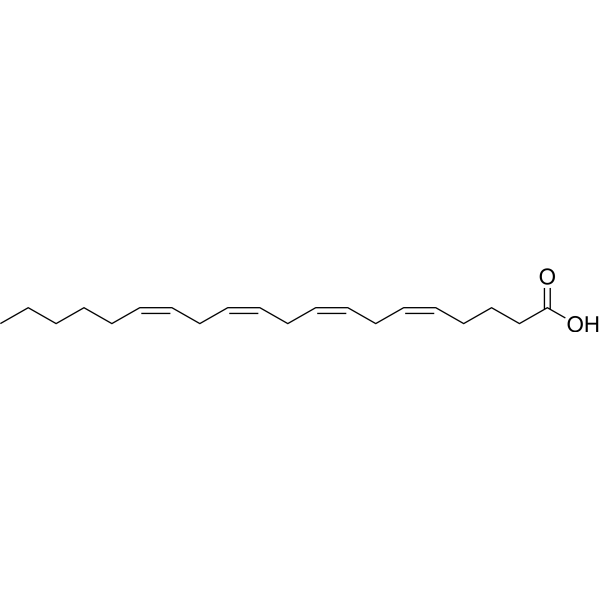
Arachidonic acid (Immunocytophyt) is a polyunsaturated omega-6 fatty acid and a major constituent of biomembranes. Arachidonic acid also acts as the substrate for various lipid mediators, such as prostaglandins (PGs). Arachidonic acid improves cognitive response and cardiovascular function .
|
-
-
- HY-N0045
-
-
-
- HY-17552
-
|
Choline Alfoscerate; Alpha-GPC; L-α-GPC
|
Cholinesterase (ChE)
Endogenous Metabolite
|
Neurological Disease
|
|
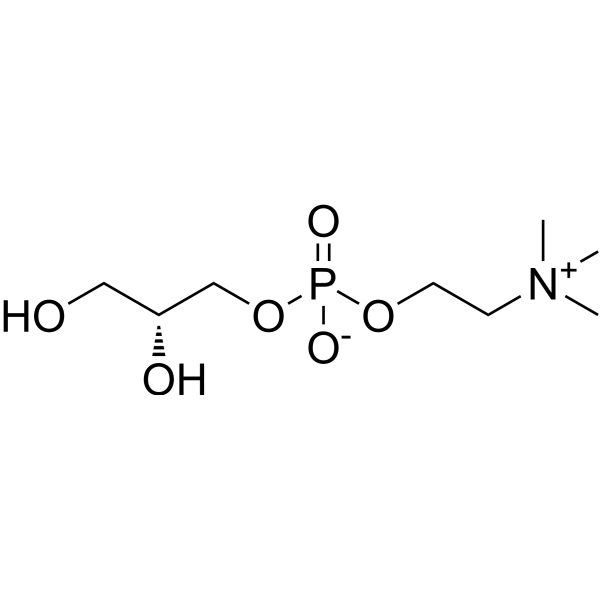
sn-Glycero-3-phosphocholine (Choline Alfoscerate) is a precursor in the biosynthesis of brain phospholipids and increases the bioavailability of choline in nervous tissue. sn-Glycero-3-phosphocholine (Choline Alfoscerate) has significant effects on cognitive function with a good safety profile and tolerability, and is effective in the treatment of Alzheimer's disease and dementia .
|
-
-
- HY-B0030
-
|
|
iGluR
Bacterial
Antibiotic
|
Infection
Neurological Disease
Cancer
|
|
D-Cycloserine is an antibiotic which targets sequential bacterial cell wall peptidoglycan biosynthesis enzymes, with blood-brain barrier permeability. D-Cycloserine is a partial NMDA agonist that can improve cognitive functions. D-Cycloserine can be used for multidrug-resistant tuberculosis research .
|
-
-
- HY-P3247
-
|
|
Insulin Receptor
|
Neurological Disease
Metabolic Disease
|
|
[D-Ala2]-GIP (human) is a GIP receptor agonist (EC50 = 630 pM). [D-Ala2]-GIP (human) improves glucose tolerance. [D-Ala2]-GIP (human) shows neuroprotective activity in MPTP (HY-W114750)-induced Parkinson's disease model. [D-Ala2]-GIP (human) also improves cognitive function and hippocampal synaptic plasticity in obese diabetic rats. [D-Ala2]-GIP (human) can be used for research of type 2 diabetes, Parkinson's disease, etc
|
-
-
- HY-N0272
-
|
|
Apoptosis
NF-κB
|
Neurological Disease
Inflammation/Immunology
|
|
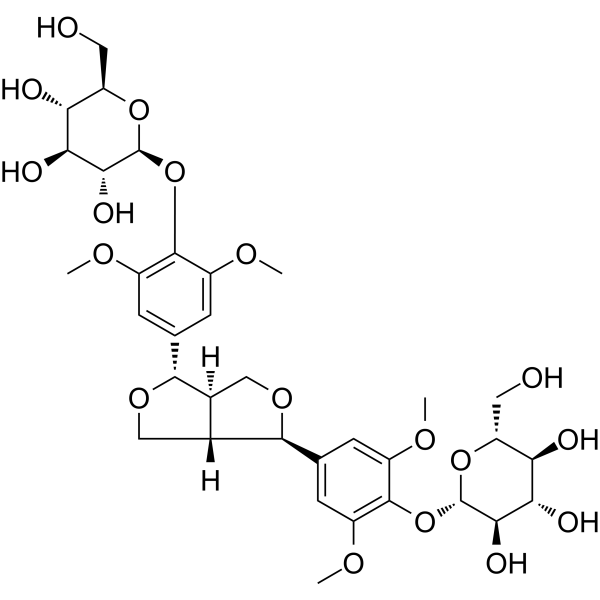
Eleutheroside E is an important component of ginseng that can be taken orally. Eleutheroside E has anti-inflammatory and antioxidant properties, and it helps reduce apoptosis in heart cells caused by hypoxia-reoxygenation (H/R) damage. Eleutheroside E can improve type 2 diabetes, enhance cognitive function, and has neuroprotective effects .
|
-
-
- HY-B1715
-
|
ISF2522
|
GABA Receptor
NO Synthase
|
Neurological Disease
Inflammation/Immunology
|
|
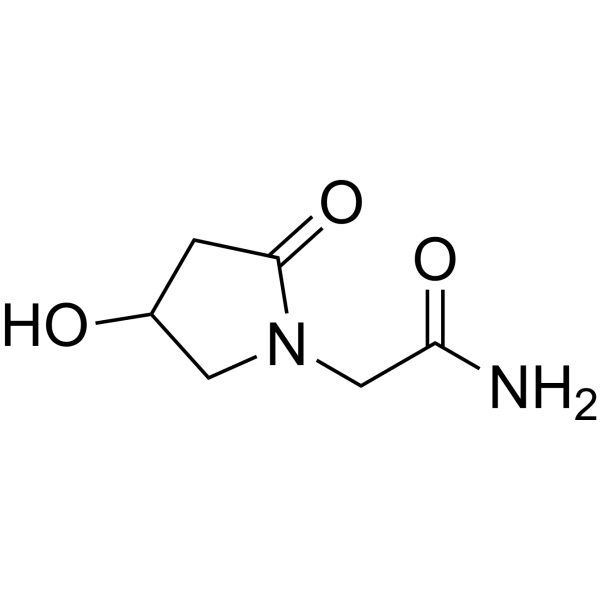
Oxiracetam (ISF2522) is an orally active and a BBB-penetrable cyclic derivative of γ-aminobutyric acid (GABA). Oxiracetam reaches the hippocampus and cerebral cortex in high concentrations. Oxiracetam can promote cognitive function and regulate inflammatory response, with powerful neuroprotective effects. Oxiracetam can be used in the study of central nervous system diseases .
|
-
-
- HY-D0195
-
-
-
- HY-12501A
-
ITI-214
3 Publications Verification
|
Phosphodiesterase (PDE)
|
Neurological Disease
|
|
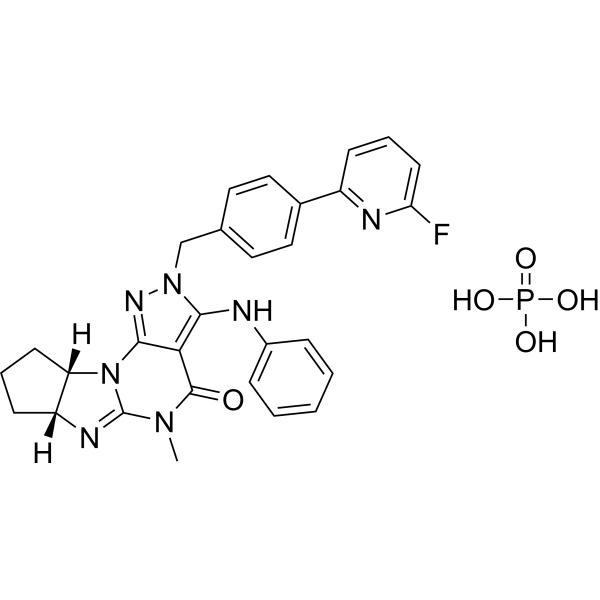
ITI-214 is a potent, CNS-active, orally bioavailable PDE1 inhibitor (Ki of 58 pM) with excellent selectivity against other PDE family members and against a panel of enzymes, receptors, transporters and ion channels. ITI-214 inhibits recombinant full-length human PDE1A, PDE1B and PDE1C with Kis of 33 pM, 380 pM and 35 pM, respectively. ITI-214 shows efficacy in various animal models of motor and cognitive functions .
|
-
-
- HY-109590A
-
|
Immunocytophyt sodium salt
|
Endogenous Metabolite
|
Cardiovascular Disease
Neurological Disease
Inflammation/Immunology
|
|
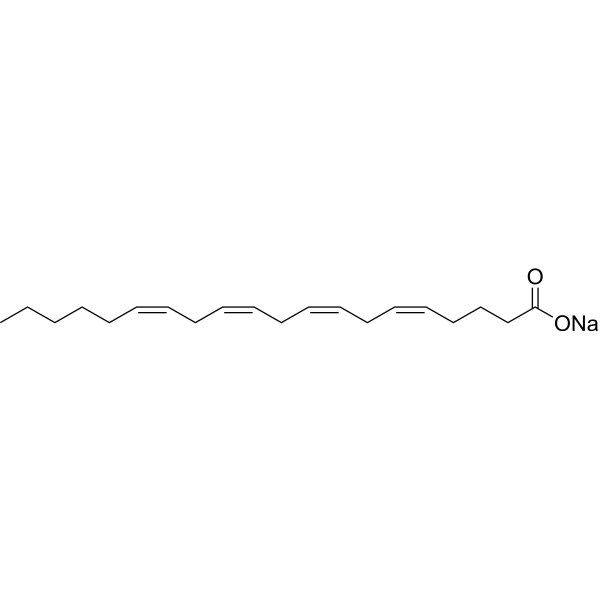
Arachidonic acid (Immunocytophyt) sodium salt is a polyunsaturated omega-6 fatty acid and a major constituent of biomembranes. Arachidonic acid sodium salt also acts as the substrate for various lipid mediators, such as prostaglandins (PGs). Arachidonic acid sodium salt improves cognitive response and cardiovascular function .
|
-
-
- HY-Y1117
-
-
-
- HY-16969
-
|
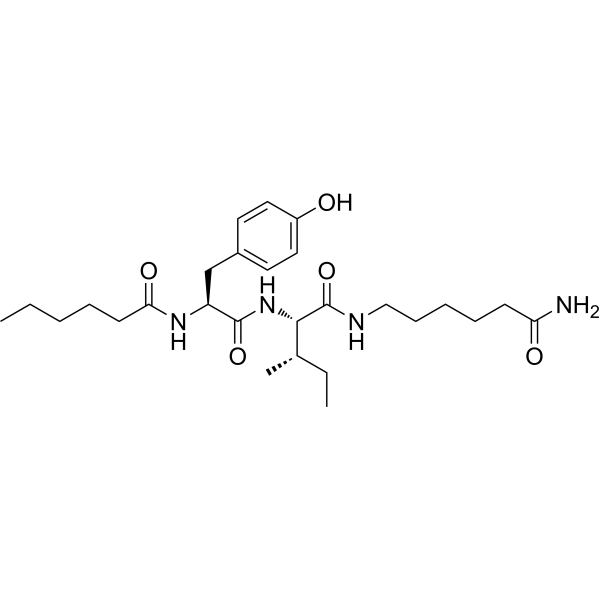
PNB-0408; N-hexanoic-Try-Ile-(6)-amino hexanoic amide; Hexanoyl-Tyr-Ile-Ahx-NH2
|
c-Met/HGFR
|
Neurological Disease
|
|
Dihexa, an oligopeptide drug, is an orally active and blood-brain barrier-permeable angiotensin IV analog. Dihexa binds to hepatocyte growth factor (HGF) with high affinity (Kd=65 pM) and potentiates its activity at its receptor, c-Met. Dihexa exhibits excellent antidementia activity and improves cognitive function in animal models. Dihexa may have therapeutic potential as a treatment Alzheimer’s disease .
|
-
-
- HY-116673
-
|
|
Histone Acetyltransferase
|
Neurological Disease
|
|
TTK21 is an activator of the histone acetyltransferases CBP/p300. TTK21 passes the blood–brain barrier, induces no toxicity, and reaches different parts of the brain when conjugated to glucose-based carbon nanosphere (CSP). TTK21 has beneficial implications for the brain functions of neurogenesis and long-term memory .CSP-TTK21 can ameliorate Aβ-impaired long-term potentiation (LTP). CSP-TTK21 may enhance the transcription of genes that promote synaptic health and cognitive function . CSP-TTK21 is orally effective and leads to improvements in motor functions, histone acetylation dynamics in a spinal injury rat model .
|
-
-
- HY-136093A
-
|
IM156; HL156A; HL271 acetate
|
Mitochondrial Metabolism
AMPK
|
Neurological Disease
Metabolic Disease
Inflammation/Immunology
Cancer
|
|
Lixumistat (IM156) acetate is a potent and orally active AMPK activator and OXPHOS inhibitor. Lixumistat acetate strongly activates AMPK, while it lacks the systemic metabolic regulatory effects of classic metformin, such as hypoglycemic and weight-lowering activities. Lixumistat acetate exhibits significant therapeutic effects on cognitive decline associated with brain aging and pulmonary fibrosis .
|
-
-
- HY-W009081
-
|
|
Free Fatty Acid Receptor
|
Neurological Disease
|
|
Tricosanoic acid is an endogenous agonist of long-chain saturated fatty acids and free fatty acid receptor FFAR1, which can activate hair growth. Tricosanoic acid (C23:0) has the activity of improving cognitive function by regulating neuronal membrane fluidity, inhibiting neuroinflammatory response, participating in myelination and neuronal energy metabolism. Tricosanoic acid expression levels are low in the prefrontal cortex of Alzheimer's disease (AD) models; while better cognitive performance corresponds to higher serum concentration levels. Tricosanoic acid can be used as a biomarker for diseases related to cognitive decline .
|
-
-
- HY-107111
-
|
|
mAChR
|
Neurological Disease
|
|
GSK1034702 is an orally active and allosteric agonist of M1 mAChR (pEC50=8.1) that can cross the blood-brain barrier. GSK1034702 activates the Gq/11 protein-mediated signaling pathway, enhancing neuronal firing and long-term potentiation (LTP) in the CA1 region of the hippocampus. GSK1034702 can modulate hippocampal function, improve memory encoding in the nicotine withdrawal cognitive dysfunction model, and show pro-cognitive effects in rodents. GSK1034702 can be used for the study of the mechanisms of cognitive impairment diseases such as Alzheimer's disease, and has certain peripheral M receptor activation-related side effects (such as gastrointestinal reactions) .
|
-
-
- HY-B0702
-
|
|
Adrenergic Receptor
|
Cardiovascular Disease
Neurological Disease
|
|
Nicergoline, an ergoline derivative ester of bromonicotinic acid, is a potent, selective and orally active antagonist of α1A-adrenoceptor. Nicergoline has vasodilator effects. Nicergoline also has ameliorative effects on cognitive function in mouse models of Alzheimer's disease .
|
-
-
- HY-103111
-
|
|
mGluR
|
Neurological Disease
|
|
MMPIP hydrochloride is an allosteric metabotropic glutamate receptor 7 (mGluR7) selective antagonist (KB values 24 -30 nM). MMPIP hydrochloride acts as a pharmacological tool for elucidating the roles of mGluR7 on central nervous system functions. MMPIP hydrochloride alleviates pain and normalizes affective and cognitive behavior in neuropathic mice .
|
-
-
- HY-145607
-
-
-
- HY-138669
-
|
|
PROTACs
Tau Protein
|
Neurological Disease
|
|
C004019 is a BBB-penetrable and small-molecule PROTAC that targets tau. C004019 can simultaneously recruit tau and E3 ligase, and effectively clear tau proteins by promoting the ubiquitination and proteasome-dependent degradation of tau, thereby improving synaptic and cognitive functions in Alzheimer's disease (AD) mice. C004019 can be used in the research of AD and tau protein-related diseases. (Pink: Ligand for target protein (HY-138679); Black: linker (HY-140189); Blue: E3 Ligase Ligand (HY-138678))
|
-
-
- HY-101481
-
|
|
COX
Apoptosis
MEK
ERK
PPAR
AMPK
NF-κB
Interleukin Related
TNF Receptor
STAT
Wnt
|
Neurological Disease
Inflammation/Immunology
Cancer
|
|
Flurbiprofen axetil is a non-selective COX inhibitor and a nonsteroidal anti-inflammatory agent with anti-inflammatory and analgesic effects. Flurbiprofen axetil inhibits basal-like breast cancer metastasis by inhibiting the MEK/ERK signaling pathway. Flurbiprofen axetil can promote neuroprotection after focal cerebral ischemia in rats by partially activating PPAR-γ. Flurbiprofen axetil alleviates cerebral ischemia/reperfusion injury by reducing inflammation in a transient global cerebral ischemia/reperfusion rat model. Flurbiprofen axetil can alleviate inflammatory responses and cognitive function in a mild cognitive impairment (MCI) SD rat model through the AMPKα/NF-κB signaling pathway .
|
-
-
- HY-N7509
-
|
Gallacetophenone-4-methyl ether
|
Others
|
Neurological Disease
|
|
2,3-Dihydroxy-4-methoxyacetophenone is a neuroprotective compound from Cynenchum paniculatum. 2,3-Dihydroxy-4-methoxyacetophenone improves cognitive function and may has the potential for the treatment of Alzheimer's disease research .
|
-
-
- HY-133712
-
|
Tunodafil
|
Phosphodiesterase (PDE)
|
Neurological Disease
|
|
Yonkenafil (Tunodafil), a novel phosphodiesterase 5 (PDE5) inhibitor, is effective in reducing cerebral infarction, neurological deficits, edema, and neuronal damage in the infarcted area. Yonkenafil may improve cognitive function by modulating neurogenesis and has a potential therapeutic effect on Alzheimer's disease .
|
-
-
- HY-W236261
-
|
ATEE
|
Biochemical Assay Reagents
|
Others
|
|
N-Acetyl-L-tyrosine ethyl ester (ATEE) is a compound commonly used as a food flavoring and supplement. It is an ester of tyrosine, an amino acid found in many proteins. N-Acetyl-L-tyrosine ethyl ester is sweet, nutty and caramelized and is commonly used to enhance the flavor of baked goods, dairy products and beverages. Potential health benefits of N-Acetyl-L-tyrosine ethyl ester include its antioxidant properties and ability to improve cognitive function.
|
-
-
- HY-15114
-
S 17092
1 Publications Verification
S 17092-1
|
Prolyl Endopeptidase (PREP)
Apoptosis
|
Neurological Disease
|
|
S 17092 (S 17092-1) is an orally active cerebral prolyl-endopeptidase (PEP) inhibitor with an IC50 of 1.2 nM. S 17092 inhibits cell apoptosis. S 17092 mechanism of action is to inhibit the activity of PEP, slowing down the degradation of neuroactive peptides and thus enhancing memory function. S 17092 can be used for the research of memory impairment and cognitive disorders associated with cerebral aging .
|
-
-
- HY-116753
-
|
|
Amyloid-β
Tau Protein
|
Neurological Disease
|
|
(-)Clausenamide is an active alkaloid isolated from the leaves of Clausena lansium (Lour.) Skeels, and improves cognitive function in both normal physiological and pathological conditions. (-)Clausenamide inhibits β-amyloid (Aβ) toxicity, blocking neurofibrillary tangle formation by inhibiting the phosphorylation of tau protein. (-)Clausenamide exerts a significant neuroprotective activity against Aβ25-35. (-)Clausenamide can be used for researching Alzheimer's disease (AD) .
|
-
-
- HY-P99959
-
|
MT-3921; rH116A3
|
TGF-β Receptor
|
Neurological Disease
|
|
Unasnemab (MT-3921) is a humanised IgG1 monoclonal antibody that binds to repulsive guidance molecule A (RGMa). Unasnemab improves locomotor function and promotes neuroregeneration. Unasnemab exerts ameliorative effects on hippocampal neurogenesis impairment and cognitive decline in db/db mice, Streptozotocin (STZ) (HY-13753)-induced type 1 diabetic and bilateral common carotid artery stenosis (BCAS)-induced mice. Unasnemab can be used for the research of spinal cord injury, diabetes-induced neurological impairments .
|
-
-
- HY-133910
-
|
|
Sodium Channel
|
Neurological Disease
|
|
Lu AE98134, an activator of voltage-gated sodium channels, acts as a partly selective Nav1.1 channels positive modulator. Lu AE98134 also increases the activity of Nav1.2 and Nav1.5 channels but not of Nav1.4, Nav1.6 and Nav1.7 channels. Lu AE98134 can be used to analyze pathophysiological functions of the Nav1.1 channel in various central nervous system diseases, including cognitive restoring in schizophrenia, et al .
|
-
-
- HY-177873
-
|
|
iGluR
|
Neurological Disease
|
|
AMPA receptor modulator-10 (Compound 9a) is an orally active AMPA receptor (AMPAR) positive allosteric modulator. AMPA receptor modulator-10 exhibits potent activity (pEC50 = 5.0) on the GluA2 subtype of AMPAR, significantly enhancing glutamate-induced calcium influx and current responses. AMPA receptor modulator-10 can reverse the memory impairment induced by Scopolamine (HY-N0296) and enhance cognitive function. AMPA receptor modulator-10 can be used for the research of neurological disease, such as schizophrenia .
|
-
-
- HY-136093
-
|
HL271; IM156 hydrochloride; HL156A hydrochloride
|
Mitochondrial Metabolism
AMPK
|
Neurological Disease
|
|
Lixumistat (IM156) hydrochloride is a potent and orally active AMPK activator and OXPHOS inhibitor. Lixumistat hydrochloride strongly activates AMPK, while it lacks the systemic metabolic regulatory effects of classic metformin, such as hypoglycemic and weight-lowering activities. Lixumistat hydrochloride exhibits significant therapeutic effects on cognitive decline associated with brain aging and pulmonary fibrosis .
|
-
-
- HY-107503
-
|
|
mGluR
|
Neurological Disease
|
|
MMPIP is an allosteric metabotropic glutamate receptor 7 (mGluR7) selective antagonist (KB values 24 -30 nM). MMPIP acts as a pharmacological tool for elucidating the roles of mGluR7 on central nervous system functions. MMPIP alleviates pain and normalizes affective and cognitive behavior in neuropathic mice .
|
-
-
- HY-N5130
-
|
|
Others
|
Neurological Disease
|
|
Effusol, a phenolic constituent from Juncus effuses, exhibits potent scavenging activity for DPPH and ABTS radicals, with IC50 values of 79 μM and 2.73 μM, respectively. Effusol rescues CA1 LTP attenuated by corticosterone, defending the hippocampal function against stress-induced cognitive decline .
|
-
-
- HY-B0030R
-
|
|
Reference Standards
iGluR
Bacterial
Antibiotic
|
Infection
Neurological Disease
Cancer
|
|
D-Cycloserine (Standard) is the analytical standard of D-Cycloserine. This product is intended for research and analytical applications. D-Cycloserine is an antibiotic which targets sequential bacterial cell wall peptidoglycan biosynthesis enzymes. D-Cycloserine is a partial NMDA agonist that can improve cognitive functions. D-Cycloserine can be used for multidrug-resistant tuberculosis research .
|
-
-
- HY-116586
-
|
|
Sigma Receptor
mAChR
ERK
Amyloid-β
Tau Protein
|
Neurological Disease
|
|
AF710B is an orally effective allosteric agonist for the M1 muscarinic receptor and σ1 receptor. AF710B activates the downstream phosphorylated ERK1/2 and phosphorylated CREB signaling pathways. AF710B simultaneously improves cognitive function and alleviates the core pathological features of Alzheimer's disease, including Aβ deposition, excessive Tau phosphorylation and neuroinflammation. AF710B is applicable to the research of Alzheimer's disease .
|
-
-
- HY-17552R
-
|
Choline Alfoscerate (Standard); Alpha-GPC (Standard); L-α-GPC (Standard)
|
Reference Standards
Cholinesterase (ChE)
Endogenous Metabolite
|
Neurological Disease
|
|
sn-Glycero-3-phosphocholine (Standard) is the analytical standard of sn-Glycero-3-phosphocholine. This product is intended for research and analytical applications. sn-Glycero-3-phosphocholine (Choline Alfoscerate) is a precursor in the biosynthesis of brain phospholipids and increases the bioavailability of choline in nervous tissue. sn-Glycero-3-phosphocholine (Choline Alfoscerate) has significant effects on cognitive function with a good safety profile and tolerability, and is effective in the treatment of Alzheimer's disease and dementia[1][2].
|
-
-
- HY-W588194
-
|
|
Drug Metabolite
|
Neurological Disease
Metabolic Disease
|
|
Cotinine N-β-D-Glucuronide is a glucuronide conjugate of the tobacco metabolite Cotinine (HY-B1178). Cotinine N-β-D-Glucuronide is promising for research of tobacco carcinogen metabolism and cognitive function .
|
-
-
- HY-113155A
-
|
|
Drug Intermediate
|
Neurological Disease
|
|
17-Hydroxypregnenolone sulfate sodium is a key intermediate in adrenal and gonadal steroidogenesis. 17-Hydroxypregnenolone sulfate sodium acts as a precursor in the biosynthesis of steroid hormones (e.g., glucocorticoids, sex hormones). 17-Hydroxypregnenolone sulfate sodium is promising for research of adrenal function development and neurosteroid-related diseases (e.g., cognitive impairment, neurodegenerative diseases) .
|
-
-
- HY-76632
-
|
|
Cholinesterase (ChE)
SOD
|
Neurological Disease
|
|
4-Hydroxyisophthalic acid activates antioxidant enzymes (such as catalase CAT and superoxide dismutase SOD), scavenges free radicals, and exhibits antioxidant property. 4-Hydroxyisophthalic acid activates AChE and BChE, enhances neuronal function and improves Tau-induced neurobehavioral defects. 4-Hydroxyisophthalic acid improves the cognitive defects, and ameliorates circadian rhythm disorders of fruit flies .
|
-
-
- HY-N1414A
-
|
|
Bcl-2 Family
Apoptosis
|
Neurological Disease
|
|
3′,6-Disinapoylsucrose is a type of oligosaccharide that's effective when taken orally, and it has antidepressant, anti-anxiety, and antioxidant properties. 3′,6-Disinapoylsucrose inhibits neuronal apoptosis by lowering the ratio of Bax to Bcl-2 in hippocampal neurons, and it enhances cognitive function in APP/PS1 transgenic mice by activating the CREB/BDNF signaling pathway .
|
-
-
- HY-N9785
-
|
|
Others
|
Neurological Disease
|
|
1-O-trans-p-Coumaroylglycerol is a compound found in certain plants that has neuroprotective activity. 1-O-trans-p-Coumaroylglycerol has shown potential in protecting against neurodegenerative diseases. 1-O-trans-p-Coumaroylglycerol is also believed to act as a natural antioxidant, and its applications may include improving cognitive function and supporting neurological health .
|
-
-
- HY-118796
-
|
4-HO-MET; 4-Hydroxy-N-methyl-N-ethyltryptamine
|
5-HT Receptor
Serotonin Transporter
|
Neurological Disease
|
|
4-Hydroxy MET (4-HO-MET; 4-Hydroxy-N-methyl-N-ethyltryptamine) is a synthetic tryptamine psychoactive substance. 4-Hydroxy MET is a partial 5-HT2A receptor agonist, a serotonin transporter inhibitor and weak norepinephrine transporter inhibitor. 4-Hydroxy MET affects emotional, motoric, and cognitive functions via serotonergic hallucinogenic activity .
|
-
-
- HY-N4157
-
|
|
mAChR
5-HT Receptor
Bacterial
|
Neurological Disease
|
|
Isopteropodine is a positive modulator that selectively acts on muscarinic M1 and 5-HT2 receptors. Isopteropodine has an EC50 of 9.92 μM for acetylcholine and 14.5 μM for 5-HT. Isopteropodine also has antibacterial activity against Gram-positive bacteria, with MICs of 150 μg/mL and 250 μg/mL for Staphylococcus aureus and Bacillus subtilis, respectively. Isopteropodine enhances receptor function by increasing the affinity of agonists for receptors and can also inhibit the growth of specific Gram-positive bacteria, and can be used in cognitive impairment and antibacterial research .
|
-
-
- HY-124086
-
|
|
5-HT Receptor
|
Neurological Disease
|
BHQ-O-5HT is a light-activated caged 5-HT protected by a BHQ group. When exposed to light at 365 or 740 nm, BHQ-O-5HT releases 5-HT through 1 or 2 photon excitation, respectively. BHQ-O-5HT can be manipulated in space and time to explore the role of 5-HT in regulating mood, appetite, memory, learning, and other cognitive functions .
|
-
-
- HY-17552S
-
|
Choline Alfoscerate-d9; Alpha-GPC-d9; L-α-GPC-d9
|
Isotope-Labeled Compounds
Cholinesterase (ChE)
Endogenous Metabolite
|
Neurological Disease
|
|
sn-Glycero-3-phosphocholine-d9 is the deuterium labeled sn-Glycero-3-phosphocholine. sn-Glycero-3-phosphocholine (Choline Alfoscerate) is a precursor in the biosynthesis of brain phospholipids and increases the bioavailability of choline in nervous tissue. sn-Glycero-3-phosphocholine (Choline Alfoscerate) has significant effects on cognitive function with a good safety profile and tolerability, and is effective in the treatment of Alzheimer's disease and dementia .
|
-
-
- HY-12501
-
|
|
Phosphodiesterase (PDE)
|
Neurological Disease
|
|
ITI-214 free base is a potent, CNS-active, orally bioavailable PDE1 inhibitor (Ki of 58 pM) with excellent selectivity against other PDE family members and against a panel of enzymes, receptors, transporters and ion channels. ITI-214 free base inhibits recombinant full-length human PDE1A, PDE1B and PDE1C with Kis of 33 pM, 380 pM and 35 pM, respectively. ITI-214 free base shows efficacy in various animal models of motor and cognitive functions .
|
-
-
- HY-120276
-
|
GR3027
|
GABA Receptor
|
Neurological Disease
|
|
Golexanolone is a GABAA receptor modulating steroid antagonist. Golexanolone reduces peripheral inflammation and neuroinflammation and improves cognitive and motor function in hyperammonemic rats .
|
-
-
- HY-179459
-
|
|
Wnt
LDLR
Amyloid-β
|
Neurological Disease
|
|
SJ-300 is a potent and selective, orally active and brain-penetrat DKK3-LRP1 interaction inhibitor. SJ-300 restores Aβ clearance in AD models. SJ 300 binds to mLRPIV with a Kd of 7.9 μM, inhibits the DKK3 mLRPIV complex with an IC50 of 3.2 μM, and does not disrupt the binding of Aβ to LRP1. SJ 300 rescues cognitive function and ameliorates neuropathology (Aβ plaque reduction ≈ 73.3 %) in vivo. SJ 300 can be employed for research in Alzheimer’s disease .
|
-
-
- HY-120641
-
|
|
mGluR
|
Neurological Disease
|
|
BMS-955829 is an orally active and selective mGluR5 positive allosteric modulator with an EC50 of 2.6 nM. BMS-955829 has no intrinsic agonist activity and a low glutamate fold shift (2.4). BMS-955829 can effectively improve cognitive and executive function deficits in rodents. BMS-955829 can be used in the research of cognitive impairment diseases such as schizophrenia .
|
-
-
- HY-N0045R
-
|
Panaxoside A (Standard); Panaxoside Rg1 (Standard)
|
Reference Standards
Amyloid-β
NF-κB
Apoptosis
|
Neurological Disease
Inflammation/Immunology
Cancer
|
|
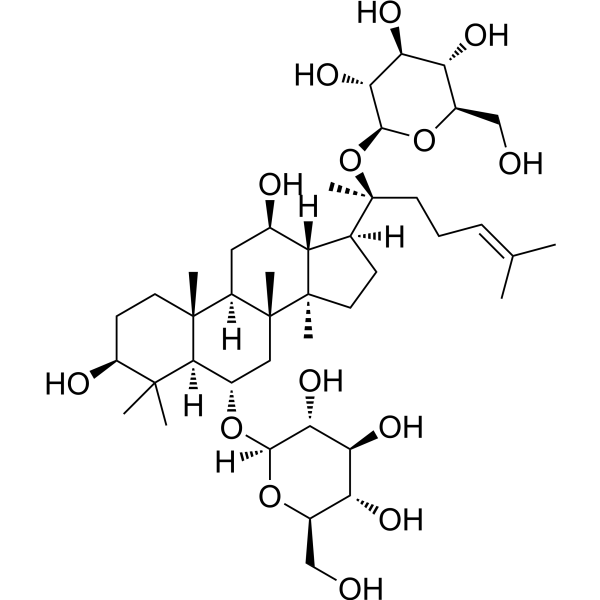
Ginsenoside Rg1 (Standard) is the analytical standard of Ginsenoside Rg1. This product is intended for research and analytical applications. Ginsenoside Rg1 is one of the major active components of Panax ginseng. Ginsenoside Rg1 ameliorates the impaired cognitive function, displays promising effects by reducing cerebral Aβ levels. Ginsenoside Rg1 also reduces NF-κB nuclear translocation.
|
-
-
- HY-W087952R
-
|
|
Drug Intermediate
Reference Standards
|
Endocrinology
|
|
Ginsenoside Rg1 (Standard) is the analytical standard of Ginsenoside Rg1. This product is intended for research and analytical applications. Ginsenoside Rg1 is one of the major active components of Panax ginseng. Ginsenoside Rg1 ameliorates the impaired cognitive function, displays promising effects by reducing cerebral Aβ levels. Ginsenoside Rg1 also reduces NF-κB nuclear translocation.
|
-
- HY-B1715R
-
|
ISF2522 (Standard)
|
Reference Standards
GABA Receptor
NO Synthase
|
Neurological Disease
Inflammation/Immunology
|
|
Oxiracetam (Standard) is the analytical standard of Oxiracetam. This product is intended for research and analytical applications. Oxiracetam (ISF2522) is an orally active and a BBB-penetrable cyclic derivative of γ-aminobutyric acid (GABA). Oxiracetam reaches the hippocampus and cerebral cortex in high concentrations. Oxiracetam can promote cognitive function and regulate inflammatory response, with powerful neuroprotective effects. Oxiracetam can be used in the study of central nervous system diseases .
|
-
- HY-103405A
-
|
|
Dopamine Receptor
|
Neurological Disease
|
|
NGD 94-1 (dimaleate) is a potent and selective dopamine D4 receptor antagonist. NGD 94-1 (dimaleate) shows high affinity for the cloned human D4.2 receptor (Ki = 3.6 nM). NGD 94-1 (dimaleate) modulates the cognitive functions of the frontostriatal system and regulates dopaminergic transmission in Phencyclidine (PCP)-induced monkeys. NGD 94-1 (dimaleate) can be used for neurological disease research [1][2].
|
-
- HY-P11226
-
|
|
Amyloid-β
CaMK
Apoptosis
|
Neurological Disease
|
|
TI-16 is a peptide that targets β-amyloid (Aβ) protein. TI-16 can cross the blood-brain barrier. TI-16 can increase the concentration of intracellular free CaM, thereby restoring calcium ion homeostasis and reducing Aβ toxicity. TI-16 can reduce the deposition of Aβ in the brain, improve neuronal pathology, inhibit cell apoptosis, and improve cognitive function in mice. TI-16 is commonly used in the study of Alzheimer's disease .
|
-
- HY-D0195R
-
|
|
Biochemical Assay Reagents
Reference Standards
|
Neurological Disease
Metabolic Disease
|
|
Acesulfame (potassium) (Standard) is the analytical standard of Acesulfame (potassium). This product is intended for research and analytical applications. Acesulfame potassium is an artificial sweetener. Acesulfame potassium (long-term) affects cognitive functions, potentially via altering neuro-metabolic functions in mice .
|
-
- HY-126658
-
|
|
Others
|
Neurological Disease
|
|
Lycophlegmine is an alkaloid isolated from the Lycopodiaceae plant family. Lycophlegmine possesses neuroprotective properties and is useful in the study of neurotransmission and cognitive function .
|
-
- HY-W550739
-
|
|
PD-1/PD-L1
ERK
mTOR
Autophagy
|
Neurological Disease
|
|
Acesulfame is a synthetic sweetener. Long-term use of Acesulfame can affect cognitive function, possibly by altering the neurometabolic functions in mice. Acesulfame potassium can suppress autophagic degradation of PD-L1 in RIL-175 and SK-Hep1 cells through the ERK1/2-mTORC1-ULK1 pathway, which may be related to immune evasion in cancer cells. Acesulfame can be used in research on neurological diseases, metabolic disorders, cancer, and immune evasion .
|
-
- HY-14824A
-
|
ABT 894 benzenesulfonate
|
nAChR
|
Neurological Disease
|
|
Sofinicline benzenesulfonate (ABT 894 benzenesulfonate) is a novel nicotinic acetylcholine receptor agonist, specifically acting on the α4β2 subtype of nAChR (IC50=0.1 nM). Sofinicline benzenesulfonate has the potential to improve cognitive function, including attention, memory and working memory. Sofinicline benzenesulfonate can be used in studies of attention deficit, hyperactivity disorder (ADHD) .
|
-
- HY-D0195S
-
|
|
Isotope-Labeled Compounds
Biochemical Assay Reagents
|
Others
|
|
Acesulfame-d4 potassium is the deuterium labeled Acesulfame (potassium) (HY-D0195) . Acesulfame potassium is an artificial sweetener. Acesulfame potassium (long-term) affects cognitive functions, potentially via altering neuro-metabolic functions in mice .
|
-
- HY-121650
-
|
|
Dopamine Receptor
|
Neurological Disease
|
|
ADTN is a dopamine receptor agonist that has the activity of promoting dopamine neurotransmission. ADTN can be used to increase the release of neurotransmitters, thereby improving dopamine-related physiological functions. ADTN's potential applications include inhibiting mental illness and improving cognitive function .
|
-
- HY-108157
-
|
|
mAChR
|
Neurological Disease
|
|
A-72055 is a partial agonist of muscarinic receptors. A-72055 has binding activity to both M1 and M2 receptors, with Ki values of 32 nM and 30 nM, respectively. A-72055 can enhance cognitive function and improve learning and memory deficits. A-72055 has better security. A-72055 can be used for research on neurological disorders such as cognitive impairment .
|
-
- HY-107111A
-
|
|
Cholinesterase (ChE)
mAChR
|
Neurological Disease
|
|
GSK1034702 hydrochloride is an orally active and allosteric agonist of M1 mAChR (pEC50=8.1) that can cross the blood-brain barrier. GSK1034702 hydrochloride activates the Gq/11 protein-mediated signaling pathway, enhancing neuronal firing and long-term potentiation (LTP) in the CA1 region of the hippocampus. GSK1034702 hydrochloride can modulate hippocampal function, improve memory encoding in the nicotine withdrawal cognitive dysfunction model, and show pro-cognitive effects in rodents. GSK1034702 hydrochloride can be used for the study of the mechanisms of cognitive impairment diseases such as Alzheimer's disease, and has certain peripheral M receptor activation-related side effects (such as gastrointestinal reactions) .
|
-
- HY-125095
-
|
Tunodafil hydrochloride
|
Phosphodiesterase (PDE)
|
Cardiovascular Disease
Neurological Disease
|
|
Yonkenafil (Tunodafil) hydrochloride, a novel phosphodiesterase 5 (PDE5) inhibitor, is effective in reducing cerebral infarction, neurological deficits, edema, and neuronal damage in the infarcted area. Yonkenafil (Tunodafil) hydrochloride may improve cognitive function by modulating neurogenesis and has a potential therapeutic effect on Alzheimer's disease .
|
-
- HY-18039
-
|
SEN15924
|
Cholinesterase (ChE)
|
Neurological Disease
|
|
WAY-361789 (SEN15924) is an orally active agonist for α7 nicotinic acetylcholine receptor (α7 nAChR) with an EC50 of 0.18 μM. WAY-361789 improves the cognitive function, exhibits potential in ameliorating Alzheimer’s Disease and schizophrenia .
|
-
- HY-103212B
-
|
B-HT 933
|
Adrenergic Receptor
|
Neurological Disease
|
|
Azepexole (B-HT 933) is a selective α2 adrenergic inducer with over 300-fold selectivity for α2 adrenergic receptors over α1 adrenergic receptors. Azepexole can be used to study the biological functions of α2 adrenergic receptors and inhibition of related diseases. Azepexole may also play a role in regulating mood and improving cognitive function .
|
-
- HY-101586A
-
|
Lu 25-109 maleate
|
mAChR
|
Neurological Disease
|
|
Alvameline (Lu 25-109) maleate is a partial agonist of M1 and an antagonist of M2/M3. Alvameline maleate competitively antagonizes contractions induced by ammonium chloride (HY-Y1269) and electrical field stimulation in human detrusor muscle, indicating its potential application in regulating bladder function. Additionally, alvameline maleate can improve cognitive function following traumatic brain injury in rats .
|
-
- HY-101282
-
|
|
Amyloid-β
|
Neurological Disease
|
|
Glutaminyl Cyclase Inhibitor 3 (compound 212 ), a designed anti-Alzheimer’s compound, is a potent human Glutaminyl Cyclase (GC) inhibitor, with an IC50 of 4.5 nM. Glutaminyl Cyclase-IN-1 (compound 212) significantly reduced the brain concentrations of pyroform Aβ and total Aβ and restored cognitive functions .
|
-
- HY-168031
-
-
- HY-U00033
-
|
|
Endogenous Metabolite
|
Neurological Disease
|
|
Iomazenil is a benzodiazepine receptor antagonist with partial inverse agonist activity. Iomazenil can assess the binding potential of central benzodiazepine receptors in the cerebral cortex and may reflect neuronal function in viable tissue. Iomazenil use is associated with improved cognitive function in adult patients with ischemic cerebral pathology after indirect revascularization surgery. Iomazenil demonstrated restoration of benzodiazepine receptor binding potential in the affected hemisphere after surgery on brain SPECT imaging .
|
-
- HY-114555
-
|
|
GlyT
|
Neurological Disease
|
|
TASP0315003 is a glycine transporter 1 (GlyT1) inhibitor. TASP0315003 potentiates NMDA receptor function by increasing synaptic glycine levels. TASP0315003 can improve cognitive dysfunction and the negative symptoms of schizophrenia without having undesirable central nervous system side effects. TASP0315003 can be used for the research of neurological disease .
|
-
- HY-B0702R
-
|
|
Reference Standards
Adrenergic Receptor
|
Cardiovascular Disease
Neurological Disease
|
|
Nicergoline (Standard) is the analytical standard of Nicergoline. This product is intended for research and analytical applications. Nicergoline, an ergoline derivative ester of bromonicotinic acid, is a potent, selective and orally active antagonist of α1A-adrenoceptor. Nicergoline has vasodilator effects. Nicergoline also has ameliorative effects on cognitive function in mouse models of Alzheimer's disease .
|
-
- HY-168028
-
|
|
mGluR
|
Neurological Disease
|
|
mGluR2 modulator 5 (Compound 11) is an orally active, selective mGluR2 negative allosteric modulator with an IC50 of 8.9 nM. Pharmacokinetic studies in rats show that mGluR2 modulator 5 can effectively cross the blood-brain barrier. It can modulate cognitive and neurological functions in mood disorders and is suitable for research in the field of neurodegenerative diseases .
|
-
- HY-B0702S
-
|
|
Isotope-Labeled Compounds
Adrenergic Receptor
|
Cardiovascular Disease
Neurological Disease
|
|
Nicergoline- 13C,d3 is the 13C- and deuterium labeled Nicergoline. Nicergoline, an ergoline derivative ester of bromonicotinic acid, is a potent, selective and orally active antagonist of α1A-adrenoceptor. Nicergoline has vasodilator effects. Nicergoline also has ameliorative effects on cognitive function in mouse models of Alzheimer's disease .
|
-
- HY-W743952
-
|
|
Isotope-Labeled Compounds
Adrenergic Receptor
|
Neurological Disease
|
|
Nicergoline-d3 is the deuterium labeled Nicergoline (HY-B0702). Nicergoline, an ergoline derivative ester of bromonicotinic acid, is a potent, selective and orally active antagonist of α1A-adrenoceptor. Nicergoline has vasodilator effects. Nicergoline also has ameliorative effects on cognitive function in mouse models of Alzheimer's disease .
|
-
- HY-150159S
-
|
|
Isotope-Labeled Compounds
Drug Metabolite
|
Neurological Disease
Metabolic Disease
|
|
Cotinine-d3 N-β-D-Glucuronide is the deuterium labeled Cotinine N-β-D-Glucuronide (HY-W588194). Cotinine N-β-D-Glucuronide is a glucuronide conjugate of the tobacco metabolite Cotinine (HY-B1178). Cotinine N-β-D-Glucuronide is promising for research of tobacco carcinogen metabolism and cognitive function .
|
-
- HY-167824
-
|
|
Endogenous Metabolite
|
Neurological Disease
|
|
SSR180711 is a potent and subtype-selective α7 agonist with activity in Alzheimer's disease and schizophrenia research. SSR180711 can be used to study subtypes of intracerebral hemorrhage associated with cerebral small vessel disease. SSR180711 shows potential in electrophysiological and behavioral studies to evaluate its effects on cognitive function. SSR180711 also has potential for studying cerebrovascular lesions and their effects .
|
-
- HY-120783
-
|
|
Endogenous Metabolite
|
Neurological Disease
|
|
Lu AF58801 is a potent, orally available, brain-penetrant positive allosteric modulator of α7 nicotinic acetylcholine receptors with efficacy in a novel object recognition task in mice. Lu AF58801 was shown to selectively enhance the activity of α7 nicotinic acetylcholine receptors. Lu AF58801 was able to improve cognitive function in mice treated with subchronic fluchlorothiazol (PCP) .
|
-
- HY-117467
-
|
|
iGluR
|
Neurological Disease
|
|
BMT-108908 is a negative allosteric modulator with selective activity on the NR2B subtype of the NMDA receptor. BMT-108908 has been shown to damage cognition in research, affecting cognitive functions in multiple areas. BMT-108908 failed to show a significant impact on the γ wave power of the EEG in the experiment, but it had a significant inhibitory and enhancement effect on the β wave and δ wave power .
|
-
- HY-101481R
-
|
|
Reference Standards
COX
Apoptosis
MEK
ERK
PPAR
AMPK
NF-κB
Interleukin Related
TNF Receptor
STAT
Wnt
|
Neurological Disease
Inflammation/Immunology
Cancer
|
|
Flurbiprofen axetil (Standard) is the analytical standard of Flurbiprofen axetil. This product is intended for research and analytical applications. Flurbiprofen axetil is a non-selective COX inhibitor and a nonsteroidal anti-inflammatory agent with anti-inflammatory and analgesic effects. Flurbiprofen axetil inhibits basal-like breast cancer metastasis by inhibiting the MEK/ERK signaling pathway. Flurbiprofen axetil can promote neuroprotection after focal cerebral ischemia in rats by partially activating PPAR-γ. Flurbiprofen axetil alleviates cerebral ischemia/reperfusion injury by reducing inflammation in a transient global cerebral ischemia/reperfusion rat model. Flurbiprofen axetil can alleviate inflammatory responses and cognitive function in a mild cognitive impairment (MCI) SD rat model through the AMPKα/NF-κB signaling pathway .
|
-
- HY-103405
-
|
|
Dopamine Receptor
|
Neurological Disease
|
|
NGD94-1 is a potent and selective dopamine D4 receptor antagonist. NGD94-1 shows high affinity for the cloned human D4.2 receptor (Ki = 3.6 nM). NGD94-1 modulates the cognitive functions of the frontostriatal system and regulates dopaminergic transmission in Phencyclidine (PCP)-induced monkeys. NGD94-1 can be used for neurological disease research [1][2].
|
-
- HY-W822786
-
|
|
5-HT Receptor
|
Neurological Disease
|
GR125487 is a highly selective and potent 5-HT4 receptor (5-HT4 receptor) antagonist with a Kd value of 0.1 nM. GR125487 has an extremely low affinity for 5-HT3 receptors (Kd > 1 μM). GR125487 completely antagonizes the memory-promoting effect of BIMU1, and its administration alone has no significant effect on basic social memory. GR125487 can be used for the study of social olfactory memory .
|
-
- HY-177149
-
|
|
Drug Derivative
|
Neurological Disease
|
|
Allantoin ascorbate is a complexe of Allantoin (HY-N0543). Allantoin is a skin conditioning agent that promotes healthy skin, stimulates new and healthy tissue growth. Allantoin enhances cognitive functions by the mediation of PI3K-Akt-GSK-3β signal pathway. Allantoin ascorbate is slao a skin conditioning agent .
|
-
- HY-117936
-
-
- HY-178395S
-
|
|
Isotope-Labeled Compounds
Free Fatty Acid Receptor
|
Neurological Disease
|
|
Tricosanoic acid-d45 is the deuterium labeled Tricosanoic acid (HY-W009081). Tricosanoic acid is an endogenous agonist of long-chain saturated fatty acids and free fatty acid receptor FFAR1, which can activate hair growth. Tricosanoic acid (C23:0) has the activity of improving cognitive function by regulating neuronal membrane fluidity, inhibiting neuroinflammatory response, participating in myelination and neuronal energy metabolism. Tricosanoic acid expression levels are low in the prefrontal cortex of Alzheimer's disease (AD) models; while better cognitive performance corresponds to higher serum concentration levels. Tricosanoic acid can be used as a biomarker for diseases related to cognitive decline .
|
-
- HY-W746542
-
|
|
Isotope-Labeled Compounds
Free Fatty Acid Receptor
|
Neurological Disease
|
|
Tricosanoic acid-d3 is the deuterium labeled Tricosanoic acid (HY-W009081). Tricosanoic acid is an endogenous agonist of long-chain saturated fatty acids and free fatty acid receptor FFAR1, which can activate hair growth. Tricosanoic acid (C23:0) has the activity of improving cognitive function by regulating neuronal membrane fluidity, inhibiting neuroinflammatory response, participating in myelination and neuronal energy metabolism. Tricosanoic acid expression levels are low in the prefrontal cortex of Alzheimer's disease (AD) models; while better cognitive performance corresponds to higher serum concentration levels. Tricosanoic acid can be used as a biomarker for diseases related to cognitive decline .
|
-
- HY-116488
-
|
|
nAChR
|
Neurological Disease
|
|
IND8 is a α7 nAChR activator and cognitive enhancer. IND8 mediates cognitive enhancement by activating α7 nAChR . IND8 improves spatial working memory, episodic short-term memory and spatial long-term memory in amnesic mice induced by Scopolamine (HY-N0296). IND8 improves memory function in mice with delayed natural memory decline. IND8 can be used in research related to Alzheimer's disease .
|
-
- HY-186073
-
|
|
HDAC
|
Neurological Disease
|
|
HDAC1 activator-1 is a specific HDAC1 activator with orally activity, exerting no significant effects on other HDAC family members. HDAC1 activator-1 exhibits neuroprotective activity, ameliorates cognitive and motor function deficits by reducing neuronal loss and gliosis. HDAC1 activator-1 specifically activates HDAC1 in SH-SY5Y cells and exerts regulatory effects on aberrant cell cycle and DNA damage. HDAC1 activator-1 can be used for the research of TDP-43 proteinopat1-related neurodegenerative diseases including Amyotrophic Lateral Sclerosis (ALS) and cerebral ischemia-related neurological injury .
|
-
- HY-179726
-
|
|
Cholinesterase (ChE)
|
Neurological Disease
|
|
BChE-IN-47 (Compound 13) is a selective butyrylcholinesterase (BChE) inhibitor with an IC50 of 0.045 μM. BChE-IN-47 enhances the level of acetylcholine in the brain by selectively inhibiting BChE, thereby improving cognitive function. BChE-IN-47 can be used for the research of Alzheimer’s disease .
|
-
- HY-107111R
-
|
|
Reference Standards
mAChR
|
Neurological Disease
|
|
GSK1034702 (Standard) is the analytical standard of GSK1034702 (HY-107111). This product is intended for research and analytical applications. GSK1034702 is an orally active and allosteric agonist of M1 mAChR (pEC50=8.1) that can cross the blood-brain barrier. GSK1034702 activates the Gq/11 protein-mediated signaling pathway, enhancing neuronal firing and long-term potentiation (LTP) in the CA1 region of the hippocampus. GSK1034702 can modulate hippocampal function, improve memory encoding in the nicotine withdrawal cognitive dysfunction model, and show pro-cognitive effects in rodents. GSK1034702 can be used for the study of the mechanisms of cognitive impairment diseases such as Alzheimer's disease, and has certain peripheral M receptor activation-related side effects (such as gastrointestinal reactions) .
|
-
- HY-P11780
-
|
|
Integrin
MMP
|
Neurological Disease
Cancer
|
|
KAFDITYVRLKF is a selective, competitive integrin αvβ3 binder. KAFDITYVRLKF induces the production of MMP-9. KAFDITYVRLKF blocks monocyte migration, promotes melanoma cell migration, protects neurons, and improves motor and cognitive functions. KAFDITYVRLKF can be used in research related to melanoma and Parkinson's disease .
|
-
- HY-182581
-
|
|
Histamine Receptor
|
Neurological Disease
|
|
MK-3134 is an orally active, brain-penetrant and selective histamine H3 receptor inverse agonist. MK-3134 modulates histaminergic neurotransmission, decreases constitutive H3 receptor signaling, releases tonic inhibition of neurotransmitter release, potentiates neurotransmission, and may enhance cholinergic neurotransmission. MK-3134 can be used for the research of Alzheimer's disease .
|
-
- HY-109590S4
-
|
Immunocytophyt-13C5
|
Isotope-Labeled Compounds
Endogenous Metabolite
|
Cardiovascular Disease
|
|
Arachidonic acid- 13C5 (Immunocytophyt- 13C5) is the 13C-labeled Arachidonic acid (HY-109590). Arachidonic acid (Immunocytophyt) is a polyunsaturated omega-6 fatty acid and a major constituent of biomembranes. Arachidonic acid also acts as the substrate for various lipid mediators, such as prostaglandins (PGs). Arachidonic acid improves cognitive response and cardiovascular function .
|
-
- HY-182325
-
|
|
Proteasome
Interleukin Related
|
Neurological Disease
|
|
DB-310 is a selective immunoproteasome LMP2 inhibitor with an IC50 value of 80.62 nM. DB-310 inhibits the production of IL-1α in microglia. DB-310 improves cognitive function in the Tg2576 transgenic mouse model of Alzheimer's disease. DB-310 can be used for research related to Alzheimer's disease .
|
-
- HY-204388
-
|
|
iGluR
Calcium Channel
|
Neurological Disease
|
|
TAK-137 is an AMPA receptor potentiator with weak agonistic effect. TAK-137 binds to the AMPA receptor ligand binding domain in a glutamate-dependent manner. TAK-137 potentiates AMPA-induced currents and Ca 2+ influx. TAK-137 can be used for the research of neurological disease .
|
-
- HY-103111R
-
|
|
Reference Standards
mGluR
|
Neurological Disease
|
|
MMPIP hydrochloride (Standard) is the analytical standard of MMPIP hydrochloride (HY-103111). This product is intended for research and analytical applications. MMPIP hydrochloride is an allosteric metabotropic glutamate receptor 7 (mGluR7) selective antagonist (KB values 24 -30 nM). MMPIP hydrochloride acts as a pharmacological tool for elucidating the roles of mGluR7 on central nervous system functions. MMPIP hydrochloride alleviates pain and normalizes affective and cognitive behavior in neuropathic mice .
|
-
- HY-170976
-
|
|
Cholinesterase (ChE)
|
Neurological Disease
|
|
BuChE-IN-16 (Compound 6a) is an orally active, BBB-permeable, and selective BuChE inhibitor with an IC50 of 0.33 μM. BuChE-IN-16 has anti-inflammatory and neuroprotective effects. BuChE-IN-16 can improve the cognitive function of zebrafish with Alzheimer's disease (AD) and alleviate memory impairment in mice induced by Scopolamine (HY-N0296). BuChE-IN-16 can be used for the research of AD .
|
-
- HY-179721
-
|
|
Cholecystokinin Receptor
|
Neurological Disease
|
|
CCKBR agonist-2 (Compound z-44) is a Gi-preferring CCKBR agonist. CCKBR agonist-2 effectively activates the CCKBR-Gi signaling pathway (EC50 = 0.27 nM), but has almost no activity on Gq and Gs signaling pathways. CCKBR agonist-2 shows no significant protective effect in the mouse Alzheimer's disease model, proving that the simple activation of the Gi signal pathway does not play a dominant role in the improvement of cognitive function .
|
-
- HY-148605
-
|
|
ATP Synthase
Drug Derivative
|
Cardiovascular Disease
Neurological Disease
Inflammation/Immunology
|
|
Aloracetam is a γ-aminobutyric acid cyclic derivative that can pass through the blood-brain barrier and has a significant enhancing cognitive function effect. Aloracetam improves the blood perfusion of brain tissue, increases the synthesis of proteins, ATP and acetylcholine in the brain, enhances the excitatory conduction effect of cholinergic nerves, and reduces the damage to brain tissue caused by cerebral vascular diseases. Aloracetam also has certain anti-epileptic, anti-inflammatory, analgesic and anti-depressant effects .
|
-
- HY-181167
-
|
|
Cholinesterase (ChE)
SOD
|
Neurological Disease
|
|
AChE/BChE-IN-34 is an acetylcholinesterase (AChE) and butyrylcholinesterase (BChE) inhibitor with IC50s of 5.97 μM and 4.57 μM, respectively. AChE/BChE-IN-34 functions as an antioxidant, oxidative stress inhibitor, reduces MDA levels, and elevates SOD and catalase in hippocampal tissue. AChE/BChE-IN-34 acts as a cognitive function enhancer, improves learning and memory in a Scopolamine (HY-N0296)-induced animal model. AChE/BChE-IN-34 is non-toxic in neuroblastoma cells across a specified concentration range. AChE/BChE-IN-34 can be used for the research of Alzheimer's disease .
|
-
- HY-181549
-
|
|
Phosphodiesterase (PDE)
|
Cardiovascular Disease
Neurological Disease
|
|
PDE4-IN-32 (Compound B05) is a selective, blood-brain barrier permeable PDE4B and PDE4D inhibitor with IC50 values of 13.7 nM and 23.8 nM, respectively. PDE4-IN-32 promotes the recovery of motor and cognitive function in MCAO/R mouse models. PDE4-IN-32 reduces cerebral edema. PDE4-IN-32 can be used for the research of ischemic stroke .
|
-
- HY-116580
-
|
|
Endogenous Metabolite
|
Neurological Disease
|
|
AZD-3289 is a potent BACE1 inhibitor with potential Alzheimer's disease inhibitory activity. The application of AZD-3289 is intended to slow the pathological progression of Alzheimer's disease by inhibiting the production of β-amyloid protein. The development of AZD-3289 responds to the need to reduce neurodegenerative changes associated with Alzheimer's disease. As a BACE1 inhibitor, AZD-3289 can effectively reduce the accumulation of β-amyloid peptide in the brain, which may improve cognitive function .
|
-
- HY-108942
-
|
|
Adenosine Receptor
|
Cardiovascular Disease
Neurological Disease
|
|
ASP5854 is an orally active, blood-brain barrier permeable adenosine A1/A2a dual receptor antagonist. ASP5854 blocks receptor activity and agonist-induced intracellular calcium elevation, and exhibits the characteristic of slow dissociation from striatal A2a receptors in primates. ASP5854 reverses catalepsy, enhances cognitive ability, improves motor function and exerts neuroprotective effects, while also alleviating dyskinesia and increasing contralateral turning behavior. ASP5854 is mainly used in studies related to ischemic stroke and Parkinson's disease .
|
-
- HY-W145699
-
|
|
Biochemical Assay Reagents
Endogenous Metabolite
|
Others
|
|
D-myo-Inositol 4-mono-phosphate, also known as IMP, is a phosphorylated form of inositol that is commonly found in various metabolic pathways, especially in the biosynthesis of phospholipids and cell signaling molecules. D-myo-Inositol 4-mono-phosphate has unique chemical properties that make it an important intermediate in the production of second messengers, such as inositol triphosphate (IP3) and diacylglycerol (DAG), which signal in cells plays a key role in. D-myo-Inositol 4-mono-phosphate is also used in dietary supplements and pharmaceuticals because of its potential health benefits, including improved insulin sensitivity and cognitive function.
|
-
- HY-117710B
-
|
|
Cholinesterase (ChE)
Amyloid-β
ERK
TNF Receptor
Interleukin Related
|
Neurological Disease
|
|
AD-35 is an orally active anti-Alzheimer's disease (AD) agent with moderate AChE inhibitory activity and metal ion chelating ability. AD-35 exhibits IC50 values for AChE and BuChE of 793 nM and 31428 nM, respectively. AD-35 can form chelates with Cu²⁺ and Fe³⁺, but its chelating ability for Zn²⁺ is relatively weak. AD-35 can inhibit Aβ aggregation and disassemble the formed Aβ aggregates, and inhibit Aβ-induced ERK phosphorylation. AD-35 inhibits neuroinflammation in AD rat models and demonstrates a strong effect in improving cognitive function .
|
-
- HY-P11677
-
|
|
|
Neurological Disease
|
|
CPO_Aβ17-21P is a apoE/Aβ interaction inhibitor with an IC50 of 1.02 nM. CPO_Aβ17-21P significantly inhibits ApoE4-mediated aggregation of Aβ40 and Aβ42. CPO_Aβ17-21P significantly improves cognitive function and comprehensively alleviates Alzheimer's disease (AD)-related pathologies in mouse models. CPO_Aβ17-21P is applicable to the research of AD .
|
-
- HY-163879
-
|
|
Monoamine Oxidase
Reactive Oxygen Species (ROS)
Ferroptosis
|
Neurological Disease
|
|
hMAO-B-IN-9 (Compound 25c) is a non-competitive inhibitor for monoamine oxidase B (MAO-B) with an IC50 of 1.58 µM (hMAO-B). hMAO-B-IN-9 forms complex with iron ions as a chelator, and inhibits Erastin (HY-15763)-induced ferroptosis. hMAO-B-IN-9 exhibits antioxidant activity by downregulating the level of reactive oxygen species (ROS). hMAO-B-IN-9 improves cognitive function in mice, without significant toxicity (30 mg/kg). hMAO-B-IN-9 is blood-brain barrier permeable, according to the in silico prediction .
|
-
- HY-D0914A
-
|
|
α-synuclein
|
Neurological Disease
|
|
Fast green FCF free acid is a dye that is acid-resistant. Fast Green FCF free acid inhibits α-synuclein aggregation, as well as Aβ, P2X4 receptor and TLR4/Myd88/NF-κB. Fast Green FCF free acid is widely used as a staining agent like quantitative stain for histones at alkaline pH after acid extraction of DNA, and as a protein stain in electrophoresis. Fast Green FCF free acid improves cognitive impairment, depression, relieves pain allergies, and promotes reproductive function .
|
-
- HY-171844
-
|
|
iGluR
|
Neurological Disease
Inflammation/Immunology
|
|
CX1739 is an orally active, blood-brain barrier permeable, low-efficacy AMPA-glutamate receptor (AMPAR) potentiator. CX1739 enhances excitatory neurotransmission by potentiating glutamate-induced excitatory currents and promoting in vivo long-term potentiation. CX1739 eliminates amphetamine-induced locomotor activity, reverses opioid-, pentobarbital- and ethanol-induced respiratory depression, and exerts pro-cognitive effects in animals. CX1739 impairs motor function recovery and increases the risk of post-injury complications. CX1739 can be used in research related to attention-deficit/hyperactivity disorder, dementia, respiratory depression and spinal cord injury .
|
-
- HY-N19420
-
|
|
Renin
Bacterial
Interleukin Related
TNF Receptor
|
Cardiovascular Disease
Inflammation/Immunology
|
|
Theasinensin C is an orally effective renin inhibitor and gut microbiota modulator, with an IC50 of 40.21 μM against renin activity. Theasinensin C selectively enriches Akkermansia muciniphila in the gut microbiota, enhances the Akkermansia muciniphila-mediated hydrolysis of the PTS domain of mucin, drives the accumulation of luminal glutamine and serine, and regulates the gut-kidney-liver glutamine/serine metabolic signaling pathway to promote creatine biosynthesis. Theasinensin C improves cognitive function, reduces pro-inflammatory cytokines, alleviates neuropathological changes and restores intestinal barrier integrity. Theasinensin C can be used in research related to hypertension and neuroinflammation induced by high-fructose diet .
|
-
- HY-N5139
-
|
Lecithins, egg yolk; Belovo PL 85
|
Cholinesterase (ChE)
Angiotensin-converting Enzyme (ACE)
Bacterial
|
Infection
Neurological Disease
Metabolic Disease
Inflammation/Immunology
|
|
Lecithins, egg (Lecithins, egg yolk; Belovo PL 85) is an orally active natural phospholipid mixture extracted from egg yolks . Lecithins, egg inhibits the activities of acetylcholinesterase (AChE) and angiotensin-converting enzyme (ACE). Lecithins, egg exhibits antibacterial, antioxidant and anti-inflammatory activities, and helps delay cellular senescence. Lecithins, egg enhances nerve conduction, improves memory and cognitive function, and exerts positive effects on delaying neurodegenerative diseases. Lecithins, egg promotes lipid absorption and alleviates diarrhea. Lecithins, egg acts as a high-efficiency drug carrier for the preparation of targeted drug delivery systems such as liposomes .
|
-
- HY-182028
-
|
|
17β-HSD
Reactive Oxygen Species (ROS)
Tau Protein
Amyloid-β
CDK
Mitochondrial Metabolism
|
Neurological Disease
|
|
17β-HSD10-IN-4 is a selective brain-penetrant 17β-HSD10 inhibitor with an IC50 of 6.33 μM. 17β-HSD10-IN-4 forms key interactions with the 17β-HSD10 catalytic triad to functionally inhibit the enzyme, without altering its protein levels. 17β-HSD10-IN-4 restores mitochondrial function, reduces ROS levels, increases ATP production, and suppresses cytochrome c release. 17β-HSD10-IN-4 attenuates CDK5/p25 activation, reduces Tau hyperphosphorylation, Aβ plaque load and restores brain-derived neurotrophic factor levels. 17β-HSD10-IN-4 improves cognitive function.17β-HSD10-IN-4 can be used for the research of Alzheimer's disease .
|
-
- HY-172350
-
|
|
SARS-CoV
Virus Protease
Interleukin Related
|
Infection
|
|
WEHI-P8 is an orally active SARS-CoV-2 papain-like protease (PLpro) inhibitor with an IC50 of 12 nM and a Kd of 9.0 nM. WEHI-P8 reduces viral load, body weight loss, pulmonary inflammation, immune cell infiltration and pro-inflammatory mediator levels in SARS-CoV-2-infected mice. WEHI-P8 prevents pulmonary hemorrhage, immune cell infiltration, fibrotic remodeling and neuroinflammation, and improves cognitive function in a mouse model of post-acute sequelae of SARS-CoV-2 infection (PASC). WEHI-P8 is applicable for the research of COVID-19 and PASC .
|
-
- HY-171472
-
|
|
Dopamine Receptor
|
Neurological Disease
|
|
A-86929 is a highly potent and selective dopamine D1 receptor agonist with a pKi value of 7.3. In the 6-OHDA (HY-B1081)-induced unilateral nigrostriatal lesion rat model, A-86929 significantly induces rotational behavior. It also improves motor function in the MPTP (HY-15608)-induced Parkinson's disease marmoset model. Additionally, A-86929 demonstrates potential therapeutic value in reducing cocaine-seeking behavior in rats and reversing Haloperidol (HY-14538)-induced cognitive deficits in rhesus monkeys. A-86929 can be used for research in neurological disorders .
|
-
- HY-165492
-
|
|
Reactive Oxygen Species (ROS)
NF-κB
Apoptosis
|
Neurological Disease
Inflammation/Immunology
|
|
OPC-14117 is an orally active superoxide radical scavenger that can cross the blood-brain barrier. OPC-14117 inhibits the oxidative stress cascade reaction, significantly reducing the increase in tissue osmotic pressure and alleviating brain edema in the brain contusion model. OPC-14117 blocks the NF-κB-dependent apoptotic pathway in the striatum neuron apoptosis model induced by Quinolinic acid (HY-100807). OPC-14117 can reduce the necrotic volume, protect hippocampal CA3 neurons and restore cognitive function. OPC-14117 can be used to study secondary brain injury and improve neurological prognosis .
|
-
- HY-D0914
-
|
FD&C Green No. 3; Food green 3; C.I. 42053
|
Environmental Pollutants
α-synuclein
|
Neurological Disease
|
|
Fast Green FCF is a sea green triarylmethane food dye, with absorption maximum ranging from 622 to 626 nm. Fast Green FCF inhibits α-synuclein aggregation, as well as Aβ and P2X4 receptor, and TLR4/Myd88/NF-κB. Fast Green FCF is widely used as a staining agent like quantitative stain for histones at alkaline pH after acid extraction of DNA, and as a protein stain in electrophoresis. Fast Green FCF improves cognitive impairment, depression, relieves pain allergies, and promotes reproductive function .
|
-
- HY-N1535
-
|
Rubescensine B
|
Apoptosis
Reactive Oxygen Species (ROS)
|
Neurological Disease
Cancer
|
|
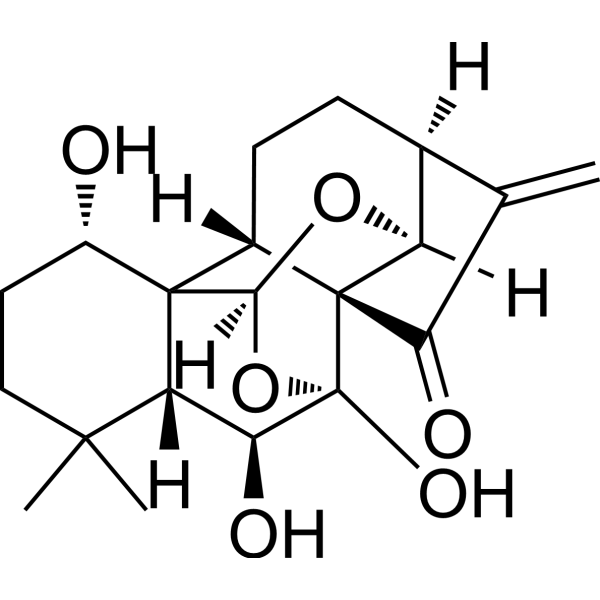
Ponicidin is an apoptosis inducer, cell growth inhibitor and neuroprotective agent, with a Ka of 135 nM for mouse RIPK1. Ponicidin regulates the JAK2/STAT3 pathway to induce apoptosis, activates the PI3K/Akt pathway, upregulates SIRT1 expression, alleviates oxidative stress, inhibits inflammatory responses and necroptosis, and blocks cell cycle progression. Ponicidin induces ROS production to exert antiproliferative and antiviral effects, while also improving cognitive function and reducing Aβ plaque deposition. Ponicidin is applicable to research related to hepatocellular carcinoma, Alzheimer's disease and gastric cancer .
|
-
- HY-169156
-
|
|
HDAC
Monoamine Oxidase
Cholinesterase (ChE)
Histamine Receptor
5-HT Receptor
|
Neurological Disease
|
|
HDAC6-IN-49 (Compound 3) is an inhibitor for HDAC with IC50 of 0.012 and 0.735 μM for HDAC6 and HDAC1. HDAC6-IN-49 also exhibits inhibitory activities against MAO-B, cholinesterase (ChE), histamine receptor (H3R) and serotonin 6 receptor (5-HT6R). HDAC6-IN-49 exhibits neuroprotective efficacy on SH-SY5Y cell. HDAC6-IN-49 improves cognitive function and locomotor ability in Drosophila Parkinson's disease models and in C. elegans Alzheimer's disease models .
|
-
- HY-N2515
-
|
|
NF-κB
PI3K
JAK
Apoptosis
|
Inflammation/Immunology
Cancer
|
|
Ginsenoside Rk1 is a unique component created by processing the ginseng plant (mainly Sung Ginseng, SG) at high temperatures .
Ginsenoside Rk1 has anti-inflammatory effect, suppresses the activation of Jak2/Stat3 signaling pathway and NF-κB .
Ginsenoside Rk1 has anti-tumor effect, antiplatelet aggregation activities, anti-insulin resistance, nephroprotective effect, antimicrobial effect, cognitive function enhancement, lipid accumulation reduction and prevents osteoporosis .
Ginsenoside Rk1 induces cell apoptosis by triggering intracellular reactive oxygen species (ROS) generation and blocking PI3K/Akt pathway .
|
-
- HY-W017424
-
|
|
Drug Intermediate
Caspase
Apoptosis
|
Neurological Disease
Cancer
|
|
2-Aminobenzothiazole acts as a caspase 3/7 activator, an anticancer cytotoxic agent, and also exhibits neurotoxicity. 2-Aminobenzothiazole drives the apoptotic pathway by activating caspase 3/7, induces mitochondrial inner membrane depolarization, and triggers both early and late apoptosis via a caspase-dependent pathway. In zebrafish models, 2-Aminobenzothiazole induces oxidative damage in brain tissues and inhibits genes related to GABA and 5-HT synthesis pathways. Long-term exposure to 2-Aminobenzothiazole impairs motor ability, social behavior, anxiety-like state and cognitive function. 2-Aminobenzothiazole can be used in studies of human laryngeal carcinoma and related neurotoxicity .
|
-
- HY-N4157R
-
|
|
Reference Standards
mAChR
5-HT Receptor
Bacterial
|
Neurological Disease
|
|
Isopteropodine (Standard) is the analytical standard of Isopteropodine (HY-N4157). This product is intended for research and analytical applications. Isopteropodine is a positive modulator that selectively acts on muscarinic M1 and 5-HT2 receptors. Isopteropodine has an EC50 of 9.92 μM for acetylcholine and 14.5 μM for 5-HT. Isopteropodine also has antibacterial activity against Gram-positive bacteria, with MICs of 150 μg/mL and 250 μg/mL for Staphylococcus aureus and Bacillus subtilis, respectively. Isopteropodine enhances receptor function by increasing the affinity of agonists for receptors and can also inhibit the growth of specific Gram-positive bacteria, and can be used in cognitive impairment and antibacterial research .
|
-
- HY-159838
-
|
EI‐1071
|
c-Fms
Amyloid-β
|
Neurological Disease
Cancer
|
|
Enrupatinib (EI‐1071) is a potent, orally active, CNS-penetrant and selective CSF1R inhibitor. Enrupatinib inhibits macrophage proliferation and osteoclast differentiation in vitro. Enrupatinib preserves microglia distal to Aβ plaques. Enrupatinib mitigates Alzheimer's disease (AD)-related pathologies by reducing neuroinflammation, preserving neuronal integrity, lowering disease-associated microglia gene expression, and enhancing cognitive function in 5xFAD and J20 mouse models. Enrupatinib reduces tumor-associated macrophage infiltration and enhances antitumor activity of anti-PD-1 antibody in murine colorectal cancer and breast cancer models. Enrupatinib can be used for the research of AD, colorectal cancer, and breast cancer .
|
-
- HY-149010
-
|
|
Keap1-Nrf2
|
Neurological Disease
|
|
NXPZ-2 is an orally active Keap1-Nrf2 protein–protein interaction (PPI) inhibitor with a Ki value of 95 nM, EC50 value of 120 and 170 nM. NXPZ-2 can dose-dependently ameliorate Aβ[1-42]-Induced cognitive dysfunction, improve brain tissue pathological changes in Alzheimer’s disease (AD) mouse by increasing neuron quantity and function. NXPZ-2 can inhibit oxidative stress by increasing Nrf2 expression levels and promoting its cytoplasm to nuclear translocation, which is helpful for Keap1-Nrf2 PPI inhibitors and AD associated disease research .
|
-
- HY-165527
-
|
|
Dopamine Receptor
5-HT Receptor
|
Neurological Disease
|
|
S18327 is a multi-target antipsychotic agent. S18327 exerts its efficacy by acting on multiple neurotransmitter systems in the brain, and it has antagonistic effects on dopamine receptors (particularly the D2 receptor) and 5-hydroxytryptamine 2A receptors (5-HT2A receptor). S18327 can counteract excessive dopamine activity and hypo-function of glutamate. S18327 exhibits a multi-parameter pharmacological profile that is highly similar to that of Clozapine (HY-14539). S18327 can produce the same discriminative stimulus as Clozapine, improve cognitive filtering deficits associated with schizophrenia, and display anxiolytic properties. S18327 has relatively weak affinity for histaminergic receptors and muscarinic receptors, which avoids the side effects of Clozapine .
|
-
- HY-P5381
-
-
- HY-N6043
-
|
|
Apoptosis
Reactive Oxygen Species (ROS)
Bacterial
SARS-CoV
Estrogen Receptor/ERR
|
Infection
Neurological Disease
Inflammation/Immunology
|
|
Hydroxytyrosol acetate is an orally active, blood-brain barrier-permeable multi-active compound with multiple effects including antibacterial, antioxidant, anti-platelet aggregation, and neuroprotective activities. Hydroxytyrosol acetate not only inhibits the growth of Vibrio by increasing bacterial membrane permeability, but also interacts with DNA and mediates supercoiled DNA relaxation. Meanwhile, Hydroxytyrosol acetate effectively reduces thrombosis and inhibits lipid oxidation by inhibiting COX activity and promoting vascular nitric oxide production. In terms of neuroprotection, Hydroxytyrosol acetate significantly alleviates neuronal apoptosis and inflammatory responses by up-regulating the expression level of ERβ, thereby improving cognitive function in Alzheimer's disease models. Hydroxytyrosol acetate has been widely used in scientific research related to Vibrio infection, arterial thrombosis, Alzheimer's disease and other related fields .
|
-
- HY-W017424R
-
|
|
Reference Standards
Apoptosis
Drug Intermediate
Caspase
|
Others
|
|
2-Aminobenzothiazole (Standard) is the analytical standard of 2-Aminobenzothiazole. This product is intended for research and analytical applications. 2-Aminobenzothiazole acts as a caspase 3/7 activator, an anticancer cytotoxic agent, and also exhibits neurotoxicity. 2-Aminobenzothiazole drives the apoptotic pathway by activating caspase 3/7, induces mitochondrial inner membrane depolarization, and triggers both early and late apoptosis via a caspase-dependent pathway. In zebrafish models, 2-Aminobenzothiazole induces oxidative damage in brain tissues and inhibits genes related to GABA and 5-HT synthesis pathways. Long-term exposure to 2-Aminobenzothiazole impairs motor ability, social behavior, anxiety-like state and cognitive function. 2-Aminobenzothiazole can be used in studies of human laryngeal carcinoma and related neurotoxicity .
|
-
- HY-N0570
-
|
DOPET; 3,4-Dihydroxyphenethyl alcohol; 3-Hydroxytyrosol
|
Apoptosis
Bacterial
Reactive Oxygen Species (ROS)
SARS-CoV
Estrogen Receptor/ERR
|
Infection
Cardiovascular Disease
Neurological Disease
Metabolic Disease
Inflammation/Immunology
Cancer
|
|
Hydroxytyrosol (DOPET; 3,4-Dihydroxyphenethyl alcohol) is an orally active, blood-brain barrier-permeable multi-active compound with multiple effects including antibacterial, antioxidant, anti-platelet aggregation, and neuroprotective activities. Hydroxytyrosol not only inhibits the growth of Vibrio by increasing bacterial membrane permeability, but also interacts with DNA and mediates supercoiled DNA relaxation. Meanwhile, Hydroxytyrosol effectively reduces thrombosis and inhibits lipid oxidation by inhibiting COX activity and promoting vascular nitric oxide production. In terms of neuroprotection, Hydroxytyrosol significantly alleviates neuronal apoptosis and inflammatory responses by up-regulating the expression level of ERβ, thereby improving cognitive function in Alzheimer's disease models. Hydroxytyrosol has been widely used in scientific research related to Vibrio infection, arterial thrombosis, Alzheimer's disease and other related fields .
|
-
- HY-W283930
-
|
|
Tau Protein
ATP Synthase
Mitophagy
Reactive Oxygen Species (ROS)
Mitochondrial Metabolism
|
Neurological Disease
Inflammation/Immunology
|
|
YHV98-4 is a selective, blood-brain barrier permeable Hv1 channel inhibitor. YHV98-4 specifically inhibits Hv1 with a half-maximal inhibitory concentration of 1 µM without inhibiting other ion channels. YHV98-4 reduces the propagation of p-tau. YHV98-4 increases ATP production, and enhances microglial mitophagy. YHV98-4 attenuates inflammatory pain via inhibition of Hv1 and ROS production. YHV98-4 enhances microglia-to-neuron mitochondrial transfer, promoting the delivery of functional mitochondria to rescue neuronal damage and improve cognitive function. YHV98-4 reduces inflammation. YHV98-4 can be used in the research of Alzheimer's disease .
|
-
- HY-N1414
-
|
|
Trk Receptor
NF-κB
Amyloid-β
|
Neurological Disease
|
|
(E)-3',6-Disinapoylsucrose is an orally active, blood-brain barrier permeable neuroprotective agent that inhibits Aβ protein aggregation. (E)-3',6-Disinapoylsucrose exerts anxiolytic, anti-inflammatory and cognitive-enhancing effects. (E)-3',6-Disinapoylsucrose regulates the TrkB/BDNF signaling pathway, inhibits the expression of NF-κB p65, reduces pro-inflammatory cytokine levels, and alleviates neuronal damage. (E)-3',6-Disinapoylsucrose also enhances the functions of central 5-HT and noradrenergic systems, thereby improving spatial learning and memory abilities and reducing anxiety-like behaviors. (E)-3',6-Disinapoylsucrose can be used for the research of related diseases such as Alzheimer's disease, depression, memory impairment and anxiety disorder .
|
-
- HY-N2515R
-
|
|
Reference Standards
NF-κB
PI3K
JAK
Apoptosis
|
Inflammation/Immunology
Cancer
|
|
Ginsenoside Rk1 (Standard) is the analytical standard of Ginsenoside Rk1. This product is intended for research and analytical applications. Ginsenoside Rk1 is a unique component created by processing the ginseng plant (mainly Sung Ginseng, SG) at high temperatures .
Ginsenoside Rk1 has anti-inflammatory effect, suppresses the activation of Jak2/Stat3 signaling pathway and NF-κB .
Ginsenoside Rk1 has anti-tumor effect, antiplatelet aggregation activities, anti-insulin resistance, nephroprotective effect, antimicrobial effect, cognitive function enhancement, lipid accumulation reduction and prevents osteoporosis .
Ginsenoside Rk1 induces cell apoptosis by triggering intracellular reactive oxygen species (ROS) generation and blocking PI3K/Akt pathway .
|
-
- HY-N6043R
-
|
|
Reference Standards
Apoptosis
Bacterial
Reactive Oxygen Species (ROS)
SARS-CoV
Estrogen Receptor/ERR
|
Infection
Cardiovascular Disease
Neurological Disease
Metabolic Disease
Inflammation/Immunology
Cancer
|
|
Hydroxytyrosol acetate (Standard) is the analytical standard of Hydroxytyrosol (HY-N0570). This product is intended for research and analytical applications. Hydroxytyrosol acetate is an orally active, blood-brain barrier-permeable multi-active compound with multiple effects including antibacterial, antioxidant, anti-platelet aggregation, and neuroprotective activities. Hydroxytyrosol acetate not only inhibits the growth of Vibrio by increasing bacterial membrane permeability, but also interacts with DNA and mediates supercoiled DNA relaxation. Meanwhile, Hydroxytyrosol acetate effectively reduces thrombosis and inhibits lipid oxidation by inhibiting COX activity and promoting vascular nitric oxide production. In terms of neuroprotection, Hydroxytyrosol acetate significantly alleviates neuronal apoptosis and inflammatory responses by up-regulating the expression level of ERβ, thereby improving cognitive function in Alzheimer's disease models. Hydroxytyrosol acetate has been widely used in scientific research related to Vibrio infection, arterial thrombosis, Alzheimer's disease and other related fields .
|
-
- HY-N0570S1
-
|
DOPET-d5; 3,4-Dihydroxyphenethyl alcohol-d5; 3-Hydroxytyrosol-d5
|
Isotope-Labeled Compounds
Apoptosis
Bacterial
Reactive Oxygen Species (ROS)
SARS-CoV
Estrogen Receptor/ERR
|
Cardiovascular Disease
Infection
Neurological Disease
Metabolic Disease
Inflammation/Immunology
Cancer
|
|
Hydroxytyrosol-d5 (DOPET-d5) is the deuterium labeled Hydroxytyrosol (HY-N0570). Hydroxytyrosol is an orally active, blood-brain barrier-permeable multi-active compound with multiple effects including antibacterial, antioxidant, anti-platelet aggregation, and neuroprotective activities. Hydroxytyrosol not only inhibits the growth of Vibrio by increasing bacterial membrane permeability, but also interacts with DNA and mediates supercoiled DNA relaxation. Meanwhile, Hydroxytyrosol effectively reduces thrombosis and inhibits lipid oxidation by inhibiting COX activity and promoting vascular nitric oxide production. In terms of neuroprotection, Hydroxytyrosol significantly alleviates neuronal apoptosis and inflammatory responses by up-regulating the expression level of ERβ, thereby improving cognitive function in Alzheimer's disease models. Hydroxytyrosol has been widely used in scientific research related to Vibrio infection, arterial thrombosis, Alzheimer's disease and other related fields .
|
-
- HY-N0570S
-
|
DOPET-d4; 3,4-Dihydroxyphenethyl alcohol-d4; 3-Hydroxytyrosol-d4
|
Isotope-Labeled Compounds
Apoptosis
Bacterial
Reactive Oxygen Species (ROS)
SARS-CoV
Estrogen Receptor/ERR
|
Cardiovascular Disease
Infection
Neurological Disease
Metabolic Disease
Inflammation/Immunology
Cancer
|
|
Hydroxytyrosol-d4 (DOPET-d4) is the deuterium labeled Hydroxytyrosol (HY-N0570). Hydroxytyrosol is an orally active, blood-brain barrier-permeable multi-active compound with multiple effects including antibacterial, antioxidant, anti-platelet aggregation, and neuroprotective activities. Hydroxytyrosol not only inhibits the growth of Vibrio by increasing bacterial membrane permeability, but also interacts with DNA and mediates supercoiled DNA relaxation. Meanwhile, Hydroxytyrosol effectively reduces thrombosis and inhibits lipid oxidation by inhibiting COX activity and promoting vascular nitric oxide production. In terms of neuroprotection, Hydroxytyrosol significantly alleviates neuronal apoptosis and inflammatory responses by up-regulating the expression level of ERβ, thereby improving cognitive function in Alzheimer's disease models. Hydroxytyrosol has been widely used in scientific research related to Vibrio infection, arterial thrombosis, Alzheimer's disease and other related fields .
|
-
- HY-120657
-
|
|
CGRP Receptor
NF-κB
|
Neurological Disease
Metabolic Disease
Inflammation/Immunology
|
|
9-PAHSA is an orally active endogenous GPR120 agonist (EC50=18 μM). 9-PAHSA significantly inhibits LPS-induced inflammatory responses by blocking the NF-κB pathway. 9-PAHSA induces adipocyte browning, enhances glucose uptake and reduces lipid accumulation, while improving mitochondrial function and the survival rate of steatotic hepatocytes. In terms of neuroprotection, 9-PAHSA regulates the expression of REST and BDNF in the prefrontal cortex of diabetic mice, and effectively prevents spatial working memory deficits and abnormal social behaviors. 9-PAHSA does not directly regulate insulin secretion or improve systemic insulin sensitivity, and possesses specific anti-inflammatory, metabolic regulatory and neuroprotective properties. 9-PAHSA can be used in the research of diabetes-related cognitive impairment, obesity and non-alcoholic fatty liver disease .
|
-
- HY-12688
-
|
|
Mitochondrial Metabolism
Reactive Oxygen Species (ROS)
Amyloid-β
|
Neurological Disease
Inflammation/Immunology
|
|
Succinyl phosphonate is a α-Ketoglutarate Dehydrogenase Complex (KGDHC) modulator with neuroprotective activity. Succinyl phosphonate protects this complex, reduces cellular succinyl-CoA concentration, downregulates protein succinylation levels, and inhibits the activity of the α-ketoglutarate dehydrogenase complex. Succinyl phosphonate corrects hypoxic or ethanol-induced behavioral impairments, modulates exploratory behavior and emotional stress responses, and improves hypoxia tolerance. Succinyl phosphonate reduces glutamate excitotoxicity, restores the activity of the α-ketoglutarate dehydrogenase complex, reverses the changes in glutamate dehydrogenase and glutamine synthetase activities induced by β-amyloid (Amyloid-β), modulates cognitive function, and prevents β-amyloid-induced neuronal damage. Succinyl phosphonate improves microglial senescence, alleviates neuroinflammation, reactive oxygen species (ROS) production, lipid peroxidation, and the expression of proinflammatory cytokines. Succinyl phosphonate can be used in the research of Alzheimer's disease, aging-related neuroinflammation, and Parkinson's disease .
|
-
- HY-W770410
-
|
|
Isotope-Labeled Compounds
CGRP Receptor
NF-κB
|
Others
|
|
9-PAHSA- 13C4 is 13C-labeled 9-PAHSA. 9-PAHSAis an orally active endogenous GPR120 agonist (EC50=18 μM). 9-PAHSAsignificantly inhibits LPS-induced inflammatory responses by blocking the NF-κB pathway. 9-PAHSAinduces adipocyte browning, enhances glucose uptake and reduces lipid accumulation, while improving mitochondrial function and the survival rate of steatotic hepatocytes. In terms of neuroprotection, 9-PAHSAregulates the expression of REST and BDNF in the prefrontal cortex of diabetic mice, and effectively prevents spatial working memory deficits and abnormal social behaviors. 9-PAHSAdoes not directly regulate insulin secretion or improve systemic insulin sensitivity, and possesses specific anti-inflammatory, metabolic regulatory and neuroprotective properties. 9-PAHSAcan be used in the research of diabetes-related cognitive impairment, obesity and non-alcoholic fatty liver disease .
|
-
- HY-N0570R
-
|
DOPET (Standard); 3,4-Dihydroxyphenethyl alcohol (Standard); 3-Hydroxytyrosol (Standard)
|
Reference Standards
Apoptosis
Bacterial
Reactive Oxygen Species (ROS)
SARS-CoV
Estrogen Receptor/ERR
|
Infection
Cardiovascular Disease
Neurological Disease
Metabolic Disease
Inflammation/Immunology
Cancer
|
|
Hydroxytyrosol (Standard) (DOPET (Standard)) is the analytical standard of Hydroxytyrosol (HY-N0570). This product is intended for research and analytical applications. Hydroxytyrosol is an orally active, blood-brain barrier-permeable multi-active compound with multiple effects including antibacterial, antioxidant, anti-platelet aggregation, and neuroprotective activities. Hydroxytyrosol not only inhibits the growth of Vibrio by increasing bacterial membrane permeability, but also interacts with DNA and mediates supercoiled DNA relaxation. Meanwhile, Hydroxytyrosol effectively reduces thrombosis and inhibits lipid oxidation by inhibiting COX activity and promoting vascular nitric oxide production. In terms of neuroprotection, Hydroxytyrosol significantly alleviates neuronal apoptosis and inflammatory responses by up-regulating the expression level of ERβ, thereby improving cognitive function in Alzheimer's disease models. Hydroxytyrosol has been widely used in scientific research related to Vibrio infection, arterial thrombosis, Alzheimer's disease and other related fields .
|
-
- HY-120657R
-
|
|
Reference Standards
CGRP Receptor
NF-κB
|
Cardiovascular Disease
Inflammation/Immunology
|
|
Flumethrin (Standard) is the analytical standard of Flumethrin. This product is intended for research and analytical applications. 9-PAHSA is an orally active endogenous GPR120 agonist (EC50=18 μM). 9-PAHSA significantly inhibits LPS-induced inflammatory responses by blocking the NF-κB pathway. 9-PAHSA induces adipocyte browning, enhances glucose uptake and reduces lipid accumulation, while improving mitochondrial function and the survival rate of steatotic hepatocytes. In terms of neuroprotection, 9-PAHSA regulates the expression of REST and BDNF in the prefrontal cortex of diabetic mice, and effectively prevents spatial working memory deficits and abnormal social behaviors. 9-PAHSA does not directly regulate insulin secretion or improve systemic insulin sensitivity, and possesses specific anti-inflammatory, metabolic regulatory and neuroprotective properties. 9-PAHSA can be used in the research of diabetes-related cognitive impairment, obesity and non-alcoholic fatty liver disease .
|
-
- HY-144026S
-
|
|
CGRP Receptor
NF-κB
|
Inflammation/Immunology
|
|
9-PAHSA-d9 is the deuterium labeled 9-PAHSA (HY-120657). 9-PAHSA is an orally active endogenous GPR120 agonist (EC50=18 μM). 9-PAHSA significantly inhibits LPS-induced inflammatory responses by blocking the NF-κB pathway. 9-PAHSA induces adipocyte browning, enhances glucose uptake and reduces lipid accumulation, while improving mitochondrial function and the survival rate of steatotic hepatocytes. In terms of neuroprotection, 9-PAHSA regulates the expression of REST and BDNF in the prefrontal cortex of diabetic mice, and effectively prevents spatial working memory deficits and abnormal social behaviors. 9-PAHSA does not directly regulate insulin secretion or improve systemic insulin sensitivity, and possesses specific anti-inflammatory, metabolic regulatory and neuroprotective properties. 9-PAHSA can be used in the research of diabetes-related cognitive impairment, obesity and non-alcoholic fatty liver disease .
|
-
- HY-120657S
-
|
|
Isotope-Labeled Compounds
CGRP Receptor
NF-κB
|
Others
|
|
9-PAHSA-d4 is the deuterium labeled 9-PAHSA. 9-PAHSA is an orally active endogenous GPR120 agonist (EC50=18 μM). 9-PAHSA significantly inhibits LPS-induced inflammatory responses by blocking the NF-κB pathway. 9-PAHSA induces adipocyte browning, enhances glucose uptake and reduces lipid accumulation, while improving mitochondrial function and the survival rate of steatotic hepatocytes. In terms of neuroprotection, 9-PAHSA regulates the expression of REST and BDNF in the prefrontal cortex of diabetic mice, and effectively prevents spatial working memory deficits and abnormal social behaviors. 9-PAHSA does not directly regulate insulin secretion or improve systemic insulin sensitivity, and possesses specific anti-inflammatory, metabolic regulatory and neuroprotective properties. 9-PAHSA can be used in the research of diabetes-related cognitive impairment, obesity and non-alcoholic fatty liver disease .
|
-
- HY-120657S1
-
|
|
Isotope-Labeled Compounds
CGRP Receptor
NF-κB
|
Others
|
|
9-PAHSA-d31 is the deuterium labeled 9-PAHSA. 9-PAHSA is an orally active endogenous GPR120 agonist (EC50=18 μM). 9-PAHSA significantly inhibits LPS-induced inflammatory responses by blocking the NF-κB pathway. 9-PAHSA induces adipocyte browning, enhances glucose uptake and reduces lipid accumulation, while improving mitochondrial function and the survival rate of steatotic hepatocytes. In terms of neuroprotection, 9-PAHSA regulates the expression of REST and BDNF in the prefrontal cortex of diabetic mice, and effectively prevents spatial working memory deficits and abnormal social behaviors. 9-PAHSA does not directly regulate insulin secretion or improve systemic insulin sensitivity, and possesses specific anti-inflammatory, metabolic regulatory and neuroprotective properties. 9-PAHSA can be used in the research of diabetes-related cognitive impairment, obesity and non-alcoholic fatty liver disease .
|
-
- HY-12688A
-
|
|
Mitochondrial Metabolism
Reactive Oxygen Species (ROS)
Amyloid-β
|
Neurological Disease
Inflammation/Immunology
|
|
Succinyl phosphonate trisodium salt is a α-Ketoglutarate Dehydrogenase Complex (KGDHC) modulator with neuroprotective activity. Succinyl phosphonate trisodium salt protects this complex, reduces cellular succinyl-CoA concentration, downregulates protein succinylation levels, and inhibits the activity of the α-ketoglutarate dehydrogenase complex. Succinyl phosphonate trisodium salt corrects hypoxic or ethanol-induced behavioral impairments, modulates exploratory behavior and emotional stress responses, and improves hypoxia tolerance. Succinyl phosphonate trisodium salt reduces glutamate excitotoxicity, restores the activity of the α-ketoglutarate dehydrogenase complex, reverses the changes in glutamate dehydrogenase and glutamine synthetase activities induced by β-amyloid (Amyloid-β), modulates cognitive function, and prevents β-amyloid-induced neuronal damage. Succinyl phosphonate trisodium salt improves microglial senescence, alleviates neuroinflammation, reactive oxygen species (ROS) production, lipid peroxidation, and the expression of proinflammatory cytokines. Succinyl phosphonate trisodium salt can be used in the research of Alzheimer's disease, aging-related neuroinflammation, and Parkinson's disease .
|
-
| Cat. No. |
Product Name |
Type |
-
- HY-D0914
-
|
FD&C Green No. 3; Food green 3; C.I. 42053
|
Fluorescent Dye
|
|
Fast Green FCF is a sea green triarylmethane food dye, with absorption maximum ranging from 622 to 626 nm. Fast Green FCF inhibits α-synuclein aggregation, as well as Aβ and P2X4 receptor, and TLR4/Myd88/NF-κB. Fast Green FCF is widely used as a staining agent like quantitative stain for histones at alkaline pH after acid extraction of DNA, and as a protein stain in electrophoresis. Fast Green FCF improves cognitive impairment, depression, relieves pain allergies, and promotes reproductive function .
|
-
- HY-D0914A
-
|
|
Fluorescent Dye
|
|
Fast green FCF free acid is a dye that is acid-resistant. Fast Green FCF free acid inhibits α-synuclein aggregation, as well as Aβ, P2X4 receptor and TLR4/Myd88/NF-κB. Fast Green FCF free acid is widely used as a staining agent like quantitative stain for histones at alkaline pH after acid extraction of DNA, and as a protein stain in electrophoresis. Fast Green FCF free acid improves cognitive impairment, depression, relieves pain allergies, and promotes reproductive function .
|
| Cat. No. |
Product Name |
Type |
-
- HY-W236261
-
|
ATEE
|
Biochemical Assay Reagents
|
|
N-Acetyl-L-tyrosine ethyl ester (ATEE) is a compound commonly used as a food flavoring and supplement. It is an ester of tyrosine, an amino acid found in many proteins. N-Acetyl-L-tyrosine ethyl ester is sweet, nutty and caramelized and is commonly used to enhance the flavor of baked goods, dairy products and beverages. Potential health benefits of N-Acetyl-L-tyrosine ethyl ester include its antioxidant properties and ability to improve cognitive function.
|
-
- HY-W145699
-
|
|
Biochemical Assay Reagents
|
|
D-myo-Inositol 4-mono-phosphate, also known as IMP, is a phosphorylated form of inositol that is commonly found in various metabolic pathways, especially in the biosynthesis of phospholipids and cell signaling molecules. D-myo-Inositol 4-mono-phosphate has unique chemical properties that make it an important intermediate in the production of second messengers, such as inositol triphosphate (IP3) and diacylglycerol (DAG), which signal in cells plays a key role in. D-myo-Inositol 4-mono-phosphate is also used in dietary supplements and pharmaceuticals because of its potential health benefits, including improved insulin sensitivity and cognitive function.
|
| Cat. No. |
Product Name |
Target |
Research Area |
-
- HY-P3247
-
|
|
Insulin Receptor
|
Neurological Disease
Metabolic Disease
|
|
[D-Ala2]-GIP (human) is a GIP receptor agonist (EC50 = 630 pM). [D-Ala2]-GIP (human) improves glucose tolerance. [D-Ala2]-GIP (human) shows neuroprotective activity in MPTP (HY-W114750)-induced Parkinson's disease model. [D-Ala2]-GIP (human) also improves cognitive function and hippocampal synaptic plasticity in obese diabetic rats. [D-Ala2]-GIP (human) can be used for research of type 2 diabetes, Parkinson's disease, etc
|
-
- HY-P5381
-
-
- HY-P11226
-
|
|
Amyloid-β
CaMK
Apoptosis
|
Neurological Disease
|
|
TI-16 is a peptide that targets β-amyloid (Aβ) protein. TI-16 can cross the blood-brain barrier. TI-16 can increase the concentration of intracellular free CaM, thereby restoring calcium ion homeostasis and reducing Aβ toxicity. TI-16 can reduce the deposition of Aβ in the brain, improve neuronal pathology, inhibit cell apoptosis, and improve cognitive function in mice. TI-16 is commonly used in the study of Alzheimer's disease .
|
-
- HY-P11780
-
|
|
Integrin
MMP
|
Neurological Disease
Cancer
|
|
KAFDITYVRLKF is a selective, competitive integrin αvβ3 binder. KAFDITYVRLKF induces the production of MMP-9. KAFDITYVRLKF blocks monocyte migration, promotes melanoma cell migration, protects neurons, and improves motor and cognitive functions. KAFDITYVRLKF can be used in research related to melanoma and Parkinson's disease .
|
-
- HY-P11677
-
|
|
|
Neurological Disease
|
|
CPO_Aβ17-21P is a apoE/Aβ interaction inhibitor with an IC50 of 1.02 nM. CPO_Aβ17-21P significantly inhibits ApoE4-mediated aggregation of Aβ40 and Aβ42. CPO_Aβ17-21P significantly improves cognitive function and comprehensively alleviates Alzheimer's disease (AD)-related pathologies in mouse models. CPO_Aβ17-21P is applicable to the research of AD .
|
| Cat. No. |
Product Name |
Target |
Research Area |
Image |
-
- HY-P99959
-
|
MT-3921; rH116A3
|
TGF-β Receptor
|
Neurological Disease
|
|
Unasnemab (MT-3921) is a humanised IgG1 monoclonal antibody that binds to repulsive guidance molecule A (RGMa). Unasnemab improves locomotor function and promotes neuroregeneration. Unasnemab exerts ameliorative effects on hippocampal neurogenesis impairment and cognitive decline in db/db mice, Streptozotocin (STZ) (HY-13753)-induced type 1 diabetic and bilateral common carotid artery stenosis (BCAS)-induced mice. Unasnemab can be used for the research of spinal cord injury, diabetes-induced neurological impairments .
|
-
(5)
| Cat. No. |
Product Name |
Category |
Target |
Chemical Structure |
-
- HY-109590
-
-
-
- HY-N0045
-
-
-
- HY-N0570
-
|
DOPET; 3,4-Dihydroxyphenethyl alcohol; 3-Hydroxytyrosol
|
Infection
Structural Classification
Canarium album (Lour.) Rauesch.
Classification of Application Fields
Phenols
Polyphenols
Plants
Endogenous metabolite
Burseraceae
Inflammation/Immunology
Disease Research Fields
Source Classification
|
Apoptosis
Bacterial
Reactive Oxygen Species (ROS)
SARS-CoV
Estrogen Receptor/ERR
|
|
Hydroxytyrosol (DOPET; 3,4-Dihydroxyphenethyl alcohol) is an orally active, blood-brain barrier-permeable multi-active compound with multiple effects including antibacterial, antioxidant, anti-platelet aggregation, and neuroprotective activities. Hydroxytyrosol not only inhibits the growth of Vibrio by increasing bacterial membrane permeability, but also interacts with DNA and mediates supercoiled DNA relaxation. Meanwhile, Hydroxytyrosol effectively reduces thrombosis and inhibits lipid oxidation by inhibiting COX activity and promoting vascular nitric oxide production. In terms of neuroprotection, Hydroxytyrosol significantly alleviates neuronal apoptosis and inflammatory responses by up-regulating the expression level of ERβ, thereby improving cognitive function in Alzheimer's disease models. Hydroxytyrosol has been widely used in scientific research related to Vibrio infection, arterial thrombosis, Alzheimer's disease and other related fields .
|
-
-
- HY-17552
-
-
-
- HY-B0030
-
-
-
- HY-N2515
-
-
-
- HY-N0272
-
-
-
- HY-12688A
-
|
|
Structural Classification
Classification of Application Fields
Ketones, Aldehydes, Acids
Metabolic Disease
Endogenous metabolite
Disease Research Fields
Source Classification
Cancer
|
Mitochondrial Metabolism
Reactive Oxygen Species (ROS)
Amyloid-β
|
|
Succinyl phosphonate trisodium salt is a α-Ketoglutarate Dehydrogenase Complex (KGDHC) modulator with neuroprotective activity. Succinyl phosphonate trisodium salt protects this complex, reduces cellular succinyl-CoA concentration, downregulates protein succinylation levels, and inhibits the activity of the α-ketoglutarate dehydrogenase complex. Succinyl phosphonate trisodium salt corrects hypoxic or ethanol-induced behavioral impairments, modulates exploratory behavior and emotional stress responses, and improves hypoxia tolerance. Succinyl phosphonate trisodium salt reduces glutamate excitotoxicity, restores the activity of the α-ketoglutarate dehydrogenase complex, reverses the changes in glutamate dehydrogenase and glutamine synthetase activities induced by β-amyloid (Amyloid-β), modulates cognitive function, and prevents β-amyloid-induced neuronal damage. Succinyl phosphonate trisodium salt improves microglial senescence, alleviates neuroinflammation, reactive oxygen species (ROS) production, lipid peroxidation, and the expression of proinflammatory cytokines. Succinyl phosphonate trisodium salt can be used in the research of Alzheimer's disease, aging-related neuroinflammation, and Parkinson's disease .
|
-
-
- HY-Y1117
-
-
-
- HY-N1535
-
-
-
- HY-W009081
-
-
-
- HY-N6043
-
|
|
Structural Classification
Canarium album (Lour.) Rauesch.
Classification of Application Fields
Phenols
Polyphenols
Plants
Burseraceae
Inflammation/Immunology
Disease Research Fields
Source Classification
|
Apoptosis
Reactive Oxygen Species (ROS)
Bacterial
SARS-CoV
Estrogen Receptor/ERR
|
|
Hydroxytyrosol acetate is an orally active, blood-brain barrier-permeable multi-active compound with multiple effects including antibacterial, antioxidant, anti-platelet aggregation, and neuroprotective activities. Hydroxytyrosol acetate not only inhibits the growth of Vibrio by increasing bacterial membrane permeability, but also interacts with DNA and mediates supercoiled DNA relaxation. Meanwhile, Hydroxytyrosol acetate effectively reduces thrombosis and inhibits lipid oxidation by inhibiting COX activity and promoting vascular nitric oxide production. In terms of neuroprotection, Hydroxytyrosol acetate significantly alleviates neuronal apoptosis and inflammatory responses by up-regulating the expression level of ERβ, thereby improving cognitive function in Alzheimer's disease models. Hydroxytyrosol acetate has been widely used in scientific research related to Vibrio infection, arterial thrombosis, Alzheimer's disease and other related fields .
|
-
-
- HY-N1414
-
|
|
Structural Classification
Simple Phenylpropanols
Polygalaceae
Phenols
Polyphenols
Phenylpropanoids
Plants
Polygala tenuifolia Willd.
Source Classification
|
Trk Receptor
NF-κB
Amyloid-β
|
|
(E)-3',6-Disinapoylsucrose is an orally active, blood-brain barrier permeable neuroprotective agent that inhibits Aβ protein aggregation. (E)-3',6-Disinapoylsucrose exerts anxiolytic, anti-inflammatory and cognitive-enhancing effects. (E)-3',6-Disinapoylsucrose regulates the TrkB/BDNF signaling pathway, inhibits the expression of NF-κB p65, reduces pro-inflammatory cytokine levels, and alleviates neuronal damage. (E)-3',6-Disinapoylsucrose also enhances the functions of central 5-HT and noradrenergic systems, thereby improving spatial learning and memory abilities and reducing anxiety-like behaviors. (E)-3',6-Disinapoylsucrose can be used for the research of related diseases such as Alzheimer's disease, depression, memory impairment and anxiety disorder .
|
-
-
- HY-120657
-
|
|
Structural Classification
Classification of Application Fields
Ketones, Aldehydes, Acids
Other Diseases
Endogenous metabolite
Disease Research Fields
Source Classification
|
CGRP Receptor
NF-κB
|
|
9-PAHSA is an orally active endogenous GPR120 agonist (EC50=18 μM). 9-PAHSA significantly inhibits LPS-induced inflammatory responses by blocking the NF-κB pathway. 9-PAHSA induces adipocyte browning, enhances glucose uptake and reduces lipid accumulation, while improving mitochondrial function and the survival rate of steatotic hepatocytes. In terms of neuroprotection, 9-PAHSA regulates the expression of REST and BDNF in the prefrontal cortex of diabetic mice, and effectively prevents spatial working memory deficits and abnormal social behaviors. 9-PAHSA does not directly regulate insulin secretion or improve systemic insulin sensitivity, and possesses specific anti-inflammatory, metabolic regulatory and neuroprotective properties. 9-PAHSA can be used in the research of diabetes-related cognitive impairment, obesity and non-alcoholic fatty liver disease .
|
-
-
- HY-N7509
-
-
-
- HY-116753
-
|
|
Clausena lansium (Lour.) Skeels
Rutaceae
Plants
Source Classification
|
Amyloid-β
Tau Protein
|
|
(-)Clausenamide is an active alkaloid isolated from the leaves of Clausena lansium (Lour.) Skeels, and improves cognitive function in both normal physiological and pathological conditions. (-)Clausenamide inhibits β-amyloid (Aβ) toxicity, blocking neurofibrillary tangle formation by inhibiting the phosphorylation of tau protein. (-)Clausenamide exerts a significant neuroprotective activity against Aβ25-35. (-)Clausenamide can be used for researching Alzheimer's disease (AD) .
|
-
-
- HY-N0570R
-
|
DOPET (Standard); 3,4-Dihydroxyphenethyl alcohol (Standard); 3-Hydroxytyrosol (Standard)
|
Structural Classification
Canarium album (Lour.) Rauesch.
Phenols
Polyphenols
Plants
Endogenous metabolite
Burseraceae
Source Classification
|
Reference Standards
Apoptosis
Bacterial
Reactive Oxygen Species (ROS)
SARS-CoV
Estrogen Receptor/ERR
|
|
Hydroxytyrosol (Standard) (DOPET (Standard)) is the analytical standard of Hydroxytyrosol (HY-N0570). This product is intended for research and analytical applications. Hydroxytyrosol is an orally active, blood-brain barrier-permeable multi-active compound with multiple effects including antibacterial, antioxidant, anti-platelet aggregation, and neuroprotective activities. Hydroxytyrosol not only inhibits the growth of Vibrio by increasing bacterial membrane permeability, but also interacts with DNA and mediates supercoiled DNA relaxation. Meanwhile, Hydroxytyrosol effectively reduces thrombosis and inhibits lipid oxidation by inhibiting COX activity and promoting vascular nitric oxide production. In terms of neuroprotection, Hydroxytyrosol significantly alleviates neuronal apoptosis and inflammatory responses by up-regulating the expression level of ERβ, thereby improving cognitive function in Alzheimer's disease models. Hydroxytyrosol has been widely used in scientific research related to Vibrio infection, arterial thrombosis, Alzheimer's disease and other related fields .
|
-
-
- HY-N5130
-
-
-
- HY-B0030R
-
-
-
- HY-17552R
-
|
Choline Alfoscerate (Standard); Alpha-GPC (Standard); L-α-GPC (Standard)
|
Structural Classification
Natural Products
Microorganisms
Endogenous metabolite
Source Classification
|
Reference Standards
Cholinesterase (ChE)
Endogenous Metabolite
|
|
sn-Glycero-3-phosphocholine (Standard) is the analytical standard of sn-Glycero-3-phosphocholine. This product is intended for research and analytical applications. sn-Glycero-3-phosphocholine (Choline Alfoscerate) is a precursor in the biosynthesis of brain phospholipids and increases the bioavailability of choline in nervous tissue. sn-Glycero-3-phosphocholine (Choline Alfoscerate) has significant effects on cognitive function with a good safety profile and tolerability, and is effective in the treatment of Alzheimer's disease and dementia[1][2].
|
-
-
- HY-12688
-
|
|
Structural Classification
Neurological Disease
Classification of Application Fields
Ketones, Aldehydes, Acids
Endogenous metabolite
Disease Research Fields
Source Classification
|
Mitochondrial Metabolism
Reactive Oxygen Species (ROS)
Amyloid-β
|
|
Succinyl phosphonate is a α-Ketoglutarate Dehydrogenase Complex (KGDHC) modulator with neuroprotective activity. Succinyl phosphonate protects this complex, reduces cellular succinyl-CoA concentration, downregulates protein succinylation levels, and inhibits the activity of the α-ketoglutarate dehydrogenase complex. Succinyl phosphonate corrects hypoxic or ethanol-induced behavioral impairments, modulates exploratory behavior and emotional stress responses, and improves hypoxia tolerance. Succinyl phosphonate reduces glutamate excitotoxicity, restores the activity of the α-ketoglutarate dehydrogenase complex, reverses the changes in glutamate dehydrogenase and glutamine synthetase activities induced by β-amyloid (Amyloid-β), modulates cognitive function, and prevents β-amyloid-induced neuronal damage. Succinyl phosphonate improves microglial senescence, alleviates neuroinflammation, reactive oxygen species (ROS) production, lipid peroxidation, and the expression of proinflammatory cytokines. Succinyl phosphonate can be used in the research of Alzheimer's disease, aging-related neuroinflammation, and Parkinson's disease .
|
-
-
- HY-76632
-
-
-
- HY-N1414A
-
|
|
Natural Products
Polymer products
Plants
Brassicaceae
Raphanus sativus Linn.
|
Bcl-2 Family
Apoptosis
|
|
3′,6-Disinapoylsucrose is a type of oligosaccharide that's effective when taken orally, and it has antidepressant, anti-anxiety, and antioxidant properties. 3′,6-Disinapoylsucrose inhibits neuronal apoptosis by lowering the ratio of Bax to Bcl-2 in hippocampal neurons, and it enhances cognitive function in APP/PS1 transgenic mice by activating the CREB/BDNF signaling pathway .
|
-
-
- HY-N9785
-
|
|
Zea mays L.
Simple Phenylpropanols
Gramineae
Phenylpropanoids
Plants
Source Classification
|
Others
|
|
1-O-trans-p-Coumaroylglycerol is a compound found in certain plants that has neuroprotective activity. 1-O-trans-p-Coumaroylglycerol has shown potential in protecting against neurodegenerative diseases. 1-O-trans-p-Coumaroylglycerol is also believed to act as a natural antioxidant, and its applications may include improving cognitive function and supporting neurological health .
|
-
-
- HY-N4157
-
|
|
Uncaria rhynchophylla (Miq.) Miq. ex Havil.
Structural Classification
Iridoids
Terpenoids
Rubiaceae
Plants
Source Classification
|
mAChR
5-HT Receptor
Bacterial
|
|
Isopteropodine is a positive modulator that selectively acts on muscarinic M1 and 5-HT2 receptors. Isopteropodine has an EC50 of 9.92 μM for acetylcholine and 14.5 μM for 5-HT. Isopteropodine also has antibacterial activity against Gram-positive bacteria, with MICs of 150 μg/mL and 250 μg/mL for Staphylococcus aureus and Bacillus subtilis, respectively. Isopteropodine enhances receptor function by increasing the affinity of agonists for receptors and can also inhibit the growth of specific Gram-positive bacteria, and can be used in cognitive impairment and antibacterial research .
|
-
-
- HY-W145699
-
-
-
- HY-N0045R
-
-
-
- HY-W087952R
-
-
-
- HY-126658
-
-
-
- HY-N4157R
-
|
|
Uncaria rhynchophylla (Miq.) Miq. ex Havil.
Structural Classification
Iridoids
Terpenoids
Rubiaceae
Plants
Source Classification
|
Reference Standards
mAChR
5-HT Receptor
Bacterial
|
|
Isopteropodine (Standard) is the analytical standard of Isopteropodine (HY-N4157). This product is intended for research and analytical applications. Isopteropodine is a positive modulator that selectively acts on muscarinic M1 and 5-HT2 receptors. Isopteropodine has an EC50 of 9.92 μM for acetylcholine and 14.5 μM for 5-HT. Isopteropodine also has antibacterial activity against Gram-positive bacteria, with MICs of 150 μg/mL and 250 μg/mL for Staphylococcus aureus and Bacillus subtilis, respectively. Isopteropodine enhances receptor function by increasing the affinity of agonists for receptors and can also inhibit the growth of specific Gram-positive bacteria, and can be used in cognitive impairment and antibacterial research .
|
-
-
- HY-N2515R
-
|
|
Panax ginseng C. A. Meyer
Triterpenes
Structural Classification
Terpenoids
Plants
Araliaceae
Source Classification
|
Reference Standards
NF-κB
PI3K
JAK
Apoptosis
|
|
Ginsenoside Rk1 (Standard) is the analytical standard of Ginsenoside Rk1. This product is intended for research and analytical applications. Ginsenoside Rk1 is a unique component created by processing the ginseng plant (mainly Sung Ginseng, SG) at high temperatures .
Ginsenoside Rk1 has anti-inflammatory effect, suppresses the activation of Jak2/Stat3 signaling pathway and NF-κB .
Ginsenoside Rk1 has anti-tumor effect, antiplatelet aggregation activities, anti-insulin resistance, nephroprotective effect, antimicrobial effect, cognitive function enhancement, lipid accumulation reduction and prevents osteoporosis .
Ginsenoside Rk1 induces cell apoptosis by triggering intracellular reactive oxygen species (ROS) generation and blocking PI3K/Akt pathway .
|
-
-
- HY-N6043R
-
|
|
Structural Classification
Canarium album (Lour.) Rauesch.
Phenols
Polyphenols
Plants
Burseraceae
Source Classification
|
Reference Standards
Apoptosis
Bacterial
Reactive Oxygen Species (ROS)
SARS-CoV
Estrogen Receptor/ERR
|
|
Hydroxytyrosol acetate (Standard) is the analytical standard of Hydroxytyrosol (HY-N0570). This product is intended for research and analytical applications. Hydroxytyrosol acetate is an orally active, blood-brain barrier-permeable multi-active compound with multiple effects including antibacterial, antioxidant, anti-platelet aggregation, and neuroprotective activities. Hydroxytyrosol acetate not only inhibits the growth of Vibrio by increasing bacterial membrane permeability, but also interacts with DNA and mediates supercoiled DNA relaxation. Meanwhile, Hydroxytyrosol acetate effectively reduces thrombosis and inhibits lipid oxidation by inhibiting COX activity and promoting vascular nitric oxide production. In terms of neuroprotection, Hydroxytyrosol acetate significantly alleviates neuronal apoptosis and inflammatory responses by up-regulating the expression level of ERβ, thereby improving cognitive function in Alzheimer's disease models. Hydroxytyrosol acetate has been widely used in scientific research related to Vibrio infection, arterial thrombosis, Alzheimer's disease and other related fields .
|
-
-
- HY-120657R
-
|
|
Structural Classification
Ketones, Aldehydes, Acids
Endogenous metabolite
Source Classification
|
Reference Standards
CGRP Receptor
NF-κB
|
|
Flumethrin (Standard) is the analytical standard of Flumethrin. This product is intended for research and analytical applications. 9-PAHSA is an orally active endogenous GPR120 agonist (EC50=18 μM). 9-PAHSA significantly inhibits LPS-induced inflammatory responses by blocking the NF-κB pathway. 9-PAHSA induces adipocyte browning, enhances glucose uptake and reduces lipid accumulation, while improving mitochondrial function and the survival rate of steatotic hepatocytes. In terms of neuroprotection, 9-PAHSA regulates the expression of REST and BDNF in the prefrontal cortex of diabetic mice, and effectively prevents spatial working memory deficits and abnormal social behaviors. 9-PAHSA does not directly regulate insulin secretion or improve systemic insulin sensitivity, and possesses specific anti-inflammatory, metabolic regulatory and neuroprotective properties. 9-PAHSA can be used in the research of diabetes-related cognitive impairment, obesity and non-alcoholic fatty liver disease .
|
-
-
- HY-N19420
-
|
|
Structural Classification
Phenols
Polyphenols
Camellia sinensis (L.) O. Ktze.
Plants
Source Classification
Theaceae
|
Renin
Bacterial
Interleukin Related
TNF Receptor
|
|
Theasinensin C is an orally effective renin inhibitor and gut microbiota modulator, with an IC50 of 40.21 μM against renin activity. Theasinensin C selectively enriches Akkermansia muciniphila in the gut microbiota, enhances the Akkermansia muciniphila-mediated hydrolysis of the PTS domain of mucin, drives the accumulation of luminal glutamine and serine, and regulates the gut-kidney-liver glutamine/serine metabolic signaling pathway to promote creatine biosynthesis. Theasinensin C improves cognitive function, reduces pro-inflammatory cytokines, alleviates neuropathological changes and restores intestinal barrier integrity. Theasinensin C can be used in research related to hypertension and neuroinflammation induced by high-fructose diet .
|
-
| Cat. No. |
Product Name |
Chemical Structure |
-
- HY-17552S
-
|
|
|
sn-Glycero-3-phosphocholine-d9 is the deuterium labeled sn-Glycero-3-phosphocholine. sn-Glycero-3-phosphocholine (Choline Alfoscerate) is a precursor in the biosynthesis of brain phospholipids and increases the bioavailability of choline in nervous tissue. sn-Glycero-3-phosphocholine (Choline Alfoscerate) has significant effects on cognitive function with a good safety profile and tolerability, and is effective in the treatment of Alzheimer's disease and dementia .
|
-
-
- HY-W770410
-
|
|
|
9-PAHSA- 13C4 is 13C-labeled 9-PAHSA. 9-PAHSAis an orally active endogenous GPR120 agonist (EC50=18 μM). 9-PAHSAsignificantly inhibits LPS-induced inflammatory responses by blocking the NF-κB pathway. 9-PAHSAinduces adipocyte browning, enhances glucose uptake and reduces lipid accumulation, while improving mitochondrial function and the survival rate of steatotic hepatocytes. In terms of neuroprotection, 9-PAHSAregulates the expression of REST and BDNF in the prefrontal cortex of diabetic mice, and effectively prevents spatial working memory deficits and abnormal social behaviors. 9-PAHSAdoes not directly regulate insulin secretion or improve systemic insulin sensitivity, and possesses specific anti-inflammatory, metabolic regulatory and neuroprotective properties. 9-PAHSAcan be used in the research of diabetes-related cognitive impairment, obesity and non-alcoholic fatty liver disease .
|
-
-
- HY-N0570S
-
|
|
|
Hydroxytyrosol-d4 (DOPET-d4) is the deuterium labeled Hydroxytyrosol (HY-N0570). Hydroxytyrosol is an orally active, blood-brain barrier-permeable multi-active compound with multiple effects including antibacterial, antioxidant, anti-platelet aggregation, and neuroprotective activities. Hydroxytyrosol not only inhibits the growth of Vibrio by increasing bacterial membrane permeability, but also interacts with DNA and mediates supercoiled DNA relaxation. Meanwhile, Hydroxytyrosol effectively reduces thrombosis and inhibits lipid oxidation by inhibiting COX activity and promoting vascular nitric oxide production. In terms of neuroprotection, Hydroxytyrosol significantly alleviates neuronal apoptosis and inflammatory responses by up-regulating the expression level of ERβ, thereby improving cognitive function in Alzheimer's disease models. Hydroxytyrosol has been widely used in scientific research related to Vibrio infection, arterial thrombosis, Alzheimer's disease and other related fields .
|
-
-
- HY-N0570S1
-
|
|
|
Hydroxytyrosol-d5 (DOPET-d5) is the deuterium labeled Hydroxytyrosol (HY-N0570). Hydroxytyrosol is an orally active, blood-brain barrier-permeable multi-active compound with multiple effects including antibacterial, antioxidant, anti-platelet aggregation, and neuroprotective activities. Hydroxytyrosol not only inhibits the growth of Vibrio by increasing bacterial membrane permeability, but also interacts with DNA and mediates supercoiled DNA relaxation. Meanwhile, Hydroxytyrosol effectively reduces thrombosis and inhibits lipid oxidation by inhibiting COX activity and promoting vascular nitric oxide production. In terms of neuroprotection, Hydroxytyrosol significantly alleviates neuronal apoptosis and inflammatory responses by up-regulating the expression level of ERβ, thereby improving cognitive function in Alzheimer's disease models. Hydroxytyrosol has been widely used in scientific research related to Vibrio infection, arterial thrombosis, Alzheimer's disease and other related fields .
|
-
-
- HY-120657S
-
|
|
|
9-PAHSA-d4 is the deuterium labeled 9-PAHSA. 9-PAHSA is an orally active endogenous GPR120 agonist (EC50=18 μM). 9-PAHSA significantly inhibits LPS-induced inflammatory responses by blocking the NF-κB pathway. 9-PAHSA induces adipocyte browning, enhances glucose uptake and reduces lipid accumulation, while improving mitochondrial function and the survival rate of steatotic hepatocytes. In terms of neuroprotection, 9-PAHSA regulates the expression of REST and BDNF in the prefrontal cortex of diabetic mice, and effectively prevents spatial working memory deficits and abnormal social behaviors. 9-PAHSA does not directly regulate insulin secretion or improve systemic insulin sensitivity, and possesses specific anti-inflammatory, metabolic regulatory and neuroprotective properties. 9-PAHSA can be used in the research of diabetes-related cognitive impairment, obesity and non-alcoholic fatty liver disease .
|
-
-
- HY-D0195S
-
|
|
|
Acesulfame-d4 potassium is the deuterium labeled Acesulfame (potassium) (HY-D0195) . Acesulfame potassium is an artificial sweetener. Acesulfame potassium (long-term) affects cognitive functions, potentially via altering neuro-metabolic functions in mice .
|
-
-
- HY-B0702S
-
|
|
|
Nicergoline- 13C,d3 is the 13C- and deuterium labeled Nicergoline. Nicergoline, an ergoline derivative ester of bromonicotinic acid, is a potent, selective and orally active antagonist of α1A-adrenoceptor. Nicergoline has vasodilator effects. Nicergoline also has ameliorative effects on cognitive function in mouse models of Alzheimer's disease .
|
-
-
- HY-W743952
-
|
|
|
Nicergoline-d3 is the deuterium labeled Nicergoline (HY-B0702). Nicergoline, an ergoline derivative ester of bromonicotinic acid, is a potent, selective and orally active antagonist of α1A-adrenoceptor. Nicergoline has vasodilator effects. Nicergoline also has ameliorative effects on cognitive function in mouse models of Alzheimer's disease .
|
-
-
- HY-150159S
-
|
|
|
Cotinine-d3 N-β-D-Glucuronide is the deuterium labeled Cotinine N-β-D-Glucuronide (HY-W588194). Cotinine N-β-D-Glucuronide is a glucuronide conjugate of the tobacco metabolite Cotinine (HY-B1178). Cotinine N-β-D-Glucuronide is promising for research of tobacco carcinogen metabolism and cognitive function .
|
-
-
- HY-144026S
-
|
|
|
9-PAHSA-d9 is the deuterium labeled 9-PAHSA (HY-120657). 9-PAHSA is an orally active endogenous GPR120 agonist (EC50=18 μM). 9-PAHSA significantly inhibits LPS-induced inflammatory responses by blocking the NF-κB pathway. 9-PAHSA induces adipocyte browning, enhances glucose uptake and reduces lipid accumulation, while improving mitochondrial function and the survival rate of steatotic hepatocytes. In terms of neuroprotection, 9-PAHSA regulates the expression of REST and BDNF in the prefrontal cortex of diabetic mice, and effectively prevents spatial working memory deficits and abnormal social behaviors. 9-PAHSA does not directly regulate insulin secretion or improve systemic insulin sensitivity, and possesses specific anti-inflammatory, metabolic regulatory and neuroprotective properties. 9-PAHSA can be used in the research of diabetes-related cognitive impairment, obesity and non-alcoholic fatty liver disease .
|
-
-
- HY-120657S1
-
|
|
|
9-PAHSA-d31 is the deuterium labeled 9-PAHSA. 9-PAHSA is an orally active endogenous GPR120 agonist (EC50=18 μM). 9-PAHSA significantly inhibits LPS-induced inflammatory responses by blocking the NF-κB pathway. 9-PAHSA induces adipocyte browning, enhances glucose uptake and reduces lipid accumulation, while improving mitochondrial function and the survival rate of steatotic hepatocytes. In terms of neuroprotection, 9-PAHSA regulates the expression of REST and BDNF in the prefrontal cortex of diabetic mice, and effectively prevents spatial working memory deficits and abnormal social behaviors. 9-PAHSA does not directly regulate insulin secretion or improve systemic insulin sensitivity, and possesses specific anti-inflammatory, metabolic regulatory and neuroprotective properties. 9-PAHSA can be used in the research of diabetes-related cognitive impairment, obesity and non-alcoholic fatty liver disease .
|
-
-
- HY-178395S
-
|
|
|
Tricosanoic acid-d45 is the deuterium labeled Tricosanoic acid (HY-W009081). Tricosanoic acid is an endogenous agonist of long-chain saturated fatty acids and free fatty acid receptor FFAR1, which can activate hair growth. Tricosanoic acid (C23:0) has the activity of improving cognitive function by regulating neuronal membrane fluidity, inhibiting neuroinflammatory response, participating in myelination and neuronal energy metabolism. Tricosanoic acid expression levels are low in the prefrontal cortex of Alzheimer's disease (AD) models; while better cognitive performance corresponds to higher serum concentration levels. Tricosanoic acid can be used as a biomarker for diseases related to cognitive decline .
|
-
-
- HY-W746542
-
|
|
|
Tricosanoic acid-d3 is the deuterium labeled Tricosanoic acid (HY-W009081). Tricosanoic acid is an endogenous agonist of long-chain saturated fatty acids and free fatty acid receptor FFAR1, which can activate hair growth. Tricosanoic acid (C23:0) has the activity of improving cognitive function by regulating neuronal membrane fluidity, inhibiting neuroinflammatory response, participating in myelination and neuronal energy metabolism. Tricosanoic acid expression levels are low in the prefrontal cortex of Alzheimer's disease (AD) models; while better cognitive performance corresponds to higher serum concentration levels. Tricosanoic acid can be used as a biomarker for diseases related to cognitive decline .
|
-
-
- HY-109590S4
-
|
|
|
Arachidonic acid- 13C5 (Immunocytophyt- 13C5) is the 13C-labeled Arachidonic acid (HY-109590). Arachidonic acid (Immunocytophyt) is a polyunsaturated omega-6 fatty acid and a major constituent of biomembranes. Arachidonic acid also acts as the substrate for various lipid mediators, such as prostaglandins (PGs). Arachidonic acid improves cognitive response and cardiovascular function .
|
-
| Cat. No. |
Product Name |
|
Classification |
-
- HY-120276
-
|
GR3027
|
|
Alkynes
|
|
Golexanolone is a GABAA receptor modulating steroid antagonist. Golexanolone reduces peripheral inflammation and neuroinflammation and improves cognitive and motor function in hyperammonemic rats .
|
| Cat. No. |
Product Name |
|
Classification |
-
- HY-N5139
-
|
Lecithins, egg yolk; Belovo PL 85
|
|
Emulsifiers
Liposomal Film-forming Agents
Solubilizing Agents
|
|
Lecithins, egg (Lecithins, egg yolk; Belovo PL 85) is an orally active natural phospholipid mixture extracted from egg yolks . Lecithins, egg inhibits the activities of acetylcholinesterase (AChE) and angiotensin-converting enzyme (ACE). Lecithins, egg exhibits antibacterial, antioxidant and anti-inflammatory activities, and helps delay cellular senescence. Lecithins, egg enhances nerve conduction, improves memory and cognitive function, and exerts positive effects on delaying neurodegenerative diseases. Lecithins, egg promotes lipid absorption and alleviates diarrhea. Lecithins, egg acts as a high-efficiency drug carrier for the preparation of targeted drug delivery systems such as liposomes .
|
Your information is safe with us. * Required Fields.
Inquiry Information
- Product Name:
- Cat. No.:
- Quantity:
- MCE Japan Authorized Agent:

