

From 11:00 pm to 12:00 pm EST ( 8:00 pm to 9:00 pm PST ) on January 6th, the website will be under maintenance. We are sorry for the inconvenience. Please arrange your schedule properly.
Thyroglobulin is a 660 kDa, dimeric glycoprotein produced by the follicular cells of the thyroid and used entirely within the thyroid gland. Thyroglobulin acts as a substrate for the synthesis of the thyroid hormones thyroxine (T4) and triiodothyronine (T3), as well as the storage of the inactive forms of thyroid hormone and iodine within the follicular lumen of a thyroid follicle. Thyroglobulin activates Akt kinase activity in FRTL-5 thyroid cell .
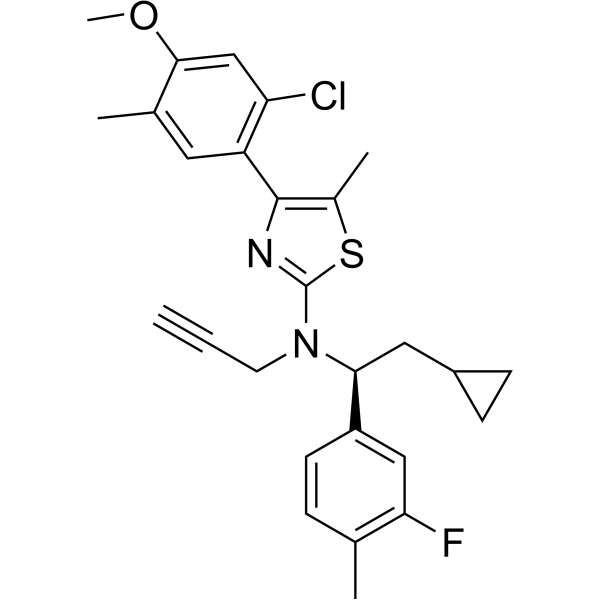
Crinecerfont (SSR-125543) is an orally effective corticotropin-releasing factor receptor type-1 (CRF1 receptor) antagonist. Crinecerfont blocks CRF1 receptor signaling to reduce adrenocorticotropic hormone secretion. Crinecerfont improves hypothalamic-pituitary-adrenal axis negative feedback sensitivity in chronically stressed mice. Crinecerfont can be used for the research of chronic stress conditions and classic congenital adrenal hyperplasia due to 21-hydroxylase deficiency . Crinecerfont is a click chemistry reagent, it contains an Alkyne group and can undergo copper-catalyzed azide-alkyne cycloaddition (CuAAc) with molecules containing Azide groups.
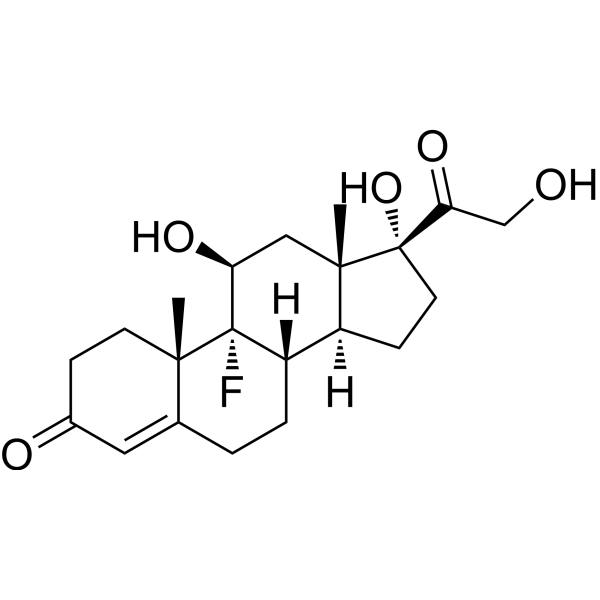
Fludrocortisone (9α-Fludrocortisone) is an orally active mineralocorticoid and glucocorticoid receptor agonist. Fludrocortisone suppresses pro-inflammatory cytokine expression, reduces CCL2, IL-6, IL-8 levels, upregulates mineralocorticoid receptor (MR) expression, induces PI3K/Akt, GSK-3β, CREB, ERK1/2, mTOR phosphorylation, blocks Tau hyperphosphorylation, prevents apoptosis, promotes survival and proliferation, enhances renal sodium and water transport, increases plasma volume and blood pressure, reduces plasma potassium and renin activity, stimulates erythropoietin expression, modulates uterine receptivity genes, and reverses PP242-induced MUC1 upregulation. Fludrocortisone can be used for the research of congenital adrenal hyperplasia, postural hypotension, and adrenal insufficiency .
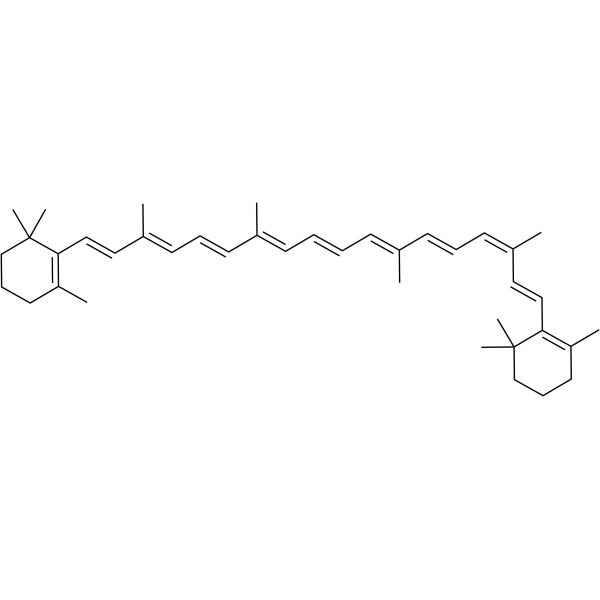
9-cis-β-Carotene, a precursor of retinal, is cleaved by beta-carotene oxygenase 1 (BCMO1) to produce 9-cis-retinal. 9-cis-β-Carotene inhibits photoreceptor degeneration and restores retinal function in vivo. 9-cis-β-Carotene has the potential for the study of congenital stationary night blindness and fundus albipunctatus .
Sotatercept (mIgG2a) (RAP-011), the murine homolog of Sotatercept (ACE-011) (HY-P99590), is a soluble activin receptor type IIA (ActRIIA) ligand trap. Sotatercept (mIgG2a) inhibits the binding of activin A and other members of the TGF-β superfamily (such as Activin A/B, GDF11 and BMP9/10) to their receptors by combining and neutralizing them, thereby regulating cell proliferation and differentiation. Sotatercept (mIgG2a) mainly inhibits the SMAD2/3 signaling pathway, and can be used in various diseases such as chronic kidney disease. Sotatercept (mIgG2a) reduces the expression of erythropoietic hepcidin (ERFE), regulates iron metabolism, and promotes red blood cell production. Sotatercept (mIgG2a) has a dual effect of promoting bone formation (anabolic) and inhibiting bone resorption (catabolic) .
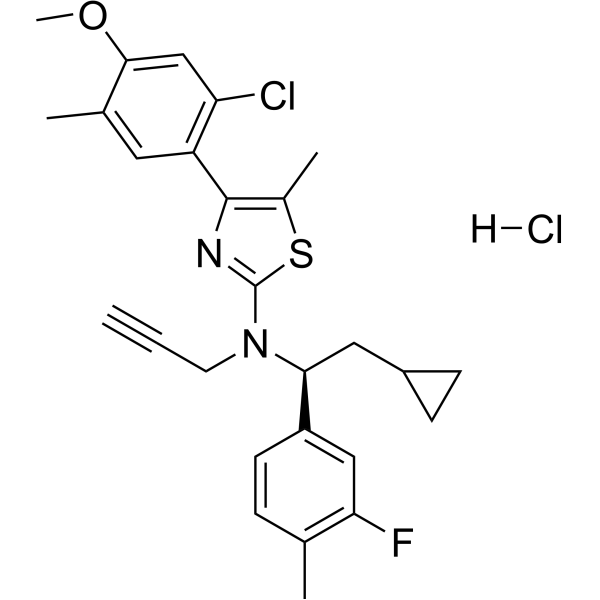
Crinecerfont (SSR-125543) hydrochloride is an orally effective corticotropin-releasing factor receptor type-1 (CRF1 receptor) antagonist. Crinecerfont hydrochloride blocks CRF1 receptor signaling to reduce adrenocorticotropic hormone secretion. Crinecerfont hydrochloride improves hypothalamic-pituitary-adrenal axis negative feedback sensitivity in chronically stressed mice. Crinecerfont hydrochloride can be used for the research of chronic stress conditions and classic congenital adrenal hyperplasia due to 21-hydroxylase deficiency . Crinecerfont hydrochloride is a click chemistry reagent, it contains an Alkyne group and can undergo copper-catalyzed azide-alkyne cycloaddition (CuAAc) with molecules containing Azide groups.
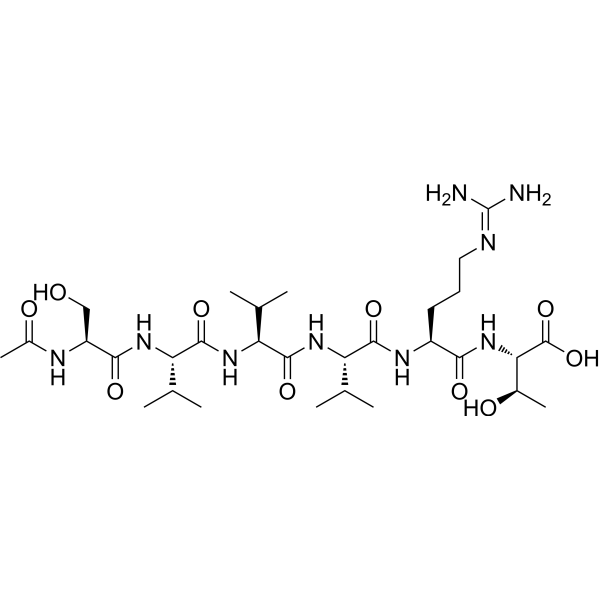
Acetyl hexapeptide-38 is a tissue repair promoter that targets fibroblasts in the dermis of the skin. It works by promoting collagen synthesis in the dermis and thickening of subcutaneous fat. Acetyl hexapeptide-38 can activate the skin repair mechanism, increase the collagen content in the dermis, improve the skin tissue structure, and has the activity of promoting local tissue repair. Acetyl hexapeptide-38 can be used in the field of cosmetic medicine to repair congenital soft tissue defects, reduce tear grooves and nasolabial folds, eliminate postoperative scars, and conduct micro-plastic surgery of skin tissue .
Denecimig (Mim8) is a factor VIII-mimetic bispecific antibody with micromolar human binding affinity for Factor X and Factor IXa. Denecimig binds Factor X and Factor IXa, localizes both to the phospholipid surface, enhances the Factor IXa-mediated activation of Factor X to Factor Xa, and stimulates the proteolytic activity of Factor IXa via its monovalent anti-Factor IXa arm. Denecimig is applicable to research related to hemophilia A.
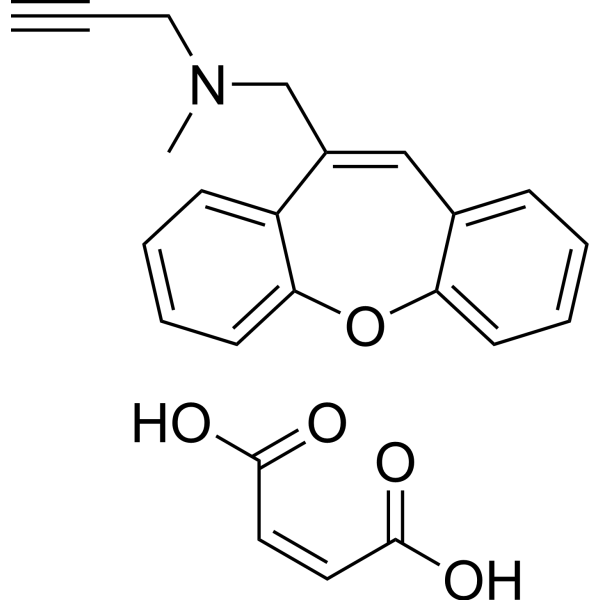
Omigapil maleate (CGP3466B), an orally active GAPDH nitrosylation inhibitor, abrogates Aβ1-42-induced tau acetylation, memory impairment, and locomotor dysfunction in mice. Omigapil maleate has the potential for the research of Alzheimer's disease. Omigapil maleate is a apoptosis inhibitor. Omigapil maleate can be used for the research of congenital muscular dystrophy (CMD). Omigapil maleate is a click chemistry reagent, it contains an Alkyne group and can undergo copper-catalyzed azide-alkyne cycloaddition (CuAAc) with molecules containing Azide groups .
6α-Fluoroprednisolone (Fluprednisolone) is an internal standard for methylprednisolone, prednisolone and prednisone. 6α-Fluoroprednisolone is an anti-inflammatory agent. 6α-Fluoroprednisolone can be used for congenital adrenal virilism and Addison's disease research .
ML089 is a potent, selective, and orally available phosphomannose isomerase (PMI) inhibitor with an IC50 of 1.3 µM. ML089 can be used for the research of congenital disorder of glycosylation Ia .
Tildacerfont (SPR001; LY2371712) is an orally active, blood-brain barrier-penetrant selective corticotropin-releasing factor type 1 (CRF1) receptor antagonist. Tildacerfont selectively blocks CRF1 receptors, thereby inhibiting the release of pituitary adrenocorticotropic hormone (ACTH). Tildacerfont can be used in research related to congenital adrenal hyperplasia .
Betiatide, as a chelating agent for Technetium-99m ( 99mTc), is used to prepare 99mTc-MAG3 (mercaptoacetyltriglycine), a radiopharmaceutical for renal function imaging. Betiatide is used for the diagnosis of congenital and acquired abnormalities, renal failure, urinary tract obstructions, and calculi . Betiatide can be used for the synthesis/research of Radionuclide-Drug Conjugates (RDCs).
21-Deoxy Cortisone (21-Desoxycortisone; NSC 38722) is a corticosteroid metabolite of 11-ketoprogesterone. It is formed from 11-ketoprogesterone by the cytochrome P450 (CYP) isozyme CYP17A1, but can also be produced by oxidation of 21-deoxycortisone (HY-113405) by 11β-hydroxysteroid dehydrogenase type 2 (11β-HSD2). Congenital adrenal hyperplasia is an inborn error of metabolism characterized by a deficiency of 21-hydroxylase, and 21-Deoxy Cortisone levels are elevated in patients with congenital adrenal hyperplasia.
Thr101 is an inhibitor (IC50=2.9 μM) of phosphomannose isomerase (PMI).PMI can compete with phosphomannose mutase 2 (PMM2) for the binding site of Man-6-P and convert mannose-6-phosphate (Man-6-P) into fructose-6-phosphate (Fru-6-P) .Thr101 only specifically inhibits PMI and not PMM2. Thr101 can be used for research of congenital disorder of glycosylation type Ia (CDG-Ia) .
Aekatperone is a reversible KATP channel inhibitor, with an IC50 of 9 μM. Aekatperone can be used for the research of congenital hyperinsulinism (CHI) .
Tildacerfont-d8 (SPR001-d8; LY2371712-d8) is a deuterium labeled Tildacerfont (HY-113603). Tildacerfont (SPR001; LY2371712) is an orally active, blood-brain barrier-penetrant selective corticotropin-releasing factor type 1 (CRF1) receptor antagonist. Tildacerfont selectively blocks CRF1 receptors, thereby inhibiting the release of pituitary adrenocorticotropic hormone (ACTH). Tildacerfont can be used in research related to congenital adrenal hyperplasia .
SW016789 is a hypersecretion-inducer targeting VDAC1. SW016789 can induce insulin hypersecretion and Ca 2+ influx in β-cells directly. SW016789 induces a transient endoplasmic reticulum stress response (ER stress), but does not cause beta cell death. SW016789 has reversible and non-apoptotic characteristics. SW016789 can be used for the study of Diabetes mellitus type 2 (T2DM) β-cell dysfunction .
BPU-11 is a hyperpolarization-activated cyclic nucleotide-gated (HCN) C-linker pocket (CLP) HCN4 CLP ligand. BPU-11 can be used for the research of congenital immune disease .
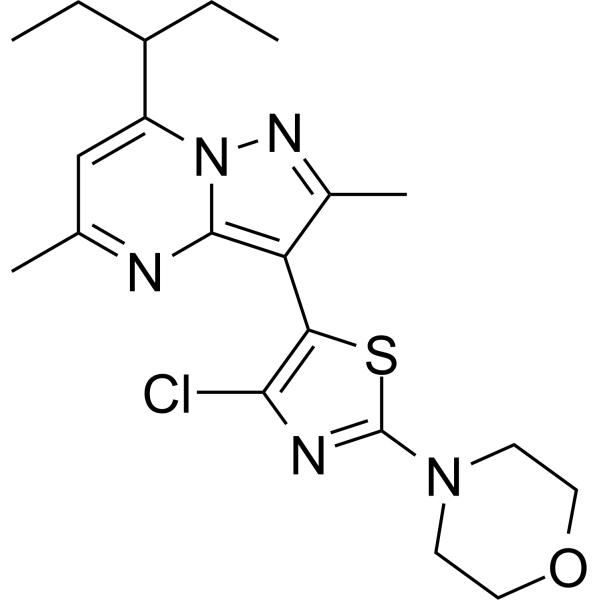
CRF1 receptor antagonist-1 (Compound 2) is a CRF1 receptor antagonist. CRF1 receptor antagonist-1 can be used for research of congenital adrenal hyperplasia (CAH) .
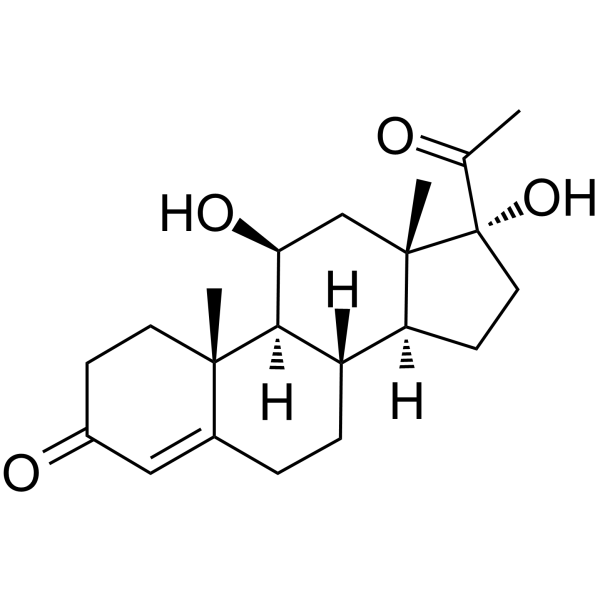
21-Deoxycortisol (Standard) is the analytical standard of 21-Deoxycortisol. This product is intended for research and analytical applications. 21-Deoxycortisol is an endogenous metabolite. 21-Deoxycortisol is a sign of congenital adrenal hyperplasia .
Cyclic HPMPC is a potent antiviral agent. Cyclic HPMPC can increase arterial oxygen saturation levels in lethal vaccinia virus (IHD strain)-infected mice. Cyclic HPMPC improves the outcome of congenital guinea pig cytomegalovirus (GPCMV) infection and decreases viral replication in guinea pig model .
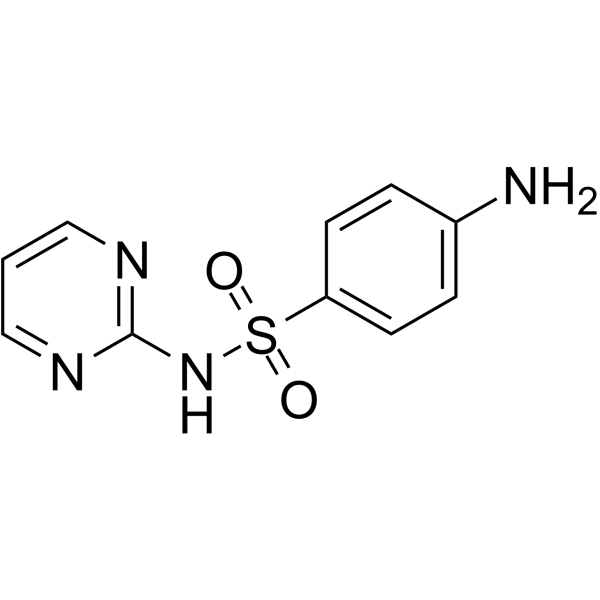
Sulfadiazine 100 µg/mL in methanol is an orally active sulfonamide antibiotic. Sulfadiazine 100 µg/mL in methanol competitively inhibits p-aminobenzoic acid in the folic-acid-metabolism cycle, inhibiting multiplication of most Gram-positive and many Gram-negative bacteria. Sulfadiazine 100 µg/mL in methanol persists in soil long-term, and exerts selective pressure for sulfonamide-resistant microbial populations. Sulfadiazine 100 µg/mL in methanol targets Toxoplasma gondiiDHPS enzyme. Sulfadiazine 100 µg/mL in methanol can be used for the research of congenital toxoplasmosis and bacterial infection .
CHIC35, an analog of EX-527, is a potent and selective inhibitor of SIRT1 (IC50=0.124 μM). CHIC35 shows potential selective inhibition against SIRT1 over SIRT2 (IC50=2.8 μM) or SIRT3 (IC50>100 μM) . CHIC35 has anti-inflammatory effects and can be used for CHARGE syndrome research .
Arrestin-3 modulator-1 (Compound LSH-3) is an arrestin-3 modulator. Arrestin-3 modulator-1 binds arrestin-3 at the interdomain interface. Arrestin-3 modulator-1 enhances recruitment of arrestin-3 to phosphorylation-deficient β2AR in cells with increase of FRET levels. Arrestin-3 modulator-1 can be used for congenital disorders like retinal degeneration, hyperthyroidism and obesity research .
(R)-Crinecerfont is the R-enantiomer of Crinecerfont (HY-106203). Crinecerfont (SSR-125543) is an orally effective corticotropin-releasing factor receptor type-1 (CRF1 receptor) antagonist. Crinecerfont blocks CRF1 receptor signaling to reduce adrenocorticotropic hormone secretion. Crinecerfont improves hypothalamic-pituitary-adrenal axis negative feedback sensitivity in chronically stressed mice. Crinecerfont can be used for the research of chronic stress conditions and classic congenital adrenal hyperplasia due to 21-hydroxylase deficiency . Crinecerfont is a click chemistry reagent, it contains an Alkyne group and can undergo copper-catalyzed azide-alkyne cycloaddition (CuAAc) with molecules containing Azide groups.
CGS 26303 is an endothelin-converting enzyme (ECE) inhibitor. CGS 26303 increases the expression of endothelin-converting enzyme-1 in endothelial cells. CGS 26303 attenuates cerebral vasospasm in a rabbit subarachnoid hemorrhage model. CGS 26303 improves birth survival and alleviates pulmonary hypoplasia in newborn rats in a rat model of congenital diaphragmatic hernia. CGS 26303 can be used for research on cardiovascular and cerebrovascular diseases and congenital diaphragmatic hernia .
21-Deoxycortisol-d8 is the deuterium labeled 21-Deoxycortisol. 21-Deoxycortisol is an endogenous metabolite. 21-Deoxycortisol is a sign of congenital adrenal hyperplasia .
Crinecerfont (SSR-125543) tosylate is an orally effective corticotropin-releasing factor receptor type-1 (CRF1 receptor) antagonist. Crinecerfont tosylate blocks CRF1 receptor signaling to reduce adrenocorticotropic hormone secretion. Crinecerfont tosylate improves hypothalamic-pituitary-adrenal axis negative feedback sensitivity in chronically stressed mice. Crinecerfont tosylate can be used for the research of chronic stress conditions and classic congenital adrenal hyperplasia due to 21-hydroxylase deficiency . Crinecerfont tosylate is a click chemistry reagent, it contains an Alkyne group and can undergo copper-catalyzed azide-alkyne cycloaddition (CuAAc) with molecules containing Azide groups.
Letimide hydrochloride (MA 1143 hydrochloride) is an analgesic with potent analgesic activity. Letimide hydrochloride has shown cytogenetic effects on human lymphocytes in in vitro experiments. Letimide hydrochloride did not exhibit significant chromosomal aberrations or sister chromatid exchanges in in vivo studies in mouse bone marrow cells. Teratogenic studies conducted on mice with Letimide hydrochloride also did not show obvious effects on inducing congenital malformations .
H-D-MeAla-EtVaI-VaI-MeLeu-AIa-D-AIa-MeLeu-MeLeu-MeVaI-MeBmt(OAc)-Abu-O-CH2-CH2-NHMe is a nonimmunosuppressive cyclosporin A derivative. H-D-MeAla-EtVaI-VaI-MeLeu-AIa-D-AIa-MeLeu-MeLeu-MeVaI-MeBmt(OAc)-Abu-O-CH2-CH2-NHMe has the potential for the research of congenital muscular dystrophy .
Fludrocortisone-d5 (9α-Fludrocortisone-d5) is the deuterium labeled Fludrocortisone (HY-B1203). Fludrocortisone is an orally active mineralocorticoid and glucocorticoid receptor agonist. Fludrocortisone suppresses pro-inflammatory cytokine expression, reduces CCL2, IL-6, IL-8 levels, upregulates mineralocorticoid receptor (MR) expression, induces PI3K/Akt, GSK-3β, CREB, ERK1/2, mTOR phosphorylation, blocks Tau hyperphosphorylation, prevents apoptosis, promotes survival and proliferation, enhances renal sodium and water transport, increases plasma volume and blood pressure, reduces plasma potassium and renin activity, stimulates erythropoietin expression, modulates uterine receptivity genes, and reverses PP242-induced MUC1 upregulation. Fludrocortisone can be used for the research of congenital adrenal hyperplasia, postural hypotension, and adrenal insufficiency.
Fludrocortisone (Standard) (9α-Fludrocortisone (Standard)) is the analytical standard of Fludrocortisone (HY-B1203). This product is intended for research and analytical applications. Fludrocortisone is an orally active mineralocorticoid and glucocorticoid receptor agonist. Fludrocortisone suppresses pro-inflammatory cytokine expression, reduces CCL2, IL-6, IL-8 levels, upregulates mineralocorticoid receptor (MR) expression, induces PI3K/Akt, GSK-3β, CREB, ERK1/2, mTOR phosphorylation, blocks Tau hyperphosphorylation, prevents apoptosis, promotes survival and proliferation, enhances renal sodium and water transport, increases plasma volume and blood pressure, reduces plasma potassium and renin activity, stimulates erythropoietin expression, modulates uterine receptivity genes, and reverses PP242-induced MUC1 upregulation. Fludrocortisone can be used for the research of congenital adrenal hyperplasia, postural hypotension, and adrenal insufficiency.
Fludrocortisone-d2 (9α-Fludrocortisone-d2) is the deuterium labeled Fludrocortisone (HY-B1203). Fludrocortisone is an orally active mineralocorticoid and glucocorticoid receptor agonist. Fludrocortisone suppresses pro-inflammatory cytokine expression, reduces CCL2, IL-6, IL-8 levels, upregulates mineralocorticoid receptor (MR) expression, induces PI3K/Akt, GSK-3β, CREB, ERK1/2, mTOR phosphorylation, blocks Tau hyperphosphorylation, prevents apoptosis, promotes survival and proliferation, enhances renal sodium and water transport, increases plasma volume and blood pressure, reduces plasma potassium and renin activity, stimulates erythropoietin expression, modulates uterine receptivity genes, and reverses PP242-induced MUC1 upregulation. Fludrocortisone can be used for the research of congenital adrenal hyperplasia, postural hypotension, and adrenal insufficiency.
Crinecerfont (Standard) is the analytical standard of Crinecerfont (HY-106203). This product is intended for research and analytical applications. Crinecerfont (SSR-125543) is an orally effective corticotropin-releasing factor receptor type-1 (CRF1 receptor) antagonist. Crinecerfont blocks CRF1 receptor signaling to reduce adrenocorticotropic hormone secretion. Crinecerfont improves hypothalamic-pituitary-adrenal axis negative feedback sensitivity in chronically stressed mice. Crinecerfont can be used for the research of chronic stress conditions and classic congenital adrenal hyperplasia due to 21-hydroxylase deficiency. Crinecerfont is a click chemistry reagent, it contains an Alkyne group and can undergo copper-catalyzed azide-alkyne cycloaddition (CuAAc) with molecules containing Azide groups.
Omigapil (CGP3466B free base), an orally active GAPDH nitrosylation inhibitor, abrogates Aβ1-42-induced tau acetylation, memory impairment, and locomotor dysfunction in mice. Omigapil has the potential for the research of Alzheimer's disease. Omigapil is a apoptosis inhibitor. Omigapil can be used for the research of congenital muscular dystrophy (CMD). Omigapil is a click chemistry reagent, it contains an Alkyne group and can undergo copper-catalyzed azide-alkyne cycloaddition (CuAAc) with molecules containing Azide groups .
5-Pregnene-3β,17a,20a-triol is an endogenous steroid compound. 5-Pregnene-3β,17a,20a-triol plays a role in maintaining the body's hormonal balance. 5-Pregnene-3β,17a,20a-triol is promising for research of congenital steroid synthesis enzyme deficiency diseases .
Ganglioside GD3 (d18:1/12:0) is a type of glycosphingolipid, the d18:1 indicates the sphingosine base, and the 12:0 represents the fatty acid part which is lauric acid. Ganglioside GD3 (d18:1/12:0) is a crucial intermediate in the biosynthesis pathway of gangliosides and is mainly found in the brain tissues of mammals. Ganglioside GD3 (d18:1/12:0) plays significant roles in development, cell signal transduction, and various diseases .
Anti-DAG1/Dystroglycan Antibody (DAG-6F4) is a human monoclonal antibody against DAG1/Dystroglycan. Anti-DAG1/Dystroglycan Antibody (DAG-6F4) can bind specifically to the α and β subunits of the dystroglycan protein complex. Anti-DAG1/Dystroglycan Antibody (DAG-6F4) is applicable to research related to muscular dystrophy .
Thyroglobulin is a 660 kDa, dimeric glycoprotein produced by the follicular cells of the thyroid and used entirely within the thyroid gland. Thyroglobulin acts as a substrate for the synthesis of the thyroid hormones thyroxine (T4) and triiodothyronine (T3), as well as the storage of the inactive forms of thyroid hormone and iodine within the follicular lumen of a thyroid follicle. Thyroglobulin activates Akt kinase activity in FRTL-5 thyroid cell .
Acetyl hexapeptide-38 is a tissue repair promoter that targets fibroblasts in the dermis of the skin. It works by promoting collagen synthesis in the dermis and thickening of subcutaneous fat. Acetyl hexapeptide-38 can activate the skin repair mechanism, increase the collagen content in the dermis, improve the skin tissue structure, and has the activity of promoting local tissue repair. Acetyl hexapeptide-38 can be used in the field of cosmetic medicine to repair congenital soft tissue defects, reduce tear grooves and nasolabial folds, eliminate postoperative scars, and conduct micro-plastic surgery of skin tissue .
Betiatide, as a chelating agent for Technetium-99m ( 99mTc), is used to prepare 99mTc-MAG3 (mercaptoacetyltriglycine), a radiopharmaceutical for renal function imaging. Betiatide is used for the diagnosis of congenital and acquired abnormalities, renal failure, urinary tract obstructions, and calculi . Betiatide can be used for the synthesis/research of Radionuclide-Drug Conjugates (RDCs).
H-D-MeAla-EtVaI-VaI-MeLeu-AIa-D-AIa-MeLeu-MeLeu-MeVaI-MeBmt(OAc)-Abu-O-CH2-CH2-NHMe is a nonimmunosuppressive cyclosporin A derivative. H-D-MeAla-EtVaI-VaI-MeLeu-AIa-D-AIa-MeLeu-MeLeu-MeVaI-MeBmt(OAc)-Abu-O-CH2-CH2-NHMe has the potential for the research of congenital muscular dystrophy .
Sotatercept (mIgG2a) (RAP-011), the murine homolog of Sotatercept (ACE-011) (HY-P99590), is a soluble activin receptor type IIA (ActRIIA) ligand trap. Sotatercept (mIgG2a) inhibits the binding of activin A and other members of the TGF-β superfamily (such as Activin A/B, GDF11 and BMP9/10) to their receptors by combining and neutralizing them, thereby regulating cell proliferation and differentiation. Sotatercept (mIgG2a) mainly inhibits the SMAD2/3 signaling pathway, and can be used in various diseases such as chronic kidney disease. Sotatercept (mIgG2a) reduces the expression of erythropoietic hepcidin (ERFE), regulates iron metabolism, and promotes red blood cell production. Sotatercept (mIgG2a) has a dual effect of promoting bone formation (anabolic) and inhibiting bone resorption (catabolic) .
Denecimig (Mim8) is a factor VIII-mimetic bispecific antibody with micromolar human binding affinity for Factor X and Factor IXa. Denecimig binds Factor X and Factor IXa, localizes both to the phospholipid surface, enhances the Factor IXa-mediated activation of Factor X to Factor Xa, and stimulates the proteolytic activity of Factor IXa via its monovalent anti-Factor IXa arm. Denecimig is applicable to research related to hemophilia A.
Anti-DAG1/Dystroglycan Antibody (DAG-6F4) is a human monoclonal antibody against DAG1/Dystroglycan. Anti-DAG1/Dystroglycan Antibody (DAG-6F4) can bind specifically to the α and β subunits of the dystroglycan protein complex. Anti-DAG1/Dystroglycan Antibody (DAG-6F4) is applicable to research related to muscular dystrophy .
21-Deoxycortisol (Standard) is the analytical standard of 21-Deoxycortisol. This product is intended for research and analytical applications. 21-Deoxycortisol is an endogenous metabolite. 21-Deoxycortisol is a sign of congenital adrenal hyperplasia .
5-Pregnene-3β,17a,20a-triol is an endogenous steroid compound. 5-Pregnene-3β,17a,20a-triol plays a role in maintaining the body's hormonal balance. 5-Pregnene-3β,17a,20a-triol is promising for research of congenital steroid synthesis enzyme deficiency diseases .
The PRPS1 protein plays a crucial role in catalyzing the synthesis of phosphoribosyl pyrophosphate (PRPP), a key intermediate in nucleotide synthesis. By promoting the conversion of ribose 5-phosphate and ATP to PRPP, PRPS1 contributes to the availability of PRPP in various cellular processes, including de novo biosynthesis of purine and pyrimidine nucleotides. PRPS1 Protein, Human (His-SUMO) is the recombinant human-derived PRPS1 protein, expressed by E. coli , with N-SUMO, N-6*His labeled tag.
Tildacerfont-d8 (SPR001-d8; LY2371712-d8) is a deuterium labeled Tildacerfont (HY-113603). Tildacerfont (SPR001; LY2371712) is an orally active, blood-brain barrier-penetrant selective corticotropin-releasing factor type 1 (CRF1) receptor antagonist. Tildacerfont selectively blocks CRF1 receptors, thereby inhibiting the release of pituitary adrenocorticotropic hormone (ACTH). Tildacerfont can be used in research related to congenital adrenal hyperplasia .
21-Deoxycortisol-d8 is the deuterium labeled 21-Deoxycortisol. 21-Deoxycortisol is an endogenous metabolite. 21-Deoxycortisol is a sign of congenital adrenal hyperplasia .
Fludrocortisone-d5 (9α-Fludrocortisone-d5) is the deuterium labeled Fludrocortisone (HY-B1203). Fludrocortisone is an orally active mineralocorticoid and glucocorticoid receptor agonist. Fludrocortisone suppresses pro-inflammatory cytokine expression, reduces CCL2, IL-6, IL-8 levels, upregulates mineralocorticoid receptor (MR) expression, induces PI3K/Akt, GSK-3β, CREB, ERK1/2, mTOR phosphorylation, blocks Tau hyperphosphorylation, prevents apoptosis, promotes survival and proliferation, enhances renal sodium and water transport, increases plasma volume and blood pressure, reduces plasma potassium and renin activity, stimulates erythropoietin expression, modulates uterine receptivity genes, and reverses PP242-induced MUC1 upregulation. Fludrocortisone can be used for the research of congenital adrenal hyperplasia, postural hypotension, and adrenal insufficiency.
Fludrocortisone-d2 (9α-Fludrocortisone-d2) is the deuterium labeled Fludrocortisone (HY-B1203). Fludrocortisone is an orally active mineralocorticoid and glucocorticoid receptor agonist. Fludrocortisone suppresses pro-inflammatory cytokine expression, reduces CCL2, IL-6, IL-8 levels, upregulates mineralocorticoid receptor (MR) expression, induces PI3K/Akt, GSK-3β, CREB, ERK1/2, mTOR phosphorylation, blocks Tau hyperphosphorylation, prevents apoptosis, promotes survival and proliferation, enhances renal sodium and water transport, increases plasma volume and blood pressure, reduces plasma potassium and renin activity, stimulates erythropoietin expression, modulates uterine receptivity genes, and reverses PP242-induced MUC1 upregulation. Fludrocortisone can be used for the research of congenital adrenal hyperplasia, postural hypotension, and adrenal insufficiency.
Collagen II alpha 1; COL2A1; COL2A1 protein; collagen, type II, alpha 1; collagen alpha-1(II); type II collagen; alpha-1 type II collagen; alpha1 type II collagen; Col2a1; AOM; Cartilage collagen; Chondrocalcin; COL11A3; Collagen alpha 1(II) chain precursor; Collagen II alpha 1 polypeptide; Collagen type II alpha 1 (primary osteoarthritis spondyloepiphyseal dysplasia congenital); MGC131516; SEDC; Collagen alpha-1(II) chain; Alpha-1 type II collagen; CO2A1_HUMAN.; CollagenII;
WB, IHC-P, IF-Tissue
Human
Collagen II Antibody is a Rabbit-derived and non-conjugated IgG polyclonal antibody, targeting to Collagen II.
Collagen II alpha 1; COL2A1; COL2A1 protein; collagen, type II, alpha 1; collagen alpha-1(II); type II collagen; alpha-1 type II collagen; alpha1 type II collagen; Col2a1; AOM; Cartilage collagen; Chondrocalcin; COL11A3; Collagen alpha 1(II) chain precursor; Collagen II alpha 1 polypeptide; Collagen type II alpha 1 (primary osteoarthritis spondyloepiphyseal dysplasia congenital); MGC131516; SEDC; Collagen alpha-1(II) chain; Alpha-1 type II collagen; CO2A1_HUMAN.; CollagenII;
WB, IHC-P, IF-Tissue
Human, Mouse, Rat
Collagen II Antibody(YA3550) is a Rabbit-derived and non-conjugated IgG monoclonal antibody, targeting to Collagen II.
Crinecerfont (SSR-125543) is an orally effective corticotropin-releasing factor receptor type-1 (CRF1 receptor) antagonist. Crinecerfont blocks CRF1 receptor signaling to reduce adrenocorticotropic hormone secretion. Crinecerfont improves hypothalamic-pituitary-adrenal axis negative feedback sensitivity in chronically stressed mice. Crinecerfont can be used for the research of chronic stress conditions and classic congenital adrenal hyperplasia due to 21-hydroxylase deficiency . Crinecerfont is a click chemistry reagent, it contains an Alkyne group and can undergo copper-catalyzed azide-alkyne cycloaddition (CuAAc) with molecules containing Azide groups.
Crinecerfont (SSR-125543) hydrochloride is an orally effective corticotropin-releasing factor receptor type-1 (CRF1 receptor) antagonist. Crinecerfont hydrochloride blocks CRF1 receptor signaling to reduce adrenocorticotropic hormone secretion. Crinecerfont hydrochloride improves hypothalamic-pituitary-adrenal axis negative feedback sensitivity in chronically stressed mice. Crinecerfont hydrochloride can be used for the research of chronic stress conditions and classic congenital adrenal hyperplasia due to 21-hydroxylase deficiency . Crinecerfont hydrochloride is a click chemistry reagent, it contains an Alkyne group and can undergo copper-catalyzed azide-alkyne cycloaddition (CuAAc) with molecules containing Azide groups.
Omigapil maleate (CGP3466B), an orally active GAPDH nitrosylation inhibitor, abrogates Aβ1-42-induced tau acetylation, memory impairment, and locomotor dysfunction in mice. Omigapil maleate has the potential for the research of Alzheimer's disease. Omigapil maleate is a apoptosis inhibitor. Omigapil maleate can be used for the research of congenital muscular dystrophy (CMD). Omigapil maleate is a click chemistry reagent, it contains an Alkyne group and can undergo copper-catalyzed azide-alkyne cycloaddition (CuAAc) with molecules containing Azide groups .
(R)-Crinecerfont is the R-enantiomer of Crinecerfont (HY-106203). Crinecerfont (SSR-125543) is an orally effective corticotropin-releasing factor receptor type-1 (CRF1 receptor) antagonist. Crinecerfont blocks CRF1 receptor signaling to reduce adrenocorticotropic hormone secretion. Crinecerfont improves hypothalamic-pituitary-adrenal axis negative feedback sensitivity in chronically stressed mice. Crinecerfont can be used for the research of chronic stress conditions and classic congenital adrenal hyperplasia due to 21-hydroxylase deficiency . Crinecerfont is a click chemistry reagent, it contains an Alkyne group and can undergo copper-catalyzed azide-alkyne cycloaddition (CuAAc) with molecules containing Azide groups.
Omigapil (CGP3466B free base), an orally active GAPDH nitrosylation inhibitor, abrogates Aβ1-42-induced tau acetylation, memory impairment, and locomotor dysfunction in mice. Omigapil has the potential for the research of Alzheimer's disease. Omigapil is a apoptosis inhibitor. Omigapil can be used for the research of congenital muscular dystrophy (CMD). Omigapil is a click chemistry reagent, it contains an Alkyne group and can undergo copper-catalyzed azide-alkyne cycloaddition (CuAAc) with molecules containing Azide groups .
Inquiry Online
Your information is safe with us. * Required Fields.
Western blot analysis of extracts from THP-1(lane 2(20μg), Jurkat (lane 3(20μg) and NIH3T3(lane 4(20μg) using FOXO1A (HY-P80132) Rabbit mAb. Proteins were transferred
to a PVDF membrane and blocked with 5% non-fat milk in TBST for 2 hour at room temperature. The primary antibody (1/1000) and Loading control antibody (Beta Actin, HY-P80438, 1/10000) was
used in 5% non-fat milk in TBST at 4°C overnight. Goat Anti-Mouse/Rabbit IgG-HRP Secondary Antibody (1/10000) was used for 1 hour at room temperature.
Western blot analysis of extracts from THP-1(lane 2(20μg), Jurkat (lane 3(20μg) and NIH3T3(lane 4(20μg) using FOXO1A (HY-P80132) Rabbit mAb. Proteins were transferred
to a PVDF membrane and blocked with 5% non-fat milk in TBST for 2 hour at room temperature. The primary antibody (1/1000) and Loading control antibody (Beta Actin, HY-P80438, 1/10000) was
used in 5% non-fat milk in TBST at 4°C overnight. Goat Anti-Mouse/Rabbit IgG-HRP Secondary Antibody (1/10000) was used for 1 hour at room temperature.
Western blot analysis of extracts from THP-1(lane 2(20μg), Jurkat (lane 3(20μg) and NIH3T3(lane 4(20μg) using FOXO1A (HY-P80132) Rabbit mAb. Proteins were transferred
to a PVDF membrane and blocked with 5% non-fat milk in TBST for 2 hour at room temperature. The primary antibody (1/1000) and Loading control antibody (Beta Actin, HY-P80438, 1/10000) was
used in 5% non-fat milk in TBST at 4°C overnight. Goat Anti-Mouse/Rabbit IgG-HRP Secondary Antibody (1/10000) was used for 1 hour at room temperature.
Western blot analysis of extracts from THP-1(lane 2(20μg), Jurkat (lane 3(20μg) and NIH3T3(lane 4(20μg) using FOXO1A (HY-P80132) Rabbit mAb. Proteins were transferred
to a PVDF membrane and blocked with 5% non-fat milk in TBST for 2 hour at room temperature. The primary antibody (1/1000) and Loading control antibody (Beta Actin, HY-P80438, 1/10000) was
MedchemExpress Validation 03
Western blot analysis of extracts from THP-1(lane 2(20μg), Jurkat (lane 3(20μg) and NIH3T3(lane 4(20μg) using FOXO1A (HY-P80132) Rabbit mAb. Proteins were transferred
MedchemExpress Validation 04
Western blot analysis of extracts from THP-1(lane 2(20μg), Jurkat (lane 3(20μg) and NIH3T3(lane 4(20μg) using FOXO1A (HY-P80132) Rabbit mAb. Proteins were transferred
to a PVDF membrane and blocked with 5% non-fat milk in TBST for 2 hour at room temperature. The primary antibody (1/1000) and Loading control antibody (Beta Actin, HY-P80438, 1/10000) was
used in 5% non-fat milk in TBST at 4°C overnight. Goat Anti-Mouse/Rabbit IgG-HRP Secondary Antibody (1/10000) was used for 1 hour at room temperature.
MedchemExpress Validation
Western blot analysis of extracts from THP-1(lane 2(20μg), Jurkat (lane 3(20μg) and NIH3T3(lane 4(20μg) using FOXO1A (HY-P80132) Rabbit mAb. Proteins were transferred
to a PVDF membrane and blocked with 5% non-fat milk in TBST for 2 hour at room temperature. The primary antibody (1/1000) and Loading control antibody (Beta Actin, HY-P80438, 1/10000) was
used in 5% non-fat milk in TBST at 4°C overnight. Goat Anti-Mouse/Rabbit IgG-HRP Secondary Antibody (1/10000) was used for 1 hour at room temperature.
Western blot analysis of extracts from THP-1(lane 2(20μg), Jurkat (lane 3(20μg) and NIH3T3(lane 4(20μg) using FOXO1A (HY-P80132) Rabbit mAb. Proteins were transferred
to a PVDF membrane and blocked with 5% non-fat milk in TBST for 2 hour at room temperature. The primary antibody (1/1000) and Loading control antibody (Beta Actin, HY-P80438, 1/10000) was
used in 5% non-fat milk in TBST at 4°C overnight. Goat Anti-Mouse/Rabbit IgG-HRP Secondary Antibody (1/10000) was used for 1 hour at room temperature.
MedchemExpress Validation
Western blot analysis of extracts from THP-1(lane 2(20μg), Jurkat (lane 3(20μg) and NIH3T3(lane 4(20μg) using FOXO1A (HY-P80132) Rabbit mAb. Proteins were transferred
to a PVDF membrane and blocked with 5% non-fat milk in TBST for 2 hour at room temperature. The primary antibody (1/1000) and Loading control antibody (Beta Actin, HY-P80438, 1/10000) was
used in 5% non-fat milk in TBST at 4°C overnight. Goat Anti-Mouse/Rabbit IgG-HRP Secondary Antibody (1/10000) was used for 1 hour at room temperature.
MedchemExpress Validation
Western blot analysis of extracts from THP-1(lane 2(20μg), Jurkat (lane 3(20μg) and NIH3T3(lane 4(20μg) using FOXO1A (HY-P80132) Rabbit mAb. Proteins were transferred
to a PVDF membrane and blocked with 5% non-fat milk in TBST for 2 hour at room temperature. The primary antibody (1/1000) and Loading control antibody (Beta Actin, HY-P80438, 1/10000) was
used in 5% non-fat milk in TBST at 4°C overnight. Goat Anti-Mouse/Rabbit IgG-HRP Secondary Antibody (1/10000) was used for 1 hour at room temperature.
MedchemExpress Validation
Western blot analysis of extracts from THP-1(lane 2(20μg), Jurkat (lane 3(20μg) and NIH3T3(lane 4(20μg) using FOXO1A (HY-P80132) Rabbit mAb. Proteins were transferred
to a PVDF membrane and blocked with 5% non-fat milk in TBST for 2 hour at room temperature. The primary antibody (1/1000) and Loading control antibody (Beta Actin, HY-P80438, 1/10000) was
used in 5% non-fat milk in TBST at 4°C overnight. Goat Anti-Mouse/Rabbit IgG-HRP Secondary Antibody (1/10000) was used for 1 hour at room temperature.
MedchemExpress Validation
Western blot analysis of extracts from THP-1(lane 2(20μg), Jurkat (lane 3(20μg) and NIH3T3(lane 4(20μg) using FOXO1A (HY-P80132) Rabbit mAb. Proteins were transferred
to a PVDF membrane and blocked with 5% non-fat milk in TBST for 2 hour at room temperature. The primary antibody (1/1000) and Loading control antibody (Beta Actin, HY-P80438, 1/10000) was
used in 5% non-fat milk in TBST at 4°C overnight. Goat Anti-Mouse/Rabbit IgG-HRP Secondary Antibody (1/10000) was used for 1 hour at room temperature.
MedchemExpress Validation
Western blot analysis of extracts from THP-1(lane 2(20μg), Jurkat (lane 3(20μg) and NIH3T3(lane 4(20μg) using FOXO1A (HY-P80132) Rabbit mAb. Proteins were transferred
to a PVDF membrane and blocked with 5% non-fat milk in TBST for 2 hour at room temperature. The primary antibody (1/1000) and Loading control antibody (Beta Actin, HY-P80438, 1/10000) was
used in 5% non-fat milk in TBST at 4°C overnight. Goat Anti-Mouse/Rabbit IgG-HRP Secondary Antibody (1/10000) was used for 1 hour at room temperature.
MedchemExpress Validation
Western blot analysis of extracts from THP-1(lane 2(20μg), Jurkat (lane 3(20μg) and NIH3T3(lane 4(20μg) using FOXO1A (HY-P80132) Rabbit mAb. Proteins were transferred
to a PVDF membrane and blocked with 5% non-fat milk in TBST for 2 hour at room temperature. The primary antibody (1/1000) and Loading control antibody (Beta Actin, HY-P80438, 1/10000) was
used in 5% non-fat milk in TBST at 4°C overnight. Goat Anti-Mouse/Rabbit IgG-HRP Secondary Antibody (1/10000) was used for 1 hour at room temperature.
MedChemExpress values your privacy and your trust is important to us. We use cookies to enhance your website experience. Some cookies are necessary to run the website.
Privacy and Cookie Policy

