


324 Results for "

drug delivery systems

" in MedChemExpress (MCE) Product Catalog:
Products (324)

324 Results for "drug delivery systems" in MCE Product Catalog:

75
75 Publications Verification
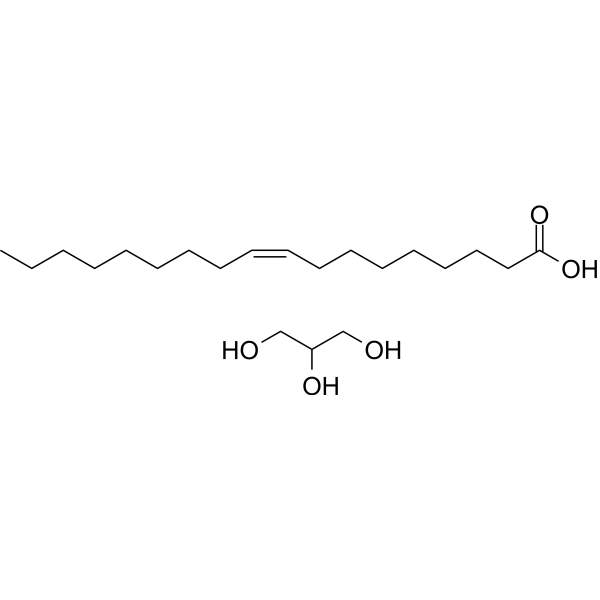
Cat. No.: HY-N1446A
CAS No.: 25496-72-4
Glycerol Monoleate is a non-toxic, biodegradable, biocompatible, lipophilic glycerol fatty acid ester. Glycerol Monoleate exhibits hemolytic properties. Glycerol Monoleate is combined with bile salts for use as an emulsifier and absorption enhancer. Glycerol Monoleate can be applied in drug delivery systems and in vitro siRNA delivery .
loading...
    loading...
24
24 Cited Publications
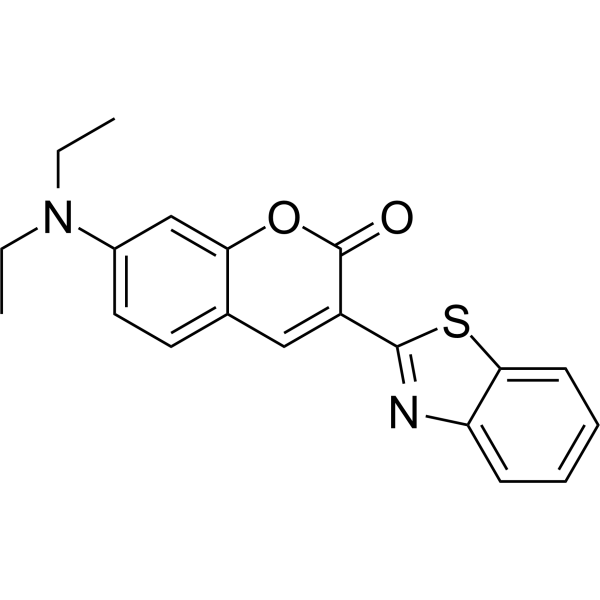
Cat. No.: HY-N7131
CAS No.: 38215-36-0
Coumarin 6, a fluorescent dye, is used as a fluorescent probe in a microparticle drug delivery system to conduct in vivo tracking, cell uptake, and transport mechanism studies of drug delivery systemsexc=450 nm, λem=505 nm) .
loading...
    loading...
15
15 Cited Publications
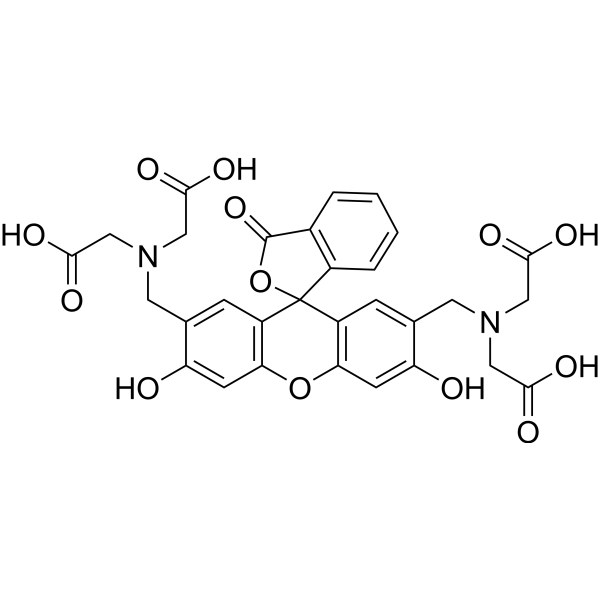
Cat. No.: HY-D0040
CAS No.: 1461-15-0
Synonyms: Fluorexon
Calcein is a fluorescent dye and self-quenching probe, used as an indicator of lipid vesicle leakage, and also as a complexometric indicator for titration of calcium ions with EDTA, and for fluorometric determination of calcium. Calcein cannot directly cross the intact cell membrane of a living cell, unlike Calcein-AM (HY-D0041) which is cell-permeable. Calcein can also be used as a model drug for evaluating efficiency and bioavailability of drug delivery systems .
loading...
    loading...
9
9 Cited Publications
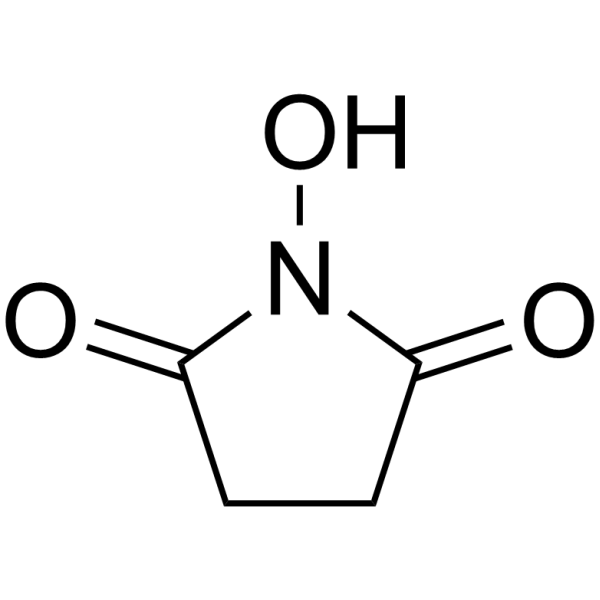
Cat. No.: HY-Y0623
CAS No.: 6066-82-6
Synonyms: HOSu; 1-Hydroxy-2,5-pyrrolidinedione
N-Hydroxysuccinimide (HOSu; 1-Hydroxy-2,5-pyrrolidinedione) is a covalent crosslinker commonly used in bioconjugation technology with a primary amine group. N-Hydroxysuccinimide reacts with amino groups (-NH2) to form a stable amide bond, which can modify amino-containing biomolecules. N-Hydroxysuccinimide can be used, for example, for protein labeling with fluorescent dyes and enzymes, surface activation of chromatography supports, microbeads, nanoparticles and microarray slides, and chemical synthesis of peptides. N-Hydroxysuccinimide has a wide range of applications in biomaterial synthesis (such as collagen, chitosan crosslinking), drug delivery systems (such as hydrogel preparation) and tissue engineering .
loading...
    loading...
2
2 Cited Publications
Cat. No.: HY-P1848
CAS No.: 395069-86-0
Target:  

Interleukin Related

Research Areas:  

Cancer

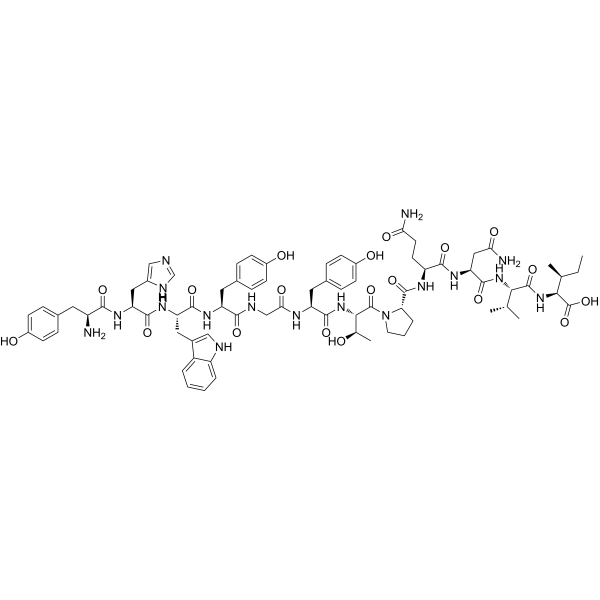
Pep-1 (uncapped) is a specific ligand of IL-13Ra2. Pep-1 (uncapped) exerts cell penetrating activity through receptor-mediated endocytosis, can cross the blood-tumor barrier (BTB) and target glioma cells. Pep-1 (uncapped) can enhance the uptake of nanoparticles by tumor cells and enhance the cell penetration ability of nanoparticles, and can be used to develop targeted drug delivery systems for glioma .
loading...
    loading...
1
1 Cited Publications
Cat. No.: HY-P10128
CAS No.: 875142-25-9
Research Areas:  

Inflammation/Immunology

GE11 is a active peptide and combines with colloidal drug delivery systems as smart carriers for antitumor drugs and can be used for cancer study .
loading...
    loading...
1
1 Cited Publications
Cat. No.: HY-B1620H
CAS No.: 9003-39-8
Synonyms: PVP K90; Polyvidone K90; Povidone K90
Polyvinylpyrrolidone K90 can be used to prepare drug delivery systems, such as electrospun nanofibrous membranes. Polyvinylpyrrolidone K90 is widely used in human and veterinary medicine as an effective wound healing promoter and disinfectant when combined with iodine and other compounds. In addition, Polyvinylpyrrolidone K90 is also used to stabilize nanosuspensions, interact with the surface of drug crystals, and remain bound to the surface after drying .
loading...
    loading...
1
1 Cited Publications
Cat. No.: HY-W013989
CAS No.: 2387-23-7
Target:  

Epoxide Hydrolase

Research Areas:  

Cardiovascular Disease

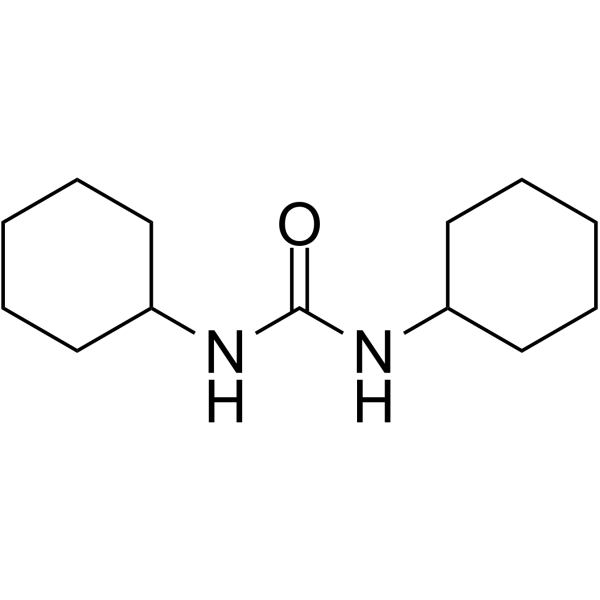
1,3-Dicyclohexylurea (DCU) is an orally active and potent sEH (soluble epoxide hydrolase) inhibitor. Oral Delivery of 1,3-Dicyclohexylurea nanosuspension enhances exposure and lowers blood pressure in hypertensive Rats .
loading...
    loading...
1
1 Cited Publications
Cat. No.: HY-W591461
Target:  

Liposome

Research Areas:  

Cancer

DSPE-PEG-COOH, MW 2000 is a phospholipid polyPEG which can be used to prepare liposomes or nanoparticles. The terminal carboxylic acid can react with primary amine groups to form a stable amide bond.
loading...
    loading...
1
1 Cited Publications
Cat. No.: HY-157624
CAS No.: 96998-01-5
Purity:  ≥99.0%
Synonyms: 18:0-22:6 PE
Target:  

Liposome

Research Areas:  

Others

1-Stearoyl-2-docosahexaenoyl-sn-glycero-3-phosphoethanolamine (18:0-22:6 PE) is a lipid compound that can be used for liposome preparation. Liposomes are the main component of vesicles with concentric phospholipid bilayer membranes, which can be used to construct drug delivery systems for anti-cancer and anti-infection fields. Highly polar water-soluble loads can be captured in the internal aqueous space of liposomes, while lipophilic loads can be distributed into the lipid bilayer and become part of the lipid bilayer. Especially for the delivery of antisense oligonucleotides, it can overcome the problems of inefficient cellular uptake and rapid loss in the body.
loading...
    loading...
1
1 Cited Publications
Cat. No.: HY-N5139
CAS No.: 93685-90-6
Synonyms: Lecithins, egg yolk; Belovo PL 85
Lecithins, egg (Lecithins, egg yolk; Belovo PL 85) is an orally active natural phospholipid mixture extracted from egg yolks . Lecithins, egg inhibits the activities of acetylcholinesterase (AChE) and angiotensin-converting enzyme (ACE). Lecithins, egg exhibits antibacterial, antioxidant and anti-inflammatory activities, and helps delay cellular senescence. Lecithins, egg enhances nerve conduction, improves memory and cognitive function, and exerts positive effects on delaying neurodegenerative diseases. Lecithins, egg promotes lipid absorption and alleviates diarrhea. Lecithins, egg acts as a high-efficiency drug carrier for the preparation of targeted drug delivery systems such as liposomes .
loading...
    loading...
1
1 Cited Publications
Cat. No.: HY-W127512
CAS No.: 546-18-9
Target:  

Drug Intermediate

Research Areas:  

Others

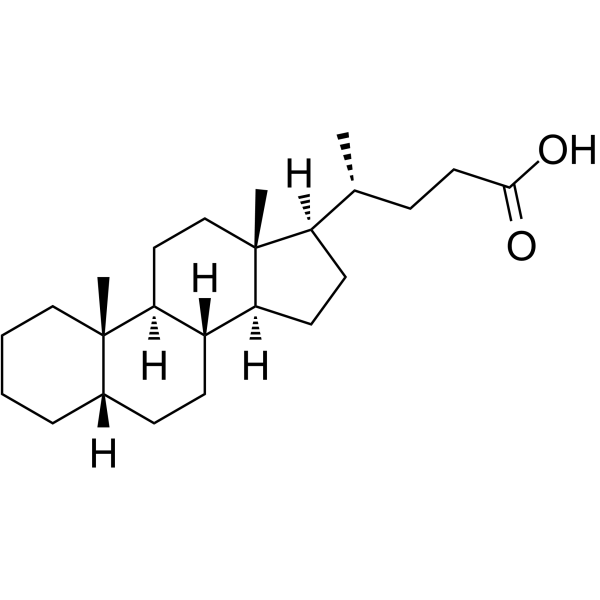
5β-Cholanic acid is a hydrophobic modifier used to modify polymer carriers. 5β-Cholanic acid can improve the acid stability, cell penetration efficiency and drug sustained release ability of nanocarriers, and optimize the oral effectiveness of delivered molecules. 5β-Cholanic acid can covalently bind to Glycol chitosan (GC) to form a GC-CA conjugate, which optimizes the hydrophobic anchoring ability of nanoparticles and enables them to be stably adsorbed on the surface of PLGA nanoparticles. Such nanoparticles can resist dissociation in the gastric acid environment and maintain positive charge to enhance endocytic uptake by intestinal epithelial cells (such as Caco-2 cells). 5β-Cholanic acid can be used in the development of drug delivery systems .
loading...
    loading...
1
1 Cited Publications
Cat. No.: HY-W157376
CAS No.: 155773-72-1
Research Areas:  

Infection Cancer

PAMAM Dendrimer G0.0 amine is a pore-forming channel antagonist, including anthrax toxin protective antigen 63 (PA63, IC50 = 231 nM) and C. botulinum C2 toxin subunit (C2IIa, IC50 = 940 nM). At concentrations of 10 and 20 µM, PAMAM Dendrimer G0.0 amine reduces C2 toxin-induced death in HeLa cells. Additionally, PAMAM Dendrimer G0.0 amine is a chelator of nickel. In complexes with polysulfone membrane-bound chitosan, PAMAM Dendrimer G0.0 amine selectively captures and stores carbon dioxide (CO2) in a gas-feed system. PAMAM Dendrimer G0.0 amine has been used in the synthesis of PAMAM Dendrimer G0.5 Carboxylate (CAS 339334-01-9) and PAMAM Dendrimer G1.0 Amine (CAS 142986-44-5). PAMAM Dendrimer G0.0 amine can be used in research related to infections, cancer, and drug delivery systems .
loading...
    loading...
Cat. No.: HY-W250313
CAS No.: 26100-51-6
Synonyms: PLA
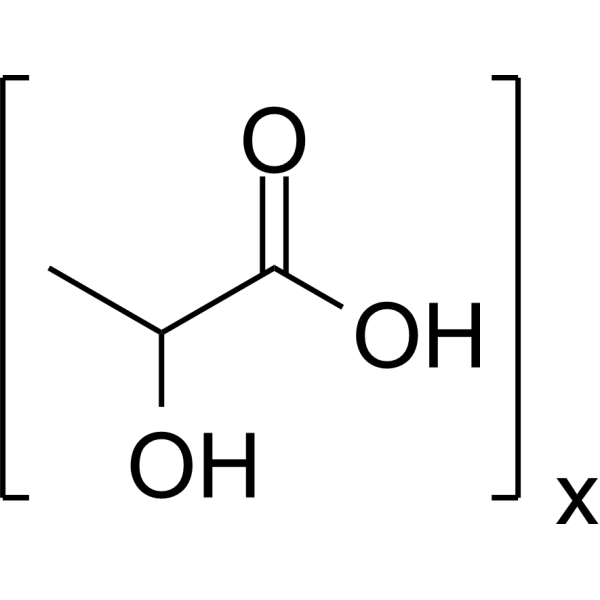
Polylactic acid (PLA) is a biodegradable and biocompatible polymer widely used as a carrier for drug delivery systems and a structural material for tissue engineering and medical implants. Polylactic acid acts as a controlled release matrix through the hydrolysis mechanism of ester bonds, gradually releasing the encapsulated drug and metabolizing to non-toxic lactic acid. Polylactic acid has adjustable degradation rate, mechanical properties and the ability to composite with other polymers, and can be used in local or systemic drug delivery, orthopedic fixation devices and 3D printed bone regeneration scaffolds .
loading...
    loading...
Cat. No.: HY-160523
CAS No.: 2695594-15-9
Research Areas:  

Others

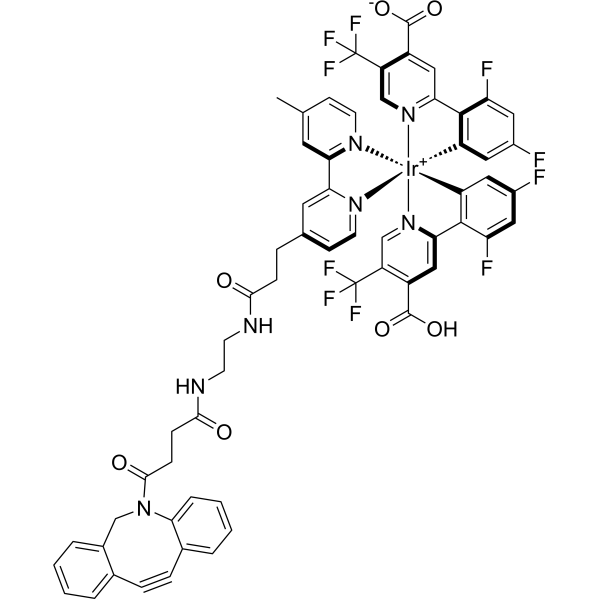
DBCO Ir catalyst is an iridium catalyst labeled with DBCO. DBCO Ir catalyst can be used for in situ labeling and imaging of biomolecules (e.g., proteins, nucleic acids) in living organisms or for constructing targeted drug delivery systems .
loading...
    loading...
Cat. No.: HY-Y0873O
CAS No.: 25322-68-3
Synonyms: Polyethylene glycol 35000
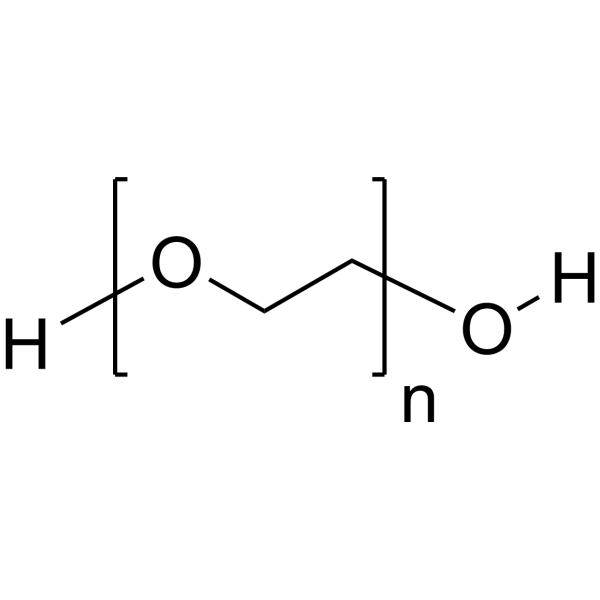
PEG35000 is a polyethylene glycol with a molecular weight of 35,000 that can be used as a carrier material and modifier in drug delivery systems .
loading...
    loading...
Cat. No.: HY-W763806
CAS No.: 9010-66-6
Zein is a plant protein‐based polymer, can be used to prepare nanofibrous mats through electrospun. Zein has good cell compatibility and easy fabrication ability, and can be used in drug delivery systems .
loading...
    loading...
Cat. No.: HY-121447
CAS No.: 2363-71-5
Purity:  ≥98.0%
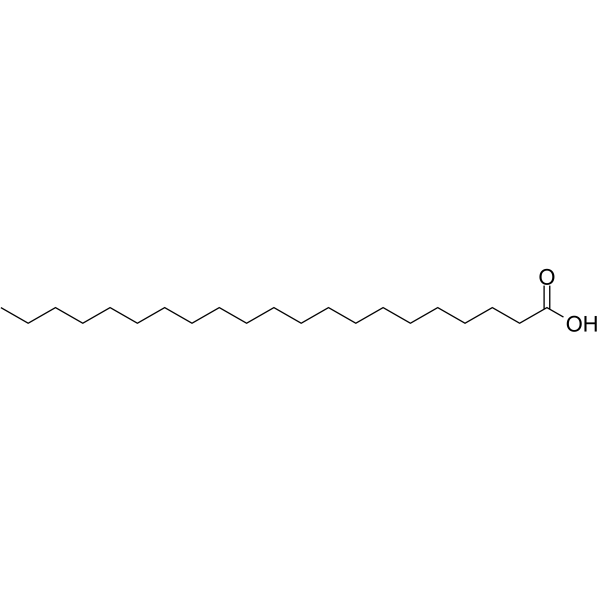
Heneicosanoic acid is an odd-chain saturated fatty acid widely present in human milk, fish, seeds, and cerebrosides in the cell membranes of the nervous system. Heneicosanoic acid can form Langmuir monolayers and is often used as a model to study lipid self-assembly and disassembly processes in biological membranes and drug delivery systems. In the low-temperature L'2 and CS crystalline phases, Heneicosanoic acid undergoes local oscillations, which in turn drive the spontaneous formation and expulsion of micelles and vesicles .
loading...
    loading...
Cat. No.: HY-143702
CAS No.: 1010076-97-7
Purity:  95.20%
Synonyms: NBD-DOTAP
Research Areas:  

Inflammation/Immunology Cancer

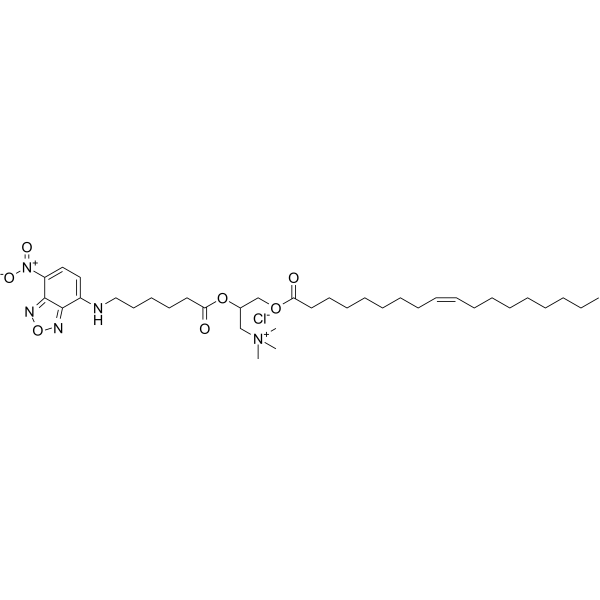
Fluorescent DOTAP (NBD-DOTAP) is a cationic lipid which can be used for nucleic acid and protein delivery. Fluorescent DOTAP is labeled with a fluorophore NBD (maximum excitation/emission wavelength ∼463/536 nm). Fluorescent DOTAP can be used for gene delivery systems, drug delivery, as well as cell imaging and nanocarrier tracking. Fluorescent DOTAP is an ideal candidate for both biological and pharmaceutical formulation (e.g. co-delivery of vaccines) research .
loading...
    loading...
Cat. No.: HY-174264
Research Areas:  

Others

DMG-PEG2000-NHS is a polyethylene glycol lipid with a molecular weight of 2000, which can be used to construct novel drug delivery systems that confer mucoadhesive and cell-targeting capabilities to lipid nanoparticles .
loading...
    loading...

