

1. Search Result
Search Result
Results for "

effective in vivo

" in MedChemExpress (MCE) Product Catalog:

57

Inhibitors & Agonists

1

Screening Libraries

2

Biochemical Assay Reagents

2

Peptides

2

Inhibitory Antibodies

5

Natural
Products

1

Isotope-Labeled Compounds

2

Oligonucleotides

Cat. No. 상품명 Target 연구분야 Chemical Structure
  • HY-139200
    DOTMA
    1 Publications Verification

    Liposome Others
    DOTMA is a cationic lipid that has been used as a non-viral vector for gene therapy. DOTMA is used as a component of liposomes to encapsulate siRNA, microRNA, and oligonucleotides and for in vitro gene transfection. DOTMA promotes effective interaction between liposomes and cell membranes by inducing positive charge on the liposomes. DOTMA showed good gene transfection effect both in vitro and in vivo .
    DOTMA
  • HY-D0227A
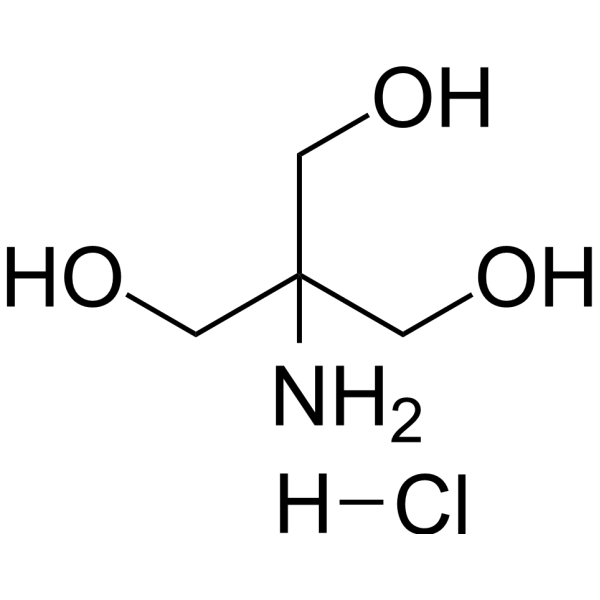
    THAM hydrochloride
    1 Publications Verification

    Tris HCl; Tris(hydroxymethyl)aminomethane hydrochloride

    Biochemical Assay Reagents Metabolic Disease Cancer
    THAM hydrochloride (Tris HCl) is a biologically inert amino alcohol of low toxicity, which buffers carbon dioxide and acids in vitro and in vivo. THAM hydrochloride is an effective amine compound for pH control in the physiological range .
    THAM hydrochloride
  • HY-14532
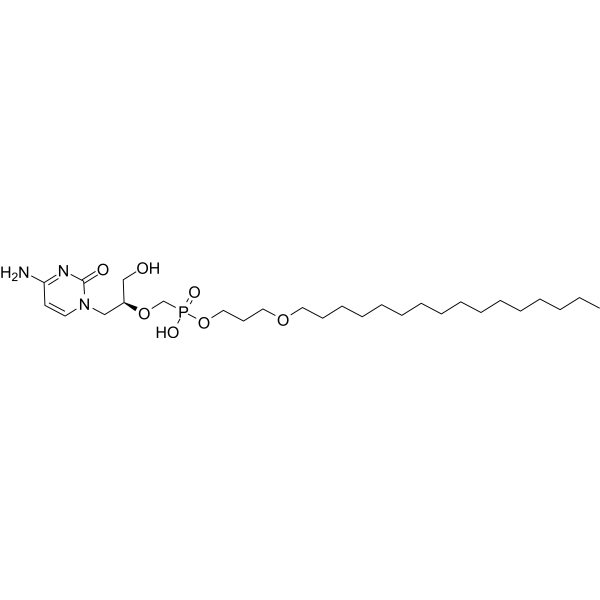
    Brincidofovir
    5 Publications Verification

    CMX001; HDP-CDV

    CMV HSV Orthopoxvirus Infection
    Brincidofovir (CMX001), the lipid-conjugated prodrug of Cidofovir (HY-17438), is an orally available, long-acting antiviral. Brincidofovir shows activity against a broad spectrum of DNA viruses including cytomegalovirus (CMV), adenovirus (ADV), varicella zoster virus, herpes simplex virus, polyomaviruses, papillomaviruses, poxviruses, and mixed double-stranded DNA virus infections. Brincidofovir, an oral antiviral in late stage development, has proven effective against orthopoxviruses in vitro and in vivo .
    Brincidofovir
  • HY-130413

    Neuroprotectin D1; NPD1

    Endogenous Metabolite PI3K Akt HIF/HIF Prolyl-Hydroxylase Reactive Oxygen Species (ROS) Caspase Interleukin Related MicroRNA Cardiovascular Disease Neurological Disease Inflammation/Immunology
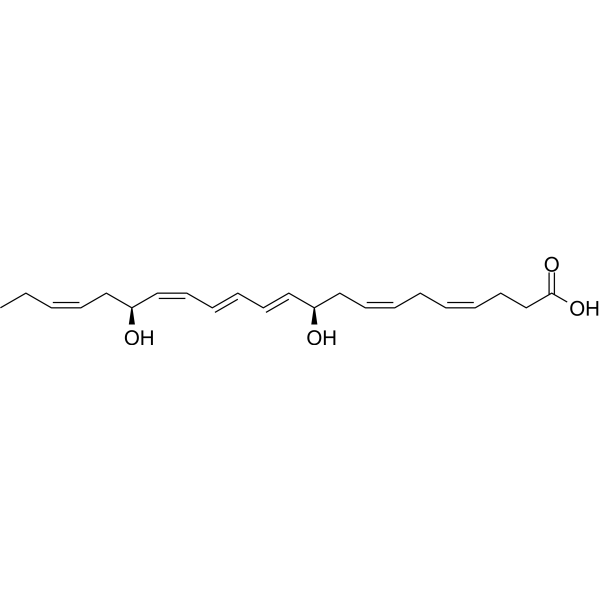
    Protectin D1, a neuroprotectin D1 produced by neuronal cells, is a member of a newly discovered family of bioactive products derived from docosahexaenoic acid. Protectin D1 also serves as a specialized pro-resolving mediator, exhibiting effective in vivo pro-resolving activity in various human disease models. Additionally, Protectin D1 is an inhibitor of NALP3 inflammasomes and regulates the PI3K/AKT and HIF-1α signaling pathways. Protectin D1 exerts anti-inflammatory effects by reducing ROS levels, inhibiting the expression of NALP3, ASC, and Caspase-1, and consequently decreasing the release of pro-inflammatory cytokines IL-1β and IL-18. Furthermore, Protectin D1 enhances miRNA-210 expression, activates the PI3K/AKT signaling pathway, and exerts cardioprotective effects. Protectin D1 holds promise for research in cardiovascular diseases and inflammatory disorders .
    Protectin D1
  • HY-W011404
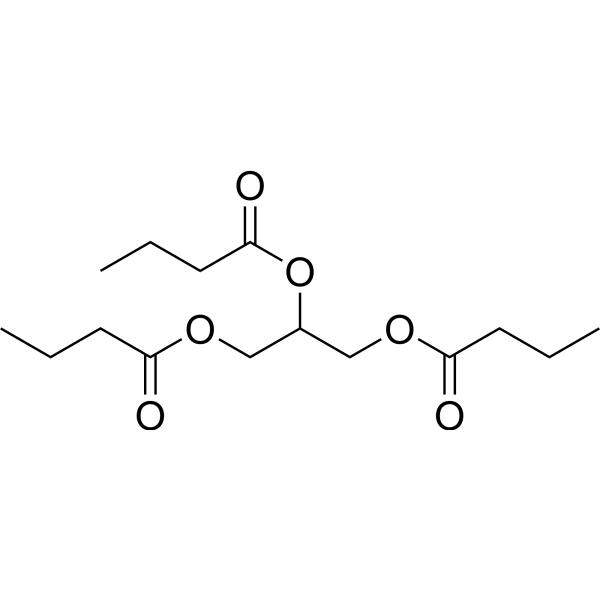
    Tributyrin
    1 Publications Verification

    Glyceryl tributyrate

    Apoptosis TNF Receptor Interleukin Related Metabolic Disease Cancer
    Tributyrin (Glyceryl tributyrate), a neutral short-chain fatty acid triglyceride, is a stable and rapidly absorbed proagent of Butyric Acid. Tributyrin diffuses through biological membranes and is metabolized by intracellular lipases, releasing effective butyrate directly into the cell in vivo. Tributyrin has potent antiproliferative, proapoptotic and differentiation-inducing effects .
    Tributyrin
  • HY-B2167R

    DHA (Standard); Cervonic acid (Standard)

    Reference Standards Endogenous Metabolite Neurological Disease Cancer
    Docosahexaenoic acid (Standard) is the analytical standard of Docosahexaenoic acid. This product is intended for research and analytical applications. Docosahexaenoic Acid (DHA) is an omega-3 fatty acid abundantly present brain and retina. It can be obtained directly from fish oil and maternal milk. In Vitro: Docosahexaenoic acid (DHA) is essential for the growth and functional development of the brain in infants. DHA is also required for maintenance of normal brain function in adults. The inclusion of plentiful DHA in the diet improves learning ability and memory . DHA is an essential requirement in every step of brain development like neural cell proliferation, migration, differentiation, synaptogenesis. The multiple double bonds and unique structure allow DHA to impart special membrane characteristics for effective cell signaling. Many development disorders like dyslexia, autism spectrum disorder, attention deficit hyperactivity disorder, schizophrenia etc. are causally related to decreased level of DHA . DHA is a potent RXR ligand inducing robust RXR activation already at low micro molar concentrations. The EC50 for RXRα activation by DHA is about 5-10 μM fatty acid . In Vivo: Docosahexaenoic acid administration over 10 weeks significantly reduces the number of reference memory errors, without affecting the number of working memory errors, and significantly increases the docosahexaenoic acid content and the docosahexaenoic acid/arachidonic acid ratio in both the hippocampus and the cerebral cortex . DHA treatment exerts neuroprotective actions on an experimental mouse model of PD. There is a decrease tendency in brain lipid oxidation of MPTP mice but it does not significantly .
    Docosahexaenoic acid (Standard)
  • HY-105634A

    Progesterone Receptor Endocrinology Cancer
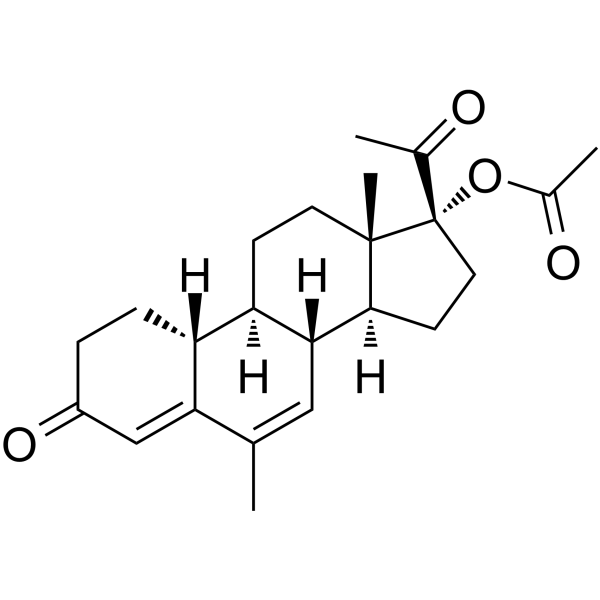
    Nomegestrol acetate is an orally active, highly selective progestogen and a progesterone receptor complete agonist. Nomegestrol acetate inhibits ovulation. Nomegestrol acetate is also effective in inhibiting the proliferation of human endometrial cancer RL95-2 cells in vitro and in vivo. Nomegestrol acetate can be used in cancer (especially endometrial cancer) and contraceptive studies .
    Nomegestrol acetate
  • HY-103261

    Proton Pump Endocrinology
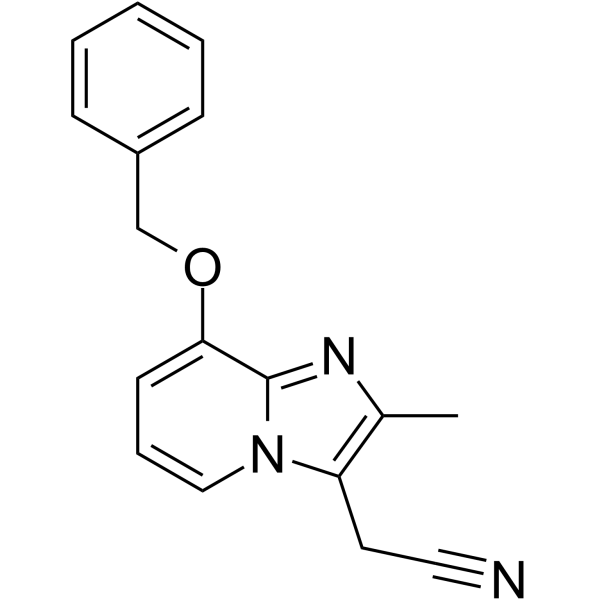
    SCH28080 is a reversible, K +-competitive inhibitor of the gastric H,K-ATPase, with a Ki of 0.12 μM. SCH28080 is an effective inhibitor of acid secretion in vivo and with anti-gastric ulcer activity .
    SCH28080
  • HY-W393372
    THAM maleate
    1 Publications Verification

    Tris maleate; Tris(hydroxymethyl)aminomethane maleate

    Environmental Pollutants Biochemical Assay Reagents Cardiovascular Disease Metabolic Disease
    THAM (Tris) maleate is a biologically inert amino alcohol of low toxicity, which buffers carbon dioxide and acids in vitro and in vivo. THAM maleate is an effective amine compound for pH control in the physiological range .
    THAM maleate
  • HY-P99395
    Talacotuzumab
    1 Publications Verification

    JNJ 56022473; CSL 362

    Interleukin Related Cancer
    Talacotuzumab (JNJ 56022473; CSL 362) is an IgG1-type fully humanized, CD123-neutralizing monoclonal antibody containing a modified Fc structure. Talacotuzumab has KDs of 0.43 nM, 188 nM, 46 nM, 16.8 nM for CD123, CD32b/c, CD16-158F, CD16-158V, respectively. Talacotuzumab inhibits IL-3 binding to CD123, antagonizing IL-3 signaling in target cells. Talacotuzumab has mutated the Fc region to increase affinity for CD16 (FcγRIIIa), thereby enhancing antibody-dependent cell-mediated cytotoxicity (ADCC). Talacotuzumab is highly effective in vivo reducing leukemic cell growth in acute myeloid leukemia (AML) xenograft mouse models .
    Talacotuzumab
  • HY-11067
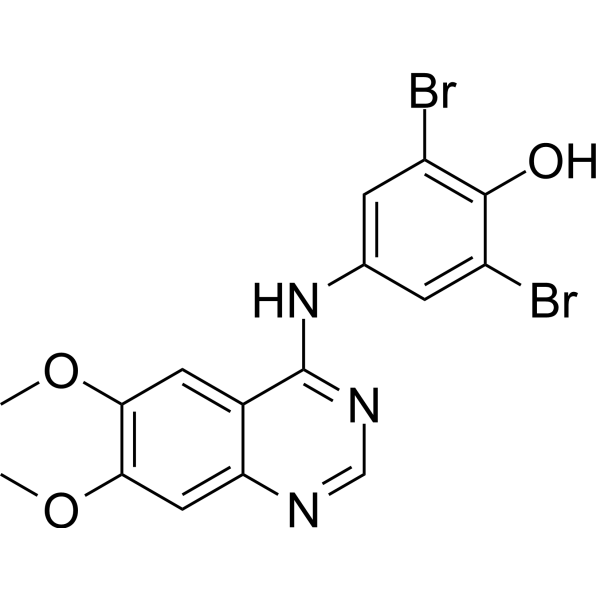
    WHI-P97
    1 Publications Verification

    JAK Inflammation/Immunology
    WHI-P97 is a potent and selective JAK-3 inhibitor. WHI-P97 is effective in preventing the development allergic asthma in vivo .
    WHI-P97
  • HY-143657

    Myosin Ferlin Family MMP Cancer
    Myoferlin inhibitor 1 is a compound that exhibits reversible, concentration-dependent binding to the myoferlin MYOF-C2D protein, with a KD of 0.094 μM. Myoferlin inhibitor 1 shows potent anti-invasion and anti-migration activities against different pancreatic cancer cells. Myoferlin inhibitor 1 inhibits pancreatic cancer metastasis through reversing mesenchymal transition (EMT), inhibiting the secretions of MMP1 and MMP2 and blocking the receptor tyrosine kinases. Myoferlin inhibitor 1 displays effective antimetastatic activities in pancreatic cancer in vitro and in vivo. Myoferlin inhibitor 1 can be used in research on preventing pancreatic cancer metastasis .
    Myoferlin inhibitor 1
  • HY-P1047

    [Pro18, Asp21] β-Amyloid (17-21)

    Amyloid-β Neurological Disease
    β-Sheet Breaker Peptide iAβ5 is an effective brain amyloid-β (Abeta) degrader. Abeta deposits are associated with Alzheimer's disease (AD), and the related toxicity arises from its β-sheet conformation and aggregation. β-Sheet Breaker Peptide iAβ5 can repeatedly induce the degradation of fibrillary amyloid deposits in vivo. Therefore, β-Sheet Breaker Peptide iAβ5 can prevent and/or reverse neuronal contraction caused by Abeta and reduce the range of interleukin IL-1beta positive microglial-like cells around Abeta deposits. β-Sheet Breaker Peptide iAβ5 can reduce the size and/or number of brain amyloid plaques in AD. β-Sheet Breaker Peptide iAβ5 is labeled with a hydrophobic benzyl alcohol (HBA) tag and shows a bright blue color under acidic conditions, which can be used for quantitative determination.
    β-Sheet Breaker Peptide iAβ5
  • HY-151102

    Antibiotic Bacterial Infection
    Fabimycin is a FabI inhibitor with potent antibacterial activity against gram-negative bacteria. Fabimycin is effective against drug-resistant gram-negative Infections in vivo .
    Fabimycin
  • HY-162937

    Kinesin Microtubule/Tubulin Cancer
    KIF18A-IN-13 (Compound 16) is an effective and orally active inhibitor of KIF18A with anticancer activity in vivo. KIF18A-IN-13 can be utilized for research in ovarian cancer .
    KIF18A-IN-13
  • HY-18641

    LPL Receptor Cancer
    Ki16198 is a potent and orally active LPA receptor antagonist, the methyl ester of Ki16425 (HY-13285). Ki16198 inhibits LPA1 and LPA3-induced inositol phosphate production with?Ki?values of 0.34 μM and 0.93 μM, respectively. Ki16198 is effective for pancreatic cancer tumorigenesis and metastasis in vivo .
    Ki16198
  • HY-113364

    5α-THB

    Glucocorticoid Receptor Endogenous Metabolite Drug Metabolite Metabolic Disease Inflammation/Immunology
    5α-Tetrahydrocorticosterone (5α-HB), an endogenous steroid, is a glucocorticoid receptor (GR) agonist and a metabolite of Corticosterone (HY-B1618). 5α-Tetrahydrocorticosterone is an effective topical anti-inflammatory agent in vivo. 5α-Tetrahydrocorticosterone reduces metabolites that bind to GR-Corticosterone and its 5α-reduced metabolites in rat hepatocytes, with a Kd of 268 nM. 5α-Tetrahydrocorticosterone can be used for research on inflammatory skin diseases .
    5α-Tetrahydrocorticosterone
  • HY-16632

    γ-secretase Amyloid-β Metabolic Disease
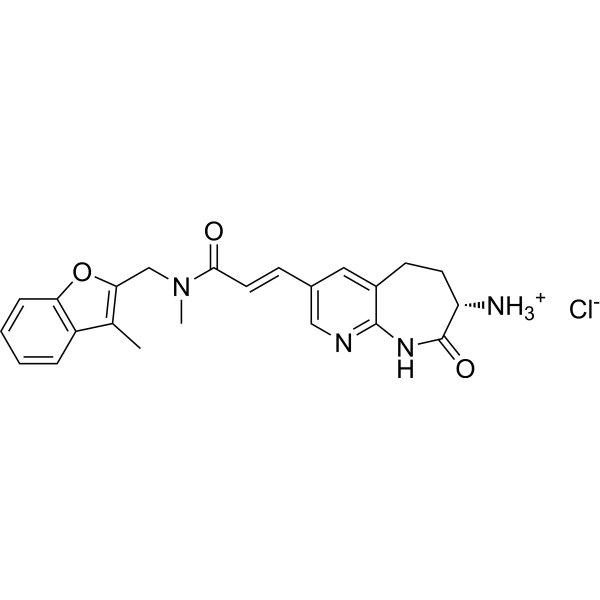
    ELND 006 (Compound 30) is a metabolically stable γ-secretase inhibitor designed to selectively inhibit amyloid beta (Aβ) generation while sparing Notch signaling. It was developed through a synthetic strategy emphasizing diversity and chirality. ELND 006, along with its analog ELND007 (Compound 34), progressed into human clinical trials. In preclinical studies, both compounds demonstrated effective reduction of Aβ levels in vitro and in vivo. Comparisons with other γ-secretase inhibitors like Semagacestat, Begacestat, and Avagacestat underscored their potency and specificity in lowering Aβ levels in cerebrospinal fluid (CSF) of healthy human volunteers, suggesting potential therapeutic efficacy in Alzheimer's disease .
    ELND 006
  • HY-N11709

    Apoptosis VEGFR ATM/ATR PTEN Akt mTOR HIF/HIF Prolyl-Hydroxylase NF-κB Notch Cholinesterase (ChE) Amyloid-β γ-secretase Ferroptosis Fungal Infection Neurological Disease Metabolic Disease Cancer
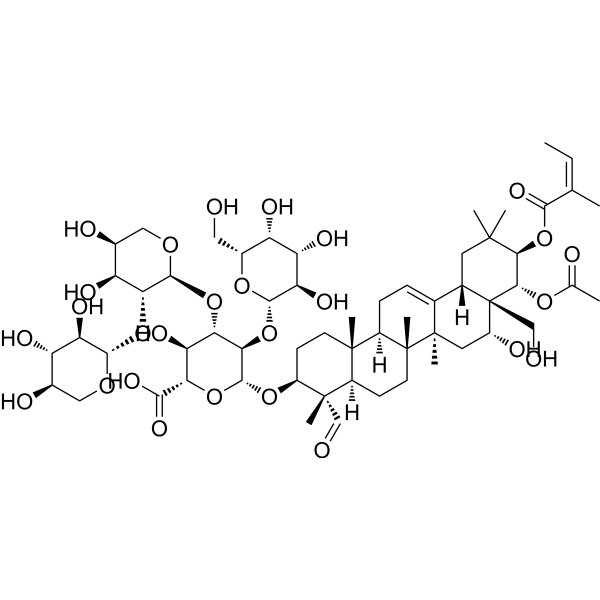
    Theasaponin E1 is an orally effective tea saponin. Theasaponin E1 inhibits the proliferation of cancer cells by activating apoptosis. Theasaponin E1 inhibits angiogenesis in ovarian cancer cells and HUVECs by reducing the expression of VEGF. Theasaponin E1 upregulates the phosphorylation level of ATM protein and the expression level of PTEN protein in cancer cells, decreases the phosphorylation levels of Akt, mTOR, p70S6K and 4E-BP1 proteins, downregulates the expression of HIF-1α and NF-κB, and reduces the protein expression of Notch ligands Dll4 and Jagged1. Theasaponin E1 exerts neuroprotective effects by inhibiting the activity of acetylcholinesterase, activating α-secretase and neprilysin, reducing the concentration of , and inhibiting the activities of β-secretase and γ-secretase. Theasaponin E1 exhibits toxic effects on cancer cells and quinone reductase-inducing activity, and inhibits tumor growth in vivo. Theasaponin E1 induces ferroptosis in Pomacea canaliculata by synergistically disrupting cholesterol homeostasis and sphingolipid metabolism. Theasaponin E1 possesses anti-biofilm activity against Candida albicans. Theasaponin E1 can be used in the research of ovarian cancer, obesity, Alzheimer's disease and fungal infections .
    Theasaponin E1
  • HY-P991525

    TNF Receptor Cancer
    2141-V11 is an anti-CD40 agonist antibody with enhanced binding to FcγRIIB. 2141-V11 results in effective tumor-specific T-cell responses in vivo. 2141-V11 can be used for the study of BCG-unresponsive non-muscle invasive bladder cancer .
    2141-V11
  • HY-162783

    Histone Methyltransferase Cancer
    AZ-PRMT5i-1 (Compound 28) is an effective and orally active MTAP-selective PRMT5 inhibitor. AZ-PRMT5i-1 also demonstrates MTA cooperativity and exhibits both in vitro and in vivo antitumor activities, and can be used to study MTAP-deficient cancers .
    AZ-PRMT5i-1
  • HY-14532S

    CMX001-d6; HDP-CDV-d6

    Isotope-Labeled Compounds HSV CMV Orthopoxvirus Infection
    Brincidofovir-d6 (CMX001-d6) is the deuterium labeled Brincidofovir (HY-14532). Brincidofovir (CMX001), the lipid-conjugated prodrug of Cidofovir (HY-17438), is an orally available, long-acting antiviral. Brincidofovir shows activity against a broad spectrum of DNA viruses including cytomegalovirus (CMV), adenovirus (ADV), varicella zoster virus, herpes simplex virus, polyomaviruses, papillomaviruses, poxviruses, and mixed double-stranded DNA virus infections. Brincidofovir, an oral antiviral in late stage development, has proven effective against orthopoxviruses in vitro and in vivo. .
    Brincidofovir-d6
  • HY-131527R

    N-Desmethyl Venlafaxine hydrochloride (Standard); Wy 45494 (Standard)

    Serotonin Transporter Reference Standards Metabolic Disease
    Wy-45494 (hydrochloride) (Standard) is the analytical standard of Wy-45494 (hydrochloride). This product is intended for research and analytical applications. Wy-45494 hydrochloride (N-Desmethyl Venlafaxine hydrochloride; Wy 45494) is a minor active metabolite of the selective norepinephrine and serotonin reuptake inhibitor (SNRI) venlafaxine. It is formed from venlafaxine via the cytochrome P450 (CYP) isomer CYP3A4.2. Wy-45494 hydrochloride inhibits norepinephrine and serotonin reuptake in rat synaptosomal preparations (IC50s of 4.7 and 1.6 μM, respectively). In vivo, Wy-45494 hydrochloride reversed reserpine-induced hypothermia in mice at a minimum effective dose (MED) of 10 mg/kg.
    Wy-45494 hydrochloride (Standard)
  • HY-157213

    Apoptosis PROTACs FLT3 Cancer
    LWY713 is a PROTAC-class FLT3 degrader (DC50=0.64 nM), which selectively induces FLT3 degradation via cereblon and proteasome-dependent pathways. LWY713 inhibits cell proliferation and induces G0/G1 phase arrest and apoptosis in MV4-11 cells. LWY713 shows effective in vivo antitumor activity in MV4-11 xenograft models . LWY713 consists of a target protein ligand (red part) Gilteritinib (HY-12432), an E3 ubiquitin ligase ligand (blue part) Lenalidomide-F (HY-W039233), and a PROTAC linker (black part) Glycolic acid (HY-W015967). E3 ubiquitin ligase and linker can form Lenalidomide-Glycolic acid (HY-169373); the active control for the target protein ligand is Naproxen Gilteritinib (HY-169374).
    LWY713
  • HY-116713

    Parasite Dihydroorotate Dehydrogenase Infection
    PfDHODH-IN-3 (compound 2) is an orally active PfDHODH inhibitor with strong antimalarial activity (IC50=47 nM). PfDHODH-IN-3 can inhibit the growth of Plasmodium in animals .
    PfDHODH-IN-3
  • HY-165152

    STING Others
    KAS 08 is an effective STING pathway activator in vitro and in vivo. KAS 08 enhances STING activity initiated by cGAMP.
    KAS 08
  • HY-U00045

    BRL-38705

    Parasite Others
    Epsiprantel (BRL-38705) is a compound with anti-Echinococcus activity that can cause the death of protoscolex, larvae and adults in vitro, and is more effective against mature worms than larvae in vivo, with no side effects.
    Epsiprantel
  • HY-D0227R

    Tris (Standard); Tris(hydroxymethyl)aminomethane (Standard)

    Biochemical Assay Reagents Reference Standards Metabolic Disease Cancer
    THAM (Standard) is the analytical standard of THAM. This product is intended for research and analytical applications. THAM (Tris) is a biologically inert amino alcohol of low toxicity, which buffers carbon dioxide and acids in vitro and in vivo. THAM is an effective amine compound for pH control in the physiological range .
    THAM (Standard)
  • HY-W011404R

    Glyceryl tributyrate (Standard)

    Apoptosis Reference Standards TNF Receptor Interleukin Related Metabolic Disease Cancer
    Tributyrin (Glyceryl tributyrate), a neutral short-chain fatty acid triglyceride, is a stable and rapidly absorbed proagent of Butyric Acid. Tributyrin diffuses through biological membranes and is metabolized by intracellular lipases, releasing effective butyrate directly into the cell in vivo. Tributyrin has potent antiproliferative, proapoptotic and differentiation-inducing effects .
    Tributyrin (Standard)
  • HY-18754A

    FR 167653 sulfate

    p38 MAPK Autophagy Endocrinology
    FR 167653 (FR 167653 sulfate), an orally active and selective p38 MAPK inhibitor, is a potent suppressor of TNF-α and IL-1β production via specific inhibition of p38 MAPK activity. FR 167653 (FR 167653 sulfate) is effective in treating inflammation, relieving trauma and ischemia-reperfusion injury in vivo .
    FR 167653
  • HY-162537

    PROTACs NAMPT Cancer
    LYP-8 is a potent and effective NAMPT degrader with maximum degradation of 97% at 0.5 μM in SKOV-3 cells. LYP-8 shows anti-cancer activity in vivo and in vitro(Sturcture Note:(Blue: Cereblon ligand (HY-112078), Black: linker (HY-128801);Pink: Nampt inhibitor Nampt-IN-11 (HY-158689)) .
    LYP-8
  • HY-136720

    COX Others
    ZXX2-77 is a cyclooxygenase-1 (COX-1) selective inhibitor belonging to the benzenesulfonylanilide class of compounds. It is reported as a novel analgesic that does not cause gastric damage. ZXX2-77 has a weak analgesic effect but exhibits potent COX-1 inhibitory activity in vitro. The low oral absorption rate of ZXX2-77 leads to its weak analgesic effect in vivo. At a dose of 30 mg/kg, the maximum plasma concentration of ZXX2-77 (1.2 mM) did not reach its COX-1 IC50 value (3.2 mM). In contrast, its derivative ZXX2-79, although weaker in vitro COX inhibitory activity, is better absorbed, exhibits stronger analgesic effect and hardly causes gastric damage. These findings suggest that ZXX2-77 and its derivatives as COX-1 selective inhibitors may become effective analgesics that do not cause gastric damage.
    ZXX2-77
  • HY-119057

    Parasite Infection
    DSM74 (compound 21) is an orally active and potent antimalarial inhibitor of PfDHODH (IC50=0.28 μM) and PbDHODH (IC50=0.38 μM). DSM74 inhibits the growth of Plasmodium in animals .
    DSM74
  • HY-U00337A

    DNA/RNA Synthesis Cancer
    Datelliptium chloride hydrochloride is a DNA-intercalating agent derived from Ellipticine (HY-15753). Datelliptium chloride hydrochloride is effective in vivo against a variety of murine solid tumors .
    Datelliptium chloride hydrochloride
  • HY-155250

    Bacterial Infection
    Antibacterial agent 154 (compound 7) is a derivative of Fluoroqinolones and is an orally effective antibacterial agent. Antibacterial agent 154 inhibits Gram-positive and Gram-negative bacteria. Antibacterial agent 154 demonstrated in vivo efficacy in a mouse model of staphylococcal sepsis .
    Antibacterial agent 154
  • HY-D0227AR

    Tris HCl (Standard); Tris(hydroxymethyl)aminomethane hydrochloride (Standard)

    Biochemical Assay Reagents Reference Standards Metabolic Disease Cancer
    THAM (hydrochloride) (Standard) is the analytical standard of THAM (hydrochloride). This product is intended for research and analytical applications. THAM hydrochloride (Tris HCl) is a biologically inert amino alcohol of low toxicity, which buffers carbon dioxide and acids in vitro and in vivo. THAM hydrochloride is an effective amine compound for pH control in the physiological range .
    THAM hydrochloride (Standard)
  • HY-129886

    Antibiotic Others
    PKUMDL-LTQ-301 is a HipA toxin inhibitor discovered through structure-based virtual screening, which has the activity of significantly reducing the persistence of Escherichia coli. Its most effective compounds have certain KD and EC50 values when screened against different antibiotics in vitro and in vivo.
    PKUMDL-LTQ-301
  • HY-103261R

    Reference Standards Proton Pump Endocrinology
    SCH28080 (Standard) is the analytical standard of SCH28080. This product is intended for research and analytical applications. SCH28080 is a reversible, K+-competitive inhibitor of the gastric H,K-ATPase, with a Ki of 0.12 μM. SCH28080 is an effective inhibitor of acid secretion in vivo and with anti-gastric ulcer activity .
    SCH28080 (Standard)
  • HY-164550

    HDAC Cancer
    YF438 is an HDAC inhibitor with effective anticancer activity both in vitro and in vivo. YF438 inhibits the growth and metastasis of triple-negative breast cancer (TNBC) cells by blocking the interaction between HDAC and MDM2, inducing the dissociation of MDM2-MDMX, and promoting the degradation of MDM2 .
    YF438
  • HY-18754

    p38 MAPK Autophagy Endocrinology
    FR 167653 free base, an orally active and selective p38 MAPK inhibitor, is a potent suppressor of TNF-α and IL-1β production via specific inhibition of p38 MAPK activity. FR 167653 free base is effective in treating inflammation, relieving trauma and ischemia-reperfusion injury in vivo .
    FR 167653 free base
  • HY-W848341

    NSC 338947; CIEtSoSo

    DNA Alkylator/Crosslinker Cancer
    Clomesone (NSC 338947) is a compound with antitumor activity. Clomesone induces the formation of cross-links between DNA strands in cell lines. Clomesone is inactive against most human colorectal cancer solid tumor cell lines in vitro, has no significant activity against mouse tumors in vivo, and is accompanied by bone marrow suppression. Its pharmacokinetic behavior indicates that it cannot reach effective concentrations at the tumor site.
    Clomesone
  • HY-147692

    COX Inflammation/Immunology
    COX-2-IN-14 (compound 2a) is a potent and selective COX-2 (cyclooxygenase-2) inhibitor. COX-2-IN-14 shows effective binding at the active site of COX-2 co-crystal. COX-2-IN-14 exhibits a high level of in vivo anti-inflammatory activity, reducing ear edema and myeloperoxidase (MPO) activity in mice .
    COX-2-IN-14
  • HY-105634AR

    Reference Standards Progesterone Receptor Endocrinology Cancer
    Nomegestrol acetate (Standard) is the analytical standard of Nomegestrol acetate. This product is intended for research and analytical applications. Nomegestrol acetate is an orally active, highly selective progestogen and a progesterone receptor complete agonist. Nomegestrol acetate inhibits ovulation. Nomegestrol acetate is also effective in inhibiting the proliferation of human endometrial cancer RL95-2 cells in vitro and in vivo. Nomegestrol acetate can be used in cancer (especially endometrial cancer) and contraceptive studies .
    Nomegestrol acetate (Standard)
  • HY-146166

    Parasite Reactive Oxygen Species (ROS) Infection Inflammation/Immunology
    PT4 is a therapeutic agent against Cutaneous leishmaniasis (CL). PT4 is effective against both species of Leishmania, with IC50s of 125.18 and 233.18 μM for L. amazonensis and L. braziliensis, respectively. PT4 decreases of mitochondrial membrane potential and increases production of reactive oxygen species, which leads to parasite death. PT4 has a potent in vivo anti-inflammatory activity .
    PT4
  • HY-147546

    Bacterial Infection
    Antibacterial agent 107 (compound 14) is a potent antibacterial agent. Antibacterial agent 107 shows potent antibacterial activity against Gram-positive bacteria, with a MIC of 1.56 μg/mL (MRSA). Antibacterial agent 107 exhibits low hemolytic activity, high membrane selectivity, and rapid bactericidal activity. Antibacterial agent 107 shows effective in vivo efficacy in the murine model of bacterial keratitis caused by Staphylococcus aureus ATCC29213 .
    Antibacterial agent 107
  • HY-161319

    EGFR Cancer
    EGFR-IN-104 (Compound A23) is an effective inhibitor of EGFR, with IC50 values of 0.33 μM and 0.133 μM against EGFR L858R/T790M and EGFR Del19/T790M/C797S, respectively. EGFR-IN-104 exhibits anticancer activity both in vitro and in vivo .
    EGFR-IN-104
  • HY-155458

    PARP Inflammation/Immunology Cancer
    HYDAMTIQ is a PARP-1/2 inhibitor (IC50: 29-38 nM) with anticancer, anti-inflammatory, and ischemic protective effects. HYDAMTIQ inhibits pulmonary PARP activity, is effective against allergen-induced cough and dyspnea, and inhibits bronchial hyperresponsiveness to methacholine. HYDAMTIQ has broad-spectrum tumor suppressor effects, including ovarian and breast cancers, prostate and pancreatic tumors, and glioblastoma multiforme. HYDAMTIQ has demonstrated in vivo efficacy in animal models of cerebral ischemia, asthma, cancer, and more .
    HYDAMTIQ
  • HY-131527

    N-Desmethyl Venlafaxine hydrochloride; Wy 45494

    Serotonin Transporter Metabolic Disease
    Wy-45494 hydrochloride (N-Desmethyl Venlafaxine hydrochloride; Wy 45494) is a minor active metabolite of the selective norepinephrine and serotonin reuptake inhibitor (SNRI) venlafaxine. It is formed from venlafaxine via the cytochrome P450 (CYP) isomer CYP3A4.2. Wy-45494 hydrochloride inhibits norepinephrine and serotonin reuptake in rat synaptosomal preparations (IC50s of 4.7 and 1.6 μM, respectively). In vivo, Wy-45494 hydrochloride reversed reserpine-induced hypothermia in mice at a minimum effective dose (MED) of 10 mg/kg.
    Wy-45494 hydrochloride
  • HY-P11343

    Fungal Infection
    Verlamelin B (Compound 147) is effective against plant pathogenic fungal and is a derivative of Verlamelin (HY-N14856).Verlamelin B exhibits potent plant protective activity in vivo, particularly against rice blast and barley powdery mildew. Verlamelin B causes morphological changes in fungal cells, such as swelling or expansion. Verlamelin B exhibits weaker antifungal activity in vitro against plant pathogens such as rice blast, Dipolaris zeae, and Botrytis cinerea. Verlamelin B is useful for research on antifungal activities against plant pathogens .
    Verlamelin B
  • HY-N0913R

    Reference Standards Antifolate Thymidylate Synthase Others
    Wy-45494 (hydrochloride) (Standard) is the analytical standard of Wy-45494 (hydrochloride). This product is intended for research and analytical applications. Wy-45494 hydrochloride (N-Desmethyl Venlafaxine hydrochloride; Wy 45494) is a minor active metabolite of the selective norepinephrine and serotonin reuptake inhibitor (SNRI) venlafaxine. It is formed from venlafaxine via the cytochrome P450 (CYP) isomer CYP3A4.2. Wy-45494 hydrochloride inhibits norepinephrine and serotonin reuptake in rat synaptosomal preparations (IC50s of 4.7 and 1.6 μM, respectively). In vivo, Wy-45494 hydrochloride reversed reserpine-induced hypothermia in mice at a minimum effective dose (MED) of 10 mg/kg.
    Manninotriose (Standard)

온라인 문의

Your information is safe with us. * Required Fields.

호칭


Country or Region *

고객명 *


회사명 *

Department *


메일주소 *


상품명 *

Cat. No.


Requested quantity *

전화번호 *


비고

온라인 문의

Inquiry Information

상품명:
Cat. No.:
수량:
MCE Japan Authorized Agent:

