Search Result
Results for "
glaucoma
" in MedChemExpress (MCE) Product Catalog:
1
Biochemical Assay Reagents
13
Isotope-Labeled Compounds
| Cat. No. |
Product Name |
Target |
Research Areas |
Chemical Structure |
-
- HY-17380
-
|
(S)-L-714,465 maleate; MK 950
|
Adrenergic Receptor
|
Cardiovascular Disease
Neurological Disease
Cancer
|
|
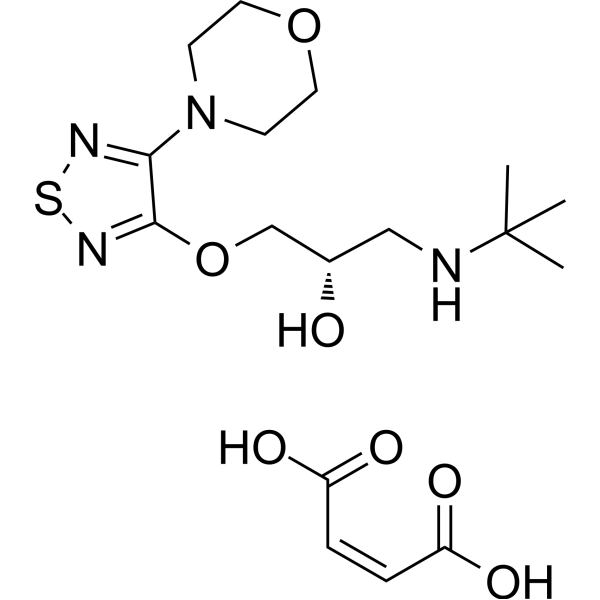
(S)-Timolol Maleate (L-714,465 Maleate) is a non-cardioselective hydrophilic β-adrenoceptor blocker. (S)-Timolol Maleate is widely used as standard medication for intraocular pressure (glaucoma) by preventing the production of aqueous humor. (S)-Timolol Maleate can be used for hypertension, angina pectoris and myocardial infarction .
|
-
-
- HY-B1640
-
|
Etacrynic acid
|
Wnt
Glutathione S-transferase
NF-κB
Calcium Channel
NO Synthase
|
Cardiovascular Disease
Inflammation/Immunology
Cancer
|
|
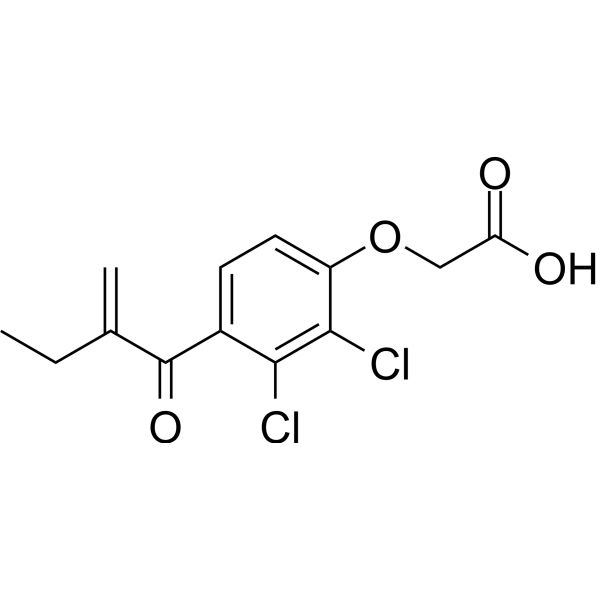
Ethacrynic acid has anti-inflammatory and anticancer activity. Ethacrynic acid is an orally active diuretic. Ethacrynic acid is an inhibitor of glutathione S-transferase (GSTs) and Wnt signaling pathways. Ethacrynic acid is a radiosensitizer. Ethacrynic acid can inhibit airway smooth muscle (ASM) contraction in mice. Ethacrynic acid can increase the outflow of aqueous humor from the eye for the study of glaucoma .
|
-
-
- HY-B0588
-
|
AL-4862
|
Carbonic Anhydrase
|
Cardiovascular Disease
Others
Neurological Disease
|
|
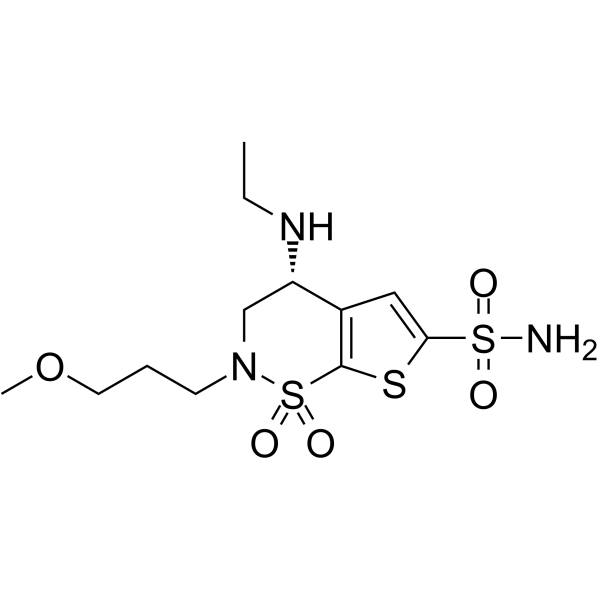
Brinzolamide (AL-4862) is a selective carbonic anhydrase II inhibitor with anIC50 value of 3.2 nM. Brinzolamide hydrochloride reduces intraocular pressure (IOP) by inhibiting ciliary CA-II and decreasing atrial fluid secretion. Brinzolamide can be used in glaucoma disease research .
|
-
-
- HY-B0577
-
|
PHXA41
|
Prostaglandin Receptor
|
Cardiovascular Disease
Others
|
|
Latanoprost (PHXA41) is a prostaglandin F2α analogue and can be used for glaucoma research. Latanoprost can effectively pass through cornea and be hydrolyzed by esterase to latanoprost acid. latanoprost acid is an F-prostaglandin (FP) receptor agonist, and can effectively reduce intraocular pressure (IOP) by increasing the outflow of aqueous humor through uvea .
|
-
-
- HY-32067
-
|
Quinuclidin-3-yl acetate
|
mAChR
|
Cardiovascular Disease
Neurological Disease
|
|
Aceclidine (Quinuclidin-3-yl acetate) is a modulator of M3 muscarinic acetylcholine receptor and a M1 receptor agonist (EC50: 40 μM). Aceclidine is a cycloplegic agent, a surfactant, a tonicity adjustor and optionally a viscosity enhancer and an antioxidant. Aceclidine has the potential for the research of disorders such as refractive errors of the eye, xerostomia, Sjogren's syndrome, glaucoma, conjunctivitis, lacrimal gland disease, and esotropia .
|
-
-
- HY-B0191
-
|
AGN 192024
|
Prostaglandin Receptor
MMP
|
Cardiovascular Disease
Endocrinology
|
|
Bimatoprost is a prostaglandin analog that reduces intraocular pressure by regulating scleral and trabecular outflow. Bimatoprost is used in the study of open-angle glaucoma, ocular hypertension, and other forms of glaucoma. Topical application of bimatoprost induces fat atrophy and causes a deepening of the eyelid sulcus .
|
-
-
- HY-107661
-
|
ONO-2506; (R)-2-Propyloctanoic acid
|
ERK
Akt
NF-κB
EAAT
|
Cardiovascular Disease
Neurological Disease
|
|
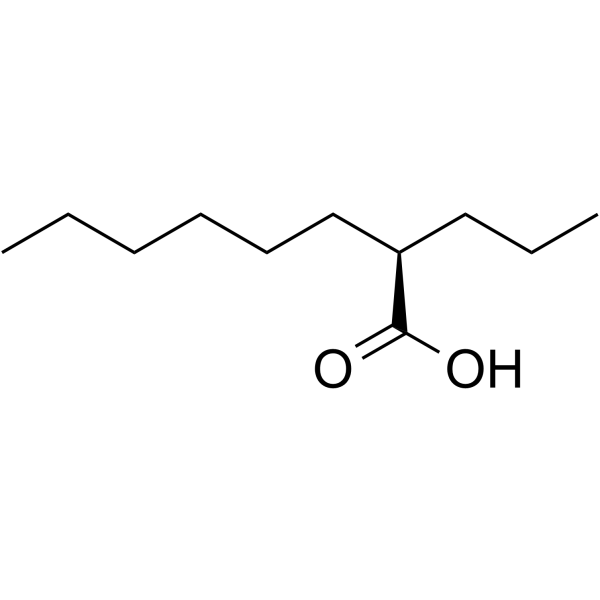
Arundic Acid is an orally effective astrocyte function modulator and neuroprotective agent. Arundic Acid increases the expression and function of the astrocytic glutamate transporter EAAT1 by activating the ERK, Akt and NF-κB pathways. Arundic Acid attenuates retinal ganglion cell death in a normal-tension glaucoma model. Arundic Acid exerts neuroprotective effects in a mouse model of Parkinson's disease. Arundic Acid is a S100β protein synthesis inhibitor that prevents neurological deficits and brain tissue damage after intracerebral hemorrhage in rats. Arundic Acid downregulates neuroinflammation and astrocytic dysfunction after status epilepticus in immature rats. Arundic Acid is applicable to research related to Parkinson's disease, cerebral ischemia, glaucoma, intracerebral hemorrhage and epilepsy .
|
-
-
- HY-129630
-
|
|
Microtubule/Tubulin
|
Neurological Disease
Cancer
|
|
Tetrahydrocortisol is a cortisol metabolite that inhibits dexamethasone-induced formation of cross-linked actin networks. Tetrahydrocortisol can be used in the research of primary open-angle glaucoma, glucocorticoid-induced ocular hypertension, Lewis lung carcinoma, and EMT-6 mouse breast cancer .
|
-
-
- HY-B0397
-
|
Diclofenamide
|
Carbonic Anhydrase
|
Neurological Disease
|
|
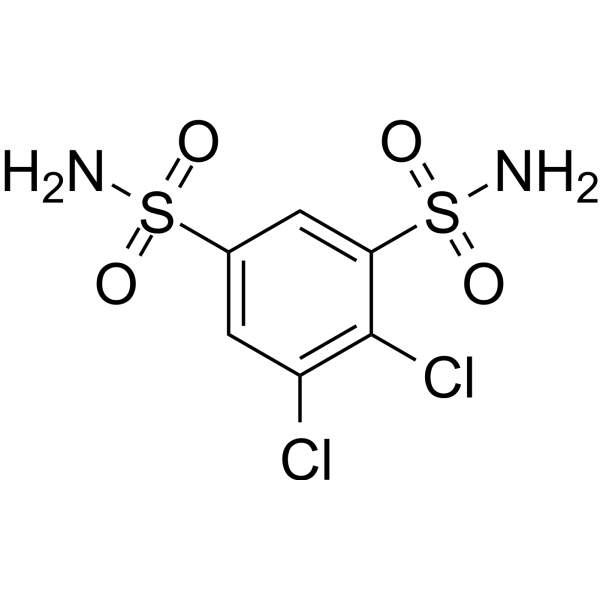
Dichlorphenamide (Diclofenamide) is an orally active, specific, carbonic anhydrase inhibitor. Dichlorphenamide can reduce intraocular pressure by inhibiting the secretion of water from the eye. Dichlorphenamide can be used for glaucoma research .
|
-
-
- HY-P1775
-
|
EC 4.2.1.1
|
Carbonic Anhydrase
|
Neurological Disease
Metabolic Disease
Cancer
|
Carbonic anhydrase, Bovine erythrocytes (EC 4.2.1.1) is ubiquitous zinc-containing metalloenzyme present in prokaryotes and eukaryotes. Carbonic anhydrase can catalyze reversible conversion of carbon dioxide to bicarbonate and protons. Carbonic anhydrase can be used for the research of cancer, glaucoma, obesity and epilepsy .
|
-
-
- HY-12798B
-
|
AR-13324 hydrochloride
|
ROCK
|
Cardiovascular Disease
Neurological Disease
|
|
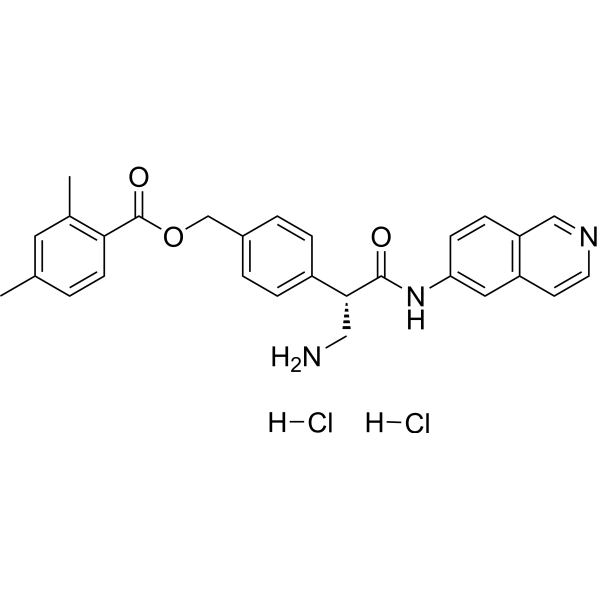
Netarsudil (AR-13324) hydrochloride is a competitive inhibitor of Rho-associated protein kinases (ROCK I and ROCK II) and a reversible inhibitor of the norepinephrine transporter (NET). Netarsudil hydrochloride reduces intraocular pressure by inhibiting ROCK, causing relaxation of trabecular meshwork cells and dilation of episcleral veins, thereby increasing the ease of aqueous humor outflow, while inhibiting NET to reduce aqueous humor production. Netarsudil hydrochloride is mainly used in the study of ocular hypertension and primary open-angle glaucoma .
|
-
-
- HY-111406
-
|
DE-117
|
Prostaglandin Receptor
|
Cardiovascular Disease
Inflammation/Immunology
|
|
Omidenepag isopropyl is a selective EP2 receptor agonist. Omidenepag isopropyl is converted to the active product Omidenepag during corneal penetration, and Omidenepag is a highly selective EP2 receptor agonist. Omidenepag isopropyl shows only weak affinity for EP1, EP2, and FP receptors. Omidenepag isopropyl is under development for the treatment of glaucoma as an intraocular pressure (IOP)-lowering agent.
|
-
-
- HY-17494
-
|
(S)-L-714,465; MK 950 free base
|
Adrenergic Receptor
|
Cardiovascular Disease
Inflammation/Immunology
Cancer
|
|
Timolol is a β-blocker available for both topical and systemic administration. Topical Timolol is primarily used to reduce intraocular pressure with open-angle glaucoma and ocular hypertension. Timolol can also be used for the research of infantile hemangiomas, hypertension, myocardial infarction, migraine prophylaxis, and atrial fibrillation.Timolol also has cardioprotective effect .
|
-
-
- HY-32067A
-
|
Quinuclidin-3-yl acetate hydrochloride
|
mAChR
|
Neurological Disease
|
|
Aceclidine (Quinuclidin-3-yl acetate) hydrochloride is a modulator of M3 muscarinic acetylcholine receptor and a M1 receptor agonist (EC50: 40 μM). Aceclidine hydrochloride is a cycloplegic agent, a surfactant, a tonicity adjustor and optionally a viscosity enhancer and an antioxidant. Aceclidine hydrochloride has the potential for the research of disorders such as refractive errors of the eye, xerostomia, Sjogren's syndrome, glaucoma, conjunctivitis, lacrimal gland disease, and esotropia .
|
-
-
- HY-17495A
-
-
-
- HY-B0381
-
-
-
- HY-B0600
-
|
AFP-168; MK2452
|
Prostaglandin Receptor
|
Cardiovascular Disease
Others
|
|
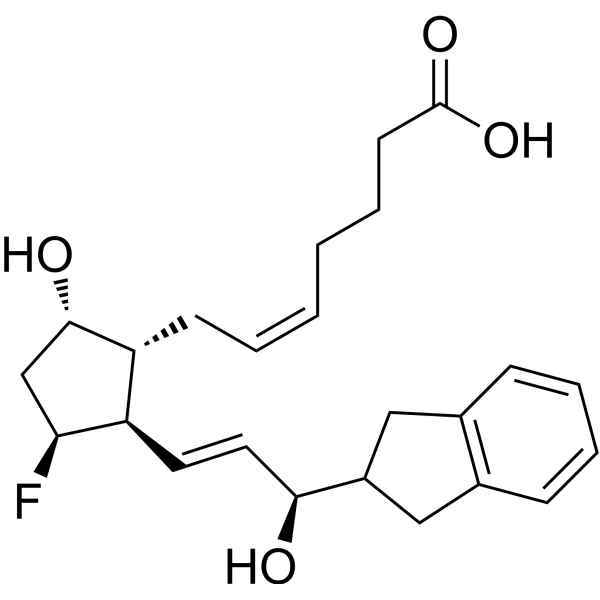
Tafluprost (AFP-168) is an anti-glaucoma prostaglandin (PG) analog. Tafluprost can inhibit the apoptosis of retinal ganglion cells (RGCs) and rat RGCs cells. Tafluprost promotes axon regeneration by regulating Zn 2+-mTORpathway, inhibits intracellular lipid accumulation in human preorbital adipocytes. Tafluprost can be used in the study of optic nerve injury in glaucoma .
|
-
-
- HY-118467
-
|
CL11366
|
Carbonic Anhydrase
|
Neurological Disease
Cancer
|
|
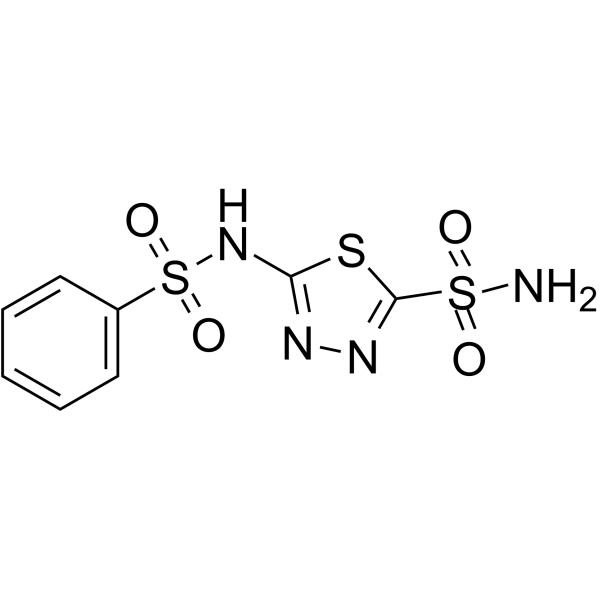
Benzolamide (CL11366) is a potent carbonic anhydrase (CA) inhibitor, with Kis of 15 nM, 9 nM, 94 nM and 78 nM for hCA I, hCA II, EcoCAγ and VchCAγ, respectively. Benzolamide also inhibits CAS3, with a Ki of 54 nM. Benzolamide can be used for the research of glaucoma and seizures .
|
-
-
- HY-12659
-
LX7101
3 Publications Verification
|
LIM Kinase (LIMK)
ROCK
PKA
|
Endocrinology
|
|
LX7101 is a potent LIM-kinase, ROCK and PKA inhibitor with IC50s of 24 nM, 1.6 nM, 10 nM and <1 nM for LIMK1, LIMK2, ROCK2 and PKA, respectively. LX7101 proves significantly selective for LIMK2 with IC50 values of 4.3 nM and 32 nM for LIMK2 and LIMK1 at 2 μM ATP, respectively. LX7101 has the potential for ocular hypertension and associated glaucoma research .
|
-
-
- HY-P1775A
-
|
|
Carbonic Anhydrase
|
Neurological Disease
Metabolic Disease
Cancer
|
|
Carbonic anhydrase isoenzyme is the isoenzyme of Carbonic anhydrase (HY-P1775). Carbonic anhydrase isoenzyme is ubiquitous zinc-containing metalloenzyme present in prokaryotes and eukaryotes. Carbonic anhydrase isoenzyme catalyzes reversible conversion of carbon dioxide to bicarbonate and protons, and can be used for the research of cancer, glaucoma, obesity and epilepsy .
|
-
-
- HY-P10227
-
-
-
- HY-B0381A
-
-
-
- HY-108648A
-
|
2-Methylthioadenosine diphosphate; 2-Methylthio-ADP
|
P2Y Receptor
|
Neurological Disease
|
|
2-MeSADP is a P2Y receptor agonist, with an EC50 of 5 nM for human P2Y12, EC50 values of 19 nM and 13 nM for human P2Y13, and an EC50 of 6.2 nM for mouse P2Y13. It shows slightly higher selectivity for P2Y12 over human P2Y13. 2-MeSADP triggers increases in intracellular calcium levels, Gi-mediated cAMP inhibition, adenylate cyclase inhibition and downstream signal transduction. 2-MeSADP can be used in research related to glaucoma .
|
-
-
- HY-15195
-
|
Ro 67-0565; SPP-301
|
Endothelin Receptor
|
Cardiovascular Disease
Endocrinology
|
|
Avosentan (Ro 67-0565; SPP-301) is an orally active endothelin (ETA) receptor antagonist. Avosentan can block the ETA receptor, thereby reducing vascular contraction and exerting a renal protective effect. Avosentan inhibits vascular contraction caused by ET-1 and alleviates the reduction in retinal and optic nerve head blood flow induced by it, lowering intraocular pressure in the glaucoma monkey model. Avosentan non-specifically blocks ETB receptors at high doses, inhibiting ETB-mediated diuresis and natriuresis, and may cause fluid retention. Avosentan can be used to reduce proteinuria with diabetic nephropathy, but induces significant fluid overload and congestive heart failure .
|
-
-
- HY-137436
-
|
|
ROCK
|
Endocrinology
|
|
Cotosudil is a ROCK kinase inhibitor, which can be used for glaucoma or ocular hypertension research .
|
-
-
- HY-153569
-
|
|
ROCK
|
Others
|
|
ROCK-IN-7 (compound 9) is a ROCK kinase inhibitor. ROCK-IN-7 can be used for research in ocular diseases (such as glaucoma and retinal diseases) .
|
-
-
- HY-139419
-
|
NCX 470
|
Prostaglandin Receptor
|
Cardiovascular Disease
Neurological Disease
|
|
Bimatoprost grenod (NCX 470) is a second-generation nitric oxide (NO)-donating prostaglandin analogue. Bimatoprost grenod effectively lowers intraocular pressure (IOP) in animal models of ocular hypertension and glaucoma by activating bimatoprost-mediated uveoscleral outflow and NO mediated conventional outflow. Bimatoprost grenod can be used for the research of cular hypertension and glaucoma .
|
-
-
- HY-14227
-
|
|
LIM Kinase (LIMK)
ROCK
|
Others
|
|
LIMK-IN-1 (Compound 14) is an inhibitor of LIM-Kinase (LIMK), with IC50s of 0.5 nM and 0.9 nM for LIMK1 and LIMK2, respectively. LIMK-IN-1 can be used for ocular hypertension and associated glaucoma research .
|
-
-
- HY-P10019
-
|
NLY01
|
GCGR
|
Neurological Disease
Inflammation/Immunology
|
|
Pegsebrenatide (NLY01) is a blood-brain barrier-penetrant GLP-1R agonist. Pegsebrenatide alleviates retinal inflammation and neuronal death secondary to ocular hypertension . Pegsebrenatide significantly delays onset and reduces disease severity in experimental autoimmune encephalomyelitis . Pegsebrenatide inhibits the formation of A1 reactive astrocytes in nerve cells and reduces the loss of retinal ganglion cells and dopaminergic neurons. Pegsebrenatide exerts neuroprotective effects in a mouse model of Parkinson's disease by directly preventing microglia-mediated conversion of astrocytes to the A1 neurotoxic phenotype. Pegsebrenatide can be used for research on glaucoma, Parkinson's disease, and multiple sclerosis .
|
-
-
- HY-106007
-
|
INO-8875
|
Adenosine Receptor
|
Inflammation/Immunology
|
Trabodenoson (INO-8875), an adenosine mimetic, is a highly selective Adenosine A1 receptor agonist. Trabodenoson (INO-8875) is used in the study for Primary Open-Angle Glaucoma .
|
-
-
- HY-121567
-
-
-
- HY-135163
-
|
(5E)-Latanoprost; 5,6-trans-Latanoprost
|
Prostaglandin Receptor
|
Others
|
|
trans-Latanoprost (5,6-trans-Latanoprost) is the trans isomer of Latanoprost (HY-B0577). trans-Latanoprost is promising for research of glaucoma and high eye pressure .
|
-
-
- HY-128538
-
|
ONO-9054
|
Prostaglandin Receptor
|
Neurological Disease
|
|
Sepetaprost (ONO-9054) is a dual agonist of the prostaglandin E3 receptor and prostaglandin F receptor. Sepetaprost reduces intraocular pressure in animal models. Sepetaprost is applicable for research on ocular hypertension and open-angle glaucoma .
|
-
-
- HY-P99695
-
|
CAT-152
|
TGF-beta/Smad
|
Neurological Disease
|
|
Lerdelimumab (CAT-152) is an IgG4 human anti-TGF-β2 recombinant monoclonal antibody. Lerdelimumab can be used as an anti-scarring agent for glaucoma research .
|
-
-
- HY-125774
-
|
17-Phenyl trinor PGF2α
|
Prostaglandin Receptor
|
Others
|
|
Bimatoprost acid (17-Phenyl trinor PGF2α), the acid hydrolysis product of Bimatoprost (HY-B0191), is a potent agonist of prostaglandin FP receptor .
|
-
-
- HY-170818
-
|
|
HSP
|
Cancer
|
|
Grp94 Inhibitor-3 (Compound C6) is a selective glucose regulated protein 94 (Grp94) inhibitor with an affinity of 5.52 μM. Grp94 Inhibitor-3 is promising for research of primary open-angle glaucoma and metastatic cancer .
|
-
-
- HY-B0588A
-
|
AL-4862 hydrochloride
|
Carbonic Anhydrase
|
Neurological Disease
|
|
Brinzolamide (AL-4862) hydrochloride is a selective carbonic anhydrase II inhibitor with an IC50 value of 3.2 nM. Brinzolamide hydrochloride reduces intraocular pressure (IOP) by inhibiting ciliary CA-II and decreasing atrial fluid secretion. Brinzolamide hydrochloride can be used in glaucoma disease research .
|
-
-
- HY-115462
-
|
|
Prostaglandin Receptor
|
Inflammation/Immunology
|
|
PGN-9856 is a selective and high affinity (pKi ≥ 8.3) ligand at EP2 receptor. PGN-9856 is a potetn and non-prostanoid EP2 receptor agonist (pEC50 ≥ 8.5). PGN-9856 shows anti-inflammatory and anti-glaucoma activities .
|
-
-
- HY-121166
-
|
(S)-Betaxolol
|
Adrenergic Receptor
|
Others
|
|
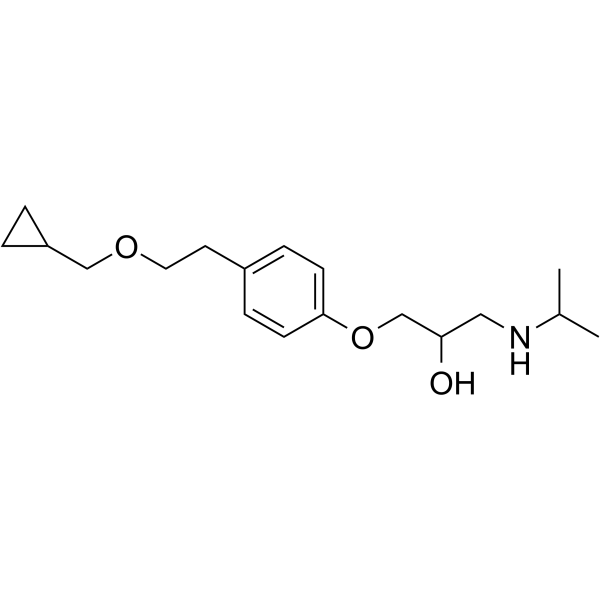
Levobetaxolol is a potent and high affinity β-adrenergic antagonist with IC50 values of 33.2, 2970, 709 nM for guinea pig atrial β1, tracheal β2 and rat colonic β3 receptors, respectively. Levobetaxolol reduces IOP (intraocular pressure). Levobetaxolol exhibits a micromolar affinity for L-type Ca21-channels. Levobetaxolol decreases the effects of ischaemia/reperfusion injury in rats. Levobetaxolol has the potential for the research of glaucoma .
|
-
-
- HY-116161A
-
|
|
Prostaglandin Receptor
|
Metabolic Disease
|
|
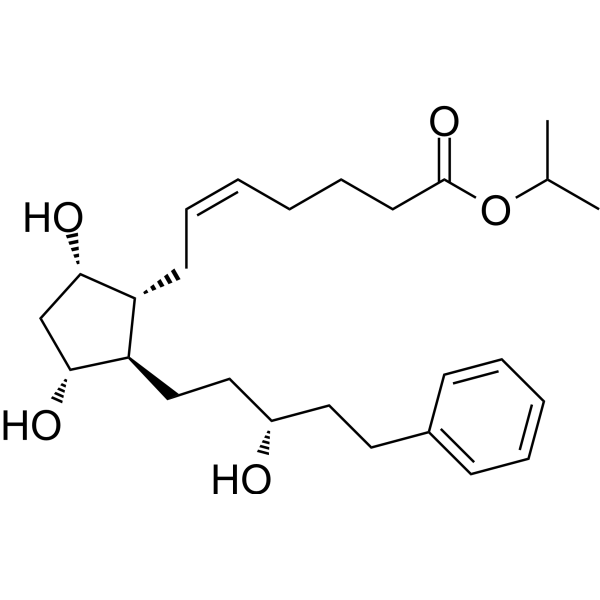
17-Phenyl trinor PGF2α isopropyl ester is a FP receptor agonist and intraocular pressure-lowering agent. 17-Phenyl trinor PGF2α isopropyl ester induces iris sphincter contraction, reduces intraocular pressure and pupil diameter, causes no ocular irritation, and only leads to mild conjunctival hyperemia. 17-Phenyl trinor PGF2α isopropyl ester is applicable to relevant research on glaucoma .
|
-
-
- HY-121398
-
|
|
Adrenergic Receptor
Endogenous Metabolite
|
Others
|
|
Dipivefrin is a potent adrenergic agonist. Dipivefrin is an adrenergic pro-agent. Dipivefrin can be used for reduce IOP (intraocular pressure) in patients suffering from chronic open angle glaucoma .
|
-
-
- HY-16183
-
|
Echothiophate iodide
|
Cholinesterase (ChE)
|
Neurological Disease
|
|
Echothiopate iodide is a potent hBChE (human butyrylcholinesterase) inhibitor. Echothiopate iodide is a long-acting anticholinesterase agent. Echothiopate iodide can be used for glaucoma research .
|
-
-
- HY-106331A
-
|
MK-927; (Rac)-MK 417
|
Carbonic Anhydrase
|
Neurological Disease
|
|
(Rac)-Sezolamide hydrochloride (MK-927; (Rac)-MK 417) is a carbonic anhydrase inhibitor (CAI) (Ki: 12.0 nM). (Rac)-Sezolamide hydrochloride has a topical intraocular pressure (IOP) lowering effect. (Rac)-Sezolamide hydrochloride can be used in glaucoma research .
|
-
-
- HY-178017
-
|
|
Cholinesterase (ChE)
Carbonic Anhydrase
|
Neurological Disease
|
|
BChE/hCA II-IN-1 (Compound 20) is a dual-functional inhibitor of Butyrylcholinesterase (BChE) and human carbonic anhydrase II (hCA II) with IC50s of 76.50 and 10.69 μM for BChE and hCA II, respectively. BChE/hCA II-IN-1 can be used for neurodegenerative diseases like Alzheimer's and glaucoma research .
|
-
-
- HY-129781
-
|
|
Carbonic Anhydrase
|
Endocrinology
|
|
L-650719 is a topical carbonic anhydrase inhibitor (CAI) with a Ki of 10 nM for CA II. L-650719 has shown good intraocular pressure-lowering effects in a rabbit model. L-650719 may be used in glaucoma research .
|
-
-
- HY-158821
-
|
|
TGF-beta/Smad
|
Neurological Disease
|
|
ISTH0036 is a phosphorothioate LNA-modified antisense oligonucleotide gapmer that selectively targets and downregulates TGF-β2 mRNA. ISTH0036 suppresses TGF-β2 expression, reduces choroidal neovascularization and vascular leakage, inhibits fibrosis, blocks epithelial-to-mesenchymal transition, and inhibits angiogenesis while promoting bleb survival. ISTH0036 exhibits long-lasting, dose-dependent ocular tissue distribution and target engagement in rabbit and non-human primate eyes. ISTH0036 can be used for the study of various ocular disorders, such as glaucoma and neovascular retinal diseases .
|
-
-
- HY-152270
-
-
-
- HY-169137
-
-
-
- HY-100169
-
-
-
- HY-14226
-
-
- HY-N15452
-
|
|
Cholinesterase (ChE)
|
Neurological Disease
Inflammation/Immunology
|
|
Eseramine is a weak acetylcholinesterase inhibitor with an IC50 value of 9300 nM. Eseramine is promising for research of diseases involving the regulation of acetylcholinesterase, such as glaucoma, myasthenia gravis, and protection against organophosphate poisoning .
|
-
- HY-106206
-
-
- HY-162226
-
|
|
Carbonic Anhydrase
|
Others
|
|
Carbonic anhydrase inhibitor 19 (compound 26a) inhibits the Glaucoma related isoforms hCA II and hCA XII with Kis of 9.4 nM and 6.7 nM, respectively. Carbonic anhydrase inhibitor 19 reveals an intraocular pressure (IOP) lowering effect .
|
-
- HY-153564
-
|
|
ROCK
|
Inflammation/Immunology
|
|
ROCK-IN-6 is a potent and selectiveROCK2 inhibitor with an IC50 of 2.19 nM. ROCK-IN-6 is extracted from patent WO2021164351 A1, example 7, has the potential for glaucoma and retinal diseases research .
|
-
- HY-B0397A
-
|
Diclofenamide disodium
|
Carbonic Anhydrase
|
Neurological Disease
|
|
Dichlorphenamide (Diclofenamide) disodium is an orally active, specific, carbonic anhydrase inhibitor. Dichlorphenamide can reduce intraocular pressure by inhibiting the secretion of water from the eye. Dichlorphenamide can be used for glaucoma research .
|
-
- HY-168603
-
-
- HY-106331
-
|
MK-927 free base; (Rac)-MK 417 free base
|
Carbonic Anhydrase
|
Endocrinology
|
|
(Rac)-Sezolamide (MK-927 (free base); (Rac)-MK 417 (free base)) is a carbonic anhydrase inhibitor (CAI) (Ki: 12.0 nM). (Rac)-Sezolamide has a topical intraocular pressure (IOP) lowering effect. (Rac)-Sezolamide can be used in glaucoma research .
|
-
- HY-176133
-
-
- HY-131617
-
|
PGF2α 1,11-lactone
|
Prostaglandin Receptor
|
Others
|
|
Prostaglandin F2α 1,11-lactone is a prostaglandin. Prostaglandin F2α 1,11-lactone is absorbed by the eye. Prostaglandin F2α 1,11-Lactone has metabolic stability on the corneal surface and conjunctiva. Prostaglandin F2α 1,11-lactone can be used in the treatment of glaucoma .
|
-
- HY-149554
-
|
Bimatoprost dimethyl amide
|
Drug Derivative
|
Neurological Disease
|
|
17-Phenyl trinor Prostaglandin F2α dimethyl amide (Bimatoprost dimethyl amide), a 1-OH cyclopentane heptanoic acid, 2-(cycloalkyl or arylalkyl) derivative, is a smooth muscle relaxant. 17-Phenyl trinor Prostaglandin F2α dimethyl amide has the potential for glaucoma research .
|
-
- HY-B0191S
-
|
AGN 192024 d5
|
Prostaglandin Receptor
|
Endocrinology
|
|
Bimatoprost-d5 is a deuterium labeled Bimatoprost. Bimatoprost is a prostaglandin analog and is a topical hypotensive agent frequently used for treating ocular hypertension and glaucoma. Bimatoprost also has an antiadipogenic effect .
|
-
- HY-121567R
-
|
|
Reference Standards
Adrenergic Receptor
|
Cardiovascular Disease
|
|
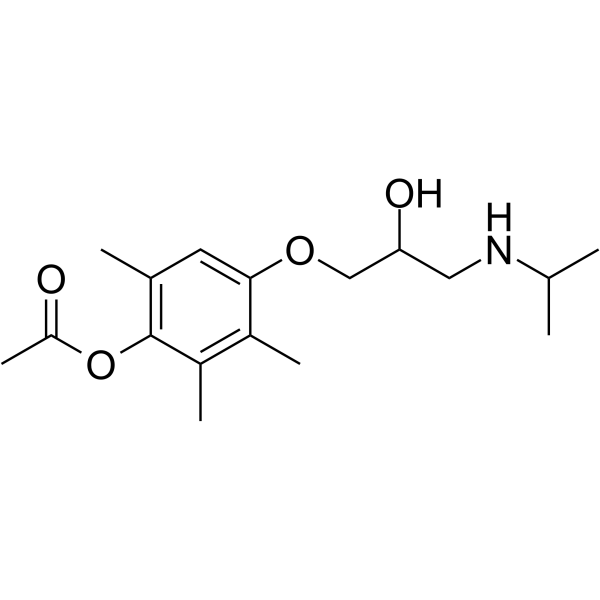
Metipranolol (Standard) is the analytical standard of Metipranolol. This product is intended for research and analytical applications. Metipranolol is a nonselective and orally active β-adrenergic receptor antagonist. Metipranolol can be used for hypertension and glaucoma research .
|
-
- HY-12659B
-
|
|
LIM Kinase (LIMK)
ROCK
PKA
|
Endocrinology
|
|
LX7101 monohydrochloride is a potent LIM-kinase, ROCK and PKA inhibitor with IC50s of 24 nM, 1.6 nM, 10 nM and <1 nM for LIMK1, LIMK2, ROCK2 and PKA, respectively. LX7101 monohydrochloride proves significantly selective for LIMK2 with IC50 values of 4.3 nM and 32 nM for LIMK2 and LIMK1 at 2 μM ATP, respectively. LX7101 monohydrochloride has the potential for ocular hypertension and associated glaucoma research .
|
-
- HY-118467R
-
|
CL11366 (Standard)
|
Carbonic Anhydrase
Reference Standards
|
Neurological Disease
Cancer
|
|
Benzolamide (Standard) is the analytical standard of Benzolamide. This product is intended for research and analytical applications. Benzolamide (CL11366) is a potent carbonic anhydrase (CA) inhibitor, with Kis of 15 nM, 9 nM, 94 nM and 78 nM for hCA I, hCA II, EcoCAγ and VchCAγ, respectively. Benzolamide also inhibits CAS3, with a Ki of 54 nM. Benzolamide can be used for the research of glaucoma and seizures .
|
-
- HY-B0553R
-
-
- HY-125700
-
|
(-)-Bao Gong Teng A
|
mAChR
|
Cardiovascular Disease
Neurological Disease
|
|
Baogongteng A ((-)-Bao Gong Teng A) is an optically active tropane alkaloid with hypotensive and miotic activity, and can be isolated from the Chinese herb Erycibe obtusifolia Benth. Baogongteng A is also a muscarinic agonist. Baogongteng A can be used for cardiovascular and glaucoma research .
|
-
- HY-106512
-
|
|
Prostaglandin Receptor
|
Others
|
|
Cianergoline is a ergoline derivative with the activity of reducing intraocular pressure (IOP). Its primary regulatory mechanism involves the inhibition of sympathetic nervous function, achieved through actions on both prejunctional (DA2) and postjunctional (α1) adrenergic receptors. Cianergoline can be used for research in the field of glaucoma .
|
-
- HY-124243
-
|
17-Phenyl trinor prostaglandin F2α cyclopropyl methyl amide
|
Prostaglandin Receptor
|
Others
|
|
N-Cyclopropyl methyl bimatoprost (17-Phenyl trinor prostaglandin F2α cyclopropyl methyl amide) is an analog of Bimatoprost (HY-12956). N-Cyclopropyl methyl bimatoprost is an agonist for Prostaglandin F2α Receptor (FP receptor). N-Cyclopropyl methyl bimatoprost is potent to reduce the intraocular pressure and attenuate the glaucoma .
|
-
- HY-144264
-
|
|
Carbonic Anhydrase
|
Endocrinology
|
|
hCAII-IN-6 (Compound S-13) is a potent human carbonic anhydrase II (hCA II) inhibitor with a Ki of 4.4 nM. hCAII-IN-6 also inhibits other hCAs isoforms I, IV and IX, with Ki values of 9.2 nM, 480.2 nM and 14.7 nM, respectively. hCAII-IN-6 can be used for glaucoma research .
|
-
- HY-174835
-
|
|
Carbonic Anhydrase
|
Cardiovascular Disease
|
|
hCA-I/hCA-II-IN-1 (Compound P4) is a potent dual human carbonic anhydrase I (hCA-I) and human carbonic anhydrase II (hCA-II) inhibitor with Ki values of 0.22 μM and 0.33 μM, respectively. hCA-I/hCA-II-IN-1 can be used in research on diseases related to CA enzymes such as glaucoma, hypertension, and ulcers .
|
-
- HY-175315
-
|
|
Carbonic Anhydrase
|
Neurological Disease
Metabolic Disease
Cancer
|
|
Carbonic anhydrase-IN-34 is a carbonic anhydrases (CAs) inhibitor (compound 9d) with IC50s of 1.01 μM against hCA-II, 0.21 μM against hCA-IX and 0.88 μM against hCA-XII. Carbonic anhydrase-IN-34 has potential applications in the research of several disorders, including epilepsy, glaucoma, obesity, and cancer .
|
-
- HY-124219
-
|
17-Phenoxy trinor PGF2α ethyl amide
|
Prostaglandin Receptor
|
Others
|
|
17-Phenoxy trinor prostaglandin F2α ethyl amide (17-Phenoxy trinor PGF2α ethyl amide) is an analog of Bimatoprost (HY-12956). 17-Phenoxy trinor prostaglandin F2α ethyl amide is an agonist for Prostaglandin F2α Receptor (FP receptor). 17-Phenoxy trinor prostaglandin F2α ethyl amide is potent to reduce the intraocular pressure and attenuate the glaucoma .
|
-
- HY-N15301
-
|
|
ROCK
Myosin
|
Others
|
|
Nocarnickelamide B (Compound 2) is a linear peptide and ROCK1/2 inhibitor. Nocarnickelamide B exhibits dual inhibitory activity against ROCK1 and ROCK2 with IC50s of 14.9 μM and 21.9 μM, respectively. Nocarnickelamide B binds to the ATP-binding site. Nocarnickelamide B inhibits the activation of ROCK-regulated cytoskeletal contraction markers such as the myosin light chain. Nocarnickelamide B is potential for glaucoma reasearch .
|
-
- HY-144705
-
|
|
Cannabinoid Receptor
|
Neurological Disease
|
|
GAT564 (Compound 15d) is a potent allosteric modulator of cannabinoid 1 receptor (CB1R) with EC50s of 87 and 320 nM respectively for cAMP and β-arrestin2. GAT564 markedly promotes orthosteric ligand binding to hCB1R. GAT564 is efficacious as a topical agent that significantly reduces intraocular pressure (IOP) in the ocular normotensive murine model of glaucoma .
|
-
- HY-144827
-
|
|
Cannabinoid Receptor
|
Neurological Disease
Metabolic Disease
|
|
AM8936 acts as a balanced and potent cannabinoid receptor type-1 (CB1) agonist in functional assays (EC50s of 8.6 and 1.4 nM for rCB1 and hCB1, respectively). AM8936 exhibits high affinity for rat CB1 (rCB1) with Ki of 0.55 nM. AM8936 is a potent and efficacious CB1 agonist in vivo. AM8936 can be used for the research of CNS and metabolic disorders, pain, glaucoma, etc .
|
-
- HY-175441
-
|
|
Carbonic Anhydrase
|
Cardiovascular Disease
Neurological Disease
Cancer
|
|
Carbonic anhydrase activator 1 (Compound 17) is an orally active and a BBB-penetrable Carbonic anhydrase (CA) activator with KAs of 7.8, 3.9 and 2.1 μM for hCA I, hCA VA and hCA VII. Carbonic anhydrase activator 1 can be used for cancers, glaucoma, cardiovascular diseases and neurodegenerative disorders like epilepsy research .
|
-
- HY-151189
-
|
|
ROCK
|
Others
|
|
ROCK-IN-4 is a potent ROCK inhibitor maintaining NO releasing ability. ROCK-IN-4 reversibly depolymerizes F-actin, and suppresses mitochondrial respiration in human trabecular meshwork (HTM) cells. ROCK-IN-4 can be used for glaucoma or ocular hypertension research .
|
-
- HY-106916
-
|
|
Potassium Channel
Chloride Channel
|
Cardiovascular Disease
Neurological Disease
|
|
Unoprostone, a prostaglandin F2α analog, is a large conductance Ca 2+-activated K + (BK) channels and ClC-2 type chloride channels activator. Unoprostone reduces oxidative stress- and light-induced retinal cell death, and phagocytotic dysfunction. Unoprostone reduces intraocular pressure and can be used for the study of glaucoma, ocular hypertension and retinitis pigmentosa .
|
-
- HY-17494B
-
|
(S)-L-714,465 hemimaleate; MK 950 hemimaleate
|
Adrenergic Receptor
|
Cardiovascular Disease
Inflammation/Immunology
Cancer
|
|
Timolol ((S)-L-714,465; MK 950) hemimaleate is a β-blocker available for both topical and systemic administration. Topical Timolol hemimaleate is primarily used to reduce intraocular pressure with open-angle glaucoma and ocular hypertension. Timolol hemimaleate can also be used for the research of infantile hemangiomas, hypertension, myocardial infarction, migraine prophylaxis, and atrial fibrillation.Timolol also has cardioprotective effect .
|
-
- HY-17494R
-
|
(S)-L-714,465 (Standard); MK 950 free base (Standard)
|
Reference Standards
Adrenergic Receptor
|
Cardiovascular Disease
Inflammation/Immunology
Cancer
|
|
Timolol (Standard) is the analytical standard of Timolol. This product is intended for research and analytical applications. Timolol is a β-blocker available for both topical and systemic administration. Topical Timolol is primarily used to reduce intraocular pressure with open-angle glaucoma and ocular hypertension. Timolol can also be used for the research of infantile hemangiomas, hypertension, myocardial infarction, migraine prophylaxis, and atrial fibrillation.Timolol also has cardioprotective effect .
|
-
- HY-101284A
-
|
|
Cytochrome P450
|
Cancer
|
|
(E/Z)-DMU2105 (Compound 7k) is a potent and highly selective CYP1B1 inhibitor. (E/Z)-DMU2105 inhibits human CYP1B1 enzyme bound to yeast-derived microsomes with an IC50 value of 10 nM. (E/Z)-DMU2105 also potently inhibits CYP1B1 expressed within ‘live’ recombinant yeast and human HEK293 kidney cells with an IC50 value of 63.65 nM. (E/Z)-DMU2105 can be used for the research of cancer, glaucoma, ischemia and obesity .
|
-
- HY-B1035A
-
|
l-Bunolol
|
Adrenergic Receptor
Casein Kinase
Calcium Channel
|
Others
|
Levobunolol (l-Bunolol) is a non-selective β-adrenergic antagonist and vasodilator. By blocking calcium ion influx and reducing the sensitivity of vascular smooth muscle to calcium, Levobunolol effectively dilates the ciliary arteries and increases ocular blood flow, so it is widely used in research on glaucoma and ocular hypertension. Levobunolol inhibits the β-receptor signaling pathway and the expression of related proliferation markers (such as CK3, CK14, CK19, Ki67) in corneal cells. In rabbit models, Levobunolol not only does not inhibit corneal epithelial regeneration, but also accelerates the healing of mechanical injury without adverse effects. Levobunolol also inhibits histamine-induced vasoconstriction and intracellular calcium elevation, exhibiting unique vascular regulatory activity. Levobunolol protects ocular blood flow and promotes corneal repair .
|
-
- HY-106037
-
|
|
Prostaglandin Receptor
|
Others
|
|
PGF2α-isopropyl ester is a Prostaglandin F2α (HY-12956) derivative, which is active in lowering the intraocular pressure (IOP) through increased uveoscleral outflow of aqueous humor. PGF2α-isopropyl ester causes side effects of conjunctival hyperemia and ocular irritation .
|
-
- HY-120467
-
|
Bimatoprost serinol amide
|
Prostaglandin Receptor
|
Endocrinology
|
|
Bima SA (Bimatoprost serinol amide) is a Prostaglandin analog and has the potential for the research of glaucoma .
|
-
- HY-B0191R
-
|
AGN 192024 (Standard)
|
Reference Standards
Prostaglandin Receptor
MMP
|
Cardiovascular Disease
Endocrinology
|
|
Bimatoprost (Standard) is the analytical standard of Bimatoprost. This product is intended for research and analytical applications. Bimatoprost is a prostaglandin analog that reduces intraocular pressure by regulating scleral and trabecular outflow. Bimatoprost is used in the study of open-angle glaucoma, ocular hypertension, and other forms of glaucoma. Topical application of bimatoprost induces fat atrophy and causes a deepening of the eyelid sulcus [4] .
|
-
- HY-112652
-
-
- HY-168802
-
-
- HY-100171A
-
-
- HY-118215
-
|
AGN212409
|
Prostaglandin Receptor
|
Others
|
|
Aganepag ethanediol (AGN212409) is an EP2 (Prostaglandin Receptor) receptor agonist. Aganepag ethanediol may be used in anti-glaucoma research .
|
-
- HY-176759
-
|
|
Prostaglandin Receptor
|
Others
|
|
AR-102 isopropyl ester is a second-generation prostaglandin FP agonist. AR-102 isopropyl ester can be studied in research for glaucoma and ocular hypertension .
|
-
- HY-W272201
-
|
|
Carbonic Anhydrase
|
Cancer
|
|
Catechol diacetate (Compound 15) is a carbonic anhydrase (CA) inhibitor. Catechol diacetate is promising for research of glaucoma, epilepsy, edema, and cancer .
|
-
- HY-W412326
-
|
Guaietolin (INN); Guethral; Guethural
|
Drug Intermediate
|
Cardiovascular Disease
|
|
Guaietolin is an organic synthesis intermediate. Guaietolin is a marker of hypertension with significant reduced level in plasma metabolites. Guaietolin can be used for synthesis of sulfonamide esters with carbonic anhydrase inhibitory activity. Guaietolin can be used for glaucoma and hypertension research .
|
-
- HY-185185
-
|
|
TGF-β Receptor
Keap1-Nrf2
|
Neurological Disease
|
|
S58 aptamer is a ssDNA aptamer targeting transforming growth factor-beta receptor II (TGF-β RII). S58 aptamer inhibits the TGF-β RII interaction with TGF-β. S58 aptamer effectively improves glaucoma filtration surgery (GFS) surgical outcomes by activating the intracellular antioxidant defense PI3K/Akt/Nrf2 signaling pathway .
|
-
- HY-177933
-
|
|
CCR
|
Neurological Disease
Inflammation/Immunology
|
|
mNOX-E36 is a murine-specific analogue of NOX-E36 (HY-148100), an anti-CCL-2 L-RNA aptamer that binds and neutralises the mouse chemokine CCL-2. mNOX-E36 reduces scarring in an experimental murine model of glaucoma filtration surgery (GFS). mNOX-E36 ameliorates lupus nephritis in mice. mNOX-E36 can be used for GFS and lupus nephritis research .
|
-
- HY-182472
-
|
|
5-HT Receptor
|
Neurological Disease
|
|
AL-38022A is a potent and selective 5-HT2 receptor agonist (Ki ≤2.2 nM), but a significantly lower (>100-fold less) affinity for other 5-HT receptors. AL-38022A potently stimulates functional responses via 5-HT2 receptor subtypes including [Ca 2+]i mobilization and tissue contractions with apparently similar potencies and intrinsic activities. AL-38022A fully generalizes to the (±)-1-(2,5-dimethoxy 4-methylphenyl)-2-aminopropane hydrochloride (DOM) stimulus in drug discrimination paradigms. AL-38022A can be used for the glaucoma research .
|
-
- HY-123958
-
|
|
ROCK
β-catenin
Collagen
|
Cardiovascular Disease
Neurological Disease
Inflammation/Immunology
|
|
SB772077B is a ROCK inhibitor. SB772077B has an anti-inflammatory activity and enhances aqueous outflow facility (OF) by inactivating RhoA/ROCK signal pathway. SB772077B significantly reduces the mRNA level of β-catenin and protein level of fibrotic markers, such as vinculin, fibronectin, collagen 1 A and vimentin. SB772077B also has vasodialatory activity and decreases pulmonary and systemic blood pressure. SB772077B can be used for glaucoma research and pulmonary hypertensive disorder research .
|
-
- HY-180195
-
|
|
HSP
Integrin
|
Neurological Disease
Cancer
|
|
Grp94-IN-3 (Compound 47) is a selective ATP competitive inhibitor of Grp94, with a Kd value of 76 nM. Grp94-IN-3 has a much lower affinity for Hsp90α, with a Kd value of 9.17 μM. Grp94-IN-3 induces the degradation of integrin α2 (Integrin α2) in MDA-MB-231 cells and reduces the intracellular accumulation of mutant cardiac proteins in human trabecular meshwork cells. Grp94-IN-3 can be used for the study of metastatic cancer and open-angle glaucoma .
|
-
- HY-185643
-
|
|
Prostaglandin Receptor
|
Neurological Disease
|
|
PF-04475270 is a prodrug of CP-734432 (HY-119236), as well as an agonist of the EP4 prostaglandin receptor, with IC50 values of 2 nM and 8 nM against human and canine sources, respectively. PF-04475270 is rapidly hydrolyzed into its active metabolite CP-734432 by ocular esterases or corneal homogenate, stimulates cAMP production, and activates cAMP response element-mediated β-lactamase activity in cells expressing EP4. PF-04475270 can be used in research related to glaucoma .
|
-
- HY-136492
-
|
|
Drug Derivative
|
Others
|
|
Acetylclonidine is a derivative of Clonidine (HY-12721). Acetylclonidine is promising for research of ocular antihypertensive agents for glaucoma .
|
-
- HY-182426
-
|
|
Carbonic Anhydrase
|
Neurological Disease
|
|
NCX-278 is a human carbonic anhydrase inhibitor with a 13 nM Ki for hCA II, 410 nM Ki for hCA I, 181 nM Ki for hCA IV, and selective inhibition of hCA II over hCA IV. NCX-278 is a potent and effective stimulator of NO/sGC/cGMP signaling with an EC50 of 2.05 lM. NCX-278 exerts NO-mediated vascular relaxant effects. NCX-278 lowers intraocular pressure in normotensive rabbits. NCX-278 can be used for the research of open-angle glaucoma .
|
-
- HY-B0381S
-
-
- HY-17495AS
-
-
- HY-B0191S1
-
|
AGN 192024-d4
|
Prostaglandin Receptor
|
Endocrinology
|
|
Bimatoprost-d4 is the deuterium labeled Bimatoprost. Bimatoprost is a prostaglandin analog used topically (as eye drops) to control the progression of glaucoma and in the management of ocular hypertension.
|
-
- HY-B0381AS
-
|
SL75212-d7
|
Adrenergic Receptor
|
Cardiovascular Disease
Endocrinology
|
|
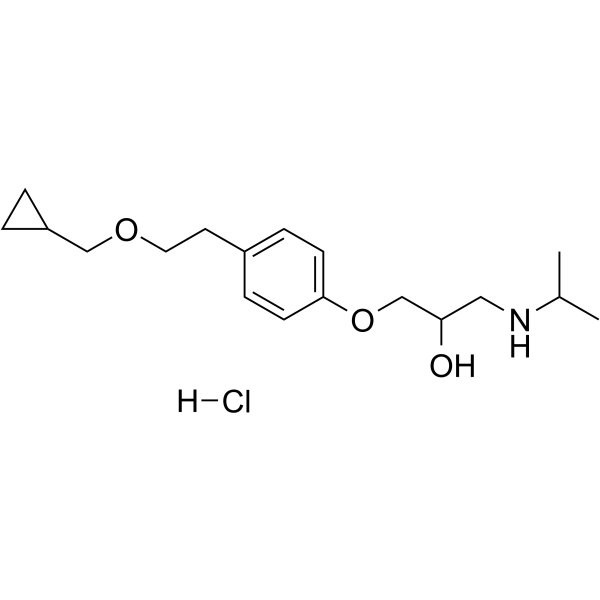
Betaxolol-d7 (hydrochloride) is the deuterium labeled Betaxolol hydrochloride. Betaxolol Hydrochloride is a selective beta1 adrenergic receptor blocker that can be used for the research of hypertension and glaucoma.
|
-
- HY-17495AR
-
|
OPC-1085 hydrochloride (Standard)
|
Reference Standards
Adrenergic Receptor
|
Cardiovascular Disease
Endocrinology
|
|
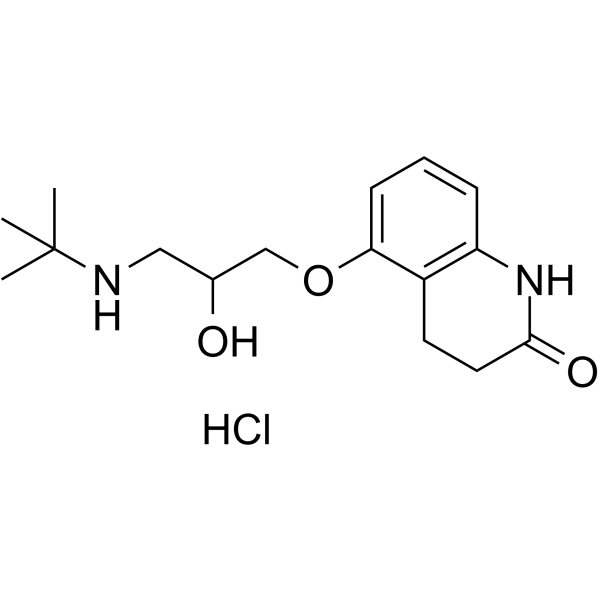
Carteolol hydrochloride (Standard) is the analytical standard of Carteolol hydrochloride. This product is intended for research and analytical applications. Carteolol hydrochloride (OPC-1085 hydrochloride) is a non-selective beta blocker used to treat glaucoma.
|
-
- HY-17495
-
-
- HY-B0600R
-
|
AFP-168 (Standard); MK2452 (Standard)
|
Prostaglandin Receptor
Reference Standards
|
Cardiovascular Disease
Others
|
|
Tafluprost (Standard) is the analytical standard of Tafluprost. This product is intended for research and analytical applications. Tafluprost (AFP-168) is an anti-glaucoma prostaglandin (PG) analog. Tafluprost can inhibit the apoptosis of retinal ganglion cells (RGCs) and rat RGCs cells. Tafluprost promotes axon regeneration by regulating Zn2+-mTORpathway, inhibits intracellular lipid accumulation in human preorbital adipocytes. Tafluprost can be used in the study of optic nerve injury in glaucoma [4] .
|
-
- HY-16183A
-
|
Echothiophate chloride
|
Cholinesterase (ChE)
|
Cardiovascular Disease
|
|
Echothiophate (Echothiophate) chloride is a highly effective, long-lasting cholinesterase inhibitor employed as a miotic for managing glaucoma. Echothiopate chloride forms a covalent bond with the serine residue at the active site of cholinesterase through its phosphate group, rendering the enzyme permanently inactive and necessitating the synthesis of new enzymes by the cell. Given its irreversible binding to cholinesterase and the extremely slow rate of hydrolysis, the effects of echothiophate can persist for a week or longer. Echothiopate chloride is utilized as an ocular antihypertensive agent in the treatment of chronic glaucoma and, in certain cases, accommodative esotropia.
|
-
- HY-19518
-
|
NCX116; LBN
|
Prostaglandin Receptor
|
Neurological Disease
|
|
Latanoprostene bunod (NCX116; LBN) is a nitric oxide-releasing prostaglandin F2α analog. Latanoprostene bunod is a prodrug that, upon instillation into the eye, is hydrolyzed by corneal esterases into two active metabolites: Latanoprost (HY-B0577) and NO. Latanoprost activates the prostaglandin FP receptor to increase the outflow of aqueous humor through the uveoscleral pathway. NO increases aqueous humor drainage through the trabecular meshwork pathway, achieving synergistic enhancement targeting the dual pathways of aqueous humor outflow. Latanoprostene bunod can be used in research related to open-angle glaucoma and ocular hypertension .
|
-
- HY-161174
-
-
- HY-160991A
-
|
SP-204 dihydrochloride
|
Phosphodiesterase (PDE)
|
Others
Neurological Disease
|
|
Menabitan dihydrochloride (SP-204 dihydrochloride) is the dihydrochloride form of Menabitan (HY-160991). Menabitan dihydrochloride is an inhibitor for phosphodiesterase 9 (PDE 9), which acts as a non-opioid analgesic agent. Menabitan dihydrochloride lowers the intraocular pressure in rabbit model .
|
-
- HY-160991
-
-
- HY-129138R
-
|
|
Reference Standards
Interleukin Related
NO Synthase
STAT
IKK
PERK
p38 MAPK
Akt
|
Neurological Disease
Inflammation/Immunology
|
|
Cyanidin 3,5-diglucoside (chloride) (Standard) is the analytical standard of Cyanidin 3,5-diglucoside (chloride) (HY-129138). This product is intended for research and analytical applications. Cyanidin 3,5-diglucoside chloride is an anthocyanin. Cyanidin 3,5-diglucoside chloride inhibits inflammatory cytokines (IL-1α, IL-1β, and IL-6) expression and NO production. Cyanidin 3,5-diglucoside chloride inhibits the phosphorylation of STAT3, IκB, ERK, p38, and AKT. Cyanidin 3,5-diglucoside chloride inhibits high pressure-induced decrease in GLAST. Cyanidin 3,5-diglucoside chloride exerts anti-inflammatory and skin barrier modulating effects. Cyanidin 3,5-diglucoside chloride can be used in retinal research .
|
-
- HY-129138
-
|
|
Interleukin Related
NO Synthase
STAT
IKK
PERK
p38 MAPK
Akt
|
Neurological Disease
Inflammation/Immunology
|
|
Cyanidin 3,5-diglucoside chloride is an anthocyanin. Cyanidin 3,5-diglucoside chloride inhibits inflammatory cytokines (IL-1α, IL-1β, and IL-6) expression and NO production. Cyanidin 3,5-diglucoside chloride inhibits the phosphorylation of STAT3, IκB, ERK, p38, and AKT. Cyanidin 3,5-diglucoside chloride inhibits high pressure-induced decrease in GLAST. Cyanidin 3,5-diglucoside chloride exerts anti-inflammatory and skin barrier modulating effects. Cyanidin 3,5-diglucoside chloride can be used in retinal research .
|
-
- HY-Q22471
-
|
|
ROCK
|
Cardiovascular Disease
|
|
ROCK1-IN-1 is a ROCK1 inhibitor with a Ki value of 540 nM. ROCK1-IN-1 can be used for the research of hypertension, glaucoma and erectile dysfunction .
|
-
- HY-B0381R
-
-
- HY-B0381AR
-
|
SL75212 (Standard)
|
Reference Standards
Adrenergic Receptor
|
Cardiovascular Disease
Endocrinology
|
|
Betaxolol (hydrochloride) (Standard) is the analytical standard of Betaxolol (hydrochloride). This product is intended for research and analytical applications. Betaxolol Hydrochloride is a selective beta1 adrenergic receptor blocker that can be used for the research of hypertension and glaucoma.
|
-
- HY-B0584
-
|
Fluprostenol isopropyl ester; AL6221; Flu-Ipr
|
Prostaglandin Receptor
|
Cardiovascular Disease
Endocrinology
|
|
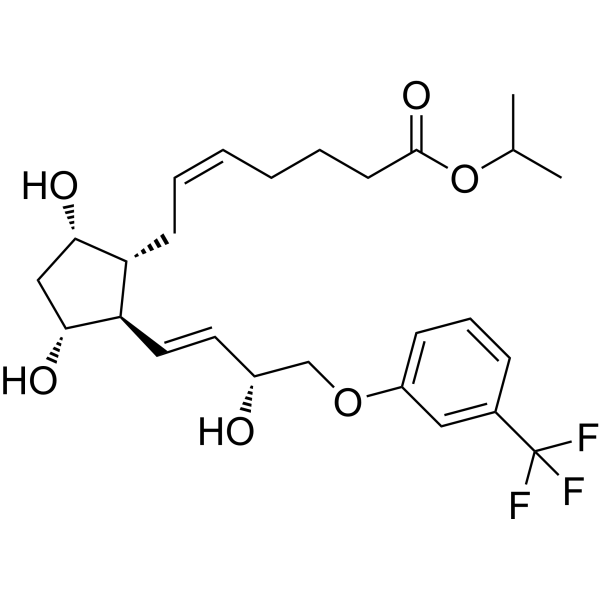
Travoprost (Fluprostenol isopropyl ester), an isopropyl ester proagent, is a high affinity, selective FP prostaglandin full receptor agonist. Travoprost has the ocular hypotensive efficacy and has the potential for glaucoma and ocular hypertension .
|
-
- HY-B1626A
-
|
BC-48
|
Cholinesterase (ChE)
|
Neurological Disease
|
|
Demecarium Bromide (BC-48) is a potent cholinesterase inhibitor, with an apparent affinity (Kiapp) of 0.15 μM . Demecarium Bromide (BC-48) is used as a glaucoma agent .
|
-
- HY-183905
-
|
|
11β-HSD
Glucocorticoid Receptor
Reactive Oxygen Species (ROS)
Keap1-Nrf2
|
Neurological Disease
|
|
KR-67607 is a selective 11β-HSD1 inhibitor, with an IC50 value of 4.8 nM against h11β-HSD1 and 7.1 nM against mouse 11β-HSD1. KR-67607 inhibits stress-induced Glucocorticoid receptor nuclear translocation, reduces cortisol levels, suppresses the expression of ROS and proinflammatory cytokines, and enhances Nrf-2-mediated antioxidant gene transcription. KR-67607 maintains trabecular meshwork structure and reverses elevated intraocular pressure. KR-67607 improves ocular antioxidant activity and mucus secretion, reverses ocular surface damage, and prevents ischemia-reperfusion induced ocular injury. KR-67607 can be used in research related to glaucoma and dry eye disease .
|
-
- HY-17494A
-
|
(S)-L-714,465 hemihydrate; MK 950 hemihydrate
|
Adrenergic Receptor
|
Infection
Cancer
|
|
Timolol (hemihydrate) is a β-blocker available for both topical and systemic administration. Timolol (hemihydrate) is primarily used to reduce intraocular pressure with open-angle glaucoma and ocular hypertension and Timolol (hemihydrate) also has cardioprotective effect .
|
-
- HY-158820
-
|
QPI-1007
|
Small Interfering RNA (siRNA)
Caspase
|
Cardiovascular Disease
|
|
Cosdosiran is a chemically modified siRNA designed to temporarily inhibit expression of the caspase 2 protein and can be used for the study of nonarteritic anterior ischemic optic neuropathy and other optic neuropathies such as glaucoma that result in the death of retinal ganglion cells.
|
-
- HY-158820A
-
|
QPI-1007 sodium
|
Small Interfering RNA (siRNA)
Caspase
|
Cardiovascular Disease
|
|
Cosdosiran sodium is a chemically modified siRNA designed to temporarily inhibit expression of the caspase 2 protein and can be used for the study of nonarteritic anterior ischemic optic neuropathy and other optic neuropathies such as glaucoma that result in the death of retinal ganglion cells.
|
-
- HY-B0191A
-
|
5,6-trans-AGN 192024
|
Prostaglandin Receptor
|
Endocrinology
Cancer
|
|
5,6-trans-Bimatoprost is the isomer of Bimatoprost (HY-B0191), and can be used as an experimental control. Bimatoprost is a prostaglandin analogue that can be used in studies of ocular hypertension and glaucoma and also has anti-fat formation effects.
|
-
- HY-B1035
-
|
l-Bunolol hydrochloride
|
Adrenergic Receptor
Calcium Channel
Casein Kinase
|
Cardiovascular Disease
|
Levobunolol (l-Bunolol) hydrochloride is a non-selective β-adrenergic antagonist and vasodilator. By blocking calcium ion influx and reducing the sensitivity of vascular smooth muscle to calcium, Levobunolol hydrochloride effectively dilates the ciliary arteries and increases ocular blood flow, so it is widely used in research on glaucoma and ocular hypertension. Levobunolol hydrochloride inhibits the β-receptor signaling pathway and the expression of related proliferation markers (such as CK3, CK14, CK19, Ki67) in corneal cells. In rabbit models, Levobunolol hydrochloride not only does not inhibit corneal epithelial regeneration, but also accelerates the healing of mechanical injury without adverse effects. Levobunolol hydrochloride also inhibits histamine-induced vasoconstriction and intracellular calcium elevation, exhibiting unique vascular regulatory activity. Levobunolol hydrochloride protects ocular blood flow and promotes corneal repair .
|
-
- HY-D3419
-
|
|
Fluorescent Dye
|
Neurological Disease
|
|
Neuro-DiO 4-chlorobenzenesulfonate is a hydrophobic C18 alkyl chain carbocyanine dye with green fluorescence, commonly used as a vascular marker, cell internalizer and deposition agent. Neuro-DiO 4-chlorobenzenesulfonate inserts its alkyl chain into the endothelial plasma membrane via liposome-mediated perfusion to achieve vascular labeling. Neuro-DiO chlorobenzenesulfonate can also stain the cell membrane and cytoplasm of cancer cells to assist in confocal microscopy observations. Neuro-DiO chlorobenzenesulfonate can be released from nanosponges and accumulate on the surface of mouse retina, then internalize into retinal ganglion cells, which is applicable to researches related to glaucoma and other diseases. It should be noted that during liposome-mediated vascular staining in mice, Neuro-DiO 4-chlorobenzenesulfonate may cause leakage of airway lavage fluid .
|
-
- HY-P1384
-
|
|
Somatostatin Receptor
|
Neurological Disease
|
|
L803 is a selective Somatostatin Receptor Subtype 4 (SST4) agonist. L803 inhibits L-type calcium channel currents (ICa). L803 is promising for research of retinal ganglion cell (RGC) degenerative diseases (e.g., glaucoma) .
|
-
- HY-181237
-
-
- HY-176049
-
|
|
Drug Derivative
|
Neurological Disease
|
|
Dasatinib derivative 1 (2e) effectively releases NO and increases the concentration of 3′,5′-cyclic guanosine monophosphate, as well as maintains senolytic activity. Dasatinib derivative 1 (2e) can be used in the research for chronic ocular hypertension (COHT) glaucoma .
|
-
- HY-B0584R
-
|
Fluprostenol isopropyl ester(Standard); AL6221(Standard); Flu-Ipr (Standard)
|
Reference Standards
Prostaglandin Receptor
|
Endocrinology
|
|
Travoprost (Standard) is the analytical standard of Travoprost. This product is intended for research and analytical applications. Travoprost (Fluprostenol isopropyl ester), an isopropyl ester proagent, is a high affinity, selective FP prostaglandin full receptor agonist. Travoprost has the ocular hypotensive efficacy and has the potential for glaucoma and ocular hypertension .
|
-
- HY-B0397R
-
|
Diclofenamide (Standard)
|
Reference Standards
Carbonic Anhydrase
|
Neurological Disease
|
|
Dichlorphenamide (Standard) is the analytical standard of Dichlorphenamide. This product is intended for research and analytical applications. Dichlorphenamide (Diclofenamide) is an orally active, specific, carbonic anhydrase inhibitor. Dichlorphenamide can reduce intraocular pressure by inhibiting the secretion of water from the eye. Dichlorphenamide can be used for glaucoma research .
|
-
- HY-113089
-
|
H-Glu(H-Lys-OH)-OH; γ-Glu-ε-Lys
|
Endogenous Metabolite
|
Metabolic Disease
|
|
Epsilon-(gamma-glutamyl)-lysine is an N(6)-acyl-L-lysine derivative. The enzyme tissue transglutaminase (tTg) helps the formation of epsilon-(gamma-glutamyl)lysine bonds between ECM components in some disease, such as non-diabetic kidney, glaucoma filtration .
|
-
- HY-B1626AR
-
|
BC-48 (Standard)
|
Reference Standards
Cholinesterase (ChE)
|
Neurological Disease
|
|
Demecarium Bromide (Standard) is the analytical standard of Demecarium Bromide. This product is intended for research and analytical applications. Demecarium Bromide (BC-48) is a potent cholinesterase inhibitor, with an apparent affinity (Kiapp) of 0.15 μM . Demecarium Bromide (BC-48) is used as a glaucoma agent .
|
-
- HY-B0553S
-
|
L584601-d6
|
Isotope-Labeled Compounds
Carbonic Anhydrase
|
Inflammation/Immunology
|
|
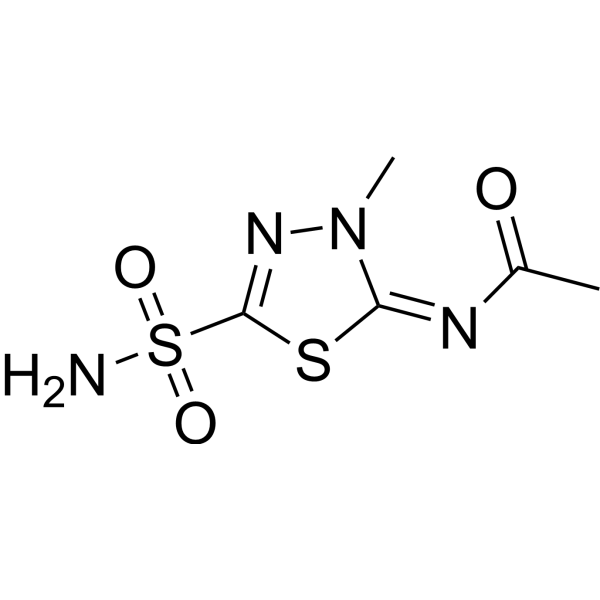
Methazolamide-d6 is the deuterium labeled Methazolamide. Methazolamide (L584601) is a sulfonamide derivative used as a carbonic anhydrase inhibitor with a Ki of 14 nM for human carbonic anhydrase II. Methazolamide, an intraocular pressure-lowering agent, reduces intraocular pressure elevations associated with glaucoma and other ocular disorders .
|
-
- HY-B0584S2
-
|
Fluprostenol isopropyl ester-7; AL6221-7; Flu-Ipr-7
|
Isotope-Labeled Compounds
Prostaglandin Receptor
|
Cardiovascular Disease
Endocrinology
|
|
Travoprost-d7 (Fluprostenol isopropyl ester-d7) is deuterium labeled Travoprost. Travoprost (Fluprostenol isopropyl ester), an isopropyl ester proagent, is a high affinity, selective FP prostaglandin full receptor agonist. Travoprost has the ocular hypotensive efficacy and has the potential for glaucoma and ocular hypertension .
|
-
- HY-B1035C
-
|
(R)-Bunolol hydrochloride
|
Adrenergic Receptor
|
Cardiovascular Disease
|
|
ent-Levobunolol ((R)-Bunolol) hydrochloride is a competitive β-adrenergic receptor blocker. ent-Levobunolol hydrochloride inhibits the transmission of sympathetic nerve impulses, reduces the production of aqueous humor, and constricts blood vessels in the eye, thereby reducing intraocular pressure. ent-Levobunolol hydrochloride is promising for research of ocular hypertension diseases such as glaucoma .
|
-
- HY-114867
-
|
15(R)-17-phenyl trinor PGF2α ethyl amide
|
Prostaglandin Receptor
|
Endocrinology
|
|
(15R)-Bimatoprost (15(R)-17-phenyl trinor PGF2α ethyl amide) is a prostaglandin analog used to study glaucoma and ocular hypertension. (15R)-Bimatoprost is an isomer of Bimatoprost with an inverted (β) hydroxyl group on C-15 .
|
-
- HY-179519
-
|
|
GABA Receptor
Reactive Oxygen Species (ROS)
|
Neurological Disease
|
|
Umbelopsisin A is a GABAA and GABAB non-selective agonist. Umbelopsisin A activates the GABAergic pathway, including notch signaling and fatty acid metabolism. Umbelopsisin A shows dual neuroprotection against glutamate excitotoxicity in vitro (reducing ROS and cell death) and in vivo. Umbelopsisin A can be used for the study of glaucoma and broader neurodegenerative disease applications .
|
-
- HY-149012
-
-
- HY-153183
-
|
|
Phospholipase
|
Cardiovascular Disease
Neurological Disease
|
|
Lp-PLA2-IN-12 (compound 19) is an Lp-PLA2 inhibitor. Lp-PLA2-IN-12 can be used for the study of neurodegenerative related diseases such as Alzheimer's disease (AD), glaucoma, age-related macular degeneration (AMD), or cardiovascular disease including atherosclerosis .
|
-
- HY-B0584A
-
|
5,6-trans-Fluprostenol isopropyl ester; 5,6-trans-AL6221; 5,6-trans-Flu-Ipr
|
Prostaglandin Receptor
|
Endocrinology
|
|
5,6-trans-Travoprost is the isomer of Travoprost (HY-B0584), and can be used as an experimental control. Travoprost (Fluprostenol isopropyl ester), an isopropyl ester proagent, is a high affinity, selective FP prostaglandin full receptor agonist. Travoprost has the ocular hypotensive efficacy and has the potential for glaucoma and ocular hypertension .
|
-
- HY-101087
-
|
|
Carbonic Anhydrase
Amyloid-β
Reactive Oxygen Species (ROS)
|
Neurological Disease
Inflammation/Immunology
Cancer
|
|
Benzenesulphonamide (Compound 1) is a carbonic anhydrase inhibitor. Benzenesulphonamide exhibits CA II inhibitory activity. Benzenesulphonamide reduces ROS and improves the gene expression of amyloid-β40 and 42. Benzenesulphonamide is beneficial for Alzheimer's disease. Benzenesulphonamide derivatives have anticancer, anti-inflammatory, and anticonvulsant activities. Benzenesulphonamide can be used in the research of Alzheimer's disease, epilepsy, inflammatory diseases, leukemia, melanoma, lung cancer, and colon cancer .
|
-
- HY-109191
-
|
PHP-201; AMA0076
|
ROCK
|
Others
|
|
Sovesudil (PHP-201) is a potent, ATP-competitive, locally acting Rho kinase (ROCK) inhibitor with IC50s of 3.7 and 2.3 nM for ROCK-I and ROCK-II, respectively. Sovesudil lowers intraocular pressure (IOP) without inducing hyperemia .
|
-
- HY-101087R
-
|
|
Reference Standards
Carbonic Anhydrase
Amyloid-β
Reactive Oxygen Species (ROS)
|
Neurological Disease
Inflammation/Immunology
Cancer
|
|
Benzenesulphonamide (Standard) is the analytical standard of Benzenesulphonamide (HY-101087). This product is intended for research and analytical applications. Benzenesulphonamide (Compound 1) is a carbonic anhydrase inhibitor. Benzenesulphonamide exhibits CA II inhibitory activity. Benzenesulphonamide reduces ROS and improves the gene expression of amyloid-β40 and 42. Benzenesulphonamide is beneficial for Alzheimer's disease. Benzenesulphonamide derivatives have anticancer, anti-inflammatory, and anticonvulsant activities. Benzenesulphonamide can be used in the research of Alzheimer's disease, epilepsy, inflammatory diseases, leukemia, melanoma, lung cancer, and colon cancer .
|
-
- HY-B0553
-
-
- HY-B0588AS
-
|
AL-4862-d5 hydrochloride
|
Carbonic Anhydrase
|
Neurological Disease
|
|
Brinzolamide-d5 (hydrochloride) is the deuterium labeled Brinzolamide hydrochloride . Brinzolamide (AL-4862) hydrochloride is a selective carbonic anhydrase II inhibitor with an IC50 value of 3.2 nM. Brinzolamide hydrochloride reduces intraocular pressure (IOP) by inhibiting ciliary CA-II and decreasing atrial fluid secretion. Brinzolamide hydrochloride can be used in glaucoma disease research .
|
-
- HY-129630S
-
|
|
Isotope-Labeled Compounds
Endogenous Metabolite
|
Metabolic Disease
|
|
Tetrahydrocortisol-d5 is the deuterium labeled Tetrahydrocortisol. Tetrahydrocortisol is a cortisol metabolite that inhibits dexamethasone-induced formation of cross-linked actin networks. Tetrahydrocortisol can be used in the research of primary open-angle glaucoma, glucocorticoid-induced ocular hypertension, Lewis lung carcinoma, and EMT-6 mouse breast cancer .
|
-
- HY-113089A
-
|
H-Glu(H-Lys-OH)-OH TFA; γ-Glu-ε-Lys TFA
|
Endogenous Metabolite
|
Metabolic Disease
|
|
Epsilon-(gamma-glutamyl)-lysine (H-Glu(H-Lys-OH)-OH) TFA is an N(6)-acyl-L-lysine derivative. The enzyme tissue transglutaminase (tTg) helps the formation of epsilon-(gamma-glutamyl)lysine bonds between ECM components in some disease, such as non-diabetic kidney, glaucoma filtration .
|
-
- HY-124221
-
|
|
Endogenous Metabolite
|
Cancer
|
|
Radamide is an inhibitor of Grp94 with anti-migratory activity. Radamide is used to inhibit Grp94-related diseases such as glaucoma, cancer metastasis, and multiple myeloma. Radamide exhibits selective inhibitory activity by acting on the specific structure of Grp94. Radamide derivatives show better potency and selectivity in improved structure-activity relationship studies .
|
-
- HY-W746807
-
|
N-Cyclohexyl-desamethyl bimatoprost; 17-Phenyl trinor prostaglandin F2α cyclohexyl amide
|
Prostaglandin Receptor
|
Endocrinology
|
|
Bimatoprost cyclohexyl amide (N-Cyclohexyl-desamethyl bimatoprost; 17-Phenyl trinor prostaglandin F2α cyclohexyl amide) is an analog of bimatoprost (HY-B0191). Bimatoprost cyclohexyl amide is an agonist of the prostaglandin F2α receptor. Bimatoprost cyclohexyl amide is used in research on reducing intraocular pressure and glaucoma .
|
-
- HY-B0588R
-
|
AL-4862 (Standard)
|
Reference Standards
Carbonic Anhydrase
|
Others
Neurological Disease
|
|
Brinzolamide (Standard) is the analytical standard of Brinzolamide. This product is intended for research and analytical applications. Brinzolamide (AL-4862) is a selective carbonic anhydrase II inhibitor with anIC50 value of 3.2 nM. Brinzolamide hydrochloride reduces intraocular pressure (IOP) by inhibiting ciliary CA-II and decreasing atrial fluid secretion. Brinzolamide can be used in glaucoma disease research .
|
-
- HY-172574
-
|
8-iso-17-Phenyl trinor PGF2α
|
Drug Isomer
Drug Derivative
|
Neurological Disease
|
|
8-Iso-17-phenyl trinor prostaglandin F2α (8-Iso-17-phenyl trinor PGF2), the C-8 epimer of Bimatoprost (HY-B0191), is a PGF2α (HY-12956) analog. Bimatoprost can be used in the research of glaucoma and high intraocular pressure.
|
-
- HY-100973R
-
|
ADP ribose (Standard)
|
Reference Standards
Endogenous Metabolite
|
Others
|
|
Cyanidin 3,5-diglucoside (chloride) (Standard) is the analytical standard of Cyanidin 3,5-diglucoside (chloride). This product is intended for research and analytical applications. Cyanidin 3,5-diglucoside chloride is a type of anthocyanin. Cyanidin 3,5-diglucoside chloride inhibits hyperbaric pressure-induced GLAST decrease. Cyanidin 3,5-diglucoside chloride has the potential for the research of glaucoma .
|
-
- HY-17380S
-
|
(S)-L-714,465-d9 maleate; MK 950-d9
|
Isotope-Labeled Compounds
Adrenergic Receptor
|
Cardiovascular Disease
Neurological Disease
|
|
(S)-Timolol-d9 (maleate) is deuterium labeled (S)-Timolol (Maleate). (S)-Timolol Maleate (L-714,465 Maleate) is a non-cardioselective hydrophilic β-adrenoceptor blocker. (S)-Timolol Maleate is widely used as standard medication for intraocular pressure (glaucoma) by preventing the production of aqueous humor. (S)-Timolol Maleate can be used for hypertension, angina pectoris and myocardial infarction .
|
-
- HY-33549
-
|
|
Tyrosine Hydroxylase
|
Neurological Disease
Cancer
|
|
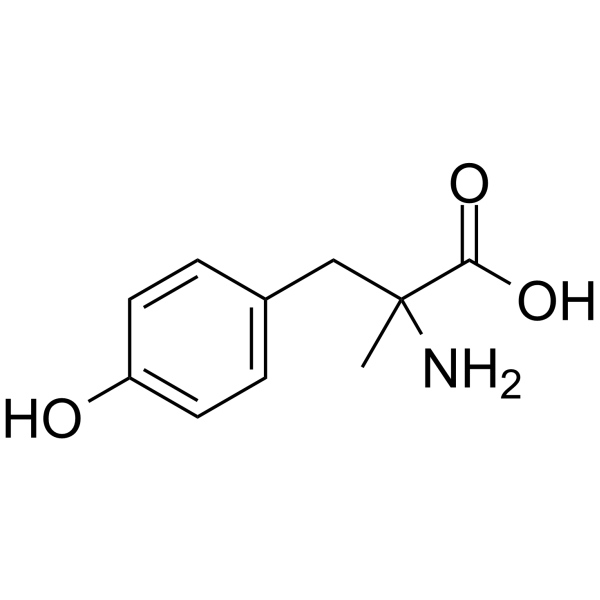
α-Methyl-p-tyrosine is a competitive inhibitor of tyrosine hydroxylase, which converts tyrosine into DOPA. α-Methyl-p-tyrosine is also an orally active inhibitor of catecholamine synthesis, inhibiting the hydroxylation of tyrosine into DOPA. α-Methyl-p-tyrosine can be used in research related to epilepsy, glaucoma, cancer, and other related diseases .
|
-
- HY-16758
-
|
AR-12286
|
ROCK
|
Neurological Disease
|
|
Verosudil (AR-12286) is a ROCK inhibitor. Verosudil has equal inhibitory activity against ROCK1 and ROCK2 (Ki: 2 nM). Verosudil is less selective for PKA, PKCT, MRCKA, and CAM2A (Ki: 69 nM, 9322 nM, 28 nM, 5855 nM, respectively). Verosudil increases trabecular outflow capacity to reduce intraocular pressure. Verosudil is useful in the study of glaucoma and ocular hypertension .
|
-
- HY-17494S
-
|
(Rac)-L-714,465 maleate; (Rac)-MK 950-d5
|
Isotope-Labeled Compounds
Adrenergic Receptor
|
Cardiovascular Disease
Neurological Disease
|
|
rac Timolol-d5 (maleate) is a labelled racemic (S)-Timolol maleate. (S)-Timolol Maleate (L-714,465 Maleate) is a non-cardioselective hydrophilic β-adrenoceptor blocker. (S)-Timolol Maleate is widely used as standard medication for intraocular pressure (glaucoma) by preventing the production of aqueous humor. (S)-Timolol Maleate can be used for hypertension, angina pectoris and myocardial infarction .
|
-
- HY-15392
-
Chroman 1
Maximum Cited Publications
63 Publications Verification
|
ROCK
|
Cardiovascular Disease
|
|
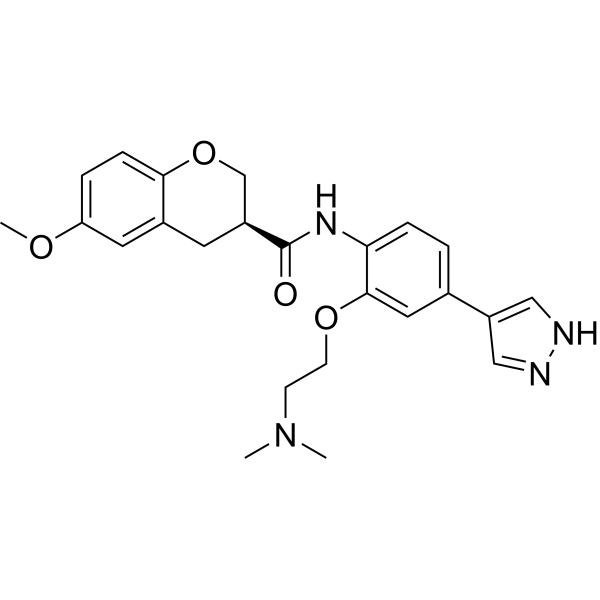
Chroman 1 is a highly potent and selective ROCK inhibitor. Chroman 1 is more potent against ROCK2 (IC50=1 pM) than ROCK1 (IC50=52 pM). Chroman 1 also has inhibitory activity against MRCK, with an IC50 of 150 nM .
|
-
- HY-15392A
-
|
|
ROCK
|
Cardiovascular Disease
|
|
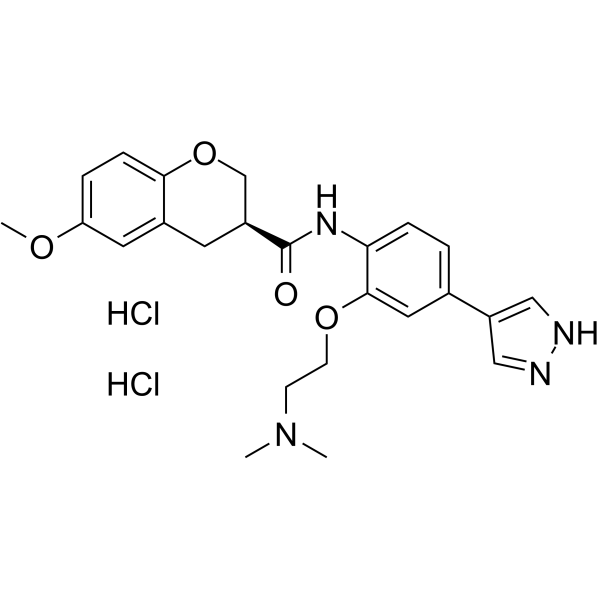
Chroman 1 dihydrochloride is a highly potent and selective ROCK inhibitor. Chroman 1 dihydrochloride is more potent against ROCK2 (IC50=1 pM) than ROCK1 (IC50=52 pM).
Chroman 1 dihydrochloride also has inhibitory activity against MRCK, with an IC50 of 150 nM .
|
-
- HY-150976
-
-
- HY-150973
-
-
- HY-161507
-
|
|
Carbonic Anhydrase
Cholinesterase (ChE)
|
Metabolic Disease
|
|
hCAI/II-IN-8 (Compound 8) is a hydrazide derivative based on 4-hydroxybenzaldehyde. hCAI/II-IN-8 primarily targets human carbonic anhydrase isomerase I (hCA I) and II (hCA II) for inhibition (IC50 = 21.35 ± 0.39 nM (hCA I); 7.12 ± 0.12 nM (hCA II)). hCAI/II-IN-8 inhibits AChE and BChE as well(IC50 = 46.27 ±0.75 nM (AChE); 43.38 ± 0.83 nM (BChE)). . .
|
-
- HY-121600
-
|
|
Cannabinoid Receptor
|
|
|
GAT229 is a CB1 positive allosteric modulator (PAM) that effectively reduces intraocular pressure (IOP) in high IOP mouse models and enhances CB1 receptor-mediated IOP-lowering effects. A 0.2% GAT229 solution or 10 mg/kg of GAT229 alone significantly reduces IOP. GAT229 is promising for research related to glaucoma and elevated intraocular pressure .
|
-
- HY-119236
-
|
CP-734432
|
Prostaglandin Receptor
Beta-lactamase
|
Neurological Disease
|
|
CP-432 (CP-734432) is a EP4 receptor agonist with an IC50 of 2 nM for human sources, 8 nM for canine sources, and an EC50 of 1 nM for human sources. CP-432 stimulates cAMP production and activates β-lactamase (β-lactamase) activity via the cAMP response element signaling pathway. CP-432 is applicable to research related to glaucoma .
|
-
- HY-153560
-
|
|
Phospholipase
|
Neurological Disease
|
|
Lp-PLA2-IN-14 (Compound 19) is an Lp-PLA2 inhibitor with a pIC50 of 8.4 against rhLp-PLA2. Lp-PLA2-IN-14 can be used for the research of neurodegenerative related diseases, such as Alzheimer Disease (AD), glaucoma, age-related macular degeneration (AMD) or cardiovascular diseases including atherosclerosis and the like .
|
-
- HY-17380R
-
|
(S)-L-714,465 maleate (Standard); MK 950 (Standard)
|
Reference Standards
Adrenergic Receptor
|
Cardiovascular Disease
Neurological Disease
|
|
(S)-Timolol (maleate) (Standard) is the analytical standard of (S)-Timolol (maleate). This product is intended for research and analytical applications. (S)-Timolol Maleate (L-714,465 Maleate) is a non-cardioselective hydrophilic β-adrenoceptor blocker. (S)-Timolol Maleate is widely used as standard medication for intraocular pressure (glaucoma) by preventing the production of aqueous humor. (S)-Timolol Maleate can be used for hypertension, angina pectoris and myocardial infarction .
|
-
- HY-17494S1
-
|
|
Isotope-Labeled Compounds
Adrenergic Receptor
|
Cardiovascular Disease
Inflammation/Immunology
Cancer
|
|
Timolol-d9 (maleate) is deuterium labeled Timolol. Timolol is a β-blocker available for both topical and systemic administration. Topical Timolol is primarily used to reduce intraocular pressure with open-angle glaucoma and ocular hypertension. Timolol can also be used for the research of infantile hemangiomas, hypertension, myocardial infarction, migraine prophylaxis, and atrial fibrillation.Timolol also has cardioprotective effect .
|
-
- HY-129502
-
|
P-23924C
|
HIF/HIF Prolyl-Hydroxylase
|
Others
|
|
Fibrostatin C (P-23924C) is an orally active prolyl hydroxylase inhibitor that also inhibits collagen biosynthesis. Fibrostatin C also increases the number of cytoplasmic granules immunoreactive with antibodies to collagen I or III. Fibrostatin C inhibits the secretion of type I collagen in Tenon's capsule fibroblasts. Fibrostatin C is promising for research of the wound fibrotic response in the wound of glaucoma filtering surgery .
|
-
- HY-16758A
-
|
AR-12286 hydrochloride
|
ROCK
|
Neurological Disease
|
|
Verosudil (AR-12286) hydrochloride is the hydrochloride form of Verosudil (HY-16758). Verosudil hydrochloride is a ROCK inhibitor. Verosudil hydrochloride has equal inhibitory activity against ROCK1 and ROCK2 (Ki: 2 nM). Verosudil hydrochloride is less selective for PKA, PKCT, MRCKA, and CAM2A (Ki: 69 nM, 9322 nM, 28 nM, 5855 nM, respectively). Verosudil hydrochloride increases trabecular outflow capacity to reduce intraocular pressure. Verosudil hydrochloride is useful in the study of glaucoma and ocular hypertension .
|
-
- HY-17642
-
|
UR-7276
|
Prostaglandin Receptor
|
Endocrinology
|
|
Omidenepag (UR-7276), a pharmacologically active form of Omidenepag Isopropyl, is a selective, non-prostanoid EP2 receptor agonist, with an EC50 of 1.1 nM. Omidenepag shows binding affinities (IC50) 10 nM for h-EP2. Omidenepag is used in research on diseases related to intraocular pressure .
|
-
- HY-101303
-
|
|
Melatonin Receptor
|
Others
|
|
5-MCA-NAT is a melatonin agonist that may target the melatoninMT3 receptor. 5-MCA-NAT can contract the colonic band in a concentration-dependent manner and reduce intraocular pressure (IOP) in glaucomatous monkey eyes, inhibiting the increase in IOP .
|
-
- HY-B0601
-
|
AFP-172
|
Prostaglandin Receptor
Drug Metabolite
|
Cardiovascular Disease
Neurological Disease
Endocrinology
|
|
Tafluprost acid (AFP-172), an active metabolic form of Tafluprost, is a selective prostanoid FP receptor agonist. Tafluprost acid shows a high affinity for human prostanoid FP receptor with Ki and EC50 values of 0.4 nM and 0.53 nM, respectively. Tafluprost acid has 126 times weaker binding affinity for prostanoid EP3 receptor (IC50=67 nM) than for the prostanoid FP receptor. Tafluprost acid can be used in the research of glaucoma .
|
-
- HY-176011
-
|
17-Phenyl trinor PGF2α glycinamide methyl ester
|
Prostaglandin Receptor
|
Endocrinology
|
|
17-Phenyl trinor prostaglandin F2α glycinamide methyl ester is a derivative of Bimatoprost (HY-B0191) and a prostaglandin analog. 17-Phenyl trinor prostaglandin F2α glycinamide methyl ester is a human prostaglandin FP receptor agonist. 17-Phenyl trinor prostaglandin F2α glycinamide methyl ester has an ocular hypotensive effect and can be used in the study of ocular hypertension and glaucoma .
|
-
- HY-119732
-
|
|
HSP
|
Neurological Disease
Cancer
|
|
KUNG94 is a selective Grp94/HSP90B inhibitor (IC50=8 nM). By inhibiting the chaperone function of Grp94, KUNG94 reduces the maturation and cell surface trafficking of its specific client proteins. KUNG94 can be used for studies on Grp94-related biological mechanisms, as well as diseases including cancer and primary open-angle glaucoma .
|
-
- HY-B0191AS
-
|
5,6-trans-AGN 192024-d5
|
Isotope-Labeled Compounds
Prostaglandin Receptor
|
Cancer
|
|
5,6-trans-Bimatoprost-d5 (5,6-trans-AGN 192024-d5) is the deuterium labeled 5,6-trans-Bimatoprost (HY-B0191A). 5,6-trans-Bimatoprost is the isomer of Bimatoprost (HY-B0191), and can be used as an experimental control. Bimatoprost is a prostaglandin analogue that can be used in studies of ocular hypertension and glaucoma and also has anti-fat formation effects.
|
-
- HY-183283
-
-
- HY-125444
-
|
|
LIM Kinase (LIMK)
|
Neurological Disease
Cancer
|
|
TH251 is a LIMK1 and LIMK2 inhibitor with IC50s of 52 nM and 47 nM against LIMK1 and LIMK2, respectively. TH251 binds to inactive αC-out and DFG-out LIMK1 conformations, inhibits unphosphorylated LIMK1 and LIMK2 enzymatic activity, and exhibits unchanged potency despite PAK-mediated phosphorylation of either kinase. TH251 can be used for the research of cancers, glaucoma, and CNS diseases .
|
-
- HY-109191A
-
|
PHP-201 hydrochloride; AMA0076 hydrochloride
|
ROCK
|
Neurological Disease
|
|
Sovesudil (PHP-201) hydrochloride is a potent, ATP-competitive, locally acting Rho kinase (ROCK) inhibitor with IC50s of 3.7 and 2.3 nM for ROCK-I and ROCK-II, respectively. Sovesudil hydrochloride lowers intraocular pressure (IOP) without inducing hyperemia .
|
-
- HY-113089AR
-
|
H-Glu(H-Lys-OH)-OH TFA (Standard); γ-Glu-ε-Lys TFA (Standard)
|
Endogenous Metabolite
Reference Standards
|
Metabolic Disease
|
|
Epsilon-(gamma-glutamyl)-lysine (TFA) (Standard) is the analytical standard of Epsilon-(gamma-glutamyl)-lysine (TFA). This product is intended for research and analytical applications. Epsilon-(gamma-glutamyl)-lysine (H-Glu(H-Lys-OH)-OH) TFA is an N(6)-acyl-L-lysine derivative. The enzyme tissue transglutaminase (tTg) helps the formation of epsilon-(gamma-glutamyl)lysine bonds between ECM components in some disease, such as non-diabetic kidney, glaucoma filtration .
|
-
- HY-12798
-
|
AR-13324
|
Monoamine Transporter
ROCK
|
Cardiovascular Disease
Neurological Disease
|
|
Netarsudil (AR-13324) is a competitive inhibitor of Rho-associated protein kinases (ROCK I and ROCK II) and a reversible inhibitor of the norepinephrine transporter (NET). Netarsudil reduces intraocular pressure by inhibiting ROCK, causing relaxation of trabecular meshwork cells and dilation of episcleral veins, thereby increasing the ease of aqueous humor outflow, while inhibiting NET to reduce aqueous humor production. Netarsudil is mainly used in the study of ocular hypertension and primary open-angle glaucoma .
|
-
- HY-W074975
-
|
5-Amino-1,3,4-thiadiazole-2-sulfonamide
|
Carbonic Anhydrase
|
Cancer
|
|
CL 5343 (5-Amino-1,3,4-thiadiazole-2-sulfonamide) is a selective inhibitor of carbonic anhydrase B (HCA-B) and isoforms I, II, IV, and VII. CL 5343 has a Ki of 7.9 nM for hCA II. CL 5343 acts as a CA9 ligand to achieve targeted delivery of maytansine to the cell membrane of SKRC52 renal cancer cells. CL 5343 is useful in the development of therapeutics for diseases associated with CA overactivity, such as glaucoma, epilepsy, and cancer .
|
-
- HY-100449
-
AL-8810
1 Publications Verification
|
Prostaglandin Receptor
p38 MAPK
ERK
|
Neurological Disease
Endocrinology
|
|
AL-8810 is a potent and selective antagonist of the PGF 2α receptor (FP receptor). AL-8810 is an activator of MAPK and ERK1/2. The Ki of the FP receptor of mouse 3T3 cells and rat A7r5 cells are 0.2±0.06 μM and 0.4±0.1 μM, respectively. AL-8810 can be used in the study of elevated intraocular pressure (OHT) and primary open-angle glaucoma (POAG) .
|
-
- HY-33549R
-
|
|
Tyrosine Hydroxylase
|
Neurological Disease
Cancer
|
|
α-Methyl-p-tyrosine (Standard) is the analytical standard of α-Methyl-p-tyrosine. This product is intended for research and analytical applications. α-Methyl-p-tyrosine is a competitive inhibitor of tyrosine hydroxylase, which converts tyrosine into DOPA. α-Methyl-p-tyrosine is also an orally active inhibitor of catecholamine synthesis, inhibiting the hydroxylation of tyrosine into DOPA. α-Methyl-p-tyrosine can be used in research related to epilepsy, glaucoma, cancer, and other related diseases .
|
-
- HY-12798A
-
|
AR-13324 dimesylate
|
ROCK
|
Cardiovascular Disease
Neurological Disease
|
|
Netarsudil (AR-13324) dimesylate is a competitive inhibitor of Rho-associated protein kinases (ROCK I and ROCK II) and a reversible inhibitor of the norepinephrine transporter (NET). Netarsudil dimesylate reduces intraocular pressure by inhibiting ROCK, causing relaxation of trabecular meshwork cells and dilation of episcleral veins, thereby increasing the ease of aqueous humor outflow, while inhibiting NET to reduce aqueous humor production. Netarsudil dimesylate is mainly used in the study of ocular hypertension and primary open-angle glaucoma .
|
-
- HY-175972
-
|
|
Carbonic Anhydrase
|
Neurological Disease
Cancer
|
|
CAI/II-IN-12 is a potent and hCAI (IC50 = 7.12 μM, Ki = 9.26 μM) and hCAII (IC50 = 10.62 μM, Ki = 11.72 μM) dual inhibitor. CAI/II-IN-12 has a strong affinity for the active sites of CYP17A1, hCAI, and hCAII enzymes. Compound CAI/II-IN-12 exhibits rapid conformational stabilization, particularly in the CYP17A1 complex. CAI/II-IN-12 can be used for the study of prostate cancer therapy and glaucoma .
|
-
- HY-182473
-
|
|
Prostaglandin Receptor
|
Neurological Disease
|
|
AL-6556 is a full agonist of the DP receptor and a partial agonist of the EP2 receptor. AL-6556 has an EC50 of 799 nM for bovine DP, a Ki of 3200 nM for human DP, and an EC50 of 1180 nM for human EP2, with selectivity over EP3, FP, IP, TP and 19 non-prostaglandin receptors. AL-6556 stimulates cAMP production via receptor activation and reduces intraocular pressure through aqueous humor inflow and outflow mechanisms. AL-6556 can be used in research related to ocular hypertension and glaucoma .
|
-
- HY-125627
-
|
|
Glucocorticoid Receptor
Androgen Receptor
|
Neurological Disease
Metabolic Disease
|
|
CP-394531 is an efficient and highly selective non-steroidal glucocorticoid receptor (GR) antagonist, with a Ki value of 0.1 nM. CP-394531 has a weak binding to androgen receptor (AR) (Ki = 130 nM), and has almost no effect on progesterone receptor (PR) and estrogen receptors (ERα, ERβ). CP-394531 completely blocks the half-maximal agonistic effect induced by Dexamethasone (HY-14648G), with a Kif of 4.1 nM. CP-394531 can be used to study various diseases such as diabetes, obesity, depression, neurodegenerative diseases, glaucoma and Cushing's disease .
|
-
- HY-158821A
-
|
|
TGF-beta/Smad
|
Neurological Disease
|
|
ISTH0036 sodium is a phosphorothioate LNA-modified antisense oligonucleotide gapmer that selectively targets and downregulates TGF-β2 mRNA. ISTH0036 sodium suppresses TGF-β2 expression, reduces choroidal neovascularization and vascular leakage, inhibits fibrosis, blocks epithelial-to-mesenchymal transition, and inhibits angiogenesis while promoting bleb survival. ISTH0036 sodium exhibits long-lasting, dose-dependent ocular tissue distribution and target engagement in rabbit and non-human primate eyes. ISTH0036 sodium can be used for the study of various ocular disorders, such as glaucoma and neovascular retinal diseases .
|
-
- HY-118652
-
|
ω-3 6-keto PGF2α
|
Prostaglandin Receptor
|
Metabolic Disease
|
|
Δ17-6-keto Prostaglandin F1α (Δ17-6-keto PGF1α) is a cyclooxygenase (COX) product of eicosapentaenoic acid (EPA) in various tissues such as seminal vesicles, lung, Polymorphonuclear leukocytes, and ocular tissues. Δ17-6-keto PGF1α and other 3-series COX products from EPA, such as PGF3α, PGE3, and thromboxane B3, may be involved in the reduced incidence of glaucoma in patients on a marine-rich (EPA-rich) diet.
|
-
- HY-142778
-
|
|
Phospholipase
|
Neurological Disease
Metabolic Disease
|
|
Lp-PLA2-IN-10 is a potent inhibitor of lipoprotein-associated phospholipase A2 (Lp-PLA2). Lp-PLA2 previously known as platelet- activating factor acetylhydrolase (PAF-AH), is a phospholipase A2 enzyme involved in hydrolysis of lipoprotein lipids or phospholipids. Lp-PLA2-IN-10 has the potential for the research of neurodegenerative-related diseases such as Alzheimer's disease (AD), glaucoma, age-related macular degeneration (AMD), or cardiovascular diseases including atherosclerosis (extracted from patent WO2022001881A1, compound 4) .
|
-
- HY-180916
-
|
|
Carbonic Anhydrase
Reactive Oxygen Species (ROS)
NOD-like Receptor (NLR)
Apoptosis
|
Neurological Disease
|
|
CAII-IN-11 (Compound A1) is a dual-target compound that contains a hCA II inhibitor (IC₅₀ = 2 nM) portion and a NO donor portion. CAII-IN-11 also has inhibitory activity against hCA IX, hCA XII, and hCA I, with IC50 values of 6, 3, and 152 nM respectively. CAII-IN-11 significantly increases the intracellular cGMP level in human trabecular meshwork cells. CAII-IN-11 reduces the apoptosis of retinal ganglion cells by reducing oxidative stress (ROS levels), inhibiting astrocytes and the NLRP3 inflammasome activation. CAII-IN-11 has hypotensive activity in rabbit models and can be used for the study of glaucoma .
|
-
- HY-19518R
-
|
NCX116 (Standard); LBN (Standard)
|
Reference Standards
Prostaglandin Receptor
|
Neurological Disease
|
|
Latanoprostene bunod (NCX116; LBN) (Standard) is the analytical standard of Latanoprostene bunod. This product is intended for research and analytical applications. Latanoprostene bunod is a nitric oxide-releasing prostaglandin F2α analog. Latanoprostene bunod is a prodrug that, upon instillation into the eye, is hydrolyzed by corneal esterases into two active metabolites: Latanoprost (HY-B0577) and NO. Latanoprost activates the prostaglandin FP receptor to increase the outflow of aqueous humor through the uveoscleral pathway. NO increases aqueous humor drainage through the trabecular meshwork pathway, achieving synergistic enhancement targeting the dual pathways of aqueous humor outflow. Latanoprostene bunod can be used in research related to open-angle glaucoma and ocular hypertension.
|
-
- HY-160928
-
-
- HY-178030
-
|
|
Carbonic Anhydrase
Adrenergic Receptor
|
Neurological Disease
|
|
CAXII-IN-3 is an effective carbonic anhydrase (CA XII) inhibitor with a Ki of 53 nM. CAXII-IN-3 exhibits selective inhibition against multiple human CA subtypes with Kis of 5.3 μM, 75 nM, 1.9 μM, > 10 μM against CA I, CA II, CA IV and CA IX. CAXII-IN-3 mainly inhibits CA II and XII, and reduces aqueous humor production. CAXII-IN-3 exhibits β3-AR agonistic activity, can dilate retinal blood vessels, and improve optic nerve perfusion. CAXII-IN-3 can be used in the research of ocular disorders such as glaucoma .
|
-
- HY-158821B
-
|
|
TGF-beta/Smad
|
Neurological Disease
|
|
ISTH0036 sodium scrambled negative control is the sequence scrambled negative control of ISTH0036 sodium (HY-158821A). ISTH0036 sodium is a phosphorothioate LNA-modified antisense oligonucleotide gapmer that selectively targets and downregulates TGF-β2 mRNA. ISTH0036 sodium suppresses TGF-β2 expression, reduces choroidal neovascularization and vascular leakage, inhibits fibrosis, blocks epithelial-to-mesenchymal transition, and inhibits angiogenesis while promoting bleb survival. ISTH0036 sodium exhibits long-lasting, dose-dependent ocular tissue distribution and target engagement in rabbit and non-human primate eyes. ISTH0036 sodium can be used for the study of various ocular disorders, such as glaucoma and neovascular retinal diseases.
|
-
- HY-116679
-
|
17-Trifluoromethylphenyl trinor PGF2α
|
Prostaglandin Receptor
|
Endocrinology
|
|
A number of 17-phenyl trinor prostaglandin F2α (17-phenyl trinor PGF2α) derivatives have been approved for glaucoma. Of these, the unsubstituted or meta-substituted aromatic derivatives are the most potent FP receptor agonists.4 17-trifluoromethylphenyl trinor PGF2α bears an aromatic ring which is reminiscent of the trifluoromethyl-phenoxy ring of travoprost ((+)-fluprostenol isopropyl ester). As an ocular hypotensive agent, it would be expected that 17-trifluoromethylphenyl trinor PGF2α would act very much like the free acid of travoprost. 17-phenyl trinor PGF2α is a potent luteolytic, with a potency equal to or greater than fluprostenol and cloprostenol.
|
-
- HY-15195R
-
|
Ro 67-0565 (Standard); SPP-301 (Standard)
|
Reference Standards
Endothelin Receptor
|
Cardiovascular Disease
Endocrinology
|
|
Avosentan (Standard) is the analytical standard of Avosentan (HY-15195). This product is intended for research and analytical applications. Avosentan is an orally active endothelin (ETA) receptor antagonist. Avosentan can block the ETA receptor, thereby reducing vascular contraction, and exerting a renal protective effect. Avosentan inhibits vascular contraction caused by ET-1 and alleviates the reduction in retinal and optic nerve head blood flow induced by it, lowering intraocular pressure in the glaucoma monkey model. Avosentan non-specifically blocks ETB receptors at high doses, inhibiting ETB-mediated diuresis and natriuresis, and may cause fluid retention. Avosentan can be used to reduce proteinuria with diabetic nephropathy, but induces significant fluid overload and congestive heart failure.
|
-
- HY-158821D
-
|
|
Fluorescent Dye
TGF-beta/Smad
|
Neurological Disease
|
|
Cy3 labled ISTH0036 sodium is a Cy3 labled ISTH0036 sodium (HY-158821A). ISTH0036 sodium is a phosphorothioate LNA-modified antisense oligonucleotide gapmer that selectively targets and downregulates TGF-β2 mRNA. ISTH0036 sodium suppresses TGF-β2 expression, reduces choroidal neovascularization and vascular leakage, inhibits fibrosis, blocks epithelial-to-mesenchymal transition, and inhibits angiogenesis while promoting bleb survival. ISTH0036 sodium exhibits long-lasting, dose-dependent ocular tissue distribution and target engagement in rabbit and non-human primate eyes. ISTH0036 sodium can be used for the study of various ocular disorders, such as glaucoma and neovascular retinal diseases.
|
-
- HY-158821C
-
|
|
Fluorescent Dye
TGF-beta/Smad
|
Neurological Disease
|
|
FAM labled ISTH0036 sodiumis a FAM labled ISTH0036 sodium (HY-158821A). ISTH0036 sodium is a phosphorothioate LNA-modified antisense oligonucleotide gapmer that selectively targets and downregulates TGF-β2 mRNA. ISTH0036 sodium suppresses TGF-β2 expression, reduces choroidal neovascularization and vascular leakage, inhibits fibrosis, blocks epithelial-to-mesenchymal transition, and inhibits angiogenesis while promoting bleb survival. ISTH0036 sodium exhibits long-lasting, dose-dependent ocular tissue distribution and target engagement in rabbit and non-human primate eyes. ISTH0036 sodium can be used for the study of various ocular disorders, such as glaucoma and neovascular retinal diseases.
|
-
- HY-127032
-
|
Polidronium chloride
|
Biochemical Assay Reagents
|
Infection
|
|
Polyquaternium-1 (Polidronium chloride; PQ-1) is an antimicrobial preservative and an activator of NF-κB. Polyquaternium-1 targets bacterial cell membranes, commonly used in ophthalmic surgery. Polyquaternium-1 adsorbs to the surface of microbial membranes through its polycationic properties, destroying membrane integrity and inducing potassium ion leakage, leading to bacterial death. Polyquaternium-1 exerts antimicrobial effects at a concentration of 0.001% and has low toxicity to mammalian cells. Polyquaternium-1 can be used to prepare products such as glaucoma eye drops (Travoprost preparations containing PQ-1), artificial tears, and contact lens solutions to reduce the ocular surface toxicity of traditional preservatives such as benzalkonium chloride (HY-B2232) .
|
-
- HY-P1759
-
|
Z-FR-AMC
|
Cathepsin
|
Others
|
|
N-CBZ-Phe-Arg-AMC (Z-FR-AMC) is a cathepsin substrate used in assessment activity of lysosomal cathepsin enzymes .
|
-
- HY-114613
-
|
|
Amyloid-β
α-synuclein
CGRP Receptor
Amylin Receptor
|
Neurological Disease
Inflammation/Immunology
|
|
D-Trp-Aib is a dipeptide and amyloid-β inhibitor with a Kd of 29.6 nM. D-Trp-Aib triggers formation of non-toxic, non-β-sheet, amorphous amyloid β clusters from misfolded amyloid β monomers and toxic amyloid β oligomers, and reduces toxic amyloid β1-42 deposits. D-Trp-Aib inhibits amyloid fibril formation of α‑synuclein, IAPP and calcitonin. D-Trp-Aib can be used for the research of Alzheimer's disease .
|
-
- HY-N19401
-
|
|
Cholinesterase (ChE)
Carbonic Anhydrase
Glycosidase
JNK
p38 MAPK
|
Metabolic Disease
Inflammation/Immunology
|
|
Vescalagin is a hexahydroxyphenol. Vescalagin is isolable from Camu-camu (Myrciaria dubia) and immature wax apple fruits. Vescalagin exhibits inhibitory activity against a variety of enzymes, with a Ki value of 5.87 nM against AChE, 3.89 nM against BChE, 11.75 nM against hCA I, 16.23 nM against hCA II, and 16.08 nM against α-glucosidase. Vescalagin inhibits hCA I, hCA II and α-glucosidase in a non-competitive manner. Vescalagin downregulates JNK/p38 MAPK to protect pancreatic β-cells and improve insulin secretion in methylglyoxal-treated rats. Vescalagin reduces hyperglycemia and hypertriglyceridemia in rats fed a high-fructose diet. Vescalagin possesses anti-inflammatory and antioxidant properties .
|
-
- HY-182635
-
|
|
Adrenergic Receptor
Sodium Channel
Potassium Channel
|
Cardiovascular Disease
Neurological Disease
|
|
ICI 147798 is an orally effective β-adrenoceptor antagonist with a pKB of 9.1 (in guinea pig right atrium) and 8.8 (in guinea pig trachea). ICI 147798 acts as a diuretic and intraocular pressure-lowering agent. ICI 147798 blocks β-adrenoceptors, inhibits isoproterenol-induced tachycardia and vasodepressor responses, exhibits slowly dissociating, insurmountable antagonism against β1-adrenoceptors, and shows surmountable competitive antagonism against β2-adrenoceptors. ICI 147798 induces natriuresis and kaliuresis, inhibits sodium transport, and reduces intraocular pressure .
|
-
- HY-170224
-
|
|
Biochemical Assay Reagents
|
Others
|
|
dNTP Mixture,10 mM Solution,PCR Grade is a PCR-grade 10 mM mixed solution of natural deoxynucleoside triphosphates (dATP, dCTP, dGTP, TTP), which is suitable for various biological reactions including DNA amplification and reverse transcription .
|
-
| Cat. No. |
Product Name |
Type |
-
- HY-D3419
-
|
|
Fluorescent Dye
|
|
Neuro-DiO 4-chlorobenzenesulfonate is a hydrophobic C18 alkyl chain carbocyanine dye with green fluorescence, commonly used as a vascular marker, cell internalizer and deposition agent. Neuro-DiO 4-chlorobenzenesulfonate inserts its alkyl chain into the endothelial plasma membrane via liposome-mediated perfusion to achieve vascular labeling. Neuro-DiO chlorobenzenesulfonate can also stain the cell membrane and cytoplasm of cancer cells to assist in confocal microscopy observations. Neuro-DiO chlorobenzenesulfonate can be released from nanosponges and accumulate on the surface of mouse retina, then internalize into retinal ganglion cells, which is applicable to researches related to glaucoma and other diseases. It should be noted that during liposome-mediated vascular staining in mice, Neuro-DiO 4-chlorobenzenesulfonate may cause leakage of airway lavage fluid .
|
| Cat. No. |
Product Name |
Type |
-
- HY-170224
-
|
|
Biochemical Assay Reagents
|
|
dNTP Mixture,10 mM Solution,PCR Grade is a PCR-grade 10 mM mixed solution of natural deoxynucleoside triphosphates (dATP, dCTP, dGTP, TTP), which is suitable for various biological reactions including DNA amplification and reverse transcription .
|
| Cat. No. |
Product Name |
Target |
Research Area |
-
- HY-P1759
-
|
Z-FR-AMC
|
Cathepsin
|
Others
|
|
N-CBZ-Phe-Arg-AMC (Z-FR-AMC) is a cathepsin substrate used in assessment activity of lysosomal cathepsin enzymes .
|
-
- HY-P10227
-
-
- HY-113089
-
|
H-Glu(H-Lys-OH)-OH; γ-Glu-ε-Lys
|
Endogenous Metabolite
|
Metabolic Disease
|
|
Epsilon-(gamma-glutamyl)-lysine is an N(6)-acyl-L-lysine derivative. The enzyme tissue transglutaminase (tTg) helps the formation of epsilon-(gamma-glutamyl)lysine bonds between ECM components in some disease, such as non-diabetic kidney, glaucoma filtration .
|
-
- HY-P10019
-
|
NLY01
|
GCGR
|
Neurological Disease
Inflammation/Immunology
|
|
Pegsebrenatide (NLY01) is a blood-brain barrier-penetrant GLP-1R agonist. Pegsebrenatide alleviates retinal inflammation and neuronal death secondary to ocular hypertension . Pegsebrenatide significantly delays onset and reduces disease severity in experimental autoimmune encephalomyelitis . Pegsebrenatide inhibits the formation of A1 reactive astrocytes in nerve cells and reduces the loss of retinal ganglion cells and dopaminergic neurons. Pegsebrenatide exerts neuroprotective effects in a mouse model of Parkinson's disease by directly preventing microglia-mediated conversion of astrocytes to the A1 neurotoxic phenotype. Pegsebrenatide can be used for research on glaucoma, Parkinson's disease, and multiple sclerosis .
|
-
- HY-113089A
-
|
H-Glu(H-Lys-OH)-OH TFA; γ-Glu-ε-Lys TFA
|
Endogenous Metabolite
|
Metabolic Disease
|
|
Epsilon-(gamma-glutamyl)-lysine (H-Glu(H-Lys-OH)-OH) TFA is an N(6)-acyl-L-lysine derivative. The enzyme tissue transglutaminase (tTg) helps the formation of epsilon-(gamma-glutamyl)lysine bonds between ECM components in some disease, such as non-diabetic kidney, glaucoma filtration .
|
-
- HY-113089AR
-
|
H-Glu(H-Lys-OH)-OH TFA (Standard); γ-Glu-ε-Lys TFA (Standard)
|
Endogenous Metabolite
Reference Standards
|
Metabolic Disease
|
|
Epsilon-(gamma-glutamyl)-lysine (TFA) (Standard) is the analytical standard of Epsilon-(gamma-glutamyl)-lysine (TFA). This product is intended for research and analytical applications. Epsilon-(gamma-glutamyl)-lysine (H-Glu(H-Lys-OH)-OH) TFA is an N(6)-acyl-L-lysine derivative. The enzyme tissue transglutaminase (tTg) helps the formation of epsilon-(gamma-glutamyl)lysine bonds between ECM components in some disease, such as non-diabetic kidney, glaucoma filtration .
|
-
- HY-P1384
-
|
|
Somatostatin Receptor
|
Neurological Disease
|
|
L803 is a selective Somatostatin Receptor Subtype 4 (SST4) agonist. L803 inhibits L-type calcium channel currents (ICa). L803 is promising for research of retinal ganglion cell (RGC) degenerative diseases (e.g., glaucoma) .
|
| Cat. No. |
Product Name |
Target |
Research Area |
Image |
-
- HY-P99695
-
|
CAT-152
|
TGF-beta/Smad
|
Neurological Disease
|
|
Lerdelimumab (CAT-152) is an IgG4 human anti-TGF-β2 recombinant monoclonal antibody. Lerdelimumab can be used as an anti-scarring agent for glaucoma research .
|
-
(5)
| Cat. No. |
Product Name |
Category |
Target |
Chemical Structure |
-
- HY-129630
-
-
-
- HY-129138
-
|
|
Anthocyans
Flavonoids
Punica granatum L.
Neurological Disease
Classification of Application Fields
Punicaceae
Plants
Disease Research Fields
Source Classification
|
Interleukin Related
NO Synthase
STAT
IKK
PERK
p38 MAPK
Akt
|
|
Cyanidin 3,5-diglucoside chloride is an anthocyanin. Cyanidin 3,5-diglucoside chloride inhibits inflammatory cytokines (IL-1α, IL-1β, and IL-6) expression and NO production. Cyanidin 3,5-diglucoside chloride inhibits the phosphorylation of STAT3, IκB, ERK, p38, and AKT. Cyanidin 3,5-diglucoside chloride inhibits high pressure-induced decrease in GLAST. Cyanidin 3,5-diglucoside chloride exerts anti-inflammatory and skin barrier modulating effects. Cyanidin 3,5-diglucoside chloride can be used in retinal research .
|
-
-
- HY-113089
-
-
-
- HY-113089A
-
-
-
- HY-129502
-
|
P-23924C
|
Natural Products
Microorganisms
Source Classification
|
HIF/HIF Prolyl-Hydroxylase
|
|
Fibrostatin C (P-23924C) is an orally active prolyl hydroxylase inhibitor that also inhibits collagen biosynthesis. Fibrostatin C also increases the number of cytoplasmic granules immunoreactive with antibodies to collagen I or III. Fibrostatin C inhibits the secretion of type I collagen in Tenon's capsule fibroblasts. Fibrostatin C is promising for research of the wound fibrotic response in the wound of glaucoma filtering surgery .
|
-
-
- HY-113089AR
-
|
H-Glu(H-Lys-OH)-OH TFA (Standard); γ-Glu-ε-Lys TFA (Standard)
|
Structural Classification
Natural Products
Endogenous metabolite
Source Classification
|
Endogenous Metabolite
Reference Standards
|
|
Epsilon-(gamma-glutamyl)-lysine (TFA) (Standard) is the analytical standard of Epsilon-(gamma-glutamyl)-lysine (TFA). This product is intended for research and analytical applications. Epsilon-(gamma-glutamyl)-lysine (H-Glu(H-Lys-OH)-OH) TFA is an N(6)-acyl-L-lysine derivative. The enzyme tissue transglutaminase (tTg) helps the formation of epsilon-(gamma-glutamyl)lysine bonds between ECM components in some disease, such as non-diabetic kidney, glaucoma filtration .
|
-
-
- HY-121398
-
-
-
- HY-N15452
-
-
-
- HY-125700
-
-
-
- HY-N15301
-
|
|
Microorganisms
Ketones, Aldehydes, Acids
Source Classification
|
ROCK
Myosin
|
|
Nocarnickelamide B (Compound 2) is a linear peptide and ROCK1/2 inhibitor. Nocarnickelamide B exhibits dual inhibitory activity against ROCK1 and ROCK2 with IC50s of 14.9 μM and 21.9 μM, respectively. Nocarnickelamide B binds to the ATP-binding site. Nocarnickelamide B inhibits the activation of ROCK-regulated cytoskeletal contraction markers such as the myosin light chain. Nocarnickelamide B is potential for glaucoma reasearch .
|
-
-
- HY-129138R
-
|
|
Structural Classification
Anthocyans
Flavonoids
Punica granatum L.
Punicaceae
Plants
Source Classification
|
Reference Standards
Interleukin Related
NO Synthase
STAT
IKK
PERK
p38 MAPK
Akt
|
|
Cyanidin 3,5-diglucoside (chloride) (Standard) is the analytical standard of Cyanidin 3,5-diglucoside (chloride) (HY-129138). This product is intended for research and analytical applications. Cyanidin 3,5-diglucoside chloride is an anthocyanin. Cyanidin 3,5-diglucoside chloride inhibits inflammatory cytokines (IL-1α, IL-1β, and IL-6) expression and NO production. Cyanidin 3,5-diglucoside chloride inhibits the phosphorylation of STAT3, IκB, ERK, p38, and AKT. Cyanidin 3,5-diglucoside chloride inhibits high pressure-induced decrease in GLAST. Cyanidin 3,5-diglucoside chloride exerts anti-inflammatory and skin barrier modulating effects. Cyanidin 3,5-diglucoside chloride can be used in retinal research .
|
-
-
- HY-100973R
-
-
-
- HY-179519
-
-
-
- HY-N19401
-
|
|
Structural Classification
Phenols
Polyphenols
Myrciaria dubia (Kunth) McVaugh
Myrtaceae
Plants
Source Classification
|
Cholinesterase (ChE)
Carbonic Anhydrase
Glycosidase
JNK
p38 MAPK
|
|
Vescalagin is a hexahydroxyphenol. Vescalagin is isolable from Camu-camu (Myrciaria dubia) and immature wax apple fruits. Vescalagin exhibits inhibitory activity against a variety of enzymes, with a Ki value of 5.87 nM against AChE, 3.89 nM against BChE, 11.75 nM against hCA I, 16.23 nM against hCA II, and 16.08 nM against α-glucosidase. Vescalagin inhibits hCA I, hCA II and α-glucosidase in a non-competitive manner. Vescalagin downregulates JNK/p38 MAPK to protect pancreatic β-cells and improve insulin secretion in methylglyoxal-treated rats. Vescalagin reduces hyperglycemia and hypertriglyceridemia in rats fed a high-fructose diet. Vescalagin possesses anti-inflammatory and antioxidant properties .
|
-
| Cat. No. |
Product Name |
Chemical Structure |
-
- HY-129630S
-
|
|
|
Tetrahydrocortisol-d5 is the deuterium labeled Tetrahydrocortisol. Tetrahydrocortisol is a cortisol metabolite that inhibits dexamethasone-induced formation of cross-linked actin networks. Tetrahydrocortisol can be used in the research of primary open-angle glaucoma, glucocorticoid-induced ocular hypertension, Lewis lung carcinoma, and EMT-6 mouse breast cancer .
|
-
-
- HY-B0381AS
-
|
|
|
Betaxolol-d7 (hydrochloride) is the deuterium labeled Betaxolol hydrochloride. Betaxolol Hydrochloride is a selective beta1 adrenergic receptor blocker that can be used for the research of hypertension and glaucoma.
|
-
-
- HY-B0553S
-
|
|
|
Methazolamide-d6 is the deuterium labeled Methazolamide. Methazolamide (L584601) is a sulfonamide derivative used as a carbonic anhydrase inhibitor with a Ki of 14 nM for human carbonic anhydrase II. Methazolamide, an intraocular pressure-lowering agent, reduces intraocular pressure elevations associated with glaucoma and other ocular disorders .
|
-
-
- HY-B0191S
-
|
|
|
Bimatoprost-d5 is a deuterium labeled Bimatoprost. Bimatoprost is a prostaglandin analog and is a topical hypotensive agent frequently used for treating ocular hypertension and glaucoma. Bimatoprost also has an antiadipogenic effect .
|
-
-
- HY-17495AS
-
|
|
|
Carteolol-d9 (hydrochloride) is the deuterium labeled Carteolol hydrochloride. Carteolol hydrochloride (OPC-1085 hydrochloride) is a non-selective beta blocker used to treat glaucoma .
|
-
-
- HY-B0381S
-
|
|
|
Betaxolol-d5 is the deuterium labeled Betaxolol. Betaxolol is a selective beta1 adrenergic receptor blocker that can be used for the research of hypertension and glaucoma.
|
-
-
- HY-B0191S1
-
|
|
|
Bimatoprost-d4 is the deuterium labeled Bimatoprost. Bimatoprost is a prostaglandin analog used topically (as eye drops) to control the progression of glaucoma and in the management of ocular hypertension.
|
-
-
- HY-B0584S2
-
|
|
|
Travoprost-d7 (Fluprostenol isopropyl ester-d7) is deuterium labeled Travoprost. Travoprost (Fluprostenol isopropyl ester), an isopropyl ester proagent, is a high affinity, selective FP prostaglandin full receptor agonist. Travoprost has the ocular hypotensive efficacy and has the potential for glaucoma and ocular hypertension .
|
-
-
- HY-B0588AS
-
|
|
|
Brinzolamide-d5 (hydrochloride) is the deuterium labeled Brinzolamide hydrochloride . Brinzolamide (AL-4862) hydrochloride is a selective carbonic anhydrase II inhibitor with an IC50 value of 3.2 nM. Brinzolamide hydrochloride reduces intraocular pressure (IOP) by inhibiting ciliary CA-II and decreasing atrial fluid secretion. Brinzolamide hydrochloride can be used in glaucoma disease research .
|
-
-
- HY-17494S
-
|
|
|
rac Timolol-d5 (maleate) is a labelled racemic (S)-Timolol maleate. (S)-Timolol Maleate (L-714,465 Maleate) is a non-cardioselective hydrophilic β-adrenoceptor blocker. (S)-Timolol Maleate is widely used as standard medication for intraocular pressure (glaucoma) by preventing the production of aqueous humor. (S)-Timolol Maleate can be used for hypertension, angina pectoris and myocardial infarction .
|
-
-
- HY-17380S
-
|
|
|
(S)-Timolol-d9 (maleate) is deuterium labeled (S)-Timolol (Maleate). (S)-Timolol Maleate (L-714,465 Maleate) is a non-cardioselective hydrophilic β-adrenoceptor blocker. (S)-Timolol Maleate is widely used as standard medication for intraocular pressure (glaucoma) by preventing the production of aqueous humor. (S)-Timolol Maleate can be used for hypertension, angina pectoris and myocardial infarction .
|
-
-
- HY-17494S1
-
|
|
|
Timolol-d9 (maleate) is deuterium labeled Timolol. Timolol is a β-blocker available for both topical and systemic administration. Topical Timolol is primarily used to reduce intraocular pressure with open-angle glaucoma and ocular hypertension. Timolol can also be used for the research of infantile hemangiomas, hypertension, myocardial infarction, migraine prophylaxis, and atrial fibrillation.Timolol also has cardioprotective effect .
|
-
-
- HY-B0191AS
-
|
|
|
5,6-trans-Bimatoprost-d5 (5,6-trans-AGN 192024-d5) is the deuterium labeled 5,6-trans-Bimatoprost (HY-B0191A). 5,6-trans-Bimatoprost is the isomer of Bimatoprost (HY-B0191), and can be used as an experimental control. Bimatoprost is a prostaglandin analogue that can be used in studies of ocular hypertension and glaucoma and also has anti-fat formation effects.
|
-
| Cat. No. |
Product Name |
|
Classification |
-
- HY-158820
-
|
QPI-1007
|
|
siRNAs
siRNA drugs
|
|
Cosdosiran is a chemically modified siRNA designed to temporarily inhibit expression of the caspase 2 protein and can be used for the study of nonarteritic anterior ischemic optic neuropathy and other optic neuropathies such as glaucoma that result in the death of retinal ganglion cells.
|
-
- HY-158821A
-
|
|
|
Antisense Oligonucleotides
|
|
ISTH0036 sodium is a phosphorothioate LNA-modified antisense oligonucleotide gapmer that selectively targets and downregulates TGF-β2 mRNA. ISTH0036 sodium suppresses TGF-β2 expression, reduces choroidal neovascularization and vascular leakage, inhibits fibrosis, blocks epithelial-to-mesenchymal transition, and inhibits angiogenesis while promoting bleb survival. ISTH0036 sodium exhibits long-lasting, dose-dependent ocular tissue distribution and target engagement in rabbit and non-human primate eyes. ISTH0036 sodium can be used for the study of various ocular disorders, such as glaucoma and neovascular retinal diseases .
|
-
- HY-158821
-
|
|
|
Antisense Oligonucleotides
|
|
ISTH0036 is a phosphorothioate LNA-modified antisense oligonucleotide gapmer that selectively targets and downregulates TGF-β2 mRNA. ISTH0036 suppresses TGF-β2 expression, reduces choroidal neovascularization and vascular leakage, inhibits fibrosis, blocks epithelial-to-mesenchymal transition, and inhibits angiogenesis while promoting bleb survival. ISTH0036 exhibits long-lasting, dose-dependent ocular tissue distribution and target engagement in rabbit and non-human primate eyes. ISTH0036 can be used for the study of various ocular disorders, such as glaucoma and neovascular retinal diseases .
|
-
- HY-158820A
-
|
QPI-1007 sodium
|
|
siRNAs
siRNA drugs
|
|
Cosdosiran sodium is a chemically modified siRNA designed to temporarily inhibit expression of the caspase 2 protein and can be used for the study of nonarteritic anterior ischemic optic neuropathy and other optic neuropathies such as glaucoma that result in the death of retinal ganglion cells.
|
-
- HY-185185
-
|
|
|
Aptamers
|
|
S58 aptamer is a ssDNA aptamer targeting transforming growth factor-beta receptor II (TGF-β RII). S58 aptamer inhibits the TGF-β RII interaction with TGF-β. S58 aptamer effectively improves glaucoma filtration surgery (GFS) surgical outcomes by activating the intracellular antioxidant defense PI3K/Akt/Nrf2 signaling pathway .
|
-
- HY-177933
-
|
|
|
Aptamers
|
|
mNOX-E36 is a murine-specific analogue of NOX-E36 (HY-148100), an anti-CCL-2 L-RNA aptamer that binds and neutralises the mouse chemokine CCL-2. mNOX-E36 reduces scarring in an experimental murine model of glaucoma filtration surgery (GFS). mNOX-E36 ameliorates lupus nephritis in mice. mNOX-E36 can be used for GFS and lupus nephritis research .
|
-
- HY-158821B
-
|
|
|
Antisense Oligonucleotides
|
|
ISTH0036 sodium scrambled negative control is the sequence scrambled negative control of ISTH0036 sodium (HY-158821A). ISTH0036 sodium is a phosphorothioate LNA-modified antisense oligonucleotide gapmer that selectively targets and downregulates TGF-β2 mRNA. ISTH0036 sodium suppresses TGF-β2 expression, reduces choroidal neovascularization and vascular leakage, inhibits fibrosis, blocks epithelial-to-mesenchymal transition, and inhibits angiogenesis while promoting bleb survival. ISTH0036 sodium exhibits long-lasting, dose-dependent ocular tissue distribution and target engagement in rabbit and non-human primate eyes. ISTH0036 sodium can be used for the study of various ocular disorders, such as glaucoma and neovascular retinal diseases.
|
-
- HY-158821D
-
|
|
|
Antisense Oligonucleotides
|
|
Cy3 labled ISTH0036 sodium is a Cy3 labled ISTH0036 sodium (HY-158821A). ISTH0036 sodium is a phosphorothioate LNA-modified antisense oligonucleotide gapmer that selectively targets and downregulates TGF-β2 mRNA. ISTH0036 sodium suppresses TGF-β2 expression, reduces choroidal neovascularization and vascular leakage, inhibits fibrosis, blocks epithelial-to-mesenchymal transition, and inhibits angiogenesis while promoting bleb survival. ISTH0036 sodium exhibits long-lasting, dose-dependent ocular tissue distribution and target engagement in rabbit and non-human primate eyes. ISTH0036 sodium can be used for the study of various ocular disorders, such as glaucoma and neovascular retinal diseases.
|
-
- HY-158821C
-
|
|
|
Antisense Oligonucleotides
|
|
FAM labled ISTH0036 sodiumis a FAM labled ISTH0036 sodium (HY-158821A). ISTH0036 sodium is a phosphorothioate LNA-modified antisense oligonucleotide gapmer that selectively targets and downregulates TGF-β2 mRNA. ISTH0036 sodium suppresses TGF-β2 expression, reduces choroidal neovascularization and vascular leakage, inhibits fibrosis, blocks epithelial-to-mesenchymal transition, and inhibits angiogenesis while promoting bleb survival. ISTH0036 sodium exhibits long-lasting, dose-dependent ocular tissue distribution and target engagement in rabbit and non-human primate eyes. ISTH0036 sodium can be used for the study of various ocular disorders, such as glaucoma and neovascular retinal diseases.
|
Your information is safe with us. * Required Fields.
Inquiry Information
- Product Name:
- Cat. No.:
- Quantity:
- MCE Japan Authorized Agent:

