


1. Search Result
Search Result
Results for "

human α-glucosidase

" in MedChemExpress (MCE) Product Catalog:

22

Inhibitors & Agonists

1

Biochemical Assay Reagents

1

Inhibitory Antibodies

10

Natural
Products

2

Antibodies

Cat. No. Product Name Target Research Areas Chemical Structure
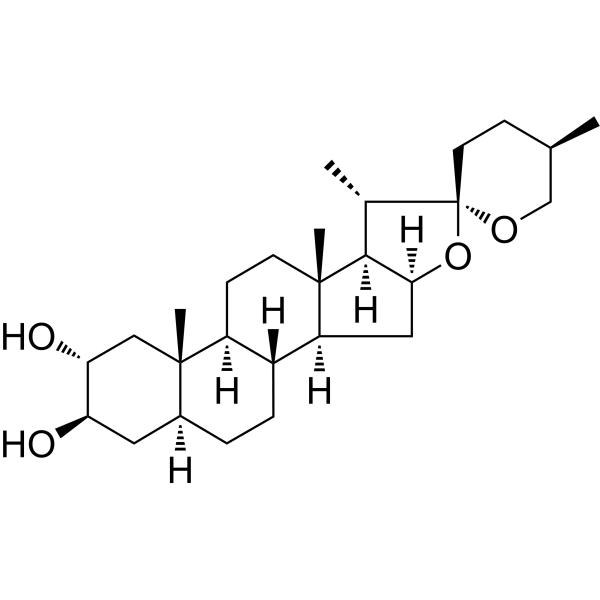
  • HY-N2574
    Gitogenin
    2 Publications Verification

    Glycosidase Metabolic Disease
    Gitogenin is a natural steroid isolated from the whole plant of Tribulus longipetalus. Gitogenin is a selective inhibitor of UDP-glucuronosyltransferase 1A4 (UGT1A4) and enzyme α-glucosidase with IC50 values of 0.69 μM (use trifluoperazine as a substrate) and 37.2 μM, respectively, and does not inhibit the activities of major human cytochrome P450 isoforms .
    Gitogenin
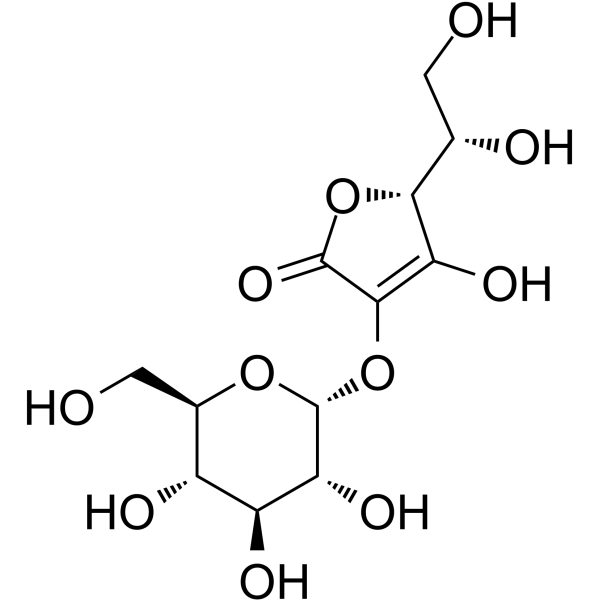
  • HY-N6821

    Drug Derivative Inflammation/Immunology Cancer
    2-O-α-D-Glucopyranosyl-L-ascorbic Acid is an orally active glucoside derivative of ascorbic acid. 2-O-α-D-Glucopyranosyl-L-ascorbic Acid can be hydrolyzed by α-glucosidase to release ascorbic acid. 2-O-α-D-Glucopyranosyl-L-ascorbic Acid inhibits melanin synthesis, prevents UV-induced cell damage, and promotes collagen synthesis in skin fibroblasts. 2-O-α-D-Glucopyranosyl-L-ascorbic Acid also induces oxidative stress to inhibit tumor growth. 2-O-α-D-Glucopyranosyl-L-ascorbic Acid can be used in research related to tumors, inflammation, and other conditions .
    2-O-α-D-Glucopyranosyl-L-ascorbic Acid
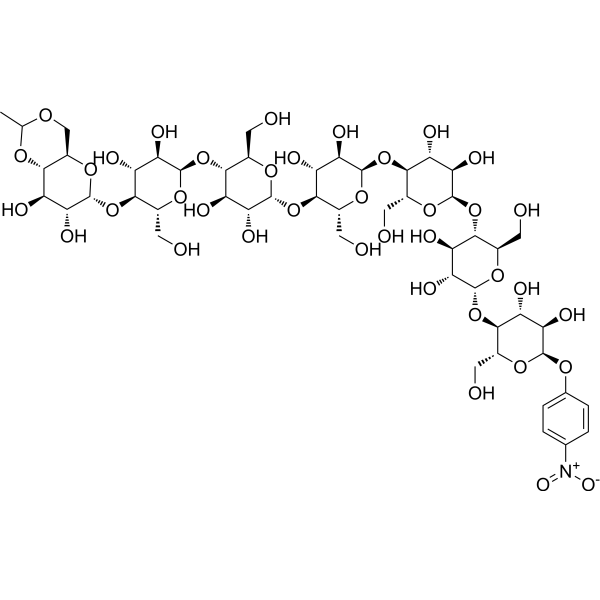
  • HY-112835

    pNP-G7

    Amylases Glycosidase Inflammation/Immunology
    Ethylidene-4-nitrophenyl-α-D-Maltoheptaoside (EPS; pNP-G7) serves as a substrate for α-amylase. In the presence of an auxiliary enzyme such as α-glucosidase (α-glucosidase), Ethylidene-4-nitrophenyl-α-D-Maltoheptaoside is degraded by amylase (Amylase) to release a chromophore, enabling the measurement of amylase activity. Ethylidene-4-nitrophenyl-α-D-Maltoheptaoside is applicable for the diagnosis of pancreatitis [2].
    Ethylidene-4-nitrophenyl-a-D-Maltoheptaoside
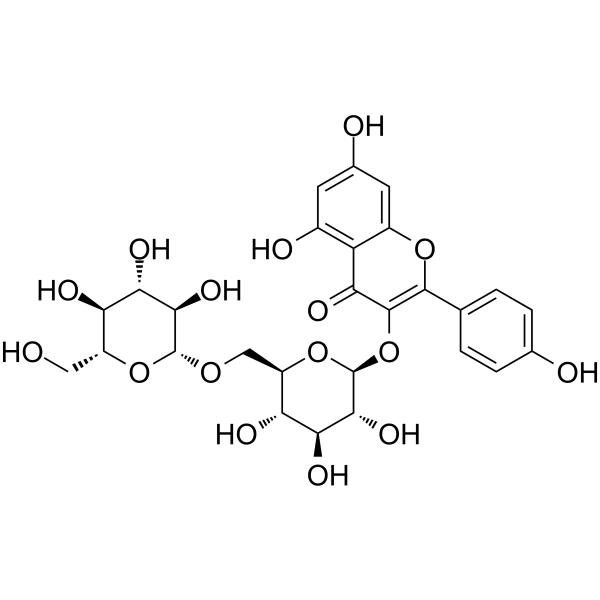
  • HY-N1510

    Glycosidase Notch Toll-like Receptor (TLR) NF-κB Mucin Reactive Oxygen Species (ROS) Bacterial TGF-beta/Smad Anaplastic lymphoma kinase (ALK) Infection Inflammation/Immunology Cancer
    Kaempferol 3-O-gentiobioside is an orally active flavonoid, with a Ka value of 57 µM against human NOTCH1 and an IC50 value of 50 μM against α-glucosidase. Kaempferol 3-O-gentiobioside inhibits the NOTCH signaling pathway. It downregulates the expression of TLR4 and NLRP3, and suppresses the activation and nuclear translocation of NF-κB. Kaempferol 3-O-gentiobioside inhibits the expression of MUC5AC, reduces nitrite and ROS levels, and attenuates excessive mucus secretion. It exhibits antibacterial activity, reducing the formation and growth of MRSA biofilms. Kaempferol 3-O-gentiobioside blocks the TGF-β/ALK5/Smad signaling pathway and inhibits epithelial-mesenchymal transition. It suppresses the proliferation, migration, invasion and metastatic growth of tumor cells. Kaempferol 3-O-gentiobioside alleviates airway inflammation and mucus hypersecretion in mice with allergic asthma . It reduces the volume of ovarian cancer xenografts in mice. Kaempferol 3-O-gentiobioside can be used in research related to allergic asthma, diabetes, MRSA infection, breast cancer, gastric cancer and ovarian cancer .
    Kaempferol 3-O-gentiobioside
  • HY-W009417

    Environmental Pollutants Glycosidase Metabolic Disease
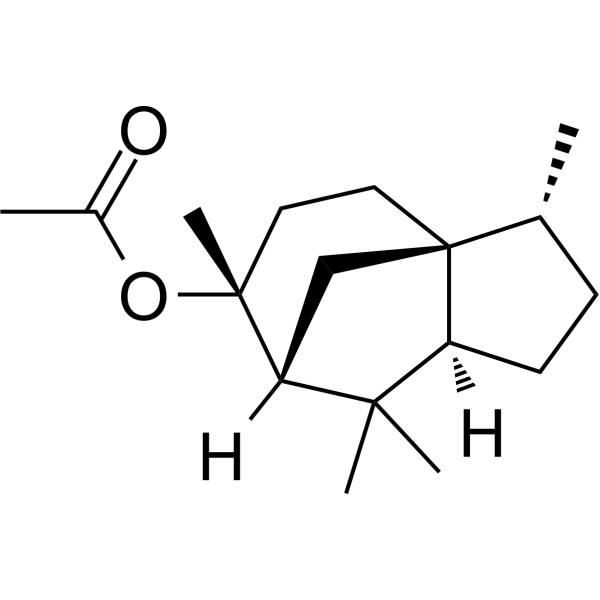
    Cedryl acetate is an orally active α-glucosidase inhibitor with an IC50 of 94 μM against yeast α-glucosidase. Cedryl acetate reduces high-fat diet-induced body weight gain, visceral fat pad weight, adipocyte hypertrophy, hepatic lipid accumulation, glucose intolerance, insulin resistance and gluconeogenesis. Cedryl acetate can be used in the research of obesity and obesity-related metabolic syndrome .
    Cedryl acetate
  • HY-N9454

    Pregnane X Receptor (PXR) COX NF-κB Amylases β-glucuronidase DNA/RNA Synthesis Amyloid-β NOD-like Receptor (NLR) Pyroptosis Cancer
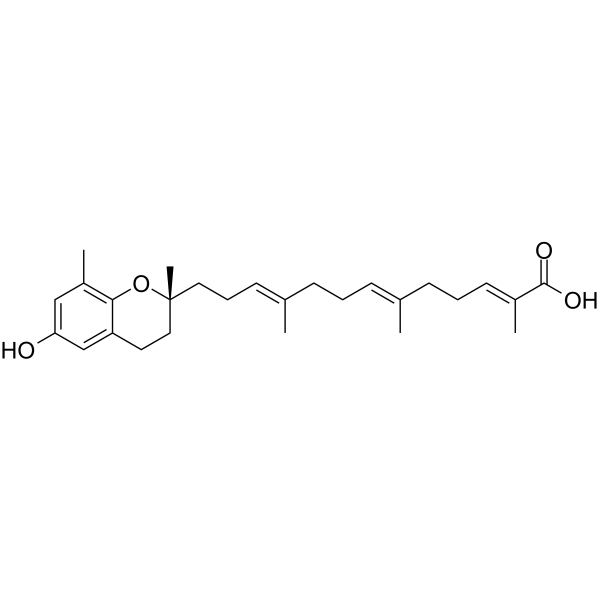
    Garcinoic acid is an orally active anti-inflammatory agent that crosses the blood-brain barrier. Garcinoic acid also enhances efferocytosis and enzyme/receptor regulation, and selectively inhibits human COX-2, porcine α-amylase, Saccharomyces cerevisiae α-glucosidase and human DNA polymerase β (IC50=11 μM), as well as activates human PXR. Garcinoic acid enhances macrophage efferocytosis via receptors such as MerTK and LRP-1, and promotes the production of pro-resolving lipid mediators. Garcinoic acid inhibits NF-κB activation and pro-inflammatory cytokine secretion, interferes with aggregation, downregulates NLRP3 inflammasome activity, and binds to targets including CD44 and EGFR to inhibit leukemia cell proliferation. The pharmacological activities of Garcinoic acid, such as antioxidant, anti-inflammatory and lipid metabolism-regulating effects, are widely used in studies related to various diseases including atherosclerosis, Alzheimer's disease, type 2 diabetes, inflammatory bowel disease and viral pneumonia .
    Garcinoic acid
  • HY-W008168

    2-Quinolinecarboxaldehyde

    Drug Intermediate Others
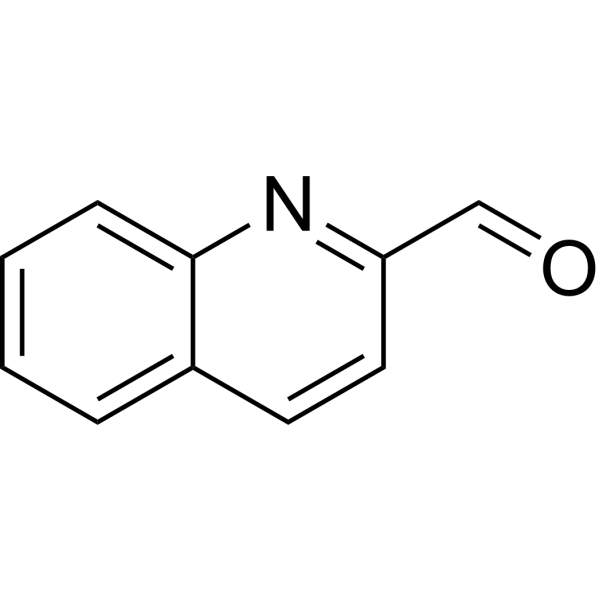
    Quinoline-2-carboxaldehyde (2-Quinolinecarboxaldehyde) is a quinoline derivative that serves as a synthetic precursor for Schiff base copper complexes. Quinoline-2-carboxaldehyde is applicable to research related to the synthetic design of biomaterials or organic compounds, such as fluorescent sensors .
    Quinoline-2-carboxaldehyde
  • HY-N0855

    Alisol-G; 25-Anhydroalisol A

    Carboxylesterase (CES) Bacterial HBV Infection Cancer
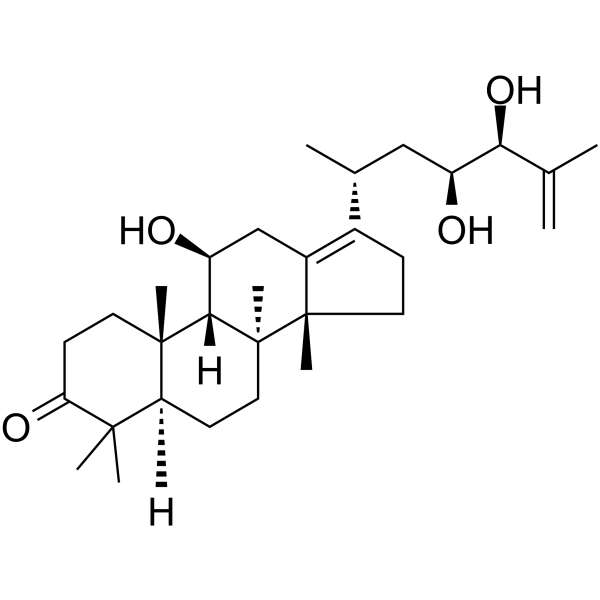
    Alisol G (25-Anhydroalisol A) is a human carboxylesterase 2 (hCES2) inhibitor with an IC50 of 3.85 μM. Alisol G exhibits cytotoxic activity against human cancer cells, antibacterial activity against Gram-positive strains, and anti-hepatitis B virus activity. Alisol G can be used in research related to lung cancer, breast cancer, prostate cancer, bacterial infections, and HBV infections .
    Alisol G
  • HY-N10426

    Glycosidase Metabolic Disease
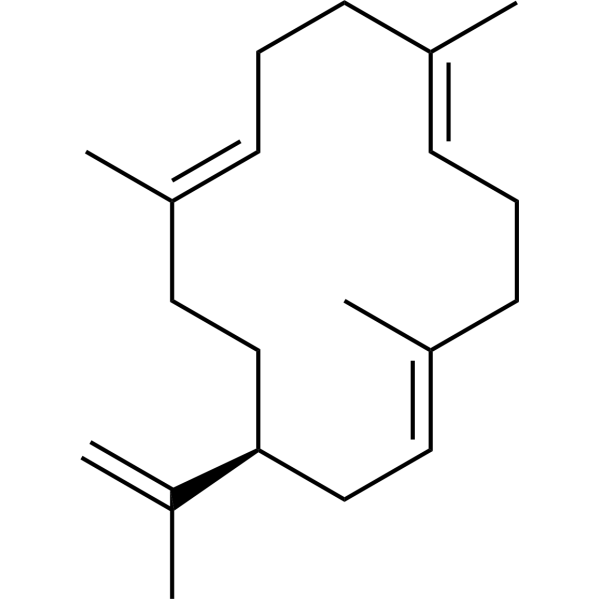
    (+)-Cembrene A (Compound 5) is a α-glucosidase inhibitor with an IC50 of 30.31 μM. (+)-Cembrene A is nontoxic towards human normal hepatocyte (LO2) cells .
    (+)-Cembrene A
  • HY-143268

    Amylases Glycosidase Metabolic Disease
    HPA-IN-1 (Compound 1) is a potent and selective human pancreatic α-amylase (HPA) inhibitor with IC50 values of 12.0 μM and 410.4 μM against HPA and α-glucosidase, respectively .
    HPA-IN-1
  • HY-143269

    Amylases Glycosidase Metabolic Disease
    HPA-IN-2 (Compound 2a-1) is a potent and selective human pancreatic α-amylase (HPA) inhibitor with IC50 values of 8.2 μM and 450.7 μM against HPA and α-glucosidase, respectively .
    HPA-IN-2
  • HY-170606

    Glycosidase Metabolic Disease
    α-Glucosidase-IN-79 (Compound 4d9) is a non-competitive α-Glucosidase inhibitor with an IC50 of 2.11 μM, which is more potent than existing α-Glucosidase inhibitors such as Acarbose (HY-B0089) (IC50 of 327.0 μM) and HXH8r (IC50 of 15.32 μM). α-Glucosidase-IN-79 is non-cytotoxic to human normal hepatocyte (LO2) cells and shows good metabolic stability in rat plasma. α-Glucosidase-IN-79 holds promise for research into type 2 diabetes .
    α-Glucosidase-IN-79
  • HY-108828

    rhGAA

    Glycosidase Metabolic Disease
    Alglucosidase alfa (rhGAA) is a hydrolytic lysosomal glycogen-specific recombinant human α-glucosidase. Alglucosidase alfa can be used for Pompe disease research .
    Alglucosidase alfa
  • HY-N2574R

    Reference Standards Glycosidase Metabolic Disease
    Gitogenin (Standard) is the analytical standard of Gitogenin. This product is intended for research and analytical applications. Gitogenin is a natural steroid isolated from the whole plant of Tribulus longipetalus. Gitogenin is a selective inhibitor of UDP-glucuronosyltransferase 1A4 (UGT1A4) and enzyme α-glucosidase with IC50 values of 0.69 μM (use trifluoperazine as a substrate) and 37.2 μM, respectively, and does not inhibit the activities of major human cytochrome P450 isoforms .
    Gitogenin (Standard)
  • HY-168074

    Amylases Glycosidase Metabolic Disease Inflammation/Immunology
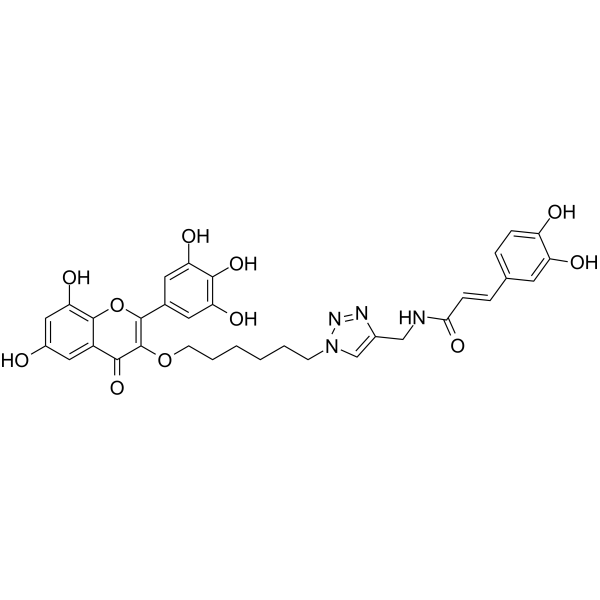
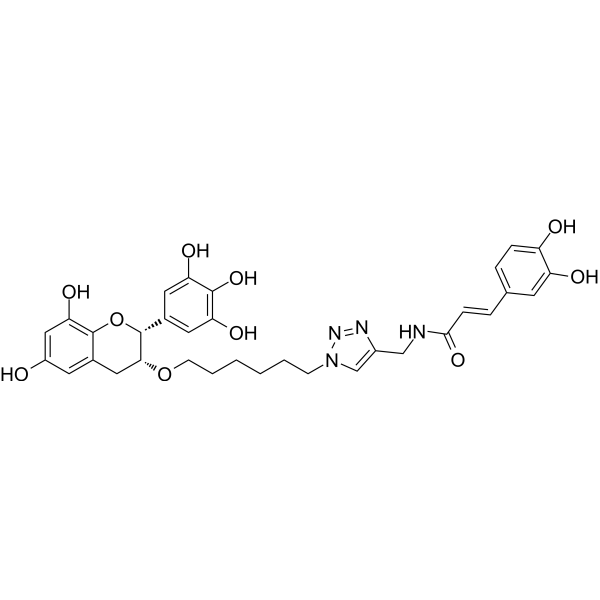
    4″-C18 EGCG is a potent inhibitor of α-amylase and α-glucosidase with IC50 values of 3.74 and 0.81 μM, respectively. 4″-C18 EGCG inhibits carbohydrate hydrolases, reduces oxidative stress and inflammation, and exhibits antidiabetic activity. 4″-C18 EGCG also downregulates proinflammatory cytokines and is cytotoxic to primary human peripheral blood mononuclear cells (PBMCs), non-cancer cell lines 3T3-L1, and HEK 293 at 50 μM .
    4″-C18 EGCG
  • HY-117603

    Glucokinase Infection
    CM-10-18 is a potent and orally active inhibitor of both α-glucosidases I and II in vitro and in animals. CM-10-18 inhibits DENV infection of cultured human cells and reduces the peak viremia of DENV in mice .
    CM-10-18
  • HY-P99803

    VAL-1221

    Glycosidase Others
    Clervonafusp alfa (VAL-1221) is a fusion protein targeting both cytosolic and lysosomal glycogen. Clervonafusp alfa is comprised of the Fab portion of a cell-penetrating antibody and recombinant human acid alpha glucosidase (rhGAA), the former utilizing the nucleoside transporter ENT-2 to gain access to the cytosol, and the latter enters lysosomes via mannose-6-phosphate receptors (M6PRs). Clervonafusp alfa can be used for late-onset Pompe disease research .
    Clervonafusp alfa
  • HY-N17777

    Dipeptidyl Peptidase Glycosidase Others
    Cyclocarin A is a triterpenoid compound that can be isolated from the leaves of Cyclocarya paliurus. Cyclocarin A shows only weak inhibitory activity against α-glucosidase, lipase, DPP-IV, aldose reductase, and human cancer cell lines (IC50>10 μM) .
    Cyclocarin A
  • HY-N17294

    Amylases Cancer
    Dendromoniliside D is a sesquiterpene glycoside. Dendromoniliside D can be isolated from D. nobile. Dendromoniliside D inhibits α-amylase. Dendromoniliside D can be used in the research of liver cancer, lung cancer, and breast cancer .
    Dendromoniliside D
  • HY-125426

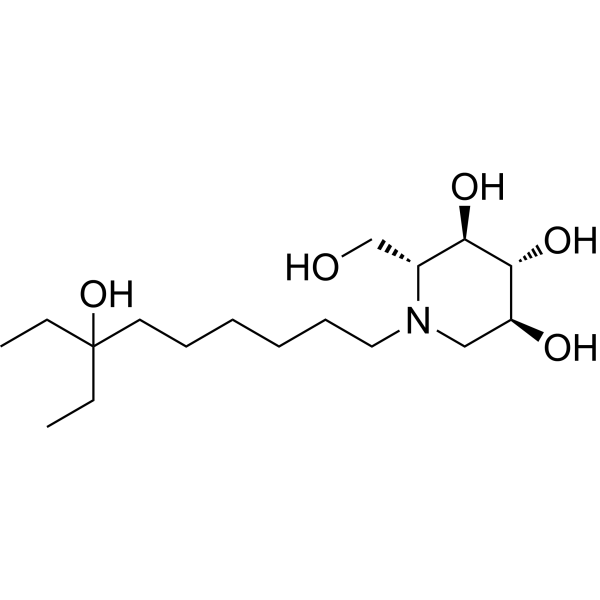
    Glycosidase Dengue Virus Infection
    ToP-DNJ is a selective endoplasmic reticulum α-glucosidase II (GluII) inhibitor with an IC50 value of 9.0 μM. ToP-DNJ selectively inhibits the two catalytic reactions of GluII, and exhibits stronger activity in the first step of converting di-glycosylated glycans to mono-glycosylated glycans. ToP-DNJ exhibits anti-DENV activity. ToP-DNJ can be used in studies related to dengue virus infection .
    ToP-DNJ
  • HY-133202

    Endogenous Metabolite Metabolic Disease
    Trehalulose is a microbial metabolite and a beneficial structural isomer of Sucrose (HY-B1779). Trehalulose attenuates blood glucose and insulin response. Trehalulose exhibits antioxidant activity to support oxidative stability. Trehalulose can be used for food and beverage applications, and can be used for the research of dental caries, diabetes, obesity .
    Trehalulose
  • HY-181353

    Glycosidase Metabolic Disease Cancer
    α-Glucosidase-IN-112 is an α-glucosidase inhibitor with an IC50 of 2.03 μM and a Ki of 0.44 μM. α-Glucosidase-IN-112 exerts antioxidant effects by scavenging ABTS + free radicals. α-Glucosidase-IN-112 exerts antiproliferative effects by inhibiting the proliferation of bladder cancer cells. α-Glucosidase-IN-112 can be used in research related to type 2 diabetes and bladder cancer .
    α-Glucosidase-IN-112

Inquiry Online

Your information is safe with us. * Required Fields.

Salutation


Country or Region *

Applicant Name *


Organization Name *

Department *


Email Address *


Product Name *

Cat. No.


Requested quantity *

Phone Number *


Remarks

Inquiry Online

Inquiry Information

Product Name:
Cat. No.:
Quantity:
MCE Japan Authorized Agent:

