224 Results for "

human AKT

" in MedChemExpress (MCE) Product Catalog:
Products (224)

224 Results for "human AKT" in MCE Product Catalog:

75
75 Publications Verification
Cat. No.: HY-16141
CAS No.: 188968-51-6
Synonyms: EMD 121974
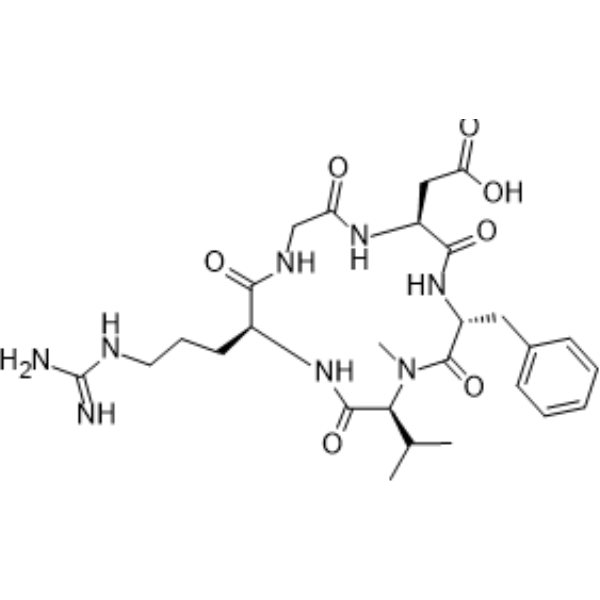
Cilengitide (EMD 121974) is an integrin (integrin) inhibitor with blood-brain barrier permeability, with IC50 values against human targets as follows: 0.61 nM for αvβ3, 8.4 nM for αvβ5, 14.9 nM for α5β1, 5400 nM for αIIbβ3, 2050 nM for αvβ6, 2350 nM for αvβ8. Cilengitide inhibits the binding of integrins to vitronectin, fibronectin, fibrinogen and LAP (TGF-β), and serves as an internal standard for solid-phase integrin binding assays. Cilengitide inhibits tumor cell viability, induces apoptosis, reduces the phosphorylation levels of STAT3, AKT and mTOR, downregulates the expression of PD-L1, inhibits cell viability and angiogenesis, regulates anti-tumor immune responses and slows tumor growth. Cilengitide can be used in research related to glioblastoma, melanoma, advanced solid tumors and refractory brain tumors .
loading...
    loading...
75
75 Publications Verification
Cat. No.: HY-16143
CAS No.: 199807-35-7
Synonyms: EMD 121974 TFA
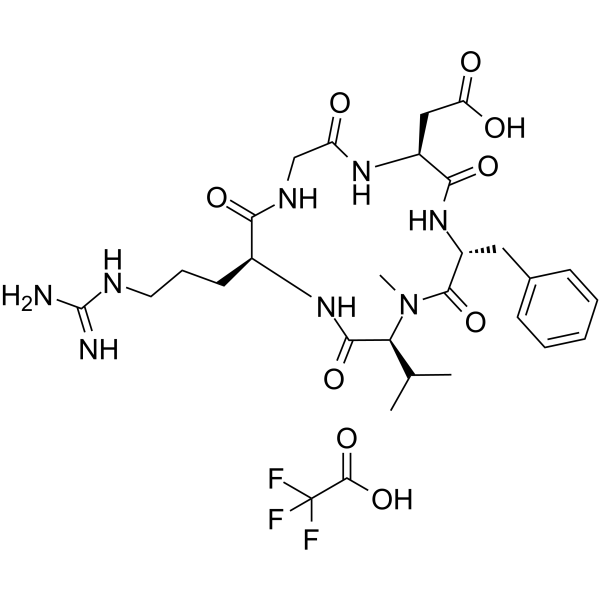
Cilengitide TFA (EMD 121974 TFA) is an integrin (integrin) inhibitor with blood-brain barrier permeability, with IC50 values against human targets as follows: 0.61 nM for αvβ3, 8.4 nM for αvβ5, 14.9 nM for α5β1, 5400 nM for αIIbβ3, 2050 nM for αvβ6, 2350 nM for αvβ8. Cilengitide TFA inhibits the binding of integrins to vitronectin, fibronectin, fibrinogen and LAP (TGF-β), and serves as an internal standard for solid-phase integrin binding assays. Cilengitide TFA inhibits tumor cell viability, induces apoptosis, reduces the phosphorylation levels of STAT3, AKT and mTOR, downregulates the expression of PD-L1, inhibits cell viability and angiogenesis, regulates anti-tumor immune responses and slows tumor growth. Cilengitide TFA can be used in research related to glioblastoma, melanoma, advanced solid tumors and refractory brain tumors .
loading...
    loading...
60
60 Cited Publications
Cat. No.: HY-B0356B
CAS No.: 86393-32-0
Synonyms: Bay-09867 hydrochloride monohydrate
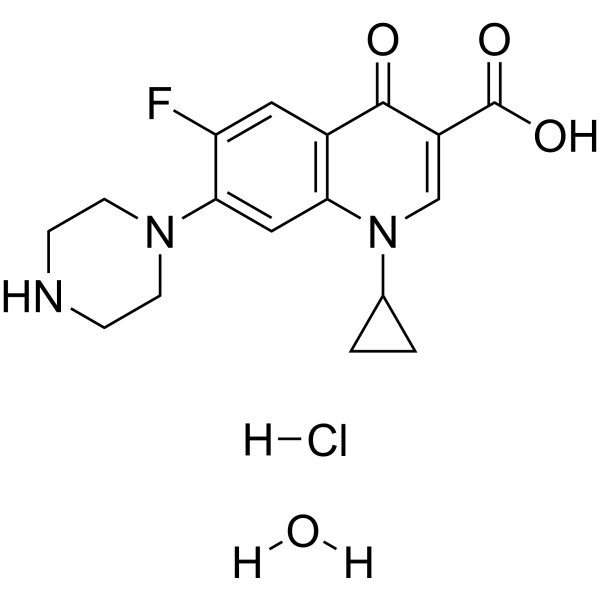
Ciprofloxacin (Bay-09867) hydrochloride monohydrate is an orally active, blood-brain barrier permeable fluoroquinolone antibacterial agent. Ciprofloxacin hydrochloride monohydrate exerts bactericidal effects primarily by inhibiting topoisomerase II and IV. Ciprofloxacin hydrochloride monohydrate inhibits the proliferation of human dental pulp stem cells and chondrocytes from young rats, and also activates the Akt signaling pathway and upregulates markers such as β-catenin and Nanog to maintain the morphological characteristics of stem cells. Ciprofloxacin hydrochloride monohydrate induces significant neurotoxicity and tissue damage, including reducing serotonin and glutathione levels in the brain, inducing oxidative stress and depression-like behaviors, and causing articular cartilage damage. Ciprofloxacin hydrochloride monohydrate can be applied to research related to infections of necrotic young permanent teeth and neurotoxicity .
loading...
    loading...
60
60 Cited Publications
Cat. No.: HY-B0356A
CAS No.: 93107-08-5
Synonyms: Bay-09867 monohydrochloride
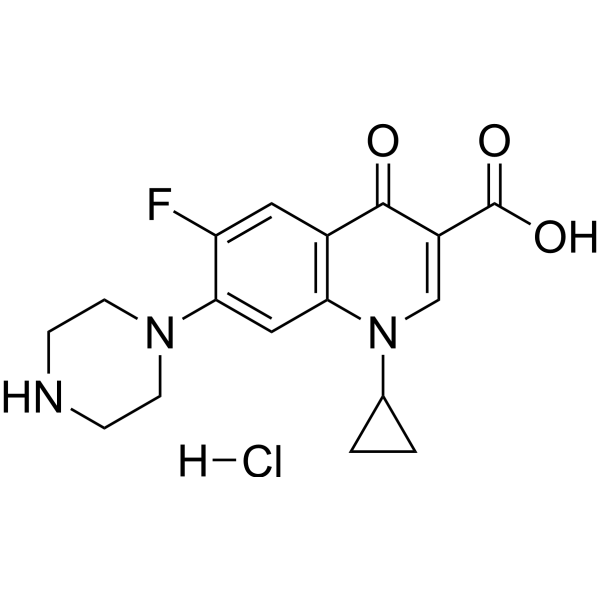
Ciprofloxacin (Bay-09867) monohydrochloride is an orally active, blood-brain barrier permeable fluoroquinolone antibacterial agent. Ciprofloxacin monohydrochloride exerts bactericidal effects primarily by inhibiting topoisomerase II and IV. Ciprofloxacin monohydrochloride inhibits the proliferation of human dental pulp stem cells and chondrocytes from young rats, and also activates the Akt signaling pathway and upregulates markers such as β-catenin and Nanog to maintain the morphological characteristics of stem cells. Ciprofloxacin monohydrochloride induces significant neurotoxicity and tissue damage, including reducing serotonin and glutathione levels in the brain, inducing oxidative stress and depression-like behaviors, and causing articular cartilage damage. Ciprofloxacin monohydrochloride can be applied to research related to infections of necrotic young permanent teeth and neurotoxicity .
loading...
    loading...
25
25 Cited Publications
Cat. No.: HY-15417
CAS No.: 110448-33-4
Purity:  99.60%
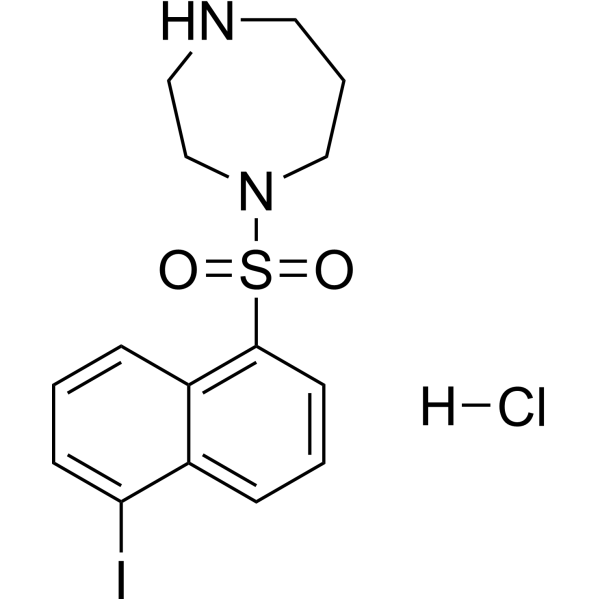
ML-7 hydrochloride is a selective and highly specific myosin light chain kinase (MLCK) inhibitor that acts as a trabecular meshwork (TM) relaxant. ML-7 hydrochloride enhances Quinocetone (HY-123581)-induced phosphorylation of ERK, p38 MAPK and JNK, attenuates Akt activation, and promotes apoptosis of hepatocellular carcinoma cells. ML-7 hydrochloride reduces Th2 cytokine secretion by inhibiting MLCK, while alleviating smooth muscle hyperplasia and collagen deposition . As a non-antibiotic adjuvant, ML-7 hydrochloride restores the sensitivity of drug-resistant bacteria to Tigecycline (HY-B0117) . ML-7 hydrochloride can be used in research related to glaucoma, hepatocellular carcinoma, asthma, and Klebsiella pneumoniae infection .
loading...
    loading...
12
12 Cited Publications
Cat. No.: HY-N0728A
CAS No.: 822-18-4
Synonyms: ALA; C18:3 (9Z,12Z,15Z); C18:3 n-3
α-Linolenic acid sodium (ALA; C18:3 (9Z,12Z,15Z); C18:3 n-3) is an essential fatty acid that cannot be synthesized by humans. α-Linolenic acid sodium can affect the process of thrombotic through the modulation of PI3K/Akt signaling. α-Linolenic acid sodium possess the anti-arrhythmic properties and is related to cardiovascular disease and cancer .
loading...
    loading...
12
12 Cited Publications
Cat. No.: HY-N0728
CAS No.: 463-40-1
Synonyms: ALA free base; C18:3 (9Z,12Z,15Z) free base; C18:3 n-3 free base
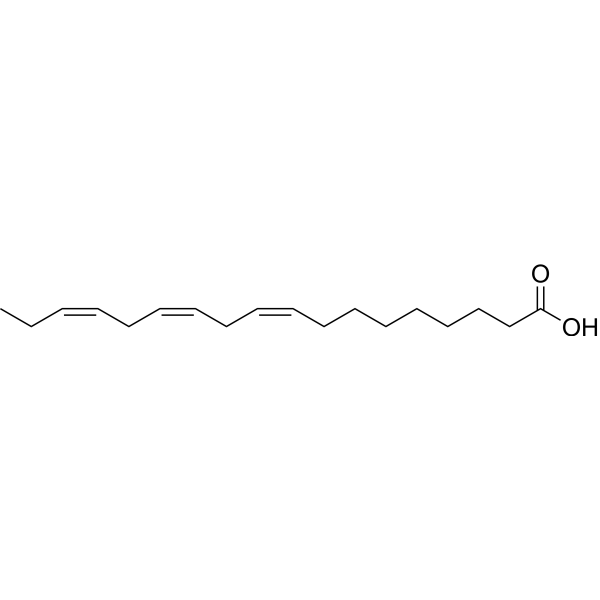
α-Linolenic acid (ALA (free base); C18:3 (9Z,12Z,15Z) (free base); C18:3 n-3 (free base)) is an essential fatty acid that cannot be synthesized by humans. α-Linolenic acid can affect the process of thrombotic through the modulation of PI3K/Akt signaling. α-Linolenic acid possess the anti-arrhythmic properties and is related to cardiovascular disease and cancer .
loading...
    loading...
11
11 Cited Publications
Cat. No.: HY-B0648
CAS No.: 520-85-4
Synonyms: 17α-Hydroxy-6α-methylprogesterone; U8840
Target:  

Progesterone Receptor

Research Areas:  

Endocrinology Cancer

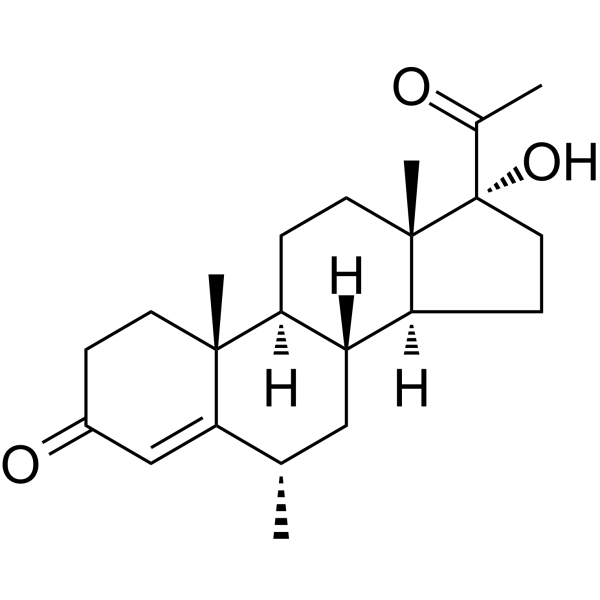
Medroxyprogesterone (17α-Hydroxy-6α-methylprogesterone) is a synthetic human variant of progesterone that is a progesterone receptor agonist with oral activity. Medroxyprogesterone can induce cell proliferation through the PI3K/Akt signaling pathway. Medroxyprogesterone has an inhibitory effect on atherosclerosis in mice. The progesterone agonist activity of Medroxyprogesterone is less effective than Medroxyprogesterone acetate (HY-B0469) .
loading...
    loading...
10
10 Cited Publications
Cat. No.: HY-13065
CAS No.: 20784-50-3
Purity:  99.01%
Synonyms: Corylifolinin; Isobacachalcone
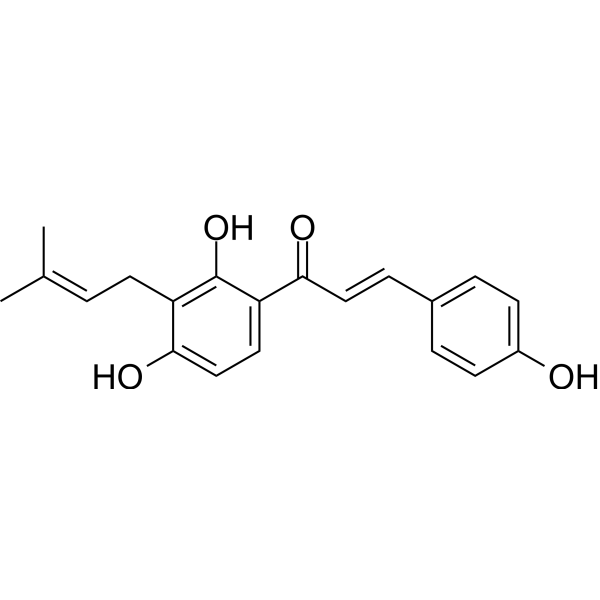
Isobavachalcone (Corylifolinin) is derived from Psoralea corylifolia Linn. and is a potent inhibitor of Akt signaling pathway, which induces apoptosis in human cancer cells (Inhibits OVCAR-8 cell growth with an IC50 value of 7.92 μM). Isobavachalcone also induces Reactive Oxyen Species (ROS) generation in OVCAR-8 cells and has exhibit cancer anti-promotive and anti-proliferative activity .
loading...
    loading...
9
9 Cited Publications
Cat. No.: HY-100742
CAS No.: 1802977-61-2
Purity:  99.38%
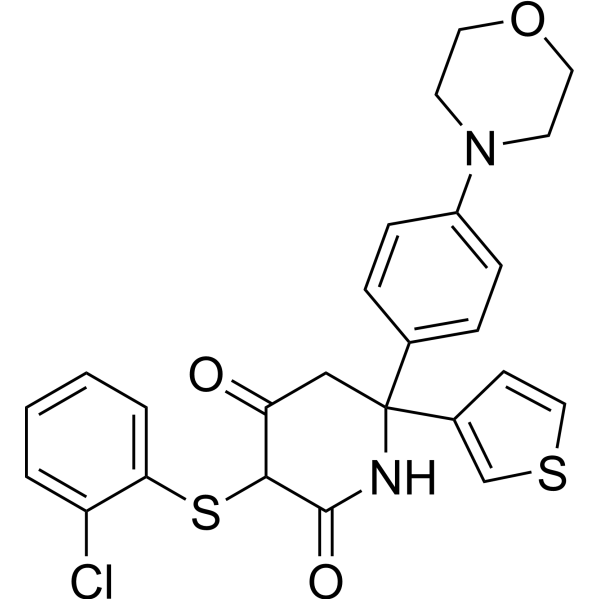
GNE-140 racemate is a racemic mixture of (R)-GNE-140 (HY-100742A) and (S)-GNE-140 (HY-100742B), and also a tautomer of GNE-140 (HY-118241). GNE-140 racemate is an orally active lactate dehydrogenase inhibitor, with an IC50 of 3 nM against human LDHA and an IC50 of 5 nM against LDHB. GNE-140 racemate reduces the phosphorylation level and total protein expression of p38 MAPK, and inhibits EGF-induced AKT phosphorylation. GNE-140 racemate decreases lactate production, regulates glycolysis, the pentose phosphate pathway and nucleotide biosynthesis, increases extracellular pH, inhibits cell proliferation, migration and invasion, and induces caspase-3 activation and ROS accumulation. GNE-140 racemate can be used in research related to breast cancer, cystic fibrosis and pancreatic cancer .
loading...
    loading...
8
8 Cited Publications
Cat. No.: HY-110066
CAS No.: 39025-23-5
Purity:  99.30%
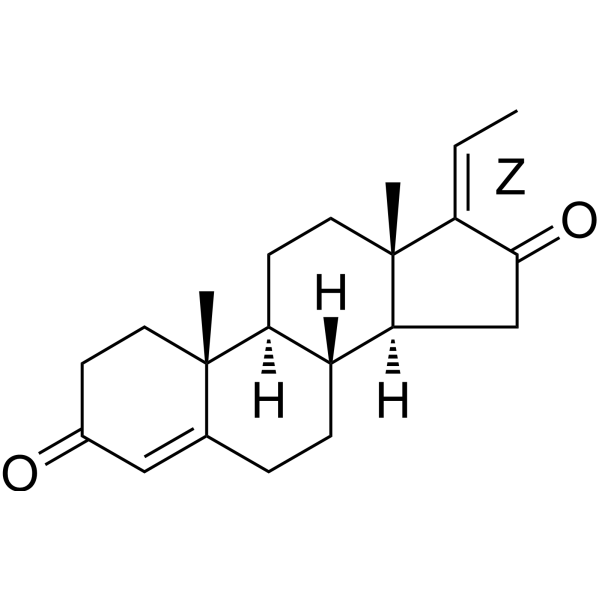
(Z)-Guggulsterone, a constituent of Indian Ayurvedic medicinal plant Commiphora mukul, inhibits the growth of human prostate cancer cells by causing apoptosis. (Z)-Guggulsterone inhibits angiogenesis by suppressing the VEGF–VEGF-R2–Akt signaling axis . (Z)-Guggulsterone is also a potent FXR antagonist. (Z)-Guggulsterone reduces ACE2 expression and SARS-CoV-2 infection .
loading...
    loading...
5
5 Cited Publications
Cat. No.: HY-N2259
CAS No.: 19431-84-6
Synonyms: (+)-Curcumenol
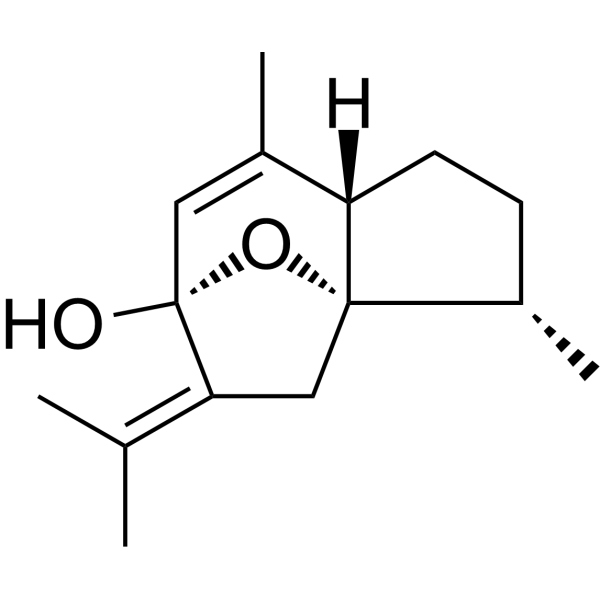
Curcumenol ((+)-Curcumenol) is a natural compound with oral efficacy, exhibiting an IC50 of 12.6 μM and a Ki of 10.8 μM against human CYP3A4. Curcumenol inhibits TNFα-induced phosphorylation/degradation of IκBα, phosphorylation/nuclear translocation of NF-κB p65, as well as the upregulation of MMP3, MMP9, MMP13, TRAF3, IL1RL1, TNFα and IL-1β. Curcumenol suppresses LPS-induced phosphorylation of Akt and p38 MAPK, as well as the production of pro-inflammatory mediators/proteins, and downregulates the SLC7A11/NF-κB/TGF-β pathway. Curcumenol binds to and inhibits the activation of Fyn and Lyn, blocks the function of downstream FcεRI signaling components, and reduces the release of allergic mediators/cytokines. Curcumenol upregulates the expression of KDM6B, and promotes chondrocyte proliferation and cartilage repair. Curcumenol induces ferroptosis and apoptosis, regulates the EMT process, and inhibits tumor growth and metastasis of triple-negative breast cancer. Curcumenol possesses anti-inflammatory, neuroprotective, antioxidant, antitumor, antiviral and hepatoprotective activities. Curcumenol can be used in research related to intervertebral disc degeneration, cancer, inflammation, central nervous system neurodegenerative diseases, allergic reactions and knee osteoarthritis .
loading...
    loading...
4
4 Cited Publications
Cat. No.: HY-P80276
Synonyms: AKT 1 antibody; AKT antibody; AKT1 antibody; AKT1_human antibody; MGC99656 antibody; PKB antibody; PKB-ALPHA antibody; PRKBA antibody; Protein Kinase B Alpha antibody; Protein kinase B antibody; Proto-oncogene c-AKT antibody; RAC Alpha antibody; RAC antibody; RAC-alpha serine/threonine-protein kinase antibody; RAC-PK-alpha antibody;

Host:  

Rabbit

Application:  

WB, ICC/IF, IHC-P

Reactivity:  

Human, Mouse, Rat, Dog

loading...
    loading...
4
4 Cited Publications
Cat. No.: HY-N0876
CAS No.: 464-74-4
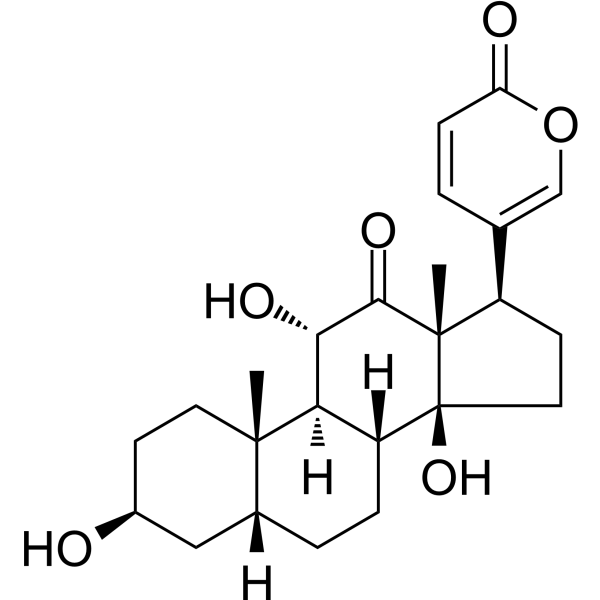
Arenobufagin is a natural bufadienolide that can be extracted from toad venom. Arenobufagin can induce apoptosis and autophagy in human hepatocellular carcinoma cells through inhibition of PI3K/Akt/mTOR pathway. Arenobufagin has potent antineoplastic activity against HCC HepG2 cells as well as corresponding multidrug-resistant HepG2/ADM cells. Arenobufagin can inhibit VEGF-mediated angiogenesis through suppression of VEGFR-2 signaling pathway .
loading...
    loading...
4
4 Cited Publications
Cat. No.: HY-14151
CAS No.: 179474-81-8
Purity:  99.81%
Research Areas:  

Neurological Disease Cancer

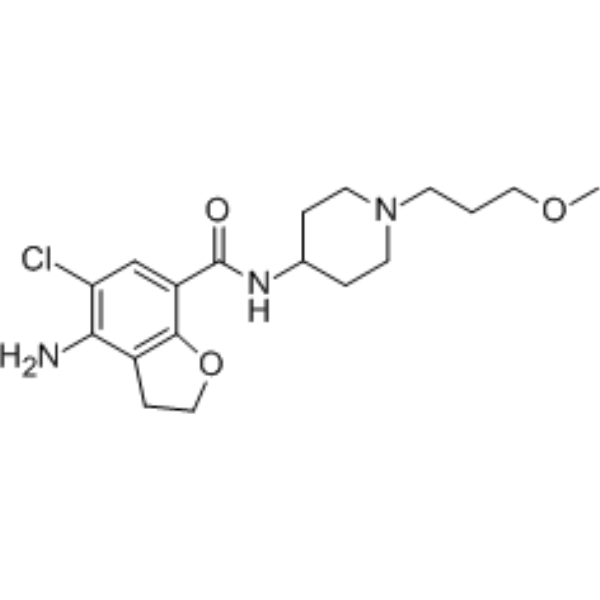
Prucalopride is an orally active, selective and specific 5-HT 4 receptor agonist (high affinity), with pKis of 8.6 and 8.1 for human 5-HT4a/4b receptors, respectively. Prucalopride improves intestinal motility by promoting regeneration of the intestinal nervous system in rats. Prucalopride also shows anticancer activity by blocking of the PI3K/AKT/mTor signaling pathway. Prucalopride can be used in studies of chronic constipation, pseudo-intestinal obstruction and cancer .
loading...
    loading...
4
4 Cited Publications
Cat. No.: HY-12694
CAS No.: 179474-85-2
Purity:  99.95%
Synonyms: R-108512
Research Areas:  

Metabolic Disease Cancer

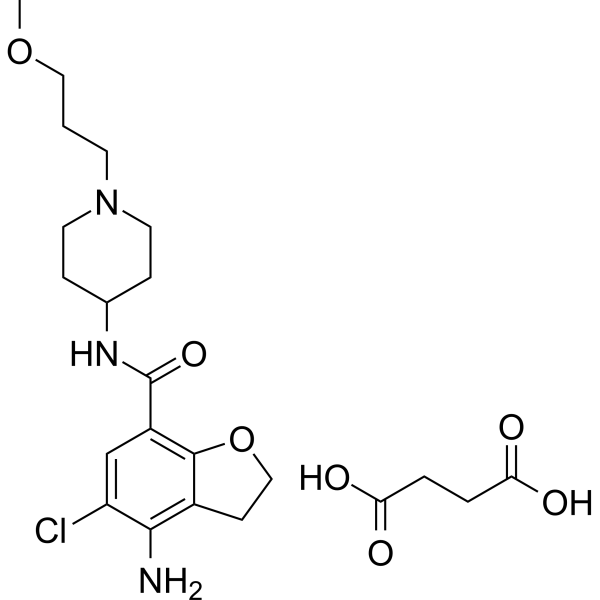
Prucalopride succinate is an orally active, selective and specific 5-HT 4 receptor agonist (high affinity), with pKis of 8.6 and 8.1 for human 5-HT4a/4b receptors, respectively. Prucalopride succinate improves intestinal motility by promoting regeneration of the intestinal nervous system in rats. Prucalopride succinate also shows anticancer activity by blocking of the PI3K/AKT/mTor signaling pathway. Prucalopride succinate can be used in studies of chronic constipation, pseudo-intestinal obstruction and cancer .
loading...
    loading...
4
4 Cited Publications
Cat. No.: HY-19896
CAS No.: 1039455-84-9
Target:  

MDM-2/p53 Apoptosis

Research Areas:  

Cancer

COTI-2, an anti-cancer agent with low toxicity, is an orally available third generation activator of p53 mutant forms. COTI-2 acts both by reactivating mutant p53 and inhibiting the PI3K/AKT/mTOR pathway. COTI-2 induces apoptosis in multiple human tumor cell lines. COTI-2 exhibits antitumor activity in HNSCC through p53-dependent and -independent mechanisms. COTI-2 converts mutant p53 to wild-type conformation .
loading...
    loading...
4
4 Cited Publications
Cat. No.: HY-N2435
CAS No.: 36700-45-5
[8]-Shogaol, a kind of stimulating compound in ginger, has antiplatelet (IC50=5 μM), anti-cancer and anti-inflammatory activity. [8]-Shogaol inhibited COX-2 (IC50=17.5 μM), which led to the decline of human leukemia cells. 8-Shogaol Selective direction TAK1 sum TAK1-TAB1 (IC50=5 μM), suppress IKK, Akt sum MAPK signal pathway, and reverse synovitis synovial sum Air dampness (RA).
loading...
    loading...
4
4 Cited Publications
Cat. No.: HY-N2445
CAS No.: 37308-75-1
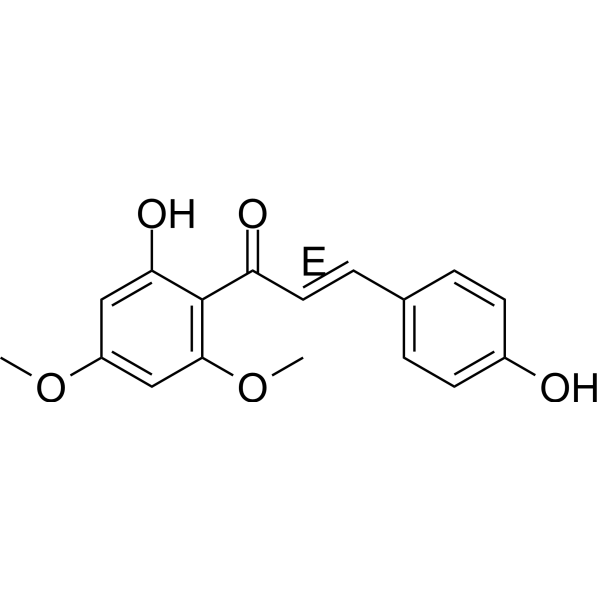
Flavokawain C is an orally active natural chalcone. Flavokawain C inhibits the proliferation of various cancer cells. Flavokawain C upregulates GADD153 in cancer cells, inhibits the phosphorylation of Akt and JNK, suppresses early ERK phosphorylation, activates late ERK phosphorylation, activates caspase related subtypes, induces PARP-1 cleavage, causes upregulation of p21 and p27, downregulation of mutant p53 and anti-apoptotic IAP proteins, elevates intracellular ROS levels, reduces SOD activity, and induces apoptosis. Flavokawain C downregulates FABP4, induces autophagy in cancer cells, and activates the AMPK/mTOR pathway . Flavokawain C decreases the expression of glycolysis-related proteins GLUT1 and HK2, and inhibits glycolysis in nasopharyngeal carcinoma cells. Flavokawain C inhibits the activation of the EGFR/PI3K/Akt/mTOR signaling pathway and reduces the expression of HSP90B1. Flavokawain C inhibits angiogenesis by decreasing the expression of angiogenic proteins Ang-1 and VEGF in human umbilical vein endothelial cells. Flavokawain C increases γ-H2AX levels in cells, inhibits the phosphorylation of FAK, PI3K and AKT in cells, and induces DNA damage in cells. Flavokawain C exerts anti-tumor activity in multiple tumor xenograft mouse models. Flavokawain C is applicable to research related to colorectal cancer, colon adenocarcinoma, nephroblastoma, nasopharyngeal carcinoma and liver cancer .
loading...
    loading...
4
4 Cited Publications
Cat. No.: HY-14674
CAS No.: 383432-38-0
Purity:  98.72%
Research Areas:  

Infection Cancer

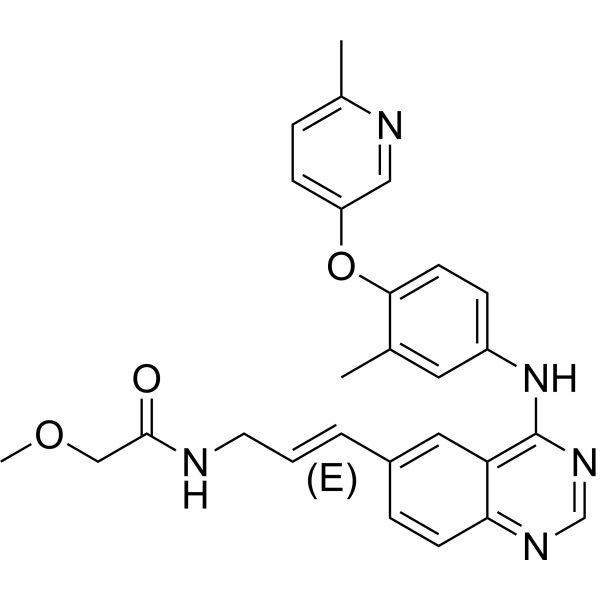
CP-724714 is an orally active and selective HER2 tyrosine kinase inhibitor with an IC50 of 10 nM. CP-724714 inhibits HER2 receptor autophosphorylation and blocks the downstream Ras-Raf-Mek-Erk signaling pathway, thereby inducing cell cycle arrest and apoptosis in tumor cells. CP-724714 exhibits antiviral activity and inhibits various porcine diarrheal coronaviruses, including SADS-CoV (IC50 of 0.91 μM). CP-724714 is an inhibitor of the hepatic transport receptors OATP1B1/MDR1/BSEP, and can enter hepatocytes via active uptake and trigger the accumulation of drugs and bile acids within hepatocytes. CP-724714 can be used in research related to HER2-overexpressing breast cancer and porcine diarrheal coronavirus infection .
loading...
    loading...