

1. Search Result
Search Result
Results for "

hydrophobic properties

" in MedChemExpress (MCE) Product Catalog:

27

Inhibitors & Agonists

2

Screening Libraries

4

Fluorescent Dyes

11

Biochemical Assay Reagents

1

Peptides

1

Natural
Products

2

Isotope-Labeled Compounds

4

Oligonucleotides

1

GMP Molecules

Cat. No. Product Name Target Research Areas Chemical Structure
  • HY-101461
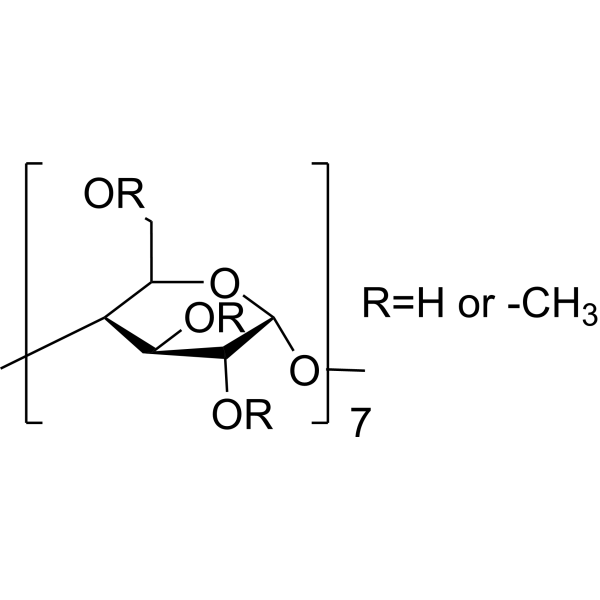
    Methyl-β-cyclodextrin
    105+ Cited Publications

    Methyl-beta-cyclodextrin

    Environmental Pollutants Biochemical Assay Reagents Cancer
    Methyl-β-cyclodextrin (Methyl-beta-cyclodextrin) is a cyclic heptasaccharide used to deliver hydrophobic agents based on its property of solubilizing non-polar substances. Methyl-β-cyclodextrin is also extensively used as a cholesterol-depleting reagent . Methyl-β-cyclodextrin strongly reduces clathrin-dependent endocytosis . Methyl-β-cyclodextrin blocks cell migrasome formation .
    Methyl-β-cyclodextrin
  • HY-128952
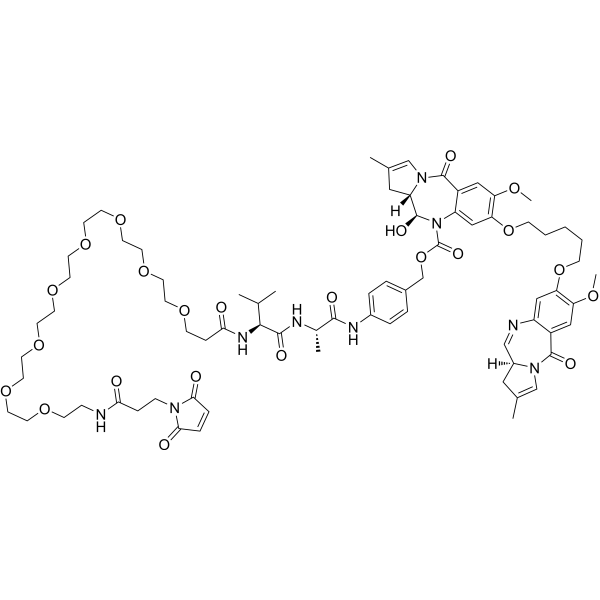
    Tesirine
    5+ Cited Publications

    SG3249

    Drug-Linker Conjugates for ADC DNA Alkylator/Crosslinker Cancer
    Tesirine (SG3249) is an antibody-drug conjugate (ADC) pyrrolobenzodiazepine (PBD) dimer payload. Tesirine combines potent antitumor activity with desirable physicochemical properties such as favorable hydrophobicity and improved conjugation characteristics. SG3199 (HY-101161) is the released warhead component of the ADC payload Tesirine. SG3199 retains picomolar activity in a panel of cancer cell lines. PBD dimers are highly efficient DNA minor groove cross-linking agents with potent cytotoxicity .
    Tesirine
  • HY-131119

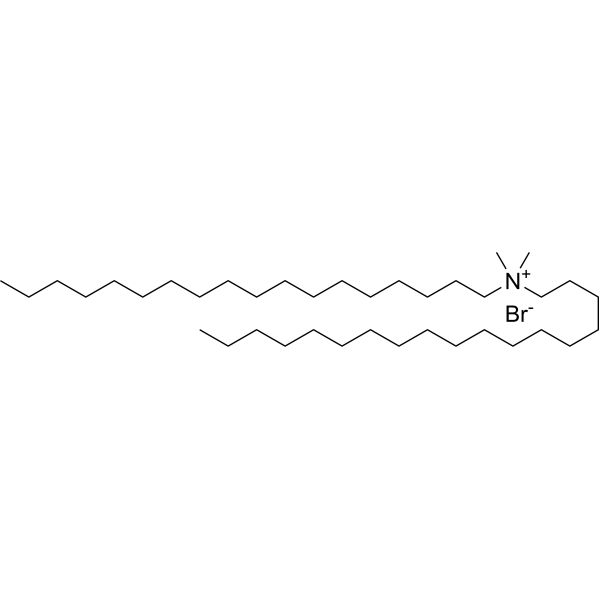
    Dioctadecyldimethylammonium bromide; DODAB

    Liposome Others
    Dimethyldioctadecylammonium bromide is a synthetic cationic lipid commonly used in gene delivery and vaccine development. Also known as DODAB or DDAB, it consists of a positively charged ammonium head group and two long hydrophobic tails. These properties make it useful for forming liposomes and other lipid-based nanoparticles that can efficiently deliver genetic material into cells. In addition to its applications in biotechnology, DDAB is also used in surfactants, emulsifiers and fabric softeners. However, due to its potential toxicity and irritation, extreme care should be taken when handling DDAB.
    Dimethyldioctadecylammonium bromide
  • HY-W020780

    mPEG5000-Maleimide

    Biochemical Assay Reagents Cancer
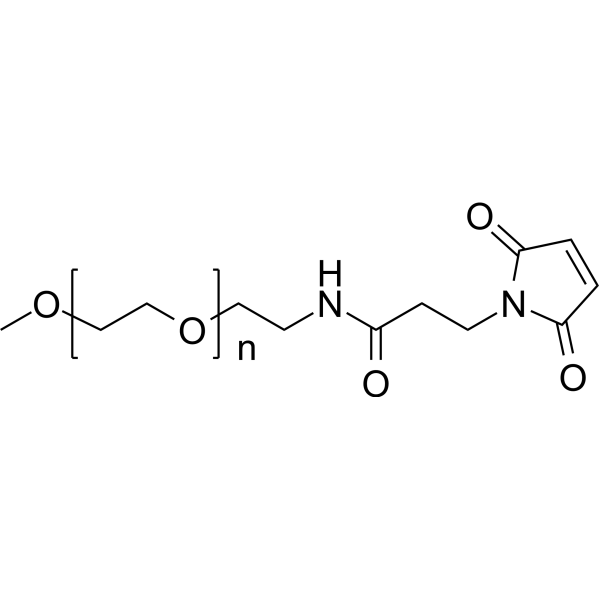
    mPEG5000-Mal (mPEG5000-Maleimide) is a PEG-derived selective covalent binding agent for sulfhydryl groups (RSGs), which can form irreversible thioether bonds with sulfhydryl groups under near-neutral conditions via the maleimide group. The mechanism of action of mPEG5000-Mal can be divided into two categories: firstly, as an enzyme modifier, it binds to target proteins through hydrophobic interactions, hydrogen bonds, and van der Waals forces, altering the protein's secondary structure; secondly, as a nanoparticle surface modifier, it covalently binds to sulfhydryl groups on the surface of red blood cells, changing the surface properties and morphology of the red blood cells, leading to their phagocytosis by macrophages of the reticuloendothelial system. mPEG5000-Mal can react with free cysteine in proteins, increasing the apparent molecular weight of the modified protein by 10-15 kDa for detection purposes. mPEG5000-Mal can enhance the thermal stability and catalytic activity of enzymes, and improve the macrophage targeting of nanoparticles, enabling targeted drug delivery. mPEG5000-Mal can be applied in enzyme engineering research in the food industry and in oncology, assisting radiotherapy by inhibiting tumor-associated macrophage infiltration and enhancing anti-tumor immune responses .
    mPEG5000-Mal
  • HY-W099581
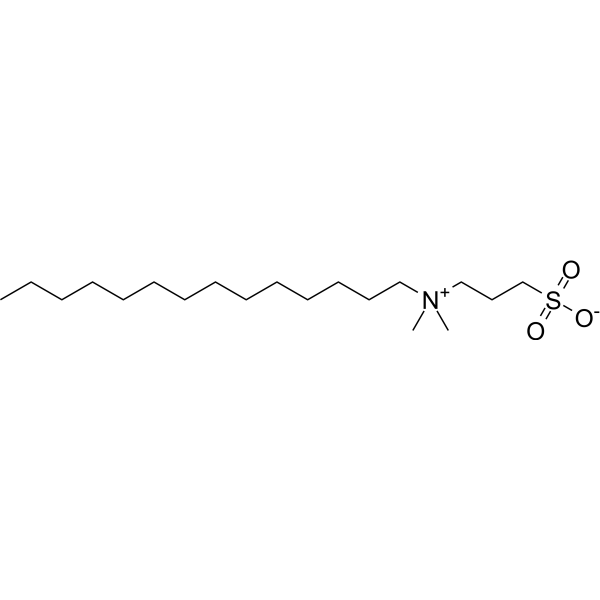
    Sulfobetaine-14
    2 Publications Verification

    SB3-14; DMAPS

    Biochemical Assay Reagents Others
    Zwittergent 3-14 (DMAPS) is a zwitterionic detergent commonly used in biochemistry and molecular biology for the solubilization and purification of membrane-bound proteins and other hydrophobic biomolecules, which have both hydrophilic and hydrophobic moieties , so that it has good detergency properties, making it suitable for stabilizing membrane proteins in aqueous solutions. In addition, DMAPS has been used in various techniques such as electrophoresis and chromatography for the separation and analysis of biomolecules. The long The hydrocarbon chains provide it with good membrane penetration and solubilization capabilities, while the sulfonate and quaternary ammonium groups ensure water solubility and charge neutrality.
    Sulfobetaine-14
  • HY-W440896

    Liposome Others
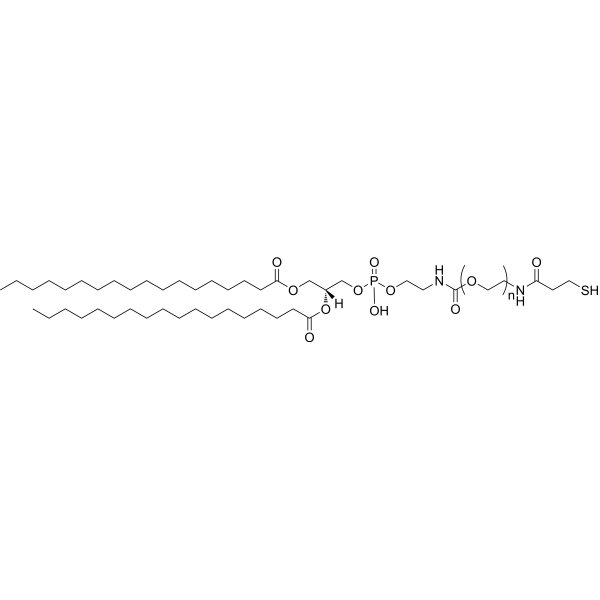
    DSPE-PEG2000-SH is an amphiphilic thiol-functionalized DSPE-PEG molecule. DSPE-PEG2000-SH inserts into extracellular vesicle (EV) bilayer membranes via hydrophobic interactions, displaying surface thiol groups to form EV-SH crosslinkers.DSPE-PEG2000-SH enables crosslinking of EV-SH with 8-arm PEG-norbornene via thiol-ene photochemistry to construct hydrogels, with hydrogel mechanical properties tunable via PEG segment molecular weight variation.DSPE-PEG2000-SH can be used to encapsulate agents for drug delivery system, such as mRNA vaccine .
    DSPE-PEG2000-SH
  • HY-154644

    Environmental Pollutants Biochemical Assay Reagents Cancer
    Soya Lecithin is a phospholipid mixture that can be used as a drug delivery vehicle and is a pharmaceutical excipient. Soya Lecithin can form a lipid bilayer structure through self-assembly, and its binding properties are amphiphilic (hydrophilic head and hydrophobic tail), encapsulating hydrophobic drugs. Soya Lecithin forms stable nanoliposomes or microemulsions, improves the solubility and cellular uptake efficiency of poorly soluble drugs (such as Curcumin (HY-N0005)), and exerts activities such as enhancing drug delivery and regulating cell proliferation .
    Soya Lecithin
  • HY-117401

    Fluorescent Dye Others
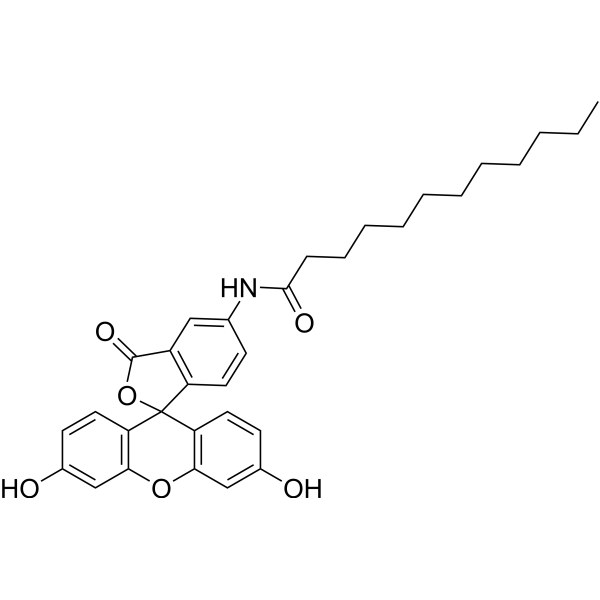
    5-Dodecanoylaminofluorescein is an amphipathic (amphoteric) fluorescent probe (Ex/Em = 485 nm/515-535 nm), which consists of a hydrophilic fluorescein core and a hydrophobic dodecanoyl group (C12 fatty acid chain) linked by an amide bond. 5-Dodecanoylaminofluorescein is mainly used as an interface-localized radical trapping/indicator probe. Dodecanoylaminofluorescein can be used for the determination of the antioxidant properties of emulsions, or can serve as a lipophilic drug model for the study of passive skin penetration when encapsulated in tyrosine-derived nanospheres .
    5-Dodecanoylaminofluorescein
  • HY-91054

    n-Octyltriethoxysilane

    Environmental Pollutants Biochemical Assay Reagents Others
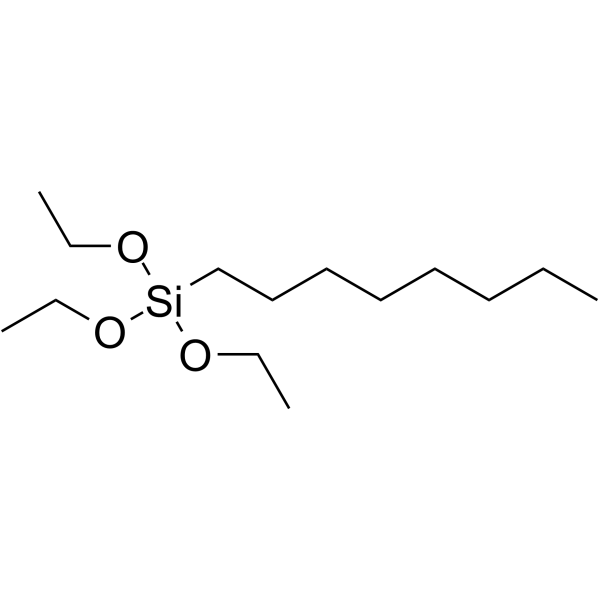
    Triethoxyoctylsilane is a compound used in plastic applications and can be utilized to produce waterproof coatings with hydrophobic properties .
    Triethoxyoctylsilane
  • HY-D1691

    Fluorescent Dye Others
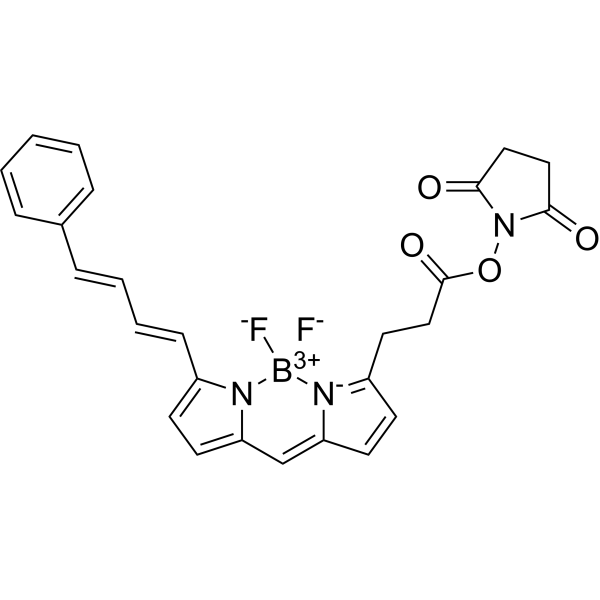
    BODIPY-581/591 NHS ester is a bright, red fluorescent dye (excitation: 581 nm; emission: 591 nm). BODIPY-581/591 NHS ester can be used for the labeling of amine containing biomolecules .
    BODIPY-581/591 NHS ester
  • HY-119791

    Fluorescent Dye Others
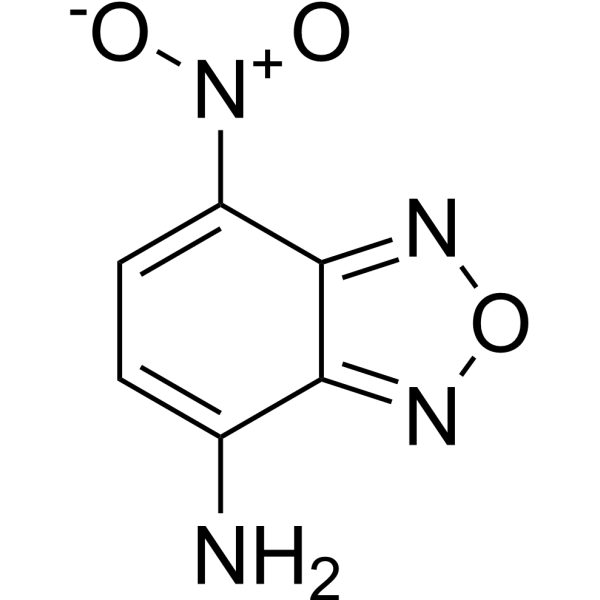
    NBD-amine is a fluorogenic amine. NBD-amine displays the property of fluorescing weakly in water and strongly in organic solvents, membranes or hydrophobic environments .
    NBD-amine
  • HY-W130354

    Biochemical Assay Reagents Others
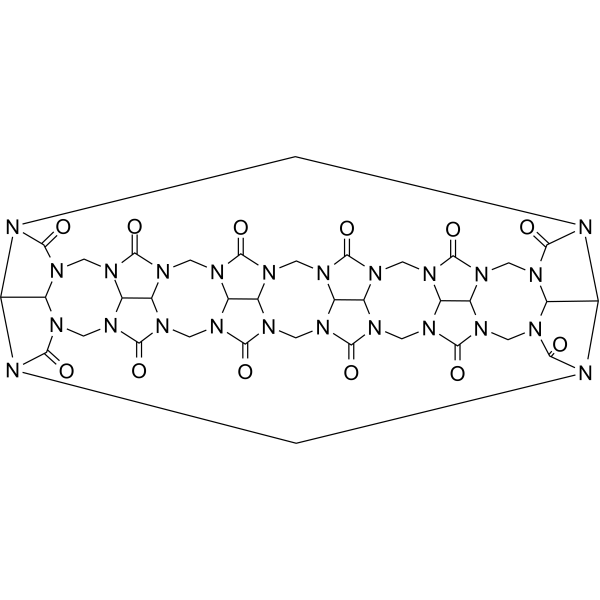
    Cucurbituril is a container molecule resembling a hollow pumpkin, with two identical inlets at each end and a hydrophobic cavity in the middle. Cucurbiturils have unique chemical properties that allow them to selectively encapsulate guest molecules such as drugs or catalysts within their cavities, shielding them from the surrounding environment. Cucurbituril has important potential applications in various fields such as drug delivery, catalysis and materials science.
    Cucurbituril
  • HY-175888

    Mc-exo-EVC-Exatecan

    Drug-Linker Conjugates for ADC Cancer
    APL-1082 is a drug-Linker conjugate that can be used for ADC synthesis. APL-1082 contains Exatecan (HY-13631) and Linker (HY-175929). APL-1082 reduces aggregation and hydrophobicity in Trastuzumab (HY-P9907) ADCs, enables production of high-DAR (10) ADCs with homogeneity and defined physicochemical properties. APL-1082 forms a Trastuzumab ADC with enhanced stability, showing greater DAR retention over time. APL-1082 can be used for the research of gastric cancer .
    APL-1082
  • HY-D1190

    RAR/RXR Others
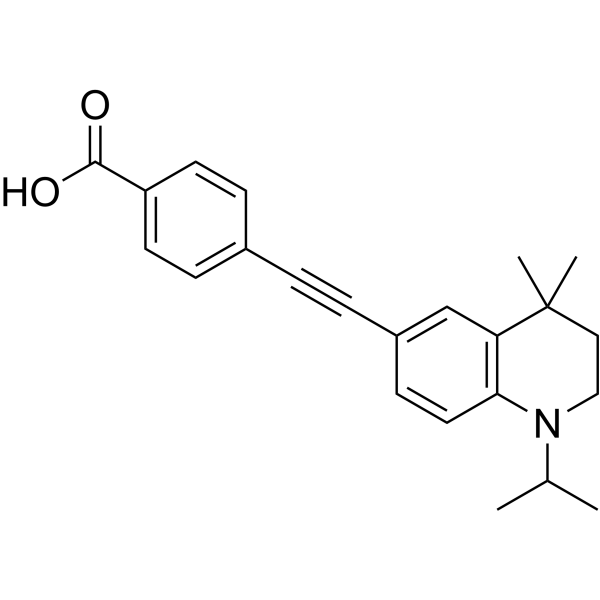
    DC271 is a RAR agonist and synthetic retinoid that binds to the retinoid-binding site of cellular retinoic acid-binding protein II (CRBP-II). DC271 exhibits solvatochromic fluorescence properties: it produces intense blue-shifted emission in nonpolar environments and weak red-shifted emission in polar environments, and its severe fluorescence quenching in aqueous solutions can be reversed by embedding in the hydrophobic retinoid-binding protein pocket. DC271 enables direct detection of the binding between unlabeled compounds and related retinoid-binding proteins via fluorescence competition assays (Ex/Em = 355 nm/460 nm) .
    DC271
  • HY-W276164

    Sodium stearyl sulfate

    Biochemical Assay Reagents Others
    Sodium octadecyl sulfate (Sodium stearyl sulfate) is a long-chain alkyl sodium sulfate that functions as an emulsifier, crosslinking agent, and regulator. Sodium octadecyl sulfate has high safety, with a LD50 greater than 3.00 Gm./Kg for both intraperitoneal injection in mice and oral administration in rats. Sodium octadecyl sulfate enhances continuous contraction of the gastrocnemius muscle in frogs and boosts intestinal smooth muscle activity in albino rats. However, Sodium octadecyl sulfate exerts no significant effect on isolated tortoise myocardium and does not alter the conduction function of frog sciatic nerves. Sodium octadecyl sulfate can also be used to coat the surface of starch aggregates, promote crosslinking and increase aggregate size through hydrophobic and electrostatic interactions, and further form a coexistent B-V type crystalline structure with acid-hydrolyzed gelatinized starch, thereby effectively modifying the structure and surface properties of high-starch systems .
    Sodium octadecyl sulfate
  • HY-W099581R

    SB3-14 (Standard); DMAPS (Standard)

    Biochemical Assay Reagents Reference Standards Others
    Sulfobetaine-14 (Standard) is the analytical standard of Sulfobetaine-14. This product is intended for research and analytical applications. Zwittergent 3-14 (DMAPS) is a zwitterionic detergent commonly used in biochemistry and molecular biology for the solubilization and purification of membrane-bound proteins and other hydrophobic biomolecules, which have both hydrophilic and hydrophobic moieties , so that it has good detergency properties, making it suitable for stabilizing membrane proteins in aqueous solutions. In addition, DMAPS has been used in various techniques such as electrophoresis and chromatography for the separation and analysis of biomolecules. The long The hydrocarbon chains provide it with good membrane penetration and solubilization capabilities, while the sulfonate and quaternary ammonium groups ensure water solubility and charge neutrality.
    Sulfobetaine-14 (Standard)
  • HY-121900

    PPAR Metabolic Disease Endocrinology
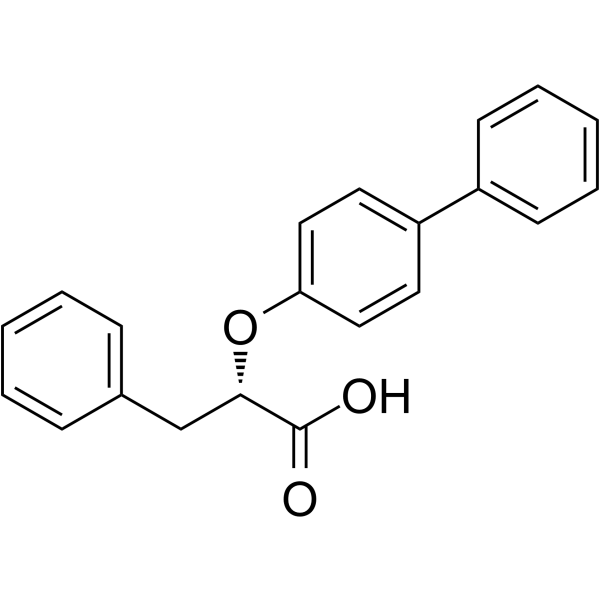
    LT175, a dual PPARα/γ ligand, is an orally active partial agonist against PPARγ(hPPARα:EC50=0.22 μm; mPPARα:EC50=0.26 μm; hPPARγ:EC50=0.48 μm). LT175 interacts with PPARγ and affects the recruitment of the coregulators cyclic-AMP response element-binding protein-binding protein and nuclear corepressor 1 (NCoR1). LT175 interacts with PPARγ in a hydrophobic region called “diphenyl pocket”. LT175 has potent insulin-sensitizing effects and reduced adipogenic properties .
    LT175
  • HY-142981

    DODA

    Liposome Others
    Dioctadecylamine (DODA) is a secondary amine that has been shown to self-organize in plate-like structures in aqueous solution. Dioctadecylamine exhibits sufficiently hydrophobic properties of nanoparticles and good dispersibility in nonpolar solvent. Dioctadecylamine does not form a monolayer above pH 3.9 .
    Dioctadecylamine
  • HY-128952G

    SG3249

    Drug-Linker Conjugates for ADC DNA Alkylator/Crosslinker Cancer
    Tesirine (GMP) (SG3249 (GMP)) is Tesirine (HY-128952) produced by using GMP guidelines. GMP small molecules works appropriately as an auxiliary reagent for cell therapy manufacture. Tesirine (SG3249) is an antibody-drug conjugate (ADC) pyrrolobenzodiazepine (PBD) dimer payload. Tesirine combines potent antitumor activity with desirable physicochemical properties such as favorable hydrophobicity and improved conjugation characteristics. SG3199 (HY-101161) is the released warhead component of the ADC payload Tesirine. SG3199 retains picomolar activity in a panel of cancer cell lines. PBD dimers are highly efficient DNA minor groove cross-linking agents with potent cytotoxicity .
    Tesirine
  • HY-134924

    Biochemical Assay Reagents Others
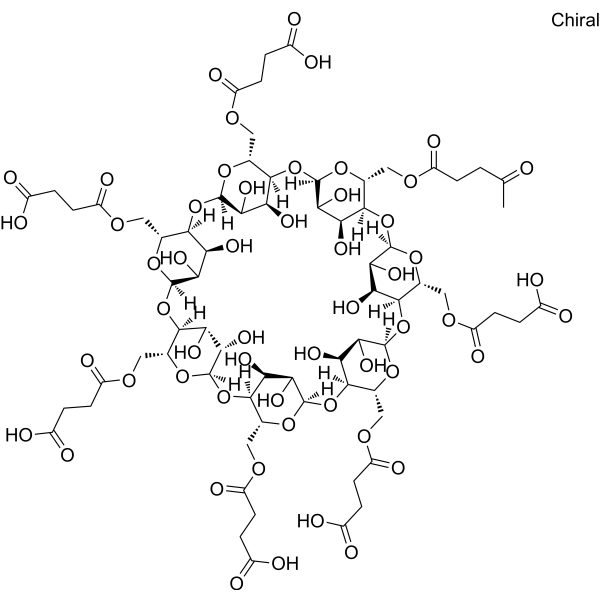
    Succinyl-β-cycloaltrin is a modified cyclodextrin with unique chemical properties that make it an effective solubilizer and stabilizer for various compounds, especially in the pharmaceutical industry. Succinyl-β-cycloaltrin has a hydrophobic interior and a hydrophilic exterior, enabling it to form stable clathrates with hydrophobic molecules such as drugs and nutrients. This increases their solubility and bioavailability, making them more effective for recreational or nutritional purposes.
    Succinyl-β-cycloaltrin
  • HY-134460

    Endogenous Metabolite Others
    4-Methylumbelliferyl α-L-fucopyranoside is an α-L-fucosidase. α-L-fucosidase can enhance capacitation of porcine sperm and protect sperm from premature acrosome reaction. Compared with human liver α-L-fucosidase, 4-Methylumbelliferyl α-L-fucopyranoside has considerable hydrophobicity and isoelectric focusing properties .
    4-Methylumbelliferyl α-L-fucopyranoside
  • HY-16035A

    DNA/RNA Synthesis Antibiotic Infection
    Alatrofloxacin mesylate is an antibiotic with antibacterial activity. Alatrofloxacin mesylate exhibits significant hydrophilicity in the aqueous phase, forming a very stable suspension. The degradation products of Alatrofloxacin mesylate become hydrophobic upon exposure, causing aggregation of its particles. The long-term stability of Alatrofloxacin mesylate is closely related to its polar interaction. The changes in surface tension characteristics of Alatrofloxacin mesylate particles under different lighting conditions affect their physical and chemical properties .
    Alatrofloxacin mesylate
  • HY-164645

    Ras Cancer
    pan-KRAS-IN-16 (Compound 3344) is an anti-RAS small molecule derived from an intracellular antibody fragment with pan-RAS-effector protein-protein interaction inhibitor properties. pan-KRAS-IN-16 binds to a hydrophobic pocket near to the effector-binding switch regions of RAS. pan-KRAS-IN-16 prevents endogenous RAS-dependent signaling in tumor cell lines .
    pan-KRAS-IN-16
  • HY-182087

    HyT Anaplastic lymphoma kinase (ALK) Cancer
    ALK degrader 3 is a ALK HyT degrader with an IC50 of 1.2 nM. ALK degrader 3 inhibits ALK kinase activity, increases the solvent-accessible surface area of hydrophobic residues near the ALK binding pocket, promotes ALK to form a partially unfolded conformation, and drives ALK degradation via the proteasomal pathway. ALK degrader 3 inhibits the proliferation of tumor cells. ALK degrader 3 can be used for the research of non-small cell lung cancer. (ALK ligand: Brigatinib (HY-12857); hydrophobic tag: Tetraasterane (HY-W1139353)) .
    ALK degrader 3
  • HY-W724291

    Dioctadecyldimethylammonium-d3 bromide; DODAB-d3

    Isotope-Labeled Compounds Liposome Others
    Dimethyldioctadecylammonium-d3 bromide (Dioctadecyldimethylammonium-d3 bromide) is the deuterium labeled Dimethyldioctadecylammonium bromide (HY-131119). Dimethyldioctadecylammonium bromide is a synthetic cationic lipid commonly used in gene delivery and vaccine development. Also known as DODAB or DDAB, it consists of a positively charged ammonium head group and two long hydrophobic tails. These properties make it useful for forming liposomes and other lipid-based nanoparticles that can efficiently deliver genetic material into cells. In addition to its applications in biotechnology, DDAB is also used in surfactants, emulsifiers and fabric softeners. However, due to its potential toxicity and irritation, extreme care should be taken when handling DDAB.
    Dimethyldioctadecylammonium-d3 bromide
  • HY-W237439

    MDM-2/p53 Cancer
    SEN205A is a fragment compound that binds to the hydrophobic pocket of human S100B (Kd=0.5-1.0 mM), which is the key region for the interaction of S100B with TRTK-12 and p53, and SEN205A can be displaced from this site by TRTK-12. SEN205A exhibits excellent in vitro ADME properties, including high metabolic stability, chemical stability, and good solubility under physiological pH conditions. SEN205A can serve as a starting fragment for structure-based optimization to develop inhibitors targeting the S100B-p53 protein-protein interaction and investigate the pathogenesis of malignant melanoma .
    SEN205A
  • HY-175991S

    Sodium stearyl sulfate sulfate-d37

    Isotope-Labeled Compounds Biochemical Assay Reagents Others
    Sodium octadecyl sulfate-d37 (Sodium stearyl sulfate-d37) is the deuterium labeled Sodium octadecyl sulfate (HY-W276164). Sodium octadecyl sulfate (Sodium stearyl sulfate) is a long-chain alkyl sodium sulfate that functions as an emulsifier, crosslinking agent, and regulator. Sodium octadecyl sulfate has high safety, with a LD50 greater than 3.00 Gm./Kg for both intraperitoneal injection in mice and oral administration in rats. Sodium octadecyl sulfate enhances continuous contraction of the gastrocnemius muscle in frogs and boosts intestinal smooth muscle activity in albino rats. However, Sodium octadecyl sulfate exerts no significant effect on isolated tortoise myocardium and does not alter the conduction function of frog sciatic nerves. Sodium octadecyl sulfate can also be used to coat the surface of starch aggregates, promote crosslinking and increase aggregate size through hydrophobic and electrostatic interactions, and further form a coexistent B-V type crystalline structure with acid-hydrolyzed gelatinized starch, thereby effectively modifying the structure and surface properties of high-starch systems .
    Sodium octadecyl sulfate-d37

Inquiry Online

Your information is safe with us. * Required Fields.

Salutation


Country or Region *

Applicant Name *


Organization Name *

Department *


Email Address *


Product Name *

Cat. No.


Requested quantity *

Phone Number *


Remarks

Inquiry Online

Inquiry Information

Product Name:
Cat. No.:
Quantity:
MCE Japan Authorized Agent:

