Search Result
Results for "
imidazole derivative
" in MedChemExpress (MCE) Product Catalog:
2
Biochemical Assay Reagents
14
Isotope-Labeled Compounds
| Cat. No. |
Product Name |
Target |
Research Areas |
Chemical Structure |
-
- HY-66019
-
|
Fluorescein 5-isothiocyanate
|
Fluorescent Dye
|
Inflammation/Immunology
|
|
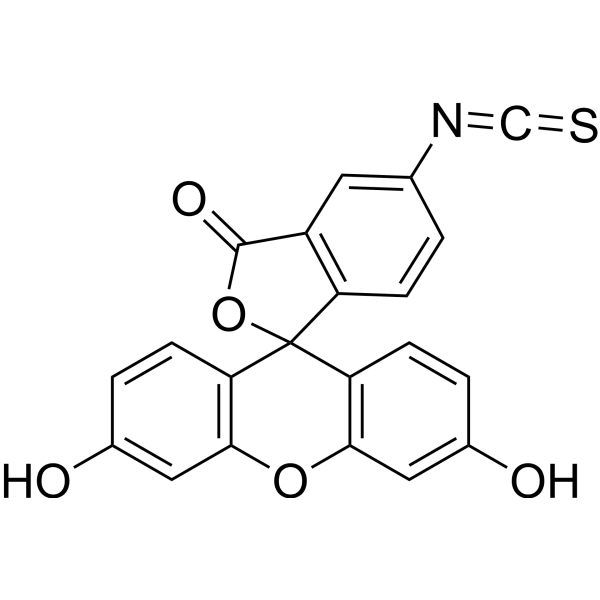
FITC (Fluorescein Isothiocyanate), is one of the green fluorescein derivatives widely used in biology. FITC has the characteristics of high absorptivity and excellent fluorescence quantum yield. The isothiocyanate group of FITC can be combined with amino, sulfhydryl, imidazole, tyrosyl, carbonyl and other groups on the protein, so as to achieve protein labeling including antibodies and lectins. In addition to its use as a protein marker, FITC can also be used as a fluorescent protein tracer to rapidly identify pathogens by labeling antibodies, or for microsequencing of proteins and peptides (HPLC). The maximum excitation wavelength of FITC is 494 nm. Once excited, it fluoresces yellow-green at a maximum emission wavelength of 520 nm. In addition, FITC is also a hapten that can induce contact hypersensitivity (CHS) and induce an atopic dermatitis model .
|
-
-
- HY-N1914
-
|
L-(+)-Ergothioneine
|
Endogenous Metabolite
p38 MAPK
Akt
Keap1-Nrf2
NF-κB
|
Others
|
|
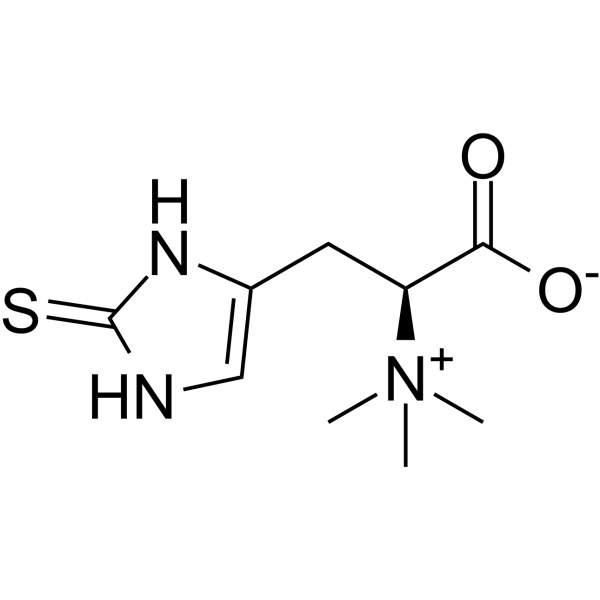
Ergothioneine is an imidazole-2-thione derivative with orally active histidine betaine. Ergothioneine is a specific inhibitor of p38-MAPK and Akt, which plays a protective role in cell apoptosis induced by stress. Ergothioneine has antioxidant activity .
|
-
-
- HY-D0837
-
|
Glyoxaline; 1,3-Diaza-2,4-cyclopentadiene
|
MOFs
Ser/Thr Protease
Thrombopoietin Receptor
|
Neurological Disease
Inflammation/Immunology
|
|
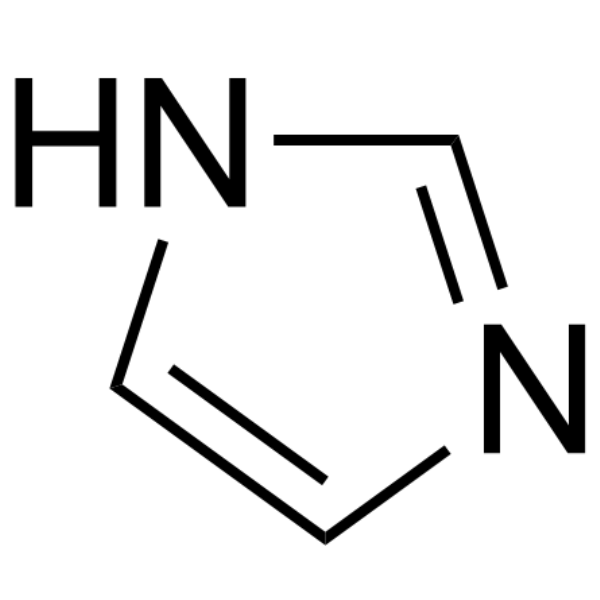
Imidazole (Glyoxaline; 1,3-Diaza-2,4-cyclopentadiene) is a heterocyclic aromatic compound. Imidazole bearing molecules have been used as corrosion, acetylcholinesterase (AChEI) and xanthine oxidase (XO) inhibitors, performing biological activities such as antifungal, antituberculosis, anti-inflammatory, antioxidant, and analgesic, amongst many others. Imidazole inhibits the enzymatic conversion of the endoperoxides (PGG2 and PGH2) to thromboxane A2 by platelet microsomes. Imidazole derivatives exhibits inhibition on SARS-CoV-2 3CL Pro enzyme, which is promising for research in the field of Alzheimer’s disease, gout, COVID-19 and thrombo-embolic disease .
|
-
-
- HY-10882
-
-
-
- HY-Y1055
-
Guanine
3 Publications Verification
|
DNA/RNA Synthesis
Endogenous Metabolite
|
Infection
Neurological Disease
Cancer
|
|
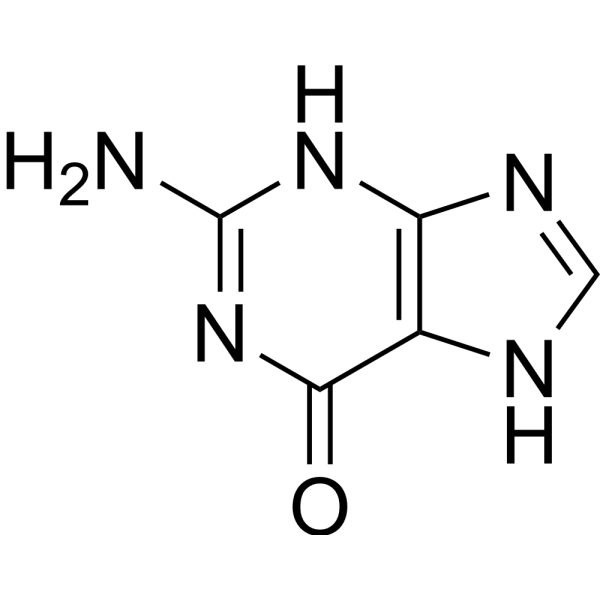
Guanine is one of the fundamental components of nucleic acids (DNA and RNA). Guanine is a purine derivative, consisting of a fused pyrimidine-imidazole ring system with conjugated double bonds. Guanine has the potential to serve as a large-capacity N pool. Guanine has cytotoxic, antinociceptive and neuroprotective effects .
|
-
-
- HY-15941
-
|
Fluorescein 5(6)-isothiocyanate; Fluorescein isothiocyanate 5- and 6- isomers
|
Fluorescent Dye
|
Others
|
|
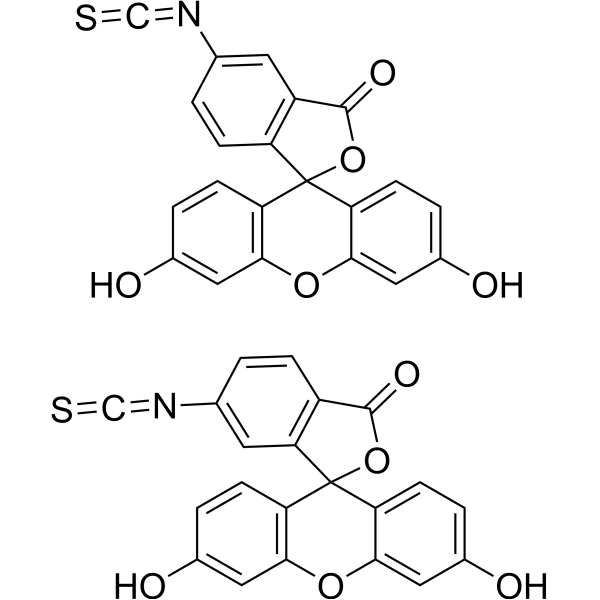
5(6)-FITC (Fluorescein 5(6)-isothiocyanate) is an amine-reactive derivative of a fluorescent dye, characterized by high absorbance and excellent fluorescence quantum yield. The isothiocyanate group of FITC can react with various functional groups on proteins, including amines, thiols, imidazoles, tyrosines and carbonyls, enabling the labeling of proteins such as antibodies and lectins. 5(6)-FITC has a wide range of applications, including flow cytometry, immunofluorescence, protease assays and conjugation. The maximum excitation/emission wavelengths are 492/518 nm .
|
-
-
- HY-B0319
-
|
UK-20349
|
Fungal
Antibiotic
Parasite
Akt
PI3K
mTOR
Autophagy
|
Infection
Cancer
|
|
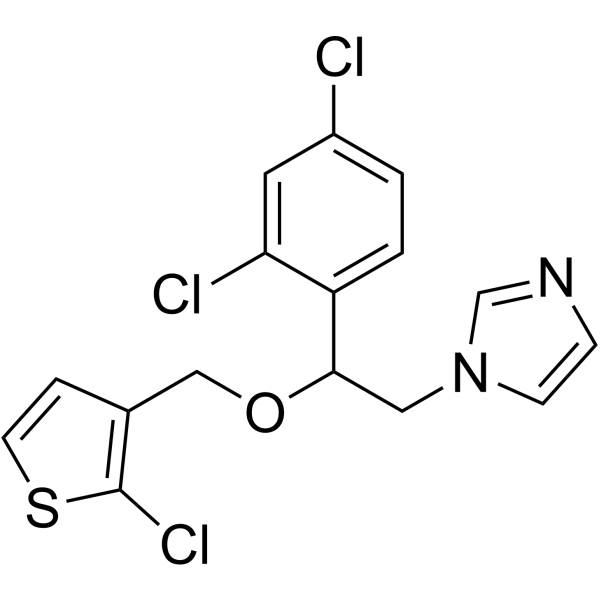
Tioconazole (UK-20349) is a broad-spectrum antifungal imidazole derivative. Tioconazole inhibits several dermatophytes and yeasts, with MIC50 values of less than 3.12 mg/L and 9 mg/L, respectively. Additionally, Tioconazole exhibits anti-parasitic activity. Tioconazole exerts anticancer activity by inhibiting the PI3K/AKT/mTOR signaling pathway and blocking autophagy. Tioconazole is applicable for research in the fields of anti-infection and anticancer therapy .
|
-
-
- HY-DY1007
-
|
|
Fluorescent Dye
|
Inflammation/Immunology
|
FITC (Fluorescein Isothiocyanate) (solution) , is one of the green fluorescein derivatives widely used in biology. FITC has the characteristics of high absorptivity and excellent fluorescence quantum yield. The isothiocyanate group of FITC can be combined with amino, sulfhydryl, imidazole, tyrosyl, carbonyl and other groups on the protein, so as to achieve protein labeling including antibodies and lectins. In addition to its use as a protein marker, FITC can also be used as a fluorescent protein tracer to rapidly identify pathogens by labeling antibodies, or for microsequencing of proteins and peptides (HPLC). The maximum excitation wavelength of FITC is 494 nm. Once excited, it fluoresces yellow-green at a maximum emission wavelength of 520 nm. In addition, FITC is also a hapten that can induce contact hypersensitivity (CHS) and induce an atopic dermatitis model . Solvent and concentration: DMSO: 20 mM The 1 mL volume is defined as the base specification. All larger sizes correspond to incremental volumes of this base.
|
-
-
- HY-B0293
-
|
RS 35887
|
Fungal
|
Infection
|
|
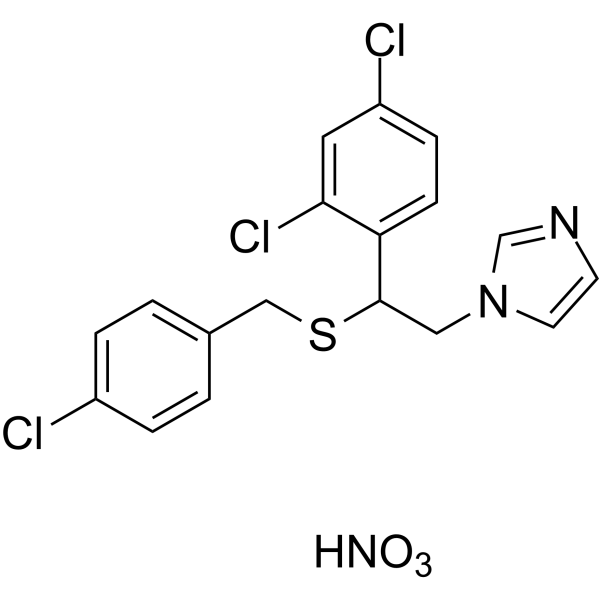
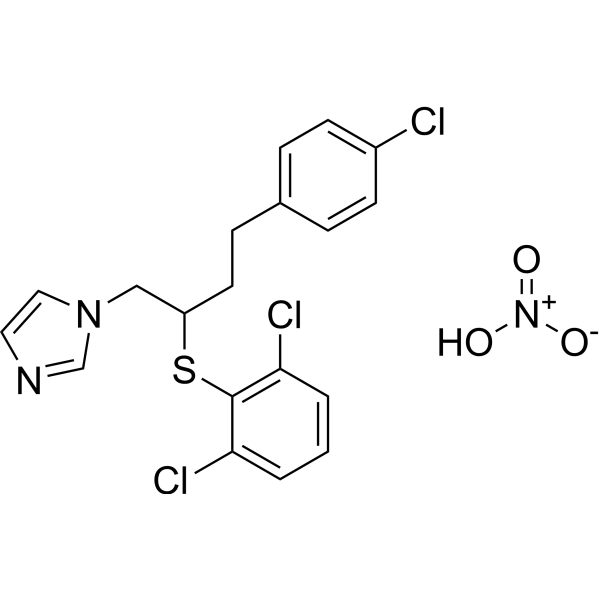
Butoconazole nitrate (RS 35887), an imidazole antifungal agent, is active against Candida spp. and effective against vaginal infections due to Candida albicans. Butoconazole nitrate is presumed to function as other imidazole derivatives via inhibition of steroid synthesis .
|
-
-
- HY-106541
-
|
|
Fungal
|
Infection
Cancer
|
|
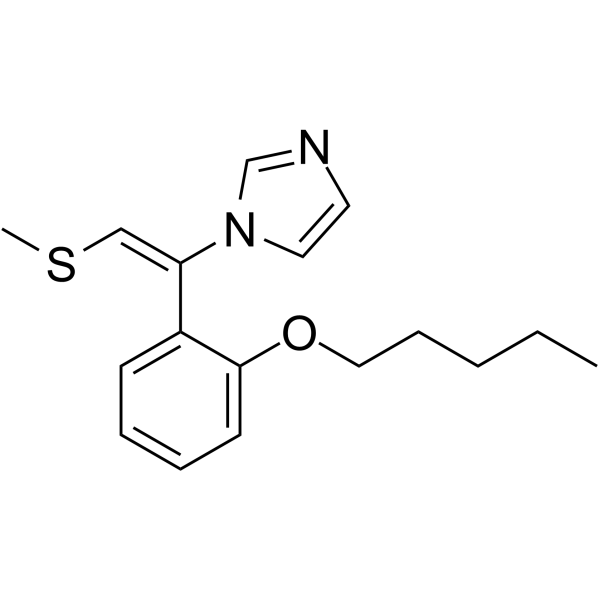
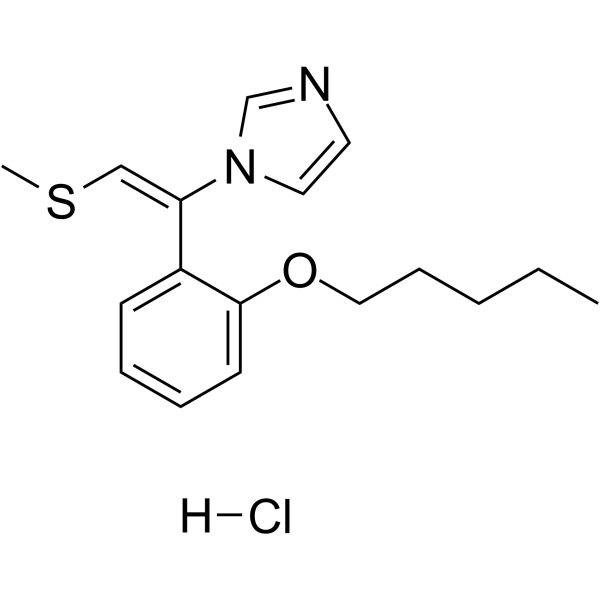
Neticonazole is an imidazole derivative and a potent and long-acting antifungal agent. Neticonazole has anti-infection and anti-cancer effects .
|
-
-
- HY-B0359
-
|
REC 15-1476
|
Fungal
Antibiotic
|
Infection
|
|
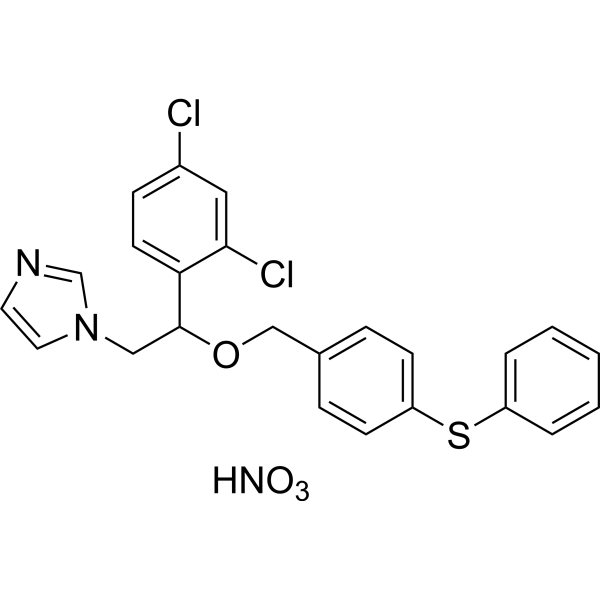
Fenticonazole Nitrate is an antifungal imidazole ring derivative. Fenticonazole Nitrate operates via hindering ergosterol integration, and sequentially destructing the cytoplasmatic outer membrane. Fenticonazole Nitrate is effective against Gram-positive bacteria, mycoses, and vaginal candidiasis .
|
-
-
- HY-Y1055A
-
|
|
Endogenous Metabolite
DNA/RNA Synthesis
|
Infection
Neurological Disease
Cancer
|
|
Guanine hydrochloride is one of the fundamental components of nucleic acids (DNA and RNA). Guanine hydrochloride is a purine derivative, consisting of a fused pyrimidine-imidazole ring system with conjugated double bonds. Guanine hydrochloride has the potential to serve as a large-capacity N pool. Guanine hydrochloride has cytotoxic, antinociceptive and neuroprotective effects .
|
-
-
- HY-B0293A
-
|
|
Fungal
|
Infection
|
|
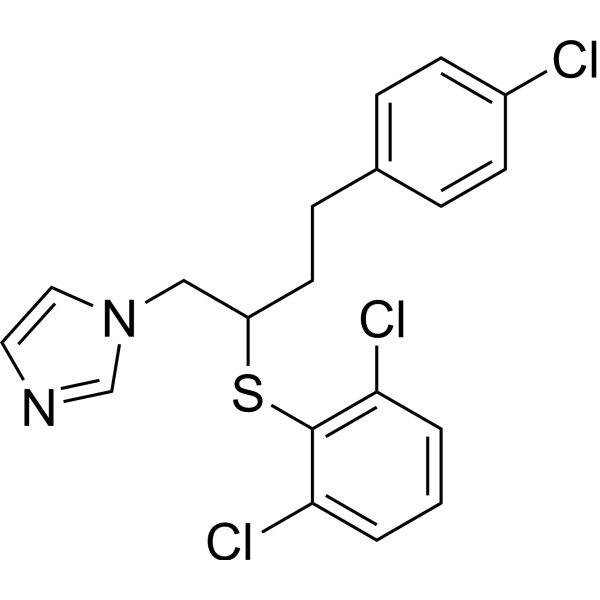
Butoconazole, an imidazole antifungal agent, is active against Candida spp. and effective against vaginal infections due to Candida albicans. Butoconazole is presumed to function as other imidazole derivatives via inhibition of steroid synthesis .
|
-
-
- HY-128365
-
|
|
Fungal
|
Infection
Cancer
|
|
Neticonazole hydrochloride is an imidazole derivative and a potent and long-acting antifungal agent. Neticonazole hydrochloride has anti-infection and anti-cancer effects .
|
-
-
- HY-B0163A
-
-
-
- HY-B1460
-
|
(±)-Sulconazole mononitrate
|
Fungal
Bacterial
|
Infection
|
|
Sulconazole mononitrate ((±)-Sulconazole mononitrate), an imidazole derivative, is a broad-spectrum fungicide. Sulconazole mononitrate can be used for the research of dermatomycoses, pityriasis versicolor, and cutaneous candidiasis .
|
-
-
- HY-106019
-
|
R75251
|
Cytochrome P450
RAR/RXR
|
Metabolic Disease
Inflammation/Immunology
Cancer
|
|
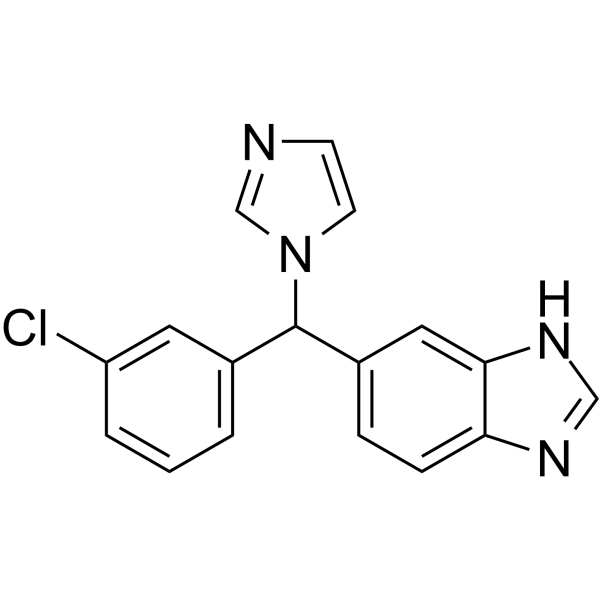
Liarozole (R75251; R85246) is an imidazole derivative and orally active retinoic acid (RA) metabolism-blocking agent (RAMBA). Liarozole inhibits the cytochrome P450 (CYP26)-dependent 4-hydroxylation of retinoic acid (IC50=7 μM), resulting in increased tissue levels of retinoic acid. Liarozole shows antitumoral properties .
|
-
-
- HY-W111226
-
|
|
Amyloid-β
Amino Acid Derivatives
|
Cardiovascular Disease
Neurological Disease
|
|
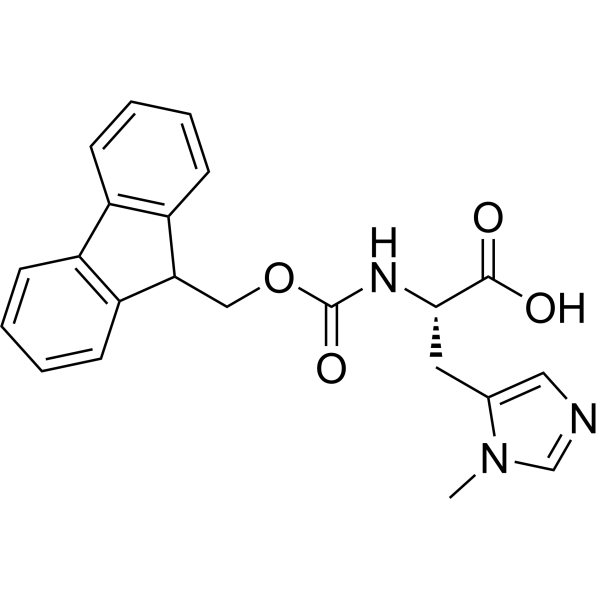
Fmoc-His (3-Me)-OH is a histidine derivative with a methylated imidazole group. Fmoc-His (3-Me)-OH can be used for the synthesis of the chemically modified tripeptide His (3-methyl)-Arg-Trp (H (3-Me)-RW). Fmoc-His (3-Me)-OH serves as a resin in Fmoc solid-phase synthesis for the generation of the His-(3-Me)-Gly-Lys peptide. Fmoc-His (3-Me)-OH is a building block for the synthesis of NAHIS02-(p-Met). Fmoc-His (3-Me)-OH can be applied in research related to Alzheimer's disease .
|
-
-
- HY-N1914S1
-
|
L-(+)-Ergothioneine-d9
|
Endogenous Metabolite
|
Others
|
|
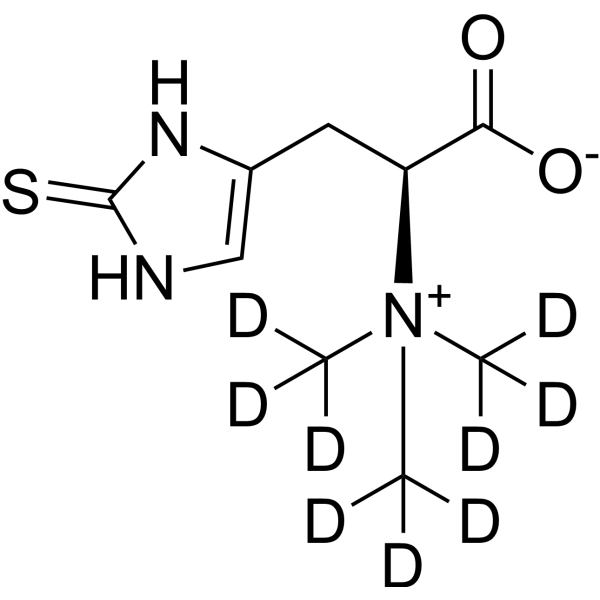
Ergothioneine-d9 is the deuterium labeled Ergothioneine. Ergothioneine, an imidazole-2-thione derivative of histidine betaine, is synthesized by certain bacteria and fungi. Ergothioneine is generally considered an antioxidant .
|
-
-
- HY-W017511
-
|
|
Endogenous Metabolite
Drug Intermediate
|
Others
|
|
5,6-Dimethyl-1H-benzo[d]imidazole is an endogenous metabolite. 5,6-Dimethyl-1H-benzo[d]imidazole is also a benzimidazole derivative and can be used in the synthesis of other active compounds .
|
-
-
- HY-144034
-
|
|
GLP Receptor
|
Metabolic Disease
|
|
GLP-1R agonist 3 is a potent agonist of GLP-1R. GLP-1R agonist 3 is a thickened imidazole derivative compound. Glucagon-like peptide-1 (GLP-1) is an intestinal hypoglycemic hormone secreted by L-cells in the lower gastrointestinal tract. GLP-1R agonist 3 has the potential for the research of diabetes (extracted from patent WO2021197464A1, compound 1) .
|
-
-
- HY-10882S
-
-
-
- HY-Y1055S3
-
|
|
Isotope-Labeled Compounds
DNA/RNA Synthesis
Endogenous Metabolite
|
Neurological Disease
Cancer
|
|
Guanine- 15N5 is 15N labeled Guanine (HY-Y1055). Guanine is one of the fundamental components of nucleic acids (DNA and RNA). Guanine is a purine derivative, consisting of a fused pyrimidine-imidazole ring system with conjugated double bonds. Guanine has the potential to serve as a large-capacity N pool. Guanine has cytotoxic, antinociceptive and neuroprotective effects .
|
-
-
- HY-Y1055S
-
|
|
DNA/RNA Synthesis
Endogenous Metabolite
|
Neurological Disease
Cancer
|
|
Guanine- 13C is the 13C labeled Guanine (HY-Y1055) . Guanine is one of the fundamental components of nucleic acids (DNA and RNA). Guanine is a purine derivative, consisting of a fused pyrimidine-imidazole ring system with conjugated double bonds. Guanine has the potential to serve as a large-capacity N pool. Guanine has cytotoxic, antinociceptive and neuroprotective effects .
|
-
-
- HY-Y1055R
-
|
|
Reference Standards
DNA/RNA Synthesis
Endogenous Metabolite
|
Neurological Disease
Cancer
|
|
Guanine (Standard) is the analytical standard of Guanine (HY-Y1055). This product is intended for research and analytical applications. Guanine is one of the fundamental components of nucleic acids (DNA and RNA). Guanine is a purine derivative, consisting of a fused pyrimidine-imidazole ring system with conjugated double bonds. Guanine has the potential to serve as a large-capacity N pool. Guanine has cytotoxic, antinociceptive and neuroprotective effects .
|
-
-
- HY-106542
-
|
|
Fungal
|
Infection
|
|
Eberconazole is a dichlorinated imidazole derivative with antifungal activity. Eberconazole is more effective than Clotrimazole (HY-10882), Ketoconazole (HY-B0105), and Miconazole (HY-B0454). Eberconazole has potential for the study of dermatophytosis .
|
-
-
- HY-106542A
-
|
|
Fungal
|
Infection
|
|
Eberconazole nitrate is a dichlorinated imidazole derivative with antifungal activity. Eberconazole nitrate is more effective than Clotrimazole (HY-10882), Ketoconazole (HY-B0105), and Miconazole (HY-B0454). Eberconazole nitrate has potential for the study of dermatophytosis .
|
-
-
- HY-W115276
-
|
|
Bacterial
Fungal
|
Infection
|
|
Fenticonazole is an imidazole derivative with antibacterial and antifungal activity. Fenticonazole has the potential for the research of mixed vaginitis .
|
-
-
- HY-144650
-
|
|
Apoptosis
HSP
|
Cancer
|
|
Hsp90-Cdc37-IN-3 (Compound 9) is a novel celastrol−imidazole derivative with anticancer activity. Hsp90-Cdc37-IN-3 inhibits Hsp90−Cdc37 by covalent-binding, and induces apoptosis .
|
-
-
- HY-106019C
-
|
R75251 dihydrochloride
|
Cytochrome P450
RAR/RXR
|
Metabolic Disease
Inflammation/Immunology
Cancer
|
|
Liarozole (R75251) dihydrochloride is an imidazole derivative and orally active retinoic acid (RA) metabolism-blocking agent (RAMBA). Liarozole dihydrochloride inhibits the cytochrome P450 (CYP26)-dependent 4-hydroxylation of RA (IC50=7 μM), resulting in increased tissue levels of RA. Liarozole dihydrochloride shows antitumoral properties .
|
-
-
- HY-134622
-
|
|
CDK
GSK-3
|
Neurological Disease
Cancer
|
|
GSK-3/CDK5/CDK2-IN-1, an imidazole derivative, is an inhibitor of cdk5, cdk2, and GSK-3 extracted from patent WO2002010141A1, example 9a. GSK-3/CDK5/CDK2-IN-1 can be used for the research of cancer, and neurodegenerative diseases .
|
-
-
- HY-Y1055S1
-
|
|
DNA/RNA Synthesis
Endogenous Metabolite
|
Neurological Disease
Cancer
|
|
Guanine- 13C, 15N2 is the 13C and 15N labeled Guanine (HY-Y1055) . Guanine is one of the fundamental components of nucleic acids (DNA and RNA). Guanine is a purine derivative, consisting of a fused pyrimidine-imidazole ring system with conjugated double bonds. Guanine has the potential to serve as a large-capacity N pool. Guanine has cytotoxic, antinociceptive and neuroprotective effects .
|
-
-
- HY-D0181
-
|
|
Biochemical Assay Reagents
Drug Intermediate
|
Others
|
|
1-Acetylimidazole is an acetylation agent and an important intermediate for the synthesis of various bioactive molecules. 1-Acetylimidazole can be used to close the residual α-amino group remaining after coupling and to synthesize cyclic imidazole derivatives .
|
-
-
- HY-N1914S
-
|
L-(+)-Ergothioneine-d3
|
Isotope-Labeled Compounds
Endogenous Metabolite
|
Others
|
|
Ergothioneine-d3 is the deuterium labeled Ergothioneine. Ergothioneine, an imidazole-2-thione derivative of histidine betaine, is synthesized by certain bacteria and fungi. Ergothioneine is generally considered an antioxidant .
|
-
-
- HY-W764737
-
|
|
Isotope-Labeled Compounds
|
Cancer
|
|
Methylboronic acid pinacol ester is an orally administered compound that inhibits the activity of peptidases and imidazole derivatives. Methylboronic acid pinacol ester is used as a medicinal preparation for cancer .
|
-
-
- HY-D0837R
-
|
Glyoxaline (Standard); 1,3-Diaza-2,4-cyclopentadiene (Standard)
|
Xanthine Oxidase
Reference Standards
Ser/Thr Protease
Thrombopoietin Receptor
|
Neurological Disease
Inflammation/Immunology
|
|
Imidazole (Standard) is the analytical standard of Imidazole. This product is intended for research and analytical applications. Imidazole (Glyoxaline; 1,3-Diaza-2,4-cyclopentadiene) is a heterocyclic aromatic compound. Imidazole bearing molecules have been used as corrosion, acetylcholinesterase (AChEI) and xanthine oxidase (XO) inhibitors, performing biological activities such as antifungal, antituberculosis, anti-inflammatory, antioxidant, and analgesic, amongst many others. Imidazole inhibits the enzymatic conversion of the endoperoxides (PGG2 and PGH2) to thromboxane A2 by platelet microsomes. Imidazole derivatives exhibits inhibition on SARS-CoV-2 3CLPro enzyme, which is promising for research in the field of Alzheimer’s disease, gout, COVID-19 and thrombo-embolic disease .
|
-
-
- HY-B0163
-
-
-
- HY-10882R
-
|
|
Reference Standards
Fungal
Bacterial
Autophagy
Antibiotic
|
Infection
Cancer
|
|
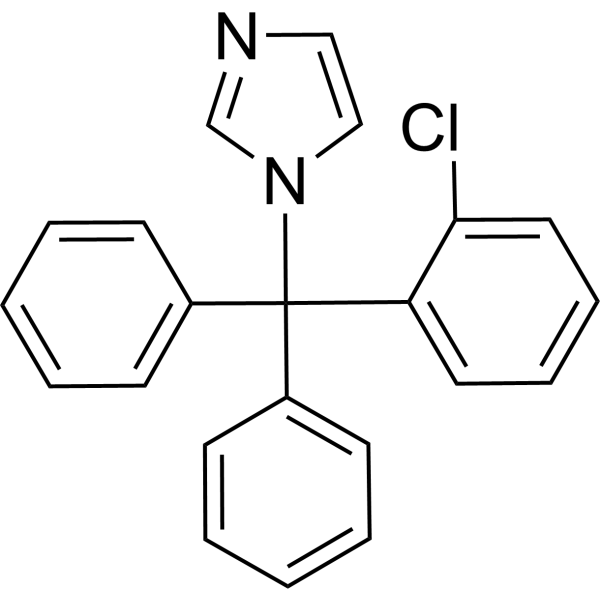
Clotrimazole (Standard) is the analytical standard of Clotrimazole. This product is intended for research and analytical applications. Clotrimazole is an imidazole derivative, an antifungal compound and is a CYP (cytochrome P450) inhibitor. Clotrimazole has antibacterial activity.
|
-
-
- HY-W041703
-
|
5-Bromoquinoxalin-6-amine
|
Androgen Receptor
|
Others
|
|
6-Amino-5-bromoquinoxaline is a 2-(arylamino)imidazole derivative and a precursor of α1- and α2-androgen receptor antagonists .
|
-
-
- HY-W777809
-
|
|
Isotope-Labeled Compounds
DNA/RNA Synthesis
Endogenous Metabolite
|
Cancer
|
|
Guanine- 13C2, 15N is the 13C- and 15N-labeled Guanine (HY-Y1055). Guanine is one of the fundamental components of nucleic acids (DNA and RNA). Guanine is a purine derivative, consisting of a fused pyrimidine-imidazole ring system with conjugated double bonds. Guanine has the potential to serve as a large-capacity N pool. Guanine has cytotoxic, antinociceptive and neuroprotective effects .
|
-
-
- HY-144033
-
|
|
GCGR
|
Metabolic Disease
|
|
GLP-1R agonist 1 is a potent agonist of GLP-1R. GLP-1R agonist 1 is a thickened imidazole derivative compound. Glucagon-like peptide-1 (GLP-1) is an intestinal hypoglycemic hormone secreted by L-cells in the lower gastrointestinal tract. GLP-1R agonist 1 has the potential for the research of diabetes (extracted from patent WO2021197464A1, compound 4) .
|
-
-
- HY-W720736
-
-
-
- HY-106542AR
-
|
|
Reference Standards
Fungal
|
Infection
|
|
Eberconazole nitrate (Standard) is the analytical standard of Eberconazole nitrate. This product is intended for research and analytical applications. Eberconazole nitrate is a dichlorinated imidazole derivative with antifungal activity. Eberconazole nitrate is more effective than Clotrimazole (HY-10882), Ketoconazole (HY-B0105), and Miconazole (HY-B0454). Eberconazole nitrate has potential for the study of dermatophytosis .
|
-
-
- HY-U00311
-
-
-
- HY-W017511R
-
|
|
Reference Standards
Endogenous Metabolite
Drug Intermediate
|
Others
|
|
5,6-Dimethyl-1H-benzo[d]imidazole (Standard) is the analytical standard of 5,6-Dimethyl-1H-benzo[d]imidazole (HY-W017511). This product is intended for research and analytical applications. 5,6-Dimethyl-1H-benzo[d]imidazole is an endogenous metabolite. 5,6-Dimethyl-1H-benzo[d]imidazole is also a benzimidazole derivative and can be used in the synthesis of other active compounds.
|
-
-
- HY-W699983
-
|
Glyoxaline-15N2; 1,3-Diaza-2,4-cyclopentadiene-15N2
|
Isotope-Labeled Compounds
Thrombopoietin Receptor
Ser/Thr Protease
Xanthine Oxidase
|
Neurological Disease
Inflammation/Immunology
|
|
Imidazole- 15N2 (Glyoxaline- 15N2) is 15N labeled Imidazole. Imidazole (Glyoxaline; 1,3-Diaza-2,4-cyclopentadiene) is a heterocyclic aromatic compound. Imidazole bearing molecules have been used as corrosion, acetylcholinesterase (AChEI) and xanthine oxidase (XO) inhibitors, performing biological activities such as antifungal, antituberculosis, anti-inflammatory, antioxidant, and analgesic, amongst many others. Imidazole inhibits the enzymatic conversion of the endoperoxides (PGG2 and PGH2) to thromboxane A2 by platelet microsomes. Imidazole derivatives exhibits inhibition on SARS-CoV-2 3CL Pro enzyme, which is promising for research in the field of Alzheimer’s disease, gout, COVID-19 and thrombo-embolic disease .
|
-
-
- HY-B0293R
-
|
RS 35887 (Standard)
|
Reference Standards
Fungal
|
Infection
|
|
Butoconazole (nitrate) (Standard) is the analytical standard of Butoconazole (nitrate). This product is intended for research and analytical applications. Butoconazole nitrate (RS 35887), an imidazole antifungal agent, is active against Candida spp. and effective against vaginal infections due to Candida albicans. Butoconazole nitrate is presumed to function as other imidazole derivatives via inhibition of steroid synthesis .
|
-
-
- HY-10882S1
-
-
-
- HY-106019B
-
|
R75251 fumarate
|
Cytochrome P450
|
Metabolic Disease
|
|
Liarozole fumarate, an imidazole derivative, is a potent inhibitor of cytochrome P450-dependent all-trans retinoic acid 4-hydroxylase and acts by increasing the levels of all-trans retinoic acid in plasma and skin.
|
-
-
- HY-106541R
-
|
|
Reference Standards
Fungal
|
Infection
Cancer
|
|
Neticonazole (Standard) is the analytical standard of Neticonazole. This product is intended for research and analytical applications. Neticonazole is an imidazole derivative and a potent and long-acting antifungal agent. Neticonazole has anti-infection and anti-cancer effects .
|
-
- HY-B0163AR
-
|
|
Reference Standards
Adrenergic Receptor
|
Neurological Disease
Endocrinology
|
|
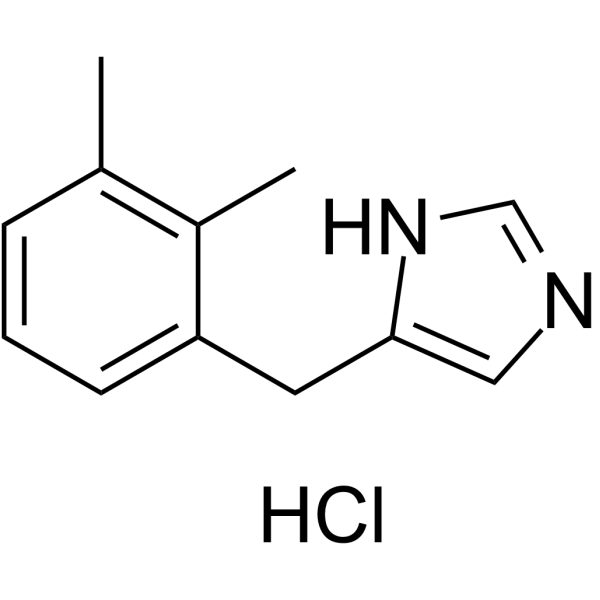
Detomidine (hydrochloride) (Standard) is the analytical standard of Detomidine (hydrochloride). This product is intended for research and analytical applications. Detomidine hydrochloride, an imidazole derivative, is a potent α2-adrenergic agonist. Detomidine hydrochloride produces dose-dependent analgesic effects .
|
-
- HY-169215
-
|
|
COX
|
Neurological Disease
|
|
Anti-inflammatory agent 93 (compund 2g) is an imidazole derivative of Schiff base with analgesic and anti-inflammatory activities. Anti-inflammatory agent 93 targets COX-2 receptor and produces 89% analgesic efficacy in mice at 100 mg/kg .
|
-
- HY-162271
-
|
|
Topoisomerase
Fungal
|
Infection
|
|
Antibacterial agent 187 (IKE7) is a derivative containing imidazole and triazolacridone structures that target yeast topoisomerase II. Antibacterial agent 187 has antifungal activity and MIC value of resistance to fluconazole (HY-B0101) is 32-64 μg/mL .
|
-
- HY-B1460R
-
|
(±)-Sulconazole mononitrate (Standard)
|
Reference Standards
Fungal
Bacterial
|
Infection
|
|
Sulconazole (mononitrate) (Standard) is the analytical standard of Sulconazole (mononitrate). This product is intended for research and analytical applications. Sulconazole mononitrate ((±)-Sulconazole mononitrate), an imidazole derivative, is a broad-spectrum fungicide. Sulconazole mononitrate can be used for the research of dermatomycoses, pityriasis versicolor, and cutaneous candidiasis .
|
-
- HY-119427
-
|
|
Microtubule/Tubulin
|
Cancer
|
|
Anti-melanoma agent 3 (compound 5cb) is a 2-aryl-4-benzoyl-imidazole (ABI) derivative and an inhibitor of melanoma xenogeneic tumors. Anti-melanoma agent 3 exerts anticancer activity by interacting with the colchicine binding site to inhibit tubulin polymerization .
|
-
- HY-117745
-
|
|
Thrombin
|
Cardiovascular Disease
|
|
DS-1040 is a low-molecular-weight imidazole derivative. DS-1040 is an inhibitor of the activated thrombin-activatable fibrinolysis (TAFIa). DS-1040 can promote fibrinolysis through suppressing TAFIa activity. DS-1040 can be studied in thrombolytic disease research .
|
-
- HY-B0319R
-
|
UK-20349 (Standard)
|
Reference Standards
Fungal
Antibiotic
|
Infection
|
|
Tioconazole (Standard) is the analytical standard of Tioconazole. This product is intended for research and analytical applications. Tioconazole (UK-20349) is an antifungal imidazole derivative with broad spectrum activity. Tioconazole has inhibitory active aginst several dermatophytes and several yeasts with MIC50s <3.12 mg/L and <9 mg/L, respectively .
|
-
- HY-106019A
-
|
R75251 hydrochloride
|
Cytochrome P450
RAR/RXR
|
Metabolic Disease
Inflammation/Immunology
Cancer
|
|
Liarozole hydrochloride is an imidazole derivative and orally active retinoic acid (RA) metabolism-blocking agent (RAMBA). Liarozole hydrochloride inhibits the cytochrome P450 (CYP26)-dependent 4-hydroxylation of retinoic acid (IC50=7 μM), resulting in increased tissue levels of retinoic acid. Liarozole hydrochloride shows antitumoral properties .
|
-
- HY-B0359R
-
|
REC 15-1476 (Standard)
|
Reference Standards
Fungal
Antibiotic
|
Infection
|
|
Fenticonazole (Nitrate) (Standard) is the analytical standard of Fenticonazole (Nitrate). This product is intended for research and analytical applications. Fenticonazole Nitrate is an antifungal imidazole ring derivative. Fenticonazole Nitrate operates via hindering ergosterol integration, and sequentially destructing the cytoplasmatic outer membrane. Fenticonazole Nitrate is effective against Gram-positive bacteria, mycoses, and vaginal candidiasis .
|
-
- HY-115905
-
|
|
Parasite
|
Infection
|
|
Antimalarial agent 9 (Compound 11) is a potent antimalarial agent. Antimalarial agent 9 is a quinoline-imidazole derivative compound. Antimalarial agent 9 exhibits significant antimalarial efficacy in-vitro against both CQ-sensitive (IC50-0.14 μM) and MDR strain (IC50-0.41 μM) with minimal cytotoxicity and high selectivity .
|
-
- HY-177557
-
|
|
Indoleamine 2,3-Dioxygenase (IDO)
|
Infection
Neurological Disease
Inflammation/Immunology
Cancer
|
|
IDO-IN-19 (Compound I) is a free base of an imidazole-isoindole derivative. IDO-IN-19 can inhibit the activity of Indoleamine 2,3-Dioxygenase (IDO). IDO-IN-19 can block the decomposition of tryptophan and restore the function of T cells. IDO-IN-19 can be used for the researches of cancer, immunology, infection and neurological disease, such as breast cancer and Alzheimer's disease .
|
-
- HY-Y1055S4
-
|
|
Isotope-Labeled Compounds
DNA/RNA Synthesis
Endogenous Metabolite
|
Neurological Disease
Cancer
|
|
Guanine- 13C5 is 13C-labeled Guanine (HY-Y1055). Guanine is one of the fundamental components of nucleic acids (DNA and RNA). Guanine is a purine derivative, consisting of a fused pyrimidine-imidazole ring system with conjugated double bonds. Guanine has the potential to serve as a large-capacity N pool. Guanine has cytotoxic, antinociceptive and neuroprotective effects .
|
-
- HY-161153
-
|
|
Apoptosis
|
Cancer
|
|
Microtubule inhibitor 9 (Compound O-7) is a 2-Aryl-1H-benzo [d] imidazole derivative with in vitro anticancer activity. Microtubule inhibitor 9 can induce cell cycle arrest at the G2/M phase and early apoptosis. Microtubule inhibitor 9 inhibits cancer cell migration by inhibiting wound healing and colony formation .
|
-
- HY-W778114
-
|
|
Isotope-Labeled Compounds
DNA/RNA Synthesis
Endogenous Metabolite
|
Cancer
|
|
Guanine- 13C2, 15N is the 13C- and 15N-labeled Guanine (HY-Y1055). Guanine is one of the fundamental components of nucleic acids (DNA and RNA). Guanine is a purine derivative, consisting of a fused pyrimidine-imidazole ring system with conjugated double bonds. Guanine has the potential to serve as a large-capacity N pool. Guanine has cytotoxic, antinociceptive and neuroprotective effects .
|
-
- HY-106019CR
-
|
R75251 dihydrochloride (Standard)
|
Reference Standards
Cytochrome P450
RAR/RXR
|
Metabolic Disease
Inflammation/Immunology
Cancer
|
|
Liarozole (dihydrochloride) (Standard) is the analytical standard of Liarozole (dihydrochloride). This product is intended for research and analytical applications. Liarozole (R75251) dihydrochloride is an imidazole derivative and orally active retinoic acid (RA) metabolism-blocking agent (RAMBA). Liarozole dihydrochloride inhibits the cytochrome P450 (CYP26)-dependent 4-hydroxylation of RA (IC50=7 μM), resulting in increased tissue levels of RA. Liarozole dihydrochloride shows antitumoral properties .
|
-
- HY-Y1055S2
-
|
|
Isotope-Labeled Compounds
DNA/RNA Synthesis
Endogenous Metabolite
|
Neurological Disease
Cancer
|
|
Guanine- 13C5, 15N5 is 13C and 15N-labeled Guanine (HY-Y1055). Guanine is one of the fundamental components of nucleic acids (DNA and RNA). Guanine is a purine derivative, consisting of a fused pyrimidine-imidazole ring system with conjugated double bonds. Guanine has the potential to serve as a large-capacity N pool. Guanine has cytotoxic, antinociceptive and neuroprotective effects .
|
-
- HY-106019R
-
|
R75251 (Standard)
|
Reference Standards
Cytochrome P450
RAR/RXR
|
Metabolic Disease
Inflammation/Immunology
Cancer
|
|
Liarozole (Standard) is the analytical standard of Liarozole. This product is intended for research and analytical applications. Liarozole (R75251; R85246) is an imidazole derivative and orally active retinoic acid (RA) metabolism-blocking agent (RAMBA). Liarozole inhibits the cytochrome P450 (CYP26)-dependent 4-hydroxylation of retinoic acid (IC50=7 μM), resulting in increased tissue levels of retinoic acid. Liarozole shows antitumoral properties .
|
-
- HY-Y0476
-
|
Emizco
|
Biochemical Assay Reagents
Drug Derivative
|
Cancer
|
|
Ethyl 4-methyl-5-imidazole-carboxylate (Emizco) is an imidazole ester derivative. Ethyl 4-methyl-5-imidazole-carboxylate is promising for research of metal-based anticancer agents .
|
-
- HY-116243
-
|
|
COX
|
Neurological Disease
Inflammation/Immunology
|
|
Vitacoxib is an Imidazole (HY-D0837) derivative, selective COX-2 inhibitor, anti-inflammatory agent. Vitacoxib can be used in the research of inflammatory diseases, pain and fever .
|
-
- HY-Y1055S6
-
|
|
Isotope-Labeled Compounds
DNA/RNA Synthesis
Endogenous Metabolite
|
Neurological Disease
Cancer
|
|
Guanine-d5 is the deuterium labeled Guanine (HY-Y1055). Guanine is one of the fundamental components of nucleic acids (DNA and RNA). Guanine is a purine derivative, consisting of a fused pyrimidine-imidazole ring system with conjugated double bonds. Guanine has the potential to serve as a large-capacity N pool. Guanine has cytotoxic, antinociceptive and neuroprotective effects .
|
-
| Cat. No. |
Product Name |
Type |
-
- HY-66019
-
|
Fluorescein 5-isothiocyanate
|
Fluorescent Dyes
|
|
FITC (Fluorescein Isothiocyanate), is one of the green fluorescein derivatives widely used in biology. FITC has the characteristics of high absorptivity and excellent fluorescence quantum yield. The isothiocyanate group of FITC can be combined with amino, sulfhydryl, imidazole, tyrosyl, carbonyl and other groups on the protein, so as to achieve protein labeling including antibodies and lectins. In addition to its use as a protein marker, FITC can also be used as a fluorescent protein tracer to rapidly identify pathogens by labeling antibodies, or for microsequencing of proteins and peptides (HPLC). The maximum excitation wavelength of FITC is 494 nm. Once excited, it fluoresces yellow-green at a maximum emission wavelength of 520 nm. In addition, FITC is also a hapten that can induce contact hypersensitivity (CHS) and induce an atopic dermatitis model .
|
-
- HY-15941
-
|
Fluorescein 5(6)-isothiocyanate; Fluorescein isothiocyanate 5- and 6- isomers
|
Fluorescent Dyes
|
|
5(6)-FITC (Fluorescein 5(6)-isothiocyanate) is an amine-reactive derivative of a fluorescent dye, characterized by high absorbance and excellent fluorescence quantum yield. The isothiocyanate group of FITC can react with various functional groups on proteins, including amines, thiols, imidazoles, tyrosines and carbonyls, enabling the labeling of proteins such as antibodies and lectins. 5(6)-FITC has a wide range of applications, including flow cytometry, immunofluorescence, protease assays and conjugation. The maximum excitation/emission wavelengths are 492/518 nm .
|
-
- HY-DY1007
-
|
|
Fluorescent Dyes
|
FITC (Fluorescein Isothiocyanate) (solution) , is one of the green fluorescein derivatives widely used in biology. FITC has the characteristics of high absorptivity and excellent fluorescence quantum yield. The isothiocyanate group of FITC can be combined with amino, sulfhydryl, imidazole, tyrosyl, carbonyl and other groups on the protein, so as to achieve protein labeling including antibodies and lectins. In addition to its use as a protein marker, FITC can also be used as a fluorescent protein tracer to rapidly identify pathogens by labeling antibodies, or for microsequencing of proteins and peptides (HPLC). The maximum excitation wavelength of FITC is 494 nm. Once excited, it fluoresces yellow-green at a maximum emission wavelength of 520 nm. In addition, FITC is also a hapten that can induce contact hypersensitivity (CHS) and induce an atopic dermatitis model . Solvent and concentration: DMSO: 20 mM The 1 mL volume is defined as the base specification. All larger sizes correspond to incremental volumes of this base.
|
| Cat. No. |
Product Name |
Type |
-
- HY-D0837
-
|
Glyoxaline; 1,3-Diaza-2,4-cyclopentadiene
|
Biochemical Assay Reagents
|
|
Imidazole (Glyoxaline; 1,3-Diaza-2,4-cyclopentadiene) is a heterocyclic aromatic compound. Imidazole bearing molecules have been used as corrosion, acetylcholinesterase (AChEI) and xanthine oxidase (XO) inhibitors, performing biological activities such as antifungal, antituberculosis, anti-inflammatory, antioxidant, and analgesic, amongst many others. Imidazole inhibits the enzymatic conversion of the endoperoxides (PGG2 and PGH2) to thromboxane A2 by platelet microsomes. Imidazole derivatives exhibits inhibition on SARS-CoV-2 3CL Pro enzyme, which is promising for research in the field of Alzheimer’s disease, gout, COVID-19 and thrombo-embolic disease .
|
-
- HY-D0837R
-
|
Glyoxaline (Standard); 1,3-Diaza-2,4-cyclopentadiene (Standard)
|
Biochemical Assay Reagents
|
|
Imidazole (Standard) is the analytical standard of Imidazole. This product is intended for research and analytical applications. Imidazole (Glyoxaline; 1,3-Diaza-2,4-cyclopentadiene) is a heterocyclic aromatic compound. Imidazole bearing molecules have been used as corrosion, acetylcholinesterase (AChEI) and xanthine oxidase (XO) inhibitors, performing biological activities such as antifungal, antituberculosis, anti-inflammatory, antioxidant, and analgesic, amongst many others. Imidazole inhibits the enzymatic conversion of the endoperoxides (PGG2 and PGH2) to thromboxane A2 by platelet microsomes. Imidazole derivatives exhibits inhibition on SARS-CoV-2 3CLPro enzyme, which is promising for research in the field of Alzheimer’s disease, gout, COVID-19 and thrombo-embolic disease .
|
| Cat. No. |
Product Name |
Target |
Research Area |
-
- HY-W111226
-
|
|
Amyloid-β
Amino Acid Derivatives
|
Cardiovascular Disease
Neurological Disease
|
|
Fmoc-His (3-Me)-OH is a histidine derivative with a methylated imidazole group. Fmoc-His (3-Me)-OH can be used for the synthesis of the chemically modified tripeptide His (3-methyl)-Arg-Trp (H (3-Me)-RW). Fmoc-His (3-Me)-OH serves as a resin in Fmoc solid-phase synthesis for the generation of the His-(3-Me)-Gly-Lys peptide. Fmoc-His (3-Me)-OH is a building block for the synthesis of NAHIS02-(p-Met). Fmoc-His (3-Me)-OH can be applied in research related to Alzheimer's disease .
|
| Cat. No. |
Product Name |
Category |
Target |
Chemical Structure |
| Cat. No. |
Product Name |
Chemical Structure |
-
- HY-N1914S1
-
1 Publications Verification
|
|
Ergothioneine-d9 is the deuterium labeled Ergothioneine. Ergothioneine, an imidazole-2-thione derivative of histidine betaine, is synthesized by certain bacteria and fungi. Ergothioneine is generally considered an antioxidant .
|
-
-
- HY-10882S
-
|
|
|
Clotrimazole-d5 is the deuterium labeled Clotrimazole. Clotrimazole is an imidazole derivative, an antifungal compound and is a CYP (cytochrome P450) inhibitor. Clotrimazole has antibacterial activity .
|
-
-
- HY-Y1055S3
-
|
|
|
Guanine- 15N5 is 15N labeled Guanine (HY-Y1055). Guanine is one of the fundamental components of nucleic acids (DNA and RNA). Guanine is a purine derivative, consisting of a fused pyrimidine-imidazole ring system with conjugated double bonds. Guanine has the potential to serve as a large-capacity N pool. Guanine has cytotoxic, antinociceptive and neuroprotective effects .
|
-
-
- HY-Y1055S
-
|
|
|
Guanine- 13C is the 13C labeled Guanine (HY-Y1055) . Guanine is one of the fundamental components of nucleic acids (DNA and RNA). Guanine is a purine derivative, consisting of a fused pyrimidine-imidazole ring system with conjugated double bonds. Guanine has the potential to serve as a large-capacity N pool. Guanine has cytotoxic, antinociceptive and neuroprotective effects .
|
-
-
- HY-Y1055S1
-
|
|
|
Guanine- 13C, 15N2 is the 13C and 15N labeled Guanine (HY-Y1055) . Guanine is one of the fundamental components of nucleic acids (DNA and RNA). Guanine is a purine derivative, consisting of a fused pyrimidine-imidazole ring system with conjugated double bonds. Guanine has the potential to serve as a large-capacity N pool. Guanine has cytotoxic, antinociceptive and neuroprotective effects .
|
-
-
- HY-N1914S
-
|
|
|
Ergothioneine-d3 is the deuterium labeled Ergothioneine. Ergothioneine, an imidazole-2-thione derivative of histidine betaine, is synthesized by certain bacteria and fungi. Ergothioneine is generally considered an antioxidant .
|
-
-
- HY-W764737
-
|
|
|
Methylboronic acid pinacol ester is an orally administered compound that inhibits the activity of peptidases and imidazole derivatives. Methylboronic acid pinacol ester is used as a medicinal preparation for cancer .
|
-
-
- HY-W777809
-
|
|
|
Guanine- 13C2, 15N is the 13C- and 15N-labeled Guanine (HY-Y1055). Guanine is one of the fundamental components of nucleic acids (DNA and RNA). Guanine is a purine derivative, consisting of a fused pyrimidine-imidazole ring system with conjugated double bonds. Guanine has the potential to serve as a large-capacity N pool. Guanine has cytotoxic, antinociceptive and neuroprotective effects .
|
-
-
- HY-W699983
-
|
|
|
Imidazole- 15N2 (Glyoxaline- 15N2) is 15N labeled Imidazole. Imidazole (Glyoxaline; 1,3-Diaza-2,4-cyclopentadiene) is a heterocyclic aromatic compound. Imidazole bearing molecules have been used as corrosion, acetylcholinesterase (AChEI) and xanthine oxidase (XO) inhibitors, performing biological activities such as antifungal, antituberculosis, anti-inflammatory, antioxidant, and analgesic, amongst many others. Imidazole inhibits the enzymatic conversion of the endoperoxides (PGG2 and PGH2) to thromboxane A2 by platelet microsomes. Imidazole derivatives exhibits inhibition on SARS-CoV-2 3CL Pro enzyme, which is promising for research in the field of Alzheimer’s disease, gout, COVID-19 and thrombo-embolic disease .
|
-
-
- HY-10882S1
-
|
|
|
Clotrimazole-d10 is deuterated labeled Clotrimazole (HY-10882). Clotrimazole is an imidazole derivative, an antifungal compound and is a CYP (cytochrome P450) inhibitor. Clotrimazole has antibacterial activity.
|
-
-
- HY-Y1055S4
-
|
|
|
Guanine- 13C5 is 13C-labeled Guanine (HY-Y1055). Guanine is one of the fundamental components of nucleic acids (DNA and RNA). Guanine is a purine derivative, consisting of a fused pyrimidine-imidazole ring system with conjugated double bonds. Guanine has the potential to serve as a large-capacity N pool. Guanine has cytotoxic, antinociceptive and neuroprotective effects .
|
-
-
- HY-W778114
-
|
|
|
Guanine- 13C2, 15N is the 13C- and 15N-labeled Guanine (HY-Y1055). Guanine is one of the fundamental components of nucleic acids (DNA and RNA). Guanine is a purine derivative, consisting of a fused pyrimidine-imidazole ring system with conjugated double bonds. Guanine has the potential to serve as a large-capacity N pool. Guanine has cytotoxic, antinociceptive and neuroprotective effects .
|
-
-
- HY-Y1055S2
-
|
|
|
Guanine- 13C5, 15N5 is 13C and 15N-labeled Guanine (HY-Y1055). Guanine is one of the fundamental components of nucleic acids (DNA and RNA). Guanine is a purine derivative, consisting of a fused pyrimidine-imidazole ring system with conjugated double bonds. Guanine has the potential to serve as a large-capacity N pool. Guanine has cytotoxic, antinociceptive and neuroprotective effects .
|
-
-
- HY-Y1055S6
-
|
|
|
Guanine-d5 is the deuterium labeled Guanine (HY-Y1055). Guanine is one of the fundamental components of nucleic acids (DNA and RNA). Guanine is a purine derivative, consisting of a fused pyrimidine-imidazole ring system with conjugated double bonds. Guanine has the potential to serve as a large-capacity N pool. Guanine has cytotoxic, antinociceptive and neuroprotective effects .
|
-
Your information is safe with us. * Required Fields.
Inquiry Information
- Product Name:
- Cat. No.:
- Quantity:
- MCE Japan Authorized Agent:

