
1. Search Result
Search Result
Results for "

inflammatory process

" in MedChemExpress (MCE) Product Catalog:

85

Inhibitors & Agonists

14

Screening Libraries

3

Biochemical Assay Reagents

4

Peptides

1

Inhibitory Antibodies

33

Natural
Products

5

Isotope-Labeled Compounds

1

Click Chemistry

1

Oligonucleotides

Cat. No. Product Name Target Research Areas Chemical Structure
  • HY-113498
    Sphingomyelin
    1 Publications Verification

    Endogenous Metabolite Neurological Disease Metabolic Disease Inflammation/Immunology
    Sphingomyelin is a eukaryotic sphingolipid and one of the major constituents of cell membranes and particularly abundant in the myelin sheath that surrounds neuronal axons. Sphingomyelin plays an important role in cell processes, the regulation of inflammatory responses, and signal transduction. Sphingomyelin metabolism is associated with various central nervous system diseases and Niemann–Pick disease .
    Sphingomyelin
  • HY-B2162
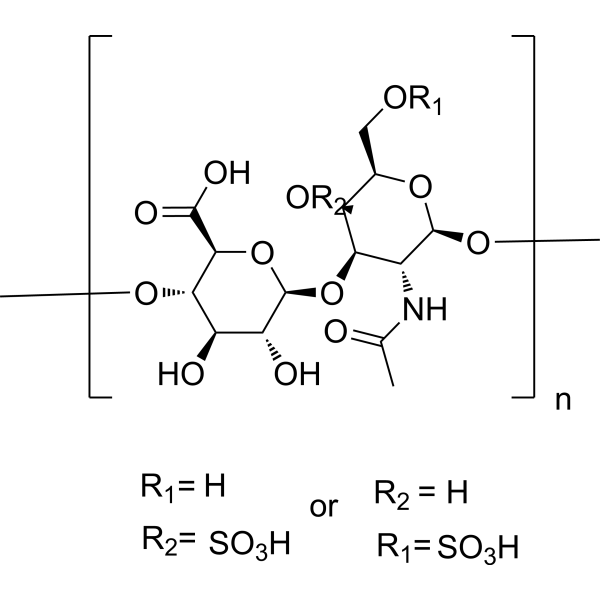
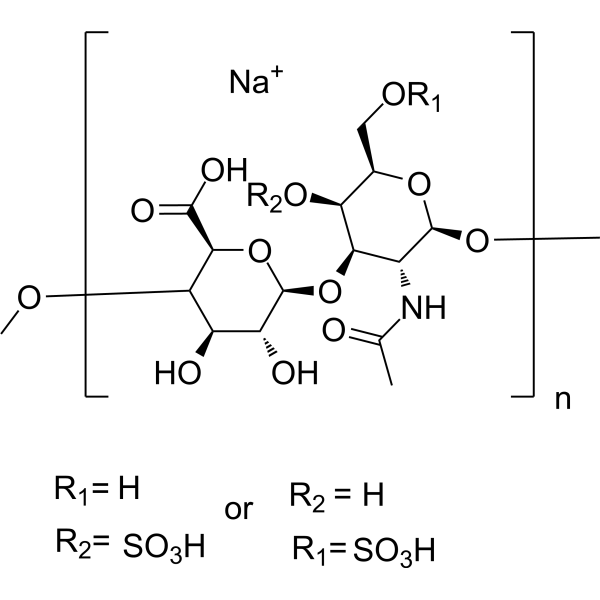
    Chondroitin sulfate
    5+ Cited Publications

    Chondroitin polysulfate

    NO Synthase MMP Endogenous Metabolite Inflammation/Immunology Cancer
    Chondroitin sulfate, one of five classes of glycosaminoglycans, has been widely used in the treatment of osteoarthritis. Chondroitin sulfate reduces inflammation mediators and the apoptotic process and is able to reduce protein production of inflammatory cytokines, iNOS and MMPs.
    Chondroitin sulfate
  • HY-B1221
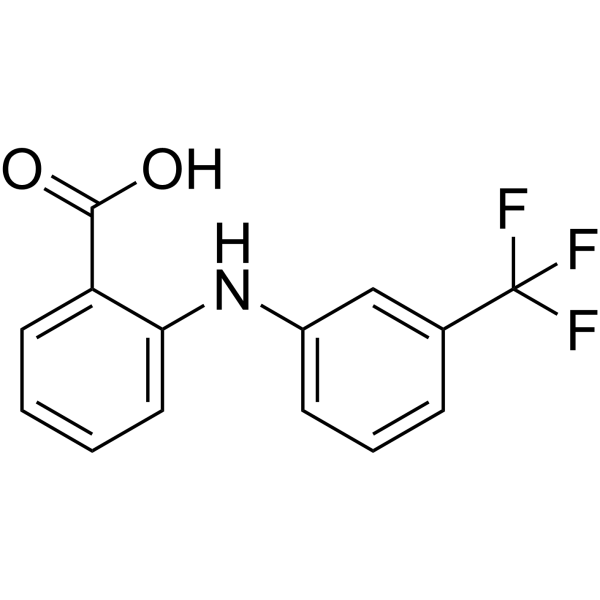
    Flufenamic acid
    5+ Cited Publications

    COX AMPK Potassium Channel Chloride Channel Calcium Channel Parasite Inflammation/Immunology
    Flufenamic acid is a non-steroidal anti-inflammatory agent, inhibits cyclooxygenase (COX), activates AMPK, and also modulates ion channels, blocking chloride channels and L-type Ca 2+ channels, modulating non-selective cation channels (NSC), activating K + channels. Flufenamic acid binds to the central pocket of TEAD2 YBD and inhibits both TEAD function and TEAD-YAP-dependent processes, such as cell migration and proliferation.
    Flufenamic acid
  • HY-N1372A
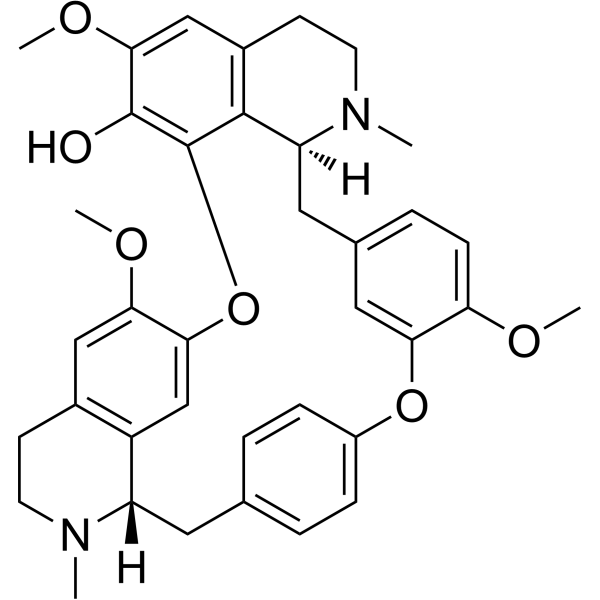
    Fangchinoline
    Maximum Cited Publications
    10 Publications Verification

    HIV FAK Apoptosis Autophagy Infection Cancer
    Fangchinoline is isolated from Stephania tetrandra with extensive biological activities, such as enhancing immunity, anti-inflammatory sterilization and anti-atherosclerosis. Fangchinoline, a novel HIV-1 inhibitor, inhibits HIV-1 replication by impairing gp160 proteolytic processing . Fangchinoline targets Focal adhesion kinase (FAK) and suppresses FAK-mediated signaling pathway in tumor cells which highly expressed FAK . Fangchinoline induces apoptosis and adaptive autophagy in bladder cancer .
    Fangchinoline
  • HY-N2515
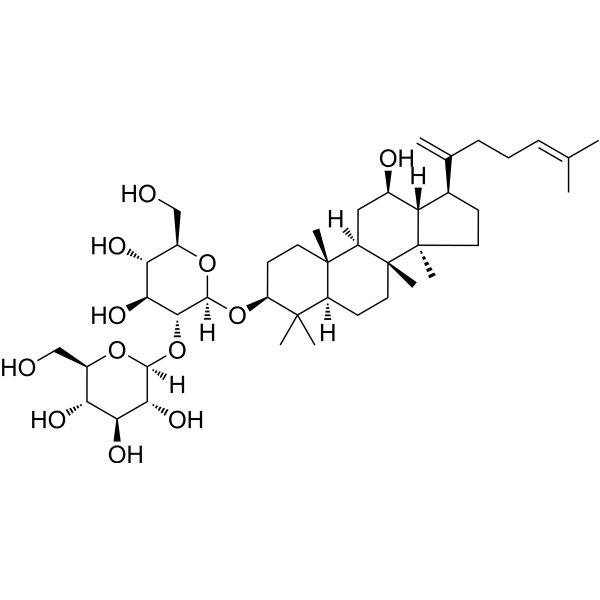
    Ginsenoside Rk1
    5+ Cited Publications

    NF-κB PI3K JAK Apoptosis Inflammation/Immunology Cancer
    Ginsenoside Rk1 is a unique component created by processing the ginseng plant (mainly Sung Ginseng, SG) at high temperatures . Ginsenoside Rk1 has anti-inflammatory effect, suppresses the activation of Jak2/Stat3 signaling pathway and NF-κB . Ginsenoside Rk1 has anti-tumor effect, antiplatelet aggregation activities, anti-insulin resistance, nephroprotective effect, antimicrobial effect, cognitive function enhancement, lipid accumulation reduction and prevents osteoporosis . Ginsenoside Rk1 induces cell apoptosis by triggering intracellular reactive oxygen species (ROS) generation and blocking PI3K/Akt pathway .
    Ginsenoside Rk1
  • HY-P3029
    Phospholipase A2
    1 Publications Verification

    PLA2

    Phospholipase Cardiovascular Disease Inflammation/Immunology
    Phospholipase A2 (PLA2) is a calcium-dependent, heat-stable enzyme that catalyzes the hydrolysis of glycerophospholipids at the sn-2 position of cellular membranes, thereby releasing Arachidonic Acid (AA) (HY-109590). Phospholipase A2 is a key mediator in the biosynthesis of pro-inflammatory lipid mediators, critically involved in inflammatory processes. Phospholipase A2 can be used for cardiovascular and inflammatory diseases research .
    Phospholipase A2
  • HY-B2162A

    Chondroitin polysulfate sodium (from shark cartilage)

    NO Synthase MMP Endogenous Metabolite Inflammation/Immunology Cancer
    Chondroitin sulfate sodium (from shark cartilage), one of five classes of glycosaminoglycans, has been widely used in the treatment of osteoarthritis. Chondroitin sulfate reduces inflammation mediators and the apoptotic process and is able to reduce protein production of inflammatory cytokines, iNOS and MMPs .
    Chondroitin sulfate sodium (from shark cartilage)
  • HY-113422

    Endogenous Metabolite Glucocorticoid Receptor Inflammation/Immunology
    Tetrahydrocorticosterone is a glucocorticoid. One of its active forms, 5α-Tetrahydrocorticosterone (HY-113364), exerts its effects by binding to the GC receptor and inhibiting inflammatory processes. Tetrahydrocorticosterone is naturally synthesized by the adrenal glands and plays a key role in regulating the metabolism of carbohydrates, proteins and fats .
    Tetrahydrocorticosterone
  • HY-N7255
    Cycloartenol
    2 Publications Verification

    p38 MAPK Apoptosis Cancer
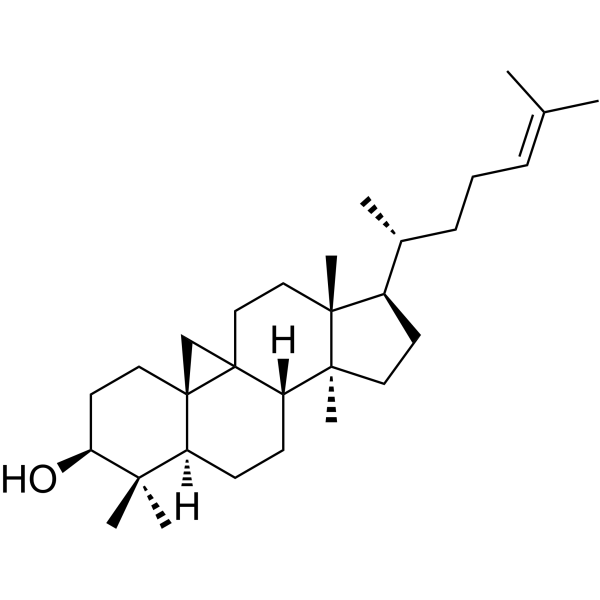
    Cycloartenol, a phytosterol compound, is one of the key precusor substances for biosynthesis of numerous sterol compounds. Cycloartenol inhibits the migration of glioma cells and suppresses the phosphorylation of the p38 MAP kinase. Cycloartenol has a variety of pharmacological activities such as anti-inflammatory, anti-tumor, antioxidant, antibiosis and anti-alzheimer's disease. Cycloartenol also plays an important role in the process of plant growth and development .
    Cycloartenol
  • HY-P991488

    Interleukin Related Inflammation/Immunology
    BI-765423 is a selective monoclonal antibody inhibitor targeting IL-11. BI-765423 blocks IL-11-mediated signaling, inhibits fibroblast activation, and can extend the healthy lifespan of mammals, counteract cellular senescence in human cells, and alleviate inflammatory aging-related pathological processes. BI-765423 is primarily used in research on fibrotic diseases such as idiopathic pulmonary fibrosis (IPF) .
    BI-765423
  • HY-N6712
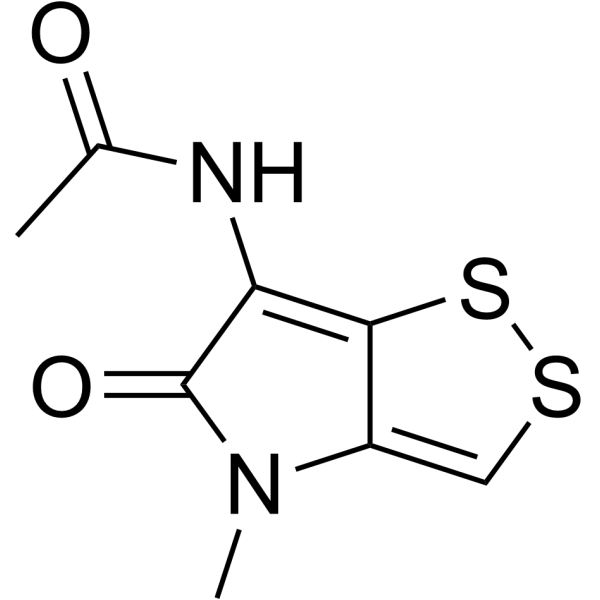
    Thiolutin
    4 Publications Verification

    Acetopyrrothin

    Antibiotic Bacterial Deubiquitinase NOD-like Receptor (NLR) DNA/RNA Synthesis Pyroptosis HMG-CoA Reductase (HMGCR) Infection Cardiovascular Disease Cancer
    Thiolutin (Acetopyrrothin) is a sulfur-containing antibiotic, which is a potent inhibitor of bacterial and yeast RNA polymerases. Thiolutin can be produced by Streptomyces. Thiolutin inhibits AMSH (IC50 = 4 μM) and Rpn11 (IC50 = 0.53 μM). Thiolutin is a dual inhibitor of BRCC36 and the NLRP3 inflammasome, exhibiting anti-inflammatory effects. Thiolutin effectively suppresses the interaction between BRCC36 and HMGCR, leading to the inhibition of HCC growth. Thiolutin attenuates pyroptosis and NLRP3 inflammasome activation. Thiolutin markedly alleviates renal injury and inflammatory process in IgAN. Thiolutin is an anti-angiogenic compound which can ease Doxorubicin-induced cardiotoxicity (DOXIC) [1][2][3][4][5].
    Thiolutin
  • HY-N0168A

    TGF-beta/Smad NF-κB Infection Inflammation/Immunology Cancer
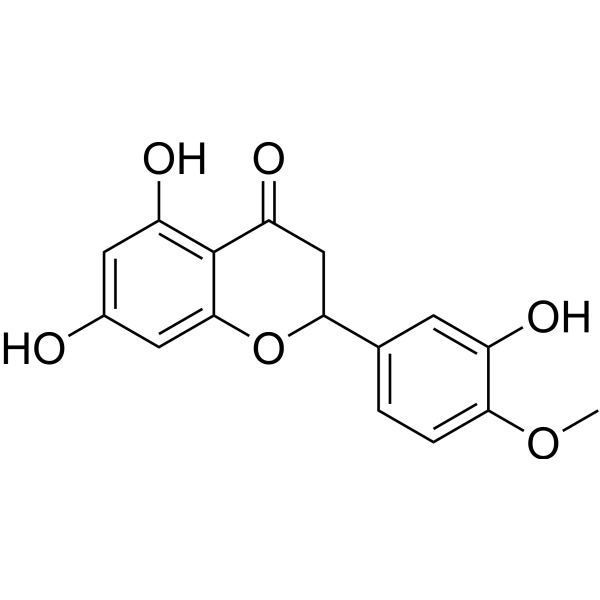
    (Rac)-Hesperetin is the racemate of Hesperetin (HY-N0168), an orally active multi-target inhibitor. (Rac)-Hesperetin exhibits significant anti-tumor and anti-inflammatory activities by blocking the TGF-β1-mediated Fyn/RhoA signaling axis and the TLR4-MyD88-NF-κB inflammatory pathway. (Rac)-Hesperetin inhibits the formation of actin stress fibers and the migration and invasion of cancer cells, and is suitable for triple-negative breast cancer research. In inflammation models, (Rac)-Hesperetin effectively alleviates lung injury by reducing the release of pro-inflammatory mediators and regulating the activity of oxidative stress enzymes, and is suitable for acute lung injury research. (Rac)-Hesperetin also interferes with the entry and early replication processes of channel catfish virus, inhibits viral gene expression and progeny virus production, thereby protecting cells from virus-induced cytopathic effects .
    (Rac)-Hesperetin
  • HY-N10335
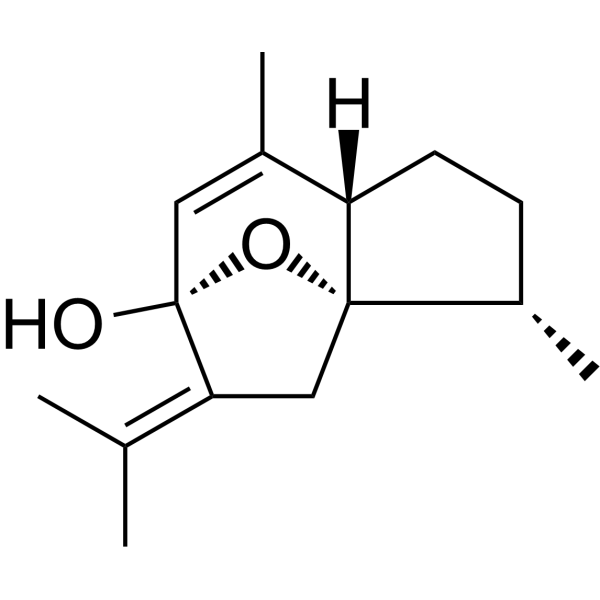
    Harringtonolide
    2 Publications Verification

    FAK Inflammation/Immunology Cancer
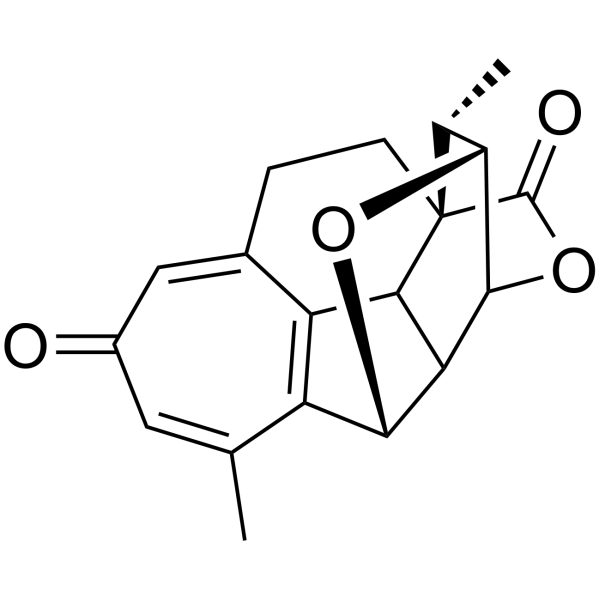
    Harringtonolide is a potent RACK1 inhibitor (IC50=39.66 μM in A375 cells). Harringtonolide inhibits the epithelial-mesenchymal transition (EMT) process and cell proliferation by affecting the interaction between FAK and RACK1. Harringtonolide has plant growth inhibitory, antiviral, anti-inflammatory, and antiproliferation activities .
    Harringtonolide
  • HY-N8469

    COX Inflammation/Immunology
    cis-5-Dodecenoic acid is an inhibitor of COX-I and COX-II with anti-inflammatory activity. cis-5-Dodecenoic acid reduces prostaglandin synthesis by inhibiting COX enzyme activity and is involved in the fatty acid -β oxidative metabolic pathway. The metabolic rate of cis-5-Dodecenoic acid is significantly lower than that of saturated fatty acids. cis-5-Dodecenoic acid can be used in the research of anti-inflammation, fatty acid metabolism mechanisms and related physiological and pathological processes .
    cis-5-Dodecenoic acid
  • HY-17480
    Bendazac
    2 Publications Verification

    Others Inflammation/Immunology
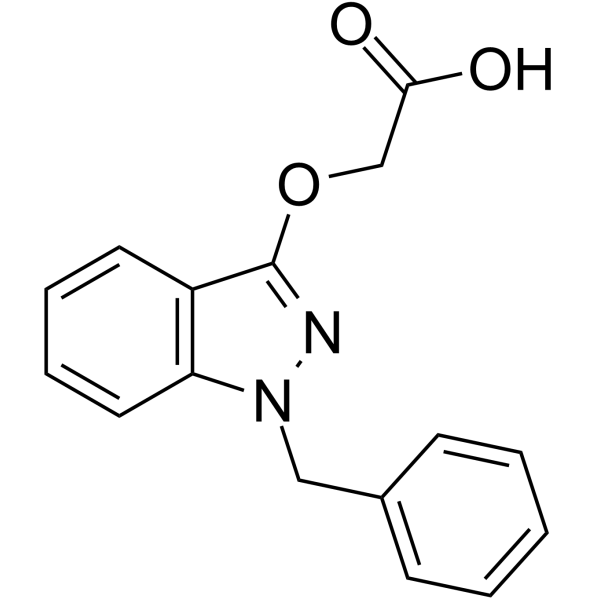
    Bendazac is an oxyacetic acid with anti-inflammatory, antinecrotic, choleretic and antilipidaemic properties. Bendazac acts by preventing protein denaturation and delays the cataractogenic process .
    Bendazac
  • HY-19393

    Phosphodiesterase (PDE) Cardiovascular Disease Inflammation/Immunology Cancer
    SCH 351591 is a highly selective, orally active PDE4 inhibitor, with IC50 values of 58 nM and 153 nM in humans and rats, respectively. SCH 351591 effectively inhibits pathological processes such as cytokine production, eosinophilia, airway hyperresponsiveness and bronchospasm. SCH 351591 also induces microvascular injury, activates mast cells and endothelial cells, and causes increases in serum histamine and various inflammatory factors, leading to early vascular damage. SCH 351591 has been widely used in studies related to asthma, chronic obstructive pulmonary disease and drug-induced vascular injury .
    SCH 351591
  • HY-13769A
    TPT-260 Dihydrochloride
    2 Publications Verification

    NSC55712; TPU-260 Dihydrochloride

    Drug Derivative Amyloid-β Beta-secretase Cardiovascular Disease Neurological Disease Inflammation/Immunology
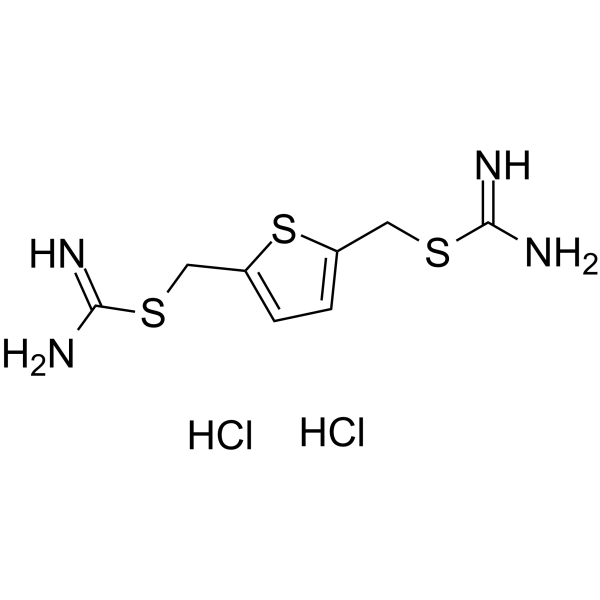
    TPT-260 Dihydrochloride (NSC55712), a thiophene thiourea derivative, is a retromer complex stabilizer against thermal denaturation (Kd = ~5 µM). TPT-260 Dihydrochloride increases the levels of retromer proteins, shifts amyloid-precursor protein (APP) away from the endosome, and decreases the pathogenic processing of APP. TPT-260 Dihydrochloride inhibits TLR4 upregulation, IKKβ phosphorylation, NF-κB p65 nuclear translocation, and NLRP3 inflammasome formation. TPT-260 Dihydrochloride improves retromer-mediated cargo trafficking, reduces brain infarct area, and decreases amyloid plaque deposition. TPT-260 Dihydrochloride exhibits minimal cytotoxicity to primary microglia at tested concentrations. TPT-260 Dihydrochloride can be used for the research of inflammatory bowel disease, ischemic stroke and Alzheimer's disease .
    TPT-260 Dihydrochloride
  • HY-N10530

    Difucosyllactose ; 2′,3-Difucosyllactose

    Endogenous Metabolite Inflammation/Immunology
    Lactodifucotetraose is a difucosylated human milk oligosaccharide. Lactodifucotetraose inhibits platelet function and the release of inflammatory factors. Lactodifucotetraose can be used for the research of *Campylobacter jejuni*-associated diarrhea and platelet-induced inflammatory processes .
    Lactodifucotetraose
  • HY-14562

    mAChR Amyloid-β Neurological Disease Inflammation/Immunology
    TBPB (tert-butyl peroxybenzoate) is a highly selective, blood-brain-permeable M1 mAChR allosteric agonist (EC50=289 nM) with anti-schizophrenia and anti-inflammatory activities. TBPB can enhance the sensitivity of M1 receptors to acetylcholine, activate downstream signaling pathways, and inhibit the release of pro-inflammatory cytokines (TNF-α, IL-6). TBPB can regulate the processing of amyloid and can be used in the study of neurodegenerative diseases (such as Alzheimer's disease) and inflammation-related diseases (such as sepsis) .
    TBPB
  • HY-W021267

    Reactive Oxygen Species (ROS) Inflammation/Immunology
    3-Demethylcolchicine, a colchicine metabolite and anti-inflammatory agent, exhibits potent tubulin-binding activity. 3-Demethylcolchicine inhibits carrageenan-induced rat paw edema. 3-Demethylcolchicine bears a hydroxyl group on its carbocyclic ring; this group participates in free radical scavenging processes, allowing it to act as a free radical scavenger. 3-Demethylcolchicine is applicable to studies related to carrageenan-induced paw edema .
    3-Demethylcolchicine
  • HY-P4846
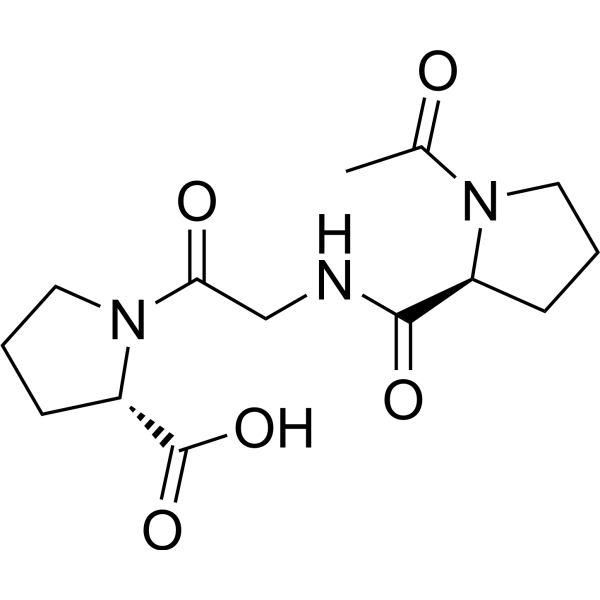
    Ac-Pro-Gly-Pro-OH
    2 Publications Verification

    CXCR Apoptosis IFNAR TNF Receptor Interleukin Related Infection Inflammation/Immunology
    Ac-Pro-Gly-Pro-OH is an endogenous degradation product of extracellular collagen and acts as a CXCR2 agonist . Ac-Pro-Gly-Pro-OH exerts bactericidal activity by generating hydrogen peroxide, inhibits pulmonary inflammation, and reduces immune cell apoptosis (apoptosis). Ac-Pro-Gly-Pro-OH promotes the production of IFN-γ and inhibits the production of TNF-α and IL-6 in leukocytes. Ac-Pro-Gly-Pro-OH increases the survival rate of mice in sepsis models, enhances the bactericidal activity of neutrophils, acts as a neutrophil chemoattractant, induces neutrophil polarization, and regulates inflammatory and repair processes. Ac-Pro-Gly-Pro-OH induces chronic inflammation and tissue remodeling through sustained action. Ac-Pro-Gly-Pro-OH is released via alkaline hydrolysis of corneal proteins in alkali-injured eyes, thereby driving the early infiltration of neutrophils into the cornea. Ac-Pro-Gly-Pro-OH is applicable to research related to sepsis, chronic obstructive pulmonary disease, cystic fibrosis, bronchiolitis obliterans syndrome, severe asthma, idiopathic pulmonary fibrosis, and corneal ulcer .
    Ac-Pro-Gly-Pro-OH
  • HY-142699

    Somatostatin Receptor Inflammation/Immunology
    SSTR4 agonist 2 is a potent agonist of somatostatin receptor subtype 4 (SSTR4). SSTR4 pathway inhibits nociceptive and inflammatory processes. SSTR4 agonist 2 has the potential for the research of medical disorders related to SSTR4 (extracted from patent WO2014184275A1, compound 107) .
    SSTR4 agonist 2
  • HY-124670

    Interleukin Related NF-κB Inflammation/Immunology
    1beta-Hydroxyalantolactone modulate many processes that influence inflammatory reactions .
    1beta-Hydroxyalantolactone
  • HY-P2091

    Caspase Inflammation/Immunology
    Ac-YVAD-pNA is a specific Caspase-1 substrate. Ac-YVAD-pNA can be used to detect Caspase-1 activity. Caspase-1 is a key mediator of inflammatory processes .
    Ac-YVAD-pNA
  • HY-B2162H

    Chondroitin polysulfate (from fish)

    NO Synthase MMP Endogenous Metabolite Inflammation/Immunology
    Chondroitin sulfate (from fish), one of five classes of glycosaminoglycans, has been widely used in the treatment of osteoarthritis. Chondroitin sulfate (from fish) reduces inflammation mediators and the apoptotic process and is able to reduce protein production of inflammatory cytokines, iNOS and MMPs.
    Chondroitin sulfate (from fish)
  • HY-W127745

    Isovegetable alcohol

    Environmental Pollutants Biochemical Assay Reagents Others
    Isophytol is a diterpene alcohol commonly found in various plant species, especially in chloroplasts, where it plays a role in photosynthesis. Isophytols have unique chemical properties that make them important ingredients in a variety of industrial processes, including the production of perfumes, essences and cosmetics. It also has potential medicinal properties, including antioxidant and anti-inflammatory effects.
    Isophytol
  • HY-W010989

    Biochemical Assay Reagents Bacterial Infection Neurological Disease Inflammation/Immunology Cancer
    Gly-His-Lys acetate is a natural, circulating regulatory and antimicrobial tripeptide derived from extracellular matrix proteins. Gly-His-Lys acetate binds Cu 2+ to support copper enzyme activation, antioxidant processes, cellular bioenergetics, and the synthesis of elastin, collagen and catecholamines. Gly-His-Lys acetate regulates cell growth, differentiation and tissue repair, and exerts regenerative, anxiolytic, anti-inflammatory, analgesic and immunosuppressive activities. Gly-His-Lys acetate induces liver degenerative changes. Gly-His-Lys acetate can be used for the research of infections, anxiety, pain-related behaviors and immune-associated liver diseases .
    Gly-His-Lys acetate
  • HY-W585874

    EAAT Apoptosis Neurological Disease Metabolic Disease
    Nε-(Carboxyethyl) lysine is an advanced glycation end product (AGE). Nε-(Carboxyethyl) lysine induces cross-linking between proteins, thereby affecting protein structure and function and causing protein denaturation. Nε-(Carboxyethyl) lysine binds to the RAGE receptor, affects cell signal transduction, and regulates processes such as inflammatory responses, cell proliferation, and apoptosis. Nε-(Carboxyethyl) lysine affects glutamate transporters, reduces glutamate uptake and S100β protein secretion, influences neurotransmission in the nervous system, and exhibits diabetes-related neurotoxicity .
    Nε-(Carboxyethyl)lysine
  • HY-N14780

    (+)-Pochonin D

    HSP Interleukin Related Enterovirus Infection Inflammation/Immunology Cancer
    Pochonin D ((+)-Pochonin D) is an inhibitor of heat shock protein 90 (Hsp90) with antiviral and anti-inflammatory activities. Pochonin D inhibits Hsp90, affects the homeostasis, folding and assembly processes of viral proteins, and reduces the replication capacity of viruses. Pochonin D reduces the infiltration of inflammatory cells, decreases the secretion of inflammatory cytokines such as TNF-α and IL-1β, and alleviates inflammatory responses. Pochonin D is a promising candidate for research on human rhinovirus (HRV) infection and cancer .
    Pochonin D
  • HY-165061

    Sciadonic acid

    Apolipoprotein Inflammation/Immunology
    5(Z),11(Z),14(Z)-Eicosatrienoic acid (Sciadonic acid), a polyunsaturated fatty acid sourced from maritime pine seed oil, gymnospermae leaves and seeds, and freshwater gastropods, has been shown to reduce high-density lipoprotein and ApoA1 levels in transgenic mice expressing human ApoA1 when included in their diet. In vitro studies indicate that it diminishes cholesterol efflux, and when applied topically in its methyl ester form, it alleviates inflammatory processes, likely by displacing arachidonic acid from phospholipid pools and lowering concentrations of downstream inflammatory mediators such as prostaglandin E2 and leukotrienes.
    5(Z),11(Z),14(Z)-Eicosatrienoic acid
  • HY-137884

    3-Acetoxyindole

    Biochemical Assay Reagents Others
    3-Indolyl acetate is an ester derivative of indole that is ubiquitous in various plant tissues, especially in certain cruciferous vegetables such as broccoli and cabbage. 3-Indolyl acetate has unique chemical properties that make it an important signaling molecule in plants, regulating various physiological processes such as growth and defense against pathogens. It also has potential applications in the pharmaceutical industry, as it has been shown to have antitumor and anti-inflammatory effects in some studies.
    3-Indolyl acetate
  • HY-N7372

    Apoptosis Infection Inflammation/Immunology
    Licoisoflavanone is an orally active isoflavane-based immunomodulator with multiple activities including antiviral, anti-inflammatory, cytoprotective and cancer cell apoptosis-inducing effects. Licoisoflavanone can be isolated from the roots and rhizomes of Glycyrrhiza uralensis Fisch. Licoisoflavanone not only enhances the body's immunity, but also effectively prevents acute respiratory distress syndrome and multiple organ damage by alleviating cytokine storm, thereby reducing the degree of inflammation. In rats, Licoisoflavanone undergoes multiple metabolic transformation processes such as glucuronidation, hydroxylation, sulfation, methylation and dehydrogenation. Licoisoflavanone has become an important candidate molecule for research on COVID-19 and related inflammatory diseases .
    Licoisoflavanone
  • HY-130046

    16-epi-Estriol; 16β,17β-Estriol

    UGT Bacterial Infection Inflammation/Immunology
    16-Epiestriol (16-epi-Estriol; 16β,17β-Estriol) is a natural stereoisomer of estriol and an anti-inflammatory agent that targets UGT. The Ki values of 16-Epiestriol against human UGT1A10 and UGT2B7 are 98.1 μM and 162 μM, respectively. As a glucuronidation substrate, 16-Epiestriol can be modified at the 3-OH, 16-OH and 17-OH sites by various UGT enzymes; in liver microsomes, the modification mainly occurs at the 16-OH and 17-OH sites, while reactions take place at all three sites in intestinal microsomes. 16-Epiestriol acts on the phase II inflammatory process by blocking edema mediated by prostaglandins and leukocyte infiltration. It lacks glycogenic activity or any effect on blood glucose levels, and serves as an important candidate molecule in the research of inflammatory diseases .
    16-Epiestriol
  • HY-155801

    Toll-like Receptor (TLR) NF-κB TNF Receptor MyD88 Apoptosis DNA/RNA Synthesis Cardiovascular Disease Infection Neurological Disease Inflammation/Immunology Cancer
    CRX 527 is a TLR4 agonist. CRX 527 activates the MyD88-dependent, TRIF-dependent, and TRAF6/NF-κB signaling pathways downstream of TLR4, mimics lipid A, and regulates antigen processing and presentation by dendritic cells. CRX 527 stimulates innate immune responses and enhances vaccine efficacy. CRX 527 maintains the structural integrity of hematopoietic tissues, spleen and intestine, alleviates radiation-induced damage, preserves intestinal homeostasis, and inhibits apoptosis, inflammatory responses, oxidative stress and DNA damage. CRX 527 can be used in the research of acute radiation syndrome, melanoma, HPV-related tumors and intracerebral hemorrhage .
    CRX 527
  • HY-149365

    Salt-inducible Kinase (SIK) Inflammation/Immunology
    SIKs-IN-1 (compound 8h), a pyrimidine-5-carboxamide derivative, is a Salt-inducible kinases (SIKs) inhibitor. SIKs regulates the transformation of M1/M2 macrophages, involving in inflammation process. SIKs-IN-1 inhibits SIK activity, up-regulates anti-inflammatory cytokine IL-10, but down-regulates pro-inflammatory cytokine IL-12. SIKs-IN-1 shows excellent anti-inflammatory effects in a DSS-induced colitis model .
    SIKs-IN-1
  • HY-B1615R

    NAB-365 (Standard)

    Reference Standards Adrenergic Receptor Inflammation/Immunology
    Clenbuterol (Standard) is the analytical standard of Clenbuterol. This product is intended for research and analytical applications. Clenbuterol (NAB-365) is a β2-adrenergic receptor agonist with an EC50 of 31.9 nM . Clenbuterol is a very potent inhibitor of the lipopolysaccharide (LPS)-induced release of TNF-α and IL-1β. Clenbuterol can inhibit the inflammatory process. Clenbuterol is a bronchodilator .
    Clenbuterol (Standard)
  • HY-N0168AS1

    Isotope-Labeled Compounds NF-κB TGF-beta/Smad Neurological Disease Cancer
    (Rac)-Hesperetin- 13C,d3 is the 13C- and deuterium labeled (Rac)-Hesperetin. (Rac)-Hesperetin is the racemate of Hesperetin (HY-N0168), an orally active multi-target inhibitor. (Rac)-Hesperetin exhibits significant anti-tumor and anti-inflammatory activities by blocking the TGF-β1-mediated Fyn/RhoA signaling axis and the TLR4-MyD88-NF-κB inflammatory pathway. (Rac)-Hesperetin inhibits the formation of actin stress fibers and the migration and invasion of cancer cells, and is suitable for triple-negative breast cancer research. In inflammation models, (Rac)-Hesperetin effectively alleviates lung injury by reducing the release of pro-inflammatory mediators and regulating the activity of oxidative stress enzymes, and is suitable for acute lung injury research. (Rac)-Hesperetin also interferes with the entry and early replication processes of channel catfish virus, inhibits viral gene expression and progeny virus production, thereby protecting cells from virus-induced cytopathic effects .
    (Rac)-Hesperetin-13C,d3
  • HY-N12941

    Reactive Oxygen Species (ROS) NOD-like Receptor (NLR) Inflammation/Immunology
    Macarangin can be isolated from propolis. Macarangin has DPPH radical-scavenging activity and shows anti-inflammatory activities via inhibiting the activation process of NLRP3 inflammasome .
    Macarangin
  • HY-B1615

    NAB-365

    Adrenergic Receptor Inflammation/Immunology
    Clenbuterol (NAB-365) is a β2-adrenergic receptor agonist with an EC50 of 31.9 nM . Clenbuterol is a very potent inhibitor of the lipopolysaccharide (LPS)-induced release of TNF-α and IL-1β. Clenbuterol can inhibit the inflammatory process. Clenbuterol is a bronchodilator .
    Clenbuterol
  • HY-176001

    Dipeptidyl Peptidase Inflammation/Immunology Cancer
    DPP8/9-IN-1 (Compound 16) is a selective covalent inhibitor of dipeptidyl peptidases 8 and 9 (DPP8/9) with IC50 values of 14 and 298 nM, respectively. DPP8/9-IN-1 binds irreversibly to the active site serine (S730 in DPP9) via a phosphonate warhead and blocks substrate binding to inhibit DPP8/9-mediated protein processing. DPP8/9-IN-1 is promising for research of cancers and inflammatory diseases .
    DPP8/9-IN-1
  • HY-N1372AR

    Reference Standards HIV FAK Apoptosis Autophagy Infection Cancer
    Fangchinoline (Standard) is the analytical standard of Fangchinoline. This product is intended for research and analytical applications. Fangchinoline is isolated from Stephania tetrandra with extensive biological activities, such as enhancing immunity, anti-inflammatory sterilization and anti-atherosclerosis. Fangchinoline, a novel HIV-1 inhibitor, inhibits HIV-1 replication by impairing gp160 proteolytic processing . Fangchinoline targets Focal adhesion kinase (FAK) and suppresses FAK-mediated signaling pathway in tumor cells which highly expressed FAK . Fangchinoline induces apoptosis and adaptive autophagy in bladder cancer .
    Fangchinoline (Standard)
  • HY-178953

    NOD-like Receptor (NLR) Caspase Interleukin Related Inflammation/Immunology
    NLRP3-IN-84 (Compound 32) is a NLRP3 inflammasome inhibitor. NLRP3-IN-84 can interfere with the oligomerization process of NLRP3 by inhibiting the activity of NLRP3 ATPase (IC50 = 158.4 nM). NLRP3-IN-84 inhibits Caspase-1 (IC50 = 27.7 nM), IL-1β release (PBMC: IC50 = 19.5 nM; mPBMC: IC50 = 24.2 nM), and ASC plaque formation (IC50 = 131 nM). NLRP3-IN-84 has no inhibitory activity on NLRC4 and AIM2 inflammasomes. NLRP3-IN-84 exhibits significant in vivo anti-inflammatory effects in a mouse acute peritonitis model. NLRP3-IN-84 can be used for the study of NLRP3-related inflammatory diseases .
    NLRP3-IN-84
  • HY-P5352

    CD44 Inflammation/Immunology Cancer
    Hyaluronan-IN-1 (Pep-1) is a Hyaluronan inhibitor with a Kd value of 1.65 μM. Hyaluronan-IN-1 blocks CD44-dependent cell adhesion. Hyaluronan-IN-1 inhibits cell adhesion to hyaluronan substrates. Hyaluronan-IN-1 suppresses the development of contact hypersensitivity in mice by blocking the homing process of inflammatory cells to the skin. Hyaluronan-IN-1 also inhibits responses during the sensitization phase. Hyaluronan-IN-1 reduces lung metastasis of melanoma and prolongs the survival of mice. Hyaluronan-IN-1 can be used in research related to contact hypersensitivity, chronic skin inflammation, and melanoma .
    Hyaluronan-IN-1
  • HY-13769

    TPU260

    Drug Derivative Beta-secretase Amyloid-β Cardiovascular Disease Neurological Disease Inflammation/Immunology
    TPT-260 (TPU260), a thiophene thiourea derivative, is a retromer complex stabilizer against thermal denaturation (Kd = ~5 µM). TPT-260 increases the levels of retromer proteins, shifts amyloid-precursor protein (APP) away from the endosome, and decreases the pathogenic processing of APP. TPT-260 inhibits TLR4 upregulation, IKKβ phosphorylation, NF-κB p65 nuclear translocation, and NLRP3 inflammasome formation. TPT-260 improves retromer-mediated cargo trafficking, reduces brain infarct area, and decreases amyloid plaque deposition. TPT-260 exhibits minimal cytotoxicity to primary microglia at tested concentrations. TPT-260 can be used for the research of inflammatory bowel disease, ischemic stroke and Alzheimer's disease .
    TPT-260
  • HY-162861

    Antibiotic Bacterial Infection Inflammation/Immunology
    3-Methyl-chuangxinmycin is an antibiotic. 3-Methyl-chuangxinmycin can affect the translation process in bacteria and mammalian cells by inhibiting the enzyme that synthesizes tryptophan tRNA (TrpRS). 3-Methyl-chuangxinmycin can downregulate genes related to interferon, TNF, and inflammatory responses in RDEB_L1 cells .
    3-Methyl-chuangxinmycin
  • HY-119086

    Lipoxygenase Inflammation/Immunology
    L-651392 is an orally active and specific 5-lipoxygenase inhibitor that inhibits the production of leukotrienes. L-651392 controls the inflammatory process in Escherichia coli pyelonephritis by preventing inflammatory cells from reaching the site of infection and protecting the renal tubules from inflammation-related damage during pyelonephritis .
    L-651392
  • HY-125445

    Bacterial Inflammation/Immunology
    PCTR1 is a potent monocyte/macrophage agonist, regulating key anti-inflammatory and pro-resolving processes during bacterial infection. PCTR1 is a member of the protectin family of specialized pro-resolving mediators (SPMs) .
    PCTR1
  • HY-174628

    mRNA Inflammation/Immunology
    Human IL1A mRNA encodes the human interleukin 1 alpha (IL1A) protein, a member of the interleukin 1 cytokine family. IL1A is a pleiotropic cytokine involved in various immune responses, inflammatory processes, and hematopoiesis.
    Human IL1A mRNA
  • HY-113434A

    Endogenous Metabolite Inflammation/Immunology
    5(R)-HETE is a lipoxygenase product of arachidonic acid. 5(R)-HETE is an inducer of neutrophil migration through endothelial and epithelial barriers. 5(R)-HETE is important in mediating lung inflammatory processes .
    5(R)-HETE
  • HY-151188

    NO Synthase TNF Receptor Inflammation/Immunology
    DHU-Se1 is a potent anti-inflammatory agent. DHU-Se1 can stimulate macrophages to release the reactive selenium compound and reduce the expression of cellular inflammatory factors (eg: iNOS and TNF-α). DHU-Se1 alleviate the process of inflammation by blocking the polarization of macrophages from M0 to M1 .
    DHU-Se1

Inquiry Online

Your information is safe with us. * Required Fields.

Salutation


Country or Region *

Applicant Name *


Organization Name *

Department *


Email Address *


Product Name *

Cat. No.


Requested quantity *

Phone Number *


Remarks

Inquiry Online

Inquiry Information

Product Name:
Cat. No.:
Quantity:
MCE Japan Authorized Agent:

