Search Result
Results for "
lipophilic activities
" in MedChemExpress (MCE) Product Catalog:
4
Biochemical Assay Reagents
3
Isotope-Labeled Compounds
| Cat. No. |
Product Name |
Target |
Research Areas |
Chemical Structure |
-
- HY-112053
-
|
2,2-Diphenyl-1-picrylhydrazyl
|
Reactive Oxygen Species (ROS)
|
Metabolic Disease
|
|
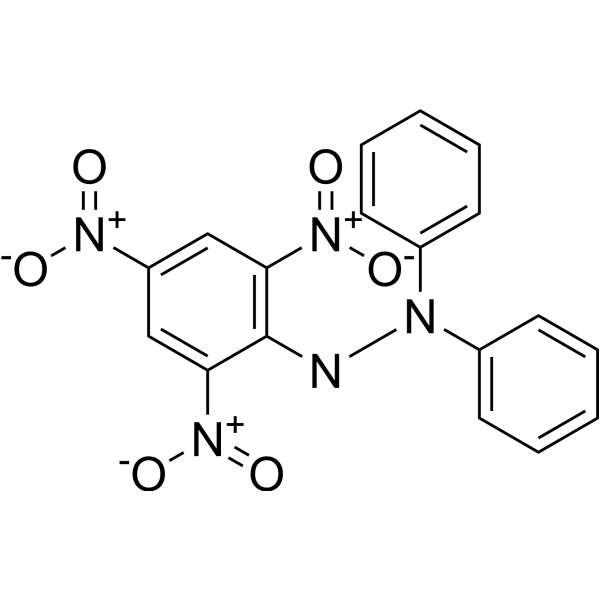
DPPH (2,2-Diphenyl-1-picrylhydrazyl) is a stable free radical that can be used to measure the radical scavenging activity of antioxidants. The odd electron of nitrogen atom in DPPH is reduced by receiving a hydrogen atom from antioxidants to the corresponding hydrazine. DPPH method may be utilized in aqueous and nonpolar organic solvents and can be used to examine both hydrophilic and lipophilic antioxidants .
|
-
-
- HY-126839
-
|
5-Dodecanoylaminofluorescein di-β-D-Galactopyranoside
|
Fluorescent Dye
|
Others
|
|
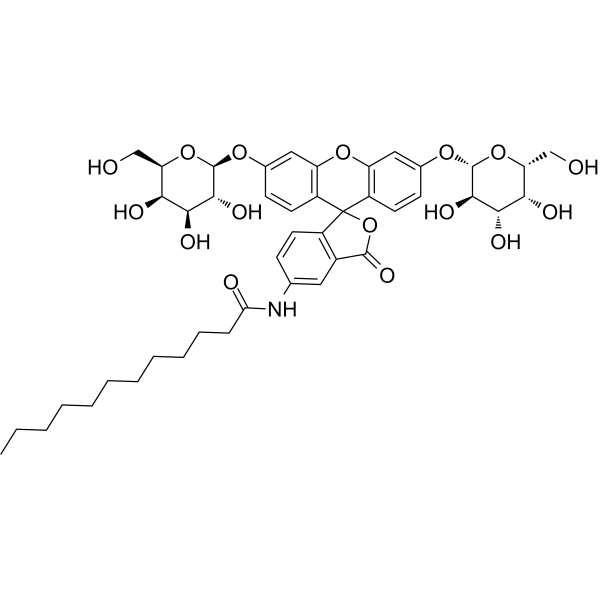
C12FDG (5-Dodecanoylaminofluorescein di-β-D-Galactopyranoside) is a lipophilic green fluorescent substrate for β-galactosidase detection. C12-FDG is more sensitive than Fluorescein di(β-D-galactopyranoside) (HY-101895) for beta-galactosidase activity determinations in animal cells (Ex/Em = 488/523 nm) .
|
-
-
- HY-N0783
-
-
-
- HY-13538
-
-
-
- HY-B0567
-
|
|
Potassium Channel
nAChR
Apoptosis
Bacterial
Parasite
|
Infection
Cancer
|
|
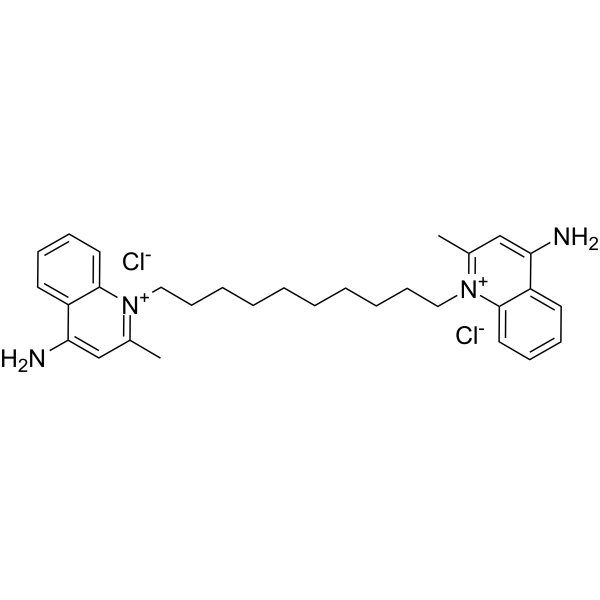
Dequalinium chloride is an Apamin (HY-P0256)-sensitive potassium channel selective blocker. Dequalinium chloride is a cationic, lipophilic mitochondrial poison. Dequalinium chloride is also an antagonist pf α7 nAChR, and an anti-microbial antiseptic agent with a broad bactericidal and fungicidal activity .
|
-
-
- HY-108474
-
|
AG 337
|
Thymidylate Synthase
|
Cancer
|
|
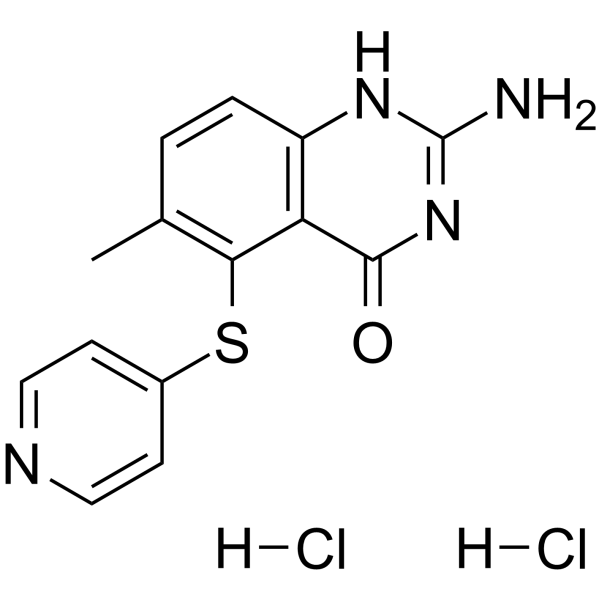
Nolatrexed dihydrochloride (AG 337) is an orally active and non-competitive lipophilic inhibitor of thymidylate synthase with a Ki of 11 nM for human thymidylate synthase. Nolatrexed dihydrochloride interacts at the folate cofactor binding site of the enzyme. Nolatrexed dihydrochloride increases sulfotransferases. Nolatrexed dihydrochloride induces cell cycle arrest in S phase of cancer cells. Nolatrexed dihydrochloride exhibits anticancer activity against cervical cancer.
|
-
-
- HY-W008923
-
|
|
MMP
Parasite
Bacterial
Antibiotic
Apoptosis
Akt
PI3K
|
Infection
Neurological Disease
Inflammation/Immunology
Cancer
|
|
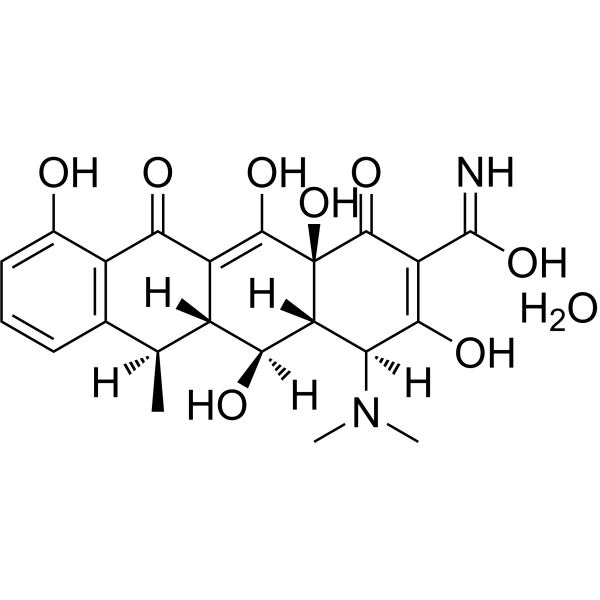
Doxycycline monohydrate is an orally active highly lipophilic, tissue-permeable MMP inhibitor with broad-spectrum antibacterial activity. Doxycycline monohydrate is also a semi-synthetic antibiotic with chelating properties, which blocks bacterial protein synthesis and inhibits extracellular matrix degradation through interactions with zinc and calcium atoms. Doxycycline monohydrate also inhibits mitochondrial biogenesis, translation, and the expression of respiratory chain proteins. Doxycycline monohydrate induces apoptosis, inhibits autophagy and EMT, downregulates stem cell markers, and activates the PI3K-AKT pathway, thereby effectively inhibiting the viability and proliferation of cancer cells such as breast cancer cells. Doxycycline monohydrate also promotes the survival and self-renewal of embryonic stem cells and neural stem cells, and reduces the frequency of medium changes in culture. Doxycycline monohydrate has been applied in studies related to breast cancer, prostate cancer, bladder cancer, and other cancers .
|
-
-
- HY-17403
-
|
CV-4093
|
Calcium Channel
NF-κB
|
Infection
Cardiovascular Disease
Metabolic Disease
Inflammation/Immunology
|
|
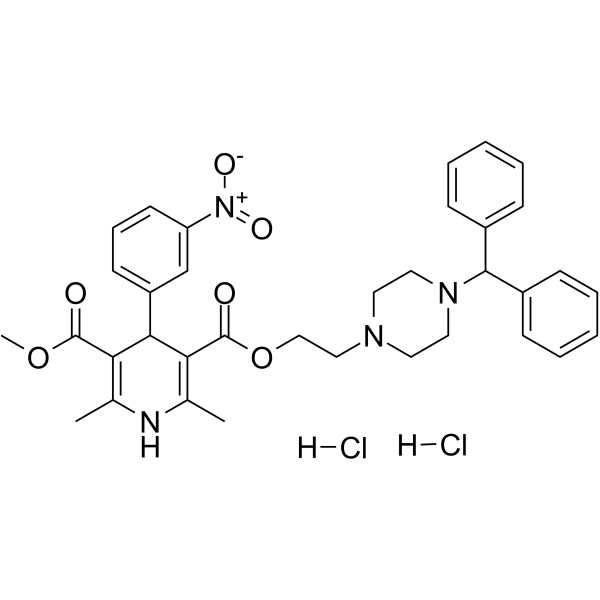
Manidipine dihydrochloride is a third-generation, lipophilic, orally active and highly vasoselective calcium channel antagonist (IC50 = 2.6 nM in guinea-pig ventricular cells) and acts as an antihypertensive agent. Manidipine effectively reduces blood pressure as well as improving insulin sensitivity, renal protection, and antiatherosclerotic activity. Manidipine also exerts anti-inflammatory activity mediated by NF-κB and antiviral activity against many flavivirus and negative-strand RNA viruses through the inhibition of calcium channel. Manidipine is widely applied to research of cardiovascular, metabolic disease and infection .
|
-
-
- HY-B2239
-
-
-
- HY-100768
-
HTHQ
2 Publications Verification
1-O-hexyl-2,3,5-trimethylhydroquinone; HX-1171; BTT-105
|
Reactive Oxygen Species (ROS)
|
Cancer
|
|
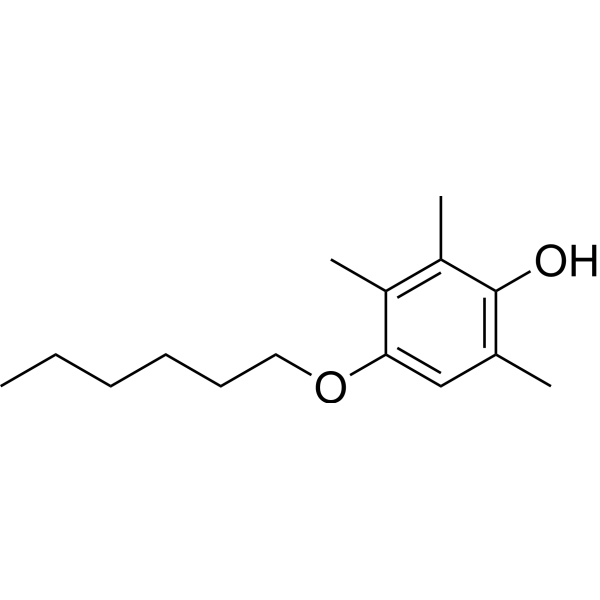
HTHQ (1-O-hexyl-2,3,5-trimethylhydroquinone) is a potent lipophilic phenolic antioxidant. HTHQ has considerable anti-oxidative activity by directly reacting with reactive oxygen species (ROS) and scavenging ROS to form more stable free radicals .
|
-
-
- HY-DY1033
-
|
|
Fluorescent Dye
|
Others
|
C12FDG (5-Dodecanoylaminofluorescein di-β-D-Galactopyranoside) (solution) is a lipophilic green fluorescent substrate for β-galactosidase detection. C12-FDG is more sensitive than Fluorescein di (β-D-galactopyranoside) (HY-101895) for beta-galactosidase activity determinations in animal cells (Ex/Em = 488/523 nm) . Solvent and concentration: DMSO: 10 mM
|
-
-
- HY-N8572
-
|
|
PARP
Reactive Oxygen Species (ROS)
Aryl Hydrocarbon Receptor
|
Cardiovascular Disease
Neurological Disease
Inflammation/Immunology
Cancer
|
|
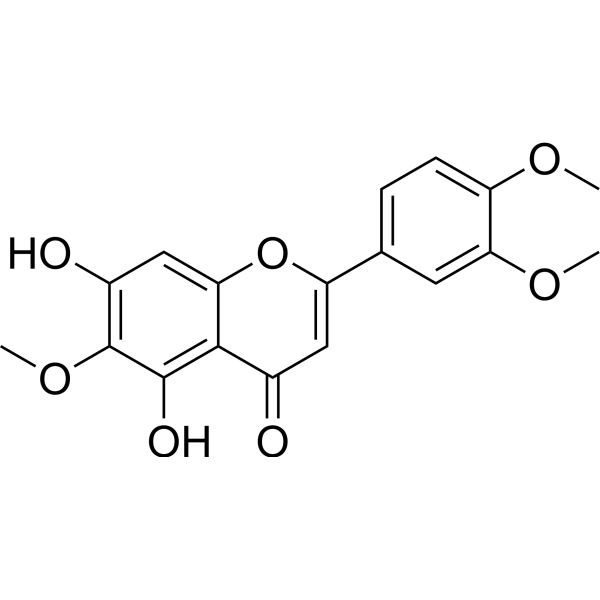
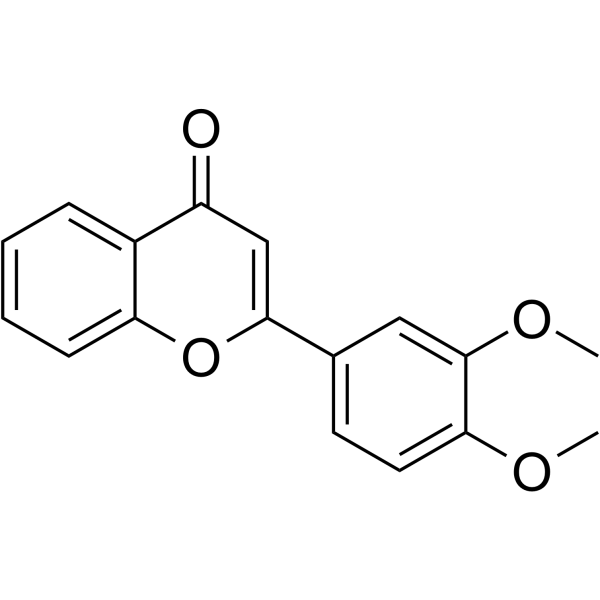
3',4'-Dimethoxyflavone is a lipophilic flavone, can be isolated from the leaves of Primula veris. 3',4'-Dimethoxyflavone can reduce the synthesis and accumulation of PARP and protect cortical neurones against cell death induced by Parthanatos. 3',4'-Dimethoxyflavone is also an aryl hydrocarbon receptor antagonist in human breast cancer cells. 3',4'-Dimethoxyflavone can promote the proliferation of human hematopoietic stem cells. 3',4'-Dimethoxyflavone has various biological activities, including antioxidant, anti-cancer, anti-inflammatory, anti-atherogenic, hypolipidaemic, and neuroprotective or neurotrophic effects .
|
-
-
- HY-N0565S1
-
|
|
Isotope-Labeled Compounds
MMP
Parasite
Bacterial
Antibiotic
Apoptosis
Akt
PI3K
|
Infection
Neurological Disease
Inflammation/Immunology
Cancer
|
|
Doxycycline-d3 hyclate (major) is the deuterium labeled Doxycycline hyclate (HY-N0565B). Doxycycline hyclate is an orally active highly lipophilic, tissue-permeable MMP inhibitor with broad-spectrum antibacterial activity. Doxycycline hyclate is also a semi-synthetic antibiotic with chelating properties, which blocks bacterial protein synthesis and inhibits extracellular matrix degradation through interactions with zinc and calcium atoms. Doxycycline hyclate also inhibits mitochondrial biogenesis, translation, and the expression of respiratory chain proteins. Doxycycline hyclate induces apoptosis, inhibits autophagy and EMT, downregulates stem cell markers, and activates the PI3K-AKT pathway, thereby effectively inhibiting the viability and proliferation of cancer cells such as breast cancer cells. Doxycycline hyclate also promotes the survival and self-renewal of embryonic stem cells and neural stem cells, and reduces the frequency of medium changes in culture. Doxycycline hyclate has been applied in studies related to breast cancer, prostate cancer, bladder cancer, and other cancers .
|
-
-
- HY-N11229
-
|
Caffeic acid butyl ester
|
Drug Derivative
|
Neurological Disease
|
|
Butyl caffeate (Caffeic acid butyl ester) is a caffeic acid derivative with antioxidant activity and lipophilicity (DPPH IC50 = 14.1 μM). Butyl caffeate protects neuronal PC12 cells against oxidative stress. Butyl caffeate can be used for oxidative stress related and neurodegenerative diseases research .
|
-
-
- HY-128775
-
|
|
Drug Derivative
|
Cancer
|
|
JHU395 is an orally-bioavailable and a plasma stable lipophilic glutamine antagonists (GA) proagent. JHU395 delivers 6-diazo-5-oxo-L-norleucine (DON) to malignant peripheral nerve sheath tumor (MPNST) in vitro and in vivo, and has antitumor activity in MPNST .
|
-
-
- HY-136642
-
|
|
Glucocorticoid Receptor
|
Inflammation/Immunology
|
|
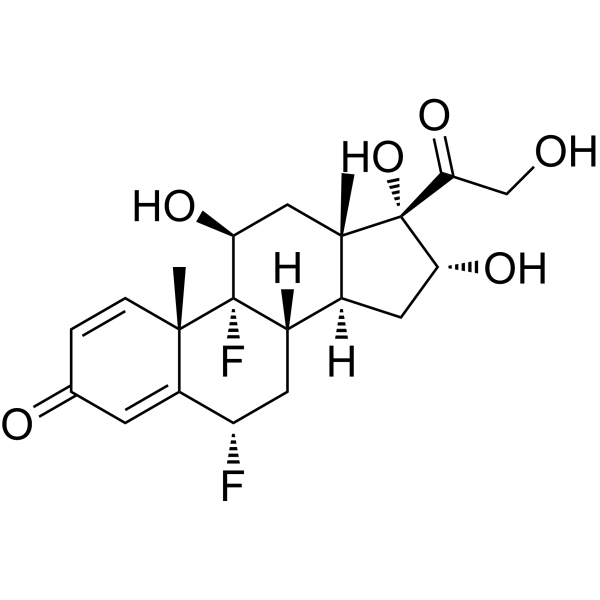
Fluocinolone is a potent steroid with highly selective glucocorticoid receptor agonist activity. Fluocinolone stabilizes the blood-retinal barrier by enhancing endothelial tight junctions, inhibiting the VEGF pathway and inflammatory factors. Fluocinolone has high lipophilicity, enabling long-term sustained release in the vitreous. Fluocinolone is used in research related to dermatological diseases, diabetic macular edema, uveitis and oral lichen planus .
|
-
-
- HY-112053R
-
|
2,2-Diphenyl-1-picrylhydrazyl (Standard)
|
Reactive Oxygen Species (ROS)
Reference Standards
|
Metabolic Disease
|
|
DPPH (Standard) is the analytical standard of DPPH. This product is intended for research and analytical applications. DPPH (2,2-Diphenyl-1-picrylhydrazyl) is a stable free radical that can be used to measure the radical scavenging activity of antioxidants. The odd electron of nitrogen atom in DPPH is reduced by receiving a hydrogen atom from antioxidants to the corresponding hydrazine. DPPH method may be utilized in aqueous and nonpolar organic solvents and can be used to examine both hydrophilic and lipophilic antioxidants .
|
-
-
- HY-128866
-
|
|
Bacterial
|
Infection
|
|
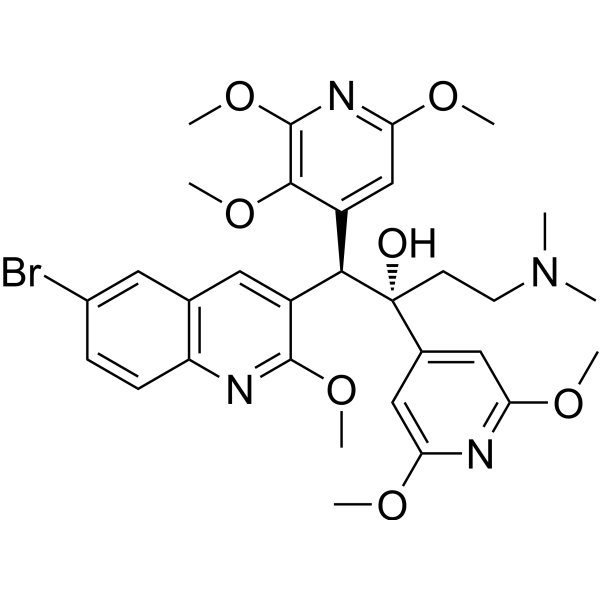
TBAJ-876 is an orally active diarylquinoline anti-Mycobacterium agent. TBAJ-876 regulates energy metabolism by targeting the c and ε subunits of Mycobacterium tuberculosis F-ATP synthase, exerts bactericidal activity against replicating Mycobacterium tuberculosis, and retains activity against strains carrying the Rv0678 mutation. TBAJ-876 undergoes N-demethylation in vivo to form its major active metabolite TBAJ-876-M3, which has lower lipophilicity and hERG potassium channel binding affinity. TBAJ-876 is well tolerated in BALB/c mice and significantly reduces the colony-forming units of Mycobacterium tuberculosis in the lungs. In addition, TBAJ-876 exhibits inhibitory activity against Mycobacterium abscessus, reduces bacterial loads in the lungs and spleens of infected mice, and shows no antagonistic effect when used in combination with common antibiotics. TBAJ-876 can be used in studies related to tuberculosis and Mycobacterium abscessus pulmonary diseases .
|
-
-
- HY-N0565AR
-
|
|
Reference Standards
MMP
Parasite
Bacterial
Antibiotic
Apoptosis
Akt
PI3K
|
Infection
Neurological Disease
Inflammation/Immunology
Cancer
|
|
Doxycycline hydrochloride (Standard) is the analytical standard of Doxycycline hydrochloride (HY-N0565A). This product is intended for research and analytical applications. Doxycycline hydrochloride is an orally active highly lipophilic, tissue-permeable MMP inhibitor with broad-spectrum antibacterial activity. Doxycycline hydrochloride is also a semi-synthetic antibiotic with chelating properties, which blocks bacterial protein synthesis and inhibits extracellular matrix degradation through interactions with zinc and calcium atoms. Doxycycline hydrochloride also inhibits mitochondrial biogenesis, translation, and the expression of respiratory chain proteins. Doxycycline hydrochloride induces apoptosis, inhibits autophagy and EMT, downregulates stem cell markers, and activates the PI3K-AKT pathway, thereby effectively inhibiting the viability and proliferation of cancer cells such as breast cancer cells. Doxycycline hydrochloride also promotes the survival and self-renewal of embryonic stem cells and neural stem cells, and reduces the frequency of medium changes in culture. Doxycycline hydrochloride has been applied in studies related to breast cancer, prostate cancer, bladder cancer, and other cancers .
|
-
-
- HY-N0565R
-
|
|
Reference Standards
MMP
Parasite
Bacterial
Antibiotic
Apoptosis
Akt
PI3K
|
Infection
Neurological Disease
Inflammation/Immunology
Cancer
|
|
Doxycycline (Standard) is the analytical standard of Doxycycline (HY-N0565). This product is intended for research and analytical applications. Doxycycline is an orally active highly lipophilic, tissue-permeable MMP inhibitor with broad-spectrum antibacterial activity. Doxycycline is also a semi-synthetic antibiotic with chelating properties, which blocks bacterial protein synthesis and inhibits extracellular matrix degradation through interactions with zinc and calcium atoms. Doxycycline also inhibits mitochondrial biogenesis, translation, and the expression of respiratory chain proteins. Doxycycline induces apoptosis, inhibits autophagy and EMT, downregulates stem cell markers, and activates the PI3K-AKT pathway, thereby effectively inhibiting the viability and proliferation of cancer cells such as breast cancer cells. Doxycycline also promotes the survival and self-renewal of embryonic stem cells and neural stem cells, and reduces the frequency of medium changes in culture. Doxycycline has been applied in studies related to breast cancer, prostate cancer, bladder cancer, and other cancers .
|
-
-
- HY-N0565BR
-
|
Doxycycline (hydrochloride hemiethanolate hemihydrate) (Standard); WC2031 (Standard)
|
Reference Standards
MMP
Parasite
Bacterial
Antibiotic
Apoptosis
Akt
PI3K
|
Infection
Neurological Disease
Inflammation/Immunology
Cancer
|
|
Doxycycline hyclate (Standard) is the analytical standard of Doxycycline hyclate (HY-N0565B). This product is intended for research and analytical applications. Doxycycline hyclate is an orally active highly lipophilic, tissue-permeable MMP inhibitor with broad-spectrum antibacterial activity. Doxycycline hyclate is also a semi-synthetic antibiotic with chelating properties, which blocks bacterial protein synthesis and inhibits extracellular matrix degradation through interactions with zinc and calcium atoms. Doxycycline hyclate also inhibits mitochondrial biogenesis, translation, and the expression of respiratory chain proteins. Doxycycline hyclate induces apoptosis, inhibits autophagy and EMT, downregulates stem cell markers, and activates the PI3K-AKT pathway, thereby effectively inhibiting the viability and proliferation of cancer cells such as breast cancer cells. Doxycycline hyclate also promotes the survival and self-renewal of embryonic stem cells and neural stem cells, and reduces the frequency of medium changes in culture. Doxycycline hyclate has been applied in studies related to breast cancer, prostate cancer, bladder cancer, and other cancers .
|
-
-
- HY-13538A
-
|
CP-4126 hydrochloride; CO-101 hydrochloride; Gemcitabine 5'-elaidate hydrochloride
|
Nucleoside Antimetabolite/Analog
Autophagy
Apoptosis
|
Cancer
|
|
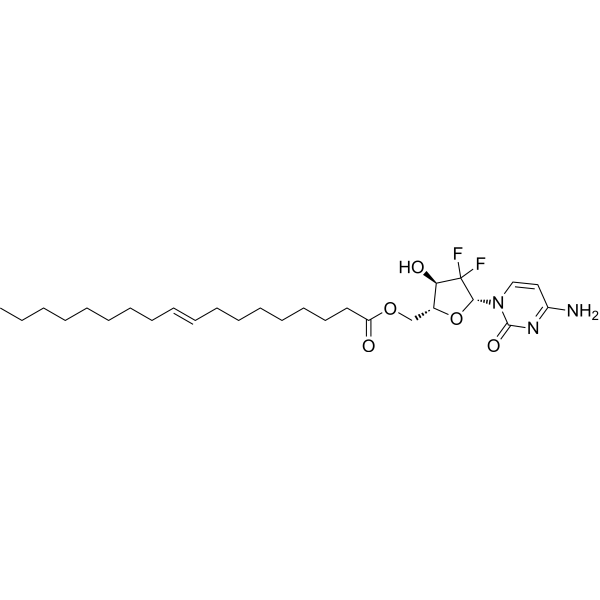
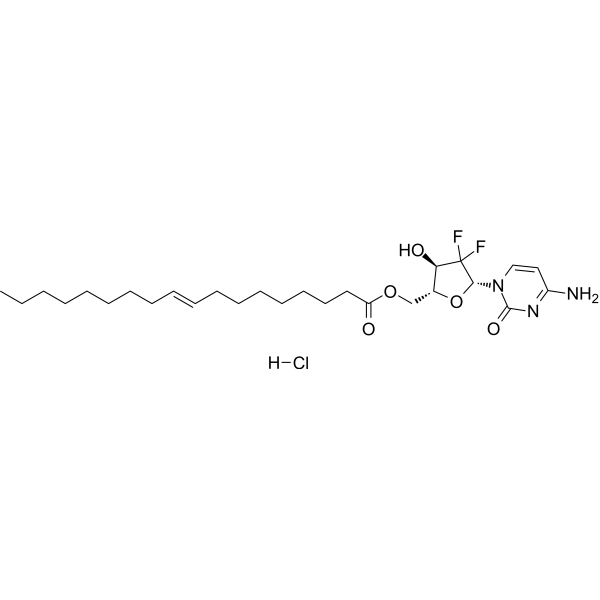
Gemcitabine elaidate (CP-4126) hydrochloride is lipophilic pro-agent of Gemcitabine. Gemcitabine elaidate hydrochloride is converted to Gemcitabine by esterases in order to be phosphorylated. Gemcitabine elaidate hydrochloride exhibits anti-tumor activity .
|
-
-
- HY-N9625
-
|
|
Photosystem II
|
Others
|
|
Violaxanthin is a lipophilic epoxy carotenoid and a light energy scavenger with biological activities such as antioxidation and anti-inflammation. Violaxanthin exists in photosynthetic eukaryotes including higher plants and participates in the xanthophyll cycle. As a component of the xanthophyll cycle, violaxanthin can be synthesized from zeaxanthin under the catalysis of epoxidase and scavenge excess light energy in photosynthetic eukaryotes .
|
-
-
- HY-B2239R
-
|
|
Reference Standards
Reactive Oxygen Species (ROS)
|
Metabolic Disease
|
|
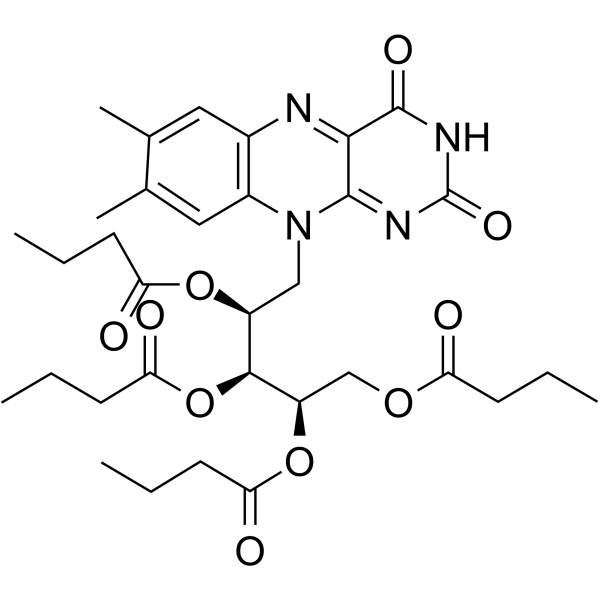
Riboflavin Tetrabutyrate (Standard) is the analytical standard of Riboflavin Tetrabutyrate. This product is intended for research and analytical applications. Riboflavin Tetrabutyrate is a lipophilic flavin derivative with antioxidative and lipid peroxide-removing activity.
|
-
-
- HY-164728
-
|
|
Calcium Channel
|
Neurological Disease
|
|
Pregabalin diacid is an impurity of Pregabalin, a lipophilic GABA (γ-aminobutyric acid) analog with anxiolytic and anticonvulsant activity. Pregabalin may act on the α(2)β subunit of voltage-dependent calcium channels, which are widely distributed in the peripheral and central nervous systems. Pregabalin can effectively induce hypoalgesia and improve behavioral disorders .
|
-
-
- HY-N0565AS
-
|
|
Isotope-Labeled Compounds
MMP
Parasite
Bacterial
Antibiotic
Apoptosis
Akt
PI3K
|
Infection
Neurological Disease
Inflammation/Immunology
Cancer
|
|
Doxycycline-d3 hydrochloride is deuterium labeled Doxycycline hydrochloride (HY-N0565A). Doxycycline hydrochloride is an orally active highly lipophilic, tissue-permeable MMP inhibitor with broad-spectrum antibacterial activity. Doxycycline hydrochloride is also a semi-synthetic antibiotic with chelating properties, which blocks bacterial protein synthesis and inhibits extracellular matrix degradation through interactions with zinc and calcium atoms. Doxycycline hydrochloride also inhibits mitochondrial biogenesis, translation, and the expression of respiratory chain proteins. Doxycycline hydrochloride induces apoptosis, inhibits autophagy and EMT, downregulates stem cell markers, and activates the PI3K-AKT pathway, thereby effectively inhibiting the viability and proliferation of cancer cells such as breast cancer cells. Doxycycline hydrochloride also promotes the survival and self-renewal of embryonic stem cells and neural stem cells, and reduces the frequency of medium changes in culture. Doxycycline hydrochloride has been applied in studies related to breast cancer, prostate cancer, bladder cancer, and other cancers .
|
-
-
- HY-N0565S3
-
|
|
Isotope-Labeled Compounds
MMP
Parasite
Bacterial
Antibiotic
Apoptosis
Akt
PI3K
|
Infection
Neurological Disease
Inflammation/Immunology
Cancer
|
|
Doxycycline- 13C,d3 is 13C and deuterium labeled Doxycycline (HY-N0565). Doxycycline is an orally active highly lipophilic, tissue-permeable MMP inhibitor with broad-spectrum antibacterial activity. Doxycycline is also a semi-synthetic antibiotic with chelating properties, which blocks bacterial protein synthesis and inhibits extracellular matrix degradation through interactions with zinc and calcium atoms. Doxycycline also inhibits mitochondrial biogenesis, translation, and the expression of respiratory chain proteins. Doxycycline induces apoptosis, inhibits autophagy and EMT, downregulates stem cell markers, and activates the PI3K-AKT pathway, thereby effectively inhibiting the viability and proliferation of cancer cells such as breast cancer cells. Doxycycline also promotes the survival and self-renewal of embryonic stem cells and neural stem cells, and reduces the frequency of medium changes in culture. Doxycycline has been applied in studies related to breast cancer, prostate cancer, bladder cancer, and other cancers .
|
-
-
- HY-N12201
-
|
|
Antibiotic
Fungal
|
Infection
|
|
Funiculosin is a neutral lipophilic antibiotic that inhibits DNA and RNA viruses. Funiculosin also has antifungal activity. Funiculosin inhibits infections caused by pathogenic fungi in primary chicken embryo fibroblasts .
|
-
-
- HY-124187
-
|
Ethyl pinolenate
|
Biochemical Assay Reagents
|
Others
|
|
Pinolenic acid is a polyunsaturated fatty acid found in the seed oils of red pine (Pinus orientalis) and maritime pine (Pinus pinaster). Both oils were found to have lipid-lowering properties. A diet containing marine pine nut oil (MPSO) reduces HDL and ApoA1 levels in transgenic mice expressing human ApoA1. MPSO was found to reduce cholesterol efflux in vitro. Korean pine nut oil supplements may help obesity by reducing appetite. People who take this oil experience an increase in the satiety hormones CCK and GLP-1 and a decrease in appetite. The activity of the oil is attributed to pinolenic acid. Pinolenic acid is not metabolized to arachidonic acid and can reduce the level of arachidonic acid in the phosphatidylinositol fraction of HepG2 cells from 15.9% to 7.0%. Pinolenic acid ethyl ester is a neutral, more lipophilic form of the free acid.
|
-
-
- HY-N0783R
-
-
-
- HY-105211
-
|
|
Biochemical Assay Reagents
|
Cancer
|
|
KU-2285 is an orally active fluorinated 2-nitroimidazole hypoxic cell radiosensitizer. KU-2285 has higher lipophilicity, superior sensitizing activity to Etanidazole (HY-116972), and lower neurotoxicity. KU-2285 can be used in research related to tumor diagnosis .
|
-
-
- HY-122462
-
|
PNU-159548
|
DNA/RNA Synthesis
|
Cancer
|
|
Ladirubicin (PNU-159548) is a derivative of Daunorubicin (HY-13062A). Ladirubicin exhibits DNA intercalation and DNA alkylating properties, inhibits DNA replication and transcription, causes DNA damage, and thereby exhibits antitumor efficacy. Ladirubicin exhibits the potential to penetrate the blood-brain barrier (BBB) for its high lipophilicity. Ladirubicin exhibits toxicity through suppression of bone marrow activity .
|
-
-
- HY-B0567R
-
|
|
Reference Standards
Potassium Channel
nAChR
Apoptosis
Bacterial
Parasite
|
Infection
Cancer
|
|
Dequalinium (Chloride) (Standard) is the analytical standard of Dequalinium (Chloride). This product is intended for research and analytical applications. Dequalinium chloride is an Apamin (HY-P0256)-sensitive potassium channel selective blocker. Dequalinium chloride is a cationic, lipophilic mitochondrial poison. Dequalinium chloride is also an antagonist pf α7 nAChR, and an anti-microbial antiseptic agent with a broad bactericidal and fungicidal activity .
|
-
-
- HY-119983
-
|
DBC
|
Environmental Pollutants
Cytochrome P450
|
Cancer
|
|
7H-Dibenzo[c,g]carbazole (DBC) is an azaarene with high lipophilicity. 7H-Dibenzo[c,g]carbazole has carcinogenic activity and induce DNA adducts in fish, DNA adducts, mutations in diploid human fibroblasts and micronuclei in human blood lymphocytes. 7H-Dibenzo[c,g]carbazole is activated by cytochrome P450 enzymes resulting mainly in the generation of phenolic metabolites .
|
-
-
- HY-W099563
-
|
|
Biochemical Assay Reagents
|
Others
|
|
4-Nitrophenyl stearate, which is an ester formed by the condensation of stearic acid and 4-nitrophenol, is commonly used as a substrate for enzymatic assays, where the hydrolysis of ester bonds by esterase and lipase can be measured by absorbance or ratio In addition, 4-Nitrophenyl stearate has been used as a model compound to study the enzymatic activity and selectivity of lipases and esterases from various sources. The long hydrophobic tail of the molecule makes it suitable for use in lipophilic Good solubility in the environment makes it a useful probe for studying lipid metabolism.
|
-
-
- HY-N8572R
-
|
|
Reference Standards
PARP
Reactive Oxygen Species (ROS)
Aryl Hydrocarbon Receptor
|
Cardiovascular Disease
Neurological Disease
Inflammation/Immunology
Cancer
|
|
3',4'-Dimethoxyflavone is a lipophilic flavone, can be isolated from the leaves of Primula veris. 3',4'-Dimethoxyflavone can reduce the synthesis and accumulation of PARP and protect cortical neurones against cell death induced by Parthanatos. 3',4'-Dimethoxyflavone is also an aryl hydrocarbon receptor antagonist in human breast cancer cells. 3',4'-Dimethoxyflavone can promote the proliferation of human hematopoietic stem cells. 3',4'-Dimethoxyflavone has various biological activities, including antioxidant, anti-cancer, anti-inflammatory, anti-atherogenic, hypolipidaemic, and neuroprotective or neurotrophic effects .
|
-
-
- HY-146686
-
|
|
Cholinesterase (ChE)
|
Neurological Disease
|
|
BuChE-IN-3 (Compound C4) is a potent inhibitor of BuChE with an IC50 of 8.3 nM. BuChE-IN-3 exhibits mild antioxidant capacity, nontoxicity, lipophilicity and neuroprotective activity .
|
-
-
- HY-146687
-
|
|
Cholinesterase (ChE)
|
Neurological Disease
|
|
BuChE-IN-4 (Compound C6) is a potent inhibitor of BuChE with an IC50 of 7.7 nM. BuChE-IN-4 exhibits mild antioxidant capacity, nontoxicity, lipophilicity and neuroprotective activity .
|
-
-
- HY-163994
-
|
KWD 2058 hydrochloride
|
Adrenergic Receptor
|
Others
|
|
Ibuterol (KWD 2058) hydrochloride, a diester of Terbutaline (HY-B0802A), is an orally active, selective and effective β-stimulating agent with lipophilic activities. Ibuterol hydrochloride is also an orally active ocular hypotensive agent. Ibuterol hydrochloride relieves bronchial obstruction in asthma without causing circulatory effects. Ibuterol hydrochloride is proming for rasearch of intraocular hypertension, asthma and bronchitis .
|
-
-
- HY-151942
-
|
|
Parasite
|
Infection
|
|
Antitrypanosomal agent 10 is an antitrypanosomal agent that inhibits Trypanosoma cruzi with an IC50 of 0.28 μM .
|
-
-
- HY-165634
-
|
|
Calcium Channel
|
Cardiovascular Disease
|
|
(R)-Azelnidipine is a highly lipophilic Calcium Channel antagonist with high affinity for vascular walls and antihypertensive activity. (R)-Azelnidipine shows potential for use in cardiovascular disease research .
|
-
-
- HY-143686
-
|
|
Biochemical Assay Reagents
|
Cancer
|
|
ImmTher is a liposome-encapsulated lipophilic disaccharide tripeptide derivative of muramyl dipeptide. ImmTher can up-regulate specific monocyte cytokine genes and activate monocyte-mediated tumoricidal activity .
|
-
-
- HY-114983
-
|
(S)-9-Allyl-10-Hydroxycamptothecin
|
Topoisomerase
|
Cancer
|
|
Chimmitecan ((S)-9-Allyl-10-Hydroxycamptothecin), a novel 9-small-alkyl-substituted lipophilic Camptothecin (HY-16560), is a potent inhibitor of topoisomerase I. Chimmitecan exhibits anticancer activity .
|
-
-
- HY-W811579
-
|
|
Bacterial
|
Infection
|
|
Bensuldazic acid (compound 4f) is a lipophilic 3,5-disubstituted tetrahydro-2H-1,3,5-thiadiazine-2-thione (THTT) derivative that can be used as a prodrug model. Bensuldazic acid has antifungal activity .
|
-
-
- HY-W811579A
-
|
|
Bacterial
|
Infection
|
|
Bensuldazic acid sodium (compound 4f) is a lipophilic 3,5-disubstituted tetrahydro-2H-1,3,5-thiadiazine-2-thione (THTT) derivative that can be used as a prodrug model. Bensuldazic acid has antifungal activity .
|
-
-
- HY-143641
-
|
|
Others
|
Cancer
|
|
Anticancer agent 25 is an anticancer agent. Anticancer agent 25 can arrest the cell cycle at the G1 phase, and significantly inhibit tumor cell colony forming and migration even at low concentrations. Anticancer agent 25 can significantly induce cytoplasmic vacuolation. Anticancer agent 25 can be used for the study of prostate cancer, breast cancer, and colon cancer .
|
-
-
- HY-131844
-
|
N6-Benzoyladenosine-5'-O-monophosphate
|
Endogenous Metabolite
|
Others
|
|
6-Bnz-5'-AMP is a lipophilic analogue of adenosine-5'-O-monophosphate and a potential metabolite of N 6-Benzoyl-cAMP. 6-Bnz-5'-AMP exhibits some cytokinin activity in tobacco and soybean tissue culture assays .
|
-
-
- HY-106546
-
|
KC 9147
|
Fungal
|
Infection
|
|
Tolciclate (KC 9147) is an antifungal agent with in vitro inhibitory activity against dermatophytes, effective at concentrations of 0.01-0.1 μg/mL. Tolciclate is colorless and soluble in well-tolerated excipients, and it is more lipophilic than Tolnaftate (HY-B0370). Tolciclate can be used in research related to antifungal infections .
|
-
-
- HY-100768R
-
|
1-O-hexyl-2,3,5-trimethylhydroquinone (Standard); HX-1171 (Standard); BTT-105 (Standard)
|
Reference Standards
Reactive Oxygen Species (ROS)
|
Cancer
|
|
HTHQ (Standard) is the analytical standard of HTHQ. This product is intended for research and analytical applications. HTHQ (1-O-hexyl-2,3,5-trimethylhydroquinone) is a potent lipophilic phenolic antioxidant. HTHQ has considerable anti-oxidative activity by directly reacting with reactive oxygen species (ROS) and scavenging ROS to form more stable free radicals .
|
-
-
- HY-136642R
-
|
|
Reference Standards
Glucocorticoid Receptor
|
Inflammation/Immunology
|
|
Fluocinolone (Standard) is the analytical standard of Fluocinolone (HY-136642). This product is intended for research and analytical applications. Fluocinolone is a potent steroid with highly selective glucocorticoid receptor agonist activity. Fluocinolone stabilizes the blood-retinal barrier by enhancing endothelial tight junctions, inhibiting the VEGF pathway and inflammatory factors. Fluocinolone has high lipophilicity, enabling long-term sustained release in the vitreous. Fluocinolone is used in research related to dermatological diseases, diabetic macular edema, uveitis and oral lichen planus .
|
-
- HY-172100
-
|
|
Apoptosis
Reactive Oxygen Species (ROS)
p38 MAPK
|
Cancer
|
|
p38-α MAPK-IN-8 (Compound 13) is a lipophilic cationic derivative. p38-α MAPK-IN-8 is cytotoxic to various tumor cells, and can induce cell cycle arrest, apoptosis, increase reactive oxygen species (ROS) production, and induce mitochondrial membrane potential depolarization. The antitumor activity of p38-α MAPK-IN-8 may be related to p38α MAPK pathway, which can be used in the study of cancer .
|
-
- HY-117204
-
|
|
Antibiotic
|
Infection
|
|
AA-57 is an acidic lipophilic antibiotic isolated from the fermentation broth of Actinomycetes strain AA-57. The AA-57 strain can be isolated from a soil sample collected in Koriyama City, Fukushima Prefecture, Japan. AA-57 has antibacterial properties against Gram-positive bacteria, Gram-negative bacteria, and acid-fast bacteria. AA-57 was discovered by screening actinomycete cultures for antibacterial properties. AA-57 exhibits significant antibacterial activity and has inhibitory effects against a variety of bacteria.
|
-
- HY-N0565C
-
|
|
MMP
Parasite
Bacterial
Antibiotic
Apoptosis
Akt
PI3K
|
Infection
Neurological Disease
Inflammation/Immunology
Cancer
|
|
Doxycycline calcium is an orally active highly lipophilic, tissue-permeable MMP inhibitor with broad-spectrum antibacterial activity. Doxycycline calcium is also a semi-synthetic antibiotic with chelating properties, which blocks bacterial protein synthesis and inhibits extracellular matrix degradation through interactions with zinc and calcium atoms. Doxycycline calcium also inhibits mitochondrial biogenesis, translation, and the expression of respiratory chain proteins. Doxycycline calcium induces apoptosis, inhibits autophagy and EMT, downregulates stem cell markers, and activates the PI3K-AKT pathway, thereby effectively inhibiting the viability and proliferation of cancer cells such as breast cancer cells. Doxycycline calcium also promotes the survival and self-renewal of embryonic stem cells and neural stem cells, and reduces the frequency of medium changes in culture. Doxycycline calcium has been applied in studies related to breast cancer, prostate cancer, bladder cancer, and other cancers .
|
-
- HY-W008923R
-
|
|
Reference Standards
MMP
Parasite
Bacterial
Antibiotic
Apoptosis
Akt
PI3K
|
Infection
Neurological Disease
Inflammation/Immunology
Cancer
|
|
Doxycycline monohydrate (Standard) is the analytical standard of Doxycycline monohydrate (HY-W008923). Doxycycline monohydrate is an orally active highly lipophilic, tissue-permeable MMP inhibitor with broad-spectrum antibacterial activity. Doxycycline monohydrate is also a semi-synthetic antibiotic with chelating properties, which blocks bacterial protein synthesis and inhibits extracellular matrix degradation through interactions with zinc and calcium atoms. Doxycycline monohydrate also inhibits mitochondrial biogenesis, translation, and the expression of respiratory chain proteins. Doxycycline monohydrate induces apoptosis, inhibits autophagy and EMT, downregulates stem cell markers, and activates the PI3K-AKT pathway, thereby effectively inhibiting the viability and proliferation of cancer cells such as breast cancer cells. Doxycycline monohydrate also promotes the survival and self-renewal of embryonic stem cells and neural stem cells, and reduces the frequency of medium changes in culture. Doxycycline monohydrate has been applied in studies related to breast cancer, prostate cancer, bladder cancer, and other cancers .
|
-
- HY-186149
-
|
|
NOD-like Receptor (NLR)
|
Cancer
|
|
Phosphate muramyl dipeptide is a class of lipophilic derivatives synthesized based on the structural characteristics of mycobacterial cell walls. Phosphate muramyl dipeptide represents the minimal essential structural unit with immunostimulatory activity, and exhibits significant activity in tumor regression assays. Phosphate muramyl dipeptide possesses anti-tumor potential .
|
-
- HY-17671
-
|
|
HIV
|
Infection
|
|
Cholesterol heptanoic acid is a lipophilic Cholesterol (HY-N0322) derivative. Cholesterol heptanoic acid can combine with peptides (such as peptides P1 and P2) to form lipopeptides, which possess antiviral activity. Cholesterol heptanoic acid can be used for research of HIV infection .
|
-
- HY-185585
-
|
|
Drug Intermediate
|
Cancer
|
|
JNJ-27548547, Mitomycin C (HY-13316) prodrug, is a Mitomycin C and lipophilic group conjugate. JNJ-27548547 undergoes thiolytic cleavage of its dithiobenzyl linker in the presence of reducing agents to release active substance Mitomycin C. JNJ-27548547 is formulated into pegylated liposomes (PL-MLP) with high antitumor activity in mice models .
|
-
- HY-185559
-
|
|
Akt
Bcl-2 Family
Drug Derivative
|
Cancer
|
|
Mito-fisetin mF7 is a lipophilic derivative of Fisetin (HY-N0182). Mito-fisetin mF7 interacts with AKT and Bcl-2, limiting their stability and functionality. Mito-fisetin mF7 stimulates impairs mitochondrial function and reduces metabolic activity of cancer cells. Mito-fisetin mF7 can be used for the research of ER-positive breast cancer .
|
-
- HY-185063
-
|
|
Drug Derivative
|
Inflammation/Immunology
Cancer
|
|
Budesonide 21-palmitate is a lipophilic ester prodrug of Budesonide (HY-13580), can be formulated into liposomal formulations. Budesonide 21-palmitate exhibts anti-inflammatory and anti-allergic activities. Budesonide 21-palmitate can achieve selective passive targeted delivery of drugs to tumor tissues (such as lung tumors). Budesonide 21-palmitate can be used for drug delivery in inflammatory and allergic research .
|
-
- HY-182267
-
|
|
Bacterial
Interleukin Related
TNF Receptor
|
Infection
Inflammation/Immunology
|
|
Antibiofilm agent-20 is an orally active Escherichia coli biofilm inhibitor (IC50 = 5.5 μg/mL) and show low antibacterial activity (MIC >128 μg/mL). Antibiofilm agent-20 exhibits high lipophilicity and low solubility, resulting in low colon delivery rate. Antibiofilm agent-20 demonstrates anti-inflammatory and reduces IL-17 and TNF-α levels. Antibiofilm agent-20 can be used for the research of inflammatory bowel disease .
|
-
- HY-17403R
-
|
CV-4093 (Standard)
|
Calcium Channel
NF-κB
Reference Standards
|
Infection
Cardiovascular Disease
Metabolic Disease
Inflammation/Immunology
|
|
Manidipine (dihydrochloride) (Standard) is the analytical standard of Manidipine (dihydrochloride). This product is intended for research and analytical applications. Manidipine dihydrochloride is a third-generation, lipophilic, orally active and highly vasoselective calcium channel antagonist (IC50 = 2.6 nM in guinea-pig ventricular cells) and acts as an antihypertensive agent. Manidipine effectively reduces blood pressure as well as improving insulin sensitivity, renal protection, and antiatherosclerotic activity. Manidipine also exerts anti-inflammatory activity mediated by NF-κB and antiviral activity against many flavivirus and negative-strand RNA viruses through the inhibition of calcium channel. Manidipine is widely applied to research of cardiovascular, metabolic disease and infection .
|
-
- HY-178027
-
|
|
SARS-CoV
|
Infection
|
|
SARS-CoV-2 nsp14-IN-6 (Compound 35) is a SARS-CoV-2 Nsp14 MTase inhibitor with an IC50 of 0.24 μM. SARS-CoV-2 nsp14-IN-6 has potent antiviral activity against SARS-CoV-2 replication. SARS-CoV-2 nsp14-IN-6 increases lipophilicity, further improving cell permeability. SARS-CoV-2 nsp14-IN-6 can be used for human coronaviruses research .
|
-
- HY-178027A
-
|
|
SARS-CoV
|
Infection
|
|
SARS-CoV-2 nsp14-IN-6 (Compound 35) ammonium is a SARS-CoV-2 Nsp14 MTase inhibitor with an IC50 of 0.24 μM. SARS-CoV-2 nsp14-IN-6 ammonium has potent antiviral activity against SARS-CoV-2 replication. SARS-CoV-2 nsp14-IN-6 ammonium increases lipophilicity, further improving cell permeability. SARS-CoV-2 nsp14-IN-6 ammonium can be used for human coronaviruses research .
|
-
- HY-180765
-
|
|
MMP
|
Metabolic Disease
|
|
Colchicine-O-CO-Enyl(Me)-Enyl-Enyl(Me)-Enyl-1,3,3-trimethylcyclohex-1-ene (compound L2) is a lipophilic colchicinoid formulation targeting hepatic stellate cells (HSC). Colchicine-O-CO-Enyl(Me)-Enyl-Enyl(Me)-Enyl-1,3,3-trimethylcyclohex-1-ene increases the levels of MMP2, MMP8 and MMP9, demonstrating the protective effect in tissue remodeling. Colchicine-O-CO-Enyl(Me)-Enyl-Enyl(Me)-Enyl-1,3,3-trimethylcyclohex-1-ene exhibits anti-fibrotic activity in CCL4-induced liver fibrosis (LF) mouse model. Colchicine-O-CO-Enyl(Me)-Enyl-Enyl(Me)-Enyl-1,3,3-trimethylcyclohex-1-ene can be used for LF research .
|
-
- HY-N0565AG
-
|
|
Apoptosis
MMP
Akt
PI3K
|
Infection
Neurological Disease
Inflammation/Immunology
Cancer
|
|
Doxycycline hydrochloride GMP is Doxycycline (hydrochloride) (HY-N0565A) produced by using GMP guidelines. GMP small molecules works appropriately as an auxiliary reagent for cell therapy manufacture. Doxycycline hydrochloride is an orally active highly lipophilic, tissue-permeable MMP inhibitor with broad-spectrum antibacterial activity. Doxycycline hydrochloride is also a semi-synthetic antibiotic with chelating properties, which blocks bacterial protein synthesis and inhibits extracellular matrix degradation through interactions with zinc and calcium atoms. Doxycycline hydrochloride also inhibits mitochondrial biogenesis, translation, and the expression of respiratory chain proteins. Doxycycline hydrochloride induces apoptosis, inhibits autophagy and EMT, downregulates stem cell markers, and activates the PI3K-AKT pathway, thereby effectively inhibiting the viability and proliferation of cancer cells such as breast cancer cells. Doxycycline hydrochloride also promotes the survival and self-renewal of embryonic stem cells and neural stem cells, and reduces the frequency of medium changes in culture. Doxycycline hydrochloride has been applied in studies related to breast cancer, prostate cancer, bladder cancer, and other cancers .
|
-
-
-
HY-L170
-
|
|
250 compounds
|
|
An emerging drug design method is based on the secondary binding site effect, where small molecule drugs are designed to bind to secondary binding sites on target biomolecules rather than primary orthomorphic sites. Successful potential drugs (known as allosteric modulators) will be able to bind to allosteric sites and remotely alter (or modify) the conformation of the main orthosteric binding sites of biological targets. Allosteric modulators (AMs) are ligands of proteins that act through binding sites different from natural (orthosteric) ligand sites. AMs are relatively small, more lipophilic, and more rigid compounds. The binding efficacy of AMs with their targets is often slightly lower. AMs are divided into positive AMs (PAMs) and negative AMs (NAMs). AMs are ideal drug targets because they can fine-tune receptor activity while preserving the spatial and temporal signal transduction characteristics of endogenous ligands, resulting in fewer targeted side effects, improved subtype selectivity, and better promotion of biased signal transduction than normal ligands.
MCE designs a unique collection of 250 small allosteric modulators. It is a good tool to be used for research on metabolize, cancer and other diseases.
|
| Cat. No. |
Product Name |
Type |
-
- HY-126839
-
|
5-Dodecanoylaminofluorescein di-β-D-Galactopyranoside
|
Fluorescent Dyes
|
|
C12FDG (5-Dodecanoylaminofluorescein di-β-D-Galactopyranoside) is a lipophilic green fluorescent substrate for β-galactosidase detection. C12-FDG is more sensitive than Fluorescein di(β-D-galactopyranoside) (HY-101895) for beta-galactosidase activity determinations in animal cells (Ex/Em = 488/523 nm) .
|
-
- HY-DY1033
-
|
|
Fluorescent Dyes
|
C12FDG (5-Dodecanoylaminofluorescein di-β-D-Galactopyranoside) (solution) is a lipophilic green fluorescent substrate for β-galactosidase detection. C12-FDG is more sensitive than Fluorescein di (β-D-galactopyranoside) (HY-101895) for beta-galactosidase activity determinations in animal cells (Ex/Em = 488/523 nm) . Solvent and concentration: DMSO: 10 mM
|
-
- HY-N0565AG
-
|
|
Fluorescent Dyes
|
|
Doxycycline hydrochloride GMP is Doxycycline (hydrochloride) (HY-N0565A) produced by using GMP guidelines. GMP small molecules works appropriately as an auxiliary reagent for cell therapy manufacture. Doxycycline hydrochloride is an orally active highly lipophilic, tissue-permeable MMP inhibitor with broad-spectrum antibacterial activity. Doxycycline hydrochloride is also a semi-synthetic antibiotic with chelating properties, which blocks bacterial protein synthesis and inhibits extracellular matrix degradation through interactions with zinc and calcium atoms. Doxycycline hydrochloride also inhibits mitochondrial biogenesis, translation, and the expression of respiratory chain proteins. Doxycycline hydrochloride induces apoptosis, inhibits autophagy and EMT, downregulates stem cell markers, and activates the PI3K-AKT pathway, thereby effectively inhibiting the viability and proliferation of cancer cells such as breast cancer cells. Doxycycline hydrochloride also promotes the survival and self-renewal of embryonic stem cells and neural stem cells, and reduces the frequency of medium changes in culture. Doxycycline hydrochloride has been applied in studies related to breast cancer, prostate cancer, bladder cancer, and other cancers .
|
| Cat. No. |
Product Name |
Type |
-
- HY-124187
-
|
Ethyl pinolenate
|
Biochemical Assay Reagents
|
|
Pinolenic acid is a polyunsaturated fatty acid found in the seed oils of red pine (Pinus orientalis) and maritime pine (Pinus pinaster). Both oils were found to have lipid-lowering properties. A diet containing marine pine nut oil (MPSO) reduces HDL and ApoA1 levels in transgenic mice expressing human ApoA1. MPSO was found to reduce cholesterol efflux in vitro. Korean pine nut oil supplements may help obesity by reducing appetite. People who take this oil experience an increase in the satiety hormones CCK and GLP-1 and a decrease in appetite. The activity of the oil is attributed to pinolenic acid. Pinolenic acid is not metabolized to arachidonic acid and can reduce the level of arachidonic acid in the phosphatidylinositol fraction of HepG2 cells from 15.9% to 7.0%. Pinolenic acid ethyl ester is a neutral, more lipophilic form of the free acid.
|
-
- HY-W099563
-
|
|
Biochemical Assay Reagents
|
|
4-Nitrophenyl stearate, which is an ester formed by the condensation of stearic acid and 4-nitrophenol, is commonly used as a substrate for enzymatic assays, where the hydrolysis of ester bonds by esterase and lipase can be measured by absorbance or ratio In addition, 4-Nitrophenyl stearate has been used as a model compound to study the enzymatic activity and selectivity of lipases and esterases from various sources. The long hydrophobic tail of the molecule makes it suitable for use in lipophilic Good solubility in the environment makes it a useful probe for studying lipid metabolism.
|
-
- HY-143686
-
|
|
Biochemical Assay Reagents
|
|
ImmTher is a liposome-encapsulated lipophilic disaccharide tripeptide derivative of muramyl dipeptide. ImmTher can up-regulate specific monocyte cytokine genes and activate monocyte-mediated tumoricidal activity .
|
-
- HY-N0565AG
-
|
|
Biochemical Assay Reagents
|
|
Doxycycline hydrochloride GMP is Doxycycline (hydrochloride) (HY-N0565A) produced by using GMP guidelines. GMP small molecules works appropriately as an auxiliary reagent for cell therapy manufacture. Doxycycline hydrochloride is an orally active highly lipophilic, tissue-permeable MMP inhibitor with broad-spectrum antibacterial activity. Doxycycline hydrochloride is also a semi-synthetic antibiotic with chelating properties, which blocks bacterial protein synthesis and inhibits extracellular matrix degradation through interactions with zinc and calcium atoms. Doxycycline hydrochloride also inhibits mitochondrial biogenesis, translation, and the expression of respiratory chain proteins. Doxycycline hydrochloride induces apoptosis, inhibits autophagy and EMT, downregulates stem cell markers, and activates the PI3K-AKT pathway, thereby effectively inhibiting the viability and proliferation of cancer cells such as breast cancer cells. Doxycycline hydrochloride also promotes the survival and self-renewal of embryonic stem cells and neural stem cells, and reduces the frequency of medium changes in culture. Doxycycline hydrochloride has been applied in studies related to breast cancer, prostate cancer, bladder cancer, and other cancers .
|
| Cat. No. |
Product Name |
Category |
Target |
Chemical Structure |
-
- HY-N0783
-
-
-
- HY-N8572
-
|
|
Flavonoids
other families
Flavones
Coniogramme japonica (Thunb.) Diels
Plants
|
PARP
Reactive Oxygen Species (ROS)
Aryl Hydrocarbon Receptor
|
|
3',4'-Dimethoxyflavone is a lipophilic flavone, can be isolated from the leaves of Primula veris. 3',4'-Dimethoxyflavone can reduce the synthesis and accumulation of PARP and protect cortical neurones against cell death induced by Parthanatos. 3',4'-Dimethoxyflavone is also an aryl hydrocarbon receptor antagonist in human breast cancer cells. 3',4'-Dimethoxyflavone can promote the proliferation of human hematopoietic stem cells. 3',4'-Dimethoxyflavone has various biological activities, including antioxidant, anti-cancer, anti-inflammatory, anti-atherogenic, hypolipidaemic, and neuroprotective or neurotrophic effects .
|
-
-
- HY-N11229
-
-
-
- HY-N9625
-
|
|
Structural Classification
Natural Products
Viola tricolor L.
Violaceae
Plants
Source Classification
|
Photosystem II
|
|
Violaxanthin is a lipophilic epoxy carotenoid and a light energy scavenger with biological activities such as antioxidation and anti-inflammation. Violaxanthin exists in photosynthetic eukaryotes including higher plants and participates in the xanthophyll cycle. As a component of the xanthophyll cycle, violaxanthin can be synthesized from zeaxanthin under the catalysis of epoxidase and scavenge excess light energy in photosynthetic eukaryotes .
|
-
-
- HY-N12201
-
-
-
- HY-N0783R
-
-
-
- HY-N8572R
-
|
|
Structural Classification
Flavonoids
other families
Flavones
Coniogramme japonica (Thunb.) Diels
Plants
|
Reference Standards
PARP
Reactive Oxygen Species (ROS)
Aryl Hydrocarbon Receptor
|
|
3',4'-Dimethoxyflavone is a lipophilic flavone, can be isolated from the leaves of Primula veris. 3',4'-Dimethoxyflavone can reduce the synthesis and accumulation of PARP and protect cortical neurones against cell death induced by Parthanatos. 3',4'-Dimethoxyflavone is also an aryl hydrocarbon receptor antagonist in human breast cancer cells. 3',4'-Dimethoxyflavone can promote the proliferation of human hematopoietic stem cells. 3',4'-Dimethoxyflavone has various biological activities, including antioxidant, anti-cancer, anti-inflammatory, anti-atherogenic, hypolipidaemic, and neuroprotective or neurotrophic effects .
|
-
-
- HY-117204
-
|
|
Structural Classification
Natural Products
Microorganisms
Source Classification
|
Antibiotic
|
|
AA-57 is an acidic lipophilic antibiotic isolated from the fermentation broth of Actinomycetes strain AA-57. The AA-57 strain can be isolated from a soil sample collected in Koriyama City, Fukushima Prefecture, Japan. AA-57 has antibacterial properties against Gram-positive bacteria, Gram-negative bacteria, and acid-fast bacteria. AA-57 was discovered by screening actinomycete cultures for antibacterial properties. AA-57 exhibits significant antibacterial activity and has inhibitory effects against a variety of bacteria.
|
-
| Cat. No. |
Product Name |
Chemical Structure |
-
- HY-N0565S1
-
|
|
|
Doxycycline-d3 hyclate (major) is the deuterium labeled Doxycycline hyclate (HY-N0565B). Doxycycline hyclate is an orally active highly lipophilic, tissue-permeable MMP inhibitor with broad-spectrum antibacterial activity. Doxycycline hyclate is also a semi-synthetic antibiotic with chelating properties, which blocks bacterial protein synthesis and inhibits extracellular matrix degradation through interactions with zinc and calcium atoms. Doxycycline hyclate also inhibits mitochondrial biogenesis, translation, and the expression of respiratory chain proteins. Doxycycline hyclate induces apoptosis, inhibits autophagy and EMT, downregulates stem cell markers, and activates the PI3K-AKT pathway, thereby effectively inhibiting the viability and proliferation of cancer cells such as breast cancer cells. Doxycycline hyclate also promotes the survival and self-renewal of embryonic stem cells and neural stem cells, and reduces the frequency of medium changes in culture. Doxycycline hyclate has been applied in studies related to breast cancer, prostate cancer, bladder cancer, and other cancers .
|
-
-
- HY-N0565AS
-
|
|
|
Doxycycline-d3 hydrochloride is deuterium labeled Doxycycline hydrochloride (HY-N0565A). Doxycycline hydrochloride is an orally active highly lipophilic, tissue-permeable MMP inhibitor with broad-spectrum antibacterial activity. Doxycycline hydrochloride is also a semi-synthetic antibiotic with chelating properties, which blocks bacterial protein synthesis and inhibits extracellular matrix degradation through interactions with zinc and calcium atoms. Doxycycline hydrochloride also inhibits mitochondrial biogenesis, translation, and the expression of respiratory chain proteins. Doxycycline hydrochloride induces apoptosis, inhibits autophagy and EMT, downregulates stem cell markers, and activates the PI3K-AKT pathway, thereby effectively inhibiting the viability and proliferation of cancer cells such as breast cancer cells. Doxycycline hydrochloride also promotes the survival and self-renewal of embryonic stem cells and neural stem cells, and reduces the frequency of medium changes in culture. Doxycycline hydrochloride has been applied in studies related to breast cancer, prostate cancer, bladder cancer, and other cancers .
|
-
-
- HY-N0565S3
-
|
|
|
Doxycycline- 13C,d3 is 13C and deuterium labeled Doxycycline (HY-N0565). Doxycycline is an orally active highly lipophilic, tissue-permeable MMP inhibitor with broad-spectrum antibacterial activity. Doxycycline is also a semi-synthetic antibiotic with chelating properties, which blocks bacterial protein synthesis and inhibits extracellular matrix degradation through interactions with zinc and calcium atoms. Doxycycline also inhibits mitochondrial biogenesis, translation, and the expression of respiratory chain proteins. Doxycycline induces apoptosis, inhibits autophagy and EMT, downregulates stem cell markers, and activates the PI3K-AKT pathway, thereby effectively inhibiting the viability and proliferation of cancer cells such as breast cancer cells. Doxycycline also promotes the survival and self-renewal of embryonic stem cells and neural stem cells, and reduces the frequency of medium changes in culture. Doxycycline has been applied in studies related to breast cancer, prostate cancer, bladder cancer, and other cancers .
|
-
| Cat. No. |
Product Name |
Target |
Research Areas |
Chemical Structure |
-
- HY-N0565AG
-
|
|
Apoptosis
MMP
Akt
PI3K
|
Infection
Neurological Disease
Inflammation/Immunology
Cancer
|
|
Doxycycline hydrochloride GMP is Doxycycline (hydrochloride) (HY-N0565A) produced by using GMP guidelines. GMP small molecules works appropriately as an auxiliary reagent for cell therapy manufacture. Doxycycline hydrochloride is an orally active highly lipophilic, tissue-permeable MMP inhibitor with broad-spectrum antibacterial activity. Doxycycline hydrochloride is also a semi-synthetic antibiotic with chelating properties, which blocks bacterial protein synthesis and inhibits extracellular matrix degradation through interactions with zinc and calcium atoms. Doxycycline hydrochloride also inhibits mitochondrial biogenesis, translation, and the expression of respiratory chain proteins. Doxycycline hydrochloride induces apoptosis, inhibits autophagy and EMT, downregulates stem cell markers, and activates the PI3K-AKT pathway, thereby effectively inhibiting the viability and proliferation of cancer cells such as breast cancer cells. Doxycycline hydrochloride also promotes the survival and self-renewal of embryonic stem cells and neural stem cells, and reduces the frequency of medium changes in culture. Doxycycline hydrochloride has been applied in studies related to breast cancer, prostate cancer, bladder cancer, and other cancers .
|
-
Your information is safe with us. * Required Fields.
Inquiry Information
- Product Name:
- Cat. No.:
- Quantity:
- MCE Japan Authorized Agent:

