
1. Search Result
Search Result
Results for "

low-affinity

" in MedChemExpress (MCE) Product Catalog:

112

Inhibitors & Agonists

5

Fluorescent Dye

8

Peptides

5

Inhibitory Antibodies

13

Natural
Products

46

Recombinant Proteins

9

Isotope-Labeled Compounds

14

Antibodies

2

Oligonucleotides

Cat. No. Product Name Target Research Areas Chemical Structure
  • HY-16950A
    (E/Z)-4-Hydroxytamoxifen
    3 Publications Verification

    Afimoxifene; 4-OHT

    Estrogen Receptor/ERR Adhesion G Protein-coupled Receptors (AGPCRs) Drug Metabolite Metabolic Disease Cancer
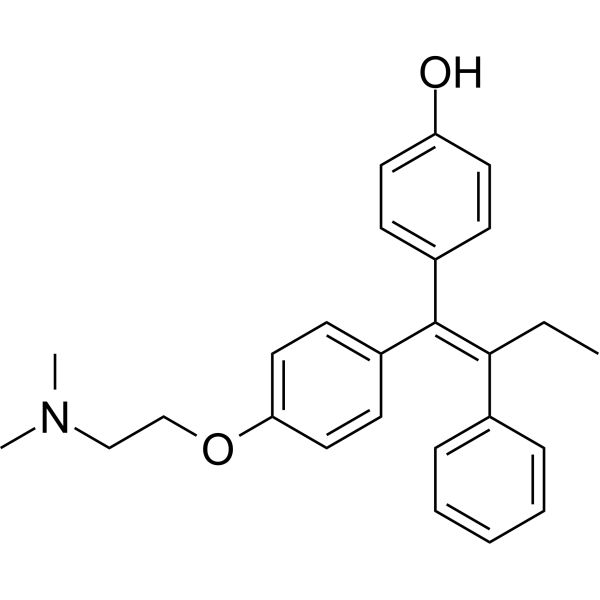
    (E/Z)-4-Hydroxytamoxifen (Afimoxifene) is a racemic compound of (Z)-4-Hydroxytamoxifen and (E)-4-Hydroxytamoxifen isomers. (E/Z)-4-Hydroxytamoxifen is a selective estrogen receptor modulator with mixed estrogenic and antiestrogenic activity, which is also an active metabolite of Tamoxifen (HY-13757A). (E/Z)-4-Hydroxytamoxifen is an agonist of the G protein-coupled estrogen receptor (GPER) with relatively low affinity (100-1000 nM). (E/Z)-4-Hydroxytamoxifen is promising for research of cyclical mastalgia, such as breast pain, tenderness, and nodularity .
    (E/Z)-4-Hydroxytamoxifen
  • HY-12497
    ANA-12
    Maximum Cited Publications
    39 Publications Verification

    Trk Receptor Neurological Disease
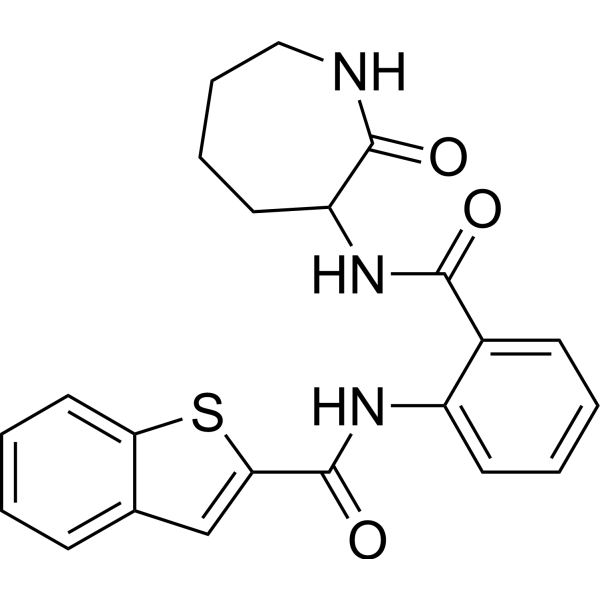
    ANA-12 is a potent and selective TrkB antagonist with IC50s of 45.6 nM and 41.1 μM for the high and low affinity sites, respectively.
    ANA-12
  • HY-106178
    PMX-53
    5+ Cited Publications

    3D53

    Complement System Cardiovascular Disease Inflammation/Immunology Cancer
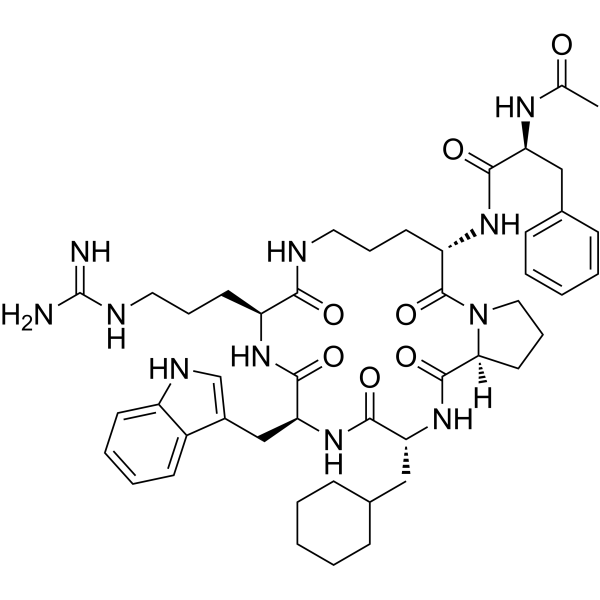
    PMX-53 (3D53) is a synthetic peptidic and a potent and orally active complement C5a receptor (CD88) antagonist with an IC50 of 20 nM. PMX-53 is also a low-affinity MrgX2 agonist that stimulates MrgX2-mediated mast cell degranulation. PMX-53 specifically binds to C5aR1 and does not bind to the second C5aR (C5L2) and C3aR. PMX-53 has anti-inflammatory, anticancer and antiatherosclerotic effects .
    PMX-53
  • HY-14121
    MRS 1754
    5+ Cited Publications

    Adenosine Receptor Metabolic Disease Inflammation/Immunology
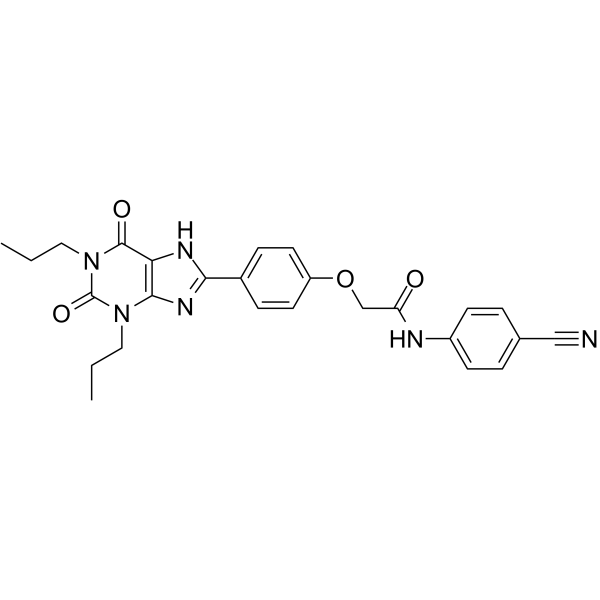
    MRS 1754 is a selective antagonist radioligand for A2B adenosine receptor with very low affinity for A1 and A3 receptors of both humans and rats .
    MRS 1754
  • HY-14945

    GSK189075

    SGLT Metabolic Disease
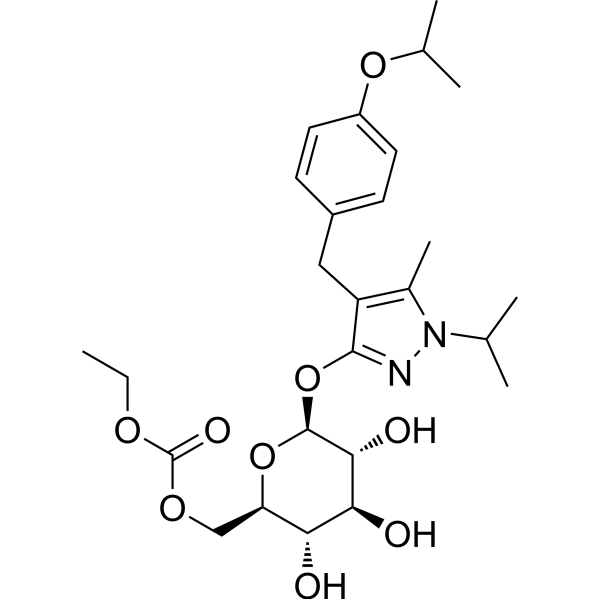
    Remogliflozin etabonate (GSK189075) is an orally active, selective and low-affinity sodium glucose cotransporter (SGLT2) inhibitor with Ki values of 1.95 μM, 2.14 μM, 43.1 μM, 8.57 μM for hSGLT2, rSGLT2, hSGLT1, rSGLT1, respectively. Remogliflozin etabonate is a proagent based on benzylpyrazole glucoside and is metabolized to its active form, Remogliflozin, in the body. Remogliflozin etabonate exhibits antidiabetic efficacy in rodent models .
    Remogliflozin etabonate
  • HY-P99300
    Ligelizumab
    1 Publications Verification

    QGE 031; Anti-IGHE Recombinant Antibody

    Fc Receptor (FcR) Inflammation/Immunology
    Ligelizumab (QGE 031) is a humanized high-affinity anti-immunoglobulin IgE monoclonal antibody. Ligelizumab selectively inhibits the binding of IgE to the high-affinity receptor FcεRI, while the inhibitory effect on the low-affinity receptor CD23 is weak. Ligelizumab can inhibit the activation of effector cells such as mast cells and Basophil, while reducing the production of IgE by B cells, and restoring the IFN-α production and regulatory T cell (Treg) induction function of plasmacytoid dendritic cells (pDC). Ligelizumab can be used in the study of allergic diseases (such as chronic spontaneous urticaria, allergic asthma) .
    Ligelizumab
  • HY-107397
    Ch55
    2 Publications Verification

    RAR/RXR Cancer
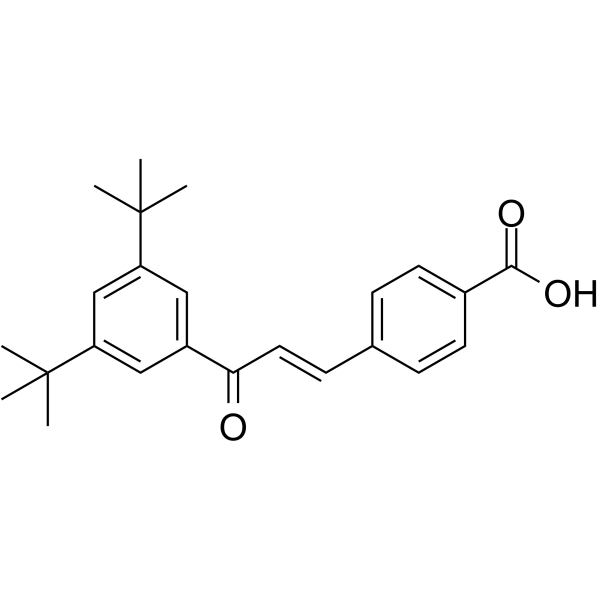
    Ch55 is a potent synthetic retinoid. Ch55 binds to RAR-α and RAR-β receptors with high affinity. Ch55 displays low affinity for cellular retinoic acid binding protein (CRABP). Ch55 is a potent inducer of the differentiation of HL60 cells with an EC50 of 200 nM. Ch55 can be used for cancer research .
    Ch55
  • HY-10684

    ACR16; ASP2314; FR310826

    Dopamine Receptor Neurological Disease
    Pridopidine, a dopamine (DA) stabilizer, acts as a low affinity dopamine D2 receptor (D2R) antagonist. Pridopidine exerts high affinity towards sigma 1 receptor (S1R) with Ki between 70 and 80 nM, which is ~100× higher than its affinity toward D2R.
    Pridopidine
  • HY-16688
    RU 24969
    1 Publications Verification

    5-HT Receptor Neurological Disease
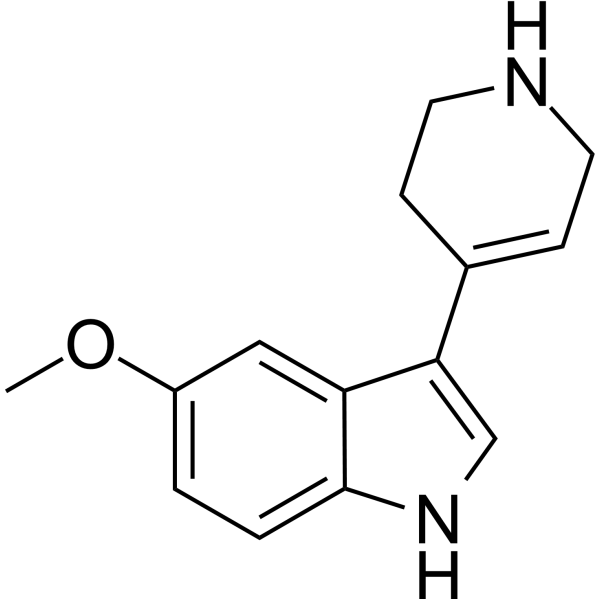
    RU 24969 is a preferential 5-HT1B agonist, with a Ki of 0.38 nM, but also displays appreciable affinity for the 5-HT1A receptor (Ki=2.5 nM), and has low affinity for other receptor sites in the brain. RU 24969 could decrease fluid consumption and increase forward locomotion .
    RU 24969
  • HY-136933

    Na+/K+ ATPase Cardiovascular Disease
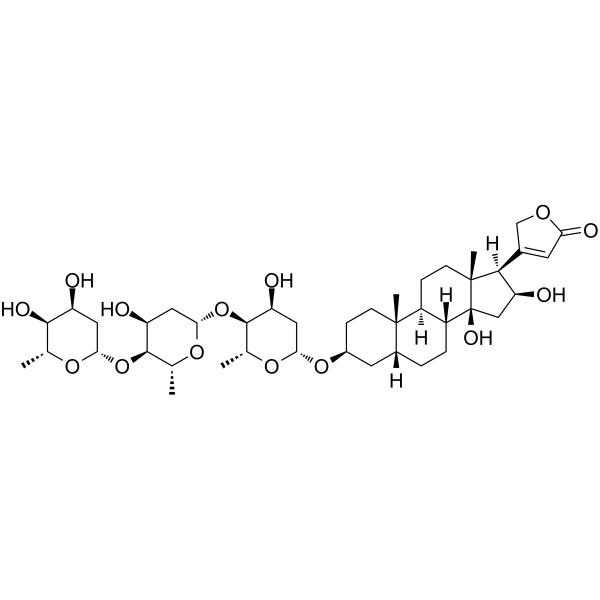
    Gitoxin is a degradation metabolite of Digitoxin (HY-B1357) and a non-competitive Na +/K +-ATPase inhibitor, with an IC50 of 1.18e-6 M against the porcine high-affinity subtype and an IC50 of 2.85e-5 M against the porcine low-affinity subtype. Gitoxin regulates atrial contractility and rhythmicity. Gitoxin is applicable to research related to congestive heart failure .
    Gitoxin
  • HY-110399
    Cirsiliol
    2 Publications Verification

    Lipoxygenase Neurological Disease
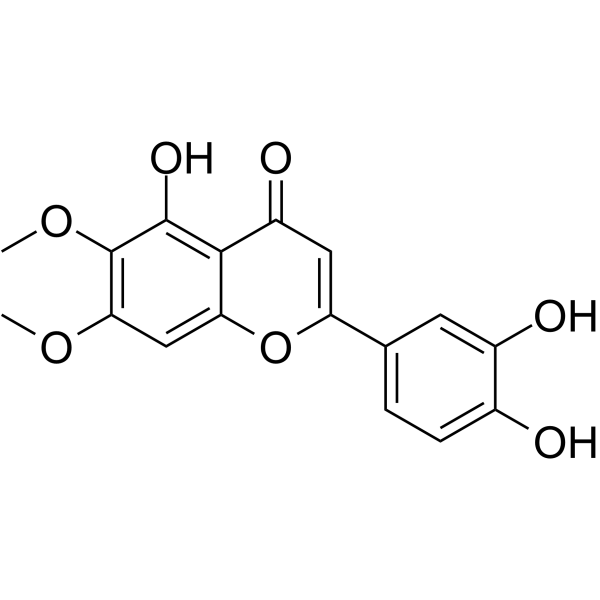
    Cirsiliol is a potent and selective 5-lipoxygenase inhibitor and a competitive low affinity benzodiazepine receptor ligand.
    Cirsiliol
  • HY-P10762

    CBP-1008; LDC 10B

    Peptide-Drug Conjugates (PDCs) Folate Receptor (FR) TRP Channel Cancer
    Ricorfotide vedotin (CBP-1008) is a dual-ligand peptide-drug conjugate (PDC) conjugated to MMAE (HY-15162), targeting Folate receptor α (FRα) and TRPV6. Ricorfotide vedotin binds to FRα with high affinity and TRPV6 with low affinity. Ricorfotide vedotin has antitumor activity, and can be used in advanced solid tumor research (eg: colorectal cancer, breast cancer, non-small cell lung cancer, ovarian cancer, adrenocortical carcinoma and follicular dendritic cell sarcoma) .
    Ricorfotide vedotin
  • HY-135608

    Sigma Receptor Neurological Disease
    BD-1008 is a nonselective σ receptor antagonist with Kis against σ1 receptor and σ2 receptor of 2 nM and 8 nM. The BD-1008 has an extremely low affinity for the D2 receptor (Ki = 1112 nM) and dopamine transporter (DAT) (Ki > 10,000 nM). BD-1008 significantly antagonizes dopamine release in the shell region of the nucleus accumbens via the σ₂ receptor. BD-1008 blocks the self-administration behavior of σ agonists.BD-1008 can be used for the study of addiction therapy that target the σ receptor .
    BD-1008
  • HY-159829

    NBI-1117568; HTL-0016878

    mAChR Neurological Disease
    Direclidine (NBI-1117568, HTL-0016878) is a selective orthosteric agonist targeting the muscarinic acetylcholine M4 receptor, exhibiting very low affinity for M1, M2, M3, and M5 receptors. It binds to the orthosteric site of the M4 receptor in a non-covalent, competitive manner. Direclidine specifically activates the M4 receptor, inhibiting the release of acetylcholine from striatal cholinergic interneurons, thereby regulating the balance of the dopaminergic system and reducing psychiatric symptoms associated with excessive dopamine release. Direclidine can improve symptoms associated with neuropsychiatric disorders and is used in research on schizophrenia and other neuropsychiatric disorders .
    Direclidine
  • HY-P5411

    SIITFEKL, OVA (257-264) Variant

    MHC Others
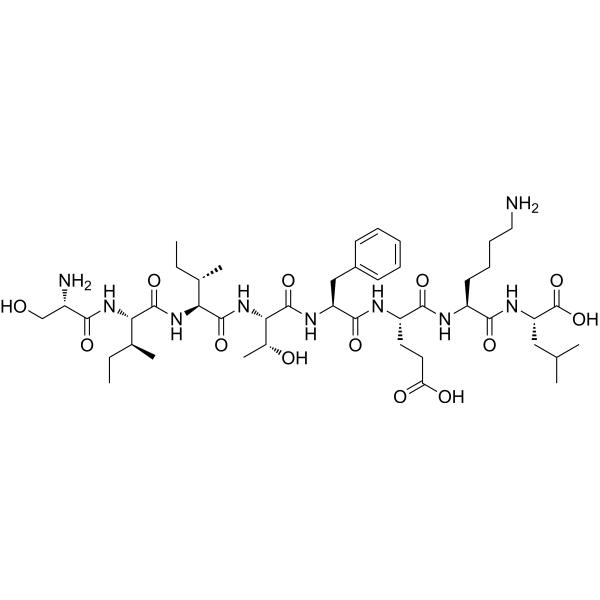
    OVA-T4 Peptide (SIITFEKL, OVA (257-264) Variant) is a low-affinity variant of OVA (257-264) (SIINFEKL). OVA-T4 Peptide has similar binding to H-2Kb MHC class I molecules as OVA (257-264), but has a much lower affinity for the OT-I TCR25 .
    OVA-T4 Peptide
  • HY-100703

    Floropipamide; McN-JR 3345; R 3345

    5-HT Receptor Dopamine Receptor Neurological Disease
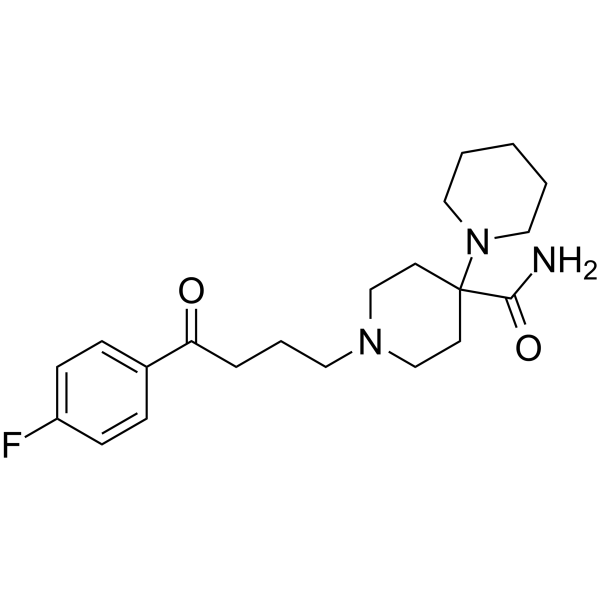
    Pipamperone (Floropipamide) is a butyrophenone derivative and high-affinity antagonist of 5-HT2A receptor (pKi=8.2) and D4 receptor (pKi=8.0). Pipamperone is also a low-affinity antagonist of D2 receptor (pKi=6.7). Pipamperone affects neurotransmitter functions and exerts antipsychotic activity. Pipamperone is used in the research of mental disorders such as autism-related behavioral disorders and Alzheimer's disease .
    Pipamperone
  • HY-136466
    A2ti-2
    2 Publications Verification

    Annexin A Virus Protease HPV Infection
    A2ti-2 is a selective and low-affinity annexin A2/S100A10 heterotetramer (A2t) inhibitor with an IC50 of 230 μM . A2ti-2 specifically disrupts the protein-protein interaction (PPI) between A2 and S100A10. A2ti-2 prevents human papillomavirus type 16 (HPV16) infection .
    A2ti-2
  • HY-W001909

    nAChR Metabolic Disease
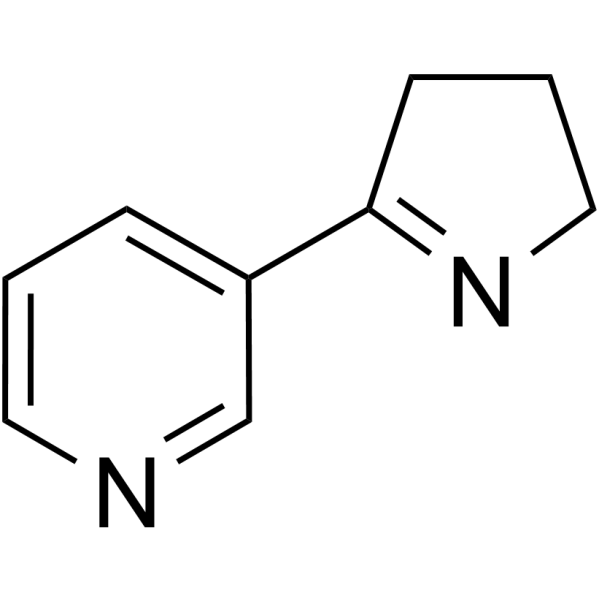
    Myosmine, a specific tobacco alkaloid in nuts and nut products, has low affinity for a4b2 nicotinic acetylcholinergic receptors (nAChR) with a Ki of 3300 nM .
    Myosmine
  • HY-U00050

    E-10-OH-NT

    Drug Metabolite Adrenergic Receptor mAChR Neurological Disease
    (E)-10-Hydroxynortriptyline (E-10-OH-NT) is a blood-brain barrier-permeable norepinephrine uptake inhibitor. (E)-10-Hydroxynortriptyline effectively promotes central norepinephrine neuronal transmission, with little interindividual variation in in vivo potency. (E)-10-Hydroxynortriptyline has low affinity for muscarinic receptors, exhibits only extremely weak anticholinergic activity, and does not inhibit salivary secretion. (E)-10-Hydroxynortriptyline can be used in studies related to depression .
    (E)-10-Hydroxynortriptyline
  • HY-101356

    mGluR Neurological Disease
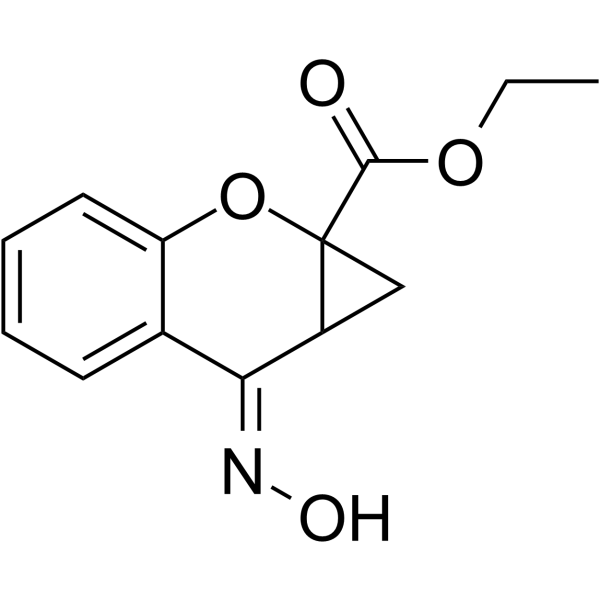
    CPCCOEt is a low affinity, selective, non-competitive and reversible antagonist of metabotropic glutamate receptor 1b (mGluR1b) .
    CPCCOEt
  • HY-117959

    LPL Receptor Inflammation/Immunology
    TAK-615 is a negative allosteric modulator (NAM) of the LPA1 receptor for the research of pulmonary fibrosis. TAK-615 binds the LPA1 receptor with high affinity (Kd high affinity of 1.7 nM and Kd low affinity of 14.5 nM) .
    TAK-615
  • HY-101232
    Tiotidine
    2 Publications Verification

    ICI 125211

    Histamine Receptor Cardiovascular Disease
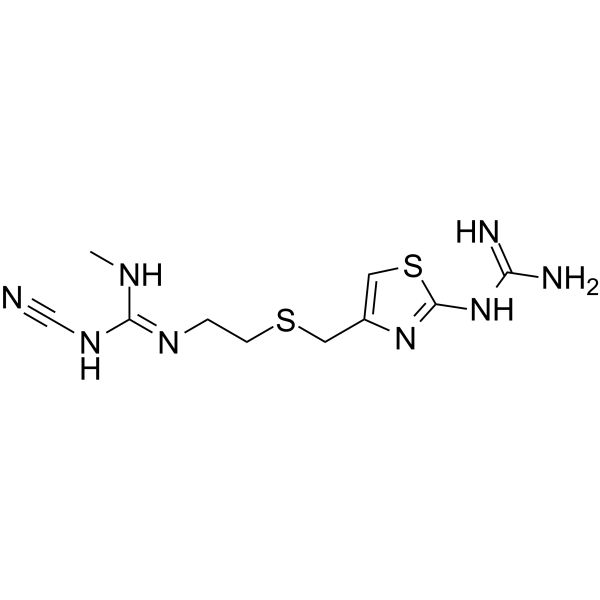
    Tiotidine (ICI 125211) is a potent and selective antagonist of histamine H2-receptor (pA2=7.3-7.8 for guinea-pig right atrium). Tiotidine has low affinity for both the H1 and the H3 receptors .
    Tiotidine
  • HY-128601

    Checkpoint Kinase (Chk) Cardiovascular Disease Cancer
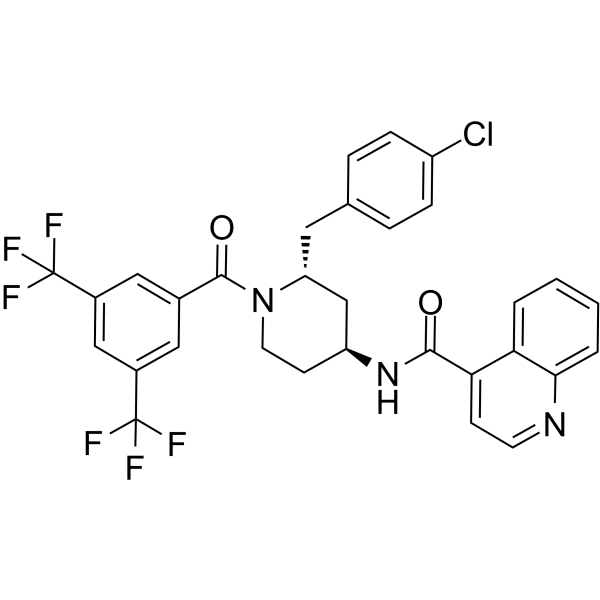
    CHK1-IN-3 is a potent and selective CHK1 inhibitor with an IC50 of 0.4 nM. CHK1-IN-3 effectively inhibits the growth of malignant hematopathy cell lines and displays low affinity for hERG (IC50 > 40 μM). CHK1-IN-3 significantly suppresses the tumor growth in vivo. CHK1-IN-3 can be used for the study of hematologic malignancies .
    CHK1-IN-3
  • HY-135239

    Fluorescent Dye Others
    Fura-FF pentapotassium is a low-affinity fluorescent dye for calcium (Ex/Em: 365/514 nm in the absence of calcium; 339/507 nm in the presence of a high calcium concentration) .
    Fura-FF pentapotassium
  • HY-121301

    5-HT Receptor Neurological Disease
    Amperozide is an atypical antipsychotic that acts as an antagonist of the 5-HT2 receptor with a Ki value of 26 nM. Amperozide has a low affinity for D2 receptors .
    Amperozide
  • HY-107579

    AY 25712

    GPR109A Cardiovascular Disease
    Acifran (AY 25712), an antihyperlipidemic agent, is an orally active agonist of GPR109A (HM74A) and GPR109B, the high and low affinity receptors for Niacin .
    Acifran
  • HY-W009234

    6-Chloroguanosine

    Nucleoside Antimetabolite/Analog Others
    6-Chloroguanineriboside (6-Chloroguanosine) is a purine nucleoside analog. 6-Chloroguanineriboside has extremely low affinity for guanosine binding sites in rat brain (Ki: 253.1 μM) .
    6-Chloroguanineriboside
  • HY-119993

    BMH-23

    DNA/RNA Synthesis Cancer
    AR03 (BMH-23) is an apurinic/apyrimidinic endonuclease 1 (Ape1) inhibitor with an IC50 of 2.1 µM. AR03 has low affinity for double-stranded DNA. AR03 potentiates the cytotoxicity of methyl methanesulfonate and temozolomide in SF767 cells .
    AR03
  • HY-B1562B

    (±)-Bopindolol malonate

    Adrenergic Receptor Renin 5-HT Receptor Cardiovascular Disease Neurological Disease
    Bopindolol ((±)-Bopindolol) malonate is an orally active antagonist of β-adrenoceptors (ARs) with partial agonist activity. Bopindolol malonate is non-selective for β1- and β2-ARs and has low affinity for β3-AR subtype. Bopindolol malonate has intrinsic sympathomimetic as well as membrane stabilizing actions, inhibits renin secretion, and interacts with 5-HT receptors. Bopindolol malonate is a proagent of Pindolol (HY-B0982). Bopindolol malonate can be used for essential and renovascular hypertension research.
    Bopindolol malonate
  • HY-14953

    AWD 131-138

    GABA Receptor Neurological Disease
    Imepitoin (AWD 131-138) is a new low-affinity partial benzodiazepine receptor agonist with potent anticonvulsant and anxiolytic properties in rodent models.
    Imepitoin
  • HY-160604

    FPL 12924; PR 934-423; FPL 13592

    iGluR Neurological Disease
    Remacemide (FPL 12924) is an orally active, non-competitive, low-affinity NMDA receptor antagonist. Remacemide shows neuroprotection activity in animal models of hypoxia and ischemic stroke. Remacemide is also an anticonvulsant, and can be used in Parkinson's disease and Huntington's disease research .
    Remacemide
  • HY-P991571

    GC-1118A

    EGFR PERK Akt Cancer
    GC1118 (GC-1118A) is a fully human anti-EGFR monoclonal antibody with binding affinity of 0.16 nM (KD) to EGFR. GC1118 displays potent inhibitory effects on high- and low-affinity EGFR ligand-induced signaling. GC1118 shows potent anti proliferative activity in KRAS wild-type and KRAS mutant cells. GC1118 can reach the tumor by crossing both BBB (blood-brain barrier) and BTB (brain-tumor barrier) and shows superior anti-tumor effects in various mice xenograft models. GC1118 can be used for the researches of cancer, such as colorectal cancer .
    GC1118
  • HY-W001909S

    nAChR Metabolic Disease
    Myosmine-d4 is the deuterium labeled Myosmine. Myosmine, a specific tobacco alkaloid in nuts and nut products, has low affinity for a4b2 nicotinic acetylcholinergic receptors (nAChR) with a Ki of 3300 nM .
    Myosmine-d4
  • HY-P10582A

    MHC Inflammation/Immunology
    SIYNFEKL TFA is a variant of major MHC class I-restricted epitope SIINFEKL. SIYNFEKL TFA is an antigenic peptide, that can stimulate specific T cells in experimental settings to study the competitive interaction between T cell. SIYNFEKL TFA exhibits low affinity for the OT-I T cell receptor (TCR), and can be used for detection of CD8+ T cells .
    SIYNFEKL TFA
  • HY-P10581A

    MHC Inflammation/Immunology
    SIIVFEKL TFA is a variant of the major MHC class I-restricted epitope SIINFEKL. SIIVFEKL TFA is an antigenic peptide, that can stimulate specific T cells in experimental settings to study the competitive interaction between T cells. SIIVFEKL TFA exhibits low affinity for the OT-I T cell receptor (TCR), and can be used for detection of CD8+ T cells .
    SIIVFEKL TFA
  • HY-P5396A

    Amino Acid Decarboxylase Others
    GAD65 (524-543) acetate is a biological active peptide with amino acids 524 to 543 fragment of glutamic acid decarboxylase 65 (GAD65). GAD65 (524-543) acetate is one of the first fragments of the islet antigen to induce proliferative T cell responses in the non-obese diabetic (NOD) mouse model of spontaneous autoimmune diabetes. GAD65 (524-543) acetate is a specific, possibly low affinity, stimulus for the spontaneously arising diabetogenic T cell clone BDC2.5. Immunization with GAD65 (524-543) acetate increases the susceptibility of the NOD mice to type 1 diabetes induced by the adoptive transfer of BDC2.5 T cells .
    GAD65 (524-543) acetate
  • HY-N11978

    6-HKA

    iGluR Neurological Disease
    6-Hydroxykynurenic acid (6-HKA) is a derivative of kynurenic acid (KYNA) and can be isolated from Ginkgo leaves. 6-Hydroxykynurenic acid is a low-affinity NMDAR antagonist (IC50: 59 μM) .
    6-Hydroxykynurenic acid
  • HY-117160

    4-trans-hydroxycyclohexyl Glyburide; 4-trans-hydroxy Glibenclamide

    Potassium Channel Neurological Disease
    rac-trans-4-hydroxy Glyburide is an active metabolite of the SUR1/Kir6.2 sulfonylurea inhibitor glyburide (HY-15206). It is formed from glyburide by the cytochrome P450 (CYP) isoforms CYP2C8 and CYP2C9. rac-trans-4-hydroxy Glyburide inhibits glyburide binding to rat brain synaptosomes at the high and low affinity sites of SUR1/Kir6.2 with IC50 values of 0.95 and 100 nM, respectively.
    4-trans-Hydroxy-glibenclamide
  • HY-14953R

    AWD 131-138 (Standard)

    GABA Receptor Reference Standards Neurological Disease
    Imepitoin (Standard) is the analytical standard of Imepitoin. This product is intended for research and analytical applications. Imepitoin (AWD 131-138) is a new low-affinity partial benzodiazepine receptor agonist with potent anticonvulsant and anxiolytic properties in rodent models.
    Imepitoin (Standard)
  • HY-122489A

    Opioid Receptor GABA Receptor Cardiovascular Disease Neurological Disease
    (S)-Laudanosine is an alkaloid that can be found in poppies and is the S-enantiomer of Laudanosine. Laudanosine acts on the central nervous system and cardiovascular system, inhibiting low-affinity GABA receptors with an IC50 value of 10 μM, and can cause seizures, hypotension, and bradycardia. Additionally, Laudanosine exerts analgesic effects by competitively binding to the opioid Mu-1 receptor (Ki = 2.7 μM) .
    (S)-Laudanosine
  • HY-100703A

    Floropipamide dihydrochloride; McN-JR 3345 dihydrochloride; R 3345 dihydrochloride

    Dopamine Receptor 5-HT Receptor Neurological Disease
    Pipamperone dihydrochloride (Floropipamide dihydrochloride) is a butyrophenone derivative and high-affinity antagonist of 5-HT2A receptor (pKi=8.2) and D4 receptor (pKi=8.0). Pipamperone dihydrochloride is also a low-affinity antagonist of D2 receptor (pKi=6.7). Pipamperone dihydrochloride affects neurotransmitter functions and exerts antipsychotic activity. Pipamperone dihydrochloride is used in the research of mental disorders such as autism-related behavioral disorders and Alzheimer's disease .
    Pipamperone dihydrochloride
  • HY-125463

    nAChR Neurological Disease
    ANQ9040 is a steroidal relaxant. ANQ9040 is a relatively low-affinity and non-depolarizing nicotinic antagonist .
    ANQ9040
  • HY-153756

    Prion Protein Infection
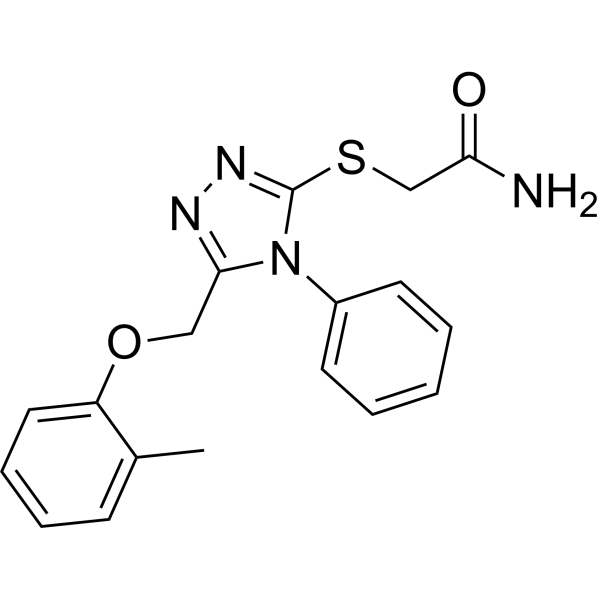
    GFP16 is a low affinity antiprion compound. GFP16 can be used for research of antiprion drug discovery .
    GFP16
  • HY-107031

    19560 RP

    iGluR Others
    Metapramine (19560 RP) is an antidepressant agent, belonging to the class of tricyclic compounds . Metapramine inhibits norepinephrine reuptake, without affecting the reuptake of serotonin or dopamine . Metapramine is a low-affinity antagonist of the N-methyl-D-aspartic acid (NMDA) receptor complex channel .
    Metapramine
  • HY-137103

    Fluorescent Dye Others
    BTC-AM is a low affinity calcium indicator. BTC-AM has substantial calcium-independent fluorescence at all excitation wavelengths. BTC-AM is readily loaded into neurons and is rapidly hydrolysed .
    BTC-AM
  • HY-12497R

    Trk Receptor Neurological Disease
    ANA-12 (Standard) is the analytical standard of ANA-12. This product is intended for research and analytical applications. ANA-12 is a potent and selective TrkB antagonist with IC50s of 45.6 nM and 41.1 μM for the high and low affinity sites, respectively.
    ANA-12 (Standard)
  • HY-108673

    P2X Receptor Cancer
    Ro 0437626 is a selective purinergic (P2X1) receptor antagonist (IC50 = 3 μM), but shows low affinity for P2X2, P2X3 and P2X2/3 receptors (IC50 > 100 μM) .
    Ro 0437626
  • HY-B0251S

    Epoxymexrenone-d3

    Isotope-Labeled Compounds Mineralocorticoid Receptor Endogenous Metabolite Cardiovascular Disease
    Eplerenone-d3 is the deuterium labeled Eplerenone. Eplerenone (Epoxymexrenone) is a selective, competitive and oreally active aldosterone antagonist with an IC50 of 138 nM. Eplerenone has low affinity for progesterone, androgen, estrogen and glucocorticoid receptors. Eplerenone can be used for hypertension and heart failure after myocardial infarction reserch .
    Eplerenone-d3
  • HY-117431

    PGB3

    PPAR Endogenous Metabolite Metabolic Disease
    Prostaglandin B3 (PGB3) is a member of the class of prostaglandins B and a secondary alcohol. PGB3 exhibits a rather low affinity to human PPARγ with a Ki value greater than 1 mM compared with Ki values of 26.28 ± 8.7 μM for PGB1 and 77 ± 37.7 μM for PGB2 .
    Prostaglandin B3
  • HY-14520A

    (6S)-5,6,7,8-Tetrahydrofolic acid

    Endogenous Metabolite Metabolic Disease
    (6S)-Tetrahydrofolic acid is 1000-fold more active than the (6R) form at promoting the binding of fluorodeoxyuridylate to thymidylate synthase and 600-fold more active as a growth factor of P. cerevisiae. (6S)-Tetrahydrofolic acid also has a low affinity and high dissociation rate for folate-binding protein .
    (6S)-Tetrahydrofolic acid

Inquiry Online

Your information is safe with us. * Required Fields.

Salutation


Country or Region *

Applicant Name *


Organization Name *

Department *


Email Address *


Product Name *

Cat. No.


Requested quantity *

Phone Number *


Remarks

Inquiry Online

Inquiry Information

Product Name:
Cat. No.:
Quantity:
MCE Japan Authorized Agent:

