

1. Search Result
Search Result
Pathways Recommended: Immunology/Inflammation
Results for "

lung inflammation

" in MedChemExpress (MCE) Product Catalog:

165

Inhibitors & Agonists

2

Screening Libraries

5

Biochemical Assay Reagents

19

Peptides

7

Inhibitory Antibodies

51

Natural
Products

8

Isotope-Labeled Compounds

2

Oligonucleotides

Cat. No. Product Name Target Research Areas Chemical Structure
  • HY-N0171
    Beta-Sitosterol (purity>80%)
    20+ Cited Publications

    Apoptosis Endogenous Metabolite Cardiovascular Disease Inflammation/Immunology Cancer
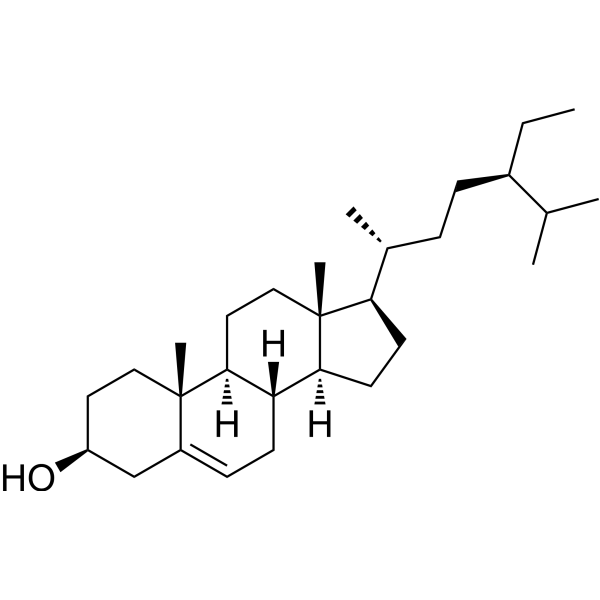
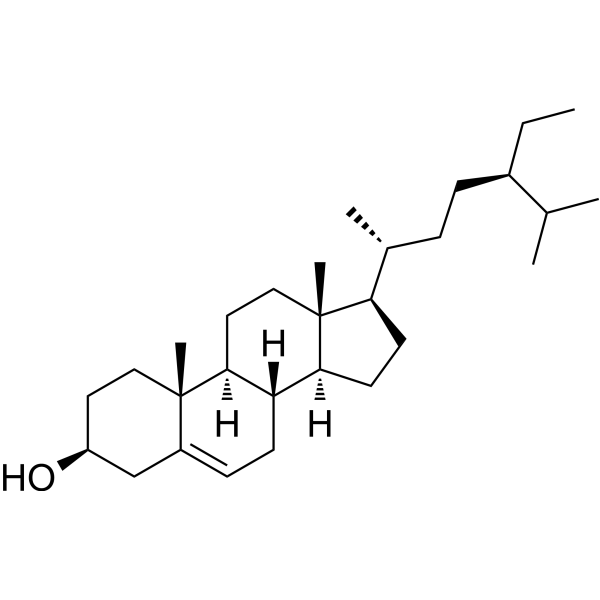
    Beta-Sitosterol (purity≥80%) is orally active. Beta-Sitosterol exhibits multiple activities, including anti-inflammatory, anticancer, antioxidant, antimicrobial, antidiabetic, antioxidant enzyme, and analgesic. Beta-Sitosterol inhibits inflammation and impaired adipogenesis in bovine mammary epithelial cells by reducing levels of ROS, TNF-α, IL-1β, and NF-κB p65 and restoring the activity of the HIF-1α/mTOR signaling pathway. Beta-Sitosterol induces apoptosis in cancer cells through ROS-mediated mitochondrial dysregulation and p53 activation. Beta-Sitosterol exerts its anticancer effects in cancer cells by activating caspase-3, caspase-8, and caspase-9, mediating PARP inactivation, MMP loss, altered Bcl-2-Bax ratio, and cytochrome c release. Beta-Sitosterol modulates macrophage polarization and reduces rheumatoid inflammation in mice. Beta-Sitosterol inhibits tumor growth in multiple mouse cancer models. Beta-Sitosterol can be used in the research of arthritis, lung cancer, breast cancer and other cancers, diabetes, etc .
    Beta-Sitosterol (purity>80%)
  • HY-P1098
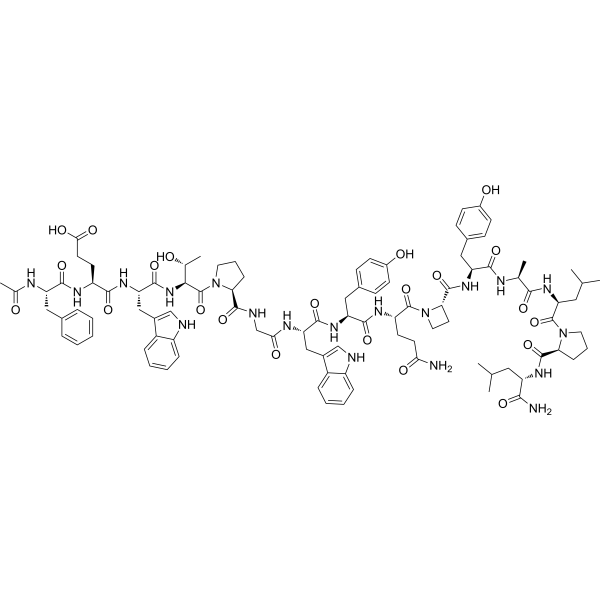
    Ac2-26
    Maximum Cited Publications
    8 Publications Verification

    Annexin A NF-κB Inflammation/Immunology
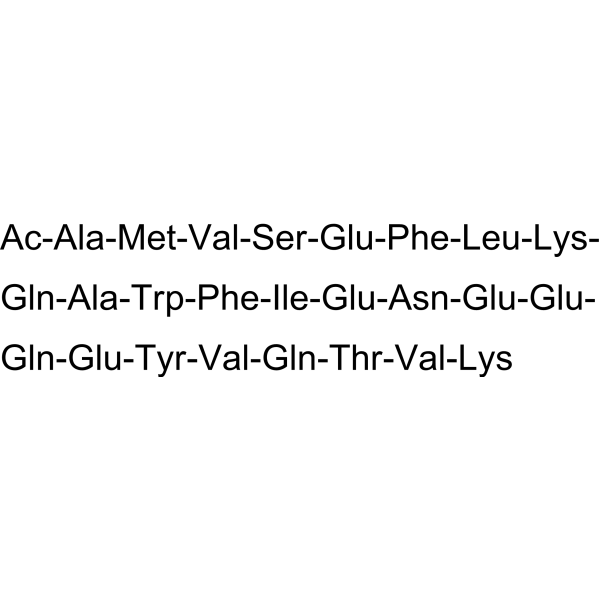
    Ac2-26 is the N-terminal peptide of annexin 1, and has anti-inflammatory activity. Ac2-26 induces a decrease in IKKβ protein in lysosomes by chaperone-mediated autophagy (CMA). Ac2-26 ameliorates lung ischemia-reperfusion injury. Ac2-26 also inhibits airway inflammation and hyperresponsiveness in an asthma rat model .
    Ac2-26
  • HY-N0088
    Apocynin
    Maximum Cited Publications
    30 Publications Verification

    Acetovanillone

    NADPH Oxidase Metabolic Disease Inflammation/Immunology
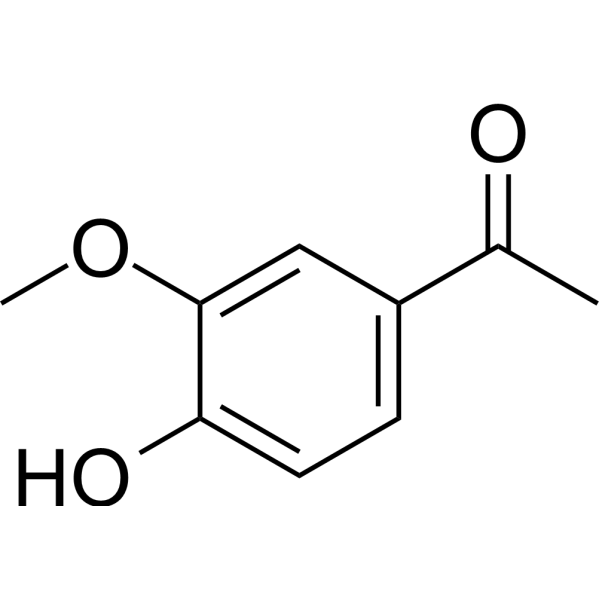
    Apocynin is a selective NADPH-oxidase inhibitor with an IC50 of 10 μM . Apocynin improves acute lung inflammation in Carrageenan (HY-125474)-induced pleurisy mice model . Apocynin can also be used for cancer research . Apocynin reverses the aging process in mesenchymal stem cells to promote osteogenesis and increases bone mass .
    Apocynin
  • HY-14648A
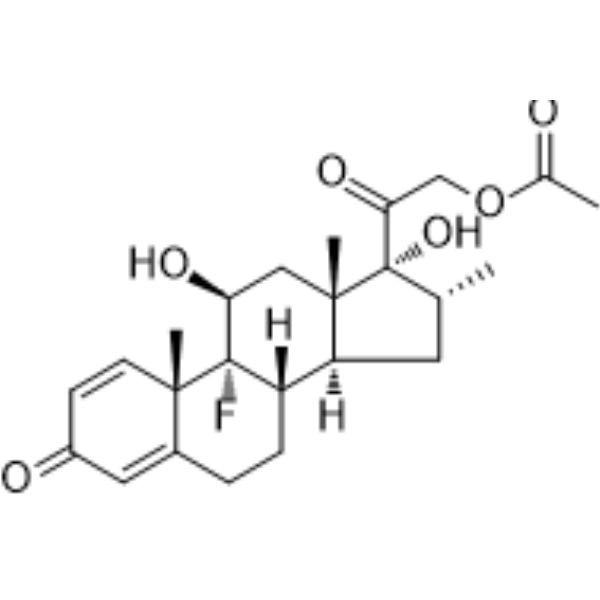
    Dexamethasone acetate
    5+ Cited Publications

    Dexamethasone 21-acetate; Hexadecadrol acetate

    Glucocorticoid Receptor Inflammation/Immunology
    Dexamethasone acetate (Dexamethasone 21-acetate) is the acetate form of the glucocorticoid Dexamethasone (HY-14648). Dexamethasone acetate has a longer duration of action than Dexamethasone. Dexamethasone acetate can accumulate at inflammatory sites, in mouse liver and mouse lung via nanostructured lipid carriers. Dexamethasone acetate can be used to prepare topical formulations for studies related to sensorineural hearing loss, γ-carrageenan-induced paw edema, chronic active hepatitis, pulmonary diseases, and inflammation after vitreoretinal surgery .
    Dexamethasone acetate
  • HY-N0625A
    Alpinetin
    5+ Cited Publications

    PPAR Keap1-Nrf2 Toll-like Receptor (TLR) Infection Cardiovascular Disease Inflammation/Immunology Cancer
    Alpinetin is a flavonoid isolated from cardamom and possesses antitumor, antiinflammation, hepatoprotective, cardiovascular protective, lung protective, antibacterial, antiviral, neuroprotective properties. Alpinetin inhibits lipopolysaccharide (LPS)-induced inflammation, activates PPAR-γ, activates Nrf2, and inhibits TLR4 expression to protect LPS-induced renal injury .
    Alpinetin
  • HY-N0512
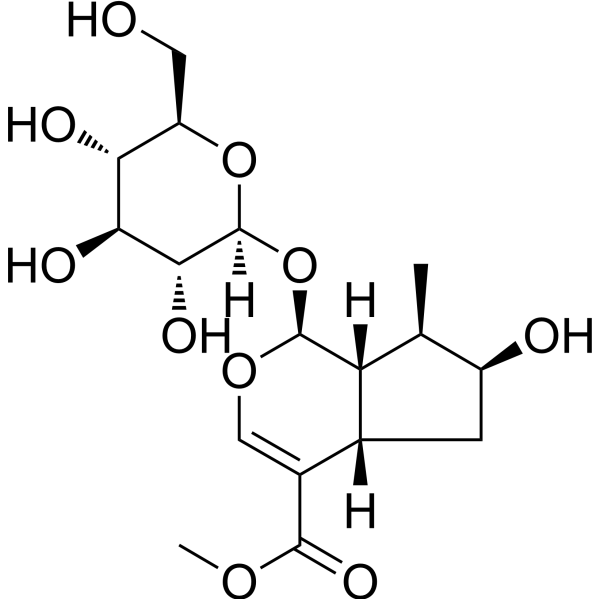
    Loganin
    5 Publications Verification

    Loganoside

    Reactive Oxygen Species (ROS) TNF Receptor Interleukin Related Neurological Disease Inflammation/Immunology Cancer
    Loganin is a type of iridoid glycoside compound that possesses anti-inflammatory, antioxidant, and antitumor properties, and offers protective effects against acute lung injury and pulmonary fibrosis. Loganin exerts its protective effects against LPS (HY-D1056)-mediated inflammation and oxidative stress by upregulating the Nrf2/HO-1 signaling pathway, and it reduces neuroinflammation caused by spinal cord injury (SCI) .
    Loganin
  • HY-N2389
    Formosanin C
    5 Publications Verification

    Apoptosis Autophagy Ferroptosis NF-κB Fungal Infection Inflammation/Immunology Cancer
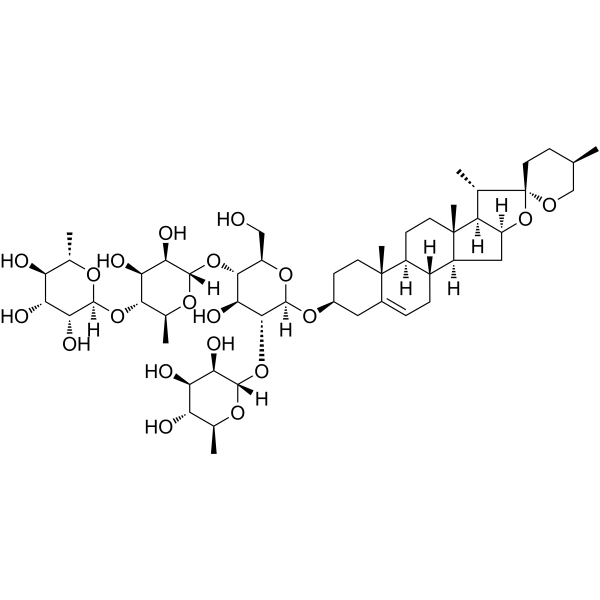
    Formosanin C is a diosgenin saponin with multiple biological activities. Formosanin C possesses multiple anti-tumor mechanisms, including inducing apoptosis and autophagy, blocking the cell cycle, inhibiting metastasis and inducing ferroptosis. Formosanin C can inhibit the NF-κB signaling pathway to exert anti-inflammatory effects, and enhance the activity of immune cells. Formosanin C exhibits the inhibiting effect against C. albicans. Formosanin C can be used for the study of anti-inflammation, antifungal anti and anti-cancer (including lung cancer, liver cancer, breast cancer and colorectal cancer, etc.) .
    Formosanin C
  • HY-N3006
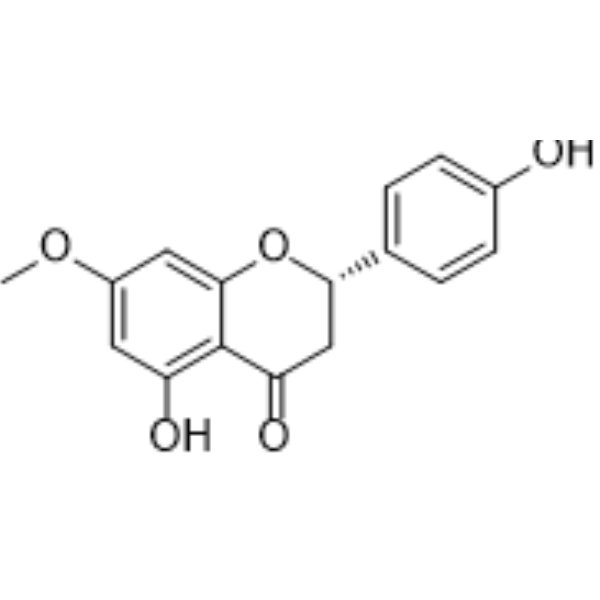
    Sakuranetin
    5+ Cited Publications

    Fungal Infection Inflammation/Immunology
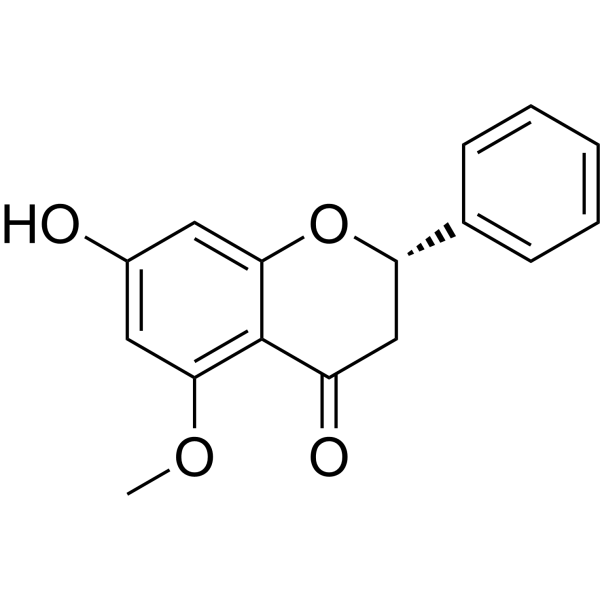
    Sakuranetin is a cherry flavonoid phytoalexin, shows strong antifungal activity . Sakuranetin has anti-inflammatory and antioxidative activities. Sakuranetin ameliorates LPS-induced acute lung injury .
    Sakuranetin
  • HY-N0031
    Plantamajoside
    2 Publications Verification

    NF-κB PI3K Akt Apoptosis Autophagy p38 MAPK Src Cardiovascular Disease Neurological Disease Metabolic Disease Inflammation/Immunology Cancer
    Plantamajoside is an orally active phenylpropanoid glycoside. Plantamajoside can be isolated from Plantago asiatica L.(Plantaginaceae). Plantamajoside inactivates NF-κB, PI3K/akt, induces Apoptosis, and improves Autophagy. Plantamajoside regulates MAPK, integrin-linked kinase/c-Src. Plantamajoside inhibits multiple cancers, improves lung and kidney damage. Plantamajoside has neuroprotective and anti-inflammatory effects .
    Plantamajoside
  • HY-P2729

    EC 3.4.21.14

    Ser/Thr Protease Apoptosis Interleukin Related Bacterial Inflammation/Immunology Cancer
    Subtilisin (EC 3.4.21.14) is a bacterial serine protease. Subtilisin induces Apoptosis. Subtilisin stimulates the expression of pro-allergic cytokines (IL-1α, IL-33). Subtilisin induces prototypic allergic lung inflammation. Subtilisin exhibits anticancer activity against breast and colon cancer. Subtilisin shows antifouling activity. Subtilisin can be used as a detergent additive .
    Subtilisin
  • HY-N1990
    Gypenoside XLIX
    2 Publications Verification

    PPAR Sirtuin Keap1-Nrf2 Toll-like Receptor (TLR) NF-κB Reactive Oxygen Species (ROS) NOD-like Receptor (NLR) Apoptosis Pyroptosis Autophagy Cardiovascular Disease Neurological Disease Metabolic Disease Inflammation/Immunology
    Gypenoside XLIX is a multifunctional bioactive compound that can be isolated from Gynostemma pentaphyllum, with a Ka value of 1.58 μM for its binding to SIRT1. Gypenoside XLIX acts as a PPAR-α agonist. It inhibits the activation of TLR4-mediated NF-κB signaling pathway by activating the Sirt1/Nrf2 signaling pathway, reduces ROS accumulation, and alleviates hepatic inflammatory injury in mice with sepsis-induced liver disease. Gypenoside XLIX targets SIRT1 to block YAP-NLRP3 activation and improve sepsis-induced cardiomyopathy. Gypenoside XLIX inhibits apoptosis (Apoptosis), pyroptosis (Pyroptosis), autophagy (Autophagy), lipid peroxidation, pro-inflammatory cytokines and anti-inflammatory cytokines. Gypenoside XLIX alleviates sepsis-induced splenic injury by inhibiting inflammation and oxidative stress, and mitigates sepsis-associated encephalopathy by targeting PPAR-α. Gypenoside XLIX prevents acute kidney injury by inhibiting IGFBP7/IGF1R-mediated programmed cell death and inflammation. Gypenoside XLIX inhibits the expression and activity of vascular cell adhesion molecule-1 in cytokine-induced human endothelial cells. Gypenoside XLIX is applicable to research related to acute liver injury, lung injury, cardiomyopathy, acute splenic injury, sepsis-associated encephalopathy, acute kidney injury, atherosclerosis and chronic inflammation .
    Gypenoside XLIX
  • HY-12545
    Brevetoxin-3
    1 Publications Verification

    PbTx-3

    Sodium Channel Inflammation/Immunology
    Brevetoxin-3 (PbTx-3) is a potent allosteric voltage-gated Na + channel activator and has multiple active centers (A-ring lactone, C-42 of R side chain) . Brevetoxin-3 (PbTx-3) has a high affinity to site 5 of the voltage-sensitive Na + channels, inhibits the inactivation of Na + channels and prolongs the mean open time of these channels. Brevetoxin-3 (PbTx-3) repeated exposures can lead to prolonged airway hyperresponsiveness (AHR) and lung inflammation .
    Brevetoxin-3
  • HY-12119
    GW274150
    2 Publications Verification

    NO Synthase Neurological Disease Inflammation/Immunology
    GW274150 is a potent, selective, orally active and NADPH-dependent inhibitor of human inducible nitric oxide synthase (iNOS) (IC50=2.19 μM; Kd=40 nM) and rat iNOS (ED50=1.15 μM). GW274150 also displays less potency for both humans or rats endothelial NOS (eNOS) and neuronal NOS (nNOS). GW274150 exerts a protective role in an acute model of lung injury inflammation .
    GW274150
  • HY-162495

    CCR Calcium Channel Arrestin P-glycoprotein Inflammation/Immunology Cancer
    IDOR-1117-2520 is an orally active, potent, selective and reversible CCR6 antagonist. IDOR-1117-2520 antagonizes the CCL20-mediated calcium flow (IC50 = 63 nM) and inhibits β-arrestin recruitment to human CCR6 (IC50 = 30 nM) in cells expressing recombinant human CCR6. IDOR-1117-2520 is found to be a substrate of P-gp/MDR1. IDOR-1117-2520 can be used in the research of autoimmune diseases and skin inflammation .
    IDOR-1117-2520
  • HY-103363
    SB-328437
    3 Publications Verification

    CCR Thymidylate Synthase Inflammation/Immunology Cancer
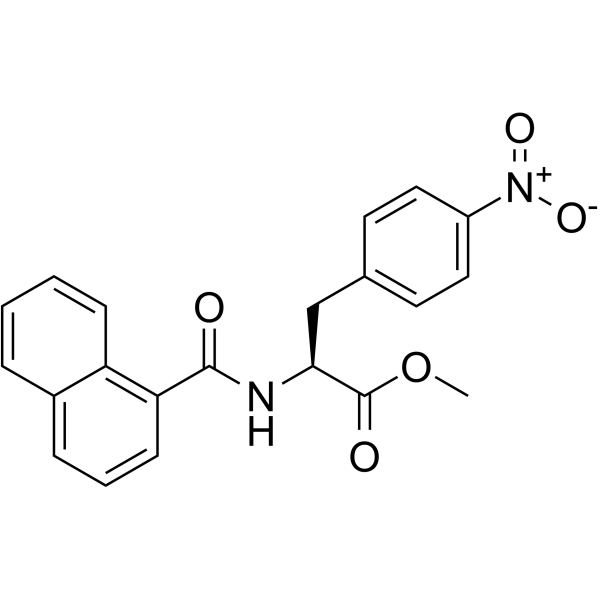
    SB-328437 is a potent, selective non-peptide CCR3 antagonist with an IC50 of 4.5 nM. SB-328437 can inhibit eosinophil migration induced by eotaxin, eotaxin-2, and monocyte chemotactic protein-4. In addition, SB-328437 can sensitize 5-FU (HY-90006)-resistant gastric cancer cells. SB-328437 can also reduce the recruitment of neutrophils to the lungs and pulmonary inflammation during acute inflammation. SB-328437 can be used in the research of inflammation-related diseases .
    SB-328437
  • HY-150207

    PARP Inflammation/Immunology
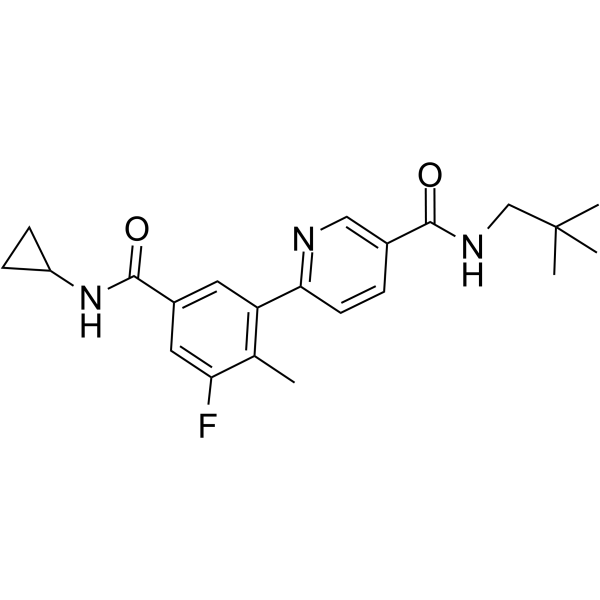
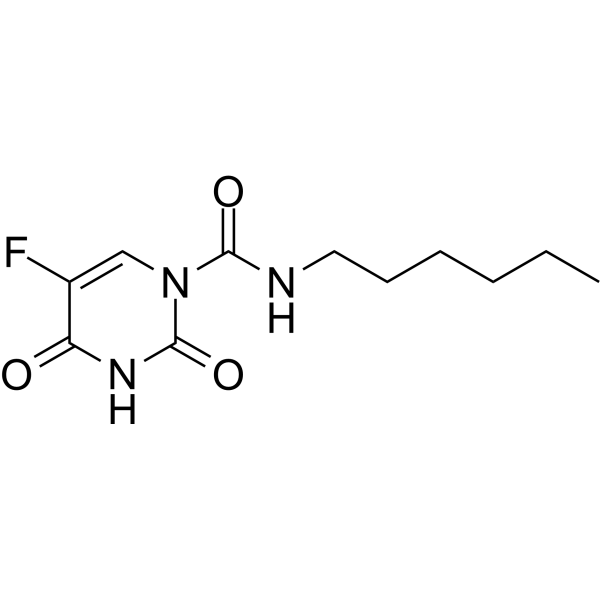
    RBN-3143 is a potent and NAD+-competitive catalytic PARP14 inhibitor with an IC50 value of 4 nM. RBN-3143 inhibits PARP14-mediated ADP-ribosylation and stabilizes PARP14 in cell lines. RBN-3143 can be used in research of lung inflammation .
    RBN-3143
  • HY-108775A

    Sodium hyposulfite (99%, water≤1.0%)

    Environmental Pollutants Biochemical Assay Reagents COX Interleukin Related NF-κB β-catenin GSK-3 Cardiovascular Disease Neurological Disease Inflammation/Immunology Endocrinology Cancer
    Sodium thiosulfate is an antioxidant. Sodium thiosulfate inhibits the expression of p-GSK-3β and β-catenin proteins, reduces IL-1β, COX-2, and Iba-1, and inhibits NFκB activation. Sodium thiosulfate promotes angiogenesis, inhibits inflammation, and improves acute lung injury. Sodium thiosulfate also exhibits anti-cancer activity against melanoma. Sodium thiosulfate also exerts renal protective effects. Sodium thiosulfate can be used in the research of osteoarthritis, brain inflammation, cancer (such as breast cancer, melanoma), and kidney disease .
    Sodium thiosulfate (99%, water≤1.0%)
  • HY-107560

    Histamine Receptor Inflammation/Immunology Cancer
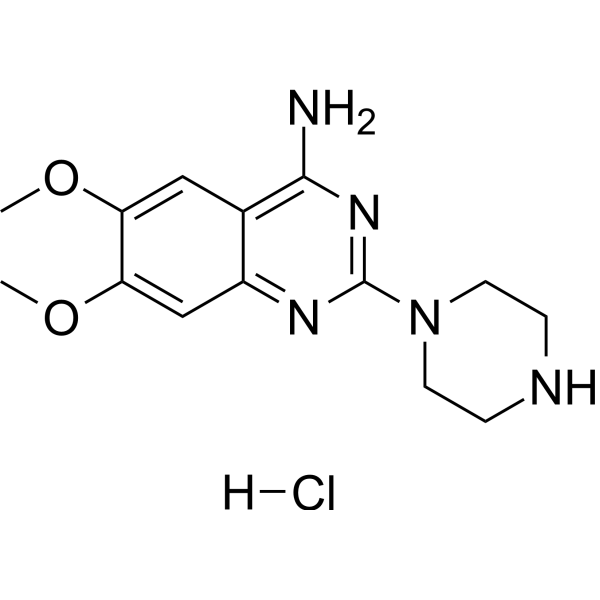
    4-Methylhistamine hydrochloride is the dihydrochloride salt of 4-Methylhistamine (HY-W580721). 4-Methylhistamine hydrochloride is a potent and selective agonist of histamine 4 receptor (H4R) with a Ki of 50 nM. 4-Methylhistamine hydrochloride has a >100-fold selectivity for the hH4R over the other histamine receptor subtypes. 4-Methylhistamine hydrochloride can potently activate the hH4R (pEC50 = 7.4). 4-Methylhistamine hydrochloride can be used for the researches of cancer, inflammation and immunology, such as lung cancer and skin inflammation .
    4-Methylhistamine dihydrochloride
  • HY-N2807

    Others Neurological Disease Inflammation/Immunology
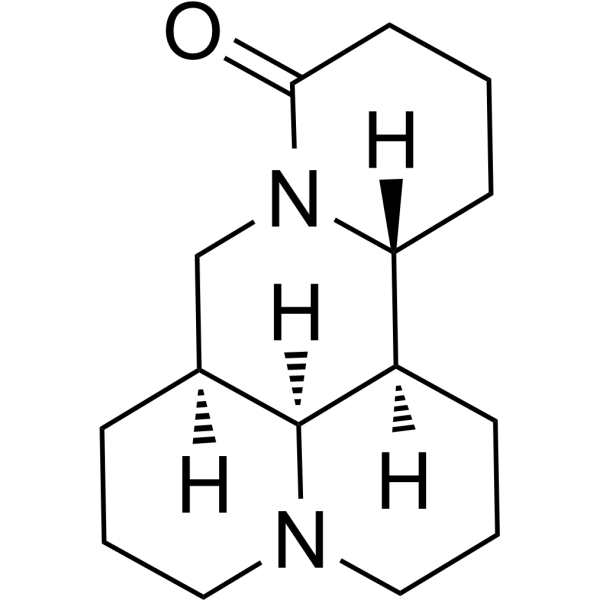
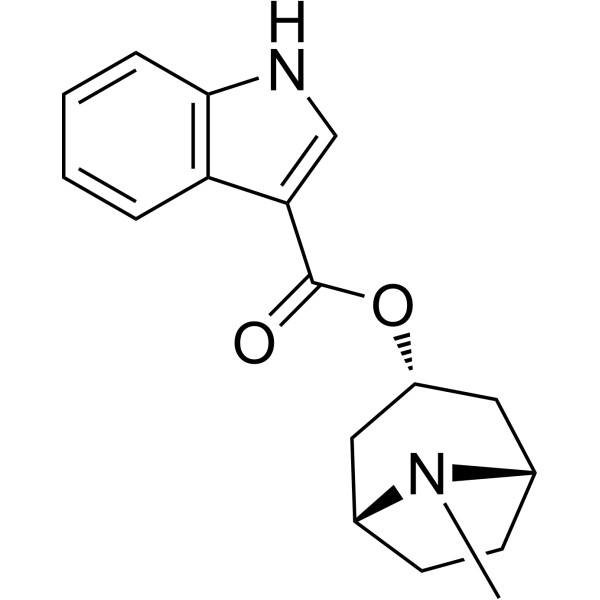
    Acanthoside B is a potential bioactive lignan with anti-inflammatory and anti-amnesic activities. Acanthoside B can be used for alzheimer's disease and lung inflammation research
    Acanthoside B
  • HY-P2797A

    AMCase, Streptomyces griseus

    Biochemical Assay Reagents Others
    Chitinase, Streptomyces griseus is a chitinase from Streptomyces griseus. Chitinase is a chitin-targeting enzyme with chitin hydrolysis activity. Chitinase inhibits chitin-induced innate type 2 inflammation in the lung. Chitinase augments chitin-free, allergen-induced Th2 inflammation. Chitinase mediates effector functions of IL-13 .
    Chitinase, Streptomyces griseus
  • HY-N4093

    trans-Astringin

    Apoptosis Ferroptosis Reactive Oxygen Species (ROS) Interleukin Related PI3K NF-κB Akt Toll-like Receptor (TLR) MyD88 Neurological Disease Metabolic Disease Inflammation/Immunology Cancer
    Astringin (trans-Astringin) is an orally active natural phenolic stilbene glucoside. Astringin can inhibit the production of oxidative stress, inflammatory factors, etc. Astringin has multiple activities such as anti-oxidation, anti-inflammation, and anti-apoptosis. Astringin is also an inhibitor of ferroptosis. Astringin can be used in the research of diseases such as acute lung injury .
    Astringin
  • HY-121246
    Fluorofenidone
    1 Publications Verification

    AKF-PD

    ACSL Family NF-κB ERK TGF-beta/Smad Inflammation/Immunology Cancer
    Fluorofenidone (AKF-PD) is an orally active compound with anti-fibrotic, antioxidant, and anti-inflammatory pharmacological effects. Fluorofenidone downregulates the expression of ACSL4, upregulates GPX4 expression and inhibits the NF-κB signaling pathway to alleviate inflammation and fibrosis. Fluorofenidone ameliorates cholestasis and fibrosis by inhibiting hepatic Erk/-Egr-1 signaling and Tgfβ1/Smad pathway in mice. Fluorofenidone demonstrates protective effects against chronic lung injury in mice. Fluorofenidone can be used for the study of chronic obstructive pulmonary disease (COPD), pulmonary interstitial fibrosis (PIF) and non-small cell lung cancer (NSCLC) .
    Fluorofenidone
  • HY-114869
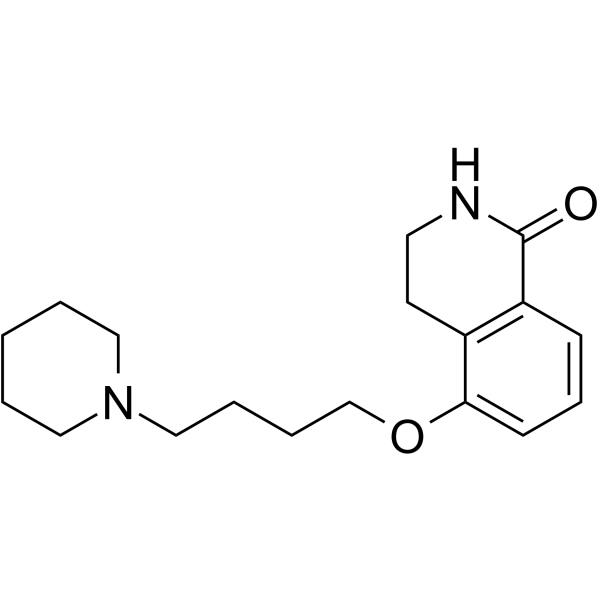
    DPQ
    3 Publications Verification

    PARP Neurological Disease Cancer
    DPQ is a selective PARP-1 inhibitor that blocks PARP-1-mediated DNA damage repair and NAD +/ATP consumption, thereby inhibiting excessive inflammatory responses. DPQ inhibits NF-κB pathway activation, reduces the expression of pro-inflammatory factors (such as TNF-α, IL-6) and oxidative stress. DPQ can be used in inflammation-related studies of acute lung injury, myocardial infarction, and neurodegenerative diseases .
    DPQ
  • HY-P5005

    CMV PD-1/PD-L1 Infection Inflammation/Immunology Cancer
    VIPhyb is a vasoactive intestinal polypeptide (VIP) receptor antagonist. VIPhyb can inhibit VIP signaling, increase T-cell immunity and downregulate PD1. VIPhyb can inhibit cancer cell proliferation. VIPhyb can reduce inflammatory cytokine expression. VIPhyb can enhance viral clearance. VIPhyb can be used for the researches of cancer, infection and inflammation and immunology, such as non-small cell lung cancer (NSCLC), cytomegalovirus infection and colitis .
    VIPhyb
  • HY-12119A
    GW274150 phosphate
    2 Publications Verification

    NO Synthase Neurological Disease Inflammation/Immunology
    GW274150 phosphate is a potent, selective, orally active and NADPH-dependent inhibitor of human inducible nitric oxide synthase (iNOS) (IC50=2.19 μM; Kd=40 nM) and rat iNOS (ED50=1.15 μM). GW274150 phosphate displays less potency for both humans or rats endothelial NOS (eNOS) and neuronal NOS (nNOS). GW274150 phosphate exerts a protective role in an acute model of lung injury inflammation .
    GW274150 phosphate
  • HY-N14001

    TNF Receptor Interleukin Related Arginase PD-1/PD-L1 Inflammation/Immunology Cancer
    Naamidine J is an imidazole-type alkaloids discovered in a sponge. Naamidine J inhibits inflammation by binding to the protein CSE1L (KD = 5.41 μM). Namidine J significantly inhibits the expression of pro-inflammatory factors such as TNF-α, IL-1β, and IL-6, and upregulates anti-inflammatory factors such as CD206 and Arg-1. Namidine J inhibits PD-L1 and shows antitumor activity. Namidine J significantly reduces pulmonary tissue edema, inflammatory cell infiltration and cytokine storm in mice. Namidine J can be used for the research on the immune microenvironment of acute lung injury and tumors .
    Naamidine J
  • HY-N6998
    Paederosidic acid
    1 Publications Verification

    Apoptosis Cancer
    Paederosidic acid is isolated from P.?scandens with anticancer and anti‐inflammation activities. Paederosidic acid inhibits lung caner cells via inducing mitochondria-mediated apoptosis .
    Paederosidic acid
  • HY-P2797

    AMCase, Serratia marcescens

    Biochemical Assay Reagents Metabolic Disease Inflammation/Immunology
    Chitinase, Serratia marcescens is a chitinase from Serratia marcescens. Chitinase is a chitin-targeting enzyme with chitin hydrolysis activity. Chitinase inhibits chitin-induced innate type 2 inflammation in the lung. Chitinase augments chitin-free, allergen-induced Th2 inflammation. Chitinase mediates effector functions of IL-13 .
    Chitinase, Serratia marcescens
  • HY-P99439

    IMA-638

    Interleukin Related Inflammation/Immunology
    Anrukinzumab (IMA-638) is a humanized anti-IL-13 monoclonal antibody. Anrukinzumab effectively reduces lung inflammation in a cynomolgus monkey model. Anrukinzumab can be used in studies of ulcerative colitis (UC) as well as asthma .
    Anrukinzumab
  • HY-14180
    PHA 408
    1 Publications Verification

    IKK Inflammation/Immunology
    PHA 408 (PHA-408) is a potent, selective and orally active IκB kinase-2 (IKK-2) inhibitor. PHA 408 is a powerful anti-inflammatory agent against lipopolysaccharide (LPS)- and cigarette smoke (CS)-mediated lung inflammation .
    PHA 408
  • HY-123070

    Phospholipase Inflammation/Immunology
    ONO-RS-082 is an inhibitor of phospholipase A (PLA) . ONO-RS-082 inhibits PLA2 with the IC50 of 1.0 μM, but does not inhibit PLC even at 100 μM .
    ONO-RS-082
  • HY-P1098A
    Ac2-26 TFA
    Maximum Cited Publications
    8 Publications Verification

    Annexin A NF-κB Inflammation/Immunology
    Ac2-26 TFA is the N-terminal peptide of annexin 1, and has anti-inflammatory activity. Ac2-26 induces a decrease in IKKβ protein in lysosomes by chaperone-mediated autophagy (CMA). Ac2-26 ameliorates lung ischemia-reperfusion injury. Ac2-26 also inhibits airway inflammation and hyperresponsiveness in an asthma rat model .
    Ac2-26 TFA
  • HY-158312
    UH15-38
    1 Publications Verification

    Necroptosis RIP kinase Influenza Virus Infection Inflammation/Immunology
    UH15-38 is a potent RIPK3 inhibitor with an IC50 value of 20 nM. UH15-38 blocks IAV (influenza A virus)-activated necroptosis. UH15-38 dampens IAV-induced lung injury .
    UH15-38
  • HY-P2797B

    Biochemical Assay Reagents Inflammation/Immunology
    Chitinase is a chitin-targeting enzyme with chitin hydrolysis activity. Chitinase inhibits chitin-induced innate type 2 inflammation in the lung. Chitinase augments chitin-free, allergen-induced Th2 inflammation. Chitinase mediates effector functions of IL-13 .
    Chitinase
  • HY-10596
    BMS-688521
    1 Publications Verification

    Integrin Inflammation/Immunology
    BMS-688521 is a highly potent, orally active inhibitor of the LFA-1/ICAM interaction, with an IC50 of 2.5 nM in the adhesion assay and an IC50 of 60 nM in the MLR assay. BMS-688521 is efficacious in a mouse allergic eosinophilic lung inflammation model .
    BMS-688521
  • HY-N6580

    PI3K Akt GSK-3 Reactive Oxygen Species (ROS) TNF Receptor Interleukin Related Infection Metabolic Disease Inflammation/Immunology
    Ginsenoside Rg4 is an orally active protopanaxatriol type ginsenoside. Ginsenoside Rg4 can activate PI3K, AKT and GSK-3β signaling. Ginsenoside Rg4 can inhibit ROS and inflammatory cytokine levels. Ginsenoside Rg4 can be used for the researches of inflammation, infection and metabolic disease, such as sepsis and lung inflammation .
    Ginsenoside Rg4
  • HY-172242

    Cathepsin Dipeptidyl Peptidase Inflammation/Immunology
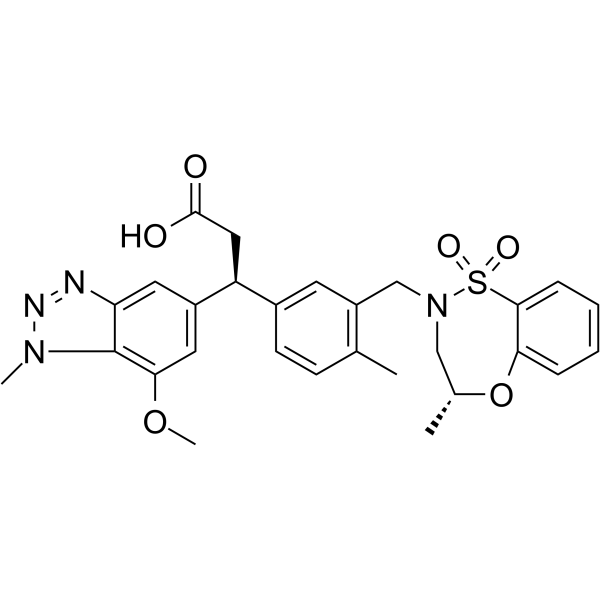
    Verducatib (BI 1291583) is an orally active inhibitor of cathepsin C (also known as DPP1). Verducatib restores the protease-inhibitor balance by inhibiting the activation of neutrophil serine proteases, thereby alleviating pulmonary inflammation and regulating infection responses. Verducatib significantly reduces the risk (including severe exacerbations) and frequency of acute exacerbations in bronchiectasis (BE). Verducatib also improves lung function and quality of life, and shortens the duration of antibiotic use. The overall incidence of adverse events of Verducatib is comparable to that of placebo, with only slightly more mild-to-moderate cutaneous adverse events observed in the high-dose group, demonstrating promising clinical application potential .
    Verducatib
  • HY-117762
    U-83836E
    1 Publications Verification

    PNU-83836E

    Reactive Oxygen Species (ROS) Inflammation/Immunology
    U-83836E (PNU-83836E) is a compound with anti-inflammatory and antioxidant activities that reduces lung inflammation inhibiting oxidative stress and ROS production. U-83836E has shown potential for studying asthma and lung inflammation in animal models .
    U-83836E
  • HY-16942
    Damulin B
    1 Publications Verification

    Apoptosis Reactive Oxygen Species (ROS) Bcl-2 Family CDK MMP Interleukin Related MDM-2/p53 Metabolic Disease Inflammation/Immunology Cancer
    Damulin B is a dammarane-type saponin found in Gynostemma pentaphyllum. Damulin B can inhibit cancer cell apoptosis, decrease mitochondrial membrane potential, inhibit ROS production and cause G0/G1 phase arrest. Damulin B can prevent Cisplatin (HY-17394)-induced acute kidney injury and induce hair growth. Damulin B shows anti-inflammation anti-diabetic and anti-obesity effect. Damulin B can be used for the researches of cancer, inflammation, metabolic disease, such as lung cancer, osteoarthritis and diabetes .
    Damulin B
  • HY-P3982

    CCR Inflammation/Immunology
    CKLF1-C19 is the C-terminal peptide of human chemokine-like factor 1 (CKLF1). CKLF1-C19 interacts with CCR4, and inhibits chemotaxis induced by both CKLF1 and CCL17. CKLF1-C19 can suppress allergic lung inflammation via inhibiting chemotaxis mediated by CCR3 and CCR4 .
    CKLF1-C19
  • HY-120602

    Carboxylesterase (CES) PPAR Interleukin Related Mitochondrial Metabolism Metabolic Disease Inflammation/Immunology
    WWL229 is a selective inhibitor of carboxylesterase 3 (CES3) with an IC50 1.94 μM. WWL229 attenuates LPS (HY-D1056)-induced pro-inflammatory cytokine mRNA levels, inhibits lipolysis and adipose thermogenesis, impairs mitochondrial function, and promotes lipid storage. WWL229 can be used for the research of obesity, insulin resistance, type 2 diabetes, and lung inflammation .
    WWL229
  • HY-N10610

    Others Inflammation/Immunology
    Ethyl rosmarinate is a phenolic compound that can be isolated from Lycopus lucidus. Ethyl rosmarinate has antioxidative activity. Ethyl rosmarinate inhibits lung inflammation .
    Ethyl rosmarinate
  • HY-P990291

    Fc Receptor (FcR) Inflammation/Immunology Cancer
    Anti-Mouse CD16.2 Antibody (9E9) is a Armenian hamster-derived IgG type antibody inhibitor, targeting to mouse CD16.2. Anti-Mouse CD16.2 Antibody (9E9) reacts with mouse CD16.2, also known as FcγRIV (Fc receptor, IgG, low affinity IV). Anti-Mouse CD16.2 Antibody (9E9) inhibits cellular CD16.2 expression and signaling and blocks FcγRIV. Anti-Mouse CD16.2 Antibody (9E9) can be used for the researches of cancer, inflammation and immunology, such as CT26 tumor and lung inflammation .
    Anti-Mouse CD16.2 Antibody (9E9)
  • HY-W005379

    TGF-beta/Smad Inflammation/Immunology
    DGM is an inhibitor of the TGF-β1/Smad signaling pathway with significant antifibrotic effects. DGM inhibits the epithelial-mesenchymal transition (EMT) process in alveolar epithelial cells and slows the progression of pulmonary fibrosis in vivo by reducing lung inflammation, improving lung function, and decreasing extracellular matrix (ECM) remodeling. DGM can be used in research on idiopathic pulmonary fibrosis (IPF) and EMT-related diseases .
    DGM
  • HY-W011085
    CP-471474
    1 Publications Verification

    MMP Inflammation/Immunology
    CP-471474 is an orally active and pan MMP inhibitor, with IC50 values of 1170 nM (MMP-1), 0.7 nM (MMP-2), 16 nM (MMP-3), 13 nM (MMP-9) and 0.9 nM (MMP-13), respectively .
    CP-471474
  • HY-P3397A

    GHSR Cancer
    JV-1-36 acetate is a growth hormone-releasing hormone (GHRH) antagonist. JV-1-36 acetate inhibits the production of reactive oxygen species in A549 lung cancer cells. JV-1-36 can be used to study the effect of GHRH antagonists in vitro .
    JV-1-36 acetate
  • HY-P1098B
    Ac2-26 ammonium
    Maximum Cited Publications
    8 Publications Verification

    IKK Inflammation/Immunology
    Ac2-26 ammonium is the N-terminal peptide of annexin 1, and has anti-inflammatory activity. Ac2-26 ammonium induces a decrease in IKKβ protein in lysosomes by chaperone-mediated autophagy (CMA). Ac2-26 ammonium ameliorates lung ischemia-reperfusion injury. Ac2-26 ammonium also inhibits airway inflammation and hyperresponsiveness in an asthma rat model .
    Ac2-26 ammonium
  • HY-P990264

    Transmembrane Glycoprotein Inflammation/Immunology
    Anti-Mouse CD70 Antibody (FR70) is a rat-derived ant-mouse CD70 IgG2b κ type antibody inhibitor. Anti-Mouse CD70 Antibody (FR70) decreases CD4 +, CD8 + T cells and eosinophils. Anti-Mouse CD70 Antibody (FR70) shows potent anti-inflammatory and anti-immune effects on allergic lung inflammation and cardiac transplant mice models .
    Anti-Mouse CD70 Antibody (FR70)
  • HY-W097753

    4-Methoxydiphenylmethane

    Aminopeptidase Others
    4-MDM (4-Methoxydiphenylmethane) is an orally active anti-inflammatory compound that selectively enhances the Leukotriene A4 Hydrolase (LTA4H) aminopeptidase enzyme activity. 4-MDM reduces the neutrophil recruitment in the lung by enhancing the degradation of proline-glycine-proline by LTA4H, thereby reducing inflammation, and does not affect the epoxy-hydrolase activity of LTA4H. 4-MDM can be used for research on lung diseases .
    4-MDM
  • HY-162459

    Cyclic GMP-AMP Synthase Inflammation/Immunology
    cGAS-IN-3 (compound 30d-S) is an orally active cyclic GMP-AMP synthase (Cyclic GMP-AMP Synthase/cGAS) inhibitor with good plasma exposure and low clearance. cGAS-IN-3 has anti-inflammatory activity and can significantly reduce lung inflammation in rats .
    cGAS-IN-3

Inquiry Online

Your information is safe with us. * Required Fields.

Salutation


Country or Region *

Applicant Name *


Organization Name *

Department *


Email Address *


Product Name *

Cat. No.


Requested quantity *

Phone Number *


Remarks

Inquiry Online

Inquiry Information

Product Name:
Cat. No.:
Quantity:
MCE Japan Authorized Agent:

