
108 Results for "

lung resistance

" in MedChemExpress (MCE) Product Catalog:
Products (108)

108 Results for "lung resistance" in MCE Product Catalog:

208
208 Publications Verification
Cat. No.: HY-15772
CAS No.: 1421373-65-0
Purity:  99.92%
Synonyms: AZD-9291; Mereletinib
Target:  

EGFR

Research Areas:  

Cancer

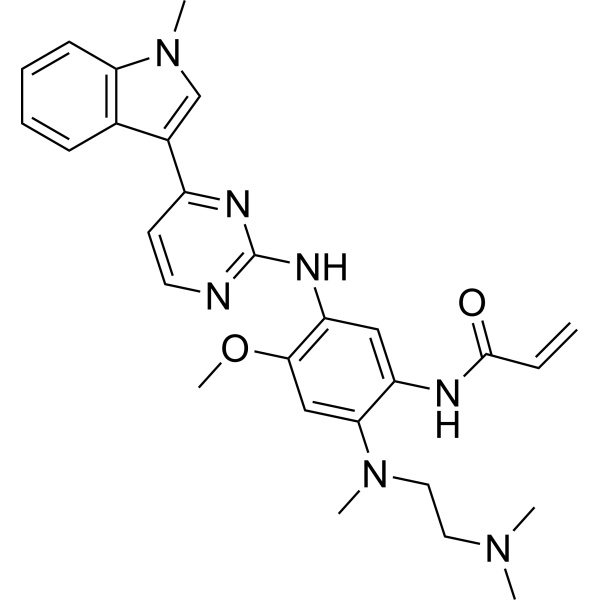
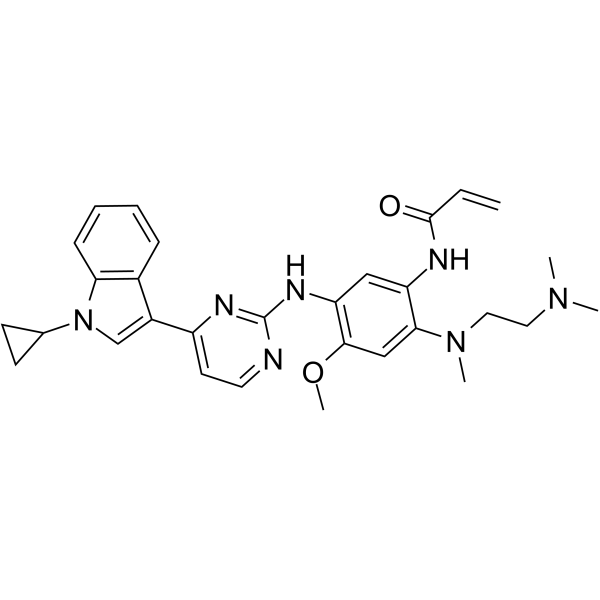
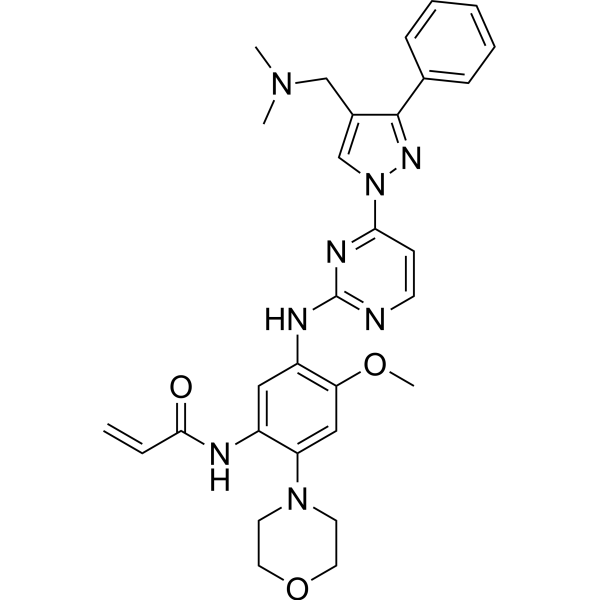
Osimertinib (AZD9291) is a covalent, orally active, irreversible, and mutant-selective EGFR inhibitor with an apparent IC50 of 12 nM against L858R and 1 nM against L858R/T790M, respectively. Osimertinib overcomes T790M-mediated resistance to EGFR inhibitors in lung cancer .
loading...
    loading...
208
208 Publications Verification
Cat. No.: HY-15772A
CAS No.: 1421373-66-1
Purity:  99.97%
Synonyms: AZD-9291 mesylate; Mereletinib mesylate
Target:  

EGFR

Research Areas:  

Cancer

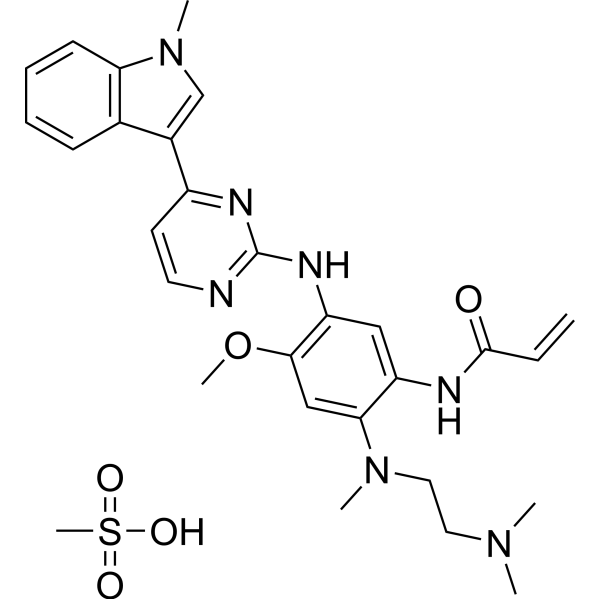
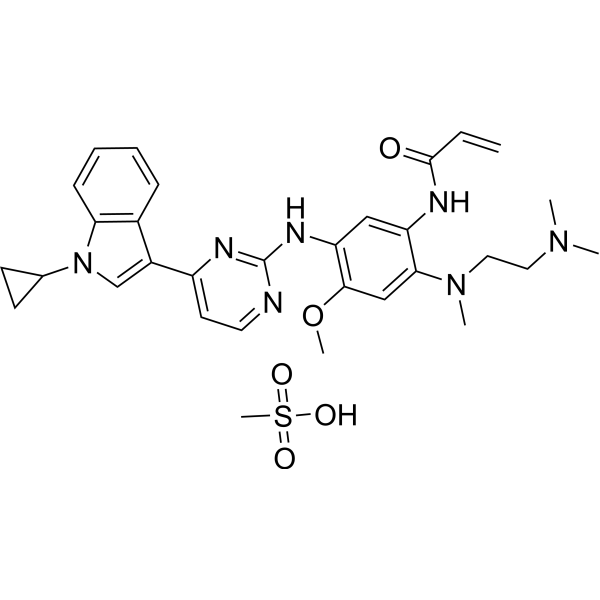
Osimertinib mesylate (AZD9291 mesylate) is a covalent, orally active, irreversible, and mutant-selective EGFR inhibitor with an apparent IC50 of 12 nM against L858R and 1 nM against L858R/T790M. Osimertinib overcomes T790M-mediated resistance to EGFR inhibitors in lung cancer .
loading...
    loading...
147
147 Cited Publications
Cat. No.: HY-12008
CAS No.: 183319-69-9
Purity:  99.94%
Synonyms: CP-358774 hydrochloride; NSC 718781 hydrochloride; OSI-774 hydrochloride
Target:  

EGFR OAT ERK GSK-3 β-catenin

Research Areas:  

Endocrinology Cancer

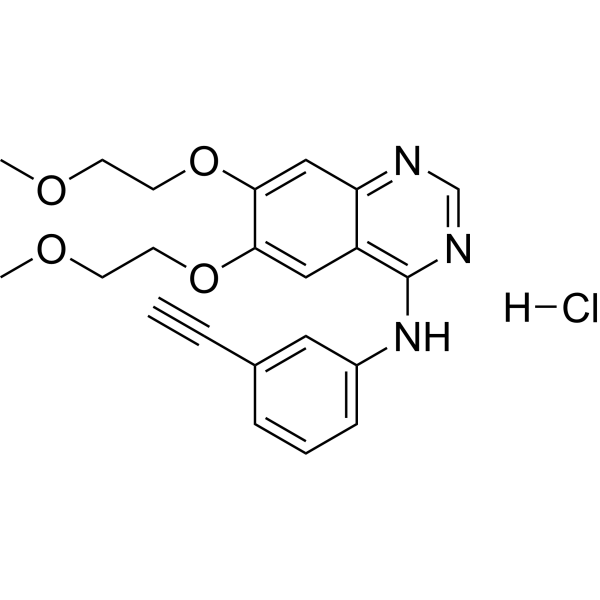
Erlotinib (CP-358774) Hydrochloride is a selective, orally active EGFR tyrosine kinase inhibitor. Erlotinib Hydrochloride also acts as a substrate and inhibitor of OATP2B1, with an IC50 of approximately 0.079 μM for inhibiting OATP2B1-mediated uptake of estrone 3-sulfate. Erlotinib Hydrochloride blocks EGFR phosphorylation, downstream signal transduction, as well as the growth and proliferation of cancer cells. Erlotinib Hydrochloride inhibits MMP-10-mediated renal injury, fibrotic lesions, the ERK1/2, GSK-3β and β-catenin signaling pathways, as well as the deposition of fibronectin, α-SMA, collagen and renal injury markers. Erlotinib Hydrochloride is metabolized via CYP3A to produce the active metabolite OSI-420. Erlotinib Hydrochloride can be used in research related to non-small cell lung cancer, gastric cancer, papillary renal cell carcinoma, EGFR inhibitor resistance and renal fibrosis .
loading...
    loading...
37
37 Cited Publications
Cat. No.: HY-19989A
CAS No.: 115103-85-0
Synonyms: L-660711 sodium
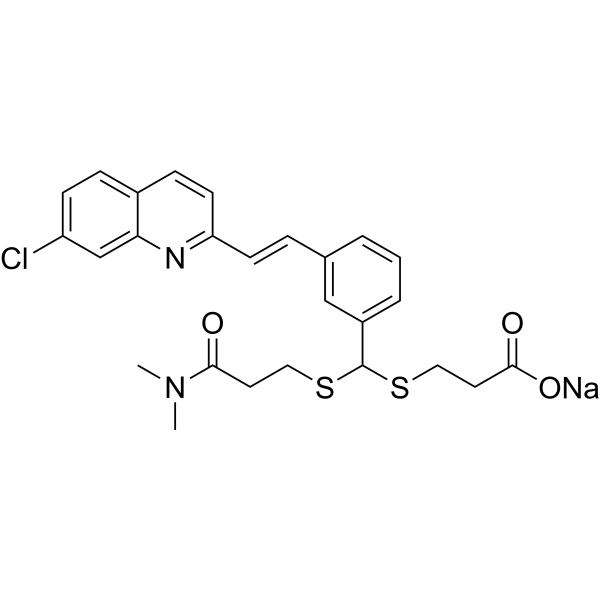
MK-571 (L-660711) sodium is an orally active, potent and selective competitive leukotriene D4 (LTD4) receptor antagonist, with Ki values of 0.22 and 2.1 nM in guinea pig and human lung membranes, respectively. MK-571 sodium is also a inhibitor of multidrug resistance-associated protein MRP4 (ABCC4) and ABCC1 (MRP1). MK-571 sodium inhibits constitutive and antigen-stimulated S1P (sphingosine-1-phosphate) release .
loading...
    loading...
13
13 Cited Publications
Cat. No.: HY-19940
CAS No.: 1450824-22-2
Synonyms: TD139; GB0139
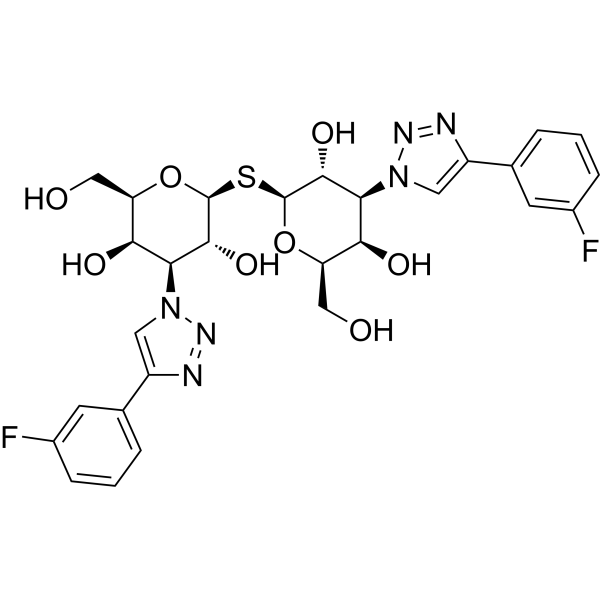
Olitigaltin (TD139) is a high-affinity Galectin-3 inhibitor with a Kd value of 14 nM. Olitigaltin inhibits the activity of the AKT/β-catenin pathway, induces Apoptosis, and downregulates SREBP1 expression. Olitigaltin enhances the phosphorylation level of ERK. Olitigaltin alleviates bleomycin (HY-17565A)-induced advanced pulmonary fibrosis in mice. Olitigaltin delays the onset of diabetes, and improves glucose tolerance and serum insulin levels. Olitigaltin alleviates liver injury. Olitigaltin maintains the structure of hippocampal excitatory synapses, restores γ-wave power in the hippocampal CA1 region, inhibits hippocampal neuroinflammation, and improves cognitive function in neuroinflammation models. Olitigaltin can be used in research related to thyroid cancer, idiopathic pulmonary fibrosis, type 1 diabetes, hepatitis, and cognitive dysfunction induced by neuroinflammation .
loading...
    loading...
12
12 Cited Publications
Cat. No.: HY-10402
CAS No.: 585543-15-3
Purity:  99.94%
Synonyms: GSK-AHAB; GW856553X; SB856553
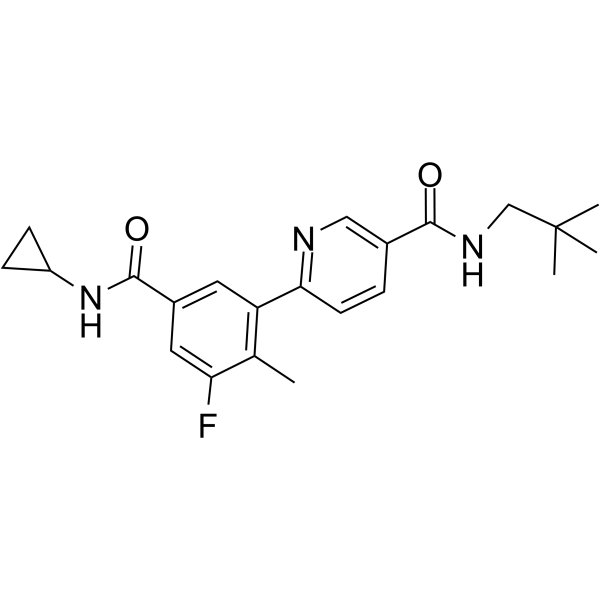
Losmapimod (GSK-AHAB; GW856553X) is an orally active p38α/β MAPK inhibitor, with pKi values of 8.1 and 7.6 for p38α and p38β, respectively. Losmapimod reduces DUX4 expression, thus exerting efficacy in facioscapulohumeral muscular dystrophy. By inhibiting MAPK/NF-κB, Losmapimod reduces apoptosis of epileptiform hippocampal neurons, and exhibits anti-allodynia and anti-hyperalgesic activities. Losmapimod blocks the entry and fusion of Lassa fever virus (LASV). Losmapimod overcomes tyrosine kinase inhibitor resistance in non-small cell lung cancer (NSCLC). Losmapimod inhibits myocardial senescence and inflammation, and possesses cardioprotective activity against cardiotoxicity .
loading...
    loading...
10
10 Cited Publications
Cat. No.: HY-112823
CAS No.: 1899921-05-1
Purity:  99.83%
Synonyms: HS-10296
Target:  

EGFR

Research Areas:  

Cancer

Almonertinib (HS-10296) is an orally available, irreversible, third-generation EGFR tyrosine kinase inhibitor with high selectivity for EGFR-sensitizing and T790M resistance mutations. Almonertinib shows great inhibitory activity against T790M, T790M/L858R and T790M/Del19 (IC50: 0.37, 0.29 and 0.21 nM, respectively), and is less effective against wild type (3.39 nM). Almonertinib is used for the research of the non-small cell lung cancer .
loading...
    loading...
10
10 Cited Publications
Cat. No.: HY-112823A
CAS No.: 2134096-06-1
Purity:  99.67%
Synonyms: HS-10296 mesylate
Target:  

EGFR

Research Areas:  

Cancer

Almonertinib (HS-10296) mesylate is an orally available, irreversible, third-generation EGFR tyrosine kinase inhibitor with high selectivity for EGFR-sensitizing and T790M resistance mutations. Almonertinib mesylate shows great inhibitory activity against T790M, T790M/L858R and T790M/Del19 (IC50: 0.37, 0.29 and 0.21 nM, respectively), and is less effective against wild type (3.39 nM). Almonertinib mesylate is used for the research of the non-small cell lung cancer .
loading...
    loading...
10
10 Cited Publications
Cat. No.: HY-112823B
CAS No.: 2134096-03-8
Purity:  99.77%
Synonyms: HS-10296 hydrochloride
Target:  

EGFR

Research Areas:  

Cancer

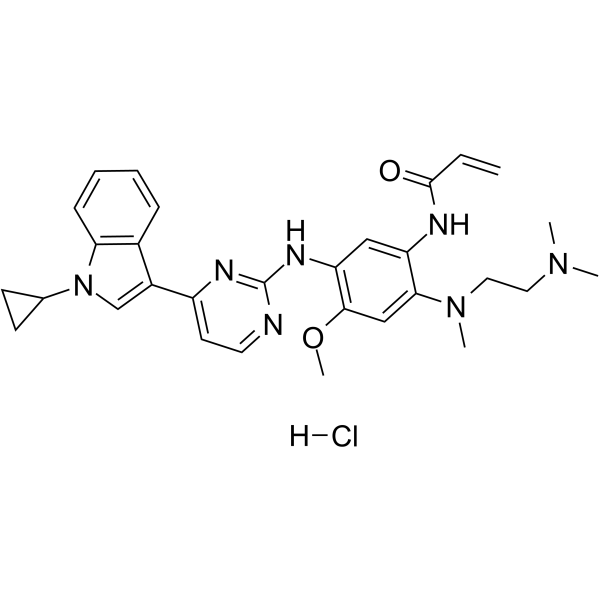
Almonertinib (HS-10296) hydrochloride is an orally available, irreversible, third-generation EGFR tyrosine kinase inhibitor with high selectivity for EGFR-sensitizing and T790M resistance mutations. Almonertinib hydrochloride shows great inhibitory activity against T790M, T790M/L858R and T790M/Del19 (IC50: 0.37, 0.29 and 0.21 nM, respectively), and is less effective against wild type (3.39 nM). Almonertinib hydrochloride is used for the research of the non-small cell lung cancer .
loading...
    loading...
4
4 Cited Publications
Cat. No.: HY-119307
CAS No.: 287405-51-0
Purity:  99.67%
Synonyms: TMI-005
Target:  

MMP TNF Receptor

Research Areas:  

Cancer

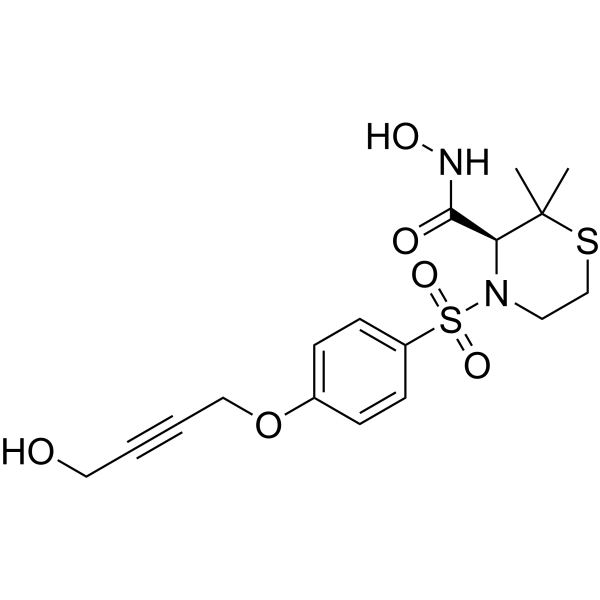
Apratastat (TMI-005) is an orally active, non-selective and reversible TACE/MMPs inhibitor, can inhibit inhibit the release of TNF-α. Apratastat has the potential to overcome radiotherapy-resistance in non-small cell lung cancer (NSCLC) . Apratastat is a click chemistry reagent, it contains an Alkyne group and can undergo copper-catalyzed azide-alkyne cycloaddition (CuAAc) with molecules containing Azide groups.
loading...
    loading...
3
3 Cited Publications
Cat. No.: HY-109061B
CAS No.: 2247995-37-3
Synonyms: YH25448 mesylate; GNS-1480 mesylate
Research Areas:  

Cancer

Lazertinib (YH25448; GNS-1480) mesylate is an orally active, blood-brain barrier permeable third-generation EGFR tyrosine kinase inhibitor, as well as an ABCB1/ABCG2 inhibitor and a TRPA1 activator. Lazertinib mesylate exhibits IC50 values of 0.4 mM and 0.2 mM against human ABCB1 and ABCG2, respectively. By inhibiting mutant EGFR signaling, EGFR phosphorylation and the downstream ERK/AKT pathway, as well as upregulating surface expression of EGFR/MET, Lazertinib mesylate induces cell cycle arrest, apoptosis, spontaneous calcium responses, hyperexcitability of dorsal root ganglion (DRG) neurons, and TRPA1-dependent pain-like behaviors. Lazertinib mesylate competitively binds to the substrate-binding sites of ABCB1/ABCG2, stimulates their ATPase activity without altering their expression or plasma membrane localization, thereby enhancing ADCC activity, acting as a chemosensitizer, and reversing ABCB1-mediated multidrug resistance. It exerts antitumor activity as a single agent or in combination with other drugs. Lazertinib mesylate is applicable to research related to non-small cell lung cancer, multidrug-resistant cancers, and paresthesia .
loading...
    loading...
3
3 Cited Publications
Cat. No.: HY-153268
CAS No.: 2607829-38-7
Purity:  99.03%
Synonyms: BDTX-1535; EGFR-IN-76
Target:  

EGFR

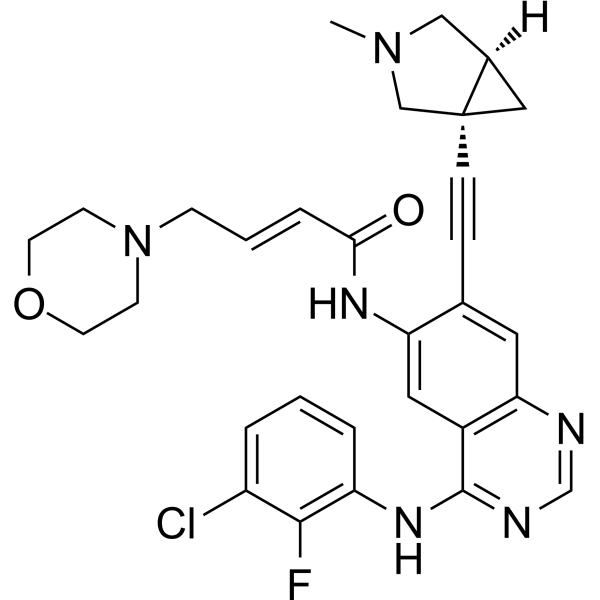
Silevertinib (BDTX-1535) is an irreversible, brain-penetrant, selective and orally active EGFR inhibitor with wild-type EGFR-sparing. Silevertinib targets key EGFR resistance mutations, including the kinase domain (C797S, L718Q, G724S, S768I), extracellular domain (EGFRvIII, A289X), and EGFR amplification. Silevertinib exerts anti-tumor activity with well tolerated in vivo. Silevertinib can be used for non-small cell lung cancer (NSCLC) and glioblastoma (GBM) research .
loading...
    loading...
3
3 Cited Publications
Cat. No.: HY-109061
CAS No.: 1903008-80-9
Purity:  99.87%
Synonyms: YH25448; GNS-1480
Lazertinib (YH25448; GNS-1480) is an orally active, blood-brain barrier permeable third-generation EGFR tyrosine kinase inhibitor, as well as an ABCB1/ABCG2 inhibitor and a TRPA1 activator. Lazertinib exhibits IC50 values of 0.4 mM and 0.2 mM against human ABCB1 and ABCG2, respectively. By inhibiting mutant EGFR signaling, EGFR phosphorylation and the downstream ERK/AKT pathway, as well as upregulating surface expression of EGFR/MET, Lazertinib induces cell cycle arrest, apoptosis, spontaneous calcium responses, hyperexcitability of dorsal root ganglion (DRG) neurons, and TRPA1-dependent pain-like behaviors. Lazertinib competitively binds to the substrate-binding sites of ABCB1/ABCG2, stimulates their ATPase activity without altering their expression or plasma membrane localization, thereby enhancing ADCC activity, acting as a chemosensitizer, and reversing ABCB1-mediated multidrug resistance. It exerts antitumor activity as a single agent or in combination with other drugs. Lazertinib is applicable to research related to non-small cell lung cancer, multidrug-resistant cancers, and paresthesia .
loading...
    loading...
2
2 Cited Publications
Cat. No.: HY-W145521
CAS No.: 9051-97-2
Synonyms: β Glucan
β-1,3-Glucan (β Glucan) is an orally active polysaccharide composed of glucose polymers. β-1,3-Glucan increase the activity of IKKβ kinase, enhances the production of nitric oxide. β-1,3-Glucan improves resistance to Vibrio harveyi infection. β-1,3-Glucan enhances immune response, promotes blood pressure recovery, reduces lung, kidney and liver damage, inhibits the growth of syngeneic tumors .
loading...
    loading...
2
2 Cited Publications
Cat. No.: HY-19642A
CAS No.: 2319837-80-2
Synonyms: MGCD265 hydrochloride
Target:  

TAM Receptor c-Met/HGFR

Research Areas:  

Cancer

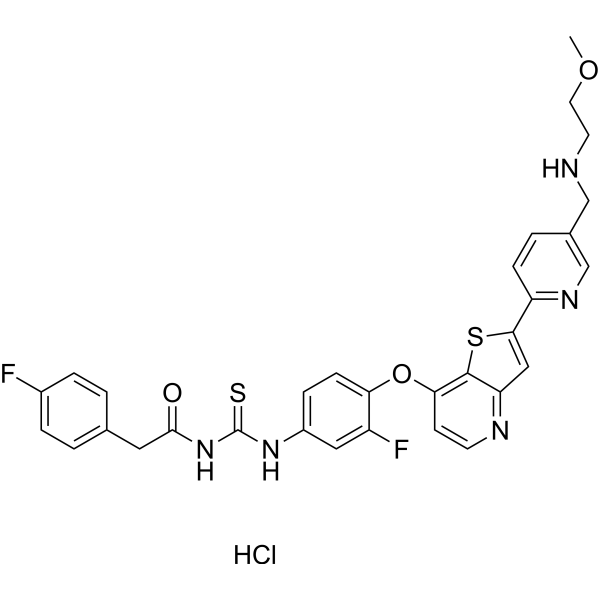
Glesatinib hydrochloride (MGCD265 hydrochloride) is an orally active, potent MET/SMO dual inhibitor. Glesatinib hydrochloride, a tyrosine kinase inhibitor, antagonizes P-glycoprotein (P-gp) mediated multidrug resistance (MDR) in non-small cell lung cancer (NSCLC) .
loading...
    loading...
2
2 Cited Publications
Cat. No.: HY-145733
CAS No.: 2247061-09-0
Purity:  99.62%
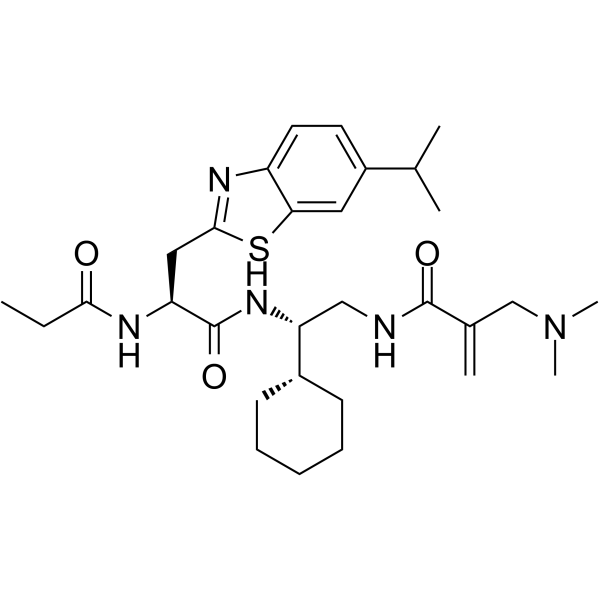
DI-1859 is a DCN1 and cullin 3 inhibitor with a Ki of <1 nM against human DCN1. DI-1859 forms a covalent bond with Cys115 of DCN1, cleaves its dimethylamino group, disrupts the DCN1-UBC12 interaction, and selectively inhibits the neddylation modification of cullin 3 relative to other cullins. DI-1859 inactivates CRL3, promotes the accumulation of NRF2 and SLC7A11, upregulates the expression of HO-1 and NQO1, reduces reactive oxygen species (ROS) levels, enhances insulin signaling, promotes insulin secretion, activates RhoA, regulates the phosphorylation of AKT, without completely blocking the neddylation modification of cullin 3 or restoring the expression of IRS-1. DI-1859 can be used in the research of Acetaminophen (HY-66005)-induced hepatotoxicity, hyperglycemia, metabolic dysfunction-associated steatotic liver disease, insulin resistance, breast cancer and lung cancer .
loading...
    loading...
1
1 Cited Publications
Cat. No.: HY-12642
CAS No.: 1642-54-2
Purity:  99.95%
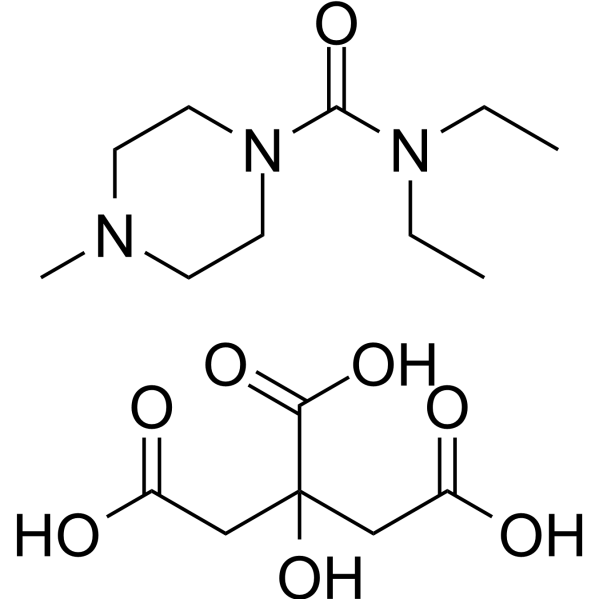
Diethylcarbamazine citrate is an orally active microfilaricidal agent used originally in onchocerciasis and lymphatic filiariasis. Diethylcarbamazine citrate reduces eosinophil trafficking to the lung tissue and exerts anti-allergic effects. Diethylcarbamazine citrate reduces serum levels of leptin, TNF-α, IL-6, MCP-1, glucose, insulin, and triglycerides, and ameliorates insulin resistance without altering body, liver, or adipose tissue weights. Diethylcarbamazine citrate enhances reactive oxygen intermediate expression by polymorphonuclear neutrophils, increases lymphocyte proliferation, and inhibits actinomycetoma lesion development. Diethylcarbamazine citrate can be used for the researches of bronchial asthma, insulin resistance and infection .
loading...
    loading...
1
1 Cited Publications
Cat. No.: HY-D1056B3
Synonyms: LPS, from bacterial (Klebsiella pneumoniae)
Lipopolysaccharides, from Klebsiella pneumoniae (LPS, from bacterial (Klebsiella pneumoniae)) are lipopolysaccharide endotoxins and TLR4 activators derived from Klebsiella pneumoniae, and are classified as S-type LPS. Lipopolysaccharides, from Klebsiella pneumoniae exhibit a typical three-part structure: O-antigen, core oligosaccharide, and lipid A. Lipopolysaccharides, from Klebsiella pneumoniae may participate in bacterial immune evasion by inhibiting complement-mediated killing and suppressing the host's secretion of antimicrobial peptides, thereby allowing the bacteria to escape immune defenses. Lipopolysaccharides, from Klebsiella pneumoniae possess high viscosity and resistance to serum-mediated killing, which may lead to sepsis. Lipopolysaccharides, from Klebsiella pneumoniae can be used to construct Acute Lung Injury Model .
It is recommended to prepare a solution with concentration ≥2 mg/mL. Vortex thoroughly for more than 10 minutes. Due to the adsorption characteristics of LPS, silanized container or low adsorption centrifuge tubes should be used for aliquoting and storage, and mix thoroughly before use.
loading...
    loading...
1
1 Cited Publications
Cat. No.: HY-113331
CAS No.: 54397-85-2
Purity:  ≥99.0%
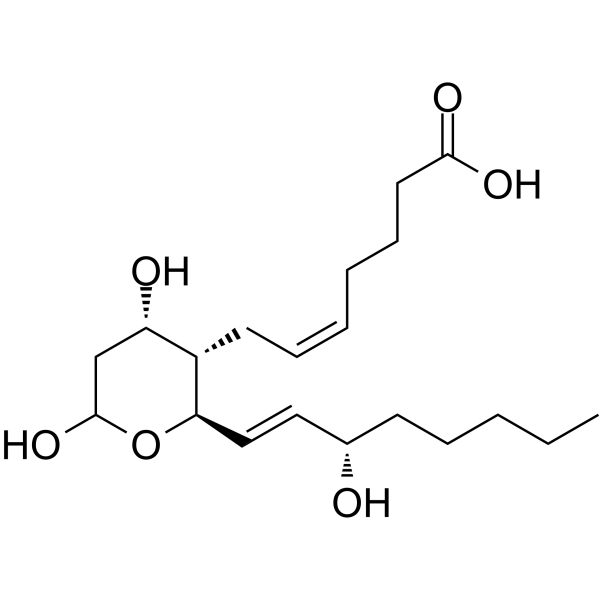
Thromboxane B2 is a prostaglandin derivative that is released during anaphylaxis. Thromboxane B2 induces arterial contraction and platelet aggregation. Thromboxane B2 is a biological inactive product and circulating catabolite of thromboxane A2. Thromboxane B2 levels in peripheral venous blood and coronary sinus blood can be used as a diagnostic marker for angina. Thromboxane B2 level in serum is also associated with inhibition of COX-1 activity inhibition in platelets. Thromboxane B2 is a major product of prostaglandin endoperoxide metabolism. Thromboxane B2 produces dose-related decreases in airflow rate, tidal volume and dynamic lung compliance, whilst simultaneously increasing pulmonary airway resistance in dog model. Thromboxane B2 appears to be a naturally occurring bronchoactive metabolite in the bioconversion of arachidonic acid .
loading...
    loading...
1
1 Cited Publications
Cat. No.: HY-147025
CAS No.: 2347517-69-3
Purity:  99.06%
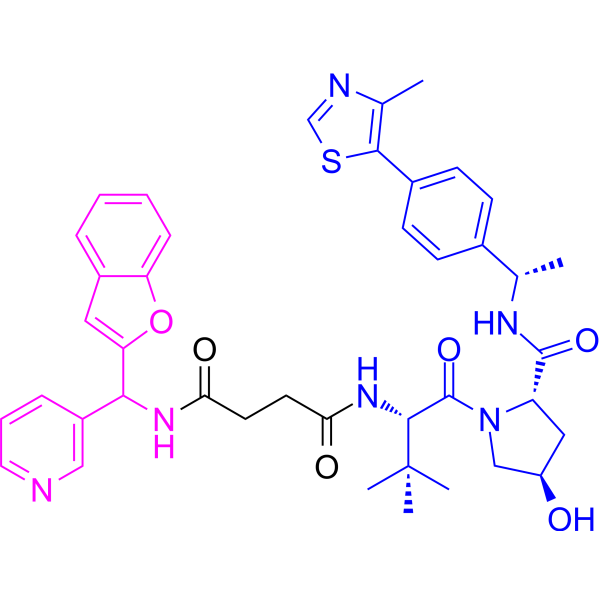
(S,R,S)-AHPC-C2-amide-benzofuranylmethyl-pyridine is a dual-targeting PROTAC molecule. (S,R,S)-AHPC-C2-amide-benzofuranylmethyl-pyridine not only targets the ubiquitination and degradation of Smad3, but also elevates the protein level of HIF-α, thereby exerting multi-pathway anti-fibrotic and renoprotective effects. (S,R,S)-AHPC-C2-amide-benzofuranylmethyl-pyridine can be used in a wide range of tumor studies including cancers with KRAS inhibitor resistance, covering pancreatic ductal adenocarcinoma, acute myeloid leukemia, and various soft tissue sarcomas (such as fibrosarcoma, liposarcoma, chondrosarcoma, etc.). (S,R,S)-AHPC-C2-amide-benzofuranylmethyl-pyridine can also be applied to research related to various solid tumors and hematological malignancies, involving multiple cancer types such as colon cancer, breast cancer, ovarian cancer, non-small cell lung cancer, glioblastoma, and melanoma .
loading...
    loading...

