

61 Results for "

macromolecule

" in MedChemExpress (MCE) Product Catalog:
Products (61)

61 Results for "macromolecule" in MCE Product Catalog:

9
9 Publications Verification
Cat. No.: HY-W250110
CAS No.: 9002-98-6
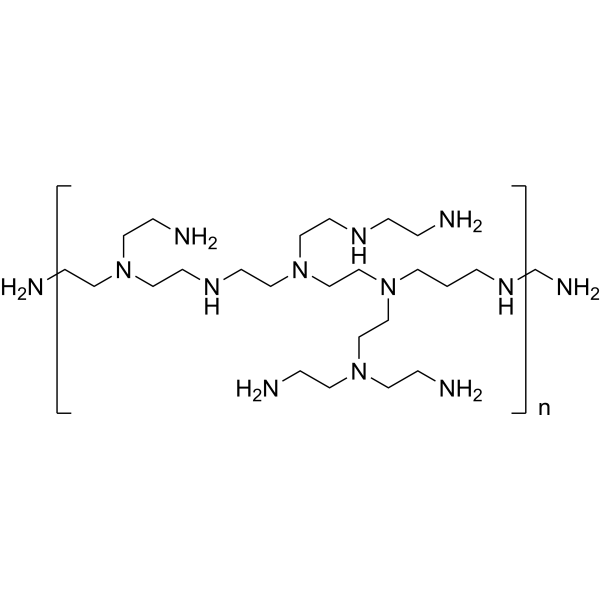
Polyethylenimine (branched) (30% in water) is a organic macromolecule with high cationic-charge-density potential. Polyethylenimine (branched) (30% in water) can ensnare DNA as well as attach to cell membrane. Polyethylenimine (branched) (30% in water) also retains a substantial buffering capacity at virtually any pH. Polyethylenimine (branched) (30% in water) is widely used as transfection reagent .
loading...
    loading...
9
9 Publications Verification
Cat. No.: HY-105129
CAS No.: 70132-51-3
Purity:  99.98%
Research Areas:  

Cancer

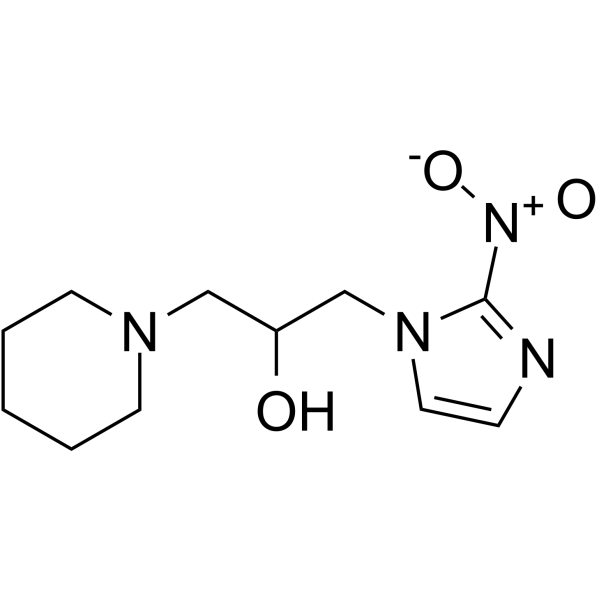
Pimonidazole is a novel hypoxia marker for complementary study of tumor hypoxia and cell proliferation in tumor . Pimonidazole accumulates in hypoxic cells via covalent binding with macromolecules or by forming reductive metabolites after reduction of its nitro group, it can be used for qualitative and quantitative assessment of tumor hypoxia .
loading...
    loading...
9
9 Publications Verification
Cat. No.: HY-105129A
CAS No.: 70132-50-2
Purity:  99.32%
Research Areas:  

Cancer

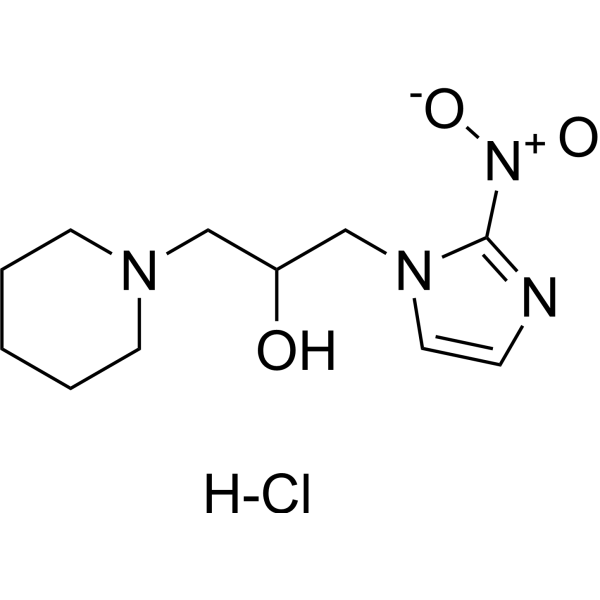
Pimonidazole is a novel hypoxia marker for complementary study of tumor hypoxia and cell proliferation in tumor . Pimonidazole accumulates in hypoxic cells via covalent binding with macromolecules or by forming reductive metabolites after reduction of its nitro group, it can be used for qualitative and quantitative assessment of tumor hypoxia .
loading...
    loading...
7
7 Cited Publications
Cat. No.: HY-B2247A
CAS No.: 34346-01-5
Synonyms: poly(lactic-co-glycolic acid) (75:25)
Research Areas:  

Others

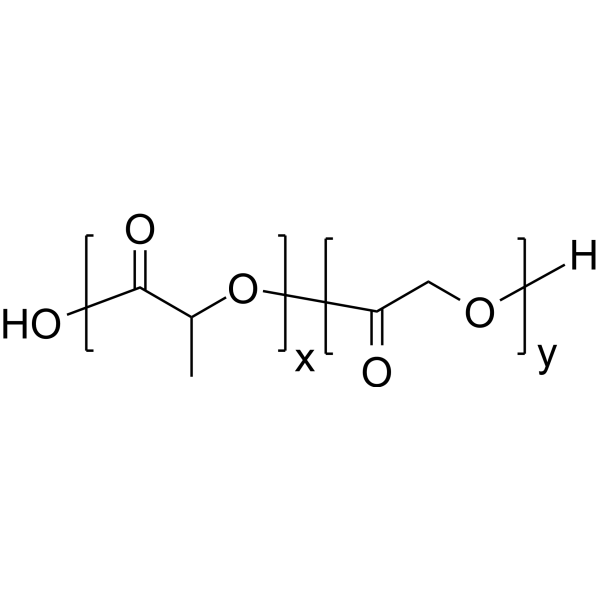
PLGA (75:25) is a low toxicity, biocompatible and biodegradable controlled drug delivery carrier, can achieve slow release in the organism. PLGA (75:25) is a copolymer of 75% poly lactic acid (PLA) and 25% poly glycolic acid (PGA). PLGA (75:25) has been extensively studied as delivery vehicles for agents, proteins and various other macromolecules such as DNA, RNA and peptides .
loading...
    loading...
4
4 Cited Publications
Cat. No.: HY-114299
CAS No.: 203787-91-1
Purity:  99.94%
Synonyms: SNAC
Research Areas:  

Others

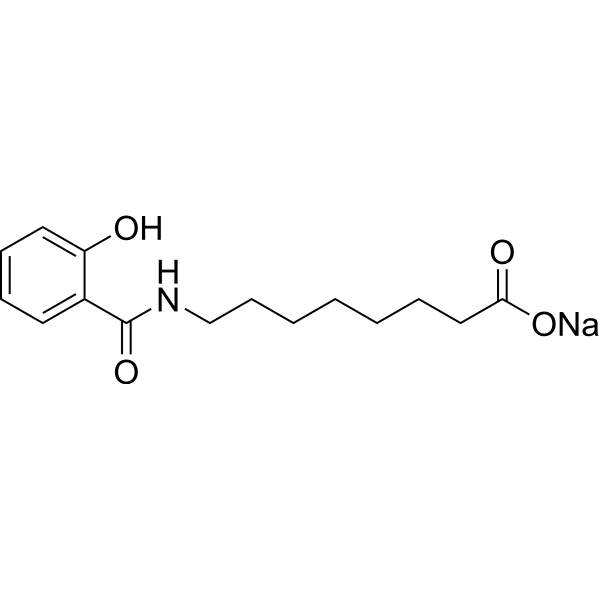
Salcaprozate sodium (SNAC), an oral absorption promoter, and has the potential as a delivery agent for oral forms of heparin and insulin. Salcaprozate sodium could increase passive transcellular permeation across small intestinal epithelia based on increased lipophilicity arising from non-covalent macromolecule complexation .
loading...
    loading...
3
3 Cited Publications
Cat. No.: HY-P0123
CAS No.: 1621717-95-0
Target:  

Peptides

Research Areas:  

Others

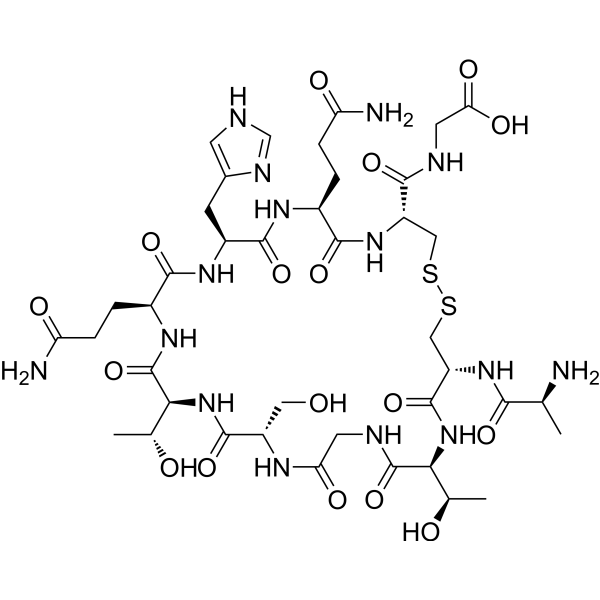
SPACE peptide is a skin penetrating peptide (SPPs). SPACE peptide can enhance topical delivery of a macromolecule, hyaluronic acid .
loading...
    loading...
2
2 Cited Publications
Cat. No.: HY-W014125
CAS No.: 1852-04-6
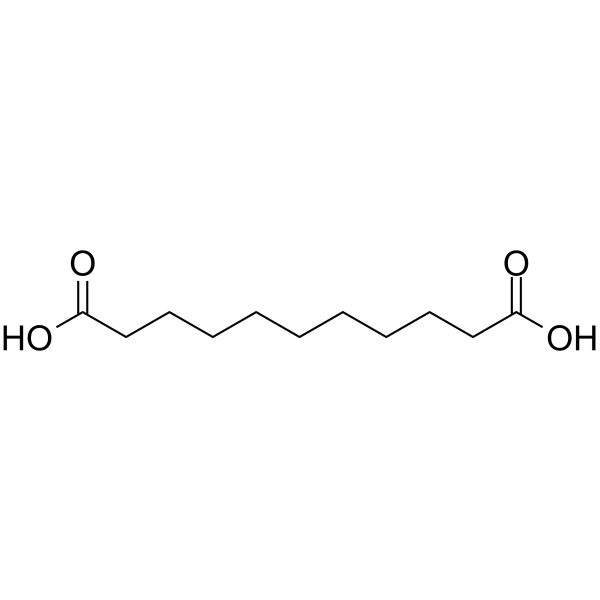
Undecanedioic acid is an oral activie nndogenous metabolite. Undecanedioic acid is associated with intercellular matrix macromolecules and specifically with elastin .
loading...
    loading...
1
1 Cited Publications
Cat. No.: HY-140741
Purity:  99.89%
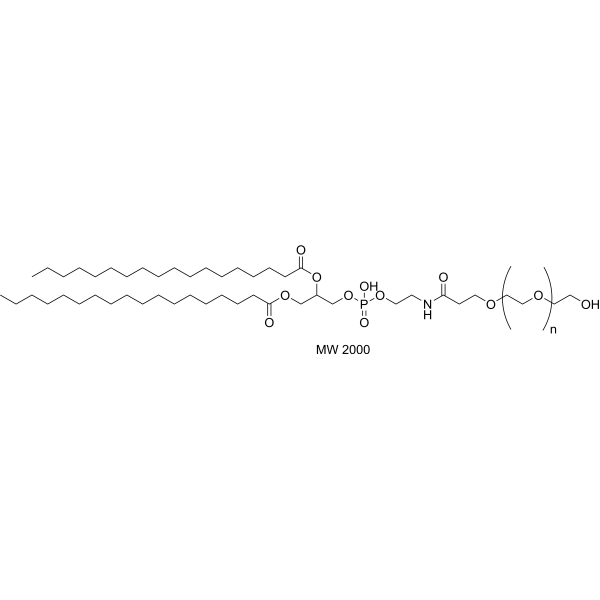
DSPE-PEG2000-OH is an absorption enhancer. DSPE-PEG2000-OH reduces the expression levels of ZO-1 and Occludin. DSPE-PEG2000-OH enhances the pulmonary absorption of poorly absorbable macromolecules via the paracellular pathway without altering pulmonary membrane fluidity .
loading...
    loading...
Cat. No.: HY-P4108
CAS No.: 923954-79-4
Target:  

Influenza Virus

Research Areas:  

Infection

TAT-HA2 Fusion Peptide is a peptide-based delivery agent that combines the pH-sensitive HA2 fusion peptide from Influenza and the cell-penetrating peptide TAT from HIV. TAT-HA2 Fusion Peptide is a transactivator of transcription and hemaglutanin for endosomal release. TAT-HA2 Fusion Peptide enhances cellular uptake of macromolecules .
loading...
    loading...
Cat. No.: HY-33878
CAS No.: 21203-86-1
Research Areas:  

Neurological Disease

2-PPA is a lysosomal potassium and proton channel TMEM175 pore blocker. 2-PPA binds at a TMEM175 pore site to occlude potassium and proton ion permeation pathways. 2-PPA increases lysosomal macromolecule catabolism, accelerates macropinocytosis. 2-PPA binds to hepatic protein in covalent. 2-PPA can be used for the research of Parkinson's disease .
loading...
    loading...
Cat. No.: HY-P5423
CAS No.: 107658-43-5
Target:  

Exosomes Liposome

Research Areas:  

Cancer

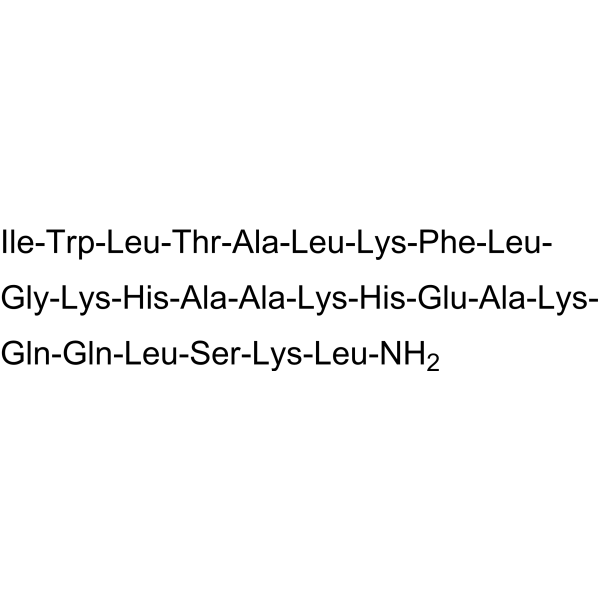
GALA is a pH-responsive amphipathic peptide consisting of 30 amino acids, which acts as a lung endothelium-targeting ligand. GALA undergoes a conformational transition from random coil to α-helix in an acidic environment at pH 5.0, thereby inducing endosomal membrane destabilization and fusion. GALA-modified liposomes traverse lung endothelial cells via clathrin-dependent endocytosis and transcytosis, and specifically accumulate in the lungs after intravenous injection. GALA significantly promotes the cytosolic release of cargos carried by exosomes, plasmids and liposomes, effectively enhances gene transfection efficiency, and drives gene knockdown of functional macromolecules (such as siRNA) in alveolar epithelial cells (with no significant cytotoxicity at effective concentrations). GALA serves as a critical tool for studies on lung cancer metastasis (e.g., melanoma lung metastasis) and lung-targeted drug delivery systems .
loading...
    loading...
Cat. No.: HY-P4121
CAS No.: 1898254-09-5
Target:  

Potassium Channel

Research Areas:  

Inflammation/Immunology Cancer

L17E is an attenuated cationic amphiphilic lytic (ACAL) peptide that can be used to deliver a variety of macromolecules, including proteins, antibodies, and DNA nanostructures. L17E inserts and cleaves the membrane structure through electrostatic interaction, enabling intracellular escape. The efficiency of L17E-mediated delivery is strongly correlated with the expression level of KCNN4 (the gene encoding the calcium-activated potassium channel KCa3.1). L17E also promotes the cellular uptake of macromolecules by inducing micropinocytosis. L17E can be further optimized and improved through dimerization strategies and in combination with other delivery systems, such as nuclear localization signal peptides and cell membrane-coated nanoparticles .
loading...
    loading...
Cat. No.: HY-D0215
CAS No.: 477-73-6
Synonyms: Safranine T
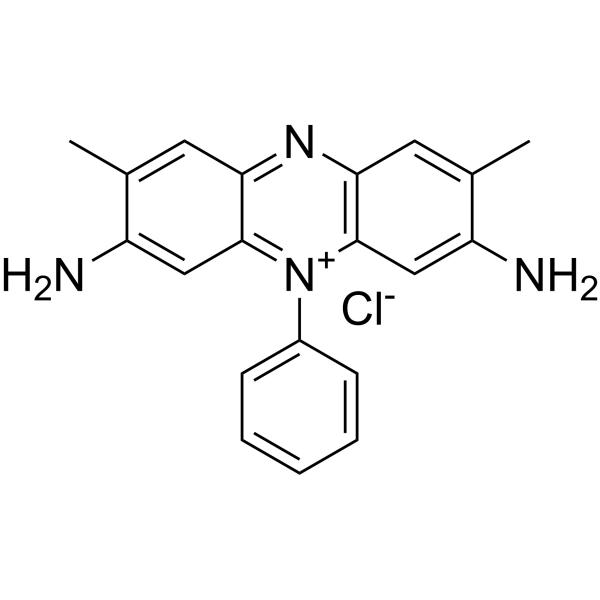
Safranin (Safranin T) is an important and classical phenazinium dye. Safranin has been extensively used in the academic field as a spectroscopic probe and indicator. Safranin possesses a planar structure and cationic charge. Safranin can readily intercalate into biological macromolecules, including DNA and proteins. Safranin has antibacterial effects against gram-positive bacteria (S. aureus). Safranin can be used as a redox indicator in the determination of metal ion concentration .
loading...
    loading...
Cat. No.: HY-134620
CAS No.: 1263093-76-0
Cyanine 5 NHS ester tetrafluoroborate (Compound Cy5) is a cyanine dye that is used to in fluorescence detection of macromolecules. Cyanine 5 NHS ester tetrafluoroborate exhibits an excitation wavelength of 638 nm .
loading...
    loading...
Cat. No.: HY-W006371
CAS No.: 2041-14-7
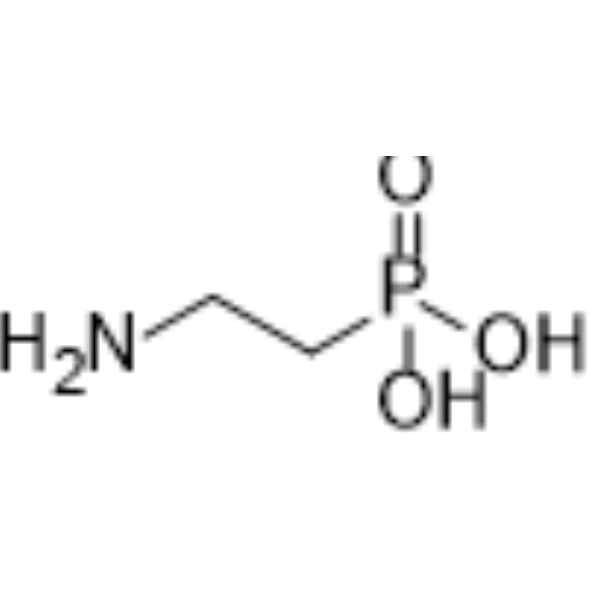
(2-Aminoethyl)phosphonic acid is an endogenous metabolite and amino acid analog. (2-Aminoethyl)phosphonic acid can be used for the synthesis of biological macromolecules and the preparation of hydrogels .
loading...
    loading...
Cat. No.: HY-141452
CAS No.: 542-78-9
Synonyms: Malondialdehyde
Target:  

Endogenous Metabolite

Research Areas:  

Neurological Disease

Propanedial (Malondialdehyde) (13.88 mM in water) is one of the final products of lipid peroxidation. Propanedial causes protein inactivation, DNA damage and cross-linking by forming stable covalent adducts with biological macromolecules, which is the main mechanism for its cytotoxicity and genotoxicity. Propanedial production increases with the elevation of free radicals. Propanedial is a key biomarker for evaluating the level of cellular oxidative stress [1][2][3].
loading...
    loading...
Cat. No.: HY-141667
CAS No.: 33984-50-8
Purity:  98.93%
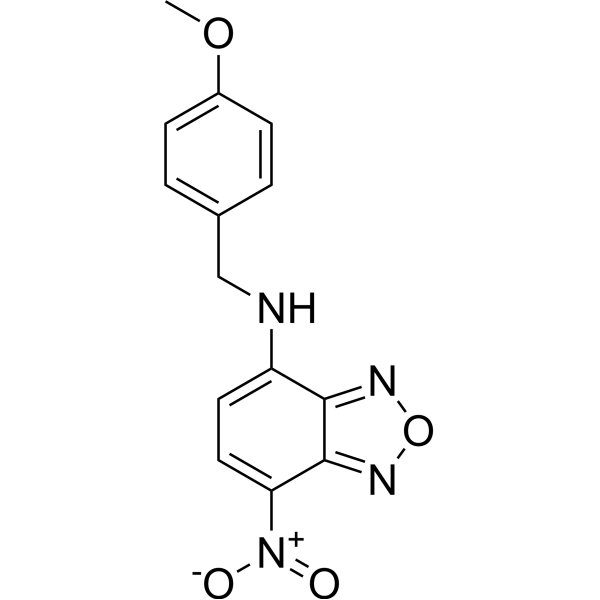
Synonyms: 7-(p-Methoxybenzylamino)-4-nitrobenz-2,1,3-oxadiazole
Target:  

Fluorescent Dye

Research Areas:  

Others

MBD (7-(p-Methoxybenzylamino)-4-nitrobenz-2,1,3-oxadiazole), a new fluorescent probe for protein and nucleoprotein conformation, is applied to bacterial ribosomes and to bovine trypsinogen and trypsin. MBD is strongly fluorescent upon binding to a hydrophobic area of a macromolecule .
loading...
    loading...
Cat. No.: HY-P1491
CAS No.: 220408-24-2
Target:  

HIV

Research Areas:  

Infection

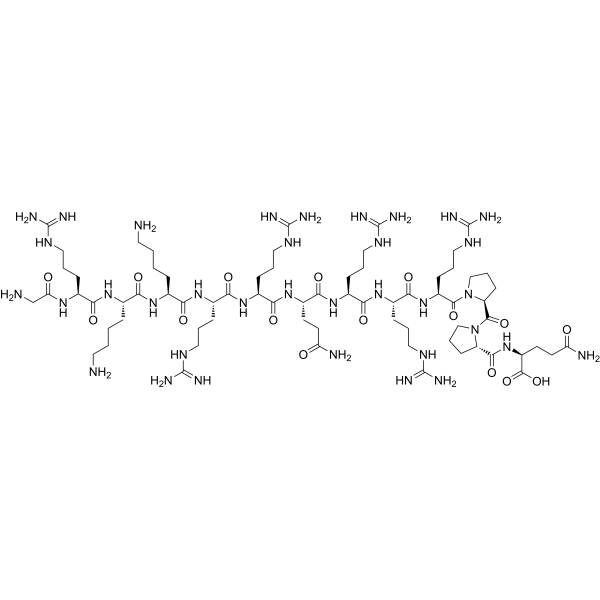
HIV-1 TAT (48-60) is a cell-penetrating peptide derived from the human immunodeficient virus (HIV)-1 Tat protein residue 48-60. It has been used to deliver exogenous macromolecules into cells in a non-disruptive way.
loading...
    loading...
Cat. No.: HY-W010514
CAS No.: 1460-57-7
trans-Cyclohexane-1,2-diol (TCHD) is a transient dilator of the nuclear pore complex (NPC). By interacting with the hydrophobic core (FG nucleoporin) of the NPC, trans-Cyclohexane-1,2-diol can disrupt the NPC structure and reversibly increase the permeability of the nuclear pore, allowing macromolecules larger than 40 kDa (such as plasmid DNA) to enter the cell nucleus by passive diffusion, thereby enhancing the nuclear import efficiency of non-viral vectors. trans-Cyclohexane-1,2-diol can improve the efficiency of in vitro electrotransfection or lipid-mediated gene transfection, especially significantly increasing gene expression in differentiated airway epithelial cells .
loading...
    loading...
Cat. No.: HY-137295
CAS No.: 59086-90-7
Purity:  99.96%
Ingenol 3,20-dibenzoate is a potent protein kinase C (PKC) isoform-selective agonist. Ingenol 3,20-dibenzoate induces selective translocation of nPKC-delta, -epsilon, and -theta and PKC-mu from the cytosolic fraction to the particulate fraction and induces morphologically typical apoptosis through de novo synthesis of macromolecules. Ingenol 3,20-dibenzoate increases the IFN-γ production and degranulation by NK cells, especially when NK cells are stimulated by NSCLC cells .
loading...
    loading...

