1. Search Result
Search Result
Results for "

magnesium chloride

" in MedChemExpress (MCE) Product Catalog:

164

Inhibitors & Agonists

6

Fluorescent Dyes

79

Biochemical Assay Reagents

1

Peptides

6

MCE Kits

17

Natural
Products

2

Recombinant Proteins

14

Isotope-Labeled Compounds

2

Antibodies

5

Oligonucleotides

2

GMP Molecules

Cat. No. Product Name Target Research Areas Chemical Structure
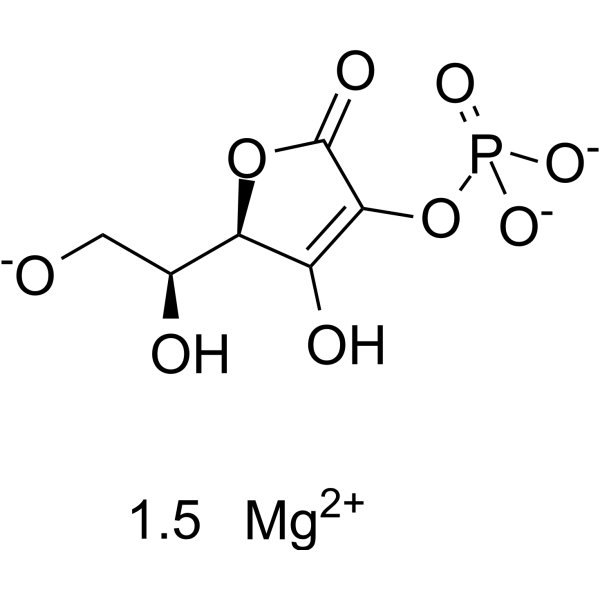
  • HY-103701A

    2-Phospho-L-ascorbic acid magnesium; LAA2P magnesium

    Phosphatase Reactive Oxygen Species (ROS) Endogenous Metabolite Metabolic Disease
    L-Ascorbic acid 2-phosphate magnesium (2-Phospho-L-ascorbic acid magnesium) is a long-acting vitamin C derivative that can stimulate collagen formation and expression . L-Ascorbic acid 2-phosphate magnesium (2-Phospho-L-ascorbic acid magnesium) can be used as a culture medium supplement for the osteogenic differentiation of human adipose stem cells (hASCs). L-Ascorbic acid 2-phosphate magnesium (2-Phospho-L-ascorbic acid magnesium) increases alkaline phosphatase (ALP) activity and expression of runx2A in hASCs during the osteogenic differentiation .
    L-Ascorbic acid 2-phosphate magnesium
  • HY-100168
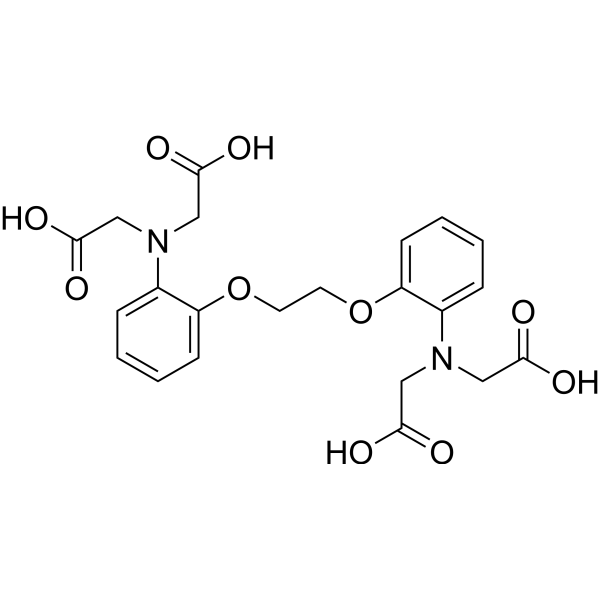
    BAPTA
    Maximum Cited Publications
    36 Publications Verification

    Phospholipase Others
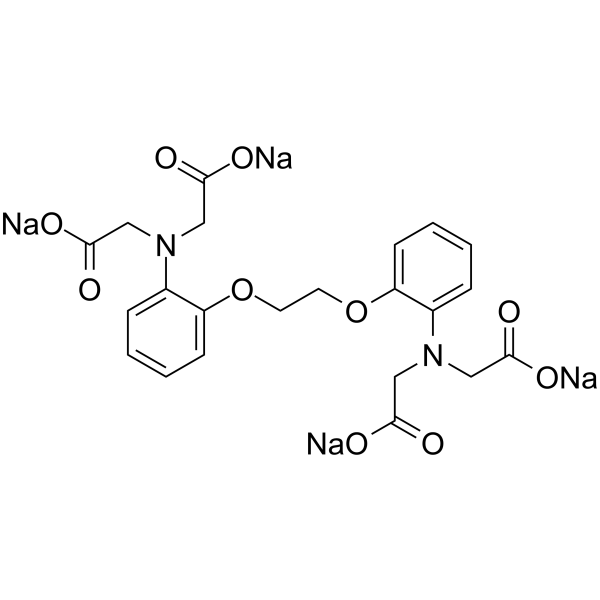
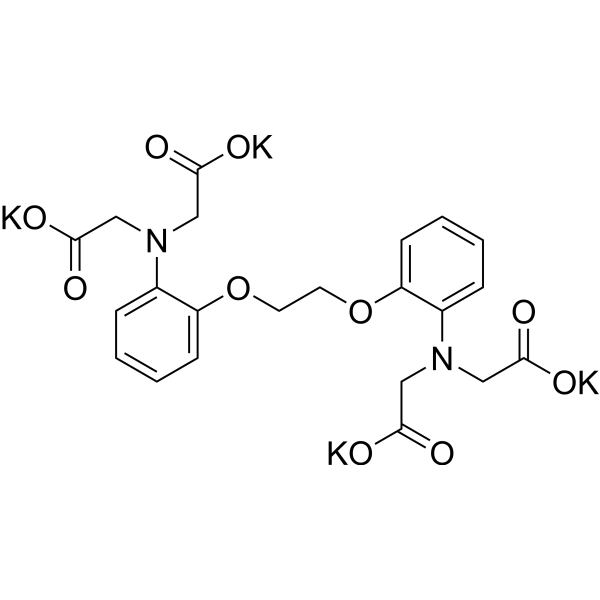
    BAPTA is a selective and cell-impermeant chelator for calcium. BAPTA has high selectivity against magnesium and calcium. BAPTA can also inhibit phospholipase C activity independently of their role as Ca 2+ chelators .
    BAPTA
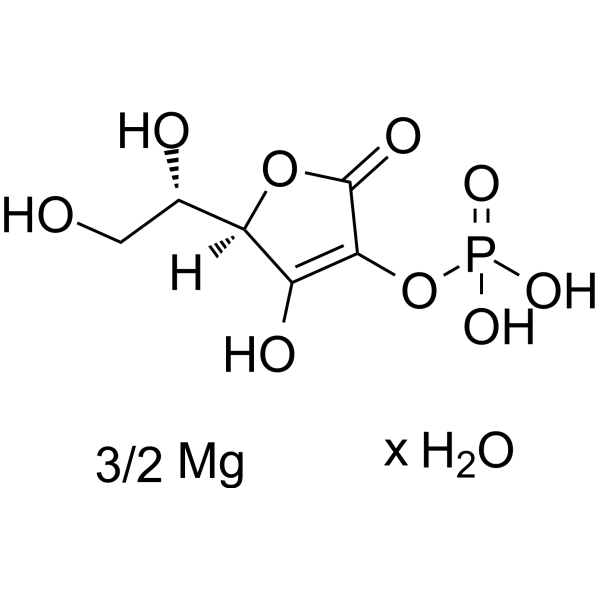
  • HY-103701B

    2-Phospho-L-ascorbic acid magnesium hydrate; LAA2P magnesium hydrate

    Phosphatase Reactive Oxygen Species (ROS) Endogenous Metabolite Metabolic Disease
    L-ascorbic acid 2-phosphate (2-Phospho-L-ascorbic acid) magnesium hydrate is a long-acting vitamin C derivative that can stimulate collagen formation and expression. L-ascorbic acid 2-phosphate magnesium hydrate can be used as a culture medium supplement for the osteogenic differentiation of human adipose stem cells (hASCs). L-ascorbic acid 2-phosphate magnesium hydrate increases alkaline phosphatase (ALP) activity and expression of runx2A in hASCs during the osteogenic differentiation .
    L-Ascorbic acid 2-phosphate magnesium hydrate
  • HY-W019981B

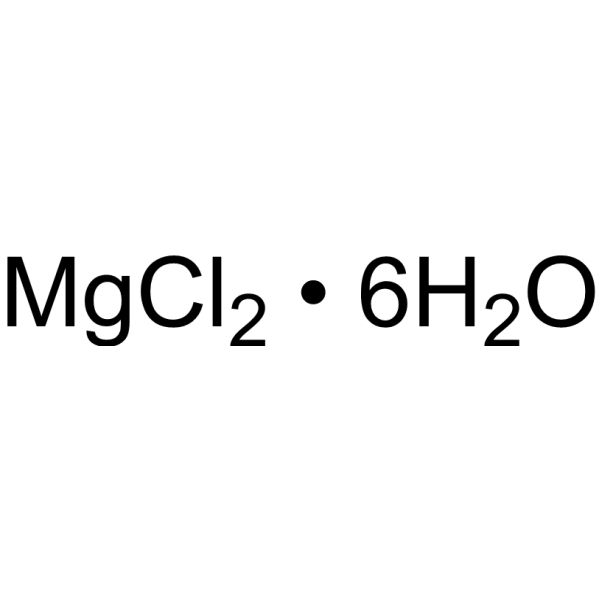
    MgCl2 hexahydrate, for molecular biology

    Calcium Channel Biochemical Assay Reagents Metabolic Disease
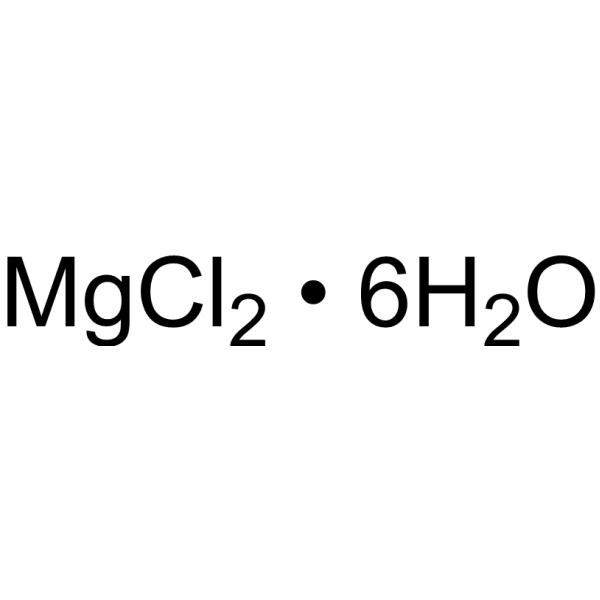
    Magnesium chloride hexahydrate (MgCl2 hexahydrate), for molecular biology is the hexahydrate form of magnesium dichloride. Magnesium chloride hexahydrate can be used as a source of magnesium ion and a co-foactor for many enzymes. Magnesium chloride hexahydrate increases the activity of Ca 2+ ATPase .
    Magnesium chloride hexahydrate, for molecular biology
  • HY-W019981C

    MgCl2 hexahydrate, for cell culture

    Calcium Channel Biochemical Assay Reagents Metabolic Disease
    Magnesium chloride hexahydrate (MgCl2 hexahydrate), for cell culture is the hexahydrate form of magnesium dichloride. Magnesium chloride hexahydrate, for cell culture can be used as a source of magnesium ion and a co-foactor for many enzymes. Magnesium chloride hexahydrate, for cell culture increases the activity of Ca 2+ ATPase .
    Magnesium chloride hexahydrate, for cell culture
  • HY-Y1267

    Environmental Pollutants Biochemical Assay Reagents COX Interleukin Related NO Synthase Calcium Channel Phospholipase NF-κB Cardiovascular Disease Neurological Disease Inflammation/Immunology
    Magnesium sulfate is a calcium antagonist and a potent L-type calcium channel inhibitor, as well as a tocolytic. Magnesium sulfate has anti-inflammatory, anticonvulsant, vasodilatory, and neuroprotective effects. Magnesium sulfate can be used in the research of diseases such as preeclampsia/eclampsia .
    Magnesium sulfate
  • HY-17022
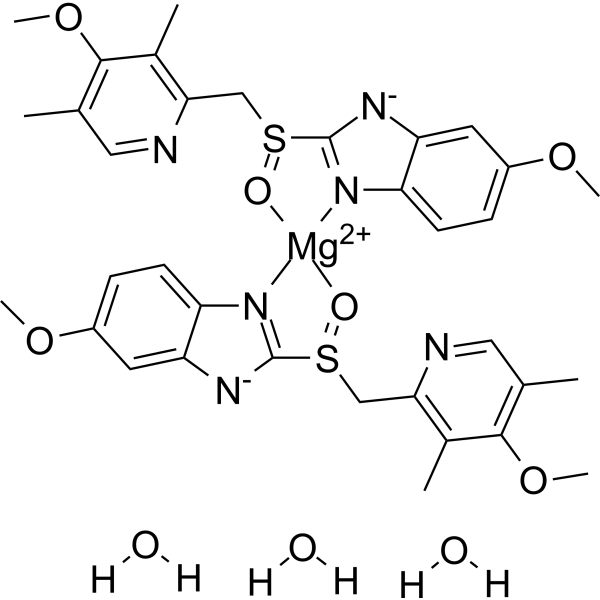
    Esomeprazole magnesium trihydrate
    1 Publications Verification

    (S)-Omeprazole magnesium trihydrate; (-)-Omeprazole magnesium trihydrate

    Exosomes Proton Pump Endocrinology Cancer
    Esomeprazole magnesium trihydrate ((S)-Omeprazole magnesium trihydrate) is a potent and orally active H +, K +-ATPase inhibitor. Esomeprazole magnesium trihydrate has the potential for upper intestinal disorders and gastroesophageal reflux disease research . Esomeprazole magnesium trihydrate acts as an exosome inhibitor by blocking the exosome release via the inhibition of V-H +-ATPases .
    Esomeprazole magnesium trihydrate
  • HY-Y1110I

    Magnogene, for insect cell culture, 97%

    Environmental Pollutants Biochemical Assay Reagents Infection
    Magnesium chloride, for insect cell culture, 97% is an orally active inorganic mineral salt. Magnesium chloride combined with Potassium chloride (HY-Y0537E) increases the fat body glycogen, protein, total lipids and haemolymph protein and trehalose in the silkworm, Bombyx mori L .
    Magnesium chloride, for insect cell culture, 97%
  • HY-134240

    magnesium L-threonate

    NF-κB TNF Receptor Neurological Disease Inflammation/Immunology
    L-Threonic acid magnesium (Magnesium L-threonate) is the enantiomer of Threonic acid and the metabolite of vitamin C (HY-B0166). L-Threonic acid magnesium is a magnesium supplementation, that improves the brain magnesium concentration, inhibits the activation of TNF-α/NF-κB signaling pathway. L-Threonic acid magnesium can be used in research of Alzheimer’s disease. L-Threonic acid magnesium is orally active .
    L-Threonic acid magnesium
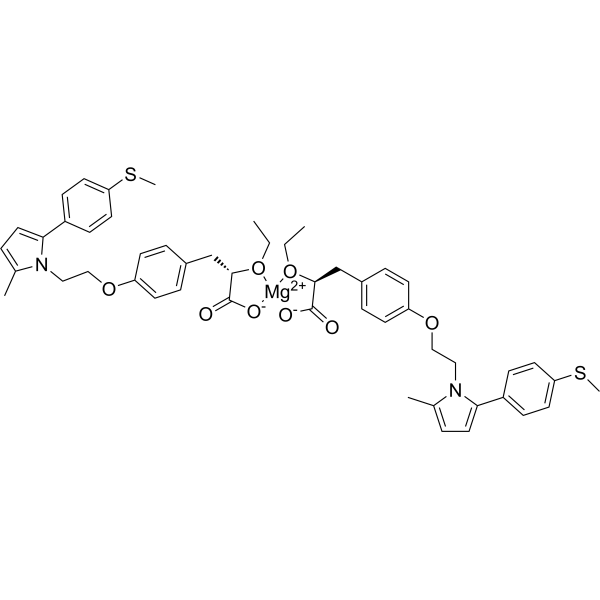
  • HY-19937A
    Saroglitazar magnesium
    5+ Cited Publications

    PPAR Metabolic Disease
    Saroglitazar magnesium is a novel peroxisome proliferator-activated receptor (PPAR) agonist with predominant PPARα and moderate PPARγ activity with EC50 values of 0.65 pM and 3 nM in HepG2 cells, respectively.
    Saroglitazar magnesium
  • HY-B1446
    Esomeprazole magnesium
    2 Publications Verification

    (S)-Omeprazole magnesium; (-)-Omeprazole magnesium

    Exosomes Proton Pump Endocrinology Cancer
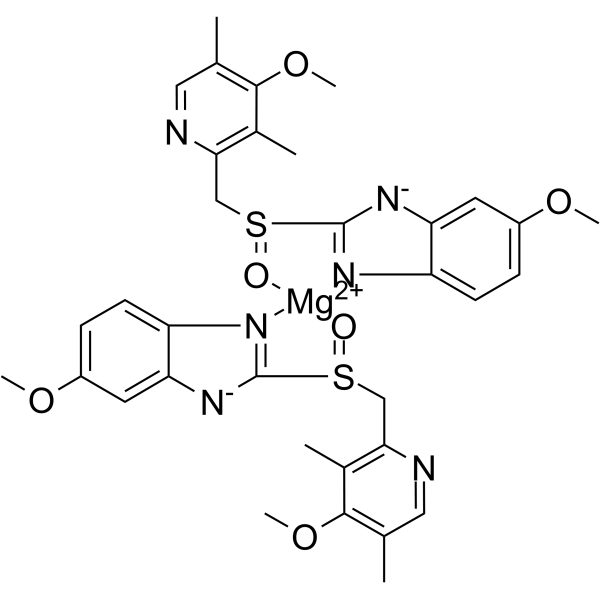
    Esomeprazole magnesium ((S)-Omeprazole magnesium) is a potent and orally active H +, K +-ATPase inhibitor. Esomeprazole magnesium has the potential for upper intestinal disorders and gastroesophageal reflux disease research . Esomeprazole magnesium acts as an exosome inhibitor by blocking the exosome release via the inhibition of V-H +-ATPases .
    Esomeprazole magnesium
  • HY-Y1054

    Stearic Acid magnesium(II) Salt

    Environmental Pollutants Biochemical Assay Reagents Others
    Magnesium stearate is a commonly used pharmaceutical lubricant. But Magnesium stearate leads to an adverse effect on bonding between particles. Magnesium stearate can be used as an excipient, such as lubricant. Pharmaceutical excipients, or pharmaceutical auxiliaries, refer to other chemical substances used in the pharmaceutical process other than pharmaceutical ingredients. Pharmaceutical excipients generally refer to inactive ingredients in pharmaceutical preparations, which can improve the stability, solubility and processability of pharmaceutical preparations. Pharmaceutical excipients also affect the absorption, distribution, metabolism, and elimination (ADME) processes of co-administered drugs .
    Magnesium stearate
  • HY-W105835

    Trimagnesium dicitrate

    Toll-like Receptor (TLR) Neurological Disease
    Magnesium citrate (Trimagnesium dicitrate) is an orally active magnesium-containing compound that can cross the blood-brain barrier (BBB). Magnesium citrate can be used as an intestinal cleanser and is studied for its application in laxatives. Magnesium citrate can also increase the pain threshold and is studied for pain-relief purposes .
    Magnesium citrate
  • HY-W094475C

    Epsom salts, for cell culture

    Environmental Pollutants Biochemical Assay Reagents Others
    Magnesium sulfate heptahydrate, for cell culture (Epsom salts, for cell culture) is a hydrate of Magnesium sulfate (HY-Y1267), suitable for cell culture .
    Magnesium sulfate heptahydrate, for cell culture
  • HY-129328
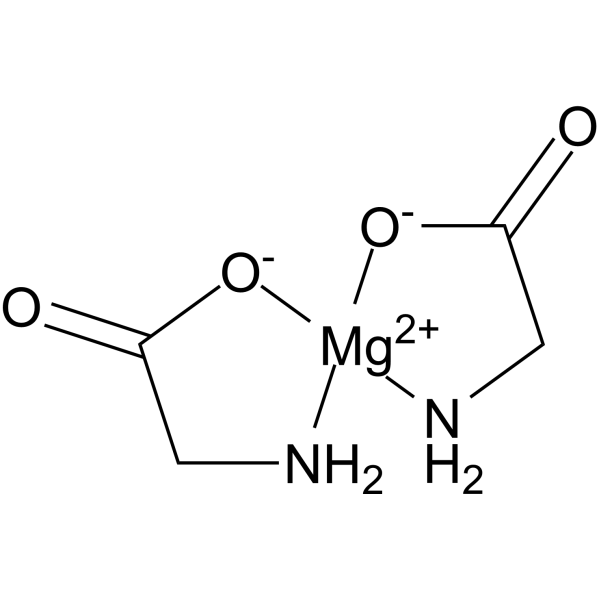
    Magnesium glycinate
    1 Publications Verification

    magnesium bisglycinate; magnesium diglycinate

    Biochemical Assay Reagents Cancer
    Magnesium glycinate (Magnesium bisglycinate), the magnesium salt of glycine, is a nutrient supplement. Magnesium glycinate has satisfactory physico-chemical properties and bioactivities. Metal glycinate chelates are formed by glycine and metal compounds through chemical reactions. Magnesium is an essential mineral that plays a critical role in the human body. Magnesium takes part in the process of energy metabolism and assists the maintenance of normal muscle function .
    Magnesium glycinate
  • HY-Y0319G

    Endogenous Metabolite AMPK Reactive Oxygen Species (ROS) Caspase Fungal PPAR Infection Neurological Disease Metabolic Disease Inflammation/Immunology Cancer
    Magnesium acetate tetrahydrate is a carboxylic acid and short-chain fatty acid (SCFAs). Magnesium acetate tetrahydrate activates AMPK, increases ROS, cleaved caspase 9, PPARα, downregulates SREBP-1c, ChREBP expression. Magnesium acetate tetrahydrate exhibits antifungal activity against Saccharomyces cerevisiae W303-1A. Magnesium acetate tetrahydrate regulates energy metabolism. Magnesium acetate tetrahydrate has anticancer activity against gastric cancer. Magnesium acetate tetrahydrate induces writhing reaction and ulcerative colitis. Magnesium acetate tetrahydrate can be used in the researches for gastric cancer, ulcerative colitis, hepatic steatosis, and pain .
    Magnesium acetate tetrahydrate
  • HY-Y1110H

    Magnogene, suitable for insect cell culture

    Environmental Pollutants Biochemical Assay Reagents Others
    Magnesium chloride anhydrous, suitable for insect cell culture is an inorganic salt and cell culture medium component that can be used to prepare Tris buffer. Magnesium chloride anhydrous, suitable for insect cell culture is a component of Hunter's Thrips medium, which supports the in vitro culture of western flower thrip embryonic cells, and promotes the adhesion of tissue fragments/cells as well as the growth of fibroblast-like and epithelial-like cells .
    Magnesium chloride anhydrous, suitable for insect cell culture
  • HY-D0801

    Fluorescent Dye Others
    Calmagite is a chromomeric reagent which can be used to detect calcium and magnesium in various samples .
    Calmagite
  • HY-W013178

    Biochemical Assay Reagents Others
    DCTA monohydrate is an organic acid. DCTA refers to N,N,N',N' -tetraacetic acid, which has a strong chelating ability. DCTA monohydrate can be used as a chelating agent and coordination reagent for metal ions. DCTA monohydrate, for example, forms stable complexes with many metal ions, including calcium, magnesium and zinc. DCTA modified with ethylene glycol is selective to calcium ions in the presence of magnesium ions .
    DCTA monohydrate
  • HY-B0314

    Environmental Pollutants Reactive Oxygen Species (ROS) Biochemical Assay Reagents Cancer
    Talc, a naturally occurring mineral composed primarily of magnesium, silicon and oxygen, is used in many cosmetics, from baby powder to blush .
    Talc
  • HY-B2205
    Magnesium silicate
    1 Publications Verification

    Activated magnesium silicate

    Environmental Pollutants Fungal Infection Inflammation/Immunology
    Magnesium silicate (Activated magnesium silicate) is an orally active compound composed of magnesium oxide (MgO) and silicon dioxide (SiO2). Magnesium silicate can be used in the preparation of food additives, antacids and anti-ulcer agents. Magnesium silicate is also a piezoelectric biomaterial, deodorant, decolorizing agent and antifungal agent .
    Magnesium silicate
  • HY-B2218D

    magnesium dihydroxide, 99%(KT)

    Environmental Pollutants Bacterial Infection Inflammation/Immunology
    Magnesium hydroxide (Magnesium dihydroxide), 99%(KT) is an orally effective antacid. Magnesium hydroxide, 99%(KT) can form a local strongly alkaline microenvironment, reduce ATP production by consuming H +, and hydrolyze cellular phospholipids to disrupt the cellular integrity of microorganisms, thus exhibiting antibacterial activity. Magnesium hydroxide, 99%(KT) downregulates the generation of inflammatory macrophages to alleviate inflammatory responses. Magnesium hydroxide, 99%(KT) can be used in research related to acid peptic diseases and chronic wound infections .
    Magnesium hydroxide, 99%(KT)
  • HY-Y1267D

    Environmental Pollutants Biochemical Assay Reagents COX Interleukin Related NO Synthase Calcium Channel Phospholipase NF-κB Cardiovascular Disease Neurological Disease Inflammation/Immunology
    Magnesium sulfate, for cell culture is a bioreagent. Magnesium sulfate is a calcium antagonist and a potent L-type calcium channel inhibitor, as well as a tocolytic. Magnesium sulfate has anti-inflammatory, anticonvulsant, vasodilatory, and neuroprotective effects. Magnesium sulfate can be used in the research of diseases such as preeclampsia/eclampsia .
    Magnesium sulfate, for cell culture
  • HY-126415
    Magnesium Lithospermate B
    1 Publications Verification

    Na+/K+ ATPase Cardiovascular Disease Neurological Disease Inflammation/Immunology
    Magnesium Lithospermate B, is a derivative of caffeic acid tetramer and an inhibitor of Na+/K+ ATPase, which can be extracted from Salviae miltiorrhizae. Magnesium Lithospermate B is widely used for the research of cardiovascular diseases, and it can protect against glucose-induced intracellular oxidative damage. Magnesium Lithospermate B also suppresses neuroin?ammation and attenuates neurodegeneration .
    Magnesium Lithospermate B
  • HY-154795

    Caspase NOD-like Receptor (NLR) Inflammation/Immunology
    Magnesium isoglycyrrhizinate hydrate is the active component found in licorice plant (Glycyrrhiza glabra). Magnesium isoglycyrrhizinate hydrate exhibits anti-inflammatory activity through NLRP3 inflammasome pathway, and attenuates the chronic obstructive pulmonary disease in rats .
    Magnesium isoglycyrrhizinate hydrate
  • HY-W134005

    Ethylenediaminetetraacetic acid magnesium disodium tetrahydrate

    Phosphatase Others
    Mg(Ⅱ)-EDTA disodium tetrahydrate is a reversible non-covalent activator of fructose diphosphatase (Km=0.9 μM). Mg(Ⅱ)-EDTA disodium tetrahydrate synergistically activates fructose diphosphatase with free Mg 2+, promotes the hydrolysis of fructose-1,6-bisphosphate at pH≤8, and plays a role in enhancing the activity of key enzymes in gluconeogenesis .
    Mg(Ⅱ)-EDTA disodium tetrahydrate
  • HY-W019922

    Biochemical Assay Reagents Others
    Magnesium fluoride is a kind of biological materials or organic compounds that are widely used in life science research .
    Magnesium fluoride
  • HY-109546

    Na+/K+ ATPase Interleukin Related Proton Pump Cytochrome P450 Bacterial Apoptosis Autophagy TNF Receptor Atg8/LC3 Infection Metabolic Disease Cancer
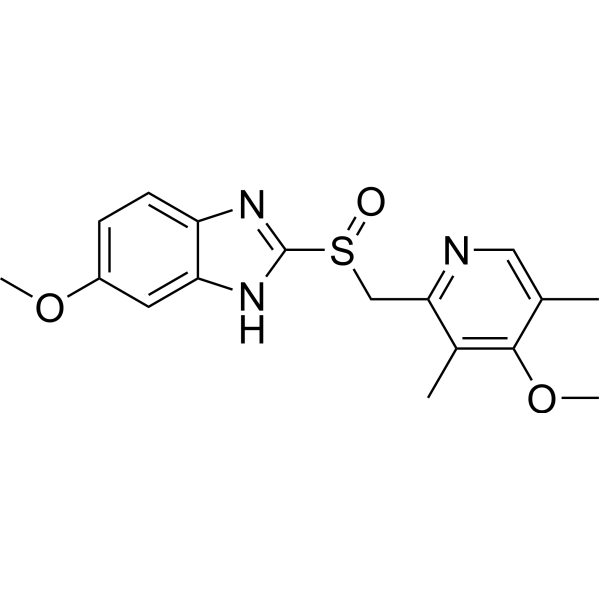
    Omeprazole (H 16868) magnesium is an orally active H +,K +-ATPase inhibitor and a proton pump inhibitor. Omeprazole magnesium competitively inhibits CYP2C19, CYP3A4, and CYP2C9 activity. Omeprazole magnesium inhibits gastric acid secretion and can be used for acid-related gastrointestinal disorders. Omeprazole magnesium inhibits pancreatic cancer cell proliferation, induces apoptosis, autophagosome accumulation (elevated LC3-I and LC3-II levels), oxidative stress, and cytogenetic imbalance, modulates lysosomal transport, reduces inflammatory cytokines. Omeprazole magnesium alters small intestinal morphology and magnesium absorption, and induces gastric mucosa morphologic changes. Omeprazole magnesium aslo has neuroprotective and antibacterial effects .
    Omeprazole magnesium
  • HY-17021A

    (S)-Omeprazole magnesium salt; (-)-Omeprazole magnesium salt

    Proton Pump Bacterial Inflammation/Immunology Endocrinology Cancer
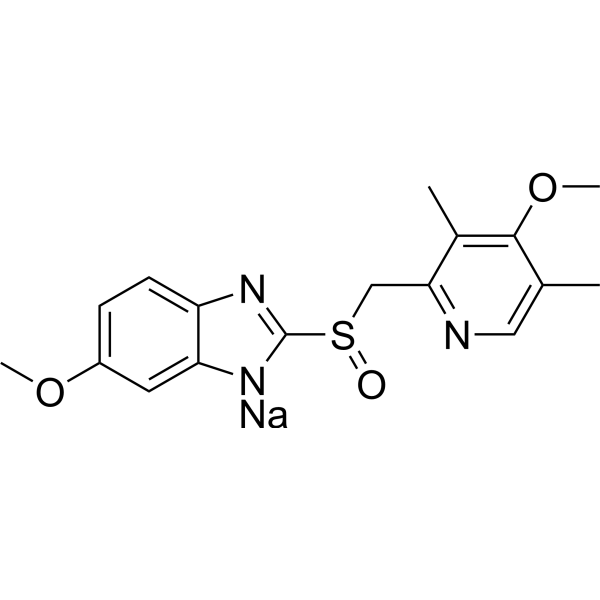
    Esomeprazole magnesium salt ((S)-Omeprazole magnesium salt) is a potent and orally active proton pump inhibitor and reduces acid secretion through inhibition of the H +, K +-ATPase in gastric parietal cells. Esomeprazole magnesium salt has the potential for symptomatic gastroesophageal reflux disease research .
    Esomeprazole magnesium salt
  • HY-B2176E
    ATP magnesium
    Maximum Cited Publications
    143 Publications Verification

    Adenosine 5'-triphosphate magnesium

    Endogenous Metabolite Metabolic Disease Inflammation/Immunology
    ATP (Adenosine 5'-triphosphate) magnesium is a central component of energy storage and metabolism in vivo. ATP magnesium provides the metabolic energy to drive metabolic pumps and serves as a coenzyme in cells. ATP magnesium is an important endogenous signaling molecule in immunity and inflammation .
    ATP magnesium
  • HY-103701AR

    2-Phospho-L-ascorbic acid magnesium (Standard); LAA2P magnesium (Standard)

    Reference Standards Phosphatase Reactive Oxygen Species (ROS) Endogenous Metabolite Metabolic Disease
    L-Ascorbic acid 2-phosphate (magnesium) (Standard) is the analytical standard of L-Ascorbic acid 2-phosphate (magnesium). This product is intended for research and analytical applications. L-Ascorbic acid 2-phosphate magnesium (2-Phospho-L-ascorbic acid magnesium) is a?long-acting?vitamin?C?derivative?that can stimulate collagen formation and expression . L-Ascorbic acid 2-phosphate magnesium (2-Phospho-L-ascorbic acid magnesium) can be used as a culture medium supplement for the osteogenic differentiation of human adipose stem cells (hASCs). L-Ascorbic acid 2-phosphate magnesium (2-Phospho-L-ascorbic acid magnesium) increases alkaline phosphatase (ALP) activity and expression of runx2A in hASCs during the osteogenic differentiation .
    L-Ascorbic acid 2-phosphate magnesium (Standard)
  • HY-W141786

    Amino Acid Derivatives Others
    Magnesium L-glutamate is a cysteine derivative. Magnesium L-glutamate s a flavor enhancer used to reduce the amount of salt needed in meat products .
    Magnesium L-glutamate
  • HY-W141786A

    Amino Acid Derivatives Others
    Magnesium L-glutamate tetrahydrate is a cysteine derivative. Magnesium L-glutamate tetrahydrate is a flavor enhancer used to reduce the amount of salt needed in meat products .
    Magnesium L-glutamate tetrahydrate
  • HY-W674112

    ETH 1117

    Endogenous Metabolite Others
    Magnesium ionophore I (ETH 1117) serves as the primary component for the development of calcium-magnesium selective electrodes.
    Magnesium ionophore I
  • HY-122369

    Carboxypeptidase Metabolic Disease
    Histargin is a selective carboxypeptidase B inhibitor with an IC50 of 17 μg/mL and a Ki of 30 μM. Histargin exerts competitive inhibition with substrate, with inhibitory activity abolished by metal cations. Histargin shows no significant inhibitory activity against carboxypeptidase A, aminopeptidase A, or aminopeptidase B .
    Histargin
  • HY-128536

    Fluorescent Dye Others
    KMG-104AM is a Mg 2+ fluorescent probe. KMG-104AM is a membrane-permeable ester-modified derivative of KMG-104, which serves as a reporter and imaging agent. KMG-104AM can track the increase in intracellular free magnesium ion concentration induced by mitochondrial uncoupling. KMG-104AM enables visualization of the three-dimensional distribution of intracellular magnesium ion concentration. KMG-104AM is applicable to research related to the functions of intracellular magnesium ions .
    KMG-104AM
  • HY-Y1054R

    Stearic Acid magnesium(II) Salt (Standard)

    Biochemical Assay Reagents Reference Standards Others
    Magnesium stearate (Standard) is the analytical standard of Magnesium stearate. This product is intended for research and analytical applications. Magnesium stearate is a commonly used pharmaceutical lubricant. But Magnesium stearate leads to an adverse effect on bonding between particles. Magnesium stearate can be used as an excipient, such as lubricant. Pharmaceutical excipients, or pharmaceutical auxiliaries, refer to other chemical substances used in the pharmaceutical process other than pharmaceutical ingredients. Pharmaceutical excipients generally refer to inactive ingredients in pharmaceutical preparations, which can improve the stability, solubility and processability of pharmaceutical preparations. Pharmaceutical excipients also affect the absorption, distribution, metabolism, and elimination (ADME) processes of co-administered drugs .
    Magnesium stearate (Standard)
  • HY-W115757

    Environmental Pollutants Biochemical Assay Reagents Others
    Magnesium trisilicate, is an antacid and filter aid. Magnesium trisilicate is a biomaterial or organic compound that can be used in life science research .
    Magnesium trisilicate
  • HY-W133934A

    Biochemical Assay Reagents Others
    EDTA magnesium disodium, 99% is a chelating agent with the ability to effectively bind metal ions (including calcium, magnesium, and iron) and remove them from solution.
    EDTA magnesium disodium,99%
  • HY-W127839

    Ethylenediaminetetraacetic acid dipotassium magnesium

    Biochemical Assay Reagents Others
    Ethylenediaminetetraacetic acid dipotassium magnesium salt is a biochemical reagent that can be used as a biological material or organic compound for life science related research.
    EDTA dipotassium magnesium
  • HY-Y0319G1

    Biochemical Assay Reagents Others
    Magnesium acetate tetrahydrate, for molecular biology is a carboxylic acid and short-chain fatty acid (SCFAs). Magnesium acetate tetrahydrate, for molecular biology activates AMPK, increases ROS, cleaved caspase 9, PPARα, downregulates SREBP-1c, ChREBP expression. Magnesium acetate tetrahydrate, for molecular biology exhibits antifungal activity against Saccharomyces cerevisiae W303-1A. Magnesium acetate tetrahydrate, for molecular biology regulates energy metabolism. Magnesium acetate tetrahydrate, for molecular biology has anticancer activity against gastric cancer. Magnesium acetate tetrahydrate, for molecular biology induces writhing reaction and ulcerative colitis. Magnesium acetate tetrahydrate, for molecular biology can be used in the researches for gastric cancer, ulcerative colitis, hepatic steatosis, and pain .
    Magnesium acetate tetrahydrate, for molecular biology
  • HY-Y0569H

    Biochemical Assay Reagents Others
    Magnesium D-gluconate hydrate, 98% is a strong chelating agent that chelates calcium, iron, aluminum, copper, and other heavy metal anions.
    Magnesium D-gluconate hydrate, 98%
  • HY-W115798

    magnesium citrate tribasic nonahydrate, 99%

    Biochemical Assay Reagents Others
    Trimagnesium dicitrate nonahydrate, 99% (Magnesium citrate tribasic nonahydrate, 99%) is an orally active magnesium salt of citric acid in the nonahydrate form. Trimagnesium dicitrate nonahydrate, 99% used as a stabilizer and anticaking agent in food supplements in solid and chewable forms .
    Trimagnesium dicitrate nonahydrate, 99%
  • HY-W094477D

    Epsom salts, for molecular biology

    Biochemical Assay Reagents Others Cancer
    Magnesium sulfate heptahydrate, for molecular biology is a biochemical assay reagent and is suitable fo molecular biology.
    Magnesium sulfate heptahydrate, for molecular biology
  • HY-W094475D

    Epsom salts, meets analytical specification of Ph. Eur. BP USP FCC

    Drug Derivative Neurological Disease Metabolic Disease
    Magnesium sulfate heptahydrate, meets analytical specification of Ph. Eur. BP USP FCC (Epsom salts, meets analytical specification of Ph. Eur. BP USP FCC) is currently the anticonvulsant of choice for the prevention and control of eclamptic fits and is also widely used as a tocolytic agent .
    Magnesium sulfate heptahydrate, meets analytical specification of Ph. Eur. BP USP FCC
  • HY-W127746

    Biochemical Assay Reagents Others
    Picrolonic acid is the reagent for the separation of amines as crystalline π-complexes. Pyrrolic acid is an analytical reagent for the determination of calcium, magnesium, lead, strontium and thorium. It is also used for the analysis of alkaloids, tryptophan and phenylalanine.
    Picrolonic acid
  • HY-107796

    Dipyrone magnesium; Methamizole magnesium

    COX Apoptosis Inflammation/Immunology
    Metamizole magnesium is an orally active cyclooxygenase (COX) inhibitor. Metamizole magnesium can inhibit cell proliferation and promote cell apoptosis. Metamizole magnesium has anti-inflammatory and antioxidant activities. Metamizole magnesium is an antipyretic, analgesic and spasmolytic agent .
    Metamizole magnesium
  • HY-W794759

    magnesium valproate; VPA magnesium; 2-Propylpentanoic acid magnesium

    Organoid HDAC Autophagy Mitophagy HIV Notch Apoptosis Endogenous Metabolite Infection Neurological Disease Cancer
    Valproic acid magnesium (Magnesium valproate) is an orally active HDAC inhibitor, with IC50 in the range of 0.5 and 2 mM. Valproic acid magnesium inhibits HDAC1 (IC50, 400 μM), and induces proteasomal degradation of HDAC2. Valproic acid magnesium activates Notch1 signaling and inhibits proliferation in small cell lung cancer (SCLC) cells. Valproic acid magnesium is used in the epilepsy, bipolar disorder, metabolic disease, HIV infection and prevention of migraine headaches .
    Valproic acid magnesium
  • HY-177837

    Liposome Metabolic Disease
    Liposomal Magnesium is a specialized delivery system that encapsulates inorganic magnesium within tiny liposomes. These liposomes act as protective shells, enhancing the absorption and bioavailability of magnesium. Magnesium is an essential mineral and a
    Liposomal Magnesium
  • HY-135055

    Biochemical Assay Reagents Others
    Magnesium lactate is a magnesium additive, which is used in food, beverages and pharmaceutical industries .
    Magnesium lactate

Inquiry Online

Your information is safe with us. * Required Fields.

Salutation


Country or Region *

Applicant Name *


Organization Name *

Department *


Email Address *


Product Name *

Cat. No.


Requested quantity *

Phone Number *


Remarks

Inquiry Online

Inquiry Information

Product Name:
Cat. No.:
Quantity:
MCE Japan Authorized Agent:

