

1. Search Result
Search Result
Results for "

malignant melanoma

" in MedChemExpress (MCE) Product Catalog:

65

Inhibitors & Agonists

1

Fluorescent Dyes

1

Biochemical Assay Reagents

6

Peptides

7

Inhibitory Antibodies

20

Natural
Products

3

Isotope-Labeled Compounds

1

Antibodies

1

Oligonucleotides

1

GMP Molecules

Targets Recommended:
Cat. No. Product Name Target Research Areas Chemical Structure
  • HY-B1204
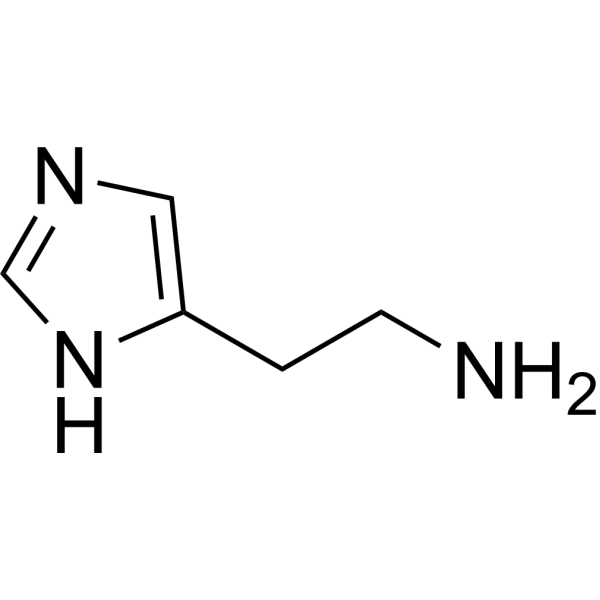
    Histamine
    Maximum Cited Publications
    20 Publications Verification

    Ergamine

    Histamine Receptor p38 MAPK Akt Reactive Oxygen Species (ROS) Apoptosis Endogenous Metabolite Neurological Disease Inflammation/Immunology Endocrinology Cancer
    Histamine is the agonist for histamine receptor and a vasodilator. Histamine is an organic nitrogen compound that participates in local immune responses, regulates intestinal physiological functions, and acts as a neurotransmitter. Histamine affects p38 MAPK/Akt signaling pathway, exhibits antitumor, antioxidant and anti-inflammatory activities. Histamine can be used in the research of acute myeloid leukemia, malignant melanoma, and renal cell carcinoma .
    Histamine
  • HY-B0078
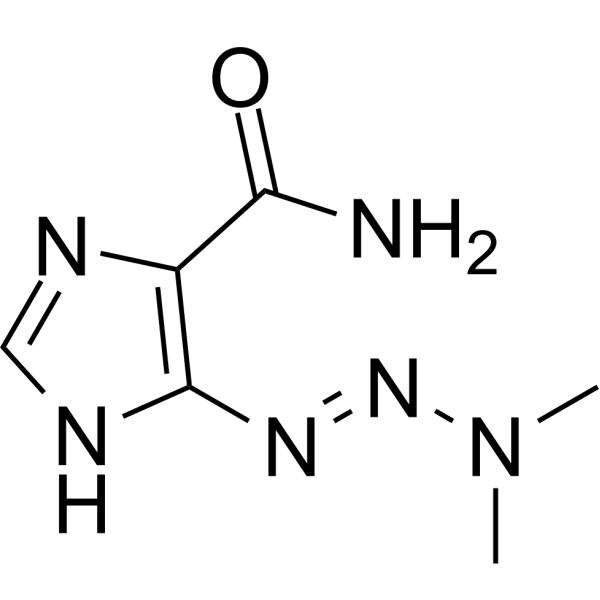
    Dacarbazine
    10+ Cited Publications

    Imidazole Carboxamide

    Nucleoside Antimetabolite/Analog Apoptosis Cancer
    Dacarbazine is a nonspecific antineoplastic (antineoplastic) alkylating agent. Dacarbazine inhibits T and B lymphocyte responses with IC50 of 50 and 10 μg/mL, respectively. Dacarbazine can be used in the study of metastatic malignant melanoma .
    Dacarbazine
  • HY-10966
    SB-590885
    5+ Cited Publications

    Raf Apoptosis Neurological Disease Metabolic Disease Cancer
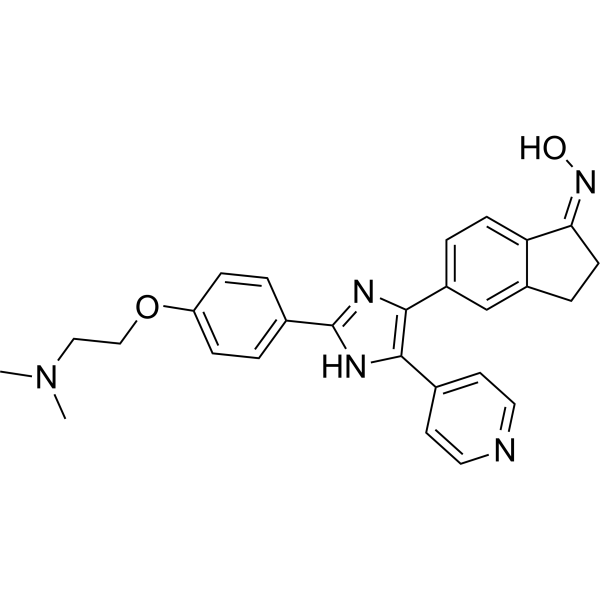
    SB-590885 is a BRAF/c-Raf kinase inhibitor that selectively targets B-Raf, and it amplifies the ERK/MAPK signaling pathway in RAS-activated cells. SB-590885 effectively inhibits the malignant proliferation, transformation and tumorigenicity of oncogenic B-Raf cells; it also induces the proliferation of erythroid progenitor cells, delays their differentiation and promotes hemoglobin synthesis, thereby improving ineffective erythropoiesis and reducing apoptosis. SB-590885 exerts a synergistic effect with TGF-β inhibitors and glucocorticoids, significantly promoting the formation of erythroid colonies in cells from patients with Diamond-Blackfan anemia (DBA). SB-590885 is mainly used in relevant studies on DBA, cisplatin-induced myelosuppression-related anemia, and pan-cancers such as melanoma and colorectal cancer .
    SB-590885
  • HY-154629
    Sesame Oil
    2 Publications Verification

    Environmental Pollutants Biochemical Assay Reagents Interleukin Related NO Synthase Aminotransferases (Transaminases) NF-κB Neurological Disease Metabolic Disease Inflammation/Immunology Cancer
    Sesame Oil is a vegetable oil. Sesame Oil can be extracted from the seeds of Sesamum indicum L. Sesame Oil decreases NF-κB, aspartate aminotransferase, alanine aminotransferase, IL-1β, IL-4 and nitric oxide. Sesame Oil has antitumor activity against malignant melanoma. Sesame Oil has protective effects against liver damage caused by various agents such as Cisplatin (HY-17394) and Acetaminophen (HY-66005). Sesame Oil shows antinociceptive and anti-inflammatory activities .
    Sesame Oil
  • HY-N0421
    Cinobufagin
    5+ Cited Publications

    Cinobufagine

    Apoptosis Neurological Disease Cancer
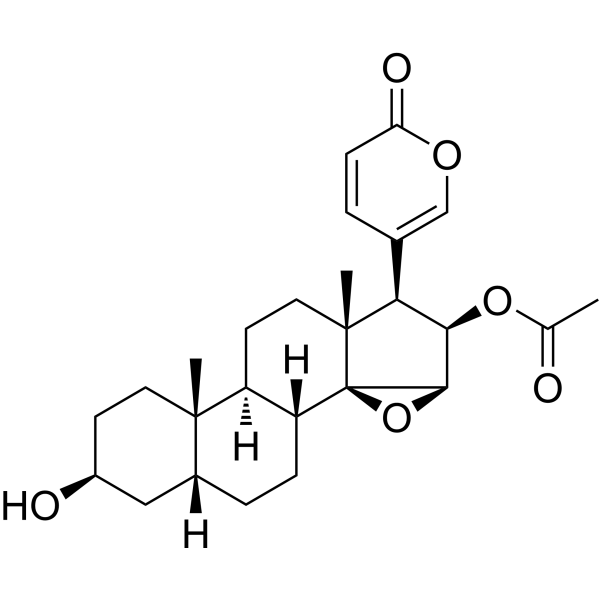
    Cinobufagin is an anticancer agent that can be secreted by the Asiatic toad Bufo gargarizans. Cinobufagin induces the cell cycle arrests in the G1 phase or G2/M phase, leading to apoptosis in cancer cells. Cinobufagin inhibits tumor growth in melanoma and glioblastoma multiforme xenograft mouse models .
    Cinobufagin
  • HY-B0722
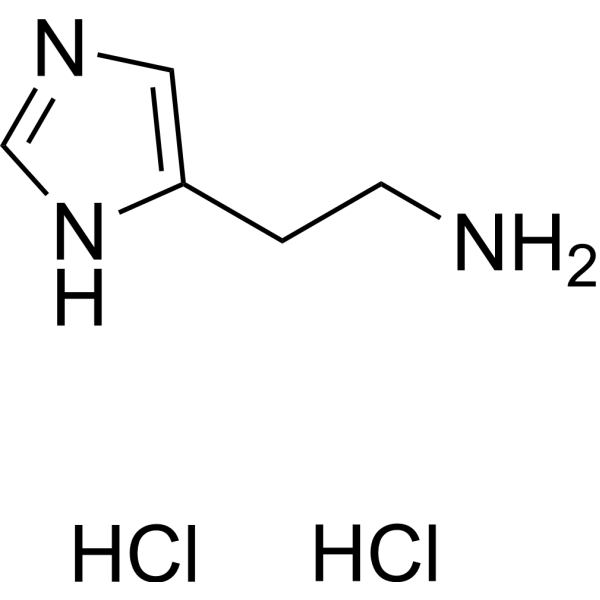
    Histamine dihydrochloride
    Maximum Cited Publications
    20 Publications Verification

    Histamine Receptor p38 MAPK Akt Reactive Oxygen Species (ROS) Apoptosis Endogenous Metabolite Neurological Disease Inflammation/Immunology Endocrinology Cancer
    Histamine dihydrochloride is the agonist for histamine receptor and a vasodilator. Histamine dihydrochloride is an organic nitrogen compound that participates in local immune responses, regulates intestinal physiological functions, and acts as a neurotransmitter. Histamine dihydrochloride affects p38 MAPK/Akt signaling pathway, exhibits antitumor, antioxidant and anti-inflammatory activities. Histamine dihydrochloride can be used in the research of acute myeloid leukemia, malignant melanoma, and renal cell carcinoma .
    Histamine dihydrochloride
  • HY-A0129
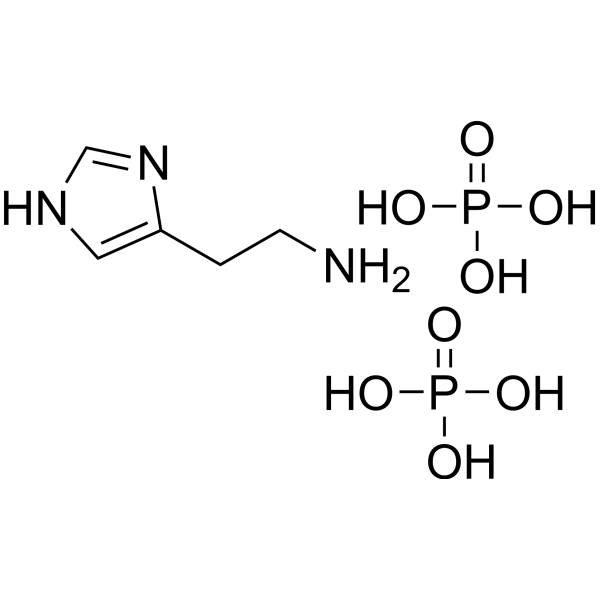
    Histamine phosphate
    Maximum Cited Publications
    20 Publications Verification

    Histamine diphosphate

    Histamine Receptor p38 MAPK Akt Reactive Oxygen Species (ROS) Apoptosis Endogenous Metabolite Neurological Disease Inflammation/Immunology Endocrinology Cancer
    Histamine phosphate is the agonist for histamine receptor and a vasodilator. Histamine phosphate is an organic nitrogen compound that participates in local immune responses, regulates intestinal physiological functions, and acts as a neurotransmitter. Histamine phosphate affects p38 MAPK/Akt signaling pathway, exhibits antitumor, antioxidant and anti-inflammatory activities. Histamine phosphate can be used in the research of acute myeloid leukemia, malignant melanoma, and renal cell carcinoma .
    Histamine phosphate
  • HY-110382
    Cyclic-di-GMP disodium
    5+ Cited Publications

    c-di-GMP disodium; cyclic diguanylate disodium; 5GP-5GP disodium

    STING Endogenous Metabolite Cancer
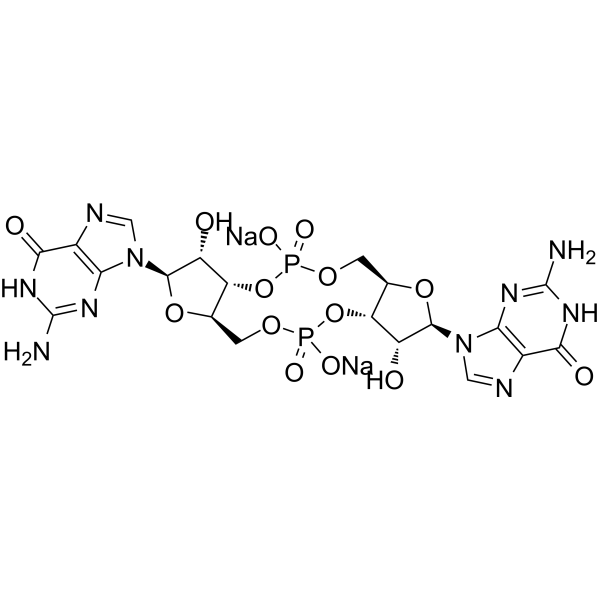
    Cyclic-di-GMP disodium is a STING agonist and a bacterial second messenger that coordinates different aspects of bacterial growth and behavior, including motility, virulence, biofilm formation, and cell cycle progression. Cyclic-di-GMP disodium has anti-cancer cell proliferation activity and also induces elevated CD4 receptor expression and cell cycle arrest. Cyclic-di-GMP disodium can be used in cancer research .
    Cyclic-di-GMP disodium
  • HY-N4114

    Apoptosis Cancer
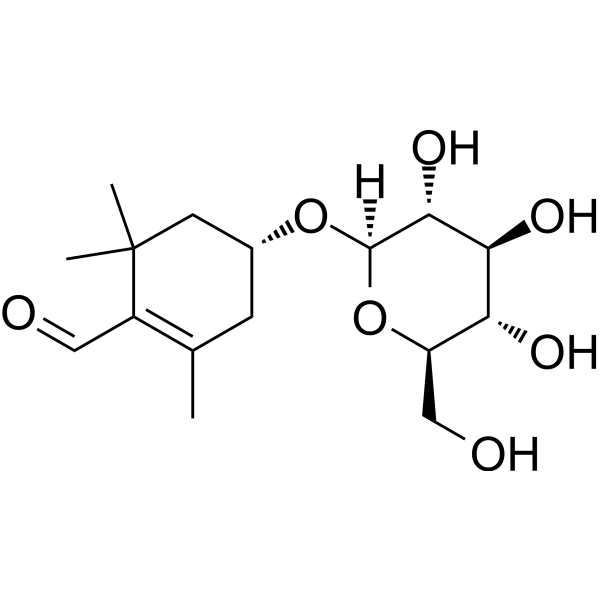
    Picrocrocin, an apocarotenoid found in Saffron. Picrocrocin shows anticancer effect. Picrocrocin exhibits growth inhibitory effects against SKMEL-2 human malignant melanoma cells .
    Picrocrocin
  • HY-122506

    STAT Cancer
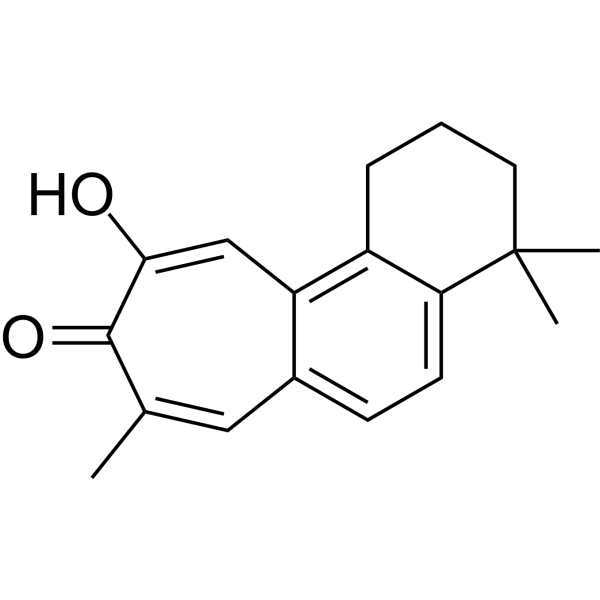
    Salviolone is a natural diterpenoid derivative that can against melanoma cells. Salviolone exhibits a pleiotropic effect against melanoma by hampering cell cycle progression, STAT3 signaling, and malignant phenotype of A375 melanoma cells .
    Salviolone
  • HY-P99781

    MLN-1202

    CCR Inflammation/Immunology Cancer
    Plozalizumab (MLN-1202) is a humanized anti-CCR2 IgG1 monoclonal antibody. Plozalizumab blocks the recruitment of myeloid cells to the tumor microenvironment by inhibiting the CCL2/CCR2 axis. In addition, Plozalizumab also ameliorates synovial inflammation in rheumatoid arthritis. Plozalizumab can be used in the research of malignant melanoma and bone metastasis-related cancers. Recommended isotype control: Human IgG1 kappa, Isotype Control (HY-P99001) .
    Plozalizumab
  • HY-124447

    IGF-1R c-Myc Apoptosis TGF-beta/Smad Cancer
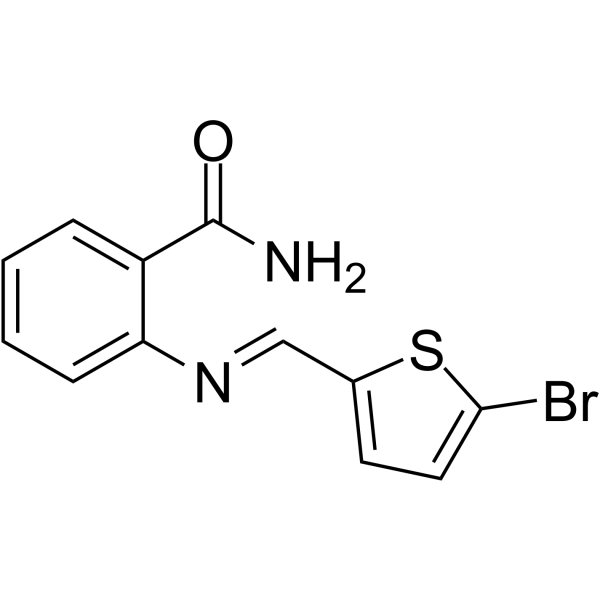
    BTYNB is a structure-specific nucleic acid binder and IGF2BP1 inhibitor (with an IC50 of 5 μM against hBTYNB). BTYNB disrupts the IGF2BP1-RNA interaction and blocks its binding to oncogenic mRNAs such as c-Myc, MDM2, PD-L1. BTYNB completely blocks the INHBA-Smad2/3 pathway, disrupts the MYCN/IGF2BP1 loop, and thereby induces apoptosis and cell cycle arrest, effectively inhibiting the proliferation and survival of cancer cells. In addition, BTYNB acts as an immune activator and tumor microenvironment modulator, enhances T cell-mediated tumor killing, and produces significant synergistic effects with inhibitors of PD-1, BRD and BIRC5. BTYNB can be used in relevant research on various malignant tumors including ovarian cancer, neuroblastoma, leukemia and melanoma .
    BTYNB
  • HY-16350
    BOLD-100
    1 Publications Verification

    NKP-1339; IT-139; KP-1339

    DNA/RNA Synthesis Apoptosis Cancer
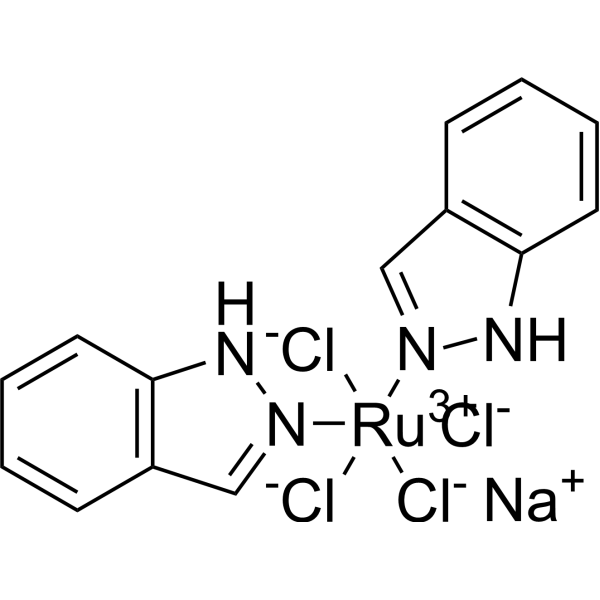
    BOLD-100 (NKP-1339; IT-139) is the first-in-class ruthenium-based anticancer agent in development against solid cancer with limited side effects. BOLD-100 induces G2/M cell cycle arrest, blockage of DNA synthesis, and induction of apoptosis via the mitochondrial pathway. BOLD-100 has a high tumor targeting potential, strongly binds to serum proteins such as albumin and transferrin and activates in the reductive tumor milieu .
    BOLD-100
  • HY-148819A

    ADC Payload Topoisomerase Cancer
    NH2-bicyclopentane-7-MAD-MDCPT hydrochloride (Formula I) is a topoisomerase I (TOP1) inhibitor. NH2-bicyclopentane-7-MAD-MDCPT hydrochloride is applicable to the synthesis of the ADC ABBV-969. NH2-bicyclopentane-7-MAD-MDCPT hydrochloride is used in research on lung adenocarcinoma and melanoma .
    NH2-bicyclo[1.1.1]pentane-7-MAD-MDCPT hydrochloride
  • HY-P99641

    PD-1/PD-L1 Cancer
    Gilvetmab is a potent caninized anti-PD-1 monoclonal antibody. Gilvetmab blocks the interaction between PD-1 and its ligand PD-L1/L2. Gilvetmab can be used in malignant melanoma and mast cell tumor research .
    Gilvetmab
  • HY-103317A

    Calcium Channel Cardiovascular Disease Cancer
    NAADP tetrasodium is a second messenger. NAADP tetrasodium releases Ca 2+ from acidic endosomes and lysosomes. NAADP tetrasodium can be used to study cancer (such as oral squamous cell carcinoma, malignant melanoma) and angiogenesis-related diseases .
    NAADP tetrasodium
  • HY-P2336A
    CCZ01048 TFA
    3 Publications Verification

    Melanocortin Receptor Cancer
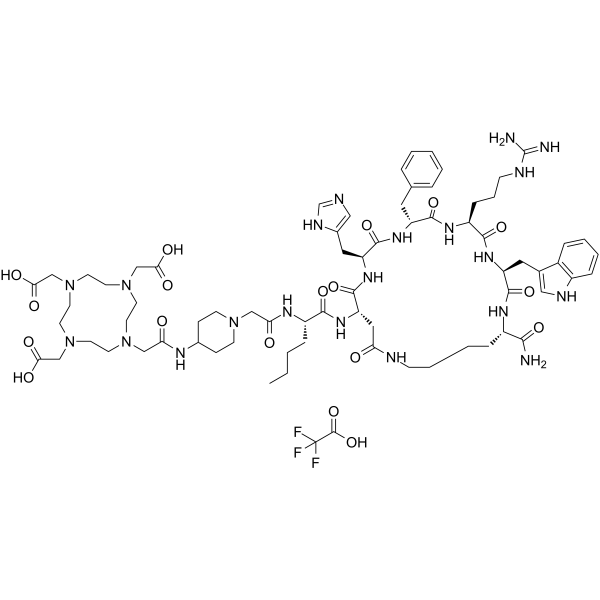
    CCZ01048 TFA, a α-MSH analogue, exhibits high binding affinity to melanocortin 1 receptor (MC1R) with a Ki of 0.31 nM. CCZ01048 TFA shows rapid internalization into B16F10 melanoma cells and high in vivo stability. CCZ01048 TFA is a promising candidate for PET imaging of malignant melanoma .
    CCZ01048 TFA
  • HY-107780

    c-di-GMP; cyclic diguanylate; 5GP-5GP

    STING Endogenous Metabolite Cancer
    Cyclic-di-GMP is a STING agonist and a bacterial second messenger that coordinates different aspects of bacterial growth and behavior, including motility, virulence, biofilm formation, and cell cycle progression. Cyclic-di-GMP has anti-cancer cell proliferation activity and also induces elevated CD4 receptor expression and cell cycle arrest. Cyclic-di-GMP can be used in cancer research .
    Cyclic-di-GMP
  • HY-161108

    PROTACs Checkpoint Kinase (Chk) Cancer
    PROTAC Chk1 degrader-1 is a Chk1-targeting PROTAC.PROTAC Chk1 degrader-1 recruits the Cereblon E3 ligase to induce ubiquitination and proteasomal degradation of Chk1.PROTAC Chk1 degrader-1 exhibits Chk1 degradation activity in malignant melanoma cells without showing a hook effect.PROTAC Chk1 degrader-1 can be used for the research of malignant melanoma .
    PROTAC Chk1 degrader-1
  • HY-12847

    Raf Src Apoptosis Cancer
    CCT241161 is an orally active pan-RAF inhibitor with IC50s of 3, 6, 10, 15 and 30 nM for LCK, CRAF, SRC, V600E-BRAF and BRAF, respectively. CCT241161 shows good activity to in BRAF and NRAS mutant melanomas. CCT241161 also exhibits anticancer cell proliferative activity .
    CCT241161
  • HY-107780B
    Cyclic-di-GMP diammonium
    5+ Cited Publications

    c-di-GMP diammonium; cyclic diguanylate diammonium; 5GP-5GP diammonium

    STING Endogenous Metabolite Cancer
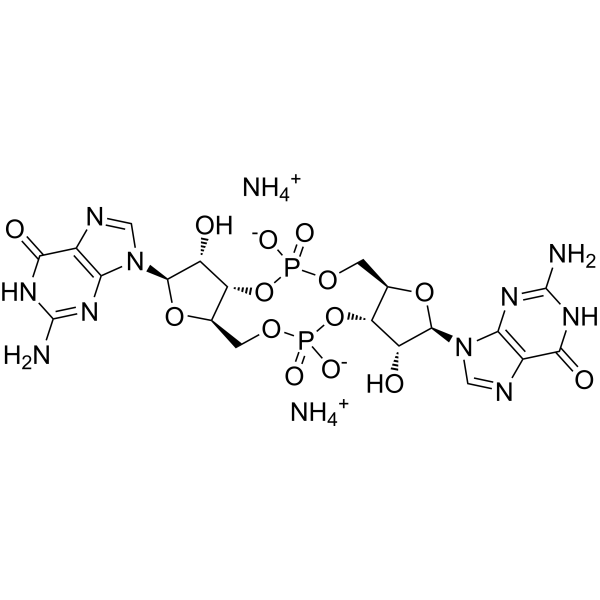
    Cyclic-di-GMP diammonium is a STING agonist and a bacterial second messenger that coordinates different aspects of bacterial growth and behavior, including motility, virulence, biofilm formation, and cell cycle progression. Cyclic-di-GMP diammonium has anti-cancer cell proliferation activity and also induces elevated CD4 receptor expression and cell cycle arrest. Cyclic-di-GMP diammonium can be used in cancer research .
    Cyclic-di-GMP diammonium
  • HY-N0308

    Environmental Pollutants Biochemical Assay Reagents Cancer
    Octyl acetate is an orally active aliphatic ester. Octyl acetate has certain antioxidant properties. Octyl acetate contributes to the formation of fruit aroma and affects the flavor of fruits such as strawberries. Octyl acetate can be used in the research of malignant melanoma, colon cancer and breast cancer .
    Octyl acetate
  • HY-B1204R

    Ergamine (Standard)

    Reference Standards Histamine Receptor p38 MAPK Akt Reactive Oxygen Species (ROS) Apoptosis Endogenous Metabolite Neurological Disease Inflammation/Immunology Endocrinology Cancer
    Histamine (Standard) is the analytical standard of Histamine (HY-B1204). This product is intended for research and analytical applications. Histamine is the agonist for histamine receptor and a vasodilator. Histamine is an organic nitrogen compound that participates in local immune responses, regulates intestinal physiological functions, and acts as a neurotransmitter. Histamine affects p38 MAPK/Akt signaling pathway, exhibits antitumor, antioxidant and anti-inflammatory activities. Histamine can be used in the research of acute myeloid leukemia, malignant melanoma, and renal cell carcinoma .
    Histamine (Standard)
  • HY-B0722R

    Reference Standards Histamine Receptor p38 MAPK Akt Reactive Oxygen Species (ROS) Apoptosis Endogenous Metabolite Neurological Disease Inflammation/Immunology Endocrinology Cancer
    Histamine dihydrochloride (Standard) is the analytical standard of Histamine dihydrochloride (HY-B0722). This product is intended for research and analytical applications. Histamine dihydrochloride is the agonist for histamine receptor and a vasodilator. Histamine dihydrochloride is an organic nitrogen compound that participates in local immune responses, regulates intestinal physiological functions, and acts as a neurotransmitter. Histamine dihydrochloride affects p38 MAPK/Akt signaling pathway, exhibits antitumor, antioxidant and anti-inflammatory activities. Histamine dihydrochloride can be used in the research of acute myeloid leukemia, malignant melanoma, and renal cell carcinoma .
    Histamine dihydrochloride (Standard)
  • HY-13743

    Linomide; FCF89; ABR212616

    TNF Receptor Interleukin Related IFNAR Neurological Disease Inflammation/Immunology Cancer
    Roquinimex (Linomide) is an orally active immunomodulator with antineoplastic, anti-inflammatory, and antiangiogenic activity. Roquinimex suppresses TH1 lymphocyte cytokines (IL-2, IFN-γ), promotes TH2 lymphocyte cytokines (IL-4, IL-10), increases NK cell, activated monocyte, and T cell activity. Roquinimex blocks macrophage TNF-α production and suppresses IL-1/IL-6 secretion. Roquinimex exhibits in vivo antitumour activity, suppresses rodent autoimmune disease signs, and ameliorates murine colitis and psoriasis. Roquinimex can be used for the research of leukemia, inflammatory bowel disease, multiple sclerosis, and psoriasis .
    Roquinimex
  • HY-123009

    HIF/HIF Prolyl-Hydroxylase Histone Acetyltransferase Cancer
    KCN1 is a p300/HIF-1α interaction inhibitor. KCN1 inhibits HIF transcriptional activity by binding to the CH1 domain of p300 and preventing the p300/HIF-1α assembly. KCN1 exerts antitumor activities through cell cycle arrest .
    KCN1
  • HY-B1204S1

    Ergamine-d4

    Isotope-Labeled Compounds Histamine Receptor p38 MAPK Akt Reactive Oxygen Species (ROS) Apoptosis Endogenous Metabolite Neurological Disease Inflammation/Immunology Endocrinology Cancer
    Histamine-d4 (Ergamine-d4) is deuterium labeled Histamine (HY-B1204). Histamine is the agonist for histamine receptor and a vasodilator. Histamine is an organic nitrogen compound that participates in local immune responses, regulates intestinal physiological functions, and acts as a neurotransmitter. Histamine affects p38 MAPK/Akt signaling pathway, exhibits antitumor, antioxidant and anti-inflammatory activities. Histamine can be used in the research of acute myeloid leukemia, malignant melanoma, and renal cell carcinoma .
    Histamine-d4
  • HY-P2336

    Melanocortin Receptor Cancer
    CCZ01048, a α-melanocyte-stimulating hormone (α-MSH) analogue, exhibits high binding affinity to melanocortin 1 receptor (MC1R) with a Ki of 0.31 nM. CCZ01048 shows rapid internalization into B16F10 melanoma cells and high in vivo stability. CCZ01048 is a promising candidate for PET imaging of malignant melanoma .
    CCZ01048
  • HY-107780A

    c-di-GMP sodium; cyclic diguanylate sodium; 5GP-5GP sodium

    STING Endogenous Metabolite Cancer
    Cyclic-di-GMP sodium is a STING agonist and a bacterial second messenger that coordinates different aspects of bacterial growth and behavior, including motility, virulence, biofilm formation, and cell cycle progression. Cyclic-di-GMP sodium has anti-cancer cell proliferation activity and also induces elevated CD4 receptor expression and cell cycle arrest. Cyclic-di-GMP sodium can be used in cancer research .
    Cyclic-di-GMP sodium
  • HY-147039

    NKP-1339 free base; IT-139 free base; KP-1339 free base

    HSP Autophagy Cancer
    BOLD-100 (NKP-1339; IT-139) free base is a ruthenium-based anticancer agent. BOLD-100 free base also is an inhibitor of stress-induced GRP78 upregulation, disrupting endoplasmic reticulum (ER) homeostasis and inducing ER stress and unfolded protein response (UPR). BOLD-100 free base interferes with the complex interplay between ER-stress response, lysosome dynamics, and autophagy execution .
    BOLD-100 free base
  • HY-B0078B

    Imidazole Carboxamide hydrochloride

    Antibiotic Cancer
    Dacarbazine hydrochloride is a cell cycle nonspecific antineoplastic alkylating agent. Dacarbazine hydrochloride inhibits T and B lymphoblastic response, with IC50 values of 50 and 10 μg/mL, respectively. Dacarbazine hydrochloride can be used for the research of metastatic malignant melanoma .
    Dacarbazine hydrochloride
  • HY-N4114R

    Reference Standards Apoptosis Cancer
    Picrocrocin (Standard) is the analytical standard of Picrocrocin. This product is intended for research and analytical applications. Picrocrocin, an apocarotenoid found in Saffron. Picrocrocin shows anticancer effect. Picrocrocin exhibits growth inhibitory effects against SKMEL-2 human malignant melanoma cells .
    Picrocrocin (Standard)
  • HY-B0078A

    Imidazole Carboxamide citrate

    Apoptosis Antibiotic Cancer
    Dacarbazine citrate is a cell cycle nonspecific antineoplastic alkylating agent. Dacarbazine citrate inhibits T and B lymphoblastic response, with IC50 values of 50 and 10 μg/mL, respectively. Dacarbazine Citrate can be used for the research of apoptosis and various cancers such as metastatic malignant melanoma .
    Dacarbazine citrate
  • HY-19343

    BMS-908662

    Raf Cancer
    XL-281 (BMS-908662) is an orally active inhibitor for RAF kinase, with IC50s of 2.6, 4.5 and 6 nM, for CRAF, B-RAF, and B-RAFV600E, respectively. XL-281 exhibits antitumor activity .
    XL-281
  • HY-B0078R

    Imidazole Carboxamide (Standard)

    Apoptosis Nucleoside Antimetabolite/Analog Reference Standards Cancer
    Dacarbazine (Standard) is the analytical standard of Dacarbazine. This product is intended for research and analytical applications. Dacarbazine is a nonspecific antineoplastic (antineoplastic) alkylating agent. Dacarbazine inhibits T and B lymphocyte responses with IC50 of 50 and 10 μg/mL, respectively. Dacarbazine can be used in the study of metastatic malignant melanoma .
    Dacarbazine (Standard)
  • HY-P11255

    MDM-2/p53 Cancer
    SPDI-48-T1 is a lysine-stapled peptide. SPDI-48-T1 exhibits discernible binding affinities for MDM2 and MDMX, with Kd values of 396 nM and 456 nM, respectively. SPDI-48-T1 exhibits anticancer activity against breast cancer, colorectal cancer, non-small cell lung cancer, cervical cancer, and malignant melanoma .
    SPDI-48-T1
  • HY-163595

    Ras Cancer
    KRAS G12D-IN-31 is a potent KRAS G12D inhibitor with an IC50 of < 100 nM. KRAS G12D-IN-31 inhibits the proliferation of RAS-dependent cells (KRAS G12C, KRAS G12D, KRAS G12V and KRAS WT). KRAS G12D-IN-31 can be used to study non-small cell lung cancer, gastric cancer, colon cancer, and malignant melanoma .
    KRAS G12D-IN-31
  • HY-B1204S2

    Ergamine-13C5, 15N3

    Isotope-Labeled Compounds Histamine Receptor p38 MAPK Akt Reactive Oxygen Species (ROS) Apoptosis Endogenous Metabolite Neurological Disease Inflammation/Immunology Endocrinology Cancer
    Histamine- 13C5, 15N3 (Ergamine- 13C5, 15N3) is the 13C and 15N labeled isotope of Histamine (HY-B1204). Histamine is the agonist for histamine receptor and a vasodilator. Histamine is an organic nitrogen compound that participates in local immune responses, regulates intestinal physiological functions, and acts as a neurotransmitter. Histamine affects p38 MAPK/Akt signaling pathway, exhibits antitumor, antioxidant and anti-inflammatory activities. Histamine can be used in the research of acute myeloid leukemia, malignant melanoma, and renal cell carcinoma .
    Histamine-13C5, 15N3
  • HY-136404

    Fluorescent Dye Cancer
    Melanin probe-1 is an 18F-picolinamides based PET probe. Melanin probe-1 can be used for PET imaging of malignant melanoma. Melanin probe-1 exhibits high tumor targeting efficiency, excellent tumor imaging contrasts, desirable biodistribution patterns, and good in vivo stability .
    Melanin probe-1
  • HY-P991425

    Transmembrane Glycoprotein Cancer
    AT-1413 is a human monoclonal antibody (mAb) targeting CD43. AT-1413 induces antibody-dependent cell-mediated cytotoxicity (ADCC) in melanoma cell lines and acute myeloid leukemia (AML) cells. AT-1413 has antitumor activity in AML mouse models. AT-1413 can be used in Acute myeloid leukaemia, Breast cancer, Malignant melanoma and Myelodysplastic syndromes research. Recommended isotype control: Human IgG1 kappa, Isotype Control (HY-P99001) .
    AT-1413
  • HY-123758

    Epigenetic Reader Domain Cancer
    XDM-CBP is a CBP/p300 inhibitor. XDM-CBP can be used in the study of malignant melanoma, breast cancer and leukemia .
    XDM-CBP
  • HY-126160

    Nucleoside Antimetabolite/Analog DNA Alkylator/Crosslinker Cancer
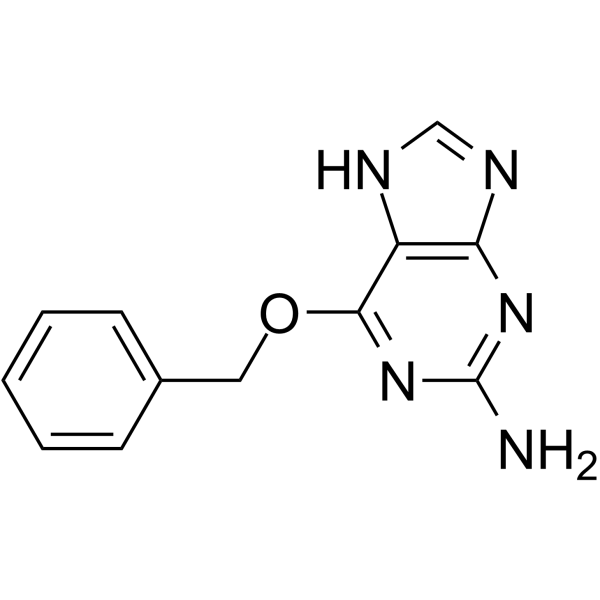
    CB10-277 is a Dacarbazine (HY-B0078) analog that mediates alkylation of guanine residues at the O 6 position in DNA and subsequently reduces ATase levels in lymphocytes and tumors. CB10-277 is useful in the study of metastatic malignant melanoma .
    CB10-277
  • HY-N0421R

    Cinobufagine (Standard)

    Reference Standards Apoptosis Neurological Disease Cancer
    Cinobufagin (Standard) is the analytical standard of Cinobufagin. This product is intended for research and analytical applications. Cinobufagin is an anticancer agent that can be secreted by the Asiatic toad Bufo gargarizans. Cinobufagin induces the cell cycle arrests in the G1 phase or G2/M phase, leading to apoptosis in cancer cells. Cinobufagin inhibits tumor growth in melanoma and glioblastoma multiforme xenograft mouse models .
    Cinobufagin (Standard)
  • HY-120454

    MEK Potassium Channel Cancer
    G-479 is the inhibitor for MEK and hERG channel (IC50=14 μM). G-479 inhibits the proliferation of HCT-116 and A375 with IC50 of 0.049 μM and 0.004 μM. G-479 exhibits good metabolic stability in liver microsomes and good pharmacokinetic characteristics in rats .
    G-479
  • HY-N0308R

    Reference Standards Biochemical Assay Reagents Cancer
    Octyl acetate (Standard) is the analytical standard of Octyl acetate (HY-N0308). This product is intended for research and analytical applications. Octyl acetate is an orally active aliphatic ester. Octyl acetate has certain antioxidant properties. Octyl acetate contributes to the formation of fruit aroma and affects the flavor of fruits such as strawberries. Octyl acetate can be used in the research of malignant melanoma, colon cancer and breast cancer .
    Octyl acetate (Standard)
  • HY-N7175

    9,11-Dehydroergosterol peroxide; 9(11)-DHEP

    Apoptosis Endogenous Metabolite Cancer
    5,8-Epidioxyergosta-6,9(11),22-trien-3-ol (9,11-Dehydroergosterol peroxide), an important steroid from medicinal mushroom, exerts antitumor activity in several tumor types. 5,8-Epidioxyergosta-6,9(11),22-trien-3-ol inhibits HT29 cell growth by inducing CDKN1A expression, thus causing cell cycle arrest and apoptosis .
    5,8-Epidioxyergosta-6,9(11),22-trien-3-ol
  • HY-A0129R

    Histamine diphosphate (Standard)

    Reference Standards Histamine Receptor p38 MAPK Akt Reactive Oxygen Species (ROS) Apoptosis Endogenous Metabolite Neurological Disease Inflammation/Immunology Endocrinology Cancer
    Histamine phosphate (Standard) is the analytical standard of Histamine phosphate (HY-A0129). This product is intended for research and analytical applications. Histamine phosphate is the agonist for histamine receptor and a vasodilator. Histamine phosphate is an organic nitrogen compound that participates in local immune responses, regulates intestinal physiological functions, and acts as a neurotransmitter. Histamine phosphate affects p38 MAPK/Akt signaling pathway, exhibits antitumor, antioxidant and anti-inflammatory activities. Histamine phosphate can be used in the research of acute myeloid leukemia, malignant melanoma, and renal cell carcinoma .
    Histamine phosphate (Standard)
  • HY-106435

    DNA/RNA Synthesis DNA Alkylator/Crosslinker Cancer
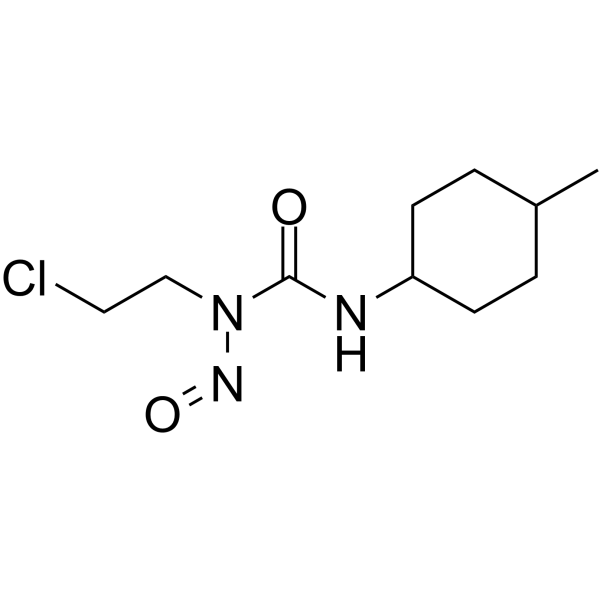
    Cystemustine is a DNA inhibitor (a chloroethyl nitrosourea, CENU). Cystemustine can cause DNA cross-linking, thereby inhibiting the proliferation of tumor cells. Cystemustine can also exert cytotoxic effects by interfering with the cell cycle, inducing cell re-differentiation, and altering phospholipid metabolism. Cystemustine exhibits high anti-tumor activity and a relatively short plasma half-life in mice. Cystemustine can be used for the study of various malignant tumors, including melanoma, glioma, renal cancer, head and neck cancer, and colorectal cancer, etc .
    Cystemustine
  • HY-B1204S4

    Ergamine-15N3

    Isotope-Labeled Compounds Histamine Receptor p38 MAPK Akt Reactive Oxygen Species (ROS) Apoptosis Endogenous Metabolite Neurological Disease Inflammation/Immunology Endocrinology Cancer
    Histamine- 15N3 is the 15N3-labeled Histamine (HY-B1204). Histamine is the agonist for histamine receptor and a vasodilator. Histamine is an organic nitrogen compound that participates in local immune responses, regulates intestinal physiological functions, and acts as a neurotransmitter. Histamine affects p38 MAPK/Akt signaling pathway, exhibits antitumor, antioxidant and anti-inflammatory activities. Histamine can be used in the research of acute myeloid leukemia, malignant melanoma, and renal cell carcinoma .
    Histamine-15N3
  • HY-176219

    Bcl-2 Family Apoptosis Necroptosis Cancer
    Bcl-2-IN-23 (compound 5) is a selective inhibitor targeting Bcl-2. The IC50 of Bcl-2-IN-23 in HTB-140, HeLa and SW620 cells is 25.7-33.7 μM. Bcl-2-IN-23 can non-covalently competitively bind to Bcl-2 protein, significantly reduce its expression, and induce late apoptosis and necroptosis of cancer cells. Bcl-2-IN-23 enhances the sensitivity of cancer cells to apoptosis and reduces the release of IL-6 inflammatory factors by disrupting the Bcl-2-mediated mitochondrial apoptosis inhibition pathway. Bcl-2-IN-23 can be used for anti-apoptosis research of malignant tumors such as melanoma, cervical cancer, and colorectal cancer .
    Bcl-2-IN-23

Inquiry Online

Your information is safe with us. * Required Fields.

Salutation


Country or Region *

Applicant Name *


Organization Name *

Department *


Email Address *


Product Name *

Cat. No.


Requested quantity *

Phone Number *


Remarks

Inquiry Online

Inquiry Information

Product Name:
Cat. No.:
Quantity:
MCE Japan Authorized Agent: