1. Search Result
Search Result
Results for "

mitotic disrupter

" in MedChemExpress (MCE) Product Catalog:

51

Inhibitors & Agonists

1

Biochemical Assay Reagents

4

Natural
Products

2

Isotope-Labeled Compounds

Cat. No. Product Name Target Research Areas Chemical Structure
  • HY-13716
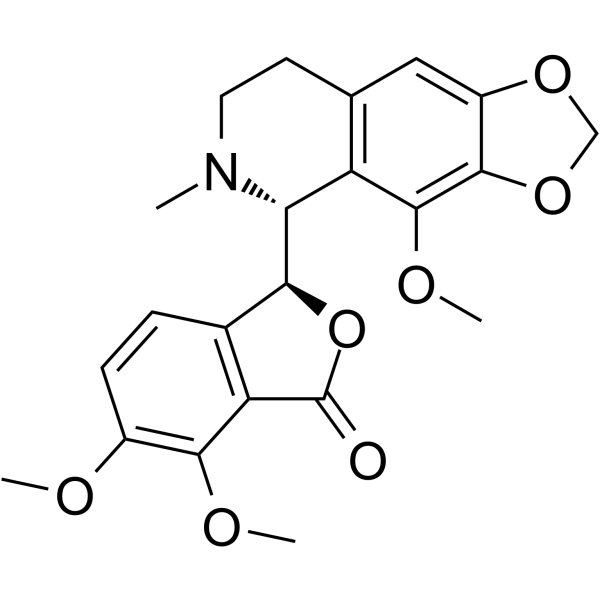
    Noscapine
    2 Publications Verification

    (S,R)-Noscapine

    Opioid Receptor Apoptosis Neurological Disease Inflammation/Immunology Cancer
    Noscapine ((S,R)-Noscapine) is an orally active phthalideisoquinoline alkaloid with potent antitussive. Noscapine exerts its antitussive effects by activating sigma opioid receptors and is a non-competitive Bradykinin inhibitor. Noscapine disrupts microtubule dynamics, induces mitotic arrest and apoptosis. Noscapine possesses anticancer, neuroprotective, anti-inflammatory activities, and can cross the blood-brain barrier .
    Noscapine
  • HY-B0413
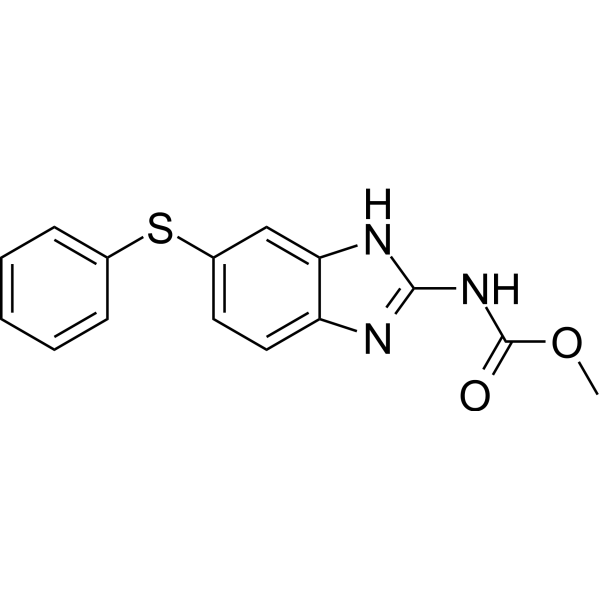
    Fenbendazole
    Maximum Cited Publications
    9 Publications Verification

    Parasite HIF/HIF Prolyl-Hydroxylase Microtubule/Tubulin Antibiotic Infection Cancer
    Fenbendazole is an orally active benzimidazole anthelmintic agent, with a broad antiparasitic range. Fenbendazole is a microtubule destabilizing agent and acts on helminthes primarily by binding to tubulin and disrupting the tubulin microtubule equilibrium. Fenbendazole stabilizes the transcriptional activator HIF-1α. Fenbendazole possesses an efficient anti-proliferative activity and induces apoptosis. Fenbendazole causes cell-cycle arrest and mitotic cell death, and has antitumor activity in mice xenografted with wild-type p53 .
    Fenbendazole
  • HY-15584
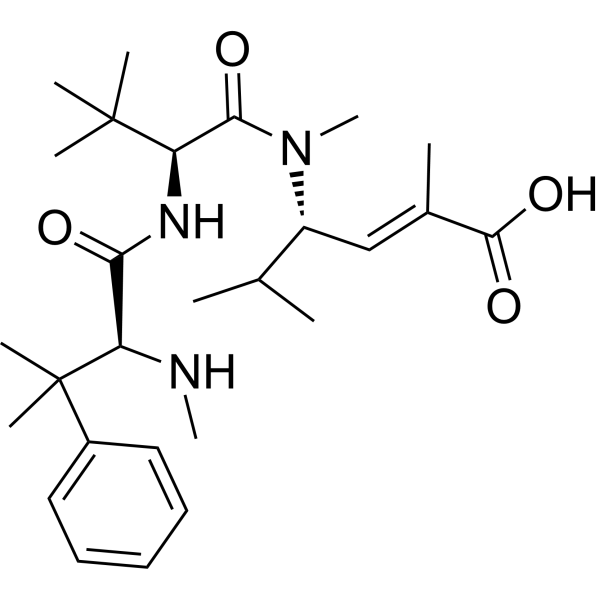
    Taltobulin
    3 Publications Verification

    HTI-286; SPA-110

    Microtubule/Tubulin ADC Payload Apoptosis Cancer
    Taltobulin (HTI-286), a synthetic analogue of the tripeptide hemiasterlin, is a potent antimicrotubule agent that circumvents P-glycoprotein-mediated resistance in vitro and in vivo. Taltobulin inhibits the polymerization of purified tubulin, disrupts microtubule organization in cells, and induces mitotic arrest, as well as apoptosis .
    Taltobulin
  • HY-153066

    KIF18A-IN-7

    Kinesin Microtubule/Tubulin Apoptosis Cancer
    VLS-1272 (Compound 22) is an orally active KIF18A inhibitor that binds to the KIF18A-microtubule complex in an ATP-noncompetitive manner (IC50 = 41 nM), blocking its ATPase activity and inhibiting microtubule translocation. This leads to abnormal accumulation of KIF18A at spindle poles, disrupting chromosome alignment and inducing mitotic arrest and apoptosis in CIN High tumor cells (e.g., ovarian cancer OVCAR-3, breast cancer JIMT-1). VLS-1272 is a promising candidate for anti-tumor research .
    VLS-1272
  • HY-170316

    Ras Cancer
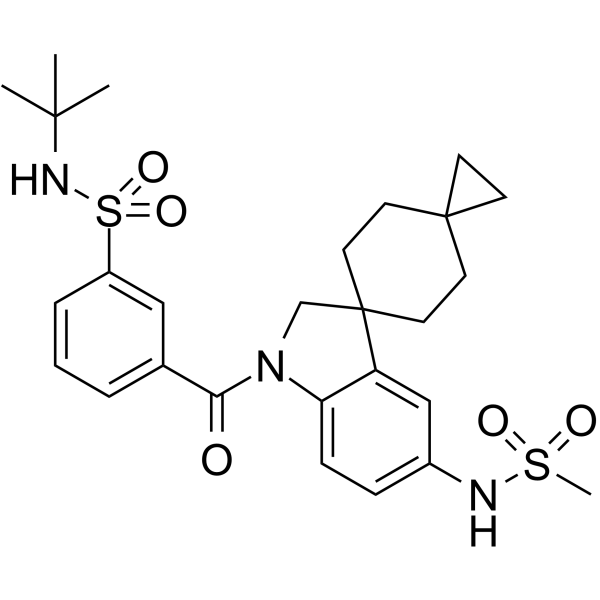
    Ibetazol is a Importin β1 (KPNB1) inhibitor and nucleocytoplasmic transport disruptor. Ibetazol binds covalently to Cys585 of Importin β1, blocks both Importin β1-mediated direct transport and Importin α-dependent nuclear import processes, without affecting transport mediated by other nucleocytoplasmic transport proteins. Ibetazol induces cytoplasmic accumulation of Importin α1, and inhibits nuclear import of substrates carrying nuclear localization signals (NLS), including the NLS-cMyc reporter gene, RelA/p65 and SREBP1. Ibetazol triggers spindle malformation and chromosome misalignment by disrupting the mitotic function of Importin β1. Ibetazol inhibits the proliferation of cells expressing wild-type Importin β1. Ibetazol has a high activity-cytotoxicity window, lacks intrinsic fluorescence, and acts rapidly on nucleocytoplasmic transport processes. Ibetazol serves as a tool compound for investigating nuclear import processes specifically mediated by Importin β1 .
    Ibetazol
  • HY-42484

    Eribulin intermediate

    Microtubule/Tubulin Cancer
    ER-076349 (Eribulin intermediate) is an inhibitor of tubulin polymerization, induces G2-M cell cycle arrest, and disrupts mitotic spindles. ER-076349 inhibits cancer cell growth, and inhibits tumor growth in several human tumor xenografts. ER-076349 is an analog of Halichondrin B .
    ER-076349
  • HY-13716A
    Noscapine hydrochloride
    2 Publications Verification

    (S,R)-Noscapine hydrochloride

    Opioid Receptor Apoptosis Neurological Disease Inflammation/Immunology Cancer
    Noscapine ((S,R)-Noscapine) hydrochloride is an orally active phthalideisoquinoline alkaloid with potent antitussive. Noscapine hydrochloride exerts its antitussive effects by activating sigma opioid receptors and is a non-competitive Bradykinin inhibitor. Noscapine hydrochloride disrupts microtubule dynamics, induces mitotic arrest and apoptosis. Noscapine hydrochloride possesses anticancer, neuroprotective, anti-inflammatory activities, and can crosse the blood-brain barrier .
    Noscapine hydrochloride
  • HY-151971
    Aurora kinase-IN-3
    1 Publications Verification

    Aurora Kinase Polo-like Kinase (PLK) Cancer
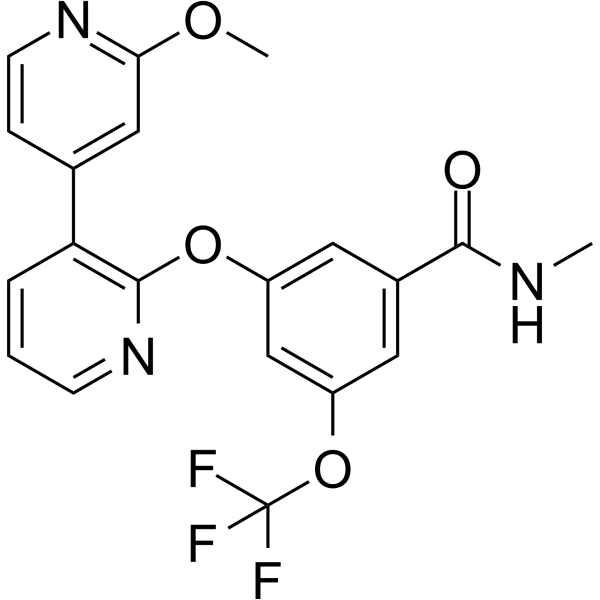
    Aurora kinase-IN-3 (Compound 15a) is an orally active AURKB inhibitor that elicits an AURKB-suppressive activity by disrupting the mitotic localization of AURKB, rather than inhibiting its phosphorylation of H3 at Ser10 .
    Aurora kinase-IN-3
  • HY-B1941
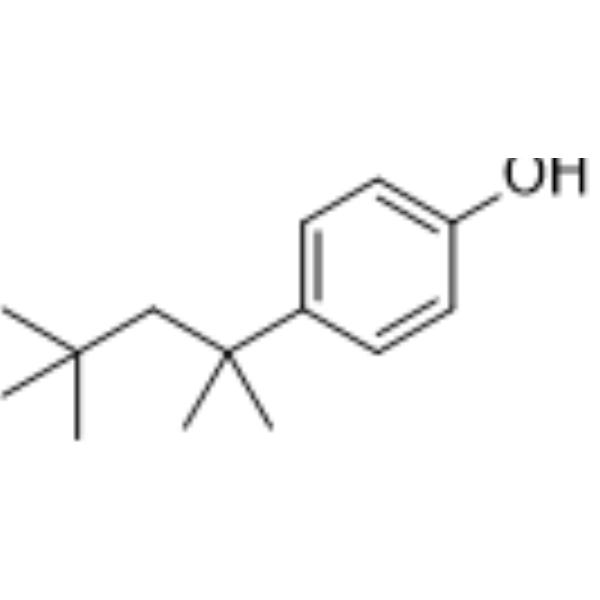
    4-tert-Octylphenol
    2 Publications Verification

    Endogenous Metabolite Apoptosis DNA/RNA Synthesis Neurological Disease Metabolic Disease Inflammation/Immunology Endocrinology
    4-tert-Octylphenol, a endocrine-disrupting chemical, is an estrogenic agent. 4-tert-Octylphenol is also a biodegradation product of non-ionic surfactants alkylphenol polyethoxylates. 4-tert-Octylphenol induces apoptosis in neuronal progenitor cells in offspring mouse brain. 4-tert-Octylphenol reduces bromodeoxyuridine (BrdU), mitotic marker Ki67, and phospho-histone H3 (p-Histone-H3), resulting in a reduction of neuronal progenitor proliferation. 4-tert-Octylphenol disrupts brain development and behavior in mice, which is promising for reserch of immune response, neuro-related diseases and ethology .
    4-tert-Octylphenol
  • HY-B0413R

    Reference Standards Parasite HIF/HIF Prolyl-Hydroxylase Microtubule/Tubulin Antibiotic Infection
    Fenbendazole (Standard) is the analytical standard of Fenbendazole. This product is intended for research and analytical applications. Fenbendazole is an orally active benzimidazole anthelmintic agent, with a broad antiparasitic range. Fenbendazole is a microtubule destabilizing agent and acts on helminthes primarily by binding to tubulin and disrupting the tubulin microtubule equilibrium. Fenbendazole stabilizes the transcriptional activator HIF-1α. Fenbendazole possesses an efficient anti-proliferative activity and induces apoptosis. Fenbendazole causes cell-cycle arrest and mitotic cell death, and has antitumor activity in mice xenografted with wild-type p53 .
    Fenbendazole (Standard)
  • HY-41047

    Apoptosis Cancer
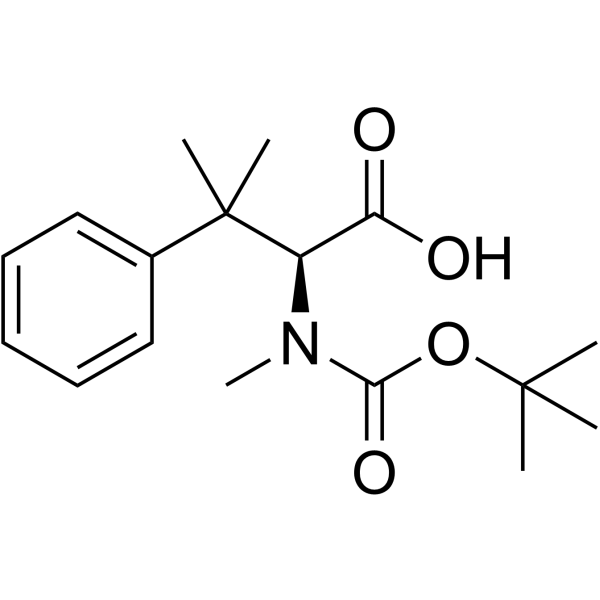
    Taltobulin intermediate-1 is an intermediate in the synthesis of Taltobulin (HY-15584). Taltobulin is a common toxin component in ADC preparation (ADC Cytotoxin), and it is also a powerful tubulin (Microtubule/Tubulin) inhibitor. Taltobulin disrupts tubulin polymerization, induces mitotic arrest, and induces apoptosis .
    Taltobulin intermediate-1
  • HY-41054

    Apoptosis Cancer
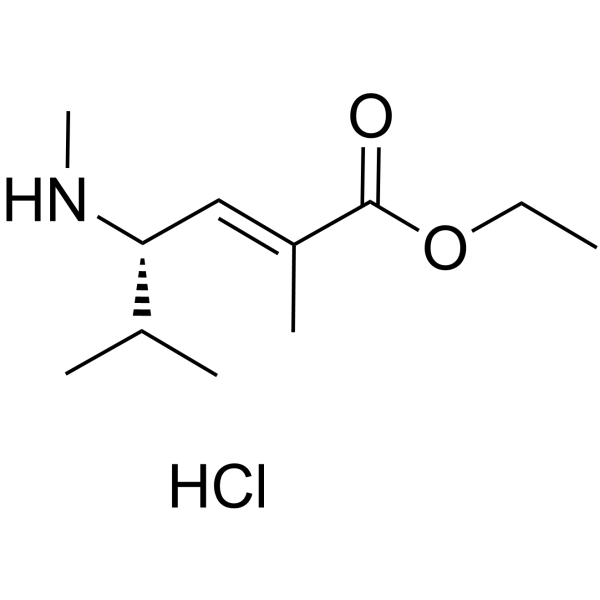
    Taltobulin intermediate-3 is an intermediate in the synthesis of Taltobulin (HY-15584). Taltobulin is a common toxin component in ADC preparation (ADC Cytotoxin), and it is also a powerful tubulin (Microtubule/Tubulin) inhibitor. Taltobulin disrupts tubulin polymerization, induces mitotic arrest, and induces apoptosis .
    Taltobulin intermediate-3
  • HY-41045

    Apoptosis Cancer
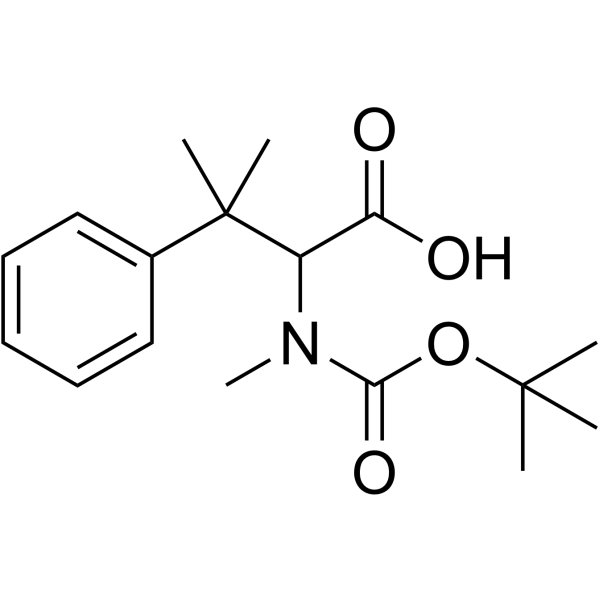
    (Rac)-Taltobulin intermediate-1 is an intermediate in the synthesis of Taltobulin (HY-15584). Taltobulin is a common toxin component in ADC preparation (ADC Cytotoxin), and it is also a powerful tubulin (Microtubule/Tubulin) inhibitor. Taltobulin disrupts tubulin polymerization, induces mitotic arrest, and induces apoptosis .
    (Rac)-Taltobulin intermediate-1
  • HY-15584A
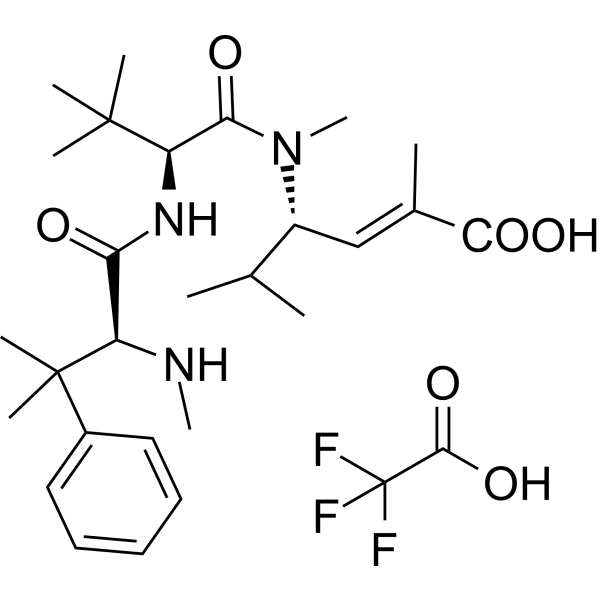
    Taltobulin trifluoroacetate
    3 Publications Verification

    HTI-286 trifluoroacetate; SPA-110 trifluoroacetate

    Microtubule/Tubulin ADC Payload Apoptosis Cancer
    Taltobulin trifluoroacetate (HTI-286 trifluoroacetate), a synthetic analogue of the tripeptide hemiasterlin, is a potent antimicrotubule agent that circumvents P-glycoprotein-mediated resistance in vitro and in vivo. Taltobulin trifluoroacetate inhibits the polymerization of purified tubulin, disrupts microtubule organization in cells, and induces mitotic arrest, as well as apoptosis .
    Taltobulin trifluoroacetate
  • HY-E70653

    CDK Cancer
    CDK1 is a cyclin-dependent kinase that functions as a serine/threonine protein kinase, and is a key player in cell cycle regulation. CDK1/CycB1 Recombinant Human Active Protein Kinase is an ortholog of CDK1. CDK1/cyclin B1 complexes initiates mitotic entry by phosphorylating a multitude of proteins to condense chromosomes, disrupt the nuclear envelope, and enable microtubules polymerization to attach and to segregate the chromosomes .
    CDK1/CycB1 Recombinant Human Active Protein Kinase
  • HY-W130878

    Complement System Toll-like Receptor (TLR) NF-κB Inflammation/Immunology
    4-Octylphenol is a hormone disruptor that has gender-specific effects on male reproductive cells, significantly reducing the mitotic index and the number of spermatogonia. 4-Octylphenol can cause inflammatory damage to fish gills by activating the complement system through the C3a/C3aR axis and the C5a/C5aR1 axis, this leads to complement activation and causes immune suppression due to the imbalance between Th1/Th2 cells and regulatory T cells (Treg)/Th17 cells, as well as inflammatory damage via the Toll-like receptor 7 (Toll-like Receptor (TLR))/IκBα/NF-κB pathway .
    4-Octylphenol
  • HY-135243

    DNA/RNA Synthesis Cancer
    Ypenyl is a cytostatic. Ypenyl hydrochloride, belonging to the alkylating agent class, exhibits clear genotoxicity and cell cycle disruption properties. Ypenyl induces chromosomal aberrations in broad bean root tip meristem cells and leads to a decrease in the mitotic index. Ypenyl may be used in cancer research .
    Ypenyl
  • HY-163737

    Microtubule/Tubulin Cancer
    ST-401, a microtubule-targeting agent (MTA), is a brain-penetrant microtubule (MT) assembly inhibitor. ST-401 disrupts microtubule (MT) function through gentle and reverisible reduction in MT assembly that triggers mitotic delay and cell death in interphase. ST-401 shows a potent antitumor activity .
    ST-401
  • HY-178150

    Wee1 Cancer
    WEE1-IN-14 (Compound 14) is a selective WEE1 inhibitor (IC50: 0.5 nM in L-RB-FEP calculations, 1.0 nM in ADP-Glo kinase assay). Inhibition of Wee1 in cancer cells disrupts the G2-M checkpoint, removes the regulatory controls on the cell cycle, and leads to early onset of mitotic failure followed by apoptosis of tumor cells. Therefore, WEE1-IN-14 is a useful tool for studying cancer biology .
    WEE1-IN-14
  • HY-129265

    Polo-like Kinase (PLK) Cancer
    Poloxin-2 is a small molecule Plk1 PBD inhibitor that can effectively induce cell mitotic arrest with an EC50 of approximately 15 μM in HeLa cells. Poloxin-2HT was developed by conjugating a hydrophobic tag (HT) to Poloxin-2, a new application of inhibitors targeting protein-protein interactions. Poloxin-2HT significantly enhanced the effects on cell viability and apoptosis by selectively degrading Plk1 protein, and its effect was stronger than that of untagged Poloxin-2. These data validate hydrophobic tags as a new strategy for targeting and disrupting disease-associated proteins.
    Poloxin-2
  • HY-101741

    A-289099

    Microtubule/Tubulin Apoptosis Cancer
    A-259745 is an orally active antimitotic agent that binds to the colchicine-binding site of tubulin. A-259745 exhibits potent in vitro cytotoxic activity against both multi-drug-resistant and non-multi-drug-resistant cancer cell lines, with ED50 values of 0.018 μM against HCT-15 and 0.028 μM against NCI-H460 cell lines. A-259745 inhibits tubulin polymerization, disrupts the dynamic equilibrium of the mitotic spindle, arrests dividing cells in metaphase, and subsequently induces apoptosis. A-259745 shows dose-dependent antitumor efficacy in murine tumor models. A-259745 can be used for the study of cancer .
    A-259745
  • HY-120339

    Microtubule/Tubulin FAK MEK ERK MMP Caspase PARP Apoptosis MDM-2/p53 Cancer
    STK899704 is a tubulin polymerization inhibitor. STK899704 exhibits broad-spectrum inhibitory activity against various cancer cell lines with IC50 values ​​ranging from 0.2 to 1.0 μM. STK899704 disrupts the mitotic spindle structure, inducing G2/M phase cell cycle arrest. STK899704 inhibits the migration ability of HT29 cells by downregulating the FAK-MEK-ERK signaling pathway, thereby suppressing the expression and activity of MMP-2 and MMP-9. STK899704 activates caspase-3/7/8/9, leading to PARP cleavage and inducing apoptosis. STK899704 induces cellular senescence through the p53 pathway. STK899704 can be used in research on skin cancer, lung cancer, colon cancer, and other cancers .
    STK899704
  • HY-179525

    c-Myc Microtubule/Tubulin Apoptosis Cancer
    DL78 is an effective anti-mitotic agent. DL78 induces mitotic arrest, mitotic catastrophe and apoptosis in cancer cells by disrupting the interaction between Myc and α-tubulin. DL78 exhibits broad anti-cancer activity, especially against cancer cells with chromosomal instability and excessive expression of MYC. DL78 significantly reduces tumor burden in the OV81.2 xenograft model. DL78 can be used for the study of ovarian cancer .
    DL78
  • HY-15584B
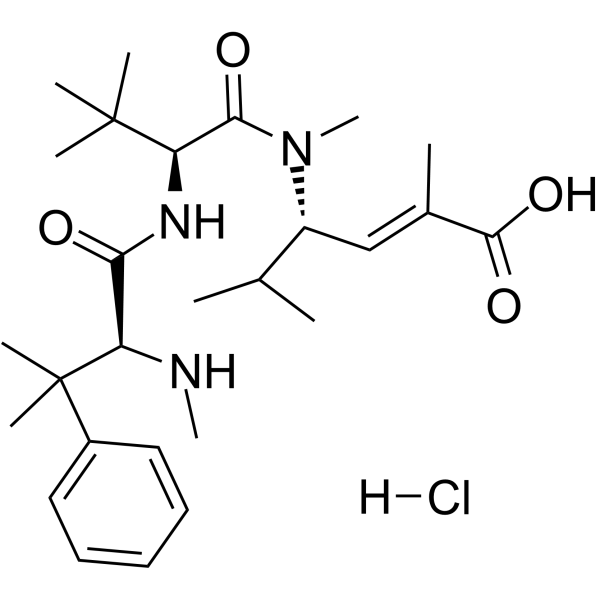
    Taltobulin hydrochloride
    3 Publications Verification

    HTI-286 hydrochloride; SPA-110 hydrochloride

    Microtubule/Tubulin ADC Payload Apoptosis Cancer
    Taltobulin hydrochloride (HTI-286 hydrochloride), a synthetic analogue of the tripeptide hemiasterlin, is a potent antimicrotubule agent that circumvents P-glycoprotein-mediated resistance in vitro and in vivo. Taltobulin hydrochloride inhibits the polymerization of purified tubulin, disrupts microtubule organization in cells, and induces mitotic arrest, as well as apoptosis .
    Taltobulin hydrochloride
  • HY-41069

    Apoptosis Cancer
    Taltobulin intermediate-7 is an intermediate in the synthesis of Taltobulin (HY-15584). Taltobulin is a common toxin component in ADC preparation (ADC Cytotoxin), and it is also a powerful tubulin (Microtubule/Tubulin) inhibitor. Taltobulin disrupts tubulin polymerization, induces mitotic arrest, and induces apoptosis .
    Taltobulin intermediate-7
  • HY-41055

    ADC Payload Cancer
    Taltobulin intermediate-4 is an intermediate in the synthesis of Taltobulin (HY-15584). Taltobulin is a common toxin component in ADC preparation (ADC Cytotoxin), and it is also a powerful tubulin (Microtubule/Tubulin) inhibitor. Taltobulin disrupts tubulin polymerization, induces mitotic arrest, and induces apoptosis .
    Taltobulin intermediate-4
  • HY-41070

    Microtubule/Tubulin ADC Payload Cancer
    Taltobulin intermediate-8 is an intermediate in the synthesis of Taltobulin (HY-15584). Taltobulin is a common toxin component in ADC preparation (ADC Cytotoxin), and it is also a powerful tubulin (Microtubule/Tubulin) inhibitor. Taltobulin disrupts tubulin polymerization, induces mitotic arrest, and induces apoptosis .
    Taltobulin intermediate-8
  • HY-41043

    Apoptosis Cancer
    Taltobulin intermediate-2 is an intermediate in the synthesis of Taltobulin (HY-15584). Taltobulin is a common toxin component in ADC preparation (ADC Cytotoxin), and it is also a powerful tubulin (Microtubule/Tubulin) inhibitor. Taltobulin disrupts tubulin polymerization, induces mitotic arrest, and induces apoptosis .
    Taltobulin intermediate-2
  • HY-41067

    Apoptosis Cancer
    Taltobulin intermediate-6 is an intermediate in the synthesis of Taltobulin (HY-15584). Taltobulin is a common toxin component in ADC preparation (ADC Cytotoxin), and it is also a powerful tubulin (Microtubule/Tubulin) inhibitor. Taltobulin disrupts tubulin polymerization, induces mitotic arrest, and induces apoptosis .
    Taltobulin intermediate-6
  • HY-41066

    Apoptosis Cancer
    Taltobulin intermediate-5 is an intermediate in the synthesis of Taltobulin (HY-15584). Taltobulin is a common toxin component in ADC preparation (ADC Cytotoxin), and it is also a powerful tubulin (Microtubule/Tubulin) inhibitor. Taltobulin disrupts tubulin polymerization, induces mitotic arrest, and induces apoptosis .
    Taltobulin intermediate-5
  • HY-46004

    Apoptosis Cancer
    Taltobulin intermediate-10 is an intermediate in the synthesis of Taltobulin (HY-15584). Taltobulin is a common toxin component in ADC preparation (ADC Cytotoxin), and it is also a powerful tubulin (Microtubule/Tubulin) inhibitor. Taltobulin disrupts tubulin polymerization, induces mitotic arrest, and induces apoptosis .
    Taltobulin intermediate-10
  • HY-46005

    Apoptosis Cancer
    Taltobulin intermediate-11 is an intermediate in the synthesis of Taltobulin (HY-15584). Taltobulin is a common toxin component in ADC preparation (ADC Cytotoxin), and it is also a powerful tubulin (Microtubule/Tubulin) inhibitor. Taltobulin disrupts tubulin polymerization, induces mitotic arrest, and induces apoptosis .
    Taltobulin intermediate-11
  • HY-41061

    Apoptosis Cancer
    D-Boc Valine methyl ester is an intermediate in the synthesis of Taltobulin (HY-15584). Taltobulin is a common toxin component in ADC preparation (ADC Cytotoxin), and it is also a powerful tubulin (Microtubule/Tubulin) inhibitor. Taltobulin disrupts tubulin polymerization, induces mitotic arrest, and induces apoptosis .
    D-Boc Valine methyl ester
  • HY-46006

    Apoptosis Cancer
    Taltobulin intermediate-12 is an intermediate in the synthesis of Taltobulin (HY-15584). Taltobulin is a common toxin component in ADC preparation (ADC Cytotoxin), and it is also a powerful tubulin (Microtubule/Tubulin) inhibitor. Taltobulin disrupts tubulin polymerization, induces mitotic arrest, and induces apoptosis .
    Taltobulin intermediate-12
  • HY-115458

    Microtubule/Tubulin Apoptosis Cancer
    6-MOMIPP is a brain-penetrant microtubule disruptor that targets the colchicine site on β-tubulin. 6-MOMIPP can induce mitotic arrest and cell apoptosis. 6-MOMIPP has broad activity against the viability of multiple glioblastoma, melanoma and lung carcinoma cell lines. 6-MOMIPP can be used for the research of cancer .
    6-MOMIPP
  • HY-13716R

    (S,R)-Noscapine (Standard)

    Reference Standards Opioid Receptor Apoptosis Neurological Disease Inflammation/Immunology Cancer
    Noscapine (Standard) is the analytical standard of Noscapine. This product is intended for research and analytical applications. Noscapine ((S,R)-Noscapine) is an orally active phthalideisoquinoline alkaloid with potent antitussive. Noscapine exerts its antitussive effects by activating sigma opioid receptors and is a non-competitive Bradykinin inhibitor. Noscapine disrupts microtubule dynamics, induces mitotic arrest and apoptosis. Noscapine possesses anticancer, neuroprotective, anti-inflammatory activities, and can cross the blood-brain barrier [4] .
    Noscapine (Standard)
  • HY-E70618

    E1/E2/E3 Enzyme Cancer
    Ubiquitin Conjugating enzyme E2C (EC 2.3.2.24) is a member of the E2 ubiquitin-conjugating enzyme family, and it is the principal regulator of pathways for protein degradation in eukaryotes. Ubiquitin Conjugating enzyme E2C is involved in the tumorigenesis of various malignancies. Ubiquitin Conjugating enzyme E2C is also involved in mitotic cyclin disruption, affecting cell cycle progression. Ubiquitin Conjugating enzyme E2C is a prognostic indicator for cholangiocarcinoma .
    Ubiquitin Conjugating enzyme E2C
  • HY-13716S

    Isotope-Labeled Compounds Apoptosis Opioid Receptor Cancer
    Noscapine- 13C,d3 is a 13C- labeled and deuterated labeled Noscapine . Noscapine ((S,R)-Noscapine) is an orally active phthalideisoquinoline alkaloid with potent antitussive. Noscapine exerts its antitussive effects by activating sigma opioid receptors and is a non-competitive Bradykinin inhibitor. Noscapine disrupts microtubule dynamics, induces mitotic arrest and apoptosis. Noscapine possesses anticancer, neuroprotective, anti-inflammatory activities, and can cross the blood-brain barrier .
    Noscapine-13C,d3
  • HY-B1941R

    Reference Standards Endogenous Metabolite Apoptosis DNA/RNA Synthesis Neurological Disease Metabolic Disease Inflammation/Immunology Endocrinology
    4-tert-Octylphenol (Standard) is the analytical standard of 4-tert-Octylphenol. This product is intended for research and analytical applications. 4-tert-Octylphenol, a endocrine-disrupting chemical, is an estrogenic agent. 4-tert-Octylphenol is also a biodegradation product of non-ionic surfactants alkylphenol polyethoxylates. 4-tert-Octylphenol induces apoptosis in neuronal progenitor cells in offspring mouse brain. 4-tert-Octylphenol reduces bromodeoxyuridine (BrdU), mitotic marker Ki67, and phospho-histone H3 (p-Histone-H3), resulting in a reduction of neuronal progenitor proliferation. 4-tert-Octylphenol disrupts brain development and behavior in mice, which is promising for reserch of immune response, neuro-related diseases and ethology .
    4-tert-Octylphenol (Standard)
  • HY-W720629

    Isotope-Labeled Compounds Phytohormone Aldehyde Dehydrogenase (ALDH) Others
    Cyanamide- 15N2 is the 15N-labeled Cyanamide (HY-Y0070). Cyanamide is a cell division and plant growth inhibitor, as well as an allelochemical derived from Vicia villosa. Cyanamide inhibits root growth and biomass accumulation in a dose-dependent manner by disrupting the formation of mitotic spindles and phragmoplast complexes, reducing the number of mitotic cells and blocking the cell cycle. The effects of Cyanamide are partially reversible after removal from low-concentration environments. Cyanamide is also a specific inhibitor of aldehyde dehydrogenase (ALDH). Although Cyanamide has no direct effect on tumor growth, it can significantly enhance the anti-tumor efficacy of Cyclophosphamide (HY-17420) at non-toxic doses by inhibiting the inactivation of Cyclophosphamide. Cyanamide enables Cyclophosphamide to exert equivalent therapeutic effects at lower doses, effectively inhibiting the growth of primary and metastatic tumors and prolonging the lifespan of tumor-bearing mice. Cyanamide is commonly used in studies related to ha-1 hepatoma and rls lymphosarcoma .
    Cyanamide-15N2
  • HY-W721611

    Herbicide Others
    Terbucarb is a phenylcarbamate herbicide. Terbucarb disrupts the mitotic microtubule organizing centers in plant cells, leading to the formation of multipolar spindles and branched phragmoplasts, thereby inhibiting plant growth. An "anaphase star" pattern induced by Terbucarb is observed in onion root tips. Terbucarb is cytotoxic to isolated rat hepatocytes, inducing cell death accompanied by depletion of intracellular ATP, protein thiols and glutathione .
    Terbucarb
  • HY-122145

    DNA/RNA Synthesis Cancer
    Ypenyl hydrochloride is a cytostatic. Ypenyl hydrochloride, belonging to the alkylating agent class, exhibits clear genotoxicity and cell cycle disruption properties. Ypenyl hydrochloride induces chromosomal aberrations in broad bean root tip meristem cells and leads to a decrease in the mitotic index. Ypenyl hydrochloride may be used in cancer research .
    Ypenyl hydrochloride
  • HY-182478

    Microtubule/Tubulin Cancer
    MDL-27048, a tubulin inhibitor, binds competitively, reversibly to the Colchicine (HY-16569)-binding site on tubulin heterodimers. MDL-27048 inhibits microtubule assembly, induces slow depolymerization of preassembled microtubules, disrupts microtubule polymerization-depolymerization dynamics, and disrupts cytoplasmic microtubule networks. MDL-27048 exerts growth inhibitory effects on human cancer cells, induces mitotic arrest, and does not disrupt actin filaments at microtubule-depolymerizing concentrations. MDL-27048 can be used for the research of malignant tumors .
    MDL-27048
  • HY-182391

    MASTL Apoptosis Aurora Kinase PARP Caspase Cancer
    MKI-3 is a selective microtubule-associated serine/threonine kinase-like (MASTL) inhibitor with an IC50 of 5.72 nM and a Kd of 1.89 nM. MKI-3 disrupts the MASTL-ENSA-Aurora A signaling axis. MKI-3 induces chromosomal instability, mitotic catastrophe and apoptosis (apoptosis) in cancer cells. MKI-3 is applicable to research related to triple-negative breast cancer .
    MKI-3
  • HY-165369

    Aurora Kinase Cancer
    IBPR002 is an inhibitor of Aurora kinase A and Aurora kinase B, with IC50 values of 41 nM and 17 nM, respectively. IBPR002 disrupts the nucleation and bundling of kinetochore microtubules, impairs the bipolarity of mitotic spindles, and promotes the binding of non-phosphorylated hepatoma up-regulated protein (HURP) to microtubules derived from the mother centrosome. IBPR002 reduces tumorigenesis levels in a colorectal cancer xenograft model using athymic nude mice. IBPR002 is applicable for research related to colorectal cancer .
    IBPR002
  • HY-Y0070

    Phytohormone Aldehyde Dehydrogenase (ALDH) Cancer
    Cyanamide is a cell division and plant growth inhibitor, as well as an allelochemical derived from Vicia villosa. Cyanamide inhibits root growth and biomass accumulation in a dose-dependent manner by disrupting the formation of mitotic spindles and phragmoplast complexes, reducing the number of mitotic cells and blocking the cell cycle. The effects of Cyanamide are partially reversible after removal from low-concentration environments. Cyanamide is also a specific inhibitor of aldehyde dehydrogenase (ALDH). Although Cyanamide has no direct effect on tumor growth, it can significantly enhance the anti-tumor efficacy of Cyclophosphamide (HY-17420) at non-toxic doses by inhibiting the inactivation of Cyclophosphamide. Cyanamide enables Cyclophosphamide to exert equivalent therapeutic effects at lower doses, effectively inhibiting the growth of primary and metastatic tumors and prolonging the lifespan of tumor-bearing mice. Cyanamide is commonly used in studies related to ha-1 hepatoma and rls lymphosarcoma .
    Cyanamide
  • HY-179466

    Microtubule/Tubulin Apoptosis Caspase Cancer
    BKT300 is a potent and selective protein regulator of cytokinesis 1 (PRC1) inhibitor. BKT300 inhibits PRC1 dephosphorylation at T481, disrupts actin and microtubule formation, induces G2/M cell cycle arrest, triggers mitotic catastrophe, and promotes apoptosis, thereby inhibiting proliferation and migration of acute myeloid leukemia (AML) cells while sparing normal cells. BKT300 inhibits tumor growth in mouse xenograft AML models. BKT300 can be used for the research of AML .
    BKT300
  • HY-13614

    Microtubule/Tubulin Apoptosis Caspase Cardiovascular Disease Cancer
    E7974 is a selective inhibitor of α-tubulin (α-tubulin) with an IC50 of 3.9 μM. E7974 disrupts mitotic spindle formation, induces G2-M phase cell cycle arrest, initiates apoptosis, activates caspase-3, and induces poly (ADP-ribose) polymerase cleavage. E7974 reduces the area of choroidal neovascularization in mouse models, and exerts anti-angiogenic effects when loaded in modified micelles. E7974 can be used in research related to cancer and choroidal neovascularization .
    E7974
  • HY-16457

    MST 997

    Microtubule/Tubulin Caspase Apoptosis Cancer
    Simotaxel (MST 997) is an orally active derivative of the taxane class. Simotaxel binds to β-tubulin and promotes tubulin polymerization (EC₅₀ = 0.9 μM), inhibits tubulin depolymerization, and causes cell cycle arrest at the G₂-M phase. Simotaxel disrupts the formation of the mitotic spindle and triggers the caspase-dependent apoptotic pathway (apoptosis). Simotaxel has inhibitory effects on Paclitaxel (HY-B0015) sensitive cell lines and overcomes drug resistance. Simotaxel can be used to study Paclitaxel / Docetaxel (HY-B0011) resistant solid tumors .
    Simotaxel
  • HY-181074

    Microtubule/Tubulin Apoptosis Bcl-2 Family Neurological Disease Cancer
    Tubulin polymerization-IN-88 is a tubulin inhibitor that blocks tubulin polymerization, leading to microtubule destabilization and disruption of the mitotic spindle. Tubulin polymerization-IN-88 induces G2/M phase arrest and apoptosis in cancer cells, and inhibits cancer cell migration and self-renewal of cancer stem cells. It exhibits in vitro anti-proliferative activity against cancer cells with selectivity over normal cells. Tubulin polymerization-IN-88 also demonstrates in vivo anti-cancer activity without significant toxicity. Tubulin polymerization-IN-88 is applicable for research on glioblastoma, lung cancer, endometrial cancer, ovarian cancer, and leukemia .
    Tubulin polymerization-IN-88

Inquiry Online

Your information is safe with us. * Required Fields.

Salutation


Country or Region *

Applicant Name *


Organization Name *

Department *


Email Address *


Product Name *

Cat. No.


Requested quantity *

Phone Number *


Remarks

Inquiry Online

Inquiry Information

Product Name:
Cat. No.:
Quantity:
MCE Japan Authorized Agent:

