
1. Search Result
Search Result
Isoforms Recommended: nNOS
Results for "

nNOS

" in MedChemExpress (MCE) Product Catalog:

65

Inhibitors & Agonists

5

Peptides

4

Natural
Products

1

Isotope-Labeled Compounds

2

Antibodies

2

Oligonucleotides

Cat. No. Product Name Target Research Areas Chemical Structure
  • HY-18732A
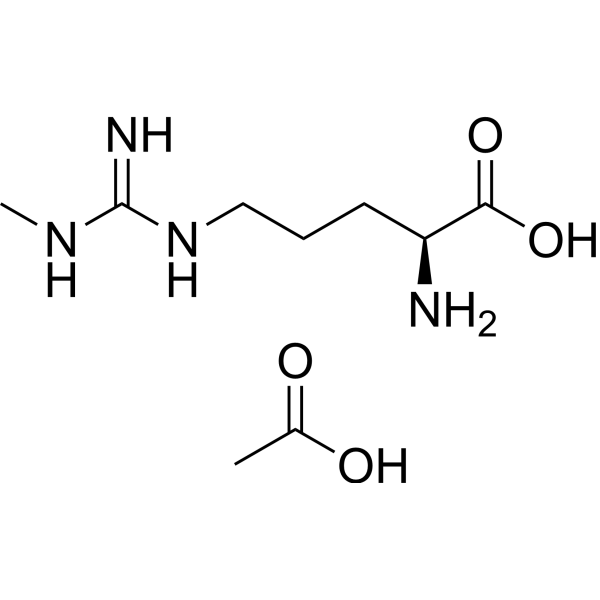
    L-NMMA acetate
    10+ Cited Publications

    Tilarginine acetate; Methylarginine acetate

    NO Synthase Endogenous Metabolite Cardiovascular Disease Cancer
    L-NMMA acetate is a nitric oxide synthase inhibitor of all NOS isoforms including NOS1, NOS2, and NOS3. The Ki values for nNOS (rat), eNOS (human), and iNOS (mouse) are approximately 0.18, 0.4, and 6 μM, respectively.
    L-NMMA acetate
  • HY-100986
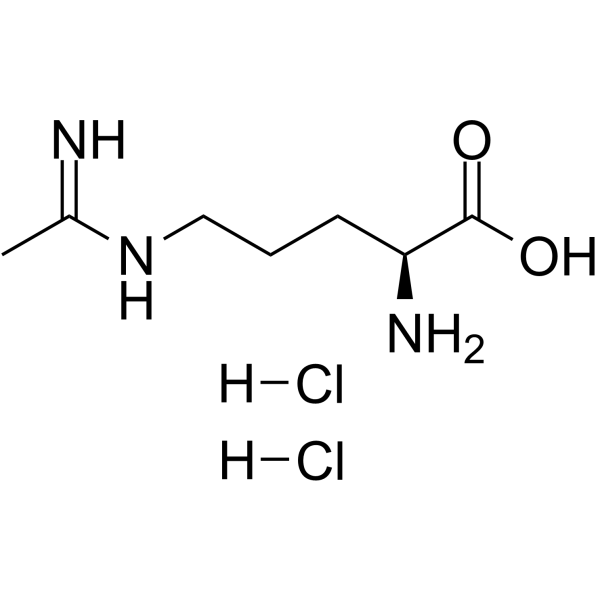
    L-NIO dihydrochloride
    1 Publications Verification

    NO Synthase Cardiovascular Disease
    L-NIO dihydrochloride is a potent, non-selective and NADPH-dependent nitric oxide synthase (NOS) inhibitor, with Kis of 1.7, 3.9, 3.9 μM for neuronal (nNOS), endothelial (eNOS), and inducible (iNOS), respectively . L-NIO dihydrochloride induces a consistentfocal ischemic infarctin rats .
    L-NIO dihydrochloride
  • HY-14602
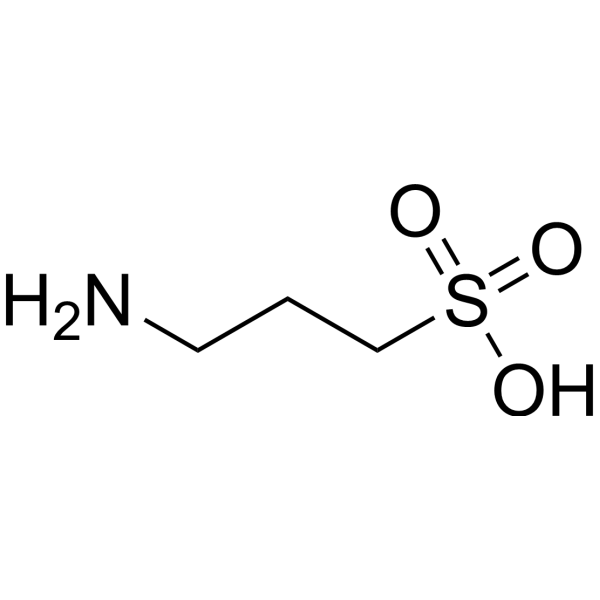
    Tramiprosate
    2 Publications Verification

    Homotaurine; 3-Amino-1-propanesulfonic acid

    Amyloid-β Cardiovascular Disease Cancer
    Tramiprosate (Homotaurine), an orally active and brain-penetrant natural amino acid found in various species of red marine algae. Tramiprosate binds to soluble Aβ and maintains Aβ in a non-fibrillar form. Tramiprosate is also a GABA analog and possess neuroprotection, anticonvulsion and antihypertension effects .
    Tramiprosate
  • HY-148417

    Serotonin Transporter Neurological Disease
    ZZL-7 is a fast-onset antidepressant agent. ZZL-7 works by disrupting the interaction between the serotonin transporter (SERT) and neuronal nitric oxide synthase (nNOS) in the dorsal raphe nucleus (DRN). ZZL-7 can cross the blood-brain barrier readily. ZZL-7 can be used for the research of major depressive disorder (MDD) .
    ZZL-7
  • HY-69019
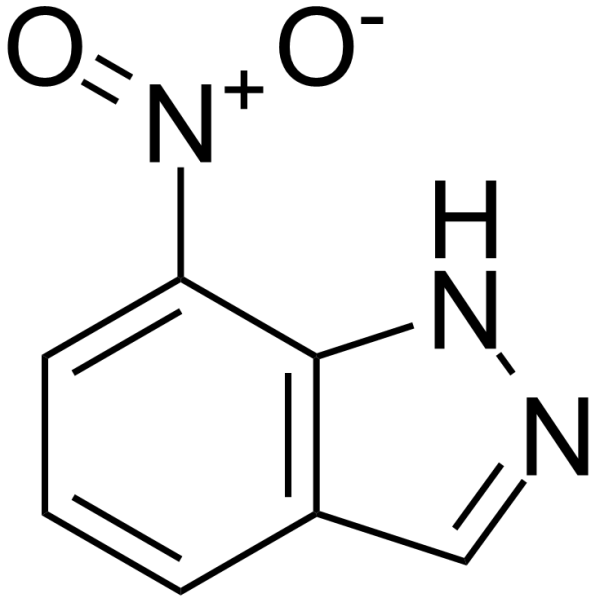
    7-Nitroindazole
    1 Publications Verification

    NO Synthase Cardiovascular Disease Neurological Disease
    7-Nitroindazole is a selective and BBB-penetrable inhibitor of nitric oxide synthase (NOS) (IC50 = 0.47 μM in mouse cerebellum). 7-Nitroindazole does not affect blood pressure or endothelium-dependent relaxation while inhibiting nNOS in experimental animals. 7-Nitroindazole has anti-injurious and neuroprotective properties, and can be studied in research for neurological diseases such as Parkinson’s disease .
    7-Nitroindazole
  • HY-W003969

    Ascensil; 2-Amino-4-methylpyridine

    NO Synthase Inflammation/Immunology
    Aminopicoline (Ascensil) is a potent and non-selective inhibitor of nitric oxide synthase (NOS) isoenzymes (iNOS, nNOS, eNOS). Aminopicoline competes with arginine at the substrate-binding site of nitric oxide synthase, reduces cellular nitric oxide production, inhibits the elevation of plasma nitrate, increases mean arterial pressure at high doses, and also serves as a basis for radiolabeled ligands to localize nitric oxide synthase binding sites. Aminopicoline can be used in the research of diseases associated with septic shock, joint inflammation, intestinal inflammation, and CNS inflammation .
    Aminopicoline
  • HY-12119
    GW274150
    2 Publications Verification

    NO Synthase Neurological Disease Inflammation/Immunology
    GW274150 is a potent, selective, orally active and NADPH-dependent inhibitor of human inducible nitric oxide synthase (iNOS) (IC50=2.19 μM; Kd=40 nM) and rat iNOS (ED50=1.15 μM). GW274150 also displays less potency for both humans or rats endothelial NOS (eNOS) and neuronal NOS (nNOS). GW274150 exerts a protective role in an acute model of lung injury inflammation .
    GW274150
  • HY-P0117
    Tat-NR2B9c
    5+ Cited Publications

    Tat-NR2Bct; NA-1

    iGluR NO Synthase Neurological Disease
    Tat-NR2B9c (Tat-NR2Bct; NA-1) is a postsynaptic density-95 (PSD-95) inhibitor, with EC50 values of 6.7 nM and 670 nM for PSD-95d2 (PSD-95 PDZ domain 2) and PSD-95d1, respectively. Tat-NR2B9c disrupts the PSD-95/NMDAR interaction, inhibiting NR2A and NR2B binding to PSD-95 with IC50 values of 0.5 μM and 8 μM, respectively. Tat-NR2B9c also inhibits neuronal nitric oxide synthase (nNOS)/PSD-95 interaction, and possesses neuroprotective efficacy .
    Tat-NR2B9c
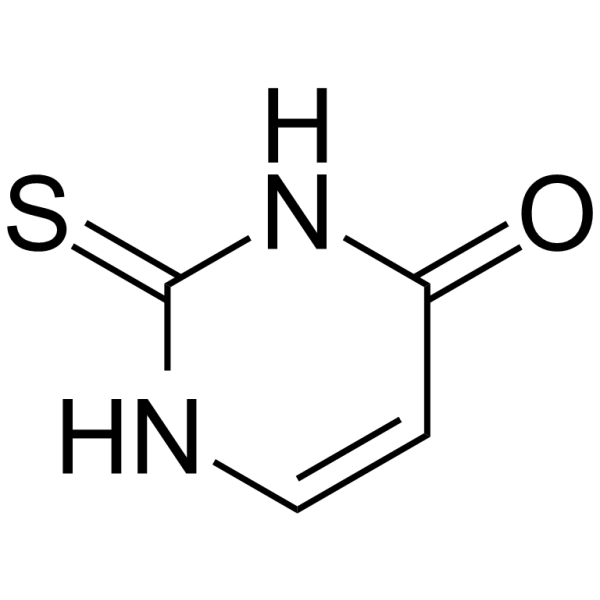
  • HY-B0503
    2-Thiouracil
    2 Publications Verification

    Thiouracil

    NO Synthase Endocrinology Cancer
    2-Thiouracil (Thiouracil) is a selective neuronal nitric oxide synthase (nNOS) inhibitor with a Ki value of 20 μM. 2-Thiouracil antagonizes BH4-induced nNOS dimerization. 2-Thiouracil is also an antithyroid compound and a highly specific melanoma detector. 2-Thiouracil stimulates the growth of pea and corn root segments .
    2-Thiouracil
  • HY-100456
    ZL006
    2 Publications Verification

    iGluR Neurological Disease
    ZL006 is a potent inhibitor of nNOS/PSD-95 interaction, and inhibits NMDA receptor-mediated NO synthesis.
    ZL006
  • HY-18732
    L-NMMA
    Maximum Cited Publications
    11 Publications Verification

    Tilarginine; Methylarginine

    NO Synthase Neurological Disease Inflammation/Immunology Cancer
    L-NMMA (Tilarginine) is a non-selective and competitive inhibitor of nitric oxide synthase. L-NMMA inhibits three subtypes, namely nNOS, eNOS, and iNOS, and reduces NO production . L-NMMA alleviates mechanical allodynia, thermal hyperalgesia, and choroidal fibrosis. L-NMMA is applicable to research related to nociception, bone cancer pain, and myopia .
    L-NMMA
  • HY-108615

    GPi 819

    Phosphorylase Cardiovascular Disease Neurological Disease Metabolic Disease
    CP-316819 (GPi 819) is a blood-brain barrier permeable glycogen phosphorylase inhibitor. CP-316819 inhibits hepatic glycogenolysis, safely reduces blood glucose in type 2 diabetes, and rarely induces hypoglycemia. CP-316819 increases brain glycogen reserves, protects neurons, alleviates hypoglycemic brain injury, and inhibits excessive platelet activation, exerting both neuroprotective and vasculoprotective effects. CP-316819 can be used in research related to hypoglycemia, thrombosis, autoimmune inflammatory diseases, and type 2 diabetes .
    CP-316819
  • HY-B1478

    Histamine Receptor NO Synthase Endocrinology
    Dimaprit dihydrochloride is a selective histamine H2 receptor agonist, it also inhibits nNOS with an IC50 of 49 μM. Dimaprit dihydrochloride can stimulate gastric acid secretion .
    Dimaprit dihydrochloride
  • HY-100457
    IC87201
    2 Publications Verification

    iGluR Neurological Disease
    IC87201, an inhibitor of PSD95-nNOS protein-protein interactions, suppresses NMDAR-dependent NO and cGMP formation.
    IC87201
  • HY-18399
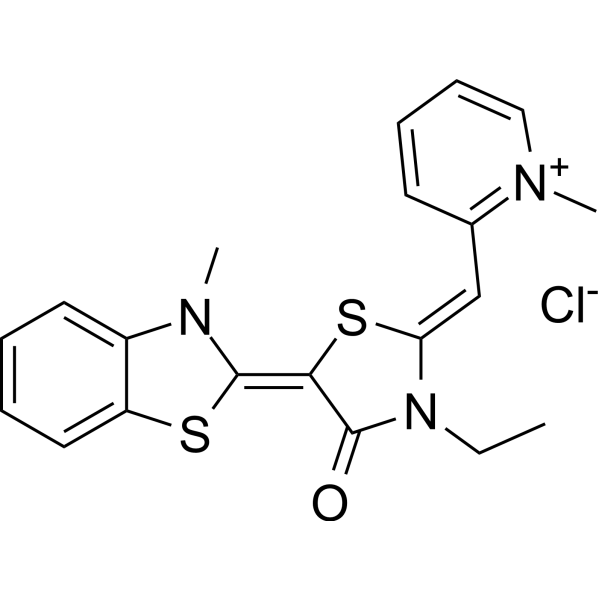
    YM-1
    1 Publications Verification

    HSP NO Synthase Cancer
    YM-1 is a stable MKT-077 (HY-15096) analog and an orally active Hsp70 inhibitor. YM-1 induces cell death of HeLa cells and up-regulates the level of p53 and p21 proteins .
    YM-1
  • HY-12119A
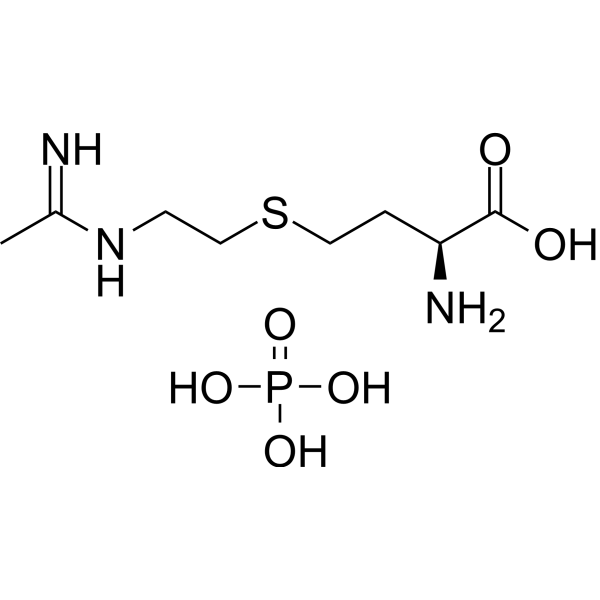
    GW274150 phosphate
    2 Publications Verification

    NO Synthase Neurological Disease Inflammation/Immunology
    GW274150 phosphate is a potent, selective, orally active and NADPH-dependent inhibitor of human inducible nitric oxide synthase (iNOS) (IC50=2.19 μM; Kd=40 nM) and rat iNOS (ED50=1.15 μM). GW274150 phosphate displays less potency for both humans or rats endothelial NOS (eNOS) and neuronal NOS (nNOS). GW274150 phosphate exerts a protective role in an acute model of lung injury inflammation .
    GW274150 phosphate
  • HY-102062A
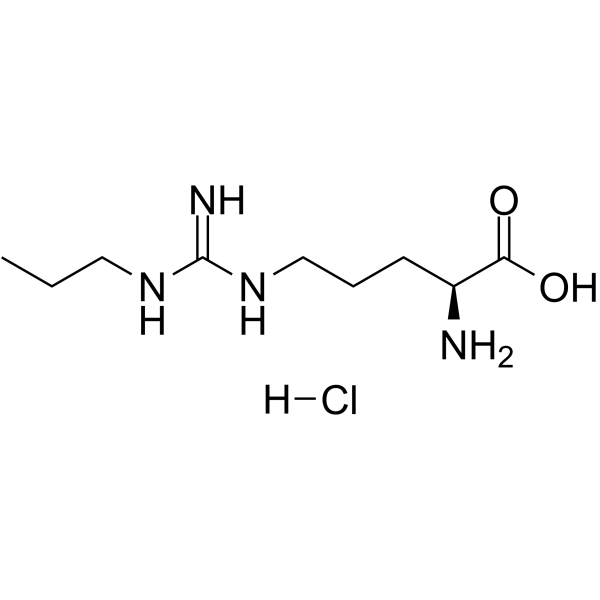
    Nω-Propyl-L-arginine hydrochloride
    1 Publications Verification

    N-omega-Propyl-L-arginine hydrochloride

    NO Synthase Neurological Disease
    Nω-Propyl-L-arginine (N-omega-Propyl-L-arginine) hydrochloride is a potent, competitive, and highly selective inhibitor of neuronal nitric oxide synthase (nNOS), with a Ki of 57 nM. Nω-Propyl-L-arginine hydrochloride displays a 149-fold selectivity for nNOS over endothelial NOS (eNOS) .
    Nω-Propyl-L-arginine hydrochloride
  • HY-102062
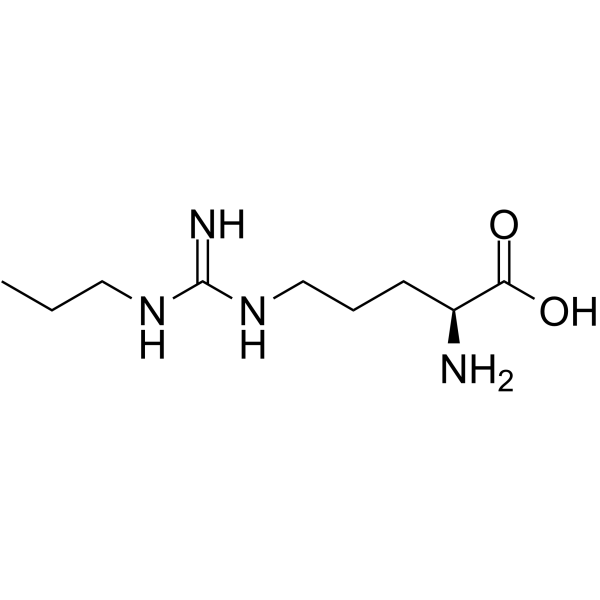
    Nω-Propyl-L-arginine
    1 Publications Verification

    N-omega-Propyl-L-arginine

    NO Synthase Neurological Disease
    Nω-Propyl-L-arginine (N-omega-Propyl-L-arginine) is a potent, competitive, and highly selective inhibitor of neuronal nitric oxide synthase (nNOS), with a Ki of 57 nM. Nω-Propyl-L-arginine displays a 149-fold selectivity for nNOS over endothelial NOS (eNOS) .
    Nω-Propyl-L-arginine
  • HY-12115

    Nω-nitro-L-arginine; L-NOARG; L-NG-Nitroarginine

    NO Synthase Cardiovascular Disease
    NG-nitro-L-arginine (Nω-nitro-L-arginine) is a NO Synthase inhibitor, with Kis of 0.61 μM (nNOS), 4.28 μM (iNOS), 0.72 μM (eNOS) respectively. NG-nitro-L-arginine inhibits endothelium-derived relaxing factor (EDRF) formation and release. NG-nitro-L-arginine inhibits portal-systemic shunting in portal-hypertensive rats, and increases blood pressure .
    NG-nitro-L-arginine
  • HY-W022047
    nNOS-IN-1
    1 Publications Verification

    NO Synthase Cardiovascular Disease Neurological Disease
    nNOS-IN-1(Compound 14) is an inhibitor for nitric oxide synthases (NOS), that exhibits inhibitory activities against neuroal, inducible and endothelial NOS, with IC50s of 2.5, 5.7 and 13 μM, respectively .
    nNOS-IN-1
  • HY-W007524
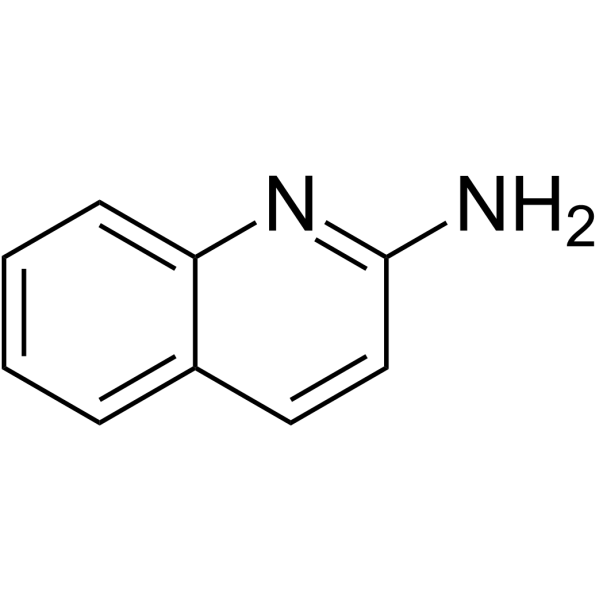
    2-Aminoquinoline
    1 Publications Verification

    2-Quinolinamine

    NO Synthase Orthopoxvirus Infection Neurological Disease
    2-Aminoquinoline (2-Quinolinamine) is a promising compound as bioavailable nNOS inhibitor but suffers from low human nNOS inhibition, low selectivity versus human eNOS, and significant binding to other CNS targets. 2-Aminoquinoline exhibits antiviral activity against the vaccinia virus. 2-Aminoquinoline has the potential for the research of antineurodegenerative agents .
    2-Aminoquinoline
  • HY-135224

    1,4-PB-ITU dihydrobromide

    NO Synthase Cancer
    1,4-PBIT (1,4-PB-ITU) dihydrobromide (compound 46) is a potent nitric oxide synthases (NOS) inhibitor, with Ki values of 7.6 nM, 360 nM, and 16 nM for the inducible (iNOS), endothelial (eNOS), and neuronal (nNOS) isozymes, respectively .
    1,4-PBIT dihydrobromide
  • HY-101316

    NO Synthase Neurological Disease
    TRIM is a potent nitric oxide synthase inhibitor. TRIM inhibits mouse cerebellar nNOS and rat lung iNOS in vitro with IC50 values of 28.2 and 27.0 µM, respectively. Antidepressant- and anxiolytic-like effects .
    TRIM
  • HY-101175
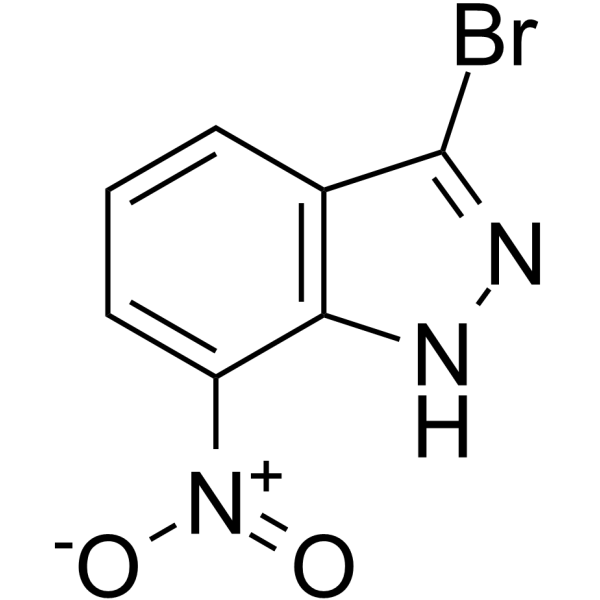
    3-Bromo-7-nitroindazole
    1 Publications Verification

    NO Synthase Neurological Disease Metabolic Disease
    3-Bromo-7-nitroindazole is a potent and selective inhibitor of neuronal nitric oxide synthase (nNOS). 3-Bromo-7-nitroindazole affects the intercellular messenger nitric oxide (NO) synthesis throughout the body and brain. 3-Bromo-7-nitroindazole can be used for the researches of metabolic and neurological disease, such as diabetes, stroke and depression .
    3-Bromo-7-nitroindazole
  • HY-130452

    NO Synthase Neurological Disease
    NOS1-IN-1 is a selective and cell-permeable nNOS inhibitor with a Ki of 120 nM. NOS1-IN-1 exhibits 2617-fold and 325-fold selectivity over eNOS (Ki=39 μM) and iNOS (Ki=325 μM) , respectively . NOS1-IN-1 can be used for the research of neurological disease, including cerebral palsy (CP) .
    NOS1-IN-1
  • HY-108960

    P2X Receptor Interleukin Related Neurological Disease
    PPADS is a P2X receptor (P2X Receptor) antagonist and a reversible competitive antagonist of NAADP receptors, with IC50 values of 68 nM (P2X1) and 214 nM (P2X3), respectively. PPADS alleviates pain-related behaviors in the central and peripheral nervous systems of mice after peripheral neuropathy, inhibits the overproduction of IL-1β, IL-6, iNOS and nNOS, and suppresses the hydrolytic activity of extracellular ATPase. PPADS blocks ATP-mediated inward currents on recombinant rat P2X1 and P2X3 receptors, and inhibits purinergic nerve stimulation-induced contraction of rabbit bladder detrusor muscle. PPADS is applicable to research related to neuropathic pain .
    PPADS
  • HY-P0117A
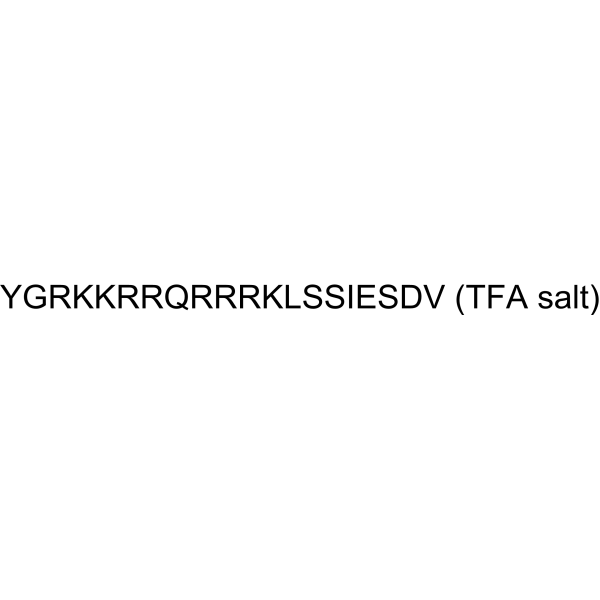
    Tat-NR2B9c TFA
    5+ Cited Publications

    Tat-NR2Bct TFA; NA-1 TFA

    iGluR NO Synthase Neurological Disease
    Tat-NR2B9c TFA (Tat-NR2Bct TFA) is a postsynaptic density-95 (PSD-95) inhibitor, with EC50 values of 6.7 nM and 670 nM for PSD-95d2 (PSD-95 PDZ domain 2) and PSD-95d1, respectively. Tat-NR2B9c TFA disrupts the PSD-95/NMDAR interaction, inhibiting NR2A and NR2B binding to PSD-95 with IC50 values of 0.5 μM and 8 μM, respectively. Tat-NR2B9c TFA also inhibits neuronal nitric oxide synthase (nNOS)/PSD-95 interaction, and possesses neuroprotective efficacy .
    Tat-NR2B9c TFA
  • HY-RS09433

    Small Interfering RNA (siRNA) Others

    NOS1 Human Pre-designed siRNA Set A contains three designed siRNAs for NOS1 gene (Human), as well as a negative control, a positive control, and a FAM-labeled negative control.

    NOS1 Human Pre-designed siRNA Set A
    NOS1 Human Pre-designed siRNA Set A
  • HY-138564

    NO Synthase Inflammation/Immunology
    NOS-IN-1 is a potent and orally active NO synthase (NOS) isoforms inhibitor with IC50s of 0.1 μM, 1.1 μM, and 0.2 μM for human iNOS (hiNOS), heNOS and hnNOS, respectively .
    NOS-IN-1
  • HY-100986B

    NO Synthase Cardiovascular Disease
    L-NIO is a potent, non-selective and NADPH-dependent nitric oxide synthase (NOS) inhibitor, with Kis of 1.7, 3.9, 3.9 μM for neuronal (nNOS), endothelial (eNOS), and inducible (iNOS), respectively . L-NIO induces a consistentfocal ischemic infarctin rats .
    L-NIO
  • HY-147306

    NO Synthase Neurological Disease
    ZLc-002 is a selective inhibitor of nNOS-Capon coupling. ZLc-002 suppresses inflammatory nociception and chemotherapy-induced neuropathic pain. ZLc-002 can be used for the research of anxiety disorder and inflammation .
    ZLc-002
  • HY-19230

    Calmodulin NO Synthase CaMK Calcineurin Proteasome Caspase Cardiovascular Disease
    DY-9760e is a calmodulin (CaM) inhibitor. DY-9760e selectively inhibits the activity of various calmodulin-dependent enzymes by antagonizing the Ca²⁺/CaM complex, exhibiting the strongest inhibitory activity against nNOS, CaM kinase II, and calcineurin (Ki: 0.9, 1.4, and 2.0 μM, respectively). DY-9760e inhibits excessive nitric oxide production and protein tyrosine nitration, as well as the activation of calpain and caspase-3. DY-9760e reduces infarct size, improves cardiac function, and inhibits oxidative stress and cell death. DY-9760e can be used in research on the treatment of myocardial infarction, cerebral ischemia, and other diseases .
    DY-9760e
  • HY-W007524R

    2-Quinolinamine (Standard)

    Reference Standards NO Synthase Orthopoxvirus Infection Neurological Disease
    2-Aminoquinoline (2-Quinolinamine) is a promising compound as bioavailable nNOS inhibitor but suffers from low human nNOS inhibition, low selectivity versus human eNOS, and significant binding to other CNS targets. 2-Aminoquinoline exhibits antiviral activity against the vaccinia virus. 2-Aminoquinoline has the potential for the research of antineurodegenerative agents .
    2-Aminoquinoline (Standard)
  • HY-W115558

    Serine Racemase (SR) Neurological Disease
    L-Serine-O-sulfate potassium is a serine racemase (Srr) inhibitor. L-Serine-O-sulfate potassium attenuates the chronic constriction injury (CCI)-induced increases in NO levels, nNOS phosphorylation at Ser847, PKC-dependent GluN1 phosphorylation at Ser896, and the development of mechanical allodynia in mice. L-Serine-O-sulfate potassium can be used for the research of peripheral neuropathy .
    L-Serine-O-sulfate potassium
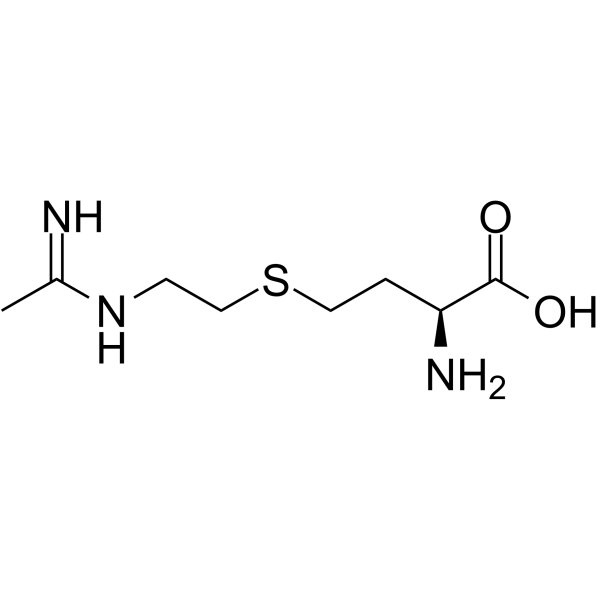
  • HY-14343

    NO Synthase Neurological Disease
    KLYP961 is a selective and orally active dual inhibitor of inducible and neuronal NO synthase (IC50 = 50-400 nM). KLYP961 can inhibit endotoxin-evoked plasma nitrates increases and attenuate pain behaviors in a mouse formalin model. KLYP961 can attenuate carrageenin-induced edema and inflammatory hyperalgesia and writhing response elicited by Phenylbenzoquinone (HY-W275039). KLYP961 can be used for the research of neurological disease .
    KLYP961
  • HY-147306A

    NO Synthase Neurological Disease
    (S)-ZLc002 is a S-enantiomer of ZLc-002. ZLc-002 is a selective inhibitor of nNOS-Capon coupling. ZLc-002 suppresses inflammatory nociception and chemotherapy-induced neuropathic pain .
    (S)-ZLc002
  • HY-122060

    NO Synthase Metabolic Disease
    BYK 191023 is a selective and L-arginine competitive inducible nitric-oxide synthase inhibitor with an IC50 value of 86 nM, 17 µM, 162 µM for inducible (iNOS), neuronal (nNOS), and endothelial (eNOS) NO synthases respectively .
    BYK 191023
  • HY-P11222

    Serotonin Transporter NO Synthase Neurological Disease
    Tat-SERT-15C is a peptide. Tat-SERT-15C decreases the SERT-nNOS complex and increases SERT. Tat-SERT-15C reverses chronic unpredictable mild stress-caused depression behaviors .
    Tat-SERT-15C
  • HY-170236

    NO Synthase Neurological Disease
    nNOS-IN-5 (Compound 9) is a potent human neuronal NOS (nNOS) inhibitor (Ki = 22 nM). nNOS-IN-5 exhibits excellent selectivity, with a 900-fold preference for human nNOS over human endothelial NOS (eNOS). nNOS-IN-5 can be used for neurodegenerative diseases study, such as Alzheimer's disease and Parkinson’s disease .
    nNOS-IN-5
  • HY-115750

    NO Synthase Neurological Disease
    Nω-allyl-L-arginine is a competitive and reversible inhibitor of bovine brain nitric oxide synthase (nNOS). Nω-allyl-L-arginine can inactivate nNOS in a time-dependent manner. Nω-allyl-L-arginine also is a substrate, producing L-arginine, acrolein, and H2O .
    Nω-allyl-L-arginine
  • HY-115410

    NO Synthase Metabolic Disease
    NG-Amino-L-arginine hydrochloride induces inactivation of the citrulline-forming activity of the nNOS, iNOS, and eNOS isoforms with Ki values of 0.3 μM, 3 μM, and 2.5 μM, respectively .
    NG-Amino-L-arginine hydrochloride
  • HY-124996

    NO Synthase Neurological Disease Inflammation/Immunology Cancer
    (Rac)-ZLc-002, an inhibitor of nNOS interaction with nitric oxide synthase 1 adaptor protein (NOS1AP), suppresses inflammatory nociception and chemotherapy-induced neuropathic pain and synergizes with Paclitaxel (HY-B0015) to reduce tumor cell viability .
    (Rac)-ZLc-002
  • HY-100458

    NO Synthase Neurological Disease
    SCR-4026 is a neuroprotective agent with blood-brain barrier penetration ability. SCR-4026 exerts neuroprotective effects by disrupting the interaction between neuronal nNOS and PSD9, with an IC50 of 6.3 μM. SCR-4026 alleviates N-methyl-D-aspartate (NMDA)-induced excitotoxic damage in primary cortical neurons, and also protects neurons in the oxygen-glucose deprivation (OGD) model. SCR-4026 can reduce the cerebral infarct volume in the rat middle cerebral artery occlusion (MCAO) reperfusion model. SCR-4026 can be used for the study of stroke .
    SCR-4026
  • HY-RS09434

    Small Interfering RNA (siRNA) Others

    Nos1 Mouse Pre-designed siRNA Set A contains three designed siRNAs for Nos1 gene (Mouse), as well as a negative control, a positive control, and a FAM-labeled negative control.

    Nos1 Mouse Pre-designed siRNA Set A
    Nos1 Mouse Pre-designed siRNA Set A
  • HY-W484263

    NO Synthase Neurological Disease
    hnNOS-IN-3 (compound 39) is a selective nNOS inhibitor, with a Ki of 0.32 μM. The nNOS binding of hnNOS-IN-3 is competitive with L-arginine. The selectivity of hnNOS-IN-3 for nNOS versus iNOS (Ki=37 μM) and eNOS (Ki=9.4 μM) is 115-fold and 29-fold, respectively .
    hnNOS-IN-3
  • HY-155355

    iGluR Neurological Disease
    LY836 is an orally active neuroprotective agent. LY836 significantly blocks PSD95-nNOS association in cortical neurons. LY836 can be used in study ischemic stroke .
    LY836
  • HY-P10029

    Serotonin Transporter Neurological Disease
    Sakura-6 is a SERT-nnos interaction promoter that significantly increases the SERT-nnos complex, but reduces the level of SERT on the cell surface. Acute injection of Sakura-6 into the dorsal raphe nucleus (DRN) causes depression-like behavior in mice .
    Sakura-6
  • HY-139135

    NO Synthase Others
    Methyl-L-NIO (compound 2d) hydrochloride is a potential selective inhibitor (IC50: 70 μM) of dimethylarginine dimethylaminohydrolase hDDAH. Methyl-L-NIO also has inhibitory activity against NO synthase. The inhibition rates of Methyl-L-NIO on different isoforms of NO synthase at a concentration of 100 μM are 77% (nNOS), 20% (eNOS), and 72% (iNOS) respectively; the inhibition rates at a concentration of 1 mM are 100% (nNOS), 85% (eNOS), 100% (iNOS) .
    Methyl-L-NIO hydrochloride
  • HY-181711

    NO Synthase Neurological Disease Cancer
    nNOS-IN-6 is a human neuronal nitric oxide synthase (hnNOS) inhibitor with a human hnNOS Ki of 16 nM, ~1800-fold selectivity over human eNOS, ~2900-fold selectivity over human iNOS, and a rat nNOS Ki of 34 nM.nNOS-IN-6 exhibits high effective permeability in PAMPA-BBB assays, crosses the blood-brain barrier, and shows sustained systemic exposure, low clearance, and robust brain penetration in mouse in vivo pharmacokinetic studies.nNOS-IN-6 can be used for the research of neurodegenerative diseases, melanoma .
    nNOS-IN-6
  • HY-172764

    NO Synthase Metabolic Disease
    L-ENIPO (hydrochloride) is an inhibitor of iNOS, nNOS, and eNOS with Ki values of 17, 10.3, and 58.2 μM. L-ENIPO (hydrochloride) exerts reversible tight binding inhibition selective for iNOS with longer incubation time .
    L-ENIPO hydrochloride

Inquiry Online

Your information is safe with us. * Required Fields.

Salutation


Country or Region *

Applicant Name *


Organization Name *

Department *


Email Address *


Product Name *

Cat. No.


Requested quantity *

Phone Number *


Remarks

Inquiry Online

Inquiry Information

Product Name:
Cat. No.:
Quantity:
MCE Japan Authorized Agent:

