
From 11:00 pm to 12:00 pm EST ( 8:00 pm to 9:00 pm PST ) on January 6th, the website will be under maintenance. We are sorry for the inconvenience. Please arrange your schedule properly.
Denosumab is a human monoclonal antibody that targets the protein RANKL. Denosumab binds to the receptor activator of nuclearfactorkappa-B ligand (RANKL) and prevents its binding to the RANK receptor (KD of 0.003 nM for human RANKL). Denosumab promotes proliferation and spermatogenesis. Denosumab prevents bone resorption through inhibition of the NF-κB pathway. Denosumab can be used in bone-related studies .
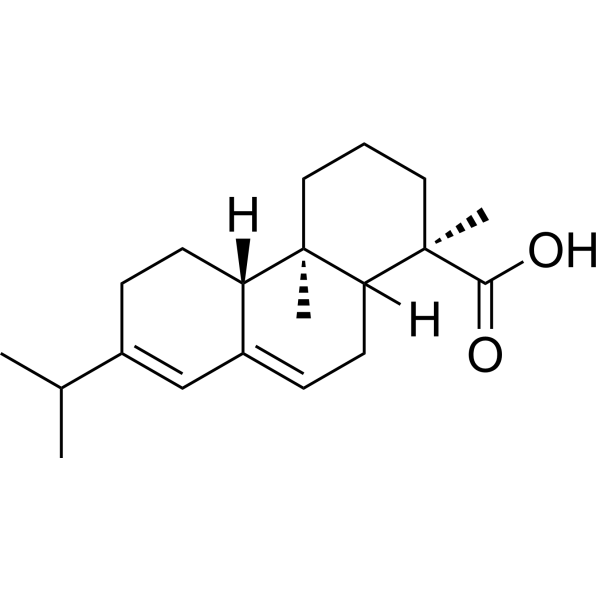
Abietic acid, an orally active diterpene isolated from Colophony, displays significant anti-proliferative, anti-inflammatory, anti-obesity effect, bacteriostatic, cell cycle arresting and pro-apoptotic activities. Abietic acid inhibits lipoxygenase activity for allergy. Abietic acid enhances cell migration and tube formation in HUVECs. Abietic acid induces significant angiogenic potential, which is associated with upregulation of extracellular signal-regulated kinase (ERK) and p38 expression. Abietic acid attenuates sepsis-induced lung injury by inhibiting nuclearfactorkappa-light-chain-enhancer of activated B cells (NF-κB) pathway to inhibit M1 macrophage polarization. Abietic acid exhibits a positive effect against liver injury by attenuating inflammation and ferroptosis. Abietic acid shows accelerated wound closure in a mouse model of cutaneous wounds. Abietic acid significantly reduces the proliferation and growth of NSCLC cells by IKKβ inhibition.Additionally, Abietic acid ameliorates psoriasis-like inflammation and modulates gut microbiota in mice. Abietic acid is promising for research in non-small-cell lung cancer (NSCLC), liver injury-related deseases and psoriasis .
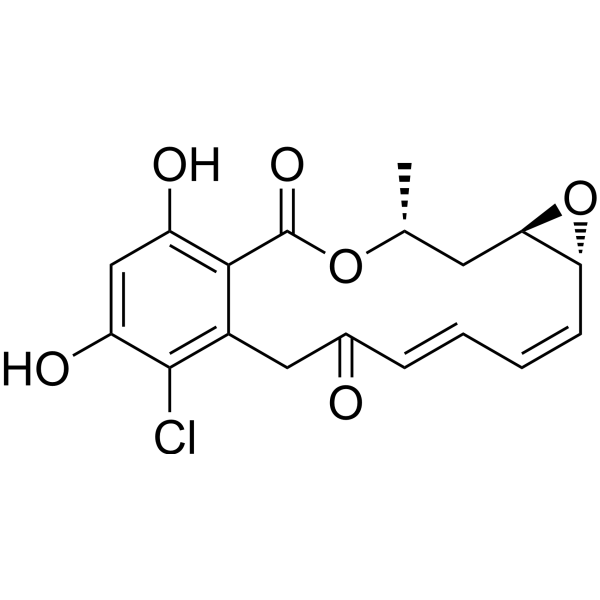
Radicicol is an inhibitor of Hsp90 with an IC50 value < 1 μM, and leads to proteasomal degradation . Radicicol exhibits inhibition on PDK with IC50s of 230 μM (PDK1) and 400 μM (PDK3). Radicicol is an antifungal and antimalarial antibiotic, impairs mitochondrial replication by targeting P. falciparumtopoisomerase VIB . Radicicol is also an inhibitor of fat mass and obesity-associated protein (FTO), with an IC50 value of 16.04 μM .
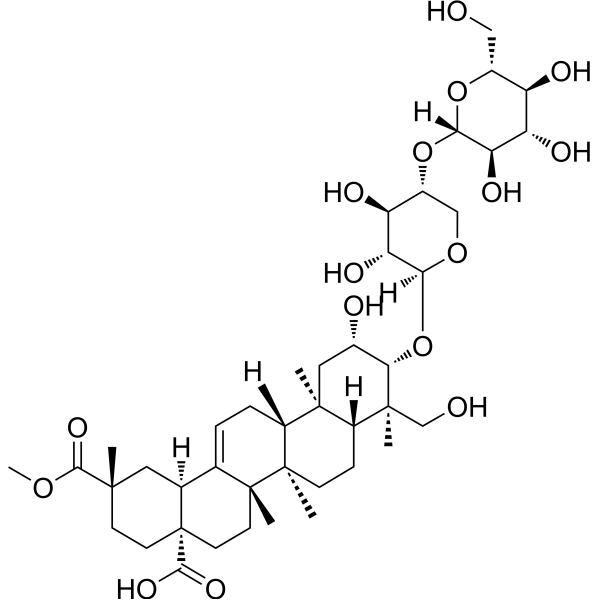
Esculentoside A (EsA), a kind of triterpene saponin isolated from roots of Phytolacca esculenta .
Esculentoside A (EsA) possesses anti-inflammatory activity in acute and chronic experimental models , has selective inhibitory activity towards cyclooxygenase-2 (COX-2) .
Esculentoside A (EsA) suppresses inflammatory responses in LPS-induced acute lung injury (ALI) through inhibition of the nuclearfactorkappaB (NF-ΚB) and mitogen activated protein kinase (MAPK) signaling pathways .
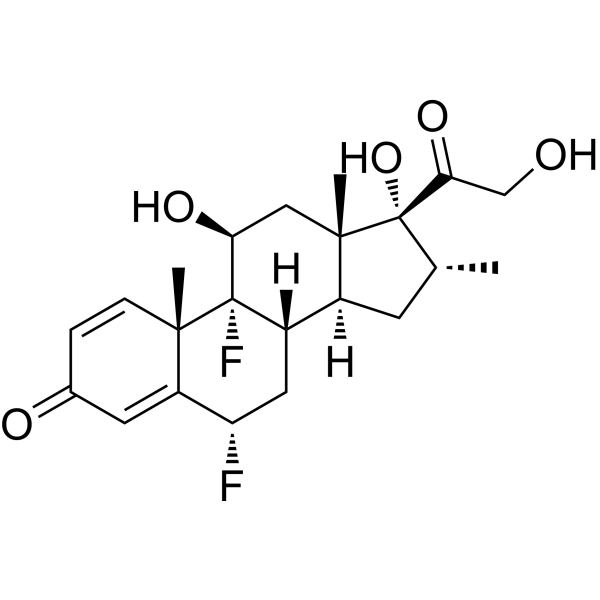
Flumethasone (Flumetasone) is an orally active, high selective and potent glucocorticoid receptor (GR) agonist. Flumethasone activates GR to inhibit nuclearfactorkappaB (NF-κB)-mediated pro-inflammatory cytokine production (TNF-α, IL-1β) and promotes anti-inflammatory gene expression (IL-10), while also regulating metabolic enzyme activity (tyrosine aminotransferase induction). Flumethasone is promising for research of inflammatory diseases, cancer, and endocrine regulation .
11-Keto-beta-boswellic acid (11-Keto-β-boswellic acid) is a pentacyclic triterpenic acid of the oleogum resin from the bark of the Boswellia serrate tree, popularly known as Indian Frankincense. 11-Keto-beta-boswellic acid has the anti-inflammatory activity is primarily due to inhibit 5-lipoxygenase (5-LOX) and subsequent leukotriene and nuclearfactor-kappaB (NF-κB) activation and tumor necrosis factor alpha generation production .
Denosumab (anti-TNFSF11) is a human monoclonal antibody that targets the protein RANKL. Denosumab binds to the receptor activator of nuclearfactorkappa-B ligand (RANKL) and prevents its binding to the RANK receptor (KD of 0.003 nM for human RANKL). Denosumab promotes proliferation and spermatogenesis. Denosumab prevents bone resorption through inhibition of the NF-κB pathway. Denosumab can be used in bone-related studies .
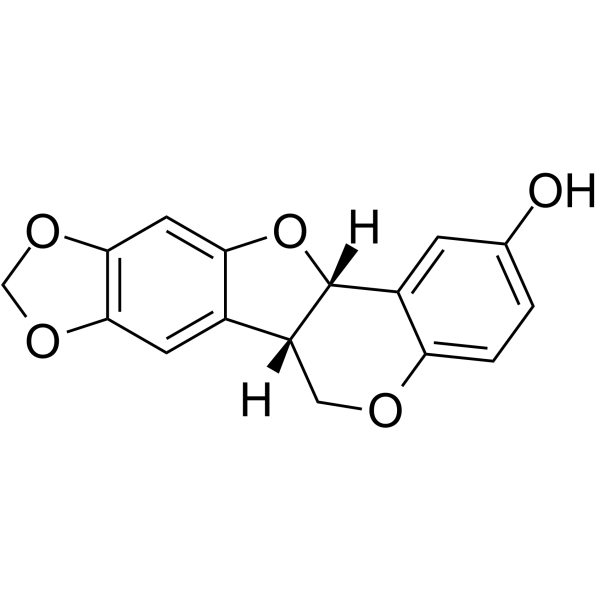
Maackiain (DL-Maackiain) is an orally active multi-target inhibitor with anti-tumor activity and neuroprotective effects. Maackiain activates the AMPK, NLRP3 and Nrf2/HO-1 pathways, and inhibits key targets such as NF-κB, mTOR, MAO-B, NFATc1 and PKCδ, thereby precisely regulating processes including apoptosis, autophagy and pyroptosis. Maackiain also effectively inhibits microglial activation, osteoclast formation, and proliferation and invasion of tumor cells, and protects dopaminergic neurons from damage. Maackiain is applicable to the research of various diseases such as Alzheimer's disease, osteoporosis, sepsis and dengue fever 。
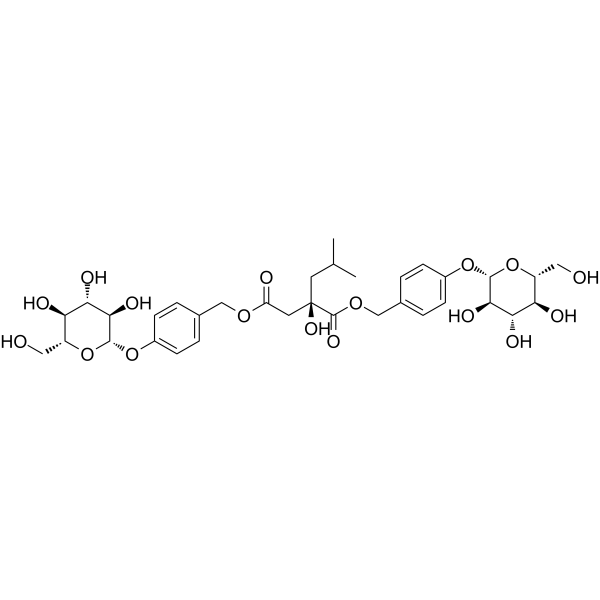
Militarine is a plant growth inhibitor and anti-inflammatory agent. Militarine inhibits the elongation of radicles and hypocotyls in seedlings of lettuce, Italian ryegrass and timothy grass. Militarine alleviates PM2.5-induced inflammatory injury and inhibits cell migration in human alveolar epithelial A549 cells by inhibiting the NF-κB signaling pathway, reducing oxidative stress and the release of inflammatory factors. Militarine can be used in studies related to PM2.5-induced pulmonary diseases .
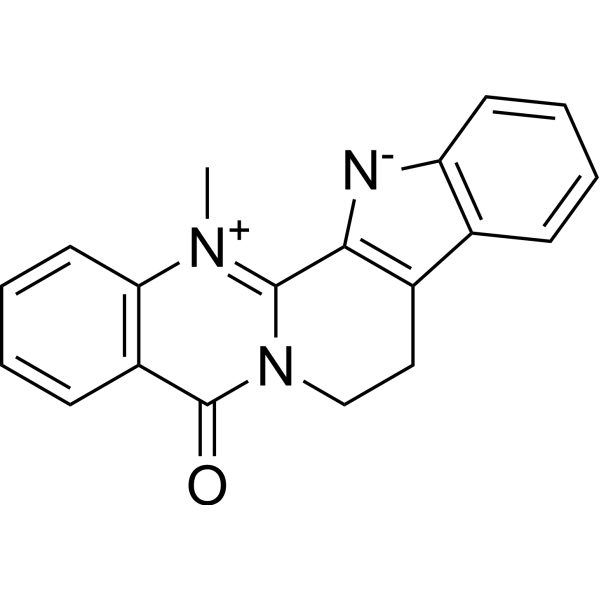
Dehydroevodiamine is a major bioactive quinazoline alkaloid isolated from Evodiae Fructus, has an antiarrhythmic effect in guinea-pig ventricular myocytes . Dehydroevodiamine inhibits LPS-induced iNOS, COX-2, prostaglandin E2 (PGE2) and nuclearfactor-kappaB (NF-κB) expression in murine macrophage cells .
RANKL-IN-1 is a selective and orally active Receptor Activator of NuclearFactor-κB Ligand (RANKL) inhibitor with a KD value of 7.6 μM. RANKL-IN-1 exhibits inhibitory activity and selectivity against osteoclastogenesis with an IC50 value of 0.07 μM and SI of 82.57. RANKL-IN-1binds directly to RANKL and blocks the RANKL-induced activation of the NF-κB and MAPK pathways. RANKL-IN-1 can be used for the research of metabolic disease, such as osteoporosis .
Human NFKB1 mRNA encodes the human nuclearfactorkappaB subunit 1 (NFKB1) protein, a transcription regulator that is activated by various intra- and extra-cellular stimuli such as cytokines, oxidant-free radicals, ultraviolet irradiation, and bacterial or viral products. Inappropriate activation of NFKB has been associated with a number of inflammatory diseases while persistent inhibition of NFKB leads to inappropriate immune cell development or delayed cell growth. NFKB is a critical regulator of the immediate-early response to viral infection.
6,4'-Dihydroxy-7-methoxyflavanone, a flavonoid, is a nature product that could be isolated from Heartwood Dalbergia odorifera. 6,4'-Dihydroxy-7-methoxyflavanone inhibits receptor activators of nuclearfactorkappa-B ligand (RANKL) induced osteoclastogenesis. 6,4'-Dihydroxy-7-methoxyflavanone has antioxidant, anti-inflammatory and neuroprotective effects. 6,4'-Dihydroxy-7-methoxyflavanone can be used in research of osteoporosis .
Esculentoside A (Standard) is the analytical standard of Esculentoside A. This product is intended for research and analytical applications. Esculentoside A (EsA), a kind of triterpene saponin isolated from roots of Phytolacca esculenta .
Esculentoside A (EsA) possesses anti-inflammatory activity in acute and chronic experimental models , has selective inhibitory activity towards cyclooxygenase-2 (COX-2) .
Esculentoside A (EsA) suppresses inflammatory responses in LPS-induced acute lung injury (ALI) through inhibition of the nuclearfactorkappaB (NF-ΚB) and mitogen activated protein kinase (MAPK) signaling pathways .
Human NFKB2 mRNA encodes the human nuclearfactorkappaB subunit 2 (NFKB2) protein, a subunit of the transcription factor complex nuclearfactor-kappa-B (NFkB). The NFkB complex is expressed in numerous cell types and functions as a central activator of genes involved in inflammation and immune function. NFKB2 can function as either a transcriptional activator or repressor depending on its dimerization partner.
Anti-inflammatory agent 6 blocks the phosphorylation of I kappab kinase α/β (IKKα/β), IκBα, and nuclearfactor kB p65 (NF-κB p65) which is a key controller of inflammation, thereby showing anti-inflammatory potential.
Dehydroevodiamine is a major bioactive quinazoline alkaloid isolated from Evodiae Fructus, has an antiarrhythmic effect in guinea-pig ventricular myocytes . Dehydroevodiamine inhibits LPS-induced iNOS, COX-2, prostaglandin E2 (PGE2) and nuclearfactor-kappaB (NF-κB) expression in murine macrophage cells .
NF-κB-IN-9 is a nuclearfactorkappaB (NF-κB) targeting sonosensitizer (λex/λem=489/628 nm). NF-κB-IN-9 exhibits strong inhibition on NF-κB signaling due to its two resveratrol units in one molecule. NF-κB-IN-9 has anti-tumor activity and shows remarkable sonocytotoxicity against cancer cells. NF-κB-IN-9 has biosafety in eenograft mice model.
11-Keto-beta-boswellic acid (Standard) is the analytical standard of 11-?Keto-?beta-?boswellic acid. This product is intended for research and analytical applications. 11-Keto-beta-boswellic acid (11-Keto-β-boswellic acid) is a pentacyclic triterpenic acid of the oleogum resin from the bark of the Boswellia serrate tree, popularly known as Indian Frankincense. 11-Keto-beta-boswellic acid has the anti-inflammatory activity is primarily due to inhibit 5-lipoxygenase (5-LOX) and subsequent leukotriene and nuclearfactor-kappaB (NF-κB) activation and tumor necrosis factor alpha generation production .
(8R,12R,13R)-8,12-Epoxylabd-14-en-13-ol is a diterpene found in Abies georgei. (8R,12R,13R)-8,12-Epoxylabd-14-en-13-ol is a nuclearfactorkappaB (NF-κB) inhibitor that inhibits TNFα-triggered NF-κB activity (IC50 = 8.7 μg/mL). (8R,12R,13R)-8,12-Epoxylabd-14-en-13-ol exhibits anti-inflammatory activity and can inhibit NO production. (8R,12R,13R)-8,12-Epoxylabd-14-en-13-ol shows significant cytotoxicity against tumor cells .
Esculeogenin A is the sapogenol of tomato saponin Esculeoside A (HY-N18067). Esculeogenin A is an orally active hepatoprotective, hypolipidemic, and antioxidant agent. Esculeogenin A regulates molecular targets like PPARα, SREBP1, Nrf2, NF-κB, ACAT1/ACAT2 to promote hepatic fatty acid oxidation, suppress de novo lipogenesis, enhance antioxidant defense, and inhibit inflammation. Esculeogenin A improves liver function, alleviates hyperlipidemia, and inhibits hepatic steatosis and foam cell formation, preventing nonalcoholic fatty liver disease in high-fat-diet-fed rats and reducing atherosclerotic lesions in apoE-deficient mice. Esculeogenin A can be used for the research of nonalcoholic fatty liver disease, atherosclerosis, and hyperlipidemia .
Denosumab is a human monoclonal antibody that targets the protein RANKL. Denosumab binds to the receptor activator of nuclearfactorkappa-B ligand (RANKL) and prevents its binding to the RANK receptor (KD of 0.003 nM for human RANKL). Denosumab promotes proliferation and spermatogenesis. Denosumab prevents bone resorption through inhibition of the NF-κB pathway. Denosumab can be used in bone-related studies .
Denosumab (anti-TNFSF11) is a human monoclonal antibody that targets the protein RANKL. Denosumab binds to the receptor activator of nuclearfactorkappa-B ligand (RANKL) and prevents its binding to the RANK receptor (KD of 0.003 nM for human RANKL). Denosumab promotes proliferation and spermatogenesis. Denosumab prevents bone resorption through inhibition of the NF-κB pathway. Denosumab can be used in bone-related studies .
Abietic acid, an orally active diterpene isolated from Colophony, displays significant anti-proliferative, anti-inflammatory, anti-obesity effect, bacteriostatic, cell cycle arresting and pro-apoptotic activities. Abietic acid inhibits lipoxygenase activity for allergy. Abietic acid enhances cell migration and tube formation in HUVECs. Abietic acid induces significant angiogenic potential, which is associated with upregulation of extracellular signal-regulated kinase (ERK) and p38 expression. Abietic acid attenuates sepsis-induced lung injury by inhibiting nuclearfactorkappa-light-chain-enhancer of activated B cells (NF-κB) pathway to inhibit M1 macrophage polarization. Abietic acid exhibits a positive effect against liver injury by attenuating inflammation and ferroptosis. Abietic acid shows accelerated wound closure in a mouse model of cutaneous wounds. Abietic acid significantly reduces the proliferation and growth of NSCLC cells by IKKβ inhibition.Additionally, Abietic acid ameliorates psoriasis-like inflammation and modulates gut microbiota in mice. Abietic acid is promising for research in non-small-cell lung cancer (NSCLC), liver injury-related deseases and psoriasis .
Radicicol is an inhibitor of Hsp90 with an IC50 value < 1 μM, and leads to proteasomal degradation . Radicicol exhibits inhibition on PDK with IC50s of 230 μM (PDK1) and 400 μM (PDK3). Radicicol is an antifungal and antimalarial antibiotic, impairs mitochondrial replication by targeting P. falciparumtopoisomerase VIB . Radicicol is also an inhibitor of fat mass and obesity-associated protein (FTO), with an IC50 value of 16.04 μM .
Esculentoside A (EsA), a kind of triterpene saponin isolated from roots of Phytolacca esculenta .
Esculentoside A (EsA) possesses anti-inflammatory activity in acute and chronic experimental models , has selective inhibitory activity towards cyclooxygenase-2 (COX-2) .
Esculentoside A (EsA) suppresses inflammatory responses in LPS-induced acute lung injury (ALI) through inhibition of the nuclearfactorkappaB (NF-ΚB) and mitogen activated protein kinase (MAPK) signaling pathways .
11-Keto-beta-boswellic acid (11-Keto-β-boswellic acid) is a pentacyclic triterpenic acid of the oleogum resin from the bark of the Boswellia serrate tree, popularly known as Indian Frankincense. 11-Keto-beta-boswellic acid has the anti-inflammatory activity is primarily due to inhibit 5-lipoxygenase (5-LOX) and subsequent leukotriene and nuclearfactor-kappaB (NF-κB) activation and tumor necrosis factor alpha generation production .
Maackiain (DL-Maackiain) is an orally active multi-target inhibitor with anti-tumor activity and neuroprotective effects. Maackiain activates the AMPK, NLRP3 and Nrf2/HO-1 pathways, and inhibits key targets such as NF-κB, mTOR, MAO-B, NFATc1 and PKCδ, thereby precisely regulating processes including apoptosis, autophagy and pyroptosis. Maackiain also effectively inhibits microglial activation, osteoclast formation, and proliferation and invasion of tumor cells, and protects dopaminergic neurons from damage. Maackiain is applicable to the research of various diseases such as Alzheimer's disease, osteoporosis, sepsis and dengue fever 。
Militarine is a plant growth inhibitor and anti-inflammatory agent. Militarine inhibits the elongation of radicles and hypocotyls in seedlings of lettuce, Italian ryegrass and timothy grass. Militarine alleviates PM2.5-induced inflammatory injury and inhibits cell migration in human alveolar epithelial A549 cells by inhibiting the NF-κB signaling pathway, reducing oxidative stress and the release of inflammatory factors. Militarine can be used in studies related to PM2.5-induced pulmonary diseases .
Dehydroevodiamine is a major bioactive quinazoline alkaloid isolated from Evodiae Fructus, has an antiarrhythmic effect in guinea-pig ventricular myocytes . Dehydroevodiamine inhibits LPS-induced iNOS, COX-2, prostaglandin E2 (PGE2) and nuclearfactor-kappaB (NF-κB) expression in murine macrophage cells .
6,4'-Dihydroxy-7-methoxyflavanone, a flavonoid, is a nature product that could be isolated from Heartwood Dalbergia odorifera. 6,4'-Dihydroxy-7-methoxyflavanone inhibits receptor activators of nuclearfactorkappa-B ligand (RANKL) induced osteoclastogenesis. 6,4'-Dihydroxy-7-methoxyflavanone has antioxidant, anti-inflammatory and neuroprotective effects. 6,4'-Dihydroxy-7-methoxyflavanone can be used in research of osteoporosis .
Esculentoside A (Standard) is the analytical standard of Esculentoside A. This product is intended for research and analytical applications. Esculentoside A (EsA), a kind of triterpene saponin isolated from roots of Phytolacca esculenta .
Esculentoside A (EsA) possesses anti-inflammatory activity in acute and chronic experimental models , has selective inhibitory activity towards cyclooxygenase-2 (COX-2) .
Esculentoside A (EsA) suppresses inflammatory responses in LPS-induced acute lung injury (ALI) through inhibition of the nuclearfactorkappaB (NF-ΚB) and mitogen activated protein kinase (MAPK) signaling pathways .
Dehydroevodiamine is a major bioactive quinazoline alkaloid isolated from Evodiae Fructus, has an antiarrhythmic effect in guinea-pig ventricular myocytes . Dehydroevodiamine inhibits LPS-induced iNOS, COX-2, prostaglandin E2 (PGE2) and nuclearfactor-kappaB (NF-κB) expression in murine macrophage cells .
11-Keto-beta-boswellic acid (Standard) is the analytical standard of 11-?Keto-?beta-?boswellic acid. This product is intended for research and analytical applications. 11-Keto-beta-boswellic acid (11-Keto-β-boswellic acid) is a pentacyclic triterpenic acid of the oleogum resin from the bark of the Boswellia serrate tree, popularly known as Indian Frankincense. 11-Keto-beta-boswellic acid has the anti-inflammatory activity is primarily due to inhibit 5-lipoxygenase (5-LOX) and subsequent leukotriene and nuclearfactor-kappaB (NF-κB) activation and tumor necrosis factor alpha generation production .
(8R,12R,13R)-8,12-Epoxylabd-14-en-13-ol is a diterpene found in Abies georgei. (8R,12R,13R)-8,12-Epoxylabd-14-en-13-ol is a nuclearfactorkappaB (NF-κB) inhibitor that inhibits TNFα-triggered NF-κB activity (IC50 = 8.7 μg/mL). (8R,12R,13R)-8,12-Epoxylabd-14-en-13-ol exhibits anti-inflammatory activity and can inhibit NO production. (8R,12R,13R)-8,12-Epoxylabd-14-en-13-ol shows significant cytotoxicity against tumor cells .
Esculeogenin A is the sapogenol of tomato saponin Esculeoside A (HY-N18067). Esculeogenin A is an orally active hepatoprotective, hypolipidemic, and antioxidant agent. Esculeogenin A regulates molecular targets like PPARα, SREBP1, Nrf2, NF-κB, ACAT1/ACAT2 to promote hepatic fatty acid oxidation, suppress de novo lipogenesis, enhance antioxidant defense, and inhibit inflammation. Esculeogenin A improves liver function, alleviates hyperlipidemia, and inhibits hepatic steatosis and foam cell formation, preventing nonalcoholic fatty liver disease in high-fat-diet-fed rats and reducing atherosclerotic lesions in apoE-deficient mice. Esculeogenin A can be used for the research of nonalcoholic fatty liver disease, atherosclerosis, and hyperlipidemia .
IKKβ protein is a serine kinase that is critical in the NF-kappa-B signaling pathway and can respond to various stimuli such as cytokines or cellular stress. As part of the classical IKK complex, IKKβ activates NF-kappa-B through phosphorylation inhibitors, leading to its degradation and release of NF-kappa-B for gene transcription. IKKβ Protein, Human (sf9, GST) is the recombinant human-derived IKKβ protein, expressed by sf9 insect cells , with N-GST labeled tag.
IKKε protein is a serine/threonine kinase that coordinates the inflammatory response to viral infection by activating type I IFN, NF-kappa-B, and STAT signaling pathways. Upon activation of the viral RNA sensor, IKKε binds to DDX3X and phosphorylates IRF3, IRF7, and DDX3X, resulting in IRF3 nuclear translocation. IKKε Protein, Human (sf9, GST) is the recombinant human-derived IKKε protein, expressed by sf9 insect cells , with N-GST labeled tag.
The NFKB1 protein is a subunit of NF-kappa-B and regulates transcription in a variety of biological processes. It forms homodimeric or heterodimeric complexes with RELA/p65, RELB, and NFKB2/p52. NFKB1 Protein, Human (His) is the recombinant human-derived NFKB1 protein, expressed by E. coli , with N-6*His labeled tag.
RANK/TNFRSF11A protein is the receptor of TNFSF11/RANKL and is critical for RANKL-induced osteoclastogenesis. It interacts with EEIG1 to promote osteoclast formation by promoting NFATC1 transcription and activating PLCG2. RANK/TNFRSF11A Protein, Human is the recombinant human-derived RANK/TNFRSF11A protein, expressed by E. coli , with tag free.
I kappa B kinase 2; I kappa B kinase beta; I-kappa-B kinase 2; I-kappa-B-kinase beta; IkBKB; IKK 2; IKK B; IKK beta; IKK-B; IKK-beta; IKK2; IKKB; IKKB_HUMAN; IMD15; Inhibitor of kappa light chain gene enhancer in B cells; Inhibitor of kappa light polypeptide gene enhancer in B cells; Inhibitor of kappa light polypeptide gene enhancer in B cells kinase beta; Inhibitor of kappa light polypeptide gene enhancer in B cells, kinase beta; Inhibitor of nuclearfactorkappa B kinase beta subunit; Inhibitor of nuclearfactorkappa B kinase subunit beta; Inhibitor of nuclearfactorkappa-B kinase subunit beta; MGC131801; NFKBIKB; nuclearfactor NF kappa B inhibitor kinase beta; nuclearfactor NF-kappa-B inhibitor kinase beta; nuclearfactor of kappa light chain gene enhancer in B cells inhibitor.
WB
Human, Rat
IKK beta Antibody (YA5222) is a Mouse-derived and non-conjugated monoclonal antibody, targeting to IKK beta.
NFKBIA; Inhibitor of KB alpha; I kappa B alpha; I(kappa)B(alpha); IkappaBalpha; IKBA; IKBalpha; MAD 3; MAD3; Major histocompatibility complex enhancer binding protein MAD3; NF kappa B inhibitor alpha; NFKBI; NFKBIA; nuclearfactor of kappa light chain gene enhancer in B cells; nuclearfactor of kappa light polypeptide gene enhancer in B cells inhibitor alpha; IKBA_HUMAN.
WB, IHC-P, IHC-F, IF-Tissue, ICC/IF
Human, Rat
IKB alpha Antibody (YA6438) is a Mouse-derived and non-conjugated IgG1 monoclonal antibody, targeting to IKB alpha.
NFKBIA; Inhibitor of KB alpha; I kappa B alpha; I(kappa)B(alpha); IkappaBalpha; IKBA; IKBalpha; MAD 3; MAD3; Major histocompatibility complex enhancer binding protein MAD3; NF kappa B inhibitor alpha; NFKBI; NFKBIA; nuclearfactor of kappa light chain gene enhancer in B cells; nuclearfactor of kappa light polypeptide gene enhancer in B cells inhibitor alpha; IKBA_HUMAN.
WB, IHC-P, IHC-F, IF-Tissue, ICC/IF
Human, Rat
IKB alpha Antibody (YA6438) is a Mouse-derived and non-conjugated IgG1 monoclonal antibody, targeting to IKB alpha.
Human NFKB1 mRNA encodes the human nuclearfactorkappaB subunit 1 (NFKB1) protein, a transcription regulator that is activated by various intra- and extra-cellular stimuli such as cytokines, oxidant-free radicals, ultraviolet irradiation, and bacterial or viral products. Inappropriate activation of NFKB has been associated with a number of inflammatory diseases while persistent inhibition of NFKB leads to inappropriate immune cell development or delayed cell growth. NFKB is a critical regulator of the immediate-early response to viral infection.
Human NFKB2 mRNA encodes the human nuclearfactorkappaB subunit 2 (NFKB2) protein, a subunit of the transcription factor complex nuclearfactor-kappa-B (NFkB). The NFkB complex is expressed in numerous cell types and functions as a central activator of genes involved in inflammation and immune function. NFKB2 can function as either a transcriptional activator or repressor depending on its dimerization partner.
Inquiry Online
Your information is safe with us. * Required Fields.
Western blot analysis of extracts from THP-1(lane 2(20μg), Jurkat (lane 3(20μg) and NIH3T3(lane 4(20μg) using FOXO1A (HY-P80132) Rabbit mAb. Proteins were transferred
to a PVDF membrane and blocked with 5% non-fat milk in TBST for 2 hour at room temperature. The primary antibody (1/1000) and Loading control antibody (Beta Actin, HY-P80438, 1/10000) was
used in 5% non-fat milk in TBST at 4°C overnight. Goat Anti-Mouse/Rabbit IgG-HRP Secondary Antibody (1/10000) was used for 1 hour at room temperature.
Western blot analysis of extracts from THP-1(lane 2(20μg), Jurkat (lane 3(20μg) and NIH3T3(lane 4(20μg) using FOXO1A (HY-P80132) Rabbit mAb. Proteins were transferred
to a PVDF membrane and blocked with 5% non-fat milk in TBST for 2 hour at room temperature. The primary antibody (1/1000) and Loading control antibody (Beta Actin, HY-P80438, 1/10000) was
used in 5% non-fat milk in TBST at 4°C overnight. Goat Anti-Mouse/Rabbit IgG-HRP Secondary Antibody (1/10000) was used for 1 hour at room temperature.
Western blot analysis of extracts from THP-1(lane 2(20μg), Jurkat (lane 3(20μg) and NIH3T3(lane 4(20μg) using FOXO1A (HY-P80132) Rabbit mAb. Proteins were transferred
to a PVDF membrane and blocked with 5% non-fat milk in TBST for 2 hour at room temperature. The primary antibody (1/1000) and Loading control antibody (Beta Actin, HY-P80438, 1/10000) was
used in 5% non-fat milk in TBST at 4°C overnight. Goat Anti-Mouse/Rabbit IgG-HRP Secondary Antibody (1/10000) was used for 1 hour at room temperature.
Western blot analysis of extracts from THP-1(lane 2(20μg), Jurkat (lane 3(20μg) and NIH3T3(lane 4(20μg) using FOXO1A (HY-P80132) Rabbit mAb. Proteins were transferred
to a PVDF membrane and blocked with 5% non-fat milk in TBST for 2 hour at room temperature. The primary antibody (1/1000) and Loading control antibody (Beta Actin, HY-P80438, 1/10000) was
MedchemExpress Validation 03
Western blot analysis of extracts from THP-1(lane 2(20μg), Jurkat (lane 3(20μg) and NIH3T3(lane 4(20μg) using FOXO1A (HY-P80132) Rabbit mAb. Proteins were transferred
MedchemExpress Validation 04
Western blot analysis of extracts from THP-1(lane 2(20μg), Jurkat (lane 3(20μg) and NIH3T3(lane 4(20μg) using FOXO1A (HY-P80132) Rabbit mAb. Proteins were transferred
to a PVDF membrane and blocked with 5% non-fat milk in TBST for 2 hour at room temperature. The primary antibody (1/1000) and Loading control antibody (Beta Actin, HY-P80438, 1/10000) was
used in 5% non-fat milk in TBST at 4°C overnight. Goat Anti-Mouse/Rabbit IgG-HRP Secondary Antibody (1/10000) was used for 1 hour at room temperature.
MedchemExpress Validation
Western blot analysis of extracts from THP-1(lane 2(20μg), Jurkat (lane 3(20μg) and NIH3T3(lane 4(20μg) using FOXO1A (HY-P80132) Rabbit mAb. Proteins were transferred
to a PVDF membrane and blocked with 5% non-fat milk in TBST for 2 hour at room temperature. The primary antibody (1/1000) and Loading control antibody (Beta Actin, HY-P80438, 1/10000) was
used in 5% non-fat milk in TBST at 4°C overnight. Goat Anti-Mouse/Rabbit IgG-HRP Secondary Antibody (1/10000) was used for 1 hour at room temperature.
Western blot analysis of extracts from THP-1(lane 2(20μg), Jurkat (lane 3(20μg) and NIH3T3(lane 4(20μg) using FOXO1A (HY-P80132) Rabbit mAb. Proteins were transferred
to a PVDF membrane and blocked with 5% non-fat milk in TBST for 2 hour at room temperature. The primary antibody (1/1000) and Loading control antibody (Beta Actin, HY-P80438, 1/10000) was
used in 5% non-fat milk in TBST at 4°C overnight. Goat Anti-Mouse/Rabbit IgG-HRP Secondary Antibody (1/10000) was used for 1 hour at room temperature.
MedchemExpress Validation
Western blot analysis of extracts from THP-1(lane 2(20μg), Jurkat (lane 3(20μg) and NIH3T3(lane 4(20μg) using FOXO1A (HY-P80132) Rabbit mAb. Proteins were transferred
to a PVDF membrane and blocked with 5% non-fat milk in TBST for 2 hour at room temperature. The primary antibody (1/1000) and Loading control antibody (Beta Actin, HY-P80438, 1/10000) was
used in 5% non-fat milk in TBST at 4°C overnight. Goat Anti-Mouse/Rabbit IgG-HRP Secondary Antibody (1/10000) was used for 1 hour at room temperature.
MedchemExpress Validation
Western blot analysis of extracts from THP-1(lane 2(20μg), Jurkat (lane 3(20μg) and NIH3T3(lane 4(20μg) using FOXO1A (HY-P80132) Rabbit mAb. Proteins were transferred
to a PVDF membrane and blocked with 5% non-fat milk in TBST for 2 hour at room temperature. The primary antibody (1/1000) and Loading control antibody (Beta Actin, HY-P80438, 1/10000) was
used in 5% non-fat milk in TBST at 4°C overnight. Goat Anti-Mouse/Rabbit IgG-HRP Secondary Antibody (1/10000) was used for 1 hour at room temperature.
MedchemExpress Validation
Western blot analysis of extracts from THP-1(lane 2(20μg), Jurkat (lane 3(20μg) and NIH3T3(lane 4(20μg) using FOXO1A (HY-P80132) Rabbit mAb. Proteins were transferred
to a PVDF membrane and blocked with 5% non-fat milk in TBST for 2 hour at room temperature. The primary antibody (1/1000) and Loading control antibody (Beta Actin, HY-P80438, 1/10000) was
used in 5% non-fat milk in TBST at 4°C overnight. Goat Anti-Mouse/Rabbit IgG-HRP Secondary Antibody (1/10000) was used for 1 hour at room temperature.
MedchemExpress Validation
Western blot analysis of extracts from THP-1(lane 2(20μg), Jurkat (lane 3(20μg) and NIH3T3(lane 4(20μg) using FOXO1A (HY-P80132) Rabbit mAb. Proteins were transferred
to a PVDF membrane and blocked with 5% non-fat milk in TBST for 2 hour at room temperature. The primary antibody (1/1000) and Loading control antibody (Beta Actin, HY-P80438, 1/10000) was
used in 5% non-fat milk in TBST at 4°C overnight. Goat Anti-Mouse/Rabbit IgG-HRP Secondary Antibody (1/10000) was used for 1 hour at room temperature.
MedchemExpress Validation
Western blot analysis of extracts from THP-1(lane 2(20μg), Jurkat (lane 3(20μg) and NIH3T3(lane 4(20μg) using FOXO1A (HY-P80132) Rabbit mAb. Proteins were transferred
to a PVDF membrane and blocked with 5% non-fat milk in TBST for 2 hour at room temperature. The primary antibody (1/1000) and Loading control antibody (Beta Actin, HY-P80438, 1/10000) was
used in 5% non-fat milk in TBST at 4°C overnight. Goat Anti-Mouse/Rabbit IgG-HRP Secondary Antibody (1/10000) was used for 1 hour at room temperature.
MedchemExpress Validation
Western blot analysis of extracts from THP-1(lane 2(20μg), Jurkat (lane 3(20μg) and NIH3T3(lane 4(20μg) using FOXO1A (HY-P80132) Rabbit mAb. Proteins were transferred
to a PVDF membrane and blocked with 5% non-fat milk in TBST for 2 hour at room temperature. The primary antibody (1/1000) and Loading control antibody (Beta Actin, HY-P80438, 1/10000) was
used in 5% non-fat milk in TBST at 4°C overnight. Goat Anti-Mouse/Rabbit IgG-HRP Secondary Antibody (1/10000) was used for 1 hour at room temperature.
MedChemExpress values your privacy and your trust is important to us. We use cookies to enhance your website experience. Some cookies are necessary to run the website.
Privacy and Cookie Policy

