Search Result
Results for "
oral treatment
" in MedChemExpress (MCE) Product Catalog:
2
Biochemical Assay Reagents
50
Isotope-Labeled Compounds
| Cat. No. |
Product Name |
Target |
Research Areas |
Chemical Structure |
-
- HY-10064
-
-
-
- HY-17608
-
|
GSK1278863
|
HIF/HIF Prolyl-Hydroxylase
|
Cardiovascular Disease
|
|
Daprodustat (GSK1278863) is an orally active hypoxia-inducible factor prolyl hydroxylase (HIF-PH) inhibitor being developed for the treatment of anemia associated with chronic kidney disease.
|
-
-
- HY-128757
-
|
LOU064
|
Btk
|
Inflammation/Immunology
Cancer
|
|
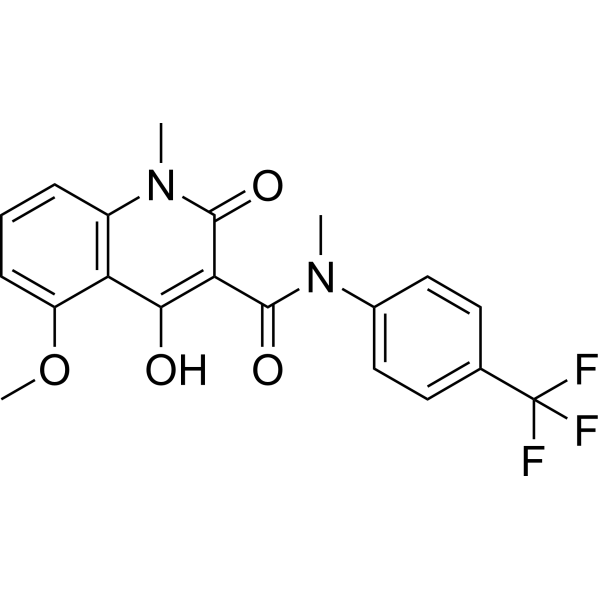
Remibrutinib, is a potent and orally active bruton tyrosine kinase (BTK) inhibitor with an IC50 value of 1 nM. Remibrutinib inhibits BTK activity with an IC50 value of 0.023 μM in blood . Remibrutinib has the potential for Chronic urticaria (CU) treatment .
|
-
-
- HY-10528
-
|
ABR-215050
|
HDAC
|
Cancer
|
|
Tasquinimod is an oral antiangiogenic agent, which has the potential for castration-resistant prostate cancer treatment. Tasquinimod binds to the regulatory Zn 2+ binding domain of HDAC4 with Kd of 10-30 nM. Tasquinimod also is a S100A9 inhibitor .
|
-
-
- HY-14779
-
-
-
- HY-77591
-
-
-
- HY-114392
-
|
|
FXR
Autophagy
|
Metabolic Disease
|
|
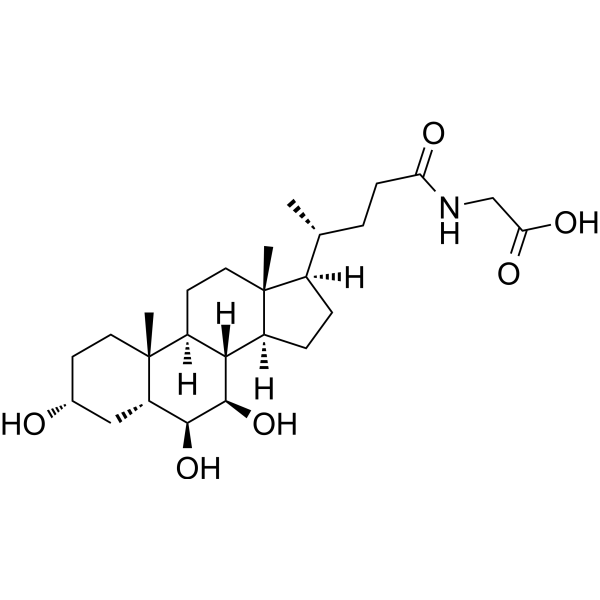
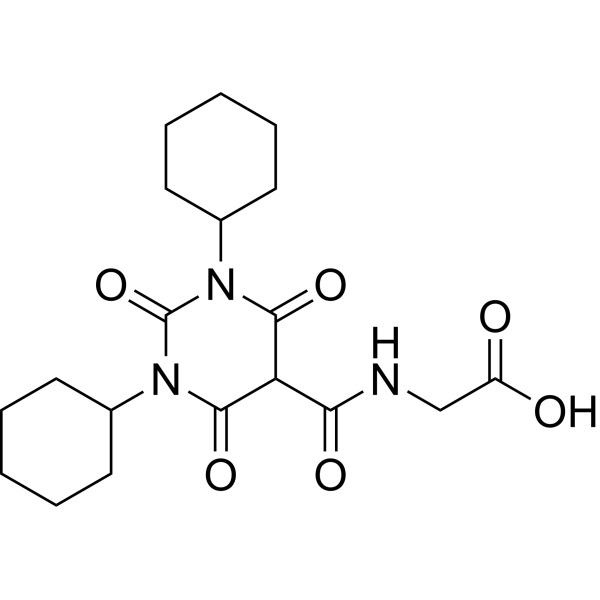
Gly-β-MCA, a bile acid, is a potent, sable, intestine-selective and oral bioactive farnesoid X receptor (FXR) inhibitor that may be a candidate for the treatment of metabolic disorders .
|
-
-
- HY-66011A
-
|
BAY 12-8039 free base
|
Bacterial
Antibiotic
|
Infection
Cancer
|
|
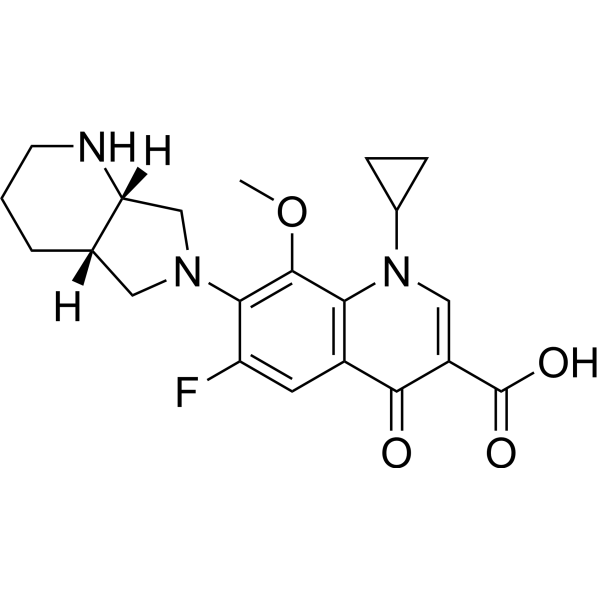
Moxifloxacin is an orally active 8-methoxyquinolone antimicrobial for use in the treatment of acute bacterial sinusitis, acute bacterial exacerbations of chronic bronchitis, and community-acquired pneumonia .
|
-
-
- HY-50667
-
|
BMS-562247-01
|
Factor Xa
|
Cardiovascular Disease
Cancer
|
|
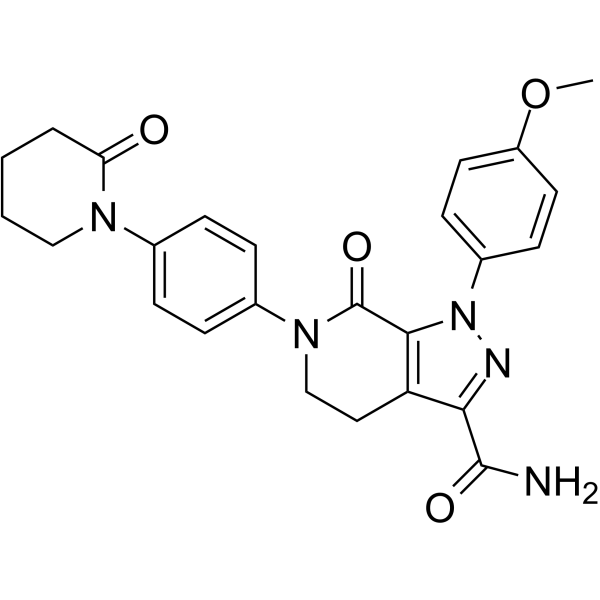
Apixaban (BMS-562247-01) is a highly selective, reversible and orally active inhibitor of Factor Xa with Ki of 0.08 nM and 0.17 nM in human and rabbit, respectively . Apixaban is in development for the prevention and treatment of various thromboembolic diseases .
|
-
-
- HY-135829
-
|
|
Aryl Hydrocarbon Receptor
|
Cancer
|
|
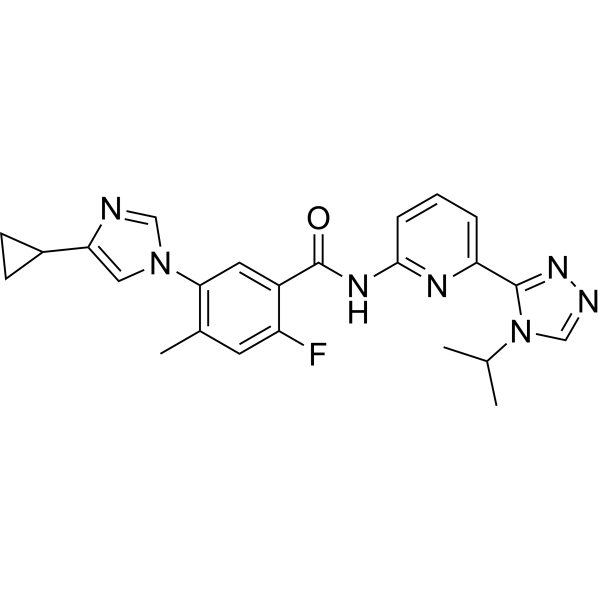
BAY 2416964 is a potent and orally active aryl hydrocarbon receptor (AHR) antagonist extracted from patent WO2018146010A1, example 192, has an IC50 of 341 nM. BAY 2416964 has the potential for solid tumors treatment .
|
-
-
- HY-B1381
-
|
FR-17027; FK-027; CL-284635
|
Antibiotic
Bacterial
|
Infection
Cancer
|
|
Cefixime (FR-17027) is an orally active antibiotic and a third generation cephalosporin antibiotic, useful for the treatment of a number of bacterial infections .
|
-
-
- HY-109057
-
|
JTZ-951; SAL0951
|
HIF/HIF Prolyl-Hydroxylase
|
Metabolic Disease
|
|
Enarodustat is a potent and orally active hypoxia-inducible factor prolyl hydroxylase inhibitor, with an EC50 of 0.22 μM. Enarodustat has the potential for renal anemia treatment.
|
-
-
- HY-66011
-
|
BAY 12-8039
|
Bacterial
Antibiotic
|
Infection
Cancer
|
|
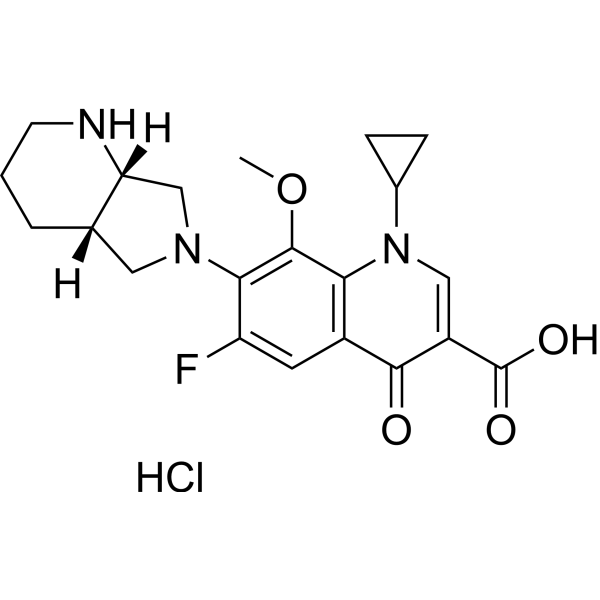
Moxifloxacin Hydrochloride (BAY 12-8039) is an oral 8-methoxyquinolone antimicrobial for use in the treatment of acute bacterial sinusitis, acute bacterial exacerbations of chronic bronchitis, and community-acquired pneumonia .
|
-
-
- HY-109120
-
|
A4250
|
Apical Sodium-Dependent Bile Acid Transporter
|
Metabolic Disease
|
|
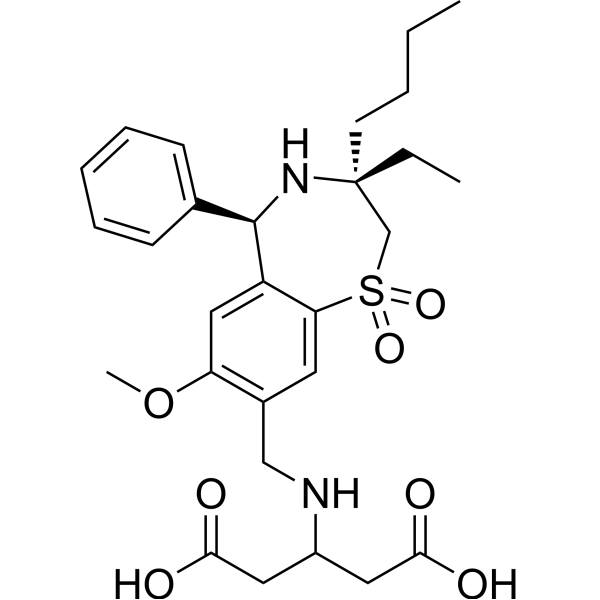
Odevixibat (A4250) is a selective and orally active ileal apical sodium-dependent bile acid transporter (ASBT) inhibitor. Odevixibat decreases cholestatic liver and bile duct injury in mice model. Odevixibat has the potential for the treatment of primary biliary cirrhosis .
|
-
-
- HY-19883
-
-
-
- HY-112220
-
|
|
Ferroportin
|
Metabolic Disease
|
|
VIT-2763, an oral ferroportin inhibitor, inhibits hepcidin binding to ferroportin and blocks iron efflux. VIT-2763 has the potential in the treatment of β-thalassemia .
|
-
-
- HY-17497A
-
-
-
- HY-109137
-
|
GS-9688
|
Toll-like Receptor (TLR)
HBV
|
Infection
|
|
Selgantolimod (GS-9688) is an orally active, potent and selective toll-like receptor 8 (TLR8) agonist for the treatment of hepatitis B virus (HBV) and human immunodeficiency virus (HIV) infection .
|
-
-
- HY-101277
-
|
PG-1016548; AKB-6548
|
HIF/HIF Prolyl-Hydroxylase
|
Cardiovascular Disease
|
|
Vadadustat (PG-1016548) is a titratable, oral hypoxia-inducible factor prolyl hydroxylase (HIF-PH) inhibitor . Vadadustat is an erythropoiesis-stimulating agent and has the potential for anemia treatment in chronic kidney disease in vivo .
|
-
-
- HY-A0203A
-
|
|
HIV
|
Infection
Inflammation/Immunology
Cancer
|
|
Pentosan Polysulfate Sodium is an orally bioavailable, semi-synthetic medication with anti-inflammatory and pro-chondrogenic properties. Pentosan Polysulfate Sodium also is a potent and selective anti-HIV agent. Pentosan Polysulfate Sodium is used for the treatment of interstitial cystitis .
|
-
-
- HY-B0592
-
|
RU44570
|
Angiotensin-converting Enzyme (ACE)
|
Cardiovascular Disease
|
|
Trandolapril (RU44570) is a nonsulfhydryl proagent that is hydrolysed to the active diacid Trandolaprilat. Trandolapril is an orally administered angiotensin converting enzyme (ACE) inhibitor that has been used in the treatment of hypertension and congestive heart failure (CHF), and after myocardial infarction (MI) .
|
-
-
- HY-15461
-
|
PF-04971729
|
SGLT
|
Metabolic Disease
|
|
Ertugliflozin (PF-04971729) is a potent, selective and orally active inhibitor of the sodium-dependent glucose cotransporter 2 (SGLT2), with an IC50 of 0.877 nM for h-SGLT2 . Has the potential for the treatment of type 2 diabetes mellitus .
|
-
-
- HY-70037A
-
-
-
- HY-18938
-
|
GS-4997
|
MAP3K
Apoptosis
|
Cancer
|
|
Selonsertib (GS-4997), an orally bioavailable, selective apoptosis signal-regulating kinase 1 (ASK1) inhibitor with a pIC50 of 8.3, has been evaluated as an experimental treatment for diabetic nephropathy and kidney fibrosis.
|
-
-
- HY-16508
-
|
CDB-2914
|
Progesterone Receptor
Autophagy
|
Metabolic Disease
Cancer
|
|
Ulipristal acetate (CDB-2914) is an orally active, selective progesterone receptor modulator (SPRM). Ulipristal acetate stimulates the autophagic response selectively in leiomyoma cells. Ulipristal acetate has the potential for benign gynecological conditions treatment, such as uterine myoma .
|
-
-
- HY-107126A
-
|
MK 3118 citrate; SCY-078 citrate
|
Fungal
|
Infection
|
|
Ibrexafungerp citrate (MK 3118 citrate) is an orally active β-1,3-glucan synthesis inhibitor, with potential antifungal activity. Ibrexafungerp citrate is an investigational agent for the treatment of Candida and Aspergillus infections .
|
-
-
- HY-Y0585
-
|
|
Bacterial
|
Infection
Inflammation/Immunology
|
|
D-(-)-Mandelic acid is an orally active alpha hydroxycarboxylic acid that can be isolated from bitter almonds and Indian chestnut trees. It has antioxidant and antibacterial properties and is expected to play an important role in the treatment of rheumatoid arthritis .
|
-
-
- HY-N2388
-
-
-
- HY-114703
-
-
-
- HY-14777
-
|
RGH-896
|
iGluR
|
Neurological Disease
|
|
Radiprodil (RGH-896) is an orally active and selective NMDA NR2B antagonist. A potential therapeutic agent in treatment of neuropathic pain and possibly other chronic pain conditions .
|
-
-
- HY-W040672
-
|
Dytransin
|
COX
|
Inflammation/Immunology
|
|
Ibufenac (Dytransin) is an orally active nonsteroidal anti-inflammatory agent. Ibufenac exerts anti-inflammatory, analgesic and antipyretic effects. Ibufenac is being studied for the treatment of rheumatic diseases such as rheumatoid arthritis .
|
-
-
- HY-114491
-
|
|
ERK
Raf
|
Cancer
|
|
Rineterkib (compound B) is an orally available ERK1 and ERK2 inhibitor in the treatment of a proliferative disease characterized by activating mutations in the MAPK pathway. The activity is particularly related to the treatment of KRAS-mutant NSCLC, BRAF-mutant NSCLC, KRAS-mutant pancreatic cancer, KRAS-mutant colorectal cancer (CRC) and KRAS-mutant ovarian cancer. Rineterkib hydrochloride can also inhibit RAF .
|
-
-
- HY-16764
-
|
JNJ-Q2
|
Bacterial
Antibiotic
|
Infection
Inflammation/Immunology
|
|
Avarofloxacin (JNJ-Q2) is a broad-spectrum fluoroquinolone antibacterial agent being developed for the treatment of acute bacterial skin and skin-structure infections and community-acquired pneumonia with oral activity. Avarofloxacin (JNJ-Q2) is an aminoethylidenylpiperidine fluoroquinolone that demonstrates antibacterial effect against numerous Gram-positive bacteria with a mean 0.12 mg/L MIC90 value. Avarofloxacin (JNJ-Q2) has potential for treatment of methicillin-resistant Staphylococcus aureus (MRSA) infections .
|
-
-
- HY-107456
-
-
-
- HY-14955
-
|
MB06322; CS-917
|
FBPase
|
Metabolic Disease
|
|
Managlinat dialanetil (MB06322) is an orally bioavailable inhibitor of fructose 1,6-bisphosphatase (FBPase) for the treatment of type 2 diabetes .
|
-
-
- HY-117071
-
|
Ro 115-1240
|
Adrenergic Receptor
Apoptosis
|
Cardiovascular Disease
Endocrinology
|
|
Dabuzalgron (Ro 115-1240) is an orally active and selective α-1A adrenergic receptor agonist for the treatment of urinary incontinence. Dabuzalgron protects against Doxorubicin-induced cardiotoxicity by preserving mitochondrial function .
|
-
-
- HY-102074
-
|
|
Measles Virus
|
Infection
|
|
ERDRP-0519, an orally bioavailable small-molecule Measles virus (MeV) polymerase inhibitor, prevents measles disease in squirrel monkeys (Saimiri sciureus). ERDRP-0519 inhibits morbilliviruses with nanomolar potency. .
|
-
-
- HY-A0020S
-
|
|
VD/VDR
|
Metabolic Disease
|
|
Eldecalcitol-d6 is the deuterium labeled Eldecalcitol. Eldecalcitol is an orally active analogue of active vitamin D used in the treatment of osteoporosis.
|
-
-
- HY-77591S
-
-
-
- HY-10286
-
|
PHX-1149 free base
|
Dipeptidyl Peptidase
|
Metabolic Disease
|
|
Dutogliptin (PHX-1149 free base) is an orally available, potent, and selective dipeptidyl peptidase-4 (DPP4) inhibitor for the treatment of type 2 diabetes mellitus.
|
-
-
- HY-106579
-
|
|
COX
|
Inflammation/Immunology
|
|
Tiaprofenic acid is an orally active nonsteroidal anti-inflammatory agent (NSAID) with anti-inflammatory and analgesic potency. Tiaprofenic acid inhibits prostaglandin synthesis by suppressing cyclo-oxygenase (COX). Tiaprofenic acid can be used in the treatment of rheumatic diseases .
|
-
-
- HY-B1141
-
|
NC-503
|
Amyloid-β
|
Others
|
|
Eprodisate disodium (NC-503) is the orally available disodium salt form of Eprodisate, a negatively charged sulfonated inhibitor of fibrillogenesis, that can be used in the treatment of amyloid A (AA) amyloidosis.
|
-
-
- HY-12419
-
|
|
Notch
|
Cancer
|
|
BMS-983970 is an oral pan-Notch inhibitor for the treatment of multiplecancers .
|
-
-
- HY-14938
-
|
KCA 757; MN 001
|
Leukotriene Receptor
|
Inflammation/Immunology
|
|
Tipelukast (KCA 757) is a sulfidopeptide leukotriene receptor antagonist, an orally bioavailable anti-inflammatory agent and used for the treatment of asthma.
|
-
-
- HY-77591R
-
-
-
- HY-128593
-
|
|
Phosphodiesterase (PDE)
|
Cardiovascular Disease
|
|
TPN171 is a potent, selective and oral bioavailable inhibitor of phosphodiesterase type 5 (PDE5) with an IC50 of 0.62 nM, being developed for the treatment of pulmonary arterial hypertension (PAH) .
|
-
-
- HY-135578
-
|
|
Parasite
|
Infection
|
|
Artelinic acid, a derivative of Artemisinin, is an antimalarial agent for the treatment of multidrug resistant strains of Plasmodium falciparum. Artelinic acid can be administered by various routes of administration, including intravenous, intramuscular and oral routes .
|
-
-
- HY-66011AS
-
|
BAY 12-8039-d4 free base
|
Isotope-Labeled Compounds
Bacterial
Antibiotic
|
Infection
|
|
Moxifloxacin-d4 is the deuterium labeled Moxifloxacin. Moxifloxacin is an orally active 8-methoxyquinolone antimicrobial for use in the treatment of acute bacterial sinusitis, acute bacterial exacerbations of chronic bronchitis, and community-acquired pneumonia .
|
-
-
- HY-66011AR
-
|
BAY 12-8039 free base (Standard)
|
Reference Standards
Bacterial
Antibiotic
|
Infection
Cancer
|
|
Moxifloxacin (Standard) is the analytical standard of Moxifloxacin. This product is intended for research and analytical applications. Moxifloxacin is an orally active 8-methoxyquinolone antimicrobial for use in the treatment of acute bacterial sinusitis, acute bacterial exacerbations of chronic bronchitis, and community-acquired pneumonia .
|
-
-
- HY-101580
-
|
SR 57667
|
Drug Derivative
|
Neurological Disease
|
|
Paliroden is an orally bioactive neurotrophic, non-peptidic compound that activates synthesis of endogenous neurotrophines, used for treatment of Alzheimer's Disease and Parkinson's.
|
-
- HY-108045
-
|
|
Phosphodiesterase (PDE)
|
Endocrinology
|
|
Lodenafil carbonate, a dimer that acts as a proagent delivering Lodenafil in vivo, is an orally active phosphodiesterase type 5 (PDE5) inhibitor for the treatment of erectile dysfunction (ED) .
|
-
- HY-10064S
-
-
- HY-126361A
-
|
|
Ser/Thr Protease
PAI-1
|
Inflammation/Immunology
|
|
ZK824190 hydrochloride is an orally available and selective urokinase plasminogen activator (uPA) inhibitor as a potential treatment for multiple sclerosis. IC50s of 237, 1600 and 1850 nM for uPA, tPA, and Plasmin, respectively .
|
-
- HY-U00002
-
|
|
VEGFR
EGFR
|
Cancer
|
|
ZD-4190 is a potent, orally available inhibitor of the vascular endothelial cell growth factor receptor 2 (VEGFR2) and of epidermal growth factor receptor (EGFR) signalling, used for the treatment of cancer.
|
-
- HY-126361
-
|
|
Ser/Thr Protease
PAI-1
|
Inflammation/Immunology
|
|
ZK824190 is an orally available and selective urokinase plasminogen activator (uPA) inhibitor as a potential treatment for multiple sclerosis. IC50s of 237, 1600 and 1850 nM for uPA, tPA, and Plasmin, respectively .
|
-
- HY-13017B
-
|
VX-770 hydrate
|
CFTR
Autophagy
|
Endocrinology
|
|
Ivacaftor hydrate (VX-770 hydrate) is an orally bioavailable CFTR potentiator, used for cystic fibrosis treatment.
|
-
- HY-109057A
-
|
JTZ-951 hydrochloride; SAL0951 hydrochloride
|
HIF/HIF Prolyl-Hydroxylase
|
Metabolic Disease
|
|
Enarodustat hydrochloride is a potent and orally active HIF/HIF Prolyl-Hydroxylase inhibitor, with an EC50 of 0.22 μM. Enarodustat hydrochloride has the potential for renal anemia treatment.
|
-
- HY-114703S1
-
-
- HY-70037AR
-
|
AMG-073 hydrochloride (Standard)
|
Reference Standards
CaSR
Endogenous Metabolite
|
Cardiovascular Disease
Cancer
|
|
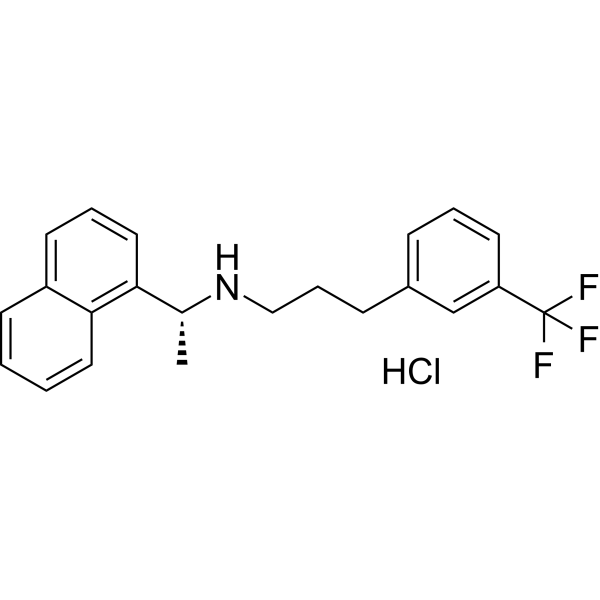
Cinacalcet (hydrochloride) (Standard) is the analytical standard of Cinacalcet (hydrochloride). This product is intended for research and analytical applications. Cinacalcet hydrochloride (AMG-073 hydrochloride) is an orally active, allosteric agonist of Ca receptor (CaR), used for cardiovascular disease treatment.
|
-
- HY-111543
-
|
|
Parasite
|
Infection
|
|
AN11251 is a potent and oral active anti-Wolbachia agent with potential for treatment of onchocerciasis and lymphatic filariasis, with EC50 values of 1.5 nM in LDW1 cell lines and 15 nM in C6/36 cell lines .
|
-
- HY-125415
-
|
|
PGE synthase
|
Inflammation/Immunology
|
|
PF-4693627 is a potent, selective and orally bioavailable microsomal prostaglandin E synthase-1 (mPGES-1) inhibitor (IC50=3 nM) for the treatment of inflammation caused by osteoarthritis (OA) and rheumatoid arthritis (RA) .
|
-
- HY-66011AS2
-
|
BAY 12-8039-d3
|
Bacterial
Antibiotic
|
Infection
Cancer
|
|
Moxifloxacin-d3 (hydrochloride) is the deuterium labeled Moxifloxacin hydrochloride. Moxifloxacin hydrochloride is an orally active 8-methoxyquinolone antimicrobial for use in the treatment of acute bacterial sinusitis, acute bacterial exacerbations of chronic bronchitis, and community-acquired pneumonia .
|
-
- HY-B1651R
-
|
Ferrous fumarate (Standard)
|
Transferrin Receptor
Reference Standards
|
Metabolic Disease
Cancer
|
|
Iron(II) fumarate (Standard) is the analytical standard of Iron(II) fumarate. This product is intended for research and analytical applications. Iron(II) fumarate (Ferrous fumarate) is the iron(II) salt of fumaric acid. Iron(II) fumarate is an orally active dietary supplement and has the potential for iron deficiency anemia treatment .
|
-
- HY-70037AS
-
-
- HY-B1798
-
|
|
Sodium Channel
|
Cardiovascular Disease
|
|
Tocainide hydrochloride is an orally activesodium channel blocker, it blocks the sodium channels in the pain-producing foci in the nerve membranes. Tocainide hydrochloride is a primary amine analog of lidocaine, can be used for the treatment of tinnitus .
|
-
- HY-133013
-
|
|
CFTR
|
Inflammation/Immunology
|
|
GLPG-3221 is a potent, orally active corrector of CFTR (cystic fibrosis transmembrane conductance regulator), with an EC50 of 105 nM. GLPG-3221 can be uesd for the treatment of cystic fibrosis .
|
-
- HY-125997
-
|
|
Btk
|
Inflammation/Immunology
|
|
BTK inhibitor 10 is a potent and orally active Bruton kinase (BTK) inhibitor, extracted from patent WO2018145525, example 33. BTK inhibitor 10 has a potential for rheumatoid arthritis treatment .
|
-
- HY-14184A
-
|
|
Endothelin Receptor
|
Cardiovascular Disease
Endocrinology
|
|
Macitentan n-butyl analogue is a n-butyl analogue of Macitentan. Macitentan is an orally active, non-peptide dual endothelin ETA and ETB receptor antagonist for the potential treatment of idiopathic pulmonary fibrosis (IPF) and pulmonary arterial hypertension (PAH).
|
-
- HY-162144
-
|
|
Bacterial
|
Infection
|
|
BDM91288 is an orally active AcrB efflux pump inhibitor of pyridinium piperazine. BDM91288 can enhance the in vivo efficacy of levofloxacin (HY-B0330) in the treatment of Klebsiella pneumoniae pulmonary infection in mouse models .
|
-
- HY-17608R
-
|
GSK1278863 (Standard)
|
Reference Standards
HIF/HIF Prolyl-Hydroxylase
|
Cardiovascular Disease
|
|
Daprodustat (Standard) is the analytical standard of Daprodustat. This product is intended for research and analytical applications. Daprodustat (GSK1278863) is an orally active hypoxia-inducible factor prolyl hydroxylase (HIF-PH) inhibitor being developed for the treatment of anemia associated with chronic kidney disease.
|
-
- HY-13017A
-
|
VX-770 benzenesulfonate
|
CFTR
Autophagy
|
Endocrinology
|
|
Ivacaftor benzenesulfonate is an orally bioavailable CFTR potentiator, used for cystic fibrosis treatment.
|
-
- HY-100239
-
-
- HY-101729
-
|
|
Others
|
Cardiovascular Disease
|
|
Anti-Heart Failure Agent 1 an orally available compound suitable for the treatment of heart failure without inducing nausea, vomiting and restlessness.
|
-
- HY-B0996R
-
|
NSC-17764 (Standard)
|
Reference Standards
Bacterial
Fungal
|
Infection
|
|
Hexetidine (Standard) is the analytical standard of Hexetidine. This product is intended for research and analytical applications. Hexetidine is an orally active antiseptic with broad antibacterial and antifungal activity. Hexetidine give important potential for treatment of oral infections .
|
-
- HY-114703R
-
-
- HY-19883S
-
-
- HY-121467S
-
-
- HY-101114
-
|
|
PI3K
|
Inflammation/Immunology
|
|
LAS191954 is a potent, selective and orally active PI3Kδ inhibitor for inflammatory diseases treatment, with an IC50 of 2.6 nM .
|
-
- HY-10286A
-
|
PHX-1149
|
Dipeptidyl Peptidase
|
Metabolic Disease
|
|
Dutogliptin tartrate (PHX-1149) is an orally available, potent, and selective dipeptidyl peptidase-4 (DPP4) inhibitor for the treatment of type 2 diabetes mellitus.
|
-
- HY-14779R
-
|
BAY 632521 (Standard)
|
Reference Standards
Guanylate Cyclase
|
Cardiovascular Disease
|
|
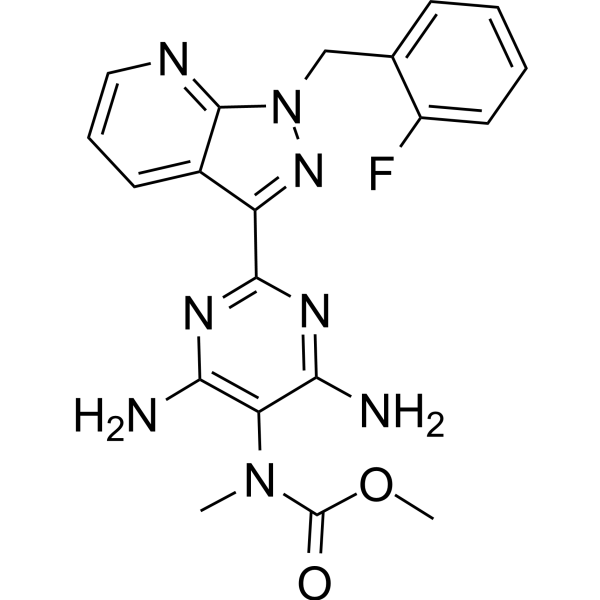
Riociguat (Standard) is the analytical standard of Riociguat. This product is intended for research and analytical applications. Riociguat is an oral stimulator of soluble guanylate cyclase (sGC) used in the treatment of pulmonary hypertension.
|
-
- HY-70037S
-
-
- HY-19883R
-
|
S-888711 (Standard)
|
Reference Standards
Thrombopoietin Receptor
|
Inflammation/Immunology
|
|
Lusutrombopag (Standard) is the analytical standard of Lusutrombopag. This product is intended for research and analytical applications. Lusutrombopag is an orally bioavailable thrombopoietin (TPO) receptor agonist, used for treatment of chronic liver disease.
|
-
- HY-19650
-
|
MKC-733; DDP-733
|
5-HT Receptor
|
Metabolic Disease
|
|
Pumosetrag Hydrochloride (MKC-733; DDP-733) is an orally available 5-HT3 partial agonist developed for the treatment of irritable bowel syndrome and gastroesophageal reflux disease.
|
-
- HY-14779S3
-
-
- HY-10064R
-
|
AZD6140 (Standard); AR-C 126532XX (Standard)
|
Reference Standards
P2Y Receptor
|
Cardiovascular Disease
Cancer
|
|
Ticagrelor (Standard) is the analytical standard of Ticagrelor. This product is intended for research and analytical applications. Ticagrelor (AZD6140) is a reversible oral P2Y12 receptor antagonist for the treatment of platelet aggregation.
|
-
- HY-W744275
-
-
- HY-114703S
-
-
- HY-W040672R
-
|
Dytransin (Standard)
|
Reference Standards
COX
|
Inflammation/Immunology
|
|
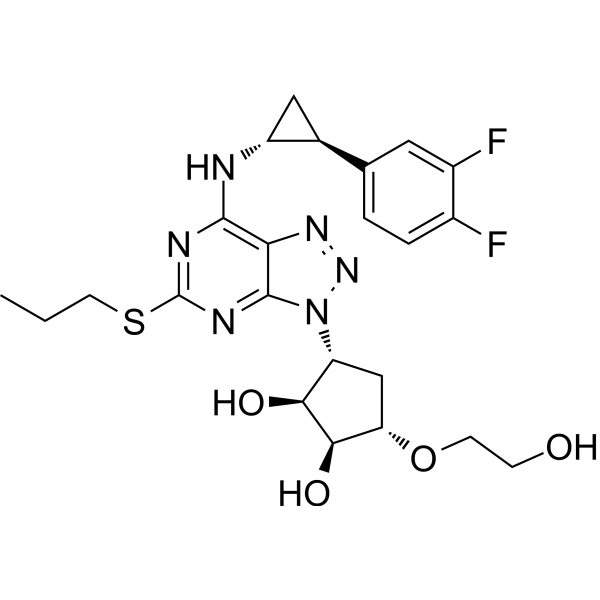
Ibufenac (Dytransin) is an orally active nonsteroidal anti-inflammatory agent. Ibufenac exerts anti-inflammatory, analgesic and antipyretic effects. Ibufenac is being studied for the treatment of rheumatic diseases such as rheumatoid arthritis .
|
-
- HY-138973
-
|
|
iGluR
|
Neurological Disease
|
|
Neramexane is an oral N-methyl-D-aspartate (NMDA) receptor antagonist, as a potential neuroprotectant for various central nervous system disorders, including Alzheimer's disease, and for the potential treatment of drug and alcohol dependence, and pain.
|
-
- HY-114491A
-
|
|
ERK
Raf
|
Cancer
|
|
Rineterkib hydrochloride (compound B) is an orally available ERK1 and ERK2 inhibitor in the treatment of a proliferative disease characterized by activating mutations in the MAPK pathway. The activity is particularly related to the treatment of KRAS-mutant NSCLC, BRAF-mutant NSCLC, KRAS-mutant pancreatic cancer, KRAS-mutant colorectal cancer (CRC) and KRAS-mutant ovarian cancer. Rineterkib hydrochloride can also inhibit RAF .
|
-
- HY-14779S
-
|
BAY 632521-13C,d6
|
Isotope-Labeled Compounds
|
Cardiovascular Disease
|
|
Riociguat- 13C,d6 is the 13C and deuterium labeled Riociguat (HY-14779). Riociguat is an oral stimulator of soluble guanylate cyclase (sGC) used in the treatment of pulmonary hypertension.
|
-
- HY-117281S
-
-
- HY-117071A
-
|
Ro 115-1240 hydrochloride
|
Adrenergic Receptor
Apoptosis
|
Cardiovascular Disease
Endocrinology
|
|
Dabuzalgron (Ro 115-1240) hydrochloride is an orally active and selective α-1A adrenergic receptor agonist for the treatment of urinary incontinence. Dabuzalgron hydrochloride protects against Doxorubicin-induced cardiotoxicity by preserving mitochondrial function .
|
-
- HY-10064S1
-
-
- HY-B1381R
-
|
FR-17027 (Standard); FK-027 (Standard); CL-284635 (Standard)
|
Reference Standards
Antibiotic
Bacterial
|
Infection
Cancer
|
|
Cefixime (Standard) is the analytical standard of Cefixime. This product is intended for research and analytical applications. Cefixime (FR-17027) is an orally active antibiotic and a third generation cephalosporin antibiotic, useful for the treatment of a number of bacterial infections .
|
-
- HY-162692
-
|
|
DNA-PK
|
Cancer
|
|
DNA-PK-IN-14 (compound 78) is a potent, selective DNA-PK inhibitor with an IC50 value of 7.95 nM. DNA-PK-IN-14 has oral activity and has the potential to be a radiosensitizer for cancer treatment .
|
-
- HY-117609
-
|
|
11β-HSD
|
Neurological Disease
|
|
UE2343 is an orally available, brain-penetrant 11β-hydroxysteroid dehydrogenase type 1 (11β-HSD1) inhibitor. UE2343 is being investigated for the treatment of Alzheimer's disease .
|
-
- HY-W653978
-
-
- HY-B0592A
-
|
RU44570 hydrochloride
|
Angiotensin-converting Enzyme (ACE)
|
Cardiovascular Disease
|
|
Trandolapril (RU44570) hydrochloride is a nonsulfhydryl proagent that is hydrolysed to the active diacid Trandolapril hydrochlorideat. Trandolapril hydrochloride is an orally active angiotensin converting enzyme (ACE) inhibitor that has been used in the treatment of hypertension and congestive heart failure (CHF), and after myocardial infarction (MI) .
|
-
- HY-107456R
-
|
|
Reference Standards
CX3CR1
|
Inflammation/Immunology
Endocrinology
|
|
E6130 (Standard) is the analytical standard of E6130 (HY-107456). This product is intended for research and analytical applications. E6130 is an orally active and highly selective CX3CR1 modulator, that may be effective for treatment of inflammatory bowel disease.
|
-
- HY-B1798R
-
|
|
Sodium Channel
Reference Standards
|
Cardiovascular Disease
|
|
Tocainide (Standard) is the analytical standard of Tocainide. This product is intended for research and analytical applications. Tocainide hydrochloride is an orally activesodium channel blocker, it blocks the sodium channels in the pain-producing foci in the nerve membranes. Tocainide hydrochloride is a primary amine analog of lidocaine, can be used for the treatment of tinnitus .
|
-
- HY-109057R
-
|
JTZ-951 (Standard); SAL0951 (Standard)
|
HIF/HIF Prolyl-Hydroxylase
Reference Standards
|
Metabolic Disease
|
|
Enarodustat (Standard) is the analytical standard of Enarodustat (HY-109057). This product is intended for research and analytical applications. Enarodustat is a potent and orally active hypoxia-inducible factor prolyl hydroxylase inhibitor, with an EC50 of 0.22 μM. Enarodustat has the potential for renal anemia treatment.
|
-
- HY-50682A
-
|
TTP488 dihydrochloride; PF-04494700 dihydrochloride
|
Amyloid-β
|
Neurological Disease
Cancer
|
|
Azeliragon dihydrochloride (TTP488) is an orally bioavailable inhibitor of the receptor for advanced glycation end products (RAGE) in development as a potential treatment to slow disease progression with mild Alzheimer’s disease (AD) . Azeliragon dihydrochloride also can cross the blood-brain barrier (BBB) .
|
-
- HY-66011S
-
|
rac cis-BAY 12-8039-d4
|
Isotope-Labeled Compounds
Bacterial
Antibiotic
|
Infection
|
|
rac cis-Moxifloxacin-d4 (hydrochloride) is the deuterium labeled Moxifloxacin hydrochloride. Moxifloxacin Hydrochloride (BAY 12-8039) is an oral 8-methoxyquinolone antimicrobial for use in the treatment of acute bacterial sinusitis, acute bacterial exacerbations of chronic bronchitis, and community-acquired pneumonia .
|
-
- HY-19447A
-
|
LB80380 maleate
|
HBV
|
Infection
|
|
Besifovir Dipivoxil maleate (LB80380 maleate) is an oral proagent of LB80317. Besifovir Dipivoxil maleate (LB80380 maleate) is effective in hepatitis B virus (HBV) DNA suppression for both treatment-naive and lamivudine-resistant chronic hepatitis B (CHB) patients in preliminary studies [2]
|
-
- HY-50682
-
|
TTP488; PF-04494700
|
Amyloid-β
|
Neurological Disease
Cancer
|
|
Azeliragon (TTP488) is an orally bioavailable inhibitor of the receptor for advanced glycation end products (RAGE) in development as a potential treatment to slow disease progression with mild Alzheimer’s disease (AD) . Azeliragon also can cross the blood-brain barrier (BBB) .
|
-
- HY-108045R
-
|
|
Reference Standards
Phosphodiesterase (PDE)
|
Endocrinology
|
|
Lodenafil carbonate (Standard) is the analytical standard of Lodenafil carbonate. This product is intended for research and analytical applications. Lodenafil carbonate, a dimer that acts as a proagent delivering Lodenafil in vivo, is an orally active phosphodiesterase type 5 (PDE5) inhibitor for the treatment of erectile dysfunction (ED) .
|
-
- HY-66011R
-
|
BAY 12-8039 (Standard)
|
Reference Standards
Bacterial
Antibiotic
|
Infection
Cancer
|
|
Moxifloxacin (Hydrochloride) (Standard) is the analytical standard of Moxifloxacin (Hydrochloride). This product is intended for research and analytical applications. Moxifloxacin Hydrochloride (BAY 12-8039) is an oral 8-methoxyquinolone antimicrobial for use in the treatment of acute bacterial sinusitis, acute bacterial exacerbations of chronic bronchitis, and community-acquired pneumonia .
|
-
- HY-66011B
-
|
(Rac)-BAY 12-8039 free base
|
Bacterial
Antibiotic
|
Infection
|
|
(Rac)-Moxifloxacin ((Rac)-BAY 12-8039 free base) is the isoform of Moxifloxacin Hydrochloride (HY-66011), which is an oral 8-methoxyquinolone antimicrobial for use in the treatment of acute bacterial sinusitis, acute bacterial exacerbations of chronic bronchitis, and community-acquired pneumonia .
|
-
- HY-17497AR
-
|
|
Reference Standards
Adrenergic Receptor
|
Cardiovascular Disease
Endocrinology
|
|
Acebutolol (hydrochloride) (Standard) is the analytical standard of Acebutolol (hydrochloride). This product is intended for research and analytical applications. Acebutolol hydrochloride is an orally active β1 adrenergic receptor (β1AR) antagonist. Acebutolol hydrochloride is used in the treatment of hypertension, angina pectoris and cardiac arrhythmias .
|
-
- HY-14900
-
|
GRC-10693
|
Cannabinoid Receptor
|
Inflammation/Immunology
|
|
Tedalinab (GRC-10693) is a potent, orally active, and selective cannabinoid receptor 2 (CB2) agonist. Tedalinab has >4700-fold functional selectivity for CB2 over CB1. Tedalinab has potential for neuropathic pain and osteoarthritis treatment .
|
-
- HY-14777R
-
|
RGH-896 (Standard)
|
iGluR
Reference Standards
|
Neurological Disease
|
|
Radiprodil (Standard) is the analytical standard of Radiprodil. This product is intended for research and analytical applications. Radiprodil (RGH-896) is an orally active and selective NMDA NR2B antagonist. A potential therapeutic agent in treatment of neuropathic pain and possibly other chronic pain conditions .
|
-
- HY-114308
-
|
|
SGLT
|
Metabolic Disease
|
|
SGL5213 is a potent, oral active and low-absorbable sodium-dependent glucose cotransporter 1 (SGLT1) inhibitor, with IC50 values of 29 nM and 20 nM for hSGLT1 and hSGLT2, respectively. SGL5213 has potential to treat type 2 diabetes treatment .
|
-
- HY-103583
-
|
|
PI4K
Parasite
|
Infection
|
|
KDU731, an orally active C. parvum PI4K inhibitor with an IC50 value of 25 nM, blocks Cryptosporidium infection in vitro and in vivo . KDU731 is a promising agent candidate for the treatment of diarrhea caused by Cryptosporidium and meets a broad range of safety .
|
-
- HY-B0371
-
-
- HY-B1382A
-
|
1,2,2,6,6-Pentamethylpiperidine hydrochloride
|
nAChR
|
Cardiovascular Disease
Neurological Disease
|
|
Pempidine (1,2,2,6,6-Pentamethylpiperidine) hydrochloride is an orally active ganglionic blocking agent used in the treatment of hypertension. Pempidine hydrochloride blocks the effects of intravenously administered addictive drugs and peripheral vagal nerve stimulation on blood pressure, and reduces the output of acetylcholine .
|
-
- HY-10286R
-
|
PHX-1149 free base (Standard)
|
Reference Standards
Dipeptidyl Peptidase
|
Metabolic Disease
|
|
Dutogliptin (Standard) is the analytical standard of Dutogliptin (HY-10286). This product is intended for research and analytical applications. Dutogliptin (PHX-1149 free base) is an orally available, potent, and selective dipeptidyl peptidase-4 (DPP4) inhibitor for the treatment of type 2 diabetes mellitus.
|
-
- HY-135279
-
|
|
CFTR
|
Inflammation/Immunology
|
|
CFTR corrector 4 (Compound 13), an active (R,R)-form enantiomer, is a highly potent and orally active cystic fibrosis transmembrane conductance regulator (CFTR) corrector. CFTR corrector 4 can increase CFTR levels at the cell surface and have the potential for treatment of cystic fibrosis .
|
-
- HY-135825
-
|
|
Autophagy
|
Neurological Disease
|
|
TFEB activator 1 is an orally effective, mTOR-independent activator of TFEB. TFEB activator 1 significantly promotes the nuclear translocation of Flag-TFEB with an EC50 of 2167 nM. TFEB activator 1 enhances autophagy without inhibiting the mTOR pathway and has the potential for neurodegenerative diseases treatment .
|
-
- HY-128781
-
|
|
GCGR
|
Metabolic Disease
|
|
Glucagon receptor antagonist-5 (compound 13K) is a potent and orally bioavailable indazole-based glucagon receptor antagonist (Ki=32 nM). Glucagon receptor antagonist-5 has potential for the treatment of type 2 diabetes mellitus (T2DM) .
|
-
- HY-B0371F
-
|
|
Adrenergic Receptor
|
Cardiovascular Disease
Metabolic Disease
Endocrinology
|
|
Terazosin hydrochloride is a quinazoline derivative and a competitive and orally active α1-adrenoceptor antagonist. Terazosin hydrochloride works by relaxing blood vessels and the opening of the bladder. Terazosin hydrochloride has the potential for benign prostatic hyperplasia (BPH) and high blood pressure treatment .
|
-
- HY-19672
-
|
BAY 19-8004
|
Phosphodiesterase (PDE)
|
Inflammation/Immunology
|
|
Lirimilast (BAY 19-8004) is a potent, selective and orally active phosphodiesterase-4 (PDE4) inhibitor with an IC50 value of 49 nM. Lirimilast can be used for the treatment of asthma or chronic obstructive pulmonary disease (COPD). Lirimilast has potently anti-inflammatory properties .
|
-
- HY-B0422
-
|
A4166; Senaglinide
|
Potassium Channel
Dipeptidyl Peptidase
|
Metabolic Disease
|
|
Nateglinide, a D-phenylalanine derivative, is an orally active and short-acting insulinotropic agent and a DPP IV inhibitor. Nateglinide inhibits ATP-sensitive K + channels in pancreatic β-cells. Nateglinide is used for the treatment of type 2 (non-insulin-dependent) diabetes mellitus .
|
-
- HY-114392R
-
|
|
Reference Standards
FXR
Autophagy
|
Metabolic Disease
|
|
Gly-β-MCA (Standard) is the analytical standard of Gly-β-MCA. This product is intended for research and analytical applications. Gly-β-MCA, a bile acid, is a potent, sable, intestine-selective and oral bioactive farnesoid X receptor (FXR) inhibitor that may be a candidate for the treatment of metabolic disorders[1].
|
-
- HY-15461A
-
|
PF-04971729 L-pyroglutamic acid
|
SGLT
|
Metabolic Disease
|
|
Ertugliflozin L-pyroglutamic acid (PF-04971729 L-pyroglutamic acid) is a potent, selective and orally active inhibitor of the sodium-dependent glucose cotransporter 2 (SGLT2), with an IC50 of 0.877 nM for h-SGLT2 . Has the potential for the treatment of type 2 diabetes mellitus .
|
-
- HY-124029
-
|
MMP13-IN-3
|
MMP
|
Inflammation/Immunology
|
|
BI-4394 (MMP13-IN-3), a chemical probe, is a potent, selective, and orally active MMP-13 inhibitor (IC50=1 nM ) for the potential treatment of osteoarthritis . BI-4394 is >1000 selective over other MMPs .
|
-
- HY-105309
-
|
|
DYRK
|
Cardiovascular Disease
|
|
GSK-626616 is a potent, orally bioavailable inhibitor of DYRK3 (IC50=0.7 nM). GSK-626616 inhibits other members of the DYRK family (e.g., DYRK1A and DYRK2) with similar potency, which is a potential therapy for the treatment of anemia .
|
-
- HY-16976
-
|
|
Pim
|
Cancer
|
|
GDC-0339 is a potent, orally bioavailable and well tolerated pan-Pim kinase inhibitor, with Kis of 0.03 nM, 0.1 nM and 0.02 nM for Pim1, Pim2 and Pim3, respectively. GDC-0339 is discovered as a potential treatment of multiple myeloma .
|
-
- HY-106579R
-
|
|
Reference Standards
COX
|
Inflammation/Immunology
|
|
Tiaprofenic acid (Standard) is the analytical standard of Tiaprofenic acid. This product is intended for research and analytical applications. Tiaprofenic acid is an orally active nonsteroidal anti-inflammatory agent (NSAID) with anti-inflammatory and analgesic potency. Tiaprofenic acid inhibits prostaglandin synthesis by suppressing cyclo-oxygenase (COX). Tiaprofenic acid can be used in the treatment of rheumatic diseases .
|
-
- HY-172400
-
|
|
Factor XI
|
Cardiovascular Disease
|
|
FXIa-IN-16 (Compound 43) is an orally active and selective Factor XIa (FXIa) inhibitor with an IC50 of 0.19 nM. FXIa-IN-16 exhibits strong anticoagulant and antithrombotic activities and shows good safety in mice. FXIa-IN-16 can be used in the research related to the treatment of thrombosis .
|
-
- HY-14190
-
|
R-411 free base
|
Integrin
|
Inflammation/Immunology
|
|
Valategrast (R-411 free base) is a potent and orally active integrin α4β1 (VLA-4) and α4β7 dual antagonist. Valategrast has the potential for Chronic obstructive pulmonary disease (COPD) and asthma treatment .
|
-
- HY-114739
-
|
|
PPAR
|
Metabolic Disease
|
|
MA-0204 is a potent, highly selective and orally available peroxisome proliferator activated receptor δ (PPARδ) modulator with EC50s of 0.4 nM, 7.9 nM and 10 nM for human, mouse and rat PPARδ, respectively. Potential treatment for Duchene Muscular Dystrophy (DMD) .
|
-
- HY-16508S
-
|
CDB-2914-d6
|
Isotope-Labeled Compounds
Progesterone Receptor
Autophagy
|
Endocrinology
Cancer
|
|
Ulipristal acetate-d6 is deuterium labeled Ulipristal acetate. Ulipristal acetate (CDB-2914) is an orally active, selective progesterone receptor modulator (SPRM). Ulipristal acetate stimulates the autophagic response selectively in leiomyoma cells. Ulipristal acetate has the potential for benign gynecological conditions treatment, such as uterine myoma .
|
-
- HY-120131
-
|
|
Insecticide
Cholinesterase (ChE)
|
Neurological Disease
|
|
Cyanofenphos is an orally active organophosphate insecticide and brain AChE inhibitor with neurotoxicity. Cyanofenphos induces delayed neurotoxicity such as ataxia and paralysis. Cyanofenphos also causes symptoms including somnolence, reduced feed intake and weight loss in hens. Cyanofenphos has a unique self-antagonistic effect: repeated low-dose pre-treatment not only reduces subsequent acute toxicity, but also exacerbates delayed neurotoxicity and attenuates enzyme inhibition, with the protective effect peaking at 24 h after the last pre-treatment. Cyanofenphos is commonly used in studies related to delayed neurotoxicity .
|
-
- HY-126293
-
|
|
Apelin Receptor (APJ)
|
Cardiovascular Disease
|
|
Apelin agonist 1 is an oral selective apelin agonist AM-2995, a agonist of the APJ (APLNR, angiotensin receptor like-1) receptor, may be used in the treatment of cardiovascular conditions. Apelin agonist 1 is extracted from patent WO 2018097944 (210.0), Example 210.0 .
|
-
- HY-16745
-
|
KRP-AM1977
|
Beta-lactamase
Bacterial
Antibiotic
|
Infection
|
|
Lascufloxacin (KRP-AM1977X) is a potent and orally active fluoroquinolone antibacterial agent. Lascufloxacin potently inhibits infections caused by various pathogens, including quinolone-resistant strains. Lascufloxacin has the potential for various infectious diseases treatment, including lower respiratory tract infections .
|
-
- HY-B0371A
-
|
|
Adrenergic Receptor
|
Cardiovascular Disease
Metabolic Disease
Endocrinology
|
|
Terazosin hydrochloride dihydrate is a quinazoline derivative and a competitive and orally active α1-adrenoceptor antagonist. Terazosin hydrochloride dihydrate works by relaxing blood vessels and the opening of the bladder. Terazosin hydrochloride dihydrate has the potential for benign prostatic hyperplasia (BPH) and high blood pressure treatment .
|
-
- HY-16643
-
-
- HY-B0510S
-
|
|
Antifolate
Bacterial
Antibiotic
|
Infection
|
|
Trimethoprim-d9 is the deuterium labeled Trimethoprim. Trimethoprim is a bacteriostatic antibiotic and an orally active dihydrofolate reductase inhibitor. Trimethoprim is active against a wide range of Gram-positive and Gram-negative aerobic bacteria. Trimethoprim has the potential for urinary tract infections, Shigellosis and Pneumocystis pneumonia treatment .
|
-
- HY-109585
-
|
|
IRAK
|
Inflammation/Immunology
Cancer
|
|
IRAK4-IN-7 is a selective, potent and orally active interleukin-1 receptor-associated kinase 4 (IRAK4) inhibitor, extracted from patent WO2015104688 (example 1). IRAK4-IN-7 has the potential for cancer and inflammatory diseases treatment .
|
-
- HY-66011AS5
-
|
BAY 12-8039-d5 free base
|
Isotope-Labeled Compounds
Antibiotic
Bacterial
|
Infection
Cancer
|
|
Moxifloxacin-d5 (BAY 12-8039-d5 (free base)) is deuterium labeled Moxifloxacin. Moxifloxacin is an orally active 8-methoxyquinolone antimicrobial for use in the treatment of acute bacterial sinusitis, acute bacterial exacerbations of chronic bronchitis, and community-acquired pneumonia .
|
-
- HY-N6884
-
-
- HY-14973
-
|
AMG 853
|
Prostaglandin Receptor
|
Inflammation/Immunology
|
|
Vidupiprant (AMG 853) is a phenylacetic acid derivative. Vidupiprant is a potent and orally active CRTH2 (DP2) and prostanoid D receptor (DP or DP1) dual antagonist with IC50s of 3 nM and 4 nM in buffer, and 8 nM and 35 nM in human plasma, respectively. Vidupiprant has the potential for asthma treatment .
|
-
- HY-125840
-
|
PT2977; MK-6482
|
HIF/HIF Prolyl-Hydroxylase
|
Cancer
|
|
Belzutifan (PT2977) is an orally active and selective HIF-2α inhibitor with an IC50 of 9 nM. Belzutifan, as a second-generation HIF-2α inhibitor, increases potency and improves pharmacokinetic profile. Belzutifan is a potential treatment for clear cell renal cell carcinoma (ccRCC) .
|
-
- HY-14874
-
|
FYX-051
|
MOFs
Xanthine Oxidase
Cytochrome P450
|
Metabolic Disease
|
|
Topiroxostat (FYX-051) is a potent and orally active xanthine oxidoreductase (XOR) inhibitor with an IC50 value of 5.3 nM and a Ki value of 5.7 nM. Topiroxostat exhibits weak CYP3A4-inhibitory activity (18.6%). Topiroxostat has the potential for hyperuricemia treatment .
|
-
- HY-105284
-
|
CP-70429
|
Beta-lactamase
Bacterial
Antibiotic
|
Infection
|
|
Sulopenem (CP-70429) is an orally active, parenteral penem antibiotic with broad-spectrum activities against Gram-positive and Gram-negative bacteria. Sulopenem has the potential for urinary tract infections and intra-abdominal infections treatment. Sulopenem is inactive against Pseudomonas aeruginosa and Xanthomonas maltophilia .
|
-
- HY-103023
-
CLP290
2 Publications Verification
|
Potassium Channel
|
Neurological Disease
|
|
CLP290 is an orally available activator of the neuron-specific K +-Cl - cotransporter KCC2, displays potential for treatment of a wide range of neurological and psychiatric indications. CLP290 can significantly lower blood arginine-vasopressin (AVP) and glucose levels in STZ (HY-13753) rats .
|
-
- HY-B0510S2
-
|
|
Antifolate
Bacterial
Antibiotic
|
Infection
|
|
Trimethoprim-d3is the deuterium labeled Trimethoprim. Trimethoprim is a bacteriostatic antibiotic and an orally active dihydrofolate reductase inhibitor. Trimethoprim is active against a wide range of Gram-positive and Gram-negative aerobic bacteria. Trimethoprim has the potential for urinary tract infections, Shigellosis and Pneumocystis pneumonia treatment .
|
-
- HY-Y0585R
-
|
|
Reference Standards
Bacterial
|
Infection
Inflammation/Immunology
|
|
D-(-)-Mandelic acid (Standard) is the analytical standard of D-(-)-Mandelic acid. This product is intended for research and analytical applications. D-(-)-Mandelic acid is an orally active alpha hydroxycarboxylic acid that can be isolated from bitter almonds and Indian chestnut trees. It has antioxidant and antibacterial properties and is expected to play an important role in the treatment of rheumatoid arthritis .
|
-
- HY-105284A
-
|
CP-70429 sodium
|
Antibiotic
Bacterial
|
Inflammation/Immunology
|
|
Sulopenem (sodium)(CP-70429 (sodium)) is an orally active, parenteral penem antibiotic with broad-spectrum activities against Gram-positive and Gram-negative bacteria. Sulopenem has the potential for urinary tract infections and intra-abdominal infections treatment. Sulopenem is inactive against Pseudomonas aeruginosa and Xanthomonas maltophilia .
|
-
- HY-16508R
-
|
CDB-2914 (Standard)
|
Reference Standards
Progesterone Receptor
Autophagy
|
Endocrinology
Cancer
|
|
Ulipristal acetate (Standard) is the analytical standard of Ulipristal acetate. This product is intended for research and analytical applications. Ulipristal acetate (CDB-2914) is an orally active, selective progesterone receptor modulator (SPRM). Ulipristal acetate stimulates the autophagic response selectively in leiomyoma cells. Ulipristal acetate has the potential for benign gynecological conditions treatment, such as uterine myoma .
|
-
- HY-50667R
-
|
BMS-562247-01 (Standard)
|
Reference Standards
Factor Xa
|
Cardiovascular Disease
Cancer
|
|
Apixaban (Standard) is the analytical standard of Apixaban. This product is intended for research and analytical applications. Apixaban (BMS-562247-01) is a highly selective, reversible and orally active inhibitor of Factor Xa with Ki of 0.08 nM and 0.17 nM in human and rabbit, respectively . Apixaban is in development for the prevention and treatment of various thromboembolic diseases .
|
-
- HY-109120S
-
-
- HY-15461S
-
|
PF-04971729-d5
|
SGLT
|
Metabolic Disease
|
|
Ertugliflozin-d5 is the deuterium labeled Ertugliflozin . Ertugliflozin (PF-04971729) is a potent, selective and orally active inhibitor of the sodium-dependent glucose cotransporter 2 (SGLT2), with an IC50 of 0.877 nM for h-SGLT2 . Has the potential for the treatment of type 2 diabetes mellitus .
|
-
- HY-10330
-
|
SU11654; PHA 291639E
|
PDGFR
VEGFR
c-Kit
|
Cancer
|
|
Toceranib phosphate (SU11654 phosphate) is an orally active receptor tyrosine kinase (RTK) inhibitor, and it potently inhibits PDGFR, VEGFR, and Kit with Kis of 5 and 6 nM for PDGFRβ and Flk-1/KDR, respectively. Toceranib phosphate (SU11654 phosphate) has antitumor and antiangiogenic activity, and used in the treatment of canine mast cell tumors .
|
-
- HY-162584
-
|
|
TRP Channel
|
Others
|
|
TRPC5-IN-6 (Compound 12) is an orally effective transient receptor potential (TRPC5) inhibitor with a IC50 value of 81 nM. TRPC5-IN-6 has good biosafety and low liver and kidney toxicity, and is expected to play an important role in the treatment of chronic kidney disease (CKD) .
|
-
- HY-B0592R
-
|
RU44570 (Standard)
|
Reference Standards
Angiotensin-converting Enzyme (ACE)
|
Cardiovascular Disease
|
|
Trandolapril (Standard) is the analytical standard of Trandolapril. This product is intended for research and analytical applications. Trandolapril (RU44570) is a nonsulfhydryl proagent that is hydrolysed to the active diacid Trandolaprilat. Trandolapril is an orally administered angiotensin converting enzyme (ACE) inhibitor that has been used in the treatment of hypertension and congestive heart failure (CHF), and after myocardial infarction (MI) .
|
-
- HY-109120R
-
|
A4250 (Standard)
|
Apical Sodium-Dependent Bile Acid Transporter
Reference Standards
|
Metabolic Disease
|
|
Odevixibat (Standard) is the analytical standard of Odevixibat. This product is intended for research and analytical applications. Odevixibat (A4250) is a selective and orally active ileal apical sodium-dependent bile acid transporter (ASBT) inhibitor. Odevixibat decreases cholestatic liver and bile duct injury in mice model. Odevixibat has the potential for the treatment of primary biliary cirrhosis .
|
-
- HY-B1381S
-
|
FR-17027-13C,15N2 ; FK-027-13C,15N2 ; CL-284635-13C,15N2
|
Isotope-Labeled Compounds
Antibiotic
Bacterial
|
Infection
|
|
Cefixime- 13C, 15N2 (FR-17027- 13C, 15N2) is the 13C- and 15N-labeled Cefixime (HY-B1381). Cefixime (FR-17027) is an orally active antibiotic and a third generation cephalosporin antibiotic, useful for the treatment of a number of bacterial infections.
|
-
- HY-136109H
-
|
(Rac)-SEP-363856 hydrochloride; (Rac)-SEP-856 hydrochloride
|
5-HT Receptor
|
Neurological Disease
|
|
(Rac)-Ulotaront hydrochloride ((Rac)-SEP-363856 hydrochloride) is the racemate of Ulotaront hydrochloride (HY-136109). Ulotaront hydrochloride, an orally active and CNS active psychotropic agent with a unique, non-D2/5-HT2A mechanism of action, exerts its antipsychotic-like effects. Ulotaront has the potential for the treatment of schizophrenia .
|
-
- HY-103493
-
|
|
Phosphodiesterase (PDE)
|
Neurological Disease
|
|
TAK-915 is a potent, selective, brain-penetrant and orally active phosphodiesterase 2A (PDE2A) inhibitor with an IC50 of 0.61 nM. TAK-915 is >4100-fold more selectivity for PDE2A than PDE1A. TAK-915 has the potential for neuropsychiatric and neurodegenerative disorders treatment .
|
-
- HY-124729
-
BL-918
3 Publications Verification
|
ULK
Autophagy
|
Neurological Disease
|
|
BL-918 is an orally active UNC-51-like kinase 1 (ULK1) activator with an EC50 of 24.14 nM. BL-918 exerts its cytoprotective autophagic effect by targeting ULK complex. BL-918 has the potential for Parkinson’s disease (PD) treatment .
|
-
- HY-N2388R
-
|
|
Reference Standards
MMP
PPAR
Bacterial
|
Cardiovascular Disease
Neurological Disease
Inflammation/Immunology
Cancer
|
|
Auraptene (Standard) is the analytical standard of Auraptene. This product is intended for research and analytical applications. Auraptene is an orally active geranyloxycoumarin that can be isolated from plants in the Brassicaceae family, antibacterial, anti-pathogen, antioxidant, anti-tumor, and neuroprotective effects. Auraptene plays an important role in the treatment of various chronic diseases such as hypertension and cystic fibrosis .
|
-
- HY-10330A
-
|
SU11654 phosphate; PHA 291639E phosphate
|
PDGFR
VEGFR
c-Kit
|
Cancer
|
|
Toceranib phosphate (SU11654 phosphate) is an orally active receptor tyrosine kinase (RTK) inhibitor, and it potently inhibits PDGFR, VEGFR, and Kit with Kis of 5 and 6 nM for PDGFRβ and Flk-1/KDR, respectively. Toceranib phosphate (SU11654 phosphate) has antitumor and antiangiogenic activity, and used in the treatment of canine mast cell tumors .
|
-
- HY-15461S1
-
|
PF-04971729-d9
|
SGLT
Isotope-Labeled Compounds
|
Metabolic Disease
|
|
Ertugliflozin-d9 is deuterated labeled Ertugliflozin (HY-15461). Ertugliflozin (PF-04971729) is a potent, selective and orally active inhibitor of the sodium-dependent glucose cotransporter 2 (SGLT2), with an IC50 of 0.877 nM for h-SGLT2 . Has the potential for the treatment of type 2 diabetes mellitus .
|
-
- HY-15314
-
|
AS-3201
|
Aldose Reductase
|
Neurological Disease
Metabolic Disease
|
|
Ranirestat (AS-3201) potent and orally active aldose reductase (AR) inhibitor with IC50s of 11 nM and 15 nM for rat lens AR and recombinant human AR, respectively, and a Ki of 0.38 nM for recombinant human AR. Ranirestat has the potential for diabetic sensorimotor polyneuropathy treatment. Ranirestat also has a neuroprotective effect on diabetic retinas .
|
-
- HY-50682R
-
|
TTP488 (Standard); PF-04494700 (Standard)
|
Amyloid-β
Reference Standards
|
Neurological Disease
Cancer
|
|
Azeliragon (Standard) is the analytical standard of Azeliragon. This product is intended for research and analytical applications. Azeliragon (TTP488) is an orally bioavailable inhibitor of the receptor for advanced glycation end products (RAGE) in development as a potential treatment to slow disease progression with mild Alzheimer’s disease (AD) . Azeliragon also can cross the blood-brain barrier (BBB) .
|
-
- HY-W744298
-
|
|
Isotope-Labeled Compounds
Angiotensin-converting Enzyme (ACE)
|
Cardiovascular Disease
|
|
Trandolapril-d3 is the deuterium labeled Trandolapril (HY-B0592). Trandolapril (RU44570) is a nonsulfhydryl proagent that is hydrolysed to the active diacid Trandolaprilat. Trandolapril is an orally administered angiotensin converting enzyme (ACE) inhibitor that has been used in the treatment of hypertension and congestive heart failure (CHF), and after myocardial infarction (MI) .
|
-
- HY-101277S1
-
|
PG-1016548-13C6; AKB-6548-13C6
|
Isotope-Labeled Compounds
HIF/HIF Prolyl-Hydroxylase
|
Cardiovascular Disease
|
|
Vadadustat- 13C6 (PG-1016548- 13C6) is 13C labeled Vadadustat. Vadadustat (PG-1016548) is a titratable, oral hypoxia-inducible factor prolyl hydroxylase (HIF-PH) inhibitor . Vadadustat is an erythropoiesis-stimulating agent and has the potential for anemia treatment in chronic kidney disease in vivo .
|
-
- HY-122347
-
|
GW823296
|
Neurokinin Receptor
|
Neurological Disease
Cancer
|
|
Orvepitant (GW823296) is potent, selective, orally active and well-tolerated neurokinin-1 receptor (NK-1) antagonist with a pKi of 10.2 for human neurokinin-1 receptor. Orvepitant can across the blood-brain barrier. Orvepitant has the potential for depressive disorder and chronic refractory cough (CRC) treatment .
|
-
- HY-109120S1
-
-
- HY-109091
-
|
GS-9876
|
Syk
|
Inflammation/Immunology
Cancer
|
|
Lanraplenib (GS-9876) is a highly selective and orally active SYK inhibitor (IC50=9.5 nM) in development for the treatment of inflammatory diseases. Lanraplenib (GS-9876) inhibits SYK activity in platelets via the glycoprotein VI (GPVI) receptor without prolonging bleeding time (BT) in monkeys or humans .
|
-
- HY-B0371S
-
|
|
Isotope-Labeled Compounds
Adrenergic Receptor
|
Metabolic Disease
Endocrinology
|
|
Terazosin-d8 is deuterium labeled Terazosin. Terazosin is a quinazoline derivative and a competitive and orally active α1-adrenoceptor antagonist. Terazosin works by relaxing blood vessels and the opening of the bladder. Terazosin has the potential for benign prostatic hyperplasia (BPH) and high blood pressure treatment .
|
-
- HY-B0422S
-
|
A4166 d5; Senaglinide d5
|
Potassium Channel
Dipeptidyl Peptidase
|
Metabolic Disease
|
|
Nateglinide-d5 is a deuterium labeled Nateglinide. Nateglinide, a D-phenylalanine derivative, is an orally active and short-acting insulinotropic agent and a DPP IV inhibitor. Nateglinide inhibits ATP-sensitive K+ channels in pancreatic β-cells. Nateglinide is used for the treatment of type 2 (non-insulin-dependent) diabetes mellitus[1][2].
|
-
- HY-15461R
-
|
PF-04971729 (Standard)
|
Reference Standards
SGLT
|
Metabolic Disease
|
|
Ertugliflozin (Standard) is the analytical standard of Ertugliflozin. This product is intended for research and analytical applications. Ertugliflozin (PF-04971729) is a potent, selective and orally active inhibitor of the sodium-dependent glucose cotransporter 2 (SGLT2), with an IC50 of 0.877 nM for h-SGLT2 . Has the potential for the treatment of type 2 diabetes mellitus .
|
-
- HY-19843A
-
|
|
Glucokinase
|
Metabolic Disease
|
|
MK-0941 free base is an orally active glucokinase activator, with EC50s of 240 and 65 nM for recombinant human glucokinase in the presence of 2.5 and 10 mM glucose, respectively. MK-0941 free base exhibits strong glucose-lowering activity and is a potential therapeutic agent for treatment of type 2 diabetes .
|
-
- HY-10528R
-
|
ABR-215050 (Standard)
|
Reference Standards
HDAC
|
Cancer
|
|
Tasquinimod (Standard) is the analytical standard of Tasquinimod. This product is intended for research and analytical applications. Tasquinimod is an oral antiangiogenic agent, which has the potential for castration-resistant prostate cancer treatment. Tasquinimod binds to the regulatory Zn2+ binding domain of HDAC4 with Kd of 10-30 nM. Tasquinimod also is a S100A9 inhibitor .
|
-
- HY-117259
-
|
ALZ-801
|
Amyloid-β
|
Neurological Disease
|
|
ALZ-801 is a potent and orally available small-molecule β-amyloid (Aβ) anti-oligomer and aggregation inhibitor, valine-conjugated proagent of Tramiprosate with substantially improved PK properties and gastrointestinal tolerability compared with the parent compound . ALZ-801 is an advanced and markedly improved candidate for the treatment of alzheimer’s disease .
|
-
- HY-122347A
-
|
GW823296 maleate
|
Neurokinin Receptor
|
Neurological Disease
Inflammation/Immunology
|
|
Orvepitant maleate (GW823296 maleate) is potent, selective, orally active and well-tolerated neurokinin-1 receptor (NK-1) antagonist with a pKi of 10.2 for human neurokinin-1 receptor. Orvepitant maleate can across the blood-brain barrier. Orvepitant maleate has the potential for depressive disorder and chronic refractory cough (CRC) treatment .
|
-
- HY-66011AS3
-
|
BAY 12-8039-d3-1
|
Isotope-Labeled Compounds
Bacterial
Antibiotic
|
Infection
|
|
Moxifloxacin-d3-1 hydrochloride (BAY 12-8039-d3-1) is a deuterium labeled Moxifloxacin (HY-66011A). Moxifloxacin is an orally active 8-methoxyquinolone antimicrobial for use in the treatment of acute bacterial sinusitis, acute bacterial exacerbations of chronic bronchitis, and community-acquired pneumonia .
|
-
- HY-101277R
-
|
PG-1016548 (Standard); AKB-6548 (Standard)
|
HIF/HIF Prolyl-Hydroxylase
Reference Standards
|
Cardiovascular Disease
|
|
Vadadustat (Standard) is the analytical standard of Vadadustat (HY-101277). This product is intended for research and analytical applications. Vadadustat (PG-1016548) is a titratable, oral hypoxia-inducible factor prolyl hydroxylase (HIF-PH) inhibitor . Vadadustat is an erythropoiesis-stimulating agent and has the potential for anemia treatment in chronic kidney disease in vivo .
|
-
- HY-109052
-
|
JNJ-54861911
|
Beta-secretase
|
Neurological Disease
|
|
Atabecestat (JNJ-54861911) is a potent brain-penetrant and orally active β-site amyloid precursor protein cleaving enzyme 1 (BACE1) inhibitor, achieves robust and high CSF Aβ reduction. Atabecestat s tolerated and displays a sustained pharmacokinetic (PK) and pharmacodynamic (PD) characteristics. Atabecestat has the potential for Alzheimer's Disease treatment .
|
-
- HY-16508S1
-
|
CDB-2914-d3
|
Isotope-Labeled Compounds
Progesterone Receptor
Autophagy
|
Endocrinology
Cancer
|
|
Ulipristal acetate-d3 (CDB-2914-d3) is deuterium labeled Ulipristal acetate. Ulipristal acetate (CDB-2914) is an orally active, selective progesterone receptor modulator (SPRM). Ulipristal acetate stimulates the autophagic response selectively in leiomyoma cells. Ulipristal acetate has the potential for benign gynecological conditions treatment, such as uterine myoma .
|
-
- HY-119726B
-
|
|
Fungal
|
Infection
|
|
Fosmanogepix TFA (APX001 TFA) is an orally active APX001A (HY-18233) prodrug and antifungal agent. Fosmanogepix TFA is effective against Cryptococcus neoformans, Fluconazole (HY-B0101)-resistant C. auris. Fosmanogepix TFA is effective in the treatment of invasive pulmonary aspergillosis and pulmonary murine mucormycosis .
|
-
- HY-A0014
-
|
TAK-375
|
Melatonin Receptor
|
Neurological Disease
Endocrinology
Cancer
|
|
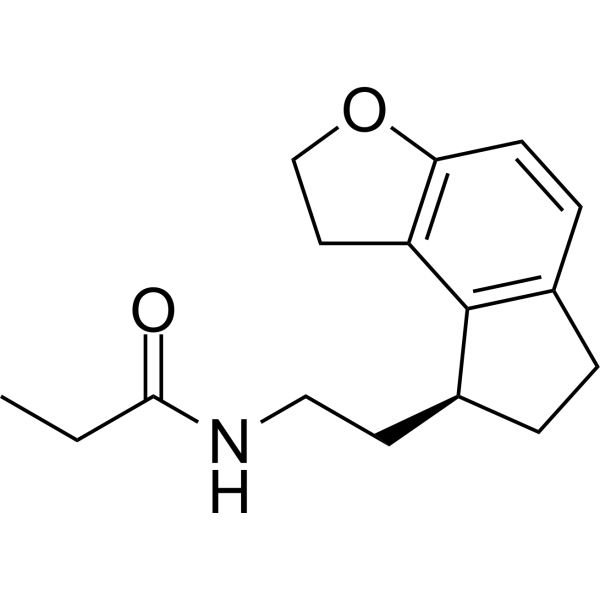
Ramelteon is a potent, highly selective, and orally active agonist of MT1/MT2 with Ki values of 14 and 112 pM, respectively. Ramelteon has the potential for the research of insomnia. Ramelteon consistently reduces sleep onset after long-term treatment, with no next-morning residual effects or rebound insomnia or withdrawal symptoms upon discontinuation .
|
-
- HY-B0422R
-
|
A4166 (Standard); Senaglinide (Standard)
|
Potassium Channel
Dipeptidyl Peptidase
Reference Standards
|
Metabolic Disease
|
|
Nateglinide (Standard) is the analytical standard of Nateglinide. This product is intended for research and analytical applications. Nateglinide, a D-phenylalanine derivative, is an orally active and short-acting insulinotropic agent and a DPP IV inhibitor. Nateglinide inhibits ATP-sensitive K + channels in pancreatic β-cells. Nateglinide is used for the treatment of type 2 (non-insulin-dependent) diabetes mellitus .
|
-
- HY-14874S
-
|
FYX-051-d4
|
Isotope-Labeled Compounds
Xanthine Oxidase
Cytochrome P450
|
Metabolic Disease
|
|
Topiroxostat-d4 is deuterium labeled Topiroxostat. Topiroxostat (FYX-051) is a potent and orally active xanthine oxidoreductase (XOR) inhibitor with an IC50 value of 5.3 nM and a Ki value of 5.7 nM. Topiroxostat exhibits weak CYP3A4-inhibitory activity (18.6%). Topiroxostat has the potential for hyperuricemia treatment .
|
-
- HY-114237
-
|
|
Sodium Channel
|
Neurological Disease
|
|
GDC-0276 is a potent, selective, reversible and orally active NaV1.7 inhibitor with an IC50 value of 0.4 nM. GDC-0276 is well tolerated and exhibits a good pharmacokinetic profile. GDC-0276 has the potential for the treatment of pain and to address shortcomings of existing pain medications, such as addiction and off-target side effects .
|
-
- HY-66011AS4
-
|
BAY 12-8039-13C,d3
|
Isotope-Labeled Compounds
|
Cancer
|
|
Moxifloxacin- 13C,d3 hydrochloride (BAY 12-8039- 13C,d3) is 13C and deuterated labeled Moxifloxacin (HY-66011A). Moxifloxacin is an orally active 8-methoxyquinolone antimicrobial for use in the treatment of acute bacterial sinusitis, acute bacterial exacerbations of chronic bronchitis, and community-acquired pneumonia.
|
-
- HY-B0371FR
-
|
|
Reference Standards
Adrenergic Receptor
|
Cardiovascular Disease
Metabolic Disease
Endocrinology
|
|
Terazosin (hydrochloride) (Standard) is the analytical standard of Terazosin (hydrochloride). This product is intended for research and analytical applications. Terazosin hydrochloride is a quinazoline derivative and a competitive and orally active α1-adrenoceptor antagonist. Terazosin hydrochloride works by relaxing blood vessels and the opening of the bladder. Terazosin hydrochloride has the potential for benign prostatic hyperplasia (BPH) and high blood pressure treatment .
|
-
- HY-N6884R
-
|
|
Reference Standards
Reactive Oxygen Species (ROS)
Apoptosis
|
Cardiovascular Disease
Inflammation/Immunology
Cancer
|
|
Bixin (Standard) is the analytical standard of Bixin. This product is intended for research and analytical applications.Bixin is an orally active carotenoid found in the seeds of Bixa orellana. Bixin induces apoptosis in cancer cells. Bixin possessing anti-inflammatory, anti-tumor and anti-oxidant activities. Bixin treatment ameliorated cardiac dysfunction through inhibiting fibrosis, inflammation and reactive oxygen species (ROS) generation.
|
-
- HY-107676
-
|
|
nAChR
|
Neurological Disease
|
|
SIB-1553A is an orally bioavailable nicotinic acetylcholine receptors (nAChRs) agonist, with selectivity for β4 subunit-containing nAChRs. SIB-1553A is also a selective neuronal nAChR ligand. SIB-1553A is a cognitive enhancer, and has therapeutic potential for the symptomatic treatment of Alzheimer’s disease and other cognitive disorders .
|
-
- HY-B0905
-
|
LY-177370; EL-870
|
Bacterial
Antibiotic
Apoptosis
Calcium Channel
|
Infection
Inflammation/Immunology
|
|
Tilmicosin (LY-177370) is an orally active calcium channel antagonist and macrolide antibiotic with antimicrobial activity. Tilmicosin mainly acts on the 50S subunit of bacterial ribosomes, inhibiting protein synthesis. Tilmicosin is effective in the treatment of respiratory diseases in livestock such as cattle, sheep and pigs. In addition, Tilmicosin has immunomodulatory and anti-inflammatory effects .
|
-
- HY-B0905A
-
|
LY-177370 phosphate; EL-870 phosphate
|
Bacterial
Antibiotic
Apoptosis
NO Synthase
COX
|
Infection
Inflammation/Immunology
|
|
Tilmicosin (LY-177370) phosphate is an orally active calcium channel antagonist and macrolide antibiotic with antimicrobial activity. Tilmicosin phosphate mainly acts on the 50S subunit of bacterial ribosomes, inhibiting protein synthesis. Tilmicosin phosphate is effective in the treatment of respiratory diseases in livestock such as cattle, sheep and pigs. In addition, Tilmicosin phosphate has immunomodulatory and anti-inflammatory effects .
|
-
- HY-109091B
-
|
GS-9876 succinate
|
Syk
|
Inflammation/Immunology
Cancer
|
|
Lanraplenib succinate (GS-9876 succinate) is a highly selective and orally active SYK inhibitor (IC50=9.5 nM) in development for the treatment of inflammatory diseases. Lanraplenib succinate (GS-9876 succinate) inhibits SYK activity in platelets via the glycoprotein VI (GPVI) receptor without prolonging bleeding time (BT) in monkeys or humans .
|
-
- HY-13634
-
|
TER199; TLK199 hydrochloride
|
Glutathione S-transferase
Apoptosis
|
Cancer
|
|
Ezatiostat hydrochloride (TER199; TLK199 hydrochloride) is a tripeptide analog of glutathione and is a selective and orally active glutathione S-transferase P1-1 (GSTP1) inhibitor. Ezatiostat hydrochloride leads to JNK activation by inhibiting GSTP1. Ezatiostat hydrochloride stimulates both lymphocyte production and bone marrow progenitor proliferation. Ezatiostat hydrochloride has the potential for myelodysplastic syndrome (MDS) treatment .
|
-
- HY-19676
-
|
VX-740; HMR 3480
|
Caspase
|
Inflammation/Immunology
|
|
Pralnacasan (VX-740) is a potent, selective, non-peptide and orally active interleukin-1β converting enzyme (ICE, caspase 1) inhibitor with a Ki of 1.4 nM. Pralnacasan inhibits proinflammatory cytokines IL-18, IL-1β , and IFN-γ. Pralnacasan has the potential for osteoarthritis and rheumatoid arthritis treatment .
|
-
- HY-109091A
-
|
GS-9876 monosuccinate
|
Syk
|
Inflammation/Immunology
Cancer
|
|
Lanraplenib monosuccinate (GS-9876 monosuccinate) is a highly selective and orally active SYK inhibitor (IC50=9.5 nM) in development for the treatment of inflammatory diseases. Lanraplenib monosuccinate (GS-9876 monosuccinate) inhibits SYK activity in platelets via the glycoprotein VI (GPVI) receptor without prolonging bleeding time (BT) in monkeys or humans .
|
-
- HY-13634A
-
|
TER199free base; TLK199
|
Glutathione S-transferase
Apoptosis
|
Cancer
|
|
Ezatiostat (TER199 free base; TLK199) is a tripeptide analog of glutathione and is a selective and orally active glutathione S-transferase P1-1 (GSTP1) inhibitor. Ezatiostat leads to JNK activation by inhibiting GSTP1. Ezatiostat stimulates both lymphocyte production and bone marrow progenitor proliferation. Ezatiostat has the potential for myelodysplastic syndrome (MDS) treatment .
|
-
- HY-136109B
-
|
(Rac)-SEP-363856; (Rac)-SEP-856
|
5-HT Receptor
|
Neurological Disease
|
|
(Rac)-SEP-363856 is the racemate of SEP-363856. SEP-363856(SEP-856), an orally active and CNS active psychotropic agent with a unique, non-D2/5-HT2A mechanism of action, exerts its antipsychotic-like effects. SEP-363856 (SEP-856) has the potential for the treatment of schizophrenia .
|
-
- HY-125840R
-
|
PT2977 (Standard); MK-6482 (Standard)
|
HIF/HIF Prolyl-Hydroxylase
Reference Standards
|
Cancer
|
|
Belzutifan (Standard) is the analytical standard of Belzutifan. This product is intended for research and analytical applications. Belzutifan (PT2977) is an orally active and selective HIF-2α inhibitor with an IC50 of 9 nM. Belzutifan, as a second-generation HIF-2α inhibitor, increases potency and improves pharmacokinetic profile. Belzutifan is a potential treatment for clear cell renal cell carcinoma (ccRCC) .
|
-
- HY-W756637
-
|
Dytransin-13C6
|
Isotope-Labeled Compounds
COX
|
Inflammation/Immunology
|
|
Ibufenac-13C6 (Dytransin-13C6) is the 13C-labeled Ibufenac (HY-W040672). Ibufenac (Dytransin) is an orally active nonsteroidal anti-inflammatory agent. Ibufenac exerts anti-inflammatory, analgesic and antipyretic effects. Ibufenac is being studied for the treatment of rheumatic diseases such as rheumatoid arthritis .
|
-
- HY-50667S1
-
|
BMS-562247-01-d3
|
Isotope-Labeled Compounds
Factor Xa
|
Others
|
|
Apixaban-d3 (BMS-562247-01-d3) is the deuterium labeled Apixaban (HY-50667) . Apixaban (BMS-562247-01) is a highly selective, reversible and orally active inhibitor of Factor Xa with Kis of 0.08 nM and 0.17 nM in human and rabbit, respectively . Apixaban is in development for the prevention and treatment of various thromboembolic diseases .
|
-
- HY-B0905S
-
|
LY-177370-d3; EL-870-d3
|
Isotope-Labeled Compounds
Bacterial
Antibiotic
Apoptosis
NO Synthase
COX
|
Infection
Inflammation/Immunology
|
|
Tilmicosin-d3 is the deuterium labeled Tilmicosin. Tilmicosin (LY-177370) is an orally active calcium channel antagonist and macrolide antibiotic with antimicrobial activity. Tilmicosin mainly acts on the 50S subunit of bacterial ribosomes, inhibiting protein synthesis. Tilmicosin is effective in the treatment of respiratory diseases in livestock such as cattle, sheep and pigs. In addition, Tilmicosin has immunomodulatory and anti-inflammatory effects .
|
-
- HY-10330S
-
|
|
Isotope-Labeled Compounds
PDGFR
VEGFR
c-Kit
|
Cancer
|
|
Toceranib-d8 is the deuterium labeled Toceranib. Toceranib (SU11654) is an orally active receptor tyrosine kinase (RTK) inhibitor, and it potently inhibits PDGFR, VEGFR, and Kit with Kis of 5 and 6 nM for PDGFRβ and Flk-1/KDR, respectively. Toceranib (SU11654) has antitumor and antiangiogenic activity, and used in the treatment of canine mast cell tumors .
|
-
- HY-14874R
-
|
FYX-051 (Standard)
|
Reference Standards
Xanthine Oxidase
Cytochrome P450
|
Metabolic Disease
|
|
Topiroxostat (Standard) is the analytical standard of Topiroxostat. This product is intended for research and analytical applications. Topiroxostat (FYX-051) is a potent and orally active xanthine oxidoreductase (XOR) inhibitor with an IC50 value of 5.3 nM and a Ki value of 5.7 nM. Topiroxostat exhibits weak CYP3A4-inhibitory activity (18.6%). Topiroxostat has the potential for hyperuricemia treatment .
|
-
- HY-B0592S2
-
|
rac-RU44570-d5
|
Isotope-Labeled Compounds
Angiotensin-converting Enzyme (ACE)
|
Cardiovascular Disease
|
|
rac-Trandolapril-d5 (rac-RU44570-d5) is deuterium labeled Trandolapril. Trandolapril (RU44570) is a nonsulfhydryl proagent that is hydrolysed to the active diacid Trandolaprilat. Trandolapril is an orally administered angiotensin converting enzyme (ACE) inhibitor that has been used in the treatment of hypertension and congestive heart failure (CHF), and after myocardial infarction (MI) .
|
-
- HY-10405
-
|
Ro4402257; R1503
|
p38 MAPK
Autophagy
|
Inflammation/Immunology
|
|
Pamapimod (Ro4402257) is a potent, selective and orally active p38 MAPK inhibitor with IC50s of 14 nM and 480 nM and Kis of 1.3 nM and 120 nM for p38α and p38β, respectively. Pamapimod has no activity against p38δ or p38γ isoforms. Pamapimod has the potential for rheumatoid arthritis and other autoimmune diseases treatment .
|
-
- HY-102070
-
|
|
Potassium Channel
|
Neurological Disease
|
|
NS13001 is a potent, selective, orally active allosteric positive modulator of SK channels (small conductance calcium-activated potassium channels). The EC50s are 1.8 and 0.14 μM for SK2 and SK3, respectively. NS13001 holds promise as a potential therapeutic agent for treatment of spinocerebellar ataxia type 2 (SCA2) and possibly other cerebellar ataxias .
|
-
- HY-135303
-
|
|
GPR84
|
Inflammation/Immunology
|
|
GLPG1205 is potent, selective and orally active GPR84 (a G-protein-coupled receptor) antagonist with a favorable PK/PD profile. GLPG1205 has anti-inflammatory activity and is used for the treatment of pulmonary fibrosis . GLPG1205 is a click chemistry reagent, it contains an Alkyne group and can undergo copper-catalyzed azide-alkyne cycloaddition (CuAAc) with molecules containing Azide groups.
|
-
- HY-107126AR
-
|
MK 3118 citrate (Standard); SCY-078 citrate (Standard)
|
Reference Standards
Fungal
|
Infection
|
|
Ibrexafungerp citrate (Standard) (MK 3118 citrate (Standard)) is the analytical standard of Ibrexafungerp (citrate) (HY-107126A). This product is intended for research and analytical applications. Ibrexafungerp citrate (MK 3118 citrate) is an orally active β-1,3-glucan synthesis inhibitor, with potential antifungal activity. Ibrexafungerp citrate is an investigational agent for the treatment of Candida and Aspergillus infections .
|
-
- HY-103583R
-
|
|
Reference Standards
PI4K
Parasite
|
Infection
|
|
KDU731 (Standard) is the analytical standard of KDU731 (HY-103583). This product is intended for research and analytical applications. KDU731, an orally active C. parvum PI4K inhibitor with an IC50 value of 25 nM, blocks Cryptosporidium infection in vitro and in vivo . KDU731 is a promising agent candidate for the treatment of diarrhea caused by Cryptosporidium and meets a broad range of safety .
|
-
- HY-17391
-
|
|
Adenosine Receptor
|
Endocrinology
|
|
Pamabrom is a diuretic that acts on the opioid receptor-nitric oxide (NO) -cyclic guanosine monophosphate (cGMP) -K + channel pathway. Pamabrom exerts peripheral antinociceptive activity by activating this pathway. The mechanism involves activating opioid receptors, promoting the release of nitric oxide, and then influencing cyclic guanosine monophosphate and K channels to produce an analgesic effect. Pamabrom is orally active and is mainly used in the research and treatment of premenstrual syndrome and primary dysmenorrhea[1].
|
-
- HY-B0905R
-
|
LY-177370 (Standard); EL-870 (Standard)
|
Reference Standards
Bacterial
Antibiotic
Apoptosis
Calcium Channel
|
Infection
Inflammation/Immunology
|
|
Tilmicosin (Standard) is the analytical standard of Tilmicosin. This product is intended for research and analytical applications. Tilmicosin (LY-177370) is an orally active calcium channel antagonist and macrolide antibiotic with antimicrobial activity. Tilmicosin mainly acts on the 50S subunit of bacterial ribosomes, inhibiting protein synthesis. Tilmicosin is effective in the treatment of respiratory diseases in livestock such as cattle, sheep and pigs. In addition, Tilmicosin has immunomodulatory and anti-inflammatory effects .
|
-
- HY-50682S
-
|
TTP488-d9; PF-04494700-d9
|
Isotope-Labeled Compounds
Amyloid-β
|
Neurological Disease
Endocrinology
|
|
Azeliragon-d9 (TTP488-d9) is the deuterium labeled Azeliragon (HY-50682). Azeliragon (TTP488) is an orally bioavailable inhibitor of the receptor for advanced glycation end products (RAGE) in development as a potential treatment to slow disease progression with mild Alzheimer’s disease (AD) . Azeliragon also can cross the blood-brain barrier (BBB) .
|
-
- HY-B0371AR
-
|
|
Reference Standards
Adrenergic Receptor
|
Metabolic Disease
Endocrinology
|
|
Terazosin (hydrochloride dihydrate) (Standard) is the analytical standard of Terazosin (hydrochloride dihydrate). This product is intended for research and analytical applications. Terazosin hydrochloride dihydrate is a quinazoline derivative and a competitive and orally active α1-adrenoceptor antagonist. Terazosin hydrochloride dihydrate works by relaxing blood vessels and the opening of the bladder. Terazosin hydrochloride dihydrate has the potential for benign prostatic hyperplasia (BPH) and high blood pressure treatment .
|
-
- HY-114226
-
|
FT-2102
|
Isocitrate Dehydrogenase (IDH)
|
Inflammation/Immunology
Cancer
|
|
Olutasidenib (FT-2102) is a highly potent, orally active, brain penetrant and selective inhibitor of mutant Isocitrate dehydrogenase 1 (IDH1), with IC50 values of 21.2 nM and 114 nM for IDH1- R132H and IDH1- R132C, respectively . Olutasidenib (FT-2102) is under the study in the treatment of acute myeloid leukemia (AML) or myelodysplastic syndrome (MDS) .
|
-
- HY-100867
-
|
TAK-659; CB-659
|
Syk
FLT3
|
Cancer
|
|
TAK-659 is a highly potent, selective, reversible and orally available dual inhibitor of spleen tyrosine kinase (SYK) and fms related tyrosine kinase 3 (FLT3), with an IC50 of 3.2 nM and 4.6 nM for SYK and FLT3, respectively. TAK-659 induces cell death in tumor cells but not in nontumor cells, and with potential for the treatment of chronic lymphocytic leukemia (CLL) .
|
-
- HY-14873
-
|
BG 9928
|
Adenosine Receptor
|
Cardiovascular Disease
Metabolic Disease
|
|
Tonapofylline (BG 9928) is an orally active and selective adenosine A1 receptor antagonist with a Ki of 7.4 nM for human adenosine A1 receptor (hA1), which displays 915-fold selectivity versus human adenosine A2A receptor and 12-fold selectivity versus human adenosine A2B receptor and is used in development for the treatment of heart failure .
|
-
- HY-W250194
-
|
|
Biochemical Assay Reagents
|
Others
|
|
Luviquat FC 550 is a cationic polymer commonly used in a variety of personal care and cosmetics. It is a viscous liquid containing quaternary ammonium groups which give it a positive charge. Luviquat FC 550 has a variety of properties suitable for these applications including its ability to provide conditioning, antistatic and film-forming properties to hair and skin. In addition, it is used as a binder in oral care products and as a flocculant in industrial water treatment.
|
-
- HY-100867A
-
|
TAK-659 monohydrochloride; CB-659 monohydrochloride
|
Syk
FLT3
|
Cancer
|
|
TAK-659 hydrochloride is a highly potent, selective, reversible and orally available dual inhibitor of spleen tyrosine kinase (SYK) and fms related tyrosine kinase 3 (FLT3), with an IC50 of 3.2 nM and 4.6 nM for SYK and FLT3, respectively. TAK-659 hydrochloride induces cell death in tumor cells but not in nontumor cells, and with potential for the treatment of chronic lymphocytic leukemia (CLL) .
|
-
- HY-107676A
-
|
|
nAChR
|
Neurological Disease
|
|
SIB-1553A free base is an orally bioavailable nicotinic acetylcholine receptors (nAChRs) agonist, with selectivity for β4 subunit-containing nAChRs. SIB-1553A free base is also a selective neuronal nAChR ligand. SIB-1553A free base is a cognitive enhancer, and has therapeutic potential for the symptomatic treatment of Alzheimer’s disease and other cognitive disorders .
|
-
- HY-13027
-
DAPT
Maximum Cited Publications
158 Publications Verification
GSI-IX
|
Organoid
γ-secretase
Amyloid-β
Autophagy
Notch
Apoptosis
|
Neurological Disease
Inflammation/Immunology
Cancer
|
|
DAPT (GSI-IX) is a potent and orally active γ-secretase inhibitor with IC50s of 115 nM and 200 nM for total amyloid-β (Aβ) and Aβ42, respectively. DAPT inhibits the activation of Notch 1 signaling and induces cell differentiation. DAPT also induces autophagy and apoptosis. DAPT has neuroprotection activity and has the potential for autoimmune and lymphoproliferative diseases, degenerative disease and cancers treatment .
|
-
- HY-66011BS
-
|
(Rac)-BAY 12-8039-d4 free base
|
Isotope-Labeled Compounds
Antibiotic
Bacterial
|
Infection
|
|
(Rac)-Moxifloxacin-d4 ((Rac)-BAY 12-8039-d4 (free base)) is deuterium labeled (Rac)-Moxifloxacin. (Rac)-Moxifloxacin ((Rac)-BAY 12-8039 free base) is the isoform of Moxifloxacin Hydrochloride (HY-66011), which is an oral 8-methoxyquinolone antimicrobial for use in the treatment of acute bacterial sinusitis, acute bacterial exacerbations of chronic bronchitis, and community-acquired pneumonia .
|
-
- HY-A0014S
-
|
TAK-375-d5
|
Isotope-Labeled Compounds
Melatonin Receptor
|
Neurological Disease
Endocrinology
Cancer
|
|
Ramelteon-d5 is deuterium labeled Ramelteon. Ramelteon is a potent, highly selective, and orally active agonist of MT1/MT2 with Ki values of 14 and 112 pM, respectively. Ramelteon has the potential for the research of insomnia. Ramelteon consistently reduces sleep onset after long-term treatment, with no next-morning residual effects or rebound insomnia or withdrawal symptoms upon discontinuation .
|
-
- HY-13569A
-
|
TRK-100; ML 1129 sodium
|
Prostaglandin Receptor
|
Cardiovascular Disease
Inflammation/Immunology
|
|
Beraprost sodium (TRK-100), a prostacyclin analog, is a stable and orally active proagent of PGI2. Beraprost sodium (TRK-100) is a potent vasodilator, has the potential for pulmonary arterial hypertension treatment through expanding renal vessels, improving microcirculation . Beraprost sodium (TRK-100) is a click chemistry reagent, it contains an Alkyne group and can undergo copper-catalyzed azide-alkyne cycloaddition (CuAAc) with molecules containing Azide groups.
|
-
- HY-105309R
-
|
|
Reference Standards
DYRK
|
Cardiovascular Disease
|
|
GSK-626616 (Standard) is the analytical standard of GSK-626616 (HY-105309). This product is intended for research and analytical applications. GSK-626616 is a potent, orally bioavailable inhibitor of DYRK3 (IC50=0.7 nM). GSK-626616 inhibits other members of the DYRK family (e.g., DYRK1A and DYRK2) with similar potency, which is a potential therapy for the treatment of anemia .
|
-
- HY-167840
-
|
|
PD-1/PD-L1
|
Neurological Disease
Cancer
|
|
IMMH-010 maleate is a prodrug that serves as a novel PD-L1 inhibitor, exhibiting potential antitumor activity for the treatment of neurological disorders and advanced malignant solid tumors. IMMH-010 maleate is rapidly converted to its active form, YPD-29B, following oral administration. IMMH-010 maleate is poised for advancing research in the field of PD-L1 inhibitors and related therapeutic applications.
|
-
- HY-103023R
-
|
|
Reference Standards
Potassium Channel
|
Neurological Disease
|
|
CLP290 (Standard) is the analytical standard of CLP290 (HY-103023). This product is intended for research and analytical applications. CLP290 is an orally available activator of the neuron-specific K+-Cl- cotransporter KCC2, displays potential for treatment of a wide range of neurological and psychiatric indications. CLP290 can significantly lower blood arginine-vasopressin (AVP) and glucose levels in STZ (HY-13753) rats .
|
-
- HY-100022A
-
|
eFT508 hydrochloride
|
MNK
PD-1/PD-L1
|
Cancer
|
|
Tomivosertib hydrochlorideis a potent, highly selective, and orally active MNK1 and MNK2 inhibitor, with IC50s of 1-2 nM against both isoforms. Tomivosertib hydrochloride treatment leads to a dose-dependent reduction in eIF4E phosphorylation at serine 209 (IC50=2-16 nM) in tumor cell lines . Tomivosertib hydrochloride also dramatically downregulates PD-L1 protein abundance .
|
-
- HY-N2692
-
|
|
Bacterial
|
Cancer
|
|
6,8-Diprenylgenistein is an isoflavone compound isolated from Cudrania tricuspidata. 6,8-Diprenylgenistein has antimicrobial and anti-obesity activity. 6,8-Diprenylgenistein inhibits the proliferation, migration and tubular formation of HLMEC induced by recombinant human vascular endothelial growth factor-A. 6,8-Diprenylgenistein can be used to study new therapeutic drugs for the prevention and treatment of oral cancer metastasis .
|
-
- HY-16969
-
|
PNB-0408; N-hexanoic-Try-Ile-(6)-amino hexanoic amide; Hexanoyl-Tyr-Ile-Ahx-NH2
|
c-Met/HGFR
|
Neurological Disease
|
|
Dihexa, an oligopeptide drug, is an orally active and blood-brain barrier-permeable angiotensin IV analog. Dihexa binds to hepatocyte growth factor (HGF) with high affinity (Kd=65 pM) and potentiates its activity at its receptor, c-Met. Dihexa exhibits excellent antidementia activity and improves cognitive function in animal models. Dihexa may have therapeutic potential as a treatment Alzheimer’s disease .
|
-
- HY-10330AR
-
|
SU11654 phosphate (Standard); PHA 291639E phosphate (Standard)
|
Reference Standards
PDGFR
VEGFR
c-Kit
|
Cancer
|
|
Toceranib phosphate (Standard) is the analytical standard of Toceranib phosphate (HY-10330A). This product is intended for research and analytical applications. Toceranib phosphate (SU11654 phosphate) is an orally active receptor tyrosine kinase (RTK) inhibitor, and it potently inhibits PDGFR, VEGFR, and Kit with Kis of 5 and 6 nM for PDGFRβ and Flk-1/KDR, respectively. Toceranib phosphate (SU11654 phosphate) has antitumor and antiangiogenic activity, and used in the treatment of canine mast cell tumors .
|
-
- HY-A0014R
-
|
TAK-375 (Standard)
|
Reference Standards
Melatonin Receptor
|
Neurological Disease
Endocrinology
Cancer
|
|
Ramelteon (Standard) is the analytical standard of Ramelteon. This product is intended for research and analytical applications. Ramelteon is a potent, highly selective, and orally active agonist of MT1/MT2 with Ki values of 14 and 112 pM, respectively. Ramelteon has the potential for the research of insomnia. Ramelteon consistently reduces sleep onset after long-term treatment, with no next-morning residual effects or rebound insomnia or withdrawal symptoms upon discontinuation .
|
-
- HY-172423
-
|
KO-2806
|
Farnesyl Transferase
mTOR
VEGFR
|
Cancer
|
|
Darlifarnib (KO-2806) is an orally active farnesyl transferase inhibitor. Darlifarnib inhibits the mTORC1 signaling pathway, thereby enhancing the anti-angiogenic properties of tyrosine kinase inhibitors. When used in combination with anti-VEGFR tyrosine kinase inhibitors, Darlifarnib promotes renal cell carcinoma tumor regression and inhibits tumor neovascularization. Darlifarnib sensitizes renal cell carcinoma tumors that progress after anti-VEGFR TKI treatment .
|
-
- HY-13240A
-
|
|
Beta-secretase
|
Neurological Disease
|
|
LY2886721 hydrochloride is a potent, selective and orally active beta-site amyloid precursor protein cleaving enzyme 1 (BACE1) inhibitor with an IC50 of 20.3 nM for recombinant human BACE1. LY2886721 hydrochloride is selectivity against cathepsin D, pepsin, and renin, but lacking selectivity against BACE2 (IC50 of 10.2 nM). LY2886721 hydrochloride can across blood-brain barrier and has the potential for Alzheimer's disease treatment .
|
-
- HY-75368
-
|
|
LRRK2
|
Neurological Disease
|
|
SRI-31255 is an orally active LRRK2 inhibitor with IC50 values of 520 and 427 nM for human wild-type (WT) and mutant G2019S, respectively. SRI-31255 exerts neuroprotective effects by binding to the ATP-binding pocket of LRRK2, inhibiting kinase activity. SRI-31255 can be used as a lead compound for the development of LRRK2-targeted drugs for the treatment of Parkinson's disease .
|
-
- HY-13569AR
-
|
TRK-100 (Standard); ML 1129 sodium (Standard)
|
Reference Standards
Prostaglandin Receptor
|
Cardiovascular Disease
Inflammation/Immunology
|
|
Beraprost (sodium) (Standard) is the analytical standard of Beraprost (sodium). This product is intended for research and analytical applications. Beraprost sodium, a prostacyclin analog, is a stable and orally active proagent of PGI2. Beraprost sodium is a potent vasodilator, has the potential for pulmonary arterial hypertension treatment through expanding renal vessels, improving microcirculation . Beraprost (sodium) is a click chemistry reagent, it contains an Alkyne group and can undergo copper-catalyzed azide-alkyne cycloaddition (CuAAc) with molecules containing Azide groups.
|
-
- HY-10330R
-
|
SU11654 (Standard); PHA 291639E (Standard)
|
Reference Standards
PDGFR
VEGFR
c-Kit
|
Cancer
|
|
Toceranib (Standard) is the analytical standard of Toceranib (HY-10330). This product is intended for research and analytical applications. Toceranib phosphate (SU11654 phosphate) is an orally active receptor tyrosine kinase (RTK) inhibitor, and it potently inhibits PDGFR, VEGFR, and Kit with Kis of 5 and 6 nM for PDGFRβ and Flk-1/KDR, respectively. Toceranib phosphate (SU11654 phosphate) has antitumor and antiangiogenic activity, and used in the treatment of canine mast cell tumors .
|
-
- HY-13240
-
|
|
Beta-secretase
|
Neurological Disease
|
|
LY2886721 is a potent, selective and orally active beta-site amyloid precursor protein cleaving enzyme 1 (BACE1) inhibitor with an IC50 of 20.3 nM for recombinant human BACE1. LY2886721 is selectivity against cathepsin D, pepsin, and renin, but lacking selectivity against BACE2 (IC50 of 10.2 nM). LY2886721 can across blood-brain barrier and has the potential for Alzheimer's disease treatment .
|
-
- HY-117259S
-
|
ALZ-801-d6
|
Isotope-Labeled Compounds
Amyloid-β
|
Neurological Disease
|
|
Valiltramiprosate-d6 (ALZ-801-d6) is deuterium labeled Valiltramiprosate. ALZ-801 is a potent and orally available small-molecule β-amyloid (Aβ) anti-oligomer and aggregation inhibitor, valine-conjugated proagent of Tramiprosate with substantially improved PK properties and gastrointestinal tolerability compared with the parent compound . ALZ-801 is an advanced and markedly improved candidate for the treatment of alzheimer’s disease .
|
-
- HY-10585AG
-
|
Sodium Valproate; VPA sodium; 2-Propylpentanoic acid sodium
|
Organoid
HDAC
Autophagy
Mitophagy
HIV
Notch
Apoptosis
Endogenous Metabolite
|
Infection
Neurological Disease
Metabolic Disease
Cancer
|
|
Valproic acid (Sodium Valproate) sodium is an orally active HDAC inhibitor, with IC50 in the range of 0.5 and 2 mM, also inhibits HDAC1 (IC50, 400 μM), and induces proteasomal degradation of HDAC2. Valproic acid sodium activates Notch1 signaling and inhibits proliferation in small cell lung cancer (SCLC) cells. Valproic acid sodium is used in the treatment of epilepsy, bipolar disorder, metabolic disease, HIV infection and prevention of migraine headaches .
|
-
- HY-100022
-
|
eFT508
|
MNK
PD-1/PD-L1
|
Cancer
|
|
Tomivosertib (eFT508) is a potent, highly selective, and orally active MNK1 and MNK2 inhibitor, with IC50s of 1-2 nM against both isoforms. Tomivosertib (eFT508) treatment leads to a dose-dependent reduction in eIF4E phosphorylation at serine 209 (IC50=2-16 nM) in tumor cell lines . Tomivosertib (eFT508) also dramatically downregulates PD-L1 protein abundance .
|
-
- HY-18346
-
|
OPC-31260
|
Vasopressin Receptor
|
Cardiovascular Disease
Metabolic Disease
Endocrinology
Cancer
|
|
Mozavaptan (OPC-31260) is a benzazepine derivative and a potent, selective, competitive and orally active vasopressin V2 receptor antagonist with an IC50 of 14 nM. Mozavaptan shows ~85-fold selectivity for V2 receptor over V1 receptor (IC50 of 1.2 μM), and can antagonize the antidiuretic action of arginine vasopressin (AVP) in vivo. Mozavaptan has the potential for hyponatremia, syndrome of inappropriate antidiuretic hormone (SIADH), and congestive heart failure treatment .
|
-
- HY-120599
-
|
VERU-111; ABI-231
|
Microtubule/Tubulin
Apoptosis
HPV
|
Cancer
|
|
VERU-111 (ABI-231) is a potent and orally active α and β tubulin inhibitor, which displays strong antiproliferative activity, with an average IC50 of 5.2 nM against panels of melanoma and prostate cancer cell lines. VERU-111 (ABI-231) suppresses tumor growth and metastatic phenotypes of cervical cancer cells via targeting HPV E6 and E7, and has potential for the treatment of prostate cancer .
|
-
- HY-B0905AR
-
|
LY-177370 phosphate (Standard); EL-870 phosphate (Standard)
|
Reference Standards
Bacterial
Antibiotic
Apoptosis
NO Synthase
COX
|
Infection
Inflammation/Immunology
|
|
Tilmicosin (phosphate) (Standard) is the analytical standard of Tilmicosin (phosphate). This product is intended for research and analytical applications. Tilmicosin (LY-177370) phosphate is an orally active calcium channel antagonist and macrolide antibiotic with antimicrobial activity. Tilmicosin phosphate mainly acts on the 50S subunit of bacterial ribosomes, inhibiting protein synthesis. Tilmicosin phosphate is effective in the treatment of respiratory diseases in livestock such as cattle, sheep and pigs. In addition, Tilmicosin phosphate has immunomodulatory and anti-inflammatory effects .
|
-
- HY-10585A
-
|
Sodium Valproate; VPA sodium; 2-Propylpentanoic acid sodium
|
Organoid
HDAC
Autophagy
Mitophagy
HIV
Notch
Apoptosis
Endogenous Metabolite
|
Infection
Neurological Disease
Metabolic Disease
Cancer
|
|
Valproic acid (Sodium Valproate) sodium is an orally active HDAC inhibitor, with IC50 in the range of 0.5 and 2 mM, also inhibits HDAC1 (IC50, 400 μM), and induces proteasomal degradation of HDAC2. Valproic acid sodium activates Notch1 signaling and inhibits proliferation in small cell lung cancer (SCLC) cells. Valproic acid sodium is used in the treatment of epilepsy, bipolar disorder, metabolic disease, HIV infection and prevention of migraine headaches .
|
-
- HY-10405R
-
|
Ro4402257 (Standard); R1503 (Standard)
|
Reference Standards
p38 MAPK
Autophagy
|
Inflammation/Immunology
|
|
Pamapimod (Standard) is the analytical standard of Pamapimod. This product is intended for research and analytical applications. Pamapimod (Ro4402257) is a potent, selective and orally active p38 MAPK inhibitor with IC50s of 14 nM and 480 nM and Kis of 1.3 nM and 120 nM for p38α and p38β, respectively. Pamapimod has no activity against p38δ or p38γ isoforms. Pamapimod has the potential for rheumatoid arthritis and other autoimmune diseases treatment .
|
-
- HY-103493R
-
|
|
Reference Standards
Phosphodiesterase (PDE)
|
Neurological Disease
|
|
TAK-915 (Standard) is the analytical standard of TAK-915 (HY-103493). This product is intended for research and analytical applications. TAK-915 is a potent, selective, brain-penetrant and orally active phosphodiesterase 2A (PDE2A) inhibitor with an IC50 of 0.61 nM. TAK-915 is >4100-fold more selectivity for PDE2A than PDE1A. TAK-915 has the potential for neuropsychiatric and neurodegenerative disorders treatment .
|
-
- HY-123593
-
|
OPC-31260 hydrochloride
|
Vasopressin Receptor
|
Cardiovascular Disease
Metabolic Disease
Endocrinology
Cancer
|
|
Mozavaptan hydrochloride (OPC-31260 hydrochloride) is a benzazepine derivative and a potent, selective, competitive and orally active vasopressin V2 receptor antagonist with an IC50 of 14 nM. Mozavaptan hydrochloride shows ~85-fold selectivity for V2 receptor over V1 receptor (IC50 of 1.2 μM), and can antagonize the antidiuretic action of arginine vasopressin (AVP) in vivo. Mozavaptan hydrochloride has the potential for hyponatremia, syndrome of inappropriate antidiuretic hormone (SIADH), and congestive heart failure treatment .
|
-
- HY-165528
-
|
XC8
|
CCR
|
Inflammation/Immunology
|
|
Histamine glutarimide (XC8) is an orally active anti-asthma agent. Histamine glutarimide blocks the maturation of chemokines (CCL2, CCL7, CCL8, CCL13) and inhibits the migration of eosinophils and the degranulation of mast cells. In asthma models induced by carrageenan and rat ovalbumin, Histamine glutarimide can reduce airway resistance and the count of eosinophils in bronchoalveolar lavage fluid. Histamine glutarimide can be used in asthma research .
|
-
- HY-120612
-
|
|
P2Y Receptor
|
Cardiovascular Disease
|
|
BMS-884775 is a selective and orally active P2Y1 antagonist with an IC50 of 0.1 nM for the human P2Y1 receptor. BMS-884775 has a similar efficacy in preventing arterial thrombosis to Clopidogrel (HY-15283) and Prasugrel (HY-15284), but treatment with BMS-884775 results in shorter bleeding time and lower bleeding risk. BMS-884775 can be used in research related to antiplatelet and arterial thrombosis-associated diseases .
|
-
- HY-126675A
-
|
|
CDK
STAT
|
Inflammation/Immunology
|
|
AS2863619 enables conversion of antigen-specific effector/memory T cells into Foxp3 + regulatory T (Treg) cells for the treatment of various immunological diseases. AS2863619 is a potent, orally active cyclin-dependent kinase 8 (CDK8) and CDK19 inhibitor with IC50s of 0.61 nM and 4.28 nM, respectively. STAT5 activation enhanced by AS2863619 inhibition of CDK8/19, which consequently activates the Foxp3 gene .
|
-
- HY-10405S
-
|
|
Isotope-Labeled Compounds
p38 MAPK
Autophagy
|
Inflammation/Immunology
|
|
Pamapimod-d4 (Ro4402257-d4) is the deuterium labeled Pamapimod. Pamapimod (Ro4402257) is a potent, selective and orally active p38 MAPK inhibitor with IC50s of 14 nM and 480 nM and Kis of 1.3 nM and 120 nM for p38α and p38β, respectively. Pamapimod has no activity against p38δ or p38γ isoforms. Pamapimod has the potential for rheumatoid arthritis and other autoimmune diseases treatment .
|
-
- HY-133011
-
|
|
nAChR
|
Neurological Disease
|
|
nAChR agonist 1 is a potent, blood-brain-barrier-permeable, and orally active allosteric modulator of α7 nicotinic acetylcholine receptor (α7 nAChR). nAChR agonist 1 has the EC50 of 0.32 μM in a Ca 2+ mobilization assay (PNU-282987-induced, FLIPR based) in human IMR-32 neuroblastoma cells that endogenously express α7 nAChR. nAChR agonist 1 can be develpoped for the treatment of Alzheimer’s disease .
|
-
- HY-N0142
-
|
NSC 407292; RJC 02792
|
SGLT
Endogenous Metabolite
GLUT
|
Metabolic Disease
Cancer
|
|
Phloretin (NSC 407292; RJC 02792) is a flavonoid extracted from Malus pumila Mill.,has anti-inflammatory activities. Phloridzin is a specific,competitive and orally active inhibitor of sodium/glucose cotransporters in the intestine (SGLT1) and kidney (SGLT2). Phloretin inhibits Yeast-made GLUT1 as well as Human erythrocyte GLUT1 with IC50values of 49 μM and 61 μM,respectively .Phloretin has the potential for the treatment of rheumatoid arthritis (RA) and allergic airway inflammation .
|
-
- HY-182250
-
|
|
FAP
ERK
GLUT
|
Metabolic Disease
Inflammation/Immunology
|
|
BR103354 is an orally active, selective fibroblast activation protein (FAP) inhibitor with an IC50 value of 14 nM against hFAP. BR103354 restores the levels of phosphorylated ERK and Glut1 that are reduced by co-treatment with hFGF21 and FAP, decreases non-fasting blood glucose concentrations, improves glucose tolerance, and reduces hepatic triglyceride content. BR103354 ameliorates hepatic steatosis and hepatic fibrosis. BR103354 can be used in the research of type 2 diabetes and non-alcoholic steatohepatitis .
|
-
- HY-A0014S1
-
|
TAK-375-d3
|
Melatonin Receptor
|
Others
|
|
Ramelteon-d3 (TAK-375-d3) is a deuterium-labelled Ramelteon (HY-A0014). Ramelteon is a potent, highly selective, and orally active agonist of MT1/MT2 with Ki values of 14 and 112 pM, respectively. Ramelteon has the potential for the research of insomnia. Ramelteon consistently reduces sleep onset after long-term treatment, with no next-morning residual effects or rebound insomnia or withdrawal symptoms upon discontinuation.
|
-
- HY-111191
-
|
|
Adrenergic Receptor
|
Neurological Disease
|
|
ONO-2952 is a potent, selective and orally active translocator protein 18 kDa (TSPO) antagonist with Ki of 0.33-9.30 nM for rat and human TSPO. ONO-2952 is more selective for TSPO than other receptors, transporters, ion channels and enzymes. ONO-2952 exerts its anti-stress effects through inhibition of excessive activation of noradrenergic system in the brain without the amnesic effect. ONO-2952 has the potential for irritable bowel syndrome treatment .
|
-
- HY-10585B
-
|
Sodium Valproate (2:1); VPA sodium (2:1); 2-Propylpentanoic acid sodium (2:1)
|
HDAC
Autophagy
Mitophagy
HIV
Notch
Apoptosis
Endogenous Metabolite
|
Infection
Neurological Disease
Metabolic Disease
Cancer
|
|
Valproic acid (VPA) sodium (2:1) is an orally active HDAC inhibitor, with IC50 in the range of 0.5 and 2 mM, also inhibits HDAC1 (IC50, 400 μM), and induces proteasomal degradation of HDAC2. Valproic acid sodium (2:1) activates Notch1 signaling and inhibits proliferation in small cell lung cancer (SCLC) cells. Valproic acid sodium (2:1) is used in the treatment of epilepsy, bipolar disorder, metabolic disease, HIV infection and prevention of migraine headaches .
|
-
- HY-106136
-
|
PD-6735; LY-156735
|
Melatonin Receptor
5-HT Receptor
|
Neurological Disease
|
|
TIK-301 (PD-6735) is a chlorinated melatonin derivative and a potent, high-affinity and orally active melatonin MT1 and MT2 receptors agonist with Kis of 0.081 nM and 0.042 nM, respectively. TIK-301 is also a 5-HT2B/5-HT2C receptors antagonist with antidepressant action. TIK-301 has the potential for sleep disorders and other circadian rhythm disorders treatment .
|
-
- HY-126675
-
|
|
CDK
STAT
|
Inflammation/Immunology
|
|
AS2863619 free base enables conversion of antigen-specific effector/memory T cells into Foxp3 + regulatory T (Treg) cells for the treatment of various immunological diseases. AS2863619 free base is a potent, orally active cyclin-dependent kinase 8 (CDK8) and CDK19 inhibitor with IC50s of 0.61 nM and 4.28 nM, respectively. STAT5 activation enhanced by AS2863619 free base inhibition of CDK8/19, which consequently activates the Foxp3 gene .
|
-
- HY-100867AR
-
|
TAK-659 monohydrochloride (Standard); CB-659 monohydrochloride (Standard)
|
Syk
Reference Standards
FLT3
|
Cancer
|
|
Mivavotinib (monohydrochloride) (Standard) is the analytical standard of Mivavotinib (monohydrochloride) (HY-100867A). This product is intended for research and analytical applications. TAK-659 hydrochloride is a highly potent, selective, reversible and orally available dual inhibitor of spleen tyrosine kinase (SYK) and fms related tyrosine kinase 3 (FLT3), with an IC50 of 3.2 nM and 4.6 nM for SYK and FLT3, respectively. TAK-659 hydrochloride induces cell death in tumor cells but not in nontumor cells, and with potential for the treatment of chronic lymphocytic leukemia (CLL) .
|
-
- HY-10585AR
-
|
Sodium Valproate (Standard); VPA sodium (Standard); 2-Propylpentanoic acid sodium (Standard)
|
Organoid
Reference Standards
HDAC
Autophagy
Mitophagy
HIV
Notch
Apoptosis
Endogenous Metabolite
|
Infection
Neurological Disease
Metabolic Disease
Cancer
|
|
Valproic acid (sodium) (Standard) is the analytical standard of Valproic acid (sodium). This product is intended for research and analytical applications. Valproic acid (Sodium Valproate) sodium is an orally active HDAC inhibitor, with IC50 in the range of 0.5 and 2 mM, also inhibits HDAC1 (IC50, 400 μM), and induces proteasomal degradation of HDAC2. Valproic acid sodium activates Notch1 signaling and inhibits proliferation in small cell lung cancer (SCLC) cells. Valproic acid sodium is used in the treatment of epilepsy, bipolar disorder, metabolic disease, HIV infection and prevention of migraine headaches .
|
-
- HY-130609A
-
|
|
γ-secretase
|
Neurological Disease
|
|
Aβ42-IN-1 free base (compound 1v) is an orally active, high brain exposure γ-secretase modulator. Aβ42-IN-1 free base potently reduces Aβ42 levels with an IC50 value of 0.091 μM, and significantly reduces brain Aβ42 levels in mice. Aβ42-IN-1 free base is a promising compound for the treatment of Alzheimer’s disease .
|
-
- HY-18346R
-
|
OPC-31260 (Standard)
|
Vasopressin Receptor
Reference Standards
|
Cardiovascular Disease
Metabolic Disease
Endocrinology
Cancer
|
|
Mozavaptan (Standard) is the analytical standard of Mozavaptan. This product is intended for research and analytical applications. Mozavaptan (OPC-31260) is a benzazepine derivative and a potent, selective, competitive and orally active vasopressin V2 receptor antagonist with an IC50 of 14 nM. Mozavaptan shows ~85-fold selectivity for V2 receptor over V1 receptor (IC50 of 1.2 μM), and can antagonize the antidiuretic action of arginine vasopressin (AVP) in vivo. Mozavaptan has the potential for hyponatremia, syndrome of inappropriate antidiuretic hormone (SIADH), and congestive heart failure treatment .
|
-
- HY-18612
-
|
|
Bombesin Receptor
|
Metabolic Disease
|
|
MK-7725 is a selective, orally active, and blood-brain barrier-permeable agonist of the subtype 3 of the frog skin peptide receptor (BRS-3). MK-7725 has a high affinity for the human BRS-3 (hBRS-3), with an IC50 of 3 nM, and its functional activity in the mouse-derived BRS-3 (mBRS-3) model with an EC50 of 22 nM (105% agonistic). MK-7725 significantly reduces the body weight of obese rats and obese dogs. MK-7725 can be used for the treatment of obesity .
|
-
- HY-123593R
-
|
OPC-31260 hydrochloride (Standard)
|
Vasopressin Receptor
Reference Standards
|
Cardiovascular Disease
Metabolic Disease
Endocrinology
Cancer
|
|
Mozavaptan (hydrochloride) (Standard) is the analytical standard of Mozavaptan (hydrochloride). This product is intended for research and analytical applications. Mozavaptan hydrochloride (OPC-31260 hydrochloride) is a benzazepine derivative and a potent, selective, competitive and orally active vasopressin V2 receptor antagonist with an IC50 of 14 nM. Mozavaptan hydrochloride shows ~85-fold selectivity for V2 receptor over V1 receptor (IC50 of 1.2 μM), and can antagonize the antidiuretic action of arginine vasopressin (AVP) in vivo. Mozavaptan hydrochloride has the potential for hyponatremia, syndrome of inappropriate antidiuretic hormone (SIADH), and congestive heart failure treatment .
|
-
- HY-126291
-
|
|
Sodium Channel
|
Neurological Disease
|
|
GNE-616 is a highly potent, metabolically stable, orally bioavailable, and subtype selective Nav1.7 inhibitor (Ki of 0.79 nM and Kd of 0.38 nM for hNav1.7) for the treatment of chronic pain. GNE-616 shows >1000 nM Kd and >2500-fold selectivity over hNav1.1, hNav1.3, hNav1.4, and hNav1.5. Selectivity over hNav1.2 and hNav1.6 is more modest at 31- and 73-fold, respectively .
|
-
- HY-N6985
-
|
|
Others
|
Cancer
|
|
Baccatin III is an orally available, selective inhibitor of the TGF-β1 signaling pathway and myeloid-derived suppressor cell (MDSC) activation. Baccatin III targets the AKT/STAT6 and Smad2/3 pathways, blocking TGF-β1-induced fibroblast differentiation and MDSC-mediated immunosuppression. Baccatin III exerts anti-inflammatory and anti-fibrotic effects by inhibiting macrophage activation and extracellular matrix deposition, and shows potential in the treatment of pulmonary fibrosis and cancer in terms of regulating the tumor immune microenvironment .
|
-
- HY-10264S
-
|
DU-176-d6
|
Factor Xa
Thrombin
|
Cardiovascular Disease
|
|
Edoxaban-d6 is deuterium labeled Edoxaban. Edoxaban (DU-176) is a selective, potent and orally active factor Xa (FXa) inhibitor with Kis of 0.561 nM and 2.98 nM for free FXa and prothrombinase, respectively. Edoxaban is an anticoagulant agent and can be used for stroke prevention. Edoxaban is also a weak inhibitor of thrombin and factor IXaβ (FIXa), with Kis of 6.00 μM and 41.7 μM, respectively, exhibits >10000-fold selectivity for FXa. Edoxaban has antithrombotic properties and has potential for thromboembolic diseases treatment .
|
-
- HY-N0142R
-
|
NSC 407292 (Standard); RJC 02792 (Standard)
|
Reference Standards
SGLT
Endogenous Metabolite
GLUT
|
Metabolic Disease
Cancer
|
|
Phloretin (Standard) is the analytical standard of Phloretin. This product is intended for research and analytical applications. Phloretin (NSC 407292; RJC 02792) is a flavonoid extracted from Malus pumila Mill., has anti-inflammatory activities. Phloridzin is a specific, competitive and orally active inhibitor of sodium/glucose cotransporters in the intestine (SGLT1) and kidney (SGLT2). Phloretin inhibits Yeast-made GLUT1 as well as Human erythrocyte GLUT1 with IC50values of 49 μM and 61 μM, respectively .Phloretin has the potential for the treatment of rheumatoid arthritis (RA) and allergic airway inflammation .
|
-
- HY-145931
-
|
|
mTOR
Autophagy
|
Cancer
|
|
CC214-2 is an oral active and selective mTOR kinase inhibitor. CC214-2 targets to both of mTORC1 (pS6) and mTORC2 (pAktS473). CC214-2 induces autophagy, which is a potential target for host-directed therapy (HDT) in tuberculosis. CC214-2 exhibits synergistic bactericidal and sterilizing activity agasinst tuberculosis (TB), and shortens the treatment duration. CC214-2 also inhibits Rapamycin (HY-10219)-resistant signaling and the growth of glioblastomas in vitro and in vivo .
|
-
- HY-W414915
-
|
CGP 48933 methyl ester
|
Drug Derivative
Angiotensin Receptor
|
Cardiovascular Disease
Cancer
|
|
Valsartan (CGP 48933) methyl ester is the methyl ester derivative of Valsartan (HY-18204). Valsartan is a selective and orally active angiotensin II type 1 (AT1) receptor blocker (ARB) with potent antihypertensive and cardioprotective effects. Valsartan competitively binds to AT1 receptors, inhibiting the binding of angiotensin II to AT1 receptors, thereby blocking angiotensin II-mediated vasoconstriction, sodium retention, and myocardial hypertrophy signaling pathways. Valsartan reduces systolic blood pressure in L-NAME-induced hypertensive rats. Valsartan can be used for the study and treatment of arterial hypertension, hypertensive heart disease, and heart failure .
|
-
- HY-18346S
-
|
OPC-31260-d6
|
Isotope-Labeled Compounds
Vasopressin Receptor
|
Metabolic Disease
Endocrinology
Cancer
|
|
Mozavaptan-d6 (OPC-31260-d6) is the deuterium labeled Mozavaptan. Mozavaptan (OPC-31260) is a benzazepine derivative and a potent, selective, competitive and orally active vasopressin V2 receptor antagonist with an IC50 of 14 nM. Mozavaptan shows ~85-fold selectivity for V2 receptor over V1 receptor (IC50 of 1.2 μM), and can antagonize the antidiuretic action of arginine vasopressin (AVP) in vivo. Mozavaptan has the potential for hyponatremia, syndrome of inappropriate antidiuretic hormone (SIADH), and congestive heart failure treatment .
|
-
- HY-12169
-
|
BB2516; TA2516
|
MMP
|
Cancer
|
|
Marimastat (BB2516) is a broad spectrum and orally bioavailable inhibitor of MMPs, with potent activity against MMP-9 (IC50=3 nM), MMP-1 (IC50=5 nM), MMP-2 (IC50=6 nM), MMP-14 (IC50=9 nM) and MMP-7 (IC50=13 nM), used in the treatment of cancer. Marimastat (BB2516) is an angiogenesis and metastasis inhibitor, which limits the growth and production of blood vessels. As an antimetatstatic agent it prevents malignant cells from breaching the basement membranes .
|
-
- HY-165126
-
|
SPG
|
Endogenous Metabolite
Sirtuin
JNK
p38 MAPK
PPAR
AP-1
|
Infection
Metabolic Disease
Inflammation/Immunology
Cancer
|
|
Schizophyllan (SPG) is an orally active extracellular β-glucan produced by the fungus Schizophyllum commune. Schizophyllan improves mitochondrial function and protects against metabolic liver injury by activating the SIRT3 pathway. Schizophyllan inhibits osteoclastogenesis and promotes osteoblast differentiation by suppressing the phosphorylation of JNK/p38, as well as downregulating PGC1β/PPARγ, c-Fos and NFATc1. Recognized via Dectin-1, schizophyllan enables precise delivery of oligonucleotide drugs and antigens to antigen-presenting cells, thus holding great potential in the treatment of inflammatory diseases and vaccine development .
|
-
- HY-166594S
-
|
|
Isotope-Labeled Compounds
IFNAR
Interleukin Related
JAK
|
Inflammation/Immunology
|
|
Deucravacitinib- 13C,d3 is the 13C- and deuterium labeled Deucravacitinib. Deucravacitinib (BMS-986165) is a highly selective, orally bioavailable allosteric TYK2 inhibitor for the treatment of autoimmune diseases, which selectively binds to TYK2 pseudokinase (JH2) domain (IC50=1.0 nM) and blocks receptor-mediated Tyk2 activation by stabilizing the regulatory JH2 domain. Deucravacitinib inhibits IL-12/23 and type I IFN pathways. Deucravacitinib, the FDA's world first de novo deuterium, is available for study in moderate to severe plaque psoriasis .
|
-
- HY-12169R
-
|
BB2516 (Standard); TA2516 (Standard)
|
MMP
Reference Standards
|
Cancer
|
|
Marimastat (Standard) is the analytical standard of Marimastat. This product is intended for research and analytical applications. Marimastat (BB2516) is a broad spectrum and orally bioavailable inhibitor of MMPs, with potent activity against MMP-9 (IC50=3 nM), MMP-1 (IC50=5 nM), MMP-2 (IC50=6 nM), MMP-14 (IC50=9 nM) and MMP-7 (IC50=13 nM), used in the treatment of cancer. Marimastat (BB2516) is an angiogenesis and metastasis inhibitor, which limits the growth and production of blood vessels. As an antimetatstatic agent it prevents malignant cells from breaching the basement membranes .
|
-
- HY-N10319
-
|
|
Epigenetic Reader Domain
Necroptosis
TRP Channel
|
Metabolic Disease
Inflammation/Immunology
Cancer
|
|
Artepillin C is an orally active CREB/CRTC2 inhibitor and TRPA1 covalent agonist (EC50=1.8 μM). Artepillin C inhibits CREB/CRTC2-mediated gene transcription and downregulates BMAL1 expression to regulate glucose and lipid metabolism. Artepillin C can also activate TRPA1 channels to induce spicy taste signals. Artepillin C can inhibit tumor cell proliferation, induce necroptosis, improve insulin resistance and inhibit liver lipid synthesis. Artepillin C can be used in the study of metabolic syndrome, tumor prevention and treatment, and inflammation .
|
-
- HY-178738
-
|
|
Antibiotic
Bacterial
Topoisomerase
DNA/RNA Synthesis
|
Infection
|
|
GC-072 is an orally active, 4-oxoquinolizine antibiotic that selectively inhibits bacterial DNA gyrase and Topo IV enzymes. GC-072 does not inhibit human topoisomerases I and II. GC-072 demonstrates strong antimicrobial activity against various bacterial strains, including Gram-positive, Gram-negative, and resistant bacteria. GC-072 also exhibits bactericidal activity against Burkholderia pseudomallei both extracellularly and intracellularly, leading to dose-dependent survival in mice exposed to lethal inhalational models of B. pseudomallei infection. GC-072 can be used for the research of melioidosis .
|
-
- HY-118243
-
|
|
Amyloid-β
|
Others
|
|
KMS88009 is a potent small molecule that directly interferes with the formation of amyloid-β oligomers, thereby preserving cognitive behavior when used preventively and reversing cognitive behavior decline when used therapeutically. Oral administration of KMS88009 around the onset of Alzheimer's disease symptoms significantly reduced the assembly of amyloid-β oligomers and improved cognitive behavior in the APP/PS1 double transgenic mouse model. This unique dual mode of action suggests that KMS88009 may be a powerful therapeutic candidate for the treatment of Alzheimer's disease. In an evaluation, the physicochemical properties, pharmacokinetics and toxicity of this anti-amyloidogenic small molecule KMS88009 were studied, as well as post-mortem analysis of APP/PS1 TG mice after behavioral testing.
|
-
- HY-N0469R
-
|
|
Reference Standards
Endogenous Metabolite
Virus Protease
HSV
|
Infection
Metabolic Disease
Inflammation/Immunology
|
L-Lysine (Standard) is the analytical standard of L-Lysine. This product is intended for research and analytical applications. L-lysine is an essential amino acid for humans with orally activity. L-lysine can inhibit the occurrence of HSV infections and is used in herpes research. L-lysine increases calcium absorption, reduces diabetes-related diseases, improves gut health, and alleviates pancreatic inflammation. L-lysine can be used in research on metabolism, infection, and inflammation .
IC50 & Target:L-lysine (150 mg/kg) promotes, but not initiates, bladder cancer. The administration of L-lysine to rats submitted to colovesical cystoplasty accelerates the development of transitional metaplasia of the intestinal epithelium .
L-lysine (10 mg/kg) treatment attenuates pancreatic tissue injury induced by L-arginine by inhibiting the release of the inflammatory cytokine IL-6 and enhance antioxidant activity .
In Vivo:L-lysine (10?mg/kg, p.o., pre-treated or post-treated, administration duration 15 days) treatment attenuates pancreatic tissue injury induced by L-arginine by inhibiting the release of the inflammatory cytokine IL-6 and enhance antioxidant activity in acute pancreatitis mice model .
L-lysine (5 or 10?mg/kg, p.o., 45 days) ameliorates sepsis-induced acute lung injury in a lipopolysaccharide (HY-D1056)-induced mouse model .
|
-
- HY-W016409
-
|
Protocatechuic acid ethyl ester
|
HIF/HIF Prolyl-Hydroxylase
Reactive Oxygen Species (ROS)
NO Synthase
Autophagy
Apoptosis
|
Metabolic Disease
Cancer
|
|
Ethyl 3,4-dihydroxybenzoate (Protocatechuic acid ethyl ester) is an orally effective, blood-brain barrier-permeable, competitive prolyl hydroxylase (PHD) inhibitor that inhibits the hydroxylation modification of hypoxia-inducible factor (HIF) by PHD. Ethyl 3,4-dihydroxybenzoate stabilizes HIF-1α by inhibiting PHD, activates downstream pathways to induce autophagy and apoptosis of tumor cells, and regulates inflammatory responses, inhibits the NF-κB pathway, improves vascular permeability, and promotes osteoblast differentiation. Ethyl 3,4-dihydroxybenzoate has anti-tumor, anti-hypoxic injury, and bone metabolism regulation effects. It can also be used in the research of cardiovascular protection (such as reducing myocardial ischemic damage), bone tissue engineering (promoting osteogenesis/inhibiting osteoclast differentiation), and prevention and treatment of high-altitude cerebral edema .
|
-
- HY-N10319R
-
|
|
Reference Standards
TRP Channel
Necroptosis
Epigenetic Reader Domain
|
Metabolic Disease
Inflammation/Immunology
Cancer
|
|
Artepillin C (Standard) is the analytical standard of Artepillin C (HY-N10319). This product is intended for research and analytical applications. Artepillin C is an orally active CREB/CRTC2 inhibitor and TRPA1 covalent agonist (EC50=1.8 μM). Artepillin C inhibits CREB/CRTC2-mediated gene transcription and downregulates BMAL1 expression to regulate glucose and lipid metabolism. Artepillin C can also activate TRPA1 channels to induce spicy taste signals. Artepillin C can inhibit tumor cell proliferation, induce apoptosis, improve insulin resistance and inhibit liver lipid synthesis. Artepillin C can be used in the study of metabolic syndrome, tumor prevention and treatment, and inflammation .
|
-
- HY-14977
-
|
|
LPL Receptor
|
Inflammation/Immunology
|
|
CS-0777-P, the phosphorylated form of CS-0777, acts as a potent and selective modulator of the S1P receptor-1 (S1P1). It exhibits approximately 320-fold higher agonist activity for human S1P1 compared to S1P3, with an EC50 of 1.1 nM. In pharmacological studies, CS-0777-P demonstrated significant effects in vitro as an S1P1 and S1P3 agonist, leading to lowered peripheral blood lymphocyte counts and suppressive effects on experimental autoimmune encephalomyelitis (EAE) in rats. Pharmacokinetic studies in rats revealed rapid lymphocyte count reductions following oral administration, making CS-0777 a promising candidate currently undergoing clinical trials for the treatment of multiple sclerosis (MS) .
|
-
- HY-W778057
-
|
Protocatechuic acid ethyl ester-13C3
|
Reactive Oxygen Species (ROS)
|
Cancer
|
|
Ethyl 3,4-Dihydroxybenzoate- 13C3 (Protocatechuic acid ethyl ester- 13C3) is the 13C-labeled Ethyl 3,4-dihydroxybenzoate (HY-W016409). Ethyl 3,4-dihydroxybenzoate (Protocatechuic acid ethyl ester) is an orally effective, blood-brain barrier-permeable, competitive prolyl hydroxylase (PHD) inhibitor that inhibits the hydroxylation modification of hypoxia-inducible factor (HIF) by PHD. Ethyl 3,4-dihydroxybenzoate stabilizes HIF-1α by inhibiting PHD, activates downstream pathways to induce autophagy and apoptosis of tumor cells, and regulates inflammatory responses, inhibits the NF-κB pathway, improves vascular permeability, and promotes osteoblast differentiation. Ethyl 3,4-dihydroxybenzoate has anti-tumor, anti-hypoxic injury, and bone metabolism regulation effects. It can also be used in the research of cardiovascular protection (such as reducing myocardial ischemic damage), bone tissue engineering (promoting osteogenesis/inhibiting osteoclast differentiation), and prevention and treatment of high-altitude cerebral edema .
|
-
- HY-W016409R
-
|
Protocatechuic acid ethyl ester (Standard)
|
Reference Standards
HIF/HIF Prolyl-Hydroxylase
Reactive Oxygen Species (ROS)
NO Synthase
Autophagy
Apoptosis
|
Metabolic Disease
Cancer
|
|
Ethyl 3,4-dihydroxybenzoate (Standard) (Protocatechuic acid ethyl ester (Standard)) is the analytical standard of Ethyl 3,4-dihydroxybenzoate (HY-W016409). This product is intended for research and analytical applications. Ethyl 3,4-dihydroxybenzoate (Protocatechuic acid ethyl ester) is an orally effective, blood-brain barrier-permeable, competitive prolyl hydroxylase (PHD) inhibitor that inhibits the hydroxylation modification of hypoxia-inducible factor (HIF) by PHD. Ethyl 3,4-dihydroxybenzoate stabilizes HIF-1α by inhibiting PHD, activates downstream pathways to induce autophagy and apoptosis of tumor cells, and regulates inflammatory responses, inhibits the NF-κB pathway, improves vascular permeability, and promotes osteoblast differentiation. Ethyl 3,4-dihydroxybenzoate has anti-tumor, anti-hypoxic injury, and bone metabolism regulation effects. It can also be used in the research of cardiovascular protection (such as reducing myocardial ischemic damage), bone tissue engineering (promoting osteogenesis/inhibiting osteoclast differentiation), and prevention and treatment of high-altitude cerebral edema .
|
-
-
-
HY-L192
-
|
|
71 compounds
|
|
Dietary supplement, also known as nutritional supplement or food supplement, include dietary components such as vitamins, minerals, and amino acids. The unique value of dietary supplement is particularly significant in the post-pandemic era. Compared to traditional medication, dietary supplement is often more readily accepted by the public due to their higher safety profile and the natural origin. By orally supplementing essential nutrients and bioactive substances, dietary supplement can help to enhance the body's health level and reduce the risk of diseases. For certain chronic conditions, proper dietary supplement can also serve as a powerful adjunct to conventional medical treatment, enhancing the effectiveness of medication.
MCE has included 71 dietary supplements, whose ingredients are all derived from the official lists published by authoritative organizations such as the FDA, EFSA, NMPA, etc. These compounds can be utilized in the development of health food products and for the mechanistic research of certain chronic diseases.
|
| Cat. No. |
Product Name |
Type |
-
- HY-114491
-
|
|
Fluorescent Dyes
|
|
Rineterkib (compound B) is an orally available ERK1 and ERK2 inhibitor in the treatment of a proliferative disease characterized by activating mutations in the MAPK pathway. The activity is particularly related to the treatment of KRAS-mutant NSCLC, BRAF-mutant NSCLC, KRAS-mutant pancreatic cancer, KRAS-mutant colorectal cancer (CRC) and KRAS-mutant ovarian cancer. Rineterkib hydrochloride can also inhibit RAF .
|
-
- HY-10585AG
-
|
Sodium Valproate; VPA sodium; 2-Propylpentanoic acid sodium
|
Fluorescent Dyes
|
|
Valproic acid (Sodium Valproate) sodium is an orally active HDAC inhibitor, with IC50 in the range of 0.5 and 2 mM, also inhibits HDAC1 (IC50, 400 μM), and induces proteasomal degradation of HDAC2. Valproic acid sodium activates Notch1 signaling and inhibits proliferation in small cell lung cancer (SCLC) cells. Valproic acid sodium is used in the treatment of epilepsy, bipolar disorder, metabolic disease, HIV infection and prevention of migraine headaches .
|
| Cat. No. |
Product Name |
Type |
-
- HY-W250194
-
|
|
Biochemical Assay Reagents
|
|
Luviquat FC 550 is a cationic polymer commonly used in a variety of personal care and cosmetics. It is a viscous liquid containing quaternary ammonium groups which give it a positive charge. Luviquat FC 550 has a variety of properties suitable for these applications including its ability to provide conditioning, antistatic and film-forming properties to hair and skin. In addition, it is used as a binder in oral care products and as a flocculant in industrial water treatment.
|
-
- HY-10585AG
-
|
Sodium Valproate; VPA sodium; 2-Propylpentanoic acid sodium
|
Biochemical Assay Reagents
|
|
Valproic acid (Sodium Valproate) sodium is an orally active HDAC inhibitor, with IC50 in the range of 0.5 and 2 mM, also inhibits HDAC1 (IC50, 400 μM), and induces proteasomal degradation of HDAC2. Valproic acid sodium activates Notch1 signaling and inhibits proliferation in small cell lung cancer (SCLC) cells. Valproic acid sodium is used in the treatment of epilepsy, bipolar disorder, metabolic disease, HIV infection and prevention of migraine headaches .
|
| Cat. No. |
Product Name |
Target |
Research Area |
-
- HY-13634A
-
|
TER199free base; TLK199
|
Glutathione S-transferase
Apoptosis
|
Cancer
|
|
Ezatiostat (TER199 free base; TLK199) is a tripeptide analog of glutathione and is a selective and orally active glutathione S-transferase P1-1 (GSTP1) inhibitor. Ezatiostat leads to JNK activation by inhibiting GSTP1. Ezatiostat stimulates both lymphocyte production and bone marrow progenitor proliferation. Ezatiostat has the potential for myelodysplastic syndrome (MDS) treatment .
|
-
- HY-13634
-
|
TER199; TLK199 hydrochloride
|
Glutathione S-transferase
Apoptosis
|
Cancer
|
|
Ezatiostat hydrochloride (TER199; TLK199 hydrochloride) is a tripeptide analog of glutathione and is a selective and orally active glutathione S-transferase P1-1 (GSTP1) inhibitor. Ezatiostat hydrochloride leads to JNK activation by inhibiting GSTP1. Ezatiostat hydrochloride stimulates both lymphocyte production and bone marrow progenitor proliferation. Ezatiostat hydrochloride has the potential for myelodysplastic syndrome (MDS) treatment .
|
| Cat. No. |
Product Name |
Category |
Target |
Chemical Structure |
-
- HY-10585A
-
-
-
- HY-N0142
-
-
-
- HY-77591
-
-
-
- HY-70037A
-
-
-
- HY-Y0585
-
-
-
- HY-N2388
-
-
-
- HY-N6985
-
-
-
- HY-N10319
-
|
|
Ketones, Aldehydes, Acids
Plants
Compositae
Artemisia capillaris Thunb.
Source Classification
|
Epigenetic Reader Domain
Necroptosis
TRP Channel
|
|
Artepillin C is an orally active CREB/CRTC2 inhibitor and TRPA1 covalent agonist (EC50=1.8 μM). Artepillin C inhibits CREB/CRTC2-mediated gene transcription and downregulates BMAL1 expression to regulate glucose and lipid metabolism. Artepillin C can also activate TRPA1 channels to induce spicy taste signals. Artepillin C can inhibit tumor cell proliferation, induce necroptosis, improve insulin resistance and inhibit liver lipid synthesis. Artepillin C can be used in the study of metabolic syndrome, tumor prevention and treatment, and inflammation .
|
-
-
- HY-W016409
-
|
Protocatechuic acid ethyl ester
|
Arachis hypogaea L.
Classification of Application Fields
Leguminosae
Phenols
Polyphenols
Metabolic Disease
Plants
Disease Research Fields
Source Classification
|
HIF/HIF Prolyl-Hydroxylase
Reactive Oxygen Species (ROS)
NO Synthase
Autophagy
Apoptosis
|
|
Ethyl 3,4-dihydroxybenzoate (Protocatechuic acid ethyl ester) is an orally effective, blood-brain barrier-permeable, competitive prolyl hydroxylase (PHD) inhibitor that inhibits the hydroxylation modification of hypoxia-inducible factor (HIF) by PHD. Ethyl 3,4-dihydroxybenzoate stabilizes HIF-1α by inhibiting PHD, activates downstream pathways to induce autophagy and apoptosis of tumor cells, and regulates inflammatory responses, inhibits the NF-κB pathway, improves vascular permeability, and promotes osteoblast differentiation. Ethyl 3,4-dihydroxybenzoate has anti-tumor, anti-hypoxic injury, and bone metabolism regulation effects. It can also be used in the research of cardiovascular protection (such as reducing myocardial ischemic damage), bone tissue engineering (promoting osteogenesis/inhibiting osteoclast differentiation), and prevention and treatment of high-altitude cerebral edema .
|
-
-
- HY-B0371
-
-
-
- HY-N6884
-
-
-
- HY-N0469R
-
|
|
Structural Classification
Microorganisms
Disease markers
Endocrine diseases
Amino acids
Nervous System Disorder
Endogenous metabolite
Source Classification
|
Reference Standards
Endogenous Metabolite
Virus Protease
HSV
|
L-Lysine (Standard) is the analytical standard of L-Lysine. This product is intended for research and analytical applications. L-lysine is an essential amino acid for humans with orally activity. L-lysine can inhibit the occurrence of HSV infections and is used in herpes research. L-lysine increases calcium absorption, reduces diabetes-related diseases, improves gut health, and alleviates pancreatic inflammation. L-lysine can be used in research on metabolism, infection, and inflammation .
IC50 & Target:L-lysine (150 mg/kg) promotes, but not initiates, bladder cancer. The administration of L-lysine to rats submitted to colovesical cystoplasty accelerates the development of transitional metaplasia of the intestinal epithelium .
L-lysine (10 mg/kg) treatment attenuates pancreatic tissue injury induced by L-arginine by inhibiting the release of the inflammatory cytokine IL-6 and enhance antioxidant activity .
In Vivo:L-lysine (10?mg/kg, p.o., pre-treated or post-treated, administration duration 15 days) treatment attenuates pancreatic tissue injury induced by L-arginine by inhibiting the release of the inflammatory cytokine IL-6 and enhance antioxidant activity in acute pancreatitis mice model .
L-lysine (5 or 10?mg/kg, p.o., 45 days) ameliorates sepsis-induced acute lung injury in a lipopolysaccharide (HY-D1056)-induced mouse model .
|
-
-
- HY-77591R
-
-
-
- HY-10585B
-
-
-
- HY-10585AR
-
|
Sodium Valproate (Standard); VPA sodium (Standard); 2-Propylpentanoic acid sodium (Standard)
|
Structural Classification
Ketones, Aldehydes, Acids
Endogenous metabolite
Source Classification
|
Organoid
Reference Standards
HDAC
Autophagy
Mitophagy
HIV
Notch
Apoptosis
Endogenous Metabolite
|
|
Valproic acid (sodium) (Standard) is the analytical standard of Valproic acid (sodium). This product is intended for research and analytical applications. Valproic acid (Sodium Valproate) sodium is an orally active HDAC inhibitor, with IC50 in the range of 0.5 and 2 mM, also inhibits HDAC1 (IC50, 400 μM), and induces proteasomal degradation of HDAC2. Valproic acid sodium activates Notch1 signaling and inhibits proliferation in small cell lung cancer (SCLC) cells. Valproic acid sodium is used in the treatment of epilepsy, bipolar disorder, metabolic disease, HIV infection and prevention of migraine headaches .
|
-
-
- HY-N10319R
-
|
|
Ketones, Aldehydes, Acids
Plants
Compositae
Artemisia capillaris Thunb.
Source Classification
|
Reference Standards
TRP Channel
Necroptosis
Epigenetic Reader Domain
|
|
Artepillin C (Standard) is the analytical standard of Artepillin C (HY-N10319). This product is intended for research and analytical applications. Artepillin C is an orally active CREB/CRTC2 inhibitor and TRPA1 covalent agonist (EC50=1.8 μM). Artepillin C inhibits CREB/CRTC2-mediated gene transcription and downregulates BMAL1 expression to regulate glucose and lipid metabolism. Artepillin C can also activate TRPA1 channels to induce spicy taste signals. Artepillin C can inhibit tumor cell proliferation, induce apoptosis, improve insulin resistance and inhibit liver lipid synthesis. Artepillin C can be used in the study of metabolic syndrome, tumor prevention and treatment, and inflammation .
|
-
-
- HY-70037AR
-
-
-
- HY-N0142R
-
-
-
- HY-N6884R
-
-
-
- HY-Y0585R
-
-
-
- HY-N2388R
-
-
-
- HY-N2692
-
-
-
- HY-W016409R
-
|
Protocatechuic acid ethyl ester (Standard)
|
Structural Classification
Arachis hypogaea L.
Leguminosae
Phenols
Polyphenols
Plants
Source Classification
|
Reference Standards
HIF/HIF Prolyl-Hydroxylase
Reactive Oxygen Species (ROS)
NO Synthase
Autophagy
Apoptosis
|
|
Ethyl 3,4-dihydroxybenzoate (Standard) (Protocatechuic acid ethyl ester (Standard)) is the analytical standard of Ethyl 3,4-dihydroxybenzoate (HY-W016409). This product is intended for research and analytical applications. Ethyl 3,4-dihydroxybenzoate (Protocatechuic acid ethyl ester) is an orally effective, blood-brain barrier-permeable, competitive prolyl hydroxylase (PHD) inhibitor that inhibits the hydroxylation modification of hypoxia-inducible factor (HIF) by PHD. Ethyl 3,4-dihydroxybenzoate stabilizes HIF-1α by inhibiting PHD, activates downstream pathways to induce autophagy and apoptosis of tumor cells, and regulates inflammatory responses, inhibits the NF-κB pathway, improves vascular permeability, and promotes osteoblast differentiation. Ethyl 3,4-dihydroxybenzoate has anti-tumor, anti-hypoxic injury, and bone metabolism regulation effects. It can also be used in the research of cardiovascular protection (such as reducing myocardial ischemic damage), bone tissue engineering (promoting osteogenesis/inhibiting osteoclast differentiation), and prevention and treatment of high-altitude cerebral edema .
|
-
| Cat. No. |
Product Name |
Chemical Structure |
-
- HY-B0510S
-
|
|
|
Trimethoprim-d9 is the deuterium labeled Trimethoprim. Trimethoprim is a bacteriostatic antibiotic and an orally active dihydrofolate reductase inhibitor. Trimethoprim is active against a wide range of Gram-positive and Gram-negative aerobic bacteria. Trimethoprim has the potential for urinary tract infections, Shigellosis and Pneumocystis pneumonia treatment .
|
-
-
- HY-A0020S
-
|
|
|
Eldecalcitol-d6 is the deuterium labeled Eldecalcitol. Eldecalcitol is an orally active analogue of active vitamin D used in the treatment of osteoporosis.
|
-
-
- HY-77591S
-
|
|
|
Cysteamine-d4 (hydrochloride) is the deuterium labeled Cysteamine hydrochloride. Cysteamine hydrochloride (2-Aminoethanethiol hydrochloride) is an orally active agent for the treatment of nephropathic cystinosis and an antioxidant.
|
-
-
- HY-A0014S1
-
|
|
|
Ramelteon-d3 (TAK-375-d3) is a deuterium-labelled Ramelteon (HY-A0014). Ramelteon is a potent, highly selective, and orally active agonist of MT1/MT2 with Ki values of 14 and 112 pM, respectively. Ramelteon has the potential for the research of insomnia. Ramelteon consistently reduces sleep onset after long-term treatment, with no next-morning residual effects or rebound insomnia or withdrawal symptoms upon discontinuation.
|
-
-
- HY-66011AS
-
|
|
|
Moxifloxacin-d4 is the deuterium labeled Moxifloxacin. Moxifloxacin is an orally active 8-methoxyquinolone antimicrobial for use in the treatment of acute bacterial sinusitis, acute bacterial exacerbations of chronic bronchitis, and community-acquired pneumonia .
|
-
-
- HY-B0510S2
-
|
|
|
Trimethoprim-d3is the deuterium labeled Trimethoprim. Trimethoprim is a bacteriostatic antibiotic and an orally active dihydrofolate reductase inhibitor. Trimethoprim is active against a wide range of Gram-positive and Gram-negative aerobic bacteria. Trimethoprim has the potential for urinary tract infections, Shigellosis and Pneumocystis pneumonia treatment .
|
-
-
- HY-50667S1
-
|
|
|
Apixaban-d3 (BMS-562247-01-d3) is the deuterium labeled Apixaban (HY-50667) . Apixaban (BMS-562247-01) is a highly selective, reversible and orally active inhibitor of Factor Xa with Kis of 0.08 nM and 0.17 nM in human and rabbit, respectively . Apixaban is in development for the prevention and treatment of various thromboembolic diseases .
|
-
-
- HY-10264S
-
|
|
|
Edoxaban-d6 is deuterium labeled Edoxaban. Edoxaban (DU-176) is a selective, potent and orally active factor Xa (FXa) inhibitor with Kis of 0.561 nM and 2.98 nM for free FXa and prothrombinase, respectively. Edoxaban is an anticoagulant agent and can be used for stroke prevention. Edoxaban is also a weak inhibitor of thrombin and factor IXaβ (FIXa), with Kis of 6.00 μM and 41.7 μM, respectively, exhibits >10000-fold selectivity for FXa. Edoxaban has antithrombotic properties and has potential for thromboembolic diseases treatment .
|
-
-
- HY-10064S
-
1 Publications Verification
|
|
Ticagrelor-d7 is the deuterium labeled Ticagrelor. Ticagrelor (AZD6140) is a reversible oral P2Y12 receptor antagonist for the treatment of platelet aggregation .
|
-
-
- HY-66011AS4
-
|
|
|
Moxifloxacin- 13C,d3 hydrochloride (BAY 12-8039- 13C,d3) is 13C and deuterated labeled Moxifloxacin (HY-66011A). Moxifloxacin is an orally active 8-methoxyquinolone antimicrobial for use in the treatment of acute bacterial sinusitis, acute bacterial exacerbations of chronic bronchitis, and community-acquired pneumonia.
|
-
-
- HY-A0014S
-
|
|
|
Ramelteon-d5 is deuterium labeled Ramelteon. Ramelteon is a potent, highly selective, and orally active agonist of MT1/MT2 with Ki values of 14 and 112 pM, respectively. Ramelteon has the potential for the research of insomnia. Ramelteon consistently reduces sleep onset after long-term treatment, with no next-morning residual effects or rebound insomnia or withdrawal symptoms upon discontinuation .
|
-
-
- HY-114703S1
-
|
|
|
Eslicarbazepine-d4 (BIA 2-194-d4) is deuterium labeled Eslicarbazepine. Eslicarbazepine is an oral anticonvulsant indicated for the adjunctive treatment of partial seizures.
|
-
-
- HY-66011AS2
-
|
|
|
Moxifloxacin-d3 (hydrochloride) is the deuterium labeled Moxifloxacin hydrochloride. Moxifloxacin hydrochloride is an orally active 8-methoxyquinolone antimicrobial for use in the treatment of acute bacterial sinusitis, acute bacterial exacerbations of chronic bronchitis, and community-acquired pneumonia .
|
-
-
- HY-B0422S
-
|
|
|
Nateglinide-d5 is a deuterium labeled Nateglinide. Nateglinide, a D-phenylalanine derivative, is an orally active and short-acting insulinotropic agent and a DPP IV inhibitor. Nateglinide inhibits ATP-sensitive K+ channels in pancreatic β-cells. Nateglinide is used for the treatment of type 2 (non-insulin-dependent) diabetes mellitus[1][2].
|
-
-
- HY-B0371S
-
|
|
|
Terazosin-d8 is deuterium labeled Terazosin. Terazosin is a quinazoline derivative and a competitive and orally active α1-adrenoceptor antagonist. Terazosin works by relaxing blood vessels and the opening of the bladder. Terazosin has the potential for benign prostatic hyperplasia (BPH) and high blood pressure treatment .
|
-
-
- HY-10330S
-
|
|
|
Toceranib-d8 is the deuterium labeled Toceranib. Toceranib (SU11654) is an orally active receptor tyrosine kinase (RTK) inhibitor, and it potently inhibits PDGFR, VEGFR, and Kit with Kis of 5 and 6 nM for PDGFRβ and Flk-1/KDR, respectively. Toceranib (SU11654) has antitumor and antiangiogenic activity, and used in the treatment of canine mast cell tumors .
|
-
-
- HY-50682S
-
|
|
|
Azeliragon-d9 (TTP488-d9) is the deuterium labeled Azeliragon (HY-50682). Azeliragon (TTP488) is an orally bioavailable inhibitor of the receptor for advanced glycation end products (RAGE) in development as a potential treatment to slow disease progression with mild Alzheimer’s disease (AD) . Azeliragon also can cross the blood-brain barrier (BBB) .
|
-
-
- HY-70037AS
-
|
|
|
Cinacalcet-d3 (hydrochloride) is the deuterium labeled Cinacalcet (hydrochloride). Cinacalcet hydrochloride (AMG-073 hydrochloride) is an orally active, allosteric agonist of Ca receptor (CaR), used for cardiovascular disease treatment.
|
-
-
- HY-16508S
-
|
|
|
Ulipristal acetate-d6 is deuterium labeled Ulipristal acetate. Ulipristal acetate (CDB-2914) is an orally active, selective progesterone receptor modulator (SPRM). Ulipristal acetate stimulates the autophagic response selectively in leiomyoma cells. Ulipristal acetate has the potential for benign gynecological conditions treatment, such as uterine myoma .
|
-
-
- HY-101277S1
-
|
|
|
Vadadustat- 13C6 (PG-1016548- 13C6) is 13C labeled Vadadustat. Vadadustat (PG-1016548) is a titratable, oral hypoxia-inducible factor prolyl hydroxylase (HIF-PH) inhibitor . Vadadustat is an erythropoiesis-stimulating agent and has the potential for anemia treatment in chronic kidney disease in vivo .
|
-
-
- HY-B0905S
-
|
|
|
Tilmicosin-d3 is the deuterium labeled Tilmicosin. Tilmicosin (LY-177370) is an orally active calcium channel antagonist and macrolide antibiotic with antimicrobial activity. Tilmicosin mainly acts on the 50S subunit of bacterial ribosomes, inhibiting protein synthesis. Tilmicosin is effective in the treatment of respiratory diseases in livestock such as cattle, sheep and pigs. In addition, Tilmicosin has immunomodulatory and anti-inflammatory effects .
|
-
-
- HY-19883S
-
|
|
|
Lusutrombopag-d13 is deuterium labeled Lusutrombopag. Lusutrombopag is an orally bioavailable thrombopoietin (TPO) receptor agonist, used for treatment of chronic liver disease.
|
-
-
- HY-121467S
-
|
|
|
Acotiamide-d6 is a deuterium labeled Acotiamide. Acotiamide is an orally active and first-in-class gastroprokinetic agent for the treatment of functional dyspepsia .
|
-
-
- HY-70037S
-
|
|
|
Cinacalcet-d3 is the deuterium labeled Cinacalcet. Cinacalcet (AMG 073) is an orally active, allosteric agonist of Ca receptor (CaR), used for cardiovascular disease treatment.
|
-
-
- HY-14779S3
-
|
|
|
Riociguat-d3 (BAY 632521-d3) is deuterium labeled Riociguat. Riociguat is an oral stimulator of soluble guanylate cyclase (sGC) used in the treatment of pulmonary hypertension.
|
-
-
- HY-W744275
-
|
|
|
Tipelukast-d6 is the deuterium labeled Tipelukast (HY-14938). Tipelukast (KCA 757) is a sulfidopeptide leukotriene receptor antagonist, an orally bioavailable anti-inflammatory agent and used for the treatment of asthma.
|
-
-
- HY-114703S
-
|
|
|
Eslicarbazepine-d3 (BIA 2-194-d3) is the deuterium labeled Eslicarbazepine (HY-114703). Eslicarbazepine is an oral anticonvulsant indicated for the adjunctive treatment of partial seizures.
|
-
-
- HY-14779S
-
|
|
|
Riociguat- 13C,d6 is the 13C and deuterium labeled Riociguat (HY-14779). Riociguat is an oral stimulator of soluble guanylate cyclase (sGC) used in the treatment of pulmonary hypertension.
|
-
-
- HY-117281S
-
|
|
|
Moexipril-d5 is the deuterium labeled Moexipril. Moexipril hydrochloride is a potent orally active non-sulfhydryl angiotensin converting enzyme(ACE) inhibitor, which is used for the treatment of hypertension and congestive heart failure .
|
-
-
- HY-10064S1
-
|
|
|
Ticagrelor-d4 (AZD6140-d4) is deuterium labeled Ticagrelor. Ticagrelor (AZD6140) is a reversible oral P2Y12 receptor antagonist for the treatment of platelet aggregation.
|
-
-
- HY-W653978
-
|
|
|
Cinacalcet-d4 (AMG-073-d4) hydrochlorideis deuterium labeled Cinacalcet (hydrochloride). Cinacalcet hydrochloride (AMG-073 hydrochloride) is an orally active, allosteric agonist of Ca receptor (CaR), used for cardiovascular disease treatment .
|
-
-
- HY-66011S
-
|
|
|
rac cis-Moxifloxacin-d4 (hydrochloride) is the deuterium labeled Moxifloxacin hydrochloride. Moxifloxacin Hydrochloride (BAY 12-8039) is an oral 8-methoxyquinolone antimicrobial for use in the treatment of acute bacterial sinusitis, acute bacterial exacerbations of chronic bronchitis, and community-acquired pneumonia .
|
-
-
- HY-66011AS5
-
|
|
|
Moxifloxacin-d5 (BAY 12-8039-d5 (free base)) is deuterium labeled Moxifloxacin. Moxifloxacin is an orally active 8-methoxyquinolone antimicrobial for use in the treatment of acute bacterial sinusitis, acute bacterial exacerbations of chronic bronchitis, and community-acquired pneumonia .
|
-
-
- HY-109120S
-
|
|
|
Odevixibat-d5 is deuterated labeled Odevixibat (HY-109120). Odevixibat (A4250) is a selective and orally active ileal apical sodium-dependent bile acid transporter (ASBT) inhibitor. Odevixibat decreases cholestatic liver and bile duct injury in mice model. Odevixibat has the potential for the treatment of primary biliary cirrhosis .
|
-
-
- HY-15461S
-
|
|
|
Ertugliflozin-d5 is the deuterium labeled Ertugliflozin . Ertugliflozin (PF-04971729) is a potent, selective and orally active inhibitor of the sodium-dependent glucose cotransporter 2 (SGLT2), with an IC50 of 0.877 nM for h-SGLT2 . Has the potential for the treatment of type 2 diabetes mellitus .
|
-
-
- HY-15461S1
-
|
|
|
Ertugliflozin-d9 is deuterated labeled Ertugliflozin (HY-15461). Ertugliflozin (PF-04971729) is a potent, selective and orally active inhibitor of the sodium-dependent glucose cotransporter 2 (SGLT2), with an IC50 of 0.877 nM for h-SGLT2 . Has the potential for the treatment of type 2 diabetes mellitus .
|
-
-
- HY-W744298
-
|
|
|
Trandolapril-d3 is the deuterium labeled Trandolapril (HY-B0592). Trandolapril (RU44570) is a nonsulfhydryl proagent that is hydrolysed to the active diacid Trandolaprilat. Trandolapril is an orally administered angiotensin converting enzyme (ACE) inhibitor that has been used in the treatment of hypertension and congestive heart failure (CHF), and after myocardial infarction (MI) .
|
-
-
- HY-109120S1
-
|
|
|
Odevixibat- 13C6 is 13C labeled Odevixibat (HY-109120). Odevixibat (A4250) is a selective and orally active ileal apical sodium-dependent bile acid transporter (ASBT) inhibitor. Odevixibat decreases cholestatic liver and bile duct injury in mice model. Odevixibat has the potential for the treatment of primary biliary cirrhosis .
|
-
-
- HY-66011AS3
-
|
|
|
Moxifloxacin-d3-1 hydrochloride (BAY 12-8039-d3-1) is a deuterium labeled Moxifloxacin (HY-66011A). Moxifloxacin is an orally active 8-methoxyquinolone antimicrobial for use in the treatment of acute bacterial sinusitis, acute bacterial exacerbations of chronic bronchitis, and community-acquired pneumonia .
|
-
-
- HY-16508S1
-
|
|
|
Ulipristal acetate-d3 (CDB-2914-d3) is deuterium labeled Ulipristal acetate. Ulipristal acetate (CDB-2914) is an orally active, selective progesterone receptor modulator (SPRM). Ulipristal acetate stimulates the autophagic response selectively in leiomyoma cells. Ulipristal acetate has the potential for benign gynecological conditions treatment, such as uterine myoma .
|
-
-
- HY-14874S
-
|
|
|
Topiroxostat-d4 is deuterium labeled Topiroxostat. Topiroxostat (FYX-051) is a potent and orally active xanthine oxidoreductase (XOR) inhibitor with an IC50 value of 5.3 nM and a Ki value of 5.7 nM. Topiroxostat exhibits weak CYP3A4-inhibitory activity (18.6%). Topiroxostat has the potential for hyperuricemia treatment .
|
-
-
- HY-W756637
-
|
|
|
Ibufenac-13C6 (Dytransin-13C6) is the 13C-labeled Ibufenac (HY-W040672). Ibufenac (Dytransin) is an orally active nonsteroidal anti-inflammatory agent. Ibufenac exerts anti-inflammatory, analgesic and antipyretic effects. Ibufenac is being studied for the treatment of rheumatic diseases such as rheumatoid arthritis .
|
-
-
- HY-B0592S2
-
|
|
|
rac-Trandolapril-d5 (rac-RU44570-d5) is deuterium labeled Trandolapril. Trandolapril (RU44570) is a nonsulfhydryl proagent that is hydrolysed to the active diacid Trandolaprilat. Trandolapril is an orally administered angiotensin converting enzyme (ACE) inhibitor that has been used in the treatment of hypertension and congestive heart failure (CHF), and after myocardial infarction (MI) .
|
-
-
- HY-66011BS
-
|
|
|
(Rac)-Moxifloxacin-d4 ((Rac)-BAY 12-8039-d4 (free base)) is deuterium labeled (Rac)-Moxifloxacin. (Rac)-Moxifloxacin ((Rac)-BAY 12-8039 free base) is the isoform of Moxifloxacin Hydrochloride (HY-66011), which is an oral 8-methoxyquinolone antimicrobial for use in the treatment of acute bacterial sinusitis, acute bacterial exacerbations of chronic bronchitis, and community-acquired pneumonia .
|
-
-
- HY-117259S
-
|
|
|
Valiltramiprosate-d6 (ALZ-801-d6) is deuterium labeled Valiltramiprosate. ALZ-801 is a potent and orally available small-molecule β-amyloid (Aβ) anti-oligomer and aggregation inhibitor, valine-conjugated proagent of Tramiprosate with substantially improved PK properties and gastrointestinal tolerability compared with the parent compound . ALZ-801 is an advanced and markedly improved candidate for the treatment of alzheimer’s disease .
|
-
-
- HY-10405S
-
|
|
|
Pamapimod-d4 (Ro4402257-d4) is the deuterium labeled Pamapimod. Pamapimod (Ro4402257) is a potent, selective and orally active p38 MAPK inhibitor with IC50s of 14 nM and 480 nM and Kis of 1.3 nM and 120 nM for p38α and p38β, respectively. Pamapimod has no activity against p38δ or p38γ isoforms. Pamapimod has the potential for rheumatoid arthritis and other autoimmune diseases treatment .
|
-
-
- HY-18346S
-
|
|
|
Mozavaptan-d6 (OPC-31260-d6) is the deuterium labeled Mozavaptan. Mozavaptan (OPC-31260) is a benzazepine derivative and a potent, selective, competitive and orally active vasopressin V2 receptor antagonist with an IC50 of 14 nM. Mozavaptan shows ~85-fold selectivity for V2 receptor over V1 receptor (IC50 of 1.2 μM), and can antagonize the antidiuretic action of arginine vasopressin (AVP) in vivo. Mozavaptan has the potential for hyponatremia, syndrome of inappropriate antidiuretic hormone (SIADH), and congestive heart failure treatment .
|
-
-
- HY-W778057
-
|
|
|
Ethyl 3,4-Dihydroxybenzoate- 13C3 (Protocatechuic acid ethyl ester- 13C3) is the 13C-labeled Ethyl 3,4-dihydroxybenzoate (HY-W016409). Ethyl 3,4-dihydroxybenzoate (Protocatechuic acid ethyl ester) is an orally effective, blood-brain barrier-permeable, competitive prolyl hydroxylase (PHD) inhibitor that inhibits the hydroxylation modification of hypoxia-inducible factor (HIF) by PHD. Ethyl 3,4-dihydroxybenzoate stabilizes HIF-1α by inhibiting PHD, activates downstream pathways to induce autophagy and apoptosis of tumor cells, and regulates inflammatory responses, inhibits the NF-κB pathway, improves vascular permeability, and promotes osteoblast differentiation. Ethyl 3,4-dihydroxybenzoate has anti-tumor, anti-hypoxic injury, and bone metabolism regulation effects. It can also be used in the research of cardiovascular protection (such as reducing myocardial ischemic damage), bone tissue engineering (promoting osteogenesis/inhibiting osteoclast differentiation), and prevention and treatment of high-altitude cerebral edema .
|
-
-
- HY-B1381S
-
|
|
|
Cefixime- 13C, 15N2 (FR-17027- 13C, 15N2) is the 13C- and 15N-labeled Cefixime (HY-B1381). Cefixime (FR-17027) is an orally active antibiotic and a third generation cephalosporin antibiotic, useful for the treatment of a number of bacterial infections.
|
-
-
- HY-166594S
-
|
|
|
Deucravacitinib- 13C,d3 is the 13C- and deuterium labeled Deucravacitinib. Deucravacitinib (BMS-986165) is a highly selective, orally bioavailable allosteric TYK2 inhibitor for the treatment of autoimmune diseases, which selectively binds to TYK2 pseudokinase (JH2) domain (IC50=1.0 nM) and blocks receptor-mediated Tyk2 activation by stabilizing the regulatory JH2 domain. Deucravacitinib inhibits IL-12/23 and type I IFN pathways. Deucravacitinib, the FDA's world first de novo deuterium, is available for study in moderate to severe plaque psoriasis .
|
-
| Cat. No. |
Product Name |
Target |
Research Areas |
Chemical Structure |
-
- HY-10585AG
-
|
Sodium Valproate; VPA sodium; 2-Propylpentanoic acid sodium
|
Organoid
HDAC
Autophagy
Mitophagy
HIV
Notch
Apoptosis
Endogenous Metabolite
|
Infection
Neurological Disease
Metabolic Disease
Cancer
|
|
Valproic acid (Sodium Valproate) sodium is an orally active HDAC inhibitor, with IC50 in the range of 0.5 and 2 mM, also inhibits HDAC1 (IC50, 400 μM), and induces proteasomal degradation of HDAC2. Valproic acid sodium activates Notch1 signaling and inhibits proliferation in small cell lung cancer (SCLC) cells. Valproic acid sodium is used in the treatment of epilepsy, bipolar disorder, metabolic disease, HIV infection and prevention of migraine headaches .
|
-
Your information is safe with us. * Required Fields.
Inquiry Information
- Product Name:
- Cat. No.:
- Quantity:
- MCE Japan Authorized Agent:

