1. Search Result
Search Result
Pathways Recommended: Neuronal Signaling JAK/STAT Signaling
Results for "

p53/p21 signaling

" in MedChemExpress (MCE) Product Catalog:

13

Inhibitors & Agonists

1

Peptides

4

Natural
Products

Cat. No. Product Name Target Research Areas Chemical Structure
  • HY-N0559
    Kirenol
    1 Publications Verification

    Casein Kinase Apoptosis AMPK Akt NF-κB TGF-beta/Smad Cardiovascular Disease Neurological Disease Metabolic Disease Inflammation/Immunology Cancer
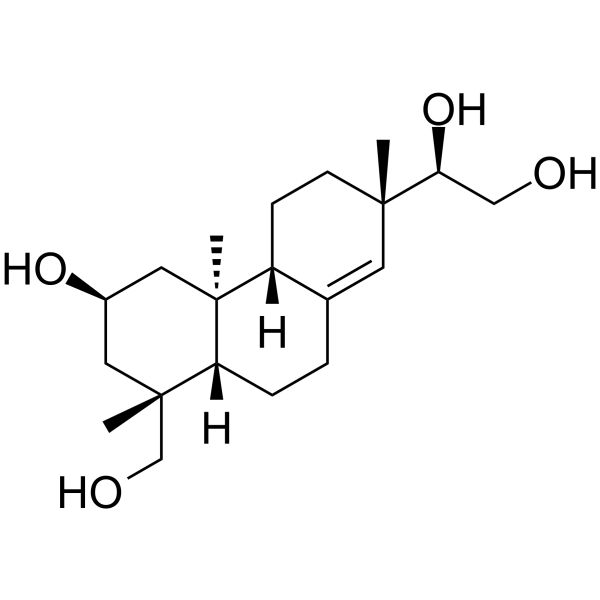
    Kirenol is a diterpenoid compound, an orally active apoptosis inducer and signaling pathway regulator, with a Kd value of 5.47 μM against the target CK2. Kirenol promotes the cleavage of Bid into tBid, regulates the protein levels/phosphorylation of Bax, Bcl-2, p53 and p21, and induces caspase-independent apoptosis, S-phase cell cycle arrest, ROS accumulation and cytotoxicity in cancer cells. Kirenol activates the CK2/AKT and AMPK-mTOR-ULK1 pathways, inhibits the signaling of NF-κB, TGF-β/Smads and NLRP3 inflammasome, and regulates the GSK3β, BMP and Wnt/β-catenin pathways. Kirenol induces autophagy, mitophagy and osteoblast differentiation, promotes mitochondrial fusion, and exerts antioxidant, anti-inflammatory, antifibrotic, renoprotective, cardioprotective, neuroprotective and analgesic effects. Kirenol is applicable to research related to chronic myeloid leukemia, ischemic stroke, diabetic nephropathy, heart failure, acute lung injury and osteoporosis .
    Kirenol
  • HY-131031
    KCC-07
    1 Publications Verification

    DNA Alkylator/Crosslinker Cancer
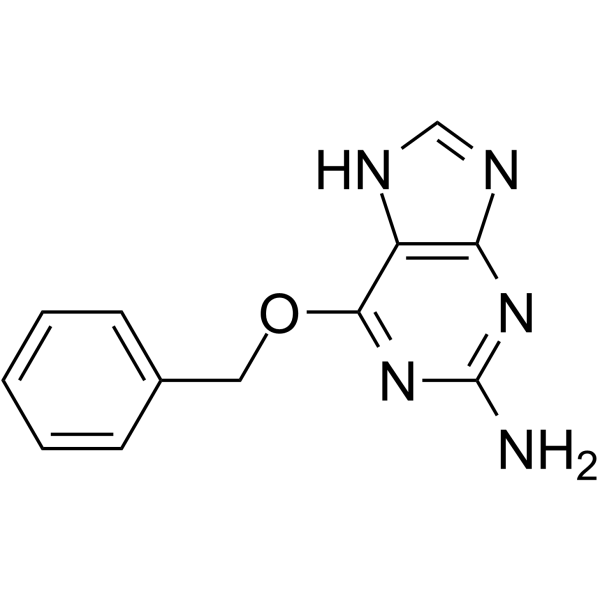
    KCC-07 is a potent and brain-penetrant MBD2 (methyl-CpG-binding domain protein 2) inhibitor. KCC-07 prevents binding of MBD2 to methylated DNA and activates brain specific angiogenesis inhibitor 1 (BAI1) inducing anti-proliferative BAI1/p53/p21 signaling. Anticancer activity .
    KCC-07
  • HY-107426
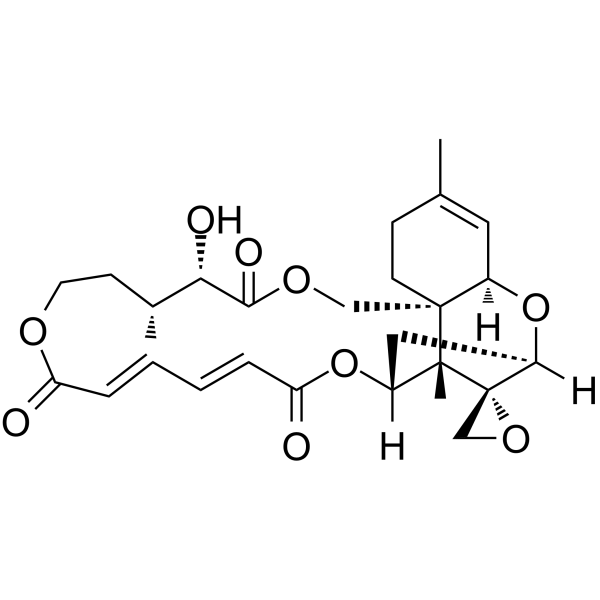
    Verrucarin A
    1 Publications Verification

    Muconomycin A

    Apoptosis Reactive Oxygen Species (ROS) Cancer
    Verrucarin A (Muconomycin A), a Type D macrocyclic mycotoxin derived from the pathogen fungus Myrothecium verrucaria, is an inhibitor of protein synthesis. Verrucarin A inhibits growth of leukemia cell lines and activates caspases and apoptosis and inflammatory signaling in macrophages. Verrucarin A effectively increased the phosphorylation of p38 MAPK and diminished the phosphorylation of ERK/Akt. Verrucarin A caused cell cycle deregulation through the induction of p21 and p53 .
    Verrucarin A
  • HY-N2445
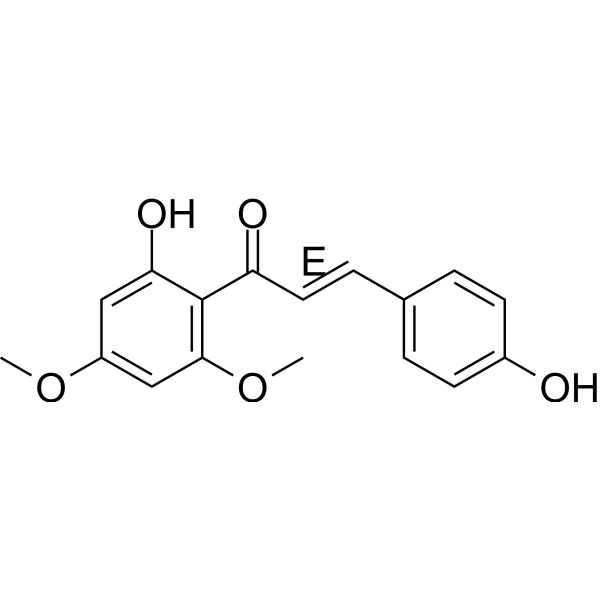
    Flavokawain C
    4 Publications Verification

    Apoptosis Akt JNK PERK Caspase PARP MDM-2/p53 IAP Reactive Oxygen Species (ROS) SOD FABP Autophagy AMPK mTOR GLUT EGFR PI3K HSP VEGFR FAK Cancer
    Flavokawain C is an orally active natural chalcone. Flavokawain C inhibits the proliferation of various cancer cells. Flavokawain C upregulates GADD153 in cancer cells, inhibits the phosphorylation of Akt and JNK, suppresses early ERK phosphorylation, activates late ERK phosphorylation, activates caspase related subtypes, induces PARP-1 cleavage, causes upregulation of p21 and p27, downregulation of mutant p53 and anti-apoptotic IAP proteins, elevates intracellular ROS levels, reduces SOD activity, and induces apoptosis. Flavokawain C downregulates FABP4, induces autophagy in cancer cells, and activates the AMPK/mTOR pathway . Flavokawain C decreases the expression of glycolysis-related proteins GLUT1 and HK2, and inhibits glycolysis in nasopharyngeal carcinoma cells. Flavokawain C inhibits the activation of the EGFR/PI3K/Akt/mTOR signaling pathway and reduces the expression of HSP90B1. Flavokawain C inhibits angiogenesis by decreasing the expression of angiogenic proteins Ang-1 and VEGF in human umbilical vein endothelial cells. Flavokawain C increases γ-H2AX levels in cells, inhibits the phosphorylation of FAK, PI3K and AKT in cells, and induces DNA damage in cells. Flavokawain C exerts anti-tumor activity in multiple tumor xenograft mouse models. Flavokawain C is applicable to research related to colorectal cancer, colon adenocarcinoma, nephroblastoma, nasopharyngeal carcinoma and liver cancer .
    Flavokawain C
  • HY-N0857
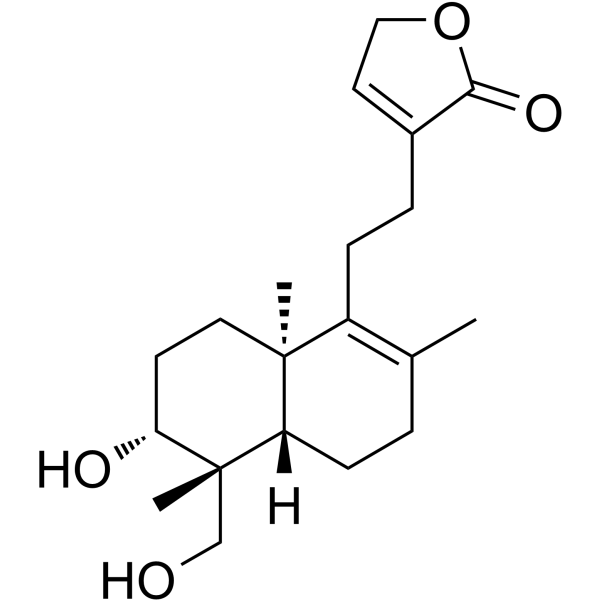
    Deoxyandrographolide
    1 Publications Verification

    GLUT HDAC Virus Protease PI3K AMPK Akt Histone Demethylase MDM-2/p53 IFNAR Reactive Oxygen Species (ROS) Infection Metabolic Disease Inflammation/Immunology
    Deoxyandrographolide is an orally active lactone found in the Andrographis paniculata Nees. Deoxyandrographolide shows a KD of 38.4 μM of HDAC1. Deoxyandrographolide enhances GLUT4 plasma membrane translocation, activates PI3K and AMPK-dependent signaling pathways, suppresses fasting blood glucose, serum insulin, triglycerides, and LDL-cholesterol levels. Deoxyandrographolide enhances HDAC1 expression via inhibited ubiquitination degradation, represses H3K4me3, improves chromosome stability, and restrains aging biomarkers p16, p21, γH2A.X, p53 and ROS production. Deoxyandrographolide interacts with Foot-and-Mouth Disease Virus 3Cpro active site, inhibits protease and IFN-antagonist activity, derepresses ISG expression, and inhibits viral replication. Deoxyandrographolide can be used for the researches of type 2 diabetes mellitus, vascular senescence and virus infection .
    Deoxyandrographolide
  • HY-173084

    Phosphatase MDM-2/p53 Cancer
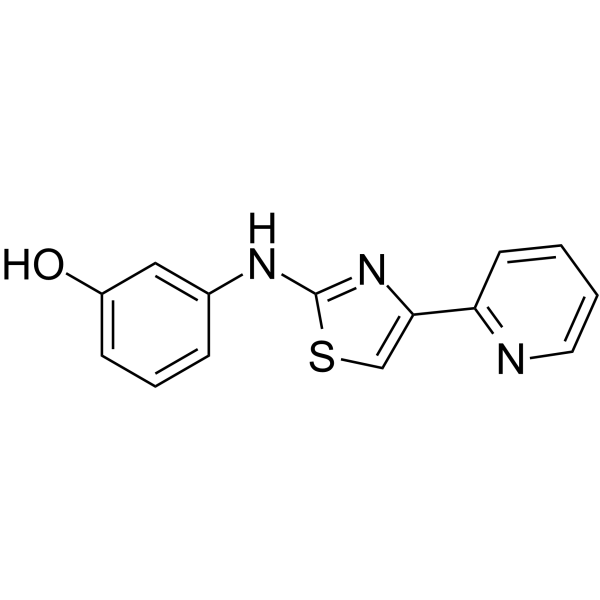
    BRD6257 is an orally active inhibitor for protein phosphatase, Mg2+/Mn2+ dependent 1D PPM1D with an IC50 of 5 nM. BRD6257 activates p53 signaling pathway with an EC50 of 51 nM, increases the p21 expression, inhibits the proliferation of cancer cell MOLM13 (IC50=2.8 μM). BRD6257 exhibits good metabolic stability in human and rat liver microsomes .
    BRD6257
  • HY-179520

    Topoisomerase DNA/RNA Synthesis MDM-2/p53 Bcl-2 Family Cancer
    XSJ151 is a topoisomerase I inhibitor, stabilizing the DNA-Topo I covalent complex and inducing DNA double-strand breaks. XSJ151-induces DNA damage activates the p53-p21 signaling pathway, specifically regulating the expression of cyclins, leading to G2/M phase cell cycle arrest and disrupting the dynamic homeostasis of Bcl-2 family proteins, thereby triggering apoptosis in gastric cancer cells. XSJ151 can be used for the study of gastric cancer .
    XSJ151
  • HY-168443

    5-HT Receptor Apoptosis Cancer
    HTR2A antagonist 1 (Compound 15f) is a HTR2A antagonist, with an IC50 of 42.79 nM. HTR2A antagonist 1 induces sub-G1 cell cycle arrest and apoptosis in colorectal cancer cells via the activation of p53/p21/caspase 3 signaling. HTR2A antagonist 1 has good liver microsomal stability. HTR2A antagonist 1 can be used for the research of colorectal cancer .
    HTR2A antagonist 1
  • HY-N0559R

    Reference Standards Casein Kinase Apoptosis AMPK Akt NF-κB TGF-beta/Smad Cardiovascular Disease Neurological Disease Metabolic Disease Inflammation/Immunology Cancer
    Kirenol (Standard) is the analytical standard of Kirenol (HY-N0559). This product is intended for research and analytical applications. Kirenol is a diterpenoid compound, an orally active apoptosis inducer and signaling pathway regulator, with a Kd value of 5.47 μM against the target CK2. Kirenol promotes the cleavage of Bid into tBid, regulates the protein levels/phosphorylation of Bax, Bcl-2, p53 and p21, and induces caspase-independent apoptosis, S-phase cell cycle arrest, ROS accumulation and cytotoxicity in cancer cells. Kirenol activates the CK2/AKT and AMPK-mTOR-ULK1 pathways, inhibits the signaling of NF-κB, TGF-β/Smads and NLRP3 inflammasome, and regulates the GSK3β, BMP and Wnt/β-catenin pathways. Kirenol induces autophagy, mitophagy and osteoblast differentiation, promotes mitochondrial fusion, and exerts antioxidant, anti-inflammatory, antifibrotic, renoprotective, cardioprotective, neuroprotective and analgesic effects. Kirenol is applicable to research related to chronic myeloid leukemia, ischemic stroke, diabetic nephropathy, heart failure, acute lung injury and osteoporosis.
    Kirenol (Standard)
  • HY-P10914

    MDM-2/p53 Autophagy Inflammation/Immunology Cancer
    D-CopA3 is the inhibitor for MDM2 and the activator for p53 signaling pathway. D-CopA3 exhibits cytotoxicity in colorectal cancer cells HCT-116, LoVo, and RKO (IC50=15-18 μM), induces JNK/Beclin-1 mediated autophagy. D-CopA3 downregulates the expression of cell cycle inhibitory protein p21Cip1/Waf1, enhances the mucosal barrier function and reduces penetration of inflammatory mediators. D-CopA3 exhibits anti-inflammtory activity in mouse C. difficile toxin A-induced acute enteritis models and DSS (HY-116282)-induced chronic colitis models. D-CopA3 exhibits antitumor efficacy in mouse HCT-116 xenograft models .
    D-CopA3
  • HY-183073

    Cancer
    TZ1104 is a PROTAC-based CDK7 degrader, with a DC50 of 0.88 nM. TZ1104 forms a ternary complex with VHL E3 ligase and CDK7 to trigger proteasome-dependent CDK7 degradation, destabilizing the CDK7-cyclin H-MAT1 complex. TZ1104 suppresses phosphorylation of RNA polymerase II CTD Ser5, CDK1 Thr161, and CDK2 Thr160. TZ1104 activates the p53-p21 axis and suppresses oncogenic Myc signaling. TZ1104 induces cell cycle arrest, apoptosis, and differentiation of acute leukemia cells. TZ1104 can be used for the research of acute leukemia .

    TZ1104
  • HY-183070

    PROTACs CDK Apoptosis Cancer
    CXJ2080 is a selective PROTAC-based CDK7 degrader with a DC50 of 0.88 nM. CXJ2080 recruits VHL E3 ligase to induce ubiquitin-proteasome-dependent CDK7 degradation, disrupts the CDK7-cyclin H-MAT1 complex, suppresses CDK7-dependent phosphorylation of RNA polymerase II CTD Ser5, CDK1 Thr161, and CDK2 Thr160. CXJ2080 activates the p53-p21 axis, suppresses MYC-driven signaling, induces leukemia cell cycle arrest, apoptosis, and differentiation, reduces CD117 expression, spares platelets and normal PBMCs, maintains sustained CDK7 degradation post-washout. CXJ2080 can be used for the research of acute leukemia .
    CXJ2080
  • HY-180820

    Drug Derivative MDM-2/p53 CDK Reactive Oxygen Species (ROS) Apoptosis Bcl-2 Family Caspase Cancer
    Dimethyl bisphenolate (Compound DMB) is a natural neolignan derivative with orally active anti-tumor activity. Dimethyl bisphenolate can inhibit cancer cells proliferation, invasion and migration. Dimethyl bisphenolate can activate the p53 signaling pathway, upregulate the expression of p21 protein, inhibit the activity of the CDK1-cyclin B1 complex, and cause cells to stall at the G2/M phase. Dimethyl bisphenolate can induce ROS production, upregulate pro-apoptotic proteins Noxa and Bim, downregulate anti-apoptotic protein Bcl-2, activate caspase-9 and caspase-3, and ultimately induce cell apoptosis. Dimethyl bisphenolate can be used for research of glioblastoma .
    Dimethyl bisphenolate

Inquiry Online

Your information is safe with us. * Required Fields.

Salutation


Country or Region *

Applicant Name *


Organization Name *

Department *


Email Address *


Product Name *

Cat. No.


Requested quantity *

Phone Number *


Remarks

Inquiry Online

Inquiry Information

Product Name:
Cat. No.:
Quantity:
MCE Japan Authorized Agent:

