23 Results for "

p53-independent

" in MedChemExpress (MCE) Product Catalog:
Products (23)

23 Results for "p53-independent" in MCE Product Catalog:

69
69 Publications Verification
Cat. No.: HY-15186
CAS No.: 1001264-89-6
Purity:  99.79%
Synonyms: GDC-0068; RG7440
Target:  

Organoid Akt Apoptosis

Research Areas:  

Cancer

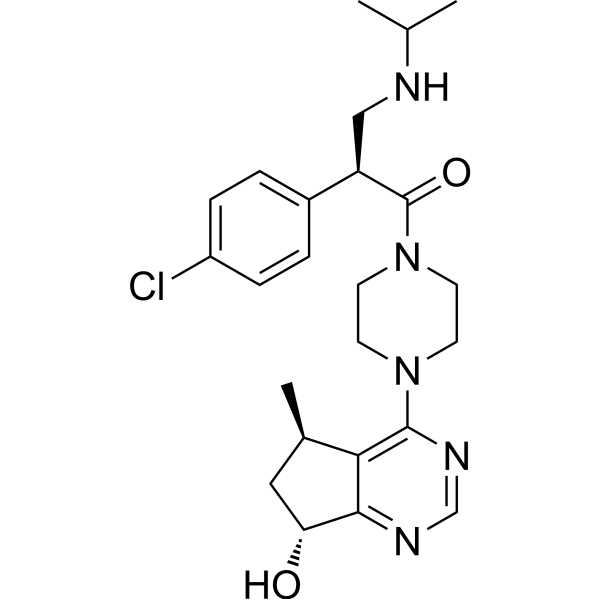
Ipatasertib (GDC-0068) is an orally active, highly selective and ATP-competitive pan-Akt inhibitor with IC50 values of 5, 18, 8 nM for Akt1/2/3, respectively. Ipatasertib synchronously activates FoxO3a and NF-κB through inhibition of Akt leading to p53-independent activation of PUMA. Ipatasertib also induces apoptosis in cancer cells and inhibits tumor growth in xenograft mouse models .
loading...
    loading...
3
3 Cited Publications
Cat. No.: HY-112041
CAS No.: 1610964-64-1
Purity:  99.45%
Synonyms: PTC596
Target:  

BMI1 Apoptosis

Research Areas:  

Cancer

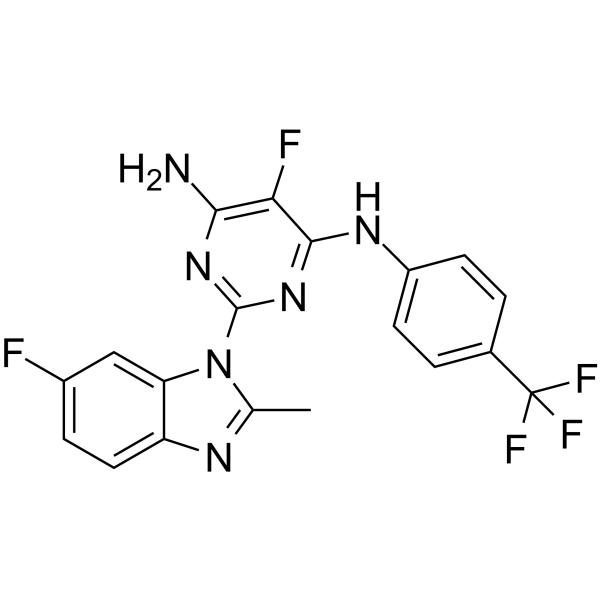
Unesbulin (PTC596) is an orally active and selective B-cell-specific Moloney murine leukemia virus integration site 1 (BMI-1) inhibitor. Unesbulin downregulates MCL-1 and induces p53-independent mitochondrial apoptosis in acute myeloid leukemia (AML) cells. Unesbulin has anti-leukemic activity .
loading...
    loading...
3
3 Cited Publications
Cat. No.: HY-13721
CAS No.: 81267-65-4
Purity:  99.89%
Synonyms: Idronoxil; Dehydroequol; Haginin E
Research Areas:  

Cancer

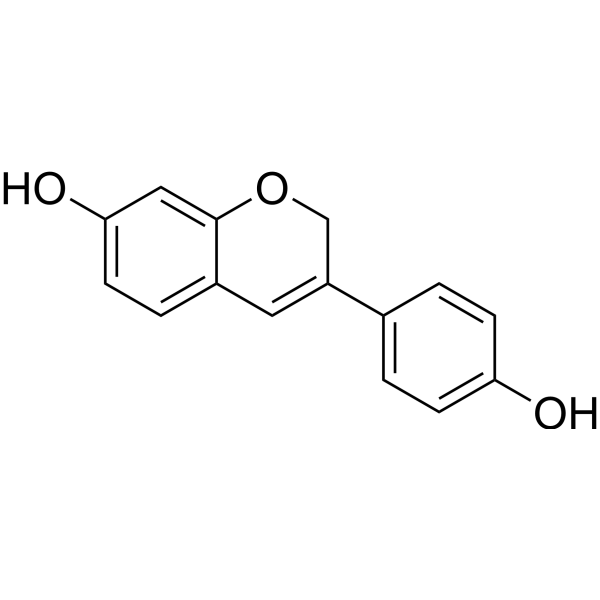
Phenoxodiol (Idronoxil), a synthetic analog of Genestein, activates the mitochondrial caspase system, inhibits XIAP (an apoptosis inhibitor), and sensitizes the cancer cells to Fas-mediated apoptosis. Phenoxodiol also inhibits DNA topoisomerase II by stabilizing the cleavable complex. Phenoxodiol induces cell cycle arrest in the G1/S phase of the cell cycle and upregulates p21 WAF1 via a p53 independent manner .
loading...
    loading...
3
3 Cited Publications
Cat. No.: HY-114989
CAS No.: 1362243-70-6
Purity:  99.77%
Target:  

Apoptosis

Research Areas:  

Cancer

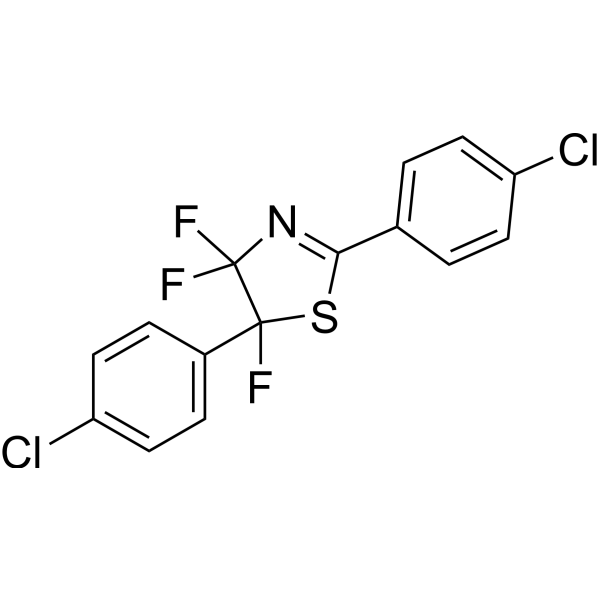
Fluorizoline selectively and directly binds to prohibitin 1 (PHB1) and 2 (PHB2), and induces apoptosis. Fluorizoline reduces chronic lymphocytic leukemia (CLL) cell viability through the upregulation of NOXA and BIM. Fluorizoline exerts antitumor action in a p53-independent manner .
loading...
    loading...
2
2 Cited Publications
Cat. No.: HY-N4225
CAS No.: 85547-22-4
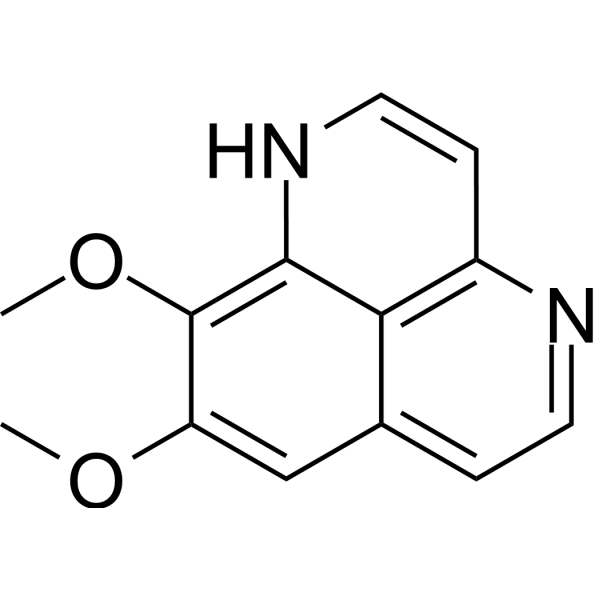
Aaptamine is an alkaloid that can be isolated from the sponge Aaptos suberitoides. Aaptamine is a competitive antagonist of the α-adrenergic receptor, as well as an inhibitor of the proteasome and cholinesterase. Aaptamine is cytotoxic to tumor cells and can induce apoptosis, cell cycle arrest of tumor cells, and the expression of p21 through a p53-independent pathway. Aaptamine has multiple activities such as anti-tumor, antioxidant, antibacterial, and analgesic effects .
loading...
    loading...
1
1 Cited Publications
Cat. No.: HY-112816
CAS No.: 1049704-18-8
Target:  

MDM-2/p53 Apoptosis

Research Areas:  

Cancer

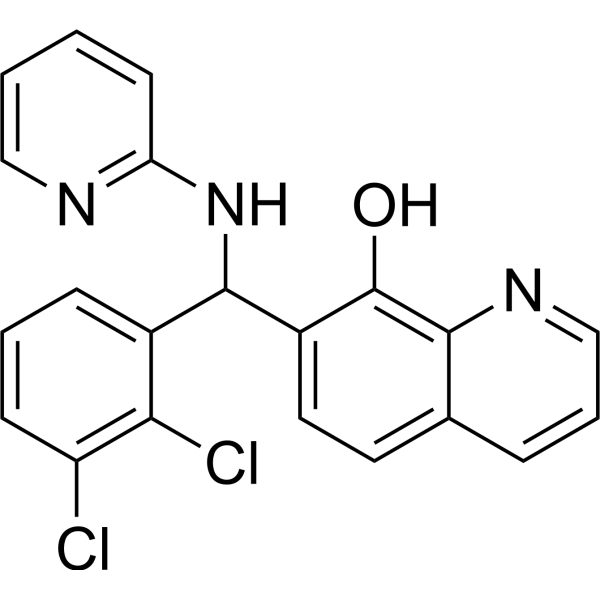
MA242 is a specific dual inhibitor of MDM2 and NFAT1. MA242 directly binds both MDM2 and NFAT1 with high affinity, induces their protein degradation, and inhibits NFAT1-mediated transcription of MDM2. MA242 induces apoptosis in pancreatic cancer cell lines regardless of p53 status .
loading...
    loading...
1
1 Cited Publications
Cat. No.: HY-130122
CAS No.: 2411085-89-5
Purity:  98.66%
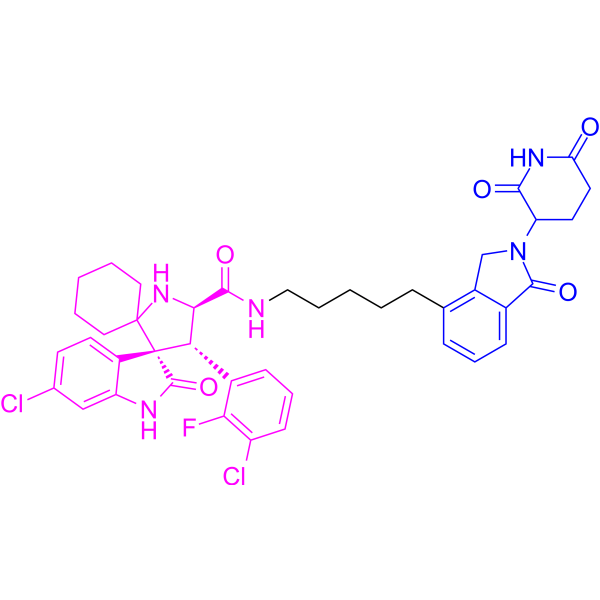
MG-277, a molecular glue degrader, effectively induces degradation of a translation termination factor based on Cereblon E3 ligand, GSPT1, with a DC50 of 1.3 nM. MG-277 potently inhibits tumor cell growth in a p53-independent manner, with IC50s of 3.5 nM for RS4;11 cells and 3.4 nM for p53 mutant RS4;11/IRMI-2 cells, respectively. Anticancer activity .
loading...
    loading...
1
1 Cited Publications
Cat. No.: HY-125927
CAS No.: 3868-33-5
Purity:  99.94%
Synonyms: 8-NH2-Ado
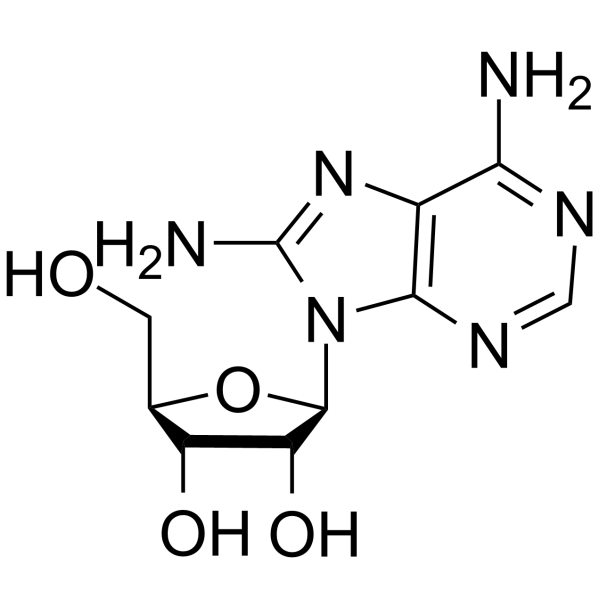
8-Aminoadenosine (8-NH2-Ado), a RNA-directed nucleoside analogue, reduces cellular ATP levels and inhibits mRNA synthesis. 8-Aminoadenosine blocks Akt/mTOR signaling and induces autophagy and apoptosis in a p53-independent manner. 8-Aminoadenosine has antitumor activity .
loading...
    loading...
Cat. No.: HY-148409
CAS No.: 352693-80-2
Purity:  99.58%
Research Areas:  

Cancer

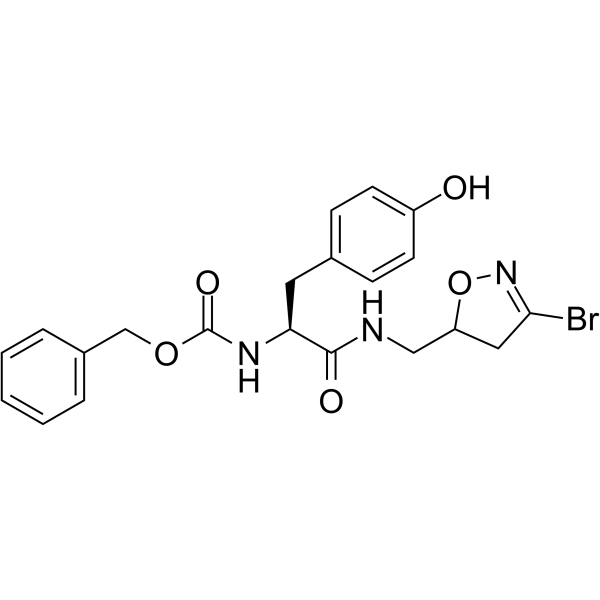
MMRi62, a ferroptosis inducer targeting MDM2-MDM4 (negative regulators of tumor suppressor p53). MMRi62 shows a P53-independent pro-apoptotic activity against pancreatic ductal adenocarcinoma (PDAC) cells and induce autophagy. MMRi62 inducesferroptosis, resulting in a increase of reactive oxygen and lysosomal degradation of ferritin heavy chain (FTH1). MMRi62 also leads to proteasomal degradation of mutant p53, also inhibits orthotopic xenograft PDAC mouse model in vivo with high frequency mutation characteristics of KRAS and TP53.12 .
loading...
    loading...
Cat. No.: HY-123290
CAS No.: 744198-19-4
Purity:  98.06%
Target:  

Glutaminase

Research Areas:  

Cancer

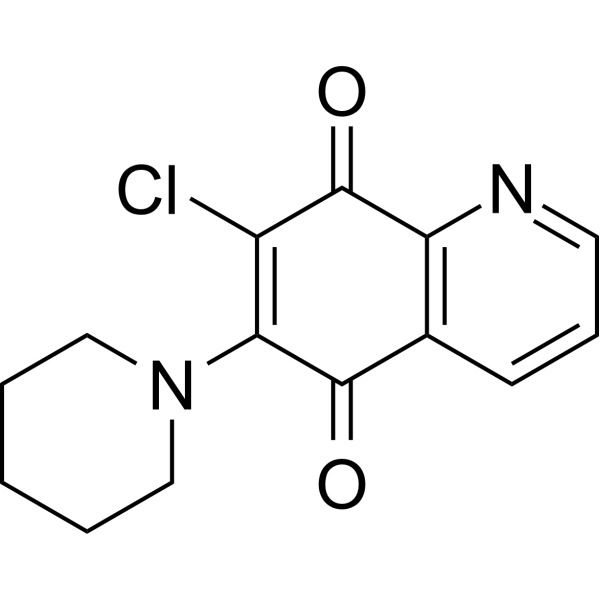
KCC009, a transglutaminase 2 (TG2) inhibitor, induces p53-independent radiosensitization .
loading...
    loading...
Cat. No.: HY-N2902
CAS No.: 7608-44-8
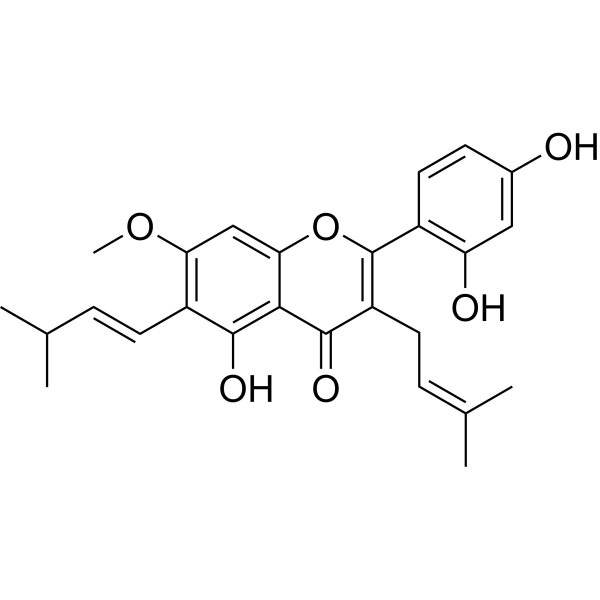
Artocarpin is an orally active apoptosis inducer. Artocarpin targets NF-κB, Erk1/2, p38 MAPK, AktS473, p53, Akt 1 kinase and Akt 2 kinase. Artocarpin induces reactive oxygen species (ROS) production, mediates p53-dependent and p53-independent apoptotic signaling pathways, induces G1-phase cell cycle arrest, and triggers autophagic cell death. Artocarpin exerts cytotoxic and bactericidal effects on cancer cells, reduces bacterial load, and exhibits anti-inflammatory, analgesic and anti-angiogenic activities .
loading...
    loading...
Cat. No.: HY-12455
CAS No.: 118292-34-5
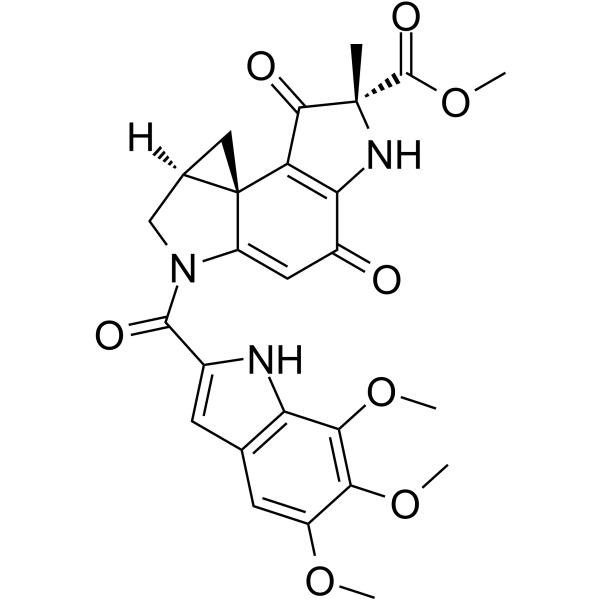
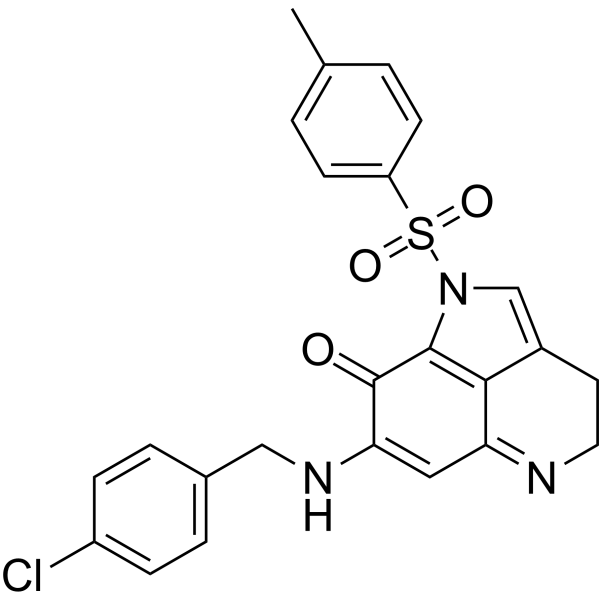
Duocarmycin A is an antitumor antibiotic and DNA alkylating agent with broad-spectrum antibacterial activity, which can serve as a payload for synthesizing antibody-drug conjugates (ADCs). Duocarmycin A selectively binds to the AT-rich minor groove of DNA, forms covalent adducts by alkylating the adenine N3 residue, thereby disrupting DNA structure and inhibiting its replication and transcription. Duocarmycin A induces apoptosis, sub-G1 phase accumulation and chromatin condensation, reduces the levels of pro-caspase-3/9, and induces p53-independent p21 expression. Duocarmycin A is widely used in the research of various malignancies, including leukemia, sarcoma, glioblastoma, as well as multiple solid tumor models such as lung cancer, breast cancer, and colorectal cancer .
loading...
    loading...
Cat. No.: HY-100035
CAS No.: 86811-36-1
Purity:  99.21%
Target:  

ROCK ERK CDK Apoptosis

Research Areas:  

Cancer

PT-262 is a potent ROCK inhibitor with an IC50 value of around 5 μM. PT-262 induces the loss of mitochondrial membrane potential and elevates the caspase-3 activation and apoptosis. PT-262 inhibits the ERK and CDC2 phosphorylation via a p53-independent pathway. PT-262 blocks cytoskeleton function and cell migration. PT-262 has anti-cancer activity .
loading...
    loading...
Cat. No.: HY-167635
CAS No.: 26909-37-5
Research Areas:  

Cancer

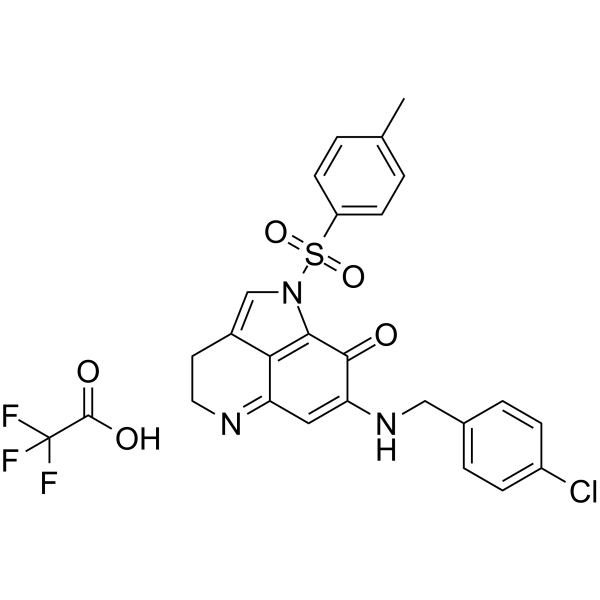
Decarbamoylmitomycin C, an analog of Mitomycin C (MC), is an DNA-alkylating agent. Decarbamoylmitomycin C (DMC) activates p53-independent ataxia telangiectasia and rad3 related protein (ATR) chromatin eviction .
loading...
    loading...
Cat. No.: HY-P4910
CAS No.: 1622872-91-6
Target:  

Proteasome Apoptosis

Research Areas:  

Cancer

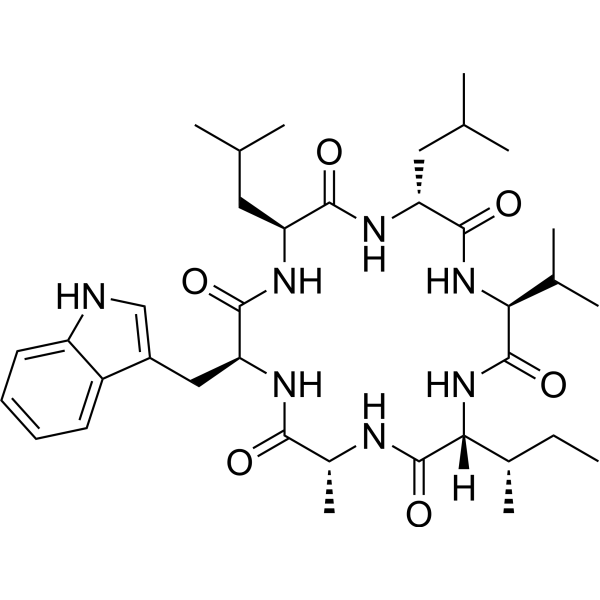
Baceridin is a proteasome inhibitor and a cyclic hexapeptide. Baceridin can be isolated from the culture medium of Epiphytic Bacillus. Baceridin can inhibit cell cycle progression and induce tumor cell apoptosis through a p53-independent pathway. Baceridin can be used in cancer research .
loading...
    loading...
Cat. No.: HY-112816A
CAS No.: 1049704-17-7
Target:  

MDM-2/p53 Apoptosis

Research Areas:  

Cancer

MA242 free base is a specific dual inhibitor of MDM2 and NFAT1. MA242 free base directly binds both MDM2 and NFAT1 with high affinity, induces their protein degradation, and inhibits NFAT1-mediated transcription of MDM2. MA242 free base induces apoptosis in pancreatic cancer cell lines regardless of p53 status .
loading...
    loading...
Cat. No.: HY-15186C
CAS No.: 1491138-24-9
Synonyms: GDC-0068 tosylate; RG7440 tosylate
Target:  

Organoid Akt Apoptosis

Research Areas:  

Cancer

Ipatasertib (GDC-0068) tosylate is an orally active, highly selective and ATP-competitive pan-Akt inhibitor with IC50 values of 5, 18, 8 nM for Akt1/2/3, respectively. Ipatasertib tosylate synchronously activates FoxO3a and NF-κB through inhibition of Akt leading to p53-independent activation of PUMA. Ipatasertib tosylate also induces apoptosis in cancer cells and inhibits tumor growth in xenograft mouse models .
loading...
    loading...
Cat. No.: HY-169412
CAS No.: 2848599-79-9
MAPK-IN-3 (Compound 4a) is an anti-proliferative agent that shows particularly strong inhibitory effects on KYSE 30, HCT 116, and HGC 27, with IC50 values of 0.57 μM, 3.27 μM, and 2.28 μM, respectively. MAPK-IN-3 blocks the cell cycle via a p53-dependent mechanism and induces cell apoptosis through a p53-independent mechanism. MAPK-IN-3 downregulates the expression of cell cycle-related proteins like Cyclin D1 and cyclin B1, upregulates pro-apoptotic proteins such as cleaved PARP, cleaved caspase-7, and cleaved caspase-9, and reduces the expression of anti-apoptotic proteins like Bcl-2. Additionally, MAPK-IN-3 increases the intracellular level of ROS in KYSE 30 cells and upregulates the expression of members of the MAPK signaling pathway associated with ROS, such as p-ERK, p-p38 and p-JNK .
loading...
    loading...
Cat. No.: HY-123994
CAS No.: 1258283-70-3
Target:  

Sirtuin

Research Areas:  

Cancer

Tenovin-D3 hydrochloride is a sirtuin SirT2 inhibitor that increases p21 (CDKN1A) expression in a p53 independent manner .
loading...
    loading...
Cat. No.: HY-13721R
CAS No.: 81267-65-4
Synonyms: Idronoxil (Standard); Dehydroequol (Standard); Haginin E (Standard)
Research Areas:  

Cancer

Phenoxodiol (Standard) is the analytical standard of Phenoxodiol. This product is intended for research and analytical applications. Phenoxodiol (Idronoxil), a synthetic analog of Genestein, activates the mitochondrial caspase system, inhibits XIAP (an apoptosis inhibitor), and sensitizes the cancer cells to Fas-mediated apoptosis. Phenoxodiol also inhibits DNA topoisomerase II by stabilizing the cleavable complex. Phenoxodiol induces cell cycle arrest in the G1/S phase of the cell cycle and upregulates p21WAF1 via a p53 independent manner .
loading...
    loading...

