1. Search Result
Search Result
Results for "

pancreatic carcinomas

" in MedChemExpress (MCE) Product Catalog:

87

Inhibitors & Agonists

1

Biochemical Assay Reagents

5

Peptides

12

Inhibitory Antibodies

10

Natural
Products

Cat. No. Product Name Target Research Areas Chemical Structure
  • HY-10201
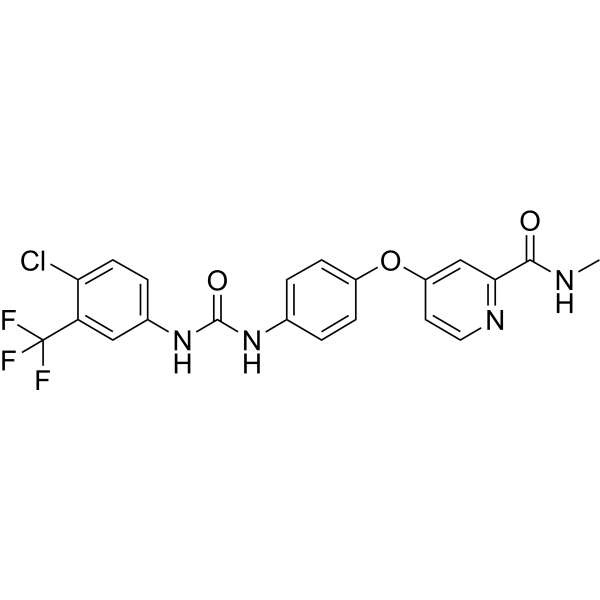
    Sorafenib
    Maximum Cited Publications
    283 Publications Verification

    Bay 43-9006

    Raf VEGFR FLT3 Autophagy Apoptosis STAT Akt MMP Cadherin p38 MAPK ERK MEK PI3K PARP Bcl-2 Family Infection Neurological Disease Metabolic Disease Inflammation/Immunology Cancer
    Sorafenib (Bay 43-9006) is a potent oral active multikinase inhibitor. Sorafenib blocks autophosphorylation and activity of receptor tyrosine kinases (VEGFR-2, VEGFR-3) and RAF family kinases, thereby suppressing the RAF/MEK/ERK and PI3K/Akt pathways, inhibiting STAT3 phosphorylation, and selectively inhibiting the MAPK pathway in cancer cells. Sorafenib induces cell cycle arrest, autophagy, apoptosis, and PARP cleavage, reduces Bcl-2, Bcl-XL, cyclin D1 levels, and activates Bak and Bax. Sorafenib inhibits tumor growth and metastasis in mouse and rat models. Sorafenib can be used for cancer research, such as colon, breast, non-small-cell lung cancer (NSCLC), ovarian, pancreatic, melanoma, colorectal and hepatocellular carcinoma .
    Sorafenib
  • HY-101840
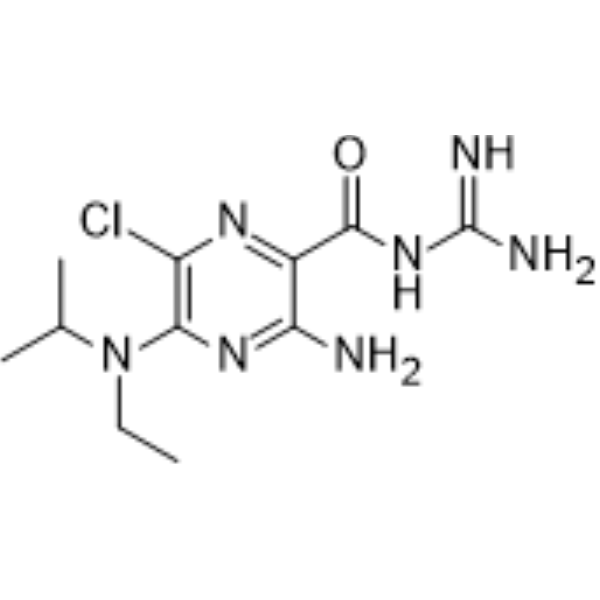
    EIPA
    95+ Cited Publications

    L593754; MH 12-43; Ethylisopropylamiloride

    TRP Channel Prostaglandin Receptor Autophagy COX Na+/H+ Exchanger (NHE) Inflammation/Immunology Cancer
    EIPA (L593754) is an orally active TRPP3 channel inhibitor with an IC50 of 10.5 μM. EIPA also enhances autophagy by inhibiting Na +/H +-exchanger 3 (NHE3). EIPA inhibits macropinocytosis as well. EIPA can be used in the research of inflammation and cancers, such as gastric cancer, colon carcinoma, pancreatic carcinoma .
    EIPA
  • HY-13062
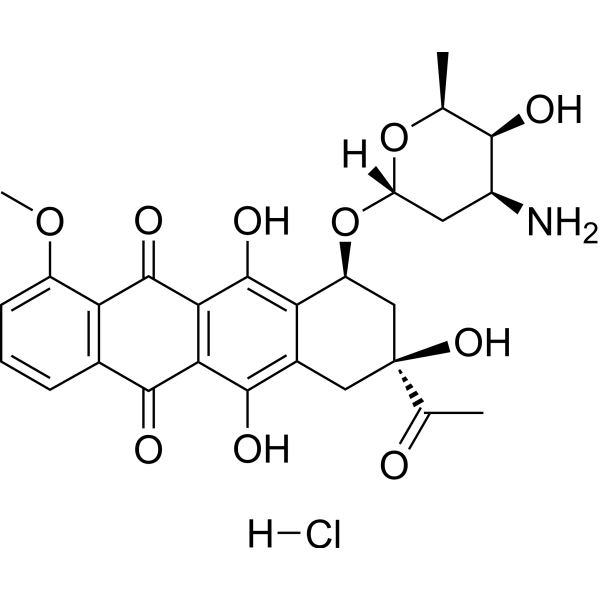
    Daunorubicin hydrochloride
    Maximum Cited Publications
    37 Publications Verification

    Daunomycin hydrochloride; RP 13057 hydrochloride; Rubidomycin hydrochloride

    Topoisomerase DNA/RNA Synthesis ADC Payload Bacterial Autophagy Apoptosis Antibiotic Infection Neurological Disease Cancer
    Daunorubicin (Daunomycin) hydrochloride is a topoisomerase II inhibitor with potent anti-tumor activity. Daunorubicin hydrochloride inhibits DNA and RNA synthesis. Daunorubicin hydrochloride is a cytotoxin that inhibits cancer cell viability and induces apoptosis and necrosis. Daunorubicin hydrochloride is also an anthracycline antibiotic. Daunorubicin hydrochloride can be used in the research of infection and variety of cancers, including leukemia, non-Hodgkin lymphomas, Ewing's sarcoma, Wilms' tumor .
    Daunorubicin hydrochloride
  • HY-13902
    Berzosertib
    20+ Cited Publications

    VE-822; VX-970; M6620

    ATM/ATR Apoptosis STING Caspase Infection Metabolic Disease Cancer
    Berzosertib (VE-822) is an orally active, CNS-penetrant, and selective ATR kinase inhibitor. Berzosertib blocks ATR kinase activity, abrogates G2/M cell cycle checkpoint, impairs DNA damage repair. Berzosertib induces apoptosis, inhibnits conlony migration, inhibits cell proliferation, and activates cGAS-STING axes in cancer cells. Berzosertib can be used for the research of cancers, such as head and neck squamous cell carcinoma, and colorectal cancer .
    Berzosertib
  • HY-112288
    C188-9
    30+ Cited Publications

    TTI-101

    STAT Apoptosis DNA Methyltransferase Metabolic Disease Inflammation/Immunology Cancer
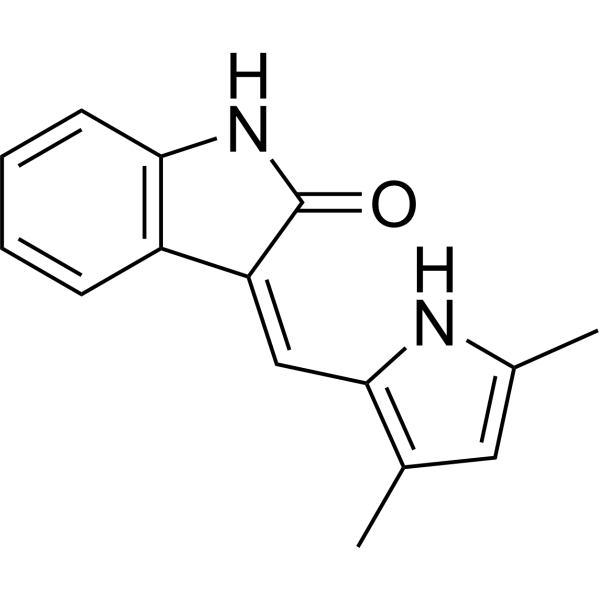
    C188-9 (TTI-101) is a STAT3 inhibitor with a Kd value of 4.7 nM. C188-9 targets the SH2 domain of STAT3, blocks the processes of STAT3 ligand binding, receptor recruitment, homodimerization and phosphorylation, and regulates STAT3-mediated genes associated with tumorigenesis and radioresistance. C188-9 regulates STAT1-mediated genes related to radioresistance and reduces the activation level of STAT1. C188-9 downregulates the expression of DNMT1, enhances DAC-induced demethylation and re-expression of RASSF1A, and simultaneously potentiates the anti-tumor effect of DAC on pancreatic cancer cells. C188-9 inhibits both anchorage-dependent and anchorage-independent growth of cancer cells, induces Apoptosis, blocks the growth of tumor xenografts, and suppresses muscle atrophy. C188-9 maintains muscle mass, increases body weight and improves grip strength in tumor-bearing mice. C188-9 can be used in research related to head and neck squamous cell carcinoma, pancreatic cancer, sepsis-related skeletal muscle wasting, non-small cell lung cancer, acute myeloid leukemia and cancer cachexia .
    C188-9
  • HY-116705
    2-Deoxy-2-fluoro-L-fucose
    1 Publications Verification

    Glycosyltransferase Cancer
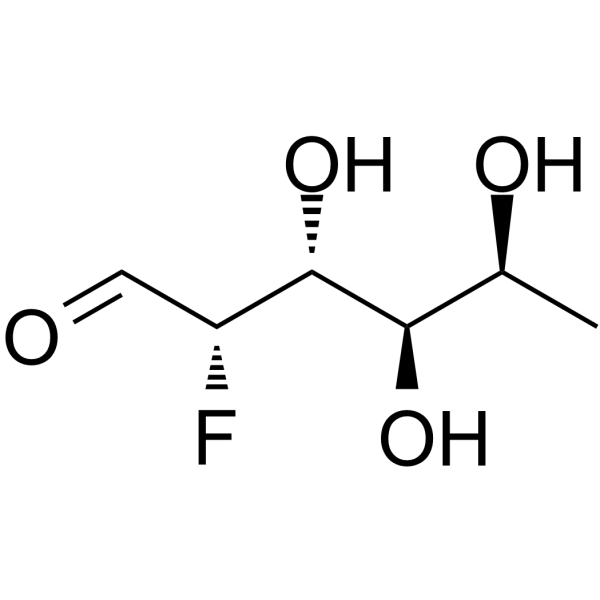
    2-Deoxy-2-fluoro-L-fucose, an L-fucose analog, is a fucosylation inhibitor. 2-Deoxy-2-fluoro-L-fucose inhibits de novo synthesis of GDP-fucose in mammalian cells. Fucosylation is a relatively well-defined biomarker for progression in many human cancers; for example, pancreatic and hepatocellular carcinoma .
    2-Deoxy-2-fluoro-L-fucose
  • HY-10201A
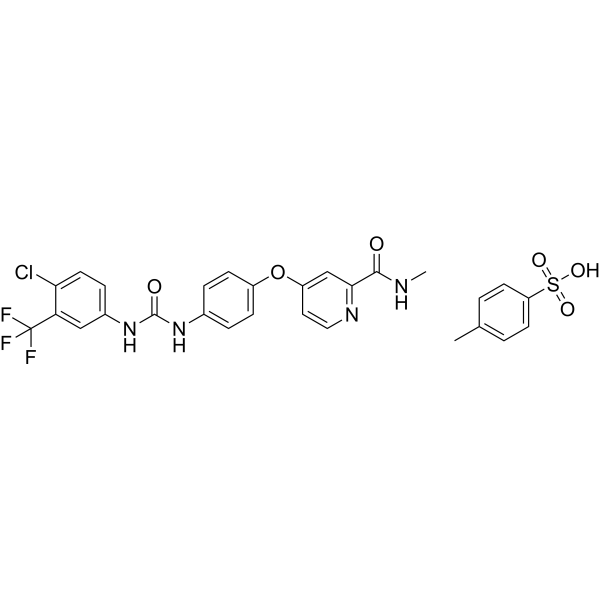
    Sorafenib tosylate
    Maximum Cited Publications
    283 Publications Verification

    Bay 43-9006 tosylate

    Raf VEGFR FLT3 Autophagy Apoptosis STAT Akt MMP Cadherin p38 MAPK ERK MEK PI3K PARP Bcl-2 Family Infection Neurological Disease Metabolic Disease Inflammation/Immunology Cancer
    Sorafenib (Bay 43-9006) tosylate is a potent oral active multikinase inhibitor. Sorafenib blocks autophosphorylation and activity of receptor tyrosine kinases (VEGFR-2, VEGFR-3) and RAF family kinases, thereby suppressing the RAF/MEK/ERK and PI3K/Akt pathways, inhibiting STAT3 phosphorylation, and selectively inhibiting the MAPK pathway in cancer cells. Sorafenib tosylate induces cell cycle arrest, autophagy, apoptosis, and PARP cleavage, reduces Bcl-2, Bcl-XL, cyclin D1 levels, and activates Bak and Bax. Sorafenib tosylate inhibits tumor growth and metastasis in mouse and rat models. Sorafenib tosylate can be used for cancer research, such as colon, breast, non-small-cell lung cancer (NSCLC), ovarian, pancreatic, melanoma, colorectal and hepatocellular carcinoma .
    Sorafenib tosylate
  • HY-13062A
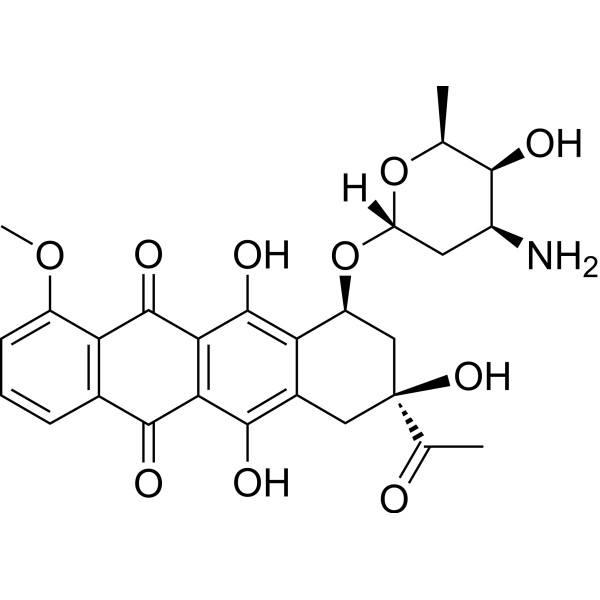
    Daunorubicin
    Maximum Cited Publications
    37 Publications Verification

    Daunomycin; RP 13057; Rubidomycin

    Topoisomerase DNA/RNA Synthesis ADC Payload Autophagy Bacterial Antibiotic Apoptosis Infection Neurological Disease Cancer
    Daunorubicin (Daunomycin) is a topoisomerase II inhibitor with potent anti-tumor activity. Daunorubicin inhibits DNA and RNA synthesis. Daunorubicin is a cytotoxin that inhibits cancer cell viability and induces apoptosis and necrosis. Daunorubicin is also an anthracycline antibiotic. Daunorubicin can be used in the research of infection and variety of cancers, including leukemia, non-Hodgkin lymphomas, Ewing's sarcoma, Wilms' tumor .
    Daunorubicin
  • HY-P9978

    JS-001

    PD-1/PD-L1 Cancer
    Toripalimab is a selective, recombinant, humanized monoclonal antibody against PD-1. Toripalimab is able to bind to PD-1 and block the interaction with its ligands. Toripalimab has exhibited primary anti-tumor effects in tumors such as melanoma, lung cancer, digestive tract tumors, hepatobiliary and pancreatic tumors, neuroendocrine neoplasms, nasopharyngeal carcinoma and urothelial carcinoma .
    Toripalimab
  • HY-101840A
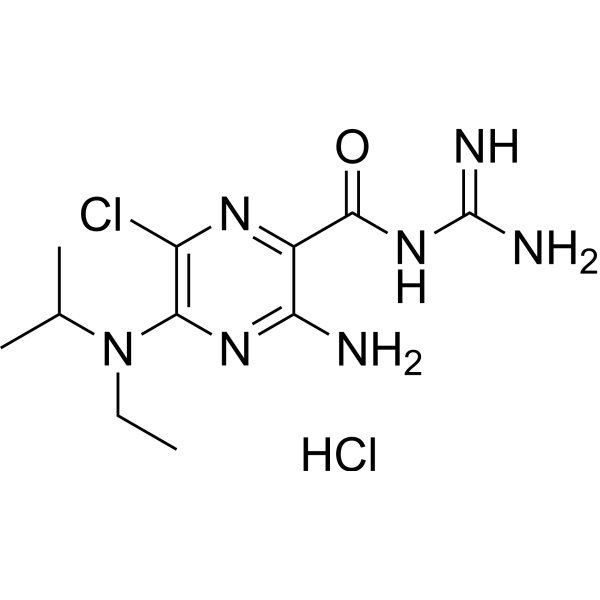
    EIPA hydrochloride
    95+ Cited Publications

    L593754 hydrochloride; MH 12-43 hydrochloride; Ethylisopropylamiloride hydrochloride

    TRP Channel Autophagy COX Prostaglandin Receptor Na+/H+ Exchanger (NHE) Inflammation/Immunology Cancer
    EIPA (L593754) hydrochloride is an orally active TRPP3 channel inhibitor with an IC50 of 10.5 μM. EIPA hydrochloride also enhances autophagy by inhibiting Na +/H +-exchanger 3 (NHE3). EIPA hydrochloride inhibits macropinocytosis as well. EIPA hydrochloride can be used in the research of inflammation and cancers, such as gastric cancer, colon carcinoma, pancreatic carcinoma .
    EIPA hydrochloride
  • HY-P990957

    BCA-101; FMAB2

    EGFR TGF-beta/Smad Inflammation/Immunology Cancer
    Ficerafusp alfa (BCA-101) is a bispecific antibody targeting EGFR and TGFβ, with a Kd of 2.58 nM against EGFR and a Kd of 61.3 nM against TGFβ1. Ficerafusp alfa binds to EGFR, inhibits EGFR phosphorylation, blocks EGF-dependent cell proliferation, and mediates antibody-dependent cellular cytotoxicity against EGFR-positive tumor cells. Ficerafusp alfa sequesters TGFβ via its TGFβRII ECD domain, neutralizes the activity of TGFβ and TGFβ1, and blocks TGFβ-dependent processes, including epithelial-mesenchymal transition, cell invasion, and differentiation of inducible regulatory T cells. Ficerafusp alfa is applicable to research related to head and neck squamous cell carcinoma, advanced solid tumors, squamous non-small cell lung cancer, anal squamous cell carcinoma, colorectal cancer, and pancreatic cancer .
    Ficerafusp alfa
  • HY-B1279
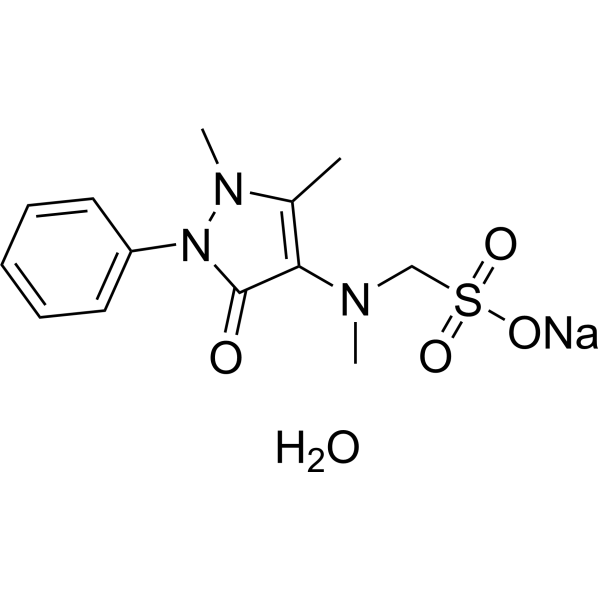
    Metamizole sodium hydrate
    2 Publications Verification

    Dipyrone hydrate; Methamizole sodium hydrate

    COX Apoptosis Inflammation/Immunology
    Metamizole sodium hydrate (Dipyrone) is an orally active cyclooxygenase (COX) inhibitor.. Metamizole sodium hydrate can inhibit cell proliferation and promote cell apoptosis. Metamizole sodium hydrate has anti-inflammatory and antioxidant activities. Metamizole sodium hydrate is an antipyretic, analgesic and spasmolytic agent. Metamizole sodium hydrate can be used in research to relieve a variety of pain .
    Metamizole sodium hydrate
  • HY-112816
    MA242
    1 Publications Verification

    MDM-2/p53 Apoptosis Cancer
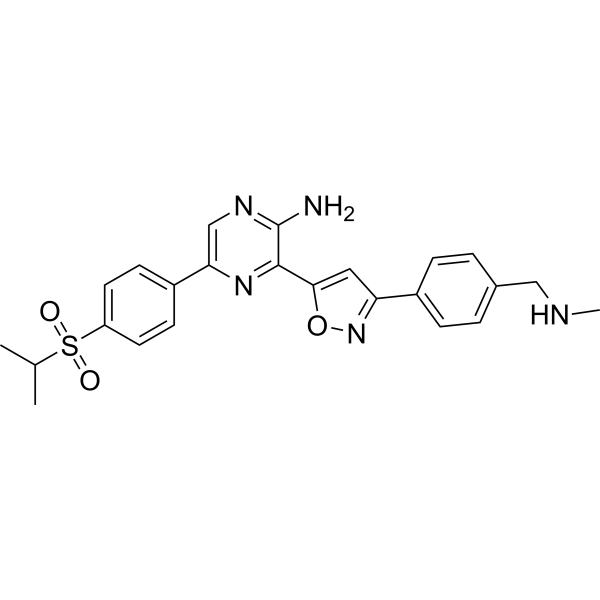
    MA242 is a specific dual inhibitor of MDM2 and NFAT1. MA242 directly binds both MDM2 and NFAT1 with high affinity, induces their protein degradation, and inhibits NFAT1-mediated transcription of MDM2. MA242 induces apoptosis in pancreatic cancer cell lines regardless of p53 status .
    MA242
  • HY-B1114
    Gliquidone
    2 Publications Verification

    AR-DF 26

    Potassium Channel ERK STAT NF-κB COX Interleukin Related Reactive Oxygen Species (ROS) Metabolic Disease
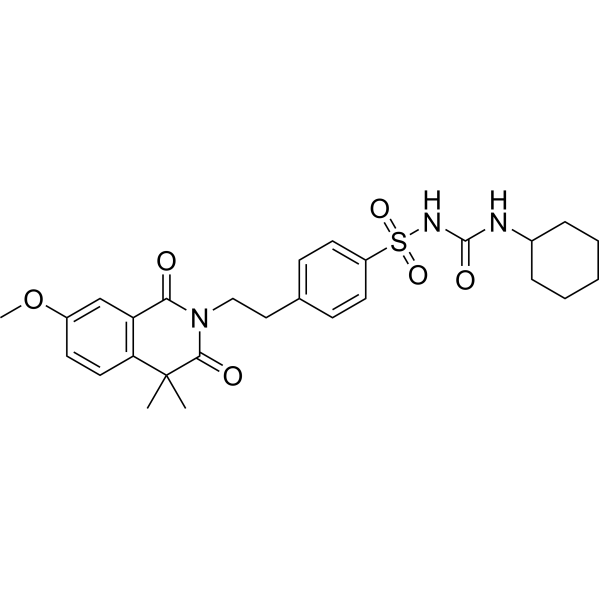
    Gliquidone can bind to the pancreatic β-cells and increases insulin release to regulate blood glucose levels. Gliquidone significantly decreases LPS (HY-D1056)-induced proinflammatory responses and inhibits ERK/STAT3/NF-κB phosphorylation in BV2 microglial cells. Gliquidone can suppress microgliosis, microglial hypertrophy mediated by LPS, and proinflammatory cytokine COX-2 and IL-6 levels in murine model. Gliquidone also exhibits good anticancer activity in lung carcinoma cells. Gliquidone has antioxidant property. Gliquidone can be studied in research for type 2 diabetes and cancers .
    Gliquidone
  • HY-134434
    Z-Arg-Arg-AMC hydrochloride
    1 Publications Verification

    Cathepsin Fluorescent Dye Others
    Z-Arg-Arg-AMC hydrochloride is a highly selective fluorescent Cathepsin B substrate. Z-Arg-Arg-AMC hydrochloride can be hydrolyzed by Cathepsin B to produce a fluorescent product for enzyme activity detection .
    Z-Arg-Arg-AMC hydrochloride
  • HY-B1279A
    Metamizole sodium
    2 Publications Verification

    Dipyrone; Methamizole sodium

    COX Apoptosis Inflammation/Immunology Cancer
    Metamizole sodium (Dipyrone) is an orally active cyclooxygenase (COX) inhibitor. Metamizole sodium can inhibit cell proliferation and promote cell apoptosis. Metamizole sodium has anti-inflammatory and antioxidant activities. Metamizole sodium is an antipyretic, analgesic and spasmolytic agent. .Metamizole sodium can be used in research to relieve a variety of pain .
    Metamizole sodium
  • HY-124295

    ABT-301; MPT0E028; TMU-C-0012

    HDAC Akt Apoptosis Inflammation/Immunology Cancer
    Imofinostat (ABT-301; MPT0E028) is an orally active and selective HDAC inhibitor with IC50s of 53.0 nM, 106.2 nM, 29.5 nM for HDAC1, HDAC2 and HDAC6, respectively. Imofinostat has a weak inhibitory effect on HDAC8 (IC50 of 2.5 ​​μM), but no inhibitory effect on HDAC4 (IC50>10 μM). Imofinostat reduces the viability of B-cell lymphomas by inducing apoptosis and possesses potent direct Akt targeting ability and reduces Akt phosphorylation in B-cell lymphoma. Imofinostat has a broad-spectrum antitumor activity, including colorectal cancer, B-cell lymphoma, non-small cell lung carcinoma (NSCLC), and pancreatic cancer, while also showing therapeutic potential in non-tumor diseases like emphysema and pulmonary fibrosis .
    Imofinostat
  • HY-139434

    Histone Demethylase Cancer
    JMJD6-IN-1 is a JMJD6 inhibitor, with an inhibition rate of 82% at 10 μM. JMJD6-IN-1 inhibits MCF-7 and HCC4006 cell proliferation with IC50 values of 19.2 μM and 25.2 μM. JMJD6-IN-1 inhibits JMJD6 demethylase activity. JMJD6-IN-1 can be used for the research of lung adenocarcinoma, prostate cancer, breast cancer, pancreatic cancer, colon cancer, oral squamous cell carcinoma, and glioblastoma .
    JMJD6-IN-1
  • HY-15673
    KP372-1
    3 Publications Verification

    Quinone Reductase Akt Reactive Oxygen Species (ROS) Apoptosis Cancer
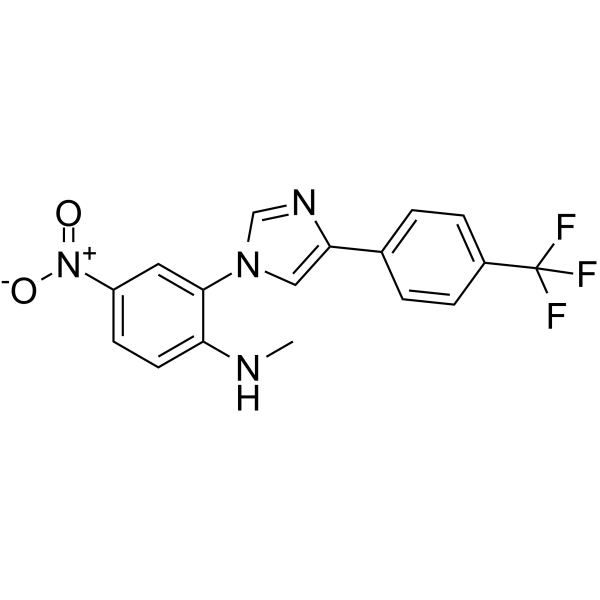
    KP372-1 is an Akt inhibitor that inhibits proliferation and induces apoptosis and anoikis. KP372-1 is also an NQO1 redox cycling agent that causes DNA damage (including DNA breakage) by generating ROS. KP372-1 can be used in cancer research (such as head and neck squamous cell carcinoma (HNSCC) and pancreatic cancer) .
    KP372-1
  • HY-110353
    CU-T12-9
    10+ Cited Publications

    Toll-like Receptor (TLR) Inflammation/Immunology Cancer
    CU-T12-9 is a specific TLR1/2 agonist with EC50 of 52.9 nM in HEK-Blue hTLR2 SEAP assay. CU-T12-9 activates both the innate and the adaptive immune systems. CU-T12-9 selectively activates the TLR1/2 heterodimer, not TLR2/6. CU-T12-9 signals through NF-κB and invokes an elevation of the downstream effectors TNF-α, IL-10, and iNOS .
    CU-T12-9
  • HY-P99943

    KN-046

    PD-1/PD-L1 CTLA-4 Cancer
    Erfonrilimab (KN-046) is a monoclonal antibody targeting PD-L1/CTLA-4. Erfonrilimab blocks the PD-L1 and CTLA-4 pathways, thereby regulating T cell function. Erfonrilimab enhances the secretion of IL-2 in superantigen-stimulated peripheral blood mononuclear cells. Erfonrilimab inhibits tumor growth in xenograft and double gene knock-in mouse models. Erfonrilimab can be used in research related to a variety of advanced solid tumors, including non-small cell lung cancer and nasopharyngeal carcinoma.
    Erfonrilimab
  • HY-148819A

    ADC Payload Topoisomerase Cancer
    NH2-bicyclopentane-7-MAD-MDCPT hydrochloride (Formula I) is a topoisomerase I (TOP1) inhibitor. NH2-bicyclopentane-7-MAD-MDCPT hydrochloride is applicable to the synthesis of the ADC ABBV-969. NH2-bicyclopentane-7-MAD-MDCPT hydrochloride is used in research on lung adenocarcinoma and melanoma .
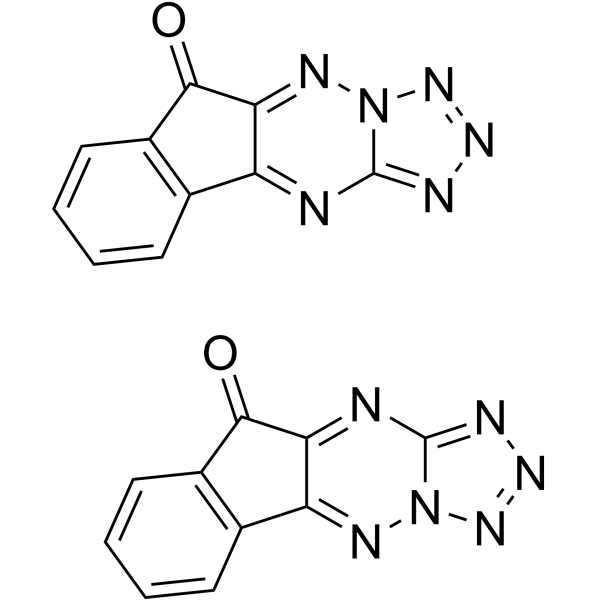
    NH2-bicyclo[1.1.1]pentane-7-MAD-MDCPT hydrochloride
  • HY-17026A

    dFdCTP

    Drug Metabolite DNA/RNA Synthesis Apoptosis Cancer
    Gemcitabine triphosphate (dFdCTP) is the active metabolite of Gemcitabine (HY-17026). The mechanism of Gemcitabine triphosphate cell-killing is its competition with cytidine triphosphate during DNA replication, which results in the inhibition of chain elongation. Gemcitabine triphosphate shows a Ki of 11.2 μM against DNA polymerase α and 14.4 μM against DNA polymerase ε. Gemcitabine triphosphate partially inhibits dCMP deaminase and acts as a substrate for DNA synthesis to incorporate into cellular DNA and RNA. Gemcitabine triphosphate disrupts DNA and RNA synthesis, arrests cell cycle in G0/G1 and S phases, triggers apoptosis, reduces tumor cell proliferation. Gemcitabine triphosphate can be used for the research of pancreatic cancer and non-small cell lung cancer .
    Gemcitabine triphosphate
  • HY-110390

    Carboxylesterase (CES) Free Fatty Acid Receptor Reactive Oxygen Species (ROS) Mitochondrial Metabolism Ferroptosis Apoptosis Cardiovascular Disease Cancer
    GR148672X is an inhibitor of carboxylesterase 1 (CES1) and hepatic microsomal triglyceride hydrolase (TGH). GR148672X blocks the catalytic activity of CES1, impairs the functions of triglyceride and cholesteryl ester lipase, reduces triglyceride mobilization and secretion, and decreases apolipoprotein B-100 secretion in primary rat hepatocytes. Under low-glucose conditions, GR148672X inhibits the survival of colorectal cancer cells by reducing free fatty acid availability, inducing toxic triglyceride accumulation, ROS production, mitochondrial damage, ferroptosis and apoptosis. GR148672X can be used in studies related to colorectal cancer and atherosclerosis .
    GR148672X
  • HY-Y0519

    Endogenous Metabolite Neurological Disease Cancer
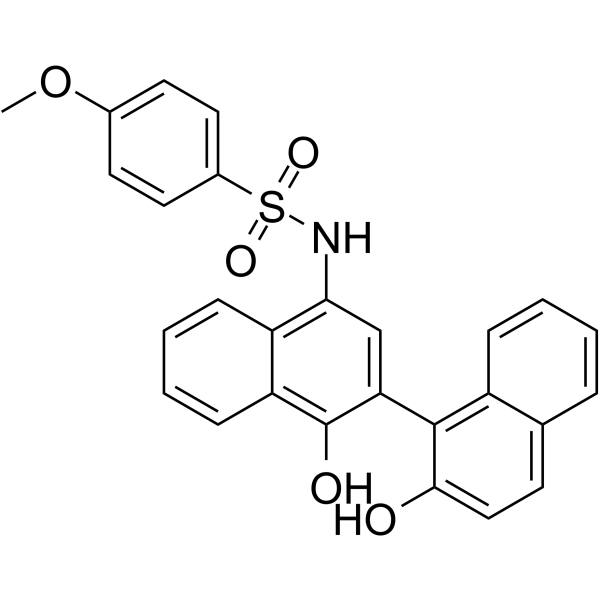
    Pyrimidine is a nitrogen-containing heterocyclic compound and endogenous metabolite. Pyrimidine derivatives can be used in pancreatic cancer, triple-negative breast cancer, colon carcinoma and neuron research .
    Pyrimidine
  • HY-N12445
    Quercetin-3'-O-glucoside
    1 Publications Verification

    Topoisomerase Caspase Apoptosis SOD Metabolic Disease Inflammation/Immunology Cancer
    Quercetin-3'-O-glucoside is an orally active flavonoid glycoside. Quercetin-3'-O-glucoside reduces liver glucose-6-phosphatase activity, alters serum insulin and glucose levels, and regulates the activities of antioxidant enzymes in the liver and kidney. Quercetin-3'-O-glucoside inhibits DNA topoisomerase II, induces S-phase cell cycle arrest and caspase-3-mediated apoptosis in hepatocellular carcinoma cells. Quercetin-3'-O-glucoside selectively inhibits EGFR-mediated signaling pathways targeting AKT, ERK1/2, FAK and MEK1/2. Quercetin-3'-O-glucoside inhibits growth factor-induced migration and invasion in pancreatic cancer cells. Quercetin-3'-O-glucoside exerts free radical scavenging effects. Quercetin-3'-O-glucoside is applicable to research related to pancreatic cancer, diabetes, hepatocellular carcinoma and malignant tumors .
    Quercetin-3'-O-glucoside
  • HY-P1654

    Integrin Cancer
    A20FMDV2 is a highly selective αvβ6 integrin inhibitor with human IC50 values of 3 nM and binds with at least 1000-fold selectivity over other RGD-binding integrins. A20FMDV2 binds to the integrin’s RGD-binding site, induces rapid integrin internalization, and delays post-internalization integrin recycling to the cell surface. A20FMDV2 can be used for the research of pancreatic cancer, breast cancer, colorectal cancer, ovarian cancer, oral squamous cell carcinoma .
    A20FMDV2
  • HY-12838
    RO5454948
    1 Publications Verification

    Mirk-IN-1; Dyrk1B/A-IN-1

    DYRK Cancer
    RO5454948 (Compound 9) is the inhibitor for Dyrk1B and Dyrk1A with IC50 of 68 nM and 22 nM. RO5454948 exhibits cytotoxicity in cancer cell SW620 with EC50 of 1.9 μM .
    RO5454948
  • HY-18674

    Ras Cancer
    K-Ras-IN-1 is the inhibitor for K-Ras by occupying the binding site of son of sevenless (Sos), preventing the interaction between Sos and K-Ras, inhibiting the Sos-catalyzed GDP to GTP exchange process. K-Ras-IN-1 is promising for research of pancreatic, colon and lung cancer .
    K-Ras-IN-1
  • HY-113314

    Endogenous Metabolite Cancer
    AFMK, antioxidant metabolite of Melatonin, attenuates X-ray-induced oxidative damage to DNA, proteins and lipids in mice. AFMK is a poorer scavenger. The pKa of AFMK at physiological pH is 8.7. Antioxidant capacity . AFMK improves the anti-tumor effect of Gemcitabine in PANC-1 cells through the modulation of apoptotic pathway .
    AFMK
  • HY-N2512
    1-Monomyristin
    1 Publications Verification

    Environmental Pollutants Endogenous Metabolite FAAH Autophagy Bacterial Fungal Infection Cancer
    1-Monomyristin acts as an insecticide, enzyme inhibitor, antibacterial and antifungal agent, with an IC50 of 18 μM against rat FAAH and an IC50 of 32 μM against rat MAGL. 1-Monomyristin inhibits 2-oleoylglycerol hydrolysis via MAGL. 1-Monomyristin suppresses the growth of Staphylococcus aureus, Aggregatibacter actinomycetemcomitans and Candida albicans. 1-Monomyristin is lethal to brine shrimp . 1-Monomyristin exhibits marginal cytotoxicity against prostate cancer cells. 1-Monomyristin is applicable to research related to bacterial infections, fungal infections, renal cancer, prostate adenocarcinoma and pancreatic cancer .
    1-Monomyristin
  • HY-157231A

    PERK Cancer
    HC-5404-Fu is an orally active PERK inhibitor with an IC50 of 0.001 μM against human PERK. HC-5404-Fu blocks PERK activation induced by VEGFR-TKI and disrupts the adaptive stress response triggered by VEGFR-TKI. HC-5404-Fu enhances anti-angiogenic effects by inhibiting newly formed and mature tumor blood vessels in renal cell carcinoma models. HC-5404-Fu can be used in research related to renal cell carcinoma .
    HC-5404-Fu
  • HY-119715

    CDK Apoptosis Inflammation/Immunology Cancer
    AG-012986 is a pan-CDK inhibitor with Ki values of 44 nM (CDK1), 9.2 nM (CDK4), 94 nM (CDK2), and IC50 values of 22 nM (CDK5), 4 nM (CDK9). AG-012986 causes apoptosis of T-cells by targeting upstream kinases in the p38 Mitogen-activated protein kinase (MAPK) pathway and impairing cellular survival. AG-012986 induces cell cycle arrest, retinoblastoma protein hypophosphorylation, and reduces Ki-67 expression. AG-012986 exerts antiproliferative activity in tumor cells, demonstrates antitumor efficacy in human xenograft models, and causes retinal and peripheral neurotoxicity, plus immune cell toxicity. AG-012986 can be used for the research of colon carcinoma, non-small cell lung carcinoma, lung carcinoma, breast carcinoma, ovarian tumor, pancreatic carcinoma, osteosarcoma, lymphoma, leukemia, retinotoxicity .
    AG-012986
  • HY-156529

    Ras Cancer
    pan-KRAS-IN-2 (Compound 6) is a pan-inhibitor with IC50s ≤ 10 nM for KRAS WT and mutants (G12D, G12C, G12V, G12S, G12A and Q61H); and an IC50 > 10 μM for KRAS G13D. pan-KRAS-IN-2 can be used to study various KRAS-mediated cancers, such as pancreatic cancer and colorectal cancer .
    pan-KRAS-IN-2
  • HY-P1755

    MDM-2/p53 Cancer
    p53 (17-26) is a peptide derived from the P53 MDM2 binding domain, with a Kd of 50 nM for MDM2. p53 (17-26) causes cell lysis by damaging cancer cells and nuclear membranes, and induces cancer cell necrosis. p53 (17-26) exhibits antitumor activity and is applicable to research related to pancreatic cancer .
    p53 (17-26)
  • HY-136567

    Raf Cancer
    TBAP-001 (Synthesis 13), extracted from patent WO2015075483A1, is a pan-RAF kinase inhibitor, with an IC50 of 62 nM in BRAF V600E kinase assay .
    TBAP-001
  • HY-108969

    NSC 366140; PD 115934

    Topoisomerase Apoptosis Cancer
    Pyrazoloacridine (NSC 366140), an intercalating agent with anti-cancer activity, inhibits the activity of topoisomerases 1 and 2. Pyrazoloacridine (NSC 366140) exhibits an IC50 of 1.25 μM in K562 myeloid leukemia cells for 24 h treatment .
    Pyrazoloacridine
  • HY-165245

    Transmembrane Glycoprotein Cancer
    SBI-183 is an orally active inhibitor of QSOX1 (Kd: 20 μM). SBI-183 suppresses the proliferative and invasive phenotype of renal cancer cell lines, including triple negative breast cancer cell line, lung adenocarcinoma cell line and pancreatic ductal adenocarcinoma. SBI-183 inhibits tumor growth in two human xenograft mouse models of renal cell carcinoma in vivo .
    SBI-183
  • HY-N10631

    Endogenous Metabolite Infection Inflammation/Immunology Cancer
    Paucimannose is a mannosidic N-glycan epitope. It acts as a carcinoembryonic antigen, and a marker for cancer, stem cell properties and inflammation. Paucimannose mainly exists in plants and invertebrates. It consists of oligomannose-type N-glycans that preferentially bind to mannose-binding lectin. Paucimannose localizes on the surface of resting cells and translocates upon cell activation. It can be used in studies related to Pseudomonas aeruginosa infection, cancer and pancreatitis .
    Paucimannose
  • HY-16232

    D 19575; Glucosylifosfamide mustard

    Apoptosis Caspase Bcl-2 Family Cancer
    Glufosfamide is a glucose-conjugated alkylating cytotoxic agent and a derivative of Ifosfamide (HY-17419). Glufosfamide induces apoptosis frequency and increase the expression of caspase-9 and caspase-3 in cancer cells. Glufosfamide shows great anti-tumor activity in MiaPaCa-2-RFP mouse model. Glufosfamide can be used for the study of hepatocellular carcinoma, prostate cancer and pancreatic carcinoma .
    Glufosfamide
  • HY-169579

    Polo-like Kinase (PLK) Cancer
    PLK1-IN-11 (Cluster 4, 16953209) is a PLK1 inhibitor, with IC50 of 1 μM. PLK1-IN-11 can be used in research on a variety of cancers, including pancreatic, ovarian, breast, and non-small cell lung carcinoma .
    PLK1-IN-11
  • HY-153067

    Drug-Linker Conjugates for ADC Topoisomerase Cancer
    Mal-cyclohexane-Gly-Gly-Phe-Gly-Exatecan (Compound 11) is a bioactive compound-linker conjugate for ADC. Mal-cyclohexane-Gly-Gly-Phe-Gly-Exatecan can conjugate with antibodies to form ADC (C-11) with anti-tumor activity. Exatecan is a DNA Topoisomerase I inhibitor. Mal-cyclohexane-Gly-Gly-Phe-Gly-Exatecan can be used in the research of squamous cell carcinoma, pancreatic adenocarcinoma and colorectal cancer .
    Mal-cyclohexane-Gly-Gly-Phe-Gly-Exatecan
  • HY-W013973

    Biochemical Assay Reagents Inflammation/Immunology Cancer
    p-Terphenyl is a specialty material, and may be used in ionized radiation detectors, nonpolar laser dye, and single molecule optical probe of scanning near-field microscopy. p-Terphenyl can be used to synthesis p-Terphenyl derivatives, for the research of cancer and inflammatory diseases .
    p-Terphenyl
  • HY-161871

    Wee1 Cancer
    WEE1-IN-8 (Compound 55) is a selective WEE1 inhibitor, with an IC50 of 0.98 nM. WEE1-IN-8 (Compound 55) can be used for the research of Pancreatic cancer, Ovarian cancer, Colorectal cancer, Uterine serous carcinoma, etc .
    WEE1-IN-8
  • HY-Y0519R

    Reference Standards Endogenous Metabolite Metabolic Disease
    Pyrimidine (Standard) is the analytical standard of Pyrimidine. This product is intended for research and analytical applications. Pyrimidine is a nitrogen-containing heterocyclic compound and endogenous metabolite. Pyrimidine derivatives can be used in pancreatic cancer, triple-negative breast cancer, colon carcinoma and neuron research .
    Pyrimidine (Standard)
  • HY-175560

    SOS1 PERK Cancer
    SOS1-IN-22 is a son of sevenless homolog 1 (SOS1) inhibitor. SOS1-IN-22 can inhibit KRAS-G12C/SOS1 complex formation with an IC50 value of 40.28 nM. SOS1-IN-22 can reduce phosphorylation ERK levels. SOS1-IN-22 can be used for the research of cancer, such as pancreatic carcinoma and appendiceal carcinoma .
    SOS1-IN-22
  • HY-W778423

    Dihydroxy Oxaliplatin-Pt(IV)

    Drug Intermediate Cancer
    [Pt(DACH)(OH)2(ox)] is a Pt(IV) derivative of Oxaliplatin (HY-17371) with two axial hydroxido ligands, used as a precursor for synthesizing Pt(IV)-HDAC inhibitor prodrugs. [Pt(DACH)(OH)2(ox)] exerts cytotoxic activity against human cancer cells and accumulates in cancer cells for nuclear internalization and nuclear DNA platination. [Pt(DACH)(OH)2(ox)] can be used for the research of lung carcinoma, breast carcinoma, pancreatic carcinoma, colon carcinoma .
    [Pt(DACH)(OH)2(ox)]
  • HY-169741

    Discoidin Domain Receptor Cancer
    DDR1-IN-10 (compound 7q) is a DDR1 inhibitor. DDR1-IN-10 can be used in the study of pancreatic cancer, non-small cell lung cancer, and gastric carcinoma .
    DDR1-IN-10
  • HY-148260

    Ras Cancer
    KRAS G12D inhibitor 16 is a KRAS G12D inhibitor. KRAS G12D inhibitor 16 has inhibitory activity against KRAS G12D and KRAS G12D mutation with IC50 value of 0.7 nM and 0.35 μM, respectively. KRAS G12D inhibitor 16 can be used for the research of many malignant tumor, such as pancreatic ductal adenocarcinomas (PDAC), colon and rectal carcinomas (CRC), non-small cell lung carcinomas (NSCLC) .
    KRAS G12D inhibitor 16
  • HY-107408

    Hedgehog Gli Metabolic Disease Cancer
    SANT 2 is a potent Hh-signaling pathway antagonist. SANT 2 interferes with the expression of Gli1. SANT 2 causes developmental delay in medaka embryos. SANT 2 has the potential for the research of several malignancies including Gorlin syndrome (a disorder predisposing to basal cell carcinoma, medulloblastoma and rhabdomyosarcoma), prostate, pancreatic and breast cancers .
    SANT 2

Inquiry Online

Your information is safe with us. * Required Fields.

Salutation


Country or Region *

Applicant Name *


Organization Name *

Department *


Email Address *


Product Name *

Cat. No.


Requested quantity *

Phone Number *


Remarks

Inquiry Online

Inquiry Information

Product Name:
Cat. No.:
Quantity:
MCE Japan Authorized Agent:

