1. Search Result
Search Result
Results for "

pharmacokinetic profile

" in MedChemExpress (MCE) Product Catalog:

79

Inhibitors & Agonists

1

Screening Libraries

1

Fluorescent Dyes

2

Peptides

1

Inhibitory Antibodies

1

Isotope-Labeled Compounds

Cat. No. Product Name Target Research Areas Chemical Structure
  • HY-125840
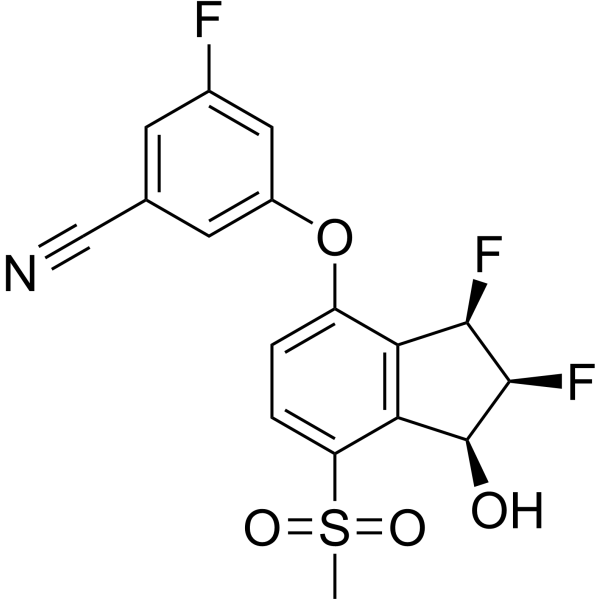
    Belzutifan
    10+ Cited Publications

    PT2977; MK-6482

    HIF/HIF Prolyl-Hydroxylase Cancer
    Belzutifan (PT2977) is an orally active and selective HIF-2α inhibitor with an IC50 of 9 nM. Belzutifan, as a second-generation HIF-2α inhibitor, increases potency and improves pharmacokinetic profile. Belzutifan is a potential treatment for clear cell renal cell carcinoma (ccRCC) .
    Belzutifan
  • HY-130251
    DS18561882
    Maximum Cited Publications
    21 Publications Verification

    Methylenetetrahydrofolate Dehydrogenase (MTHFD) Cancer
    DS18561882 is a highly potent, isozyme-selective methylenetetrahydrofolate dehydrogenase 2 (MTHFD2) inhibitor with an IC50 value of 0.0063 μM. DS18561882 also has inhibitory effect on MTHFD1 (IC50=0.57 μM). DS18561882 exhibits a good oral pharmacokinetic profile .
    DS18561882
  • HY-124754

    BTRX-335140; CYM-53093

    Opioid Receptor Neurological Disease Metabolic Disease
    Navacaprant (BTRX-335140) is a selective and orally active κ opioid receptor (KOR) antagonist, has antagonist activity for κOR, μOR and δOR with IC50 values of 0.8 nM, 110 nM, and 6500 nM, respectively. Navacaprant endows with favorable in vitro ADMET and in vivo pharmacokinetic profiles and medication-like duration of action in rats. Navacaprant distributes well into the CNS and can be used for the research of neuropathy .
    Navacaprant
  • HY-153855

    RXC004

    Wnt Acyltransferase Porcupine Cancer
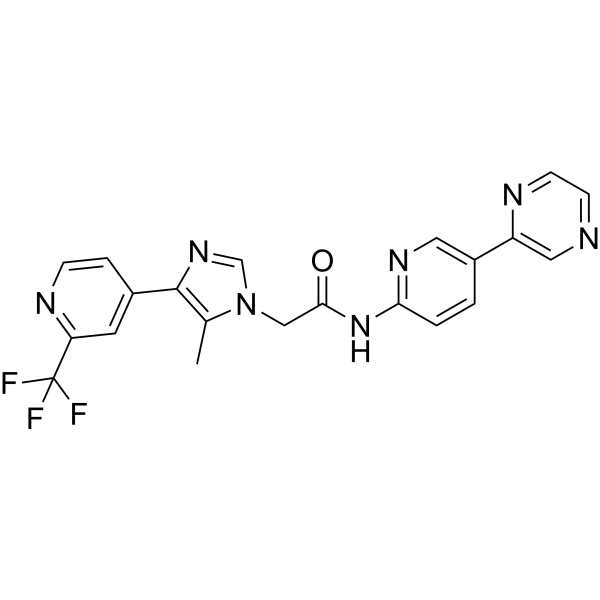
    Zamaporvint (RXC004) is an orally active and selective inhibitor of Wnt. Zamaporvint targete membrane-bound o-acyltransferase Porcupine and inhibited Wnt ligand palmitoylation, secretion, and pathway activation. Zamaporvint displays a favorable pharmacokinetic profile and shows potent antiproliferative effects in Wnt ligand-dependent colorectal and pancreatic cell lines. Zamaporvint possesses multiple antitumor mechanisms and can be used in cancer research .
    Zamaporvint
  • HY-151424

    Proteasome Mitosis Cancer
    Vimentin-IN-1 is a FiVe1 derivative, an orally active and selective anticancer agent. FiVe1 binds type III intermediate filament protein vimentin (VIM), to induce hyperphosphorylation of Ser56, resulting selective disruption of mitosis and multinucleation in transformed VIM-expressing mesenchymal cancer cells. Vimentin-IN-1 shows better oral bioavailability and pharmacokinetic profiles than FiVe1 .
    Vimentin-IN-1
  • HY-175510

    TREM receptor Neurological Disease
    TREM2 agonist-5 is the microglial lipid-sensing receptor (TREM2) agonist with a Kd of 71.36 μM. TREM2 agonist-5 is a racemic structural analog of the TREM2 agonist VG-3927 and exhibits superior microglial phagocytosis and activates TREM2 signaling in HEK293-hTREM2/DAP12 cells. TREM2 agonist-5 displays a superior in vitro pharmacokinetic profile to VG-3927. TREM2 agonist-5 can used for the study of Alzheimer’s disease .
    TREM2 agonist-5
  • HY-164729

    Antibody-Drug Conjugates (ADCs) Topoisomerase Apoptosis Cancer
    FZ-AD005 is a DLL3-targeting antibody-drug conjugate (ADC) with high selectivity, composed of the anti-DLL3 antibody FZ-A038 (HY-P990896), a dipeptide linker (Val-Ala), and DXd (HY-13631D). The Kd value of FZ-AD005 for human DLL3 ranges from 13.29 to 58.3 pmol/L. After binding to DLL3 on the cell surface, FZ-AD005 mediates endocytosis, and the payload DXd is released via cleavage by lysosomal cathepsins. DXd inhibits topoisomerase TopI to induce double-strand DNA breaks, cell cycle arrest and apoptosis, and FZ-AD005 exhibits bystander killing activity against adjacent DLL3-negative cells. FZ-AD005 shows stable circulation in vivo, has good tolerance and acceptable pharmacokinetic profiles in rats and cynomolgus monkeys, and effectively inhibits the growth of DLL3-expressing tumor cells. FZ-AD005 serves as a promising candidate molecule for research on small cell lung cancer and human neuroendocrine prostate cancer .
    FZ-AD005
  • HY-101447A

    EPH 116 hydrochloride

    Estrogen Receptor/ERR Cancer
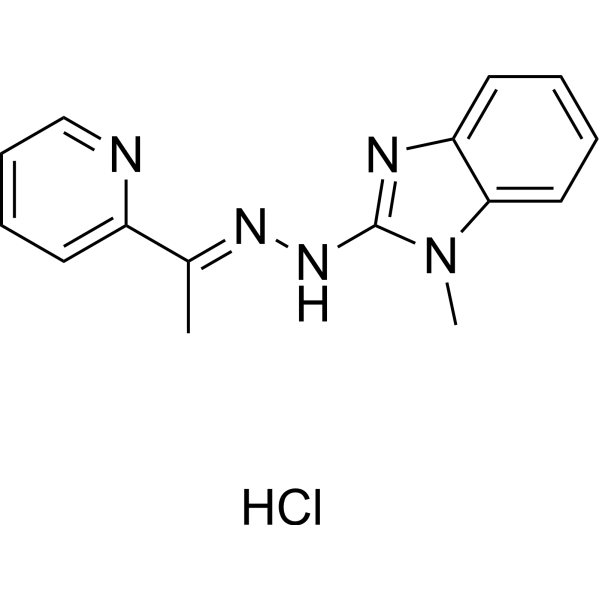
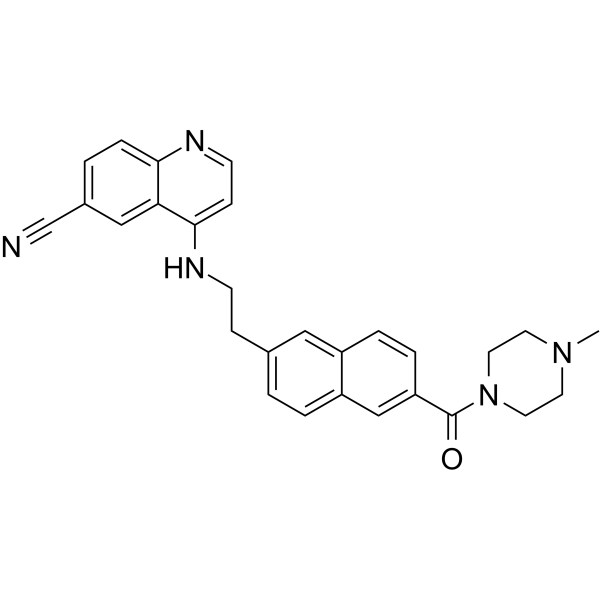
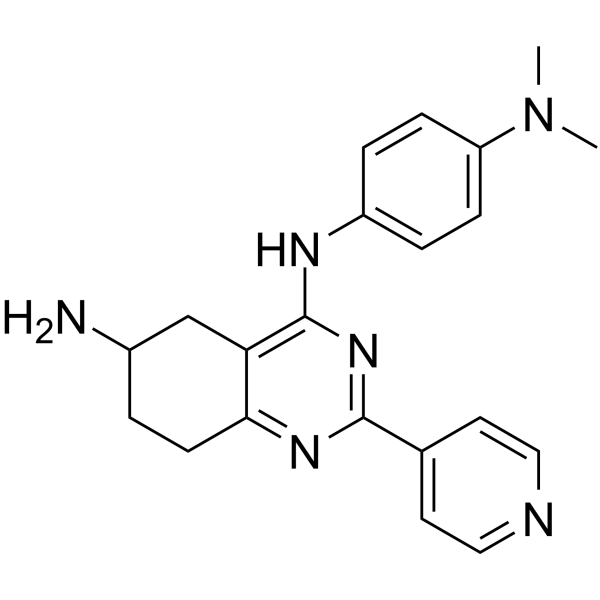
    SI-2 (EPH 116 hydrochloride) is a highly promising SRC-3 inhibitor (PPI). SI-2 (EPH 116 hydrochloride) has a much improved toxicity and pharmacokinetic profile, with acceptable oral availability .
    SI-2 hydrochloride
  • HY-114237

    Sodium Channel Neurological Disease
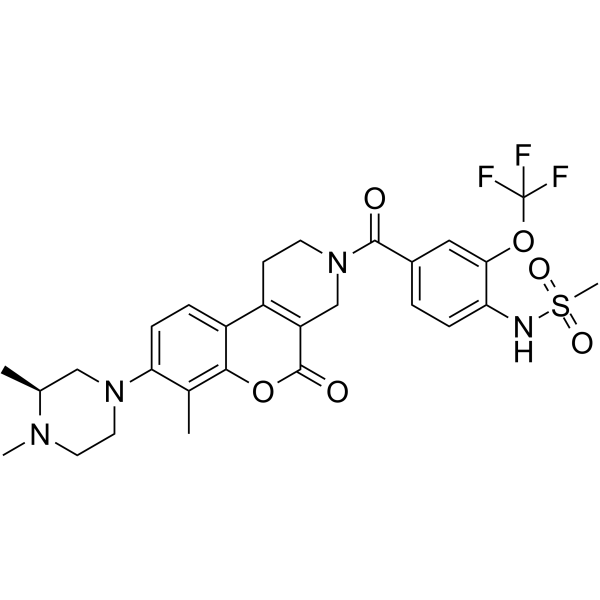
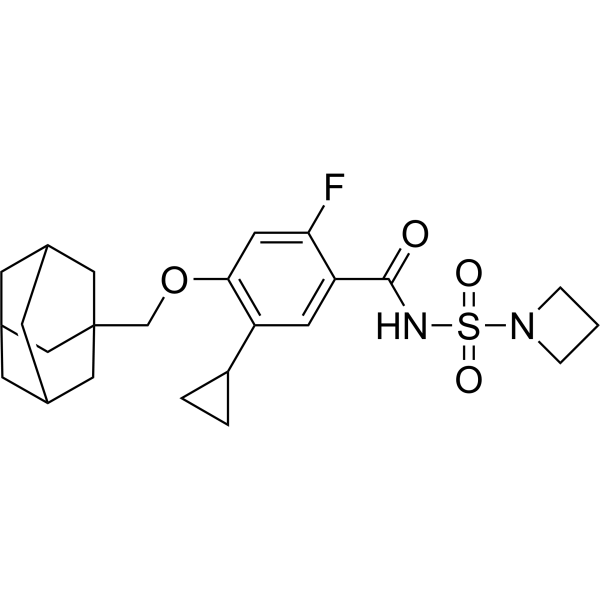
    GDC-0276 is a potent, selective, reversible and orally active NaV1.7 inhibitor with an IC50 value of 0.4 nM. GDC-0276 is well tolerated and exhibits a good pharmacokinetic profile. GDC-0276 has the potential for the treatment of pain and to address shortcomings of existing pain medications, such as addiction and off-target side effects .
    GDC-0276
  • HY-112613
    UCB9608
    1 Publications Verification

    PI4K Inflammation/Immunology
    UCB9608 is a potent, selective and orally active PI4KIIIβ inhibitor, with an IC50 of 11 nM, selective over PI3KC2 α, β, and γ lipid kinases. UCB9608 improves metabolic stability and exhibits excellent pharmacokinetic profile, acts as a potent immunosuppressive agent .
    UCB9608
  • HY-139602
    (+)-JNJ-A07
    2 Publications Verification

    Flavivirus Dengue Virus Virus Protease Infection
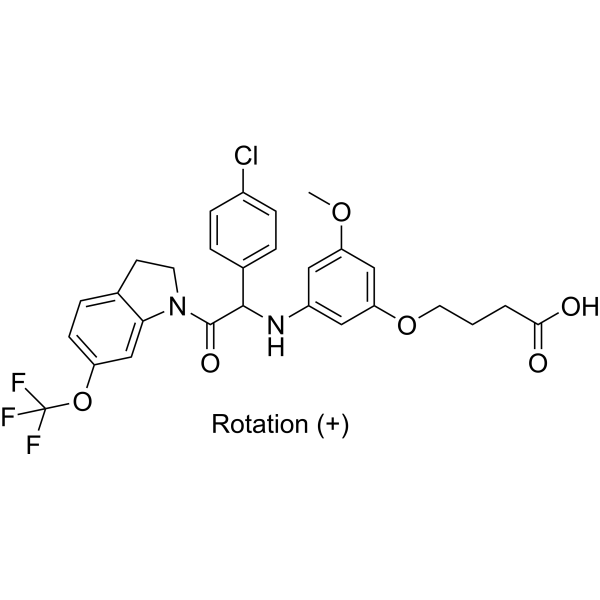
    (+)-JNJ-A07 is a highly potent, orally active pan-serotype dengue virus inhibitor targeting the NS3-NS4B interaction. (+)-JNJ-A07 exerts nanomolar to picomolar activity against a panel of 21 clinical isolates. (+)-JNJ-A07 has a favourable pharmacokinetic profile that results in outstanding efficacy against dengue virus infection in mouse infection models .
    (+)-JNJ-A07
  • HY-151100
    GPR84 antagonist 3
    1 Publications Verification

    GPR84 Inflammation/Immunology
    GPR84 antagonist 3 (compound 42) is a potent GPR84 (G-protein-coupled receptor 84) antagonist. GPR84 antagonist 3 inhibits GTPγS, with a pIC50 of 8.28. GPR84 antagonist 3 has a favorable pharmacokinetic profile suitable .
    GPR84 antagonist 3
  • HY-143889

    CDK Cancer
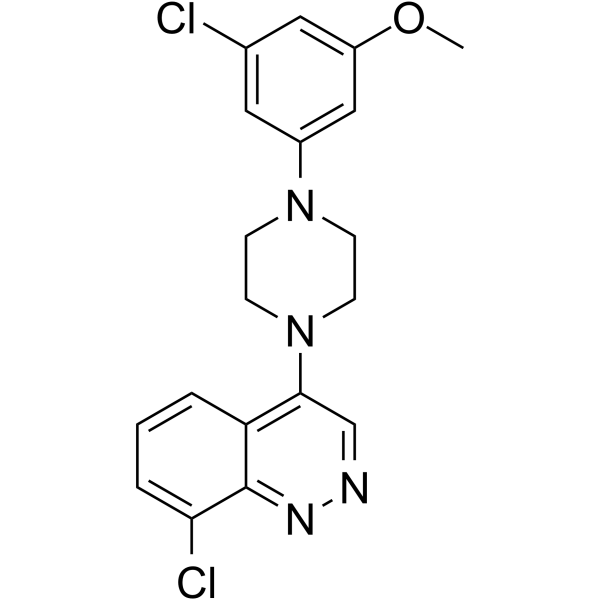
    Senexin C is a selective and orally active CDK8/19 inhibitor. Senexin C shows a strong tumor-enrichment pharmacokinetic (PK) profile and tumor-pharmacodynamic (PD) marker responses. Senexin C inhibits the growth of MV4-11 leukemia cells with good tolerability .
    Senexin C
  • HY-150654

    WDR5 Cancer
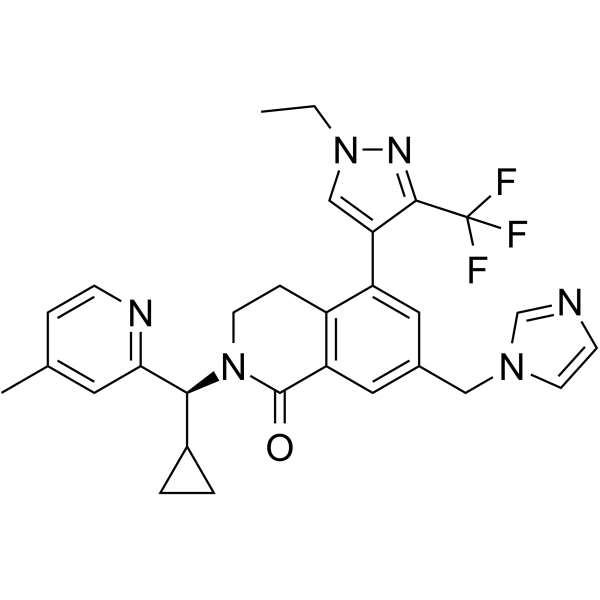
    WDR5-IN-5 is an orally active and selective inhibitor of WIN site of WD repeat domain 5 (WDR5). WDR5-IN-5 exhibits anti-proliferative activity towards cancer cells and good pharmacokinetics profile in mice. WDR5-IN-5 shows high affinity to WDR5 and the binding affinity Ki value <0.02 nM .
    WDR5-IN-5
  • HY-112081

    DNA/RNA Synthesis Cancer
    BAY-707, a chemical probe, is a substrate-competitive, highly potent and selective inhibitor of MTH1(NUDT1) with an IC50 of 2.3 nM. BAY-707 has a good pharmacokinetic (PK) profile to other MTH1 compounds and is well-tolerated in mice, but shows a clear lack of in vitro or in vivo anticancer efficacy .
    BAY-707
  • HY-137466

    Topoisomerase Cancer
    ARN-21934 is a potent, highly selective, blood-brain barrier (BBB) penetrant inhibitor for human topoisomerase II α over β. ARN-21934 inhibits DNA relaxation with an IC50 of 2 μM as compared to the anticancer agent Etoposide (IC50=120 μM). ARN-21934 exhibits a favorable in vivo pharmacokinetic profile and is a promising lead compound for anticancer research .
    ARN-21934
  • HY-145301

    Bacterial Infection
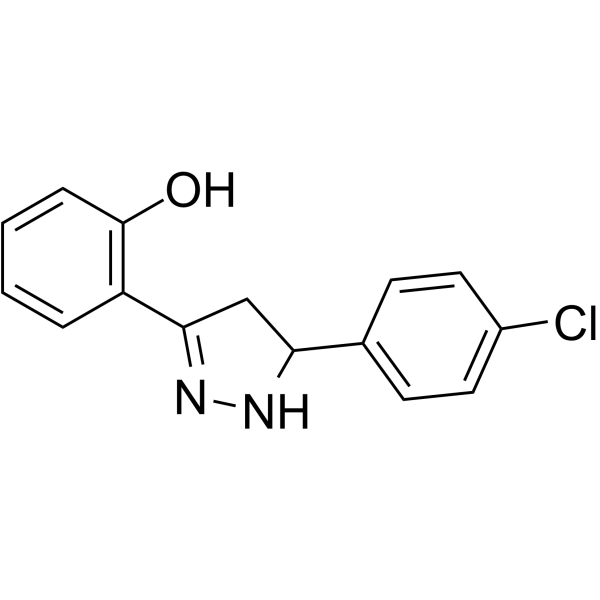
    Mycobactin-IN-1, a pyrazoline analogue, is a mycobactin biosynthesis inhibitor against mycobacteria. Mycobactin-IN-1 binds to salicyl-AMP ligase (MbtA), a key enzyme in the mycobactin biosynthetic pathway. Mycobactin-IN-1 inhibits whole-cell drug efflux pumps in M. smegmatis. Mycobactin-IN-1 eradicates intracellularly surviving mycobacteria. Mycobactin-IN-1 shows an excellent in vivo pharmacokinetic profile. Mycobactin-IN-1 can be used for the research of tuberculosis .
    Mycobactin-IN-1
  • HY-10096

    GSK-3 Neurological Disease
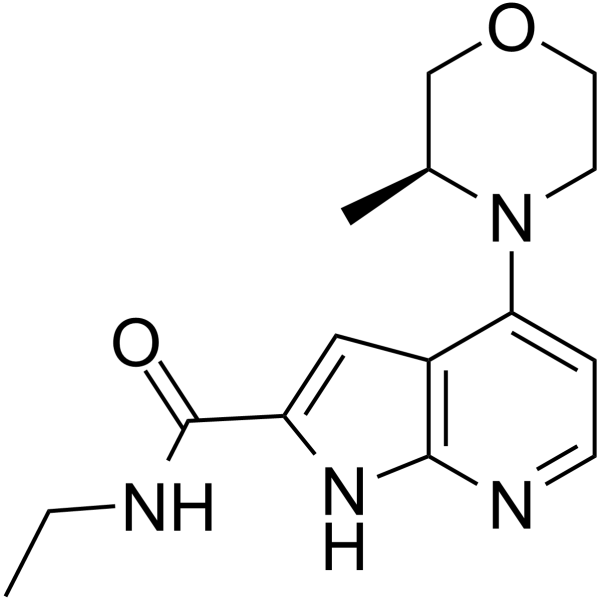
    TCS2002 (Compound 9b) is a highly selective, orally bioavailable and potent GSK-3β inhibitor with the IC50 of 35 nM. TCS2002 shows good pharmacokinetic profiles including favorable BBB penetration. TCS2002 can be used for the research of Alzheimer’s disease .
    TCS2002
  • HY-14305A
    BMS-582949 hydrochloride
    2 Publications Verification

    p38 MAPK Autophagy Inflammation/Immunology
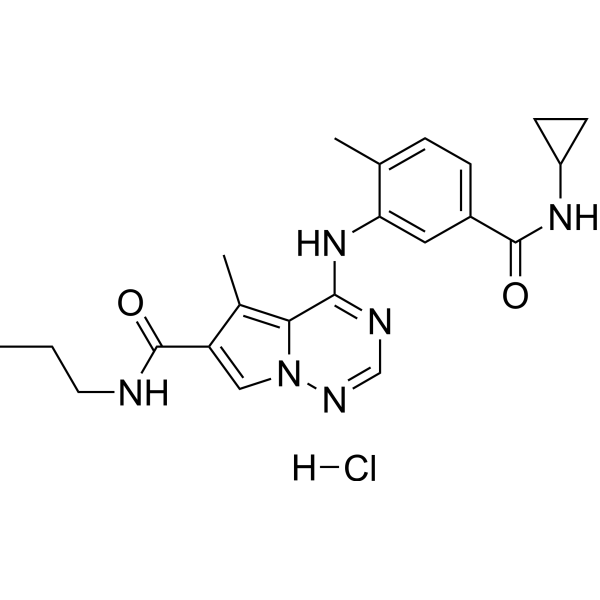
    BMS-582949 hydrochloride is an orally active and highly selective p38α MAPK inhibitor, with an IC50 of 13 nM. BMS-582949 hydrochloride displays a significantly improved pharmacokinetic profile and is effective in inflammatory disease .
    BMS-582949 hydrochloride
  • HY-126248

    PARP Wnt Cancer
    Tankyrase-IN-2 (compound 5k) is a potent, selective, and orally active tankyrase inhibitor (IC50s of 10, 7, and 710 nM for TNKS1, TNKS2 as well as PARP1, respectively). Tankyrase-IN-2 has favorable physicochemical profile and pharmacokinetic properties modulating Wnt pathway activity in a colorectal xenograft model .
    Tankyrase-IN-2
  • HY-161727

    P2Y Receptor NOD-like Receptor (NLR) Inflammation/Immunology
    P2Y14R antagonist 1 (compound I-17) is a selective P2Y14R antagonist with an IC50 of 0.6 nM. It exhibits potent P2Y14R antagonistic activity, both in vitro and in vivo efficacy, and favorable pharmacokinetic profiles. P2Y14R antagonist 1 reduces the release of inflammatory factors and cell pyroptosis through the NOD-like receptor family pyrin domain-containing 3 (NLRP3)/gasdermin D (GSDMD) signaling pathway. P2Y14R antagonist 1 holds promise for research in the field of acute gouty arthritis .
    P2Y14R antagonist 1
  • HY-172914

    ATP Citrate Lyase Cardiovascular Disease Metabolic Disease
    ACLY-IN-1 is an orally active ACLY inhibitor. ACLY-IN-1 exhibits potent ACLY inhibitory activity (IC50 = 8.3 nM) and high binding affinity (KD = 72.0 nM) to ACLY. ACLY-IN-1 demonstrates good pharmacokinetic profiles and a potent in vivo hypolipidemic effect .
    ACLY-IN-1
  • HY-125840R

    PT2977 (Standard); MK-6482 (Standard)

    HIF/HIF Prolyl-Hydroxylase Reference Standards Cancer
    Belzutifan (Standard) is the analytical standard of Belzutifan. This product is intended for research and analytical applications. Belzutifan (PT2977) is an orally active and selective HIF-2α inhibitor with an IC50 of 9 nM. Belzutifan, as a second-generation HIF-2α inhibitor, increases potency and improves pharmacokinetic profile. Belzutifan is a potential treatment for clear cell renal cell carcinoma (ccRCC) .
    Belzutifan (Standard)
  • HY-150023

    EGFR Itk PI4K Btk CDK Raf JAK Cancer
    BI-1622 is an orally active, potent and highly selective HER2 (ERBB2) inhibitor, with an IC50 of 7 nM. BI-1622 shows greater than 25-fold selectivity over EGFR. BI-1622 shows high antitumor efficacy in vivo in xenograft mouse tumor models with engineered H2170 and PC9 cells and had a favorable agent metabolism and pharmacokinetics profile .
    BI-1622
  • HY-123353

    Neladenoson bialanate; BAY-1067197

    Adenosine Receptor Cardiovascular Disease
    Neladenoson dalanate (Neladenoson bialanate; BAY-1067197) is a orally active agonist precursor of partial Adenosine A1 Receptor. Neladenoson dalanate has a good pharmacokinetic and safety profile, can be used for the chronic heart diseases .
    Neladenoson dalanate
  • HY-119402
    TP-021
    1 Publications Verification

    BCL6-IN-8c

    Bcl-2 Family Cancer
    TP-021 (BCL6-IN-8c), a chemical probe, is a potent and orally active B-cell lymphoma 6 (BCL6)-corepressor interaction inhibitor with an IC50 of 0.10 μM in cell-free enzyme-linked immunosorbent assay .
    TP-021
  • HY-15260C

    BMS-863233 hydrochloride

    CDK Cancer
    XL413 (BMS-863233) hydrochloride is an orally active and selective CDC7 inhibitor (IC50=3.4 nM). XL413 hydrochloride has favorable pharmacokinetic profiles and significantly inhibits tumor growth in rodent models. XL413 hydrochloride can be used in cancer research .
    XL413 hydrochloride
  • HY-178767

    GLP Receptor Metabolic Disease
    ECC-5004 (Compound 1) is a GLP-1 receptor agonist with an EC50 of 0-20 nM. ECC-5004 exhibits strong inhibitory effects on OATP1B1, with an IC50 < 1 μM. ECC-5004 can be used to study diseases such as diabetes, obesity, and non-alcoholic fatty liver disease .
    ECC-5004
  • HY-132867

    Pim Cancer
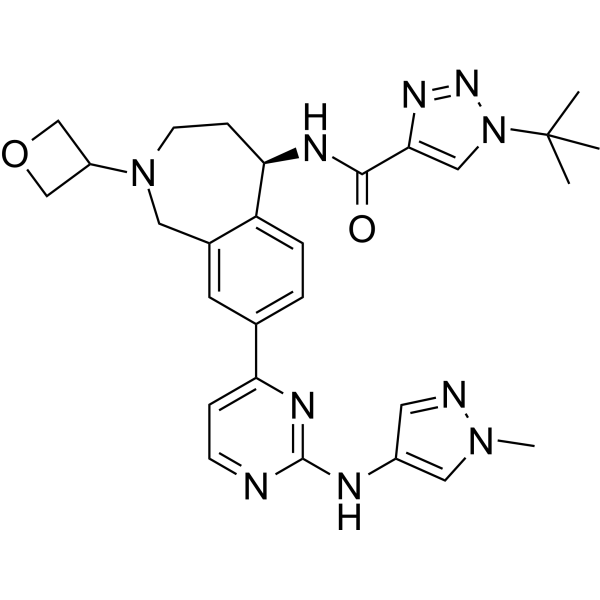
    MNK/PIM-IN-1 represents an innovative dual MNK/PIM inhibitor with a good pharmacokinetic profile.
    MNK/PIM-IN-1
  • HY-13829

    HIV Infection
    BMS-585248 is a potent, third-generation HIV-1 attachment inhibitor with a promising initial in vitro and in vivo pharmacokinetic profile .
    BMS-585248
  • HY-145285

    Apelin Receptor (APJ) Cardiovascular Disease
    APJ receptor agonist 5 (compound 3) is a potent and orally active agonist of apelin receptor (APJ) with an EC50 of 0.4 nM. APJ receptor agonist 5 displays excellent pharmacokinetic profiles in the rodent heart failure (HF) model. APJ receptor agonist 5 also shows an acceptable safety profile in preclinical toxicology studies. APJ receptor agonist 5 leads to improved cardiac function and can be used for researching the HF disease .
    APJ receptor agonist 5
  • HY-162010

    Methionine Adenosyltransferase (MAT) Cancer
    MAT2A-IN-13 is a potent and orally active methionine adenosyltransferase 2A (MAT2A) inhibitor with a favorable pharmacokinetic profile. MAT2A-IN-13 shows in vivo potency in an HCT-116 MTAP-deleted xenograft model. MAT2A-IN-13 can be used for MTAP-Deleted tumors research .
    MAT2A-IN-13
  • HY-12995A

    FLAP Inflammation/Immunology
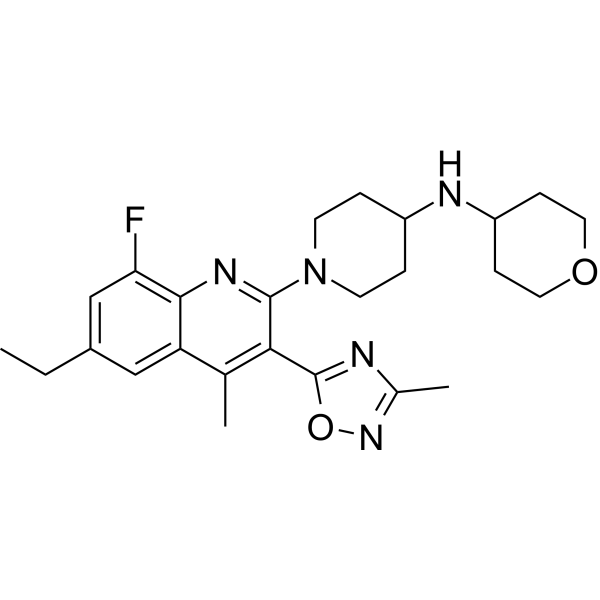
    (S)-BI 665915 is an orally active oxadiazole-containing 5-lipoxygenase-activating protein (FLAP) inhibitor with an IC50 of 1.7 nM for FLAP binding. (S)-BI 665915 inhibits FLAP functional in human whole blood with an IC50 of 45 nM. (S)-BI 665915 demonstrates an excellent cross-species agent metabolism and pharmacokinetics (DMPK) profile and a dose-dependent inhibition of LTB4 production .
    (S)-BI 665915
  • HY-174417

    Reverse Transcriptase HIV Potassium Channel Cytochrome P450 Infection
    NNRT-IN-10 is a potent, selective and orally active non-nucleoside HIV-1 reverse transcriptase (NNRTI) inhibitor with with an EC50 values ranging from 1.16 to 18.3 nM for HIV and its mutant strains. NNRT-IN-10 exhibits good pharmacokinetic properties and favorable safety profiles. NNRT-IN-10 can be used for the study of AIDS, caused by HIV-1 .
    NNRT-IN-10
  • HY-174819

    HBV Infection
    VNRX-9945 is a potent, broadly and orally active HBV CAM (capsid assembly modulator) with an EC50 of 2.6 nM. VNRX-9945 exhibits excellent and broad antiviral activity against multiple HBV genotypes in vitro, along with favorable pharmacokinetic profiles across multiple species. VNRX-9945 demonstrates robust antiviral efficacy in the adeno-associated virus mice models of HBV (AAV-HBV) infection .
    VNRX-9945
  • HY-144437

    TGF-β Receptor Cancer
    ALK5-IN-9 (Compound 8h) is a potent and orally active inhibitor of TGFβRI (ALK5). ALK5-IN-9 inhibits ALK5 autophosphorylation and NIH3T3 cell activity with IC50 values of 25 nM and 74.6 nM, respectively. ALK5-IN-9 also shows favorable pharmacokinetic profile and ameliorated hERG inhibition. ALK5-IN-9 has the potential for the research of cancer disease .
    ALK5-IN-9
  • HY-165528

    XC8

    CCR Inflammation/Immunology
    Histamine glutarimide (XC8) is an orally active anti-asthma agent. Histamine glutarimide blocks the maturation of chemokines (CCL2, CCL7, CCL8, CCL13) and inhibits the migration of eosinophils and the degranulation of mast cells. In asthma models induced by carrageenan and rat ovalbumin, Histamine glutarimide can reduce airway resistance and the count of eosinophils in bronchoalveolar lavage fluid. Histamine glutarimide can be used in asthma research .
    Histamine glutarimide
  • HY-175984

    LPL Receptor Inflammation/Immunology
    S1P1 agonist 7 is a potent, orally active, and β-arrestin-biased S1P1 agonist (EC50(G‑protein) = 12.7 nM and EC50(β‑arrestin) = 3.23 nM). S1P1 agonist 7 demonstrates potent immunomodulatory activity and a favorable safety profile. S1P1 agonist 7 exhibits excellent metabolic stability, minimal to moderate CYP inhibition, and S1P3-sparing selectivity. S1P1 agonist 7 shows pharmacokinetics, effectively reduces circulating lymphocytes, and significantly alleviates disease severity in experimental autoimmune encephalomyelitis (EAE) mouse models under both prophylactic and therapeutic regimens. S1P1 agonist 7 can be used for multiple sclerosis (MS) research .
    S1P1 agonist 7
  • HY-155652

    BCRP Cancer
    ABCG2-IN-1 (compound K2), a Ko143 analog, is an orally active ABCG2 inhibitor with an IC50 of 0.13 μM. ABCG2-IN-1 has favorable oral pharmacokinetic profiles in mice .
    ABCG2-IN-1
  • HY-133018

    HCV Infection
    HCV-IN-7 is an orally active and potent pan-genotypic HCV NS5A inhibitor with IC50s of 3-47 pM. HCV-IN-7 shows a superior pan-genotypic profile and a good pharmacokinetic profile coupled with a favorable liver uptake. HCV-IN-7 has anti-viral activity .
    HCV-IN-7
  • HY-133018A

    HCV Cancer
    HCV-IN-7 hydrochloride is an orally active and potent pan-genotypic HCV NS5A inhibitor with IC50s of 3-47 pM. HCV-IN-7 hydrochloride shows a superior pan-genotypic profile and a good pharmacokinetic profile coupled with a favorable liver uptake. HCV-IN-7 hydrochloride has anti-viral activity .
    HCV-IN-7 hydrochloride
  • HY-115494

    Neladenoson bialanate hydrochloride; BAY-1067197 hydrochloride

    Adenosine Receptor Cardiovascular Disease
    Neladenoson dalanate (Neladenoson bialanate; BAY-1067197) hydrochloride is a orally active agonist precursor of partial Adenosine A1 Receptor. Neladenoson dalanate hydrochloride has a good pharmacokinetic and safety profile, can be used for the chronic heart diseases .
    Neladenoson dalanate hydrochloride
  • HY-123214

    Antibiotic Bacterial Others
    Rifametane is a new 3-azamethyl-rifamycin with a pharmacokinetic profile superior to that of rifampin and activity with peak serum concentrations higher than that of rifampin in healthy volunteers.
    Rifametane
  • HY-151524

    Cathepsin Inflammation/Immunology
    Cathepsin K inhibitor 3 (compound 23) is a highly selective cathepsin K inhibitor with an IC50 value of 0.5 nM. Cathepsin K inhibitor 3 has a favorable pharmacokinetic profile and may be used in osteoarthritis (OA) disease studies .
    Cathepsin K inhibitor 3
  • HY-155653

    BCRP Cancer
    ABCG2-IN-2 is a potent ABCG2 inhibitor with favorable oral pharmacokinetic profiles in mice. ABCG2-IN-2 can be used for the research of tumor multidrug resistance (MDR) and erythropoietic protoporphyria (EPP) .
    ABCG2-IN-2
  • HY-13550A

    NSC 196473 acetate; NSC 290813 acetate

    DNA/RNA Synthesis Cancer
    Ametantrone acetate (NSC 196473 acetate) is an antineoplastic drug with topoisomerase II inhibitory activity. Ametantrone acetate causes covalent cross-linking of DNA. The pharmacokinetic profile of Ametantrone acetate has been confirmed in clinical trials, and its elimination pathway in the body indicates the existence of a major metabolic pathway .
    Ametantrone acetate
  • HY-149759

    SHP2 ERK Cancer
    SHP2-IN-23 (compound 30) is an orally active SHP2 inhibitor (IC50=38 nM) with excellent in vivo efficacy and pharmacokinetic profiles. SHP2-IN-23 inhibits ERK phosphorylation with IC50=5 nM .
    SHP2-IN-23
  • HY-145284

    Apelin Receptor (APJ) Cardiovascular Disease
    APJ receptor agonist 4 is a potent and orally active agonist of apelin receptor (APJ) with EC50 and Ki of 0.06 nM and 0.07 nM respectively. APJ receptor agonist 4 displays excellent pharmacokinetic profiles in the rodent heart failure (HF) model. APJ receptor agonist 4 also shows an acceptable safety profile in preclinical toxicology studies. APJ receptor agonist 4 leads to improved cardiac function and can be used for researching the HF disease .
    APJ receptor agonist 4
  • HY-170797

    Glycosidase Metabolic Disease
    α-Glucosidase-IN-80 (Compound 10n) is a potent competitive inhibitor of α-glucosidase, with an IC50 of 48.4 μM. α-Glucosidase-IN-80 has good pharmacokinetic properties and toxicity profiles and can be used in the research of diabetes-related diseases .
    α-Glucosidase-IN-80
  • HY-115989

    HCV Infection
    HCV-IN-38 is a potent, selective and orally active HCV inhibitor (EC50=15 nM, SI=431). HCV-IN-38 has high anti-HCV activity and low cytotoxicity. HCV-IN-38 has a good safety and oral pharmacokinetic profile .
    HCV-IN-38

Inquiry Online

Your information is safe with us. * Required Fields.

Salutation


Country or Region *

Applicant Name *


Organization Name *

Department *


Email Address *


Product Name *

Cat. No.


Requested quantity *

Phone Number *


Remarks

Inquiry Online

Inquiry Information

Product Name:
Cat. No.:
Quantity:
MCE Japan Authorized Agent:

