
31 Results for "

pro-inflammatory chemokines

" in MedChemExpress (MCE) Product Catalog:
Products (31)

31 Results for "pro-inflammatory chemokines" in MCE Product Catalog:

23
23 Publications Verification
Cat. No.: HY-16997
CAS No.: 1334298-90-6
Synonyms: INCB039110
Target:  

JAK STAT

Research Areas:  

Inflammation/Immunology Cancer

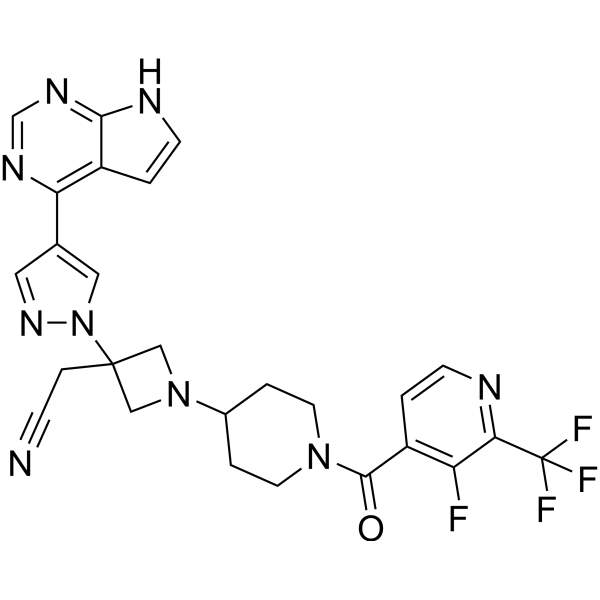
Itacitinib (INCB039110) is an orally active selective inhibitor of JAK1 with an IC50 value of 2 nM for human JAK1. Itacitinib inhibits IFN-γ-mediated phosphorylation of STAT1 and downstream pro-inflammatory signaling pathways. Itacitinib reduces the frequency and number of splenic neutrophils in mouse models, downregulates the levels of pro-inflammatory cytokines and chemokines, and inhibits pro-inflammatory gene expression pathways. Itacitinib improves survival rate and clinical scores in mouse models of hemophagocytic lymphohistiocytosis (HLH), and also suppresses metastasis in NSCLC models with high Rab1A expression. Itacitinib can be used for research on hemophagocytic lymphohistiocytosis and non-small cell lung cancer .
loading...
    loading...
23
23 Publications Verification
Cat. No.: HY-16997A
CAS No.: 1334302-63-4
Synonyms: INCB039110 adipate
Target:  

JAK STAT

Research Areas:  

Inflammation/Immunology Cancer

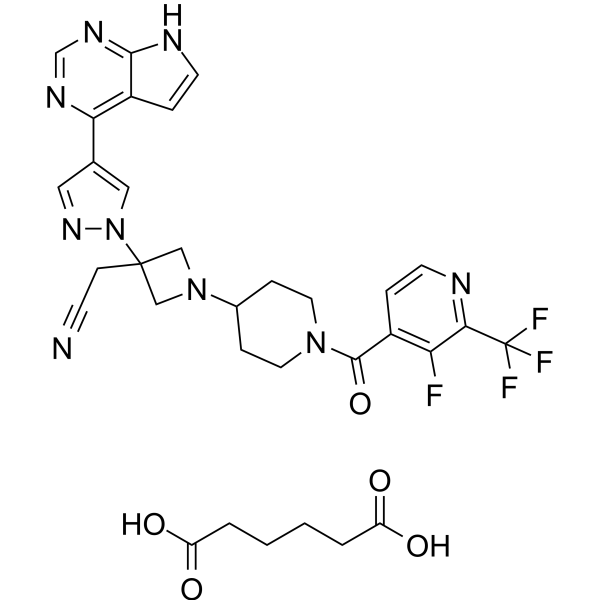
Itacitinib adipate (INCB039110 adipate) is an orally active JAK1-selective inhibitor. Itacitinib adipate inhibits IFN-γ-mediated phosphorylation of STAT1 and downstream pro-inflammatory signaling pathways. Itacitinib adipate reduces the frequency and number of splenic neutrophils in mouse models, downregulates the levels of pro-inflammatory cytokines and chemokines, and inhibits pro-inflammatory gene expression pathways. Itacitinib adipate improves survival rate and clinical scores in mouse models of hemophagocytic lymphohistiocytosis (HLH), and also suppresses metastasis in NSCLC models with high Rab1A expression. Itacitinib adipate can be used for research on hemophagocytic lymphohistiocytosis and non-small cell lung cancer .
loading...
    loading...
3
3 Cited Publications
Cat. No.: HY-Y0344D
CAS No.: 7647-14-5
Synonyms: Halite, for cell culture
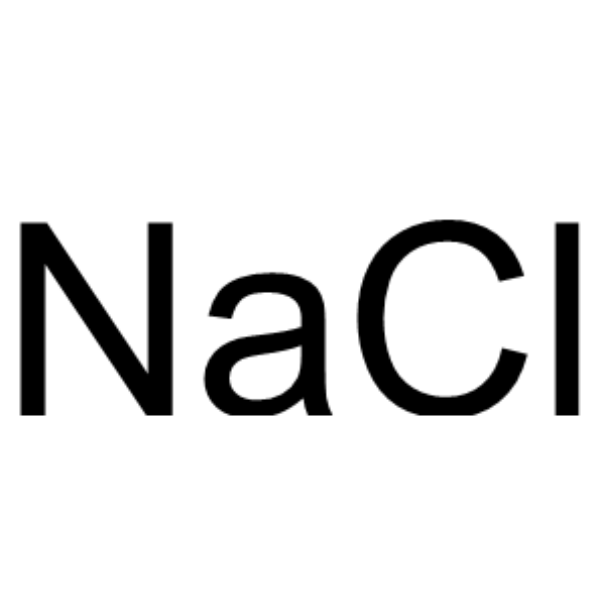
Sodium chloride, for cell culture is an orally active salt. Sodium chloride, for cell culture induces the expression of ATP1A1. Sodium chloride, for cell culture induces the pro-inflammatory cytokines IL-2, TNFα, IL-9 and several chemokines. Sodium chloride, for cell culture enhances the anti-tumor activities of Digoxin (HY-B1049) against small cell lung cancer. Sodium chloride, for cell culture drives autoimmune disease by the induction of pathogenic Th17 cells .
loading...
    loading...
3
3 Cited Publications
Cat. No.: HY-Y0344J
CAS No.: 7647-14-5
Synonyms: Halite, for molecular biology
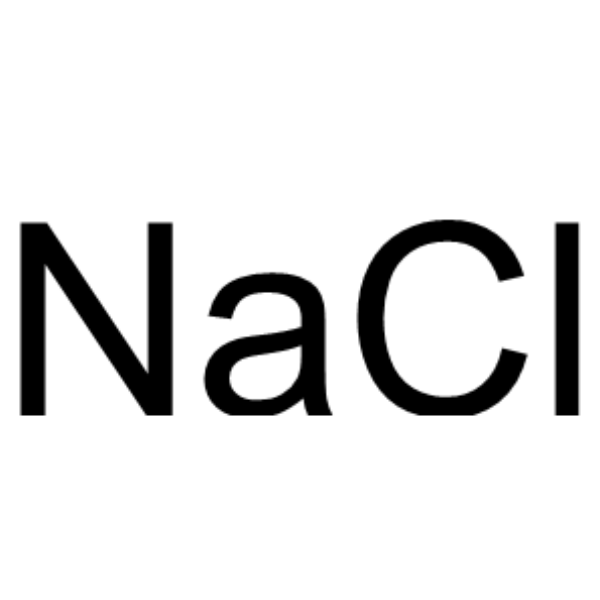
Sodium chloride is an orally active salt. Sodium chloride induces the expression of ATP1A1. Sodium chloride induces the pro-inflammatory cytokines IL-2, TNFα, IL-9 and several chemokines. Sodium chloride enhances the anti-tumor activities of Digoxin (HY-B1049) against small cell lung cancer. Sodium chloride drives autoimmune disease by the induction of pathogenic Th17 cells .
loading...
    loading...
3
3 Cited Publications
Cat. No.: HY-Y0344I
CAS No.: 7647-14-5
Synonyms: Halite, meets analytical specification of Ph. Eur. BP USP
Sodium chloride, meets analytical specification of Ph. Eur. BP USP, ≤0.00002% Al, an inorganic salt is an orally active salt. Sodium chloride, meets analytical specification of Ph. Eur. BP USP, ≤0.00002% Al, an inorganic salt induces the expression of ATP1A1. Sodium chloride, meets analytical specification of Ph. Eur. BP USP, ≤0.00002% Al, an inorganic salt induces the pro-inflammatory cytokines IL-2, TNFα, IL-9 and several chemokines. Sodium chloride, meets analytical specification of Ph. Eur. BP USP, ≤0.00002% Al, an inorganic salt enhances the anti-tumor activities of Digoxin (HY-B1049) against small cell lung cancer. Sodium chloride, meets analytical specification of Ph. Eur. BP USP, ≤0.00002% Al, an inorganic salt drives autoimmune disease by the induction of pathogenic Th17 cells .
loading...
    loading...
3
3 Cited Publications
Cat. No.: HY-112726
CAS No.: 1478364-68-9
Purity:  98.79%
Synonyms: BI-1467335
Target:  

VAP-1 MMP

PXS-4728A is an orally active, selective VAP-1/SSAO inhibitor with an IC50 of 5 nM and a Ki of 175 nM. PXS-4728A inhibits the expression of MMP-9. It reduces cell rolling, adhesion and migration, decreases cell infiltration levels, pro-inflammatory cytokines, chemokines and collagen deposition, and improves pulmonary function. PXS-4728A reduces the formation and progression of atherosclerotic plaques, and decreases blood lipid and blood glucose levels as well as body weight gain. PXS-4728A can be used in research related to chronic obstructive pulmonary disease, cystic fibrosis, acute pulmonary inflammation, acute lung injury, bronchiolitis obliterans syndrome, rhinovirus-exacerbated asthma, sepsis, Klebsiella pneumoniae pulmonary infection and atherosclerosis .
loading...
    loading...
3
3 Cited Publications
Cat. No.: HY-136065
CAS No.: 42494-73-5
Purity:  ≥98.0%
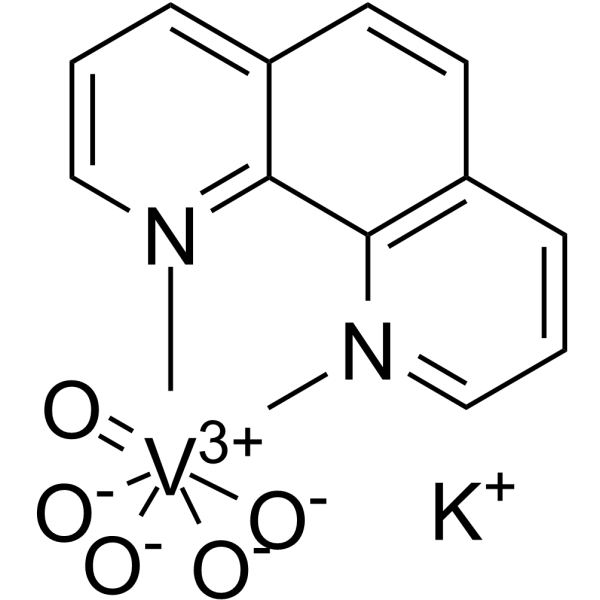
bpV(phen), a insulin-mimetic agent, is a potent protein tyrosine phosphatase (PTP) and PTEN inhibitor with IC50s of 38 nM, 343 nM and 920 nM for PTEN, PTP-β and PTP-1B, respectively. bpV(phen) inhibits proliferation of the protozoan parasite Leishmania in vitro. bpV(phen) strongly induces the secretion of a large number of chemokines and pro-inflammatory cytokines, and it activates a Th1-type pathway (IL-12, IFNγ). bpV(phen) can also induce cell apoptosis, and has anti-angiogenic and anti-tumor activity .
loading...
    loading...
3
3 Cited Publications
Cat. No.: HY-122818
CAS No.: 171202-16-7
Purity:  ≥98.0%
Synonyms: Bisperoxovanadium(phen) trihydrate
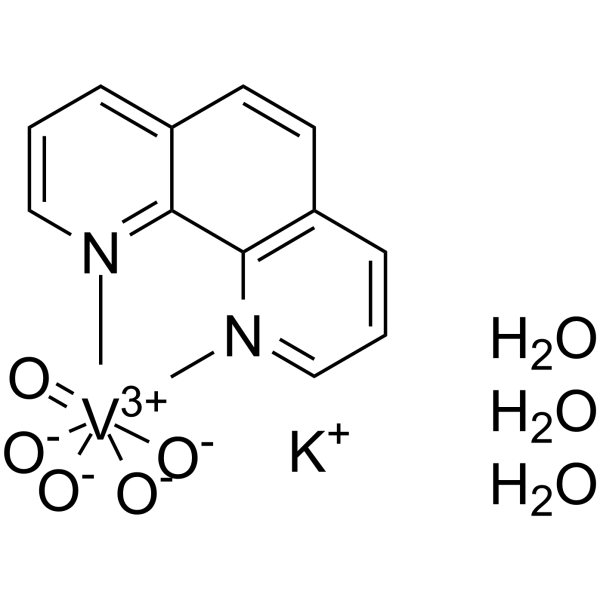
BpV(phen) trihydrate, a insulin-mimetic agent, is a potent protein tyrosine phosphatase (PTP) and PTEN inhibitor with IC50s of 38 nM, 343 nM and 920 nM for PTEN, PTP-β and PTP-1B, respectively. BpV(phen) trihydrate inhibits proliferation of the protozoan parasite Leishmania in vitro. bpV(phen) trihydrate strongly induces the secretion of a large number of chemokines and pro-inflammatory cytokines, and it activates a Th1-type pathway (IL-12, IFNγ). BpV(phen) trihydrate can also induce cell apoptosis, and has anti-angiogenic and anti-tumor activity .
loading...
    loading...
1
1 Cited Publications
Cat. No.: HY-N6636
CAS No.: 4630-07-3
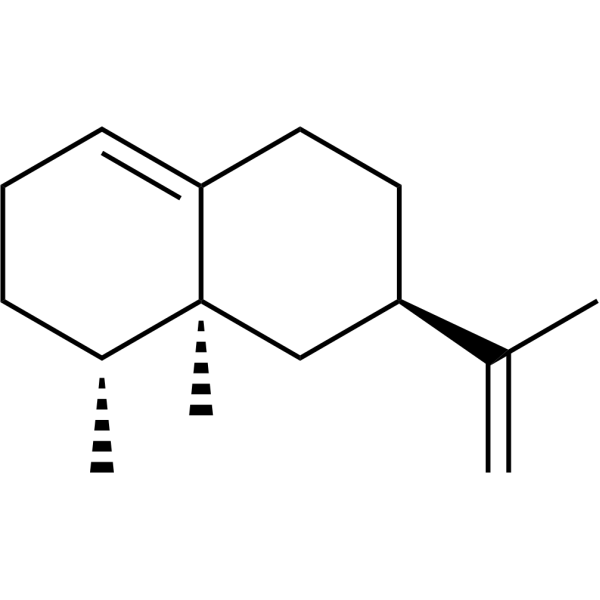
Valencene is a sesquiterpene that can be isolated from Cyperus rotundus. Valencene possesses antiallergic, antimelanogenesis, anti-infammatory, and antioxidant activitivies. Valencene inhibits the exaggerated expression of Th2 chemokines and proinflammatory chemokines through blockade of the NF-κB pathway. Valencene inhibits the production and expression of proinflammatory cytokines IL-1β and IL-6 in LPS-stimulated RAW 264.7 cells. Valencene can reduce atopic dermatitis symptoms and recover decreased expression of filaggrin in DNCB-sensitized mouse model .
loading...
    loading...
1
1 Cited Publications
Cat. No.: HY-148100
CAS No.: 1390630-22-4
Synonyms: NOX-E36
Target:  

CCR

Research Areas:  

Inflammation/Immunology Cancer

Emapticap pegol (NOX-E36) is a inhibitor of pro-inflammatory chemokine C-C motif-ligand 2 (CCL2). Emapticap pegol is a 40-nucleotide pegylated aptamer, displays different Spiegelmers (L-RNA aptamer) isform in human (NOX-E36) and mouse (mNOX-E36). mNOX-E36 is a murine-specific analogue of NOX-E36, an anti-MCP-1 L-RNA aptamer that was previously shown to attenuate liver fibrosis in mice .
loading...
    loading...
1
1 Cited Publications
Cat. No.: HY-116538
CAS No.: 2420-56-6
Purity:  99.10%
Synonyms: trans-10,cis-12 CLA2
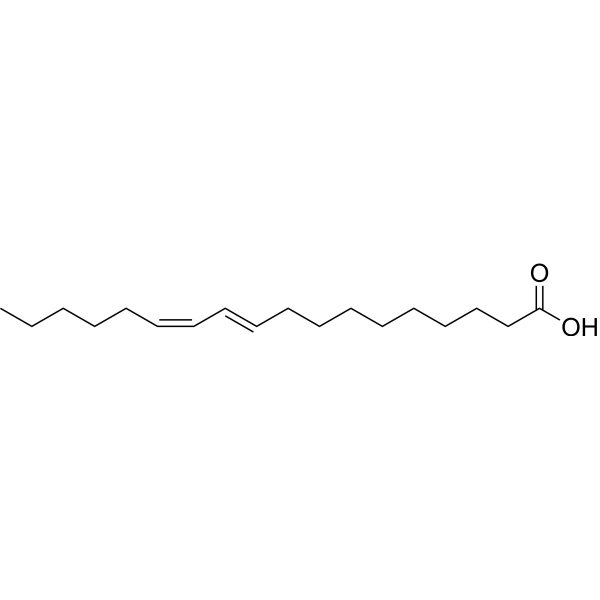
(10E,12Z)-Octadeca-10,12-dienoic acid (trans-10,cis-12 CLA2) is an orally active PPARα activator and inhibits adipocyte differentiation. (10E,12Z)-Octadeca-10,12-dienoic acid and its downstream metabolites have various antioxidant and antitumor activities. (10E,12Z)-Octadeca-10,12-dienoic acid can induce proinflammatory cytokines and chemokines, which would lead to decreased adipogenesis and insulin resistance in adipose tissue. (10E,12Z)-Octadeca-10,12-dienoic acid can affect many aspects of milk fat synthesis. (10E,12Z)-Octadeca-10,12-dienoic acid reduces expression of lipogenic enzymes and inhibits the desaturation of fatty acids. (10E,12Z)-Octadeca-10,12-dienoic acid can reduce lipoprotein lipase (LPL) activity in cultured 3T3-L1 adipocytes and enhance triacylglycerol release from these cells. (10E,12Z)-Octadeca-10,12-dienoic acid decreases the expression of hepatic stearoyl-CoA desatyrase mRNA in mice. (10E,12Z)-Octadeca-10,12-dienoic acid is associated with changes in mucosal NF-κB and Cyclin D1 protein levels in mice .
loading...
    loading...
1
1 Cited Publications
Cat. No.: HY-148100A
Purity:  91.38%
Synonyms: NOX-E36 sodium
Target:  

CCR

Research Areas:  

Cancer

Emapticap pegol sodium is a inhibitor of pro-inflammatory chemokine C-C motif-ligand 2 (CCL2). Emapticap pegol sodium is a 40-nucleotide pegylated aptamer, displays different Spiegelmers (L-RNA aptamer) isform in human (NOX-E36) and mouse (mNOX-E36) .
loading...
    loading...
Cat. No.: HY-175759
CAS No.: 2193367-28-9
Target:  

Molecular Glues IFNAR

Research Areas:  

Inflammation/Immunology

EN1033 is a covalent immune regulatory transcription factor 5/8 (IRF5/8) molecular glue degrader. EN1033 degrades IRF5 in a proteasome-dependent manner. EN1033 engages and degrades IRF8 more robustly and rapidly. EN1033 covalently targets C28 and C223 to destabilize and degrade IRF5 and IRF8 respectively, thereby inhibiting their pro-inflammatory transcriptional activity. EN1033 serves as a promising tool for the study of autoimmune and inflammatory disorders .
loading...
    loading...
Cat. No.: HY-P9983
CAS No.: 166089-32-3
Synonyms: SGN-33; HuM-195; GLK-33 Antibody
Lintuzumab (HUM-195) is an anti-CD33 humanized monoclonal antibody. Lintuzumab reduces the production of TNFα-induced pro-inflammatory cytokines and chemokines by AML cells. Lintuzumab promotes tumor cell killing through antibody-dependent cellular cytotoxicity (ADCC) and phagocytosis (ADCP) activities against MDR and MDR+ AML cell lines and primary AML patient samples. Lintuzumab enhances survival and reduces tumor burden in mice .
loading...
    loading...
Cat. No.: HY-P10089
Target:  

Inhibitory Antibodies

Research Areas:  

Inflammation/Immunology

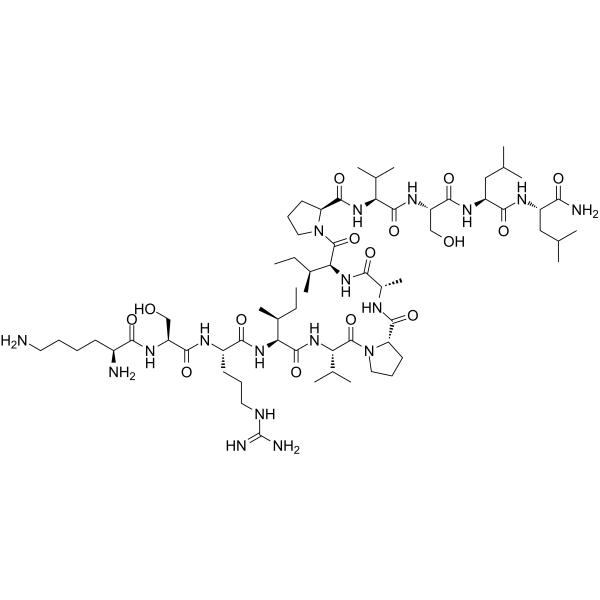
TREM-1 inhibitory peptide M3 is a ligand-dependent TREM-1 antagonist. TREM-1 inhibitory peptide M3 can inhibit systemic and pulmonary pro-inflammatory cytokine and chemokine production and attenuate acute lung injury .
loading...
    loading...
Cat. No.: HY-162734
Target:  

GPR65

Research Areas:  

Inflammation/Immunology

BRD5075 is a selective GPR65 activator. BRD5075 enhances GPR65 activity under acidic conditions, promotes Gαs-dependent signaling pathways, including cAMP production and G protein recruitment. BRD5075 regulates the cytokine and chemokine expression network in dendritic cells, and inhibits the expression of pro-inflammatory cytokines and chemokines in a GPR65-dependent manner. BRD5075 is applicable to research related to inflammatory bowel disease .
loading...
    loading...
Cat. No.: HY-P10227
CAS No.: 2040964-58-5
Synonyms: ONL-1204
Xelafaslatide (ONL-1204) is a Fas receptor antagonist. Xelafaslatide blocks the Fas receptor signaling pathway and inhibits downstream apoptosis and inflammatory pathways. Xelafaslatide suppresses neuroinflammation and microglial activation in glaucoma models, protects retinal ganglion cells and prevents axonal degeneration. Xelafaslatide is applicable to relevant research on glaucoma .
loading...
    loading...
Cat. No.: HY-W728151
CAS No.: 180981-12-8
3-O-Caffeoylshikimic acid is a caffeoylshikimic acid substance and phenolic acid that widely exists in the aerial parts of Equisetum arvense L. and Smilax glabra. During sulfur fumigation processing, 3-O-Caffeoylshikimic acid undergoes chemical transformation to produce 3-O-caffeoylshikimic acid sulfate and 3-O-caffeoylshikimic acid sulfite. At a high concentration (40 μM), 3-O-Caffeoylshikimic acid exhibits cytotoxic activity against human keratinocytes .
loading...
    loading...
Cat. No.: HY-Y0344H
CAS No.: 7647-14-5
Synonyms: Halite (Pharmaceutical primary standard, USP)
Sodium chloride, United States Pharmacopeia (USP) Reference Standard is an orally active salt. Sodium chloride, United States Pharmacopeia (USP) Reference Standard induces the expression of ATP1A1. Sodium chloride, for cell culture induces the pro-inflammatory cytokines IL-2, TNFα, IL-9 and several chemokines. Sodium chloride, United States Pharmacopeia (USP) Reference Standard enhances the anti-tumor activities of Digoxin (HY-B1049) against small cell lung cancer. Sodium chloride, United States Pharmacopeia (USP) Reference Standard drives autoimmune disease by the induction of pathogenic Th17 cells .
loading...
    loading...
Cat. No.: HY-P2320
CAS No.: 940291-10-1
Target:  

Bacterial

Research Areas:  

Infection Inflammation/Immunology

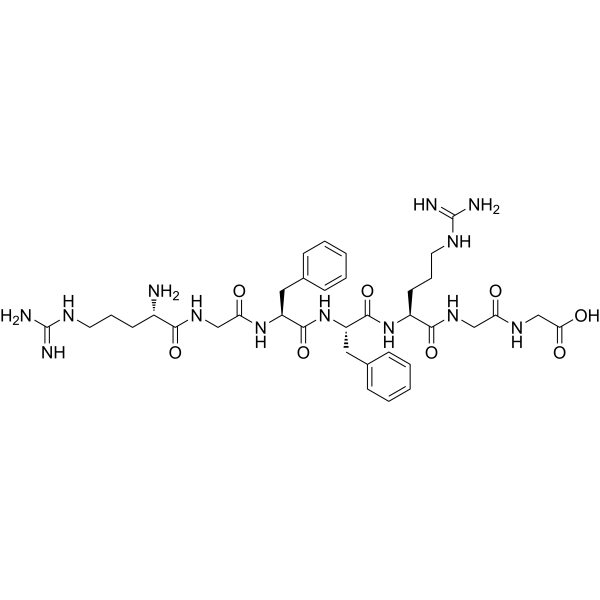
IDR-1 is an antimicrobial peptide that is active against Gram-positive and Gram-negative bacteria. IDR-1 counters infection by selective modulation of innate immunity without obvious toxicities. IDR-1 has anti-inflammatory and anti-infective properties, enhances the levels of monocyte chemokines, and attenuates pro-inflammatory cytokine release .
loading...
    loading...

