467 Results for "

proteasome degradation

" in MedChemExpress (MCE) Product Catalog:
Products (467)

467 Results for "proteasome degradation" in MCE Product Catalog:

25
25 Publications Verification
Cat. No.: HY-13817
CAS No.: 314245-33-5
Purity:  99.30%
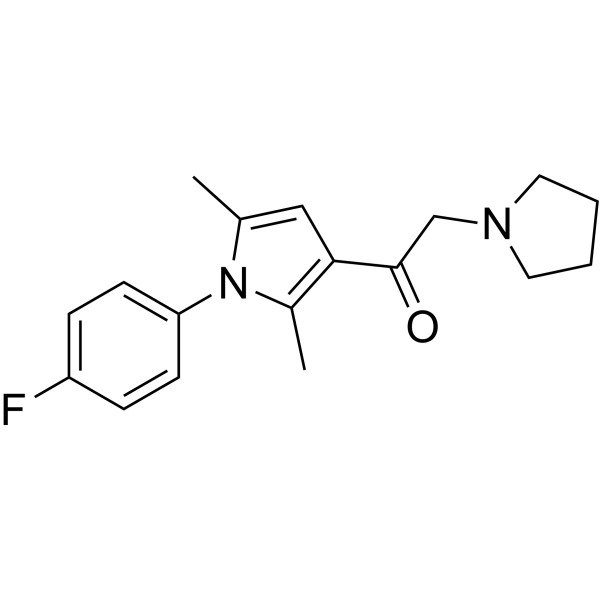
IU1 is a selective, reversible USP14 inhibitor with an IC50 of 4-5 μM. IU1 binds USP14’s catalytic cleft to block deubiquitinase activity. IU1 induces calpain-dependent Tau cleavage, causes ATP deficits, reduces E1~Ub thioester levels and 26S proteasome assembly. IU1 enhances 26S proteasome chymotrypsin-like activity, modulates LC3B-dependent autophagy flux, reduces cancer cell proliferation and migration, and blocks G0/G1 to S phase cell cycle transition in follicular thyroid cancer cells. IU1 activates autophagy-lysosomal and ubiquitin-proteasome pathways, triggers apoptosis, and reduces cervical cancer cell growth. IU1 enhances degradation of proteasome substrates linked to neurodegenerative disease, accelerates oxidized protein degradation, and increases oxidative stress resistance. IU1 can be used for the research of Alzheimer’s disease, follicular thyroid cancer, ischemic stroke, cervical cancer, and neurodegenerative disease .
loading...
    loading...
7
7 Cited Publications
Cat. No.: HY-103710
CAS No.: 313526-24-8
Purity:  98.24%
Target:  

RAD51 Apoptosis

Research Areas:  

Cancer

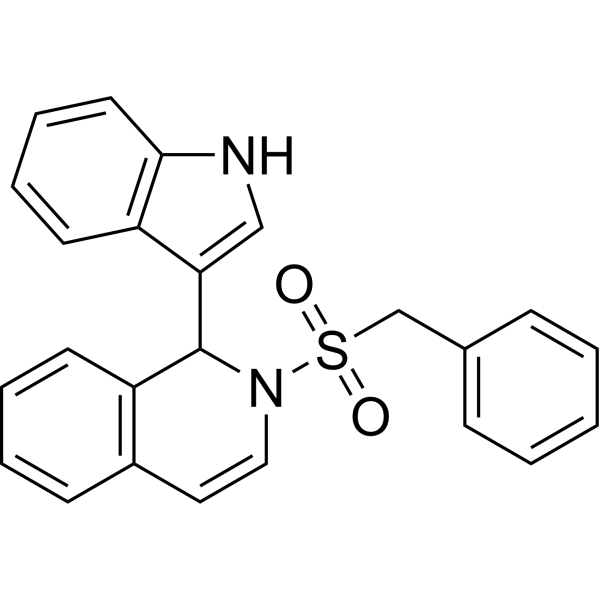
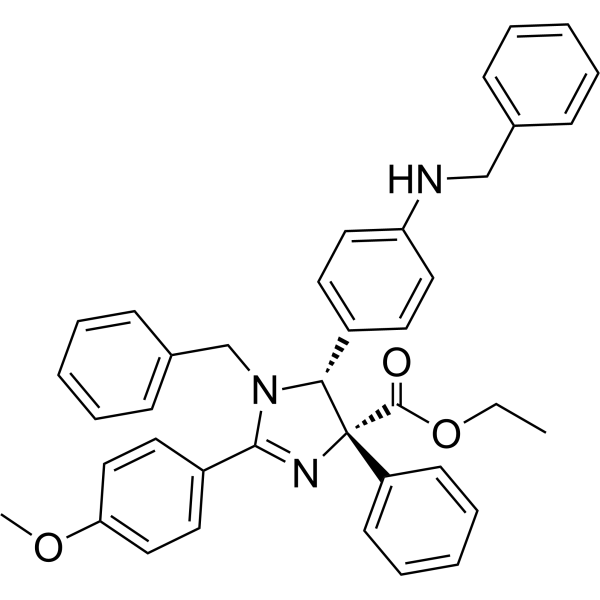
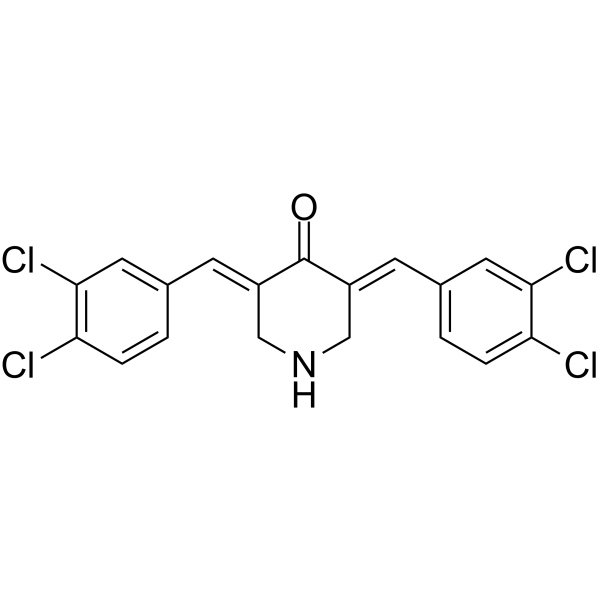
IBR2 is a potent and specific RAD51 inhibitor and inhibits RAD51-mediated DNA double-strand break repair. IBR2 disrupts RAD51 multimerization, accelerates proteasome-mediated RAD51 protein degradation, inhibits cancer cell growth and induces apoptosis .
loading...
    loading...
6
6 Cited Publications
Cat. No.: HY-138642
CAS No.: 2229711-68-4
Purity:  99.60%
Synonyms: ARV-471; PF-07850327
Research Areas:  

Cancer

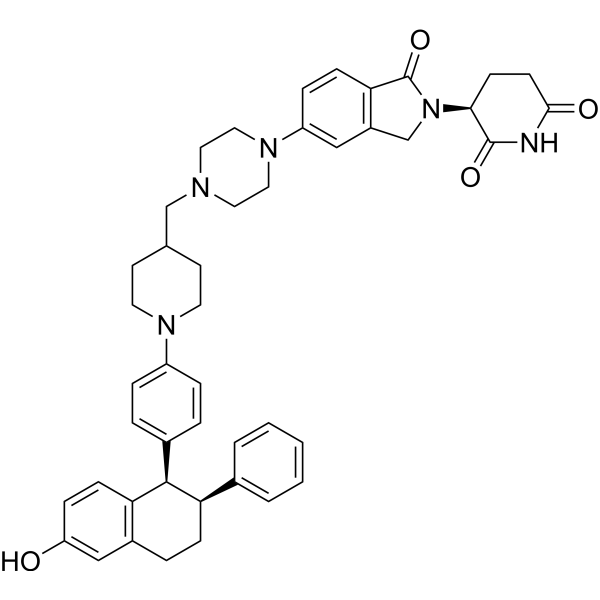
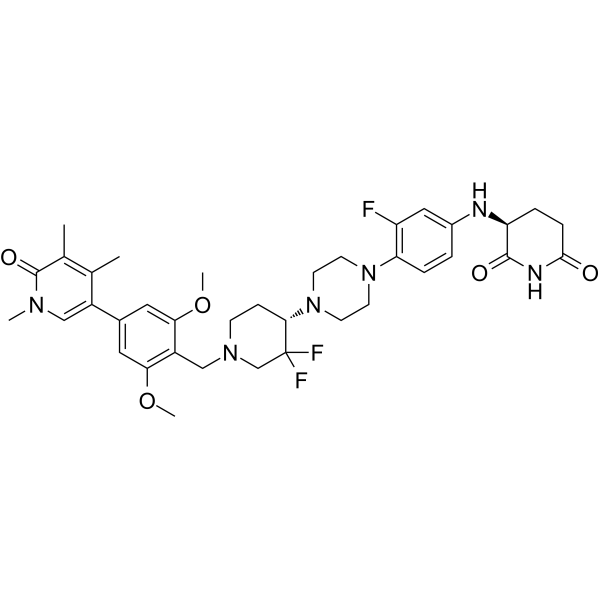
Vepdegestrant (ARV-471) is an orally active PROTAC estrogen receptor degrader against breast cancer. Vepdegestrant is a hetero-bifunctional molecule that facilitates the interactions between estrogen receptor alpha and an intracellular E3 ligase complex. Vepdegestrant leads to the ubiquitylation and subsequent degradation of estrogen receptors via the proteasome. Vepdegestrant robustly degrades ER in ER-positive breast cancer cell lines with a half-maximal degradation concentration (DC50) of about 2 nM .
loading...
    loading...
4
4 Cited Publications
Cat. No.: HY-123941
CAS No.: 2064175-32-0
Purity:  98.78%
Synonyms: dTAG-7
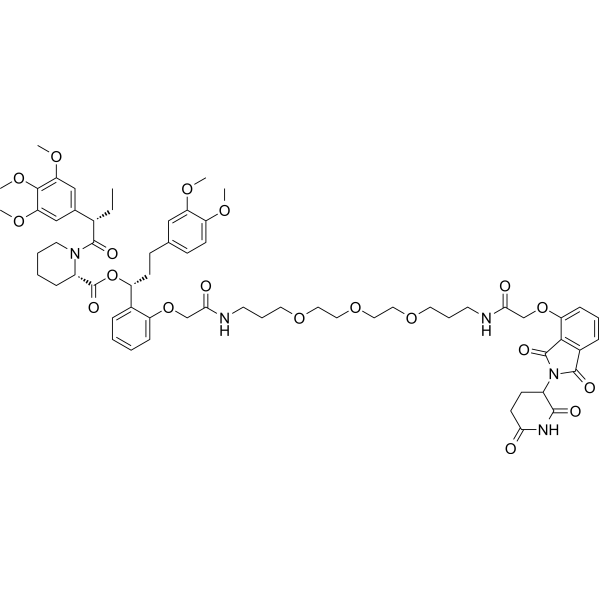
FKBP12 PROTAC dTAG-7 (dTAG-7) is a FKBP12 F36V PROTAC degrader. FKBP12 PROTAC dTAG-7 binds FKBP12 F36V and CRBN to form a complex, mediating degradation via the ubiquitin-proteasome system. FKBP12 PROTAC dTAG-7 mediates the degradation of FKBP12 F36V-tagged nuclear and cytoplasmic proteins, including BRD4, HDAC1, EZH2, MYC, PLK1, KRAS G12V, and antigen fusion proteins. FKBP12 PROTAC dTAG-7 enhances MHC class I antigen presentation. FKBP12 PROTAC dTAG-7 is applicable to leukemia-related research .
loading...
    loading...
3
3 Cited Publications
Cat. No.: HY-P5819
Target:  

Wnt PROTACs β-catenin

Research Areas:  

Cancer

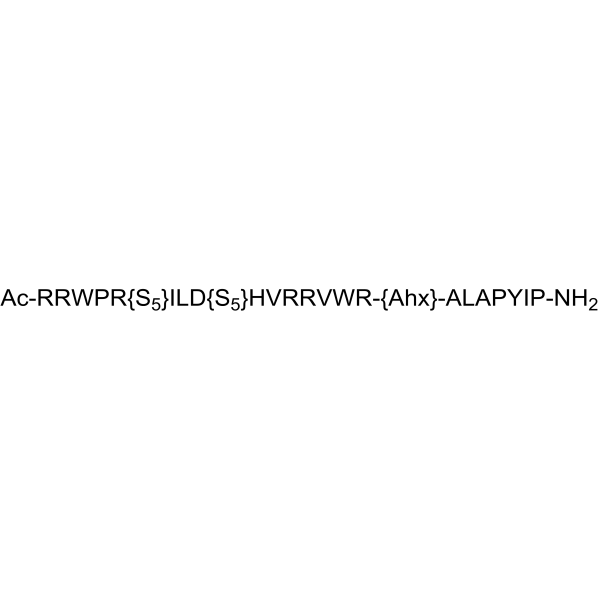
xStAx-VHLL is a β-catenin PROTAC degrader that promotes ubiquitination and proteasome degradation of β-catenin. xStAx-VHLL inhibits the Wnt/β-catenin signaling pathway. xStAx-VHLL can inhibit the proliferation of colon cancer cells and has anti-tumor activity .
loading...
    loading...
3
3 Cited Publications
Cat. No.: HY-P5819A
Target:  

PROTACs β-catenin Wnt

Research Areas:  

Cancer

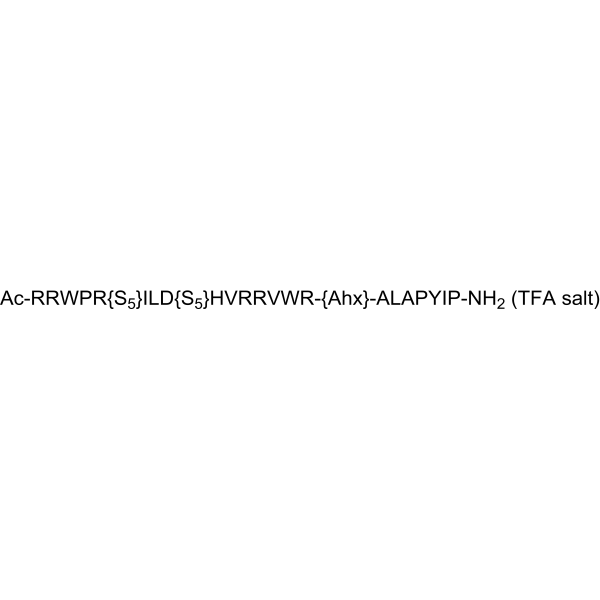
xStAx-VHLL TFA is a β-catenin PROTAC degrader that promotes ubiquitination and proteasome degradation of β-catenin. xStAx-VHLL TFA inhibits the Wnt/β-catenin signaling pathway. xStAx-VHLL TFA can inhibit the proliferation of colon cancer cells and has anti-tumor activity .
loading...
    loading...
2
2 Cited Publications
Cat. No.: HY-120722
CAS No.: 1446350-60-2
Purity:  98.42%
Target:  

Proteasome

Research Areas:  

Cancer

TCH-165 is a small molecule modulator of proteasome assembly, which increases 20S levels and facilitates 20S-mediated protein degradation .
loading...
    loading...
2
2 Cited Publications
Cat. No.: HY-P1259A
Target:  

Proteasome Bacterial

Research Areas:  

Inflammation/Immunology

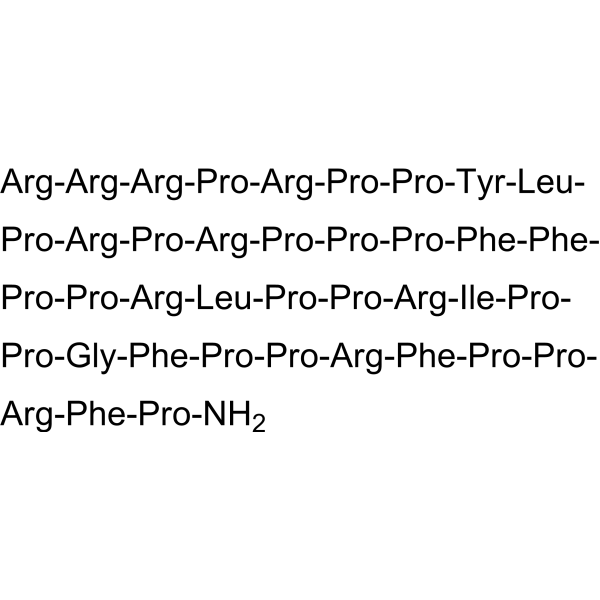
PR-39 TFA, a natural proline- and arginine-rich antibacterial peptide, is a noncompetitive, reversible and allosteric proteasome inhibitor. PR-39 TFAreversibly binds to the α7 subunit of the proteasome and blocks degradation of NF-κB inhibitor IκBα by the ubiquitin-proteasome pathway. PR-39 TFA stimulates angiogenesis, inhibits inflammatory responses and significant reduces myocardial infarct size in mice .
loading...
    loading...
2
2 Cited Publications
Cat. No.: HY-155008
CAS No.: 3033812-84-6
Purity:  98.98%
Target:  

PROTACs Hexokinase

Research Areas:  

Cancer

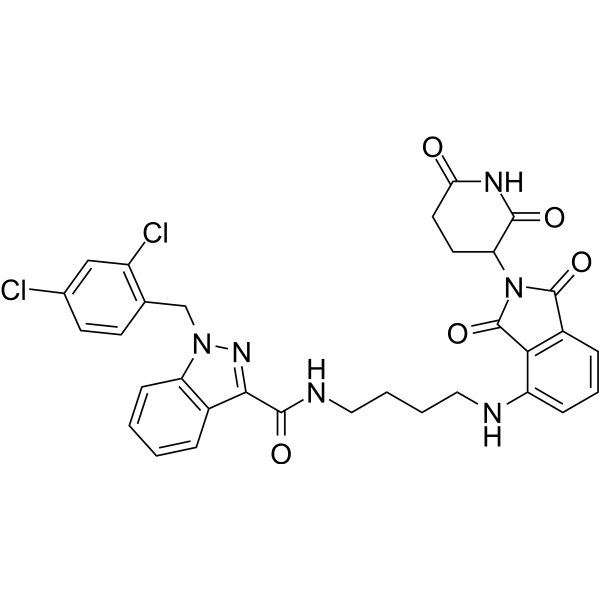
PROTAC HK2 Degrader-1 is a PROTAC consisting of Lonidamine (HY-B0486) as a target protein Hexokinase 2 (HK2) inhibitor and Thalidomide (HY-14658) as a CRBN ligand-linked PROTAC. PROTAC HK2 Degrader-1 selectively inhibits the proliferation of breast cancer cells by forming a ternary complex through the ubiquitin-proteasome system to degrade Hexokinase 2 (HK2) protein leading to mitochondrial damage and cell death. PROTAC HK2 Degrader-1 effectively inhibits breast tumor growth and reduces the colonic side effects of cisplatin for breast cancer research .
loading...
    loading...
2
2 Cited Publications
Cat. No.: HY-19726
CAS No.: 803647-40-7
Target:  

MDM-2/p53

Research Areas:  

Cancer

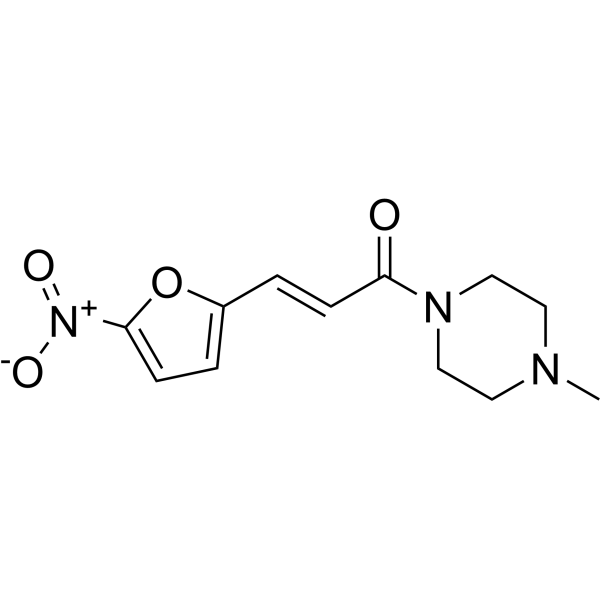
NSC59984 induces mutant p53 protein degradation via MDM2 and the ubiquitin-proteasome pathway . NSC59984 acts by targeting GOF-mutant p53 and stimulates p73 to restore the p53 pathway signaling .
loading...
    loading...
1
1 Cited Publications
Cat. No.: HY-111758
CAS No.: 2364367-27-9
Purity:  99.78%
Target:  

PROTACs Raf Bcl-2 Family

Research Areas:  

Cancer

PROTAC B-Raf degrader 1 is a PROTAC degrader targeting B-Raf, which recruits the ubiquitin-proteasome system to accelerate B-Raf degradation and reduce the expression of downstream Mcl-1. PROTAC B-Raf degrader 1 inhibits cancer cell proliferation, arrests cell cycle and induces apoptosis. PROTAC B-Raf degrader 1 can be used in breast cancer-related research .
loading...
    loading...
1
1 Cited Publications
Cat. No.: HY-W054146
CAS No.: 145888-79-5
Target:  

Proteasome

Research Areas:  

Cancer

RAMB4 is a ubiquitin-proteasome system (UPS)-stressor. RAMB4 inhibits ubiquitin-mediated protein degradation upstream of the 20S proteasomal catalytic activites. RAMB4 triggers a ubiquitin-proteasome-system (UPS)-stress response without affecting 20S proteasome catalytic activities. Anticancer activity .
loading...
    loading...
1
1 Cited Publications
Cat. No.: HY-161719
CAS No.: 3083634-54-9
Target:  

β-catenin

Research Areas:  

Cancer

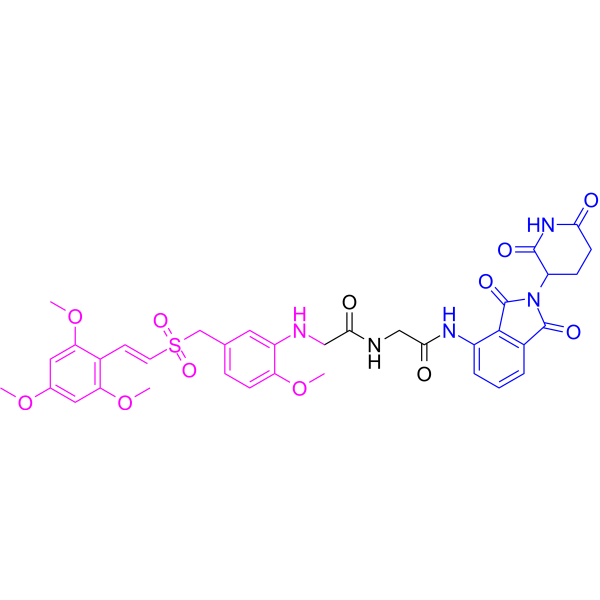
NF764 is a potent β-catenin (CTNNB1) degrader. NF764 reduces CTNNB1 protein levels in a proteasome-dependent manner. NF764 can be used in the study of cancer .
loading...
    loading...
1
1 Cited Publications
Cat. No.: HY-139606
CAS No.: 2630950-38-6
Target:  

p97

Research Areas:  

Cancer

VCP/p97 inhibitor-1 is a potent inhibitor of VCP/p97 (also called Cdc48, CDC-. 48, or Ter94) with an IC50 of 54.7 nM. VCP/p97 inhibitor-1 causes the dysregulation of protein homeostasis and disturbs the degradation of misfolded polypeptides by the ubiquitin-proteasome system (UPS) .
loading...
    loading...
1
1 Cited Publications
Cat. No.: HY-111593
CAS No.: 2244684-49-7
Purity:  99.40%
Target:  

PROTACs

Research Areas:  

Cancer

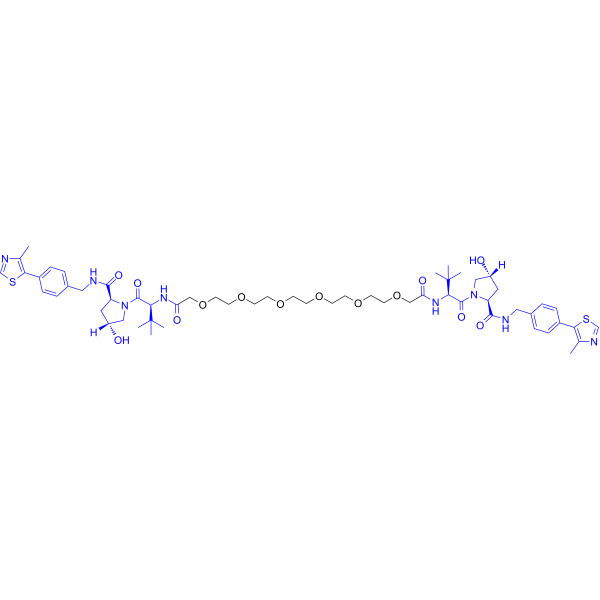
Homo-PROTAC pVHL30 degrader 1 is a Homo-PROTAC autodegraders targeting the von Hippel-Lindau E3 ubiquitin ligase (VHL), with Kd values of 11 nM and 25 nM for pVHL19-EloBC​ and pVHL30-EloBC​, respectively. Homo-PROTAC pVHL30 degrader 1 induces Cullin2 depletion, promotes VHL dimerization to form a ternary complex, and drives proteasome-dependent and CRL2-VHL-like ubiquitination-dependent autodegradation. Homo-PROTAC pVHL30 degrader 1 does not trigger hypoxic responses, and only causes extremely mild stabilization of hypoxia-inducible factor α subunits. Homo-PROTAC pVHL30 degrader 1 can be used in studies related to cervical cancer and osteosarcoma .
loading...
    loading...
1
1 Cited Publications
Cat. No.: HY-N6929
CAS No.: 565-63-9
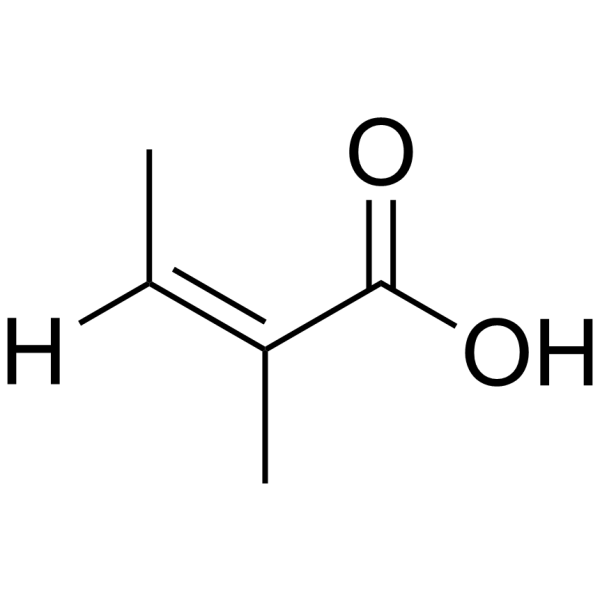
Angelic acid is a ferroptosis inducer, targeting NRF2 degradation. Angelic acid binds to NRF2 protein and promotes NRF2 degradation via ubiquitination-proteasome pathway, relieves the inhibitory effect of NRF2 on oxidative stress and lipid peroxidation. Then, Angelic acid induces ferroptosis in tumor cells. Angelic acid can enhance the accumulation of intracellular reactive oxygen species (ROS), upregulate ferroptosis-related markers CHAC1 and PTGS2, and synergize with ferroptosis inducers to enhance anti-tumor effects. Angelic acid also has the activity of scavenging UVA-induced ROS in vitro, inhibiting skin fibroblast senescence and extracellular matrix degradation. Angelic Acid helps wound healing with sedative activity .
loading...
    loading...
1
1 Cited Publications
Cat. No.: HY-P10899
Target:  

PROTACs TGF-beta/Smad

Research Areas:  

Endocrinology

ETTAC-2 is a LRG1 PROTAC degrader, degrading LRG1 via the ubiquitin-proteasome pathway with a DC50 value of 8.38 μM. ETTAC-2 penetrates damaged renal cells to reduce the extracellular secretion of LRG1. ETTAC-2 effectively inhibits the TGF-β-Smad3 signaling pathway and diminishes the secretion of fibrosis-associated extracellular matrix proteins. ETTAC-2 degrades LRG1 within fibrotic kidneys and the efficacy in inhibiting the TGF-β-Smad3 pathway both in vitro and vivo. ETTAC-2 can be used for renal fibrosis research .
loading...
    loading...
1
1 Cited Publications
Cat. No.: HY-158105
CAS No.: 2851885-95-3
Purity:  99.43%
Target:  

PROTACs BCL6 CD20 IFNAR

Research Areas:  

Cancer

ARV-393 is a BCL6 PROTAC degrader. ARV-393 forms a complex with BCL6 and Cereblon, induces BCL6 ubiquitination, and mediates BCL6 degradation via the ubiquitin-proteasome system. ARV-393 enhances CD20 expression, interferon pathway activity and antigen presentation. ARV-393 induces tumor growth inhibition and regression. ARV-393 can be used in research related to non-Hodgkin's lymphoma, high-grade B-cell lymphoma, diffuse large B-cell lymphoma, Burkitt's lymphoma and follicular lymphoma .
loading...
    loading...
1
1 Cited Publications
Cat. No.: HY-145925B
CAS No.: 2704617-96-7
Purity:  98.10%
Research Areas:  

Cancer

CFT8634 is an orally active BRD9 PROTAC degrader with a DC50 of 0.003 μM (HEK293T.166). CFT8634 recruits the CRBN E3 ubiquitin ligase to form a ternary complex, triggering CRBN-catalyzed BRD9 polyubiquitination and 26S proteasome-mediated degradation. CFT8634 induces sustained tumor regression and inhibits tumor growth in mouse models. CFT8634 can be used in research related to synovial sarcoma, SMARCB-1-deficient cancers, acute myeloid leukemia, malignant rhabdoid tumors, and multiple myeloma .
loading...
    loading...
1
1 Cited Publications
Cat. No.: HY-153896
CAS No.: 2764850-23-7
Purity:  98.74%
Target:  

c-Met/HGFR

Research Areas:  

Cancer

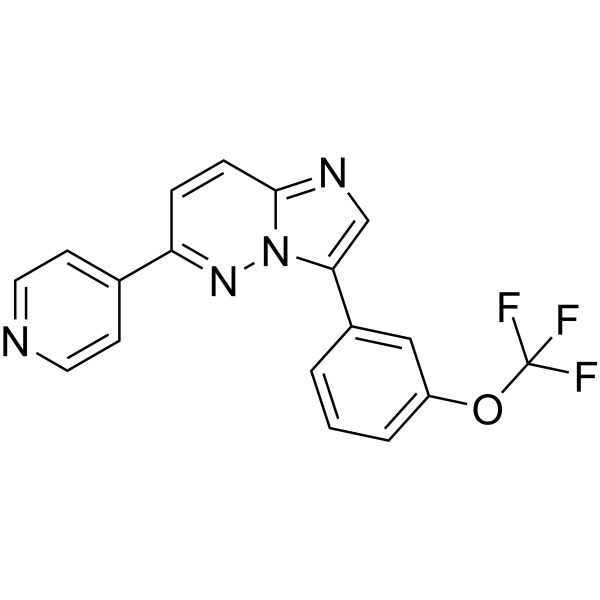
LMTK3-IN-1 (compound C28) is an ATP-competitive inhibitor of lemur tyrosine kinase 3 (LMTK3) (Kd=2.5 μM),that acts by degrading LMTK3 via the ubiquitin-proteasome pathway. LMTK3-IN-1 shows anticancer activity in a variety of cancer cell lines and in vivo BC mouse models. LMTK3-IN-1 induces apoptosis in BC cell lines at 10-20 μM .
loading...
    loading...

