40 Results for "

pyruvate dehydrogenase kinase

" in MedChemExpress (MCE) Product Catalog:
Products (40)

40 Results for "pyruvate dehydrogenase kinase" in MCE Product Catalog:

31
31 Publications Verification
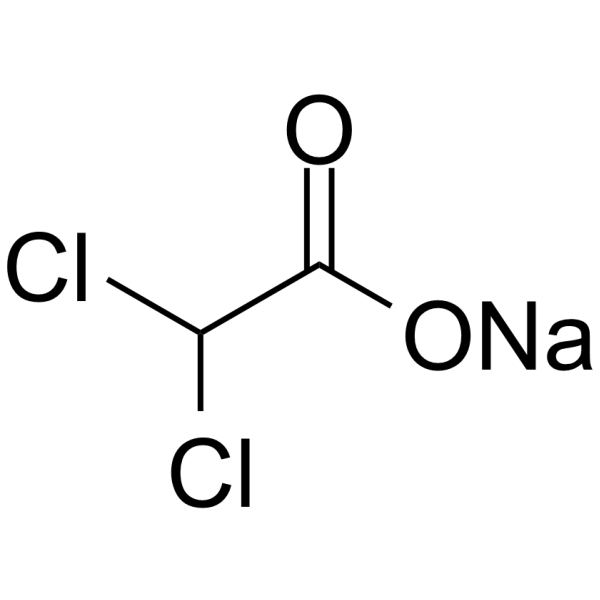
Cat. No.: HY-Y0445A
CAS No.: 2156-56-1
Research Areas:  

Cancer

Sodium dichloroacetate is an orally active pyruvate dehydrogenase kinase (PDK) inhibitor. Sodium dichloroacetate also stimulates pyruvate dehydrogenase (PDH) activity and works as a Na +-K +-2Cl cotransporter (NKCC) inhibitor. Sodium dichloroacetate prevents the phosphorylation of the E1α subunit of PDC, promoting the entry of pyruvate into the mitochondria for oxidative metabolism, reducing lactate production, and simultaneously increasing the production of reactive oxygen species (ROS). Sodium dichloroacetate inhibits tumor cell proliferation and induces apoptosis. Sodium dichloroacetate is promising for research of cancers .
loading...
    loading...
6
6 Cited Publications
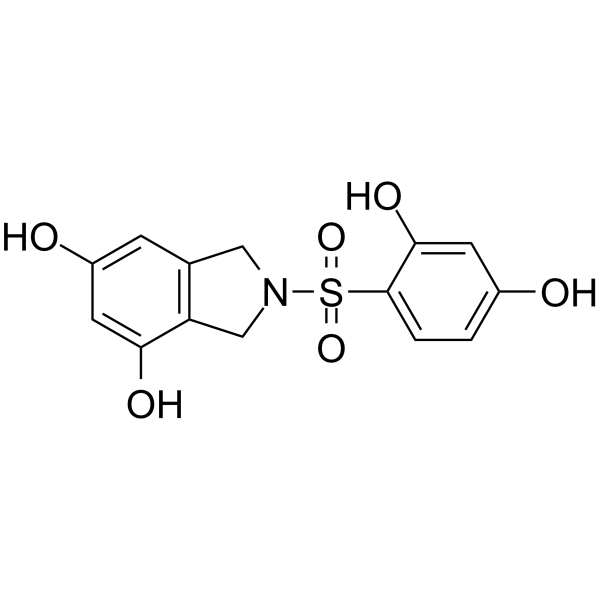
Cat. No.: HY-121744
CAS No.: 1564265-82-2
Purity:  98.51%
Target:  

PDHK

Research Areas:  

Inflammation/Immunology

PS10 is a novel, potent and ATP-competitive pan-PDK inhibitor, inhibits all PDK isoforms with IC50 of 0.8 μM, 0.76 μM, 2.1 μM and 21.3 μM for PDK2, PDK4, PDK1, and PDK3, respectively. PS10 shows high affinity for PDK2 (Kd= 239 nM) than for Hsp90 (Kd= 47 μM) . PS10 improves glucose tolerance, stimulates myocardial carbohydrate oxidation in diet-induced obesity. PS10 has the potential for the investigation of diabetic cardiomyopathy .PDK: pyruvate dehydrogenase kinase
loading...
    loading...
4
4 Cited Publications
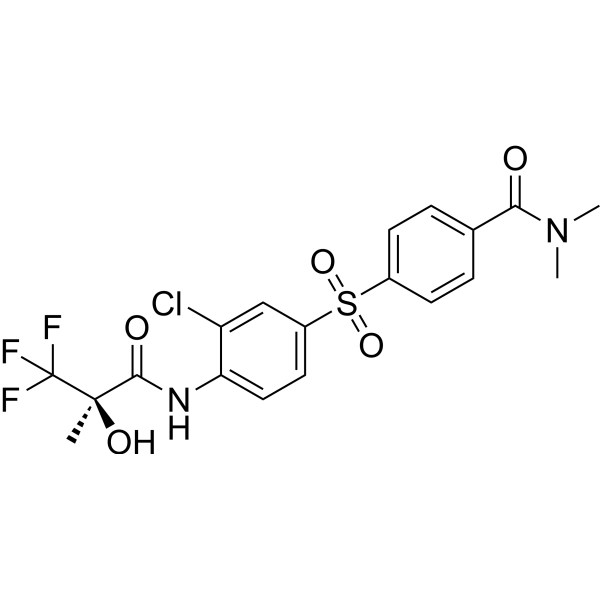
Cat. No.: HY-16082
CAS No.: 252017-04-2
Target:  

PDHK

Research Areas:  

Metabolic Disease

AZD7545 is a potent, competitive, selective PDHK2 (pyruvate dehydrogenase kinase 2) inhibitor with IC50s of 36.8 nM, 6.4 nM for PDHK1 and PDHK2, respectively .
loading...
    loading...
4
4 Cited Publications
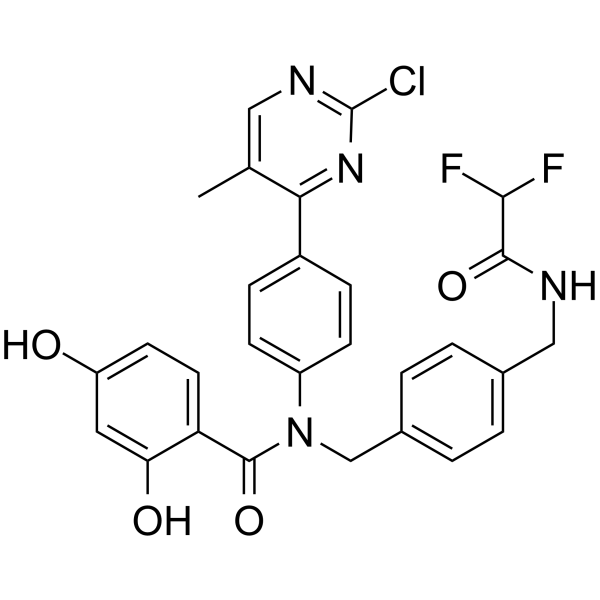
Cat. No.: HY-12492
CAS No.: 1684386-71-7
Purity:  99.10%
Target:  

PDHK

Research Areas:  

Cancer

VER-246608 is a potent and ATP-competitive inhibitor of pyruvate dehydrogenase kinase (PDK) with IC50s of 35 nM, 40 nM, 84 nM, and 91 nM for PDK-1, PDK-3, PDK-2, and PDK-4, respectively.
loading...
    loading...
3
3 Cited Publications
Cat. No.: HY-135954A
CAS No.: 2310262-11-2
Purity:  99.72%
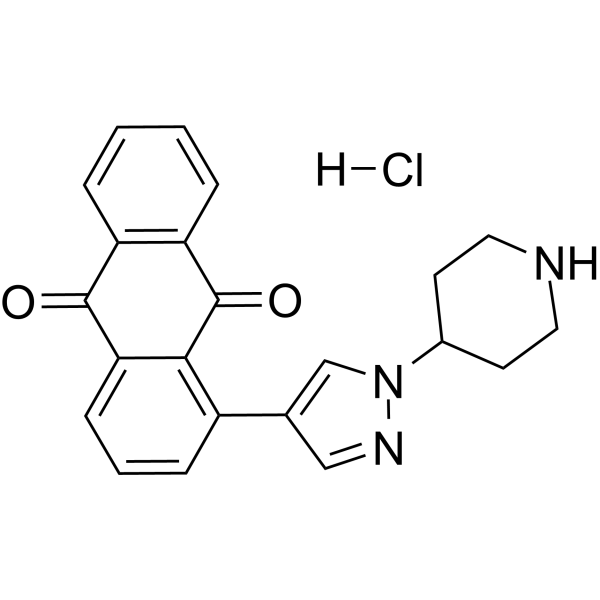
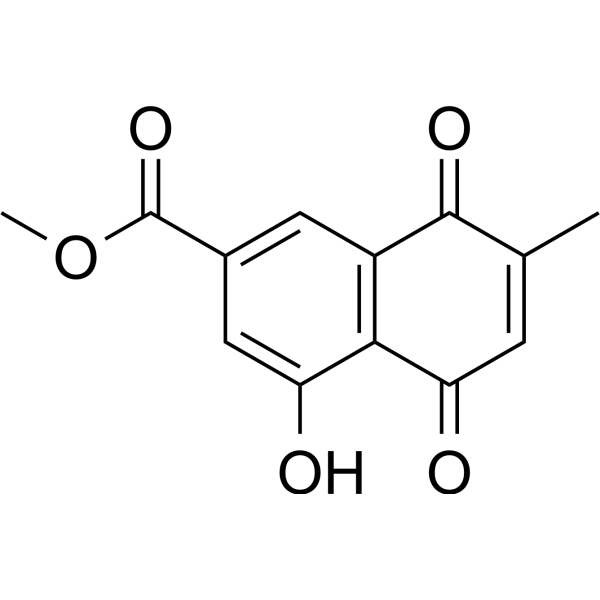
PDK4-IN-1 hydrochloride is an anthraquinone derivative and a potent and orally active pyruvate dehydrogenase kinase 4 (PDK4) inhibitor with an IC50 value of 84 nM. PDK4-IN-1 hydrochloride potently represses cellular transformation and cellular proliferation and induces apoptosis. PDK4-IN-1 hydrochloride has antidiabetic, anticancer and anti-allergic activity .
loading...
    loading...
3
3 Cited Publications
Cat. No.: HY-135954
CAS No.: 2310262-10-1
Purity:  99.34%
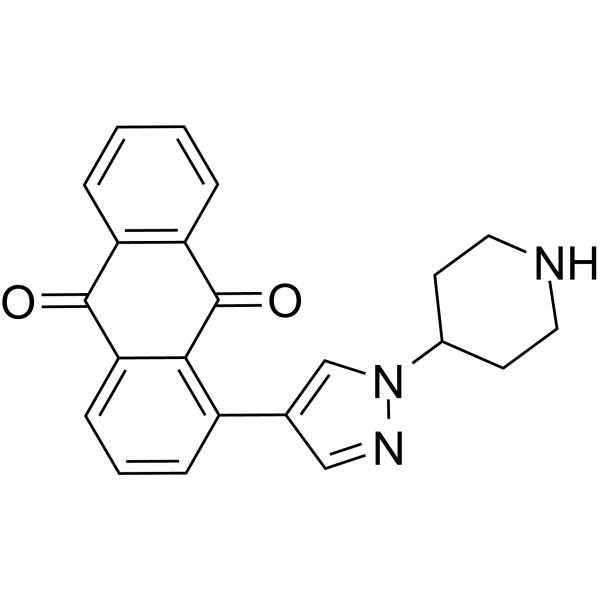
PDK4-IN-1 is an anthraquinone derivative and a potent and orally active pyruvate dehydrogenase kinase 4 (PDK4) inhibitor with an IC50 value of 84 nM. PDK4-IN-1 potently represses cellular transformation and cellular proliferation and induces apoptosis. PDK4-IN-1 has antidiabetic, anticancer and anti-allergic activity .
loading...
    loading...
2
2 Cited Publications
Cat. No.: HY-114702
CAS No.: 394237-61-7
Purity:  99.44%
Target:  

PDHK

Research Areas:  

Metabolic Disease

M77976 is a specific ATP-competitive inhibitor of PDK4 (pyruvate dehydrogenase kinase isoforms 4), with an IC50 of 648 μM. M77976 is potential for the research of obesity and diabetes .
loading...
    loading...
2
2 Cited Publications
Cat. No.: HY-128578
CAS No.: 906669-07-6
Purity:  99.86%
KPLH1130 is a pyruvate dehydrogenase kinase (PDK) inhibitor. KPLH1130 potently inhibits M1 macrophage polarization by reducing the expression of pro-inflammatory cytokines, decreasing the levels of M1 phenotype markers (HIF-1α, iNOS) and nitric oxide (NO) production. KPLH1130 prevents the reduction of mitochondrial oxygen consumption rate (OCR) induced by inflammatory stimuli (LPS ((HY-D1056) + IFN-γ) in various macrophage types. KPLH1130 improves glucose tolerance in HFD-fed mice. KPLH1130 can be used for the study of obesity-associated metabolic disorders and other inflammatory conditions .
loading...
    loading...
1
1 Cited Publications
Cat. No.: HY-P80272
Synonyms: PDHK1, PDK1, pyruvate dehydrogenase kinase isoform 1, PDH kinase 1

Host:  

Rabbit

Application:  

WB, IHC-P, IP, FC, IF-Tissue

Reactivity:  

Human, Mouse, Rat

loading...
    loading...
Cat. No.: HY-136882
CAS No.: 921099-13-0
Purity:  95.04%
Target:  

PDHK

Research Areas:  

Cancer

TM-1 is a potent inhibitor of pyruvate dehydrogenase kinase (PDHK1). TM-1 inhibits PDHK1 and PDHK2 with IC50s of 2.97 μM and 5.2 μM, respectively. TM-1 blocks pyruvate dehydrogenase complex (PDHC) phosphorylation, and inhibits cell proliferation .
loading...
    loading...
Cat. No.: HY-W005629
CAS No.: 1446-61-3
Research Areas:  

Metabolic Disease Cancer

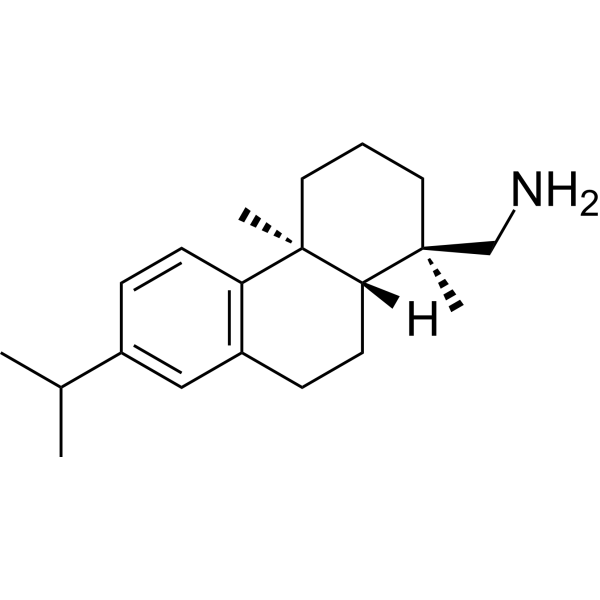
Leelamine is an orally active pyruvate dehydrogenase kinase (PDK) inhibitor with an IC50 value of 9.5 μM, showing a blood glucose lowering effect in the diabetic mouse. Leelamine is also a weak agonist of cannabinoid receptors CB1 and CB2. Leelamine decreases mitotic activity, prostate-specific antigen expression and induces Apoptosis to cell death in cancer cells .
loading...
    loading...
Cat. No.: HY-110028
CAS No.: 16496-99-4
Purity:  99.06%
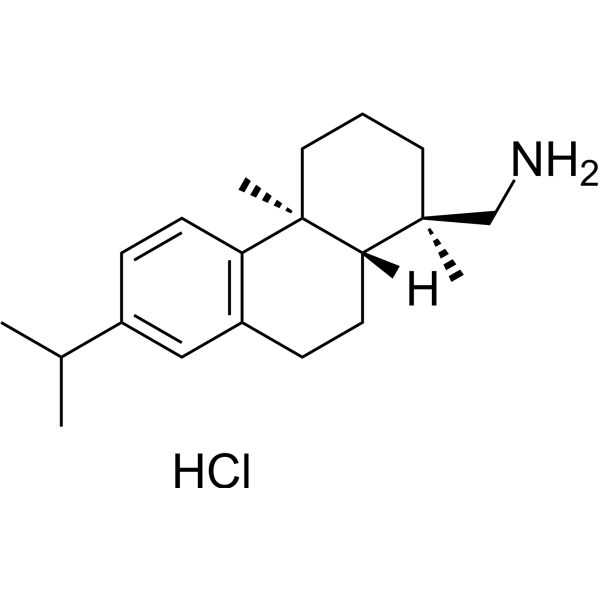
Leelamine hydrochloride is an orally active weakly basic amine that inhibits NPC1 and the androgen receptor AR-V7, and acts as a cannabinoid receptor agonist. Leelamine hydrochloride also functions as a lysosome affinity agent that blocks endocytosis, disrupts autophagic flux and cholesterol transport, thereby altering the RTK-AKT/STAT/MAPK signaling cascade. Leelamine hydrochloride induces cancer cell death and autophagosome accumulation, and can be used in research related to melanoma, castration-resistant prostate cancer and breast cancer .
loading...
    loading...
Cat. No.: HY-N6663
CAS No.: 13466-78-9
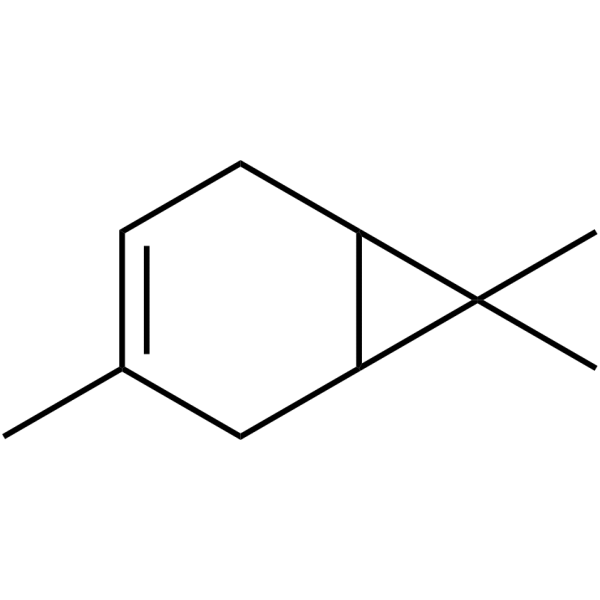
3-Carene is an orally active TCA cycle enzyme inhibitor. 3-Carene inhibits succinate dehydrogenase and malate dehydrogenase as well as pyruvate kinase, disrupting energy metabolism. 3-Carene disrupts cell wall and cell membrane integrity, leading to potassium ion leakage, protein leakage, membrane depolarization, ATP depletion, morphological disruption, and cell lysis. 3-Carene interferes with amino acid metabolism, pantothenate and CoA biosynthesis, purine and pyrimidine metabolism, and aminoacyl-tRNA biosynthesis. 3-Carene enhances GABA receptor-mediated synaptic responses. 3-Carene can be used in research on bacterial infections, inflammation, anxiety, and sleep disorders .
loading...
    loading...
Cat. No.: HY-149814
CAS No.: 2897696-10-3
Purity:  99.74%
Target:  

PDHK HSP

Research Areas:  

Cancer

PDK-IN-1 (compound 7o) is a pyruvate dehydrogenase kinase (PDK) inhibitor. PDK-IN-1 shows IC50 values of 0.03 and 0.1 μM for PDK1 and HSP90, respectively. PDK-IN-1 targets PDH/PDK axis thus reducing efficiently the tumor mass .
loading...
    loading...
Cat. No.: HY-148062
CAS No.: 2769753-48-0
Purity:  99.85%
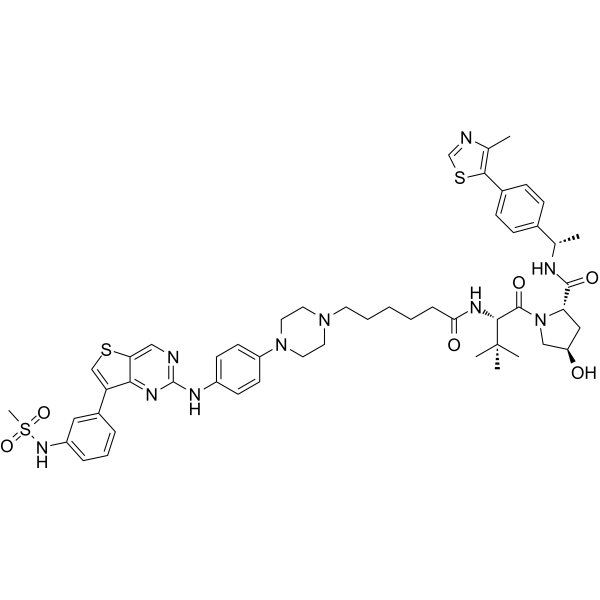
RSS0680 is a small noncoding RNA (sRNA) targeting the mRNA ribosome binding site (RBS) and a PROTAC. RSS0680 competitively binds to RBS through the conserved CCUCCUCCC anti-Shine-Dalgarno (aSD) sequence and inhibits the translation initiation of target genes. RSS0680 can interact with the DUF1127 protein CcaF1, regulate its own stability and participate in bacterial oxidative stress defense, enhancing the host's resistance to heat shock and oxidative damage by affecting pathways such as C1 metabolism and pyruvate dehydrogenase complex. RSS0680 degrades AAK1, CDK1, CDK16, CDK2, CDK4, CDK6, EIF2AK4, GAK, LATSl, LIMK2, MAPK6, MAPKAPK5, MARK2, MARK4, MKNK2, NEK9, RPS6KB1, SIK2, SNRK, STK17A, STK17B, STK35, and WEEl. RSS0680 can be used to study diseases or disorders mediated by aberrant kinase activity and regulatory mechanisms of noncoding RNAs in α-proteobacteria[1][2].
loading...
    loading...
Cat. No.: HY-157299
CAS No.: 3057973-22-2
Purity:  99.87%
Target:  

PDHK

Research Areas:  

Cancer

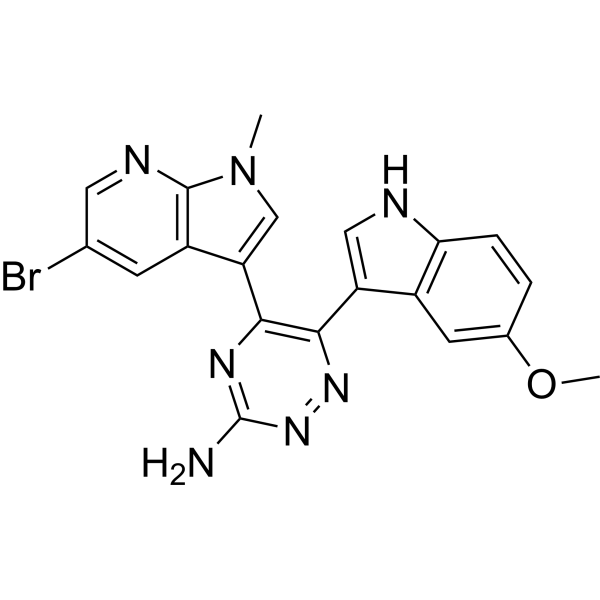
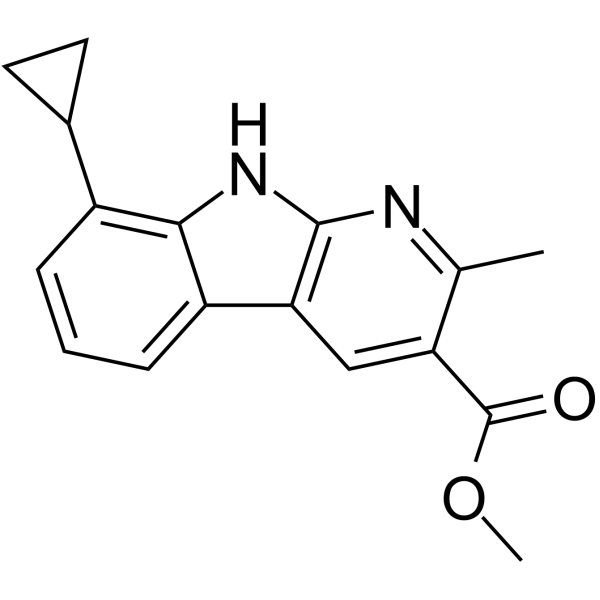
PDK-IN-3 (compound 1) is a potent pan inhibitor of PDK with IC50s of 109.3, 135.8, 458.7 nM and 8.67 μM against PDK 1-4, respectively. PDK-IN-3 also induces proliferation and apoptosis in A549 cells .
loading...
    loading...
Cat. No.: HY-146552
CAS No.: 3065641-69-9
Target:  

PDHK

Research Areas:  

Metabolic Disease Cancer

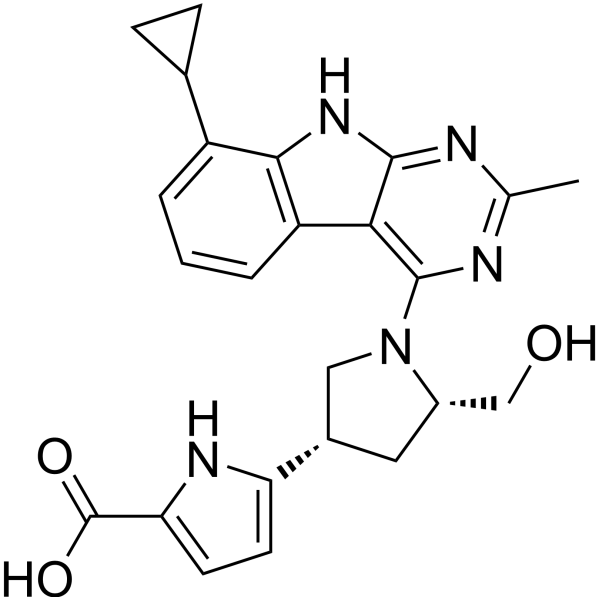
PDHK-IN-4 (Compound 30) is a potent inhibitor of PDHK with IC50s of 0.0051 and 0.0122 μM for PDHK2 and PDHK4, repectively. Pyruvate dehydrogenase kinases (PDHKs) are fascinating agent targets for numerous diseases, including diabetes and cancers. PDHK-IN-4 has the potential for the research of cancer diseases .
loading...
    loading...
Cat. No.: HY-157538
CAS No.: 1616752-12-5
Target:  

PDHK

Research Areas:  

Cardiovascular Disease

PDK4-IN-2 (compound 8) is a pyruvate dehydrogenase kinase 4 (PDK4) inhibitor with an IC50 of 46 µM. PDK4-IN-2 improves ejection fraction of failing hearts by regulating bioenergetics via activation of the tricarboxylic acid cycle .
loading...
    loading...
Cat. No.: HY-W134163
CAS No.: 2548-87-0
Synonyms: trans-2-Octenal
(E)-2-Octenal is an Antifungal agent. (E)-2-Octenal disrupts cell membrane integrity and causes ROS accumulation. (E)-2-Octenal decreases the activities of phosphofructokinase and pyruvate kinase. (E)-2-Octenal inhibits Neofusicoccum parvum growth by disrupting mitochondrial energy metabolism. (E)-2-Octenal suppresses the growth of a Prochloraz (HY-B0845)-resistant Penicillium italicum strain. (E)-2-octenal exerts a broad-spectrum and potent inhibitory effect on various fungi, including Sclerotium rolfsii, Metarhizium anisopliae sensu lato, and Aspergillus flavus, etc. (E)-2-Octenal can be used for the research of citrus blue mold and mango stem-end rot .
loading...
    loading...
Cat. No.: HY-146801
Target:  

PDHK

Research Areas:  

Metabolic Disease Cancer

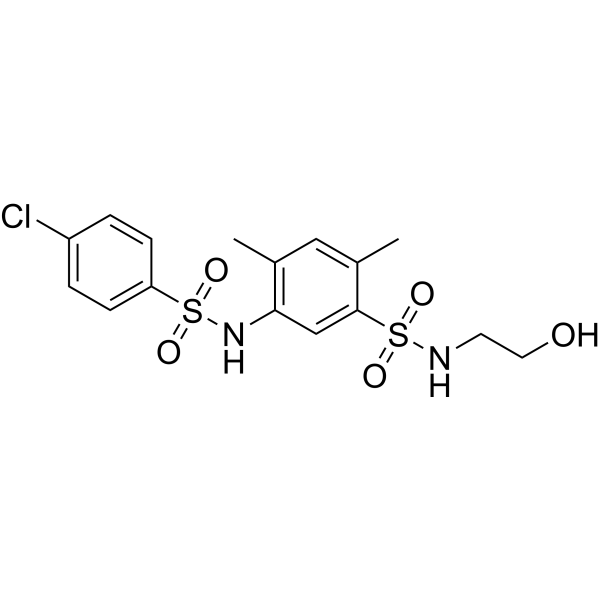
PDHK-IN-3 (compound 7) is a potent PDHK (pyruvate dehydrogenase kinase) inhibitor, with IC50 values of 0.21 and 1.54 μM for PDHK2 and PDHK4, respectively .
loading...
    loading...

