
1. Search Result
Search Result
Results for "

rubber

" in MedChemExpress (MCE) Product Catalog:

45

Inhibitors & Agonists

14

Biochemical Assay Reagents

3

Natural
Products

4

Isotope-Labeled Compounds

Cat. No. Product Name Target Research Areas Chemical Structure
  • HY-W007801

    TPAP

    Biochemical Assay Reagents Others
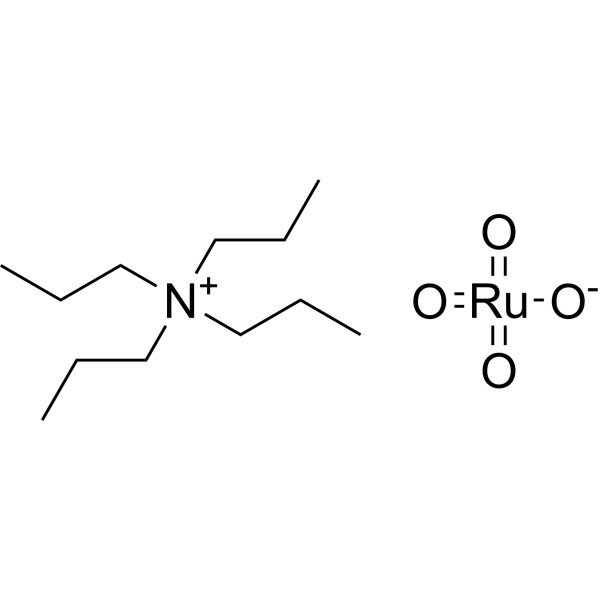
    Tetrapropylammonium perruthenate (TPAP) is an organic compound commonly used as a catalyst and oxidizing agent. It can play an oxidation role in some organic synthesis reactions, and can catalyze the oxidation reactions of olefins and aromatic compounds. In addition, the compound is widely used in some industrial production areas, such as in the application of plastics, rubber and textile manufacturing processes.
    Tetrapropylammonium perruthenate
  • HY-W011689
    6PPD
    1 Publications Verification

    Reactive Oxygen Species (ROS) Others
    6PPD is a rubber antioxidant that scavenges ozone and forms nitro radicals. Exposure to 6PPD reduces the hatching rate, impairs spontaneous locomotor activity, shortens body length and causes malformations in zebrafish embryos. 6PPD also induces oxidative stress in zebrafish embryos .
    6PPD
  • HY-W010653

    lrganox 1010; AT1010

    Environmental Pollutants Biochemical Assay Reagents Others
    Antioxidant 1010 (lrganox 1010; AT1010) is a hindered phenolic antioxidant. Antioxidant 1010 does not inhibit intercellular gap-junctional communication. Antioxidant 1010 exhibits antioxidant efficacy in plastic, rubber and synthetic fiber .
    Antioxidant 1010
  • HY-W035903
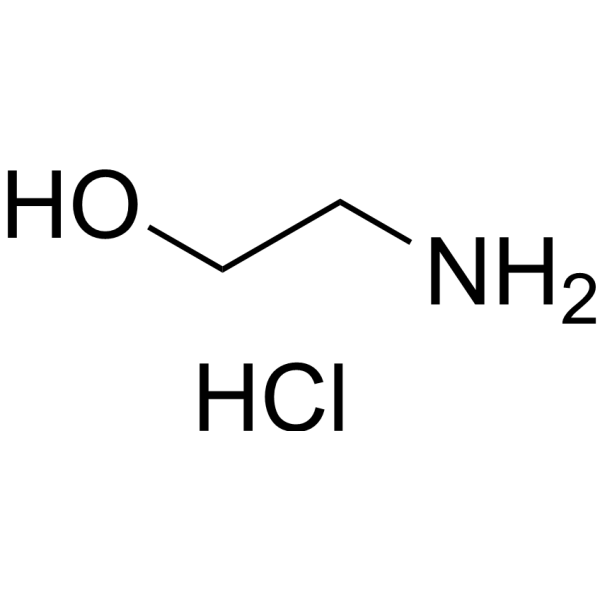
    Ethanolamine hydrochloride
    1 Publications Verification

    2-Aminoethanol hydrochloride

    Biochemical Assay Reagents Others
    Ethanolamine hydrochloride, is an organic compound used in various industrial applications. It is a white or colorless solid that is soluble in water and has a faint odor. One of the major uses of Ethanolamine hydrochloride is in the production of detergents and surfactants. Used as a raw material in the manufacture of compounds such as ethylenediaminetetraacetic acid (EDTA) and diethanolamine, which are commonly used in household and industrial cleaning products. Ethanolamine hydrochloride is also used in the synthesis of pharmaceuticals, agrochemicals and rubber processing agents. It acts as a buffer in certain chemical reactions, helping to adjust pH and maintain stability. Ethanolamine hydrochloride can be used for gas purification and metal corrosion inhibitor. Its ability to react with acid gases such as carbon dioxide and sulfur dioxide makes it useful for removing impurities from natural gas and other industrial gases. Overall, Ethanolamine hydrochloride is a multifunctional compound with many potential industrial applications. Its ability to act as a buffer, chelating agent, and corrosion inhibitor makes it an important tool in a variety of industries.
    Ethanolamine hydrochloride
  • HY-176747

    DMPPD

    Reactive Oxygen Species (ROS) Others
    7-PPD (DMPPD) is a rubber antioxidant that scavenges free radicals and inhibits the oxidative degradation of rubber chains. 7-PPD shows promise for research in tire manufacturing and rubber product processing .
    7-PPD
  • HY-W020246

    TMTM

    Squalene Monooxygenase Bacterial Infection Inflammation/Immunology
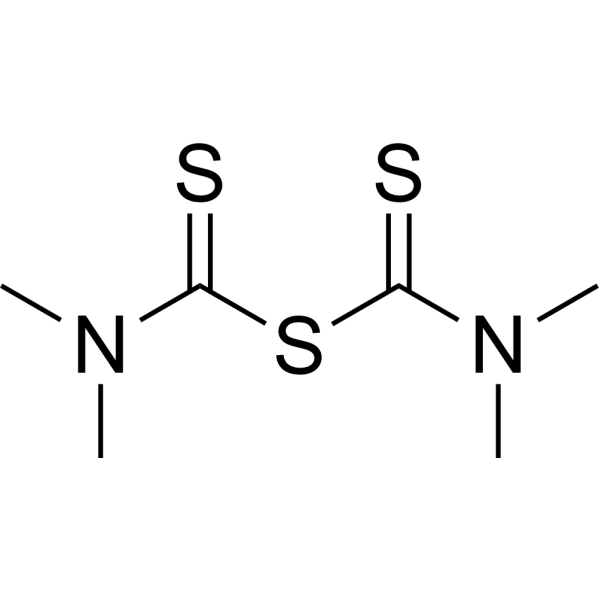
    Tetramethylthiuram monosulfide (TMTM) is an orally active microsomal monooxygenases inhibitor. Tetramethylthiuram monosulfide is used as an accelerator and activator in the processing of natural rubber and butyl rubber. Tetramethylthiuram monosulfide reduces palmitic acid incorporation into microsomal phospholipids, disrupts microsomal membrane integrity, and impairs electron transport during oxygenation. Tetramethylthiuram monosulfide can be used for the research of fungal infection, bacterial infection and allergic contact dermatitis .
    Tetramethylthiuram monosulfide
  • HY-Y0102

    2-Mercaptobenzoic acid

    Biochemical Assay Reagents Drug Intermediate Infection
    Thiosalicylic acid (2-Mercaptobenzoic acid) is an organosulfur compound bearing both sulfhydryl and carboxyl functional groups. Thiosalicylic acid acts as a desulfurizing agent. Thiosalicylic acid also serves as a ligand to synthesize azosulfonamide derivatives with antibacterial and antifungal activities, as well as their Fe 3+, Cu 2+ and Hg 2+ chelates .
    Thiosalicylic acid
  • HY-W716965

    Isotope-Labeled Compounds Biochemical Assay Reagents Others
    1,3-Diphenylguanidine-d10 is the deuterium labeled 1,3-Diphenylguanidine (HY-W014332). 1,3-diphenylguanidine is the primary and secondary accelerator in the vulcanization of rubber and is found in the rubber industry .
    1,3-Diphenylguanidine-d10
  • HY-B2010

    Environmental Pollutants Reactive Oxygen Species (ROS) Herbicide Protoporphyrinogen IX oxidase Apoptosis Neurological Disease Metabolic Disease Cancer
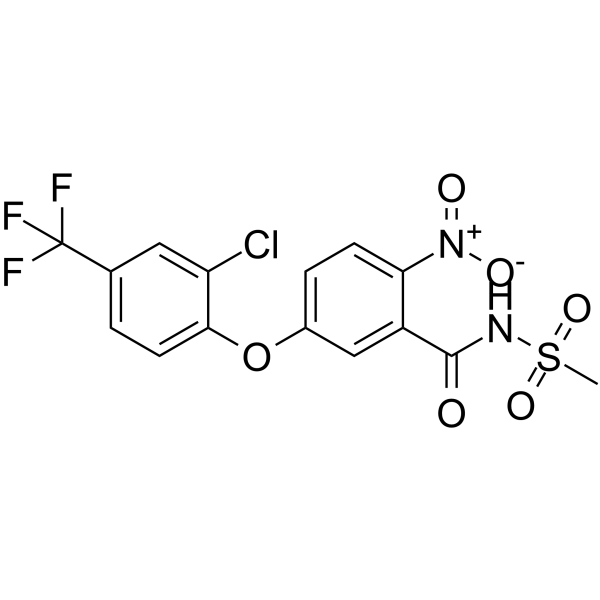
    Fomesafen is an orally active herbicide. Fomesafen inhibits protoporphyrinogen oxidase (PPO). Fomesafen induces Apoptosis and increases ROS. Fomesafen exhibits developmental toxicity, immunotoxicity, and neurotoxicity. It induces precancerous lesions in the liver and hepaturoporphyria in mice. Fomesafen is used to control broadleaf weeds in soybean fields, rubber plantations, and orchards .
    Fomesafen
  • HY-N8451

    Triacontanoic acid

    Biochemical Assay Reagents Others
    Melissic acid, which belongs to the category of long-chain saturated fatty acids. It is a 30-carbon straight-chain fatty acid found in a variety of natural sources, including beeswax and coconut oil. Due to its unique physical properties, such as high melting point and viscosity, Melissic acid has a variety of uses in industry. It can be used as a lubricant in the production of some plastics and rubber, and is also used in the manufacture of surfactants and detergents.
    Melissic acid
  • HY-W011787

    N,N′-Diphenyl-p-phenylenediamine

    Reactive Oxygen Species (ROS) Metabolic Disease
    DPPD (N,N′-Diphenyl-p-phenylenediamine) is an orally active polymerization inhibitor and antioxidant with antioxidative activity. DPPD causes reproductive/developmental toxicity in rats. DPPD is widely used in rubber, oils, and feedstuffs, especially for tires in the rubber industry .
    DPPD
  • HY-W130442

    SOD Inflammation/Immunology
    N-Isopropyl-N'-phenyl-p-phenylenediamine is an antioxidant used in rubber manufacturing to reduce the detrimental effect of oxygen. N-Isopropyl-N'-phenyl-p-phenylenediamine can cause contact allergy .
    N-Isopropyl-N'-phenyl-p-phenylenediamine
  • HY-171702

    Drug Derivative Others
    8PPD-Q, a para-phenylenediamine quinonec, is a rubber antioxidant. 8PPD-Q has superior antioxidant and anti-ozone activities but is toxic to the aquatic species, especially salmonids. 8PPD-Q can be used for environmental pollution research .
    8PPD-Q
  • HY-132426S

    Fungal Reactive Oxygen Species (ROS) Infection
    Thiram-d12 is the deuterium labeled Thiram. Thiram, a fungicides, is widely used on seeds and as foliar agent on turf, vegetables and fruit.Thiram acts as a vulcanization accelerator in the rubber industry . Thiram induces antioxidant defense and oxidative stress. Thiram can act as a prooxidant resulting in the formation of reactive oxygen species (ROS) .
    Thiram-d12
  • HY-W014332R

    Biochemical Assay Reagents Reference Standards Reactive Oxygen Species (ROS) SOD Endocrinology
    1,3-Diphenylguanidine (Standard) is the analytical standard of 1,3-Diphenylguanidine (HY-W014332). This product is intended for research and analytical applications. 1,3-Diphenylguanidine is a widely used accelerator in rubber vulcanization. 1,3-Diphenylguanidine increases ROS activity and decreases SOD and CAT activity. 1,3-Diphenylguanidine accelerates the vulcanization process. 1,3-Diphenylguanidine impairs the reproduction and growth of Moina macrocopa [1] [2] [3] .
    1,3-Diphenylguanidine (Standard)
  • HY-W004963

    TBAT

    Biochemical Assay Reagents Others
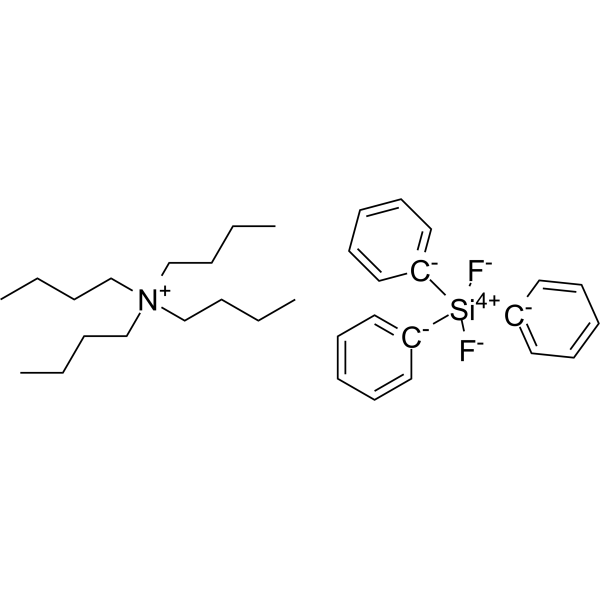
    Tetrabutylammonium difluorotriphenylsilicate(IV) (TBAT) is an organic compound commonly used as a catalyst and surfactant. It can play a catalytic role in some organic synthesis reactions, and can be used as a cleaning agent, lubricant and stabilizer. In addition, the compound is widely used in certain industrial fields, such as in the plastic, rubber and textile manufacturing processes.
    Tetrabutylammonium difluorotriphenylsilicate(IV)
  • HY-32100

    Quinolin-5(1H)-one

    Biochemical Assay Reagents Others
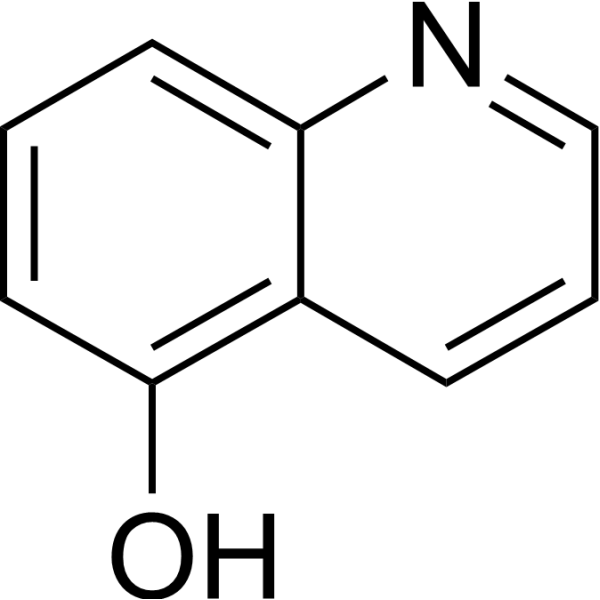
    5-Hydroxyquinoline is an organic compound commonly used in certain chemical reactions and biological research. It can be used in the manufacture of dyes, cellulase, oxidants and passivators, etc., and is widely used in the pigment, paint and rubber industries. In addition, the compound is also used as the precursor, intermediate and metal ion complexing agent of certain drugs.
    5-Hydroxyquinoline
  • HY-W000887

    Biochemical Assay Reagents Others
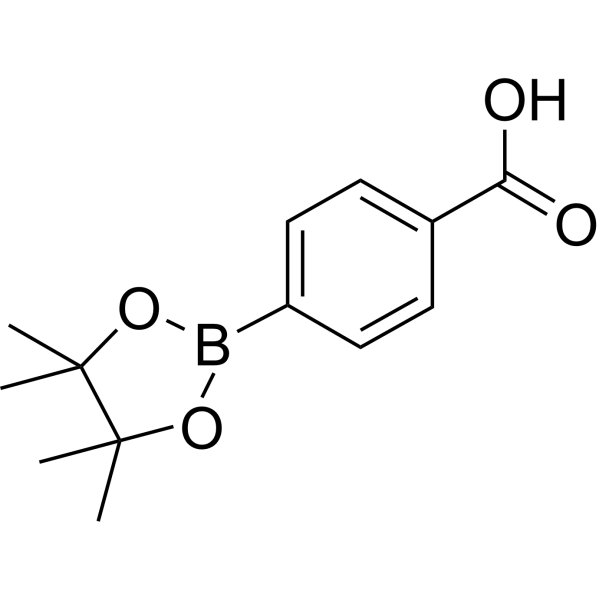
    4-Carboxyphenylboronic acid pinacol ester can be used as a starting material for N-(2-acryloylamino-ethyl)-4-(4,4,5,5-tetramethyl-[1,3,2]dioxaborolan-2-yl)-benzamide (AEBB). 4-Carboxyphenylboronic acid pinacol ester can be used to crosslink epoxidized natural rubber (ENR) to silica. 4-Carboxyphenylboronic acid pinacol ester is a biochemical reagent that can be used as a biological material or organic compound for life science related research .
    4-Carboxyphenylboronic acid pinacol ester
  • HY-W020755

    Biochemical Assay Reagents Others
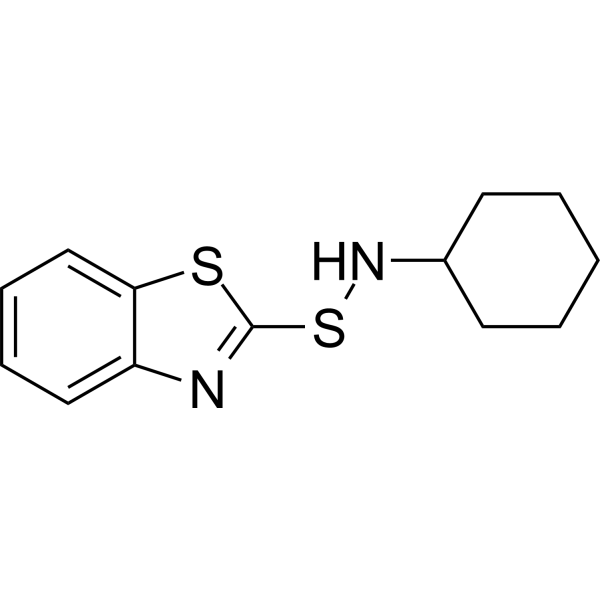
    Thiohexam is a rubber cure accelerator. Thiohexam is also a known allergen and dermatological sensitizer .
    Thiohexam
  • HY-W014332

    Biochemical Assay Reagents Reactive Oxygen Species (ROS) SOD Endocrinology
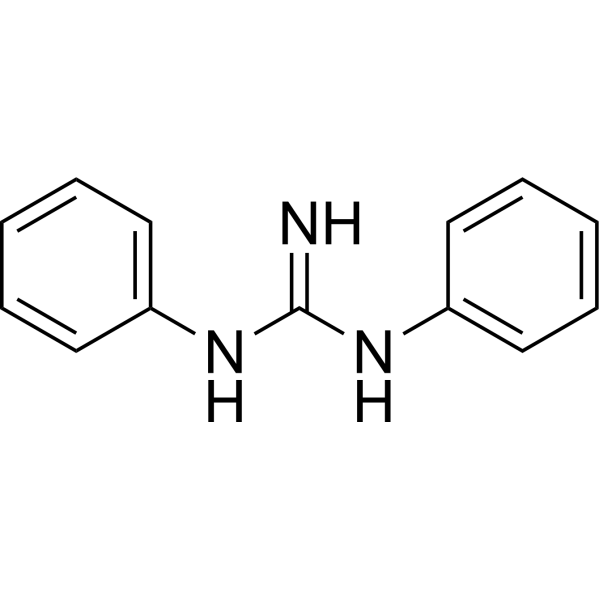
    1,3-Diphenylguanidine is a widely used accelerator in rubber vulcanization. 1,3-Diphenylguanidine increases ROS activity and decreases SOD and CAT activity. 1,3-Diphenylguanidine accelerates the vulcanization process. 1,3-Diphenylguanidine impairs the reproduction and growth of Moina macrocopa [1] [2] [3] .
    1,3-Diphenylguanidine
  • HY-W015761

    Benzoic acid, ammonium

    Environmental Pollutants Biochemical Assay Reagents Others
    Ammonium benzoate is the ammonium salt of benzoic acid, which is used as a preservative in some adhesives and rubber emulsions, and is also a commonly used chemical synthesis intermediate.
    Ammonium benzoate
  • HY-W017050

    Biochemical Assay Reagents Others
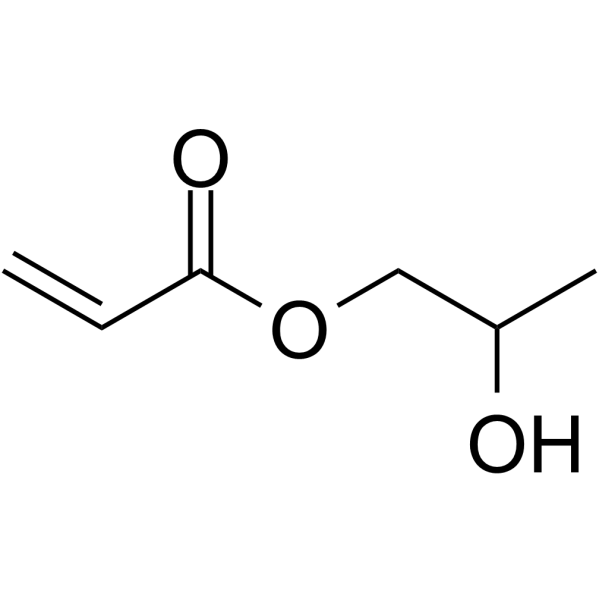
    2-Hydroxypropyl acrylate (HPA) is a severe irritant and corrosive to the skin. 2-Hydroxypropyl acrylate (HPA) is extensively applied in fibre, adhesives, rubber industry, paints and coatings industry .
    2-Hydroxypropyl acrylate
  • HY-ER019

    N-Benzyl-N,N-dibutylbutan-1-aminium chloride

    Biochemical Assay Reagents Others
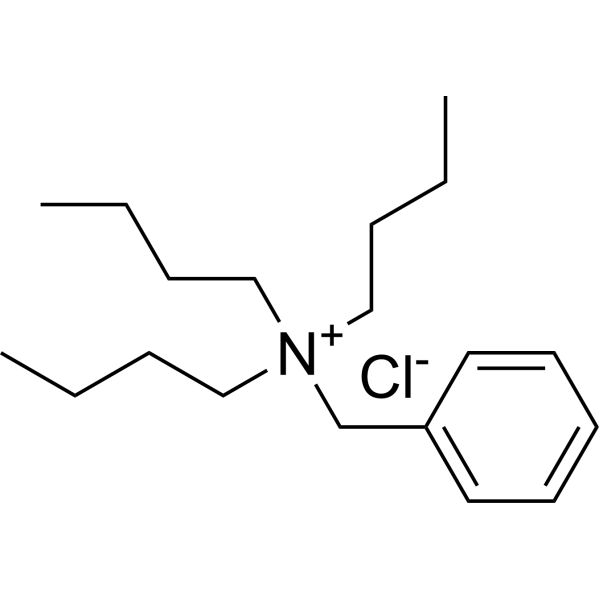
    Benzyltributylammonium chloride is an organic salt compound, usually used in catalytic reactions and surfactants. It can play a catalytic role in some organic synthesis reactions, and can be used as a cleaning agent, lubricant and emulsifier. In addition, the compound is widely used in certain industrial fields, such as in the plastic, rubber and textile manufacturing processes.
    Benzyltributylammonium chloride
  • HY-W127489

    Biochemical Assay Reagents Others
    3-PentadecylphenolIt is an organic compound belonging to the phenolic class. It is attached to the phenolic ring by 15Carbon pentadecyl chain composition, with a touch of sweetness.3-Pentadecylphenol has various applications in the chemical and pharmaceutical industries, especially as an intermediate in the synthesis of various chemicals and pharmaceuticals. In addition, it can be used as an antioxidant for plastics and rubber.
    3-Pentadecylphenol
  • HY-W008816

    Octyl carbinol; Pelargonic alcohol

    Environmental Pollutants Others
    Nonan-1-ol is an organic compound commonly used in the manufacture of surfactants and lubricants, among others. It can be used as a detergent, emulsifier and stabilizer, and is widely used in some cosmetics, personal care products and printing inks. In addition, the compound has important applications in certain industrial fields, for example in the production of plastics and rubber.
    Nonanol
  • HY-145497

    Biochemical Assay Reagents Others
    Dipentamethylenethiuram Tetrasulfide is a material for constructing rubber (extracted from patent CN112876756A) .
    Dipentamethylenethiuram Tetrasulfide
  • HY-113811

    DIXDS; Diproxide

    Biochemical Assay Reagents Others
    Diisopropyl xanthogen disulfide (DIXDS) is a superaccelerator for natural rubber and latex, styrene-butadiene rubber and latex, nitrile butadiene rubber and recycled rubber. It can also be used as a neoprene rubber modifier and an insoluble sulfur stabilizer .
    Diisopropyl xanthogen disulfide
  • HY-112794

    Biochemical Assay Reagents Others
    Topanol CA serves as an effective antioxidant and stabilizer for resins and light-colored rubber products.
    Topanol CA
  • HY-W014222

    p-nitrodiphenylamine

    Biochemical Assay Reagents Others
    4-Nitrodiphenylamine (p-nitrodiphenylamine) is an aromatic amine antioxidant and a component of both burnt gunshot residue and unburnt gunpowder. 4-Nitrodiphenylamine is promising for research of stabilizing additives and antiozonants in rubber .
    4-Nitrodiphenylamine
  • HY-W017590

    1-Fluoro-3-nitrobenzene; 3-Fluoronitrobenzene; m-FNBZ

    Drug Derivative Others
    m-Fluoronitrobenzene (1-Fluoro-3-nitrobenzene) is a meta-substituted benzene derivative bearing fluoro and nitro functional groups. m-Fluoronitrobenzene finds applications in the fields of pharmaceuticals, dyes, pesticides, and synthetic rubber .
    m-Fluoronitrobenzene
  • HY-41685

    Trimethylbenzylammonium dichloroiodide

    Biochemical Assay Reagents Others
    Benzyltrimethylammonium dichloroiodide is an organic compound commonly used as a catalyst and surfactant. It can play a catalytic role in some organic synthesis reactions, and can be used as a cleaning agent, lubricant and emulsifier. In addition, the compound is widely used in certain industrial fields, such as in the plastic, rubber and textile manufacturing processes.
    Benzyltrimethylammonium dichloroiodide
  • HY-W010653R

    lrganox 1010 (Standard); AT1010 (Standard)

    Reference Standards Biochemical Assay Reagents Others
    Antioxidant 1010 (Standard) is the analytical standard of Antioxidant 1010 (lrganox 1010; AT1010) (HY-W010653) . This product is intended for research and analytical applications. Antioxidant 1010 is a hindered phenolic antioxidant. Antioxidant 1010 does not inhibit intercellular gap-junctional communication. Antioxidant 1010 exhibits antioxidant efficacy in plastic, rubber and synthetic fiber ..
    Antioxidant 1010 (Standard)
  • HY-W127740

    Isomethyl-α-ionone; α-Isomethylionone

    Environmental Pollutants Biochemical Assay Reagents Others
    Isonaline 70 is an industrial solvent that belongs to the family of high flash point aromatic naphtha solvents. It is commonly used in a variety of industries including paints and coatings, adhesives and rubber manufacturing, as a thinner and thinner for resins and polymers. Isonaline 70 has various properties that make it suitable for these applications, including its low viscosity, high solvency and good compatibility with other materials. In addition, it can also be used as a cleaning agent for mechanical equipment.
    α-Cetone
  • HY-W020755R

    Biochemical Assay Reagents Reference Standards Others
    Thiohexam (Standard) is the analytical standard of Thiohexam. This product is intended for research and analytical applications. Thiohexam is a rubber cure accelerator. Thiohexam is also a known allergen and dermatological sensitizer .
    Thiohexam (Standard)
  • HY-W335896

    Bacterial Infection Inflammation/Immunology
    4-(2-Octylamino)diphenylamine is an aromatic amine antioxidant, which is toxic to V. fischeri with an IC50 value of 0.68 mg/mL. 4-(2-Octylamino)diphenylamine induces skin sensitization and contact dermatitis in a local lymph node assay in mice. 4-(2-Octylamino)diphenylamine can be used as an additive in rubber .
    4-(2-Octylamino)diphenylamine
  • HY-W738908

    TMTM-d12

    Isotope-Labeled Compounds Drug Derivative Others
    Tetramethylthiuram Monosulfide-d12 (TMTM-d12) is the deuterium labeled Tetramethylthiuram monosulfide (HY-W020246). Tetramethylthiuram monosulfide (TMTM) is an active compound. Tetramethylthiuram monosulfide (TMTM) can be used for the research of rubber and various biochemical studies .
    Tetramethylthiuram Monosulfide-d12
  • HY-B2010S

    Isotope-Labeled Compounds Herbicide Protoporphyrinogen IX oxidase Apoptosis Reactive Oxygen Species (ROS) Neurological Disease Metabolic Disease Cancer
    Fomesafen-d3 is the deuterium-labeled Fomesafen (HY-B2010). Fomesafen is an orally active herbicide. Fomesafen inhibits protoporphyrinogen oxidase (PPO). Fomesafen induces Apoptosis and increases ROS. Fomesafen exhibits developmental toxicity, immunotoxicity, and neurotoxicity. It induces precancerous lesions in the liver and hepaturoporphyria in mice. Fomesafen is used to control broadleaf weeds in soybean fields, rubber plantations, and orchards .
    Fomesafen-d3
  • HY-B2010R

    Herbicide Reference Standards Protoporphyrinogen IX oxidase Apoptosis Reactive Oxygen Species (ROS) Neurological Disease Metabolic Disease Cancer
    Fomesafen (Standard) is the analytical standard of Fomesafen (HY-B2010). This product is intended for research and analytical applications. Fomesafen is an orally active herbicide. Fomesafen inhibits protoporphyrinogen oxidase (PPO). Fomesafen induces Apoptosis and increases ROS. Fomesafen exhibits developmental toxicity, immunotoxicity, and neurotoxicity. It induces precancerous lesions in the liver and hepaturoporphyria in mice. Fomesafen is used to control broadleaf weeds in soybean fields, rubber plantations, and orchards .
    Fomesafen (Standard)
  • HY-W175598

    N,N'-Methylene-bis-morpholine

    Environmental Pollutants Fungal Infection
    Bis(4-morpholinyl)methane (N,N'-Methylene-bis-morpholine) is a broad-spectrum, slow-release formaldehyde-based fungicide. Bis(4-morpholinyl)methane inhibits the growth and reproduction of microorganisms, and prevents spoilage and odor generation in humid environments. Bis(4-morpholinyl)methane serves as a preservative for natural rubber latex .
    Bis(4-morpholinyl)methane
  • HY-W714197

    Fungal Infection
    Methfuroxam is a fungicide that exhibits extremely high inhibitory activity against three important pathogenic fungi (C. salmonicolor, R. lignosus, Ganoderma sp.) of rubber trees and oil palms .
    Methfuroxam
  • HY-W130454R

    rubber Accelerator DTDM (Standard)

    Reference Standards
    N,N'-Dimorpholine Disulfide (Standard) is the analytical standard of N,N'-Dimorpholine Disulfide. This product is intended for research and analytical applications.
    N,N'-Dimorpholine Disulfide (Standard)
  • HY-78451

    Biochemical Assay Reagents Others
    2-Mercaptobenzimidazole is a rubber antioxidant that can be used as a pharmaceutical excipient.
    2-Mercaptobenzimidazole
  • HY-W008816R

    Octyl carbinol (Standard); Pelargonic alcohol (Standard)

    Others Reference Standards Others
    Nonanol (Standard) is the analytical standard of Nonanol (HY-W008816). This product is intended for research and analytical applications. Nonan-1-ol is an organic compound commonly used in the manufacture of surfactants and lubricants, among others. It can be used as a detergent, emulsifier and stabilizer, and is widely used in some cosmetics, personal care products and printing inks. In addition, the compound has important applications in certain industrial fields, for example in the production of plastics and rubber.
    Nonanol (Standard)
  • HY-W108419A

    Sex Pheromone Infection
    trans-5-Decenyl acetate is a synthetic sex pheromone component. trans-5-Decenyl acetate attracts male Anarsia lineatella moths when used in a mixture with trans-5-decen-1-ol (HY-W127516). trans-5-Decenyl acetate can be used to monitor male Anarsia lineatella moth activity in peach and almond orchard field .
    trans-5-Decenyl acetate
  • HY-W108424

    Sex Pheromone Others
    (Z)-11-Tetradecenyl acetate is a sex pheromone component and attractant for male Euhyponomeutoides albithoracellus. (Z)-11-Tetradecenyl acetate elicits strong, consistent electrophysiological responses in male Euhyponomeutoides albithoracellus antennal receptors. (Z)-11-Tetradecenyl acetate attracts male Euhyponomeutoides albithoracellus when paired with (E)-11-tetradecenyl acetate, with highest attraction at specific E:Z isomer ratios. (Z)-11-Tetradecenyl acetate can be used for the research of sustainable pest control including monitoring and mating disruption .
    (Z)-11-Tetradecenyl acetate

Inquiry Online

Your information is safe with us. * Required Fields.

Salutation


Country or Region *

Applicant Name *


Organization Name *

Department *


Email Address *


Product Name *

Cat. No.


Requested quantity *

Phone Number *


Remarks

Inquiry Online

Inquiry Information

Product Name:
Cat. No.:
Quantity:
MCE Japan Authorized Agent:

