

33 Results for "

salivary glands

" in MedChemExpress (MCE) Product Catalog:
Products (33)

33 Results for "salivary glands" in MCE Product Catalog:

3
3 Cited Publications
Cat. No.: HY-107588
CAS No.: 916734-43-5
Purity:  99.94%
Target:  

Integrin

Research Areas:  

Cardiovascular Disease

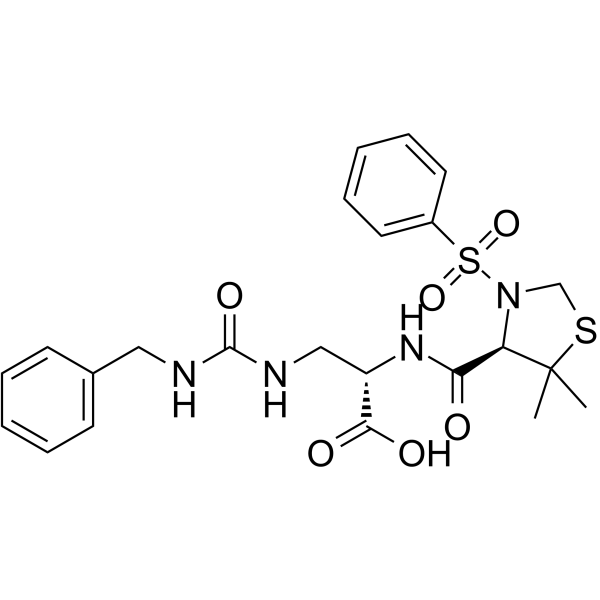
TC-I 15 (TC-I-15) is a type of allosteric collagen-binding integrin α2β1 inhibitor, and it also inhibits α1β1 and α11β1. TC-I 15 inhibits platelet adhesion to collagen and thrombus deposition. TC-I 15 prevents the formation of a pre-metastatic microenvironment by inhibiting the uptake of cancer-associated fibroblast (CAF) extracellular vesicles (EVs) by lung fibroblasts, which reduces the metastasis of salivary gland adenocystic carcinoma (SACC) to the lungs in mouse models, .
loading...
    loading...
2
2 Cited Publications
Cat. No.: HY-70020B
CAS No.: 107220-28-0
Synonyms: AF102B hydrochloride
Target:  

mAChR

Research Areas:  

Neurological Disease Cancer

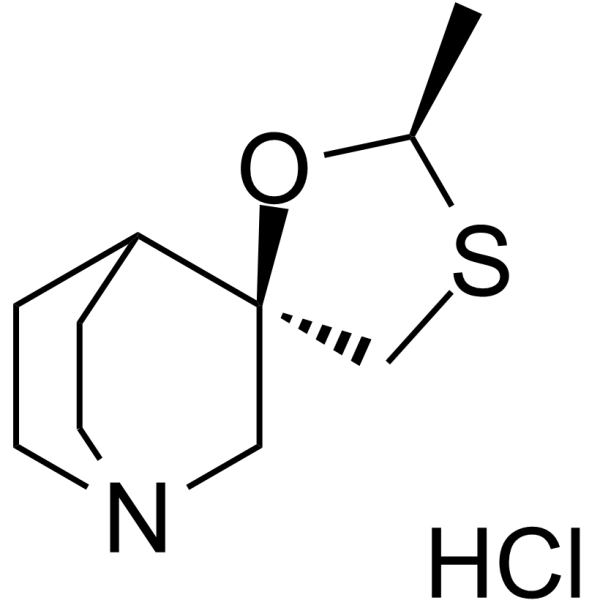
Cevimeline hydrochloride (AF102B hydrochloride) is a quinuclidine derivative of acetylcholine and a selective and orally active muscarinic M1 and M3 receptor agonist. Cevimeline hydrochloride stimulates secretion by the salivary glands and can be used as a sialogogue for xerostomia . Cevimeline hydrochloride can cross the blood-brain barrier (BBB) .
loading...
    loading...
2
2 Cited Publications
Cat. No.: HY-76772
CAS No.: 153504-70-2
Synonyms: SNI-2011; AF102B hydrochloride hemihydrate
Target:  

mAChR

Research Areas:  

Neurological Disease Cancer

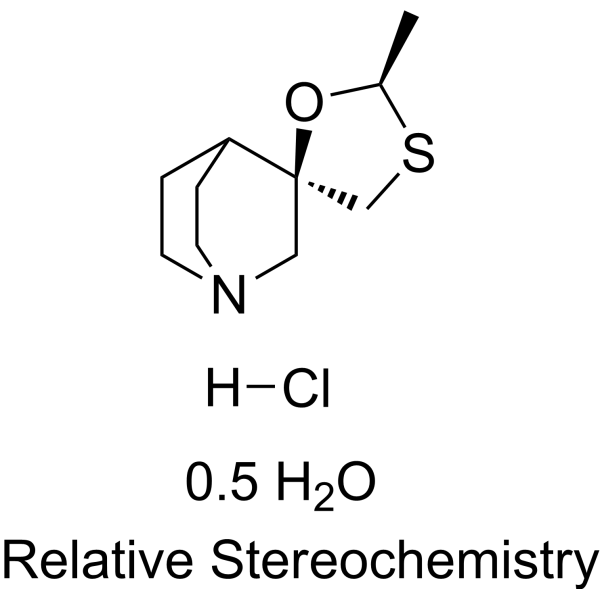
Cevimeline hydrochloride hemihydrate (SNI-2011) is a quinuclidine derivative of acetylcholine and a selective and orally active muscarinic M1 and M3 receptor agonist. Cevimeline hydrochloride hemihydrate stimulates secretion by the salivary glands and can be used as a sialogogue for xerostomia . Cevimeline hydrochloride hemihydrate can cross the blood-brain barrier (BBB) .
loading...
    loading...
2
2 Cited Publications
Cat. No.: HY-70020
CAS No.: 107233-08-9
Synonyms: AF102B
Target:  

mAChR

Research Areas:  

Neurological Disease Cancer

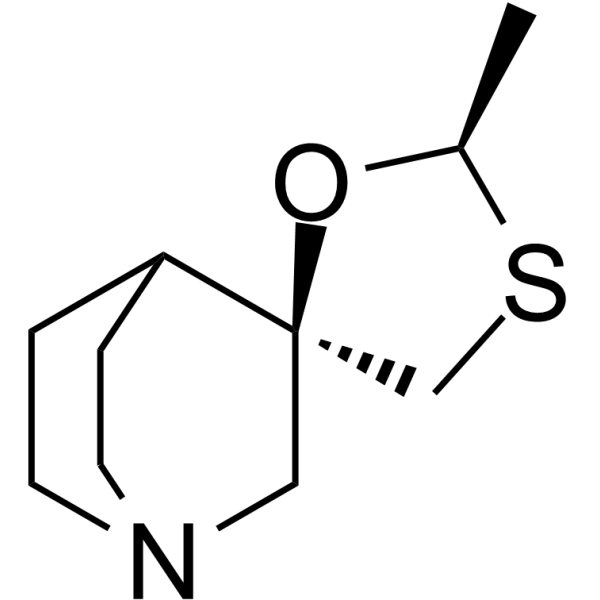
Cevimeline (AF-102B) is a quinuclidine derivative of acetylcholine and a selective and orally active muscarinic M1 and M3 receptor agonist. Cevimeline stimulates secretion by the salivary glands and can be used as a sialogogue for xerostomia . Cevimeline can cross the blood-brain barrier (BBB) .
loading...
    loading...
Cat. No.: HY-B2192
CAS No.: 9000-92-4
Amylase is an enzyme produced by pancreas and salivary glands, catalyzing the hydrolysis of starch into sugars. Amylase are broadly classified into α, β, and γ subtypes .
loading...
    loading...
Cat. No.: HY-90010
CAS No.: 124937-52-6
Synonyms: Kabi-2234; PNU-200583E
Target:  

mAChR Cytochrome P450

Research Areas:  

Neurological Disease Cancer

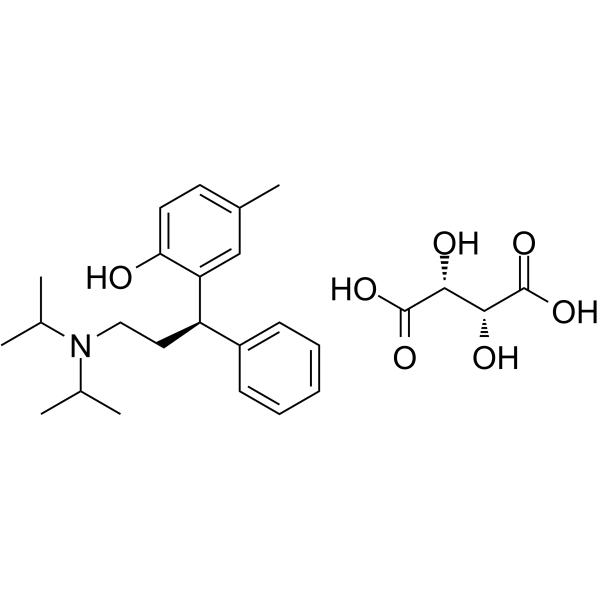
Tolterodine tartrate (Kabi-2234) is a mAChR inhibitor and substrate for cytochrome P450 enzymes. Tolterodine tartrate competitively binds acetylcholine, reduces sympathetic excitation, and inhibits involuntary bladder muscle contraction. Tolterodine tartrate restores the Nrf2/NF-κB signaling pathway, mediates protection against inflammatory response and ferroptosis. Tolterodine tartrate ameliorates LPS (HY-D1056)-induced reactive oxygen species production and lipid oxidation. Tolterodine tartrate can be used for the research of urinary tract infections and overactive bladder .
loading...
    loading...
Cat. No.: HY-E70562
Target:  

Bacterial

Research Areas:  

Infection Cancer

Mucinase StcE is a zinc metalloproteinase belonging to the M66 family, which is secreted by enterohemorrhagic Escherichia coli via the type II general secretion pathway. Mucinase StcE specifically recognizes and cleaves the 'T*XT' motif in mucin-type glycoproteins with α-O-glycans (such as MUC2, Mucin 7, Glycoprotein 340, CD45, CD43, C1 Esterase Inhibitor (HY-P991629), etc.). By degrading the mucus layer to reduce its viscosity, inhibiting complement cascade activation, and localizing complement regulatory factors to the cell membrane, Mucinase StcE helps bacteria penetrate the mucosal barrier, adhere to host cells, and evade immune clearance. Mucinase StcE can serve as a mucin-specific proteolytic tool for research on mucinous carcinomas derived from the colon, esophagus, and salivary glands .
loading...
    loading...
Cat. No.: HY-101329
CAS No.: 723-62-6
Purity:  99.09%
Synonyms: 9-Anthracenecarboxylic acid
Target:  

MOFs Chloride Channel

Research Areas:  

Others

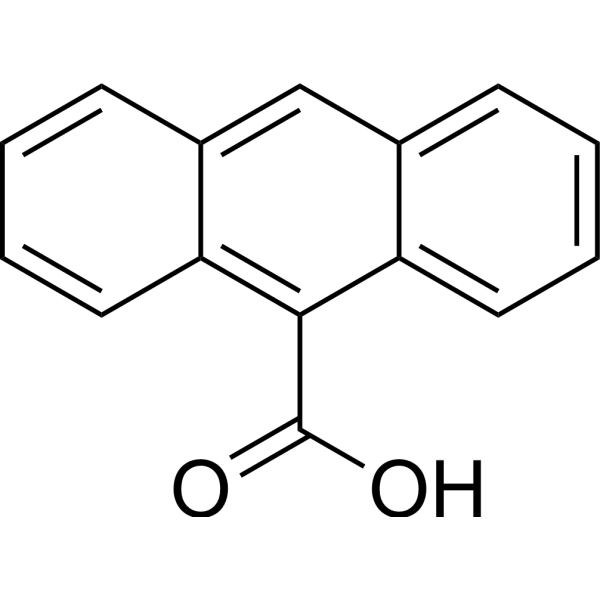
Anthracene-9-carboxylic acid (9-Anthracenecarboxylic acid) is an anthracene derivative traditionally used to block and identify Ca 2+-activated Cl - currents (CaCCs) in various cell types, like diverse smooth muscle cells, epithelial cells and salivary gland cells .
loading...
    loading...
Cat. No.: HY-106449
CAS No.: 203191-10-0
Purity:  ≥98.0%
Synonyms: DA-6034 free acid
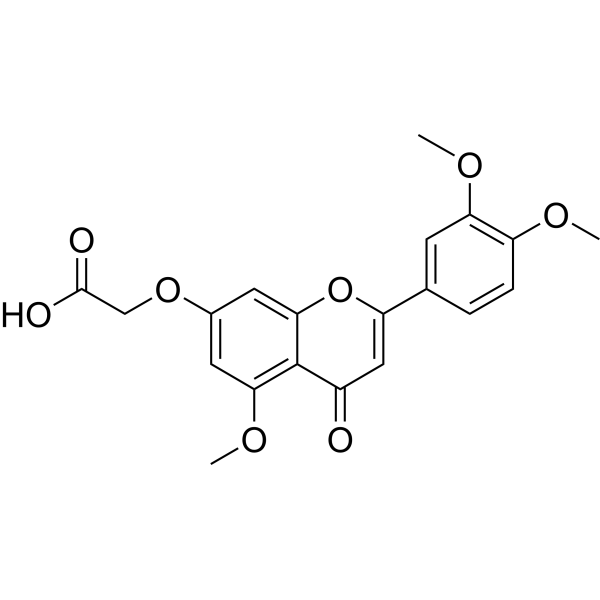
Recoflavone (DA-6034 (free acid)), a synthetic derivative of the flavonoid Eupatilin (HY-N0783), is orally active. Recoflavone can inhibit the NF-κB pathway and induce [Ca( 2+)]i increase in epithelial cells. Recoflavone exhibits activities such as anti-inflammation, anti-tumor effects, protection of gastric and intestinal mucosa, and promotion of secretion in the ocular surface and salivary glands. Recoflavone can be used for the research of diseases such as dry eye, gastric injury, and intestinal injury .
loading...
    loading...
Cat. No.: HY-172404
CAS No.: 9016-17-5
Target:  

Endogenous Metabolite

Research Areas:  

Cancer

Arylsulfatase is a hydrolase with substrate specificity for potassium 6-benzoyl-2-naphthyl sulfate. Arylsulfatase exhibits optimal activity at 37°C, and its incubation time is tissue-dependent. Arylsulfatase can be used in tumor-related research .
loading...
    loading...
Cat. No.: HY-D2465
Target:  

Fluorescent Dye

Research Areas:  

Infection

CY5-Dextran (MW60-80k) is a fluorescent probe formed by covalent conjugation of the cyanine dye Cy5 to dextran. It is a pH-insensitive fluid-phase endocytosis tracer (the pH of endosomal lumen is precisely quantified by the fluorescence ratio of FITC/Cy5). CY5-Dextran (MW60-80k) is internalized by cells via a clathrin-independent fluid-phase pinocytosis pathway, and is sequentially evidenced by early endosomes, late endosomes are transported to lysosomes. CY5-D I cannot pass through the limited pore size formed by uncoating of human rhinovirus type 2 (HRV2), but can be released into the neutral cytoplasm upon adenovirus-mediated endosomal rupture, thus distinguishing between the two viral modes of "pore-forming escape" and "lysis escape". CY5-Dextran (MW60) -80k) has an excitation wavelength of 635 nm, and it can also be used for time-lapse imaging of endocytosis dynamics of stromal cells in tissues such as rat salivary glands under in vivo two-photon microscopy .
loading...
    loading...
Cat. No.: HY-14825A
CAS No.: 1159101-48-0
Purity:  99.86%
Synonyms: SVT-40776 D-tartrate
Target:  

mAChR

Research Areas:  

Inflammation/Immunology

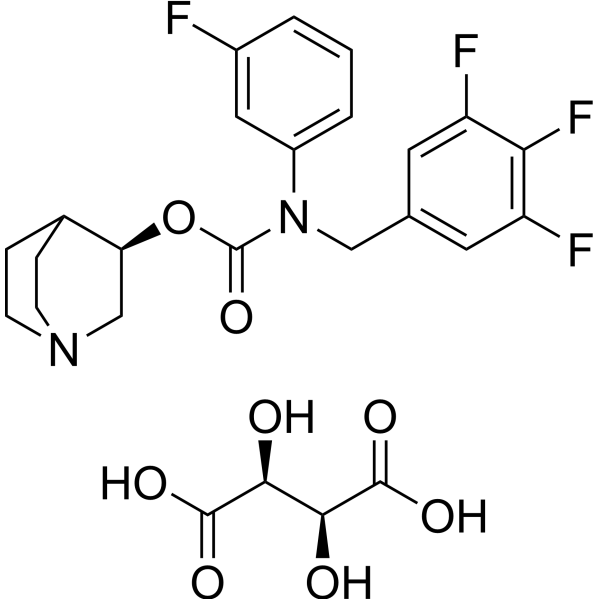
Tarafenacin (SVT-40776) D-tartrate is an orally active, selective M3 muscarinic receptor (M3 muscarinic receptor) antagonist with 203-fold selectivity over the M2 muscarinic receptor. Tarafenacin D-tartrate does not affect atrial contraction, arterial blood pressure or arterial pressure at high doses. Tarafenacin D-tartrate can be used in the research of overactive bladder .
loading...
    loading...
Cat. No.: HY-P3483
CAS No.: 135374-80-0
Maxadilan is a specific irreversible PAC1 receptor agonist and a potent vasodilator peptide present in the salivary glands of sand flies. Maxadilan exhibits anti-apoptotic activity in hADSCs. Maxadilan inhibits pro-inflammatory cytokines (TNF-α) and enhances anti-inflammatory mediators (IL-10). Maxadilan can activate leukocytes and inhibit vascular permeability through PAC1 receptors. Maxadilan promotes neural differentiation of human adipose-derived stem cells. Maxadilan can be used to study endotoxin shock, atherosclerosis, and neurodegenerative diseases [1] [2] [3] [4] [5].
loading...
    loading...
Cat. No.: HY-158118
CAS No.: 2088426-96-2
Purity:  97.19%
Target:  

DNA-PK

Research Areas:  

Cancer

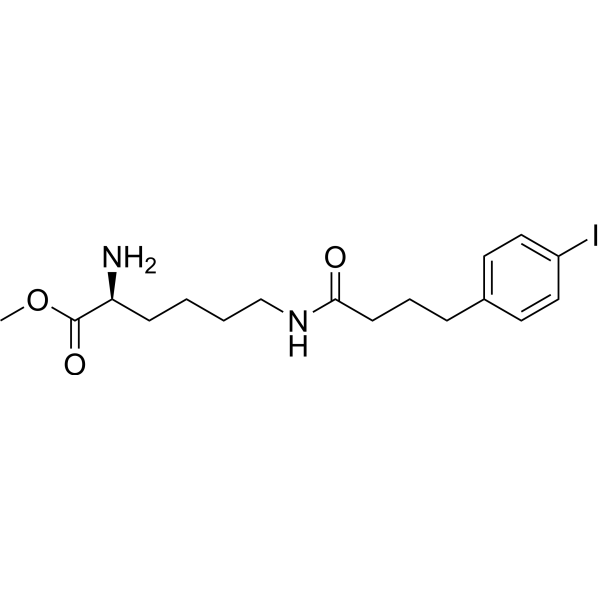
Lys(CO-C3-p-I-Ph)-OMe is a pharmacokinetic modifier (PK modifier) that can improve the PK properties of PSMA ligand molecules (such as Ac-PSMA-trillium). Lys(CO-C3-p-I-Ph)-OMe can increase the residence time of Ac-PSMA-trillium in plasma by increasing its binding capacity to albumin. Lys(CO-C3-p-I-Ph)-OMe also reduces salivary gland absorption of Ac-PSMA-trillium, potentially extending its half-life. Ac-PSMA-trillium is a suitable PSMA-targeting compound that has different biological applications after modification with different radioactive isotopes. If labeled with 111In, it can be used as DOTA chelating agent and imaging agent. Or labeled with 225Ac as a Macropa chelator for targeted radionuclide therapy (TRT) in the study of metastatic castration-resistant prostate cancer (mCRPC) .
loading...
    loading...
Cat. No.: HY-158122
CAS No.: 2703051-80-1
Purity:  98.14%
Target:  

DNA-PK

Research Areas:  

Cancer

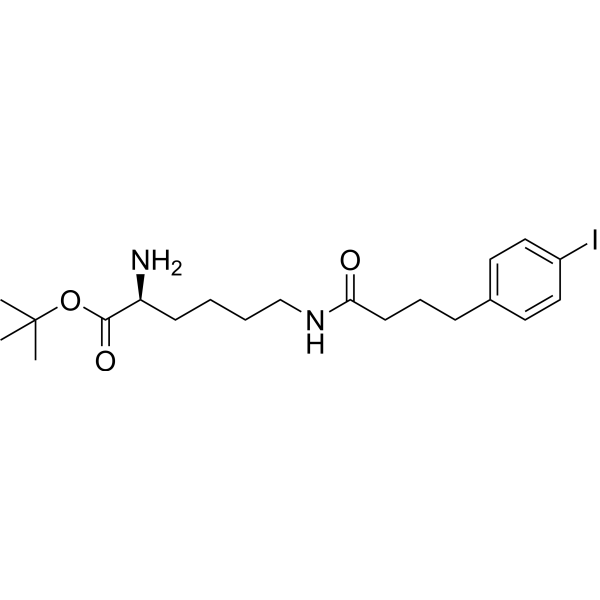
Lys(CO-C3-p-I-Ph)-O-tBu is a pharmacokinetic modifier (PK modifier) that can improve the pharmacokinetic properties of PSMA ligand molecules. Lys(CO-C3-p-I-Ph)-O-tBu can increase the residence time of PSMA ligand in plasma by increasing its binding capacity to albumin. Lys(CO-C3-p-I-Ph)-O-tBu also reduces salivary gland absorption, possibly extending the half-life of the active compound .
loading...
    loading...
Cat. No.: HY-P3050
CAS No.: 93585-83-2
Target:  

GCGR

Research Areas:  

Cardiovascular Disease

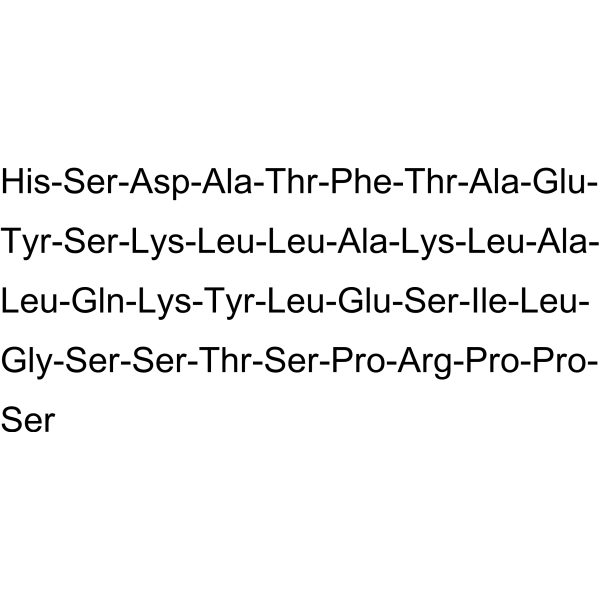
Helospectin II is a neuropeptide of the vasoactive intestinal peptide (VIP) family. Helospectin II has vasodilatory and antihypertensive activities, and decreases blood pressure. Helospectin II is originally isolated from the salivary gland venom of the lizard Heloderma suspectum .
loading...
    loading...
Cat. No.: HY-122548
CAS No.: 29025-14-7
Target:  

mAChR

Research Areas:  

Endocrinology

Butropium bromide is a competitive mAChR antagonist. Butropium bromide blocks acetylcholine-mediated glandular secretion and muscle contraction signals, suppressing salivary gland secretion and respiratory smooth muscle spasms. Butropium bromide is promising for research of excessive salivation .
loading...
    loading...
Cat. No.: HY-101329S
CAS No.: 1219803-78-7
Purity:  98.94%
Synonyms: 9-Anthracenecarboxylic acid-d9
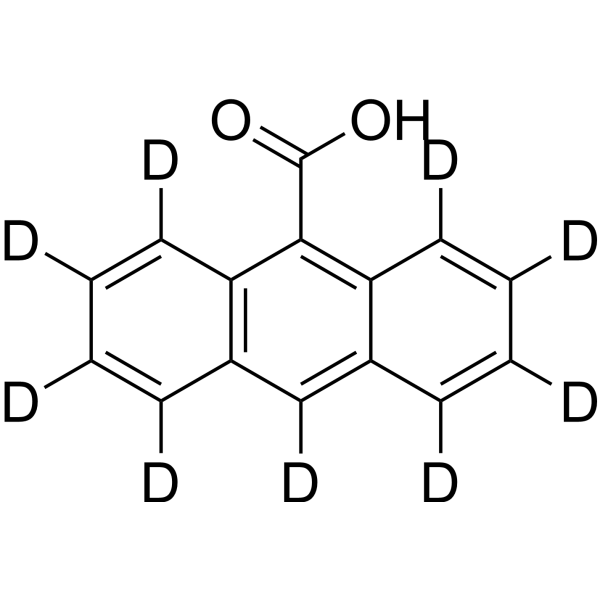
Anthracene-9-carboxylic acid-d9 is the deuterium labeled Anthracene-9-carboxylic acid . Anthracene-9-carboxylic acid (9-Anthracenecarboxylic acid) is an anthracene derivative traditionally used to block and identify Ca2+-activated Cl- currents (CaCCs) in various cell types, like diverse smooth muscle cells, epithelial cells and salivary gland cells .
loading...
    loading...
Cat. No.: HY-NP024
Snake poison protein is a venom protein secreted by the salivary glands of venomous snakes .
loading...
    loading...
Cat. No.: HY-P3053
CAS No.: 93438-37-0
Target:  

GCGR

Research Areas:  

Cardiovascular Disease

Helospectin I is a neuropeptide of the vasoactive intestinal peptide (VIP) family. Helospectin I has vasodilatory and antihypertensive activities, and decreases blood pressure. Helospectin I is originally isolated from the salivary gland venom of the lizard Heloderma suspectum .
loading...
    loading...

