

1. Search Result
Search Result
Results for "

time-dependent

" in MedChemExpress (MCE) Product Catalog:

100

Inhibitors & Agonists

1

Screening Libraries

2

Fluorescent Dye

5

Peptides

2

Inhibitory Antibodies

14

Natural
Products

5

Isotope-Labeled Compounds

2

Click Chemistry

Cat. No. Product Name Target Research Areas Chemical Structure
  • HY-N7038
    Phytohemagglutinin
    Maximum Cited Publications
    7 Publications Verification

    PHA-M

    NF-κB COX Interleukin Related Reactive Oxygen Species (ROS) Neurological Disease Inflammation/Immunology Cancer
    Phytohemagglutinin (PHA-M), the major seed lectin of the common bean, Phaseolus vulgaris, is a T-cell activator. Phytohemagglutinin stimulates human mononuclear leukocytes, inducing the expression of ChAT mRNA and potentiating ACh synthesis. Phytohemagglutinin induces dose- and time-dependent toxicity in THP-1 monocytes/macrophages, alters cellular morphology, causes organelle dysfunction, and increases the expression of NF-κB, COX2, IL-1β .
    Phytohemagglutinin
  • HY-139664
    GSK-3685032
    10+ Cited Publications

    DNA Methyltransferase Cancer
    GSK-3685032 is a non-time-dependent, noncovalently, first-in-class reversible DNMT1-selective inhibitor, with an IC50 of 0.036 μM. GSK-3685032 induces robust loss of DNA methylation, transcriptional activation, and cancer cell growth inhibition .
    GSK-3685032
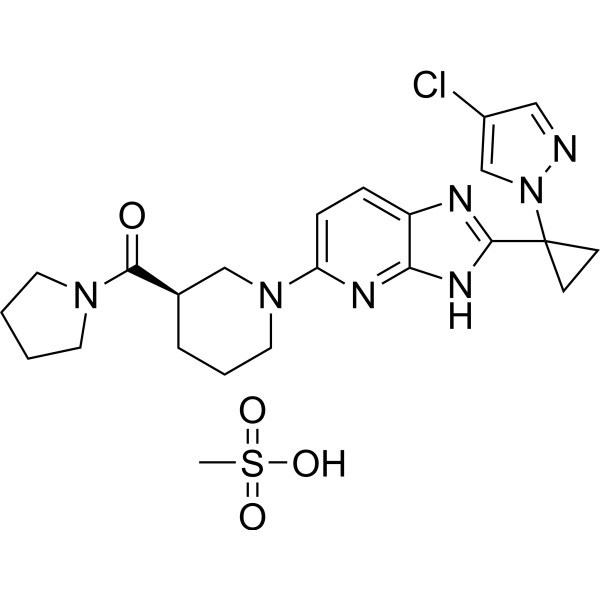
  • HY-108341A
    PF-06424439 methanesulfonate
    Maximum Cited Publications
    25 Publications Verification

    Acyltransferase Metabolic Disease
    PF-06424439 methanesulfonate is an oral, potent and selective imidazopyridine diacylglycerol acyltransferase 2 (DGAT2) inhibitor with an IC50 of 14 nM . PF-06424439 methanesulfonate is slowly reversible, time-dependent inhibitor, which inhibits DGAT2 in a noncompetitive mode with respect to the acyl-CoA substrate .
    PF-06424439 methanesulfonate
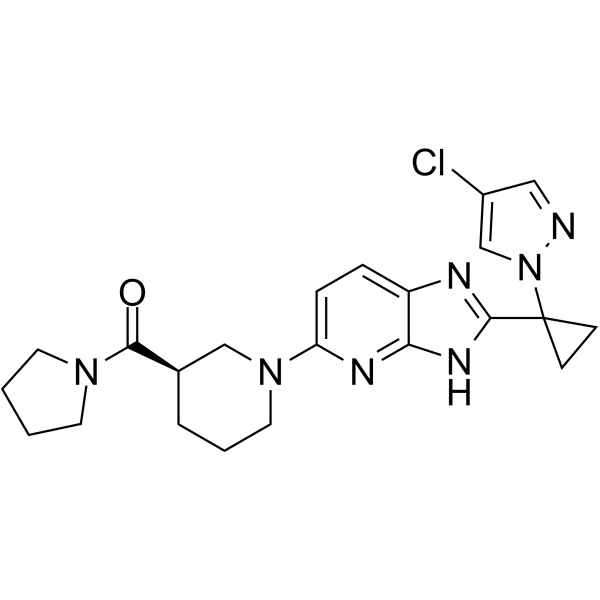
  • HY-108341
    PF-06424439
    Maximum Cited Publications
    25 Publications Verification

    Acyltransferase Metabolic Disease
    PF-06424439 is an oral, potent and selective imidazopyridine diacylglycerol acyltransferase 2 (DGAT2) inhibitor with an IC50 of 14 nM . PF-06424439 is slowly reversible, time-dependent inhibitor, which inhibits DGAT2 in a noncompetitive mode with respect to the acyl-CoA substrate .
    PF-06424439
  • HY-N0220
    Dauricine
    3 Publications Verification

    Oxidative Phosphorylation NF-κB Apoptosis Neurological Disease Inflammation/Immunology Cancer
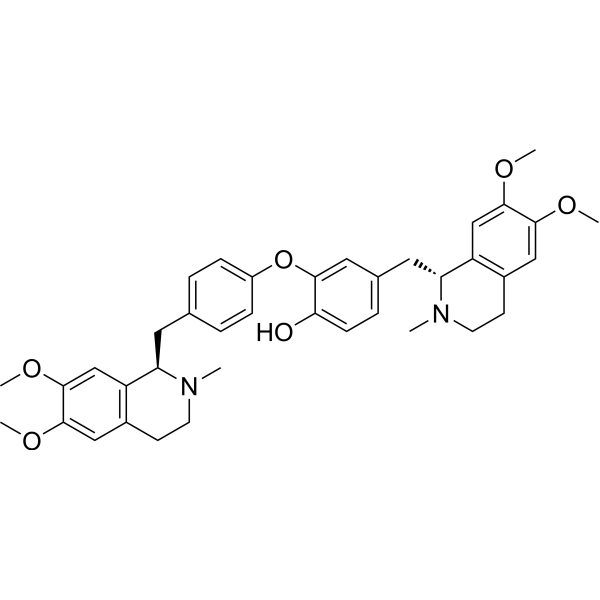
    Dauricine, a bisbenzylisoquinoline alkaloid in Menispermum dauricum, possesses anti-inflammatory activity. Dauricine inhibits cell proliferation and invasion, and induces apoptosis by suppressing NF-κB activation in a dose- and time-dependent manner in colon cancer .
    Dauricine
  • HY-B0363
    Nimesulide
    5+ Cited Publications

    R805

    COX Inflammation/Immunology Cancer
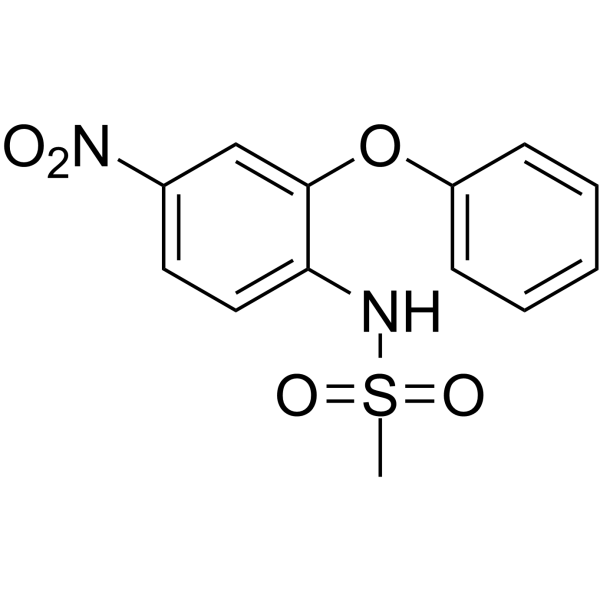
    Nimesulide is a selective COX-2 inhibitor, with IC50s of 70 nM-70 μM in a time-dependent manner, but it shows no effect on COX-1 (IC50 >100 μM). Nimesulide has potent anti-inflammatory, analgesic and antipyretic properties.
    Nimesulide
  • HY-125348

    Drug Metabolite Cancer
    6α-Hydroxy paclitaxel is one of the main metabolites of Paclitaxel (PTX) (HY-B0015), and it is generated by the liver cytochrome P450 enzyme CYP2C8. 6α-Hydroxy paclitaxel has bone marrow toxicity, but it can enhance the cytotoxicity of PTX against leukemia cells without causing cell toxicity. 6α-Hydroxy paclitaxel can be used in leukemia research .
    6α-Hydroxy paclitaxel
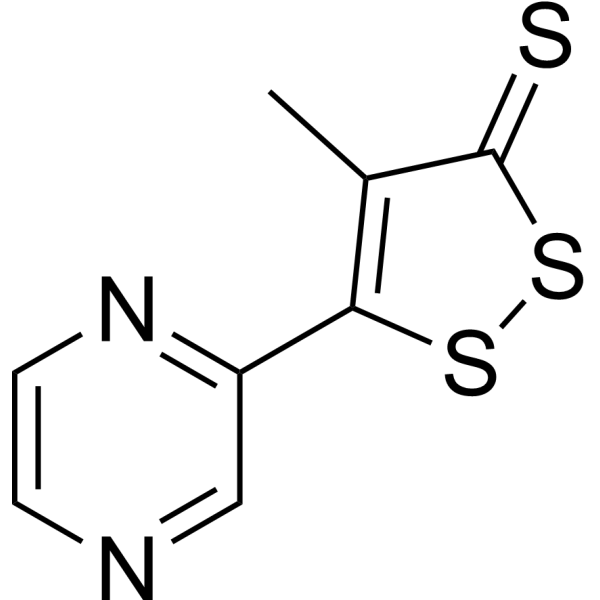
  • HY-12519
    Oltipraz
    20+ Cited Publications

    RP 35972; NSC 347901

    HIF/HIF Prolyl-Hydroxylase HIV Keap1-Nrf2 Parasite Cancer
    Oltipraz has an inhibitory effect on HIF-1α activation in a time-dependent manner, completely abrogating HIF-1α induction at ≥10 μM concentrations, the IC50 of Oltipraz for HIF-1α inhibition is 10 μM. Oltipraz is a potent Nrf2 activator.
    Oltipraz
  • HY-135334
    ACP-5862
    1 Publications Verification

    Drug Metabolite Btk Cytochrome P450 Cancer
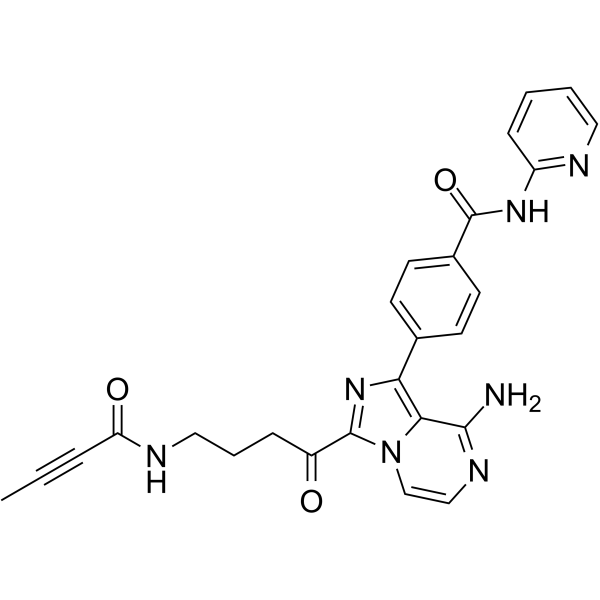
    ACP-5862 is a major active, circulating, pyrrolidine ring-opened metabolite of Acalabrutinib with an IC50 of 5.0 nM for Bruton tyrosine kinase (BTK). ACP‐5862 is a weak time‐dependent inactivator of CYP3A4 and CYP2C8. Acalabrutinib is an orally active, irreversible, and highly selective BTK inhibitor, with an IC50 of 3 nM and EC50 of 8 nM .
    ACP-5862
  • HY-18642

    PF-4981517

    Cytochrome P450 Others
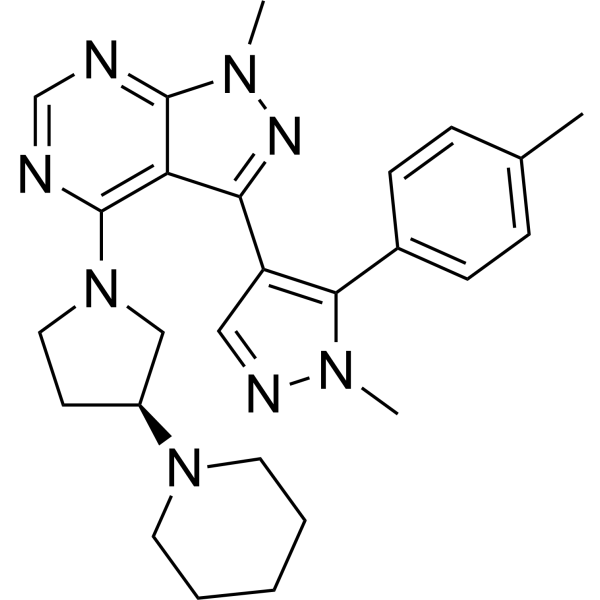
    CYP3cide (PF-4981517) is a potent, selective and time-dependent inhibitor of cytochrome P4503A4 (CYP3A4). The IC50 values for Midazolam 1’-hydroxylase activity are 0.03 μM, 17 μM, and 71 μM for CYP3A4, CYP3A5, and CYP3A7, respectively. CYP3cide can be used to distinguish the contributions of CYP3A4 versus CYP3A5 on agent metabolism .
    CYP3cide
  • HY-19832
    SC66
    5 Publications Verification

    MOFs Akt Apoptosis Cancer
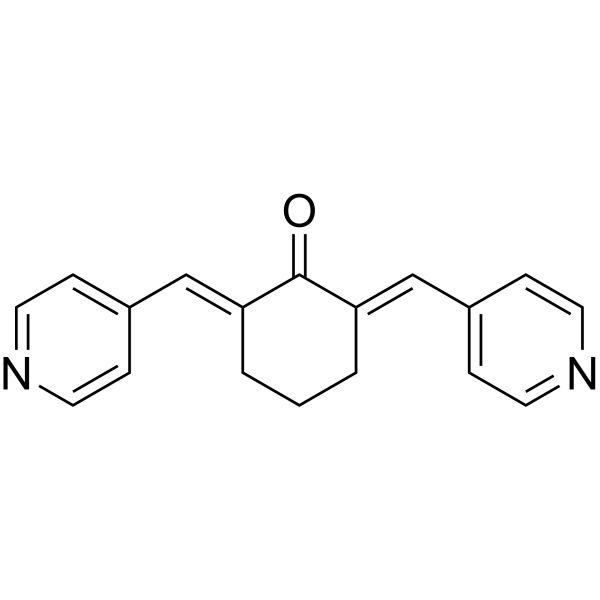
    SC66 is an Akt inhibitor, reduces cell viability in a dose- and time-dependent manner, inhibits colony formation and induces apoptosis in hepatocellular carcinoma (HCC) cells.
    SC66
  • HY-134508A

    Biochemical Assay Reagents Others
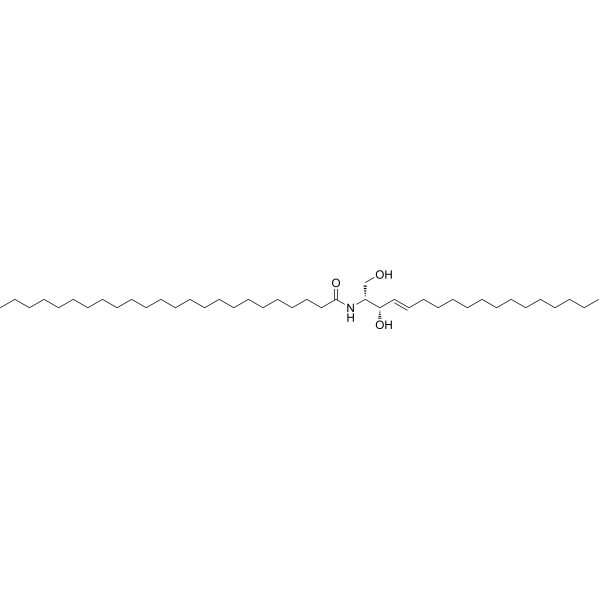
    C24-Ceramide (d18:1/24:0) is a sphingolipid that can be used for the lipid membranes composed. C24-Ceramide (d18:1/24:0) induces time-dependent changes in membrane properties. C24-Ceramide (d18:1/24:0) induces membrane reorganization .
    C24-Ceramide (d18:1/24:0)
  • HY-W704574

    Carboxypeptidase Bradykinin Receptor Interleukin Related Cardiovascular Disease Metabolic Disease
    Mergetpa is a reversible Arg-carboxypeptidase inhibitor with high affinity. Mergetpa reduces B1R. Mergetpa blocks the overexpression of IL-1β protein and mRNA in glucose-fed rats. Mergetpa significantly increases the expression of IL-1β protein in the renal cortex. Mergetpa is used to block the conversion of kinins and B2 receptor antagonists into metabolites lacking the C-terminal arginine. Mergetpa inhibits the time-dependent enhancement of the response of isolated rabbit aorta to bradykinin. Mergetpa preserves the chemotactic activity of full-length SDF-1α on cells. Mergetpa reverses hyperglycemia, excessive weight gain, elevated levels of oxidative stress markers and overexpression of inflammatory markers in glucose-fed rats .
    Mergetpa
  • HY-117570

    PDI Neurological Disease
    KSC-34, a covalent modifier of protein disulfide isomerase A1 (PDIA1), is also a selective and potent a-site inhibitor of PDIA1 with an IC50 of 3.5 μM. KSC-34 displays a 30-fold selectivity for a domain over a′ domain and displays high selectivity for PDIA1 in complex proteomes with minimal engagement of other members of the PDI family . KSC-34 is a click chemistry reagent, it contains an Alkyne group and can undergo copper-catalyzed azide-alkyne cycloaddition (CuAAc) with molecules containing Azide groups.
    KSC-34
  • HY-160924

    PROTACs BMI1 E1/E2/E3 Enzyme Histone Methyltransferase Cancer
    MS147 is a VHL-based PROTAC degrader of BMI1 and RING1B (polycomb repressive complex 1 core components). MS147 directly binds EED and VHL E3 ligase, recruiting the ligase to the EED-BMI1/RING1B complex to induce time-dependent, ubiquitination-mediated degradation of BMI1 and RING1B. MS147 reduces histone H2A Lys119 mono-ubiquitination without altering histone H3 Lys27 tri-methylation and inhibits cancer cells proliferation. MS147 can be used for the research of cancer, such as chronic myelogenous leukemia and b-cell lymphoma . (Pink: BMI1/RING1B ligand (HY-183634); Blue: VHL ligand (HY-125845); Black: linker)
    MS147
  • HY-P3579

    GIP (1-42), porcine

    Insulin Receptor Metabolic Disease
    Gastric Inhibitory Peptide (GIP (1-42)), porcine is a porcine glucose-dependent insulinotropic polypeptide and inhibitor of pentagastrin-stimulated gastric acid secretion. Gastric Inhibitory Peptide, porcine stimulates endogenous somatostatin release. Gastric Inhibitory Peptide, porcine acts in a dose- and time-dependent manner in conscious, chronic gastric fistula-equipped rats .
    Gastric Inhibitory Peptide, porcine
  • HY-N6744

    Apoptosis Endogenous Metabolite Fungal Parasite Arp2/3 Complex Infection Cancer
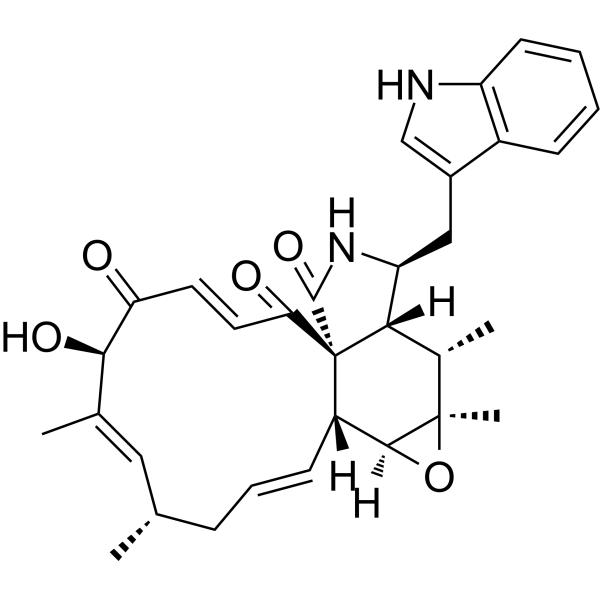
    Chaetoglobosin A is a secondary metabolite and nematicide. Chaetoglobosin A is produced by Penicillium aquamarinium. Chaetoglobosin A targets Filamentous actin in cells, thereby inducing cell cycle arrest, and inhibiting membrane ruffle formation and cell migration. Chaetoglobosin A preferentially induces Apoptosis in chronic lymphocytic leukemia cells. Chaetoglobosin A induces dose- and time-dependent death in J2 larvae of the southern root-knot nematode (Meloidogyne incognita). Chaetoglobosin A can be used in studies related to root-knot nematode disease and chronic lymphocytic leukemia .
    Chaetoglobosin A
  • HY-N1410

    STAT NF-κB Cancer
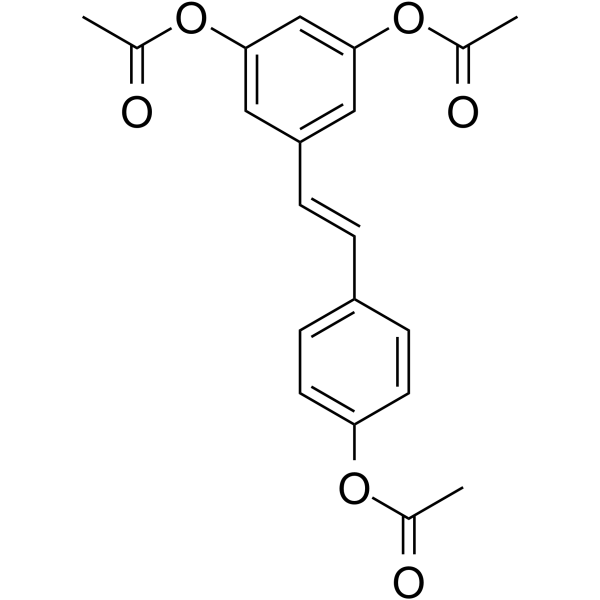
    Triacetylresveratrol, an acetylated analog of Resveratrol. Triacetylresveratrol decreases the phosphorylation of STAT3 and NF-κB in a dose- and time- dependent manner in PANC-1 and BxPC-3 cells. Anticancer effects .
    Triacetylresveratrol
  • HY-16718

    PF-00251802

    Glucocorticoid Receptor Cytochrome P450 Inflammation/Immunology Endocrinology
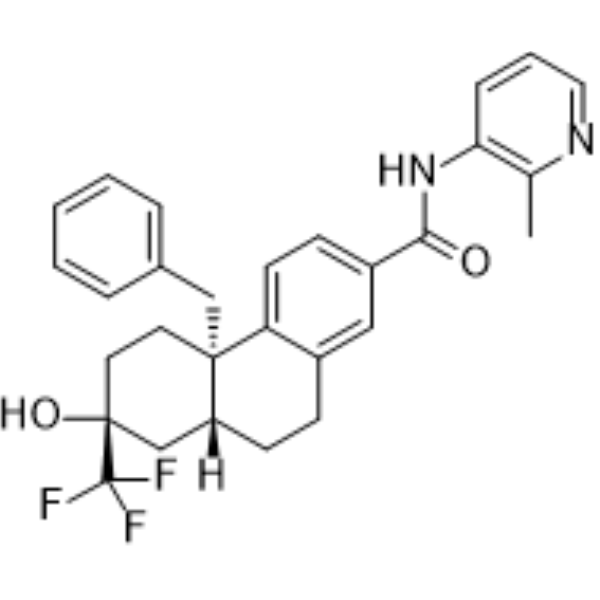
    Dagrocorat (PF-00251802) is an orally active and selective high-affinity partial agonist of the glucocorticoid receptor. Dagrocorat is also a time-dependent reversible inhibitor of CYP3A (IC50=1.3 μM in human liver microsomes) and CYP2D6 (Ki=0.57 μM in human liver microsomes). Dagrocorat can be used for the research of rheumatoid arthritis .
    Dagrocorat
  • HY-15648C
    GSK-J5
    1 Publications Verification

    Histone Demethylase Parasite Cancer
    GSK-J5 is a potent inhibitor of Schistosome and worm. GSK-J5 increases schistosomula mortality and adult worm motility and mortality, as well as egg oviposition, in a dose- and time-dependent manner .
    GSK-J5
  • HY-143883

    PROTACs Akt Cancer
    MS143 is a potent PROTAC AKT degrader (DC50=46 nM and GI50=0.8 μM in PC3 cells). MS143 induces rapid and robust AKT degradation in a concentration- and time-dependent manner via hijacking the ubiquitin-proteasome system. MS143 can suppress cancer cell growth (Pink: AKT ligand (HY-15431); Blue: E3 ligase ligand (HY-125845); Black: linker) .
    MS143
  • HY-110023

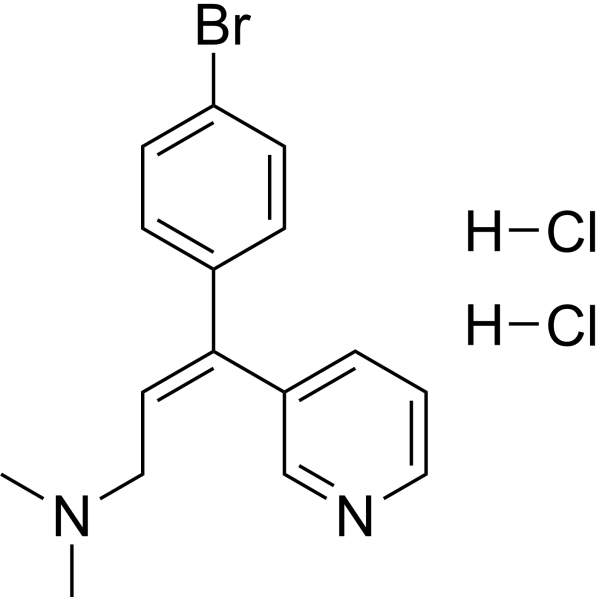
    Serotonin Transporter Neurological Disease
    Zimelidine dihydrochloride is an orally active selective serotonin reuptake inhibitor. Zimelidine dihydrochloride competitively inhibits central 5-HT uptake and desensitizes 5-HT autoreceptors in dorsal raphe nucleus. Zimelidine dihydrochloride time-dependently modulates 5-HT neuronal firing and hippocampal CA3 responses. Zimelidine dihydrochloride strengthens central serotonergic neurotransmission and produces related behavioral changes. Zimelidine dihydrochloride exerts anxiolytic, analgesic, feeding-suppressive and tolerance-attenuating effects. Zimelidine dihydrochloride is used for the study of depressive disorders and analgesic tolerance .
    Zimelidine dihydrochloride
  • HY-N2382
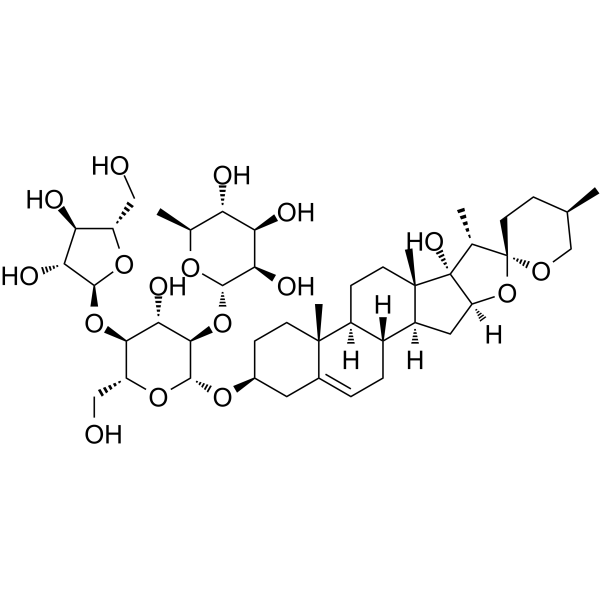
    Polyphyllin H
    1 Publications Verification

    Cytochrome P450 P-glycoprotein Metabolic Disease Cancer
    Polyphyllin H is a steroidal saponin. Polyphyllin H is isolated from Paris polyphylla. Polyphyllin H potently inhibits the activities of CYP1A2 (IC50 = 6.44 μM, competitive), CYP2D6 (IC50 = 13.88 μM, competitive) and CYP3A4 (IC50 = 4.52 μM, non-competitive, time-dependent). Polyphyllin H downregulates the expression of ABCB1 and ABCC3. Polyphyllin H binds to membrane cholesterol and disrupts lipid raft structures. Polyphyllin H restores the sensitivity of paclitaxel-resistant breast cancer cells to paclitaxel .
    Polyphyllin H
  • HY-N8146

    STAT Bcl-2 Family Ser/Thr Kinase Survivin c-Myc Apoptosis Necroptosis CDK Infection Cancer
    Bruceantinol is a quassinoid that can be isolated from Brucea javanica, inhibits pepper mottle virus (PepMoV) in pepper. Bruceantinol is a STAT3 inhibitor demonstrating potent antitumor activity in in vitro and in vivo human colorectal cancer (CRC) models. Bruceantinol has potent anti-leukemic activity. Bruceantinol strongly inhibits STAT3 DNA-binding ability (IC50 = 2.4 pM), blocks the constitutive and IL-6-induced STAT3 activation, and suppresses transcription of MCL-1, PTTG1, survivin and c-Myc. Bruceantinol binds with CDK2/4/6 to facilitate protein degradation through proteasome pathway. Bruceantinol can dose- and time-dependently reduces the cell growth, impede cell proliferation, disrupts the cell cycle, and induces necrosis in MCF-7 cells and apoptosis in MDA-MB-231 cells .
    Bruceantinol
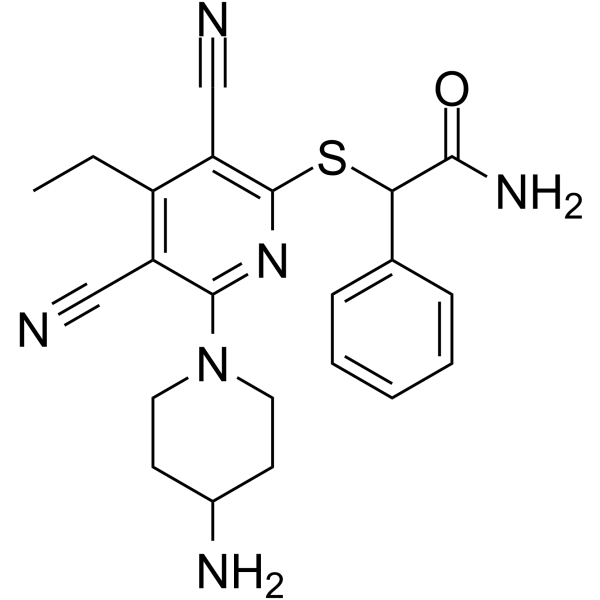
  • HY-139664A

    DNA Methyltransferase Cancer
    (R)-GSK-3685032 is the R-enantiomer of GSK-3685032. GSK-3685032 is a non-time-dependent, noncovalently, first-in-class reversible DNMT1-selective inhibitor, with an IC50 of 0.036 μM. GSK-3685032 induces robust loss of DNA methylation, transcriptional activation, and cancer cell growth inhibition .
    (R)-GSK-3685032
  • HY-133862

    Influenza Virus G protein-coupled Bile Acid Receptor 1 Adenosine Receptor Infection
    SCH-202676 is an allosteric modulator of G protein-coupled receptors (GPCRs) and adenosine receptor (AR). SCH-202676 has antiviral activity and inhibits 3CL pro in a time-dependent manner with an IC50 value of 0.655 µM .
    SCH-202676
  • HY-N8481
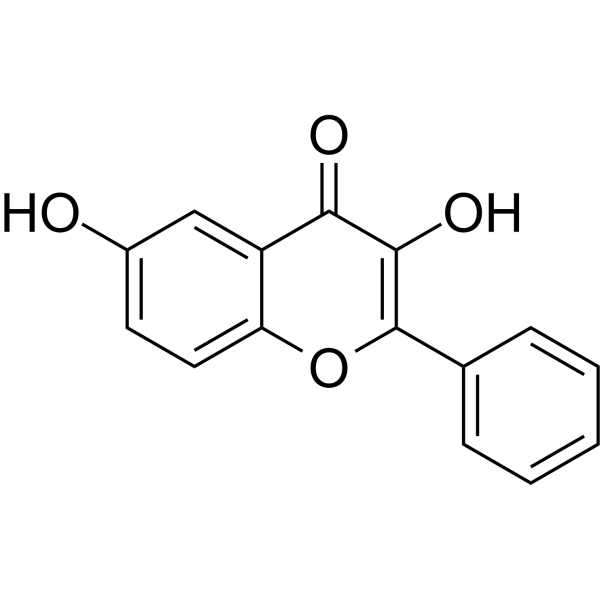
    3,6-Dihydroxyflavone
    1 Publications Verification

    3,6-DHF

    Apoptosis Cancer
    3,6-Dihydroxyflavone is an anti-cancer agent. 3,6-Dihydroxyflavone dose- and time-dependently decreases cell viability and induces apoptosis by activating caspase cascade, cleaving poly (ADP-ribose) polymerase (PARP). 3,6-Dihydroxyflavone increases intracellular oxidative stress and lipid peroxidation .
    3,6-Dihydroxyflavone
  • HY-155811

    iGluR Neurological Disease
    DQP-997-74 (compound 2i) is a selective negative allosteric modulator of N-methyl-d-aspartate receptor (NMDAR), specifically targeting GluN2C/D (IC50: 0.069 μM and 0.035 μM), with blood-brain barrier penetrability. Where DQP refers to dihydroquinoline-pyrazoline. DQP-997-74 acts synergistically with the agonist glutamate to exhibit time-dependent enhanced potency in inhibiting hypersynchronous activity driven by high-frequency excitatory synaptic transmission. DQP-997-74 reduces the number of epileptogenesis in a murine model of tuberous sclerosis complex (TSC)-induced epilepsy. DQP-997-74 can be used for research on NMDAR-related neurological diseases .
    DQP-997-74
  • HY-P3089A

    Potassium Channel Others
    Dendrotoxin K TFA is a Kv1.1 channel blocker. Dendrotoxin K TFA determines glutamate release in CA3 neurons in a time-dependent manner through the control of the presynaptic spike waveform .
    Dendrotoxin K TFA
  • HY-110012

    Adenosine Receptor Infection
    SCH-202676 hydrobromide is an allosteric modulator of G protein-coupled receptors (GPCRs) and adenosine receptor (AR). SCH-202676 hydrobromide has antiviral activity and inhibits 3CL pro in a time-dependent manner with an IC50 value of 0.655 μM .
    SCH-202676 hydrobromide
  • HY-111560

    Potassium Channel Neurological Disease
    IQM-266 is a Downstream Regulatory Element Antagonist Modulator (DREAM) ligand with a KD of 4.63 μM. IQM-266 inhibits the KV4.3/DREAM current in a concentration-, voltage-, and time-dependent-manner. IQM-266 also modulates A-type outward potassium currents (IA) from rat dorsal root ganglia (DRG) neurons. IQM-266 can be used for neurological disease research, such as Alzheimer’s disease and Huntington's disease (HD) .
    IQM-266
  • HY-100686

    GABA Receptor Neurological Disease
    U93631 is a GABAA receptor ligand of novel chemical structure with IC50 of 100 nM,and has been shown to induce a rapid, time-dependent decay of GABA-induced whole-cell Cl-currents in recombinant GABAA receptors.
    U93631
  • HY-151285

    Apoptosis JAK Inflammation/Immunology Cancer
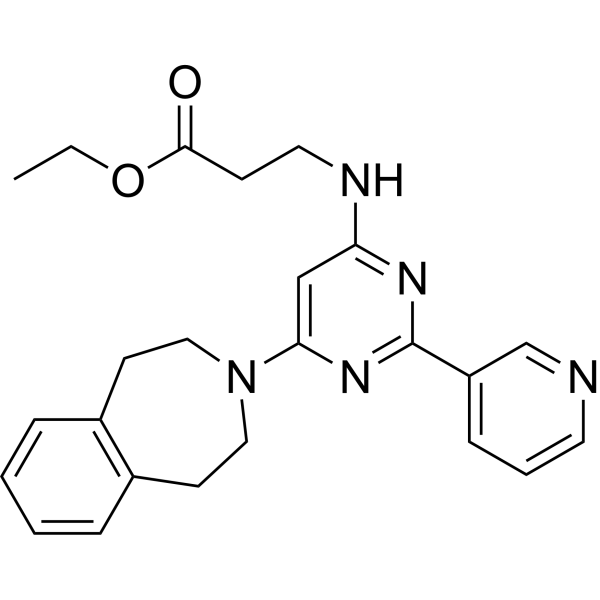
    JAK-2-/3-IN-3 (compound ST4j) is a potent JAK2/3 inhibitor with IC50s of 13.00 and 14.86 nM for JAK2 and JAK3, respectively. JAK-2-/3-IN-3 inhibits autophosphorylation of JAK2 and induces apoptosis in a dose- and time-dependent manner. JAK-2-/3-IN-3 can be used in studies of lymph derived diseases and leukemia .
    JAK-2/3-IN-3
  • HY-16718A

    PF-00251802 hydrochloride

    Glucocorticoid Receptor Cytochrome P450 Inflammation/Immunology Endocrinology
    Dagrocorat (PF-00251802) hydrochloride is an orally active and selective high-affinity partial agonist of the glucocorticoid receptor. Dagrocorat hydrochloride is also a time-dependent reversible inhibitor of CYP3A (IC50=1.3 μM in human liver microsomes) and CYP2D6 (Ki=0.57 μM in human liver microsomes). Dagrocorat hydrochloride can be used for the research of rheumatoid arthritis .
    Dagrocorat hydrochloride
  • HY-U00197

    JTE522; JTP19605; RWJ57504

    COX Inflammation/Immunology
    Tilmacoxib (JTE522) is a highly selective, time-dependent and irreversible human COX-2 inhibitor with an IC50 of 85 nM in an enzyme assay.
    Tilmacoxib
  • HY-164064

    ClpP Cancer
    Anticancer agent 230 (example 65) is a caseinolytic protease P (ClpP) activator with anticancer activity. Anticancer agent 230 is able to induce the degradation of mitochondrial proteins in SUM159 and MDA-MB-231 triple-negative breast cancer cells in a time-dependent manner .
    Anticancer agent 230
  • HY-N1214A

    (E/Z)-Super Squalene; (E/Z)-AddaVax

    Apoptosis Cancer
    (E/Z)-Squalene ((E/Z)-Super Squalene; (E/Z)-AddaVax) is a triterpenic compound. (E/Z)-Squalene accumulates and reduces liver cholesterol and triglycerides in the liver. (E/Z)-Squalen regulates the production of intracellular active oxidants (ROS) and induces apoptosis and necrosis in a concentration-and time-dependent manner .
    (E/Z)-Squalene
  • HY-172091

    EGFR Cancer
    CZY43 is a HER3 degrader. CZY43 can effectively induce HER3 degradation in a dose- and time-dependent manner in breast cancer SKBR3 cells. CZY43 potently inhibits HER3-dependent signaling and cancer cell growth and outperforms Bosutinib (HY-10158) .
    CZY43
  • HY-157788

    PROTACs Reactive Oxygen Species (ROS) Ferroptosis Glutathione Peroxidase Cancer
    ZX703 (compound 5I) is a PROTAC that significantly degrades GPX4 in a dose- and time-dependent manner through the ubiquitin-proteasome and autophagy-lysosome pathways (DC50=0.315 µM). ZX703 induces ferroptosis by inducing Reactive Oxygen Species (ROS) accumulation in cells. ZX703 can be used for cancer research .
    ZX703
  • HY-118835

    Serotonin Transporter Neurological Disease
    Zimelidine is an orally active selective serotonin reuptake inhibitor. Zimelidine competitively inhibits central 5-HT uptake and desensitizes 5-HT autoreceptors in dorsal raphe nucleus. Zimelidine time-dependently modulates 5-HT neuronal firing and hippocampal CA3 responses. Zimelidine strengthens central serotonergic neurotransmission and produces related behavioral changes. Zimelidine exerts anxiolytic, analgesic, feeding-suppressive and tolerance-attenuating effects. Zimelidine is used for the study of depressive disorders and analgesic tolerance .
    Zimelidine
  • HY-W012896

    Biochemical Assay Reagents Others
    2-Thiohydantoin acts as an inhibitor for the corrosion of mild steel in 0.1 M HCl and its inhibition efficiency is both concentration and immersion time dependent .
    2-Thiohydantoin
  • HY-162464

    PROTACs SARS-CoV Infection
    MPD2 is a Cereblon-binding ligand-based PROTAC that degrades MPro, the main protease of SARS-CoV-2. MPD2 effectively reduced MPro protein levels in 293T cells in a time-dependent manner (DC50=296 nM). MPD2 exhibited potent antiviral activity against multiple SARS-CoV-2 strains and had enhanced potency against Nirmatrelvir (HY-138687) resistant strains. MPD2 provides a new direction for antiviral drug development against SARS-CoV-2 and other emerging coronavirus pathogens (Sturcture Note:(Blue: Cereblon ligand (HY-14658), Black: linker (HY-W275882);Red: SARS-CoV-2 MPro Inhibitor MP18 (HY-158763)) .
    MPD2
  • HY-N6842

    Others Infection Cancer
    ArnicolideC is a sesquiterpene lactone isolated Centipeda minima . ArnicolideC exertes a cytotoxic effect on the panel of Nasopharyngeal carcinoma (NPC) cells, significantly inhibiting cell growth in a dose- and time- dependent manner. ArnicolideC also exhibits inhibitory effects on NPC proliferation .
    ArnicolideC
  • HY-139664B

    DNA Methyltransferase Cancer
    (S)-GSK-3685032 is the isomer of GSK-3685032 (HY-139664), and can be used as an experimental control. GSK-3685032 is a non-time-dependent, noncovalently, first-in-class reversible DNMT1-selective inhibitor, with an IC50 of 0.036 μM. GSK-3685032 induces robust loss of DNA methylation, transcriptional activation, and cancer cell growth inhibition .
    (S)-GSK-3685032
  • HY-P3089

    Potassium Channel Others
    Dendrotoxin K is a Kv1.1 channel blocker. Dendrotoxin K determines glutamate release in CA3 neurons in a time-dependent manner through the control of the presynaptic spike waveform .
    Dendrotoxin K
  • HY-144689

    Cholinesterase (ChE) Neurological Disease
    BChE-IN-3 (compound 45a) is a potent, selective, time-dependent and pseudoirreversible BChE inhibitor, with an IC50 of 56.9 nM. BChE-IN-3 also shows marginal and reversible (not time-dependent) inhibition of AChE .
    BChE-IN-3
  • HY-158309

    Aminotransferases (Transaminases) Cancer
    hOAT-IN-1 (compound 5) is a mechanical inhibitor of human ornithine aminotransferase (hOAT). hOAT-IN-1 as a time-dependent inhibitor can form tightly bound PLP inhibitor adduct with hOAT. hOAT-IN-1 can result IN tight occupation of the active site of hOAT. hOAT-IN-1 can be used in the study of lung cell carcinoma .
    hOAT-IN-1
  • HY-106855

    H 234​/09

    Potassium Channel Cardiovascular Disease
    Almokalant is a class III antiarrhythmic agent, acts as a potassium channel blocker, and inhibits a specific component (Ikr) of the time-dependent delayed rectifier K + current.
    Almokalant
  • HY-143468

    Apoptosis MEK Cancer
    MEK-IN-5 is a potent MEK inhibitor and NO donor. MEK-IN-5 significantly reduces the levels of pMEK and pERK in a dose-dependent and time-dependent manner. MEK-IN-5 induces apoptosis in MDA-MB-231 cells .
    MEK-IN-5
  • HY-D1527

    Fluorescent Dye Others
    N-(3-Fluoranthyl)maleimide is a thiol fluorescent probe with a lifetime of 20 nsec. N-(3-Fluoranthyl)maleimide has a maximum excitation wavelength of 370 nm and can be used to study the time-dependent processes of biopolymers .
    N-(3-Fluoranthenyl)maleimide

Inquiry Online

Your information is safe with us. * Required Fields.

Salutation


Country or Region *

Applicant Name *


Organization Name *

Department *


Email Address *


Product Name *

Cat. No.


Requested quantity *

Phone Number *


Remarks

Inquiry Online

Inquiry Information

Product Name:
Cat. No.:
Quantity:
MCE Japan Authorized Agent:

