331 Results for "

triterpene ester

" in MedChemExpress (MCE) Product Catalog:
Products (331)

331 Results for "triterpene ester" in MCE Product Catalog:

19
19 Publications Verification
Cat. No.: HY-N0439
CAS No.: 16830-15-2
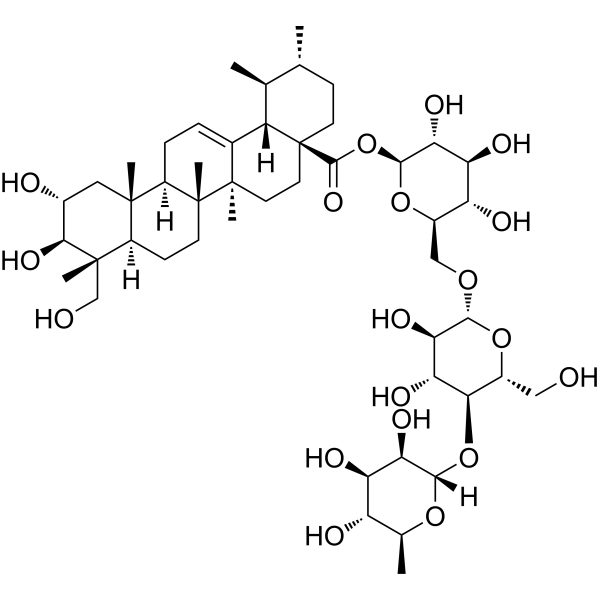
Asiaticoside, a trisaccaride triterpene from Centella asiatica, suppresses TGF-β/Smad signaling through inducing Smad7 and inhibiting TGF-βRI and TGF-βRII in keloid fibroblasts; Asiaticoside shows antioxidant, anti-inflammatory, and anti-ulcer properties.
loading...
    loading...
12
12 Cited Publications
Cat. No.: HY-N0250
CAS No.: 20874-52-6
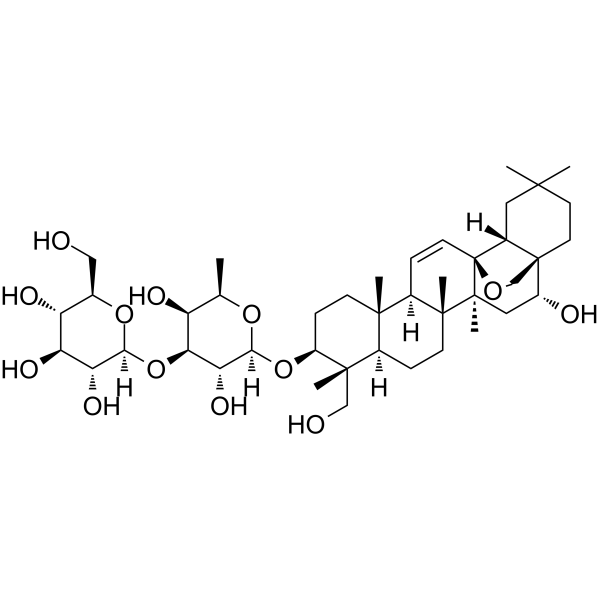
Saikosaponin D is a triterpene saponin isolated from Bupleurum, with anti-inflammatory, anti-bacterial, anti-tumor, and anti-allergic activities; Saikosaponin D inhibits selectin, STAT3 and NF-kB and activates estrogen receptor-β.
loading...
    loading...
5
5 Cited Publications
Cat. No.: HY-N1451
CAS No.: 4481-62-3
Synonyms: Betunolic acid; Liquidambaric acid; (+)-Betulonic acid
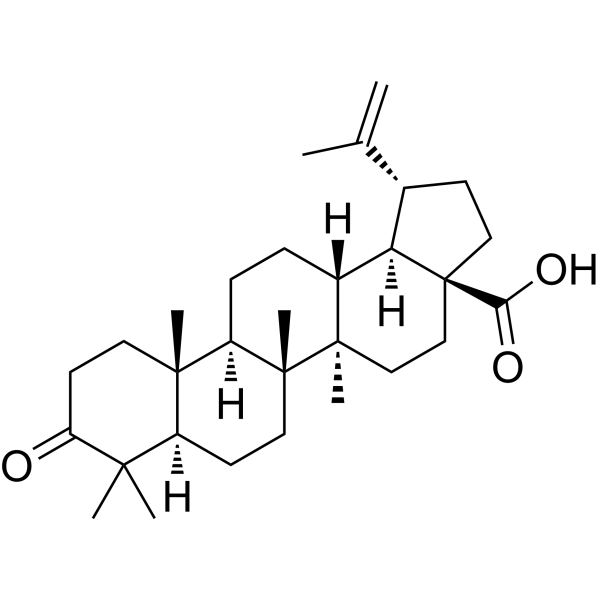
Betulonic acid (Betunolic acid), a naturally occurring triterpene, is found in many plants. Betulonic acid has anti-tumor, anti-inflammatory, antiparasitic and anti-viral (HSV-1) activities .
loading...
    loading...
5
5 Cited Publications
Cat. No.: HY-N0194
CAS No.: 464-92-6
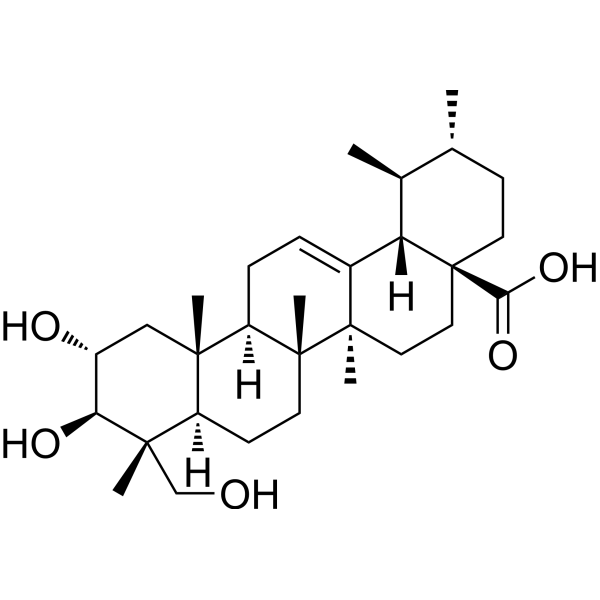
Asiatic acid, a pentacyclic triterpene found in Centella asiatica (Centella asiatica), has anticancer activity. Asiatic acid induces apoptosis in melanoma cells and has barrier protective effects on human aortic endothelial cells (HAEC). Asiatic acid also has anti-inflammatory activity and inhibits tumor necrosis factor (TNF)-α-induced endothelial barrier dysfunction. Asiatic acid also inhibits NLRP3 inflammasome activation and NF-κB pathway, effectively inhibits inflammation in rats, and has neuroprotective effects in rat spinal cord injury (SCI) model .
loading...
    loading...
3
3 Cited Publications
Cat. No.: HY-N0271
CAS No.: 510-30-5
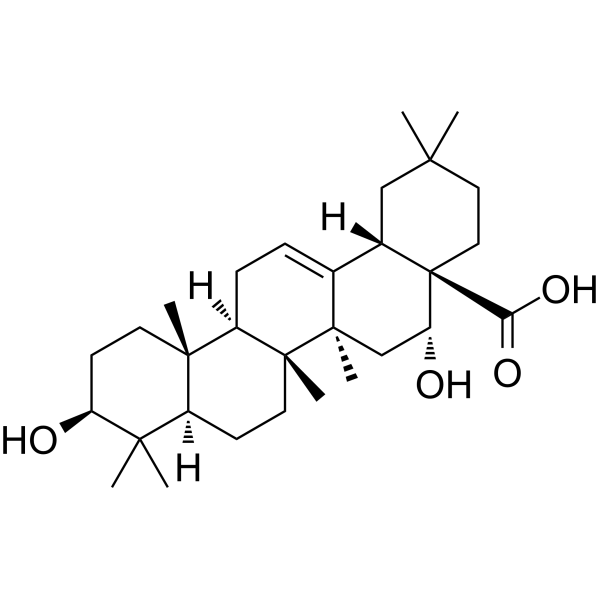
Echinocystic acid is a natural pentacyclic triterpene with potent antioxidant, anti-inflammatory and analgesic activities .
loading...
    loading...
3
3 Cited Publications
Cat. No.: HY-N0568
CAS No.: 34540-22-2
Synonyms: Asiaticoside A
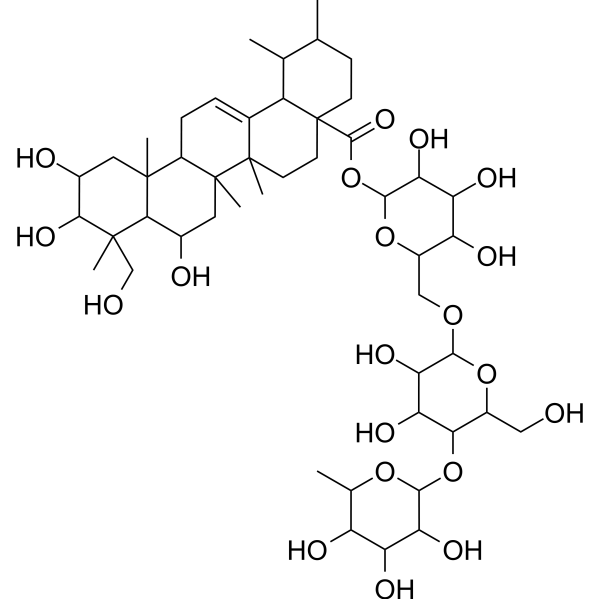
Madecassoside is a pentacyclic triterpene isolated from Centella asiatica and has anti-inflammatory properties. Antioxidant and anti-aging effects. Madecassoside is a pentacyclic triterpene isolated from Centella asiatica. Madecassoside is orally active and has inhibitory properties against inflammation, oxidation, apoptosis and autophagy. Madecassosid inhibits activities of p38 MAPK and NF-kB , exhibits an anti-apopototic property, activates Nrf2 expression to reduce the neurotoxicity . Madecassoside can be used in endocrine diseases, cardiovascular diseases, skin diseases and other diseases.
loading...
    loading...
3
3 Cited Publications
Cat. No.: HY-N1404
CAS No.: 20977-05-3
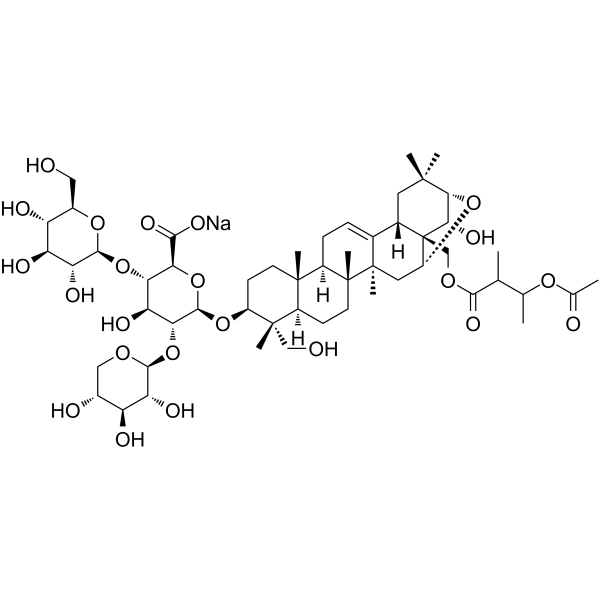
Sodium aescinate is a triterpene saponin derived from Aesculus hippocastanum seeds, with anti-inflammatory and antioxidant activities . Sodium aescinate inhibits hepatocellular carcinoma growth by targeting CARMA3/NF-κB pathway .
loading...
    loading...
3
3 Cited Publications
Cat. No.: HY-N0597
CAS No.: 32791-84-7
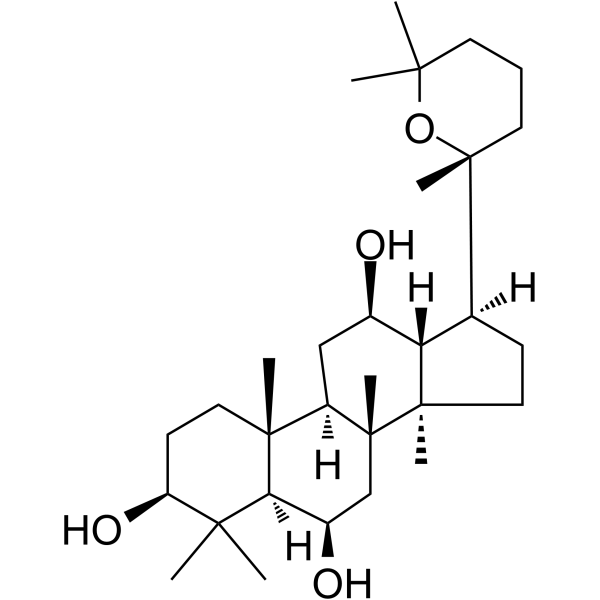
Panaxatriol is an orally active dammarane-type tetracyclic triterpene sapogenin. Panaxatriol enhances the phosphorylation levels of Akt, insulin receptor and p70S6K in skeletal muscle. Panaxatriol reduces the mRNA expression level of Atrogin1 in skeletal muscle. Panaxatriol induces apoptosis, pre-G1 cell cycle arrest and increased intracellular ROS levels in prostate cancer cells, decreases mitochondrial membrane potential, inhibits cell migration and reduces colony formation. Panaxatriol can be used in research related to insulin resistance, myocardial ischemia/reperfusion injury and prostate cancer [1][2][3].
loading...
    loading...
2
2 Cited Publications
Cat. No.: HY-N4137
CAS No.: 13850-16-3
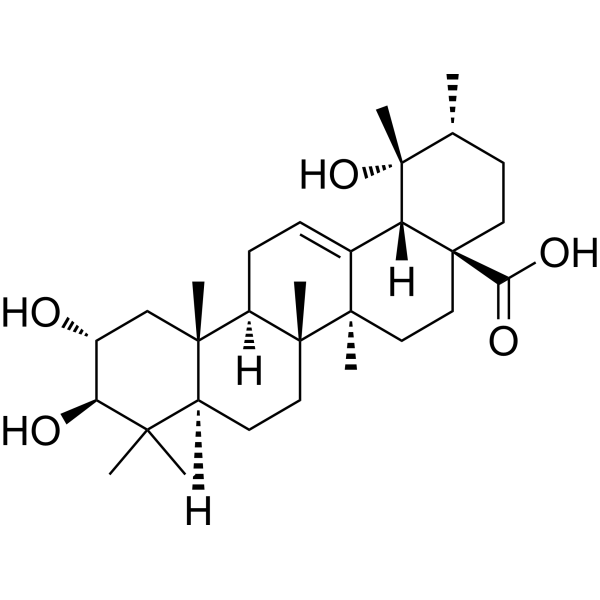
Tormentic acid, a triterpene isolated from Rosa rugosa, exerts anti-inflammatory, antihyperlipidemic, and anti-atherogenic properties .
loading...
    loading...
2
2 Cited Publications
Cat. No.: HY-N1487
CAS No.: 17990-42-0
Synonyms: 3-Oxooleanolic acid
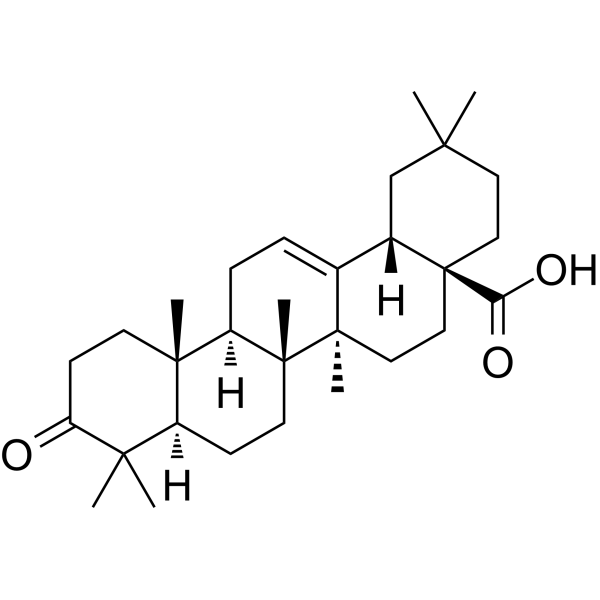
Oleanonic acid (3-Oxooleanolic acid) is an orally available triterpene that has anti-inflammatory and insecticidal properties. In vitro, oleanonic acid can improve oxidative stress, autophagy defects, ferroptosis, mitochondrial damage, and endoplasmic reticulum stress induced by Amyloid-β, and in vivo, it can alleviate myocardial hypertrophy in rats .
loading...
    loading...
2
2 Cited Publications
Cat. No.: HY-116035
CAS No.: 25990-37-8
Purity:  99.79%
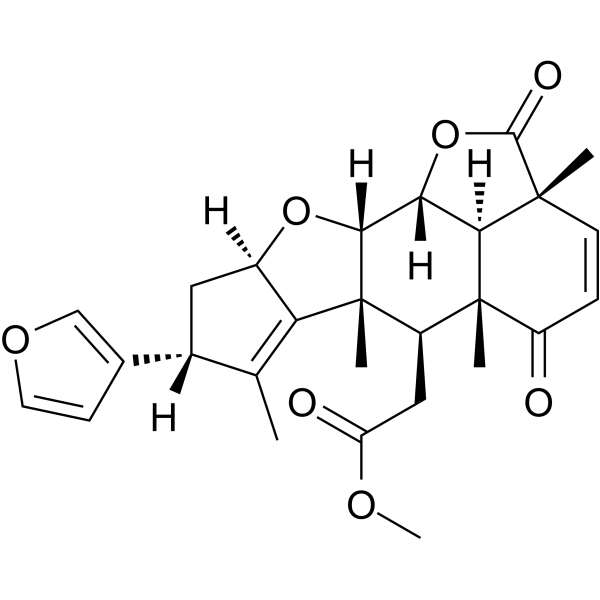
Nimbolide is a triterpene compound that can be isolated from neem (Azadirachta indica), possesses anticancer and antiproliferative activity. Nimbolide induces tumor cell apoptosis by inhibiting NF-κB and CDK4/CDK6 kinase. Nimbolide suppresses the Wnt, PI3K-Akt, MAPK and JAK-STAT signaling pathways .
loading...
    loading...
2
2 Cited Publications
Cat. No.: HY-N0632
CAS No.: 65497-07-6
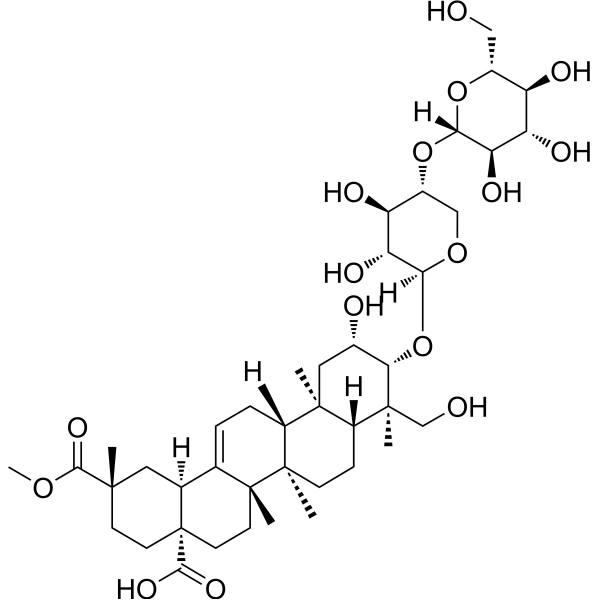
Esculentoside A (EsA), a kind of triterpene saponin isolated from roots of Phytolacca esculenta . Esculentoside A (EsA) possesses anti-inflammatory activity in acute and chronic experimental models , has selective inhibitory activity towards cyclooxygenase-2 (COX-2) . Esculentoside A (EsA) suppresses inflammatory responses in LPS-induced acute lung injury (ALI) through inhibition of the nuclear factor kappa B (NF-ΚB) and mitogen activated protein kinase (MAPK) signaling pathways .
loading...
    loading...
2
2 Cited Publications
Cat. No.: HY-N0433
CAS No.: 84676-89-1
Synonyms: Astrasieversianin VIII
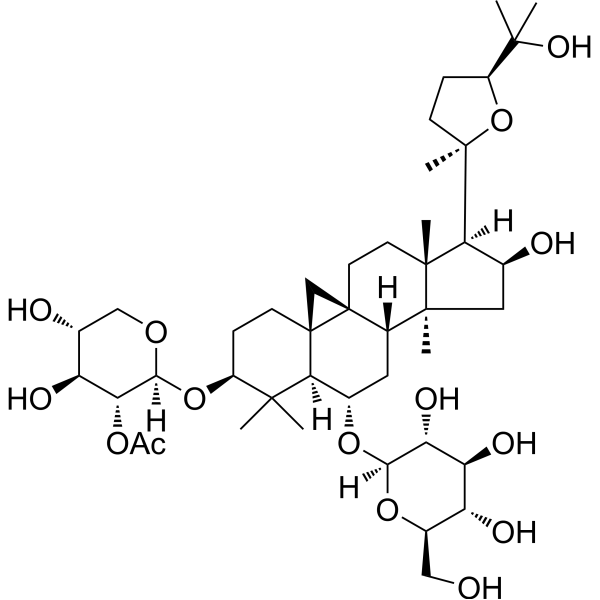
Astragaloside II is an orally active Cycloartane-type triterpene glycoside. Astragaloside II can be extracted from Astragalus membranaceus. Astragaloside II inhibits Autophagy, decreases pro-inflammatory cytokines (IL-6, IL-1β), HIF-α, p-p65, p-IκB and increases SOD. Astragaloside II regulates immunity and reduces inflammatory responses. Astragaloside II can be used in the research of diseases such as liver cancer, osteoporosis, immunosuppressive diseases, and ulcerative colitis .
loading...
    loading...
1
1 Cited Publications
Cat. No.: HY-N4165
CAS No.: 6750-30-7
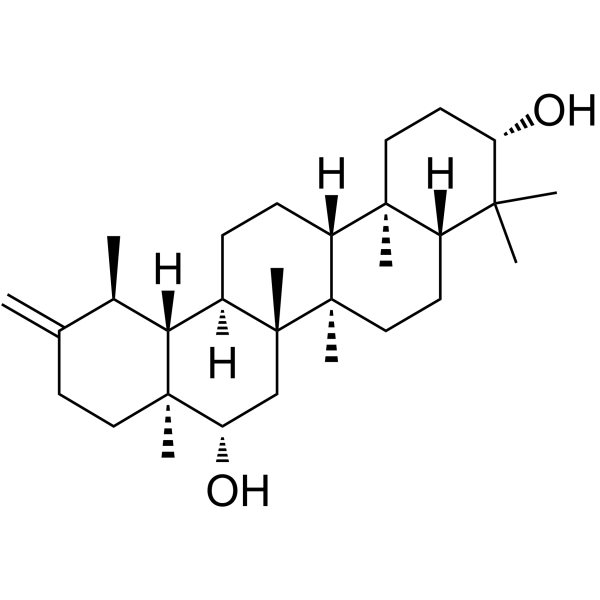
Arnidiol is a pentacyclic triterpene isolated from Barleria Longiflora Linn F. .
loading...
    loading...
1
1 Cited Publications
Cat. No.: HY-N7693
CAS No.: 141360-89-6
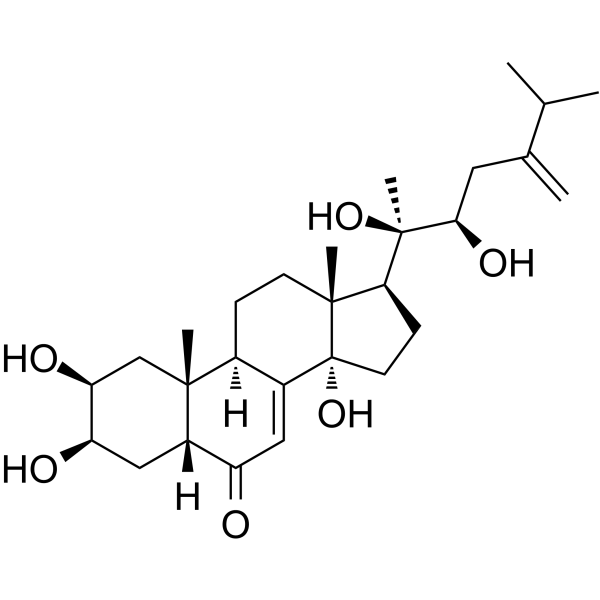
Polyporusterone B is a triterpene carboxylic acid isolated from Polyporus umbellatus Fries. Polyporusterone B has inhibitory effect on free radical-induced lysis of red blood cells (hemolysis) .
loading...
    loading...
1
1 Cited Publications
Cat. No.: HY-N6601
CAS No.: 13849-91-7
Synonyms: Randialic acid A
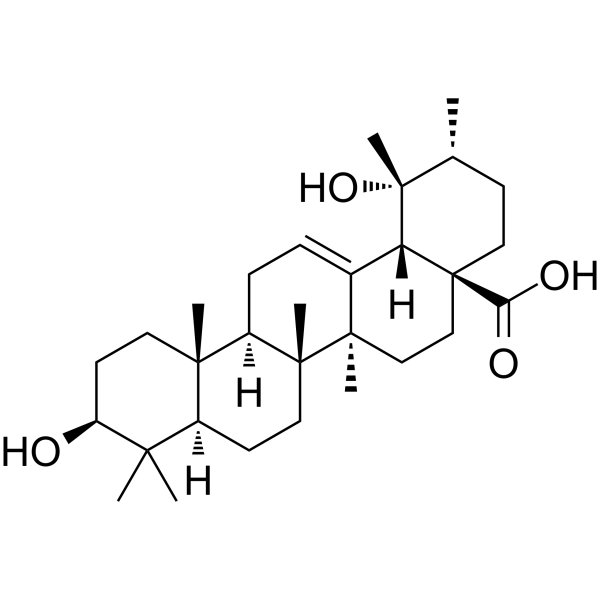
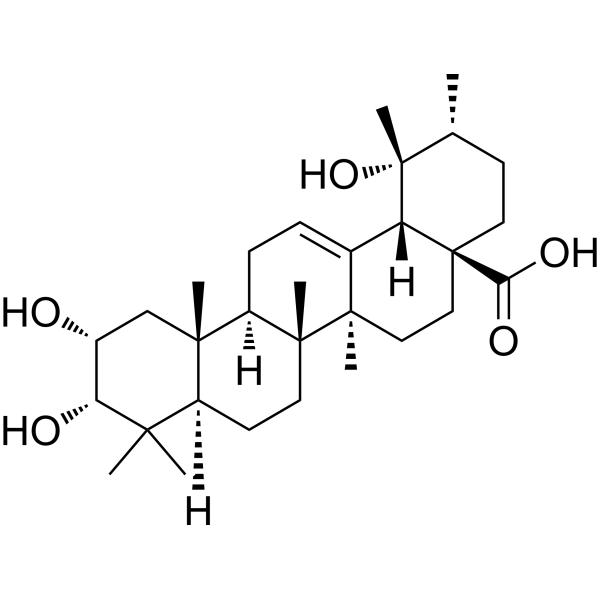
Randialic acid A (Pomolic acid) is a pentacyclic triterpene isolated from?Euscaphis japonica?(Tunb.). Randialic acid A (Pomolic acid) inhibits tumor cells growth and induces cell apoptosis. Randialic acid A (Pomolic acid) has a potential for the treatment of prostate cancer (PC) .
loading...
    loading...
1
1 Cited Publications
Cat. No.: HY-N6252
CAS No.: 94705-70-1
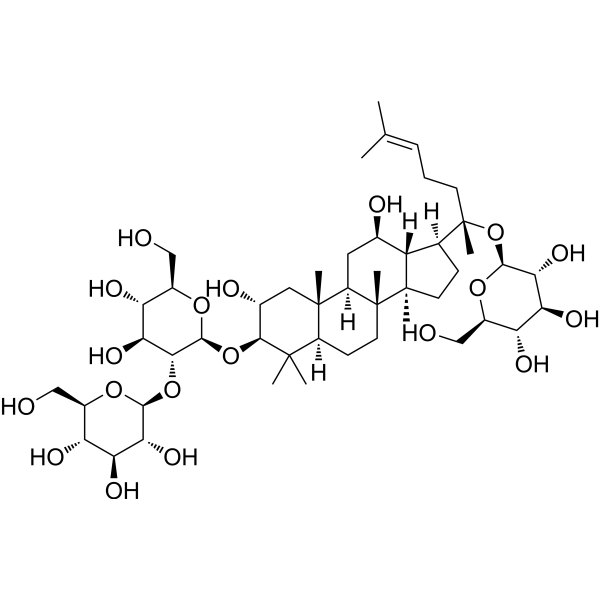
Gypenoside XLVI is one of the major dammarane-type triterpenoid saponins from Gynostamma pentaphallum . Gypenoside XLVI has a tetracyclic triterpene structure and possess potent non-small cell lung carcinoma A549 cell inhibitory activity .
loading...
    loading...
1
1 Cited Publications
Cat. No.: HY-N2566
CAS No.: 53155-25-2
Euscaphic acid, a DNA polymerase inhibitor, is a triterpene from the root of the R. alceaefolius Poir. Euscaphic inhibits calf DNA polymerase α (pol α) and rat DNA polymerase β (pol β) with IC50 values of 61 and 108 μM . Euscaphic acid induces apoptosis .
loading...
    loading...
1
1 Cited Publications
Cat. No.: HY-N1109
CAS No.: 545-46-0
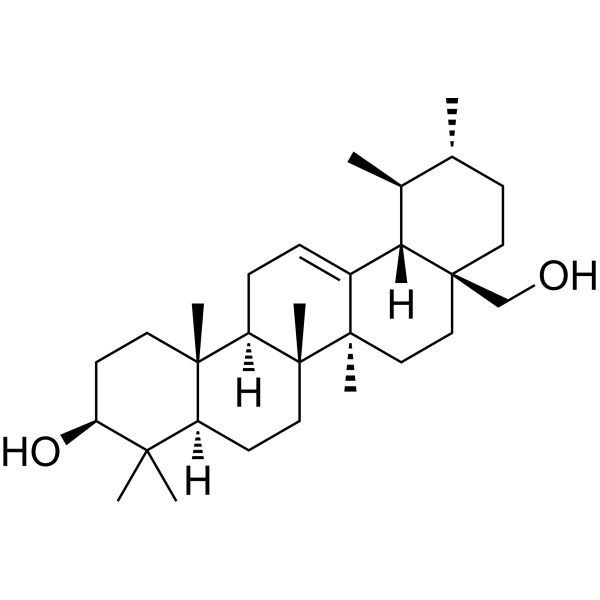
Uvaol, a triterpene present in olives and virgin olive oil, possesses anti-inflammatory properties and antioxidant effects. Uvaol is an orally active inducer of apoptosis in astroglioma cells. Uvaol also has anti-cancer activities. Uvaol attenuates pleuritis and eosinophilic inflammation in ovalbumin-induced allergy in mice .
loading...
    loading...
1
1 Cited Publications
Cat. No.: HY-N0742
CAS No.: 1362-42-1
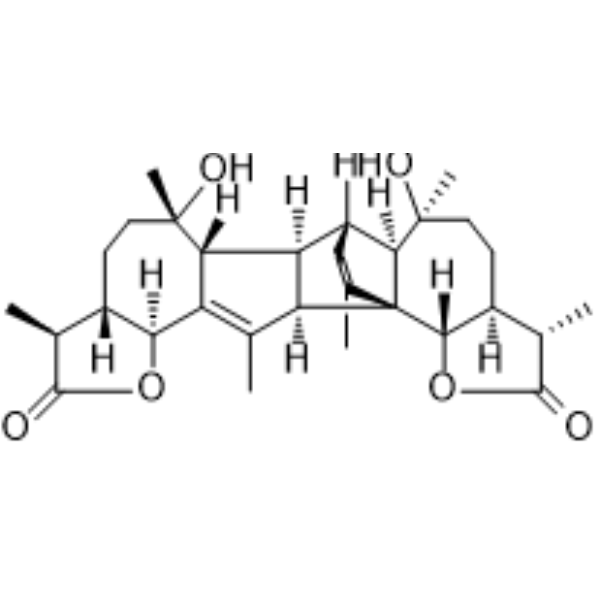
Absinthin is a structurally unique triterpene, and is responsible for the high bitter value of wormwood. Absinthin is an agonist of the bitter taste receptor hTAS2R46, which reduces cytosolic Ca 2+-rises induced by histamine by a receptor-specific mechanism mediated by hTAS2R46 .
loading...
    loading...

