






1. Search Result
Search Result
Pathways Recommended: Stem Cell/Wnt Cell Cycle/DNA Damage
Results for "

tumor cell killing

" in MedChemExpress (MCE) Product Catalog:

91

Inhibitors & Agonists

1

Bibliotecas de Screening

4

Fluorescent Dyes

1

Biochemical Assay Reagents

12

Peptides

26

Inhibitory Antibodies

7

Natural
Products

1

Click Chemistry

1

Oligonucleotides

Cat. No. Nombre del producto Target Áreas de investigación Chemical Structure
  • HY-141598
    Datopotamab deruxtecan (solution)
    2 Publications Verification

    DS-1062 (solution); Dato-DXd (solution)

    TROP2 Antibody-Drug Conjugates (ADCs) Topoisomerase Cancer
    Datopotamab deruxtecan (DS-1062) solution is a TROP2-targeted antibody-drug conjugate (ADC) with human TROP2 Kd of 0.74 nmol/L. Datopotamab deruxtecan solution consists of the antibody Datopotamab (HY-P99843) and the toxic molecule-linker conjugate Deruxtecan (HY-13631E). Datopotamab deruxtecan solution binds TROP2, triggers internalization and lysosomal trafficking and releases DXd topoisomerase I inhibitor payload. Datopotamab deruxtecan solution disrupts DNA function, induces DNA damage, apoptosis, and bystander killing of tumor microenvironment cells. Datopotamab deruxtecan solution can be used in research related to triple-negative breast cancer, gastric cancer, and non-small cell lung cancer .
    Datopotamab deruxtecan (solution)
  • HY-N6733
    Aphidicolin
    Maximum Cited Publications
    15 Publications Verification

    DNA/RNA Synthesis HSV Apoptosis Antibiotic Orthopoxvirus Infection Inflammation/Immunology
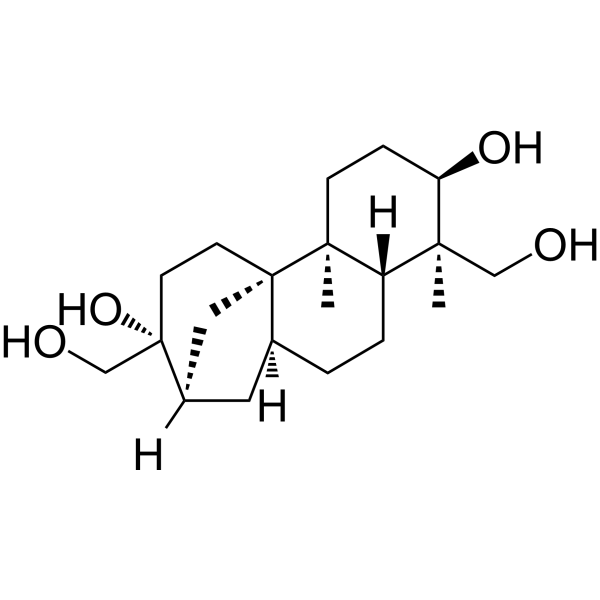
    Aphidicolin is an inhibitor of DNA polymerase α and δ, prevents mitotic cell division by interfering DNA polymerase activity. Aphidicolin is an antibiotic produced by mold Cephalosporium aphidicola, inhibits cellular deoxyribonucleic acid synthesis and the growth of herpes simplex virus. Aphidicolin exhibits anti-orthopoxvirus activity and potentiates apoptosis induced by arabinosyl nucleosides in a human promyelocytic leukemia cell line .
    Aphidicolin
  • HY-129046
    RNase A, Bovine pancreas
    5 Publications Verification

    Ribonuclease A; EC 4.6.1.18; RNase A

    Endonuclease DNA/RNA Synthesis Others
    RNase A (Bovine pancreatic RNase) is a widely used Endonuclease in DNA purification by specifically hydrolyzing cytosine or uracil residues of RNA. RNase A degrades the RNA in the RNA/DNA duplex. RNase A catalyses the breakdown of 3',5'-phosphodiester linkages of single stranded RNA. RNase A family members in organisms are tightly involved in various physiological and pathological processes including cell growth and development, proliferation, differentiation and migration. Dysregulation of RNase A activity or expression level is closely related to pancreatic, ovarian, bladder and thyroid cancer. RNase A has tumor cell-killing ability .
    RNase A, Bovine pancreas
  • HY-P99024
    Glofitamab
    1 Publications Verification

    RO7082859; RG-6026

    CD20 CD3 Inflammation/Immunology Cancer
    Glofitamab (RO7082859) is a T-cell-engaging bispecific antibody possessing a novel 2:1 structure with bivalency for CD20 on B cells and monovalency for CD3 on T cells. Glofitamab leads to T-cell activation, proliferation, and tumor cell killing upon binding to CD20 on malignant cells. Glofitamab induces durable complete remissions in relapsed or refractory B-Cell non-Hodgkin lymphoma (B-NHL) .
    Glofitamab
  • HY-P99601

    BFCR 4350A; RG 6160; RO 7187797

    CD3 Neurological Disease Cancer
    Cevostamab (BFCR4350A; RG6160; RO7187797) is a humanized IgG1-based BsAb that targets membrane-proximal extracellular domain of FcRH5 on multiple myeloma (MM) cells as well as CD3 on T cells. Moreover, Cevostamab facilitates efficient synapse formation, improves killing activity of T cells against MM tumor cells .
    Cevostamab
  • HY-170451

    KT-253

    PROTACs MDM-2/p53 Apoptosis Cancer
    Seldegamadlin (KT-253) is a selective p53 stabilizer and a MDM2 PROTAC degrader (DC50 = 0.4 nM). Seldegamadlin inhibits the proliferation of cancer cell RS4;11 with an IC50 of 0.3 nM, arrests the cell cycle at G2/M phase, and induces apoptosis. Seldegamadlin upregulates p53 activity and overcomes the p53-MDM2 feedback loop. Seldegamadlin can be used for the study of hematologic and solid tumors, such as acute myeloid leukemia (AML) and acute lymphoblastic leukemia (ALL). (Pink: ligand for target protein MDM2 ligand 4 (HY-170452); Black: linker (HY-W001478); Blue: ligand for E3 ligase cereblon (HY-163927)) .
    Seldegamadlin
  • HY-162472

    ATM/ATR DNA-PK Cancer
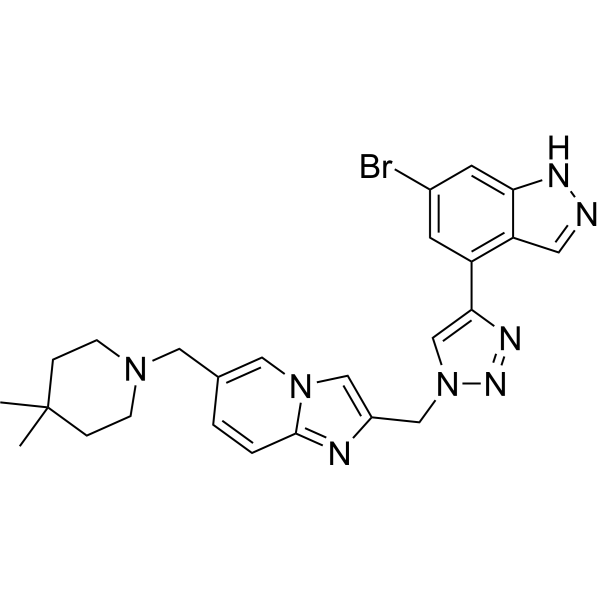
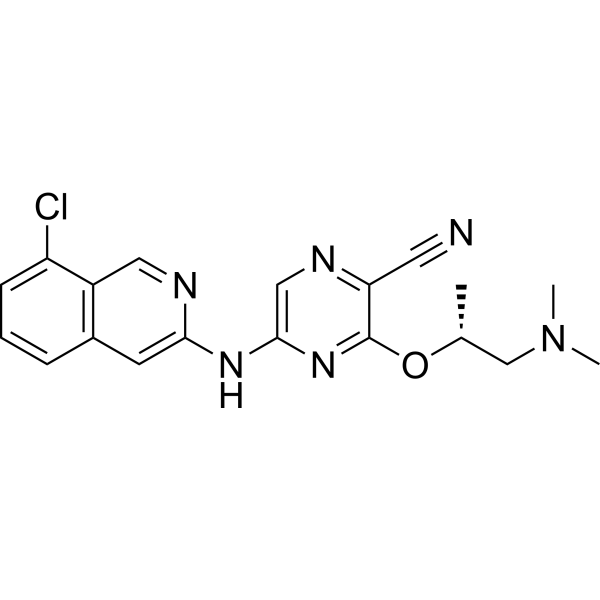
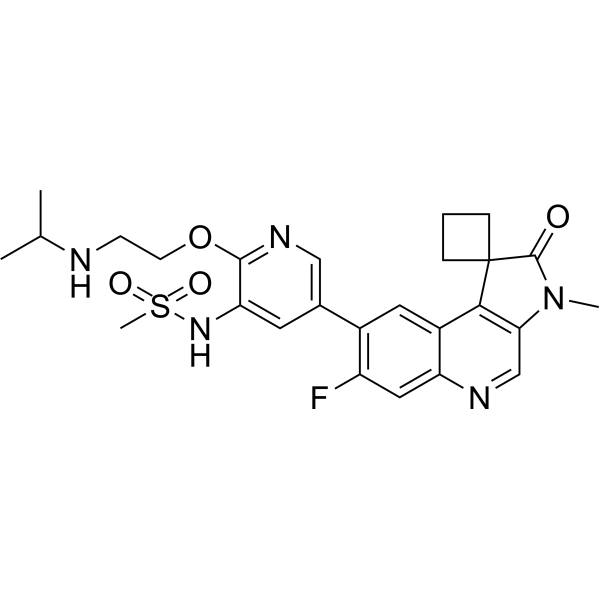
    XRD-0394 is a potent and orally active dual ATM and DNA-PKcs inhibitor with IC50s of 0.39 nM and 0.89 nM, respectively. XRD-0394 shows selectivity over other PIKK and PI3K family members. XRD-0394 significantly enhances tumor cell killing in vitro and in vivo under therapeutic ionizing radiation conditions. XRD-0394 can potentiate the effects of PARP and topoisomerase I inhibitors in vitro .
    XRD-0394
  • HY-P99051
    Tinurilimab
    2 Publications Verification

    BAY 1834942

    Transmembrane Glycoprotein Inflammation/Immunology Cancer
    Tinurilimab (Bay 1834942) is an anti-CEACAM6 (carcinoembryonic antigen-related cell adhesion molecule 6) humanized IgG2 monoclonal antibody. CEACAM6 is an immune checkpoint regulator suppressing the activity of effector T-cells against tumors. Tinurilimab shows an increased tumor cell killing effect in the tumor-cell/T-cell co-culture system .
    Tinurilimab
  • HY-156773
    STM3006
    2 Publications Verification

    Apoptosis METTL3 Cancer
    STM3006 is a highly potent, selective, and orally active inhibitor of METTL3 (IC50: 5 nM). STM3006 can reduce the m6A level, promote the formation of dsRNA, trigger a cell-intrinsic interferon response, and enhance the killing effect of T cells on tumors. STM3006 has anti-tumor activity, and its combination with anti-PD-1 immunotherapy yields better results .
    STM3006
  • HY-N0591
    Dehydrocostus Lactone
    2 Publications Verification

    (-)-Dehydrocostus lactone; Epiligulyl oxide

    Bacterial Apoptosis p38 MAPK NF-κB MAPKAPK2 (MK2) Akt NO Synthase Interleukin Related Caspase Infection Inflammation/Immunology Cancer
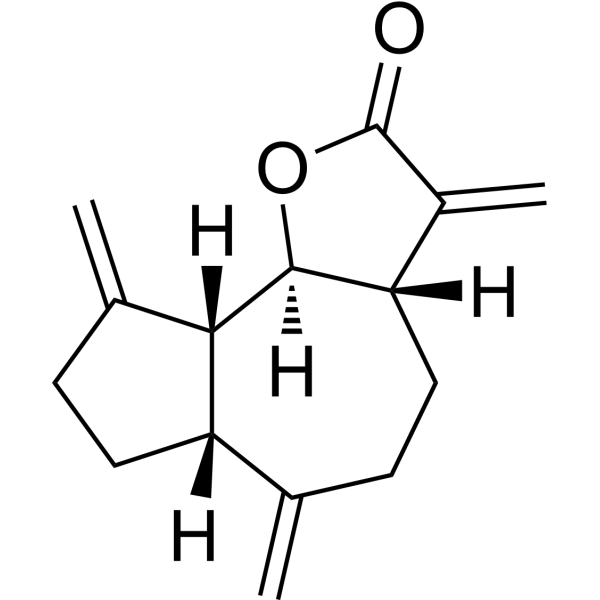
    Dehydrocostus Lactone ((-)-Dehydrocostus lactone) is a natural sesquiterpene that can be isolated from Saussurea lappa. Dehydrocostus Lactone has multiple activities such as anti-inflammatory, antibacterial, anti-tumor, and immunomodulatory effects. Dehydrocostus Lactone has an MIC of 2 µg/mL against Mycobacterium tuberculosis. Dehydrocostus Lactone can also inhibit the killing activity of cytotoxic T lymphocytes and induce apoptosis in tumor cells .
    Dehydrocostus Lactone
  • HY-163028

    Tim3 Cancer
    ML-T7 is a potent Tim-3 inhibitor. ML-T7 blocks Tim-3 interactions with PtdSer and CEACAM1. ML-T7 not only enhances the antitumor activity of adoptive transfer therapy with cytotoxic T lymphocytes (CTLs) and CAR T cells but also increases the effector function of T cell. ML-T7 promotes NK cellskilling activity against tumor cells and DC antigen-presenting capacity. ML-T7 directly exerts antitumor efficacy in preclinical tumor models either alone or in combination with Nivolumab (HY-P9903A). ML-T7 can be used for tumor immunotherapy research .
    ML-T7
  • HY-175751

    mTOR Cancer
    LRK-4189 is an orally active PIP4K2C (a regulator of mTOR complex) degrader and type 1 immune activator. LRK-4189 induces the degradation of the lipid kinase PIP4K2C. LRK-4189 triggers the interferon signaling pathway in microsatellite-stable (MSS) colorectal cancer cells, activates immunogenic tumor killing, and induces endogenous cell death. LRK-4189 sensitizes microsatellite-stable colorectal cancer tumors to NK cell killing and dendritic cell phagocytosis. LRK-4189 can be used for the research of microsatellite-stable colorectal cancer .
    LRK-4189
  • HY-106033
    Edotreotide
    2 Publications Verification

    DOTATOC; SDZ-SMT 487; SMT 487

    Radionuclide-Drug Conjugates (RDCs) Cancer
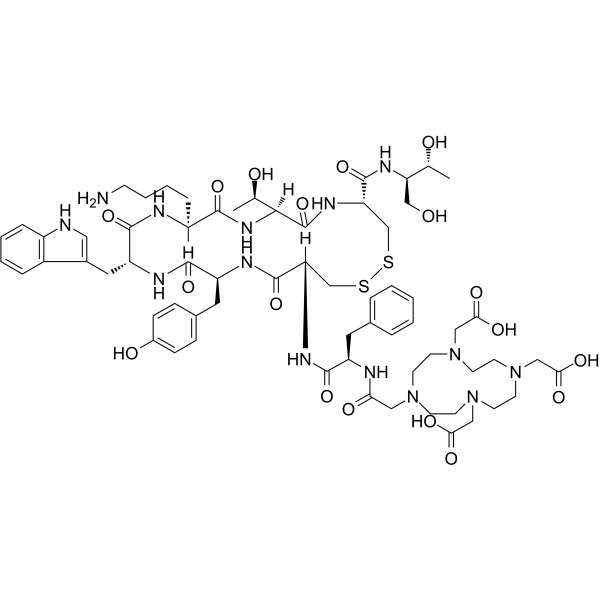
    Edotreotide is a ligand that selectively targets SSTR2 and can competitively bind to the receptor. Edotreotide mediates the targeted delivery, while modificated with radionuclides (such as 90Y, 177Lu, and 68Ga) to SSTR-positive tumors and induces tumor cell apoptosis by releasing β rays. Edotreotide has strong tumor targeting and precise killing activity. Edotreotide is used in the synthesis of radionuclide-drug conjugates (RDCs) and is widely used in the field of neuroendocrine tumors (such as metastatic carcinoids, lung and thymus NETs) .
    Edotreotide
  • HY-131911

    PROTACs Indoleamine 2,3-Dioxygenase (IDO) Inflammation/Immunology
    PROTAC IDO1 Degrader-1 is the first potent IDO1 (indoleamine 2,3-dioxygenase 1) degrader that hijacks IDO1 to Cereblon E3 ligase to introduce IDO1 into UPS and eventually achieve ubiquitination and degradation (DC50=2.84 μM). PROTAC IDO1 Degrader-1 moderately improves the tumor-killing activity of H ER2 CAR-T cells .
    PROTAC IDO1 Degrader-1
  • HY-17026E

    dFdCTP trisodium

    Drug Metabolite DNA/RNA Synthesis Apoptosis Cancer
    Gemcitabine triphosphate (dFdCTP) trisodium is the active metabolite of Gemcitabine (HY-17026). The mechanism of Gemcitabine triphosphate trisodium cell-killing is its competition with cytidine triphosphate during DNA replication, which results in the inhibition of chain elongation. Gemcitabine triphosphate trisodium shows a Ki of 11.2 μM against DNA polymerase α and 14.4 μM against DNA polymerase ε. Gemcitabine triphosphate trisodium partially inhibits dCMP deaminase and acts as a substrate for DNA synthesis to incorporate into cellular DNA and RNA. Gemcitabine triphosphate trisodium disrupts DNA and RNA synthesis, arrests cell cycle in G0/G1 and S phases, triggers apoptosis, reduces tumor cell proliferation. Gemcitabine triphosphate trisodium can be used for the research of pancreatic cancer and non-small cell lung cancer .
    Gemcitabine triphosphate trisodium
  • HY-129046C

    Ribonuclease B, Bovine Pancreas

    Endonuclease DNA/RNA Synthesis Endocrinology Cancer
    RNase A (Bovine pancreatic RNase) is a widely used Endonuclease in DNA purification by specifically hydrolyzing cytosine or uracil residues of RNA. RNase A degrades the RNA in the RNA/DNA duplex. RNase A catalyses the breakdown of 3',5'-phosphodiester linkages of single stranded RNA. RNase A family members in organisms are tightly involved in various physiological and pathological processes including cell growth and development, proliferation, differentiation and migration. Dysregulation of RNase A activity or expression level is closely related to pancreatic, ovarian, bladder and thyroid cancer. RNase A has tumor cell-killing ability. RNase B, Bovine Pancreas (Ribonuclease B, Bovine Pancreas) is the N-glycosylated form of RNase A. RNase B, Bovine Pancreas can promote the folding of polypeptide chains and play a role similar to molecular chaperones .
    RNase B, Bovine Pancreas
  • HY-164729

    Antibody-Drug Conjugates (ADCs) Topoisomerase Apoptosis Cancer
    FZ-AD005 is a DLL3-targeting antibody-drug conjugate (ADC) with high selectivity, composed of the anti-DLL3 antibody FZ-A038 (HY-P990896), a dipeptide linker (Val-Ala), and DXd (HY-13631D). The Kd value of FZ-AD005 for human DLL3 ranges from 13.29 to 58.3 pmol/L. After binding to DLL3 on the cell surface, FZ-AD005 mediates endocytosis, and the payload DXd is released via cleavage by lysosomal cathepsins. DXd inhibits topoisomerase TopI to induce double-strand DNA breaks, cell cycle arrest and apoptosis, and FZ-AD005 exhibits bystander killing activity against adjacent DLL3-negative cells. FZ-AD005 shows stable circulation in vivo, has good tolerance and acceptable pharmacokinetic profiles in rats and cynomolgus monkeys, and effectively inhibits the growth of DLL3-expressing tumor cells. FZ-AD005 serves as a promising candidate molecule for research on small cell lung cancer and human neuroendocrine prostate cancer .
    FZ-AD005
  • HY-P991731

    ZG006

    CD3 Notch Neurological Disease Cancer
    Alveltamig (ZG006) is a trispecific T cell engager targeting Delta-like ligand 3 (DLL3)/CD3, mediating T cell-specific killing of DLL3-expressing tumor cells. Alveltamig can be used for the researches of small cell lung cancer and neuroendocrine carcinoma .
    Alveltamig
  • HY-P9983

    SGN-33; HuM-195; GLK-33 Antibody

    Transmembrane Glycoprotein Radionuclide-Drug Conjugates (RDCs) Inflammation/Immunology
    Lintuzumab (HUM-195) is an anti-CD33 humanized monoclonal antibody. Lintuzumab reduces the production of TNFα-induced pro-inflammatory cytokines and chemokines by AML cells. Lintuzumab promotes tumor cell killing through antibody-dependent cellular cytotoxicity (ADCC) and phagocytosis (ADCP) activities against MDR and MDR+ AML cell lines and primary AML patient samples. Lintuzumab enhances survival and reduces tumor burden in mice .
    Lintuzumab
  • HY-124447

    IGF-1R c-Myc Apoptosis TGF-beta/Smad Cancer
    BTYNB is a structure-specific nucleic acid binder and IGF2BP1 inhibitor (with an IC50 of 5 μM against hBTYNB). BTYNB disrupts the IGF2BP1-RNA interaction and blocks its binding to oncogenic mRNAs such as c-Myc, MDM2, PD-L1. BTYNB completely blocks the INHBA-Smad2/3 pathway, disrupts the MYCN/IGF2BP1 loop, and thereby induces apoptosis and cell cycle arrest, effectively inhibiting the proliferation and survival of cancer cells. In addition, BTYNB acts as an immune activator and tumor microenvironment modulator, enhances T cell-mediated tumor killing, and produces significant synergistic effects with inhibitors of PD-1, BRD and BIRC5. BTYNB can be used in relevant research on various malignant tumors including ovarian cancer, neuroblastoma, leukemia and melanoma .
    BTYNB
  • HY-129046I

    DNA/RNA Synthesis Endonuclease Endocrinology Cancer
    RNase A (Bovine pancreatic RNase) is a widely used Endonuclease in DNA purification by specifically hydrolyzing cytosine or uracil residues of RNA. RNase A degrades the RNA in the RNA/DNA duplex. RNase A catalyses the breakdown of 3',5'-phosphodiester linkages of single stranded RNA. RNase A family members in organisms are tightly involved in various physiological and pathological processes including cell growth and development, proliferation, differentiation and migration. Dysregulation of RNase A activity or expression level is closely related to pancreatic, ovarian, bladder and thyroid cancer. RNase A has tumor cell-killing ability. RNase A, Recombinant (animal free) is recombinant RNase A with no animal-derived components .
    RNase A, Recombinant (animal free)
  • HY-P99157

    CD276/B7-H3 Cancer
    Omburtamab is a humanized monoclonal antibody targeting B7-H3 (CD276). Omburtamab selectively binds to B7-H3 highly expressed on the surface of tumor cells and activates anti-tumor immune responses mediated by T cells and natural killer (NK) cells. Omburtamab can promote the specific infiltration of CAR-T cells into tumors, enhance the killing function of NK cells through the CD16 signaling pathway, and regulate tumor cell glucose metabolism (such as inhibiting the Warburg effect). Omburtamab has the potential to inhibit solid tumors such as non-small cell lung cancer (NSCLC) .
    Omburtamab
  • HY-N2123
    Neoliquiritin
    1 Publications Verification

    Caspase Neurological Disease Cancer
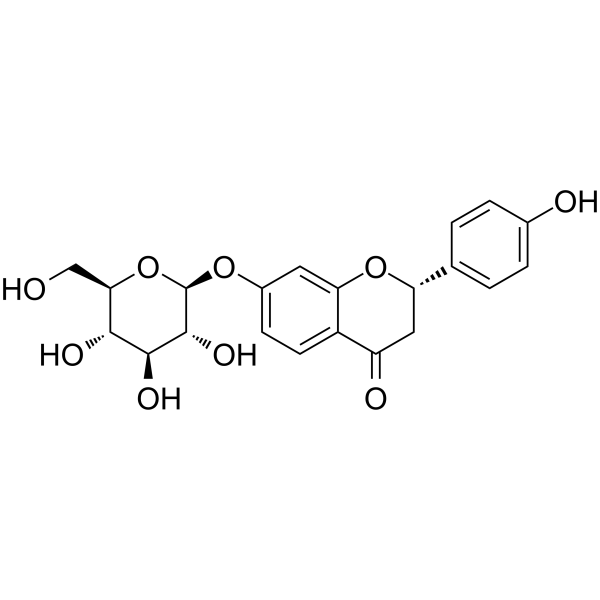
    Neoliquiritin is a flavonoid and flavanone-derived cytotoxic agent with anticancer activity and neuroprotective effects. Neoliquiritin exhibits excellent tumor specificity, exerting a more pronounced killing effect on cancer cells compared with normal oral cells. Neoliquiritin also exerts neuroprotective effects by inhibiting ATP depletion and the elevation of caspase 3/7 activity. Widely present in the roots of Glycyrrhiza uralensis, Glycyrrhiza inflata and Glycyrrhiza glabra, Neoliquiritin can be applied to studies on human oral squamous cell carcinoma, leukemia, Parkinson's disease and other conditions .
    Neoliquiritin
  • HY-P991224

    CCR Inflammation/Immunology Cancer
    CAP-100 is a monoclonal antibody that targets CCR7. CAP-100 neutralizes the ligand-binding site and signaling of CCR7. CAP-100 strongly inhibits CCR7-induced migration, extravasation, homing, and survival in chronic lymphocytic leukemia (CLL) samples. CAP-100 triggers potent tumor cell killing, mediated by host immune mechanism. CAP-100 shows a favorable toxicity profile on relevant hematopoietic subsets. CAP-100 is involved in research on anti-tumor and disease such as CLL .
    CAP-100
  • HY-129046D

    Ribonuclease A, Recombinant

    Endonuclease DNA/RNA Synthesis Endocrinology Cancer
    RNase A (Bovine pancreatic RNase) is a widely used Endonuclease in DNA purification by specifically hydrolyzing cytosine or uracil residues of RNA. RNase A degrades the RNA in the RNA/DNA duplex. RNase A catalyses the breakdown of 3',5'-phosphodiester linkages of single stranded RNA. RNase A family members in organisms are tightly involved in various physiological and pathological processes including cell growth and development, proliferation, differentiation and migration. Dysregulation of RNase A activity or expression level is closely related to pancreatic, ovarian, bladder and thyroid cancer. RNase A has tumor cell-killing ability. RNase A, Recombinant (Ribonuclease A, Recombinant) is a recombinant form of RNase A .
    RNase A, Recombinant
  • HY-163099

    Drug-Linker Conjugates for ADC Topoisomerase Apoptosis Cancer
    P5 (PEG24)-VC-PAB-Exatecan is a TOP1 inhibitor payload with antibody-conjugation-dependent activity. Conjugation of P5 (PEG24)-VC-PAB-Exatecan with Trastuzumab (HY-P9907) generates a DAR8 antibody-drug conjugate (ADCs) with antibody-like pharmacokinetic properties. P5 (PEG24)-VC-PAB-Exatecan induces S-phase and G2-M-phase cell cycle arrest, DNA damage and apoptosis in target-positive tumor cells, and releases damage-associated molecular patterns (DAMP) related to immunogenic cell death (ICD). The ADCs prepared from it exert bystander killing effects on non-target tumor cells. ADCs based on P5 (PEG24)-VC-PAB-Exatecan exhibit linker stability in vitro and in vivo, show in vivo efficacy, and can be used in research related to HER2-positive cancers .
    P5(PEG24)-VC-PAB-Exatecan
  • HY-17026A

    dFdCTP

    Drug Metabolite DNA/RNA Synthesis Apoptosis Cancer
    Gemcitabine triphosphate (dFdCTP) is the active metabolite of Gemcitabine (HY-17026). The mechanism of Gemcitabine triphosphate cell-killing is its competition with cytidine triphosphate during DNA replication, which results in the inhibition of chain elongation. Gemcitabine triphosphate shows a Ki of 11.2 μM against DNA polymerase α and 14.4 μM against DNA polymerase ε. Gemcitabine triphosphate partially inhibits dCMP deaminase and acts as a substrate for DNA synthesis to incorporate into cellular DNA and RNA. Gemcitabine triphosphate disrupts DNA and RNA synthesis, arrests cell cycle in G0/G1 and S phases, triggers apoptosis, reduces tumor cell proliferation. Gemcitabine triphosphate can be used for the research of pancreatic cancer and non-small cell lung cancer .
    Gemcitabine triphosphate
  • HY-P11287A

    Interleukin Related Radionuclide-Drug Conjugates (RDCs) Cancer
    DOTA-Pep-1L TFA is a polypeptide formed by the conjugation of DOTA and Pep-1L. DOTA-Pep-1L TFA specifically binds to IL13RA2 and can be used for the synthesis of targeted polypeptides. DOTA-Pep-1L TFA yields the isotopically labeled product [ 225Ac]DOTA-Pep-1L, which exerts α-radiation killing effects on orthotopic glioma cells and extends the median survival time of mice bearing orthotopic glioma models after stereotactic injection. DOTA-Pep-1L TFA can be used for PET imaging, tumor targeting and glioma research .
    DOTA-Pep-1L TFA
  • HY-15045
    INO-1001
    2 Publications Verification

    PARP Cancer
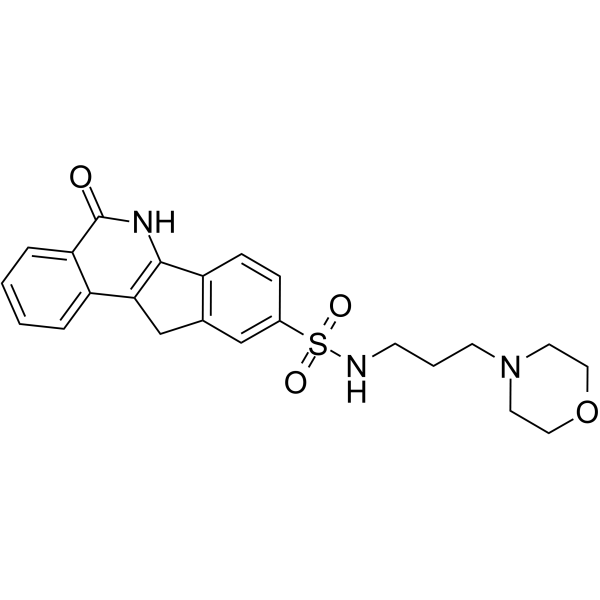
    INO-1001 is a potent and selective poly (ADP-ribose) polymerase (PARP) inhibitor. INO-1001 is a potent enhancer of radiation sensitivity and enhances radiation-induced cell killing by interfering with DNA repair mechanisms, resulting in necrotic cell death . INO-1001 has anti-tumor effects .
    INO-1001
  • HY-132192
    PD-1/PD-L1-IN-9
    2 Publications Verification

    PD-1/PD-L1 Cancer
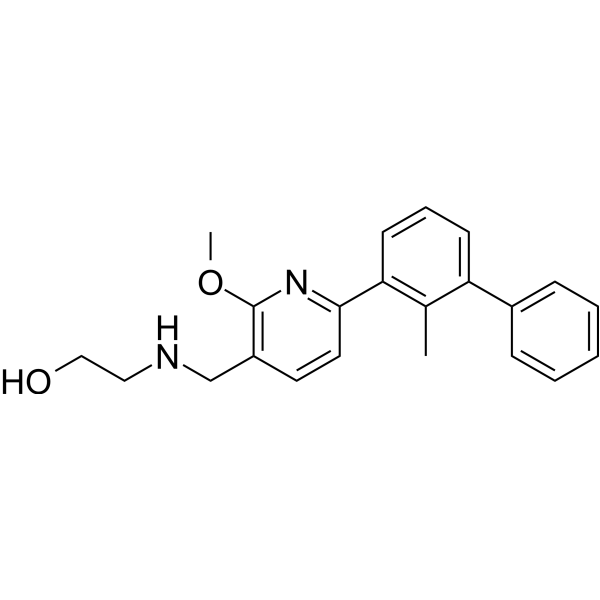
    PD-1/PD-L1-IN-9 is a potent and orally active inhibitor of PD-1/PD-L1 interaction, with an IC50 of 3.8 nM. PD-1/PD-L1-IN-9 can enhance the killing activity of tumor cells by immune cells. PD-1/PD-L1-IN-9 also exhibits significant in vivo antitumor activity in a CT26 mouse model .
    PD-1/PD-L1-IN-9
  • HY-100195
    SAR-020106
    1 Publications Verification

    Checkpoint Kinase (Chk) Cancer
    SAR-020106 is an ATP-competitive, potent, and selective CHK1 inhibitor with an IC50 of 13.3 nM for human CHK1. SAR-020106 shows excellent selectivity over CHK2. SAR-020106 significantly enhances the cell killing of Gemcitabine and SN38 by 3- to 29-fold in several colon tumor lines and in a p53-dependent fashion. SAR-020106 can enhance antitumor activity with selected anticancer agents .
    SAR-020106
  • HY-P991703

    GSK5733584 antibody; HS-20089 antibody; hu2F7

    CD276/B7-H3 Cancer
    Mocertatug (GSK5733584 antibody) is a humanized IgG1κ antibody targeting B7-H4/VTCN1. Mocertatug can be used to construct ADCs, such as Mocertatug Rezetecan (HY-185280) .
    Mocertatug
  • HY-P99242
    Alsevalimab
    1 Publications Verification

    CD276/B7-H3 Cancer
    Alsevalimab is a humanized, afucosylated IgG1 monoclonal antibody against B7-H4. Alsevalimab blocks the binding of the B7-H4 protein to the receptors on the surface of T cells, reversing the immunosuppressive state in the tumor microenvironment, thereby activating the killing effect of T cells on cancer cells. Alsevalimab can be used in combination with Pembrolizumab (HY-P9902), and shows good safety profiles .
    Alsevalimab
  • HY-P99622

    IMC-20D7S

    Tyrosinase Cancer
    Flanvotumab (IMC-20D7S) is a human monoclonal antibody targeting to tyrosinase-related protein (TYRP1), specifically expressed in melanocytes and melanoma cells. Flanvotumab acts function via natural killing-mediated antibody-dependent cell-mediated cytotoxicity (ADCC). Flanvotumab has potent anti-tumor activity and good tolerance .
    Flanvotumab
  • HY-178238

    ADC Payload Topoisomerase Cancer
    LD2-3 is a cytotoxic compound derived from Exatecan (HY-13631), designed to be conjugated with anti-FGFR2b or anti-CEA antibodies to form intact antibody-drug conjugate (ADC) molecules. LD2-3 exhibits a remarkable bystander killing effect: it not only effectively kills FGFR2b-positive tumor cells, but also eliminates surrounding FGFR2b-negative cells in co-culture and mixed tumor xenograft models, thereby inducing complete tumor regression. LD2-3 can be used for anti-tumor research in relevant fields such as gastric cancer and lung cancer .
    LD2-3
  • HY-140696C

    mPEG20000-Hydroxy; Polyethylene glycol monomethyl ether 20000

    PROTAC Linkers Cancer
    m-PEG20000-OH can be used as a macroinitiator to participate in the synthesis of amphiphilic block copolymers. Nanoscale micelles can be prepared by using amphiphilic block copolymers to deliver active drugs. Paclitaxel (HY-B0015), a hydrophobic anticancer agent encapsulated in micelles, has stronger activity in killing cancer cells than free Paclitaxel. And it preferentially accumulates in tumor tissue with only limited distribution in healthy organs.
    m-PEG20000-OH
  • HY-129046E

    Ribonuclease A DNase & Protease Free, Recombinant

    Endonuclease DNA/RNA Synthesis Endocrinology Cancer
    RNase A (Bovine pancreatic RNase) is a widely used Endonuclease in DNA purification by specifically hydrolyzing cytosine or uracil residues of RNA. RNase A degrades the RNA in the RNA/DNA duplex. RNase A catalyses the breakdown of 3',5'-phosphodiester linkages of single stranded RNA. RNase A family members in organisms are tightly involved in various physiological and pathological processes including cell growth and development, proliferation, differentiation and migration. Dysregulation of RNase A activity or expression level is closely related to pancreatic, ovarian, bladder and thyroid cancer. RNase A has tumor cell-killing ability. RNase A (DNase & Protease Free), Recombinant is recombinant RNase A, which does not contain DNase and protease .
    RNase A DNase & Protease Free, Recombinant
  • HY-P990831

    Mucin Cancer
    Anti-MUC1/CD227 Antibody (C595 (NCRC48)) is a kind of mouse IgG3 κ chimeric antibody inhibitor, targeting to human MUC1/CD227. Anti-MUC1/CD227 Antibody (C595 (NCRC48)) specifically recognizes and binds to the MUC1 protein, which is overexpressed and abnormally glycosylated on the surface of tumor cells, thereby precisely killing cancer cells. Anti-MUC1/CD227 Antibody (C595 (NCRC48)) can be used for the researches of cancer, such as ovarian cancer .
    Anti-MUC1/CD227 Antibody (C595 (NCRC48))
  • HY-129046B

    Ribonuclease A DNase & Protease Free

    Endonuclease DNA/RNA Synthesis Others Endocrinology Cancer
    RNase A (Bovine pancreatic RNase) is a widely used Endonuclease in DNA purification by specifically hydrolyzing cytosine or uracil residues of RNA. RNase A degrades the RNA in the RNA/DNA duplex. RNase A catalyses the breakdown of 3',5'-phosphodiester linkages of single stranded RNA. RNase A family members in organisms are tightly involved in various physiological and pathological processes including cell growth and development, proliferation, differentiation and migration. Dysregulation of RNase A activity or expression level is closely related to pancreatic, ovarian, bladder and thyroid cancer. RNase A has tumor cell-killing ability. RNase A, Bovine Pancreas (DNase & Protease Free) is RNase A derived from bovine pancreas and does not contain DNase or protease .
    RNase A, Bovine Pancreas DNase & Protease Free
  • HY-P10563

    BHV-1100

    CD38 Cancer
    Noraramtide (BHV-1100) is an antibody recruitment molecule. Noraramtide can specifically bind to CD38 molecules to recruit natural killer (NK) cells. Noraramtide enhances the ability of NK cells to kill tumor cells through antibody-dependent cellular cytotoxicity (ADCC). This mechanism allows NK cells to more effectively recognize and eliminate tumor cells while avoiding mutual killing between NK cells. Noraramtide can be used for the study of autologous cancer immunity .
    Noraramtide
  • HY-P11084

    MHC Inflammation/Immunology Cancer
    WT1 126-134 peptide is a Wilms' tumor oncogene protein (WT1) peptide (RMFPNAPYL). WT1 126-134 peptide is presented by HLA-A0201 and induces cytotoxic CD8 T cells capable of killing WT1+ positive tumor cells. WT1 126-134 can form stable complexes with the H-2Db (mouse) or HLA-A0201 (human) molecules. WT1 126-134 peptide/HLA-A0201 complex has an extremely high affinity (Kd = 0.2 nM) with the humanized monoclonal antibody (IgG1). WT1 126-134 peptide can be used as a vaccine for T cells or as a target for antibodies .
    WT1 126-134 peptide
  • HY-129046H

    DNA/RNA Synthesis Endonuclease Endocrinology Cancer
    RNase A (Bovine pancreatic RNase) is a widely used Endonuclease in DNA purification by specifically hydrolyzing cytosine or uracil residues of RNA. RNase A degrades the RNA in the RNA/DNA duplex. RNase A catalyses the breakdown of 3',5'-phosphodiester linkages of single stranded RNA. RNase A family members in organisms are tightly involved in various physiological and pathological processes including cell growth and development, proliferation, differentiation and migration. Dysregulation of RNase A activity or expression level is closely related to pancreatic, ovarian, bladder and thyroid cancer. RNase A has tumor cell-killing ability. RNase A, Recombinant (Protease & DNase free, animal free) is recombinant RNase A that does not contain protease and DNase and does not contain animal components .
    RNase A, Recombinant Protease & DNase free, animal free
  • HY-P11287

    Interleukin Related Radionuclide-Drug Conjugates (RDCs) Cancer
    DOTA-Pep-1L is a polypeptide formed by the conjugation of DOTA and Pep-1L. DOTA-Pep-1L specifically binds to IL13RA2 and can be used for the synthesis of targeted polypeptides. DOTA-Pep-1L yields the isotopically labeled product [ 225Ac]DOTA-Pep-1L, which exerts α-radiation killing effects on orthotopic glioma cells and extends the median survival time of mice bearing orthotopic glioma models after stereotactic injection. DOTA-Pep-1L can be used for PET imaging, tumor targeting and glioma research .
    DOTA-Pep-1L
  • HY-P991708

    REGN-4336

    PSMA CD3 Cancer
    Olsutamig is a bivalent humanized IgG4κ monoclonal antibody inhibitor targeting FOLH1/PSMA and CD3E. Olsutamig simultaneously binds to PSMA on the tumor cell surface and CD3E on the T cell surface, markedly activating T cells and thereby specifically killing prostate cancer cells .
    Olsutamig
  • HY-P991671

    JNJ-80948543

    CD3 CD20 Transmembrane Glycoprotein Cancer
    Anafiltamig is a trivalent monoclonal antibody inhibitor targeting CD79B, CD3E and MS4A1. Anafiltamig consists of a humanized IgG1κ anti-CD79B arm and a bispecific scFv-based arm targeting CD3E and MS4A1. Anafiltamig simultaneously bridges T and B cells, activating T cells and specifically killing B cell tumors. Anafiltamig can be used for B cell malignancies such as non-Hodgkin lymphoma research .
    Anafiltamig
  • HY-132192A
    PD-1/PD-L1-IN-9 hydrochloride
    2 Publications Verification

    PD-1/PD-L1 Cancer
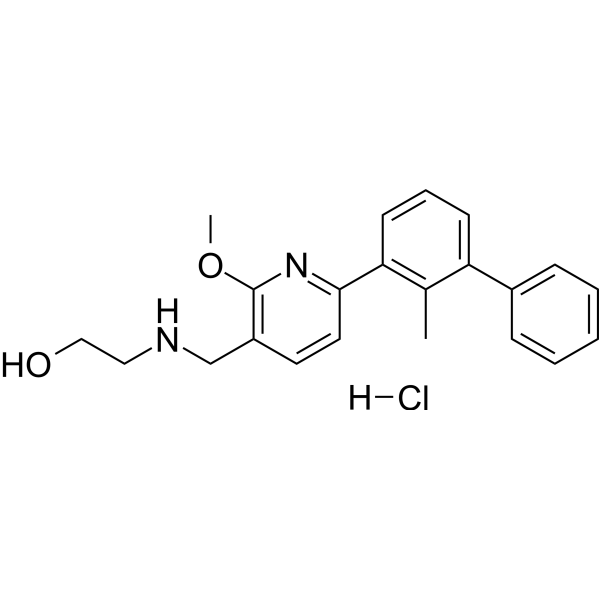
    PD-1/PD-L1-IN-9 hydrochloride is a potent and orally active inhibitor of PD-1/PD-L1 interaction, with an IC50 of 3.8 nM. PD-1/PD-L1-IN-9 hydrochloride can enhance the killing activity of tumor cells by immune cells. PD-1/PD-L1-IN-9 hydrochloride also exhibits significant in vivo antitumor activity in a CT26 mouse model .
    PD-1/PD-L1-IN-9 hydrochloride
  • HY-160151

    PROTACs Phosphatase JAK IFNAR MHC Cancer
    TP1L is a potent and selective T-cell protein tyrosine phosphatase (TC-PTP) PROTAC degrader, with a DC50 value of 35.8 nM. TP1L elevates the phosphorylation level of TC-PTP substrates including pSTAT1 and pJAK1. TP1L selectively enhances IFN-γ signaling and increases MHC-I expression. TP1L activates TCR signaling through increases phosphorylation of LCK. TP1L enhances CAR-T cell mediated tumor killing efficacy through activation of the CAR-T cells. TP1L can be used for the study of cancer. (Pink: TC-PTP ligand: (HY-138964), Blue: E3 ligase CRBN Ligand (HY-A0003), Black: Linker: (HY-140002)) .
    TP1L
  • HY-169017

    Toll-like Receptor (TLR) Cancer
    MTT5 is a toll-like receptor 7 (TLR7) agonist. MTT5 can couple with Deruxtecan (HY-13631E) and exert anti-tumor activity in HER2 positive solid tumors through tumor cell killing and immune activation .
    MTT5
  • HY-176744

    EGFR Apoptosis Cancer
    HER2-IN-22 is a potent and selective HER2 inhibitor with an IC50 of 215 μM. HER2-IN-22 possesses killing activity against various tumor cells and can induce cell apoptosis. HER2-IN-22 significantly inhibits tumor growth. HER2-IN-22 can be used in the study for tumors such as HER2+ breast cancer .
    HER2-IN-22
  • HY-P11089

    MHC Cancer
    TP53 neoepitope is a high-affinity antigenic peptide targeting HLA-A. TP53 neoepitope can triggers CD8 + T cell-mediated killing of TP53-mutant tumor cells. TP53 neoepitope is promising for research of solid tumors harboring TP53 hotspot mutations (e.g., R175H, R273H) .
    TP53 neoepitope

Consulta en línea

Your information is safe with us. * Required Fields.

Saludo


Country or Region *

Nombre del solicitante *


Nombre de la Organizaciòn *

Department *


Direcciòn del E-mail *


Nombre del producto *

Cat. No.


Requested quantity *

Número de teléfono *


Observaciones

Consulta en línea

Inquiry Information

Nombre del producto:
Cat. No.:
Cantidad:
MCE Japan Authorized Agent:

