



1. Search Result
Search Result
Results for "

tumor immunity

" in MedChemExpress (MCE) Product Catalog:

412

Inhibitors & Agonists

16

Screening Libraries

5

Fluorescent Dyes

12

Biochemical Assay Reagents

34

Peptides

98

Inhibitory Antibodies

30

Natural
Products

8

Isotope-Labeled Compounds

3

Click Chemistry

13

Oligonucleotides

1

GMP Molecules

Cat. No. Product Name Target Research Areas Chemical Structure
  • HY-136927
    MSA-2
    25+ Cited Publications

    STING Inflammation/Immunology Cancer
    MSA-2, a potent and orally available non-nucleotide STING agonist, is bound to STING as a noncovalent dimer with nanomolar affinity. MSA-2 shows EC50s of 8.3 and 24 μM for human STING isoforms WT and HAQ, respectively. MSA-2 stimulates interferon-β secretion in tumors, induces tumor regression with durable antitumor immunity, and synergizes with anti-PD-1 in syngeneic mouse tumor models .
    MSA-2
  • HY-156677
    STC-15
    4 Publications Verification

    METTL3 Cancer
    STC-15 is an orally active RNA methyltransferase METTL3 inhibitor with the activity of activating anti-tumor immunity and reshaping the tumor microenvironment. STC-15 inhibits tumor growth by activating anti-cancer immune responses associated with increased interferon signaling and synergizes with T-cell checkpoint blockade. STC-15 can be used in the study of proliferative diseases such as cancer and autoimmune diseases .
    STC-15
  • HY-131166
    Curdlan
    2 Publications Verification

    Bacterial Toll-like Receptor (TLR) NO Synthase C-type Lectin-like Receptors (CTLRs) Reactive Oxygen Species (ROS) Inflammation/Immunology
    Curdlan is a polysaccharide found in bacteria, consisting of a glucose homopolymer with β-1,3-glycosidic linkages . Curdlan can be recognized by Dectin-1 (a C-type lectin receptor), inducing immune responses in tissue mast cells and enhancing dendritic cell effects in tumor immunity. Curdlan holds potential for research in cancer and immune-inflammatory diseases .
    Curdlan
  • HY-150298
    Soquelitinib
    3 Publications Verification

    CPI-818

    Itk Inflammation/Immunology Cancer
    Soquelitinib (CPI-818) is an orally active and highly selective covalent interleukin-2-inducible kinase (ITK) inhibitor. Soquelitinib is active in six different models of T cell-mediated inflammatory and immune disease, including acute and chronic asthma, pulmonary fibrosis, systemic sclerosis (scleroderma), psoriasis, and acute graft versus host disease with Th2 cytokine product inhibition. Soquelitinib increases tumor infiltration of normal CD8 + cells that possess enhanced T effector function .
    Soquelitinib
  • HY-N6653
    Lentinan
    5+ Cited Publications

    JAK Keap1-Nrf2 Apoptosis Infection Metabolic Disease Inflammation/Immunology Cancer
    Lentinan is an orally active biocompatible multifunctional polysaccharide with biological activities such as anti-inflammatory, antioxidant, immune regulation, anti-tumor, hypoglycemic, and lipid-lowering [1][4].
    Lentinan
  • HY-119339
    SX-682
    5+ Cited Publications

    CXCR Inflammation/Immunology Endocrinology Cancer
    SX-682 is an orally bioavailable, potent allosteric inhibitor of CXCR1 and CXCR2. SX-682 can block tumor myeloid-derived suppressor cells (MDSCs) recruitment and enhance T cell activation and antitumor immunity .
    SX-682
  • HY-N0587
    Demethylzeylasteral
    5+ Cited Publications

    Apoptosis TGF-beta/Smad Estrogen Receptor/ERR NF-κB FAK Cardiovascular Disease Inflammation/Immunology Endocrinology Cancer
    Demethylzeylasteral is an orally active triterpenoid compound isolated from Tripterygium wilfordii, which has functions such as anti-inflammatory, anti-tumor, anti fertility, estrogen metabolism regulation, immune suppression, and immune system regulation [1][2].
    Demethylzeylasteral
  • HY-P6292A

    PACAP Receptor Neurological Disease Inflammation/Immunology Cancer
    KS-133 TFA is a highly selective and potent antagonist of the vascular active enteropeptide receptor 2 (VIPR2) with IC50 values for Ca influx measurement and cAMP measurement of 24.8 nM and 500 nM, respectively. KS-133 TFA reverses the tumor-promoting M2 phenotype of tumor-associated macrophages to the anti-tumor M1 phenotype, alters the tumor immune microenvironment, and inhibits tumor growth. KS-133 TFA can be used for research on schizophrenia and cancer immune regulation .
    KS-133 TFA
  • HY-P1120

    WKYMVm-amide; W-Peptide

    Formyl Peptide Receptor (FPR) PERK Apoptosis Neurological Disease Metabolic Disease Inflammation/Immunology Cancer
    WKYMVm is a selective formylpeptide receptor 2 (FPR2) agonist. WKYMVm has a powerful anti-inflammatory effect that can reduce lung injury and spinal cord injury. WKYMVm ameliorates obesity by regulating lipid metabolism and leptin signaling. WKYMVm is involved in the regulation of immune cells by activating FPRs. WKYMVm can promote the chemotactic migration of immune cells and inhibit the apoptosis of phagocytes. In addition, WKYMVm may play a favorable or unfavorable role in tumors, depending on the type of tumor .
    WKYMVm
  • HY-P99051
    Tinurilimab
    2 Publications Verification

    BAY 1834942

    Transmembrane Glycoprotein Inflammation/Immunology Cancer
    Tinurilimab (Bay 1834942) is an anti-CEACAM6 (carcinoembryonic antigen-related cell adhesion molecule 6) humanized IgG2 monoclonal antibody. CEACAM6 is an immune checkpoint regulator suppressing the activity of effector T-cells against tumors. Tinurilimab shows an increased tumor cell killing effect in the tumor-cell/T-cell co-culture system .
    Tinurilimab
  • HY-P0073
    Tyr-Gly-Gly-Phe-Met-OH
    4 Publications Verification

    Met-Enkephalin; Methionine enkephalin; Metenkefalin

    Opioid Receptor Neurological Disease Cancer
    Tyr-Gly-Gly-Phe-Met-OH regulates human immune function and inhibits tumor growth via binding to the opioid receptor.
    Tyr-Gly-Gly-Phe-Met-OH
  • HY-W075517

    2-Methylimidazole zinc salt

    MOFs Caspase Pyroptosis Cancer
    ZIF-8 (2-Methylimidazole zinc salt) is a pyroptosis inducer that activates the caspase-1/gasdermin D-dependent pyroptosis pathway. ZIF-8 induces pyroptotic cell death accompanied by necrosis and immunogenic cell death. ZIF-8 initiates in situ immunity, activates anti-tumor immunity, and reprograms the immunosuppressive tumor microenvironment to inhibit tumor growth. ZIF-8 acts as a pH-responsive and stimulus-responsive drug release inducer. ZIF-8 is applicable to cancer-related research .
    ZIF-8
  • HY-132832
    Sirpiglenastat
    2 Publications Verification

    DRP-104

    Drug Intermediate Cancer
    Sirpiglenastat (DRP-104) is a broad acting glutamine antagonist. Sirpiglenastat has anticancer effects by directly targeting tumor metabolism and simultaneously inducing a potent antitumor immune response .
    Sirpiglenastat
  • HY-145598

    HMPL-523

    Syk Cancer
    Sovleplenib (HMPL-523) is a highly potent, orally available and selective SYK inhibitor with an IC50 of 25 nM. Anti-tumor activity. Sovleplenib can be used for the research of immune thrombocytopenia (ITP) .
    Sovleplenib
  • HY-125506
    NP-G2-044
    5+ Cited Publications

    β-catenin Cancer
    NP-G2-044 is a potent, orally active fascin inhibitor, with an IC50 of ~2 μM. NP-G2-044 blocks tumor metastasis and increases antitumor immune response .
    NP-G2-044
  • HY-B1637
    Ditiocarb sodium
    4 Publications Verification

    Sodium diethyldithiocarbamate

    HIV Biochemical Assay Reagents Infection Inflammation/Immunology Cancer
    Ditiocarb sodium (Sodium diethyldithiocarbamate) is an orally active copper reagent. Ditiocarb sodium exhibits activities such as antioxidation, chelation, anti-tumor effects, immunomodulation, and anti-HIV properties. Ditiocarb sodium can be used in the research of tumors, inflammatory, and immune-related diseases .
    Ditiocarb sodium
  • HY-176786

    PROTACs Ras Apoptosis PERK p38 MAPK Caspase TNF Receptor Cancer
    MCB-36 is a VHL-recruiting pan-KRAS PROTAC degrader without affecting KRAS transcription. MCB-36 exhibits minimal effects on HRAS and NRAS protein levels. MCB-36 binds to the GDP-loaded state of G12D, G12C, G12V, and wild-type KRAS with high affinities Kd ≈ 1 pM). MCB-36 decreases p-ERK levels, leading to cell apoptosis. MCB-36 effectively suppress KRAS G12C inhibitor-resistant cancer cells and remodel the tumor immune microenvironment. MCB-36 can be used for the study of colorectal cancer and lung cancer (Pink: Target protein ligand; Blue: E3 ligand (HY-112078); Black: Linker (HY-W091879)) .
    MCB-36
  • HY-P11303

    CD74 MHC Neurological Disease Cancer
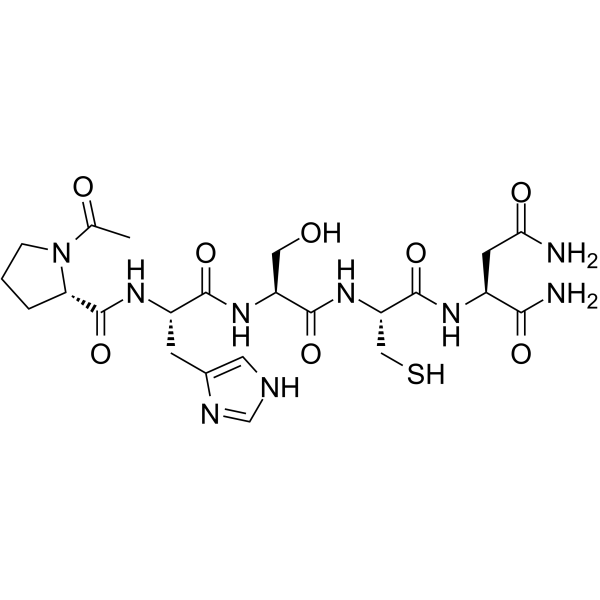
    PADRE peptide is a pan-HLA-DR binding epitope and immunostimulant. PADRE peptide binds to the peptide-binding groove of MHC class II molecules for presentation to CD4 + T cells, thereby effectively stimulating specific immune responses. PADRE peptide not only enhances anti-tumor immune responses, inhibits tumor growth and prolongs survival; it also significantly increases the frequency of E7-specific CD8 + T cells and improves therapeutic efficacy against TC-1 tumors when used in combination with E7 peptide-based vaccines and poly (I:C). The intensity of the immune response induced by PADRE peptide is lower than that of the Ii-PADRE DNA vaccine, and it fails to enhance the immune effect of CRT-E7 DNA. PADRE peptide is widely applicable to research on related tumors such as melanoma, glioblastoma and cervical cancer .
    PADRE peptide
  • HY-P991480

    Transmembrane Glycoprotein Tau Protein Amyloid-β Neurological Disease Cancer
    ONC-841 is a blood-brain barrier-permeable, humanized monoclonal antibody targeting SIGLEC10. As an immune checkpoint inhibitor, ONC-841 restores the functions of immune effector cells such as T cells and enhances anti-tumor immune responses by blocking inhibitory signals mediated by SIGLEC10. ONC-841 restores the phagocytic and migratory activities of microglia, and promotes the phagocytosis of Amyloid-β and Tau protein aggregates by microglia. ONC-841 is applicable to research related to solid tumors and Alzheimer's disease .
    ONC-841
  • HY-149874
    BMS-502
    1 Publications Verification

    DGK Inflammation/Immunology Cancer
    BMS-502 (Compound 22) is a potent dual inhibitor of diacylglycerol kinase (DGK) α and ζ with IC50 of 4.6 nM and 2.1 nM. BMS-502 enhanced T cell immune responses in mice. BMS-502 can be used in tumor immunity related research .
    BMS-502
  • HY-156649

    CR6086

    Prostaglandin Receptor Interleukin Related MMP PD-1/PD-L1 Cardiovascular Disease Inflammation/Immunology Cancer
    Vorbipiprant (CR6086) is an orally active EP4 receptor antagonist with high selectivity for the human EP4 receptor (Ki: 16.6 nM). Vorbipiprant has immunomodulatory, anti-inflammatory, antitumor, and anti-angiogenic activities. Vorbipiprant can inhibit the expression of multiple pro-inflammatory cytokines and the activation of immune cells, and convert "cold" tumors unresponsive to immune checkpoint inhibitors into "hot" tumors. Vorbipiprant is used in the research of diseases such as rheumatoid arthritis and colon cancer .
    Vorbipiprant
  • HY-160215

    TGF-β Receptor p38 MAPK TGF-beta/Smad Interleukin Related Cancer
    GFH018 is an orally active, selective and ATP-competitive TGF-βR1 inhibitor with an IC50 of 40 nM. GFH018 reactivates the immune system by blocking the immunosuppression mediated by regulatory T cells and M2 macrophages. GFH018 inhibits tumor angiogenesis. GFH018 suppresses tumor growth in mouse tumor models. GFH018 can be used for the research of solid tumors, hepatocellular carcinoma, colorectal cancer, breast cancer, and relapsed/metastatic nasopharyngeal carcinoma .
    GFH018
  • HY-N6073

    Apoptosis HSV Infection Metabolic Disease Inflammation/Immunology Cancer
    Soyasapogenol A is a triterpenoid aglycone of soyasaponins. Soyasapogenol A has activities such as anti-inflammation, anti-cancer, hepatoprotection and anti-HSV-1. Soyasapogenol A can be used in the research of tumors and immune inflammatory diseases .
    Soyasapogenol A
  • HY-P991023

    6MW3211

    CD47 PD-1/PD-L1 Cancer
    Safimestomig (6MW3211) is an CD47/PD-L1-targeting bispecific antibody. Safimestomig blocks CD47-mediated 'don't eat me' signaling and selectively binds to CD47 on tumor cells. Safimestomig blocks PD-L1-mediated immune checkpoint signaling. Safimestomig can be used for the research of cancer .
    Safimestomig
  • HY-176785S

    Ras Apoptosis p38 MAPK Caspase TNF Receptor Cancer
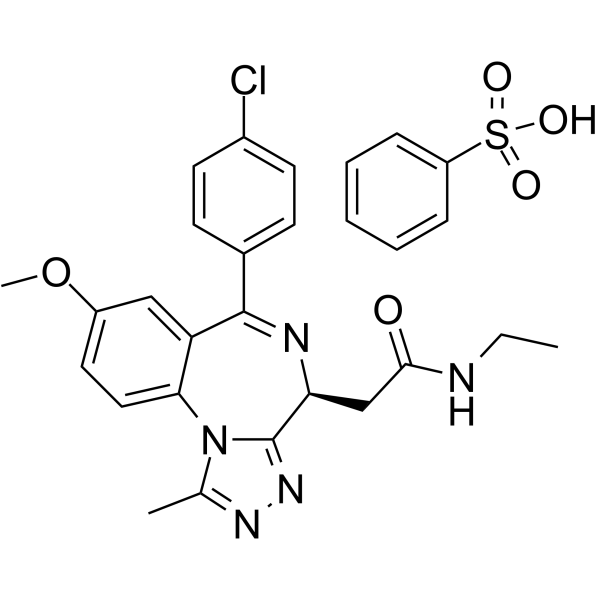
    MCB-294 is a dual-state pan-KRAS inhibitor that selectively inhibits KRAS over NRAS and HRAS. MCB-294 capable of binding both the active (GTP-bound) and inactive (GDP-bound) forms of KRAS with Kds of approximately 1 pM and 10 nM, respectively. MCB-294 broadly impairs the growth of hTERT-HPNE cells expressing G12D, G12C, G12V, G12S, G13D, and wild-type KRAS, with IC50s of approximately 700 nM. MCB-294 induces irreversible apoptosis in KRAS-mutated tumors. MCB-294 effectively suppress KRAS G12C inhibitor-resistant cancer cells and remodel the tumor immune microenvironment. MCB-294 can be used for the study of pancreatic cancer, colorectal cancer and lung cancer .
    MCB-294
  • HY-158045

    PROTACs PARP Cancer
    PROTAC PARP1 degrader-1 is a PARP1 PROTAC degrader with a DC50 value of 252.5 nM. PROTAC PARP1 degrader-1, combined with Daunorubicin (HY-13062A), induces the accumulation of cytoplasmic DNA fragments, activates the cGAS/STING innate immune pathway, and remodels the tumor microenvironment. PROTAC PARP1 degrader-1 can be used in research related to breast cancer .
    PROTAC PARP1 degrader-1
  • HY-P990704

    AZD-2936

    PD-1/PD-L1 Transmembrane Glycoprotein Cancer
    Rilvegostomig (AZD-2936) is a bispecific humanized IgG1 antibody targeting PD-1 and TIGIT. Rilvegostomig induces tumor growth inhibition and modulates the tumor immune microenvironment. Rilvegostomig exhibits anti-tumor activity in metastatic non-small cell lung cancer (without prior immune checkpoint inhibitor treatment). Rilvegostomig can be used in research related to metastatic non-small cell lung cancer and endometrial cancer .
    Rilvegostomig
  • HY-P99057

    CDX-1127

    TNF Receptor Transmembrane Glycoprotein Inflammation/Immunology Cancer
    Varlilumab (CDX-1127) is an agonist anti-CD27 monoclonal antibody. Varlilumab can promote T cell expansion and activate the immune response. Varlilumab has anti-tumor activity and can be used in the research of hematological malignancies and solid tumors .
    Varlilumab
  • HY-137442
    Inupadenant
    1 Publications Verification

    EOS-850

    Adenosine Receptor Cancer
    Inupadenant is an orally active, highly selective A2A receptor antagonist. Inupadenant can not cross BBB. Inupadenant can enhance the humoral immune response and has anti-tumor activity .
    Inupadenant
  • HY-153935

    Prostaglandin Receptor Inflammation/Immunology Cancer
    EP4-IN-1 is a potent prostanoid EP4 receptor inhibitor. EP4-IN-1 is extracted from patent WO2023025270 (example 1), and exhibits prospect in tumor immunity and anti-inflammatory analgesia research .
    EP4-IN-1
  • HY-P990961

    IMM-2510; SYN-2510

    VEGFR PD-1/PD-L1 Cardiovascular Disease Inflammation/Immunology Cancer
    Palverafusp alfa (IMM-2510; SYN-2510) is a PD-L1/VEGF-targeting IgG1κ type humanized antibody. Palverafusp alfa blocks PD-1/PD-L1 binding, relieves immune suppression, mediates PD-L1-directed antibody-dependent cellular cytotoxicity (ADCC). Palverafusp alfa blocks VEGF/VEGFR binding, inhibits angiogenic signaling, relieves VEGF-induced immune suppression. Palverafusp alfa reduces endothelial cell proliferation, enhances ADCC and antibody-dependent cellular phagocytosis (ADCP), inhibits tumor growth, reverses T cell immune suppression. Palverafusp alfa exhibits immune stimulatory, antiangiogenic, and anti-tumor activity in the tumor microenvironment. Palverafusp alfa can be used for the research of cancer, such as solid tumors, non-small cell lung cancer .
    Palverafusp alfa
  • HY-P99732
    Minretumomab
    1 Publications Verification

    CC-49

    Mucin Cancer
    Minretumomab (CC-49) is a murine monoclonal antibody against TAG-72 (tumor-associated glycoprotein 72). Minretumomab is used in cancer and immunity research .
    Minretumomab
  • HY-P10493

    Amino Acid Derivatives Cancer
    NY-ESO-1 (157-165) peptide is a peptide fragment from NY-ESO-1 protein. NY-ESO-1 (157-165) peptide can activate the immune system, especially for HLA-A2 positive individuals, it can be recognized by CD8+ T cells, thus triggering an immune response. NY-ESO-1 (157-165) peptide is expressed in a variety of tumors and can be used as a target for tumor immunotherapy .
    NY-ESO-1 (157-165) peptide
  • HY-P99812
    Ragifilimab
    1 Publications Verification

    INCAGN-1876

    TNF Receptor Inflammation/Immunology Cancer
    Ragifilimab (INCAGN-1876) is an agonist monoclonal antibody targeting the glucocorticoid-induced TNFR-related protein (GITR). Ragifilimab binds to and activates GITR on T cells, which stimulates the immune system to enhance its anti-tumor activity. Ragifilimab can be used for advanced or metastatic solid tumors research .
    Ragifilimab
  • HY-P991481

    CCR Inflammation/Immunology Cancer
    S-531011 is a human IgG1 monoclonal antibody (mAb) targeting CCR8. S-531011 reduces tumor-infiltrating CCR8+ Tregs and has anti-tumor activity in CT26.WT and EMT6 tumor-bearing mouse tumor models. S-531011 can be used in the study of cancer immunity. Recommended isotype control: Human IgG1 kappa, Isotype Control (HY-P99001) .
    S-531011
  • HY-131347

    PD-1/PD-L1 Inflammation/Immunology Cancer
    PD-1/PD-L1-IN-NP19 is a PD-1/PD-L1 inhibitor, with an IC50 of 12.5 nM for human PD-1/PD-L1 interaction. PD-1/PD-L1-IN-NP19 could activate the immune microenvironment in tumor, which may contribute to its antitumor effects .
    PD-1/PD-L1-IN-NP19
  • HY-176296

    SR-8541A

    Phosphodiesterase (PDE) STING Cancer
    Vizenpistat (SR-8541A) is an orally active ENPP1 inhibitor. Vizenpistat increases cGAMP levels, blocks 2′3′-cGAMP hydrolysis, inhibits adenosine production, regulates innate immune signaling mediated by the STING pathway, and modulates anti-tumor immune responses. Vizenpistat is applicable to research related to breast cancer and metastatic microsatellite-stable colorectal cancer .
    Vizenpistat
  • HY-P10420

    CD47 Interleukin Related Cancer
    RS17 is an anti-tumor peptide designed to bind specifically to the CD47 molecule and block the interaction between CD47 and its ligand, SIRPα, on the surface membrane of macrophages. The main regulatory mechanism of RS17 is to prevent CD47 from transmitting selective phagocytosis signals to SIRPα by binding to CD47, so that macrophages do not recognize tumor cells as their own tissue, but phagocytose them as foreign substances, thereby inhibiting immune escape of tumor cells. RS17 can be used to study the mechanism of anti-tumor response and immune escape .
    RS17
  • HY-P99409

    Alt-2 monoclonal antibody; MAB-B43.13; Oregovamab

    Transmembrane Glycoprotein Cancer
    Oregovomab (Alt-2 monoclonal antibody) is a murine mAb targeting CA125. Oregovomab induces cytotoxic immune response against CA125 expressing tumor cells .
    Oregovomab
  • HY-B1250

    Biochemical Assay Reagents Cancer
    Acedoben is a biochemical agent. Acedoben and iron ions can construct a fast self-assembled coordination complex. The Fe-Ace coordination complex can not only serve as a carrier of tumor antigens, but also enhance antigen-specific anti-tumor immunity due to its inherent adjuvant properties .
    Acedoben
  • HY-175780

    CD28 IFNAR TNF Receptor Interleukin Related Cancer
    CD28-IN-1 (Compound 19MS-5) is a CD28 inhibitor with a KD of 12.48  μM. CD28-IN-1 has a superior binding capacity to CD28 and potently inhibits CD28-B7 interactions. CD28-IN-1 inhibits CD28-driven immune activation and suppresses cytokine (IFN-γ, IL-2 and TNF-α) production in primary human T cells co-cultured with tumor spheroids and human epithelial tissues. CD28-IN-1 can be used for tumor immunity research .
    CD28-IN-1
  • HY-P10563

    BHV-1100

    CD38 Cancer
    Noraramtide (BHV-1100) is an antibody recruitment molecule. Noraramtide can specifically bind to CD38 molecules to recruit natural killer (NK) cells. Noraramtide enhances the ability of NK cells to kill tumor cells through antibody-dependent cellular cytotoxicity (ADCC). This mechanism allows NK cells to more effectively recognize and eliminate tumor cells while avoiding mutual killing between NK cells. Noraramtide can be used for the study of autologous cancer immunity .
    Noraramtide
  • HY-P991309

    C-type Lectin-like Receptors (CTLRs) Cancer
    ZM-008 is an anti-LLT1 monoclonal antibody. ZM-008 blocks the interaction between LLT1 and CD161 on the surface of NK cells and T cells. ZM-008 restores anti-tumor immune activity, shifts the tumor microenvironment to an immune-responsive state, and recovers NK cell-mediated cytotoxicity against tumor cells, thereby reversing immunosuppression in immune-resistant "cold" tumors. ZM-008 is applicable to the research of immune-resistant solid tumors .
    ZM-008
  • HY-59208

    Kynurine

    Endogenous Metabolite Neurological Disease Cancer
    4-Quinolone (Kynurine) is a quinoline derivative. Kynurine pathway modulates tryptophan metabolism and involves in neuroprotective effect. Kynurine promotes tumor cell survival and motility by suppressing antitumor immune .
    4-Quinolinol
  • HY-168887

    STING Cancer
    ZSA-51 is a potent and orally active STING agonist. ZSA-51 shows anticancer activity. ZSA-51 remodeles immune microenvironment both in tumor and lymph node .
    ZSA-51
  • HY-B2227D

    Environmental Pollutants Endogenous Metabolite Metabolic Disease Inflammation/Immunology Cancer
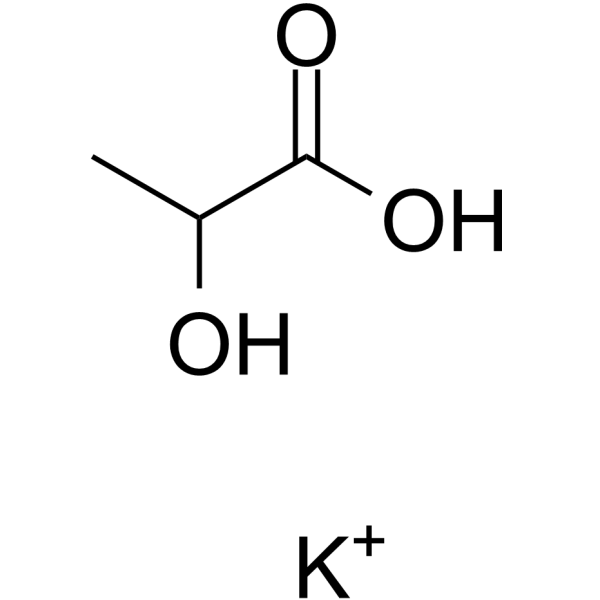
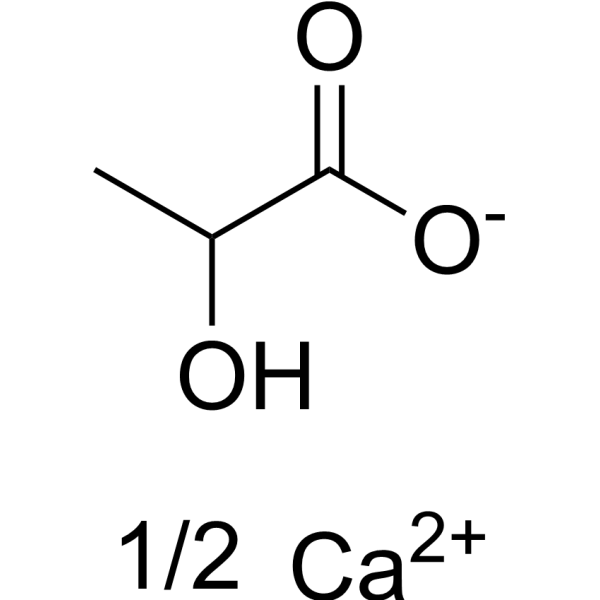
    Calcium 2-hydroxypropanoate (pentahydrate) is a hydroxycarboxylic acid receptor 1 (HCAR1) activator and an epigenetic modulator inducing lysine residues lactylation. Calcium 2-hydroxypropanoate (pentahydrate) is a glycolysis end-product, bridging the gap between glycolysis and oxidative phosphorylation. Calcium 2-hydroxypropanoate (pentahydrate) is an oncometabolite and has immune protective role of lactate in anti-tumor immunity .
    Calcium 2-hydroxypropanoate pentahydrate
  • HY-148305

    PD-1/PD-L1 Cancer
    PD-1/PD-L1-IN-28 (compound 3) is an immune checkpoint inhibitor of PD-1/PD-L1 signaling pathway (IC50=0.744 µM). PD-1/PD-L1-IN-28 shows good research potential in tumor immunity .
    PD-1/PD-L1-IN-28
  • HY-143321

    STING Cancer
    STING agonist-13 is a stimulator of interferon genes (STING) agonist, for cancer immunity via STING-mediated immune activation. STING agonist-13 can stimulate STING downstream signaling and promoting type I interferon immune responses. STING agonist-13 significantly decreases tumor volume and shows immunological memory-derived cancer inhibition .
    STING agonist-13
  • HY-P9994

    SBT6050

    Antibody-Drug Conjugates (ADCs) EGFR Toll-like Receptor (TLR) Inflammation/Immunology Cancer
    Pertuzumab zuvotolimod (SBT6050) is an anti-HER2 antibody-drug conjugate (ADC). Pertuzumab zuvotolimod is composed of a humanized anti-HER2 antibody (Pertuzumab) (HY-P9912A), a linker, a TLR8 agonist payload, and the drug-linker conjugate for ADC is Zuvotolimod (HY-145620). Pertuzumab zuvotolimod potently induces multiple anti-tumor immune activities through the direct activation myeloid cells and the subsequent induction of T and NK cell cytolytic activity. Pertuzumab zuvotolimod can be used for HER2-expressing solid tumors research .
    Pertuzumab zuvotolimod
  • HY-P991389

    Transmembrane Glycoprotein Cancer
    BAT-6005 is a human monoclonal antibody (mAb) targeting TIGIT. BAT-6005 can be used in Tumor Immunity research .
    BAT-6005

Inquiry Online

Your information is safe with us. * Required Fields.

Salutation


Country or Region *

Applicant Name *


Organization Name *

Department *


Email Address *


Product Name *

Cat. No.


Requested quantity *

Phone Number *


Remarks

Inquiry Online

Inquiry Information

Product Name:
Cat. No.:
Quantity:
MCE Japan Authorized Agent:

