1. Search Result
Search Result
Results for "

uterine

" in MedChemExpress (MCE) Product Catalog:

148

Inhibitors & Agonists

1

Biochemical Assay Reagents

10

Peptides

3

Inhibitory Antibodies

19

Natural
Products

5

Recombinant Proteins

17

Isotope-Labeled Compounds

2

Antibodies

3

Click Chemistry

Cat. No. Product Name Target Research Areas Chemical Structure
  • HY-13757A
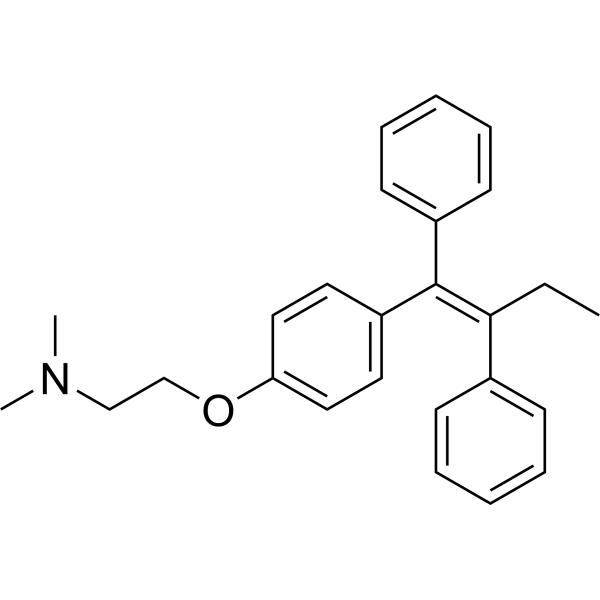
    Tamoxifen
    Maximum Cited Publications
    229 Publications Verification

    ICI 47699; (Z)-Tamoxifen; trans-Tamoxifen

    Estrogen Receptor/ERR HSP Autophagy Apoptosis Infection Neurological Disease Metabolic Disease Inflammation/Immunology Cancer
    Tamoxifen (ICI 47699) is an orally active, selective estrogen receptor modulator (SERM) which blocks estrogen action in breast cells and can activate estrogen activity in other cells, such as bone, liver, and uterine cells. Tamoxifen is a potent Hsp90 activator and enhances the Hsp90 molecular chaperone ATPase activity. Tamoxifen also potent inhibits infectious EBOV Zaire and Marburg (MARV) with IC50 of 0.1 μM and 1.8 μM, respectively. Tamoxifen activates autophagy and induces apoptosis. Tamoxifen can also be dissolved in corn oil (HY-Y1888) for use in inducing gene knockout in CreER transgenic mice. Tamoxifen has better solubility in corn oil compared to Tamoxifen Citrate (HY-13757) .
    Tamoxifen
  • HY-13757
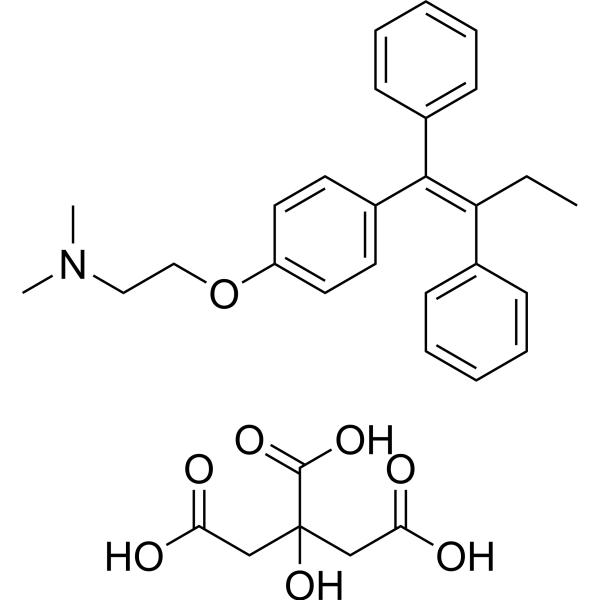
    Tamoxifen Citrate
    Maximum Cited Publications
    229 Publications Verification

    ICI 46474; (Z)-Tamoxifen Citrate; trans-Tamoxifen Citrate

    Estrogen Receptor/ERR HSP Autophagy Apoptosis Infection Neurological Disease Inflammation/Immunology Cancer
    Tamoxifen Citrate (ICI 46474) is an orally active, selective estrogen receptor modulator (SERM) which blocks estrogen action in breast cells and can activate estrogen activity in other cells, such as bone, liver, and uterine cells.Tamoxifen Citrate is a potent Hsp90 activator and enhances the Hsp90 molecular chaperone ATPase activity. Tamoxifen Citrate also potent inhibits infectious EBOV Zaire and Marburg (MARV) with IC50 of 0.1 μM and 1.8 μM, respectively. Tamoxifen Citrate activates autophagy and induces apoptosis. Tamoxifen Citrate can also be used to induce gene knockout in CreER transgenic mice .
    Tamoxifen Citrate
  • HY-P1607
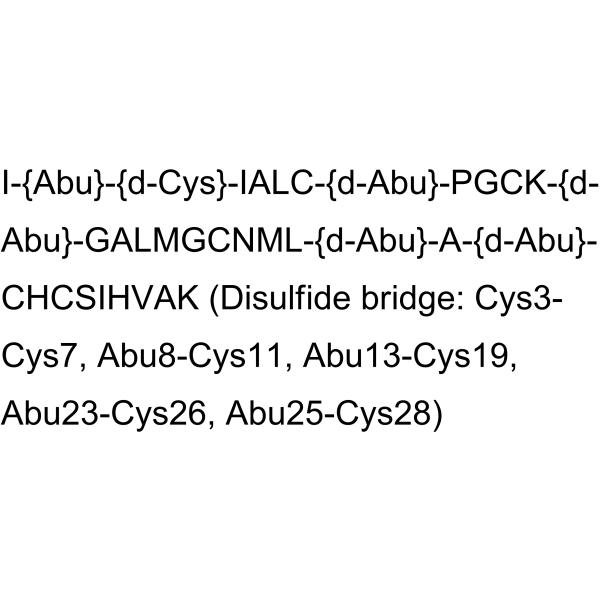
    Nisin
    3 Publications Verification

    Bacterial Antibiotic Infection Inflammation/Immunology
    Nisin is a bacteriocin produced by a group of Gram-positive bacteria that belongs to Lactococcus and Streptococcus species. Nisin has antibacterial and anti-inflammatory activity .
    Nisin
  • HY-13738A
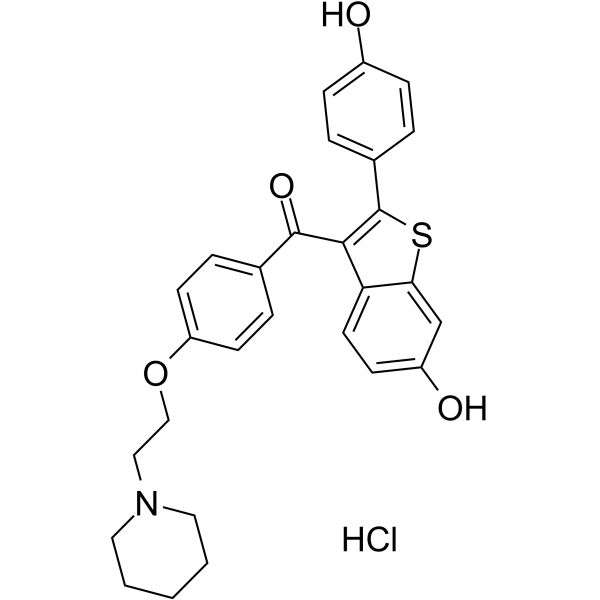
    Raloxifene hydrochloride
    15+ Cited Publications

    Keoxifene hydrochloride; LY156758; LY139481 hydrochloride

    Estrogen Receptor/ERR Autophagy Endocrinology Cancer
    Raloxifene hydrochloride (Keoxifene hydrochloride) is a second generation selective and orally active estrogen receptor modulator. Raloxifene hydrochloride produces estrogen-agonistic effects on bone and lipid metabolism and estrogen-antagonistic effects on uterine endometrium and breast tissue .
    Raloxifene hydrochloride
  • HY-P99592

    AMG 110

    CD3 Cancer
    Solitomab (AMG 110) is a bispecific anti-CD3 and anti-epithelial-cell-adhesion-molecule (EpCAM) antibody. Solitomab can be used for the research of primary uterine and ovarian carcinosarcoma cancer .
    Solitomab
  • HY-13273
    Ostarine
    3 Publications Verification

    MK-2866; GTX-024; Enobosarm

    Androgen Receptor Others Cancer
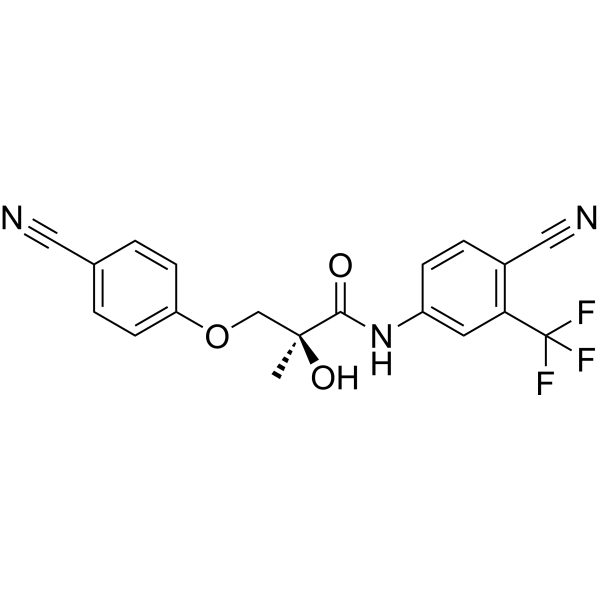
    Ostarine (MK-2866) is a selective androgen receptor modulator (SARMs) that regulates cardiomyocyte function, improves bone healing, regulates uterine function, and influences muscle tissue metabolism .
    Ostarine
  • HY-16474

    TAK-385

    GnRH Receptor Endocrinology Cancer
    Relugolix (TAK-385)?is a potent, orally active, nonpeptidic gonadotropin-releasing hormone (GnRH) antagonist. Relugolix possesses high affinity and potent antagonistic activity for human receptor (binding IC50=0.33 nM) and monkey receptor (IC50=0.32 nM) compared with TAK-013 (HY-100209) . Relugolix is used for the study of sex-hormone-dependent diseases, such as including endometriosis, uterine fibroids and prostate cancer et al .
    Relugolix
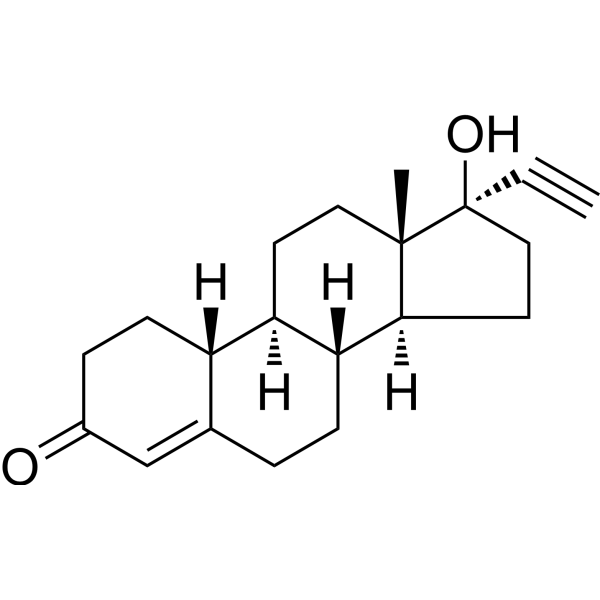
  • HY-B0554
    Norethindrone
    2 Publications Verification

    Norethisterone

    Progesterone Receptor Bacterial Endocrinology Cancer
    Norethindrone is a female progestin approved by FDA for the treatment of endometriosis, uterine bleeding caused by abnormal hormone levels, and secondary amenorrhea.
    Norethindrone
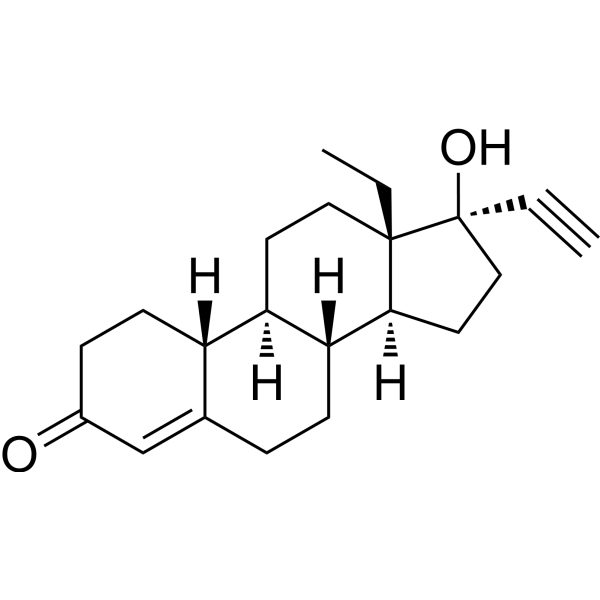
  • HY-B0257
    Levonorgestrel
    2 Publications Verification

    D-Norgestrel

    Apoptosis Caspase Bcl-2 Family Survivin Endocrinology Cancer
    Levonorgestrel is an orally active inhibitor of progesterone (HY-N0437). Levonorgestrel has anticancer activity and can induce Apoptosis. Levonorgestrel can be used as a contraceptive and in combination with other medications. Levonorgestrel can be used in the study of osteoporosis and uterine leiomyoma .
    Levonorgestrel
  • HY-103454
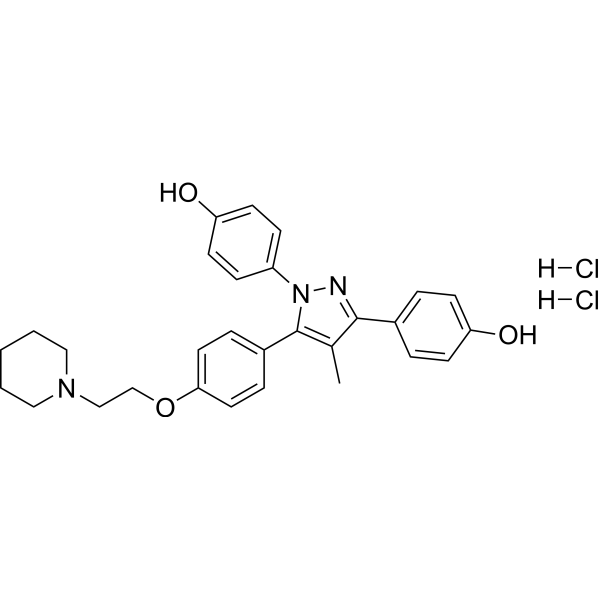
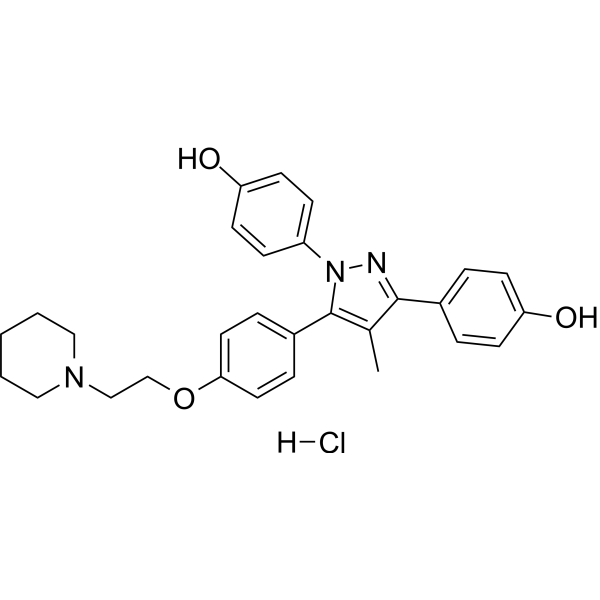
    MPP dihydrochloride
    15+ Cited Publications

    Estrogen Receptor/ERR Apoptosis Endocrinology Cancer
    MPP dihydrochloride is a potent and selective ER (estrogen receptor) modulator. MPP dihydrochloride induces significant apoptosis in the endometrial cancer and oLE cell lines. MPP dihydrochloride reverses the positive effects of beta-estradiol. MPP dihydrochloride has mixed agonist/antagonist action on murine uterine ERalpha in vivo .
    MPP dihydrochloride
  • HY-16508
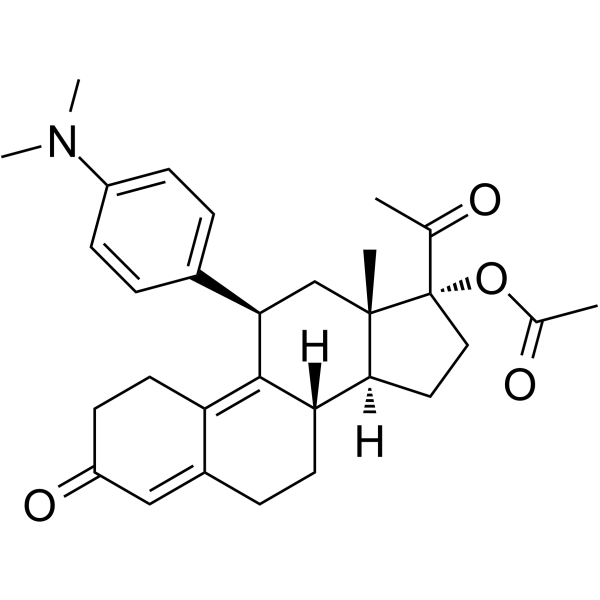
    Ulipristal acetate
    4 Publications Verification

    CDB-2914

    Progesterone Receptor Autophagy Endocrinology Cancer
    Ulipristal acetate (CDB-2914) is an orally active, selective progesterone receptor modulator (SPRM). Ulipristal acetate stimulates the autophagic response selectively in leiomyoma cells. Ulipristal acetate has the potential for benign gynecological conditions treatment, such as uterine myoma .
    Ulipristal acetate
  • HY-103192
    MDL12330A
    5 Publications Verification

    RMI12330A

    Adenylate Cyclase Potassium Channel Neurological Disease Cancer
    MDL12330A (RMI12330A) is an adenylyl cyclases inhibitor. MDL12330A can inhibit KV channels, increases insulin secretion and Ca 2+ levels. MDL12330A accentuates contractions in uterine rings and inhibits cardiac functions. MDL12330A can be used for the research of endocrinology, metabolic and cardiovascular disease .
    MDL12330A
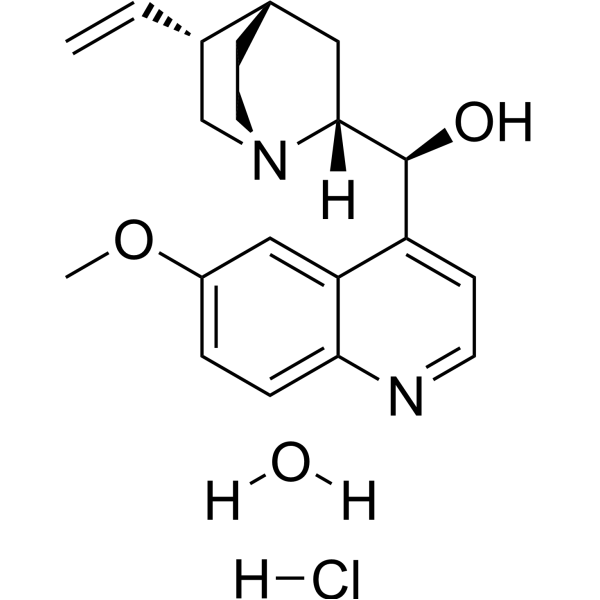
  • HY-B1302

    P-glycoprotein PARP Caspase Apoptosis Potassium Channel Cardiovascular Disease Neurological Disease
    Quinidine hydrochloride monohydrate is an orally active antiarrhythmic agent. Quinidine hydrochloride monohydrate reduces the expression level of P-gp, inhibits P-gp-mediated efflux, increases the intracellular accumulation of P-gp substrates, induces PARP cleavage and Caspase-3 activation, and elevates the proportion of Apoptotic cells at the sub-G1 phase. Quinidine hydrochloride monohydrate exerts sustained block and open-channel block effects on IK(f). Quinidine hydrochloride monohydrate alters the urinary metabolic ratio of Amphetamine, modulates the Pentylenetetrazol-induced seizure threshold, and regulates the anticonvulsant effect of Dextromethorphan. Quinidine hydrochloride monohydrate can be used in studies related to uterine sarcoma and seizures .
    Quinidine hydrochloride monohydrate
  • HY-103450

    Estrogen Receptor/ERR Endocrinology Cancer
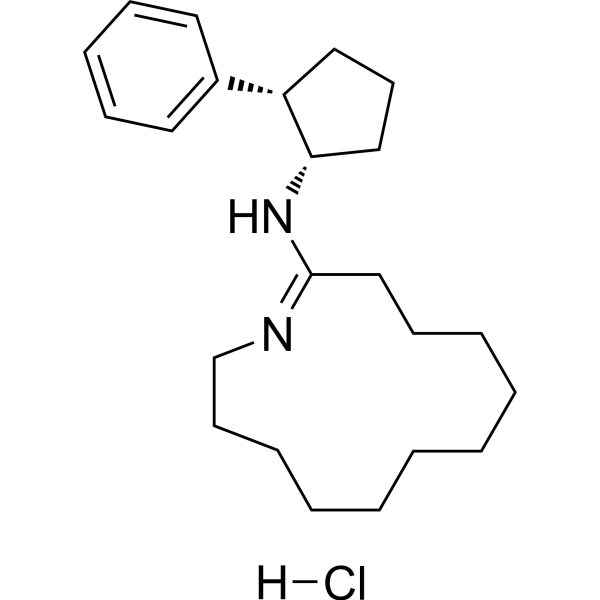
    G-36 is a cell-permeable nonsteroidal antagonist of the G protein-coupled estrogen receptor (GPER/GPR30), which selectively inhibits estrogen-mediated PI3K activation through GPER, rather than Erα. G-36 also inhibits estrogen-mediated calcium mobilization (IC50=112 nM). G-36 is promising for research in the field of cancer .
    G36
  • HY-P99547

    (vic)-Trastuzumab duocarmazine

    Antibody-Drug Conjugates (ADCs) Cancer
    Trastuzumab duocarmazine ((vic)-Trastuzumab duocarmazine) is a HER2-targeting ADC that is recognized and cleaved by histone B in tumor cells and selectively targets tumor cells. Trastuzumab duocarmazine has anti-tumor activity and can be used in cancer research related to uterine and ovarian sarcomas .
    Trastuzumab duocarmazine
  • HY-W007566
    5-Methoxyindole-3-acetic acid
    1 Publications Verification

    Endogenous Metabolite Endocrinology
    5-Methoxyindole-3-acetic acid is a metabolite of Melatonin (HY-B0075). 5-Methoxyindole-3-acetic acid significantly prolongs the estrous cycle, increases uterine weight, and induces ovarian follicular cysts in female rats, while also regulating the levels of related hormones .
    5-Methoxyindole-3-acetic acid
  • HY-127034

    Ser/Thr Protease DNA/RNA Synthesis Metabolic Disease Cancer
    Antipain dihydrochloride is a protease inhibitor isolated from Actinomycetes. Antipain dihydrochloride inhibits N-methyl-N'-nitro-N-nitrosoguanidine (MNNG)-induced transformation and increases chromosomal aberrations. Antipain dihydrochloride restricts uterine DNA synthesis and function in mice .
    Antipain dihydrochloride
  • HY-133677

    MEHHP

    Drug Metabolite Apoptosis Aryl Hydrocarbon Receptor Cancer
    Mono (2-ethyl-5-hydroxyhexyl) phthalate (MEHHP) is a biomarker for human exposure to DEHP (HY-B1945). By activating the tryptophan-kynurenine-aryl hydrocarbon receptor (AhR) pathway, mono (2-ethyl-5-hydroxyhexyl) phthalate significantly increases the viability of primary uterine leiomyoma cells and reduces cell apoptosis. Mono (2-ethyl-5-hydroxyhexyl) phthalate correlates with decreased sperm DNA damage. Mono (2-ethyl-5-hydroxyhexyl) phthalate can be used in studies related to uterine leiomyoma .
    Mono(2-ethyl-5-hydroxyhexyl) phthalate
  • HY-103454B
    MPP hydrochloride
    15+ Cited Publications

    Estrogen Receptor/ERR Apoptosis Endocrinology Cancer
    MPP hydrochloride is a potent and selective ER (estrogen receptor) modulator. MPP hydrochloride induces significant apoptosis in the endometrial cancer and oLE cell lines. MPP hydrochloride reverses the the positive effects of beta-estradiol. MPP hydrochloride has mixed agonist/antagonist action on murine uterine ERalpha in vivo .
    MPP hydrochloride
  • HY-P2168

    Oxytocin Receptor Drug Derivative Metabolic Disease
    Demoxytocin is a heterologous cyclic peptide and an analog of Oxytocin (HY-17571). Demoxytocin affects the permeability of cell membranes and increases calcium ion levels in smooth muscle cells, thereby enhancing the contraction of smooth muscle cells. Demoxytocin also stimulates the contraction of uterine smooth muscle. Demoxytocin possesses the functions of oxytocin. Demoxytocin can be used to study labor stimulation in preterm premature rupture of membranes .
    Demoxytocin
  • HY-109050
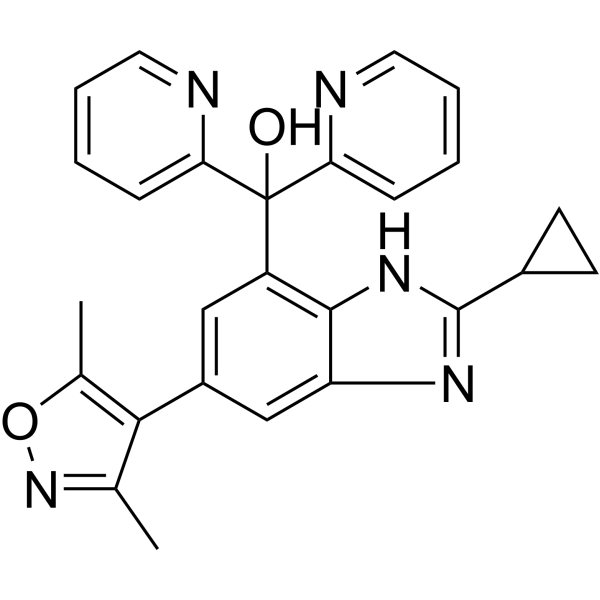
    Alobresib
    2 Publications Verification

    GS-5829

    Epigenetic Reader Domain Cancer
    Alobresib (GS-5829) is a BET bromodomain inhibitor, which represents a highly effective therapeutics agent against recurrent/chemotherapy resistant uterine serous carcinoma (USC) overexpressing c-Myc. Alobresib can be used in the metastatic castration-resistant prostate cancer (mCRPC) research .
    Alobresib
  • HY-113352

    Endogenous Metabolite PARP Cancer
    7-Methylguanine is an orally active and competitive PARP-1 inhibitor with a Ki value of 61 μM. 7-Methylguanine is a metabolite of nucleic acids. 7-Methylguanine has anticancer activity against uterine sarcoma and colon adenocarcinoma. 7-Methylguanine is used as a probe for protein-DNA interactions .
    7-Methylguanine
  • HY-14959

    CDB-3236; Deacetyl CDB-2914

    Progesterone Receptor Endocrinology Cancer
    Ulipristal (CDB 3236) is a selective progesterone receptor modulator (SPRM). Ulipristal binds to the progesteron receptor, thereby inhibiting PR-mediated gene expression, and interfering with progesterone activity in the reproductive system .
    Ulipristal
  • HY-109093

    KLH-2109; OBE-2109

    GnRH Receptor Inflammation/Immunology Cancer
    Linzagolix (KLH-2109; OBE-2109) is a potent, non-peptide, and orally active GnRH antagonist. Linzagolix can be used for uterine fibroids, endometriosis, adenomyosis research .
    Linzagolix
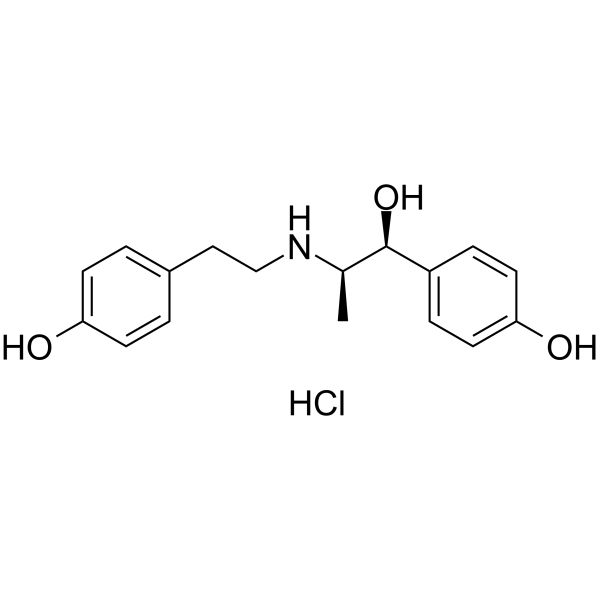
  • HY-B0452
    Ritodrine hydrochloride
    2 Publications Verification

    DU21220 hydrochloride

    Adrenergic Receptor Endocrinology
    Ritodrine (DU21220) hydrochloride is a potent and orally active β-adrenergic agonist. Ritodrine hydrochloride decreases preterm delivery and uterine contraction. Ritodrine hydrochloride has the potential for the research of preterm labor .
    Ritodrine hydrochloride
  • HY-128428

    15(S)-15-Methyl Prostaglandin F2α; 15-Methyl-PGF2α

    Prostaglandin Receptor Endocrinology
    Carboprost (15(S)-15-Methyl Prostaglandin F2α) is a metabolically stable synthetic analog of prostaglandin F2α. Carboprost stimulates uterine contractions and induces abortion. Carboprost is used for postpartum hemorrhage due to uterine atony and for the termination of pregnancy in the second trimester .
    Carboprost
  • HY-119926

    Hydroxylupanine

    Integrin Cardiovascular Disease Neurological Disease
    13-Hydroxylupanine (Hydroxylupanine) is the typical alkaloid profile of sweet lupins.13-Hydroxylupanine blocks ganglionic transmission, decreases cardiac contractility and contracts uterine smooth muscle .
    13-Hydroxylupanine
  • HY-N4323
    14-Deoxyandrographolide
    1 Publications Verification

    Calcium Channel Apoptosis Caspase Neurological Disease Metabolic Disease
    14-Deoxyandrographolide is a diterpene with calcium channel blocking activity and acts as a uterine smooth muscle relaxant. 14-Deoxyandrographolide stimulates the release of nitric oxide (NO) in endothelial cells. 14-Deoxyandrographolide gradually desensitizes liver cells to TNF-α mediated apoptosis by inducing the release of TNFRSF1A .
    14-Deoxyandrographolide
  • HY-B0554S

    Isotope-Labeled Compounds Progesterone Receptor Endocrinology
    Norethindrone-d6 is the deuterium labeled Norethindrone. Norethindrone is a female progestin approved by FDA for the treatment of endometriosis, uterine bleeding caused by abnormal hormone levels, and secondary amenorrhea. Norethindrone-d6 is a click chemistry reagent, it contains an Alkyne group and can undergo copper-catalyzed azide-alkyne cycloaddition (CuAAc) with molecules containing Azide groups.
    Norethindrone-d6
  • HY-125339

    COMT Apoptosis Neurological Disease Cancer
    Ro 41-0960 is a CNS-penetrant, orally active catechol-O-methyl transferase (COMT) inhibitor. Ro 41-0960 reduces dopamine catabolism, increases striatal dopamine and DOPAC levels, decreases striatal HVA levels, induces apoptosis, inhibits proliferation and extracellular matrix formation in uterine fibroid cells. Ro 41-0960 arrests or shrinks uterine fibroid lesions in rats. Ro 41-0960 can be used for the research of Parkinson’s disease, uterine leiomyomas, and breast cancer .
    Ro 41-0960
  • HY-14778

    GSK 221149; GSK 221149A

    Oxytocin Receptor Neurological Disease Endocrinology
    Retosiban (GSK221149A) is a potent, selective, and orally active oxytocin receptor antagonist (Ki (hOT) = 0.65 nM, Ki (rOT) = 4.1 nM) with no detectable agonist activity. Retosiban has nanomolar affinity for the oxytocin receptor with >1400-fold selectivity over the closely related vasopressin receptors. Retosiban inhibits spontaneous and induces uterine contractions. Retosiban can be studied in research for preterm labour .
    Retosiban
  • HY-W008764

    9,10-Anthracenedione, 1,5-dihydroxy-

    Drug Derivative Others
    Anthrarufin (9,10-Anthracenedione, 1,5-dihydroxy-_) is an anthraquinone compound that has an inhibitory effect on the activity of the uterine mucosa during pregnancy .
    Anthrarufin
  • HY-13556A
    Arzoxifene hydrochloride
    1 Publications Verification

    LY353381 hydrochloride; SERM III hydrochloride

    Estrogen Receptor/ERR Cancer
    Arzoxifene (LY353381) hydrocloride is a selective estrogen receptor modulator that is a potent estrogen antagonist in mammary and uterine tissue while acting as an estrogen agonist to maintain bone density and lower serum cholesterol.
    Arzoxifene hydrochloride
  • HY-W035709

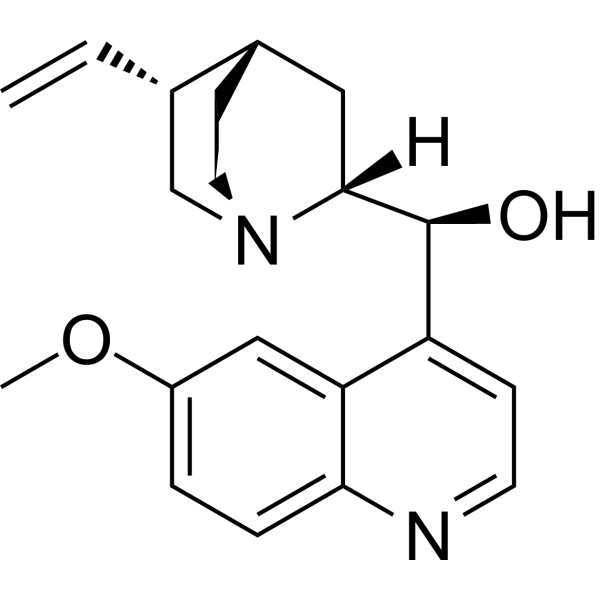
    Dihydrocinchonine

    P-glycoprotein Apoptosis Cancer
    Hydrocinchonine (Dihydrocinchonine) is a multidrug resistance (MDR)-reversal agent. Hydrocinchonine directly inhibits the function and expression of P-gp, which is the mechanism by which it reverses MDR. Hydrocinchonine exerts synergistic apoptotic effect with Paclitaxel (HY-B0015) in MES-SA/DX5 cells. Hydrocinchonine can be used for the study of gynecological malignant tumors (such as uterine sarcoma) with drug resistance caused by excessive expression of P-gp .
    Hydrocinchonine
  • HY-16775

    BAY 1002670

    Progesterone Receptor Cancer
    Vilaprisan is a selective progesterone receptor modulator (SPRM), which targets progesterone receptors. Vilaprisan can inhibit cell proliferation and stimulate apoptosis. Vilaprisan has oral efficacy and anti-proliferative activity against uterine leiomyoma (UF ).
    Vilaprisan
  • HY-B1202
    Alrestatin
    1 Publications Verification

    AY-22284

    Aldose Reductase Metabolic Disease
    Alrestatin (AY-22284) is an aldose reductase inhibitor. Alrestatin reduces fructose levels in the uterine fluid of mice. Alrestatin interferes with sperm capacitation and impairs fertilization function in mice. Alrestatin decreases basal and tyramine-induced norepinephrine release in rat pancreatic specimens in vitro. Alrestatin enhances glucose- and arginine-stimulated insulin secretion in vivo. Alrestatin can be used in studies related to diabetes and reproductive diseases .
    Alrestatin
  • HY-13738AR

    Keoxifene hydrochloride(Standard); LY156758(Standard); LY139481 hydrochloride (Standard)

    Reference Standards Estrogen Receptor/ERR Autophagy Endocrinology Cancer
    Raloxifene (hydrochloride) (Standard) is the analytical standard of Raloxifene (hydrochloride). This product is intended for research and analytical applications. Raloxifene hydrochloride (Keoxifene hydrochloride) is a second generation selective and orally active estrogen receptor modulator. Raloxifene hydrochloride produces estrogen-agonistic effects on bone and lipid metabolism and estrogen-antagonistic effects on uterine endometrium and breast tissue .
    Raloxifene hydrochloride (Standard)
  • HY-157493

    Progesterone Receptor Endocrinology
    PR antagonist 1 (compound 8) is a selective progesterone receptor (PR) antagonist, and can be used for the research of a variety of progesterone-related diseases and disorders such as endometriosis and uterine fibroids .
    PR antagonist 1
  • HY-P3217A

    Oxytocin Receptor Endocrinology
    [Asp5]-Oxytocin acetate is the first 5-position neurohypophyseal hormone analogue possessing significant biological activity. [Asp5]-Oxytocin acetate causes uterine contractions in vitro, enhanced by Mg 2+. [Asp5]-Oxytocin acetate has the ability of rat uteroconstrictor, avian vasodilator, and rat antidiuretic .
    [Asp5]-Oxytocin acetate
  • HY-161871

    Wee1 Cancer
    WEE1-IN-8 (Compound 55) is a selective WEE1 inhibitor, with an IC50 of 0.98 nM. WEE1-IN-8 (Compound 55) can be used for the research of Pancreatic cancer, Ovarian cancer, Colorectal cancer, Uterine serous carcinoma, etc .
    WEE1-IN-8
  • HY-144863

    GnRH Receptor Cancer
    BAY 1214784 is a potent, selective, and orally active antagonist of the human gonadotropin-releasing hormone receptor (hGnRH-R). BAY 1214784 is a spiroindoline derivative compound. BAY 1214784 effectively lowers plasma luteinizing hormone levels by up to 49%, at the same time being associated with low pharmacokinetic variability and good tolerability. BAY 1214784 has the potential for the research of uterine fibroids .
    BAY 1214784
  • HY-15008

    Oxytocin Receptor Endocrinology
    L-368,899 is an orally active and selective OT (oxytocin ) receptor antagonist, with IC50s of 8.9 and 26 nM for uterus of rat and human, respectively. L-368,899 can cross the blood-brain barrier (BBB). L-368,899 inhibits oxytocin-stimulated uterine contractions in rats and can be used in study of preterm labor .
    L-368,899
  • HY-16474R

    TAK-385 (Standard)

    Reference Standards GnRH Receptor Endocrinology Cancer
    Relugolix (Standard) is the analytical standard of Relugolix. This product is intended for research and analytical applications. Relugolix (TAK-385) is a potent, orally active, nonpeptidic gonadotropin-releasing hormone (GnRH) antagonist. Relugolix possesses high affinity and potent antagonistic activity for human receptor (binding IC50=0.33 nM) and monkey receptor (IC50=0.32 nM) compared with TAK-013 (HY-100209) . Relugolix is used for the study of sex-hormone-dependent diseases, such as including endometriosis, uterine fibroids and prostate cancer et al .
    Relugolix (Standard)
  • HY-135447

    Prostaglandin Receptor Others
    BM-531 is a dual-acting agent for thromboxane receptor (TXA2) antagonism and thromboxane synthase inhibition. BM-531 exerts anti-aggregatory effects on human citrated platelet-rich plasma (PRP), inhibiting Arachidonic acid (HY-109590A)-induced aggregation with an ED100 of 0.125 μM and U-46619 (HY-108566)-induced aggregation with an ED50 of 0.482 μM. BM-531 inhibits high-K +-induced contraction of porcine uterine smooth muscle .
    BM-531
  • HY-103283

    GRP(18-27) (porcine)

    Biochemical Assay Reagents Neurological Disease
    Neuromedin C porcine (GRP, 18-27, porcine) is a bombesin-like neuropeptide that can be obtained from porcine spinal cord. Neuromedin C porcine exhibits a potent contractile activity on rat uterus in the characteristic manner of bombesin. Neuromedin C porcine has research potential for neurological-related diseases .
    Neuromedin C (porcine)
  • HY-127039

    Ser/Thr Protease DNA/RNA Synthesis Metabolic Disease Cancer
    Antipain is a protease inhibitor isolated from Actinomycetes. Antipain inhibits N-methyl-N'-nitro-N-nitrosoguanidine (MNNG)-induced transformation and increases chromosomal aberrations. Antipain restricts uterine DNA synthesis and function in mice .
    Antipain
  • HY-16508R

    CDB-2914 (Standard)

    Reference Standards Progesterone Receptor Autophagy Endocrinology Cancer
    Ulipristal acetate (Standard) is the analytical standard of Ulipristal acetate. This product is intended for research and analytical applications. Ulipristal acetate (CDB-2914) is an orally active, selective progesterone receptor modulator (SPRM). Ulipristal acetate stimulates the autophagic response selectively in leiomyoma cells. Ulipristal acetate has the potential for benign gynecological conditions treatment, such as uterine myoma .
    Ulipristal acetate (Standard)
  • HY-N4323R

    Reference Standards Calcium Channel Apoptosis Caspase Neurological Disease Metabolic Disease
    14-Deoxyandrographolide (Standard) is the analytical standard of 14-Deoxyandrographolide. 14-Deoxyandrographolide is a diterpene with calcium channel blocking activity and acts as a uterine smooth muscle relaxant. 14-Deoxyandrographolide stimulates the release of nitric oxide (NO) in endothelial cells. 14-Deoxyandrographolide gradually desensitizes liver cells to TNF-α mediated apoptosis by inducing the release of TNFRSF1A .
    14-Deoxyandrographolide (Standard)
  • HY-13757S

    ICI 46474-d3 hydrochloride; (Z)-Tamoxifen-d3 hydrochloride; trans-Tamoxifen-d3 hydrochloride

    Apoptosis Estrogen Receptor/ERR Autophagy HSP Isotope-Labeled Compounds Cancer
    Tamoxifen-d3 hydrochloride is deuterated labeled Tamoxifen (Citrate) (HY-13757). Tamoxifen Citrate (ICI 46474) is an orally active, selective estrogen receptor modulator (SERM) which blocks estrogen action in breast cells and can activate estrogen activity in other cells, such as bone, liver, and uterine cells .Tamoxifen Citrate is a potent Hsp90 activator and enhances the Hsp90 molecular chaperone ATPase activity. Tamoxifen Citrate also potent inhibits infectious EBOV Zaire and Marburg (MARV) with IC50 of 0.1 μM and 1.8 μM, respectively . Tamoxifen Citrate activates autophagy and induces apoptosis .Tamoxifen Citrate also can induce gene knockout of CreER(T2) transgenic mouse .
    Tamoxifen-d3 hydrochloride
  • HY-13757R

    ICI 46474 (Standard); (Z)-Tamoxifen Citrate (Standard); trans-Tamoxifen Citrate (Standard)

    Reference Standards Estrogen Receptor/ERR HSP Autophagy Apoptosis Cancer
    Tamoxifen (Citrate) (Standard) is the analytical standard of Tamoxifen (Citrate). This product is intended for research and analytical applications. Tamoxifen Citrate (ICI 46474) is an orally active, selective estrogen receptor modulator (SERM) which blocks estrogen action in breast cells and can activate estrogen activity in other cells, such as bone, liver, and uterine cells .Tamoxifen Citrate is a potent Hsp90 activator and enhances the Hsp90 molecular chaperone ATPase activity. Tamoxifen Citrate also potent inhibits infectious EBOV Zaire and Marburg (MARV) with IC50 of 0.1 μM and 1.8 μM, respectively . Tamoxifen Citrate activates autophagy and induces apoptosis .Tamoxifen Citrate also can induce gene knockout of CreER(T2) transgenic mouse .
    Tamoxifen Citrate (Standard)

Inquiry Online

Your information is safe with us. * Required Fields.

Salutation


Country or Region *

Applicant Name *


Organization Name *

Department *


Email Address *


Product Name *

Cat. No.


Requested quantity *

Phone Number *


Remarks

Inquiry Online

Inquiry Information

Product Name:
Cat. No.:
Quantity:
MCE Japan Authorized Agent:

