

1. Search Result
Search Result
Pathways Recommended: Membrane Transporter/Ion Channel
Results for "

viral membranes

" in MedChemExpress (MCE) Product Catalog:

59

Inhibitors & Agonists

2

Screening Libraries

5

Biochemical Assay Reagents

10

Peptides

4

Inhibitory Antibodies

5

Natural
Products

5

Isotope-Labeled Compounds

2

Oligonucleotides

Cat. No. Product Name Target Research Areas Chemical Structure
  • HY-W127378
    DOTAP methylsulfate
    10+ Cited Publications

    1,2-Dioleoyl-3-trimethylammonium-propane methylsulfate

    Liposome Others
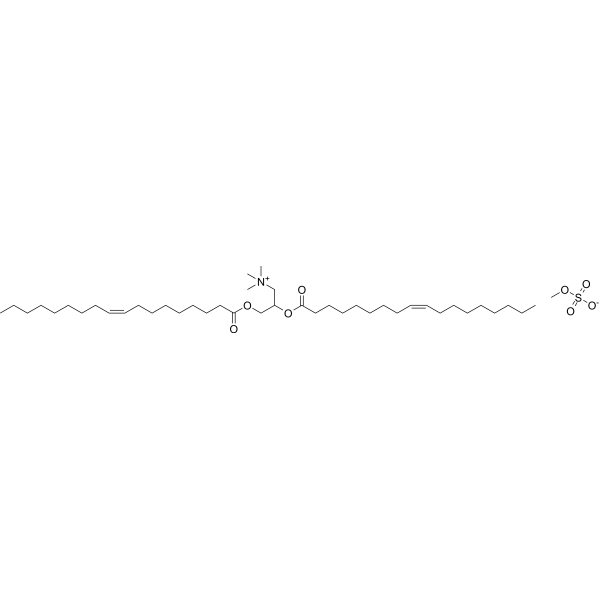
    DOTAP methylsulfat is a cationic lipid reagent, a cationic derivative of trimethylammonium, linked to two 18-carbon fatty acid tails, each with a single olefin group. DOTAP methylsulfat can self-assemble with negatively charged ions (such as DNA) to form complexes, which can be adsorbed to the cell membrane surface and enter the cell by electrostatic interaction and endocytosis, respectively. DOTAP methylsulfat promotes endosomal membrane fusion with its own hydrophobic domain, releases DNA into the cytoplasm, and exerts gene delivery function. DOTAP methylsulfat can be widely used in research fields such as gene therapy, cell transfection, and non-viral vector design .
    DOTAP methylsulfate
  • HY-139200
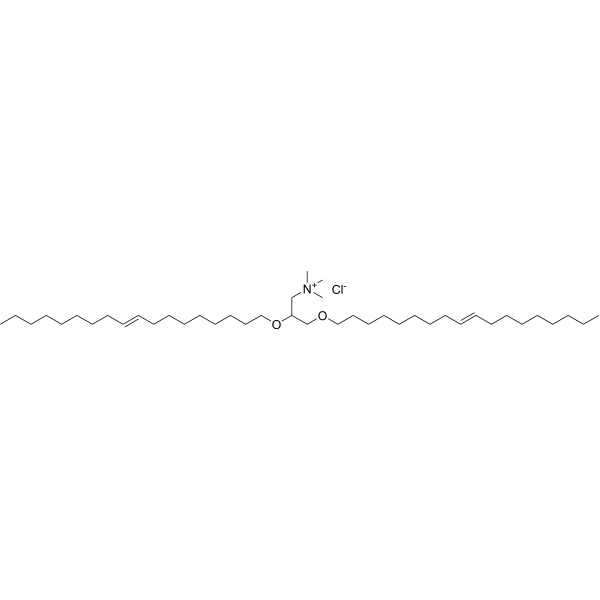
    DOTMA
    1 Publications Verification

    Liposome Others
    DOTMA is a cationic lipid that has been used as a non-viral vector for gene therapy. DOTMA is used as a component of liposomes to encapsulate siRNA, microRNA, and oligonucleotides and for in vitro gene transfection. DOTMA promotes effective interaction between liposomes and cell membranes by inducing positive charge on the liposomes. DOTMA showed good gene transfection effect both in vitro and in vivo .
    DOTMA
  • HY-138941
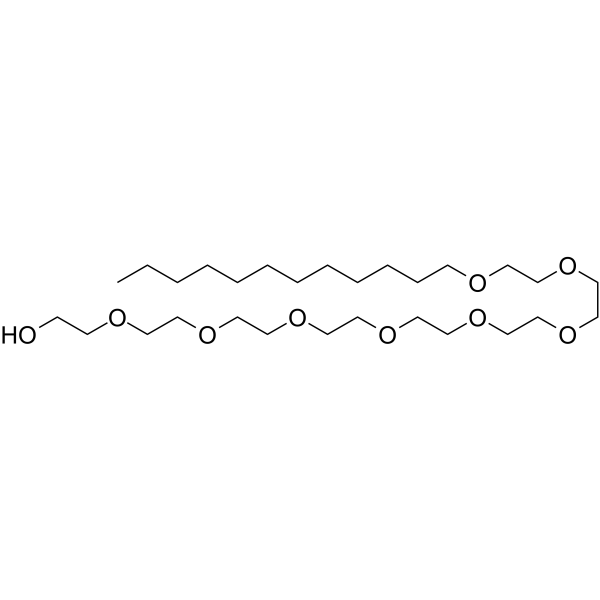
    Octaethylene glycol monododecyl ether
    1 Publications Verification

    C12E8

    Influenza Virus Infection
    Octaethylene glycol monododecyl ether (C12E8) is an non-ionic detergent that can be used for membrane protein extraction. Octaethylene glycol monododecyl ether can solubilize the viral membrane of intact influenza virus .
    Octaethylene glycol monododecyl ether
  • HY-W251428

    Egg PG

    Biochemical Assay Reagents Others
    Phosphatidylglycerols (PG) is a selective inhibitor targeting the TLR4 accessory protein CD14/MD-2 complex, inhibiting LPS or virus (such as RSV)-mediated inflammatory signaling pathways through competitive binding. Phosphatidylglycerols directly bind to viral particles to block infection, inhibit COX-2 expression to reduce the release of inflammatory factors (IL-6, IL-8), and improve oxidative stress by regulating mitochondrial membrane phospholipid remodeling. Phosphatidylglycerols can be taken orally or by inhalation and can be used in the study of chronic inflammatory diseases (such as atherosclerosis) and respiratory viral infections (such as RSV) .
    Phosphatidylglycerols (egg) sodium salt
  • HY-113308
    Taurolithocholic acid
    5+ Cited Publications

    Calcium Channel Ferroptosis PI3K Akt HBV Reactive Oxygen Species (ROS) Cardiovascular Disease Infection Inflammation/Immunology
    Taurolithocholic acid is an orally active bile acid and antiviral agent. Taurolithocholic acid upregulates FADS2 by activating the TGR5-PI3K/AKT-SREBP2 signaling axis, inhibits SFTSV-induced ferroptosis (Ferroptosis), viral replication and viral entry of HBV/HDV, while reducing the release of IL-1β, lipid ROS and LDH. While exerting antiviral protective effects, Taurolithocholic acid also stimulates the recycling of hepatocellular membrane transporters, impairs canalicular bile acid secretion function, and induces hepatocyte cholestasis, apoptosis and acute hepatocellular injury. Taurolithocholic acid serves as an experimental model compound for hepatocellular cholestasis. At concentrations ≤200 μM, Taurolithocholic acid shows no cytotoxicity and does not activate the interferon pathway. Taurolithocholic acid not only protects mice from lethal SFTSV infection but also is suitable for studies related to severe fever with thrombocytopenia syndrome and cholestasis .
    Taurolithocholic acid
  • HY-16468
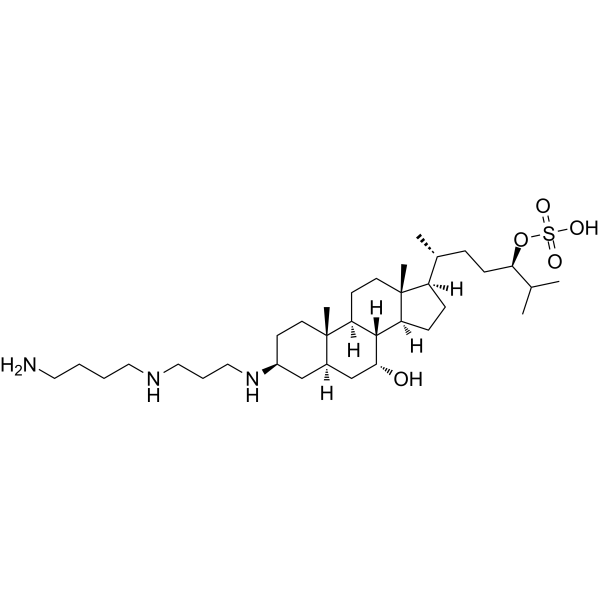
    Squalamine
    1 Publications Verification

    MSI-1256; ENT-01 free acid

    Bacterial HBV FAK Dengue Virus Infection Neurological Disease Cancer
    Squalamine (MSI-1256) is an aminosterol compound with broad-spectrum antiviral activity. Squalamine makes cells less conducive to certain viral replication by altering the electrostatic interactions in the inner membrane of host cells. Squalamine also has antibacterial and antitumor activities. Squalamine has broad-spectrum antibacterial activity against Gram-negative and Gram-positive bacteria, fungi and protozoa. Squalamine inhibits tumor-related angiogenesis and the growth of human breast cancer cells. Squalamine restores the function of enteric nervous system in Parkinson ,s disease mouse models .
    Squalamine
  • HY-U00434
    3BDO
    Maximum Cited Publications
    21 Publications Verification

    mTOR Autophagy Apoptosis Infection Inflammation/Immunology
    3BDO is a IFITM3 modulator and mTOR activator with antiviral and autophagy-inhibiting effects. 3BDO exhibits inhibitory activity against porcine coronaviruses. 3BDO increases the protein abundance of IFITM3, inhibits virus-cell membrane fusion, and blocks viral entry. 3BDO inhibits the entry of transmissible gastroenteritis virus, porcine epidemic diarrhea virus, and porcine respiratory coronavirus into host cells. 3BDO can be used for research on porcine coronavirus infection .
    3BDO
  • HY-113308A
    Taurolithocholic acid sodium salt
    Maximum Cited Publications
    6 Publications Verification

    Calcium Channel Ferroptosis PI3K Reactive Oxygen Species (ROS) Akt HBV Metabolic Disease
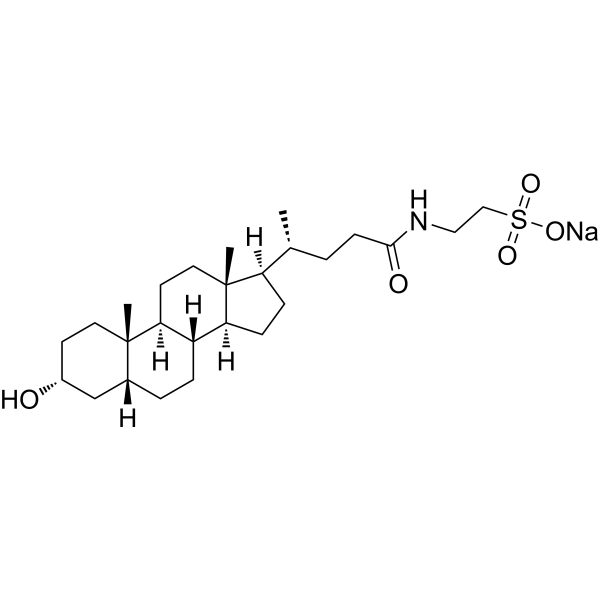
    Taurolithocholic acid sodium salt is an orally active bile acid and antiviral agent. Taurolithocholic acid sodium salt upregulates FADS2 by activating the TGR5-PI3K/AKT-SREBP2 signaling axis, inhibits SFTSV-induced ferroptosis, viral replication and viral entry of HBV/HDV, while reducing the release of IL-1β, lipid ROS and LDH. While exerting antiviral protective effects, Taurolithocholic acid sodium salt also stimulates the recycling of hepatocellular membrane transporters, impairs canalicular bile acid secretion function, and induces hepatocyte cholestasis, apoptosis and acute hepatocellular injury. Taurolithocholic acid sodium salt serves as an experimental model compound for hepatocellular cholestasis. At concentrations ≤200 μM, Taurolithocholic acid sodium salt shows no cytotoxicity and does not activate the interferon pathway. Taurolithocholic acid sodium salt not only protects mice from lethal SFTSV infection but also is suitable for studies related to severe fever with thrombocytopenia syndrome and cholestasis .
    Taurolithocholic acid sodium salt
  • HY-N8332

    Ox bile extract

    Bacterial DNA/RNA Synthesis Infection
    Bile extract (Ox bile extract) is a complex mixture of substances, containing bile acids, cholesterol, and bilirubin. Bile extract has antimicrobial activity and can induce DNA damage and degrade viral and bacterial membranes. Bile extract can be used in bacterial culture media as a selective inhibitor for the isolation and identification of pathogens .
    Bile extract
  • HY-P99853

    CR6261

    Influenza Virus Infection
    Diridavumab is a monoclonal anti-HA stalk antibody. Diridavumab stabilizes the prefusion HA structure and prevents pH-dependent fusion of cellular and viral membranes in endosomes. Diridavumab can be used in research of H2 influenza virus .
    Diridavumab
  • HY-16957

    HCV HIV Infection
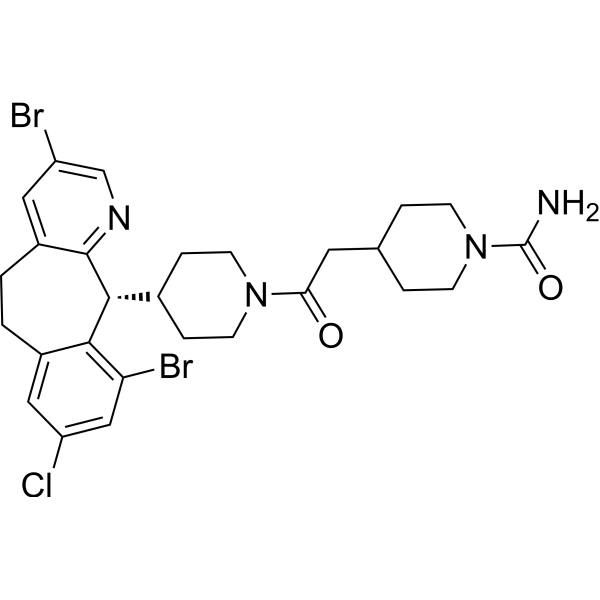
    LJ001 is a broad-spectrum and orally active antiviral agent. LJ001 exerts antiviral activities by binding to viral membranes. LJ001 inhibits TGEV and PDCoV infection. LJ001 decreases TGEV N and PDCoV N-protein expression .
    LJ001
  • HY-172760

    SARS-CoV Infection
    CIM-834 is an orally effective inhibitor of SARS-CoV-2 membrane protein. CIM-834 can prevent the assembly of infectious virus particles without inhibiting the synthesis of viral RNA. CIM-834 can reduce the viral titer in the lungs of SCID mice infected nasally with SARS-CoV-2, block the spread of SARS-CoV-2 among Syrian hamsters, and inhibit the replication of SARS-CoV-2 (including variants) and SARS-CoV. CIM-834 can be used in related research on COVID-19 .
    CIM-834
  • HY-P11460

    Drug Derivative Infection
    Vectofusin-1 is a histidine-rich cationic amphipathic peptide derived from the LAH4 (HY-P0311) peptide family, and also acts as a Viral entry enhancer. Vectofusin-1 promotes the adhesion and fusion of retroviral/lentiviral vectors with cell membranes during viral entry, thereby improving transduction efficiency. Vectofusin-1 potently enhances lentiviral transduction of cells .
    Vectofusin-1
  • HY-P10719

    MyD88 Infection Inflammation/Immunology
    Pepinh-MYD is a MyD88 inhibitor that contains a domain sequence from MyD88 TIR and a protein transduction sequence, enabling it to penetrate the cell membrane. Pepinh-MYD interferes with MyD88-mediated TLR signaling pathways, thereby inhibiting related immune responses. It holds potential for studying the role of MyD88 in viral infections .
    Pepinh-MYD
  • HY-121527

    Enterovirus Influenza Virus Bacterial Infection Neurological Disease
    Amylmetacresol is a phenolic compound with topical antibacterial and antiviral activity. Amylmetacresol works by destroying the protein structure of the virus surface or interfering with the function of the virus lipid membrane. Amylmetacresol inhibits the attachment and replication of respiratory viruses such as human Rhinovirus 1a and influenza virus A, without significant effect on viruses such as HRV8. Amylmetacresol is mainly applied topically to the throat to relieve viral sore throats. Amylmetacresol is more active against enveloped viruses than non-enveloped viruses .
    Amylmetacresol
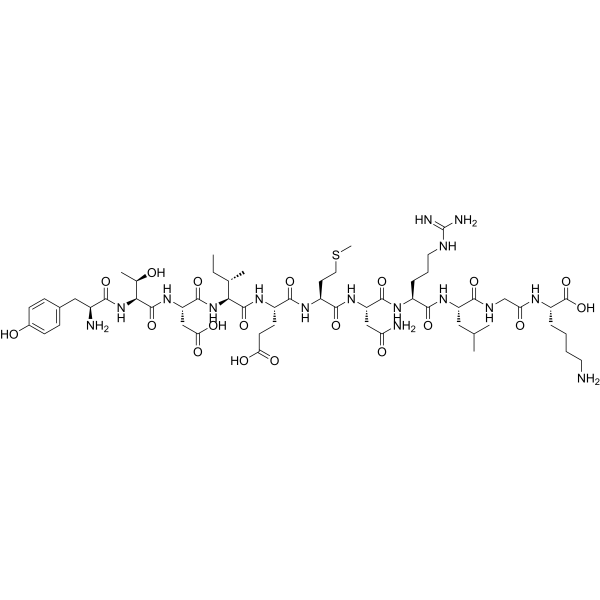
  • HY-P0328
    VSV-G tag Peptide
    1 Publications Verification

    VSV Infection
    VSV-G tag Peptide is a 11 amino acid peptide derived from the Vesicular Stomatitis viral glycoprotein. VSV-G tag Peptide can integrate into the cell membranes of animal cells, induce cell fusion, and significantly enhance the efficiency of DNA transfection into animal cells. VSV-G tag Peptide can be used for research on drug delivery .
    VSV-G tag Peptide
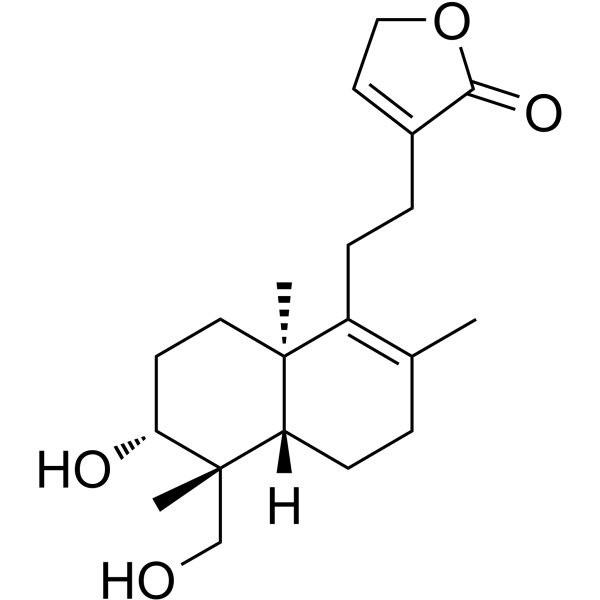
  • HY-N0857
    Deoxyandrographolide
    1 Publications Verification

    GLUT HDAC Virus Protease PI3K AMPK Akt Histone Demethylase MDM-2/p53 IFNAR Reactive Oxygen Species (ROS) Infection Metabolic Disease Inflammation/Immunology
    Deoxyandrographolide is an orally active lactone found in the Andrographis paniculata Nees. Deoxyandrographolide shows a KD of 38.4 μM of HDAC1. Deoxyandrographolide enhances GLUT4 plasma membrane translocation, activates PI3K and AMPK-dependent signaling pathways, suppresses fasting blood glucose, serum insulin, triglycerides, and LDL-cholesterol levels. Deoxyandrographolide enhances HDAC1 expression via inhibited ubiquitination degradation, represses H3K4me3, improves chromosome stability, and restrains aging biomarkers p16, p21, γH2A.X, p53 and ROS production. Deoxyandrographolide interacts with Foot-and-Mouth Disease Virus 3Cpro active site, inhibits protease and IFN-antagonist activity, derepresses ISG expression, and inhibits viral replication. Deoxyandrographolide can be used for the researches of type 2 diabetes mellitus, vascular senescence and virus infection .
    Deoxyandrographolide
  • HY-P991059

    Influenza Virus Infection
    VIS-410 is an antibody inhibitor targeting the stem region of hemagglutinin (HA). VIS-410 inhibits influenza virus replication by blocking HA-mediated membrane fusion. VIS-410 exhibits broad-spectrum neutralization against influenza A viruses with group 1 and group 2 hemagglutinins, including subtypes such as H1N1, H3N2, H5N1, and H7N9 (H5N1 IC50 = 1.5 μg/mL). VIS-410 is applicable to research related to influenza A virus infection .
    VIS-410
  • HY-P10310A

    HIV Infection
    F9170 TFA is an amphipathic peptide with an activity of inactivate HIV-1 virions. F9170 TFA targets the conserved cytoplasmic tail of HIV-1 env and disrupts the integrity of the viral membrane. F9170 TFA is able to cross the blood-brain barrier (BBB) .
    F9170 TFA
  • HY-120632

    RSV Infection
    BMS-433771 is a potent orally active inhibitor of respiratory syncytial virus (RSV). BMS-433771 is active against both A and B groups of RSV, with an average EC50 of 20 nM. BMS-433771 can be used for the research of respiratory tract disease .
    BMS-433771
  • HY-P10862

    Exosomes Virus Protease Infection Cancer
    AH-D peptide is a brain-penetrant antiviral agent disrupting highly curved lipid membranes. AH-D peptide exhibits broad-spectrum antiviral activity against ZIKV, Dengue virus, Chikungunya virus, yellow fever virus and Japanese encephalitis virus, with
    IC50
    values of 11.9, 12.5, 35.7, 206 and 136 nM, respectively. AH-D peptide reduces the viral load in the brain, suppresses inflammation, protects neurons, and does not damage the blood brain barrier. AH-D peptide restores antitumor immunity by decreasing circulating PD-L1 + exosomes, reducing intratumoral immunosuppressive cells (regulatory T cells, myeloid-derived suppressor cells), and enhancing T cell function. AH-D peptide inhibits membrane-enveloped viruses and cancer cell metastasis in vivo. AH-D peptide exhibits no immunogenicity and has negligible effects on normal tissues. AH-D peptide can be used for research in Zika virus and other mosquito-borne viruses, cancer immunotherapy and metastasis .
    AH-D peptide
  • HY-P10719A

    MyD88 Infection Inflammation/Immunology
    Pepinh-MYD TFA is a MyD88 inhibitor that contains a domain sequence from MyD88 TIR and a protein transduction sequence, enabling it to penetrate the cell membrane. Pepinh-MYD TFA interferes with MyD88-mediated TLR signaling pathways, thereby inhibiting related immune responses. Pepinh-MYD TFA holds potential for studying the role of MyD88 in viral infections .
    Pepinh-MYD TFA
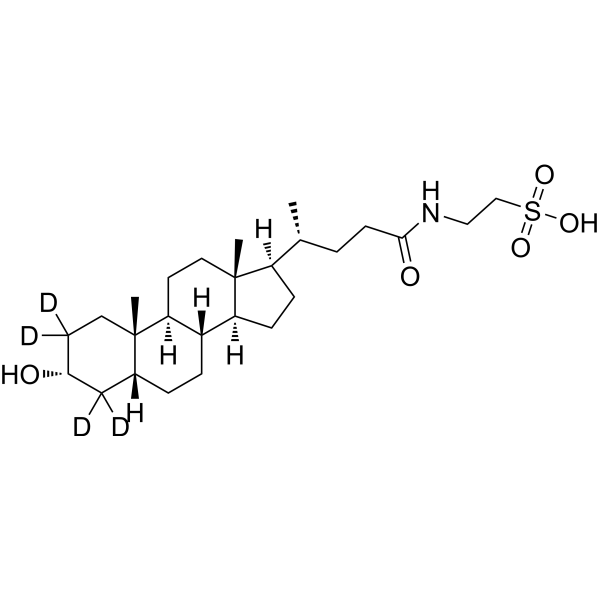
  • HY-113308S1

    Isotope-Labeled Compounds Calcium Channel Ferroptosis PI3K Reactive Oxygen Species (ROS) Akt HBV Others
    Taurolithocholic acid-d4 is deuterium labeled Taurolithocholic acid. Taurolithocholic acid is an orally active bile acid and antiviral agent. Taurolithocholic acid upregulates FADS2 by activating the TGR5-PI3K/AKT-SREBP2 signaling axis, inhibits SFTSV-induced ferroptosis, viral replication and viral entry of HBV/HDV, while reducing the release of IL-1β, lipid ROS and LDH. While exerting antiviral protective effects, Taurolithocholic acid also stimulates the recycling of hepatocellular membrane transporters, impairs canalicular bile acid secretion function, and induces hepatocyte cholestasis, apoptosis and acute hepatocellular injury. Taurolithocholic acid serves as an experimental model compound for hepatocellular cholestasis. At concentrations ≤200 μM, Taurolithocholic acid shows no cytotoxicity and does not activate the interferon pathway. Taurolithocholic acid not only protects mice from lethal SFTSV infection but also is suitable for studies related to severe fever with thrombocytopenia syndrome and cholestasis .
    Taurolithocholic acid-d4
  • HY-178137

    SARS-CoV Hepatitis E Virus (HEV) Filovirus Infection
    SCR007 is a synthetic carbohydrate receptor (SCR) with broad-spectrum antiviral activity. SCR007 inhibits the entry of enveloped viruses across multiple families (Coronaviridae: SARS-CoV-1, SARS-CoV-2, MERS-CoV; Filoviridae: EBOV, MARV; Paramyxoviridae: NiV, HeV) and the glycosylated nonenveloped rotavirus. SCR007 binds viral envelope N-glycans, blocking viral binding to host cells or both binding and membrane fusion. SCR007 exerts prophylactic effects in hACE2 mice infected with SARS-CoV-2. SCR007 can be used for the study and prevention of enveloped virus pandemics .
    SCR007
  • HY-113308AR

    Reference Standards Calcium Channel Ferroptosis PI3K Reactive Oxygen Species (ROS) Akt HBV Metabolic Disease
    Taurolithocholic acid (sodium salt) (Standard) is the analytical standard of Taurolithocholic acid (sodium salt). This product is intended for research and analytical applications. Taurolithocholic acid sodium salt is an orally active bile acid and antiviral agent. Taurolithocholic acid sodium salt upregulates FADS2 by activating the TGR5-PI3K/AKT-SREBP2 signaling axis, inhibits SFTSV-induced ferroptosis, viral replication and viral entry of HBV/HDV, while reducing the release of IL-1β, lipid ROS and LDH. While exerting antiviral protective effects, Taurolithocholic acid sodium salt also stimulates the recycling of hepatocellular membrane transporters, impairs canalicular bile acid secretion function, and induces hepatocyte cholestasis, apoptosis and acute hepatocellular injury. Taurolithocholic acid sodium salt serves as an experimental model compound for hepatocellular cholestasis. At concentrations ≤200 μM, Taurolithocholic acid sodium salt shows no cytotoxicity and does not activate the interferon pathway. Taurolithocholic acid sodium salt not only protects mice from lethal SFTSV infection but also is suitable for studies related to severe fever with thrombocytopenia syndrome and cholestasis .
    Taurolithocholic acid sodium salt (Standard)
  • HY-122668

    SARS-CoV DNA/RNA Synthesis Infection
    K22 is an anti-Coronaviral compound. K22 reduces double-stranded RNA. K22 displays antiviral activity beyond the Coronavirinae subfamily, namely against nidoviruses of the Torovirinae subfamily (EToV and WBV) and members of the Arteriviridae family (PRRSV, EAV). K22 displays antiviral activity against HCoV-229E .
    K22
  • HY-156786

    Reactive Oxygen Species (ROS) Influenza Virus SARS-CoV HSV Infection
    TLD-1433 is the fourth-generation ruthenium (II) based photodynamic compound (PDC). TLD-1433 is activated by green light (525 ± 25 nm) and efficiently generates ROS to achieve pathogen inactivation. After photoinactivation, TLD-1433 significantly induces lipid peroxidation of the cell membrane, which can directly damage the integrity of the viral envelope. TLD-1433 has ID50 for enveloped viruses (such as H1N1 influenza virus, coronavirus OC43, HSV-1, Zika virus) is as low as nanomolar level; for non-enveloped viruses (such as adenovirus Ad5, mammalian rotavirus MRV), a concentration of micro-molar level is required for inactivation. TLD-1433 has antigen retention property and can be used for the preparation of inactivated vaccines .
    TLD-1433
  • HY-W073074
    Mesoporphyrin IX dihydrochloride
    1 Publications Verification

    VSV Infection
    Mesoporphyrin IX (dihydrochloride) is a photosensitizer that can be used to modify liposomes. Mesoporphyrin IX (dihydrochloride) can insert into lipid vesicles and disrupt the viral membrane structure in vesicular stomatitis virus (VSV), inducing cross-linking of VSV glycoproteins, thereby inhibiting viral activity .
    Mesoporphyrin IX dihydrochloride
  • HY-114437

    Z-D-Phe-Phe-Gly-OH; FIP; Virus Replication Inhibitory Peptide

    Influenza Virus Infection
    Fusion Inhibitory Peptide (Z-D-Phe-Phe-Gly-OH, FIP, Virus Replication Inhibitory Peptide) is a potent inhibitor of the virus replication, by inhibiting the membrane fusing activity of a viral glycoprotein .
    Fusion Inhibitory Peptide
  • HY-172775

    Orthopoxvirus Infection
    Spirovirimat (Compound 7) is a potent Monkeypox virus (MPXV) p37 protein inhibitor with an IC50 value of 35 nM. Spirovirimat blocks the formation of extracellular virions by inhibiting viral membrane wrapping. Spirovirimat is promising for research of Monkeypox virus infections .
    Spirovirimat
  • HY-P10310

    HIV Infection
    F9170 is an amphipathic peptide with an activity of inactivate HIV-1 virions. F9170 targets the conserved cytoplasmic tail of HIV-1 env and disrupts the integrity of the viral membrane. F9170 is able to cross the blood-brain barrier (BBB) .
    F9170
  • HY-N8265

    HSV DNA/RNA Synthesis ATP Synthase Infection
    Abyssinone V is a prenylated flavonoid with predicted anti-viral activity. Abyssinone V can be isolated from the stem bark of Erythrina melanacantha. Abyssinone V possesses good pharmacodynamics properties. Abyssinone V is predicted to be antivirals including anti-herpes (HSV) agent, with mechanisms comprising inhibition of polymerase, ATPase and membrane integrity .
    Abyssinone V
  • HY-178135

    SARS-CoV Filovirus Hepatitis E Virus (HEV) Infection
    SCR005 is a synthetic carbohydrate receptor (SCR) with broad-spectrum antiviral activity. SCR005 inhibits the entry of enveloped viruses across multiple families (Coronaviridae: SARS-CoV-1, SARS-CoV-2, MERS-CoV; Filoviridae: EBOV, MARV; Paramyxoviridae: NiV, HeV) and the glycosylated nonenveloped rotavirus. SCR005 binds viral envelope N-glycans, blocking viral binding to host cells or both binding and membrane fusion. SCR005 exerts prophylactic effects in hACE2 mice infected with SARS-CoV-2. SCR005 can be used for the study and prevention of enveloped virus pandemics .
    SCR005
  • HY-113308AS1

    Isotope-Labeled Compounds Calcium Channel Ferroptosis PI3K Reactive Oxygen Species (ROS) Akt HBV Metabolic Disease
    Taurolithocholic Acid-d5 (sodium) is the deuterium labeled Taurolithocholic acid sodium salt. Taurolithocholic Acid sodium salt is an orally active bile acid and antiviral agent. Taurolithocholic Acid sodium salt upregulates FADS2 by activating the TGR5-PI3K/AKT-SREBP2 signaling axis, inhibits SFTSV-induced ferroptosis, viral replication and viral entry of HBV/HDV, while reducing the release of IL-1β, lipid ROS and LDH. While exerting antiviral protective effects, Taurolithocholic Acid sodium salt also stimulates the recycling of hepatocellular membrane transporters, impairs canalicular bile acid secretion function, and induces hepatocyte cholestasis, apoptosis and acute hepatocellular injury. Taurolithocholic Acid sodium salt serves as an experimental model compound for hepatocellular cholestasis. At concentrations ≤200 μM, Taurolithocholic Acid sodium salt shows no cytotoxicity and does not activate the interferon pathway. Taurolithocholic Acid sodium salt not only protects mice from lethal SFTSV infection but also is suitable for studies related to severe fever with thrombocytopenia syndrome and cholestasis .
    Taurolithocholic Acid-d5 sodium salt
  • HY-161804

    PROTACs Dengue Virus Infection
    GNF-2-deg is a PROTAC degrader for dengue virus envelope protein (DENV E protein) with DC50 of 0.83 μM. GNF-2-deg prevents viral entry by inhibiting E-mediated membrane fusion, prevents virion production by protein degradation, and thereby exhibits antiviral activity against DENV 2 with EC90 of 3.5 μM. GNF-2-deg exhibits antiviral activity against ZIKV, JEV, WNV and YFV with EC90 of 1.96-7.79 μM. (Pink: ligand for target protein (HY-161805); Black: linker (HY-42149); Blue: ligand for E3 ligase (HY-23095))
    GNF-2-deg
  • HY-123266

    Microtubule/Tubulin Filovirus Infection
    D011-2120 functions as an antiviral agent by inhibiting microtubule polymerization, disrupting the Golgi complex, and preventing viral trafficking to the plasma membrane during the virus egress process.
    D011-2120
  • HY-138941R

    C12E8 (Standard)

    Influenza Virus Reference Standards Infection
    Octaethylene glycol monododecyl ether (Standard) is the analytical standard of Octaethylene glycol monododecyl ether. This product is intended for research and analytical applications. Octaethylene glycol monododecyl ether (C12E8) is an non-ionic detergent that can be used for membrane protein extraction. Octaethylene glycol monododecyl ether can solubilize the viral membrane of intact influenza virus .
    Octaethylene glycol monododecyl ether (Standard)
  • HY-107009

    VZV HSV VSV Infection
    CTC 96 is an antiviral agent, showing inhibitory effects particularly on herpes viruses and adenoviruses. CTC 96 directly blocks the fusion process between the viral envelope and the cell membrane, preventing the entry of viral nucleic acids and proteins into the cells. CTC 96 can completely block the penetration and intercellular transmission of HSV-1, preventing the synthesis of viral proteins and mRNA. CTC 96 exhibits significant anti-adenovirus activity in rabbit eye models. CTC 96 is also effective against varicella-zoster virus (VZV) and vesicular stomatitis virus (VSV). CTC 96 can be used for broad-spectrum antiviral research .
    CTC 96
  • HY-103300

    Endogenous Metabolite Infection
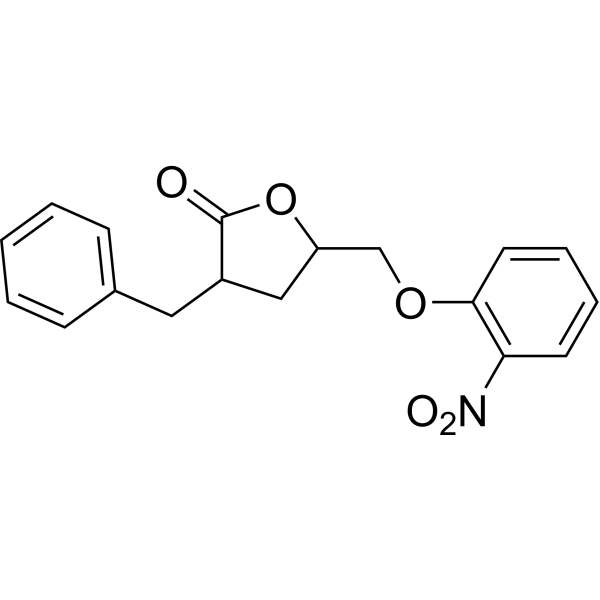
    NPE-caged-proton is a reagent that releases protons under UV light and has the activity of activating the fusion protein GP64 under weak acidic conditions. NPE-caged-proton can promote the binding of enveloped viruses to liposome membranes with acidic phospholipids in an environment of pH 4.0 to 5.5, thereby initiating membrane fusion. The ultraviolet unblocking effect of NPE-caged-proton can lower the environmental pH, thereby triggering the process of viral membrane fusion. When studying the interaction between viruses and cell membranes, NPE-caged-proton provides a valuable tool for revealing the subtle behaviors of viruses in different chemical and biochemical environments .
    NPE-caged-proton
  • HY-173128

    Apoptosis Infection
    TZOA is an antiviral agent that inhibits the replication of infectious hematopoietic necrosis virus (IHNV) in a dose-dependent manner and significantly reduces viral titers. TZOA can effectively counteract IHNV-induced apoptosis, maintain mitochondrial membrane potential and homeostasis, and restore MAVS-mediated interferon expression. TZOA has antiviral activity .
    TZOA
  • HY-P10653

    HCV HIV Infection
    C5A is a microbicidal peptide, anti-hepatitis C virus (HCV), and anti-HIV agent. C5A disrupts the membrane integrity of the HIV virion as well as the integrity of the conical capsid core that surrounds the viral genome. C5A inhibits in vitro infectivity of a broad range of primary HIV isolates in various primary target cells. C5A protects mice against vaginal and rectal HIV challenges .
    C5A
  • HY-122204

    HIV Infection
    5M038 is an inhibitor of HIV envelope-mediated fusion with potent inhibitory activity against gp41-mediated membrane fusion. 5M038 prevents the formation of the gp41 post-fusion conformation and inhibits envelope-mediated membrane fusion in cell-cell fusion and viral infectivity assays. 5M038 has shown broad fusion inhibition in tests against multiple HIV-1 subtypes, including M and T strains. 5M038 targets a highly conserved hydrophobic pocket and binds to the gp41 trimer, thereby exerting its inhibitory effect .
    5M038
  • HY-120632A

    RSV Infection
    BMS-433771 dihydrochloride hydrate is a potent orally active inhibitor of respiratory syncytial virus (RSV). BMS-433771 dihydrochloride hydrate is active against both A and B groups of RSV, with an average EC50 of 20 nM. BMS-433771 dihydrochloride hydrate can be used for the research of respiratory tract disease .
    BMS-433771 dihydrochloride hydrate
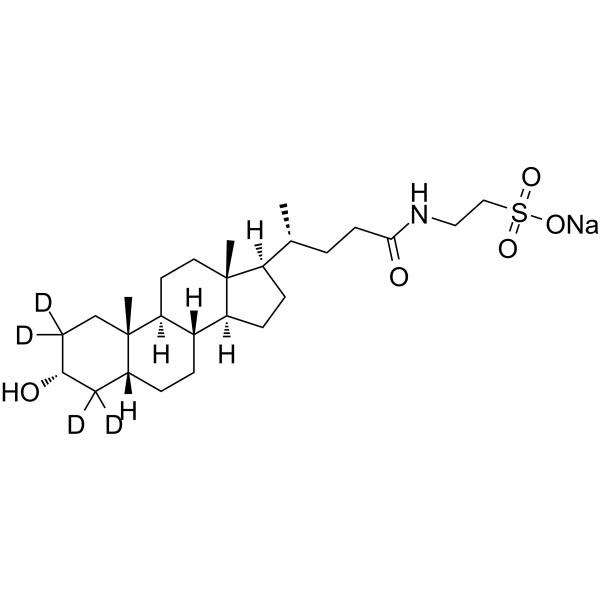
  • HY-113308AS

    Isotope-Labeled Compounds Calcium Channel Ferroptosis PI3K Reactive Oxygen Species (ROS) Akt HBV Metabolic Disease
    Taurolithocholic acid-d4 (sodium) is the deuterium labeled Taurolithocholic acid (sodium salt). Taurolithocholic acid sodium is an orally active bile acid and antiviral agent. Taurolithocholic acid sodium upregulates FADS2 by activating the TGR5-PI3K/AKT-SREBP2 signaling axis, inhibits SFTSV-induced ferroptosis, viral replication and viral entry of HBV/HDV, while reducing the release of IL-1β, lipid ROS and LDH. While exerting antiviral protective effects, Taurolithocholic acid sodium also stimulates the recycling of hepatocellular membrane transporters, impairs canalicular bile acid secretion function, and induces hepatocyte cholestasis, apoptosis and acute hepatocellular injury. Taurolithocholic acid sodium serves as an experimental model compound for hepatocellular cholestasis. At concentrations ≤200 μM, Taurolithocholic acid sodium shows no cytotoxicity and does not activate the interferon pathway. Taurolithocholic acid sodium not only protects mice from lethal SFTSV infection but also is suitable for studies related to severe fever with thrombocytopenia syndrome and cholestasis .
    Taurolithocholic acid-d4 sodium
  • HY-113308AS2

    Isotope-Labeled Compounds Calcium Channel Ferroptosis PI3K Reactive Oxygen Species (ROS) Akt HBV Metabolic Disease
    Taurolithocholic acid-d4-1 (sodium) is the deuterium labeled Taurolithocholic acid. Taurolithocholic acid sodium is an orally active bile acid and antiviral agent. Taurolithocholic acid sodium upregulates FADS2 by activating the TGR5-PI3K/AKT-SREBP2 signaling axis, inhibits SFTSV-induced ferroptosis, viral replication and viral entry of HBV/HDV, while reducing the release of IL-1β, lipid ROS and LDH. While exerting antiviral protective effects, Taurolithocholic acid sodium also stimulates the recycling of hepatocellular membrane transporters, impairs canalicular bile acid secretion function, and induces hepatocyte cholestasis, apoptosis and acute hepatocellular injury. Taurolithocholic acid sodium serves as an experimental model compound for hepatocellular cholestasis. At concentrations ≤200 μM, Taurolithocholic acid sodium shows no cytotoxicity and does not activate the interferon pathway. Taurolithocholic acid sodium not only protects mice from lethal SFTSV infection but also is suitable for studies related to severe fever with thrombocytopenia syndrome and cholestasis .
    Taurolithocholic acid-d4-1 sodium
  • HY-113308S

    Isotope-Labeled Compounds Calcium Channel Ferroptosis PI3K Reactive Oxygen Species (ROS) Akt HBV Others
    Taurolithocholic acid-d5 is deuterium labeled Taurolithocholic acid. Taurolithocholic acid is an orally active bile acid and antiviral agent. Taurolithocholic acid upregulates FADS2 by activating the TGR5-PI3K/AKT-SREBP2 signaling axis, inhibits SFTSV-induced ferroptosis, viral replication and viral entry of HBV/HDV, while reducing the release of IL-1β, lipid ROS and LDH. While exerting antiviral protective effects, Taurolithocholic acid also stimulates the recycling of hepatocellular membrane transporters, impairs canalicular bile acid secretion function, and induces hepatocyte cholestasis, apoptosis and acute hepatocellular injury. Taurolithocholic acid serves as an experimental model compound for hepatocellular cholestasis. At concentrations ≤200 μM, Taurolithocholic acid shows no cytotoxicity and does not activate the interferon pathway. Taurolithocholic acid not only protects mice from lethal SFTSV infection but also is suitable for studies related to severe fever with thrombocytopenia syndrome and cholestasis .
    Taurolithocholic acid-d5
  • HY-182913

    SARS-CoV Infection
    SARS-CoV-2-IN-122 is a SARS-CoV-2 inhibitor by targeting the S2 subunit of the spike protein. SARS-CoV-2-IN-122 interacts with residues linked to membrane fusion-associated conformational rearrangements, interfering with viral entry events. SARS-CoV-2-IN-122 inhibits SARS-CoV-2 replication, lacks direct virucidal activity, and does not impair viral-host cell attachment. SARS-CoV-2-IN-122 exhibits activity against SARS-CoV-2 variants including B.1 and Omicron (BA.2.86.1). SARS-CoV-2-IN-122 can be used for the research of coronavirus disease 2019 (COVID-19) .
    SARS-CoV-2-IN-122
  • HY-180145

    Furin Influenza Virus Infection
    Furin-IN-3 (Compound 9) is a potent and selective proprotein convertase furin inhibitor with a Ki of 12.4 nM. Furin-IN-3 shows a Ki of 278 nM for PC7. Furin-IN-3 shows a significant antiviral effect on the Furin-dependent H7N7 influenza A virus strain SC35M. Furin-IN-3 can inhibit the cleavage and activation of the viral hemagglutinin (HA), prevent the fusion of the viral membrane with the host cell membrane, and thereby inhibit viral replication and proliferation. Furin-IN-3 can be used for the research of infection, such as influenza virus infection .
    Furin-IN-3
  • HY-183592

    Orthopoxvirus Drug Derivative Infection
    Anti-virus agent 2 is an orally active and selective anti-orthopoxvirus (poxvirus) agent, with EC50 values of 6.1 μM and 47.1 μM against VTT-Fluc and MPXV clade IIb, respectively. Anti-virus agent 2 covalently binds to viral A17L protein and mRNA methyltransferase, blocks viral membrane fusion and intracellular biosynthesis, and acts on multiple stages of the viral replication cycle. Anti-virus agent 2 achieves viral inhibition in nude mouse models. Anti-virus agent 2 can be used for the research of orthopoxvirus infections such as monkeypox and smallpox .
    Anti-virus agent 2
  • HY-W1135843

    Arenavirus Infection
    ARN-75039 is an orally active arenavirus inhibitor. ARN-75039 binds to sites on the GP2 subunit of the mammarenavirus glycoprotein complex, stabilizes prefusion conformation, and blocks viral entry and endosomal membrane fusion to inhibit viral replication and spread. ARN-75039 can be used for the research of lassa fever, arenaviral hemorrhagic fever, and lethal Junín virus infection .
    ARN-75039

Inquiry Online

Your information is safe with us. * Required Fields.

Salutation


Country or Region *

Applicant Name *


Organization Name *

Department *


Email Address *


Product Name *

Cat. No.


Requested quantity *

Phone Number *


Remarks

Inquiry Online

Inquiry Information

Product Name:
Cat. No.:
Quantity:
MCE Japan Authorized Agent:

