



Dienogest
Based on 3 publication(s) in Google Scholar
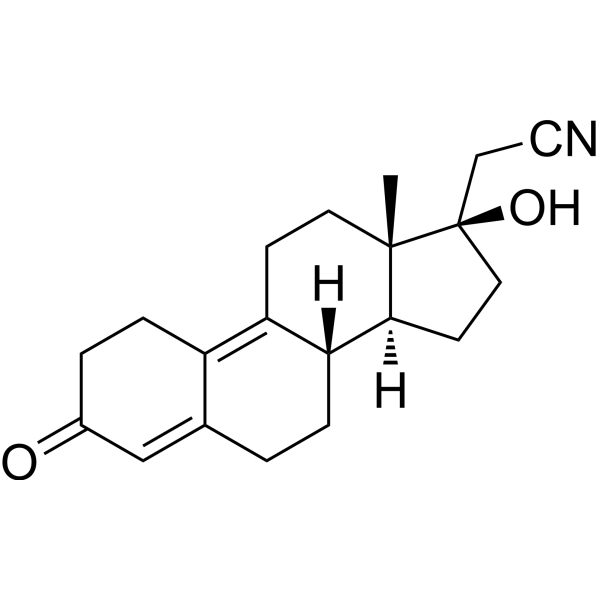
Dienogest (STS-557) is an orally active and selective progesterone receptor agonist that effectively reduces the gene expression of COX-2, mPGES-1 and aromatase. Dienogest also inhibits the mRNA and protein expression of PGE2 synthase and the activation of NF-κB. Dienogest can be used in studies of endometriosis, menopause and menorrhagia.
For research use only. We do not sell to patients.
- Purity : 99.93%
- CAS No.: 65928-58-7
- Formula: C20H25NO2
- Molecular Weight:311.42
-
Storage:Powder -20°C, 3 years , 4°C, 2 years ; In solvent -80°C, 2 years , -20°C, 1 year

To place orders, for customer services and technical support, please contact: MedChemExpress USA
Tel: 609-228-6898 E-mail: [email protected] [email protected]


-
 Biological Activity
-
Chemical Information
-
Solvent & Solubility
- Protocols
- Purity & Documentation
- References
-
 Help & FAQs


-
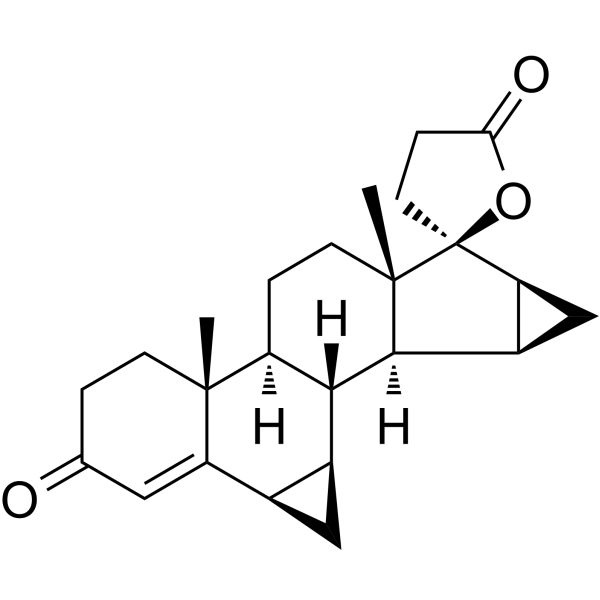
HY-B0111
DrospirenoneProgesterone Receptor Agonist -
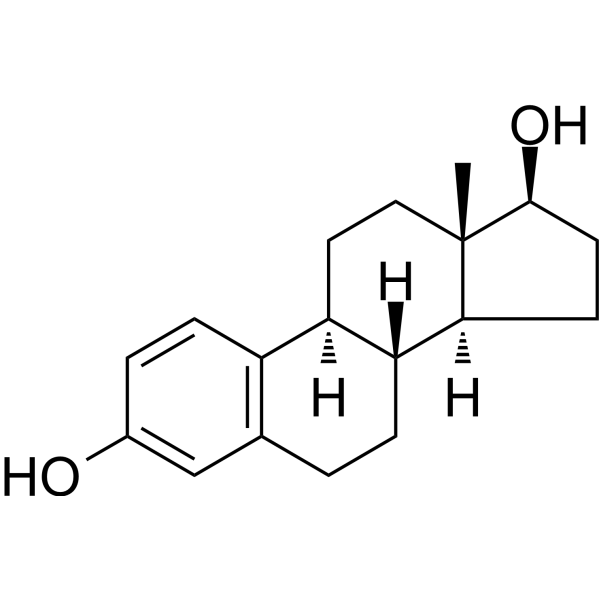
HY-B0141
EstradiolHuman Endogenous Metabolite -
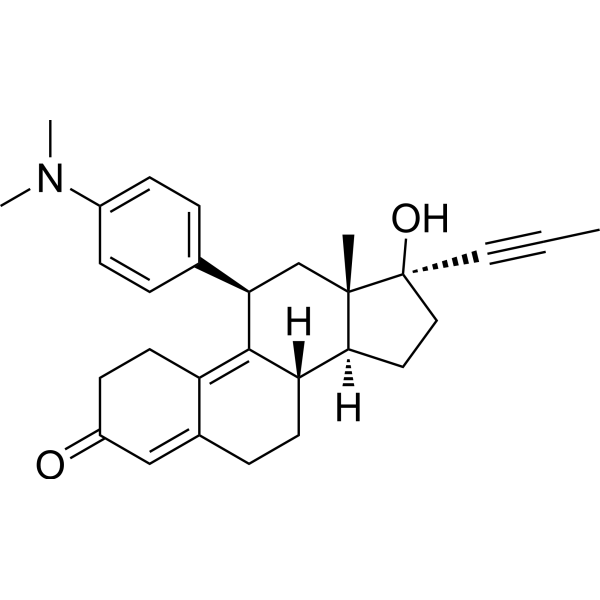
HY-13683
MifepristoneProgesterone Receptor Antagonist -
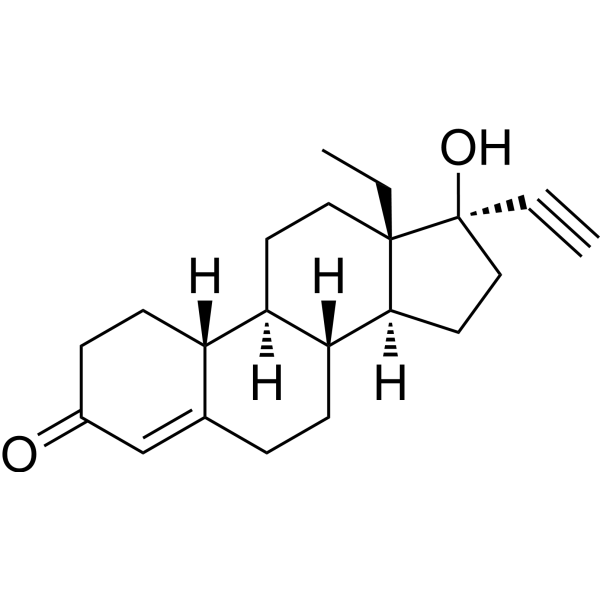
HY-B0257
LevonorgestrelProgesterone Inhibitor -
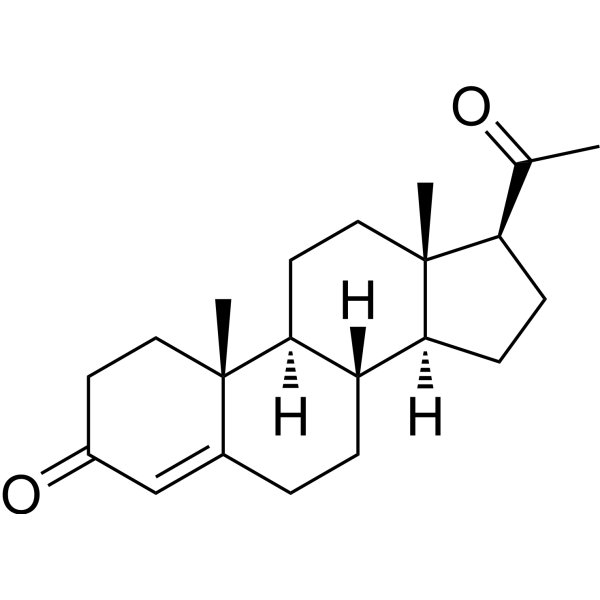
HY-N0437
ProgesteroneEndogenous Metabolite -
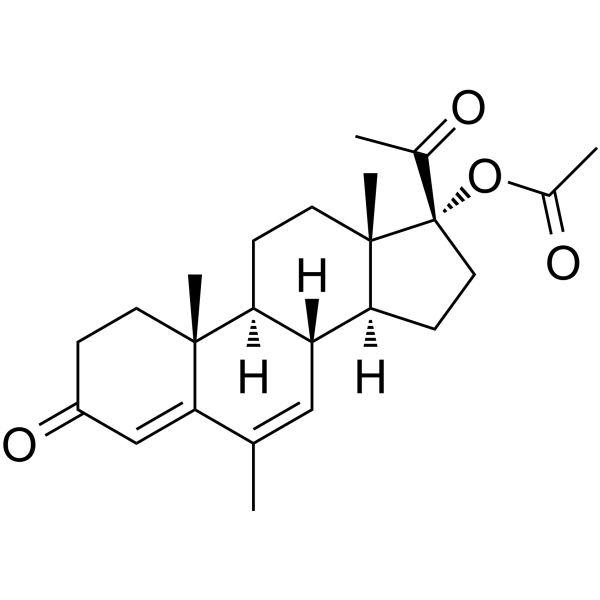
HY-13676
Megestrol acetateProgesteronal Agent -
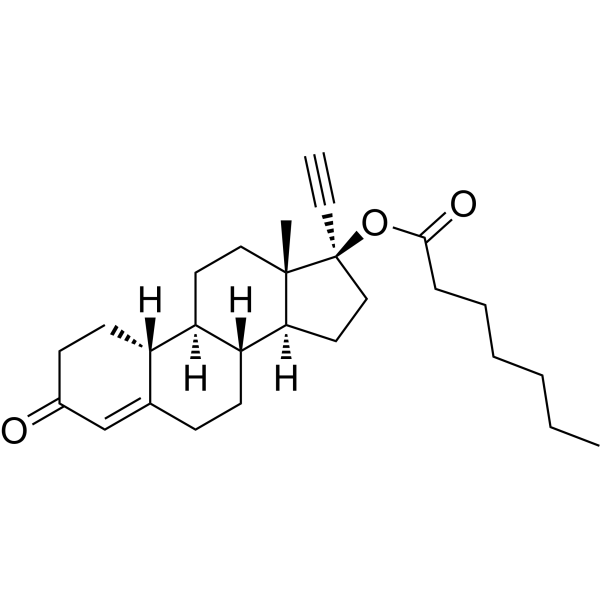
HY-A0285
Norethisterone enanthateParenteral Progestogen -
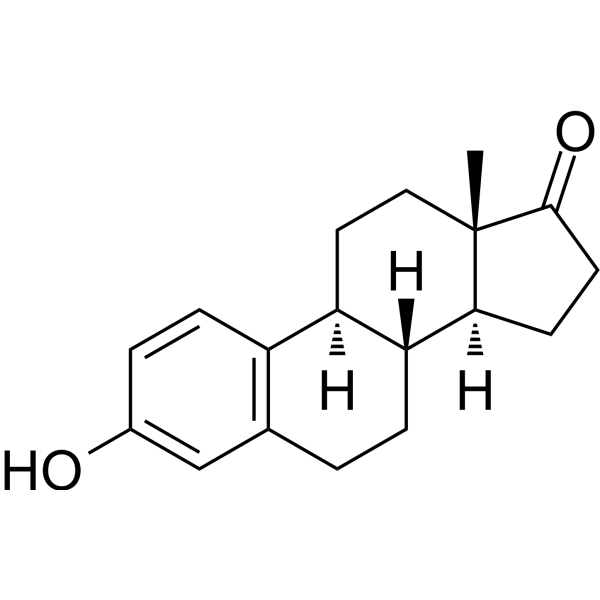
HY-B0234
EstroneEndogenous Metabolite -
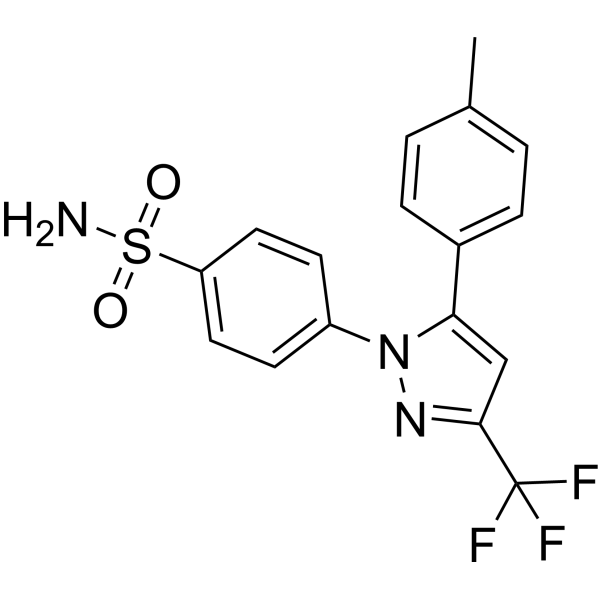
HY-14398
CelecoxibCOX-2inhibitor -
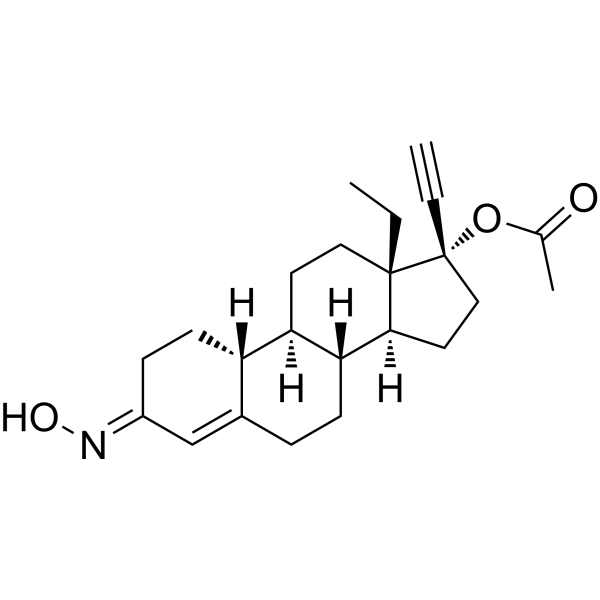
HY-W013172
Norgestimate -
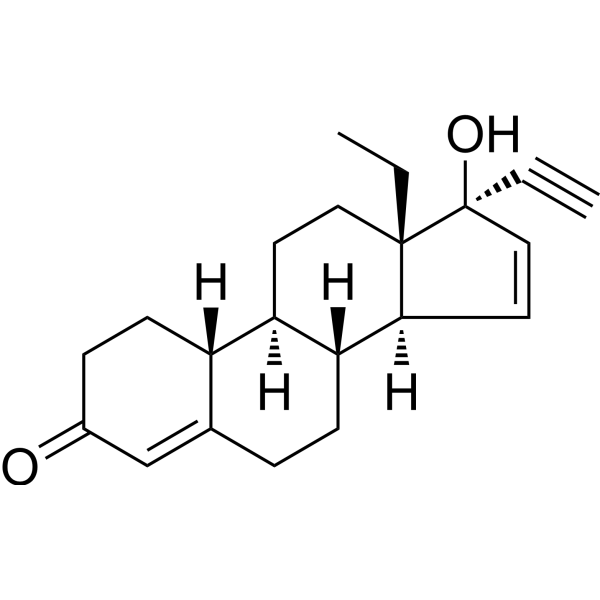
HY-B0110
GestodeneSynthetic Progestogen -
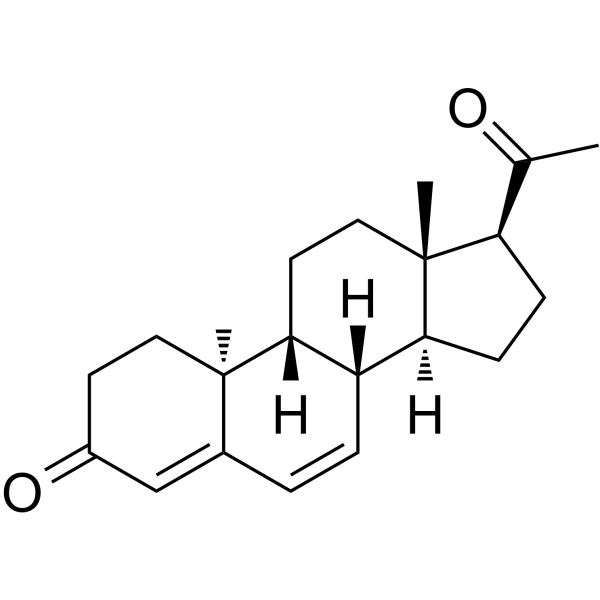
HY-B0257A
DydrogesteroneProgestogen
Publications Citing Use of MedChemExpress (MCE) Dienogest
More Customer Validation & Images

-
Cell Proliferation/Viability Assay

-
Cell Migration/Invasion Assay

-
Apoptosis Analysis

-
Flow Cytometry

-
In Vivo Efficacy Study


Biological Activity
Description
In Vitro
Dienogest (0.01-1 μM; 24 h) inhibits PGE2 production via inhibition of PGE2 synthase gene expressions with the concomitant inhibition of NF-κB activity in a spheroid culture[1].
Dienogest (0.1 μM; 24 h) inhibits aromatase expression gene along with COUP-TFII mRNA expression in a PGE2-independent manner[1].
MedChemExpress (MCE) has not independently confirmed the accuracy of these methods. They are for reference only. Further protocols information, click here.
-
Cell Line:EM-PR cells
-
Concentration:0.01-1 µM
-
Incubation Time:24 h
-
Result:Inhibited PGE2 production and suppressed NF-κB binding activity in the spheroid culture.
-
Cell Line:EM-PR cells
-
Concentration:0.1 µM
-
Incubation Time:24 h
-
Result:Decreased the mRNA expression of the PGE2 synthases COX-2 and mPGES-1 compared with the respective control.
Inhibited aromatase mRNA expression and increased the expression of COUP-TFII mRNA level.
In Vivo
MedChemExpress (MCE) has not independently confirmed the accuracy of these methods. They are for reference only.
-
Animal Model:Female Wistar rats (8 to 10-week-old; 180-220 g; rat endometrial autograft model)[2].
-
Dosage:1 mg/kg
-
Administration:Oral administration; once daily for 14 days.
-
Result:Showed significant suppression of angiogenesis of endometrial autografts, as indicated by the reduced size of the microvascular network and decreased microvessel density.
Significantly reduced the level of perivascular α-smooth muscle actin within endometrial grafts.
Clinical Trial
| NCT Number | Sponsor | Condition | Start Date |
Phase

|
|---|---|---|---|---|
| NCT01329991 | Plexxikon| | 2011-05 | PHASE1 |


Chemical Information
-
CAS No. 65928-58-7
-
Appearance Solid
-
Molecular Weight 311.42
-
Formula C20H25NO2
-
Color White to light yellow
-
SMILES
C[C@@]12[C@](O)(CC#N)CC[C@@]1([H])[C@]3([H])CCC4=CC(CCC4=C3CC2)=O
-
Synonyms
STS 557
-
Shipping
Room temperature in continental US; may vary elsewhere.
-
Storage
Powder -20°C 3 years 4°C 2 years In solvent -80°C 2 years -20°C 1 year


Publications (3)
-
Journal Impact Factor
-
Most Recent
-
Phytomedicine
Ginsenoside Rg3 antagonises endometriosis glycolysis via the tripartite motif containing 28 and pyruvate dehydrogenase kinase 4 signalling pathway. [Abstract]2026 Feb:151:157792. PMID: 41539092
Dienogest purchased from MedChemExpress. Usage Cited in: Phytomedicine. 2026 Feb:151:157792. [Abstract]
Dienogest (0-1 mM) inhibited ESC cell viability in a dose-dependent manner.
Dienogest purchased from MedChemExpress. Usage Cited in: Phytomedicine. 2026 Feb:151:157792. [Abstract]
Dienogest (399.6 μM; 24 h) markedly compromised the motility of ESCs.
Dienogest purchased from MedChemExpress. Usage Cited in: Phytomedicine. 2026 Feb:151:157792. [Abstract]
Dienogest (399.6 μM) induced apoptosis in ESCs.
Dienogest purchased from MedChemExpress. Usage Cited in: Phytomedicine. 2026 Feb:151:157792. [Abstract]
Dienogest (399.6 μM) induced cell cycle arrest at G1 phase in ESCs.
Dienogest purchased from MedChemExpress. Usage Cited in: Phytomedicine. 2026 Feb:151:157792. [Abstract]
Dienogest (1 mg/kg; PO; daily for 4 weeks) showed a pronounced reduction in ectopic endometrial lesion formation relative to the blank control in six-week-old female C57BL/6 J mice with an endometriosis model.

Dienogest purchased from MedChemExpress. Usage Cited in: Phytomedicine. 2026 Feb:151:157792. [Abstract]
Dienogest (1 mg/kg; PO; daily for 4 weeks) significant decline in Ki67 expression in ectopic endometrial tissue at six-week-old female C57BL/6 J mice with an endometriosis model.
-
Am J Transl Res
2022 Apr 15;14(4):2184-2198. PMID: 35559378 -


Solvent & Solubility
In Vitro:
DMSO : 25 mg/mL (80.28 mM; Need ultrasonic; Hygroscopic DMSO has a significant impact on the solubility of product, please use newly opened DMSO)
Please refer to the solubility information to select the appropriate solvent. Once prepared, please aliquot and store the solution to prevent product inactivation from repeated freeze-thaw cycles.
Storage method and period of stock solution: -80°C, 2 years; -20°C, 1 year. When stored at -80°C, please use it within 2 years. When stored at -20°C, please use it within 1 year.
Please refer to the solubility information to select the appropriate solvent. Once prepared, please aliquot and store the solution to prevent product inactivation from repeated freeze-thaw cycles.
Storage method and period of stock solution: -80°C, 2 years; -20°C, 1 year. When stored at -80°C, please use it within 2 years. When stored at -20°C, please use it within 1 year.
Concentration (start) × Volume (start) = Concentration (final) × Volume (final)
In Vivo:
Select the appropriate dissolution method based on your experimental animal and administration route.
- For the following dissolution methods, please ensure to first prepare a clear stock solution using an In Vitro approach and then sequentially add co-solvents:
- To ensure reliable experimental results, the clarified stock solution can be appropriately stored based on storage conditions. As for the working solution for In Vivo experiments, it is recommended to prepare freshly and use it on the same day.
- The percentages shown for the solvents indicate their volumetric ratio in the final prepared solution. If precipitation or phase separation occurs during preparation, heat and/or sonication can be used to aid dissolution.
Add each solvent one by one: 10% DMSO 40% PEG300 5% Tween-80 45% Saline
Solubility: ≥ 2.5 mg/mL (8.03 mM); Clear solution
This protocol yields a clear solution of ≥ 2.5 mg/mL (saturation unknown).
Taking 1 mL working solution as an example, add 100 μL DMSO stock solution (25.0 mg/mL) to 400 μL PEG300, and mix evenly; then add 50 μL Tween-80 and mix evenly; then add 450 μL Saline to adjust the volume to 1 mL.
Preparation of Saline: Dissolve 0.9 g sodium chloride in ddH₂O and dilute to 100 mL to obtain a clear Saline solution.
Add each solvent one by one: 10% DMSO 90% (20% SBE-β-CD in Saline)
Solubility: ≥ 2.5 mg/mL (8.03 mM); Clear solution
This protocol yields a clear solution of ≥ 2.5 mg/mL (saturation unknown).
Taking 1 mL working solution as an example, add 100 μL DMSO stock solution (25.0 mg/mL) to 900 μL 20% SBE-β-CD in Saline, and mix evenly.
Preparation of 20% SBE-β-CD in Saline (4°C, storage for one week): 2 g SBE-β-CD powder is dissolved in 10 mL Saline, completely dissolve until clear.
In Vivo Dissolution Calculator
Please enter the basic information of animal experiments:
-
-
-
-
Recommended: Prepare an additional quantity of animals to account for potential losses during experiments.
Please enter your animal formula composition:
-
%DMSO +
Recommended: Keep the proportion of DMSO in working solution below 2% if your animal is weak.
-
%+
-
+%Tween-80 + +
-
%Saline +
The co-solvents required include: DMSO, . All of co-solvents are available by MedChemExpress (MCE). , Tween 80. All of co-solvents are available by MedChemExpress (MCE).
Working solution concentration: 0.22 mg/mL
Method for preparing stock solution: mg drug dissolved in μL DMSO. Stock solution concentration: mg/mL.
1. Take μL DMSO stock solution;
2. Add μL .
μL , mix evenly;
3. Then add μL Tween 80, mix evenly;
4. Then add μL
Please ensure that the stock solution in the first step is dissolved to a clear state, and add co-solvents in sequence. You can use ultrasonic heating (ultrasonic cleaner, recommended frequency 20-40 kHz), vortexing, etc. to assist dissolution.

Protocols
-
RT-PCR
Reverse transcription technology uses RNA as a template to synthesize DNA. RT-PCR is simple, specific and sensitive, and can be used to detect gene expression levels and expression differences in cells; detect RNA virus content; clone cDNA sequences of specific genes.
-
RNA extraction experimental
By lysing cells, releasing RNA, and removing impurities such as proteins and DNA, high-purity RNA products are finally obtained. The commonly used traditional method is the guanidine isothiocyanate/phenol/chloroform method (Trizol), which is suitable for a variety of animal materials including animal tissues, microorganisms, cultured cells, etc., and most plant materials.
-
Western Blot
Western blotting (WB) is a commonly used experimental method in molecular biology, biochemistry, and immunogenetics for identifying and quantifying target proteins. It combines gel electrophoresis with immunoassay, enabling researchers to analyze protein expression, post-translational modifications, and molecular weight.
-
Research Protocol for Inflammation-related Diseases
The NLRP3 inflammasome is a cytosolic innate immune signaling platform that integrates priming signals and danger-signal activation to promote caspase-1 activation, maturation of IL-1β and IL-18, and gasdermin D-mediated pyroptotic cell death. The core experimental logic is to determine whether inflammatory disease phenotypes are driven by increased NLRP3 expression, ASC-containing inflammasome assembly, caspase-1 cleavage, GSDMD cleavage, and extracellular release of IL-1β/IL-18 rather than by nonspecific cell injury alone. The pathway is strongly linked to inflammation-related disease phenotypes because monosodium urate crystals activate NALP3/NLRP3 inflammasome signaling in gout-like crystal inflammation, cholesterol crystals activate NLRP3 inflammasomes in atherogenesis models, and DSS-induced intestinal inflammation has been reported to involve NLRP3 inflammasome activity. However, experimental colitis studies also show context-dependent protective effects of NLRP3 inflammasome co
-
Real Time qPCR (Q-PCR)
Real-time quantitative PCR (qPCR) quantifies an amplifiable nucleic-acid target by monitoring fluorescence during PCR cycling rather than measuring product only after amplification. The increase in fluorescence tracks accumulation of PCR product, and the quantification cycle (Cq; historically also Ct/CP) is related to the initial amount of target: samples containing more starting target generally reach the defined fluorescence threshold in fewer cycles.
-
Protocol For Protein Expression And Purification
Recombinant protein expression in Escherichia coli followed by purification of a His-tagged soluble protein by immobilized metal affinity chromatography (IMAC), with optional MBP fusion and TEV tag removal when the construct includes these elements. The biological readout is production of the encoded target protein, detected as an inducible band at the expected molecular mass by SDS-PAGE and quantified by total protein assay or chromatographic absorbance; the purification readout is enrichment of the target protein in elution fractions after selective binding of polyhistidine residues to immobilized Ni2+/metal-chelate resin and elution by imidazole-containing buffer. Expression is driven by an inducible bacterial expression system, commonly T7/lac-based, in which IPTG or lactose/auto-induction activates transcription and translation of the cloned gene; lower induction temperature, lower inducer concentration, induction timing, and solubility-enhancing fusion tags can influence the frac


Purity & Documentation
-
Data Sheet (280 KB)
-
SDS (418 KB)
- English - EN (418 KB)
- Français - FR (418 KB)
- Deutsch - DE (418 KB)
- Norwegian - NO (418 KB)
- Español - ES (418 KB)
- Swedish - SV (418 KB)
- Italian - IT (418 KB)
- Korean - KR (418 KB)
- Portuguese - PT (418 KB)
-
Handling Instructions (2659 KB)
References
[1]. Shimizu Y, et al. Dienogest, a synthetic progestin, inhibits prostaglandin E2 production and aromatase expression by human endometrial epithelial cells in a spheroid culture system. Steroids. 2011 Jan;76(1-2):60-7. [Content Brief]
[2]. Katayama H, et al. Effect of dienogest administration on angiogenesis and hemodynamics in a rat endometrial autograft model. Hum Reprod. 2010 Nov;25(11):2851-8. [Content Brief]


Complete Stock Solution Preparation Table
Please refer to the solubility information to select the appropriate solvent. Once prepared, please aliquot and store the solution to prevent product inactivation from repeated freeze-thaw cycles.
Storage method and period of stock solution: -80°C, 2 years; -20°C, 1 year. When stored at -80°C, please use it within 2 years. When stored at -20°C, please use it within 1 year.
| Optional Solvent | Concentration Solvent Mass | 1 mg | 5 mg | 10 mg | 25 mg |
|---|---|---|---|---|---|
| DMSO | 1 mM | 3.2111 mL | 16.0555 mL | 32.1110 mL | 80.2774 mL |
| 5 mM | 0.6422 mL | 3.2111 mL | 6.4222 mL | 16.0555 mL | |
| 10 mM | 0.3211 mL | 1.6055 mL | 3.2111 mL | 8.0277 mL | |
| 15 mM | 0.2141 mL | 1.0704 mL | 2.1407 mL | 5.3518 mL | |
| 20 mM | 0.1606 mL | 0.8028 mL | 1.6055 mL | 4.0139 mL | |
| 25 mM | 0.1284 mL | 0.6422 mL | 1.2844 mL | 3.2111 mL | |
| 30 mM | 0.1070 mL | 0.5352 mL | 1.0704 mL | 2.6759 mL | |
| 40 mM | 0.0803 mL | 0.4014 mL | 0.8028 mL | 2.0069 mL | |
| 50 mM | 0.0642 mL | 0.3211 mL | 0.6422 mL | 1.6055 mL | |
| 60 mM | 0.0535 mL | 0.2676 mL | 0.5352 mL | 1.3380 mL | |
| 80 mM | 0.0401 mL | 0.2007 mL | 0.4014 mL | 1.0035 mL |


Dienogest Related Classifications
HY-B0084 Related Classifications
 Powered by Bioz