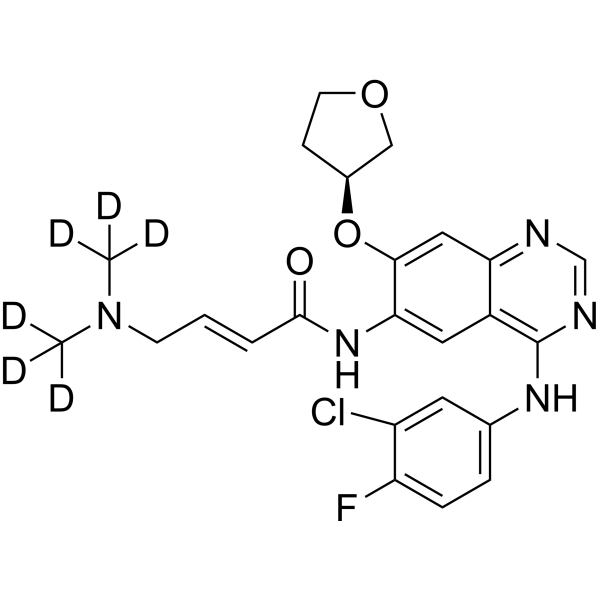
Cancer Targeted Therapy
Cancer targeted therapy is the foundation of precision medicine; it uses drugs or other substances to target specific genes and proteins that control cancer cells’ growth, division and spreading. Compared to traditional chemotherapy drugs, targeted-drugs can specifically act on cancer cells with high efficacy without damaging normal cells. Drugs used in cancer targeted therapy mainly includes small molecules and macromolecules (e.g., monoclonal antibodies), which can target cancer cells and constituents in the tumor microenvironment to activate the immune system. Anti-angiogenesis drugs, such as those targeting vascular endothelial growth factor (VEGF), epidermal growth factor receptor (EGFR), transforming growth factor (TGF)-α, TGF-β, Tumor necrosis factor (TNF)-α, and platelet-derived endothelial growth factor (PDGFR) inhibit the proliferation and metastasis of cancer cells. In recent years, the proportion of antibody drugs in cancer treatment has gradually become prominent. Antibody-drug conjugates (ADCs) are a new type of targeted drugs that are composed of monoclonal antibody, cytotoxic drug and linker. ADCs can deliver drugs to tumor cells and minimize the toxicity to normal tissues. Proteolysis-targeting chimera (PROTAC) is a useful technology for targeted protein degradation. PROTAC exploits the ubiquitin-proteasome system and forms a ternary complex with a hijacked E3 ubiquitin ligase and target protein, leading to polyubiquitination and degradation of the target protein.
Targeted therapy is a useful strategy in treatment of cancer either alone or in combination with standard chemotherapy. At present, targeted therapy has proved significant clinical success in the treatment of many types of cancer, including breast cancer, colorectal cancer, leukemia, ovarian cancer and lung cancer.

-
IDH1 Inhibitor 7
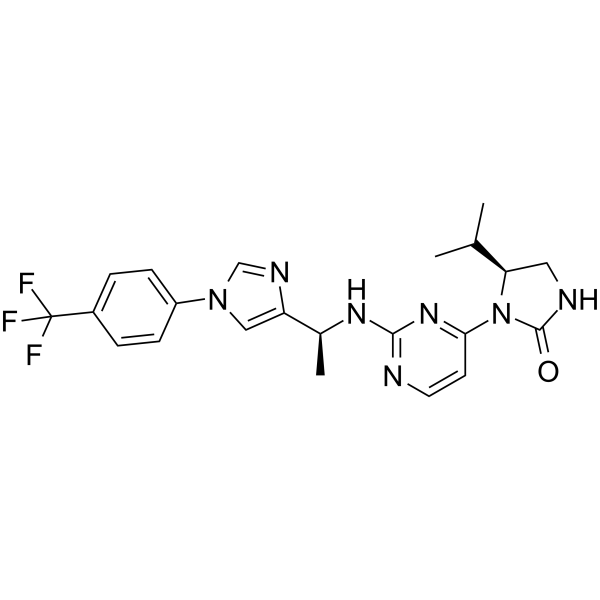 0 Images
IDH1 Inhibitor 7 (Compound 88) is an IDH1 inhibitor with an IC50 of less than 100 nM.
-
hsa-miR-1228-5p inhibitor
 0 ImagesCat. No.: HY-RI00122
hsa-miR-1228-5p inhibitors are chemically-modified oligonucleotides that hybridize with mature miRNAs. The miRNA inhibitors have full-length nucleotide 2'-methoxy modification. The miRNA inhibitors strongly compete with mature miRNAs to prevent the complementary pairing of miRNAs and their target genes, thereby inhibiting miRNAs from functioning.
-
MSA-2-Pt
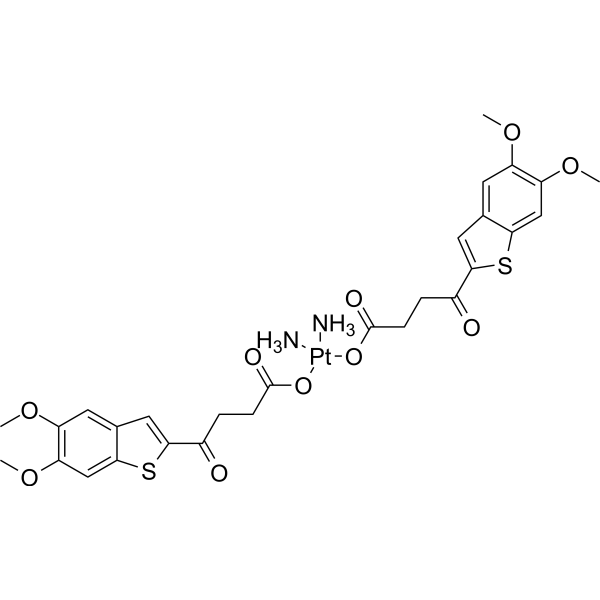 0 ImagesCat. No.: HY-162133CAS No.: 3028778-96-0
MSA-2-Pt, platinum salt-modified MSA-2 (HY-136927), is a STING agonist. MSA-2-Pt inducing cell
death by platinum and activating the STING pathway by MSA-2. MSA-2-Pt direct activates STING pathway, induces phosphorylation of TBK1, IRF3, and NF-κB p65. MSA-2-Pt enhances tumor infiltration of CD4+ and CD8+ T cells, and induces tumor cell death and apoptosis in mouse colon carcinoma and melanoma models.
-
Rabeprazole-d4
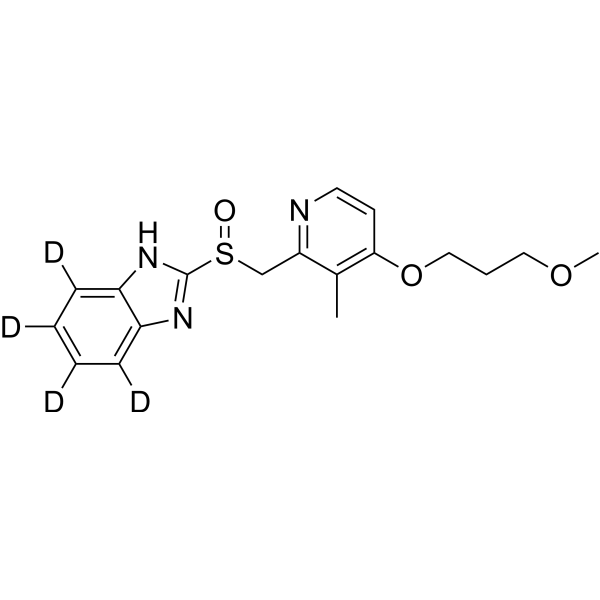 0 ImagesCat. No.: HY-B0656SCAS No.: 934295-48-4Synonyms: LY307640-d4
Rabeprazole-d4 is a deuterium labeled Rabeprazole. Rabeprazole is a second-generation proton pump inhibitor (PPI) that irreversibly inactivates gastric H+/K+-ATPase. Rabeprazole induces apoptosis. Rabeprazole acts as an uridine nucleoside ribohydrolase (UNH) inhibitor with an IC50 of 0.3 μM. Rabeprazole can be used for the research of gastric ulcerations and gastroesophageal reflux.
-
TH9028
 0 ImagesCat. No.: HY-155219CAS No.: 2379556-15-5
TH9028 is an inhibitor of MTHFD1, MTHFD2 and MTHFD2L, with IC50 values of 0.5 nM, 11 nM and 27 nM, respectively. TH9028 reduces replication fork speed, induces replication stress, triggers S-phase arrest, initiates apoptosis, impairs thymidine production, and causes erroneous uracil incorporation into DNA. TH9028 can be used in research related to acute myeloid leukemia.
-
CB1151
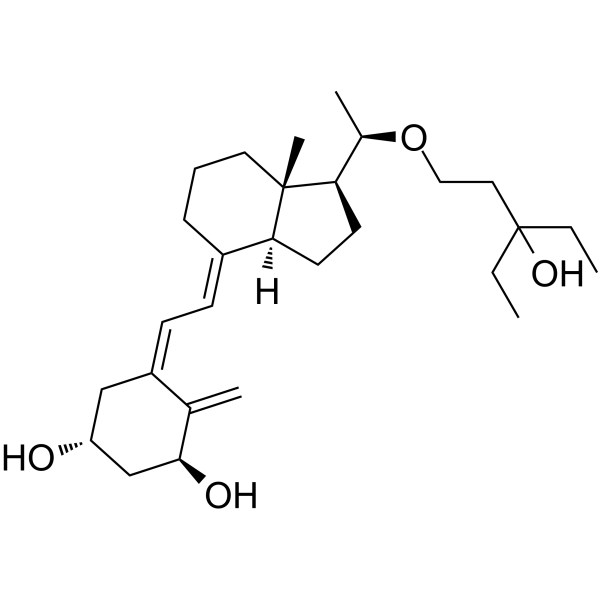 0 ImagesCat. No.: HY-100219CAS No.: 182369-28-4
CB1151 is a 20-epi analogue of 1,25 dihydroxyvitamin D3 (VD) with potent anti-tumor effects. CB1151 inhibits MCF-7 cell growth with an IC50 value of 0.82 nM.
-
Aminooxy-PEG3-bromide
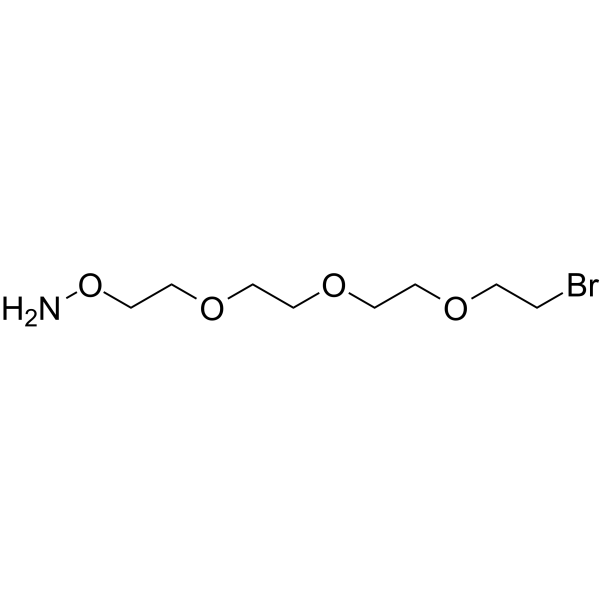 0 ImagesCat. No.: HY-140396CAS No.: 1895922-73-2
-
Desthiobiotin-PEG4-acid
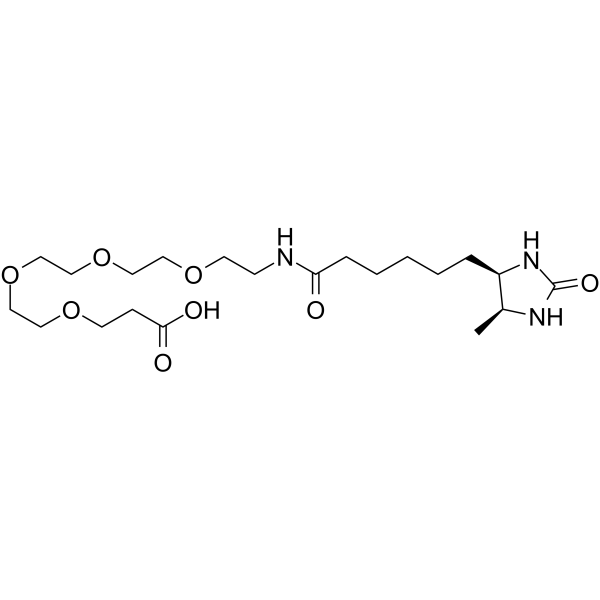 0 ImagesCat. No.: HY-138507CAS No.: 2863657-56-9

-
SirReal1-O-propargyl
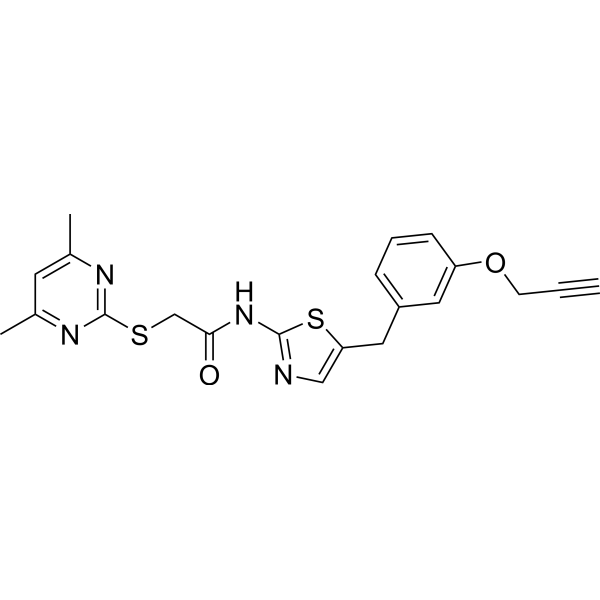 0 ImagesCat. No.: HY-107453CAS No.: 1862237-99-7Synonyms: PROTAC Sirt2-binding moiety 1
SirReal1-O-propargyl is a selective and highly potent Sirtuin 2 (Sirt2) inhibitor, with an IC50 of 2.4 μM. SirReal1-O-propargyl, the SirReal1-based moiety, binds to the cereblon ligand via a linker to form PROTAC to degrade Sirt2. SirReal1-O-propargyl is a click chemistry reagent, it contains an Alkyne group and can undergo copper-catalyzed azide-alkyne cycloaddition (CuAAc) with molecules containing Azide groups.
-
13:0 Lyso PE
 0 ImagesSynonyms: LGPE 13:0
13:0 Lyso PE is an intermediate. 13:0 Lyso PE can be used to synthesize tumor-triggered, targeted ammonium bicarbonate liposomes.
-
hsa-miR-3960 antagomir
 0 ImagesCat. No.: HY-RI00909A
hsa-miR-3960 antagomirs are chemically-modified oligonucleotides that hybridize with mature miRNAs. The miRNA antagomirs have 2 phosphorothioates at the 5' end, 4 phosphorothioates at the 3' end, 1 cholesterol group at the 3' end, and full-length nucleotide 2'-methoxy modification. The miRNA antagomirs strongly compete with mature miRNAs to prevent the complementary pairing of miRNAs and their target genes, thereby inhibiting miRNAs from functioning. Stability of miRNA antagomirs appears to be significantly higher than miRNA inhibitors, they exhibits enhanced cellular uptake, stability and regulatory activity in vivo.
-
NCI677397
 0 ImagesCat. No.: HY-176557CAS No.: 907547-06-2
NCI677397 is a USP24 inhibitor. NCI677397 increases lipid ROS, activates cholesterol and fatty acid biosynthesis, degrades ABC transporters, GPX4 and DHFR through the autophagy pathway, decreases the level of P-gp and ultimately leads to ferroptosis in drug-resistant cancer cells. NCI677397 can be used for the study of lung caner and brain cancer.
-
IMMH-010 maleate
 0 Images
IMMH-010 maleate is a prodrug that serves as a novel PD-L1 inhibitor, exhibiting potential antitumor activity for the treatment of neurological disorders and advanced malignant solid tumors. IMMH-010 maleate is rapidly converted to its active form, YPD-29B, following oral administration. IMMH-010 maleate is poised for advancing research in the field of PD-L1 inhibitors and related therapeutic applications.
-
PROTAC METTL3 degrader 1
 0 ImagesCat. No.: HY-162930Purity: 99.14%
PROTAC METTL3 degrader 1 is a VHL-based PROTAC METTL3 degrader (DC50: 220 nM in MOLM-13 cells). PROTAC METTL3 degrader 1 inhibits METTL3/14 complex with an IC50 value of 341 nM. PROTAC METTL3 degrader 1 can be used for the research of acute myeloid leukemia and gastric cancer.