



Cancer Targeted Therapy
Cancer targeted therapy is the foundation of precision medicine; it uses drugs or other substances to target specific genes and proteins that control cancer cells’ growth, division and spreading. Compared to traditional chemotherapy drugs, targeted-drugs can specifically act on cancer cells with high efficacy without damaging normal cells. Drugs used in cancer targeted therapy mainly includes small molecules and macromolecules (e.g., monoclonal antibodies), which can target cancer cells and constituents in the tumor microenvironment to activate the immune system. Anti-angiogenesis drugs, such as those targeting vascular endothelial growth factor (VEGF), epidermal growth factor receptor (EGFR), transforming growth factor (TGF)-α, TGF-β, Tumor necrosis factor (TNF)-α, and platelet-derived endothelial growth factor (PDGFR) inhibit the proliferation and metastasis of cancer cells. In recent years, the proportion of antibody drugs in cancer treatment has gradually become prominent. Antibody-drug conjugates (ADCs) are a new type of targeted drugs that are composed of monoclonal antibody, cytotoxic drug and linker. ADCs can deliver drugs to tumor cells and minimize the toxicity to normal tissues. Proteolysis-targeting chimera (PROTAC) is a useful technology for targeted protein degradation. PROTAC exploits the ubiquitin-proteasome system and forms a ternary complex with a hijacked E3 ubiquitin ligase and target protein, leading to polyubiquitination and degradation of the target protein.
Targeted therapy is a useful strategy in treatment of cancer either alone or in combination with standard chemotherapy. At present, targeted therapy has proved significant clinical success in the treatment of many types of cancer, including breast cancer, colorectal cancer, leukemia, ovarian cancer and lung cancer.
-
SF2312 ammonium
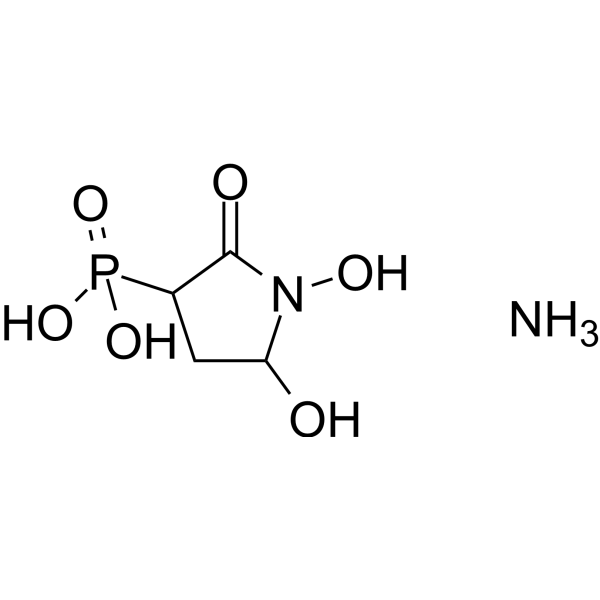 0 ImagesCat. No.: HY-117778BPurity: 98.0%
SF2312 ammonium is a phosphonate Antibiotic and Enolase inhibitor, with an IC50 of 18.4 nM against E. coli enolase. SF2312 ammonium reduces intracellular ATP levels and inhibits glycolytic flux. SF2312 ammonium exhibits activity against both Gram-positive and Gram-negative bacteria, and exerts synergistic effects against E. coli when combined with Fosfomycin (HY-B1075A). SF2312 ammonium shows selective toxicity toward gliomas with ENO1 gene knockout. SF2312 ammonium can be used in research related to bacterial infections and gliomas.
-
Erlotinib-d6 hydrochloride
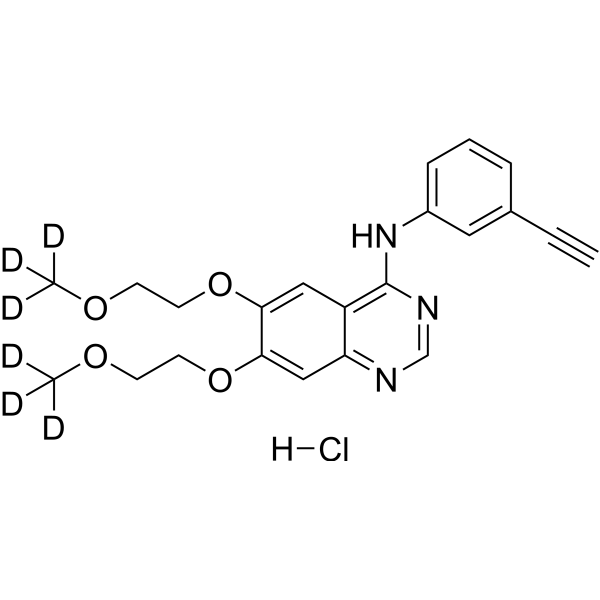 0 ImagesSynonyms: CP-358774-d6 hydrochloride; NSC 718781-d6 hydrochloride; OSI-774-d6 hydrochloride
Erlotinib-d6 hydrochloride (CP-358774-d6 hydrochloride) is the deuterated-labeled Erlotinib Hydrochloride (HY-12008). Erlotinib (CP-358774) Hydrochloride is a selective, orally active EGFR tyrosine kinase inhibitor. Erlotinib Hydrochloride also acts as a substrate and inhibitor of OATP2B1, with an IC50 of approximately 0.079 μM for inhibiting OATP2B1-mediated uptake of estrone 3-sulfate. Erlotinib Hydrochloride blocks EGFR phosphorylation, downstream signal transduction, as well as the growth and proliferation of cancer cells. Erlotinib Hydrochloride inhibits MMP-10-mediated renal injury, fibrotic lesions, the ERK1/2, GSK-3β and β-catenin signaling pathways, as well as the deposition of fibronectin, α-SMA, collagen and renal injury markers. Erlotinib Hydrochloride is metabolized via CYP3A to produce the active metabolite OSI-420. Erlotinib Hydrochloride can be used in research related to non-small cell lung cancer, gastric cancer, papillary renal cell carcinoma, EGFR inhibitor resistance and renal fibrosis.
-
TH9028
 0 ImagesCat. No.: HY-155219CAS No.: 2379556-15-5
TH9028 is an inhibitor of MTHFD1, MTHFD2 and MTHFD2L, with IC50 values of 0.5 nM, 11 nM and 27 nM, respectively. TH9028 reduces replication fork speed, induces replication stress, triggers S-phase arrest, initiates apoptosis, impairs thymidine production, and causes erroneous uracil incorporation into DNA. TH9028 can be used in research related to acute myeloid leukemia.
-
hsa-miR-221-3p antagomir
 0 ImagesCat. No.: HY-RI00464A
hsa-miR-221-3p antagomirs are chemically-modified oligonucleotides that hybridize with mature miRNAs. The miRNA antagomirs have 2 phosphorothioates at the 5' end, 4 phosphorothioates at the 3' end, 1 cholesterol group at the 3' end, and full-length nucleotide 2'-methoxy modification. The miRNA antagomirs strongly compete with mature miRNAs to prevent the complementary pairing of miRNAs and their target genes, thereby inhibiting miRNAs from functioning. Stability of miRNA antagomirs appears to be significantly higher than miRNA inhibitors, they exhibits enhanced cellular uptake, stability and regulatory activity in vivo.
-
2'-Fluorothymidine
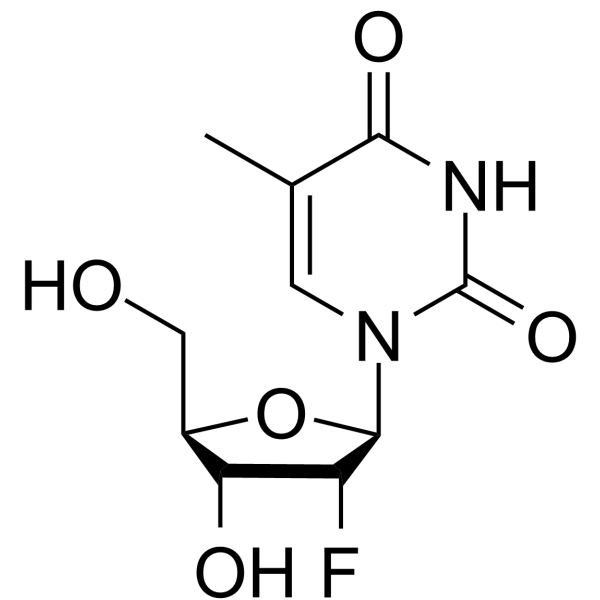 0 ImagesSynonyms: 2'-Deoxy-2'-fluoro-5-Methyluridine
2'-Fluorothymidine (2'-Fluoro-2'-deoxythymidine) is a nucleoside analog and hCNT inhibitor, with an IC50 of 1.1 μM against hCNT1 and an IC50 of 9.7 μM against hCNT3. 2'-Fluorothymidine undergoes phosphorylation by cytosolic thymidine kinase (TK1) and mitochondrial thymidine kinase (TK2). 2'-Fluorothymidine acts as a backbone stabilizer in oligonucleotide synthesis and can also form radiolabeled candidates. 2'-Fluorothymidine is applicable in tumor-related research.
-
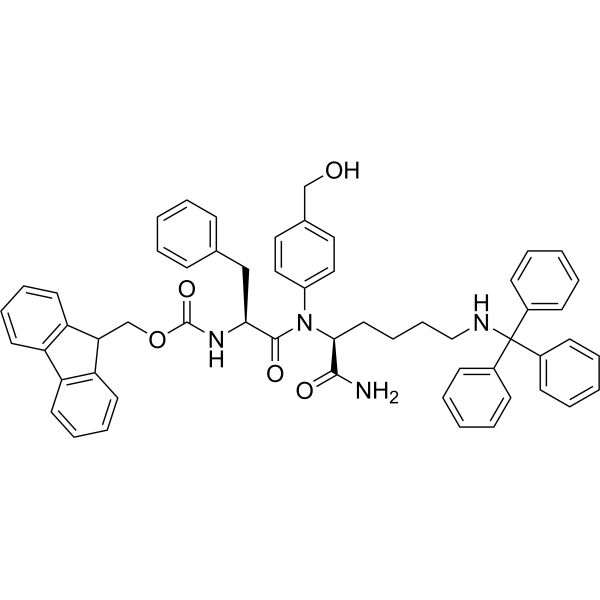
Fmoc-Phe-Lys(Trt)-PAB
 0 ImagesCat. No.: HY-136107CAS No.: 1116085-98-3
Fmoc-Phe-Lys(Trt)-PAB is a cleavable ADC linker used in the synthesis of antibody-drug conjugates (ADCs).

-
Nacolomab
 0 ImagesCat. No.: HY-P992091
Nacolomab is an anti-human monoclonal antibody targeting MUC1/CD227. Nacolomab can be used for the research of cancer.
-
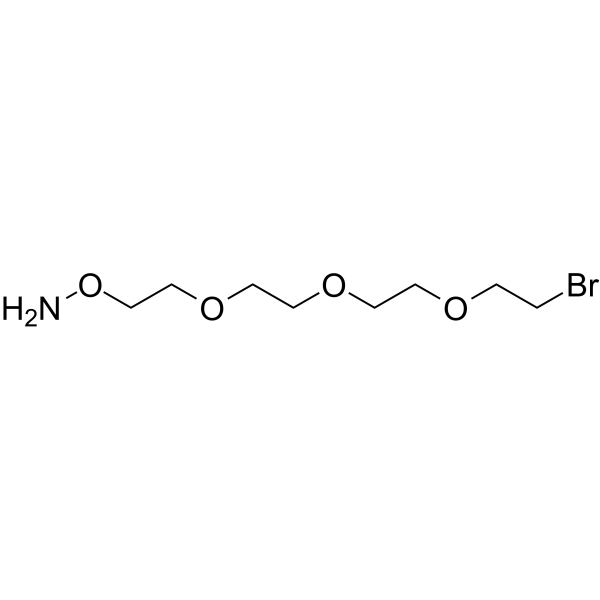
Aminooxy-PEG3-bromide
 0 ImagesCat. No.: HY-140396CAS No.: 1895922-73-2
-
Fmoc-Gly-Gly-allyl propionate
 0 ImagesCat. No.: HY-400191ACAS No.: 2766214-15-5
Fmoc-Gly-Gly-allyl propionate is a cleavable linker that can be used to synthesize Antibody-Drug Conjugates (ADCs).
-
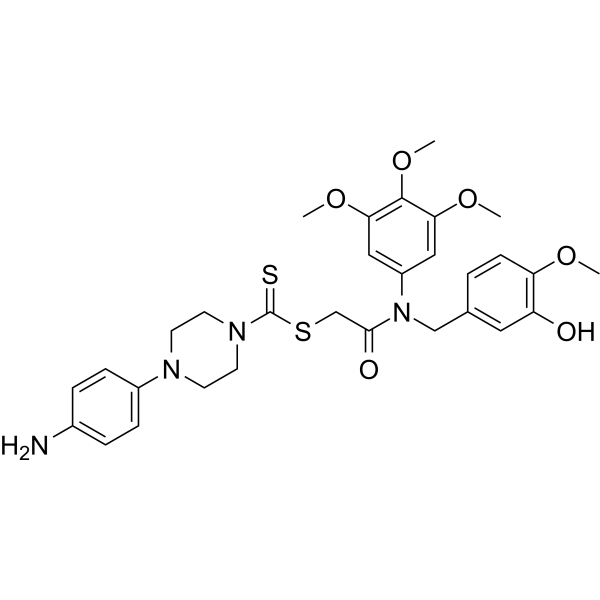
MY-943
 0 Images
MY-943 is a potent tubulin polymerization and LSD1 inhibitor with anticancer activity. MY-943 induces G2/M phase arrest and apoptosis, and inhibits cell migration. MY-943 can be used for gastric cancer research.
-
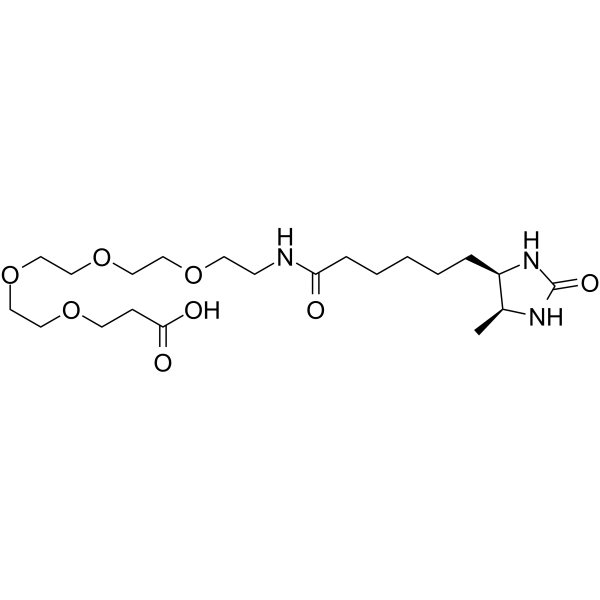
Desthiobiotin-PEG4-acid
 0 ImagesCat. No.: HY-138507CAS No.: 2863657-56-9
-
γ-Acetylenic GABA
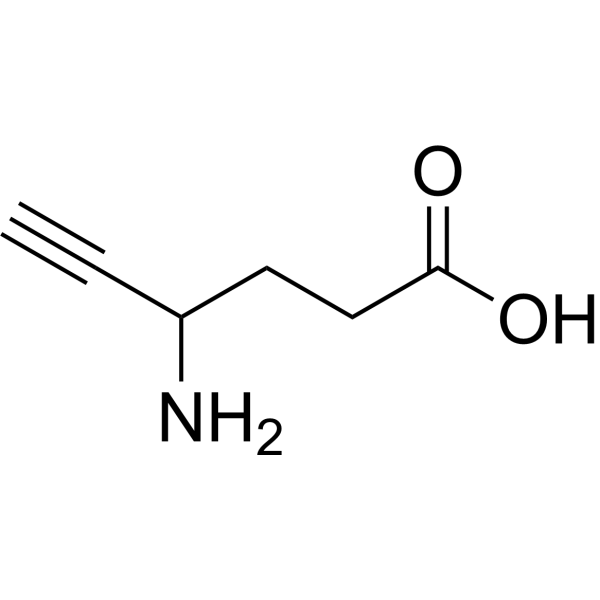 0 ImagesCat. No.: HY-131693CAS No.: 57659-38-8Synonyms: GAG
γ-Acetylenic GABA (4-Aminohex-5-ynoic acid) is an irreversible inhibitor of GABA-transaminase. γ-Acetylenic GABA can increase the concentration of GABA in rat brain. γ-Acetylenic GABA is a click chemistry reagent, it contains an Alkyne group and can undergo copper-catalyzed azide-alkyne cycloaddition (CuAAc) with molecules containing Azide groups.
-
hsa-miR-23a-3p antagomir
 0 ImagesCat. No.: HY-RI00480APurity: 98.87%
hsa-miR-23a-3p antagomirs are chemically-modified oligonucleotides that hybridize with mature miRNAs. The miRNA antagomirs have 2 phosphorothioates at the 5' end, 4 phosphorothioates at the 3' end, 1 cholesterol group at the 3' end, and full-length nucleotide 2'-methoxy modification. The miRNA antagomirs strongly compete with mature miRNAs to prevent the complementary pairing of miRNAs and their target genes, thereby inhibiting miRNAs from functioning. Stability of miRNA antagomirs appears to be significantly higher than miRNA inhibitors, they exhibits enhanced cellular uptake, stability and regulatory activity in vivo.
-
MC-VC-PAB-NH2
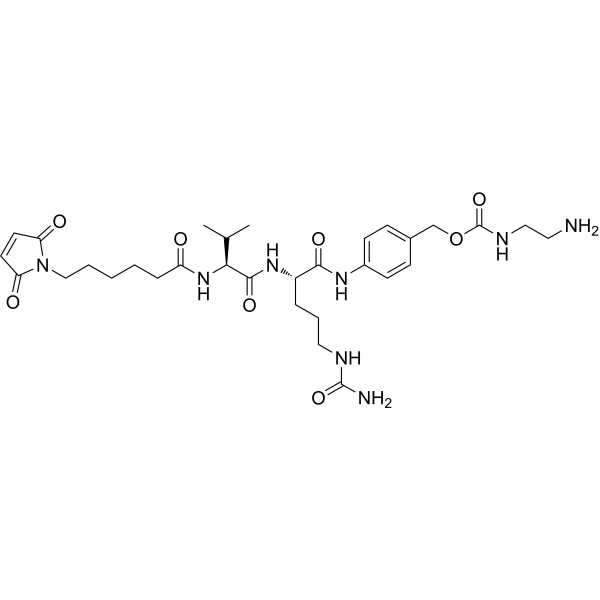 0 ImagesCat. No.: HY-136132CAS No.: 1616727-20-8
MC-VC-PAB-NH2 is a cleavable ADC linker used in the synthesis of antibody-drug conjugates (ADCs).



